
Best Practices in Solar Plant Transformer Design for Grid-Tied PV
2026-02-12
1. Why Transformer Design Matters in Utility-Scale PV
In modern utility-scale PV projects, the solar plant transformer is not merely a voltage conversion device—it is a critical interface between distributed DC generation and centralized AC grid infrastructure. As global solar energy deployment accelerates, grid codes are becoming stricter regarding harmonic distortion, reactive power support, voltage ride-through, and fault contribution.
A well-engineered solar transformer ensures:
- Stable grid connections
- Reliable power generation
- Optimal lifecycle efficiency
- Improved power quality
- Seamless integration with renewable energy storage
In grid-tied solar pv systems, transformer underperformance can lead to overheating, nuisance tripping, reduced output, and compliance penalties. Therefore, transformer specification must align with actual plant operating conditions—not just nominal power ratings.
2. Role of the Solar PV Transformer in Grid-Tied Systems
In a typical solar pv system, energy flows as follows:
PV arrays → DC combiner → DC cables → PV inverter → PV inverter transformer → MV collection system → Substation transformer → Utility grid
Key Transformer Functions:
|
Function |
Engineering Significance |
|
Voltage step-up |
Converts 400–800V inverter AC to 11kV–35kV MV |
|
Electrical isolation |
Protects the inverter & grid |
|
Harmonic buffering |
Mitigates inverter-generated harmonics |
|
Reactive power handling |
Supports grid voltage stability |
|
Fault tolerance |
Withstands short circuit stresses |
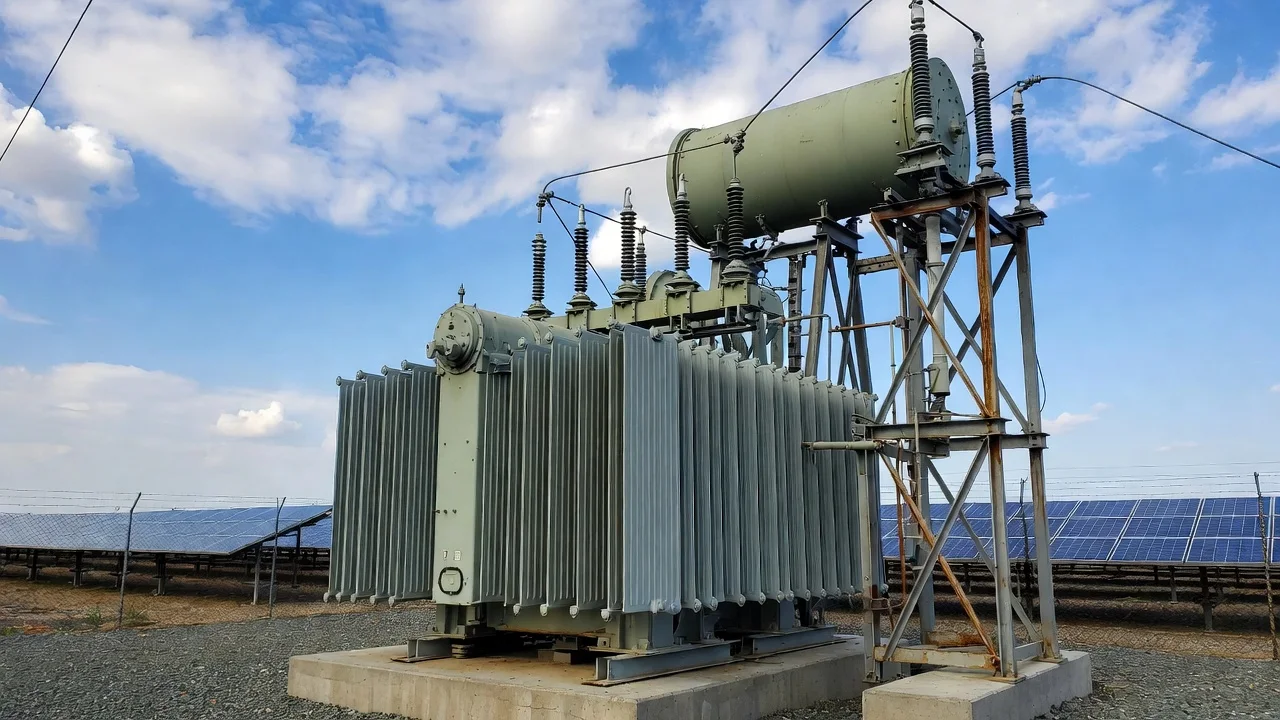
For large-scale solar plants (50–500 MW), both inverter transformers and central substation transformers must be carefully coordinated within the broader power systems architecture.
3. Transformer Sizing Based on Real Operating Conditions
3.1 Consider Solar Irradiance & Peak Demand
Unlike conventional generation, solar irradiance fluctuates daily and seasonally. Transformer loading must consider:
- Peak irradiance conditions
- Inverter clipping behavior
- Curtailment scenarios
- Future capacity expansion
Practical Example
Assume:
- PV plant capacity: 50 MW (DC)
- AC output after inverter: 45 MW
- Inverter output voltage: 690 V
- Target MV level: 33 kV
Required transformer rating:
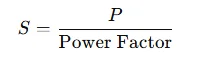
Assuming PF = 0.98:
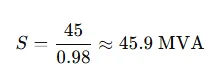
Engineering practice recommends adding a 10–15% margin:
Selected Rating: 50 MVA substation transformer
Oversizing slightly reduces thermal stress and increases lifecycle reliability.
4. Oil-Immersed vs Dry-Type Solar Transformers
|
Parameter |
Oil-Immersed |
Dry-Type |
|
Cooling |
ONAN / ONAF |
Air natural / forced |
|
Efficiency |
Higher on a large scale |
Suitable for indoor |
|
Fire Risk |
Moderate (mitigated with containment) |
Lower |
|
Maintenance |
Oil monitoring required |
Minimal |
|
Application |
Utility-scale PV |
Rooftop / commercial |
|
Cost per kVA |
Lower for large units |
Higher than 5 MVA |
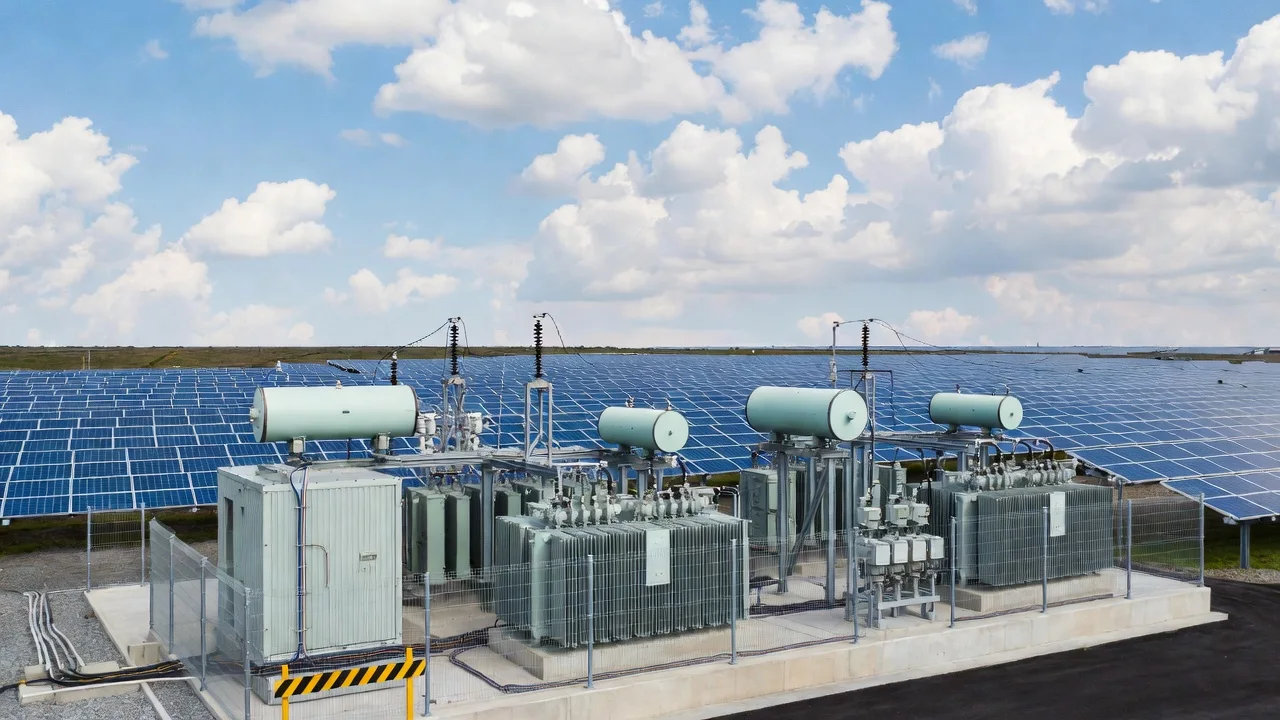
For utility scale pv, oil-filled designs dominate due to better thermal performance and higher efficiency under continuous load.
5. Managing Harmonics & Power Quality
Modern PV inverters generate harmonics (5th, 7th, 11th, etc.) that affect transformer losses and heating.
Best Practices:
- Specify the K-factor rating for inverter transformers
- Use a delta-wye configuration to block triplen harmonics
- Include harmonic filters when THD > 5%
- Verify compliance with IEEE 519
|
Power Quality Factor |
Recommended Limit |
|
Voltage THD |
< 5% |
|
Current THD |
< 8% |
|
Voltage fluctuation |
< ±5% |
|
Power factor |
0.95–1.0 adjustable |
Transformer impedance must be optimized (typically 6–10%) to balance fault current limitation and voltage regulation.
6. Integration with Renewable Energy Storage
As renewable energy storage becomes standard in grid-tied plants, transformer design must consider:
- Bidirectional power flow
- Load cycling
- Short-duration peak injection
- Battery inverter harmonics
Energy storage increases transformer utilization hours, which impacts:
- Insulation aging
- Hot spot temperature
- Oil degradation rate
Lifecycle thermal modeling is recommended for hybrid solar + storage systems.
7. Environmental & Site Considerations
Transformer design must account for:
- Ambient temperature (often >45°C in desert PV sites)
- Altitude derating (>1000 m requires adjustment)
- Dust and humidity
- Seismic activity
Example Derating
At 2000m altitude:
- Cooling efficiency reduces
- Transformer capacity may require 5–8% derating
Environmental factor compensation ensures consistent power output without insulation failure.
8. Protection & Grid Code Compliance
Critical protection devices include:
- Buchholz relay
- Pressure relief valve
- Differential protection
- Overcurrent relay
- Temperature monitoring
- Online dissolved gas analysis (DGA)
Grid-tied plants must meet:
- Low Voltage Ride Through (LVRT)
- Reactive power injection requirements
- Frequency response capability
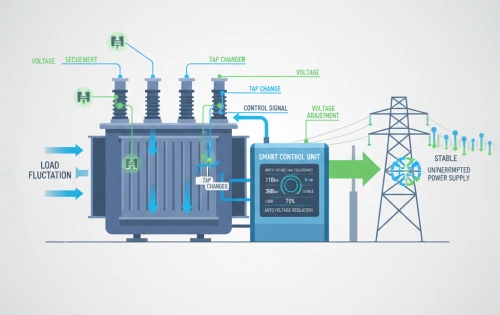
Transformer tap changers (OLTC) help regulate voltage under fluctuating solar conditions.
9. Loss Evaluation & Efficiency Optimization
Transformer losses directly impact plant profitability.
Loss Components:
|
Loss Type |
Description |
Impact |
|
No-load loss |
Core loss (constant) |
24/7 cost |
|
Load loss |
Copper loss |
Proportional to current |
|
Stray loss |
Harmonics |
Thermal stress |
Example Annual Energy Loss
Assume:
- 50 MVA transformer
- No-load loss: 45 kW
- Load loss at rated: 350 kW
- Avg loading: 60%
- Operating hours: 2,000 full-load equivalent
Load loss adjusted:
350×(0.6)2=126kW
Total average loss:
45+126=171kW
Annual energy loss:
171×2,000=342,000kWh
At $0.07/kWh:
Annual cost ≈ $23,940
Selecting higher efficiency core steel can reduce this by 8–12%.
10. Solar Transformer Design Checklist
|
Design Aspect |
Recommendation |
|
Vector group |
Dyn11 common |
|
Impedance |
6–8% typical |
|
Cooling |
ONAN minimum |
|
Insulation class |
65–80K rise |
|
Surge protection |
Arresters mandatory |
|
Monitoring |
Temperature + DGA |
|
Storage integration |
Bidirectional rated |
|
Future expansion |
10–15% capacity margin |
11. Common Engineering Mistakes to Avoid
- Undersizing based only on inverter rating
- Ignoring harmonics from PV arrays
- Failing to account for storage cycling
- Overlooking altitude and ambient derating
- Inadequate grounding design
- Neglecting grid reactive power requirements
A solar plant transformer is a strategic asset in any grid-connected solar pv system. Proper specification improves:
- Reliability
- Efficiency
- Regulatory compliance
- Lifecycle cost
- Renewable energy integration capability
As global solar power capacity continues to scale, transformer design must evolve to support:
- Higher inverter densities
- Energy storage coupling
- Advanced monitoring
- Digital substations
- Smart grid interfaces
Engineering decisions grounded in real load profiles, harmonic analysis, environmental data, and lifecycle costing will ensure robust performance in modern utility scale pv plants.
In high-growth renewable markets, transformer optimization is not just a technical requirement—it is a competitive advantage

Related Articles



Related Products
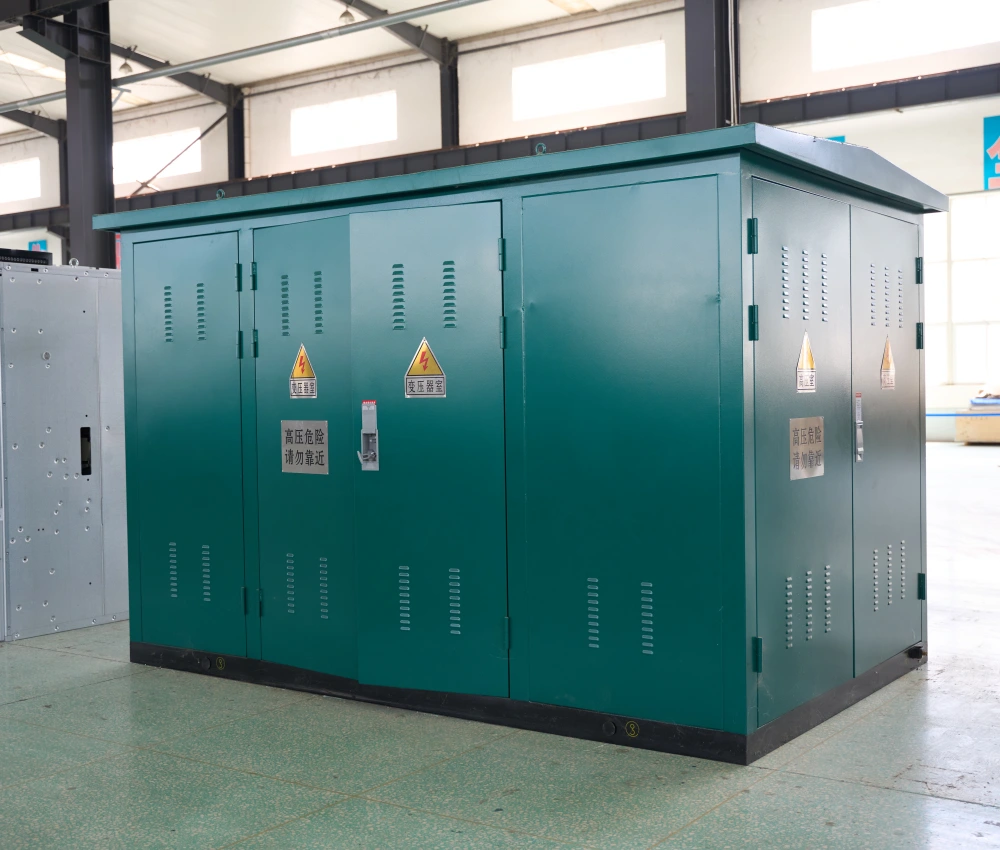
High Voltage Prefabricated Transformer Substation
The High Voltage Prefabricated Transformer Substation is a fully integrated power distribution system designed for high-voltage transmission and medium-voltage distribution applications in utility networks, renewable energy facilities, industrial plants, and infrastructure projects. The system integrates high-voltage switchgear, power transformers, low-voltage distribution equipment, intelligent protection devices, and automation systems within a compact modular enclosure to provide reliable and efficient electrical power transformation. Engineered for demanding outdoor operating conditions, the substation features a reinforced corrosion-resistant enclosure, advanced insulation technology, optimized thermal management systems, and intelligent safety protection structures. The prefabricated modular design significantly reduces civil construction requirements, shortens installation time, and improves transportation efficiency while maintaining high operational reliability and electrical safety performance. The High Voltage Prefabricated Transformer Substation supports flexible voltage classes, transformer capacities, and smart-grid communication interfaces, making it suitable for modern utility distribution systems, renewable energy integration projects, mining operations, oil and gas facilities, and industrial manufacturing plants. With customizable electrical configurations and intelligent monitoring functions, the substation delivers scalable and energy-efficient power distribution performance for complex electrical infrastructure applications.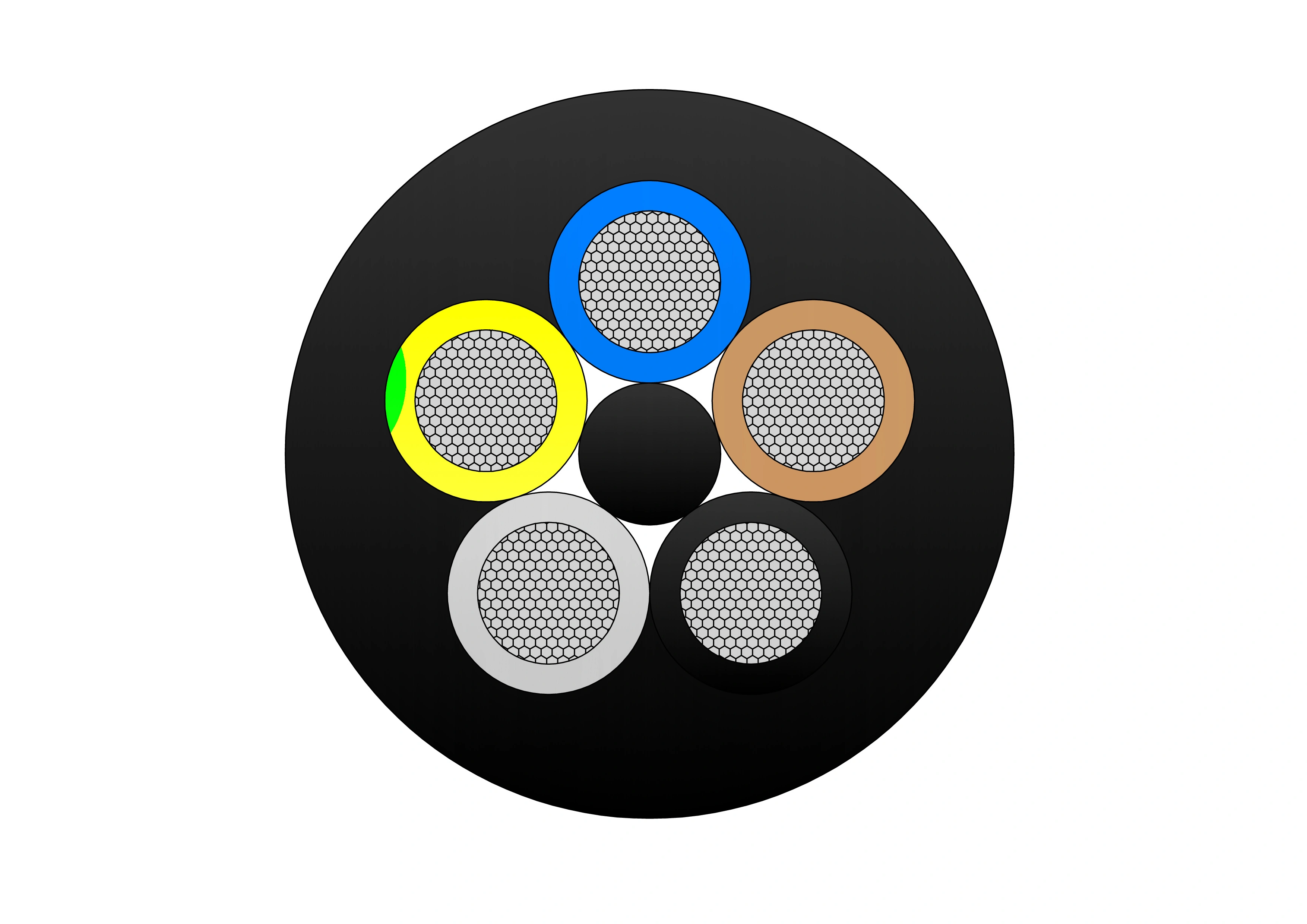
Type 260 Armoured Mining Cable with Pilot Core
The Type 260 Armoured Mining Cable with Pilot Core is a medium-voltage, rubber-insulated cable designed for heavy-duty mining applications requiring high mechanical strength and electrical reliability. It features flexible stranded tinned copper conductors, EPR insulation, and tinned copper braiding for excellent screening. The pliable galvanised steel wire armour (SWA) provides superior mechanical protection, making it suitable for harsh mining environments. The interstitial pilot core allows enhanced control and monitoring functions. With a PCP heavy-duty sheath, it offers flame retardancy, oil resistance, and durability. Compliant with AS/NZS 1802 and related standards, it is ideal for feeder cables, mining machinery power supply, and transportable substations. The Type 245 is ideal for high-power trailing in coal and metalliferous mines, powering longwall shearers, continuous miners, face conveyors, and critical equipment with enhanced safety via pilot core and armour.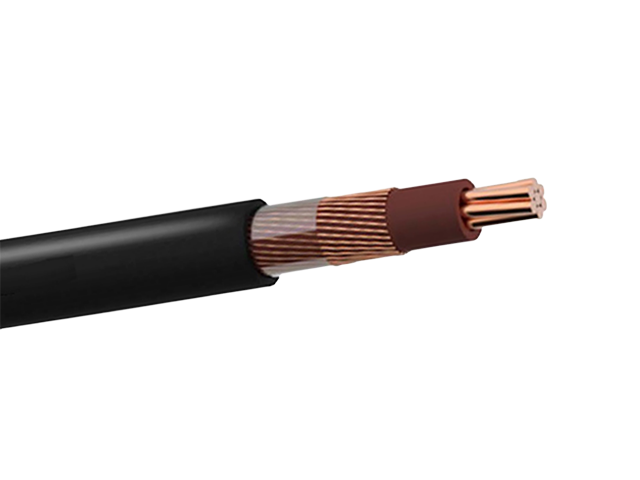
15kV Concentric Copper Power Cable
The 15kV Concentric Copper Power Cable is a premium medium-voltage underground distribution cable featuring a high-conductivity stranded copper conductor, extruded semi-conducting shields, tree-retardant TR-XLPE or EPR insulation, and a full concentric copper neutral layer protected by a rugged sunlight-resistant LLDPE jacket. This construction delivers superior electrical performance, excellent moisture and treeing resistance, and outstanding mechanical protection. Available with 100% or 133% insulation levels, the cable is ideal for direct burial or duct installations. Manufactured to ICEA S-94-649 and AEIC CS8 standards, the 15kV Concentric Copper Power Cable undergoes rigorous quality testing from raw materials to finished product, ensuring low dielectric loss, high reliability, and long service life in demanding underground environments.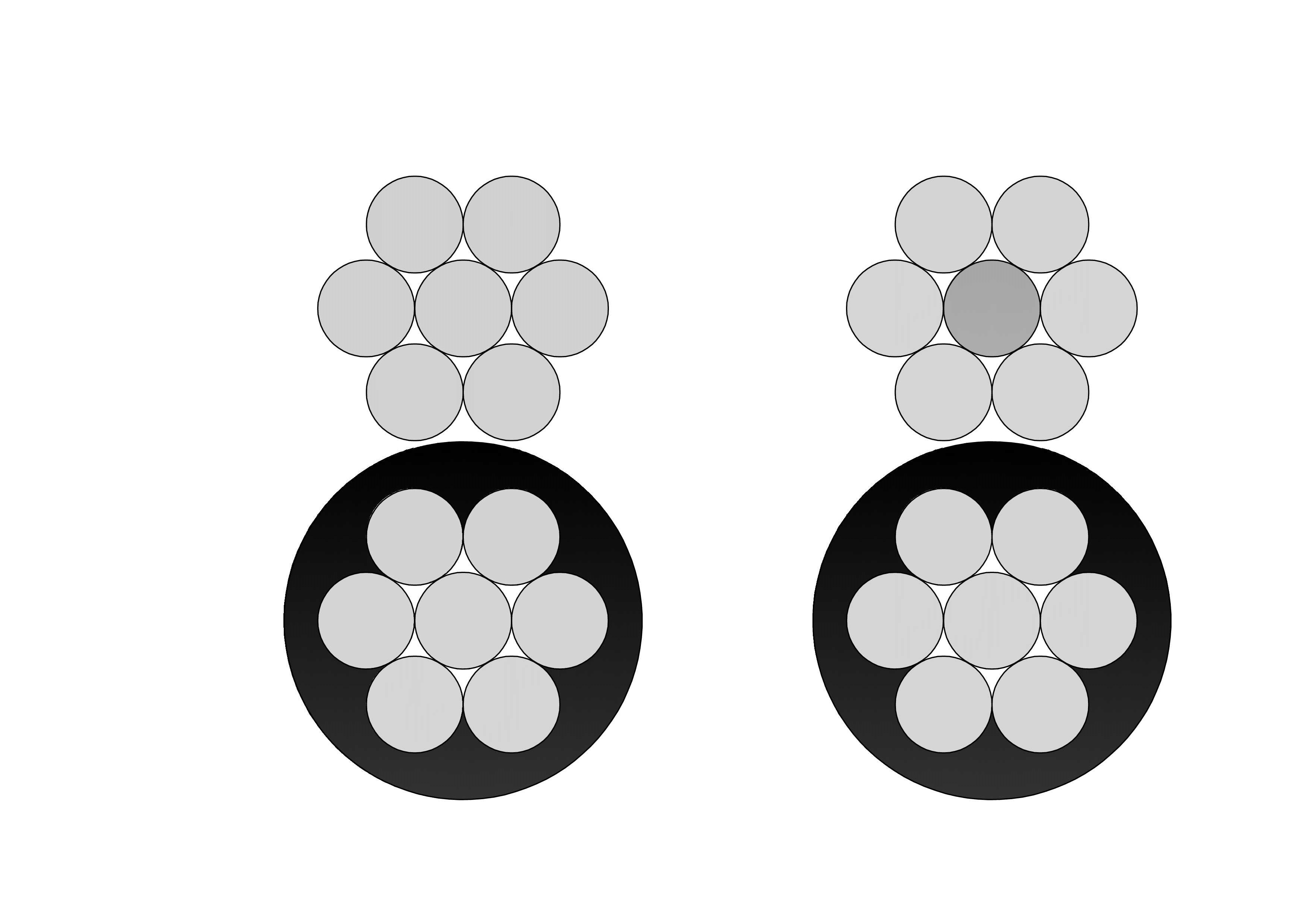
6 Collie Aluminum Conductor Duplex Overhead Service Drop Cable
The 6 Collie Aluminum Conductor Duplex Overhead Service Drop Cable is engineered for efficient and dependable power delivery in overhead secondary distribution systems. Featuring stranded aluminum conductors, the duplex configuration provides both electrical conductivity and mechanical support for service drop installations. The No. 6 Collie size is ideal for short-span service drops, delivering stable load capacity with controlled sag under varying environmental conditions. Aluminum construction reduces cable weight, simplifies handling, and enhances corrosion resistance for long-term outdoor use. Produced under strict quality management systems, the 6 Collie Aluminum Conductor Duplex Overhead Service Drop Cable meets ASTM and utility requirements, making it a trusted solution for modern overhead service connections requiring safety, durability, and consistent electrical performance.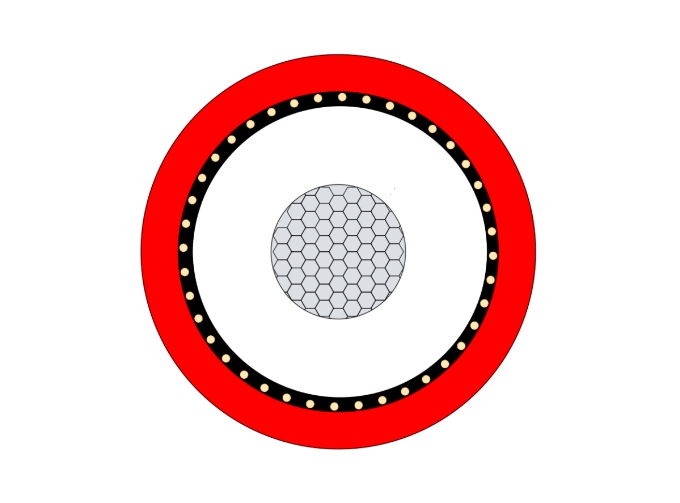
NA2XSY Aluminum XLPE LSZH Cable
NA2XSY Aluminum XLPE LSZH Cable is a medium-voltage power cable with an aluminum conductor, TR-XLPE insulation, and a PVC outer sheath. It is designed according to IEC 60502-2 and VDE 0276 standards for rated voltages typically from 6/10kV up to 18/30kV. This cable provides excellent thermal, electrical, and mechanical properties, making it suitable for reliable energy transmission in medium-voltage networks. This cable excels in fire-prone environments by minimizing smoke and toxic gas release, while providing excellent electrical insulation, thermal endurance, and moisture resistance. The aluminum core reduces weight and cost without compromising performance. Ideal for fixed wiring in buildings, subways, and industrial facilities.
Prefabricated Compact Substation
The Prefabricated Compact Substation is an integrated medium-voltage and low-voltage power distribution solution engineered for modern urban infrastructure, renewable energy systems, industrial plants, and commercial facilities. The equipment combines medium-voltage switchgear, distribution transformer, and low-voltage distribution panel into a compact steel enclosure, significantly reducing installation time and site construction costs while improving operational reliability.Designed for outdoor operation under demanding environmental conditions, the compact substation features corrosion-resistant housing, advanced insulation systems, and optimized ventilation structures to ensure stable long-term performance. Its modular architecture allows flexible transformer capacities, voltage combinations, and protection configurations to meet different regional grid requirements and project specifications. The unit supports fast deployment, simplified maintenance, and enhanced safety protection, making it an ideal choice for power utilities, solar farms, wind power stations, transportation infrastructure, data centers, and residential developments. With intelligent monitoring options and customizable internal layouts, the prefabricated compact substation provides efficient, safe, and scalable electrical distribution for modern power networks.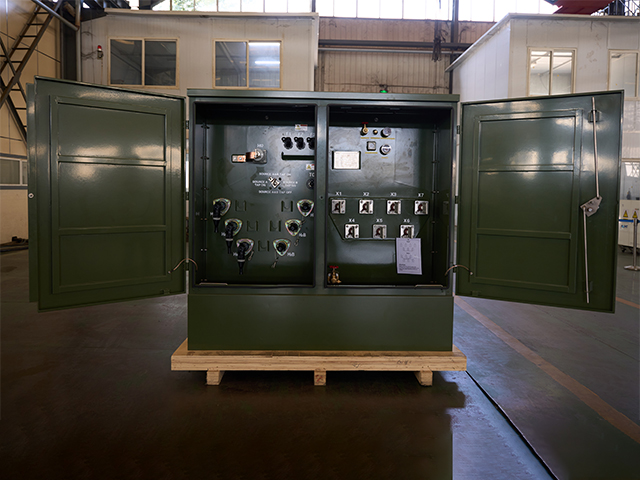
150kVA Three Phase Pad Mounted Transformer
The 150kVA Three Phase Pad Mounted Transformer is a compact, liquid-immersed distribution transformer engineered for dependable underground power supply in commercial, institutional, and light industrial environments. It supports primary voltages from 4160V to 34500GrdY/19920 (common configurations include 12470GrdY/7200, 13800 Delta, or 24940GrdY/14400), stepping down to secondary voltages such as 208Y/120V, 480Y/277V, 240/120V Delta with center tap, or 416Y/240V.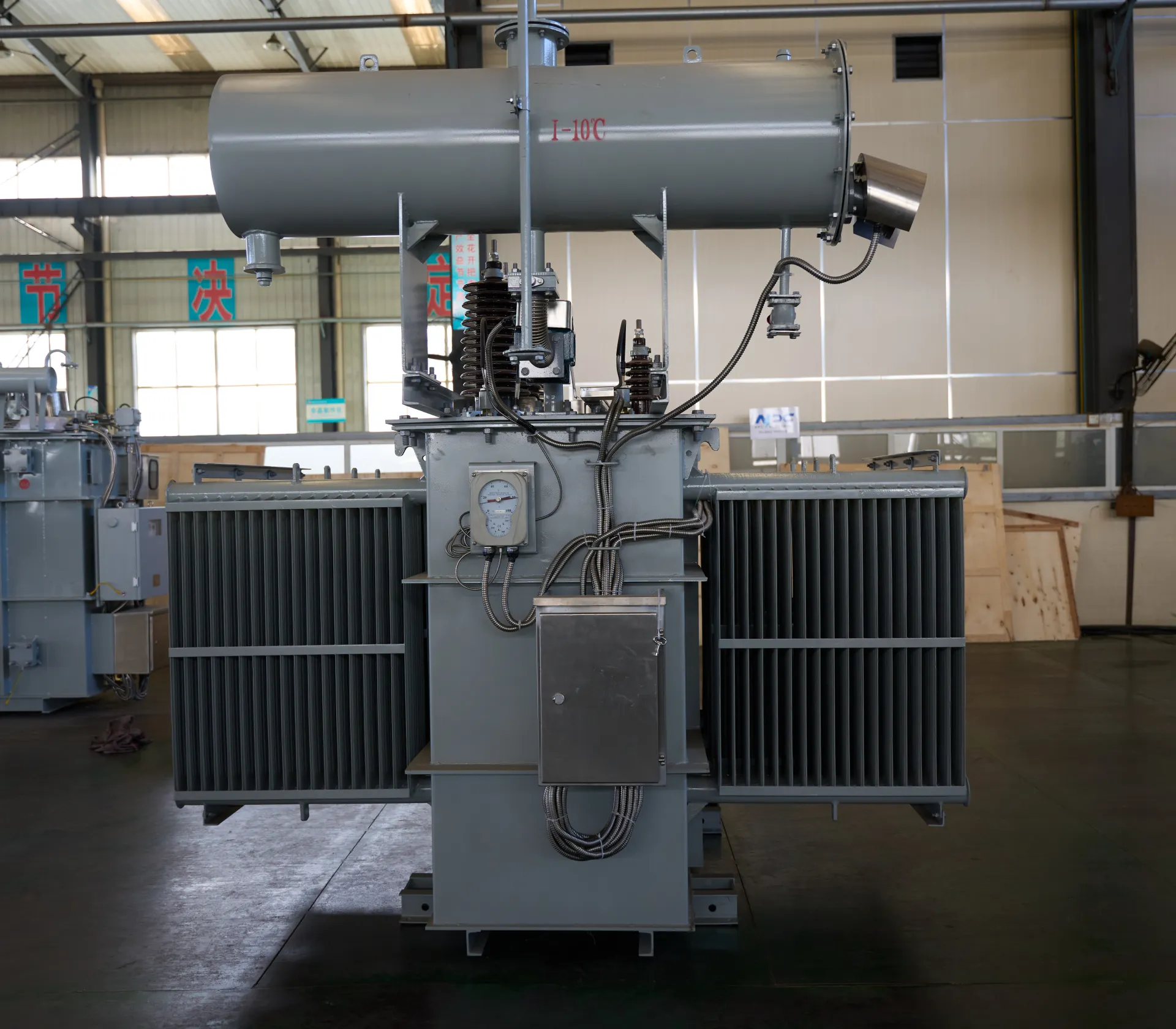
11kV to 0.8kV 1250 kVA Solar Power Transformer - Copper Wound High Efficiency PV Transformer
The 1250 kVA Solar Power Step-Up Transformer is a high-performance, inverter-duty solution specifically engineered for utility-scale photovoltaic (PV) installations. Designed to interface directly with 800V central or string inverters, this unit efficiently elevates voltage to 11kV for medium-voltage distribution. Unlike standard distribution transformers, our 1250 kVA model features 100% high-purity oxygen-free copper windings, offering superior thermal conductivity and lower losses. The core is constructed from laser-scribed, grain-oriented silicon steel to minimize eddy current losses, ensuring maximum energy harvest even during low-irradiance periods. With advanced harmonic mitigation technology, it withstands the high-frequency switching stresses typical of modern solar power conversion.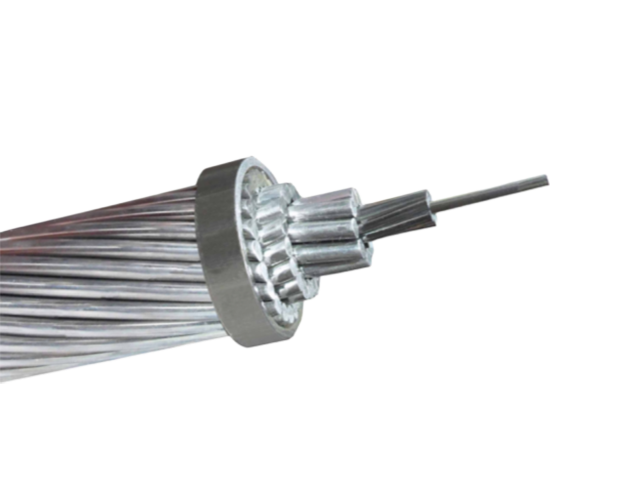
ALUMINUM CONDUCTOR STEEL REINFORCED(ACSR)
Aluminum Conductor Steel Reinforced (ACSR) is a widely used overhead conductor consisting of concentrically stranded 1350-H19 aluminum wires surrounding a galvanized steel core. This design provides exceptional tensile strength from the steel while leveraging aluminum's high conductivity (up to 61% IACS) for efficient power transmission with minimal losses. ACSR excels in long-span applications, offering low sag and high ampacity, making it suitable for high-voltage lines where mechanical reliability is critical. Resistant to corrosion through galvanization, it withstands harsh weather, including ice and wind loads. Compliant with ASTM B232, B230, and B498 standards, ACSR comes in various configurations like single or multiple steel strands for customized strength-to-weight ratios. It's cost-effective, reducing the need for additional supports and simplifying installation on towers or poles. With proven durability, ACSR enhances grid stability and longevity, supporting global utility networks. Its recyclability promotes environmental sustainability, making it a staple for modern electrical infrastructure in rural and urban settings.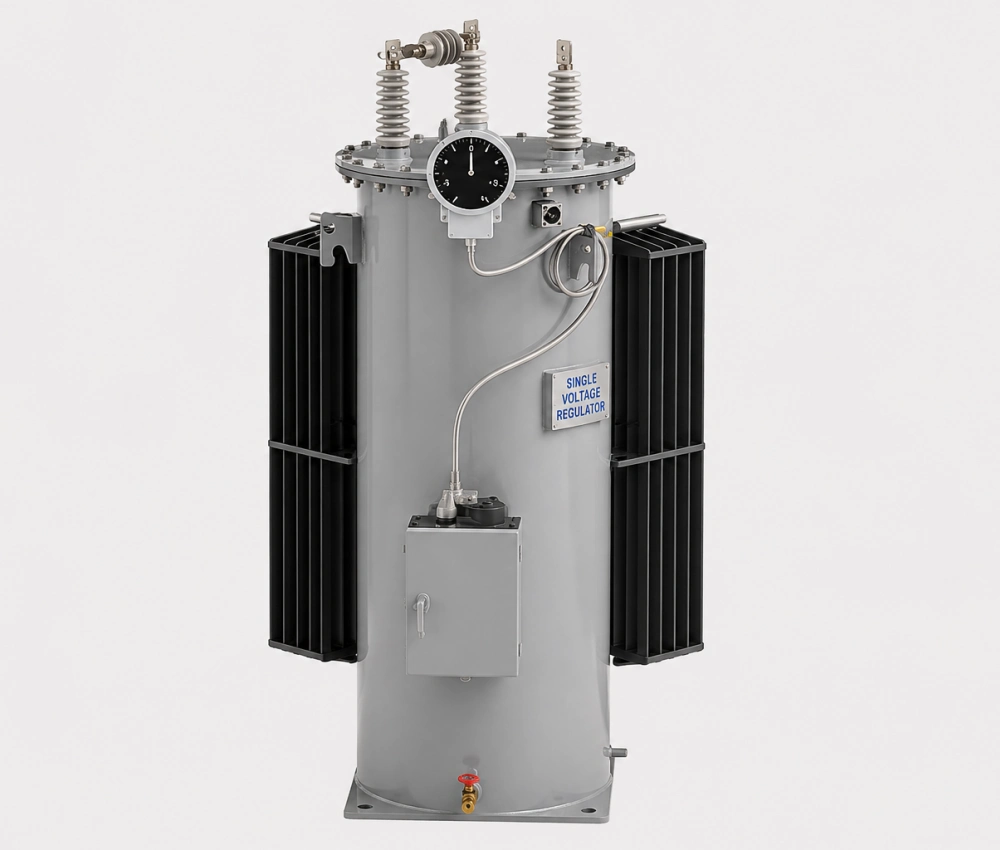
Step Voltage Regulator for Overhead Line & Substation | Automatic On-Load Tap Changer
The Step Voltage Regulator for Overhead Line & Substation is a high-performance, automatic on-load tap-changing device engineered to maintain stable voltage levels in fluctuating distribution networks. Utilizing premium copper windings, high-permeability silicon steel cores, and a motorized on-load tap changer, this regulator delivers precise ±10% to ±20% voltage correction with fast response and minimal waveform distortion. It features an advanced microprocessor-based AVR controller with remote communication capability (RS485/GSM/4G), real-time monitoring, and multiple protection functions including over-voltage, under-voltage, overload, and reverse power. Designed for both pole-mounted overhead line installation and substation applications, it offers excellent overload capacity, low losses, and long service life under harsh outdoor conditions. Fully sealed, oil-immersed construction with advanced corrosion protection ensures reliable operation in tropical, coastal, or heavily polluted environments while complying with IEC 60076-21 and ANSI C57.15 standards.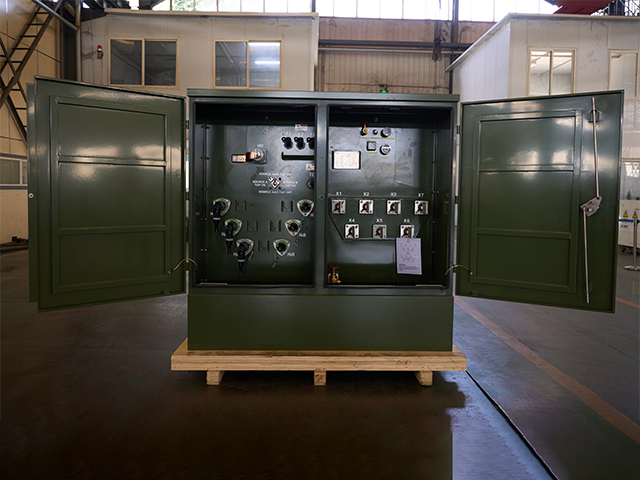
1000kVA Three Phase Pad Mounted Transformer
The 1000kVA three-phase pad transformer is an efficient and reliable power transformer designed for high-load applications such as large commercial, industrial and distribution systems. The transformer has a high power capacity of 1000kVA and can stably provide continuous power supply for three-phase power systems to meet large-scale power needs. With a rugged and durable casing and protective design, it is suitable for operation in various outdoor environments and can effectively resist adverse weather conditions.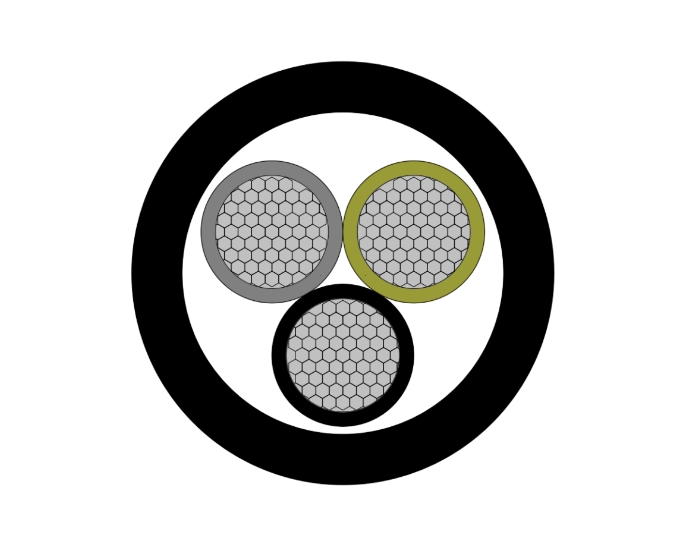
NAYY-J/NAYY-O Cables
The NAYY-J/NAYY-O Solar Cables provide cost-effective, reliable power distribution in photovoltaic systems. With sector-shaped or round aluminum conductors, PVC core insulation, and robust PVC outer jacket, they meet VDE 0276 requirements. NAYY-J includes a protective earth conductor, while NAYY-O is without. These cables excel in wet environments with superior water and chemical resistance, suitable for direct burial without additional protection. UV-stabilized and mechanically strong, they withstand soil stress and installation pulling forces. Low-weight aluminum reduces handling efforts, making them popular for extensive solar parks. NAYY-J/NAYY-O Solar Cables ensure efficient energy transfer with minimal losses, supporting sustainable solar infrastructure worldwide.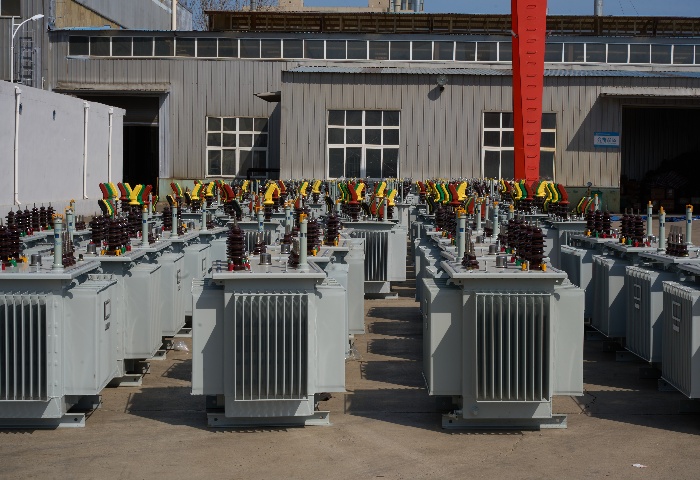
11kV Oil Immersed Transformer
The 11kV Oil Immersed Transformer is a robust, three-phase medium-voltage distribution unit optimized for efficient step-down power delivery in 50/60Hz AC networks. Engineered with a hermetically sealed tank featuring corrugated fins for thermal expansion compensation, it eliminates conservator requirements while offering superior moisture protection and extended operational durability. High-grade cold-rolled grain-oriented silicon steel laminations reduce core losses significantly, paired with low-resistance copper or aluminum windings for minimized load losses and enhanced conductivity.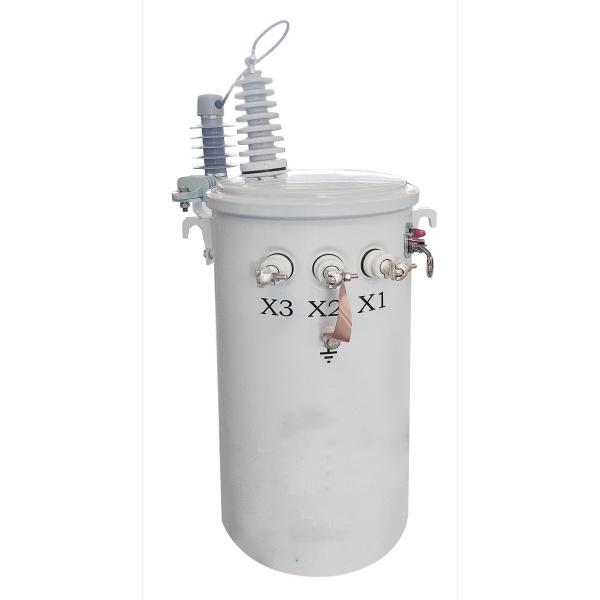
5kVA Completely self-protected(CSP) Single Phase Pole Mounted Transformer
NPC ELECTRIC the production of the 5kVA Completely self-protected(CSP) Single Phase pole Mounted transformer is designed for reliable and efficient distribution of electrical power in residential and light commercial applications. Built to withstand harsh outdoor conditions, this transformer is equipped with a self-protection system that eliminates the need for external protection devices, offering enhanced safety and durability. The CSP feature ensures that the transformer can handle internal faults such as short circuits or overloads without causing damage to the system. This compact, oil-immersed transformer is easy to install on poles, making it ideal for overhead distribution in areas with limited space. It is designed to meet international standards, including ANSI, IEEE, and CSA, ensuring high-quality performance and long-lasting operation. The 5kVA CSP transformer is energy-efficient, providing stable voltage regulation and minimizing maintenance requirements, making it an excellent choice for both utility and commercial applications.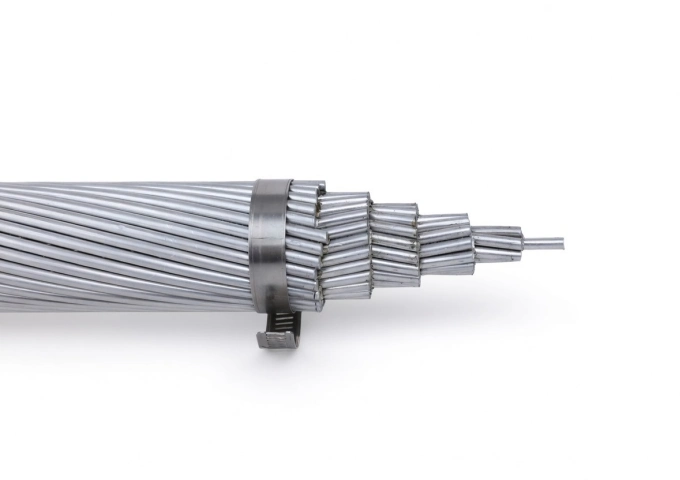
2500 MCM Lupine AAC Cable
The 2500 MCM Lupine AAC Cable is a high-performance All Aluminum Conductor designed for demanding overhead power transmission and distribution lines. Manufactured with 91 strands of premium 1350-H19 aluminum wire in a concentric lay configuration, this bare conductor provides excellent electrical conductivity with a low DC resistance of 0.00698 ohms per 1000 ft at 20°C. Featuring an overall diameter of 1.823 inches and a rated breaking strength of 41,900 lbs, the Lupine AAC delivers a robust ampacity of 1706 amps while weighing only 2370 lbs per 1000 ft. Its optimized strength-to-weight ratio minimizes sag and structural loading. Fully compliant with ASTM B-230 and B-231 standards, the 2500 MCM Lupine AAC Cable offers outstanding corrosion resistance for long-term durability in harsh outdoor environments, making it the preferred choice for utility networks requiring cost-effective, high-reliability bare aluminum conductors.Welcome your inquiry
Honesty, Integrity, Frugality, Activeness and Passion