
Top Electrical Transformer Bushing Solutions for Power Transformers
2026-01-28
Transformer bushings play an indispensable and crucial role in power systems. They are not only vital channels for electrical connections between transformers and the outside world, but also core insulating components ensuring the safe transmission of high-voltage electricity. As a bridge carrying high voltage and high current, bushings must possess excellent insulation performance, the ability to withstand strong electric field stress, and maintain stability during long-term operation. In modern power systems, whether it's high-voltage transmission transformers, distribution transformers, or large power equipment in power plants and substations, transformer bushings undertake critical functions such as preventing electrical breakdown, reducing partial discharge, and ensuring the safe lead-out of conductors.
With the continuous increase in grid capacity and the sustained rise in system voltage levels, transformer bushings have also undergone continuous upgrades in structural design, material selection, and insulation technology. For example, the widespread application of new technologies such as capacitive graded bushings, composite material bushings, and dry-type capacitive bushings enables them to maintain high reliability even under high voltage, high load, and complex environments. A thorough understanding of the types, insulation principles, and operating requirements of transformer bushings is not only helpful in optimizing the design of power equipment but also of great significance for improving the safety and stability of the entire power system.
Understanding Transformer Bushings
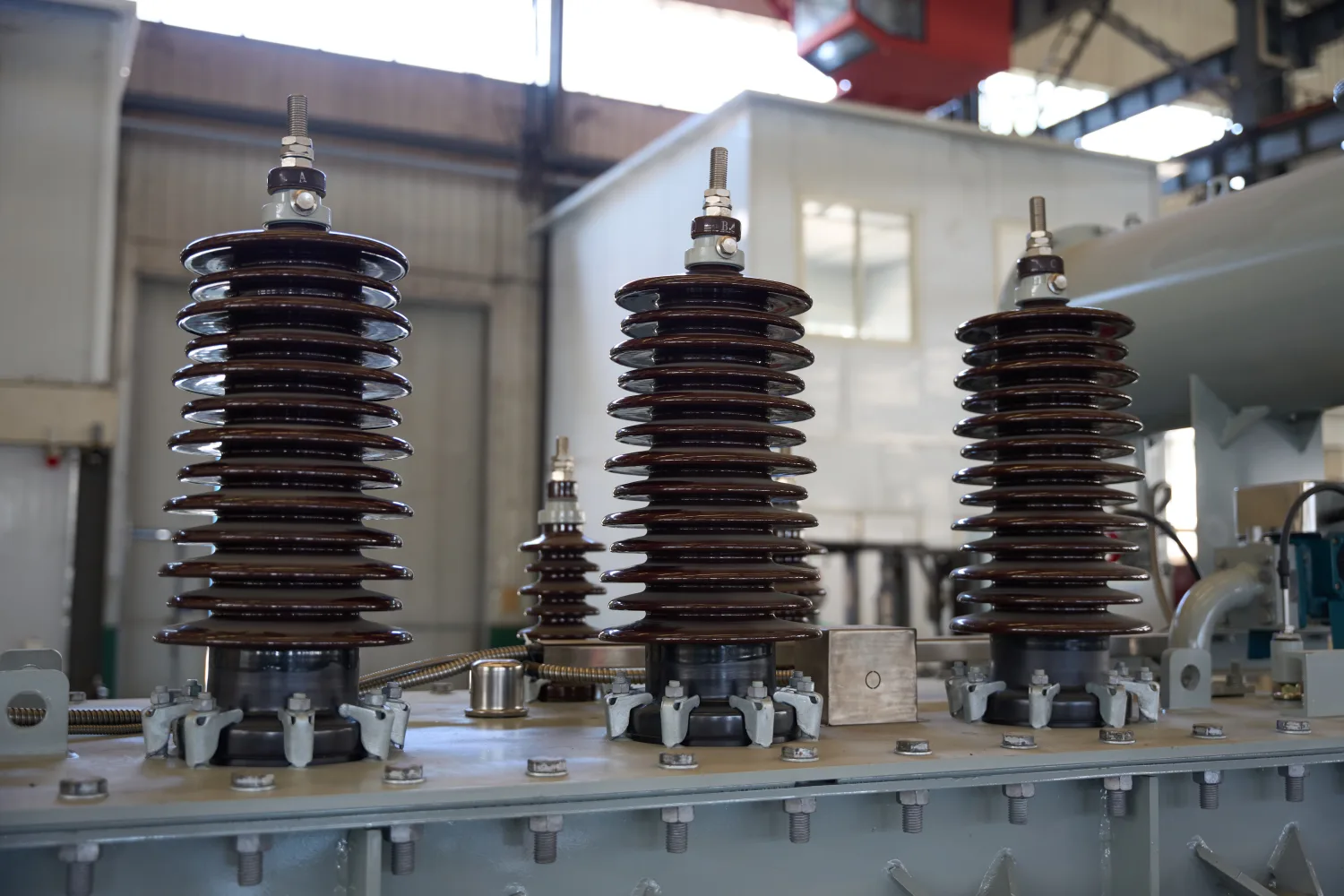
Transformer bushings are insulating components that allow the electrical current to pass through a transformer’s outer casing to the grid without causing a short circuit or breakdown of the insulating materials. Bushing current transformers play a vital role by measuring the current passing through the bushing, making them essential in monitoring and controlling power flow. The bushing in the transformer ensures that the internal electrical system remains properly insulated from the environment, maintaining operational safety and efficiency.
Types of Transformer Bushings
Voltage Bushings
Voltage bushings are essential in managing the high-voltage current passing from the transformer to the power grid. These bushings are specifically designed to handle the electrical stresses generated by higher voltage systems. In high-voltage transformers, bushing insulation must be able to withstand large amounts of electric field stress without breaking down.
Capacitance Graded Bushings
Capacitance graded bushings are designed to distribute the electric field stress evenly across the transformer bushing. These bushings allow for better control of electrical stresses, preventing the creation of hotspots that could lead to failures. They use a graded insulation system to ensure that the electrical field is evenly distributed, enhancing transformer performance and longevity.
Condenser Type Bushings
Condenser-type bushings are often used in transformers operating at high voltages, providing better insulation and enhanced performance in demanding environments. These bushings consist of multiple layers of insulation that progressively decrease in capacitance as the voltage increases. This design helps reduce the electric field stress across the entire bushing, ensuring a more efficient and safe operation.
Porcelain vs. Composite Bushings
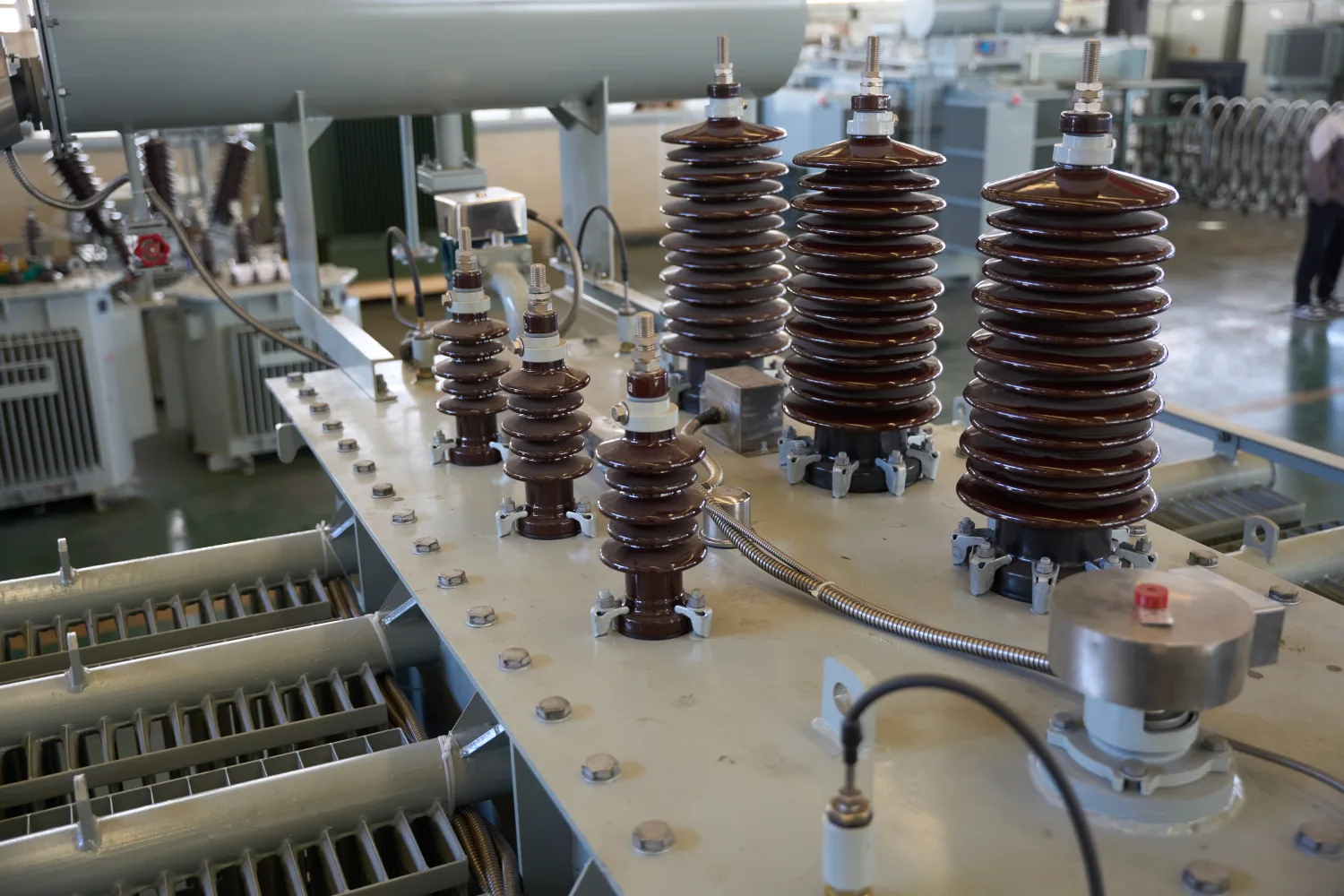
Traditionally, transformer bushings were made of porcelain, offering excellent mechanical strength and insulation properties. However, composite bushings have gained popularity due to their lightweight nature and enhanced resistance to environmental factors such as moisture, corrosion, and contamination. Both materials have their advantages, but composite bushings are often favored in applications requiring frequent handling or exposure to harsh weather conditions.
Technical Table
| Bushing Type | Key Feature | Typical Application | Advantages |
| Voltage Bushings | Designed to manage high voltage current and electrical stress | High voltage transformer applications | Superior insulation, reliable in high-stress environments |
| Capacitance Graded Bushings | Even distribution of electrical stresses through insulation | Suitable for high-voltage power transformers | Minimizes electric field stress, improves operational reliability |
| Condenser Type Bushings | Multi-layered insulation system with varying capacitance levels | High voltage and high power transformers | Excellent for high voltage, improves insulation performance |
| Porcelain Bushings | Traditional bushing material is known for its strength | General power transformers and distribution systems | Durable and strong, widely used for industrial and utility applications |
| Composite Bushings | Lightweight, resistant to environmental contamination | Areas with high environmental exposure, renewable energy systems | Corrosion-resistant, suitable for harsh conditions and frequent handling |
Transformer Bushing Design and Insulation
When selecting transformer bushings, the bushing design and bushing insulation are the most important factors to consider. Insulation materials must be chosen based on the transformer’s voltage rating, environmental conditions, and the specific operating requirements. The insulation system should be designed to handle electric field stress and to prevent breakdowns under operational conditions.
Capacitance graded bushings and condensed type bushings are commonly used in high-voltage transformers to minimize electrical stresses. The overall bushing design must ensure that the conductor passes safely through the insulating material, allowing the electrical current to flow without causing damage to the transformer or the power system.
Factors Affecting Transformer Bushing Performance
Several abiotic factors can affect the performance and lifespan of transformer bushings. These include temperature fluctuations, moisture, dirt, and environmental contamination. Over time, these factors can degrade the bushing insulation, increasing the risk of failure. Regular inspection and maintenance are critical to ensure the bushings continue to operate optimally.
Additionally, understanding how the conductor passes safely through the bushing is essential for ensuring the transformer operates at peak efficiency. If the conductor is not properly sized or the bushing is not correctly installed, the transformer’s performance could be compromised.
Selecting the Right Transformer Bushing for Power Transformers
When selecting a transformer bushing, it’s important to consider factors such as:
-
Voltage rating: Higher voltage bushings must withstand greater electrical stresses.
-
Insulation type: Choose between condensers or capacitance graded insulation based on your application.
-
Environmental conditions: Consider abiotic factors like temperature, humidity, and exposure to chemicals.
-
Safety requirements: Ensure the bushing meets all safety standards, particularly for high-voltage applications.
By carefully evaluating these factors, you can choose the right bushing that ensures long-term reliability and minimizes the risk of transformer failure.
Maintenance and Best Practices
Maintaining transformer bushings is essential for prolonging their service life and ensuring safe transformer operation. Key practices include:
-
Regular inspections: Check for signs of damage, wear, or contamination.
-
Cleaning: Keep bushings clean and free from debris to prevent insulation breakdown.
-
Testing: Conduct periodic tests to assess bushing performance and electrical integrity.
Transformer bushings are essential components in ensuring the safe and reliable operation of power transformers. Whether you’re dealing with high voltage, capacitance graded bushings, or condensers, selecting the right transformer bushing and ensuring proper installation and maintenance will enhance system performance, reduce downtime, and improve safety. By understanding the design, types, and best practices for bushing insulation and electrical stresses, power engineers can optimize the performance of their electrical systems and avoid costly failures.

Related Articles



Related Products
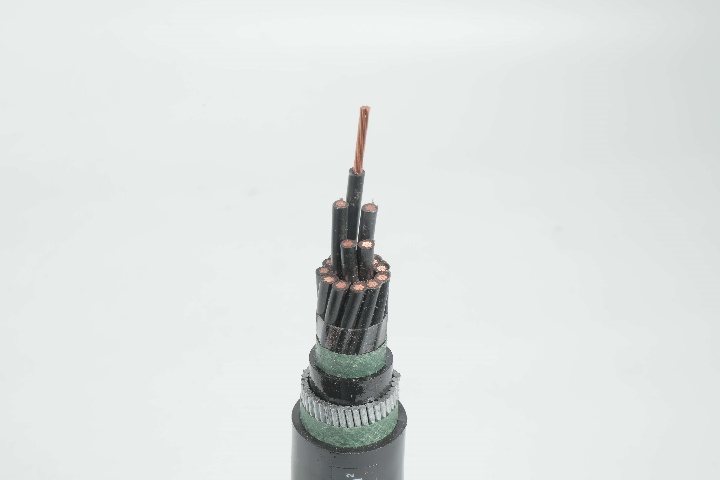
Flame Retardant Instrumentation Cables - Shielded Multi-Pair Cable
Flame Retardant Instrumentation Cables are engineered for reliable signal transmission in demanding industrial environments where fire safety is critical. These cables feature stranded copper conductors with high-quality insulation, individual and/or overall aluminum foil shielding with drain wires, and flame-retardant LSZH or PVC outer sheaths. They offer excellent electromagnetic interference (EMI) protection, low smoke emission, and superior fire performance. Designed for use in process control, automation systems, and instrumentation networks, these cables ensure signal integrity while meeting stringent international fire safety standards. The Flame Retardant Instrumentation Cables undergo rigorous quality testing from raw materials to finished product, guaranteeing consistent electrical performance, mechanical strength, and long-term reliability in oil & gas, power plants, refineries, and other high-risk installations.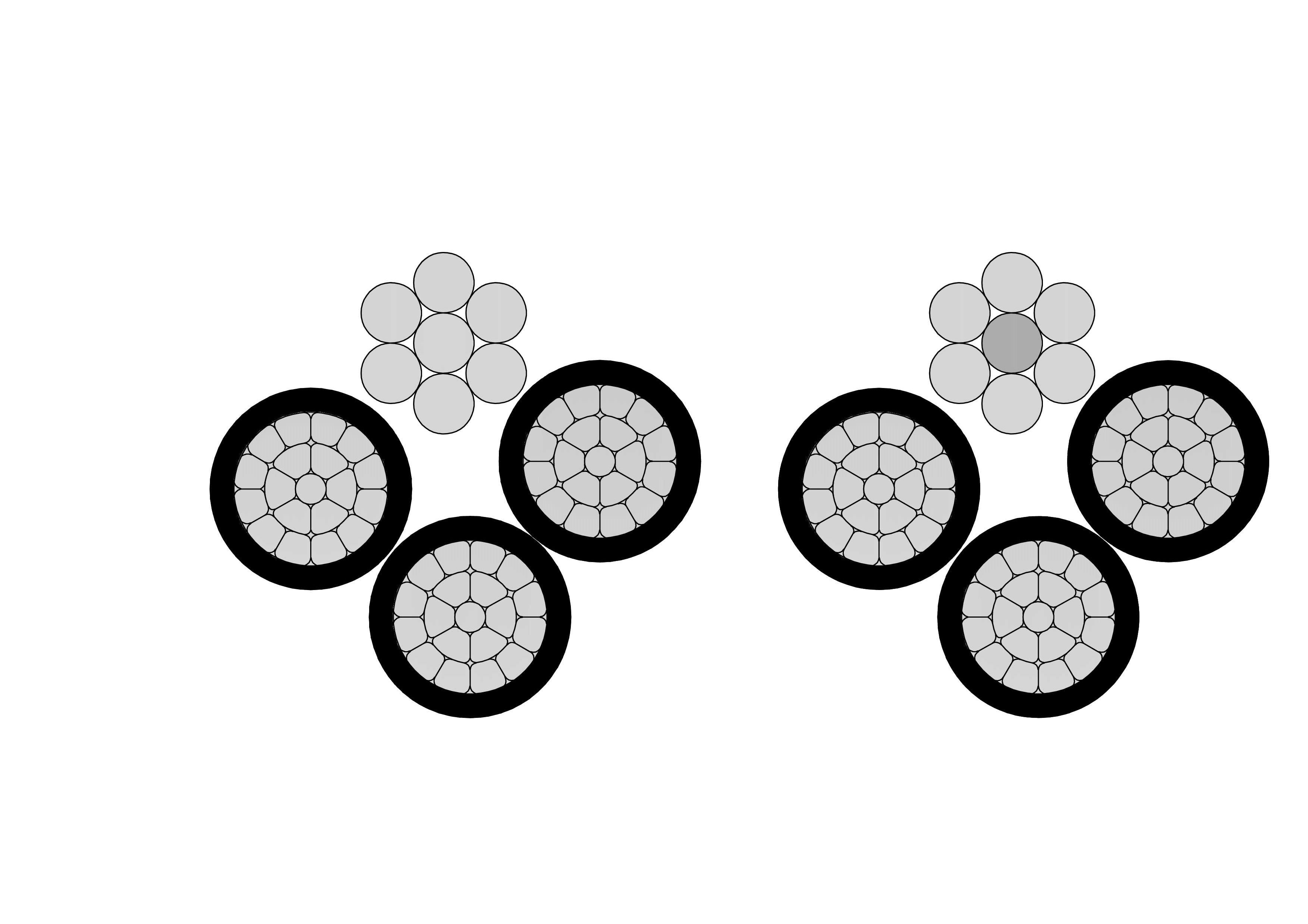
4 Hackney Aluminum Conductor Quadruplex Overhead Service Drop Cable
4 Hackney Quadruplex Service Drop Cable is a robust overhead cable for three-phase secondary power distribution with neutral. Featuring three 4 AWG aluminum phase conductors and one neutral messenger (7-strand) insulated with XLPE or PE and assembled in quadruplex configuration, it offers excellent mechanical strength and weather resistance. Compliant with ASTM B-230, B-231, ICEA S-76-474, and ANSI/ICEA standards, this cable supports 600V applications with superior UV, moisture, and abrasion protection. The self-supporting messenger reduces sag and simplifies installation over medium spans. The 4 Hackney Quadruplex Service Drop Cable ensures low power losses, high current capacity, and long service life in harsh outdoor conditions. Lightweight and flexible, it is widely used for three-phase service drops in residential subdivisions, commercial buildings, and rural areas requiring safe, cost-effective aerial connections from utility poles to service entrances.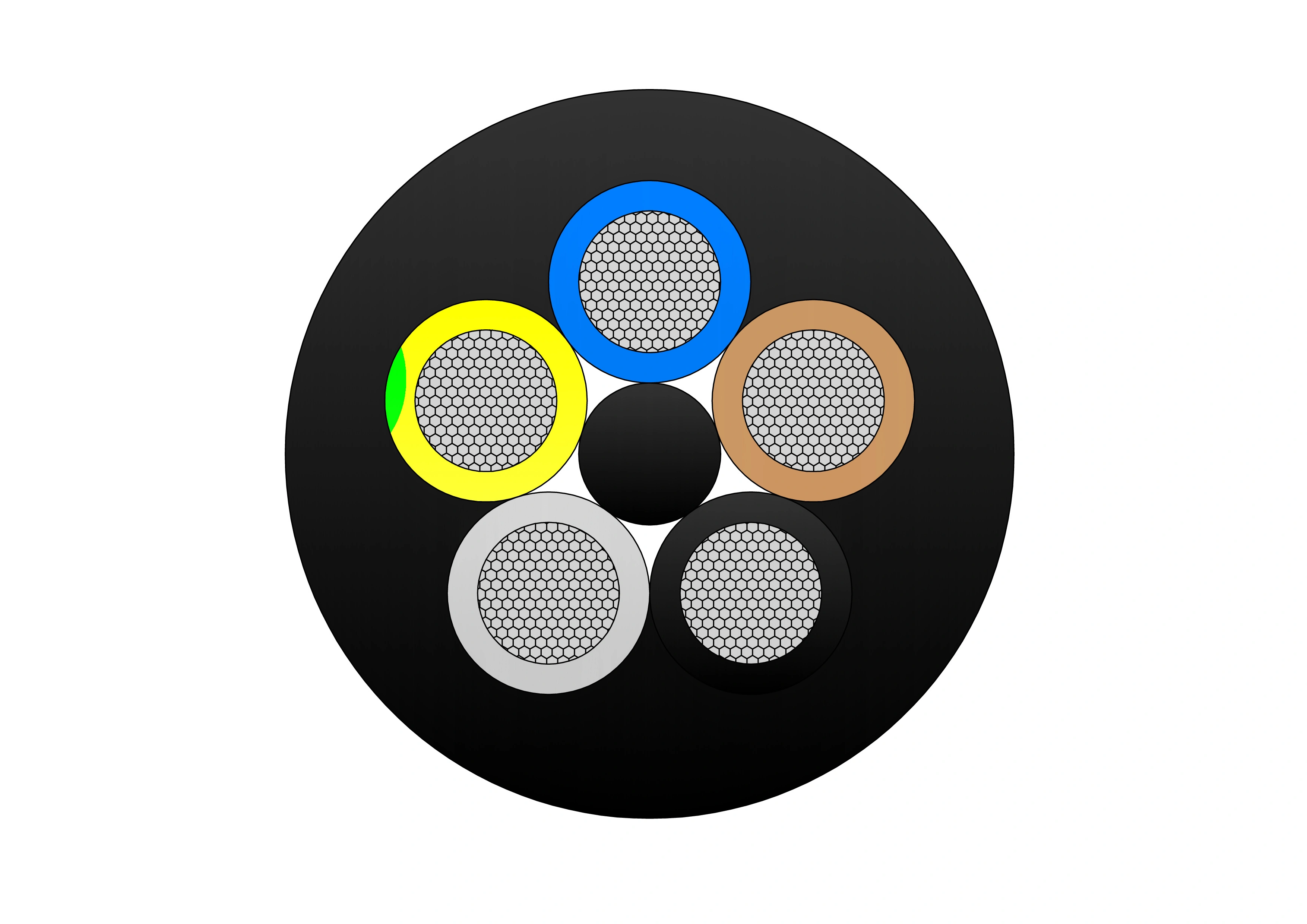
Type 245 Flexible Rubber Mining Cable
The Type 245 Flexible Rubber Mining Cable is an extra-heavy-duty flexible cable purpose-built for the most severe high-voltage underground mining environments. It features finely stranded tinned copper conductors (class 5) for exceptional flexibility and corrosion resistance, EPR (ethylene propylene rubber) insulation for outstanding dielectric strength, thermal stability (90°C continuous rating), and resistance to moisture/heat, an overall tinned copper braid screen providing superior EMI protection and grounding, and an extra-heavy-duty flame-retardant rubber outer sheath engineered to endure extreme abrasion, crushing, impact, cutting, tearing, oils, chemicals, and repeated high-tension reeling/drag. Compliant with AS/NZS 2802 and rigorous mining safety standards, it supports very high tensile loads, frequent flexing, tight bending radii, and reliable operation in wet, dusty, and hazardous mine conditions. The Type 245 is specifically suited for high-power trailing applications in coal and metalliferous mines, powering longwall shearers, continuous miners, face conveyors, shuttle cars, and other critical high-capacity mobile equipment, delivering maximum safety, durability, and uptime.-AL-medium-voltage-power-cable-2.jpg)
RHZ1-2OL(S)-AL Medium Voltage Power Cable(8.7/15kV, 12/20kV, 18/30kV Specifications)
NPC Electric RHZ1-2OL(S)-AL Medium Voltage Power Cable (8.7/15kV, 12/20kV, 18/30kV) combines economy with special fire safety for demanding medium voltage networks. Built with aluminium conductors, thermosetting XLPE insulation, metallic screen, and specially formulated LSZH sheath with superior fire-retardant characteristics (S), it meets UNE 21123-4 and higher CPR classifications. The special LSZH sheath drastically reduces smoke and eliminates corrosive gases in fires. Lightweight aluminium minimizes costs and installation effort. Excellent partial discharge resistance, low tan delta, and thermal endurance ensure efficiency and longevity. Suitable for direct burial, ducts, or indoor use in high-risk areas, the RHZ1-2OL(S)-AL Medium Voltage Power Cable is favored for metro systems, data centers, public venues, and infrastructure demanding reliable medium voltage cabling with advanced fire protection, environmental compliance, and enhanced life-safety in populated or confined spaces.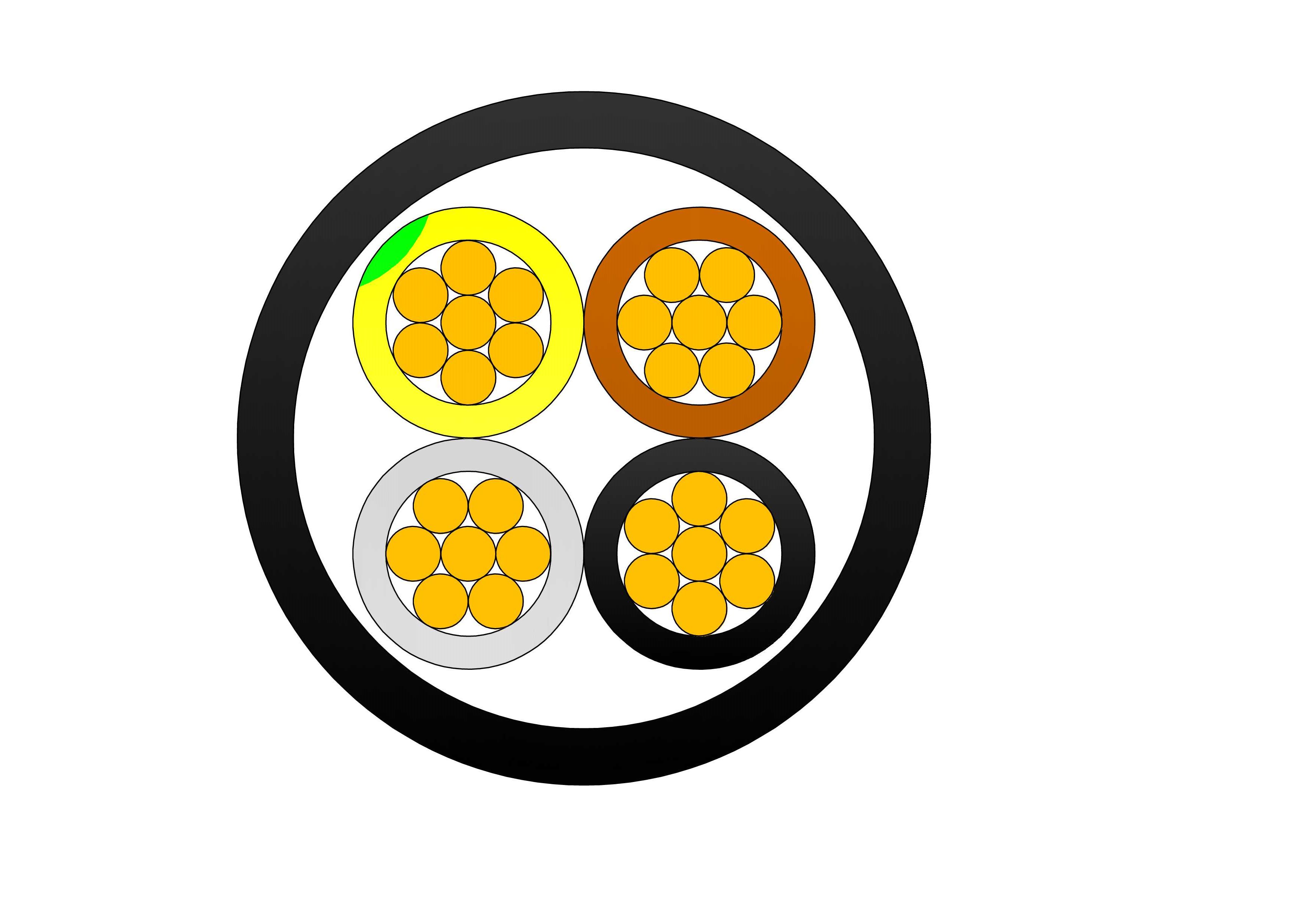
Single Core Copper Cable CU/XLPE/PVC 0.6/1kV
The Single Core Copper Cable CU/XLPE/PVC 0.6/1kV is engineered for reliable power transmission and distribution in industrial, commercial, and utility applications. Featuring a high-purity copper conductor, XLPE insulation, and durable PVC outer sheath, the cable delivers outstanding electrical conductivity, thermal stability, and mechanical protection. The XLPE insulation offers superior dielectric properties, allowing the cable to operate continuously at conductor temperatures up to 90°C while maintaining excellent insulation performance. The PVC sheath provides resistance against moisture, abrasion, chemicals, and environmental exposure, ensuring a long service life even in demanding installations. Designed according to international standards including IEC 60502-1, this cable is suitable for fixed installations in power networks, industrial facilities, commercial buildings, renewable energy projects, and infrastructure developments. Various conductor sizes and sheath colors can be customized to meet specific project requirements. Its combination of safety, durability, and efficient power transmission makes the Single Core Copper Cable CU/XLPE/PVC 0.6/1kV a dependable solution for modern electrical systems.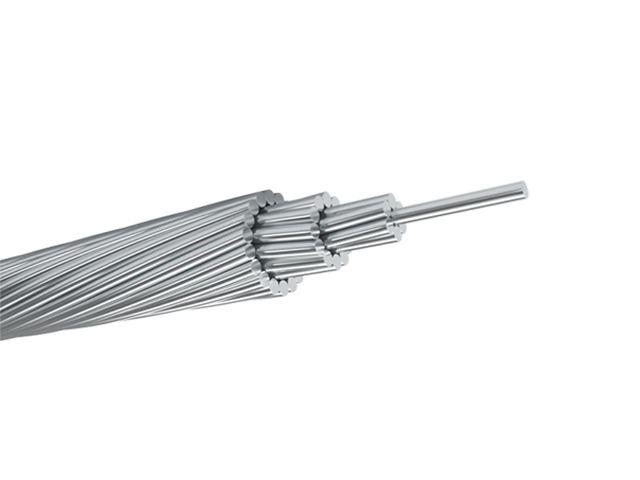
AMES AAAC Conductor Cable
AMES AAAC (All Aluminum Alloy Twisted) cables comply with ASTM B399 standards and have excellent conductivity and corrosion resistance. With 250 mm² nominal area and 19-strand design, it uses heat-treated aluminum-magnesium-silicon alloy (6201-T81) for enhanced strength (295 MPa min) and conductivity (53% IACS min). Meeting ASTM B398, B399, IEC 61089, and BS EN 50182 standards, this cable handles ampacity up to 600A at 75°C and voltages up to 33kV. The all-alloy construction avoids bimetallic corrosion, providing better resistance in harsh conditions than ACSR. Reduced weight minimizes sag and installation expenses, supporting longer spans. The Ames AAAC Conductor Cable delivers low electrical losses, high mechanical endurance, and excellent weather tolerance. Flame-retardant variants available. Perfect for urban grids, renewable projects, and coastal setups, it provides cost-effective, low-maintenance power delivery in overhead applications globally, excelling in reliability and lifespan over conventional conductors.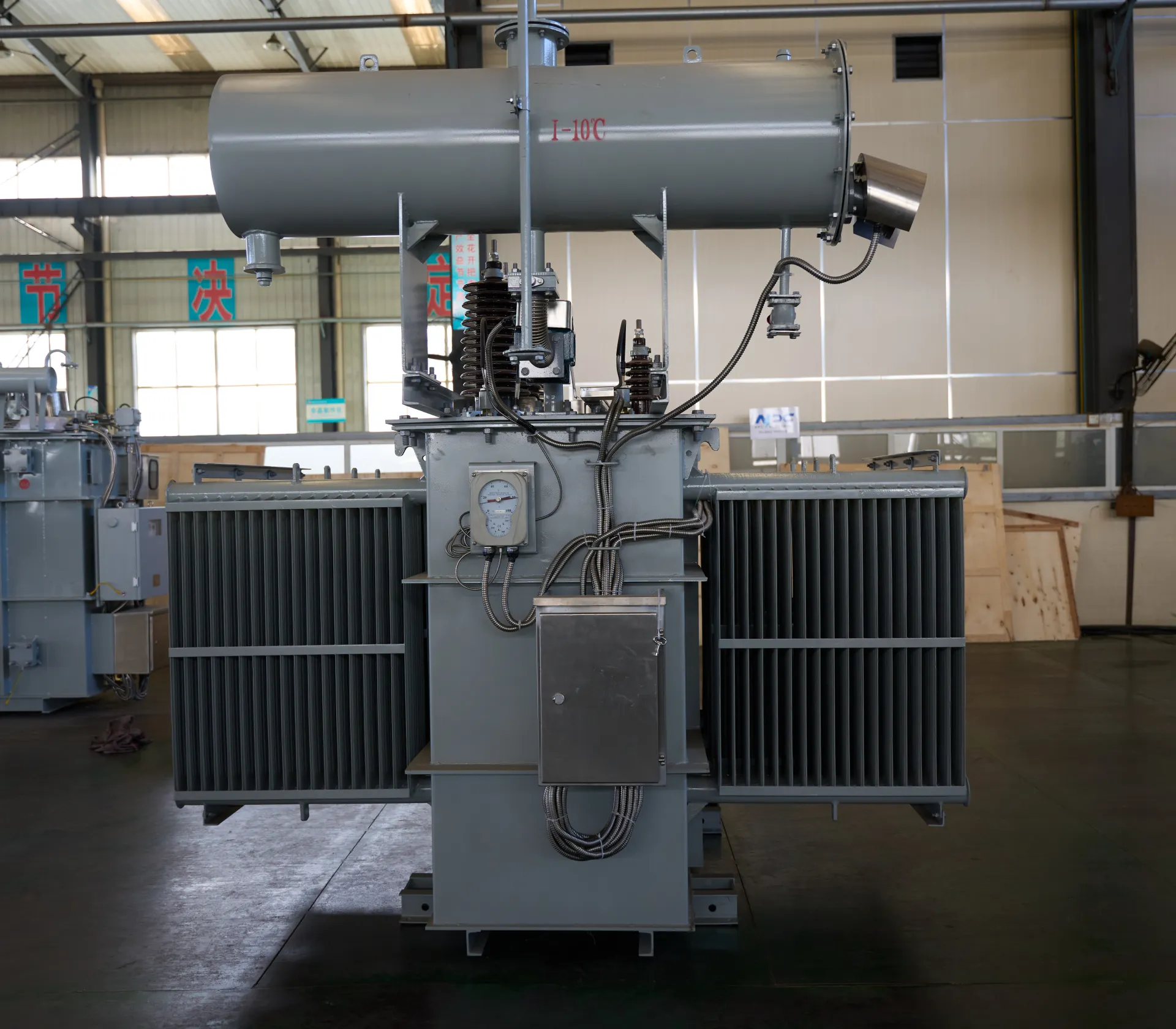
250MVA 330kV High-Voltage Oil-Immersed Distribution Transformer for Grid & Substation
The 250MVA 330kV High-Voltage Oil-Immersed Distribution Transformer is engineered for reliable and efficient power transmission in large utility grids and high-demand substations. Designed with advanced insulation and a durable oil-immersed cooling system, it ensures excellent thermal stability and long service life. The high-voltage 330kV configuration provides exceptional performance in long-distance power delivery, minimizing losses and improving grid stability. Its precision-wound copper coils, high-strength core materials, and robust tank structure guarantee safe operation under fluctuating load conditions. With strong short-circuit resistance, high dielectric strength, and low noise operation, this transformer meets stringent international standards. It is widely used in national grid projects, power plants, and heavy-industry energy networks, supporting continuous, stable, and efficient power distribution.
6 Chola Aluminum Conductor Quadruplex Overhead Service Drop Cable
Introducing the 6 Chola Quadruplex Service Drop Cable, a versatile overhead solution for three-phase secondary distribution with neutral. Built with three 6 AWG aluminum phase conductors and one neutral messenger (7-strand) insulated with polyethylene or XLPE and formed into a quadruplex assembly, it meets ASTM and ICEA requirements for 600V service. The tough insulation offers outstanding protection against UV rays, moisture, tree contact, and abrasion. Self-supporting messenger design ensures easy pulling and reduced sag during installation. The 6 Chola Quadruplex Service Drop Cable supports efficient power transfer with low voltage drop and high durability in extreme temperatures. Popular for its lightweight construction and reduced installation time, it is the choice for electricians and utilities. Widely deployed in housing developments, commercial services, and temporary power setups, this cable ensures safe, long-lasting overhead connections from distribution transformers to customer service entrances worldwide.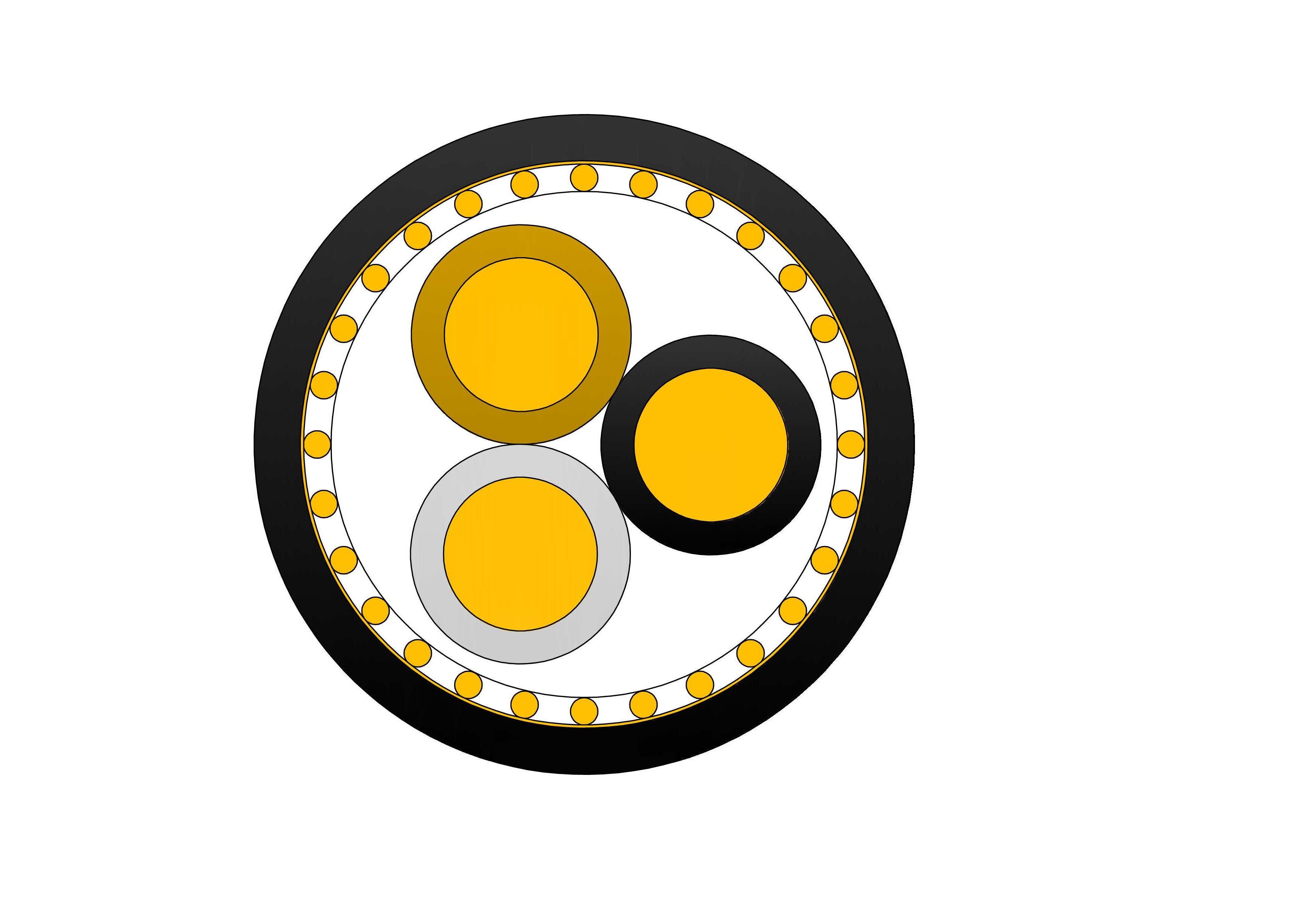
NYCY 0.6/1kV Low Voltage Power Cable
NYCY 0.6/1kV are low-voltage power cables designed according to VDE 0276 standard, suitable for fixed installation in indoor, outdoor, underground, cable ducts, or concrete (not exposed to mechanical vibration). Featuring stranded copper conductors, PVC insulation, filler, concentric copper wire screen with counter-helix tape, and robust PVC outer sheath, it complies with VDE 0276-603 and IEC standards. The concentric screen serves as neutral/earth conductor and provides excellent EMI shielding, reducing interference in sensitive areas. Suitable for direct burial, ducts, or indoor fixed installations, it offers good mechanical strength, moisture resistance, and flame-retardant properties. Copper conductors ensure low losses and high current capacity. The NYCY 0.6/1kV Low Voltage Power Cable delivers long service life with minimal maintenance, making it ideal for industrial plants, commercial buildings, residential networks, and infrastructure projects requiring screened, efficient low-voltage copper cabling for safe and interference-free energy transmission worldwide.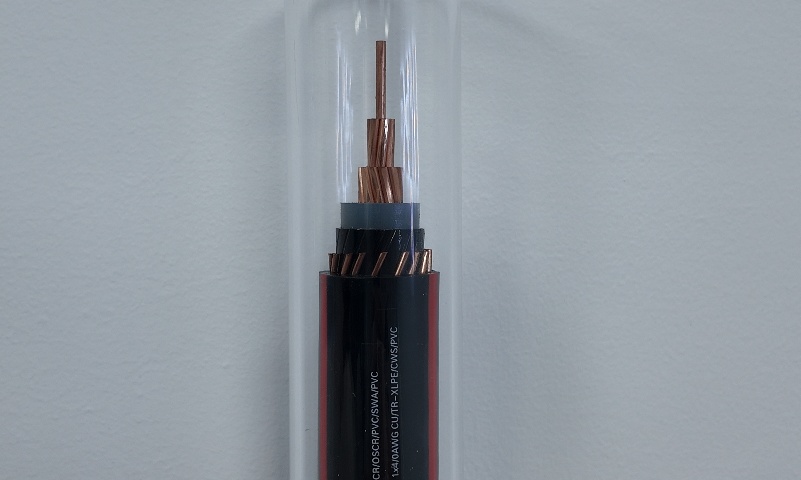
Triplex URD Cable
The Triplex URD Cable is a cost-effective and reliable 600V underground residential distribution cable engineered for service entrance and secondary power delivery. It consists of three insulated AA8000 aluminum alloy phase conductors and a concentric neutral, all encased in a durable black polyethylene sheath. The triplex design offers a compact footprint, excellent flexibility, and easy handling during direct burial installation. With XLPE insulation, this cable provides superior electrical performance and moisture resistance. Lightweight and corrosion-resistant, the Triplex URD Cable is an economical alternative to copper while maintaining high conductivity and mechanical strength. Manufactured to UL 854 and ICEA standards, it undergoes extensive quality testing to ensure consistent performance and long service life in underground environments.
400kVA Dry Type Transformer
The NPC ELECTRIC 400kVA Dry Type Transformer is engineered for efficient and reliable power distribution in industrial, commercial, and utility applications. With a compact, fire-safe design, it operates without the need for oil or other cooling fluids, making it ideal for environments with strict safety and environmental standards. Designed to withstand heavy loads, it is the perfect solution for demanding electrical requirements, providing a sustainable and cost-effective option for modern electrical systems.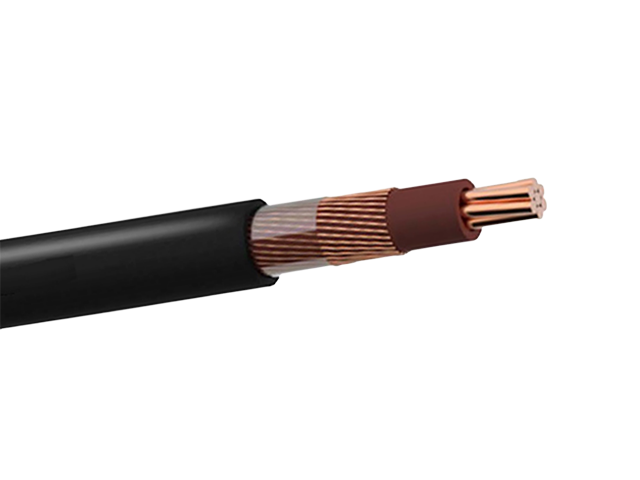
Copper Concentric Round LV Cable
The Copper Concentric Round LV Cable is a high-performance low-voltage cable designed for reliable power delivery in residential and commercial service entrance applications. It features a stranded hard-drawn copper phase conductor with XLPE insulation, surrounded by concentrically arranged copper neutral conductors, and protected by a durable black polyethylene sheath. The round configuration ensures excellent flexibility, easy pulling through conduits, and balanced electrical performance. With superior conductivity, mechanical strength, and weather resistance, this cable is suitable for both aerial and underground installations. Manufactured to international standards, the Copper Concentric Round LV Cable undergoes rigorous quality testing from raw materials to finished product, guaranteeing consistent electrical performance, high safety, and long-term durability for modern LV networks.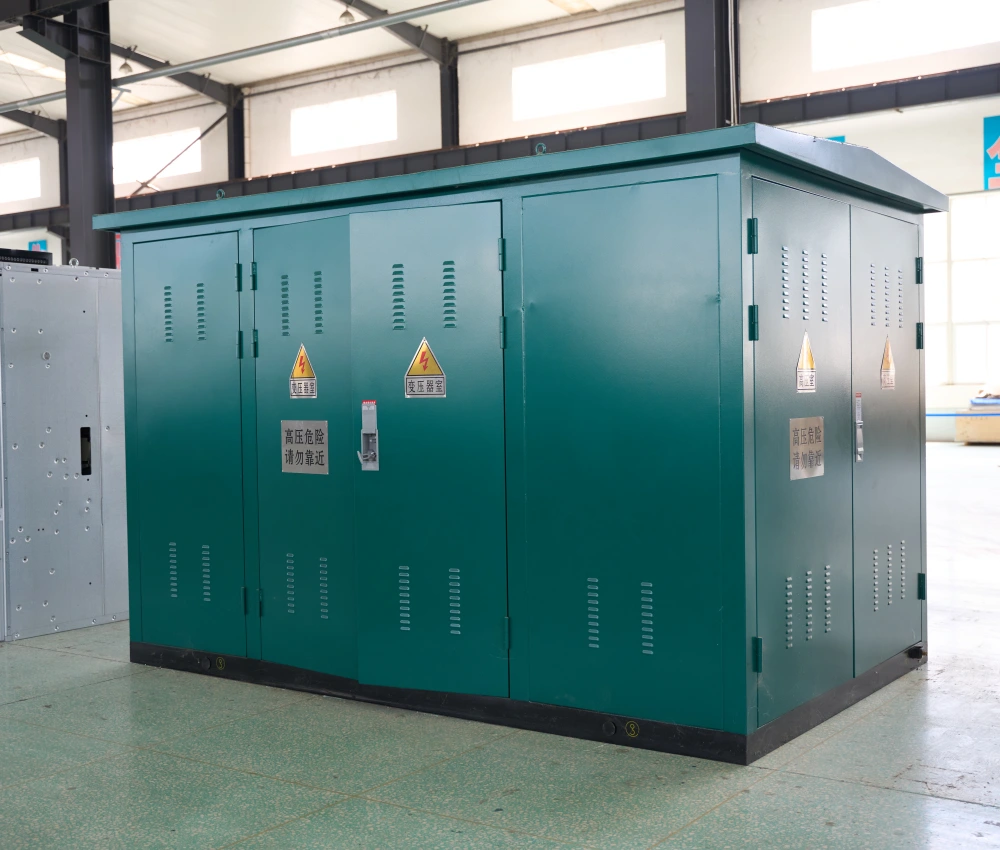
Prefabricated Compact Substation
The Prefabricated Compact Substation is an integrated medium-voltage and low-voltage power distribution solution engineered for modern urban infrastructure, renewable energy systems, industrial plants, and commercial facilities. The equipment combines medium-voltage switchgear, distribution transformer, and low-voltage distribution panel into a compact steel enclosure, significantly reducing installation time and site construction costs while improving operational reliability.Designed for outdoor operation under demanding environmental conditions, the compact substation features corrosion-resistant housing, advanced insulation systems, and optimized ventilation structures to ensure stable long-term performance. Its modular architecture allows flexible transformer capacities, voltage combinations, and protection configurations to meet different regional grid requirements and project specifications. The unit supports fast deployment, simplified maintenance, and enhanced safety protection, making it an ideal choice for power utilities, solar farms, wind power stations, transportation infrastructure, data centers, and residential developments. With intelligent monitoring options and customizable internal layouts, the prefabricated compact substation provides efficient, safe, and scalable electrical distribution for modern power networks.
FR-N30XA8E-R 18/30(36)kV Cable Gen to NF C 33-226 - Cu/XLPE/MDPE
The NF C 33-226 Cu-XLPE-MDPE 18/30(36)kV Triplex Cable is a high-performance three-core medium voltage power cable engineered for safe and reliable three-phase power transmission. Built with a Class 2 stranded copper conductor, cross-linked polyethylene (XLPE) insulation, and a medium-density polyethylene (MDPE) outer sheath, it offers exceptional electrical conductivity, insulation performance, and mechanical strength. Fully compliant with NF C 33-226, IEC 60502-2, and EN 60228 standards, this cable is ideal for industrial facilities, municipal grids, substations, and large commercial power systems. It ensures durability with superior water resistance (AD7), UV resistance (ISO 4892), and halogen-free (IEC/EN 60754-1) properties for enhanced safety and environmental protection. With a rated voltage of 18/30 (36)kV and a maximum conductor operating temperature of 90°C, the Cu-XLPE-MDPE Triplex cable provides efficient and stable power transmission in demanding medium- and high-voltage applications.
6 Pekingese Aluminum Conductor Duplex Overhead Service Drop Cable
The 6 Pekingese Aluminum Conductor Duplex Overhead Service Drop Cable is designed for safe and efficient secondary overhead power distribution from utility lines to residential and light commercial service entrances. The duplex configuration consists of two concentrically stranded aluminum conductors, typically serving as a phase conductor and a neutral messenger, providing reliable electrical transmission and mechanical support. The No. 6 Pekingese conductor size is well suited for short-span service drop installations, offering stable current-carrying capacity with controlled sag and adequate tensile strength. Aluminum construction ensures lightweight handling, excellent corrosion resistance, and simplified installation in outdoor environments. Manufactured in accordance with ASTM standards and utility specifications, the 6 Pekingese Aluminum Conductor Duplex Overhead Service Drop Cable delivers uniform stranding, consistent conductivity, and dependable long-term performance. It is widely selected by utilities and contractors seeking a cost-effective, durable solution for overhead service drop applications.Welcome your inquiry
Honesty, Integrity, Frugality, Activeness and Passion