


130kV High-Voltage Power Transformer
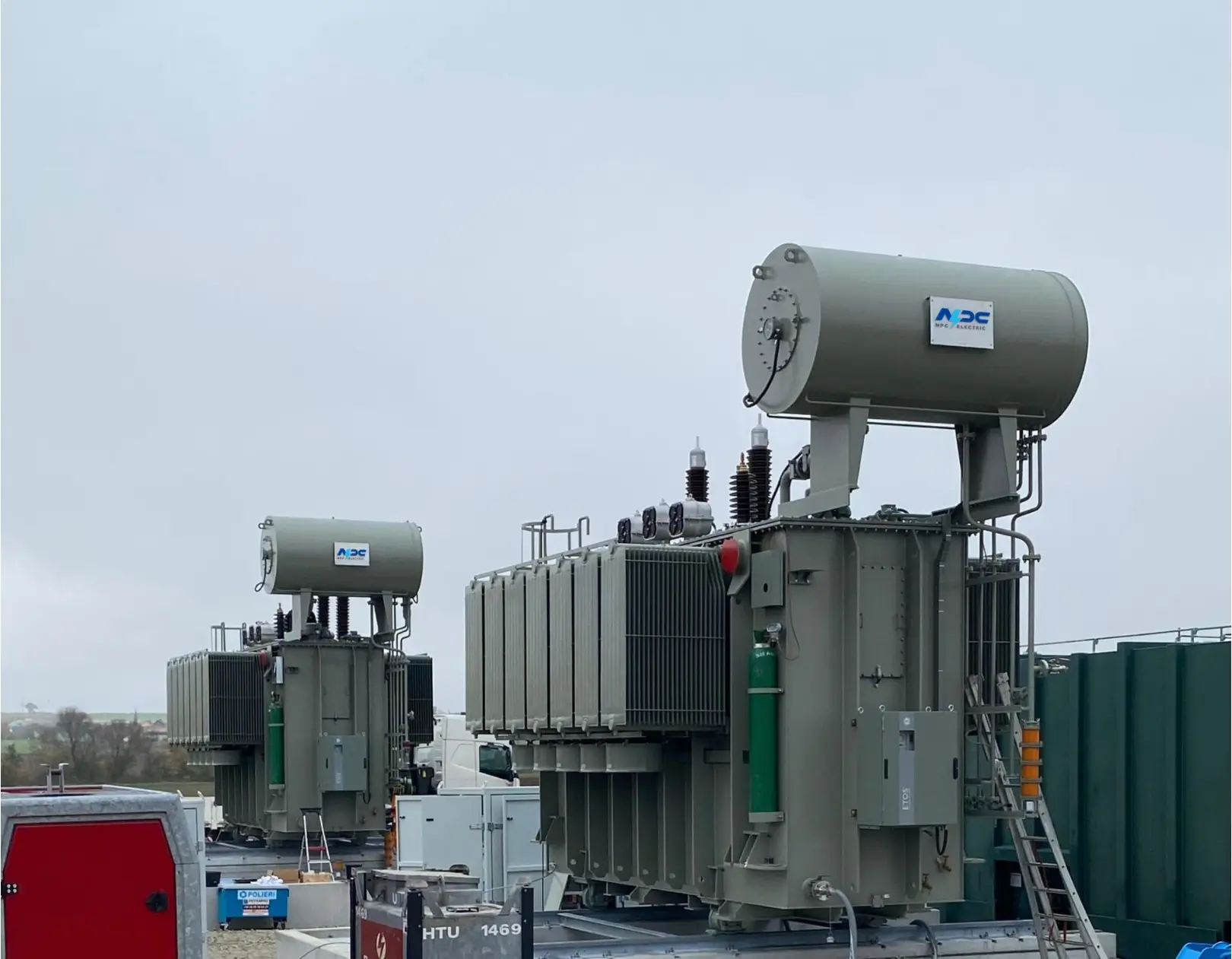
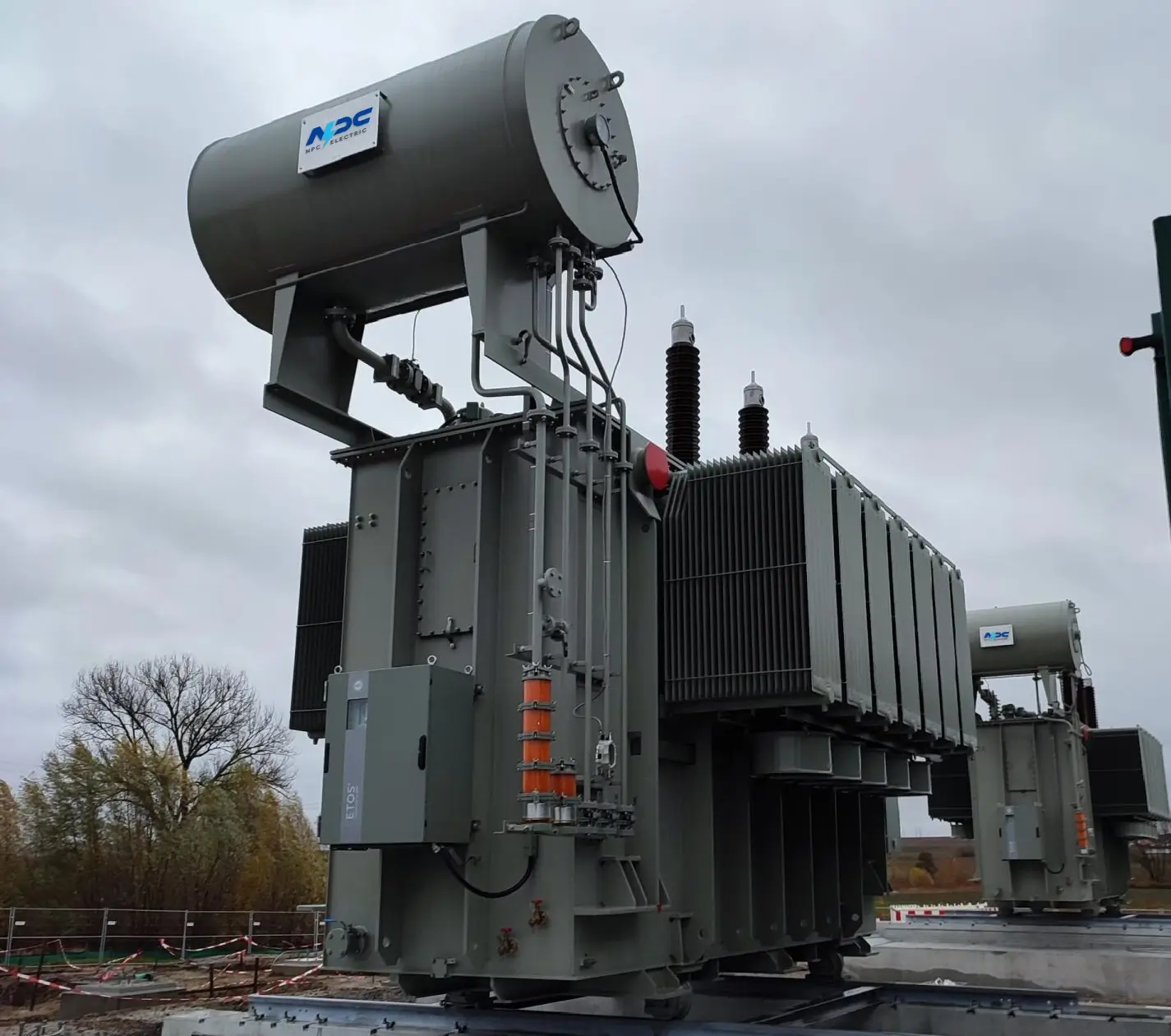
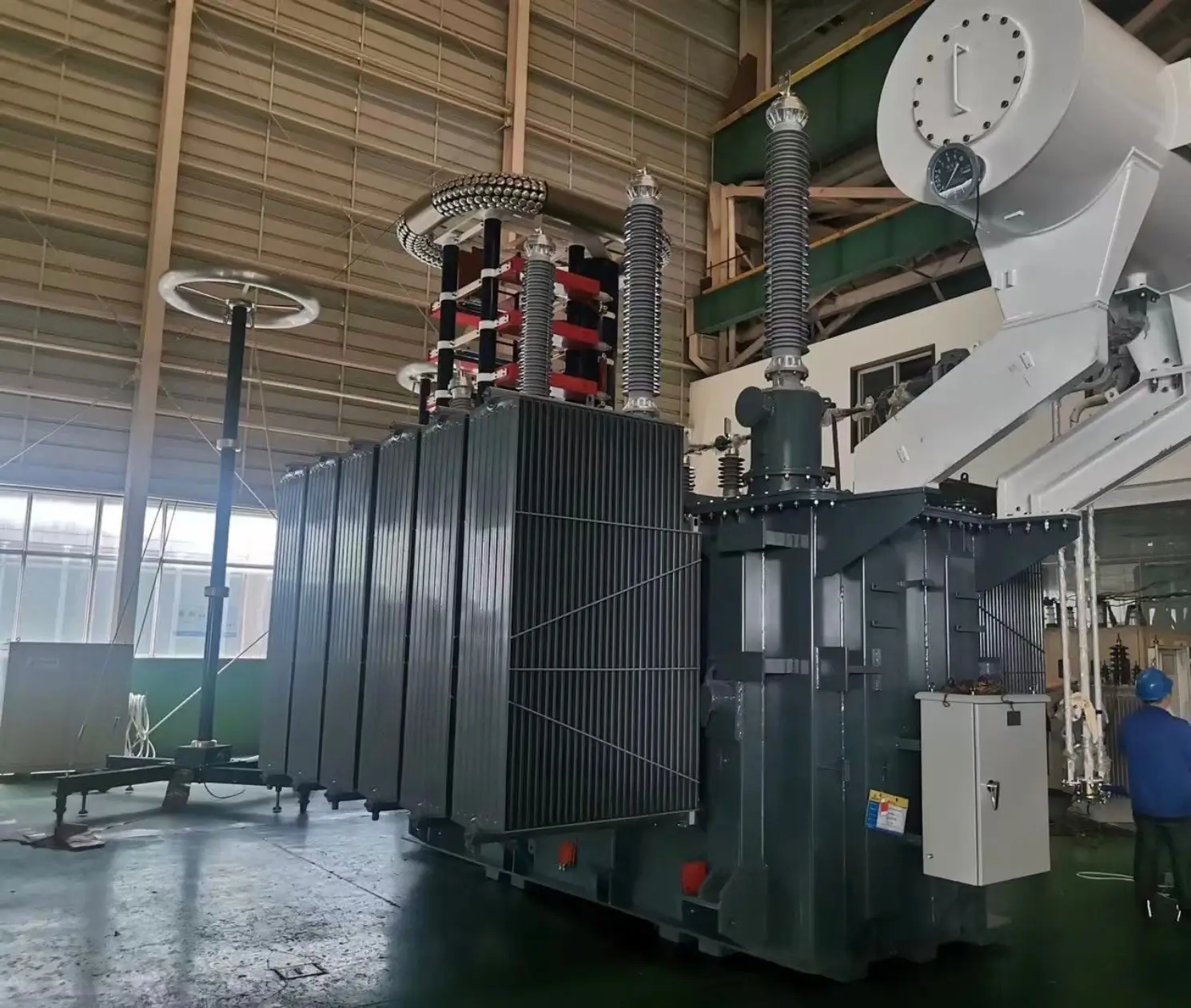
The 130kV Power Transformer is designed for advanced high-voltage transmission and distribution systems requiring superior electrical stability and long-term operational reliability. Built with an optimized magnetic circuit and precision-engineered windings, it delivers excellent voltage regulation, minimized energy losses, and strong resistance to thermal and mechanical stress. The transformer features a reinforced insulation structure and a sealed oil-immersed cooling system that ensures consistent performance under fluctuating load and environmental conditions. Its rugged construction supports outdoor installation and continuous operation in demanding climates. Designed to meet international grid requirements, this transformer is suitable for utility networks, industrial power hubs, and infrastructure projects where safety, efficiency, and service continuity are critical.
- Primary Voltage Ratings 110kV, 115kV, 130kV or others
- Secondary Voltage Ratings 11/10.5/6.6/6.3kV or customized
- H.V. Tap Range ± 8×2.5% HV taps or others
- Type Oil-immersed power transformer
- BIL up to 350kV
- Standards IEEE, ANSI, IEC
- Application Power transmission and transformation systems, large industrial parks
- Power Rating Up to 200 MVA
- Certificate UL , CESI , CE
- Cooling Method ONAN/ ONAF
- Opeartion Step Down & Step Up
Technical Specifications
Customization Optional
Packing and Shipping
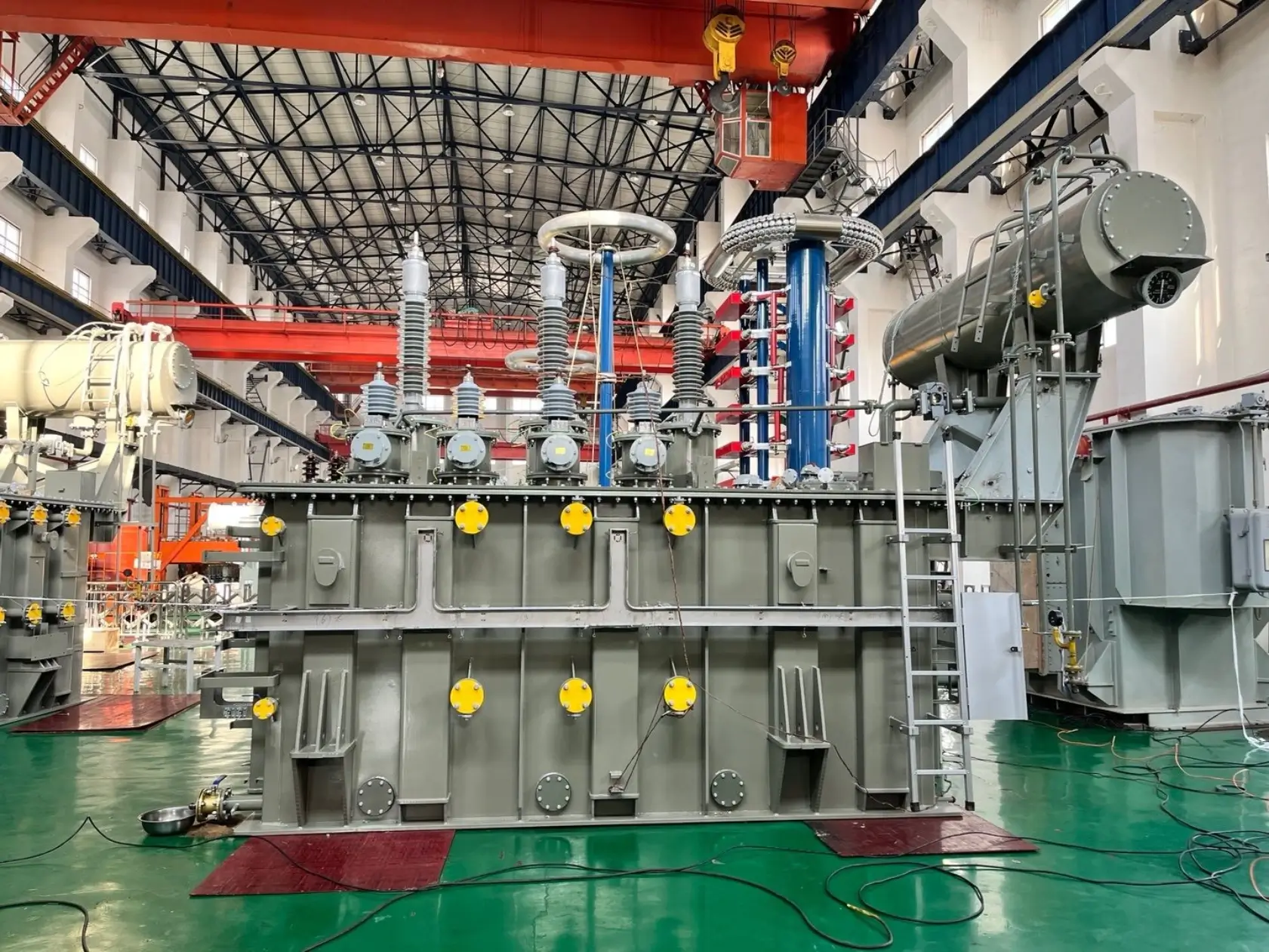
Manufacturer Test
Routine Testing
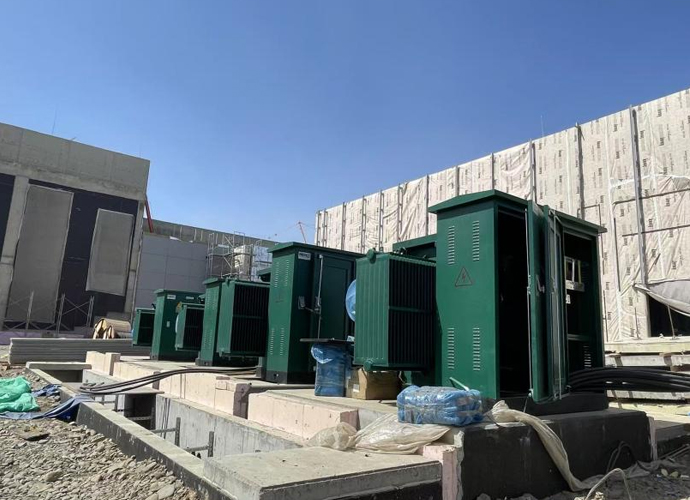
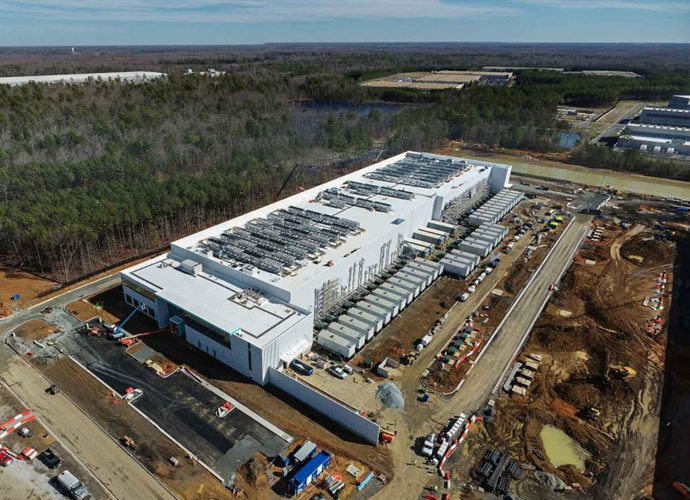
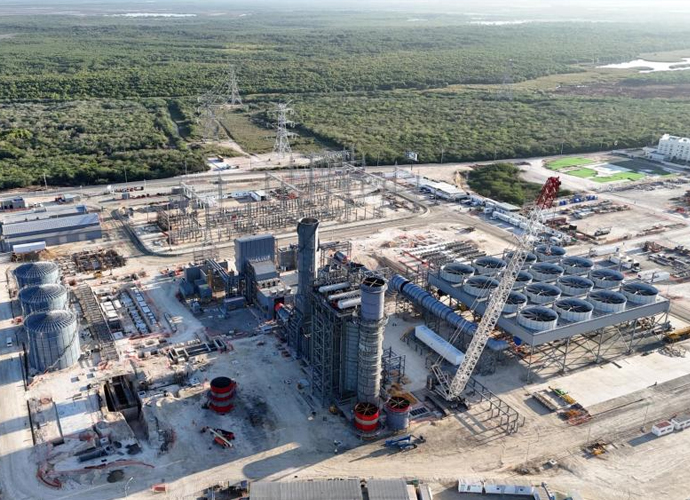
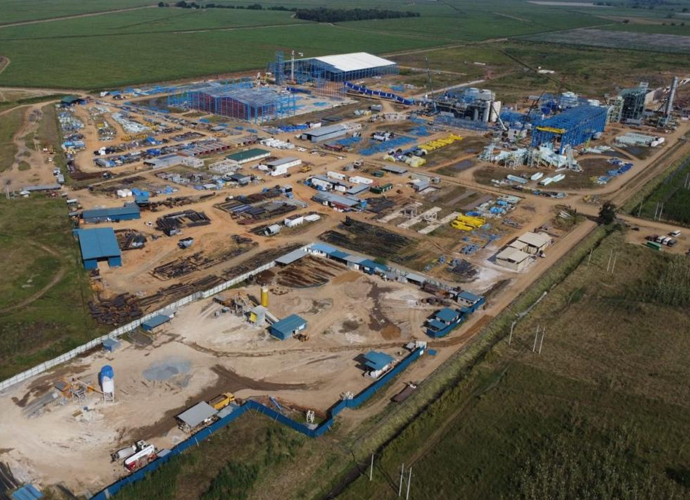
Application
Technical Specifications
130kV High-Voltage Power Transformer
Technical Specifications
Accessories
| Rated Power | Up to 200 MVA |
| Rating Primary Voltage | 110kV, 115kV, 130kV |
| Secondary Voltage |
6.3 kV 6.6 kV 10.5 kV 11 kV Customized |
| Frequency | 50/60Hz |
| Vector Group | Dyn11, YD11, YNd11 |
| Winding Material | Aluminum/Copper |
| Efficiency | As IEEE, CAS Std or Customized |
| Impedance Voltage | As IEC |
| Altitude | ≤1,000m or Customized |
| Enclosure material | Mid Steel |
| HV Bushing |
| LV Bushing |
| OLTC/NLTC |
| Lifting hook for complete transformer |
| Name plate |
| Oil temperature |
| Winding temperature |
| Radiators |
| Oil level |
| Pressure relief valve |
| CT |
Customization Optional
130kV High-Voltage Power Transformer
The 130kV Power Transformer can be fully customized to meet specific grid architectures, operational standards, and regional requirements. Electrical customization includes flexible rated capacities, voltage combinations, frequency options, impedance values, and vector group configurations to ensure seamless integration into existing transmission systems. Both copper and aluminum winding options are available, allowing customers to balance efficiency, durability, and cost. Tap-changing solutions may be configured as off-circuit or on-load designs with customized step ranges to maintain voltage stability during load variations. Special insulation systems can be engineered for high-altitude locations, extreme temperatures, or environments with elevated pollution levels.
From a mechanical and system perspective, the transformer can be adapted with various cooling methods, including natural and forced oil circulation, to match load profiles and ambient conditions. Tank structures may be reinforced for seismic regions or designed with compact footprints for space-restricted substations. Customers can specify advanced monitoring and protection devices such as gas relays, temperature sensors, pressure relief systems, and intelligent condition monitoring interfaces. Optional features include low-noise structural designs, fire-resistant insulating fluids, anti-corrosion coatings, and customized paint schemes. Each customized transformer undergoes dedicated engineering validation and testing to ensure full compliance with technical specifications and international standards.
Packing and Shipping
130kV High-Voltage Power Transformer
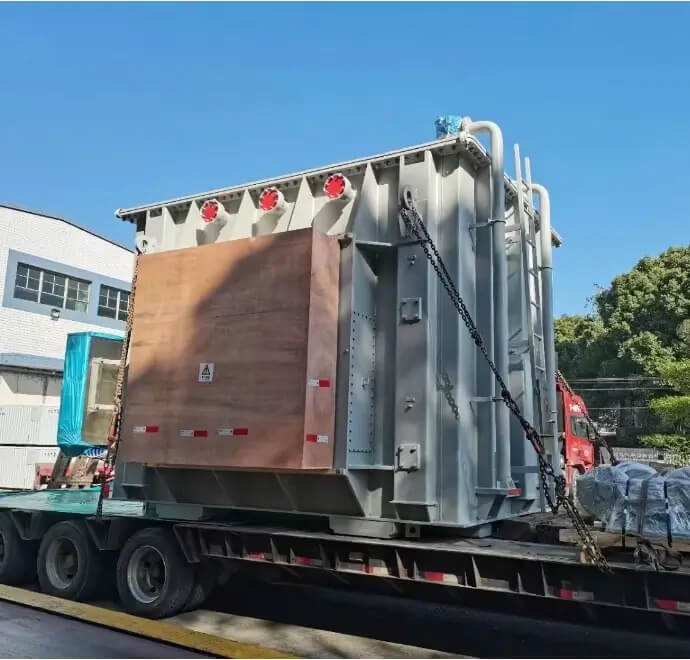
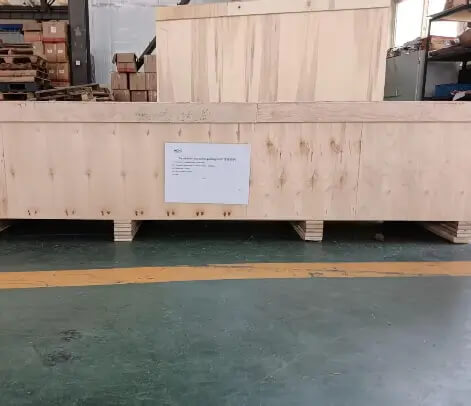
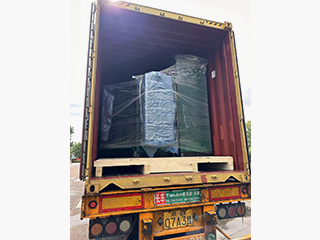
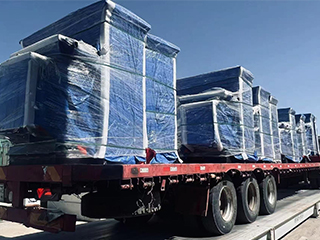
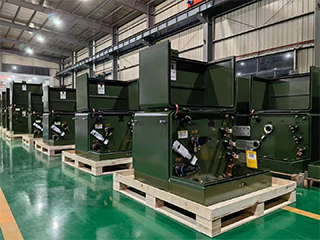
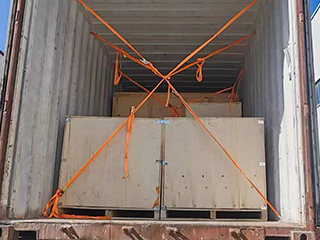
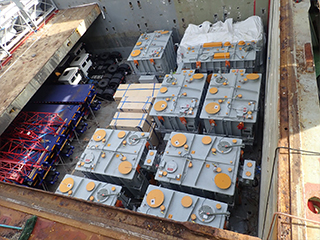
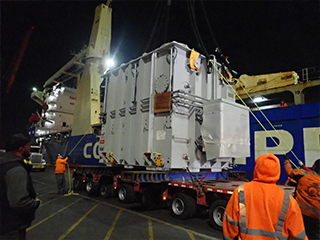
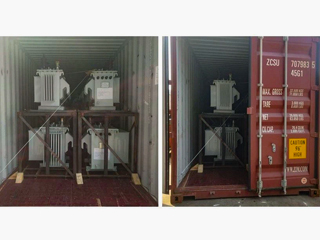
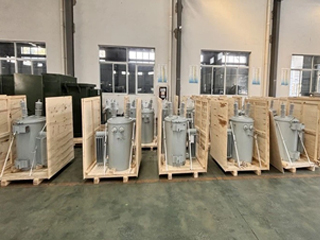
The packing process for the 130kV Power Transformer is carefully engineered to preserve structural integrity and electrical performance throughout transportation. Prior to packing, the transformer is thoroughly inspected, cleaned, and treated with protective coatings. All sealing surfaces, flanges, and openings are secured to prevent contamination. Sensitive components such as bushings, cooling assemblies, and control cabinets are removed when necessary and packaged separately using reinforced crates with internal cushioning and moisture barriers.
The transformer's main body is mounted on a robust transport base designed to withstand vibration and impact during transit. Shock-absorbing materials, steel restraints, and bracing systems are applied to stabilize the unit and protect critical load-bearing points. Moisture-resistant wrapping, vacuum sealing, or inert gas filling may be used to maintain internal dryness and insulation quality, especially for long-distance or overseas shipments.
Shipping methods are selected according to transformer size, weight, and destination logistics. Options include flat-rack containers, open-top containers, or break-bulk cargo for oversized units. All packaging complies with international export standards, including ISPM-15 requirements for wooden materials. Clear markings indicate lifting points, center of gravity, stacking limits, and handling precautions to ensure safe loading and unloading.
Comprehensive shipping documentation accompanies each delivery, including packing lists, quality certificates, test reports, drawings, and installation manuals. Upon arrival, detailed unpacking and storage instructions are provided. Optional on-site technical services, such as supervision, oil processing, reassembly, and commissioning support, are available to ensure a smooth installation and reliable startup.
The transformer's main body is mounted on a robust transport base designed to withstand vibration and impact during transit. Shock-absorbing materials, steel restraints, and bracing systems are applied to stabilize the unit and protect critical load-bearing points. Moisture-resistant wrapping, vacuum sealing, or inert gas filling may be used to maintain internal dryness and insulation quality, especially for long-distance or overseas shipments.
Shipping methods are selected according to transformer size, weight, and destination logistics. Options include flat-rack containers, open-top containers, or break-bulk cargo for oversized units. All packaging complies with international export standards, including ISPM-15 requirements for wooden materials. Clear markings indicate lifting points, center of gravity, stacking limits, and handling precautions to ensure safe loading and unloading.
Comprehensive shipping documentation accompanies each delivery, including packing lists, quality certificates, test reports, drawings, and installation manuals. Upon arrival, detailed unpacking and storage instructions are provided. Optional on-site technical services, such as supervision, oil processing, reassembly, and commissioning support, are available to ensure a smooth installation and reliable startup.
32
32 years of industry experience
Manufacturer Test
130kV High-Voltage Power Transformer
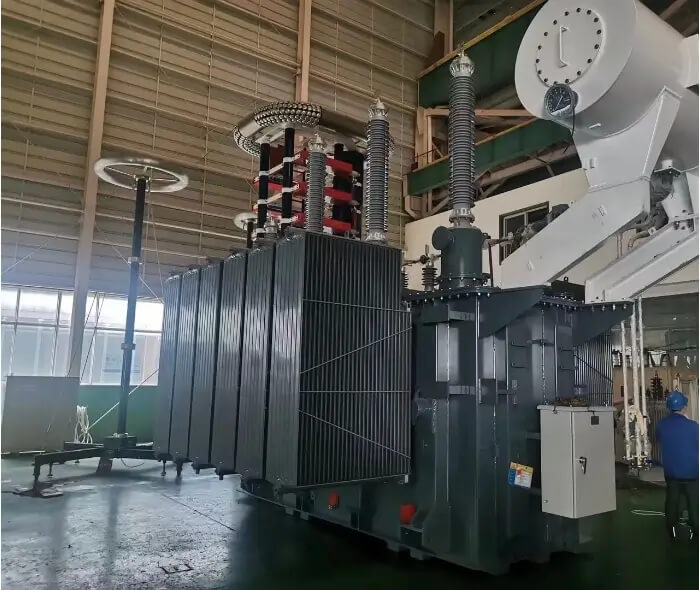
Progress test
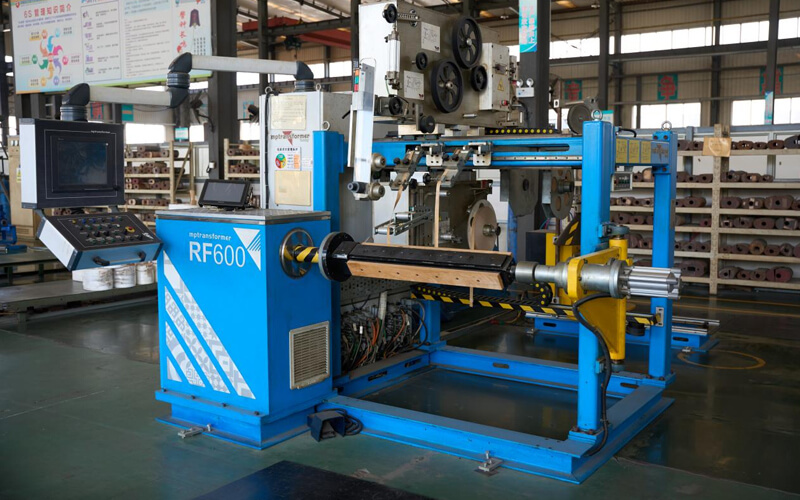
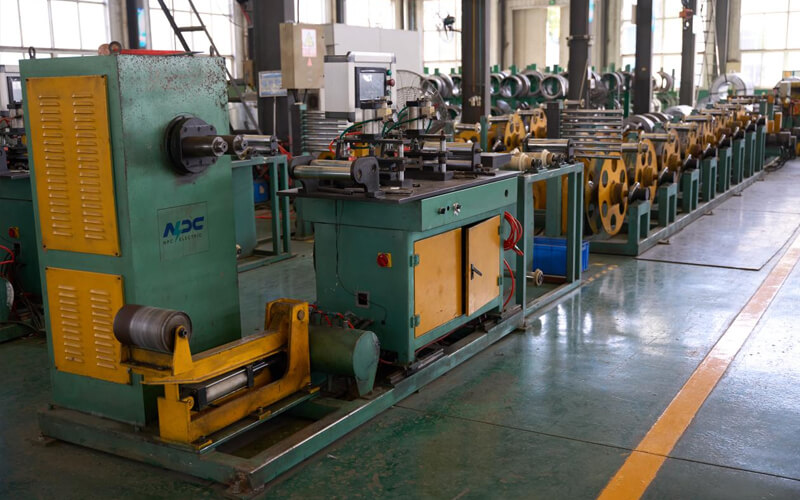
Progress testing for the 130kV Power Transformer is conducted at defined production milestones to ensure strict quality control throughout manufacturing. Raw materials, including core steel, conductors, insulation components, and insulating oil, are inspected upon receipt to verify conformity with approved specifications. During core assembly and winding fabrication, dimensional accuracy, mechanical alignment, and insulation application are continuously monitored. The active part undergoes controlled drying and vacuum treatment, with detailed records of temperature, pressure, and moisture levels. Intermediate inspections include electrical continuity checks, winding resistance measurements, and turns ratio verification prior to final assembly. Tank fabrication is examined for weld integrity, dimensional precision, and surface protection quality. Pressure and leak tests are performed to confirm oil tightness before oil filling. All progress test results are documented, reviewed, and approved to ensure any deviations are corrected early, maintaining product consistency and reliability.
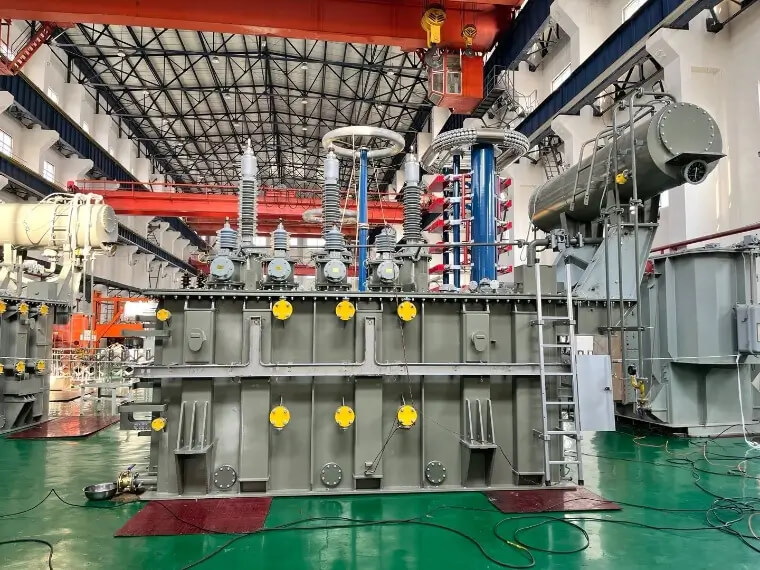
Design Tests
All transformers will be tested after finishing the production test items as follows:
♦ Leak testing with pressure for liquid-immersed transformers
♦ Test of transformer oil
♦ Measurement of voltage ratio and check of phase displacement
♦ Measurement of winding DC resistance
♦ Measurement of d. c. Insulation resistance between each winding to earth, and check of the core and frame insulation
♦ Capacitive bushing test
♦ Operation test on on-load tap-changer
♦ Measurement of short-circuit impedance and load loss
♦ Lightning impulse test
♦ Induced-voltage test with partial discharge measurement
♦ Auxiliary wiring check
♦ Current transformer test
♦ Frequency response analysis test
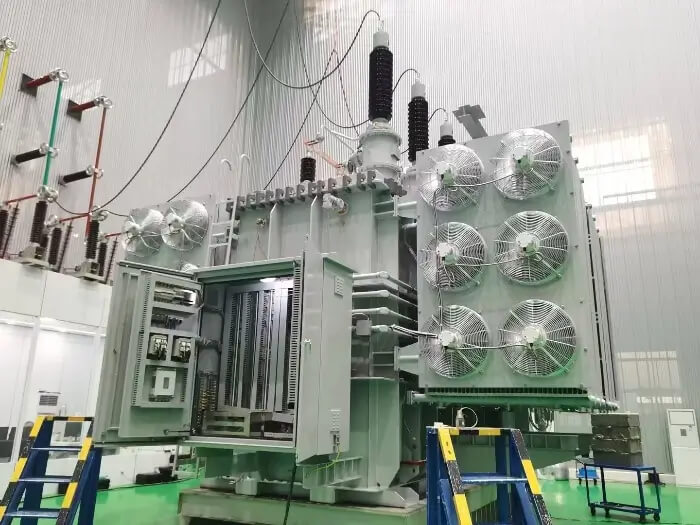
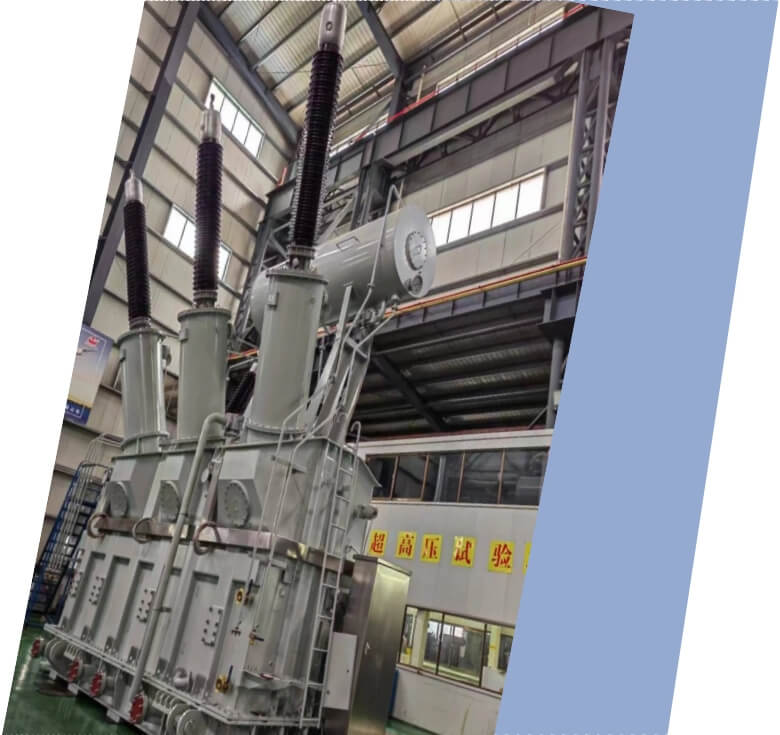
Transformer Factory Acceptance Test
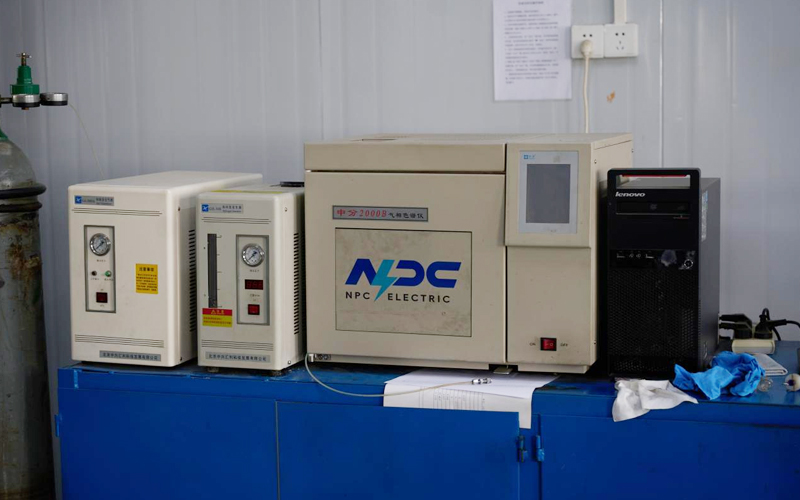
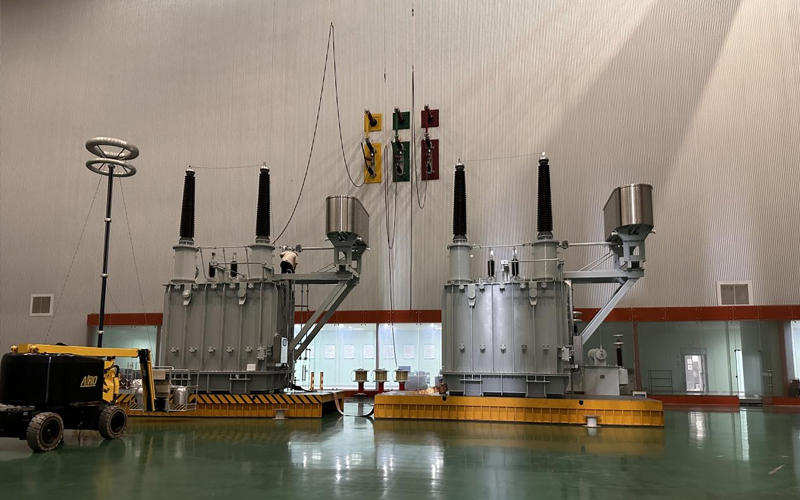
The Factory Acceptance Test (FAT) for the 130kV Power Transformer is conducted after complete assembly to validate compliance with technical specifications and applicable international standards. Routine electrical tests include measurement of winding resistance, voltage ratio accuracy, vector group confirmation, polarity checks, and insulation resistance evaluation. Dielectric verification is performed through applied voltage and induced overvoltage tests to confirm insulation robustness. Performance testing assesses no-load losses, load losses, impedance voltage, and thermal behavior under rated conditions. Partial discharge testing evaluates insulation integrity, while impulse testing verifies resistance to transient overvoltage events. Mechanical inspections include tank pressure testing, oil leakage examination, cooling system operation checks, and tap changer functionality verification. Oil samples are analyzed to confirm dielectric strength and purity. All FAT results are compiled into a comprehensive report and approved prior to shipment authorization.
Routine Test - Measurement Of Voltage Ratio And Check Of Phase Displacement
Purpose of Testing
The purpose of measuring the voltage ratio and checking the phase displacement is to verify that the transformer’s windings are correctly connected and functioning according to design specifications. The voltage ratio test ensures that the transformer delivers the correct output voltage relative to its input, while the phase displacement check confirms that the phase relationship between primary and secondary windings is accurate.
Testing Equipment
Voltage Ratio Tester (also known as a Transformer Turns Ratio Tester, TTR Tester)
Phase Displacement Tester (also called Phase Angle Meter or Phase Sequence Meter)
Digital Multimeter (for basic checks)
Oscilloscope (for phase displacement)
Phase Displacement Tester (also called Phase Angle Meter or Phase Sequence Meter)
Digital Multimeter (for basic checks)
Oscilloscope (for phase displacement)
Pre-Test Preparation
The transformer must be completely disconnected from any live electrical circuits to prevent electrical hazards. Ensure that the transformer is de-energized and isolated from the system before beginning any testing.
Visually inspect the primary and secondary winding connections of the transformer to ensure that they are properly configured and accessible for testing. Ensure that the transformer tap settings are clearly labeled and can be adjusted if necessary.
Ensure all personnel are equipped with appropriate safety gear (e.g., gloves, safety glasses) and that proper grounding and earthing procedures are in place to prevent electrical accidents.
Visually inspect the primary and secondary winding connections of the transformer to ensure that they are properly configured and accessible for testing. Ensure that the transformer tap settings are clearly labeled and can be adjusted if necessary.
Ensure all personnel are equipped with appropriate safety gear (e.g., gloves, safety glasses) and that proper grounding and earthing procedures are in place to prevent electrical accidents.
Test Progress
Ensure Safety and Equipment Setup:
Begin by confirming that the transformer is de-energized and isolated from any live circuits. Set up the necessary testing equipment, including the voltage ratio tester, phase displacement tester, and any other required tools. Verify that all equipment is properly calibrated and ready for use.
Begin by confirming that the transformer is de-energized and isolated from any live circuits. Set up the necessary testing equipment, including the voltage ratio tester, phase displacement tester, and any other required tools. Verify that all equipment is properly calibrated and ready for use.
Test Standard
IEC 60076 Oil-immersed power transformers
*These comprehensive tests ensure that each transformer meets performance standards and operates
reliably under various conditions.
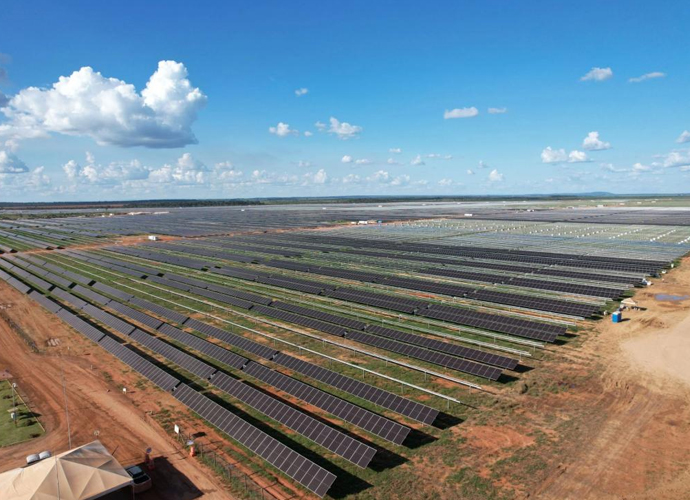
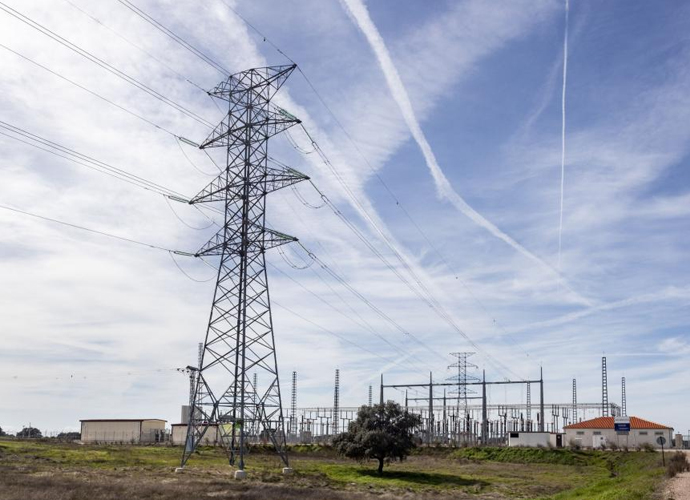
Application
Power transmission and transformation systems, large industrial parks, energy infrastructure projects etc


Technical Advantages
● 30+ years of manufacturing experience
● ISO and UL certified production
● Customized cable and transformer solutions
Product Packaging
Transformers Packaging (1)
Transformers Packaging (2)
Transformers Packaging (3)
Transformers Packaging (4)
Transformers Packaging (5)
Transformers Packaging (6)
Transformers Packaging (7)
Transformers Packaging (8)
Related Products
75kVA Oil Immersed Transformer
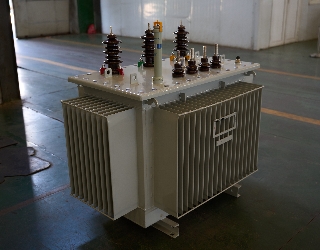
75kVA oil-immersed transformer is an efficient and reliable power conversion device, which is widely used in power distribution systems in industrial, commercial, and construction sites. The transformer adopts oil-immersed cooling technology, has good heat dissipation performance, and can work continuously and stably under high load conditions. The 75kVA oil-immersed transformer also has complete protection functions, including overload protection, short-circuit protection, and temperature monitoring, to ensure the safety and stability of the equipment during operation.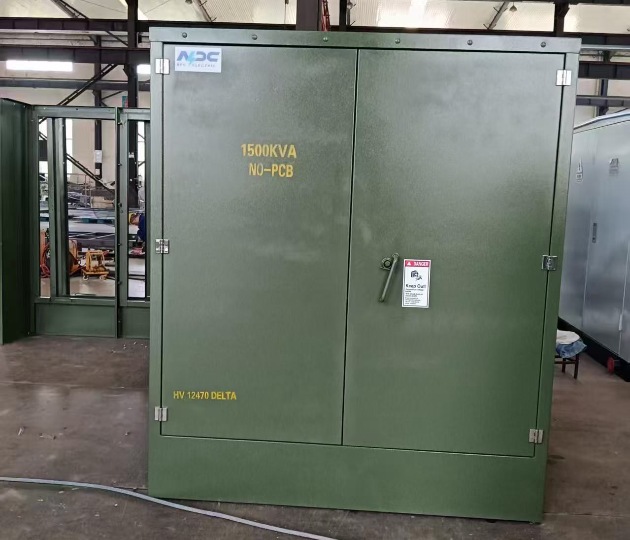
1500kVA Radial Feed Pad Mounted transformer DOE 2016
The 1500kVA Radial Feed Pad-Mounted Transformer is designed for reliable medium-voltage power distribution in utility, commercial, and renewable energy (solar) applications. Engineered to comply with IEEE C57.12.34, C57.12.24, C57.12.00, and DOE 2016 efficiency standards, this pad-mounted transformer is ideal for step-down applications from 12.47kV to 480/277V. Standard features include mineral oil or FR3 natural ester fluid (ONAN cooling), aluminum or copper windings, primary voltage 13.8kV (13800V Delta or 12470GrdY/7200 common), secondary 480Y/277V (or 208Y/120V, custom options), BIL 95kV HV / 30kV LV, impedance 5.75–7.0% (±7.5%), ±2×2.5% taps, radial-feed dead-front design with three high-voltage bushings (H1, H2, H3), bayonet fuses + partial-range current-limiting fuses, load-break switch (optional), lightning arresters, pressure relief valve, oil level/temperature gauges, and ANSI 70 gray (or Munsell green) finish.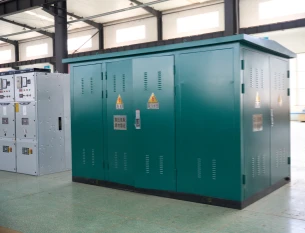
11kV 800kVA Prefabricated Compact Substation
The 11kV 800kVA Prefabricated Compact Substation is an advanced integrated power distribution system designed to provide safe, efficient, and reliable medium-voltage to low-voltage energy transformation for industrial, commercial, and infrastructure applications. The substation integrates 11kV medium-voltage switchgear, an 800kVA distribution transformer, low-voltage distribution equipment, and intelligent protection systems into a compact outdoor enclosure, significantly reducing installation space and on-site construction requirements. Built for continuous operation in demanding environments, the compact substation features a durable weather-resistant enclosure, optimized thermal ventilation structure, high-performance insulation system, and reinforced electrical safety protection. Its modular architecture simplifies transportation, accelerates installation, and minimizes maintenance complexity while ensuring stable long-term operational performance. The 11kV 800kVA compact transformer substation is suitable for utility distribution systems, renewable energy integration, manufacturing facilities, commercial complexes, and urban electrical infrastructure projects. With optional intelligent monitoring and remote communication functions, the substation supports modern smart-grid applications and improves operational efficiency across distributed power networks.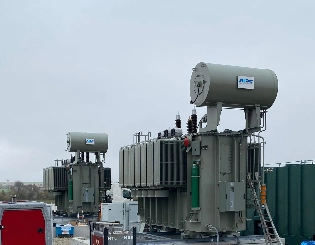
130kV 10MVA / 25MVA / 40MVA Electrical Power Transformer
The 130kV Electrical Power Transformer with ratings of 10MVA, 25MVA, and 40MVA is designed to support medium-to-large capacity power transmission and distribution systems. It is engineered to provide consistent voltage conversion, high operational efficiency, and excellent thermal stability under variable grid conditions. The transformer incorporates a precisely calculated magnetic core, high-strength winding design, and an oil-immersed insulation system that enhances heat dissipation and electrical reliability. Its structure is optimized to withstand electrical stress, mechanical vibration, and long-term continuous operation. Suitable for outdoor installation, the transformer maintains stable performance in challenging environments such as high temperature, humidity, or heavy industrial zones. Built in accordance with recognized international standards, it offers dependable service life and reduced maintenance requirements for modern power networks.
Step Voltage Regulator for Overhead Line & Substation | Automatic On-Load Tap Changer
The Step Voltage Regulator for Overhead Line & Substation is a high-performance, automatic on-load tap-changing device engineered to maintain stable voltage levels in fluctuating distribution networks. Utilizing premium copper windings, high-permeability silicon steel cores, and a motorized on-load tap changer, this regulator delivers precise ±10% to ±20% voltage correction with fast response and minimal waveform distortion. It features an advanced microprocessor-based AVR controller with remote communication capability (RS485/GSM/4G), real-time monitoring, and multiple protection functions including over-voltage, under-voltage, overload, and reverse power. Designed for both pole-mounted overhead line installation and substation applications, it offers excellent overload capacity, low losses, and long service life under harsh outdoor conditions. Fully sealed, oil-immersed construction with advanced corrosion protection ensures reliable operation in tropical, coastal, or heavily polluted environments while complying with IEC 60076-21 and ANSI C57.15 standards.
120kV High-Voltage Three-Phase Oil-Immersed Power Transformer
The 120kV High-Voltage Three-Phase Oil-Immersed Power Transformer is engineered for reliable and efficient operation in transmission networks and high-voltage substations. Designed with high-permeability silicon steel cores and precision-wound copper conductors, it delivers low losses, excellent thermal performance, and strong short-circuit withstand capability. The oil-immersed cooling system ensures effective heat dissipation, supporting continuous operation under heavy-load and fluctuating grid conditions. A robust tank structure, advanced insulation system, and outdoor-rated protection allow stable operation in harsh climates and demanding environments. Manufactured in accordance with IEC, IEEE, and ANSI standards, this transformer is widely applied in utility grids, industrial power systems, and large-scale infrastructure projects where high reliability, long service life, and stable voltage transformation are essential.FAQ From Customers
-
What is a Transformer?A transformer is an electrical device used to change the voltage of alternating current (AC). It works on the principle of electromagnetic induction, converting high-voltage current into low-voltage current or low-voltage current into high-voltage current. Transformers are widely used in power transmission, distribution systems, and various electronic devices.
-
What are the main uses of a transformer?The main use of a transformer is voltage conversion. Transformers are used in power transmission systems to help transfer electricity from power plants to consumers. In addition, transformers are also used in electronic devices such as chargers, televisions, power adapters, etc., to adjust the voltage to meet the requirements of different devices.
-
Do you have UL listed?Yes, our transformer has UL listed. We have exported to America many pad mounted transformer,substation transformer and HV.
Welcome your inquiry
Honesty, Integrity, Frugality, Activeness and Passion