


170kV 4–40MVA Oil-Immersed High-Voltage Power Transformer
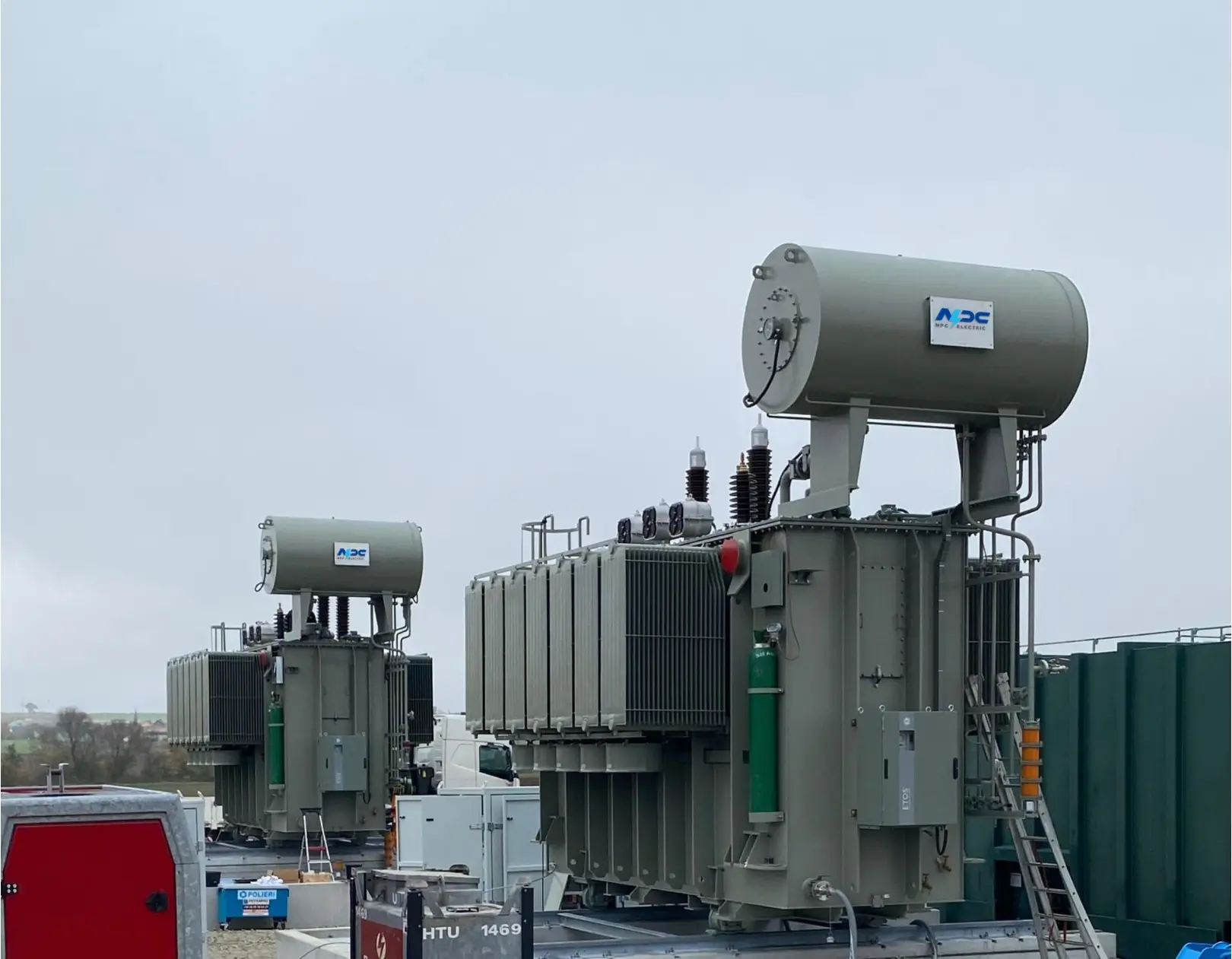
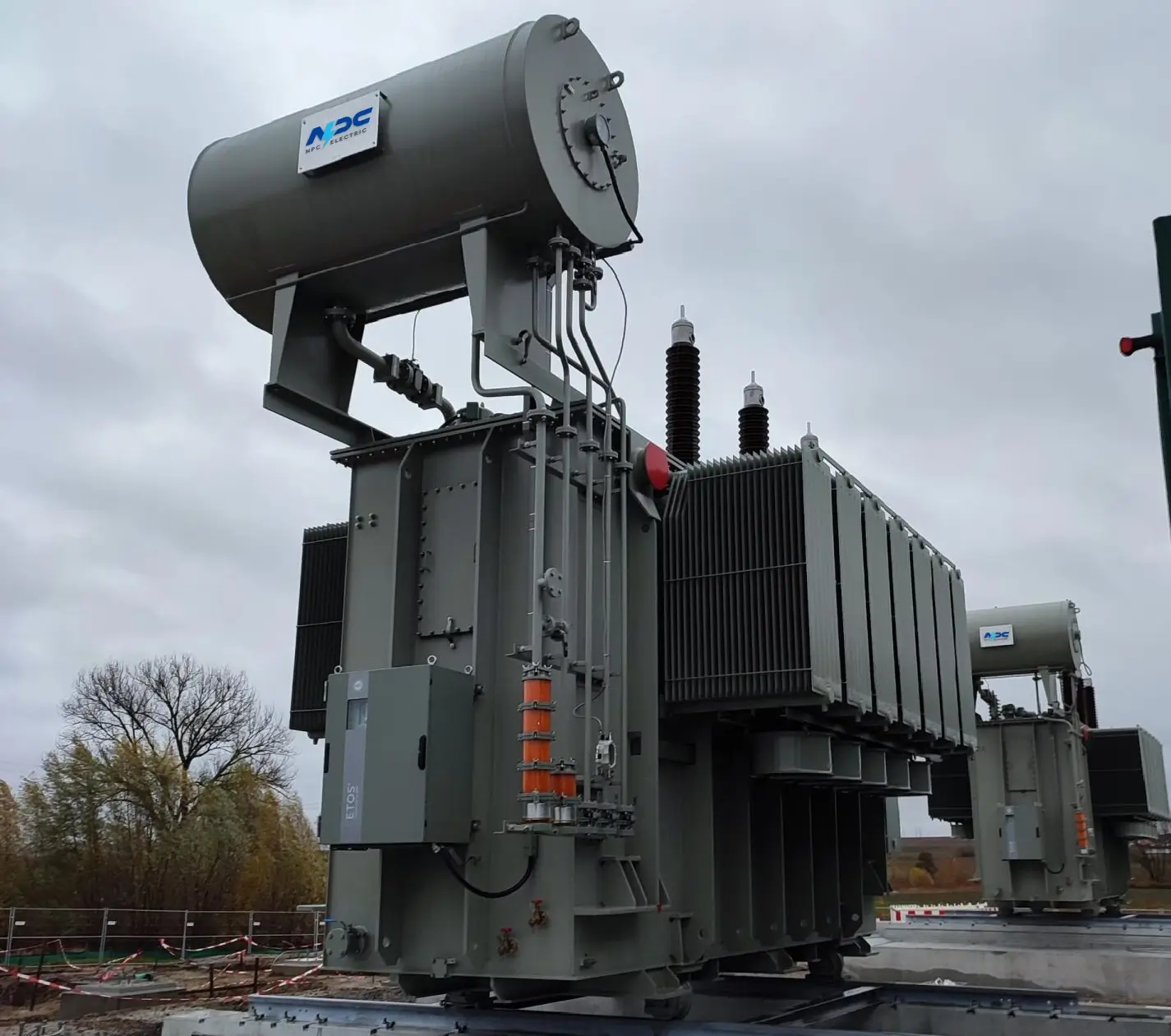
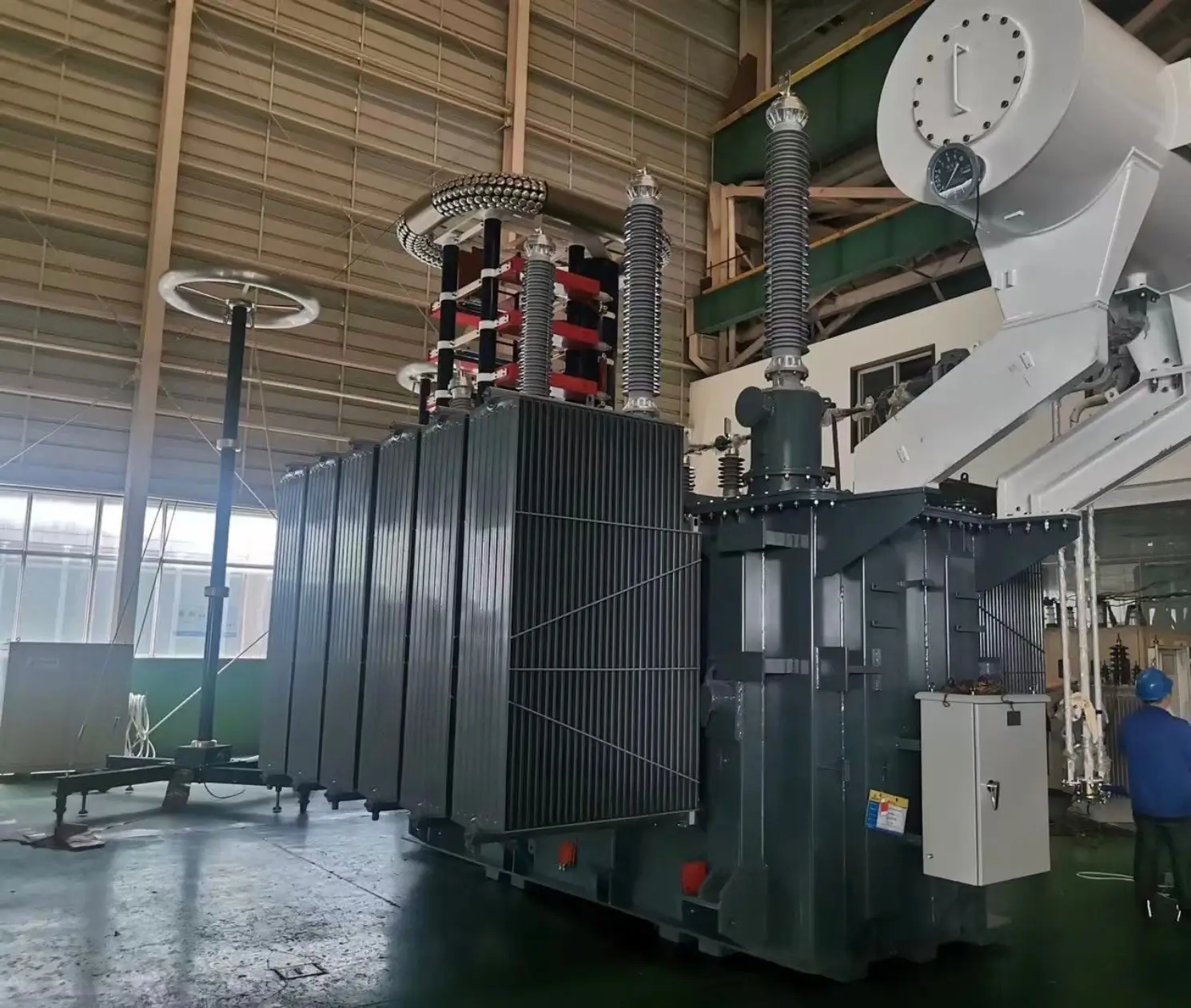
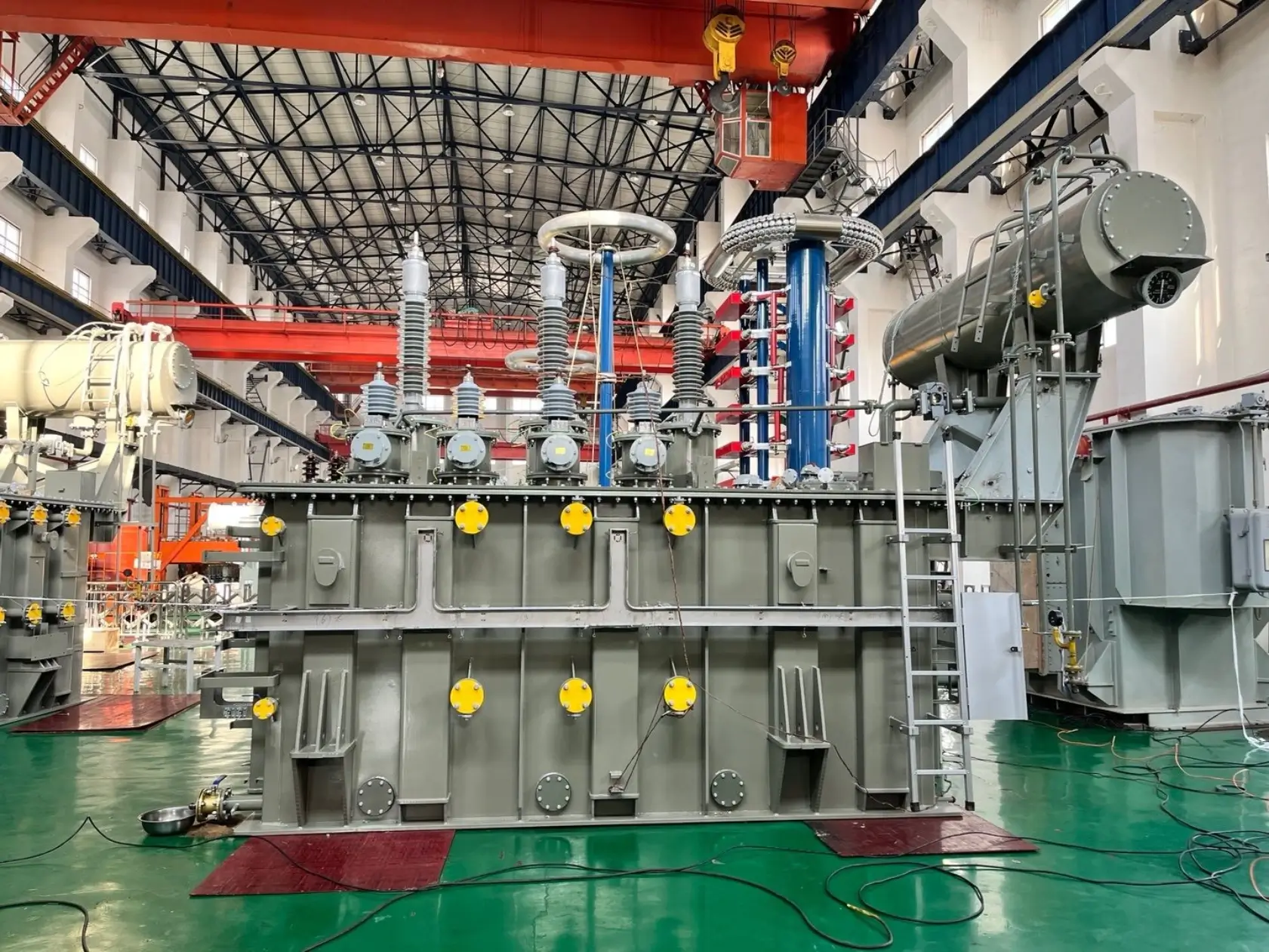
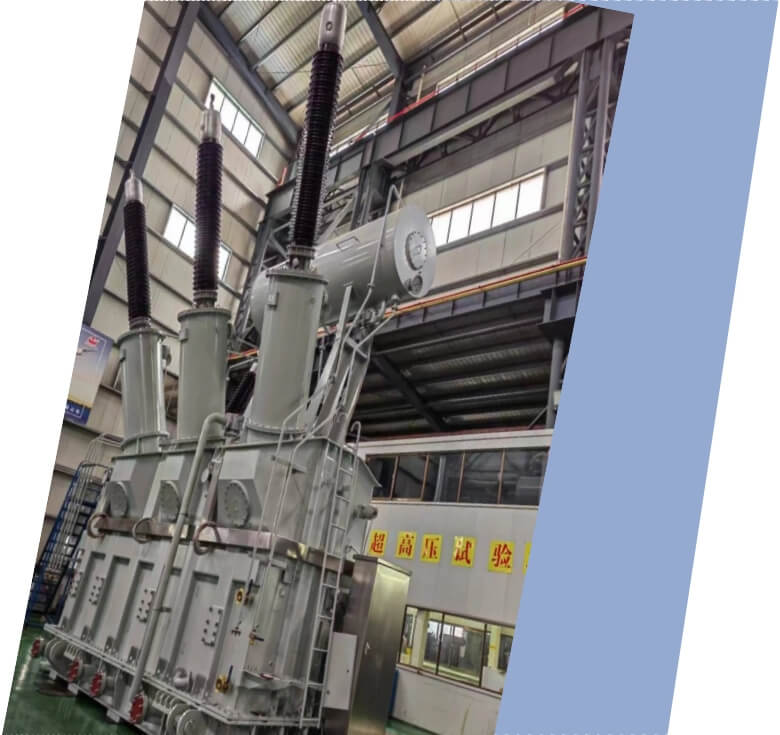
The 170kV 4–40MVA oil-immersed high-voltage power transformer is designed to support flexible capacity requirements across modern transmission and substation systems. Its wide MVA range allows a single platform to adapt to diverse grid configurations, from regional substations to industrial power interfaces. The transformer utilizes a refined oil-paper insulation system to ensure strong dielectric performance and long-term operational stability under high electrical stress. Advanced magnetic circuit optimization minimizes losses while maintaining excellent voltage regulation. The mechanical structure is engineered to withstand thermal cycling, short-circuit forces, and continuous operation under variable load conditions. With a focus on reliability, efficiency, and service life, this transformer is well suited for utility-scale projects that demand dependable high-voltage energy transfer with adaptable power ratings.
- Primary Voltage Ratings 132kV, 138kV, 170kV or others
- Secondary Voltage Ratings 32.4/13.8/11/10.5/6.6/6.3kV or customized
- H.V. Tap Range ± 8×2.5% HV taps or others
- Type Oil-immersed power transformer
- BIL up to 350kV
- Standards IEEE, ANSI, IEC
- Application high-voltage transmission substations, regional grid interconnections, industrial power systems
- Power Rating 4 – 40MVA
- Certificate UL, CESI, ISO, KEMA
- Cooling Method ONAN/ ONAF
- Opeartion Step Down & Step Up
Technical Specifications
Customization Optional
Packing and Shipping
Manufacturer Test
Routine Testing
Application
Technical Specifications
170kV 4–40MVA Oil-Immersed High-Voltage Power Transformer
Technical Specifications
Accessories
| Rated Power | 4 – 40MVA |
| Rating Primary Voltage | 132kV, 138kV, 170kV |
| Secondary Voltage |
32.4/13.8/11/10.5/6.6/6.3 kV Customized |
| Frequency | 50/60Hz |
| Vector Group | Dyn11, YD11, YNd11 |
| Winding Material | Aluminum/Copper |
| Efficiency | As IEEE, CAS Std or Customized |
| Impedance Voltage | As IEC |
| Altitude | ≤1,000m or Customized |
| Enclosure material | Mid Steel |
| HV Bushing |
| LV Bushing |
| OLTC/NLTC |
| Lifting hook for complete transformer |
| Name plate |
| Oil temperature |
| Winding temperature |
| Radiators |
| Oil level |
| Pressure relief valve |
| CT |
Customization Optional
170kV 4–40MVA Oil-Immersed High-Voltage Power Transformer
The 170kV 4–40MVA oil-immersed power transformer offers extensive customization to meet varied electrical and operational requirements. Voltage ratings on the high- and low-voltage sides can be tailored to specific grid standards, while impedance values may be adjusted to support system stability and fault coordination. Winding configurations are customizable to optimize efficiency, reduce losses, or enhance short-circuit withstand capability. Tap-changing solutions, including off-circuit or on-load tap changers, can be configured with project-specific tap ranges and step resolutions to support precise voltage control. Insulation levels and dielectric design margins may also be adapted for altitude, pollution degree, or regional climatic conditions. Beyond electrical parameters, the transformer can be customized structurally and environmentally. Tank designs are available for indoor or outdoor installation, with reinforced constructions for seismic regions or demanding transport conditions.
Surface protection systems can be selected to resist corrosion in coastal, chemical, or high-humidity environments. Cooling systems may be configured to suit ambient temperature variations and load profiles, supporting stable thermal performance. Optional features include online monitoring systems, temperature sensors, oil level indicators, pressure relief devices, remote communication interfaces, and customized noise reduction solutions. Alternative insulating fluids, special painting schemes, nameplate formats, and project-specific documentation packages are also available, ensuring seamless integration into diverse power infrastructure projects.
Packing and Shipping
170kV 4–40MVA Oil-Immersed High-Voltage Power Transformer
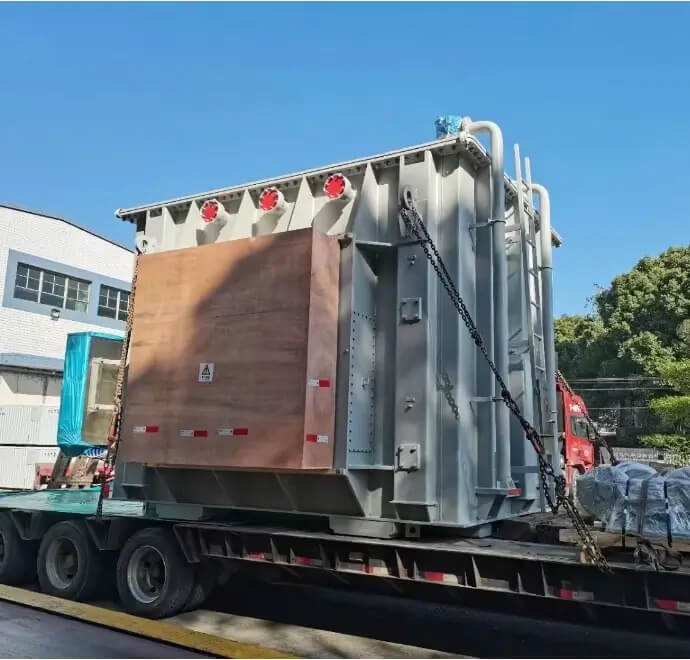
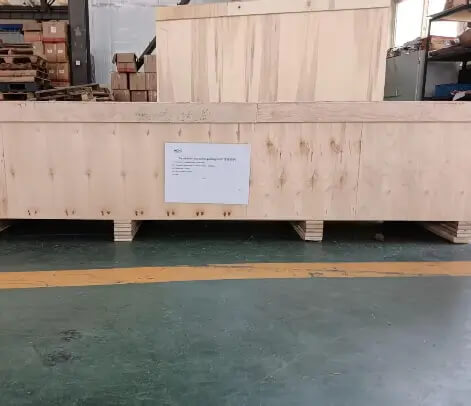
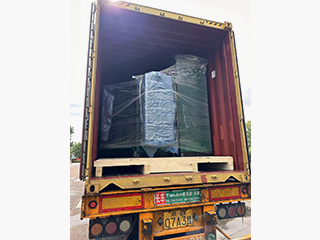
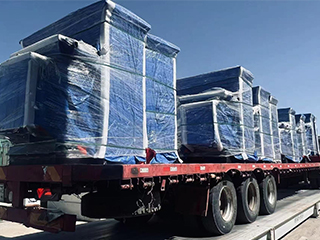
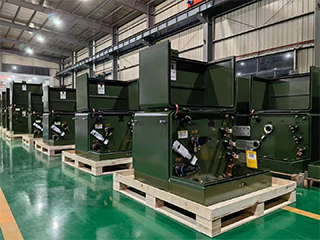
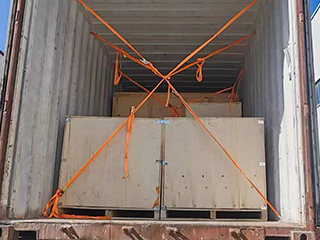
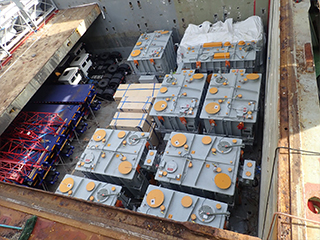
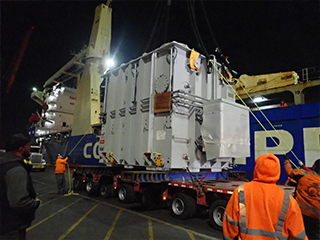
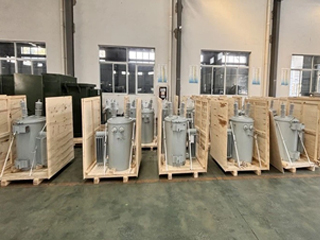
Packing and shipping of the 170kV oil-immersed power transformer are executed with strict attention to mechanical protection and insulation preservation. Prior to packing, the transformer undergoes final cleaning and protective preparation. All exposed interfaces are sealed, and sensitive internal components are safeguarded against moisture ingress and contamination. Accessories such as radiators, bushings, conservators, and control cabinets are removed when necessary and packed separately using reinforced crates with internal cushioning and moisture-resistant liners.
The transformer main unit is mounted on a heavy-duty transport base engineered to distribute weight evenly and minimize structural stress. Shock-absorbing materials and rigid securing systems are applied to protect against vibration, impact, and tilting during transit. For extended transportation periods, oil preservation measures and desiccants are used to maintain internal insulation conditions. External protective coatings are inspected to ensure resistance to abrasion and environmental exposure.
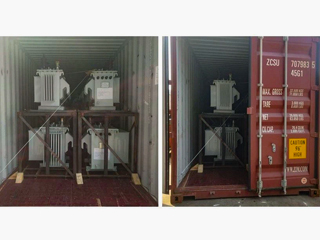
Shipping methods are selected based on transformer dimensions, weight, route limitations, and site accessibility. Depending on project requirements, transportation may be arranged via flat-rack containers, open-top containers, or break-bulk cargo. All packing materials comply with international export standards, including ISPM-15 regulations for wooden packaging. Clear markings for lifting points, center of gravity, and handling instructions are applied to ensure safe loading and unloading.
Each shipment is accompanied by comprehensive documentation, including packing lists, quality certificates, drawings, test reports, and operation manuals. Upon arrival, customers are provided with guidance for inspection, storage, and installation. Optional services such as on-site supervision, oil filling, commissioning assistance, and technical training can be arranged to ensure smooth project execution and reliable commissioning.
The transformer main unit is mounted on a heavy-duty transport base engineered to distribute weight evenly and minimize structural stress. Shock-absorbing materials and rigid securing systems are applied to protect against vibration, impact, and tilting during transit. For extended transportation periods, oil preservation measures and desiccants are used to maintain internal insulation conditions. External protective coatings are inspected to ensure resistance to abrasion and environmental exposure.
Shipping methods are selected based on transformer dimensions, weight, route limitations, and site accessibility. Depending on project requirements, transportation may be arranged via flat-rack containers, open-top containers, or break-bulk cargo. All packing materials comply with international export standards, including ISPM-15 regulations for wooden packaging. Clear markings for lifting points, center of gravity, and handling instructions are applied to ensure safe loading and unloading.
Each shipment is accompanied by comprehensive documentation, including packing lists, quality certificates, drawings, test reports, and operation manuals. Upon arrival, customers are provided with guidance for inspection, storage, and installation. Optional services such as on-site supervision, oil filling, commissioning assistance, and technical training can be arranged to ensure smooth project execution and reliable commissioning.
32
32 years of industry experience
Manufacturer Test
170kV 4–40MVA Oil-Immersed High-Voltage Power Transformer
Progress test
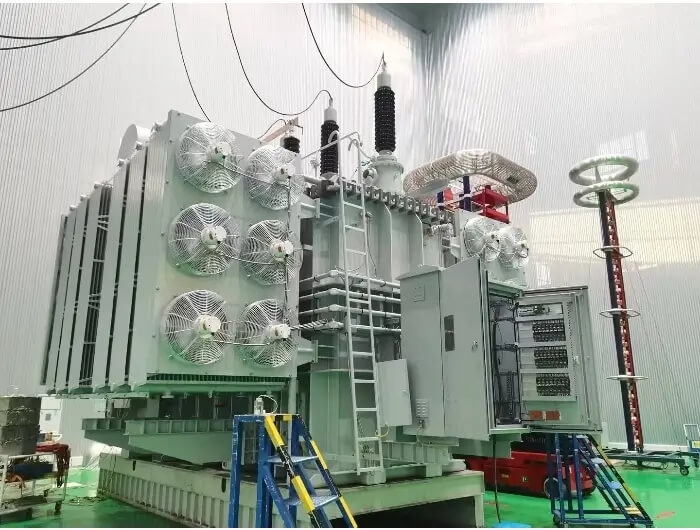
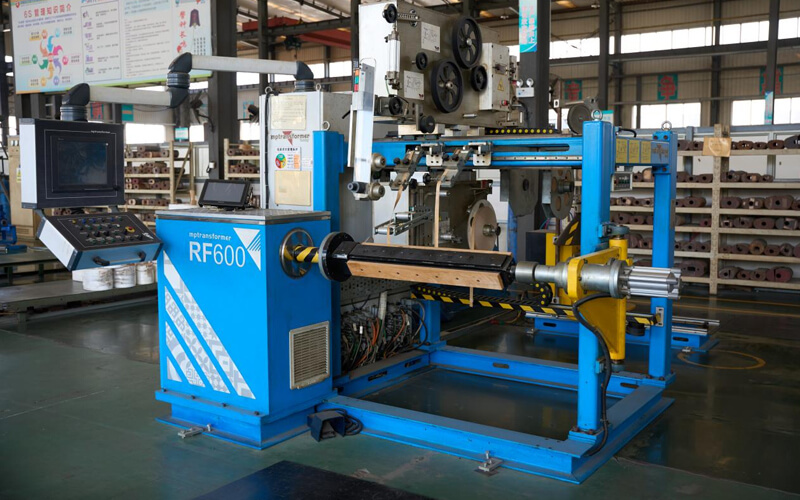
Progress testing for the 170kV 4–40MVA power transformer is conducted through structured inspections at key manufacturing stages. Raw materials, including magnetic steel, copper conductors, insulation materials, and insulating oil, are verified against technical specifications before production begins. During core assembly, checks focus on lamination alignment, clamping integrity, and magnetic circuit continuity. Winding production is monitored for conductor placement accuracy, insulation thickness, and dimensional tolerances. After winding completion, the active part undergoes vacuum drying and controlled heating to achieve specified moisture levels. Interim electrical inspections, including resistance measurement and turns ratio verification, are performed prior to tanking. Tank fabrication is inspected for dimensional accuracy, weld quality, and surface treatment consistency. Before oil filling, leak tests and internal cleanliness inspections are carried out. All progress test results are documented to ensure traceability and quality compliance before final testing.
Design Tests
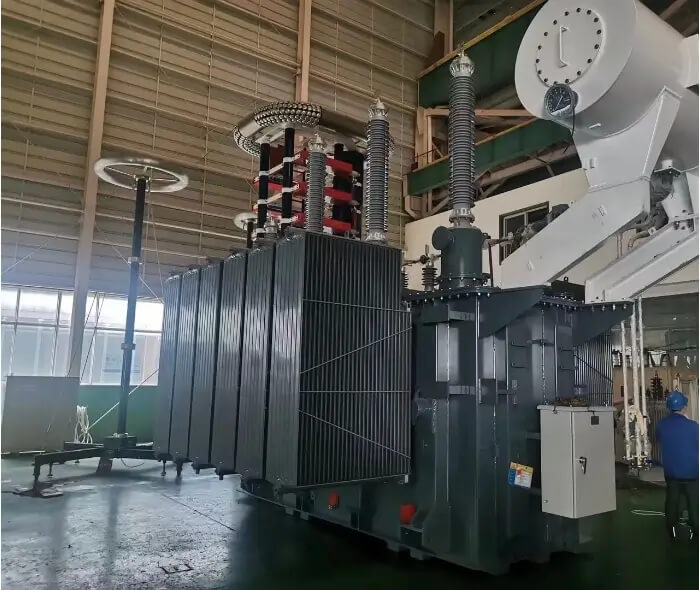
All transformers will be tested after finishing the production test items as follows:
♦ Leak testing with pressure for liquid-immersed transformers
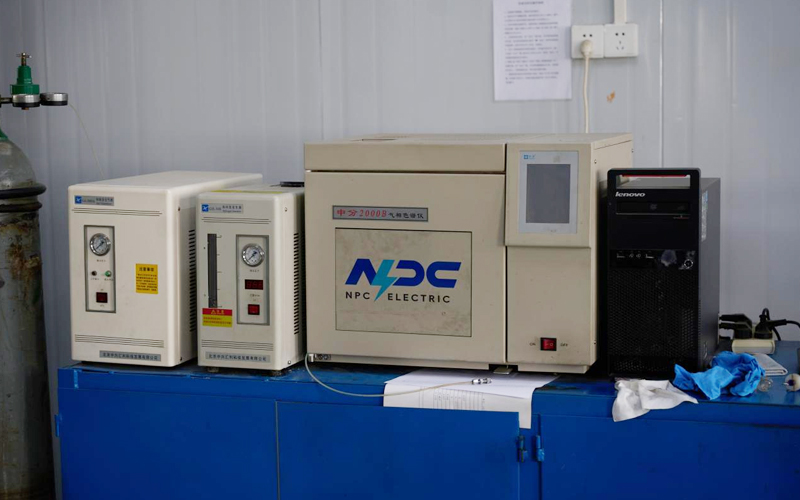
♦ Test of transformer oil
♦ Measurement of voltage ratio and check of phase displacement
♦ Measurement of winding DC resistance
♦ Measurement of d. c. Insulation resistance between each winding to earth, and check of the core and frame insulation
♦ Capacitive bushing test
♦ Operation test on on-load tap-changer
♦ Measurement of short-circuit impedance and load loss
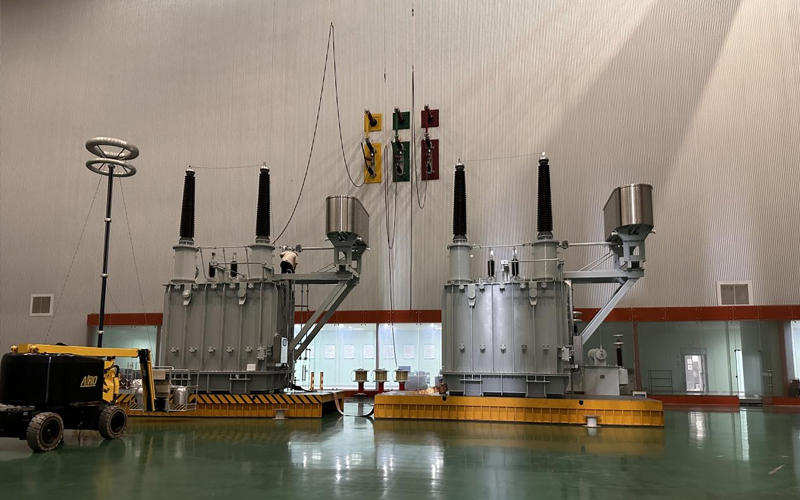
♦ Lightning impulse test
♦ Induced-voltage test with partial discharge measurement
♦ Auxiliary wiring check
♦ Current transformer test
♦ Frequency response analysis test
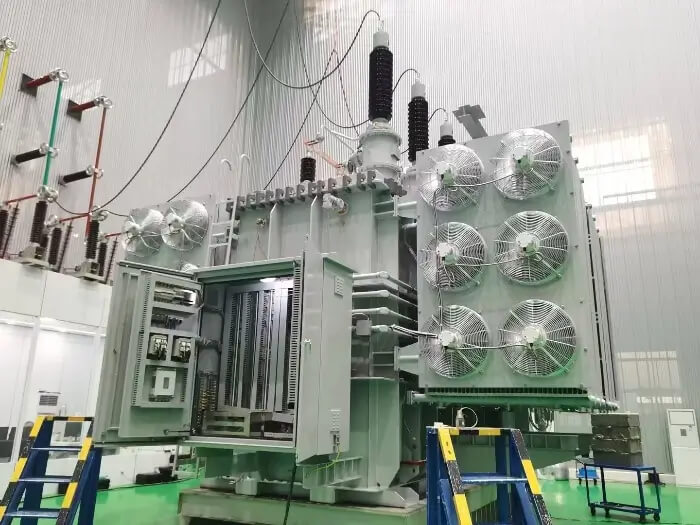
Transformer Factory Acceptance Test
Routine Test - DC Insulation Resistance Test
Purpose of Testing
The purpose of DC insulation resistance testing is to measure the insulation resistance of a device by applying a DC voltage, thereby evaluating the health of the insulation material and the voltage withstand capability of the electrical device. This test helps detect potential insulation aging, moisture or damage, preventing electrical failures in the device.
Testing Equipment
Insulation resistance tester (e.g. Megger, Fluke, Hioki, Klein Tools, etc.)
Voltage source (usually 500V, 1000V, 2500V, or customized according to customer requirements)
Temperature and humidity meter (used to record the ambient temperature and humidity during the test to ensure that the test conditions meet the standard requirements.)
Voltage source (usually 500V, 1000V, 2500V, or customized according to customer requirements)
Temperature and humidity meter (used to record the ambient temperature and humidity during the test to ensure that the test conditions meet the standard requirements.)
Pre-Test Preparation
Make sure the device is properly grounded and fully discharged to prevent residual charge in the device from affecting the test results.
Perform the test under suitable environmental conditions. It is recommended to have a relative humidity below 75%, no rain, and a temperature range of 20-30°C to avoid moisture or temperature fluctuations affecting the test results.
Perform the test under suitable environmental conditions. It is recommended to have a relative humidity below 75%, no rain, and a temperature range of 20-30°C to avoid moisture or temperature fluctuations affecting the test results.
Test Progress
Connect the Test Instrument:
Connect an insulation resistance tester to the high voltage terminal of the device under test and to ground.
Apply Test Voltage:
Select an appropriate test voltage based on the rated voltage of the equipment .
Connect an insulation resistance tester to the high voltage terminal of the device under test and to ground.
Apply Test Voltage:
Select an appropriate test voltage based on the rated voltage of the equipment .
Test Standard
IEC 60076 Oil-immersed power transformers
Measure and Record
Start the test and record the following parameters:
Insulation resistance value (MΩ)
Applied voltage
Ambient temperature and humidity during testing
Insulation resistance value (MΩ)
Applied voltage
Ambient temperature and humidity during testing
Temperature Correction
The measured insulation resistance values are corrected to a reference temperature (usually 20°C) for accurate evaluation.
Repeat Testing (if necessary)
Measure different windings (high voltage, medium voltage, low voltage) or each bushing separately, and conduct comparative analysis to ensure the insulation status of all parts.
Evaluation Criteria (Reference)
Insulation resistance ≥ 1000 MΩ (excellent)
500 MΩ ≤ Insulation resistance < 1000 MΩ (good)
100 MΩ ≤ Insulation resistance < 500 MΩ
Insulation resistance < 100 MΩ
500 MΩ ≤ Insulation resistance < 1000 MΩ (good)
100 MΩ ≤ Insulation resistance < 500 MΩ
Insulation resistance < 100 MΩ
*These comprehensive tests ensure that each transformer meets performance standards and operates
reliably under various conditions.
Application
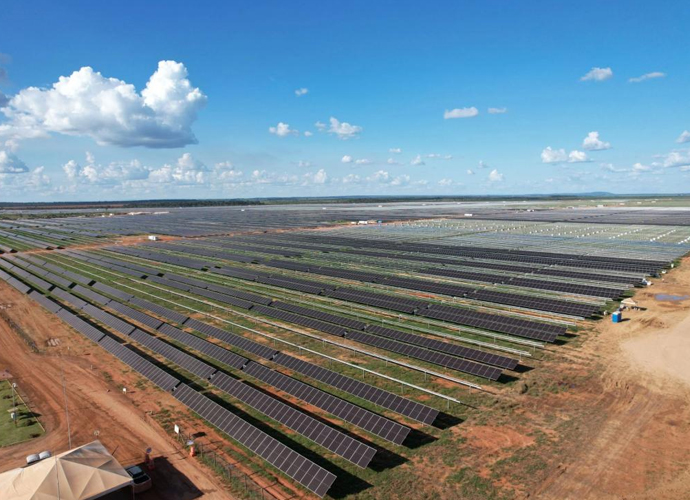
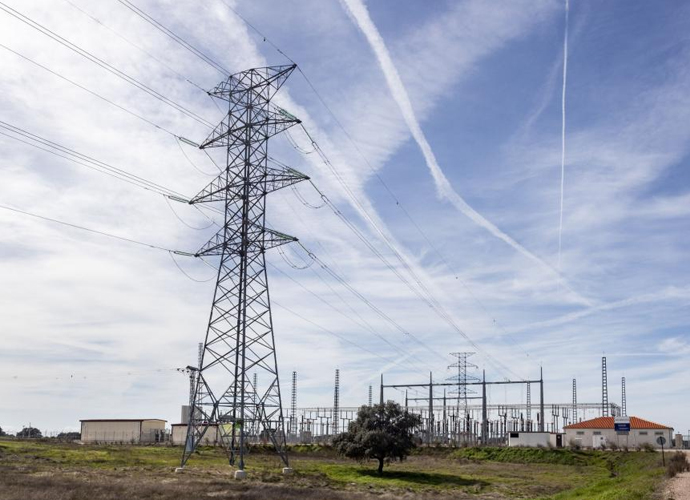
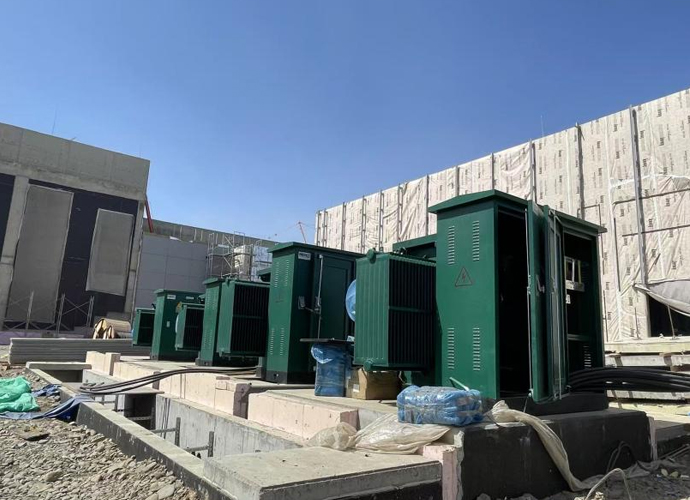
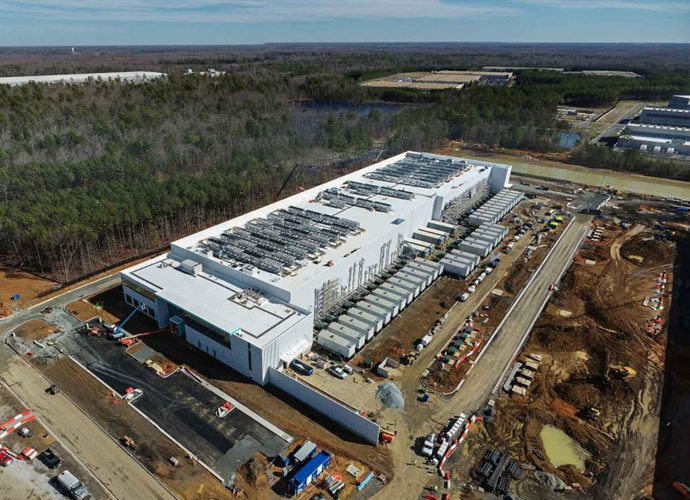
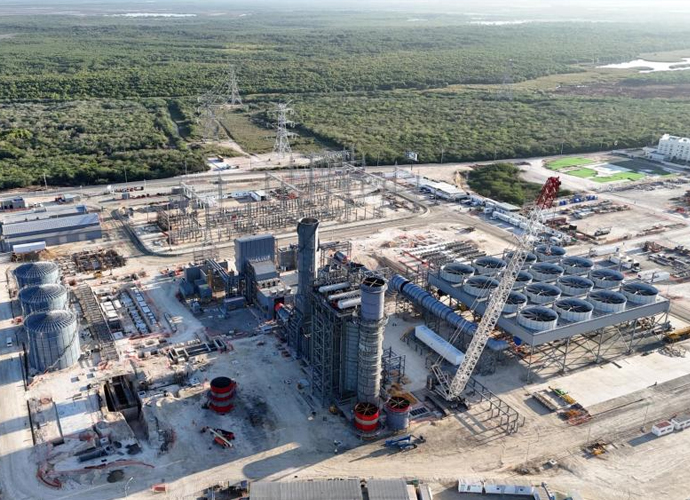
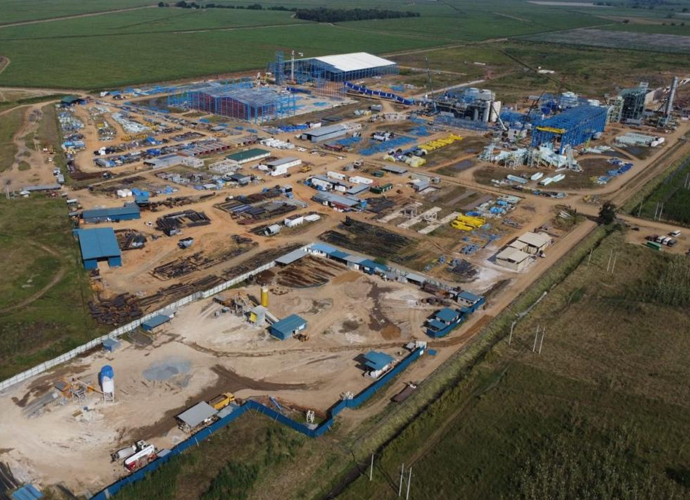
Widely deployed in regional and main transmission substations to step down 170 kV incoming lines to 35 kV or 66 kV for medium-voltage distribution feeders serving cities, commercial districts, and industrial zones. Also common in large manufacturing plants, steel mills, chemical complexes, cement factories, and automotive plants as the main incoming power transformer providing reliable voltage transformation and high overload tolerance.


Technical Advantages
● 30+ years of manufacturing experience
● ISO and UL certified production
● Customized cable and transformer solutions
Product Packaging
Transformers Packaging (1)
Transformers Packaging (2)
Transformers Packaging (3)
Transformers Packaging (4)
Transformers Packaging (5)
Transformers Packaging (6)
Transformers Packaging (7)
Transformers Packaging (8)
Related Products

50kVA Completely self-protected(CSP) Single Phase Pole Mounted Transformer
50kVA Completely self-protected(CSP) Single Phase pole Mounted transformer is a robust, high-efficiency solution designed for reliable single-phase power distribution in residential, commercial, and small industrial applications. This transformer features built-in protection mechanisms, including overload, short-circuit, and over-voltage safeguards, ensuring automatic disconnection during fault conditions to protect both the transformer and the electrical system. With its pole-mounted design, it is space-efficient and ideal for installations in urban, rural, and remote areas. The transformer operates with low losses, ensuring high energy efficiency and long-term performance. Built with durable materials, it offers exceptional resilience against harsh weather conditions, ensuring reliability and longevity. This transformer is an ideal choice for any application requiring consistent, stable single-phase power.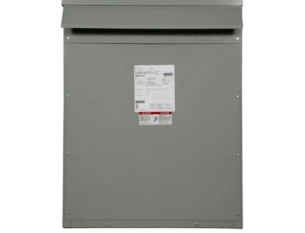
Three Phase Isolation Transformer
The Three Phase Isolation Transformer is a premium electrical power solution designed to provide complete galvanic isolation between the primary and secondary circuits of three-phase power systems. By eliminating direct electrical continuity between power sources and connected loads, the transformer effectively reduces electrical noise, suppresses common-mode disturbances, minimizes transient voltage surges, and improves overall power quality. This advanced isolation capability helps protect sensitive equipment, enhance operational safety, and improve system reliability in demanding industrial and commercial environments. Manufactured using high-permeability CRGO silicon steel cores and precision-engineered copper or aluminum windings, the Three Phase Isolation Transformer delivers excellent efficiency, low losses, and stable voltage regulation. Its robust insulation system ensures superior dielectric performance while reducing the risk of electrical faults and ground loop issues. The transformer is widely deployed in industrial automation facilities, manufacturing plants, renewable energy installations, data centers, transportation infrastructure, healthcare facilities, and critical power applications where reliable and clean power is essential.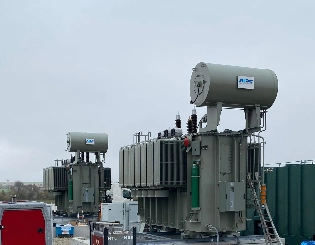
100kV 200kVA 250kVA 315kVA Three-Phase Oil-Immersed Substation Power Transformer
This 100kV three-phase oil-immersed substation power transformer is engineered for stable voltage transformation across 200kVA, 250kVA, and 315kVA capacity ranges. Designed for medium to high-voltage distribution networks, it delivers exceptional reliability, thermal endurance, and operational efficiency in substations, industrial plants, and utility distribution grids. The transformer utilizes high-grade insulation, precision-wound copper conductors, and robust core materials to ensure low losses, long service life, and consistent performance under demanding electrical and environmental conditions. Its sealed oil-immersed structure enhances insulation strength and optimizes heat dissipation for safe and continuous operation.
70kV 8000kVA Copper-Wound Oil-Immersed Power Transformer for High-Voltage Distribution
The 70kV 8000kVA Copper-Wound Oil-Immersed Power Transformer for High-Voltage Distribution is designed to deliver robust performance in demanding grid environments. Featuring 100% oxygen-free copper windings, the transformer ensures superior electrical conductivity, reduced losses, and enhanced overload capability. Its oil-immersed cooling system provides excellent heat dissipation, maintaining long-term stability under high-load and continuous operation conditions. The high-grade silicon steel core minimizes noise and magnetic losses, improving overall efficiency. The transformer’s reinforced tank, durable insulation system, and outdoor-ready structure enable reliable operation in harsh climates, industrial zones, and high-temperature regions. Compliant with IEC, IEEE, and GB standards, this transformer supports utility substations, industrial power networks, renewable energy integration, and high-voltage distribution systems, ensuring safe, efficient, and uninterrupted power delivery.
Single Phase Isolation Transformer
The Single Phase Isolation Transformer is a specialized power transformer designed to provide complete electrical isolation between the primary and secondary circuits while ensuring safe and efficient power transmission. By eliminating direct conductive paths between input and output power sources, the transformer effectively suppresses electrical noise, reduces common-mode interference, minimizes transient voltage disturbances, and enhances operational safety for connected equipment. This makes it an ideal solution for sensitive electronic devices, industrial control systems, laboratory instruments, medical equipment, and commercial power applications. Constructed with premium-grade CRGO silicon steel cores and precision-wound copper or aluminum conductors, the Single Phase Isolation Transformer offers exceptional efficiency, low losses, and stable voltage regulation. Its robust insulation system enhances dielectric strength and provides reliable protection against electrical faults and grounding issues. The transformer is available in a wide range of voltage ratings and capacities, making it suitable for both standard and customized electrical distribution requirements. Designed for long-term performance and minimal maintenance, the Single Phase Isolation Transformer can be integrated into industrial automation systems, telecommunications networks, data processing facilities, and specialized power conditioning applications.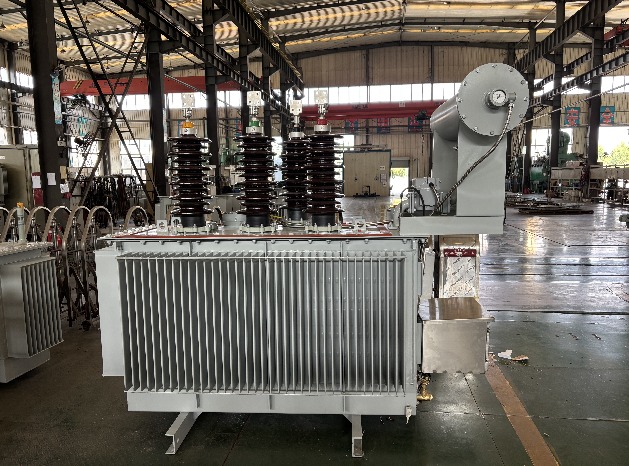
Earthing Transformer
The Earthing Transformer (also known as Grounding Transformer or Neutral Grounding Transformer) is a specialized auxiliary transformer used in three-phase power systems to provide a neutral grounding point and a low-impedance path for zero-sequence currents during ground faults. It is essential in ungrounded delta or ungrounded wye systems (common in industrial, utility, and renewable energy applications) where no natural neutral exists, enabling safe fault current flow to ground, stabilizing voltages, limiting overvoltages on unfaulted phases, and supporting protective relaying. Typical features include three-phase construction, rated voltage matching system line-to-line (e.g., 11kV, 33kV, 35kV, up to 220kV+), short-time rating for fault current (e.g., 10–30 seconds at 100–1000A or more), neutral bushing for grounding connection.FAQ From Customers
-
What is a Transformer?A transformer is an electrical device used to change the voltage of alternating current (AC). It works on the principle of electromagnetic induction, converting high-voltage current into low-voltage current or low-voltage current into high-voltage current. Transformers are widely used in power transmission, distribution systems, and various electronic devices.
-
What are the main uses of a transformer?The main use of a transformer is voltage conversion. Transformers are used in power transmission systems to help transfer electricity from power plants to consumers. In addition, transformers are also used in electronic devices such as chargers, televisions, power adapters, etc., to adjust the voltage to meet the requirements of different devices.
-
Do you have UL listed?Yes, our transformer has UL listed. We have exported to America many pad mounted transformer,substation transformer and HV.
Welcome your inquiry
Honesty, Integrity, Frugality, Activeness and Passion