How to Choose the Right Instrument Cable: Complete Guide
2026-06-03
Selecting the right instrument cable is a critical decision in industrial systems, audio engineering, and electrical infrastructure. Whether used in precision measurement systems, automation control, or signal transmission environments, the performance of instrument cables directly affects signal integrity, system reliability, and operational safety.
From a practical engineering standpoint, choosing the wrong cable can lead to signal interference, data loss, increased maintenance costs, and even system failure. This guide approaches the topic from a real-world industrial and export perspective, combining electrical theory with field-proven practices to help buyers, engineers, and procurement professionals make informed decisions.
1. What Is an Instrument Cable?
An instrument cable is designed to transmit low-energy electrical signals with high accuracy and minimal interference. Unlike power cables, which prioritize current capacity, instrument cables prioritize signal fidelity and electromagnetic compatibility (EMC).
Key Functional Characteristics:
- Low-voltage signal transmission
- High resistance to electromagnetic interference (EMI)
- Precision shielding
- Stable impedance characteristics
Instrument cables are widely used in:
- Industrial automation systems
- Process control environments
- Audio equipment (e.g., 1 4 instrument cable for guitars)
- Measurement and monitoring systems
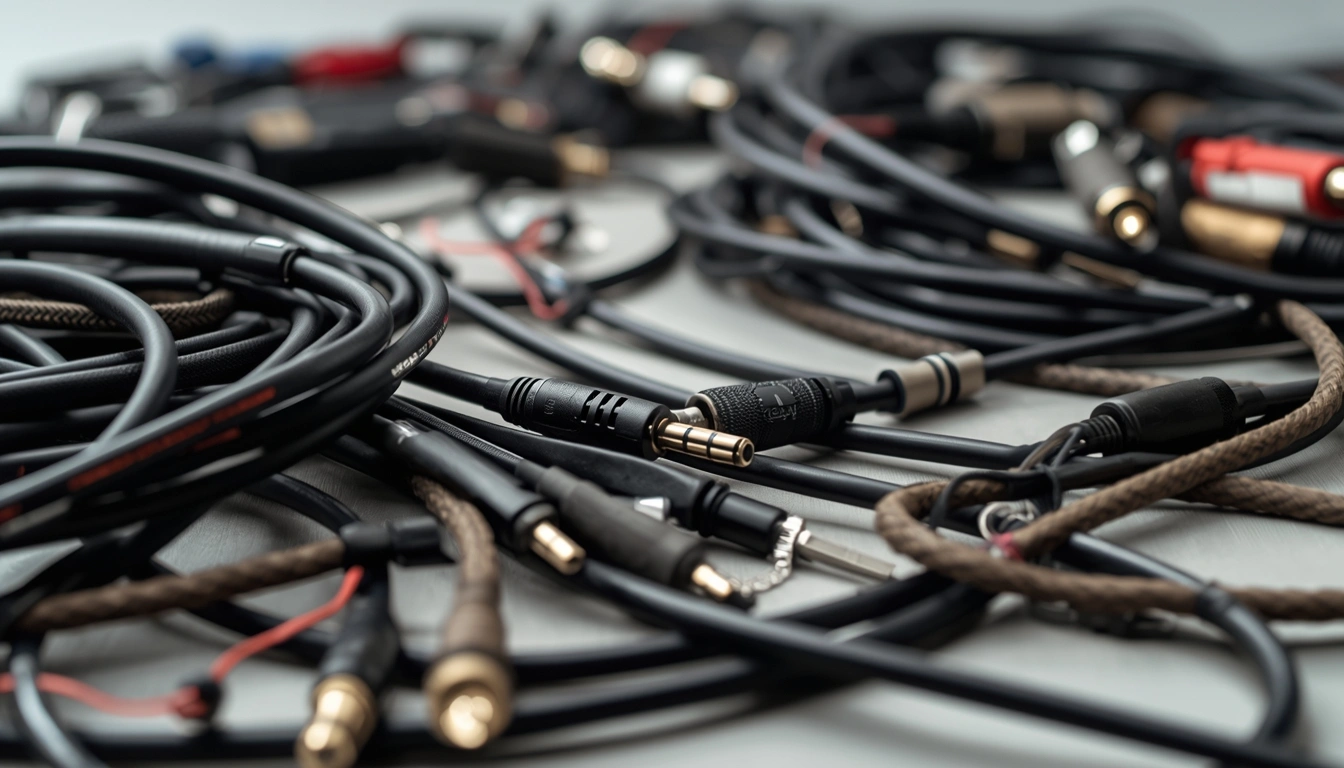
2. Core Components of Instrument Cables
Understanding cable construction is essential when evaluating quality.
Table: Instrument Cable Structure Breakdown
|
Component |
Function |
|
Conductor |
Carries the signal; typically copper or tinned copper |
|
Insulation |
Prevents electrical leakage and short circuits |
|
Shielding |
Protects against EMI/RFI interference |
|
Jacket |
Provides mechanical protection and environmental resistance |
|
Drain Wire |
Grounds for unwanted interference |
Engineering Insight:
High-quality wires and cable systems often use multi-layer shielding (foil + braid) to ensure superior performance in noisy environments such as factories or near a cable transformer installation.
3. Types of Instrument Cables and Their Applications
Different applications require different cable types. Choosing incorrectly can compromise system performance.
Table: Common Instrument Cable Types
|
Cable Type |
Application Scenario |
Key Advantage |
|
Shielded Twisted Pair |
Industrial control systems |
Excellent noise rejection |
|
Coaxial Cable |
RF and high-frequency signal transmission |
Stable impedance |
|
Multi-core Instrument Cable |
Complex control panels and automation systems |
Space-efficient wiring |
|
1 4 Instrument Cable |
Audio instruments (guitar, bass) |
High signal clarity |
|
Control Cable |
Industrial machinery and process control |
Durable and flexible |
Practical Consideration:
For industrial exports, multi-core shielded cables are often preferred due to their ability to handle complex wiring systems while maintaining compact installation.
4. Key Factors When Choosing the Best Instrument Cables
4.1 Signal Integrity Requirements
Signal integrity is the primary selection criterion.
- Use low-capacitance cables for long-distance transmission
- Ensure impedance matching in sensitive systems
- Select high-purity copper conductors
In audio applications, the difference between standard and best instrument cables can significantly impact sound clarity and noise levels.
4.2 Shielding Effectiveness
Shielding determines resistance to external interference.
Types of Shielding:
- Foil shielding: 100% coverage, ideal for high-frequency noise
- Braided shielding: strong mechanical durability
- Combination shielding: best overall performance
Engineering Recommendation:
In environments near heavy equipment or cable transformer systems, always use double-shielded instrument cables.
4.3 Environmental Conditions
Instrument cables must withstand their operating environment.
Consider:
- Temperature range
- Chemical exposure
- UV resistance
- Mechanical stress
For outdoor or industrial environments, select cables with PVC, XLPE, or LSZH jackets.
4.4 Cable Length and Capacitance
Longer cables increase capacitance, which can degrade signals.
Practical Rule:
- Keep cable runs as short as possible
- Use low-capacitance cables for long distances
This is particularly critical for 1 4 instrument cable in audio systems, where excessive length reduces high-frequency response.
4.5 Flexibility and Installation Requirements
Rigid cables may fail in dynamic environments.
Choose:
- Flexible stranded conductors for moving equipment
- Armored cables for harsh industrial conditions
5. Instrument Cable vs Control Cable
Many buyers confuse instrument cables with control cables, but they serve different purposes.
Table: Instrument Cable vs Control Cable
|
Feature |
Instrument Cable |
Control Cable |
|
Purpose |
Signal transmission |
Power/control signals |
|
Voltage Level |
Low voltage |
Medium to low voltage |
|
Shielding |
Essential |
Optional |
|
Precision |
High |
Moderate |
|
Typical Use |
Sensors, audio, measurement |
Machinery, automation systems |
Key Takeaway:
Use instrument cables where signal accuracy matters; use control cables where operational control is the priority.
6. Standards and Certifications for Export Markets
For international trade, compliance is non-negotiable.
Common Standards:
- IEC (International Electrotechnical Commission)
- UL (Underwriters Laboratories)
- CE (European Conformity)
- RoHS (Restriction of Hazardous Substances)
Export Insight:
European markets (including Germany) demand strict adherence to LSZH (Low Smoke Zero Halogen) standards, especially in public infrastructure projects.
7. Common Mistakes to Avoid
1. Ignoring Shielding Requirements
Leads to signal distortion and system instability.
2. Choosing Based on Price Alone
Low-cost cables often fail prematurely, increasing total lifecycle cost.
3. Overlooking Environmental Factors
Incorrect jacket materials can degrade quickly in harsh conditions.
4. Mismatching Cable Type
Using control cables instead of instrument cables can cause measurement errors.
8. Electrical Performance Parameters: Deep Technical Analysis
When selecting an instrument cable, understanding electrical parameters is essential for engineering accuracy and procurement validation.
Table: Critical Electrical Parameters
|
Parameter |
Definition |
Impact on Performance |
|
Capacitance (pF/m) |
The cable's ability to store electrical charge |
Higher values reduce high-frequency signal quality |
|
Resistance (Ω/km) |
Opposition to current flow |
Affects signal strength over distance |
|
Impedance (Ω) |
Total opposition to AC signals |
Must match system requirements |
|
Attenuation (dB) |
Signal loss over distance |
Lower is better for long runs |
|
Shield Coverage (%) |
Effectiveness of EMI protection |
Higher % = better noise rejection |
Engineering Insight:
For high-precision instrumentation, capacitance is often the most critical parameter. A poorly selected cable can introduce phase distortion, especially in long-distance signal transmission.
9. Material Selection and Its Industrial Impact
Material science plays a decisive role in cable performance and lifecycle cost.
Conductor Materials
- Bare Copper: conductivity, widely used
- Tinned Copper: Better corrosion resistance (ideal for humid environments)
- Silver-Plated Copper: High-frequency applications (premium segment)
Insulation Materials
|
Material |
Advantages |
Typical Use |
|
PVC |
Cost-effective, flexible |
General industrial use |
|
XLPE |
High thermal resistance |
Power and hybrid systems |
|
PE |
Low dielectric loss |
High-frequency cables |
|
LSZH |
Low smoke, non-toxic |
Public infrastructure |
Practical Export Perspective:
For European clients, LSZH instrument cables are increasingly mandatory due to fire safety regulations.
10. Shielding Technologies: Advanced Comparison
Shielding design directly determines cable performance in electromagnetically noisy environments.
Table: Shielding Types Comparison
|
Shield Type |
Coverage |
Flexibility |
EMI Protection |
Cost |
|
Foil Shield |
100% |
Low |
Excellent (HF) |
Low |
|
Braided Shield |
70–95% |
High |
Good (LF) |
Medium |
|
Spiral Shield |
60–80% |
Very High |
Moderate |
Medium |
|
Dual Shield (Foil + Braid) |
~100% |
Medium |
Moderate |
High |
Engineering Recommendation:
For installations near transformers, motors, or high-voltage lines, always use dual-shielded instrument cables to minimize EMI.
11. How to Identify High-Quality Instrument Cables
Checklist for Buyers:
- High-purity copper conductor (>99.9%)
- Multi-layer shielding
- Certified manufacturing standards
- Consistent insulation thickness
- Strong mechanical durability
Supplier Evaluation Tips:
- Request test reports (attenuation, capacitance)
- Verify compliance certifications
- Assess production capability for bulk orders
10. Buyer Guide Section
What is the best instrument cable for industrial use?
→ Shielded twisted pair with LSZH jacket and low capacitance.
How long can an instrument cable be without signal loss?
→ Depends on capacitance; typically under 30 meters for high-fidelity applications.
Are expensive instrument cables worth it?
→ Yes, for critical applications where signal integrity matters.
Quick Selection Guide
|
Scenario |
Recommended Cable Type |
|
Industrial automation |
Shielded multi-core instrument cable |
|
Audio systems |
1 4 instrument cable (low capacitance) |
|
High EMI environments |
Double-shielded cable |
|
Outdoor installation |
Armored LSZH cable |
|
Control systems |
Control cable |
11. FAQ Section
What is the difference between instrument cables and regular cables?
Instrument cables are designed for low-noise signal transmission, while regular cables focus on power delivery.
What is the best instrument cable for long-distance transmission?
Low-capacitance, shielded twisted pair cables with high-quality insulation.
Can I use control cable instead of instrument cable?
Technically possible, but not recommended due to signal accuracy limitations.
Why does cable shielding matter?
Shielding prevents electromagnetic interference, ensuring stable and accurate signals.
From shielding effectiveness to environmental adaptability, every parameter must be carefully evaluated based on the specific application. Whether selecting best instrument cables for audio precision or robust control cable systems for industrial automation, a structured approach ensures optimal results.
For international buyers and exporters, aligning technical requirements with global standards is equally critical. By applying the principles outlined in this guide, professionals can confidently select cables that meet both performance expectations and regulatory requirements.

Related Articles
Related Products
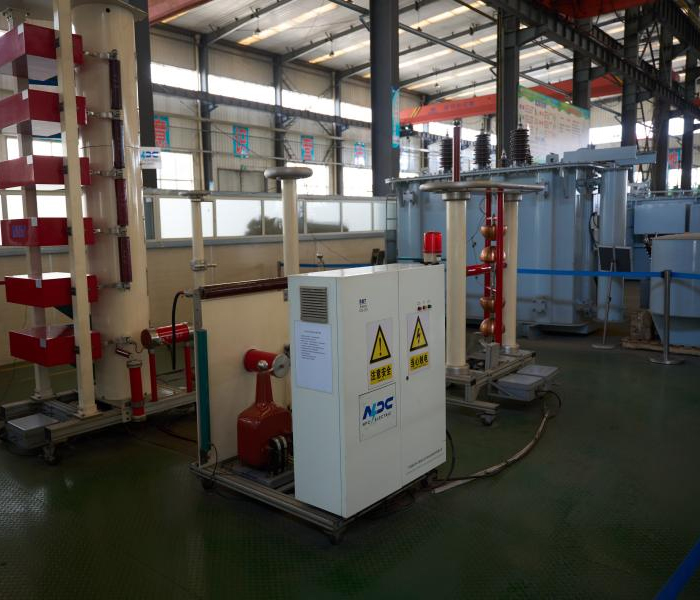
630kVA Dry Type Transformer
NPC ELECTRIC 630kVA Dry-Type Transformer is a compact, oil-free solution for reliable power distribution. With advanced insulation and cooling systems, it ensures safe, low-maintenance operation, making it ideal for industrial and commercial applications. Offering 630kVA capacity, it delivers efficient, environmentally friendly, and cost-effective performance. Compliant with DOE amended energy conservation standards (finalized 2024, mandatory from April 23, 2029, with 20% loss reduction for three-phase low-voltage dry-type units), ANSI/IEEE C57.12.01, NEMA ST-20, UL 1561, and CSA standards, this low-voltage (≤600V) transformer minimizes no-load losses, runs cooler, and prioritizes fire safety without oils or fluids.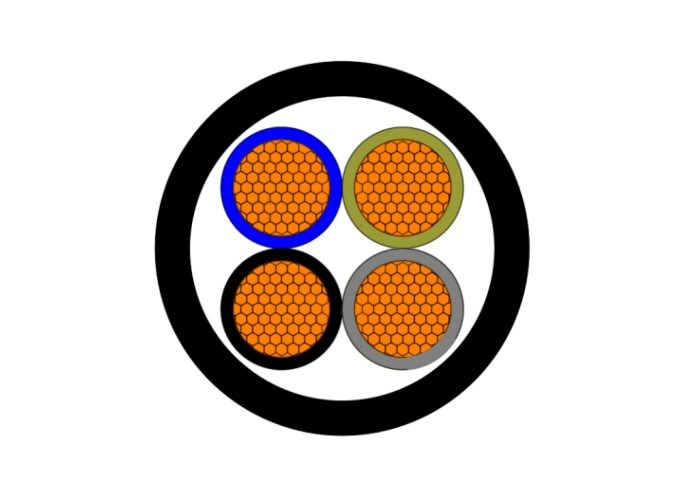
N2XH IEC 60502-1 XLPE LSZH 0.6/1kV Cable
The N2XH IEC 60502-1 XLPE LSZH 0.6/1kV Cable is designed for safe and reliable low voltage power distribution in buildings and infrastructure where fire safety is a critical requirement. Manufactured with high-quality copper conductors and XLPE insulation, the cable provides excellent electrical performance, thermal stability, and long service life. The LSZH (Low Smoke Zero Halogen) outer sheath significantly reduces smoke density and eliminates corrosive gas emission in the event of fire, helping to protect people, equipment, and structures. Rated at 0.6/1kV and produced in accordance with IEC 60502-1, this cable meets international standards for electrical safety and fire performance. Its robust construction supports fixed installation in indoor environments where high safety, reliability, and environmental protection are essential.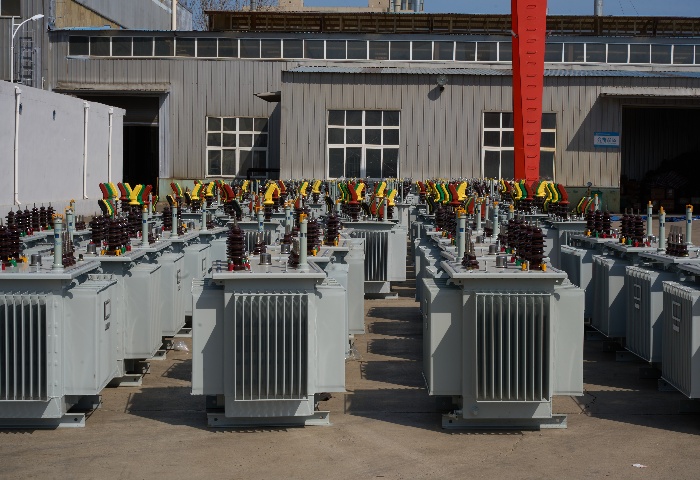
1000kVA Oil Immersed Transformer
NPC ELECTRIC's 1000kVA oil-immersed transformer is made of high-quality silicon steel sheets and high-quality insulation materials, with high efficiency, low loss, and long life. The product complies with international standards such as IEC 60076 and GB 1094, and has passed strict type tests and factory tests to ensure safety and reliability. High-quality windings and robust mechanical design provide strong short-circuit withstand capability and thermal stability. With low operating noise and reduced maintenance requirements, the transformer is well suited for industrial, commercial, and utility distribution networks.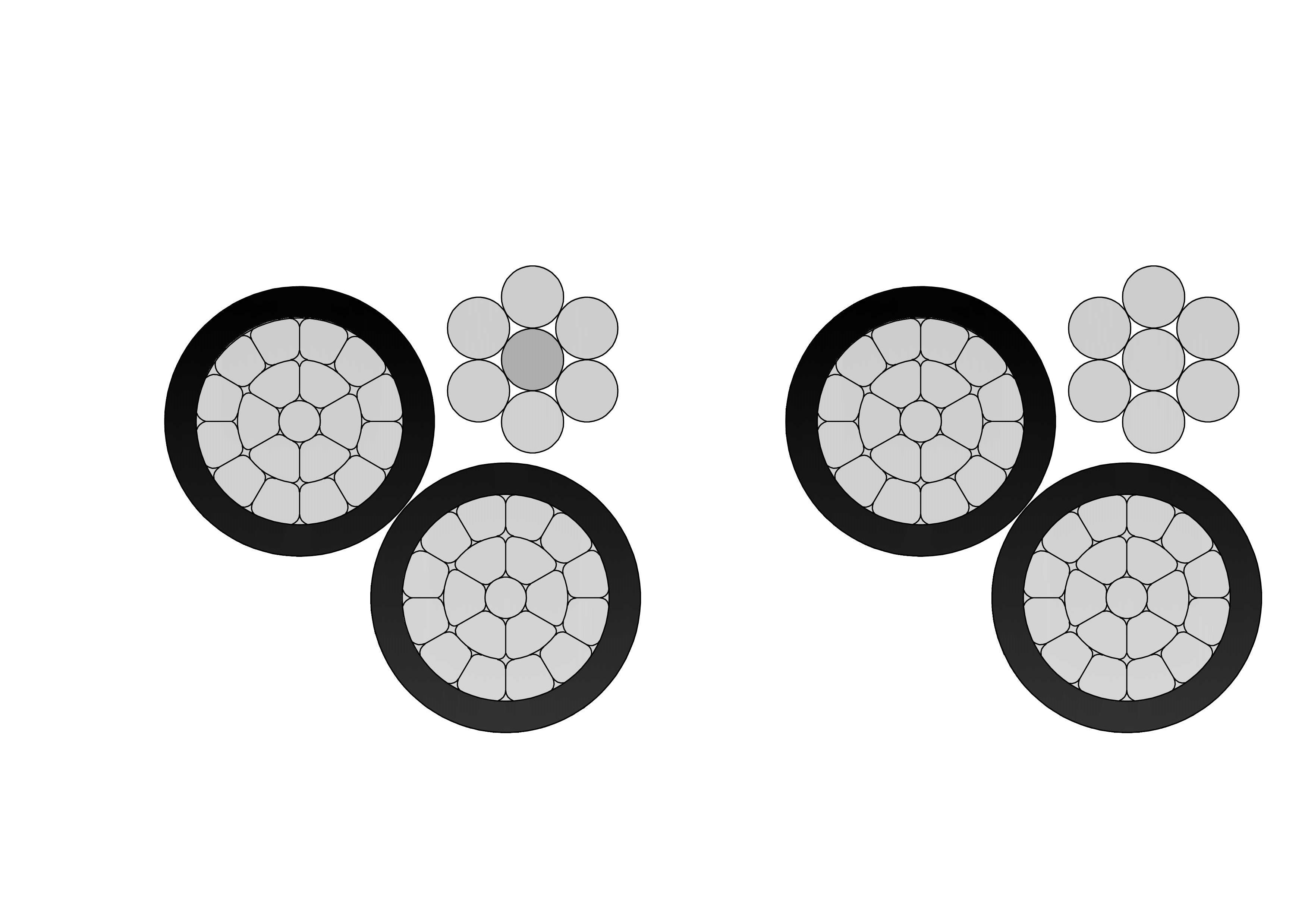
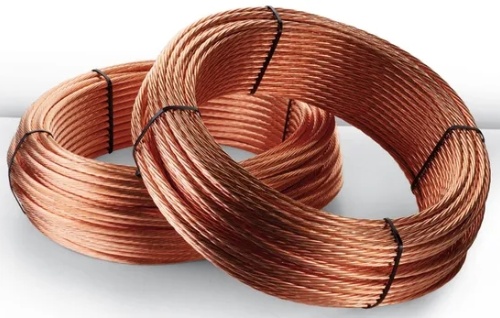
Copper Conductor Triplex Service Drop Cable 600V
The Copper Conductor Triplex Service Drop Cable 600V delivers exceptional performance for overhead power distribution from utility poles to service entrances. It features three stranded soft copper conductors: two phase conductors (common sizes 8 AWG to 2 AWG or larger) insulated with black cross-linked polyethylene (XLPE) for outstanding weather, UV, and moisture resistance, twisted around a bare copper neutral messenger for mechanical support and reduced sag. Rated 600V phase-to-phase with conductor temperatures up to 90°C (XLPE), it provides higher ampacity than aluminum equivalents (e.g., ~85–180A depending on size) due to superior conductivity. Compliant with ASTM B-1, B-3, B-8, and ICEA S-76-474 standards, the Copper Conductor Triplex Service Drop Cable offers excellent corrosion resistance, lower voltage drop, and long-term reliability in demanding aerial installations where premium conductivity is essential.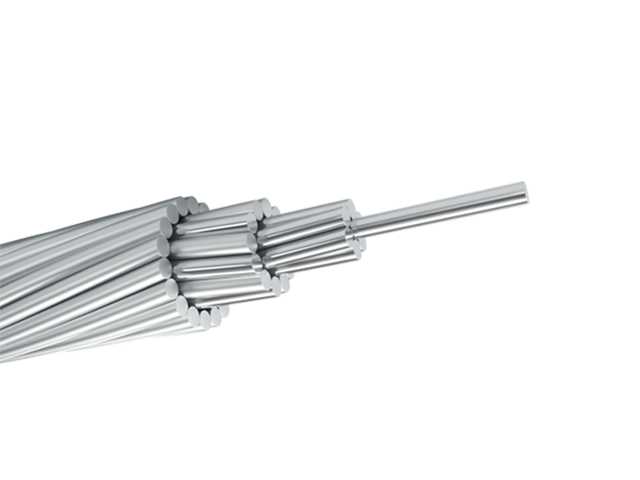
ACAR Conductor IEC 61089 Standard (A1/A3 & A1/A2) - Aluminum Alloy Reinforced
The ACAR Conductor IEC 61089 Standard (A1/A3, A1/A2) is a premium Aluminum Conductor Alloy Reinforced designed for efficient overhead power transmission and distribution. It consists of concentrically stranded 1350-H19 aluminum wires around a high-strength 6201-T81 aluminum-magnesium-silicon alloy core, offering an excellent balance of electrical conductivity and mechanical strength. Compared to equivalent ACSR conductors, this IEC 61089 ACAR provides higher ampacity at the same weight, lower sag, and superior corrosion resistance without steel core issues. Available in A1/A3 and A1/A2 configurations, it meets stringent IEC 61089 requirements for long-span lines. The ACAR Conductor IEC 61089 undergoes rigorous quality testing from raw materials to finished product, ensuring low DC resistance, high breaking strength, and reliable performance in various climates. Ideal for new installations or reconductoring projects where optimized strength-to-weight ratio and cost-effectiveness are critical.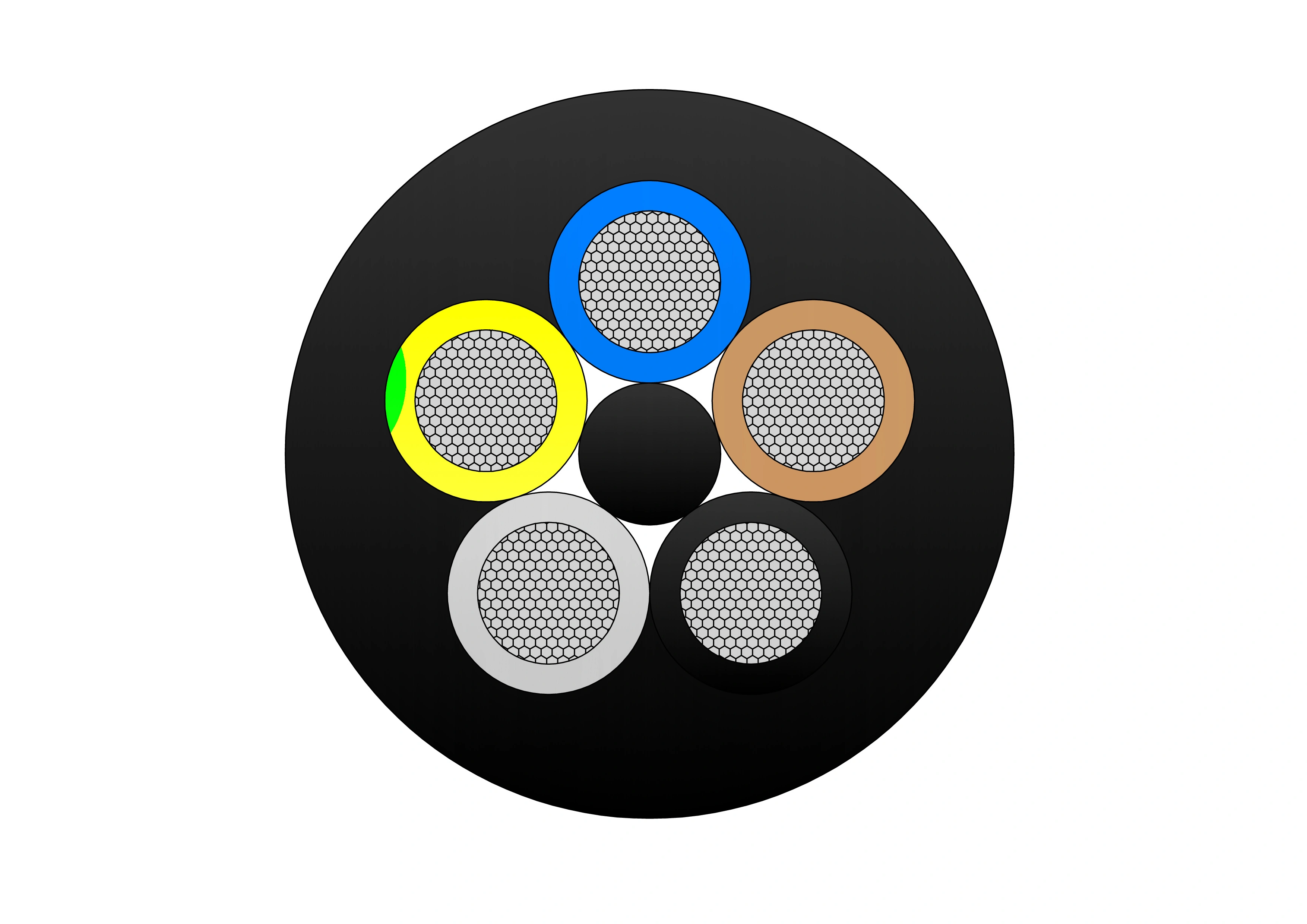
(N)TSCGEWOU 3.6/6kV, 6/10kV, 8.7/15kV and 12/20kV Submersible Cable
The (N)TSCGEWOU 3.6/6kV, 6/10kV, 8.7/15kV and 12/20kV Submersible Cable is a robust, flexible medium-voltage cable optimized for full submersion in mining and industrial water environments. It comprises class 5 tinned copper conductors for corrosion resistance, semi-conductive screens, EPR insulation for reliable dielectric and thermal properties (90°C rating), copper braid screen for shielding, control/monitoring conductors, and a high-performance watertight rubber outer sheath incorporating water-blocking elements to resist high hydrostatic pressure and prevent longitudinal/transverse water ingress. Compliant with DIN VDE 0250 and IEC standards, it provides excellent mechanical strength, flame retardancy, oil/chemical resistance, and flexibility for dynamic submersible use. The (N)TSCGEWOU Submersible is ideal for reliable power delivery to submersible pumps, dredgers, and underwater equipment in flooded mines, tunnels, and offshore applications.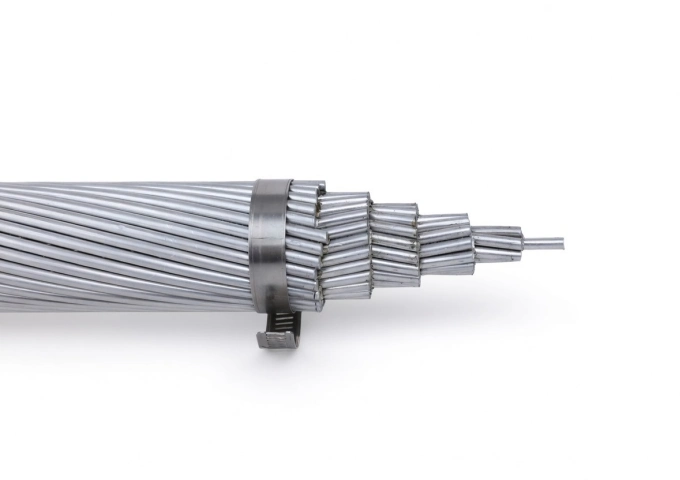
636 MCM Orchid AAC Cable
The 636 MCM Orchid AAC Cable represents premium All Aluminum Conductor technology for overhead power applications. Built with 37 strands of high-conductivity 1350-H19 aluminum, this bare conductor delivers an optimal balance of electrical efficiency and mechanical robustness. With a 0.918-inch diameter, 11,400 lbs breaking strength, and 765 amps ampacity, the Orchid AAC offers low DC resistance of 0.027 ohms per 1000 ft at 20°C and a weight of 597 lbs per 1000 ft. This design minimizes sag while providing excellent corrosion resistance for extended outdoor service. Manufactured to meet ASTM B-230 and B-231 standards, the 636 MCM Orchid AAC Cable undergoes extensive quality testing from raw materials through finished product. It is the ideal solution for new installations and upgrades in transmission and distribution systems that demand lightweight, high-conductivity bare aluminum conductors.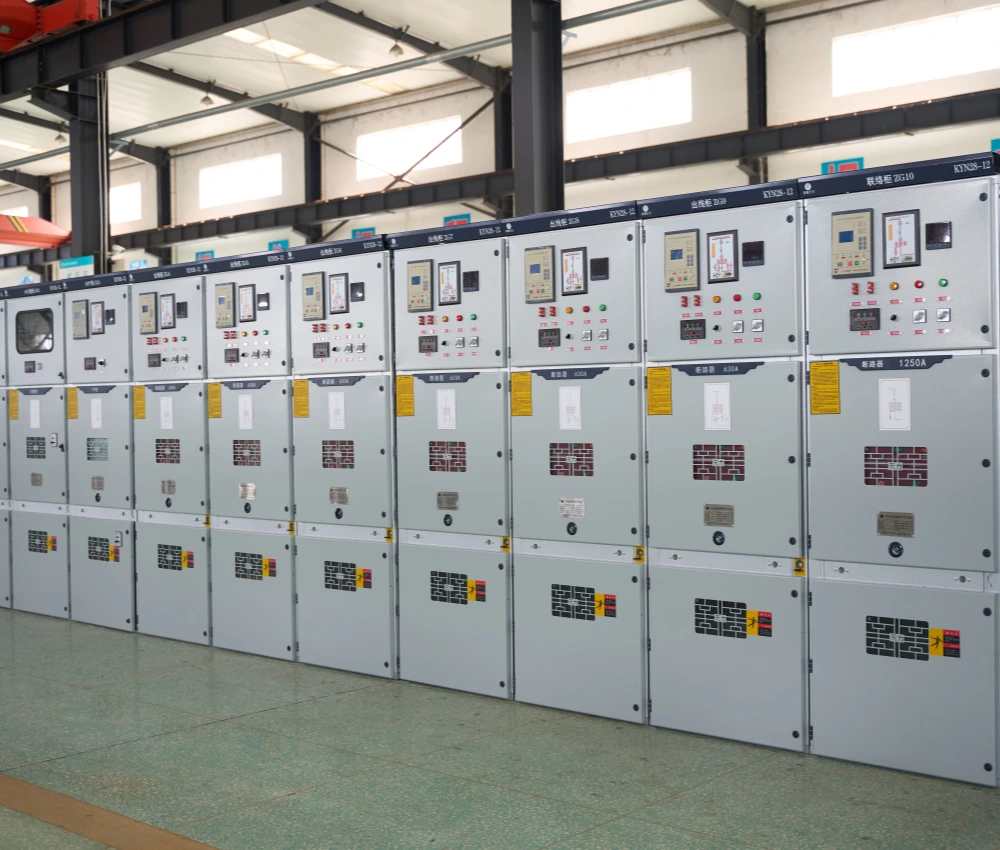
High Voltage Switchgear
NPC Electric high voltage switchgear delivers exceptional reliability and safety for modern electrical networks. Built with cutting-edge insulation technology and intelligent monitoring systems, this HV switchgear ensures seamless power distribution while protecting critical infrastructure from faults and overloads. Ideal for utilities, industrial plants, and renewable energy projects, it combines compact design with robust construction to minimize downtime and maximize operational efficiency in demanding environments.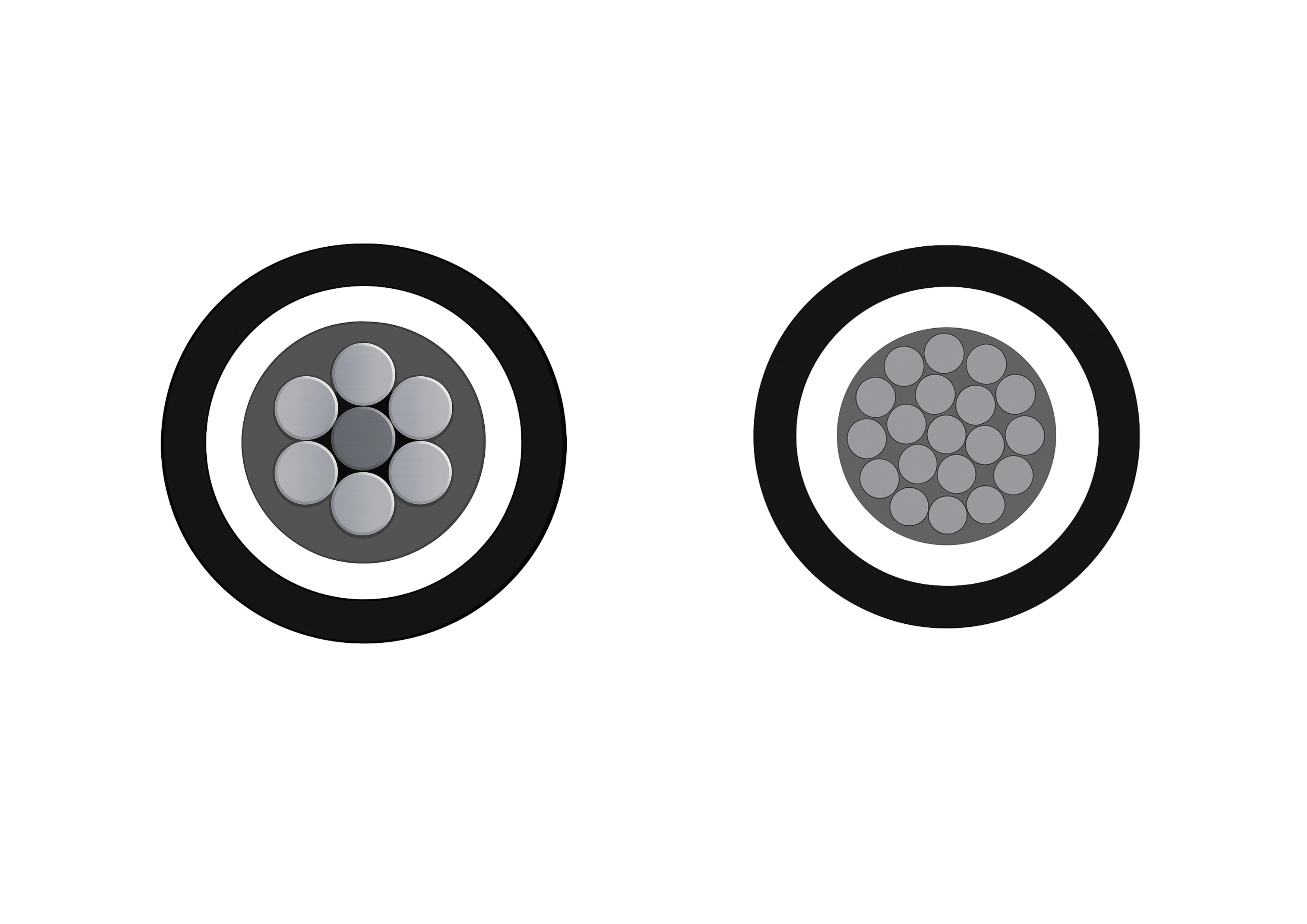
3-Layer 46kV Tree Wire - Covered Overhead MV Cable
The 3-Layer 46kV AAAC/ACSR/AAC Tree Wire is a premium covered medium-voltage overhead conductor designed for reliable performance in heavily vegetated environments. It features a concentrically stranded AAAC, ACSR, or AAC conductor protected by a robust triple-layer system of track-resistant high-density polyethylene (HDPE) or cross-linked polyethylene (XLPE). The multi-layer covering delivers exceptional tracking resistance, abrasion protection, and weatherability while significantly reducing the risk of electrical faults from tree limb contact and minimizing wildfire ignition potential. This advanced design allows closer spacing to vegetation and lowers vegetation management costs. Suitable for both conventional overhead lines and spacer cable systems, the 3-Layer 46kV AAAC/ACSR/AAC Tree Wire meets ICEA S-121-733 and related ASTM standards. It undergoes rigorous quality testing from raw materials to finished product, ensuring excellent dielectric strength, mechanical robustness, and long-term durability in demanding high-voltage applications.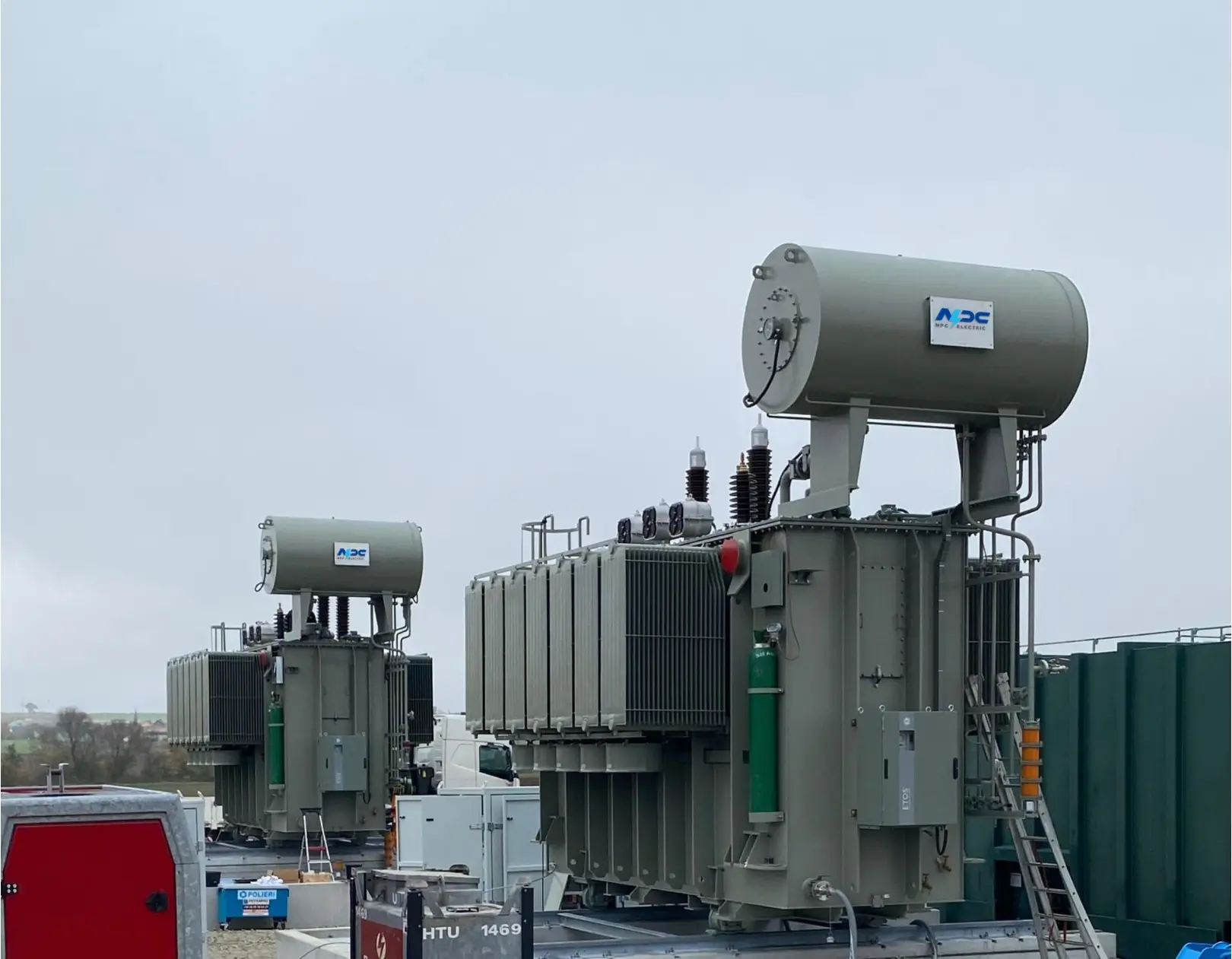
121kV Oil-Immersed High-Voltage Power Transformer
The 121kV Oil-Immersed High-Voltage Power Transformer is designed to provide stable, efficient, and long-term power transformation for transmission networks and high-voltage substations. Utilizing high-quality silicon steel cores and precision-wound copper conductors, the transformer achieves low no-load losses, strong short-circuit withstand capability, and excellent thermal stability. The oil-immersed insulation and cooling system ensures effective heat dissipation, supporting continuous operation under heavy-load and fluctuating grid conditions. Its reinforced tank structure, advanced insulation system, and outdoor-rated protection design enable reliable performance in harsh climates and demanding environments. Manufactured in accordance with IEC, IEEE, and ANSI standards, this transformer is widely applied in utility grids, industrial power systems, and infrastructure projects requiring high reliability, safety, and long service life.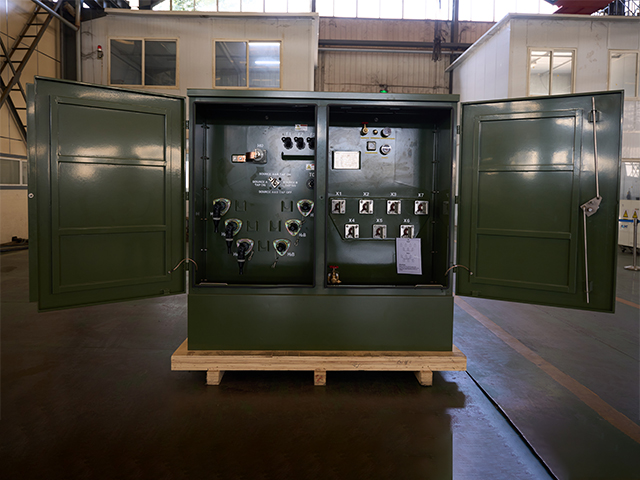
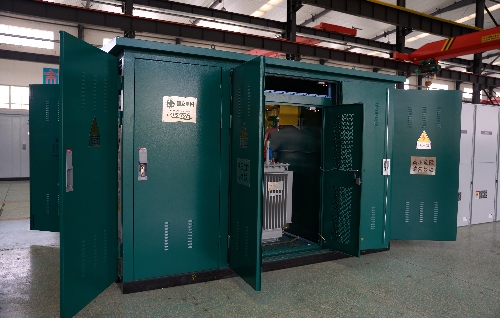
225kVA Three Phase Pad Mounted Transformer
The 225kVA three-phase pad transformer is an efficient and reliable power conversion device designed for commercial, industrial and distribution systems. With a high power capacity of 225kVA, the transformer is able to provide a stable three-phase power supply for large-scale equipment to meet high load requirements. Its rugged housing is made of weather-resistant materials and meets NEMA 3R standards, ensuring long-term stable operation in outdoor environments and preventing the influence of external factors such as water, dust and corrosion.
400kV Power Transformer: High-Voltage Substation Solutions
NPC Electric 400kV Power Transformer represents the pinnacle of Extra-High Voltage (EHV) engineering, specifically designed to handle the massive energy loads of modern national grids and renewable energy hubs. This unit utilizes a sophisticated cooling architecture and a low-flux density core design to ensure maximum efficiency and minimal noise pollution. Each transformer is built with a high-strength, vacuum-proof tank and premium-grade insulation materials that have undergone rigorous moisture extraction. With its advanced electromagnetic shielding, the 400kV model minimizes eddy current heating, ensuring a stable service life exceeding 30 years. It serves as a vital link in stepping down bulk power from 400kV transmission lines to regional distribution levels, offering unmatched short-circuit withstand capabilities and thermal stability for critical infrastructure projects worldwide.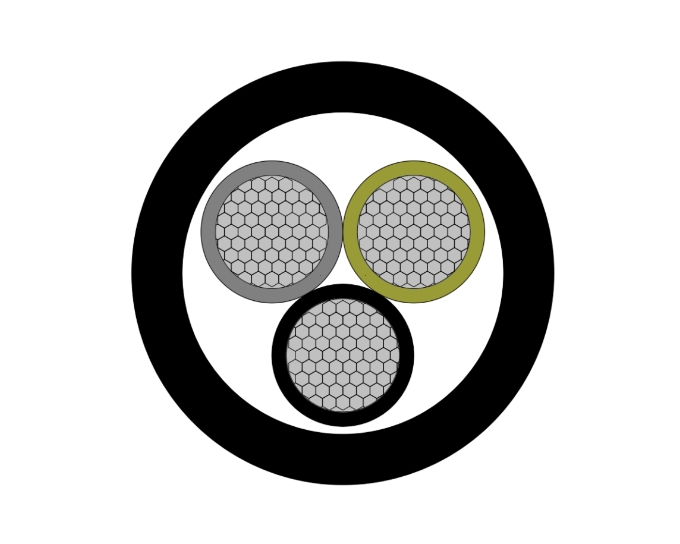
NA2X2Y Cables
NA2X2Y cable is a low-voltage power cable with an aluminum conductor, XLPE (cross-linked polyethylene) insulation, and a PE (polyethylene) outer sheath, designed for fixed installations in power distribution systems. It complies with IEC 60502-1 and is rated for 0.6/1kV. Thanks to its robust PE sheath, NA2X2Y cable provides excellent mechanical protection and high resistance to moisture, UV radiation, and chemicals—making it particularly suitable for outdoor and underground installation in solar photovoltaic (PV) projects. It is commonly used for connecting inverters, combiner boxes, transformers, and the main AC distribution network in solar farms.
FR-N20XA8E-AR Triplex 12/20kV Cable Gen to NF C 33-226 - AL/XLPE/MDPE
The NF C 33-226 AL-XLPE-MDPE 12/20(24)kV Triplex Cable is a high-quality three-core medium voltage power cable designed for reliable three-phase energy transmission. It is constructed with Class 2 stranded aluminum conductors, cross-linked polyethylene (XLPE) insulation, and a medium-density polyethylene (MDPE) outer sheath, providing excellent electrical performance, thermal stability, and mechanical durability. Manufactured in accordance with NF C 33-226, IEC 60502-2, and EN 60228, this cable is ideal for industrial plants, municipal networks, and commercial power systems. It offers high resistance to water (AD7) and UV radiation (ISO 4892), and is halogen-free (IEC/EN 60754-1), ensuring safe and environmentally friendly operation. With a rated voltage of 12/20 (24)kV and a maximum conductor temperature of 90°C, this AL-XLPE-MDPE Triplex cable ensures efficient, safe, and long-term power transmission in medium-voltage distribution networks.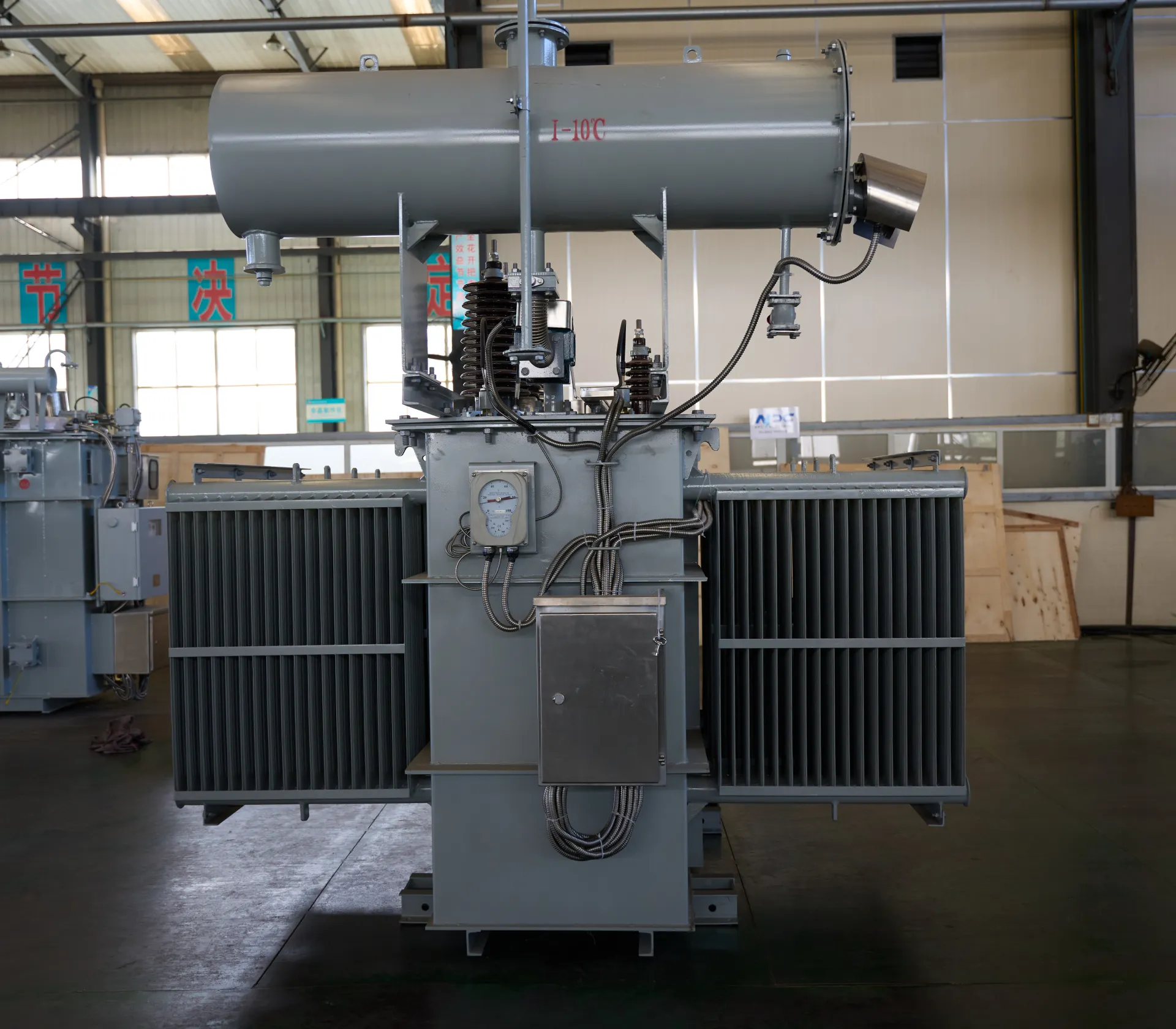
37kV 10000kVA(10MVA) Three Phase Duplex Winding Oil Immersed Power Transformer
The 37kV 10000kVA (10MVA) Three Phase Duplex Winding Oil Immersed Power Transformer is designed for high-reliability medium-voltage distribution and industrial applications. Featuring 99.95% electrolytic copper duplex windings, advanced ONAN/ONAF cooling, and ±8×1.25% on-load tap changer (optional), it delivers ultra-low no-load and load losses (S11/S13 series). Fully compliant with IEC 60076, GB/T 1094, and ANSI/IEEE standards, it withstands 170–200 kV lightning impulse and PD <10 pC. Corrugated tank or detachable radiator design ensures excellent heat dissipation and mechanical strength. Standard voltages 37±8×1.25%/11kV, 37/6.3kV or custom. Vacuum oil processing and nitrogen sealing guarantee 30+ years service life with minimal maintenance. Trusted by utilities, EPCs, and heavy industries worldwide.Welcome your inquiry
Honesty, Integrity, Frugality, Activeness and Passion