
How to Choose the Right Dry Type Transformer for Data Centers & Industry
2026-06-22
Selecting the appropriate dry-type transformer is a critical engineering decision in modern power distribution systems, particularly for AI data centers and heavy industrial facilities where uptime, safety, and energy efficiency directly impact operational costs and reliability. Unlike traditional oil-filled transformers, dry-type units rely on air or solid insulation, eliminating fluid-related risks while offering superior fire safety and lower maintenance demands.
From a practical fieldwork perspective, engineers must balance load profiles, environmental conditions, and long-term lifecycle costs. In AI data centers, where power densities have surged due to high-performance computing, transformers must handle harmonic-rich loads and maintain stable voltages under variable demands. Industrial applications often involve dusty or humid environments, requiring robust designs like dry-type transformer cast resin encapsulation.
Understanding Dry Type Transformers and Their Advantages
Dry-type transformers use air as the primary cooling medium and solid dielectric materials (often epoxy resin) for insulation, contrasting sharply with oil-filled transformers that depend on liquid dielectrics for both cooling and insulation. In practice, this design translates to no risk of oil leaks, reduced fire propagation potential, and easier indoor installation near the load center—key for minimizing cable losses in data centers and factories.
From an operational standpoint, field engineers observe that dry-type units exhibit lower environmental impact and comply more readily with stringent building codes in occupied spaces. For instance, in high-occupancy industrial plants or AI data centers, the absence of flammable liquids simplifies fire suppression requirements and eliminates the need for oil containment bunds. However, they typically have slightly higher initial costs and may require more attention to ventilation compared to oil-immersed counterparts.
Rigorous analysis of loss data shows modern dry-type distribution transformers achieve efficiencies meeting or exceeding DOE 2016 standards, with low no-load losses critical for 24/7 operations. In humidity-prone sites, cast resin versions provide excellent moisture resistance, preventing insulation degradation that could lead to premature failure. Overall, these transformers enhance system reliability by reducing maintenance intervals from months (oil testing) to years (visual inspections and thermal monitoring).
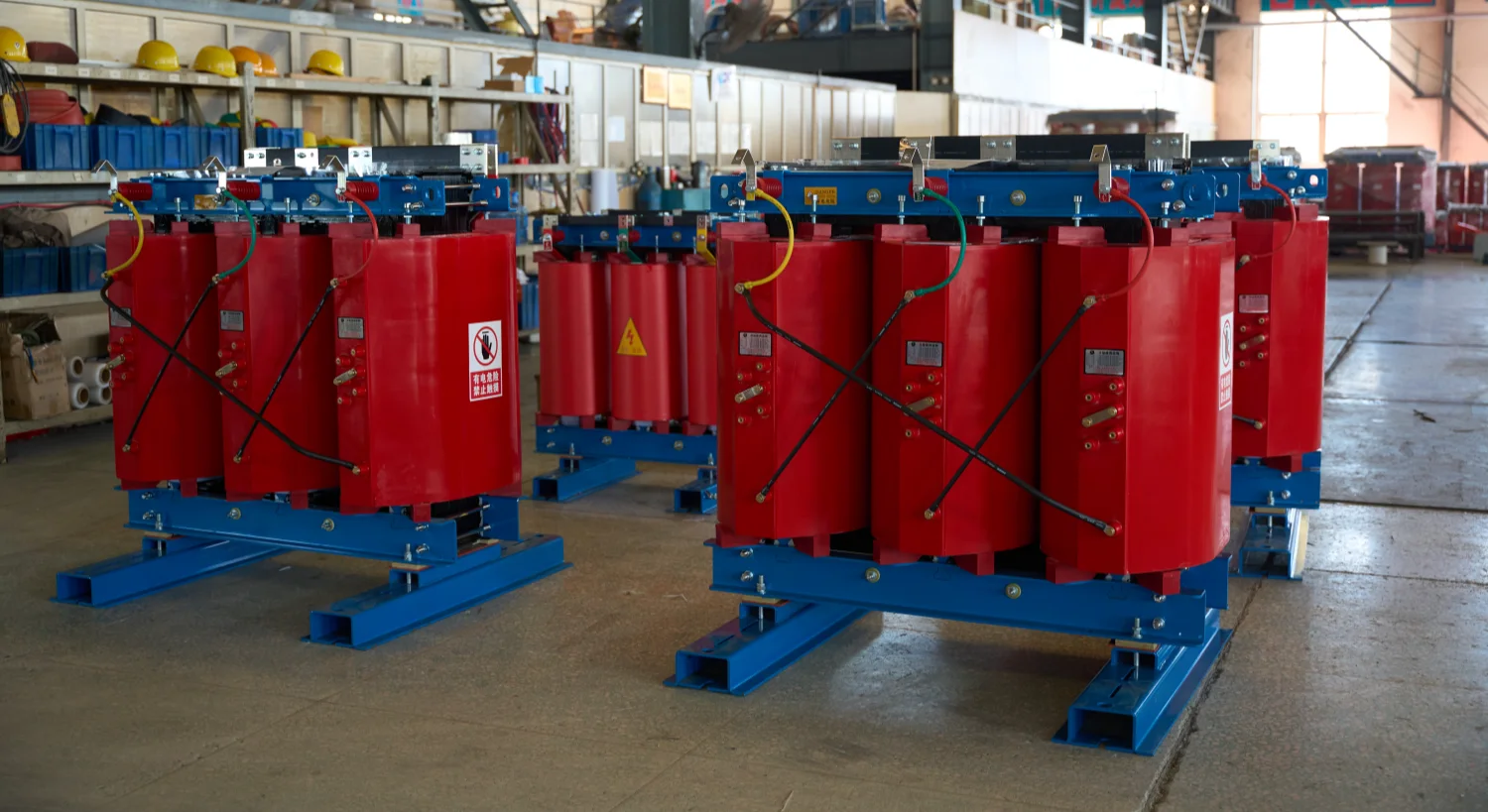
Dry Type vs. Oil Filled Transformers – A Practical Comparison
When evaluating dry-type transformers against oil-filled transformers for data centers or industry, the decision hinges on site-specific risk assessments. Oil-filled units generally offer superior cooling efficiency and higher power density, making them suitable for outdoor substations with large MVA ratings. Yet, in indoor settings, their fire and spill hazards necessitate expensive vaults and monitoring systems.
Practical experience in retrofits reveals that switching to dry type often reduces total ownership costs over 10–15 years due to negligible fluid maintenance and lower insurance premiums. For AI data centers with dense server racks, dry-type transformers minimize downtime risks associated with oil leaks or dielectric breakdown. Efficiency-wise, advanced dry designs with copper windings can match or approach oil units under partial loads, though full-load losses may be marginally higher without forced cooling.
In humid environments, cast resin encapsulation in dry-type units outperforms mineral oil, which can degrade or require frequent replacement. Field data from industrial plants shows dry type transformers maintain dielectric integrity longer in corrosive atmospheres. Engineers should calculate harmonic derating factors, as data center loads introduce significant K-factors that accelerate heating in both types, but dry units handle them with proper design margins.
Table1:Dry Type vs. Oil Filled Transformers – Technical Comparison
|
Parameter |
Dry Type Transformer |
Oil Filled Transformer |
Practical Winner for Data Centers & Industry |
|
Cooling Medium |
Air / Cast Resin (Solid Insulation) |
Mineral or Synthetic Oil |
Dry Type (safer indoors) |
|
Fire Safety |
Excellent (self-extinguishing, no flammable liquid) |
Moderate (requires containment & fire barriers) |
Dry Type |
|
Maintenance |
Low (visual/thermal checks only) |
High (regular oil testing & filtration) |
Dry Type |
|
Installation Environment |
Indoor preferred (near load centers) |
Outdoor or dedicated vaults |
Dry Type for AI Data Centers |
|
Efficiency (Full Load) |
96–98.5% |
98.5–99.7% |
Oil (slight edge), but Dry with AF cooling closes gap |
|
Temperature Rise |
80°C / 115°C / 150°C |
55–65°C |
Dry Type (flexible ratings) |
|
Noise Level |
55–70 dB (higher with fans) |
45–55 dB |
Oil, but manageable with Dry enclosures |
|
Initial Cost |
Higher (15–50% more) |
Lower |
Oil for large outdoor; Dry for TCO savings |
|
Environmental Impact |
Minimal (no oil spill/leak risk) |
Higher (oil disposal & contamination risk) |
Dry Type |
|
Typical Max Rating |
Up to 30 MVA (medium voltage common) |
Unlimited (500+ MVA) |
Dry for most data center/industrial needs |
Key Applications in AI Data Centers and Industrial Settings
AI data centers demand transformers capable of supporting massive, fluctuating loads from GPU clusters while maintaining near-zero downtime. Dry-type transformers, especially medium voltage dry-type transformers, are increasingly deployed in MV distribution rooms and PDU levels for their compact footprint and safety. In these environments, units must tolerate high harmonic content (up to K-13 or higher) without excessive temperature rise.
Industrial applications vary: manufacturing plants with heavy machinery benefit from industry transformer solutions that withstand vibration and dust, while chemical facilities prioritize non-flammable designs. Dry-type triplex transformers (three-phase configurations with specific winding arrangements) excel in balanced load distribution for sensitive equipment. A common 75kVA unit, such as the 75kva dry type transformer, serves smaller edge data centers or auxiliary industrial panels effectively.
From on-site commissioning perspectives, proximity to loads reduces I²R losses, improving overall PUE (Power Usage Effectiveness) in data centers. Manufacturers like those producing Eaton dry-type transformer lines offer tailored solutions with low noise levels—vital in noise-sensitive server halls. Rigorous load flow studies and thermal imaging during operation confirm these units sustain performance under continuous duty.
Critical Selection Criteria – Load, Voltage, and Efficiency
Choosing the right electric power transformer begins with precise load calculation. Determine peak and average kVA demands, including future expansion (typically 20–30% margin for AI data centers). Voltage ratios—such as 11kV/0.4kV for medium voltage step-down—must align with grid and equipment ratings.
Efficiency is non-negotiable: prioritize low-loss cores and high-conductivity windings to minimize energy waste. Standards require evaluation at 35%, 50%, and 100% loads. In practice, dry-type transformer manufacturers provide loss curves; select units with temperature rise ratings of 80°C, 115°C, or 150°C based on ambient conditions. For high-efficiency needs, copper-wound dry-type transformer cast resin models outperform aluminum in loss reduction despite higher material costs.
Field engineers stress impedance matching to limit short-circuit currents and voltage regulation under dynamic loads. For industrial motors with high inrush, specify adequate short-time overload capacity. Always verify compliance with international standards for seismic, acoustic, and efficiency requirements to ensure export suitability.
Table2:Key Selection Parameters for Dry Type Transformers
|
Parameter |
Typical Range / Options |
Considerations for AI Data Centers & Industry |
Recommended for High Reliability |
|
kVA Rating |
75 kVA, 150 kVA, 500–2500 kVA+ |
Add 20–30% margin for future expansion & harmonics |
Copper windings for lower losses |
|
Voltage Class |
LV (up to 600V) / MV (up to 36 kV) |
Match grid & equipment (e.g., 11kV/0.4kV step-down) |
Medium Voltage Dry Type for large facilities |
|
Insulation Class |
Class F (155°C) / Class H (180°C) |
Cast resin for humidity environments |
Class H with cast resin |
|
Temperature Rise |
80°C / 115°C / 150°C |
Lower rise for longer life in 24/7 operations |
115°C or lower |
|
Efficiency (DOE 2016 / IEC) |
98.5–99.2% at 35–50% load |
Prioritize low no-load losses for continuous duty |
Premium efficiency models |
|
Impedance |
3–6.5% |
Balance short-circuit protection & voltage regulation |
5–6% for data center stability |
|
Enclosure / Protection |
IP23–IP54, ventilated or encapsulated |
Higher IP for dusty/humid industrial sites |
IP54 with cast resin |
|
Cooling Method |
AN / AF / ANAF |
AF or ANAF for high harmonic K-factor loads |
ANAF with redundant fans |
Cooling Methods and Performance in Demanding Environments
Cooling method defines a dry-type transformer’s capacity and reliability. AN (Air Natural) relies on convection, suiting stable, lower-load applications like auxiliary panels. AF (Air Forced) incorporates fans for higher ratings, enabling 50% or more overload capacity—ideal for variable AI data center demands.
Hybrid ANAF systems offer flexibility: fans activate automatically via temperature sensors, optimizing energy use while providing headroom. In humidity environments, ensure IP ratings (IP23 to IP54) and epoxy encapsulation to prevent moisture ingress that could reduce insulation life. Practical testing shows proper airflow design prevents hot spots; obstructed ventilation in dusty industrial sites accelerates aging.
For medium voltage dry type transformers, forced cooling maintains Class F or H insulation temperatures (155°C or 180°C). Engineers recommend redundant fan systems and predictive monitoring (e.g., PT100 sensors) to avoid unplanned outages. In hot climates, integrate with HVAC for inlet air control, ensuring consistent performance without derating.
Table3:Dry Type Transformer Cooling Methods Comparison
|
Cooling Method |
Description |
Efficiency & Capacity |
Noise Level |
Maintenance |
Best Applications in Data Centers & Industry |
Overload Capability |
|
AN (Air Natural) |
Passive convection, no fans |
Moderate (base rating) |
Lowest (silent) |
Very Low |
Stable low-to-medium loads, well-ventilated indoor spaces |
Limited (10–20%) |
|
AF (Air Force) |
Fans for forced airflow |
High (up to 50%+ higher rating) |
Moderate |
Medium (fan checks) |
Variable high loads (e.g., GPU clusters in AI data centers) |
High (up to 50%) |
|
ANAF (Hybrid) |
Automatic switch between AN and AF |
Very High (flexible) |
Low to Moderate |
Medium |
Demanding environments with fluctuating loads and humidity |
Very High |
Insulation, Safety, and Environmental Considerations
Dry-type transformer cast resin insulation provides Class F/H thermal endurance and self-extinguishing properties (F1 rating), critical for fire-sensitive AI data centers. Unlike oil-filled units, these eliminate explosion risks and toxic smoke, allowing installation closer to personnel and equipment.
In corrosive or humid industrial settings, vacuum pressure impregnation (VPI) or full cast resin enhances resistance to chemicals and moisture. Safety features include thermal protection relays and surge arrestors. From a compliance viewpoint, assess partial discharge levels and BIL (Basic Impulse Level) for medium voltage applications to withstand transients.
Environmentally, dry-type designs support green certifications by avoiding oil disposal issues. Lifecycle assessments reveal lower CO₂ footprints over decades due to reduced maintenance. Specifiers should demand third-party testing for noise (NEMA ST-20 levels) and vibration to meet stringent data center acoustic requirements.
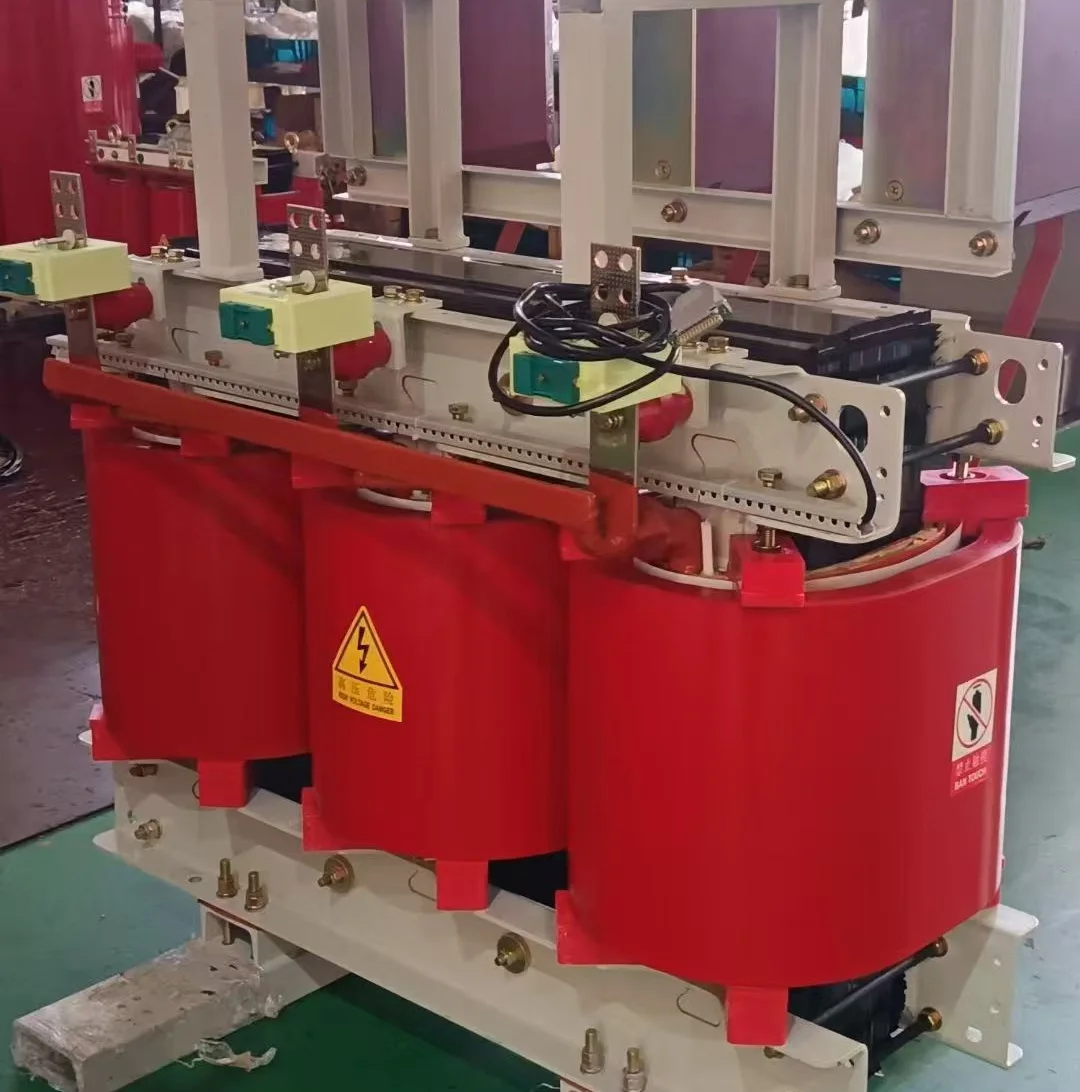
Working with Manufacturers and Real-World Implementation
Partnering with reputable dry-type transformer manufacturers ensures custom engineering. Evaluate production capabilities for Eaton dry-type transformer equivalents or specialized dry-type triplex transformers. Request factory acceptance tests (FAT), including heat runs and impulse testing, plus site installation guidelines.
In practice, successful projects involve early collaboration on harmonic analysis, enclosure types (ventilated or encapsulated), and integration with switchgear. For international exports, confirm certifications (UL, CE, IEC) and tropicalization for high-humidity regions. Post-installation, implement condition-based monitoring rather than time-based, using dissolved gas analogs via thermal/partial discharge sensors.
A typical workflow: conduct power system studies → specify parameters → review vendor proposals against TCO (total cost of ownership) → supervise commissioning with infrared thermography. This approach minimizes risks in both data center hyperscale builds and industrial expansions.
Common Pitfalls and Best Practices for Long-Term Reliability
Avoid undersizing for harmonics or ignoring derating factors, which cause overheating in AI data center loads. Neglecting ventilation design in enclosed spaces leads to premature insulation failure. Over-reliance on initial price instead of efficiency metrics inflates operational expenses.
Best practices include: performing detailed site surveys for ambient temperature/humidity; specifying redundant cooling where uptime is paramount; and scheduling annual visual/electrical tests. For 75kva dry-type transformer examples in smaller setups, ensure adequate clearance for airflow. Monitor power quality continuously to detect issues early.
By integrating these elements, facilities achieve 20+ year service lives with minimal intervention, aligning with modern demands for sustainable, resilient power infrastructure.
Frequently Asked Questions (FAQ)
Q1: What is a dry-type transformer, and why is it preferred for AI data centers?
A dry-type transformer uses air or solid cast resin insulation instead of liquid dielectrics. It is highly preferred in AI data centers due to its excellent fire safety, no risk of oil leaks, and ability to be installed close to the load. This reduces cable losses and improves overall Power Usage Effectiveness (PUE). Its non-flammable design also simplifies compliance with strict building and fire codes in modern hyperscale facilities.
Q2: How does a dry-type transformer compare with an oil-filled transformer for industrial and data center applications?
Dry-type transformers offer superior safety and lower maintenance compared to oil-filled transformers. While oil-filled units may provide slightly higher efficiency at very large ratings, dry-type transformers eliminate fluid-related risks, require no oil testing or containment systems, and are ideal for indoor installations. In most AI data centers and industrial plants, the total cost of ownership favors dry-type solutions over a 10–15-year period.
Q3: What cooling method is best for dry-type transformers in humid environments?
For humidity environments, the ANAF (Air Natural / Air Forced) hybrid cooling method combined with cast resin encapsulation is the most reliable choice. It provides flexible capacity for variable loads while automatic fan activation ensures optimal temperature control. High IP-rated enclosures (IP54 or higher) and full epoxy resin insulation further protect against moisture ingress and extend service life.
Q4: What kVA rating is suitable for small to medium AI edge data centers?
A 75kVA dry type transformer is commonly used for small edge computing or auxiliary power distribution in AI data centers. For larger facilities with high-density GPU clusters, medium voltage dry type transformers in the 500 kVA to 2500 kVA range are more appropriate. Always include a 20–30% capacity margin to accommodate future expansion and harmonic loads.
Q5: Why is cast resin insulation important in dry-type transformers?
Cast resin insulation (dry type transformer cast resin) provides Class F or H thermal endurance, excellent moisture resistance, and self-extinguishing properties. In industrial settings and AI data centers, it significantly reduces the risk of insulation degradation in dusty or humid conditions, improves partial discharge performance, and enhances overall fire safety.
Q6: How do I choose the right cooling method for my dry-type transformer?
Selection depends on load profile and environment. Use AN cooling for stable, lower loads in well-ventilated areas. Choose AF or ANAF for high and fluctuating loads typical in AI data centers. ANAF is often the best balance, offering energy efficiency under normal conditions and extra capacity during peak demand through forced air cooling.
Q7: What should I consider when working with dry-type transformer manufacturers?
Work closely with experienced dry-type transformer manufacturers to ensure custom specifications meet your exact voltage, impedance, and harmonic requirements. Request factory acceptance tests (FAT), heat run tests, and verify compliance with international standards (IEC, IEEE, UL). Evaluate total cost of ownership rather than just the initial price, and confirm support for long-term monitoring solutions.
Q8: What are the most common mistakes when selecting a dry-type transformer for industry or data centers?
Common pitfalls include undersizing for harmonics, ignoring proper ventilation design, choosing inadequate temperature rise ratings, and focusing only on purchase price instead of efficiency and lifecycle costs. Always perform detailed load studies, account for future expansion, and implement condition-based monitoring to ensure long-term reliability and minimal downtime.

Related Articles

Related Products

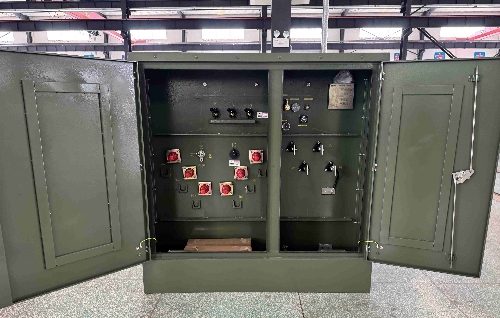
3000kVA Three Phase Pad Mounted Transformer
NPC ELECTRIC's 3000kVA Three Phase Pad Mounted transformer complies with international standards such as IEC and IEEE. It adopts a fully sealed and fully insulated design and has excellent overload capacity and safety performance. It is widely used in industrial parks, commercial complexes, new energy power stations and other scenarios, and is suitable for outdoor ground installation. The product has a compact structure, reliable operation, and easy maintenance, making it an ideal choice for modern power distribution systems.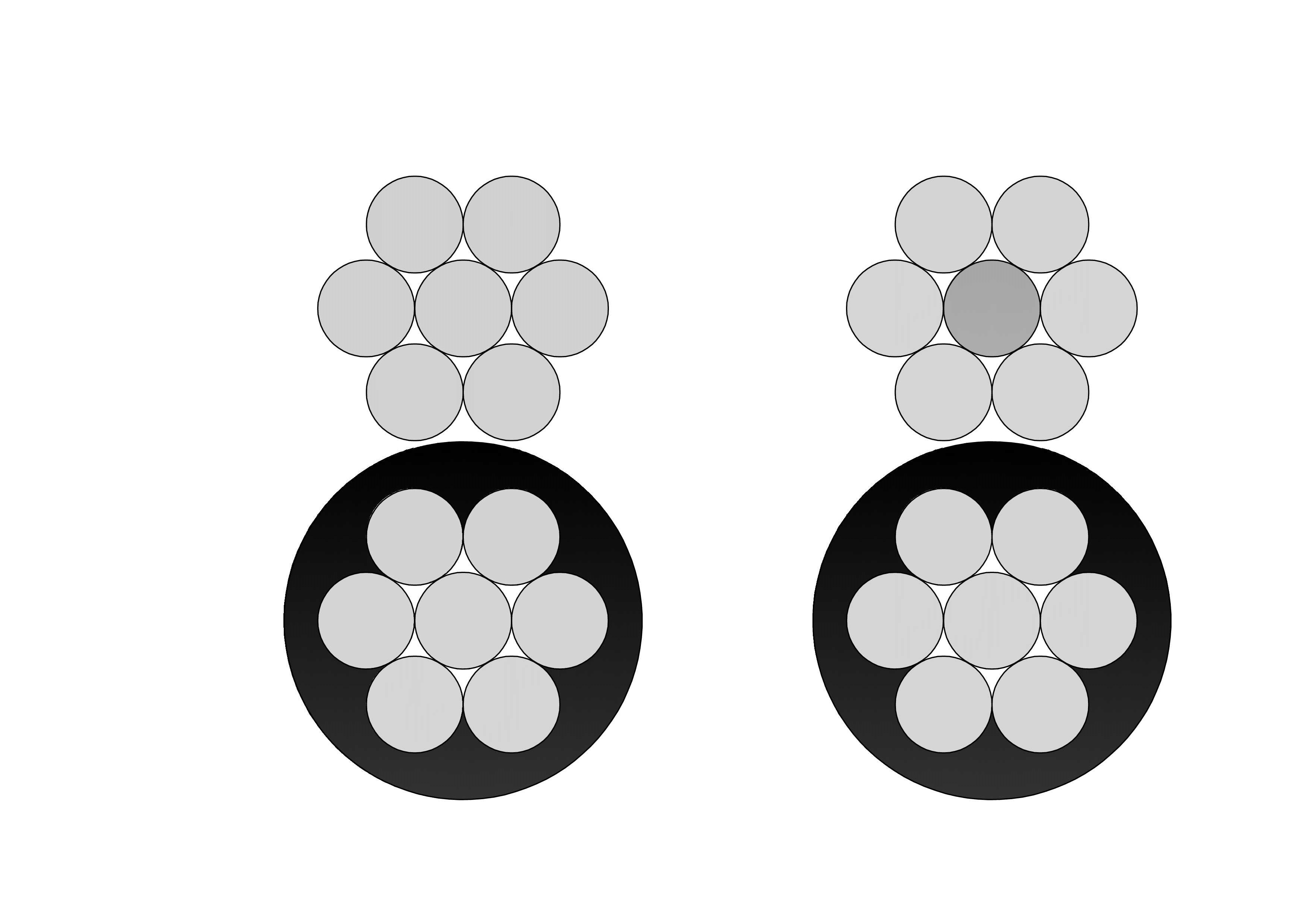
2 Doberman Aluminum Conductor Duplex Overhead Service Drop Cable
The 2 Doberman Aluminum Conductor Duplex Overhead Service Drop Cable is designed to provide efficient and dependable power delivery in overhead secondary distribution systems. Constructed with stranded aluminum conductors, the duplex configuration combines electrical conductivity with mechanical support for service drop installations. The No. 2 Doberman size is suitable for standard service drop spans, offering reliable load capacity with controlled sag under varying environmental conditions. Aluminum conductors reduce overall cable weight, simplify handling, and enhance corrosion resistance for long-term outdoor operation. Produced under strict quality management systems, the 2 Doberman Aluminum Conductor Duplex Overhead Service Drop Cable meets utility and ASTM requirements, making it a trusted solution for modern overhead service connections where safety, durability, and consistent performance are essential.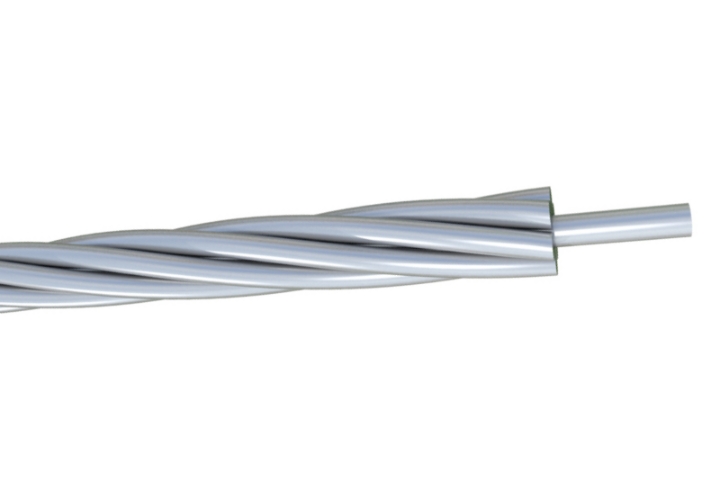
6 Gauge Galvanized Steel Conductor Wire
The 6 Gauge Galvanized Steel Conductor Wire is a premium high-strength bare steel wire designed for overhead power line applications. Manufactured with heavy hot-dip zinc coating, this 6 AWG galvanized conductor provides exceptional corrosion resistance and long service life in harsh outdoor environments. It offers high tensile strength and reliable mechanical performance, making it ideal for use as overhead ground wire (static wire), guy wire, or messenger wire. Compliant with ASTM A475 and related standards, the 6 Gauge Galvanized Steel Conductor Wire undergoes rigorous testing from raw materials to finished product to ensure consistent quality, uniform zinc adhesion, and superior breaking strength. Its durable construction minimizes maintenance while delivering dependable protection and support for transmission and distribution lines.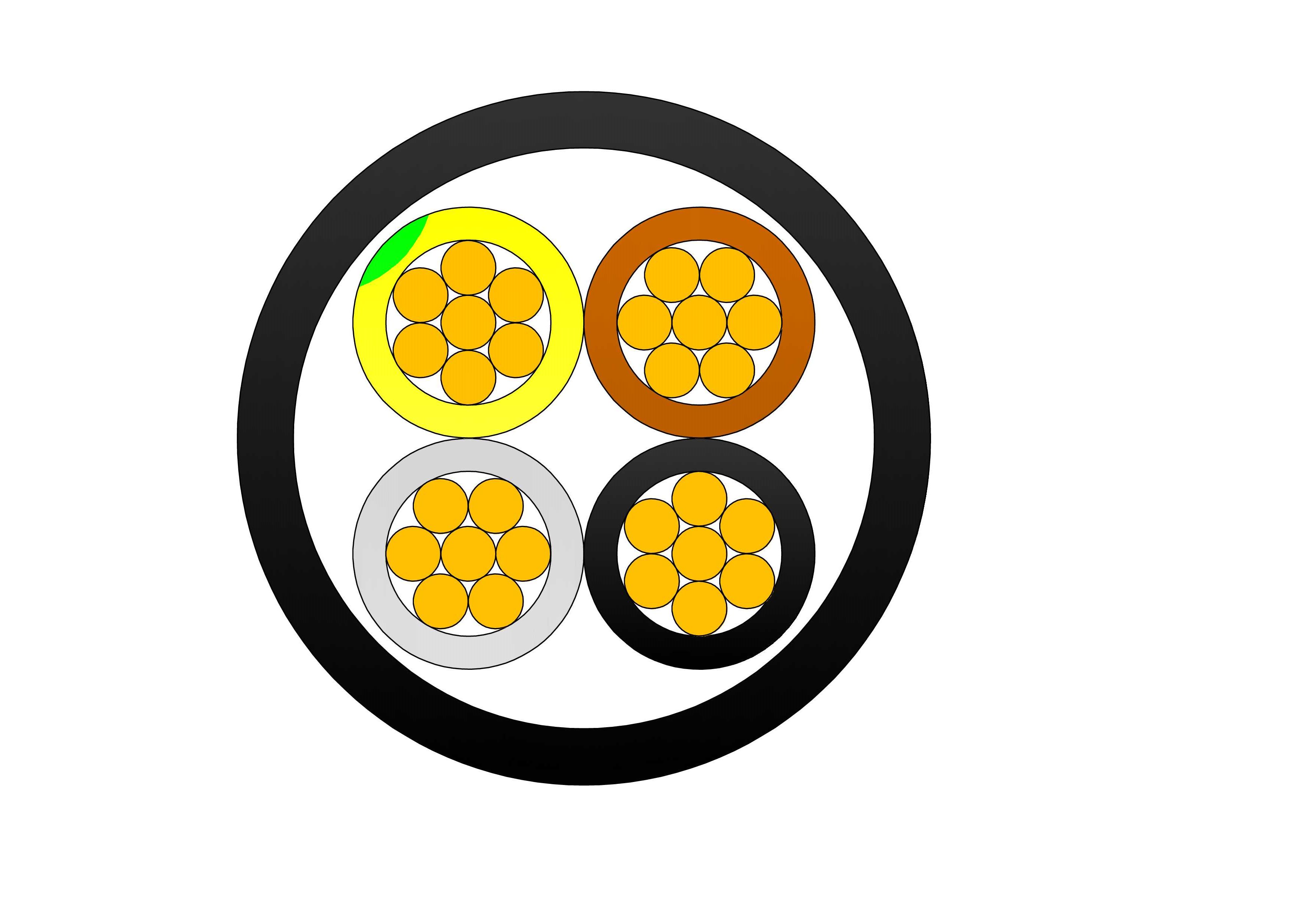
Steel Tape Armoured Cable Type
The Steel Tape Armoured Cable (STA Cable) is designed for reliable power transmission in environments requiring enhanced mechanical protection. Manufactured with high-quality copper or aluminum conductors, XLPE insulation, galvanized steel tape armour, and a durable PVC outer sheath, the cable provides exceptional durability and long-term operational reliability. The galvanized steel tape armour offers superior resistance against mechanical impact, compression, and external damage, making the cable suitable for underground installations and harsh industrial environments. The XLPE insulation ensures excellent electrical performance, low dielectric losses, and continuous operating temperatures up to 90°C. The PVC sheath protects the cable against moisture, chemicals, abrasion, and environmental exposure, extending service life and reducing maintenance requirements. Manufactured according to IEC 60502-1 and other international standards, the cable is widely used in power distribution networks, industrial facilities, infrastructure projects, renewable energy installations, and utility systems. The Steel Tape Armoured Cable combines electrical efficiency, mechanical strength, and installation flexibility, making it a dependable solution for demanding power distribution applications.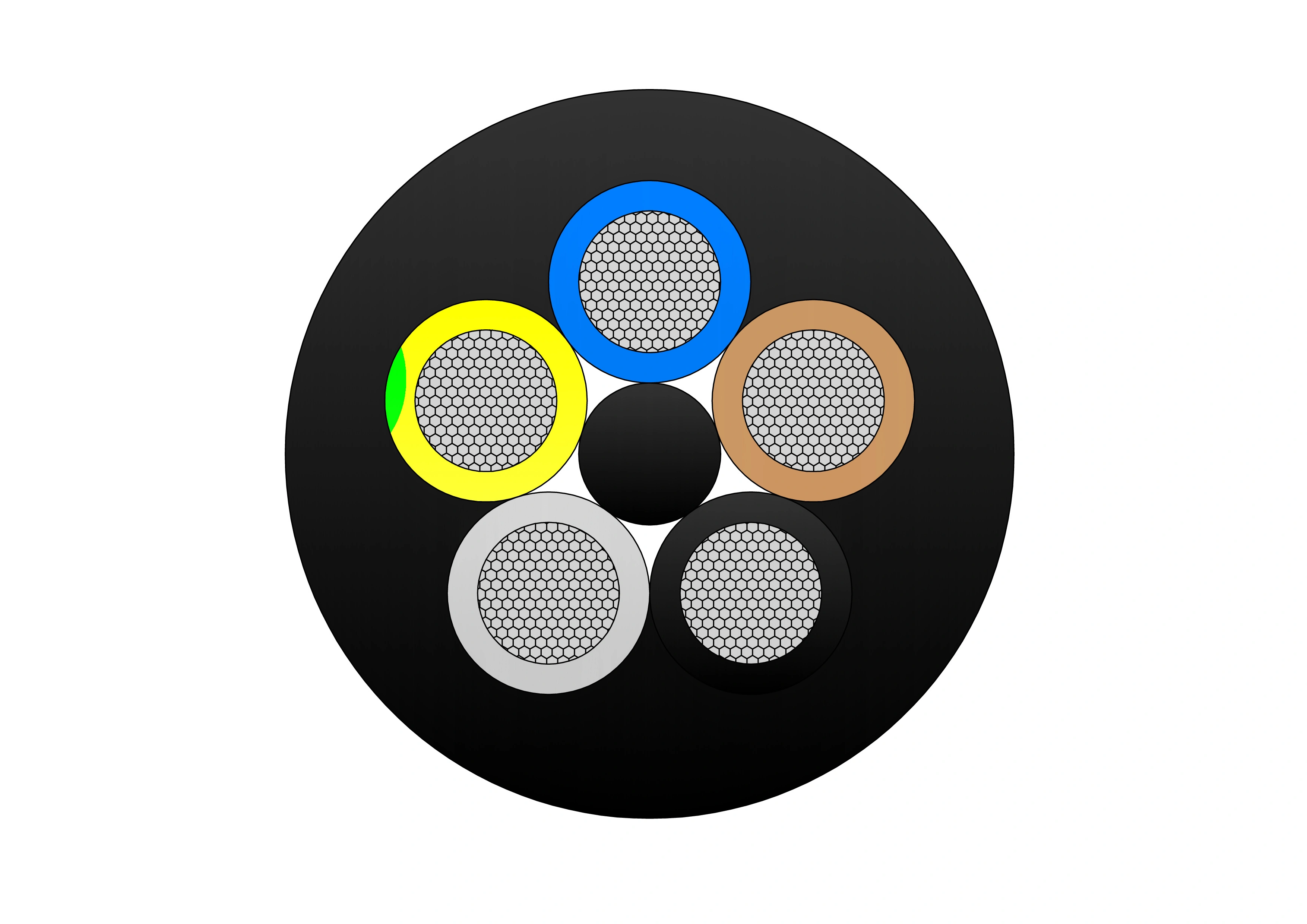
(N)TSCGEWOU 3.6/6kV, 6/10kV, 8.7/15kV and 12/20kV FO Cable
The (N)TSCGEWOU 3.6/6kV, 6/10kV, 8.7/15kV and 12/20kV FO Cable is a flexible, heavy-duty medium-voltage trailing/reeling cable with integrated fiber optic (FO) elements for combined power and high-speed data transmission in mining and tunneling. It features class 5 finely stranded tinned copper phase conductors for flexibility and corrosion resistance, semi-conductive screens, EPR insulation for superior dielectric strength and 90°C rating, copper braid screen for EMI protection and grounding, control conductors, monitoring conductor (ÜL), central or distributed multimode/single-mode fiber optic cores (protected in gel-filled tubes for water resistance and mechanical protection), and a tough rubber outer sheath resistant to oil, flame, abrasion, and mechanical stress. Compliant with DIN VDE 0250 and relevant IEC standards, it supports high tensile loads, fast reeling speeds, and tight bending radii while enabling real-time monitoring and communication. The (N)TSCGEWOU FO ensures safe, reliable MV power and data delivery to mobile equipment like shearers, tunnel boring machines, and smart conveyors in harsh underground environments.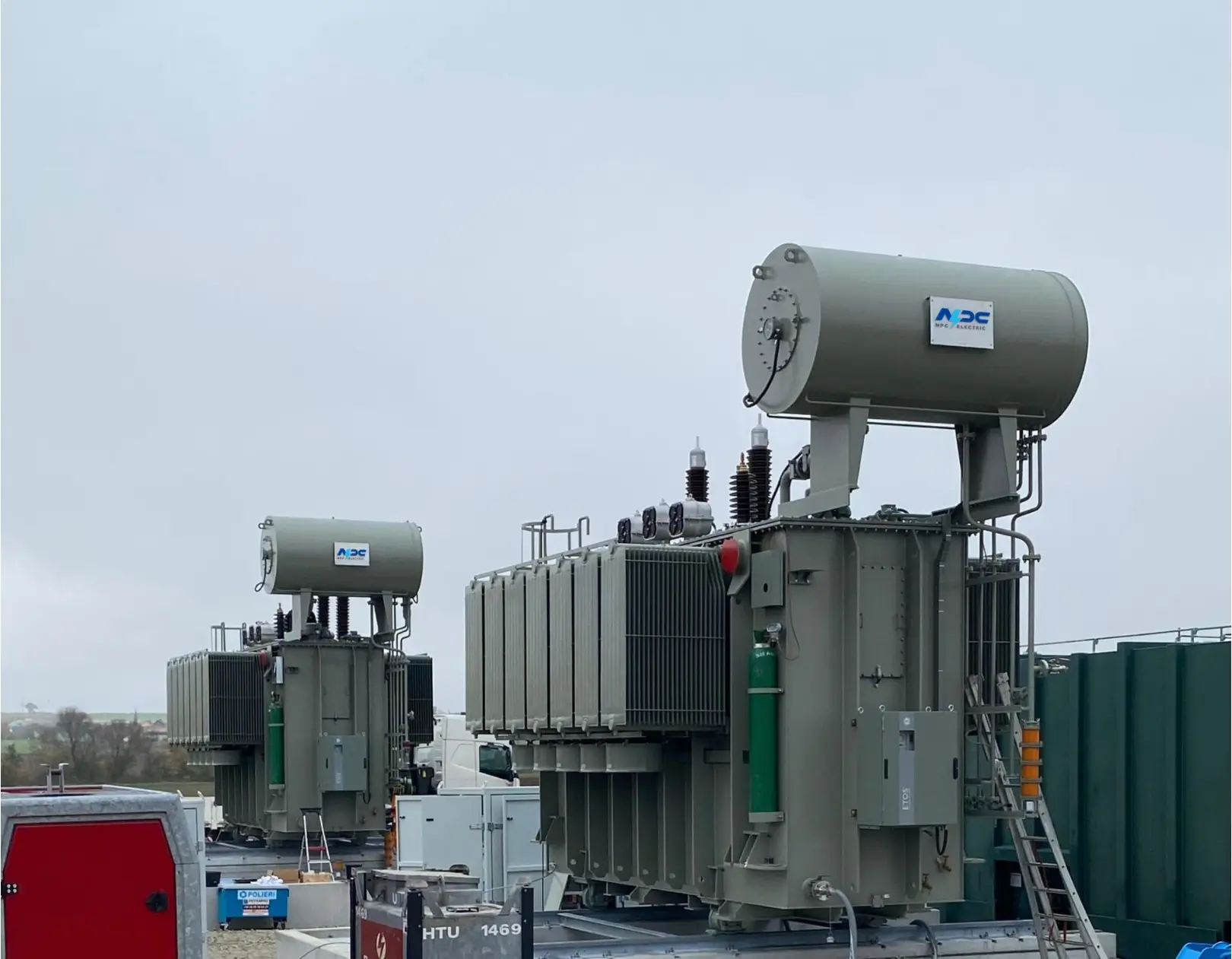
138kV / 140kV / 150kV Three-Phase Oil-Immersed Power Transformer
The 138kV / 140kV / 150kV Three-Phase Oil-Immersed Power Transformer is designed to serve high-voltage transmission and substation applications requiring dependable energy transfer and long-term operational stability. Its design emphasizes electrical reliability, structural strength, and efficient thermal management to support continuous service under varying grid loads. The transformer employs a refined magnetic circuit and carefully engineered winding structure to maintain voltage accuracy while minimizing operational stress. An oil-immersed insulation and cooling system ensures effective heat dissipation and insulation integrity throughout extended operating cycles. Built for outdoor installation, the transformer is capable of withstanding environmental exposure, electrical fluctuations, and mechanical demands associated with modern high-voltage networks. It is suitable for utility-scale projects where safety, efficiency, and durability are essential performance criteria.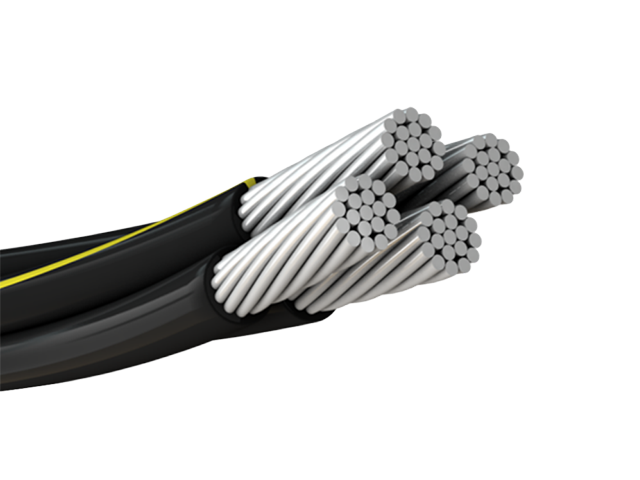
ABC CABLE NFC 33-209
Aerial Bundled Cable under NPC 33-209 standard is mainly used in the field of overhead power distribution. ABC Cable, manufactured in accordance with NFC 33-209 is designed for overhead low-voltage power distribution with enhanced mechanical strength and operational safety. The cable consists of insulated aluminum phase conductors twisted around a reinforced messenger conductor, forming a compact aerial bundle. This structure reduces the risk of short circuits caused by external contact and minimizes power outages in densely populated or environmentally challenging areas. The insulation material provides excellent resistance to UV radiation, weather exposure, and thermal aging, ensuring stable electrical performance over long service periods. Compliant with NFC 33-209 requirements, the cable delivers reliable current transmission, reduced line losses, and simplified installation compared with bare conductors. ABC Cable NFC 33-209 is widely used by utility companies for modern overhead distribution networks where safety, durability, and cost efficiency are critical.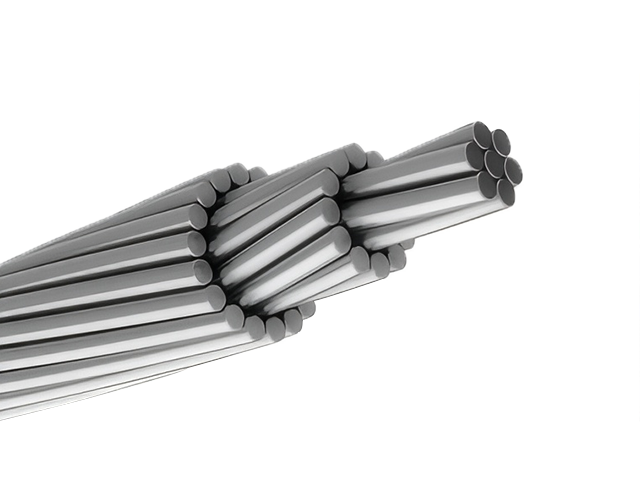
954 MCM CARDINAL ACSR Conductor Cable
The ACSR CAA 954 MCM 54/7F CARDINAL is a high-capacity, heavy-duty Aluminium Conductor Steel Reinforced (ACSR) cable engineered for the reliable transmission of electrical power over long-span overhead lines. It features 54 hard-drawn 1350-H19 aluminium strands concentrically laid around 7 galvanized steel strands, offering an optimized balance between excellent electrical conductivity and mechanical strength. Manufactured to meet the requirements of ASTM B232, the CARDINAL configuration is a trusted industry standard, widely adopted in high-voltage transmission systems. The galvanized steel core, available in Class A or B coatings, provides superior corrosion resistance and structural support, making this conductor ideal for outdoor environments exposed to wind, ice, and mechanical loading. The 54/7F strand design ensures increased current-carrying capacity and lower resistance, making it suitable for use in critical infrastructure and utility-grade transmission networks. Its cost-effective design makes it popular for utility upgrades and rural electrification, ensuring reliable power delivery with minimal maintenance in overhead transmission and distribution systems worldwide.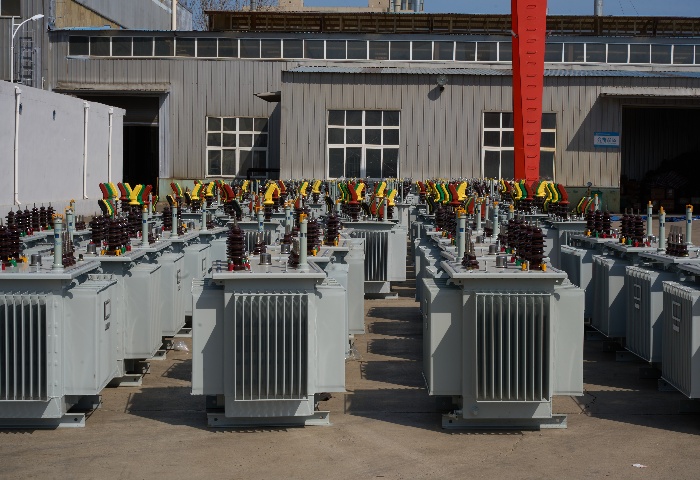
1600kVA Oil Immersed Transformer
The 1600kVA Oil Immersed Transformer is a high-capacity, three-phase, liquid-filled distribution transformer engineered for reliable outdoor pad-mounted or substation installations in utility networks, large commercial/industrial complexes, data centers, manufacturing plants, and high-demand power distribution systems. Primary voltages range from 2.4kV to 34.5kV (common: 34.5kV, 24.94kV, 13.8kV, 13.2kV, 12.47kV, 4.16kV) in delta or grounded wye configurations with BIL up to 200kV. Secondary voltages include 600Y/347V, 480Y/277V, 208Y/120V, 240/120V, or custom outputs with vector groups Dyn11, Dyn1, Yyn0, etc.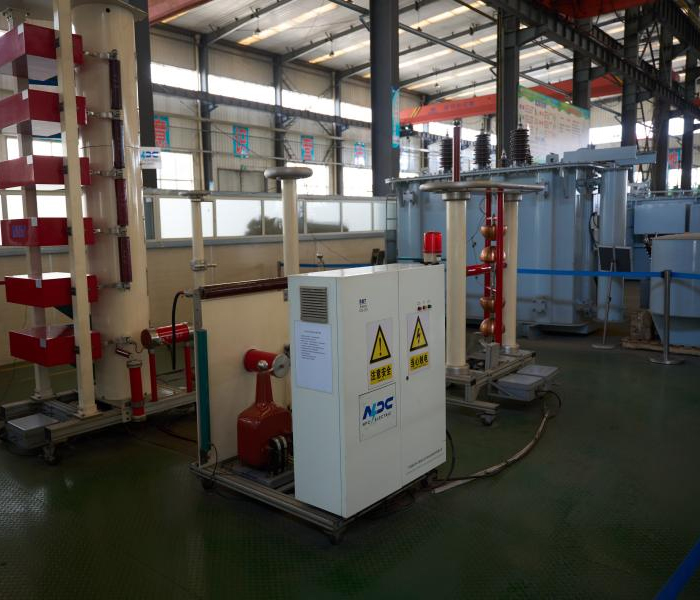
350kVA Epoxy Resin Cast Dry Type Transformer 3 Phase 6.6kV/0.4kV Low Noise
Presenting the high-performance 350kVA Epoxy Resin Cast Dry Type Transformer 3 Phase 6.6kV/0.4kV Low Noise, a cutting-edge, eco-friendly power distribution solution ideal for indoor applications demanding superior safety and quiet operation. This three-phase dry-type transformer utilizes premium epoxy resin vacuum casting on high-conductivity copper windings and low-loss grain-oriented silicon steel cores, achieving outstanding energy efficiency (typically 98%+), minimal no-load/load losses, and exceptional partial discharge suppression (<10pC). With natural air (AN) cooling, Class F/H insulation, fire-retardant self-extinguishing properties, and robust short-circuit withstand, it offers maintenance-free reliability in harsh or sensitive environments. Fully compliant with IEC 60076-11, this compact unit steps down 6.6kV primary (with ±2×2.5% off-circuit taps) to 0.4kV secondary (Dyn11 vector group), supporting sustainable grids with overload capability and zero oil risks.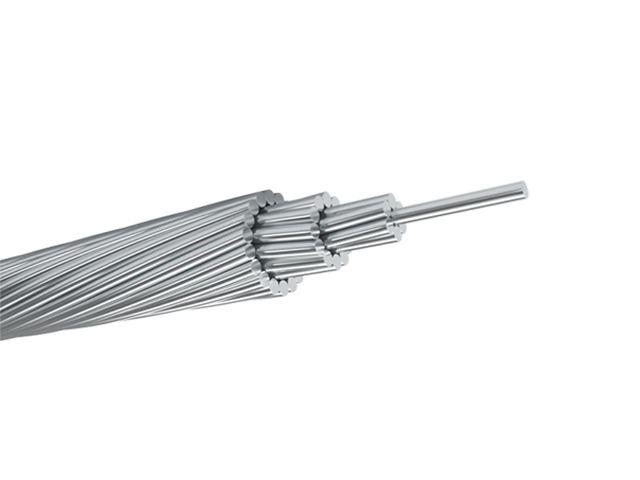
FLINT AAAC Conductor Cable
FLINT AAAC (All Aluminum Alloy Conductor) cables are manufactured in accordance with ASTM B399 and IEC 61089 standards, offering excellent strength, conductivity, and corrosion resistance. With 750 mm² nominal area and 37-strand design, it uses heat-treated aluminum-magnesium-silicon alloy (6201-T81) for enhanced strength (295 MPa min) and conductivity (53% IACS min). Meeting ASTM B398, B399, IEC 61089, and BS EN 50182 standards, this cable handles ampacity up to 1150A at 75°C and voltages up to 33kV. The all-alloy construction avoids bimetallic corrosion, providing better resistance in harsh conditions than ACSR. Reduced weight minimizes sag and installation expenses, supporting longer spans. The Flint AAAC Conductor Cable delivers low electrical losses, high mechanical endurance, and excellent weather tolerance. Flame-retardant variants available. Perfect for urban grids, renewable projects, and coastal setups, it provides cost-effective, low-maintenance power delivery in overhead applications globally, excelling in reliability and lifespan over conventional conductors.
75kVA Dry Type Transformer | High Efficiency Indoor Power Transformer
The 75kVA Dry Type Transformer is a compact, three-phase, high-efficiency indoor power transformer engineered for safe, reliable voltage transformation in commercial, institutional, and light industrial environments. Utilizing advanced cast-resin or vacuum pressure impregnated (VPI) insulation technology, it eliminates oil-related fire hazards, maintenance requirements, and environmental risks while delivering exceptional performance in confined spaces, high-rise buildings, hospitals, schools, data centers, office complexes, and renewable energy tie-in applications.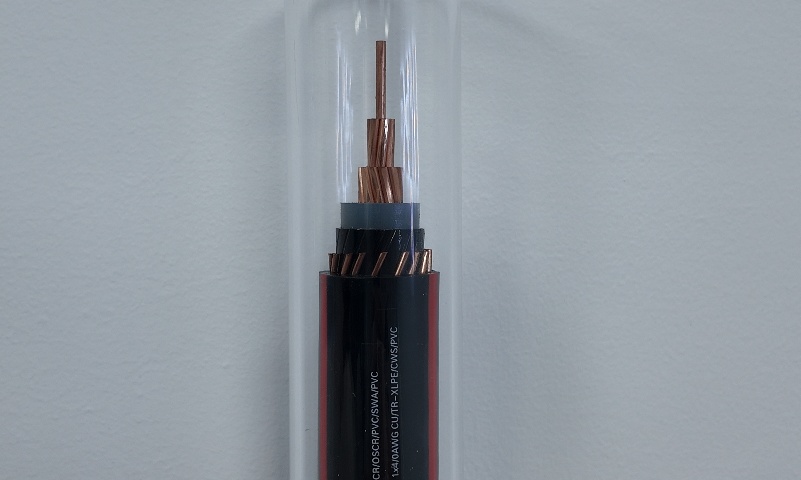
Single Conductor URD Cable
The Single Conductor URD Cable is a reliable and economical 600V underground residential distribution cable engineered for service entrance and secondary power delivery. It features a stranded AA8000 aluminum alloy conductor with XLPE insulation and a concentrically stranded aluminum alloy neutral, all protected by a durable black polyethylene sheath. This single conductor design provides excellent flexibility, high conductivity, and superior moisture resistance, making it suitable for direct burial or conduit installations. Lightweight and corrosion-resistant, the Single Conductor URD Cable is a practical alternative to copper cables while maintaining strong mechanical performance. Manufactured to UL 854 and ICEA standards, it undergoes extensive quality testing to ensure consistent performance and long service life in underground environments.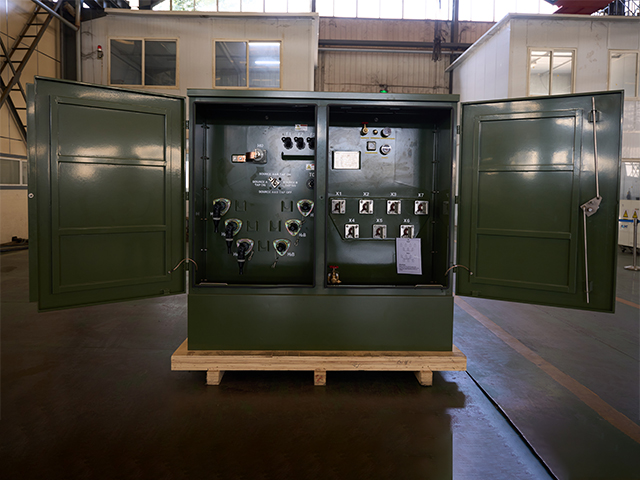
2MVA Solar Step-Up Pad Mounted Transformer for Solar PV
The 2MVA Solar Step-Up Pad Mounted Transformer is a purpose-built, three-phase, oil-immersed (ONAN) inverter step-up (ISU) transformer designed specifically for utility-scale solar PV farms, boosting low-voltage inverter AC outputs (typically 600V, 690V, 800V, or 480V) to medium-voltage collection levels (e.g., 12.47kV, 13.8kV, 22kV, 24.94kV, 33kV, or 34.5kV) for efficient grid tie-in. Engineered to IEEE C57.159 (DPV guide), IEEE C57.12.34 (pad-mounted compartmental-type), IEEE C57.12.00, DOE 2016 efficiency, and ANSI standards, this UL-listed unit features electrostatic shielding between windings to mitigate inverter harmonics and DC bias, K-factor up to K-19 for nonlinear loads, and reduced flux density to prevent core saturation from potential DC components.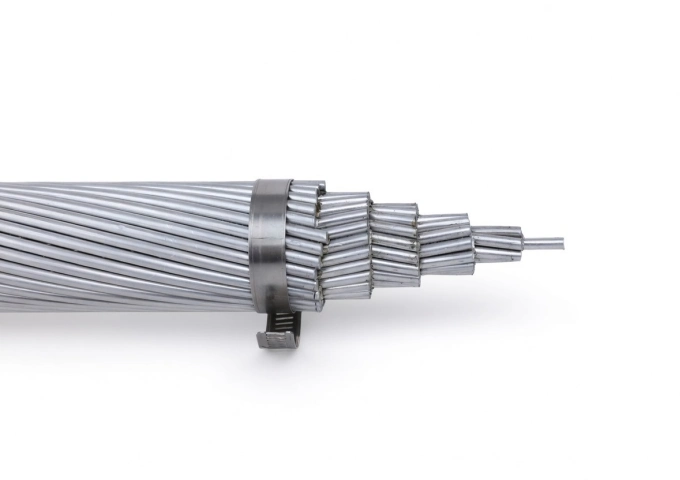
2 AWG IRIS AAC Cable
The 2 AWG IRIS AAC Cable is a premium All Aluminum Conductor designed for efficient overhead power transmission and distribution. Manufactured with high-purity 1350-H19 aluminum wires in a 7-strand concentric lay configuration, this bare conductor offers excellent electrical conductivity and lightweight performance. Ideal for urban and rural utility networks, the IRIS AAC delivers superior current-carrying capacity up to 185 amps while maintaining low sag and high reliability in various weather conditions. Its corrosion-resistant properties ensure long service life with minimal maintenance. Rigorously tested from raw materials to finished product, the 2 AWG IRIS AAC Cable meets or exceeds ASTM B-230 and B-231 standards, providing optimal strength-to-weight ratio and low DC resistance of 0.260 ohms per 1000ft. Choose this dependable solution for cost-effective power delivery in overhead lines on poles and towers.Welcome your inquiry
Honesty, Integrity, Frugality, Activeness and Passion