
Aluminum Alloy Wire as Neutral Conductor: Key Design Considerations & Benefits
2026-05-15
In modern electrical systems and power distribution networks, the neutral conductor plays a vital role in maintaining system stability and ensuring safe current return paths. While copper wires have traditionally been used as neutral conductors due to their excellent electrical conductivity, many engineers are now turning to Aluminum Alloy Wire for improved cost-effectiveness, lightweight design, and corrosion resistance.
Today, aluminum alloy conductors are widely used in:
- Power distribution networks
- Transmission lines
- Building electrical wiring
- Renewable energy systems
These conductors provide significant cost savings and logistical advantages in transporting and installing large-scale electrical infrastructure.
What is a Neutral Conductor?
A neutral conductor is the conductor connected to the neutral point of a power system, designed to carry current under normal operating conditions. It provides the return path for load current back to the source, completing the electrical circuit—typically at or near 0V relative to ground in balanced AC systems.
Per NEC Article 100 (and similar in IEC standards), it's the conductor intended for normal current flow, unlike the equipment grounding conductor (which handles faults only). In single-phase (e.g., 120/240V residential) and three-phase distribution (e.g., 208Y/120V or 400Y/230V), the neutral carries unbalanced currents.
Key facts:
- Color: White or gray (NEC 200.6).
- Materials: Often copper or aluminum alloy (e.g., AA-8000 series for overhead/service drops).
- Critical for safe, efficient power delivery—prevents overloads and ensures proper voltage balance.
Understanding neutral conductors is essential for wiring, code compliance, and avoiding hazards in residential, commercial, and utility applications.
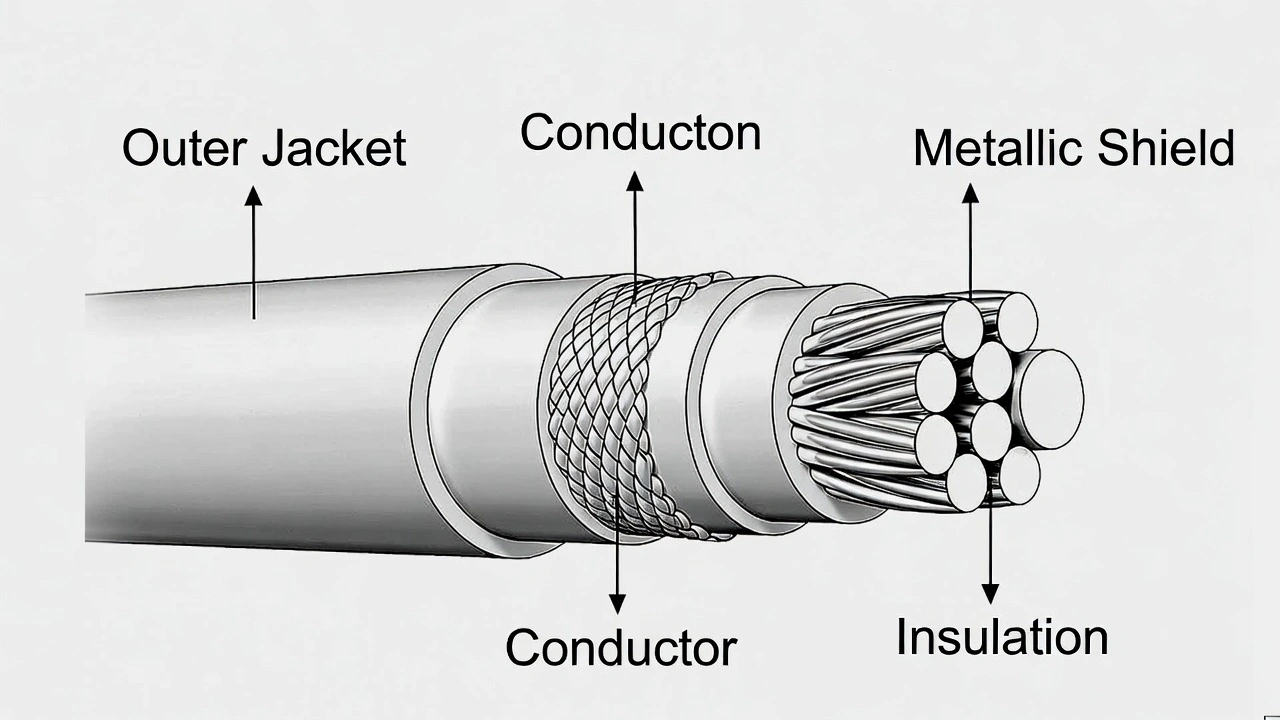
Neutral Conductor Definition
|
Term |
Description |
|
Neutral Conductor |
Return the current path in electrical systems |
|
Neutral Conductor Purpose |
Stabilizes voltage and completes the circuit |
|
Neutral Conductor Color |
Identifies the neutral wire for safety |
|
Neutral Conductor Size |
Determined by electrical load requirements |
Neutral Conductor Purpose in Electrical Systems
The neutral conductor serves as the current-carrying return path in AC electrical systems, completing the circuit by returning normal load current to the source (typically at ~0V potential). Its primary purpose is to:
- Balance voltages in single-phase (120/240V) and three-phase (e.g., 208Y/120V, 400Y/230V) setups
- Carry unbalanced currents in multi-phase systems
- Enable proper operation of single-phase loads connected line-to-neutral
Unlike the grounding conductor (for fault safety only), the neutral handles everyday current flow. Per NEC and IEC standards, it's essential for stable voltage, efficient power distribution, overload prevention, and code-compliant wiring in residential, commercial, and utility applications.
Key Functions
|
Function |
Description |
|
Current return path |
Completes an electrical circuit |
|
Voltage stabilization |
Prevents phase imbalance |
|
Safety protection |
Enables proper grounding |
|
Load balancing |
Supports uneven phase loads |
Without a neutral conductor, electrical loads could experience unstable voltage levels and equipment damage.
Neutral Conductor vs Ground Wire
Neutral Conductor: Carries normal load current back to the source, completes the circuit, and handles unbalanced currents in AC systems (e.g., 120/240V residential). Typically white/gray, always current-carrying under normal operation.
Ground Wire (Equipment Grounding Conductor): Provides a low-impedance safety path for fault current to trip protective devices; does NOT carry normal load current. Green or bare, connects metal parts to ground.
Main differences:
- Purpose: Neutral = return path for load; Ground = fault safety only
- Current: Neutral carries everyday current; Ground only during faults
- Voltage: Neutral near 0V; Ground at earth potential
- Color & Rules: Per NEC/IEC standards
Mixing them risks shock hazards, code violations, and improper protection.
Neutral vs Ground Comparison
|
Feature |
Neutral Conductor |
Ground Wire |
|
Function |
Carries return current |
Safety protection |
|
Current flow |
Continuous during operation |
Only during faults |
|
Connection |
Connected to the neutral point |
Connected to the earth |
|
Color identification |
White/blue |
Green/yellow-green |
Understanding this distinction is essential for safe electrical wiring and power distribution design.
Aluminum Alloy Wire as a Neutral Conductor
Aluminum Alloy Wire has become an increasingly popular choice in modern wires and cables.
Compared with copper conductors, aluminum alloy provides a balance between performance and cost savings.
Material Characteristics
|
Property |
Aluminum Alloy |
Copper |
|
Electrical conductivity |
Good |
Excellent |
|
Weight |
Very light |
Heavy |
|
Cost |
Lower |
Higher |
|
Corrosion resistance |
Excellent |
Moderate |
|
Installation |
Easier transporting and installing |
Heavier handling |
Because of its lightweight nature, aluminum alloy conductors are widely used in long transmission lines and large power distribution networks.
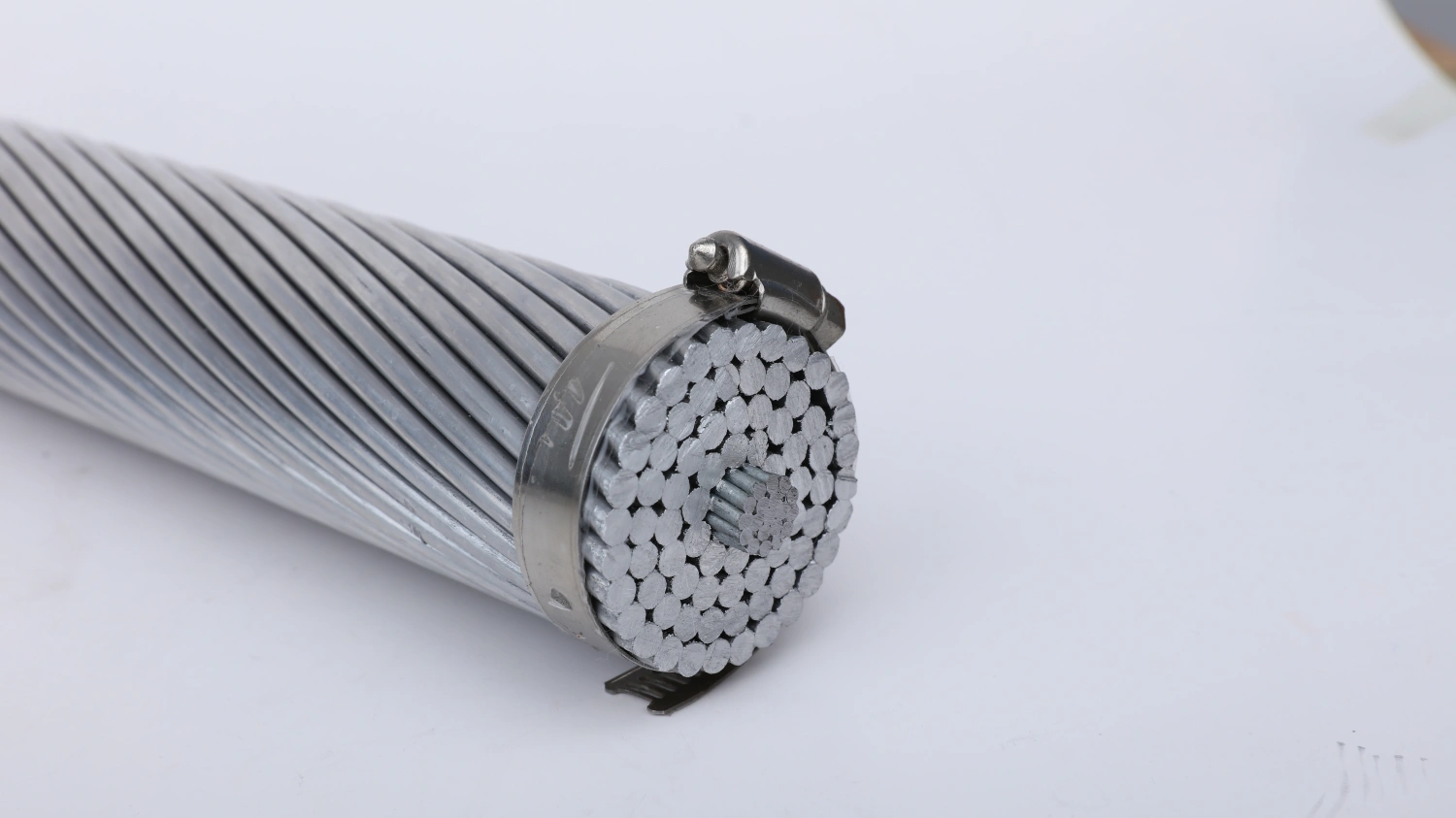
Key Benefits Compared to Copper Conductors
Aluminum alloy neutral conductors offer several advantages in modern electrical infrastructure.
Major Benefits
|
Benefit |
Explanation |
|
Cost effectiveness |
Lower material cost |
|
Lightweight nature |
Easier installation |
|
Resistance to corrosion |
Ideal for outdoor environments |
|
Lower carbon footprint |
Reduced environmental impact |
|
Good electrical conductivity |
Efficient energy transmission |
These benefits make aluminum alloy wire a cost-effective alternative to copper conductors in large-scale electrical systems.
Neutral Conductor Size Chart (AWG / mm² Table)
When designing electrical systems, power distribution networks, and transmission lines, engineers often use standard conductor sizing charts to determine the appropriate neutral conductor size.
Electrical conductors are typically specified in AWG (American Wire Gauge) or square millimeters (mm²), depending on regional standards.
The following table provides a complete reference chart commonly used in electrical wiring, power distribution, and industrial installations.
Neutral Conductor Size Conversion Chart
|
AWG Size |
Cross Section (mm²) |
Typical Ampacity (Aluminum) |
Typical Application |
|
14 AWG |
2.08 mm² |
20 A |
Lighting circuits |
|
12 AWG |
3.31 mm² |
25 A |
Small power circuits |
|
10 AWG |
5.26 mm² |
35 A |
Residential wiring |
|
8 AWG |
8.37 mm² |
50 A |
Medium load circuits |
|
6 AWG |
13.30 mm² |
65 A |
Distribution panels |
|
4 AWG |
21.15 mm² |
85 A |
Commercial wiring |
|
2 AWG |
33.62 mm² |
115 A |
Industrial circuits |
|
1 AWG |
42.41 mm² |
130 A |
Power distribution |
|
1/0 AWG |
53.49 mm² |
150 A |
Large electrical systems |
|
2/0 AWG |
67.43 mm² |
175 A |
Industrial power systems |
|
3/0 AWG |
85.01 mm² |
200 A |
Heavy load installations |
|
4/0 AWG |
107.2 mm² |
230 A |
Utility power distribution |
Note: Ampacity values depend on:
- Conductor material
- Insulation type
- Installation environment
- Ambient temperature
Therefore, engineers must always follow local electrical codes and standards such as NEC, IEC, or IEEE when selecting neutral conductor sizes.
Engineering Considerations for Neutral Conductor Sizing
When selecting a neutral conductor size, engineers should consider the following factors:
1. Phase Load Balance
In balanced three-phase systems, the neutral conductor may carry minimal current. However, unbalanced loads increase neutral current significantly.
2. Harmonic Currents
Modern electrical systems with nonlinear loads (computers, LED lighting, variable frequency drives) can generate harmonic currents, which increase neutral conductor loading.
3. Safety and Code Requirements
Electrical standards often require the neutral conductor to be equal to or larger than the phase conductors in certain installations.
Neutral Sizing Recommendations
|
System Type |
Neutral Conductor Recommendation |
|
Balanced 3-phase system |
Same size as phase conductor |
|
Moderate load imbalance |
80–100% of phase conductor |
|
High harmonic systems |
Equal or larger than phase conductor |
Aluminum Neutral Conductors in Large Electrical Systems
In large power distribution networks, aluminum alloy conductors are frequently used because they offer:
- Lower material cost
- Lightweight nature for easier transporting and installing
- High resistance to corrosion
- Reduced carbon footprint
Because of these advantages, aluminum alloy conductors are widely used in transmission lines, underground power distribution, and commercial electrical installations.
Neutral Conductor Size Calculator
Selecting the correct neutral conductor size is critical for safe electrical design.
A simplified formula used by electrical engineers is:
Neutral Conductor Sizing Formula
Neutral Conductor Size ≈ Phase Conductor Size × Load Imbalance FactorTypical Neutral Conductor Sizing Guidelines
|
System Type |
Neutral Size Recommendation |
|
Balanced three-phase system |
Same as a phase conductor |
|
Slightly unbalanced loads |
80–100% of the phase conductor |
|
Harmonic loads (data centers, electronics) |
Equal to or larger than the phase conductor |
Modern buildings with nonlinear loads such as computers and LED lighting, often require larger neutral conductors due to harmonic currents.
Applications of Aluminum Alloy Neutral Conductors
Aluminum alloy neutral conductors are widely used across multiple sectors.
Typical Applications
|
Industry |
Application |
|
Power distribution |
Utility distribution networks |
|
Transmission lines |
Long-distance electricity delivery |
|
Commercial buildings |
Electrical wiring systems |
|
Renewable energy |
Solar and wind installations |
|
Industrial plants |
Manufacturing power systems |
Their lightweight and corrosion-resistant properties make them highly suitable for outdoor power infrastructure.
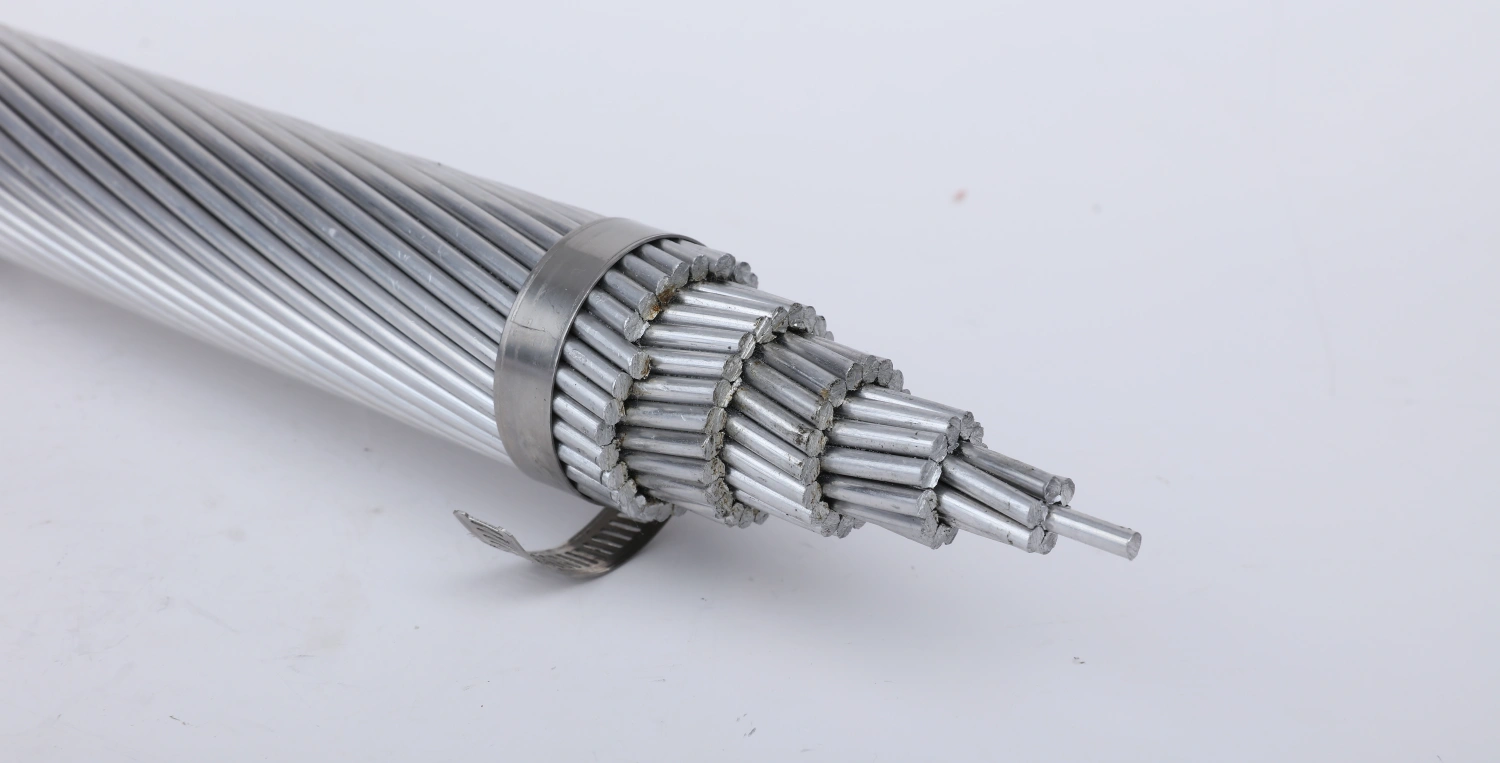
Installation Considerations
Proper installation ensures long-term reliability and electrical safety.
Installation Best Practices
|
Practice |
Importance |
|
Proper connectors |
Reduce electrical resistance |
|
Anti-oxidation compound |
Prevent aluminum oxidation |
|
Correct torque |
Maintain secure connections |
|
Compliance with electrical codes |
Ensure system safety |
Correct installation techniques are critical when working with aluminum wires in electrical installations.
Environmental and Sustainability Benefits
Aluminum alloy conductors contribute to sustainable power infrastructure.
Environmental Advantages
|
Factor |
Benefit |
|
Lower carbon footprint |
Reduced CO₂ emissions |
|
Lightweight transportation |
Lower shipping energy |
|
Recyclability |
Aluminum is highly recyclable |
|
Resource efficiency |
Reduced material consumption |
These characteristics make aluminum alloy conductors a sustainable choice for modern electrical systems.
Future Trends in Neutral Conductor Materials
The future of wires and cables used in power distribution is evolving rapidly.
Emerging trends include:
- Advanced aluminum alloy conductors
- Smart grid infrastructure
- High efficiency transmission lines
- Improved corrosion-resistant materials
These innovations aim to improve electrical efficiency while reducing operational costs. The neutral conductor is a critical element in modern electrical systems, providing a safe return path for current and maintaining voltage stability. With increasing demand for cost-effective and sustainable infrastructure, Aluminum Alloy Wire has become a preferred alternative to traditional copper conductors.
Thanks to its lightweight nature, resistance to corrosion, and cost-effectiveness, aluminum alloy conductors are widely used in power distribution networks, transmission lines, and electrical installations worldwide.

Related Articles


Related Products
XLPE-HDPE Tree Cable Aluminum 25kV 1x95mm²
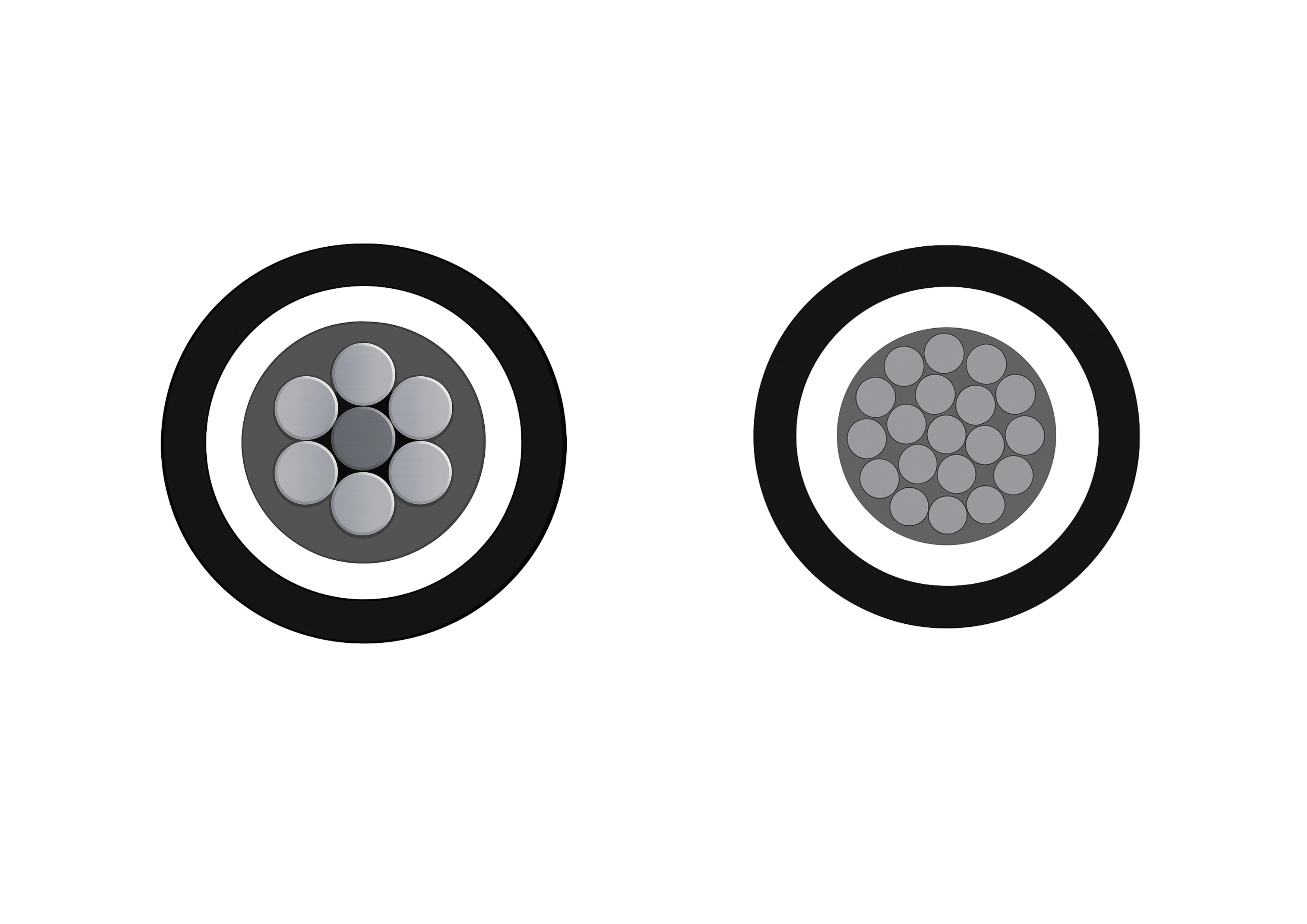
The XLPE-HDPE Tree Cable Aluminum 25kV 1x95mm² is engineered for medium-voltage overhead distribution networks that demand very high current capacity. Ideal for long-distance transmission in rural, industrial, and high-demand urban areas, this cable provides exceptional reliability and performance under harsh environmental conditions. Its design minimizes energy losses, supports stable power supply, and ensures dependable large-scale power distribution. Constructed with high-conductivity aluminum alloy 1350 wires, the conductor features round compacted, class 2 stranding with a minimum conductivity of 61% IACS and tensile strength of at least 130 MPa. Optional conductor shielding with extruded semiconductor thermosetting compound is available for enhanced performance in 15kV and 25kV applications. With its high current capacity, robust construction, and environmental resilience, the XLPE-HDPE 25kV tree cable 1x95mm² delivers reliable, long-term power distribution for challenging overhead network applications.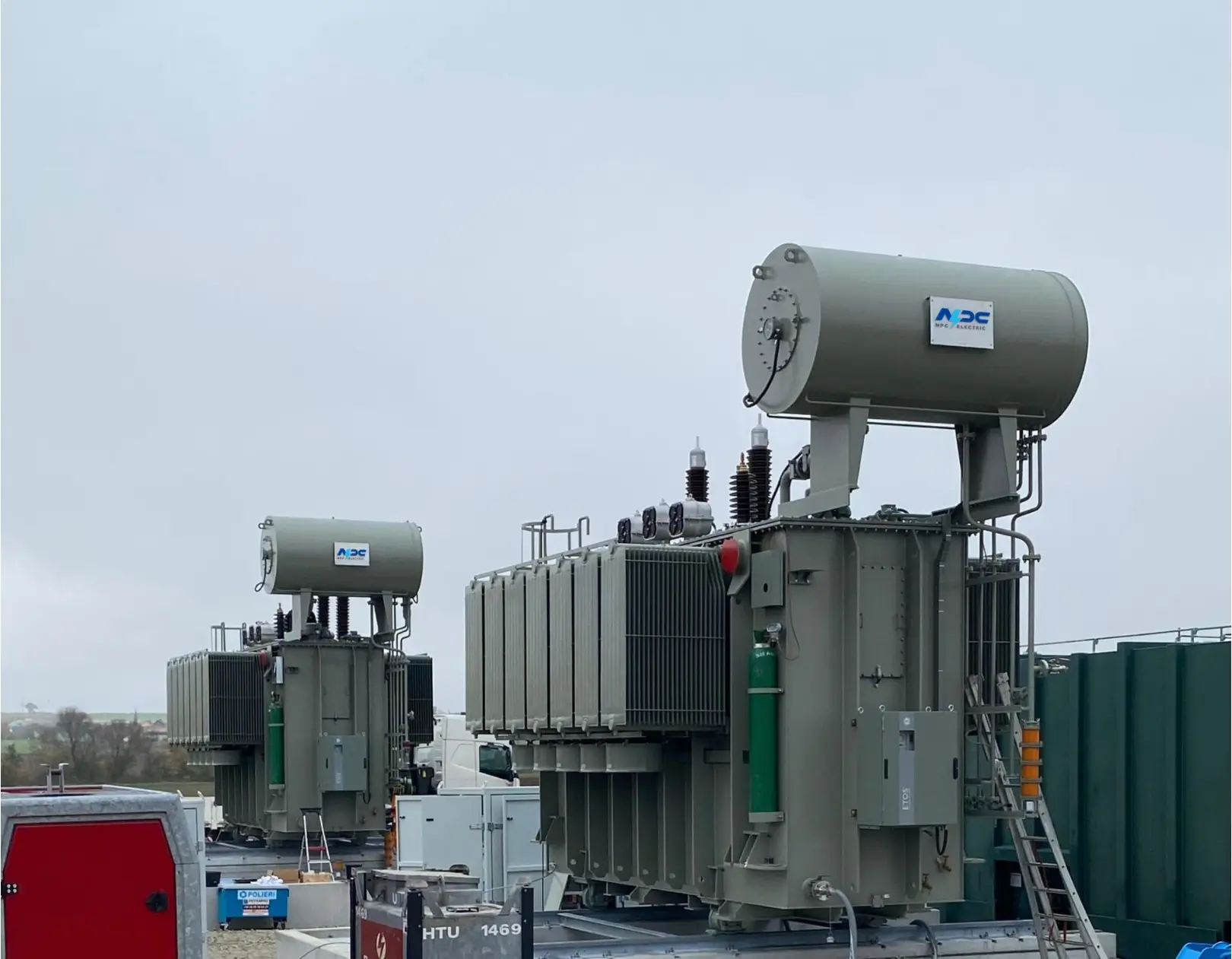
125kV Three-Phase Power Distribution Transformer
The 125kV Three-Phase Power Distribution Transformer is engineered to deliver reliable, efficient, and stable voltage transformation for high-voltage distribution networks and utility substations. Designed with a high-permeability silicon steel core and precision-wound conductors, it achieves low no-load loss, reduced operating noise, and excellent short-circuit withstand capability. The robust insulation system and optimized thermal design ensure long-term performance under continuous load and fluctuating grid conditions. Its reinforced tank structure and outdoor-rated configuration allow safe operation in demanding environments, including high temperature, humidity, and industrial pollution areas. Manufactured in compliance with IEC, IEEE, and ANSI standards, this transformer is suitable for modern power distribution systems requiring high reliability, operational safety, and extended service life.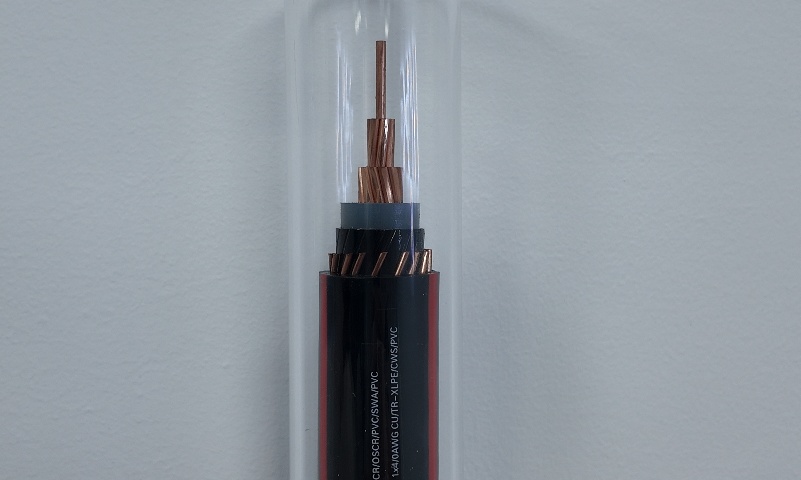
4/0 AWG Aluminum URD Cable 1/3 Neutral
The 4/0 AWG Aluminum URD Cable 1/3 Neutral is a durable and economical 600V underground residential distribution cable engineered for service entrance and secondary power delivery. It utilizes a 4/0 AWG stranded AA8000 aluminum alloy phase conductor with XLPE insulation and a 1/3 concentric aluminum alloy neutral, all protected by a rugged black polyethylene sheath. This design offers excellent flexibility, high conductivity, and superior moisture resistance, making it suitable for direct burial or conduit installations. The 1/3 neutral configuration provides a balanced and cost-effective solution for most residential applications. Manufactured to UL 854 and ICEA standards, the 4/0 AWG Aluminum URD Cable 1/3 Neutral undergoes extensive quality testing to ensure consistent performance and long service life in underground environments.H-medium-voltage-power-cable-2.jpg)
N2XS(FL)H Medium Voltage Power Cable(6/10kV, 12/20kV, 18/30kV)
The N2XS(FL)H Medium Voltage Power Cable is designed for reliable and fire-safe power transmission in medium voltage systems rated at 6/10kV, 12/20kV, and 18/30kV. The cable features a copper conductor insulated with XLPE and is equipped with a flame-retardant laminated aluminum foil screen, which provides effective electromagnetic shielding and moisture protection. An LSZH outer sheath is applied to minimize smoke emission and eliminate halogen gases in the event of fire, enhancing safety in confined or populated installations. Manufactured in accordance with IEC standards, the N2XS(FL)H cable offers low dielectric loss, high thermal stability, and long service life. Its optimized construction ensures dependable electrical performance while meeting stringent fire safety and environmental requirements.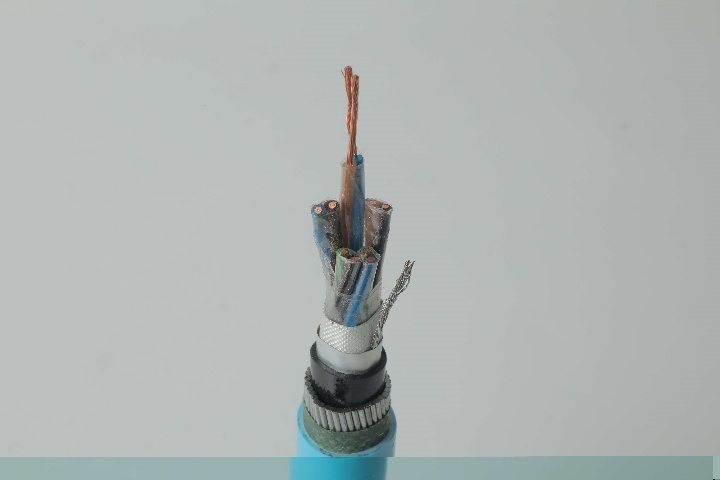
Instrumentation Cables—XLPE Insulated, Overall Screened ,Unarmoured PVC Sheathed Cables(CU/XLPE/OSCR/PVC)
Instrumentation cables come in twisted pairs, triads, and quads, depending on the customer’s applications; twisting reduces any electromagnetic interference by reducing the chances of electrical voltages and currents being induced in the conductor. Individual and overall screening are also applied in instrumentation cables to optimize the signal transferred and further reduce any electromagnetic interference. Screening of pairs, triads, or quads also includes a drain wire earthed to the ground, which ensures a noise-free signal transmission. Depending on the application, instrumentation cables can be insulated with PVC or XLPE; the cables can be armoured or unarmoured. The sheathing materials can be of PVC, LSZH, or PE. The cables can have additional flame retardant or flame retardant properties, and they can be manufactured with special protections such as lead sheaths, or DRYLAM or AIRBAG technology.
200kVA Dry Type Transformer
200kVA Dry Type Transformer is designed for high efficiency and reliable performance in various industrial and commercial applications. With a robust and compact design, it ensures safe operation without the need for external cooling fluids. Ideal for environments where space and fire safety are critical, this transformer provides reliable power distribution while minimizing environmental impact. Built with advanced materials and precision engineering, it offers excellent durability, low maintenance, and energy savings, making it the perfect choice for demanding electrical needs.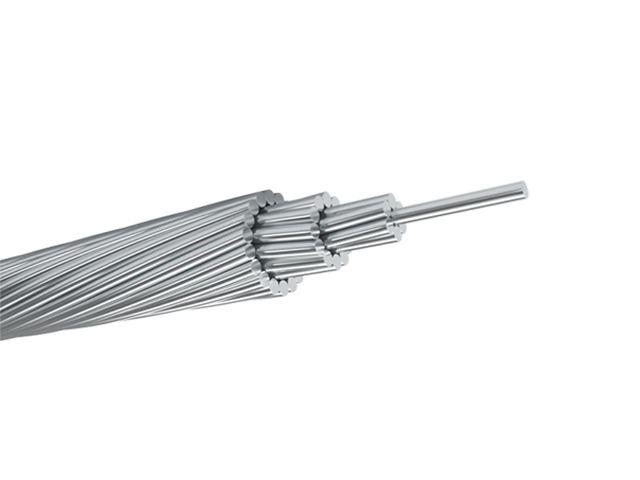
AMES AAAC Conductor Cable
AMES AAAC (All Aluminum Alloy Twisted) cables comply with ASTM B399 standards and have excellent conductivity and corrosion resistance. With 250 mm² nominal area and 19-strand design, it uses heat-treated aluminum-magnesium-silicon alloy (6201-T81) for enhanced strength (295 MPa min) and conductivity (53% IACS min). Meeting ASTM B398, B399, IEC 61089, and BS EN 50182 standards, this cable handles ampacity up to 600A at 75°C and voltages up to 33kV. The all-alloy construction avoids bimetallic corrosion, providing better resistance in harsh conditions than ACSR. Reduced weight minimizes sag and installation expenses, supporting longer spans. The Ames AAAC Conductor Cable delivers low electrical losses, high mechanical endurance, and excellent weather tolerance. Flame-retardant variants available. Perfect for urban grids, renewable projects, and coastal setups, it provides cost-effective, low-maintenance power delivery in overhead applications globally, excelling in reliability and lifespan over conventional conductors.
2000kVA Dry Type Transformer
The NPC ELECTRIC 2000kVA Dry Type Transformer is a robust and efficient power solution designed to handle the electrical needs of large-scale industrial and commercial operations. With a capacity of 2000kVA, it features advanced dry-type insulation, ensuring enhanced safety, minimal maintenance, and long-lasting performance. This transformer is built to operate reliably in various environmental conditions while offering low noise levels and a reduced environmental footprint. It achieves efficiencies around 99.47–99.48% at 35% load (aligned with DOE 2029 levels for three-phase low-voltage dry-type in the 1000–2500 kVA range, interpolated from published tables showing progressive gains), supports substantial harmonics, overload capability, and provides durable, eco-friendly performance with minimized lifecycle costs.2Y-high-voltage-power-cable-2.webp)
A2XS(FL)2Y HDPE High Voltage 26/45 (52) kV Power Cable
A2XS(FL)2Y HDPE High Voltage 26/45 (52) kV Power Cable is a high-performance single-core aluminum conductor cable designed for medium-to-high voltage power transmission. It features XLPE insulation, extruded semi-conductive conductor and insulation screens, and semi-conductive water-swellable tapes for longitudinal water blocking. A longitudinally applied aluminium tape moisture barrier coated with PE copolymer ensures outstanding moisture resistance and mechanical protection. The HDPE oversheath provides superior abrasion, chemical, and environmental resistance, making it suitable for direct burial, underwater, outdoor, indoor, and duct installations in power stations, industrial sites, and distribution networks. Complying with IEC 60840 standards, it ensures long-term, reliable electrical performance in challenging environments.-AL-medium-voltage-power-cable-2.jpg)
RHZ1-2OL(S)-AL Medium Voltage Power Cable(8.7/15kV, 12/20kV, 18/30kV Specifications)
NPC Electric RHZ1-2OL(S)-AL Medium Voltage Power Cable (8.7/15kV, 12/20kV, 18/30kV) combines economy with special fire safety for demanding medium voltage networks. Built with aluminium conductors, thermosetting XLPE insulation, metallic screen, and specially formulated LSZH sheath with superior fire-retardant characteristics (S), it meets UNE 21123-4 and higher CPR classifications. The special LSZH sheath drastically reduces smoke and eliminates corrosive gases in fires. Lightweight aluminium minimizes costs and installation effort. Excellent partial discharge resistance, low tan delta, and thermal endurance ensure efficiency and longevity. Suitable for direct burial, ducts, or indoor use in high-risk areas, the RHZ1-2OL(S)-AL Medium Voltage Power Cable is favored for metro systems, data centers, public venues, and infrastructure demanding reliable medium voltage cabling with advanced fire protection, environmental compliance, and enhanced life-safety in populated or confined spaces.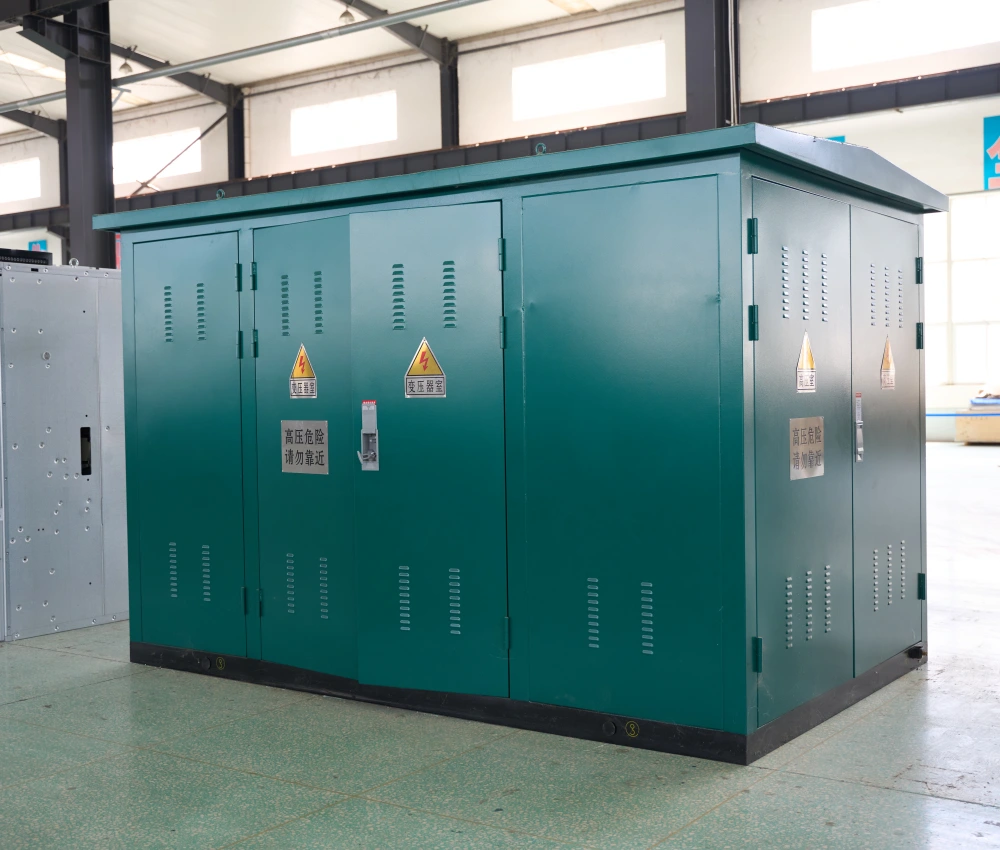
Prefabricated Box Type Transformer Substation
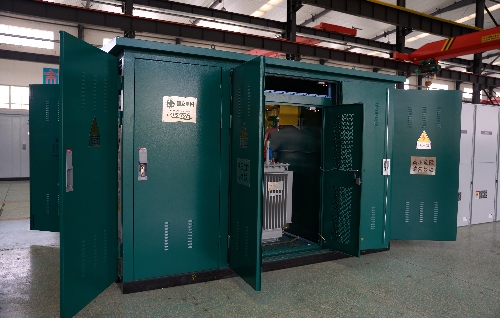
The Prefabricated Box Type Transformer Substation is a fully integrated power distribution system combining medium-voltage switchgear, distribution transformer, low-voltage distribution equipment, and intelligent control systems within a compact outdoor enclosure. Engineered for modern electrical infrastructure, the substation delivers efficient, safe, and stable power transformation and distribution for industrial facilities, renewable energy projects, urban developments, and utility networks. Its modular structural design significantly reduces installation time, civil construction requirements, and overall project costs while enhancing operational reliability and maintenance efficiency. The enclosure is manufactured using corrosion-resistant materials and advanced environmental protection technologies to ensure dependable performance under harsh outdoor conditions including high humidity, dust, salt spray, and temperature fluctuations. The substation supports multiple transformer capacities, flexible voltage ratings, intelligent monitoring functions, and customizable switchgear configurations to meet different regional standards and project specifications. With compact footprint advantages and scalable integration capability, the Prefabricated Box Type Transformer Substation is an ideal solution for modern smart grid systems and distributed energy applications.
133kV 135kV Three-Phase Power Transformer – High Voltage Substation Equipment
The 133kV / 135kV Three-Phase Power Transformer is developed for high-voltage substations requiring dependable power conversion, grid stability, and long-term operational security. Designed as core infrastructure equipment, it supports continuous duty under fluctuating electrical loads and complex grid conditions. The transformer integrates a high-strength magnetic core, precision-manufactured windings, and a stable oil-immersed insulation system to achieve controlled losses and consistent voltage performance. Its structural design prioritizes mechanical durability, enabling safe operation under electrical stress, thermal expansion, and external environmental factors. Engineered for outdoor substation installation, the transformer ensures reliable service life with reduced maintenance demand. Compliance with international power equipment standards makes it suitable for modern transmission and substation systems where operational reliability, safety, and efficiency are essential.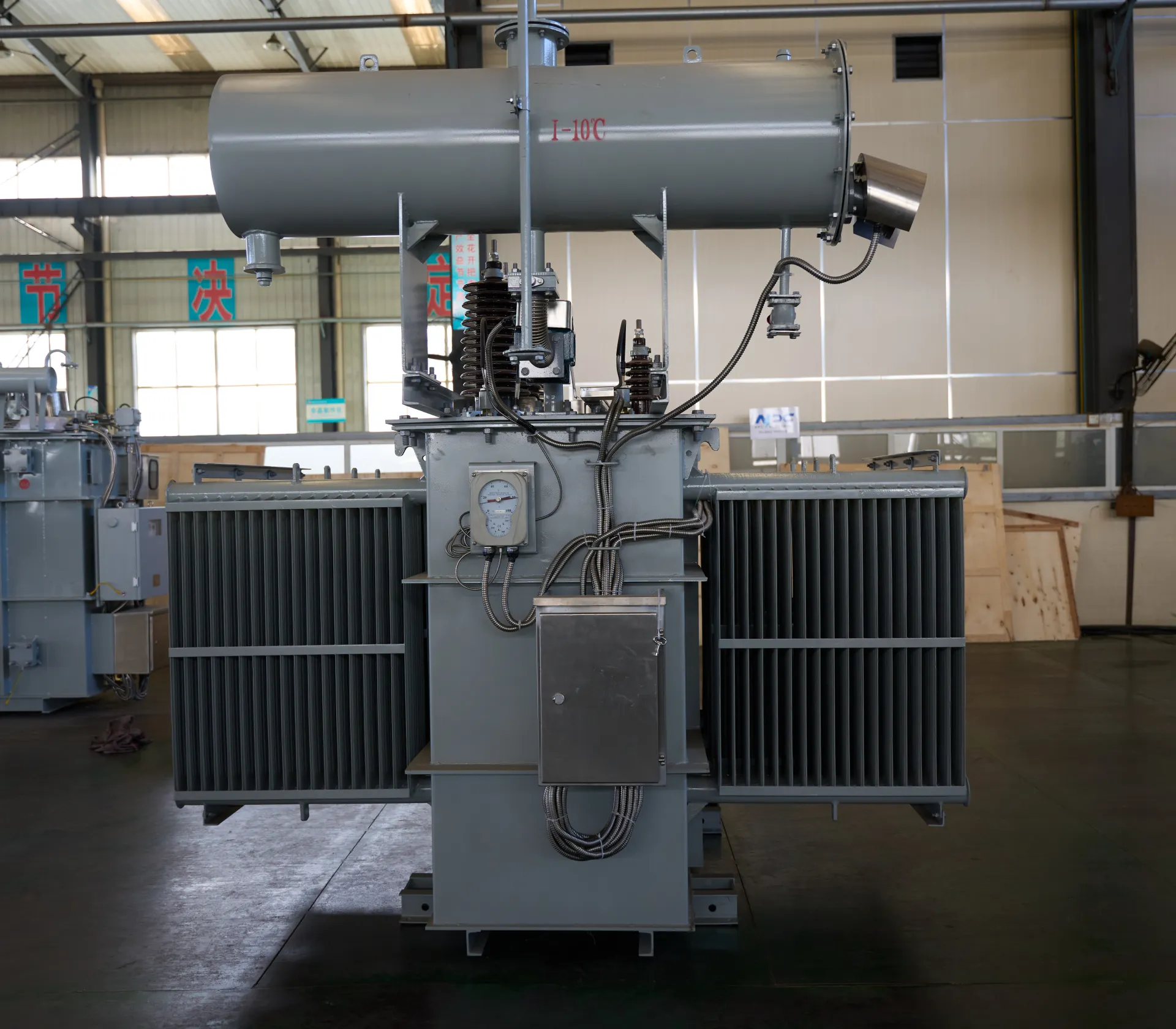
25000kVA Oil-Immersed Copper Transformer For Substation
The 25,000kVA oil-immersed copper transformer is engineered for high-standard power distribution in large industrial facilities, utility networks, and high-voltage substations. Built with premium pure copper windings, it delivers exceptional electrical conductivity, reduced losses, and long-term operational stability. The oil-immersed cooling system ensures efficient heat dissipation, allowing the transformer to perform reliably under continuous heavy load conditions.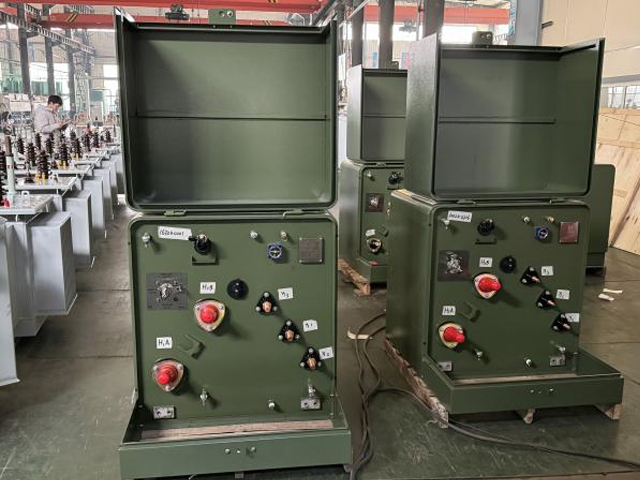
250kVA Single Phase Pole Mounted Transformer
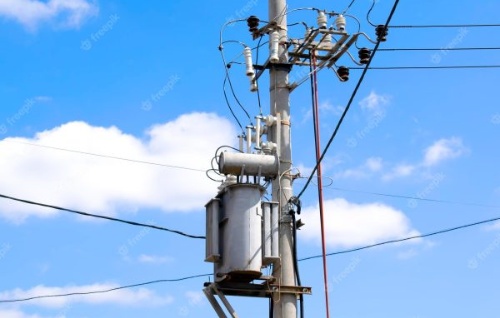
Engineered for heavy-duty overhead applications, the 250kVA single phase pole mounted transformer provides dependable voltage transformation from primary levels like 12.47kV, 24.94kV, or 34.5kV to secondary outputs such as 120/240V or 277/480V. Featuring grain-oriented silicon steel cores for minimal core losses and robust windings, it achieves high efficiency while adhering to DOE energy standards and IEEE C57.12.20 guidelines. The corrugated tank design promotes superior heat dissipation, paired with ONAN self-cooling and a 65°C temperature rise for sustained performance under peak demands. Weather-resistant construction includes lifting lugs, pressure relief devices, and surge protection options, ensuring longevity in exposed environments. This transformer minimizes maintenance needs and supports stable power supply with low noise and excellent overload capability, making it a preferred choice for expanding grid infrastructure.
121kV Oil-Immersed High-Voltage Power Transformer
The 121kV Oil-Immersed High-Voltage Power Transformer is designed to provide stable, efficient, and long-term power transformation for transmission networks and high-voltage substations. Utilizing high-quality silicon steel cores and precision-wound copper conductors, the transformer achieves low no-load losses, strong short-circuit withstand capability, and excellent thermal stability. The oil-immersed insulation and cooling system ensures effective heat dissipation, supporting continuous operation under heavy-load and fluctuating grid conditions. Its reinforced tank structure, advanced insulation system, and outdoor-rated protection design enable reliable performance in harsh climates and demanding environments. Manufactured in accordance with IEC, IEEE, and ANSI standards, this transformer is widely applied in utility grids, industrial power systems, and infrastructure projects requiring high reliability, safety, and long service life.Welcome your inquiry
Honesty, Integrity, Frugality, Activeness and Passion