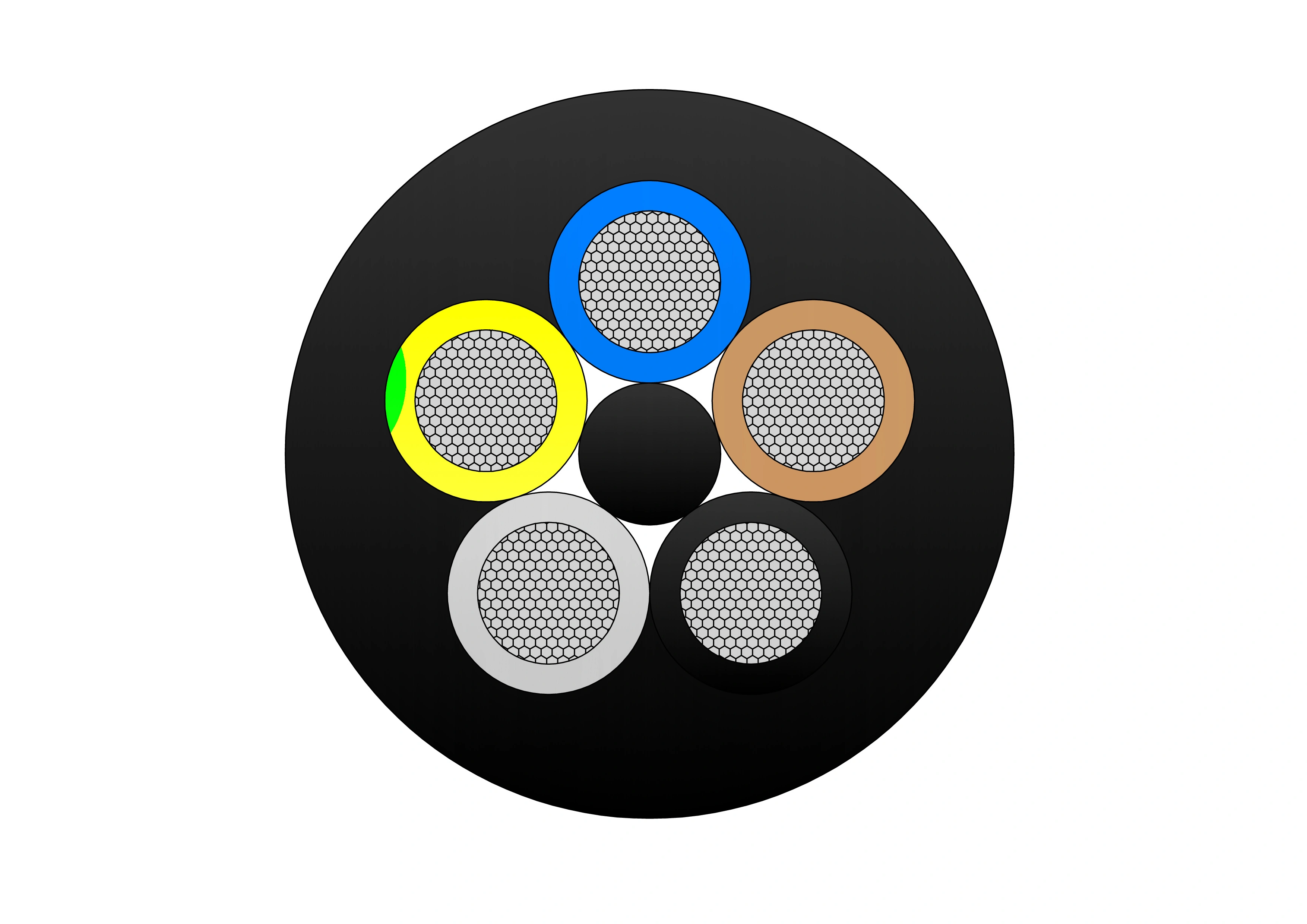

(N)TSCGEWOU 3.6/6kV, 6/10kV, 8.7/15kV and 12/20kV Submersible Cable
The (N)TSCGEWOU 3.6/6kV, 6/10kV, 8.7/15kV and 12/20kV Submersible Cable is a robust, flexible medium-voltage cable optimized for full submersion in mining and industrial water environments. It comprises class 5 tinned copper conductors for corrosion resistance, semi-conductive screens, EPR insulation for reliable dielectric and thermal properties (90°C rating), copper braid screen for shielding, control/monitoring conductors, and a high-performance watertight rubber outer sheath incorporating water-blocking elements to resist high hydrostatic pressure and prevent longitudinal/transverse water ingress. Compliant with DIN VDE 0250 and IEC standards, it provides excellent mechanical strength, flame retardancy, oil/chemical resistance, and flexibility for dynamic submersible use. The (N)TSCGEWOU Submersible is ideal for reliable power delivery to submersible pumps, dredgers, and underwater equipment in flooded mines, tunnels, and offshore applications.
- Voltage Rating Uo/U 3.6/6kV | 6/10kV | 8.7/15kV | 12/20kV
-
Test Voltage
3.6/6kV: 11kV
6/10kV: 17kV
8.7/15kV: 24kV
12/20kV: 29kV -
Temperature Rating
Fixed: -40°C to +80°C
Flexed: -25°C to +80°C -
Minimum Bending Radius
Fixed: 6 x overall diameter
Flexed: 10 x overall diameter - Maximum Permissible Water Temperature 8.7/15kV - 12/20kV : +40°C
Construction
Technical Specifications
Quality Control
Application
Construction
(N)TSCGEWOU 3.6/6kV, 6/10kV, 8.7/15kV and 12/20kV Submersible Cable Constrution
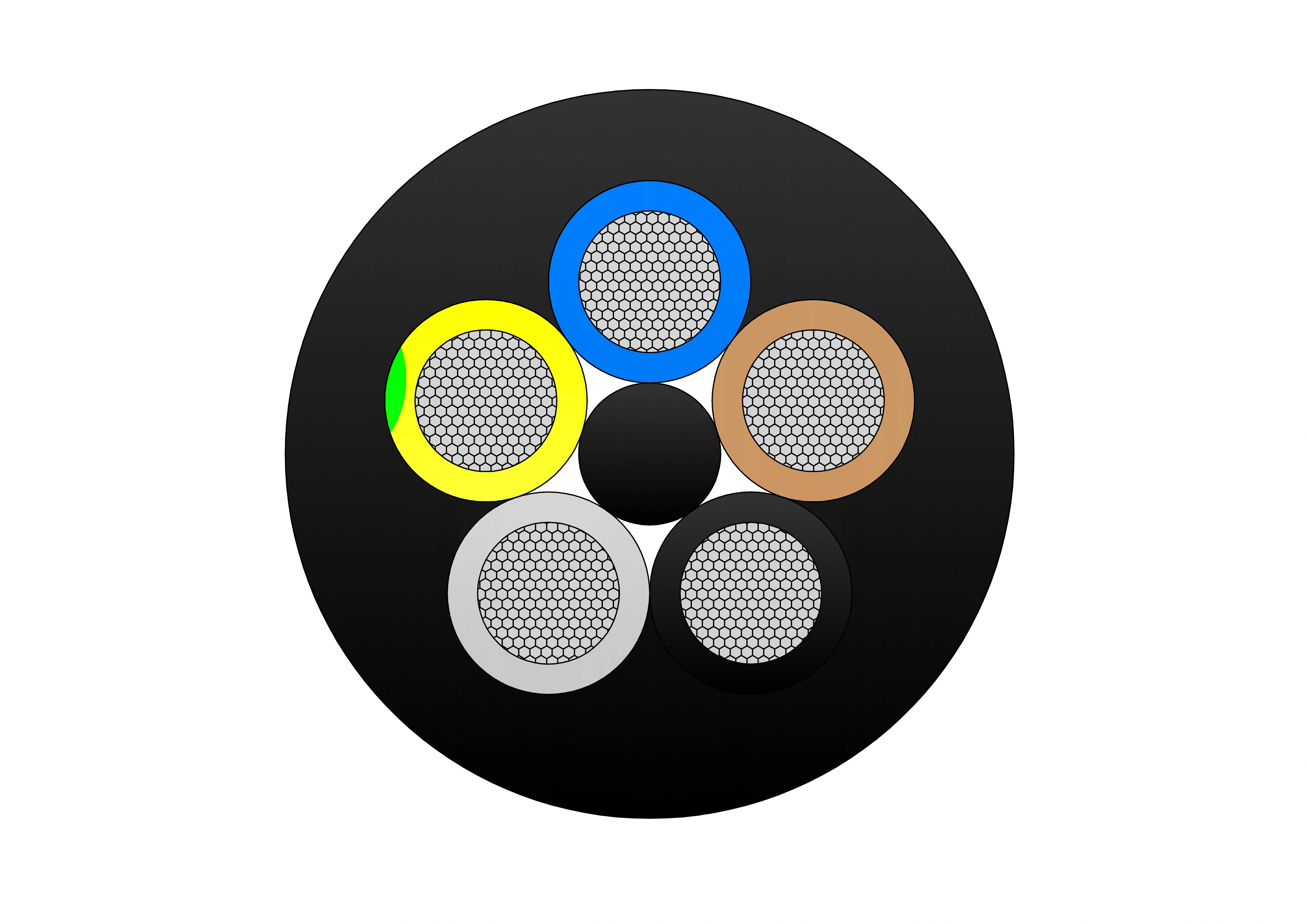
Phase Conductor
Class 5 tinned copper conductor
Insulation
Rubber compound
Earth Conductor
Class 5 tinned copper conductor
Central Filler
Semi-conductive compound on a polyester textile support
Inner Sheath
EPR rubber compound waterproofing
Outer Sheath
M rubber compound waterproofing
Sheath Colour
Black
Manufacturer Standard
VDE 0250 Part 813, HD 22.16, VDE 0295, EN 60228
Flame Retardant
IEC/EN 60332-1-2
Semi-Conductive Layers
Semi-conductive tape over the conductor and inner and outer
Semi-conductive rubber layer on the insulation
Semi-conductive rubber layer on the insulation
Application
(N)TSCGEWOU 3.6/6kV, 6/10kV, 8.7/15kV, and 12/20kV submersible cables are designed for powering equipment subjected to high mechanical stresses and subjected to long-term immersion in saltwater or brackish water up to a depth of 300 meters, such as pumps, dredgers, and floating docks.
Technical Specifications
(N)TSCGEWOU 3.6/6kV, 6/10kV, 8.7/15kV and 12/20kV Submersible Cable
(N)TSCGEWOU 3.6/6kV Submersible Cable
(N)TSCGEWOU 6/10kV Submersible Cable
(N)TSCGEWOU 8.7/15kV Submersible Cable
(N)TSCGEWOU 12/20kV Submersible Cable
|
No. Of Cores |
Nominal Cross Sectional Area mm² |
CONDUCTOR DIAMETER |
MINIMUM OVERALL DIAMETER |
MAXIMUM OVERALL DIAMETER |
MAXIMUM TENSILE LOAD |
NOMINAL WEIGHT |
|
|
Phase Conductor |
Earth Conductor |
mm | mm | mm | N | kg/km | |
| 3+3 | 25 | 25/3 | 6.8 | 39.9 | 41.6 | 1500 | 2580 |
| 3+3 | 35 | 25/3 | 7.8 | 42.9 | 44.6 | 2100 | 3080 |
| 3+3 | 50 | 25/3 | 9.4 | 46 | 47.7 | 3000 | 3710 |
| 3+3 | 70 | 35/3 | 11.2 | 49.8 | 51.6 | 4200 | 4570 |
| 3+3 | 95 | 50/3 | 12.7 | 55.8 | 57.6 | 5700 | 5880 |
| 3+3 | 120 | 70/3 | 14.4 | 59.6 | 61.4 | 7200 | 7140 |
| 3+3 | 150 | 70/3 | 16.3 | 66 | 68.3 | 9000 | 8690 |
| 3+3 | 185 | 95/3 | 17.6 | 67.9 | 70.2 | 11100 | 9890 |
|
No. Of Cores |
Nominal Cross Sectional Area mm² |
CONDUCTOR DIAMETER |
MINIMUM OVERALL DIAMETER |
MAXIMUM OVERALL DIAMETER |
MAXIMUM TENSILE LOAD |
NOMINAL WEIGHT |
|
|
Phase Conductor |
Earth Conductor |
mm | mm | mm | N | kg/km | |
| 3+3 | 25 | 25/3 | 6.8 | 39.9 | 42.2 | 1500 | 2620 |
| 3+3 | 35 | 25/3 | 7.8 | 42.9 | 45.2 | 2100 | 3120 |
| 3+3 | 50 | 25/3 | 9.4 | 46 | 48.3 | 3000 | 3750 |
| 3+3 | 70 | 35/3 | 11.2 | 49.8 | 52.2 | 4200 | 4710 |
| 3+3 | 95 | 50/3 | 12.7 | 55.8 | 58.2 | 5700 | 5920 |
| 3+3 | 120 | 70/3 | 14.4 | 59.6 | 62.1 | 7200 | 7180 |
| 3+3 | 150 | 70/3 | 16.3 | 66 | 69 | 9000 | 8730 |
| 3+3 | 185 | 95/3 | 17.6 | 67.9 | 70.9 | 11100 | 9930 |
|
No. Of Cores |
Nominal Cross Sectional Area mm² |
CONDUCTOR DIAMETER |
MINIMUM OVERALL DIAMETER |
MAXIMUM OVERALL DIAMETER |
MAXIMUM TENSILE LOAD |
NOMINAL WEIGHT |
|
|
Phase Conductor |
Earth Conductor |
mm | mm | mm | N | kg/km | |
| 3+3 | 25 | 25/3 | 6.8 | 47.3 | 49 | 1500 | 3310 |
| 3+3 | 35 | 25/3 | 7.8 | 48.8 | 50.6 | 2100 | 3680 |
| 3+3 | 50 | 25/3 | 9.4 | 53.7 | 55.5 | 3000 | 4580 |
| 3+3 | 70 | 35/3 | 11.2 | 57.5 | 59.3 | 4200 | 5600 |
| 3+3 | 95 | 50/3 | 12.7 | 60.8 | 63.1 | 5700 | 6550 |
| 3+3 | 120 | 70/3 | 14.4 | 66.4 | 68.7 | 7200 | 8130 |
| 3+3 | 150 | 70/3 | 16.3 | 71 | 73.4 | 9000 | 9460 |
| 3+3 | 185 | 95/3 | 17.6 | 73.1 | 75.5 | 11100 | 10700 |
|
No. Of Cores |
Nominal Cross Sectional Area mm² |
CONDUCTOR DIAMETER |
MINIMUM OVERALL DIAMETER |
MAXIMUM OVERALL DIAMETER |
MAXIMUM TENSILE LOAD |
NOMINAL WEIGHT |
|
|
Phase Conductor |
Earth Conductor |
mm | mm | mm | N | kg/km | |
| 3+3 | 25 | 25/3 | 6.8 | 52 | 53.8 | 1500 | 3830 |
| 3+3 | 35 | 25/3 | 7.8 | 55.2 | 57 | 2100 | 4440 |
| 3+3 | 50 | 25/3 | 9.4 | 58.4 | 60.2 | 3000 | 5170 |
| 3+3 | 70 | 35/3 | 11.2 | 62.1 | 64.4 | 4200 | 6250 |
| 3+3 | 95 | 50/3 | 12.7 | 67.2 | 69.5 | 5700 | 7480 |
| 3+3 | 120 | 70/3 | 14.4 | 71 | 73.4 | 7200 | 8840 |
Quality Control
(N)TSCGEWOU 3.6/6kV, 6/10kV, 8.7/15kV and 12/20kV Submersible Cable
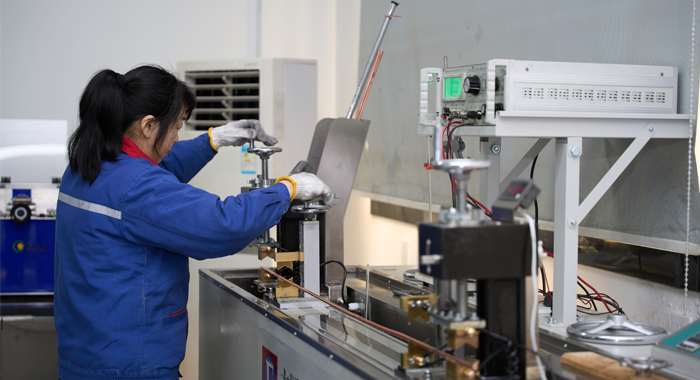
Raw Material Test
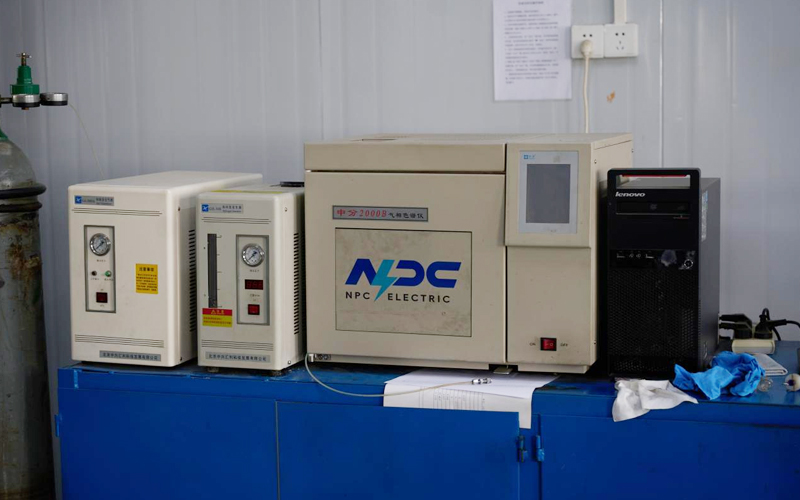
Raw Material Test for (N)TSCGEWOU 3.6/6kV, 6/10kV, 8.7/15kV and 12/20kV Submersible Cable focuses on submersible watertight quality. Steps include: Certification Check: Tinned copper and EPR/rubber sheath verified to VDE 0250/IEC for submersible use. Conductor Testing: Tensile, elongation, conductivity, tin coating for corrosion resistance. Insulation Evaluation: EPR dielectric/thermal properties, low water absorption. Sheath & Blocking Assessment: Watertight rubber for pressure resistance, water penetration, oil/chemical tolerance, flame retardancy. Screen & Monitoring Check: Braid coverage/conductivity; monitoring continuity in wet conditions. Batch Rejection: Non-compliant quarantined. Approved materials secure the (N)TSCGEWOU 3.6/6kV, 6/10kV, 8.7/15kV and 12/20kV Submersible Cable's watertight performance.
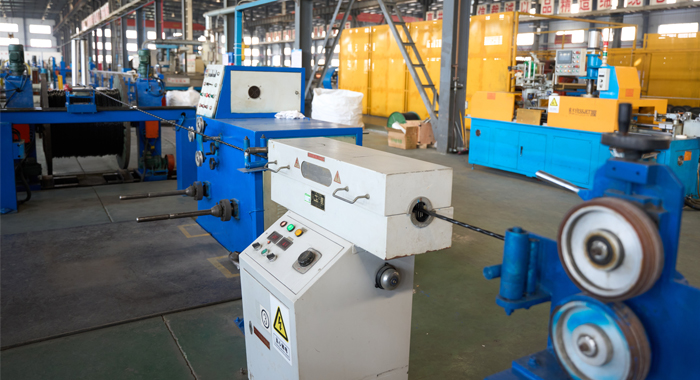
Process inspection
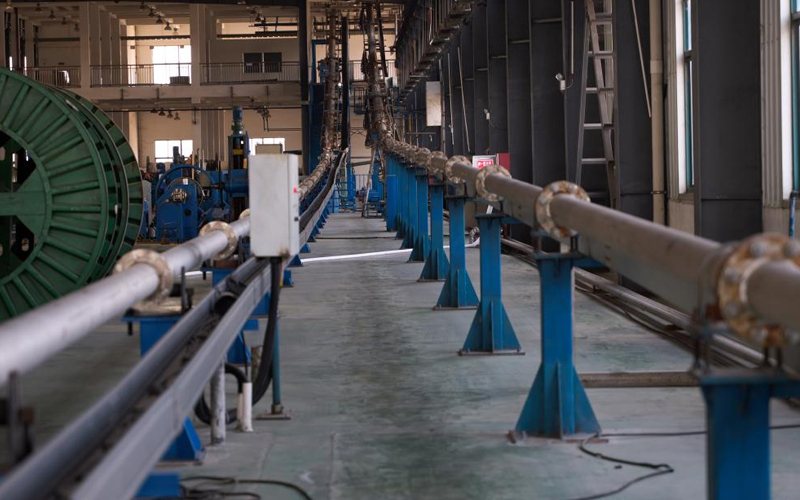
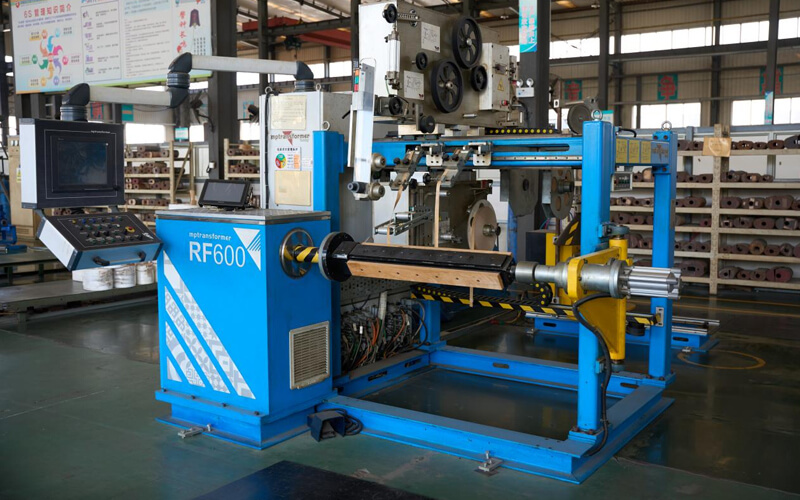
Process Inspection for (N)TSCGEWOU 3.6/6kV, 6/10kV, 8.7/15kV and 12/20kV Submersible Cable enforces watertight assembly. The procedure features: Stranding Control: Uniform tinned copper stranding. Extrusion Monitoring: Semi-conductive screens, EPR insulation with defect detection. Screening & Assembly: Precise braid and monitoring integration. Water-Blocking: Apply blocking elements. Sheath Extrusion: Watertight rubber applied with adhesion checks. Deviation Handling: Immediate corrections. This guarantees the (N)TSCGEWOU 3.6/6kV, 6/10kV, 8.7/15kV and 12/20kV Submersible Cable maintains submersible integrity.
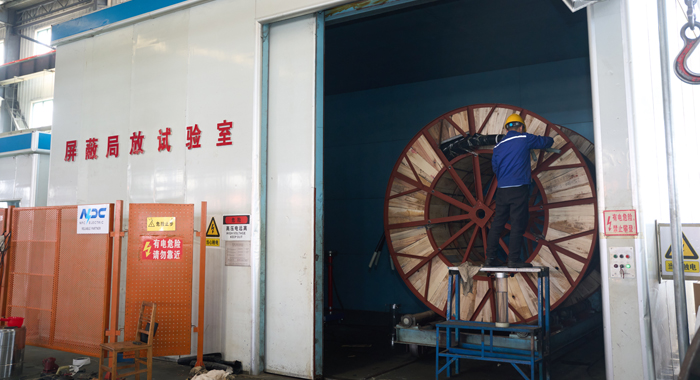
Finished Product
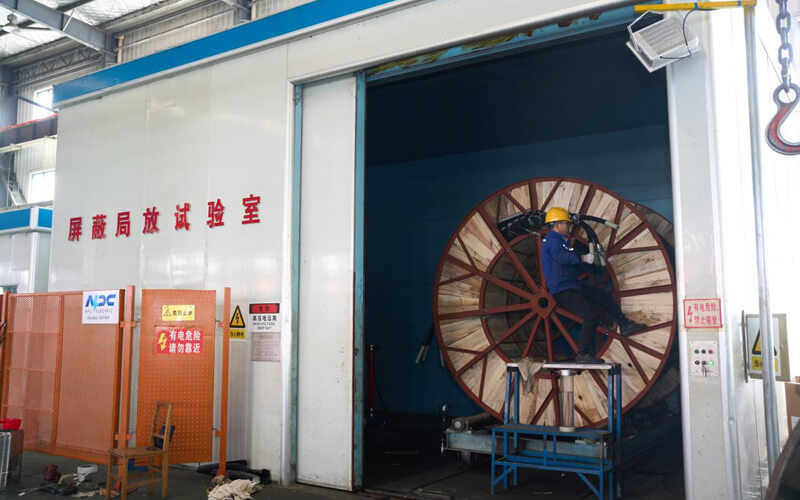
Finished Product Test validates the (N)TSCGEWOU 3.6/6kV, 6/10kV, 8.7/15kV, and 12/20kV Submersible Cable for submersion. Steps include: Inspection: Visual/dimensional/marking verification. Electrical: Resistance, insulation, withstand (11–29kV), partial discharge. Water & Pressure: Penetration (IEC 60055), hydrostatic simulation. Mechanical: Bending, tensile, and abrasion resistance. Performance: Oil/flame/thermal aging checks. Release: Only passing (N)TSCGEWOU 3.6/6kV, 6/10kV, 8.7/15kV, and 12/20kV Submersible Cable approved for reliable submersible use.
Application
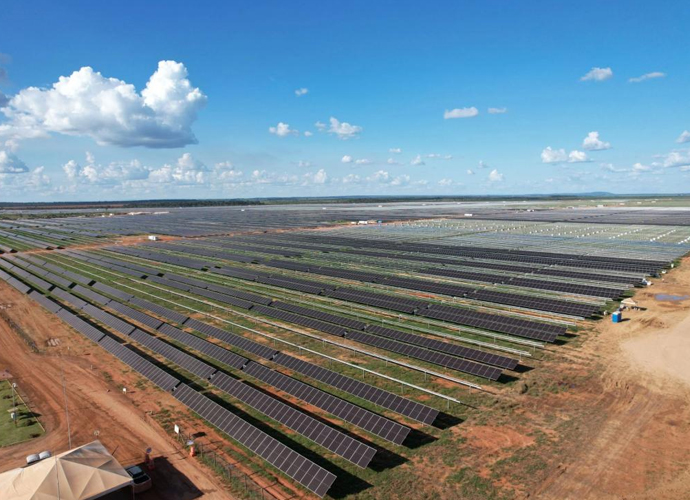
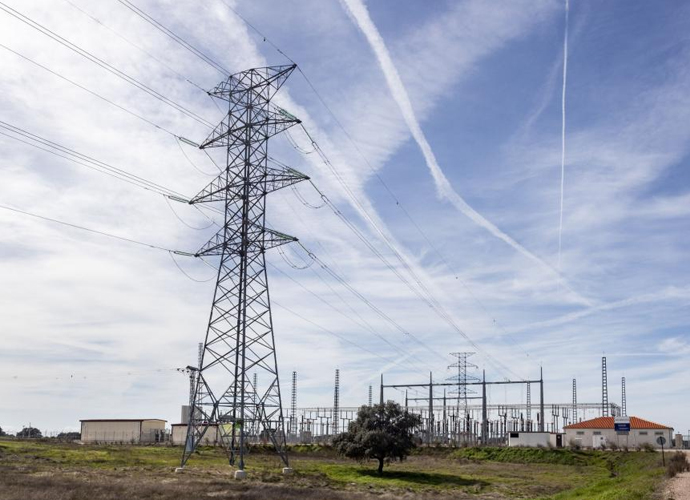
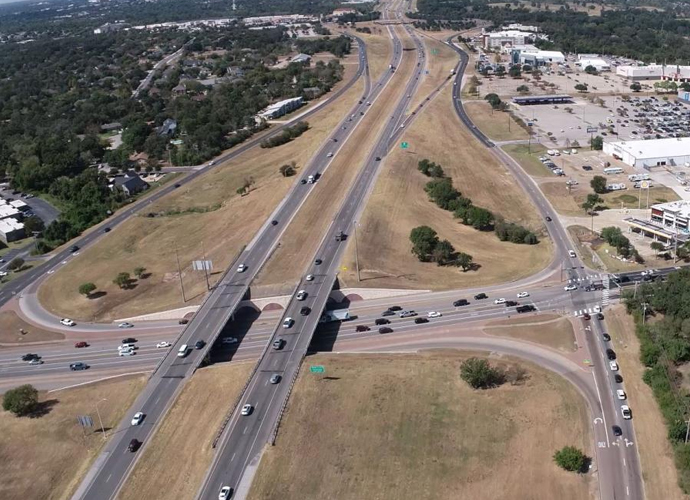
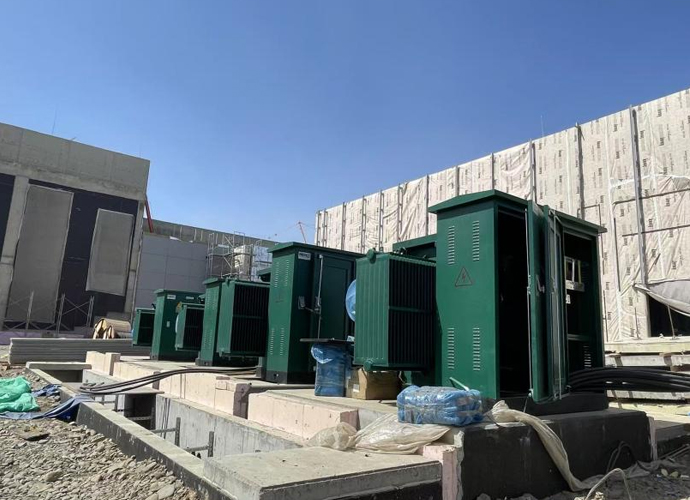
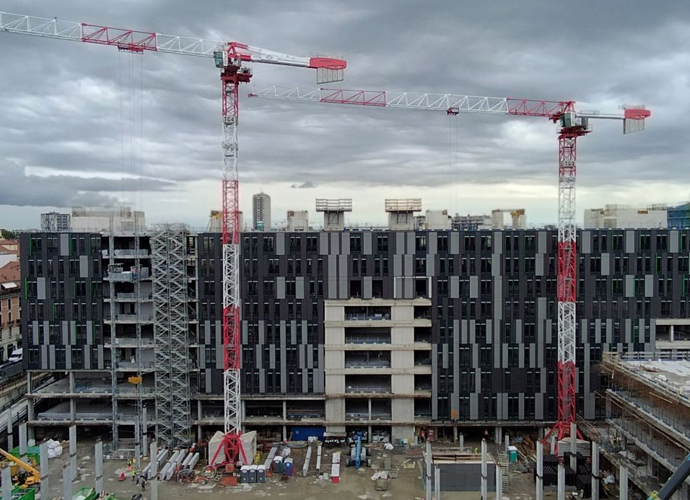
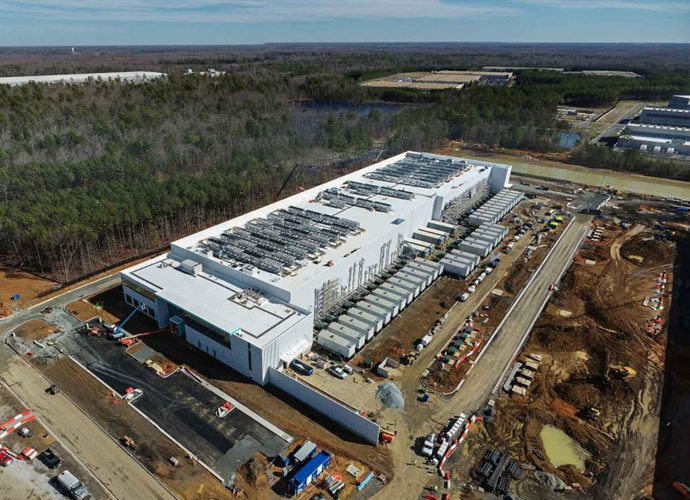
Ideal for (N)TSCGEWOU 3.6/6kV, 6/10kV, 8.7/15kV and 12/20kV Submersible Cable in mining dewatering pumps, flooded tunnel power supplies, offshore/subsea dredging equipment, submersible industrial pumps, and high-pressure water immersion applications demanding watertight, flexible MV cable with monitoring.
Technical Advantages
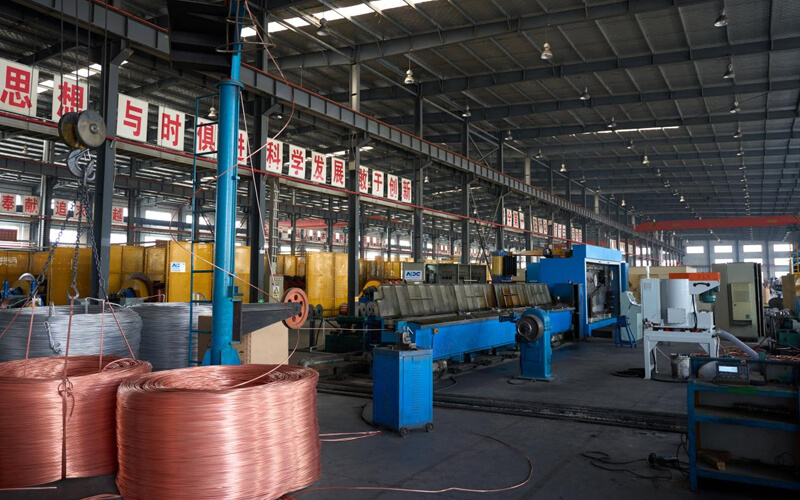
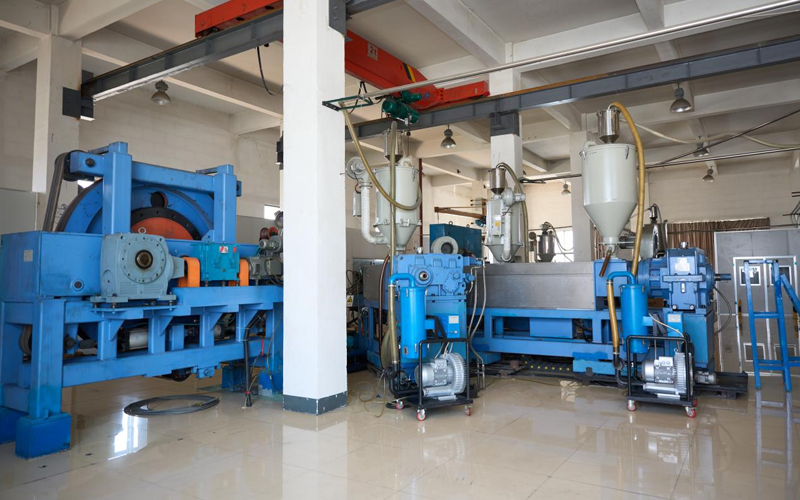
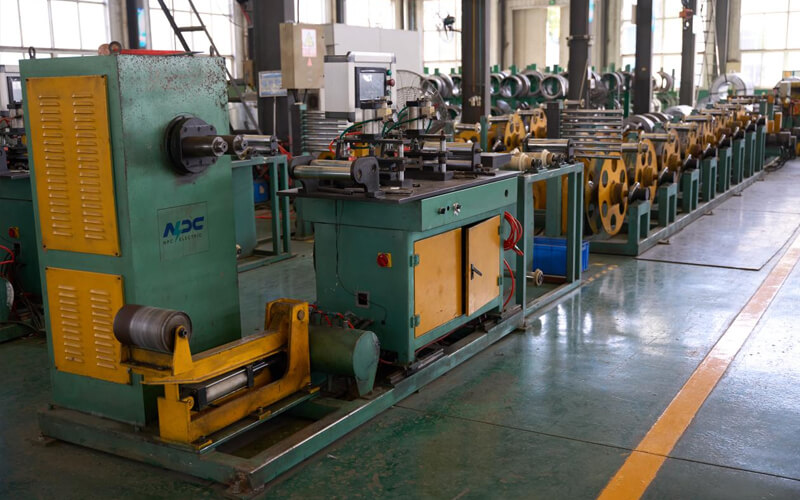
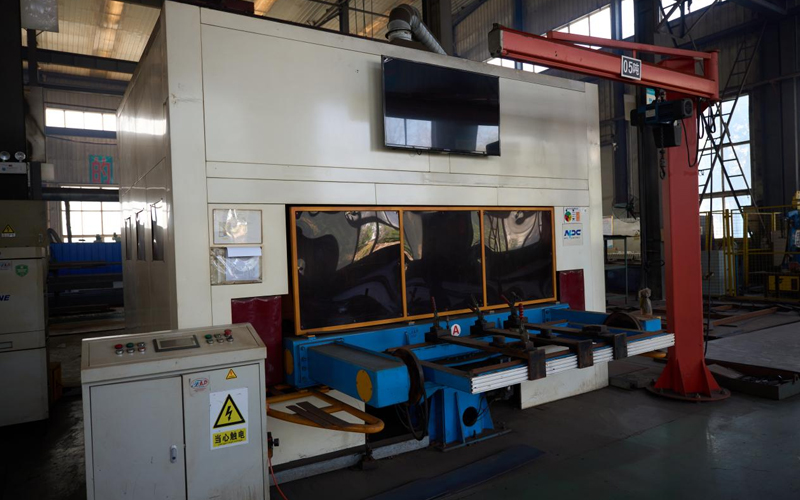
● 30+ years of manufacturing experience
● ISO and UL certified production
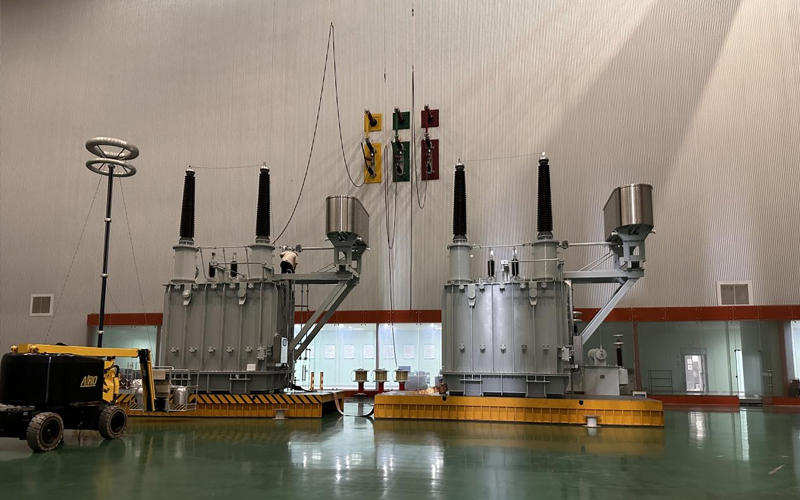
● Customized cable and transformer solutions
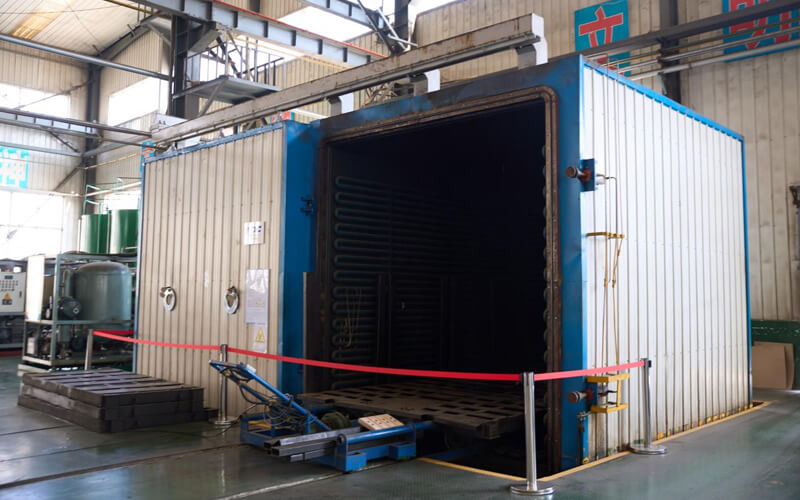
Product Packaging
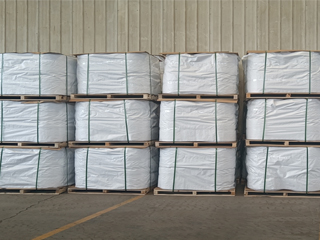
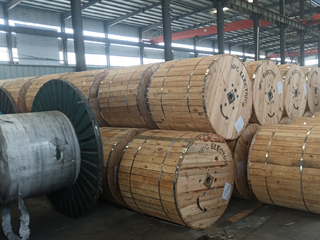
Wires and Cables packaging (1)
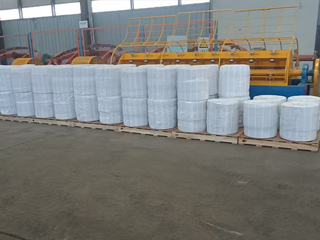
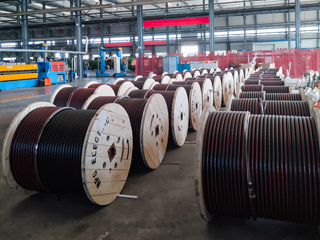
Wires and Cables packaging (2)
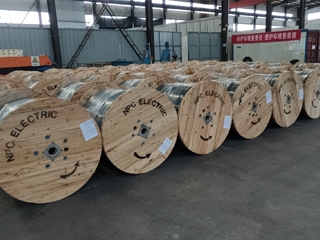
Wires and Cables packaging (3)
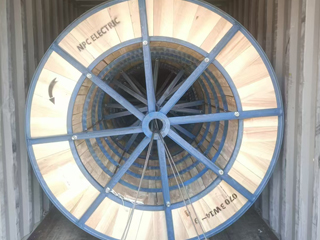
Wires and Cables packaging (4)
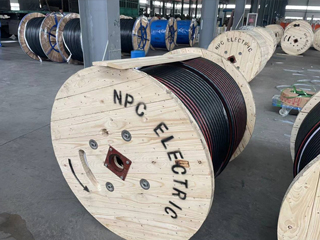
Wires and Cables packaging (5)
Wires and Cables packaging (6)
Wires and Cables packaging (7)
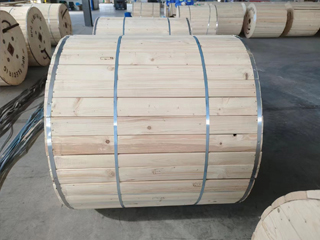
Wires and Cables packaging (8)
Related Products
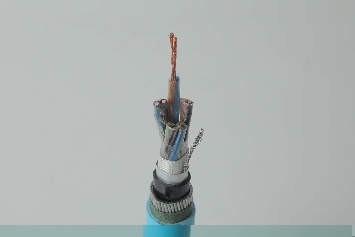
Instrumentation Cables—XLPE Insulated,Individual & Overall Screened, Wire Armoured PVC Sheathed Cables(CU/XLPE/IOSCR/SWA/PVC)
Tailored for resilience under thermal and mechanical stress, the Instrumentation Cables—XLPE Insulated, Individual & Overall Screened, Wire Armoured PVC Sheathed Cables (CU/XLPE/IOSCR/SWA/PVC) ensure accurate signal transmission in challenging conditions. Stranded copper conductors offer low resistance and bendability, with XLPE insulation enabling 90°C continuous use and 250°C short-circuit resistance. Dual screening—individual for crosstalk minimization and overall aluminum/polyester with drain wire for EMI/RFI blocking—safeguards data integrity. SWA armour defends against physical hazards, while PVC sheath provides flame resistance and waterproofing. Adhering to BS EN 50288-7 and BS EN 50288-1, these multi-pair/triad cables handle analogue/digital circuits with reduced capacitance, supporting complex systems. Versatile for ducts, direct burial, or outdoor exposures, they improve uptime, cut failures, and enhance efficiency in heat-prone areas. With superior thermal stability and insulation properties, this CU/XLPE/IOSCR/SWA/PVC is essential for professionals needing armoured, dual-screened solutions that minimize costs and maximize performance in industrial sectors.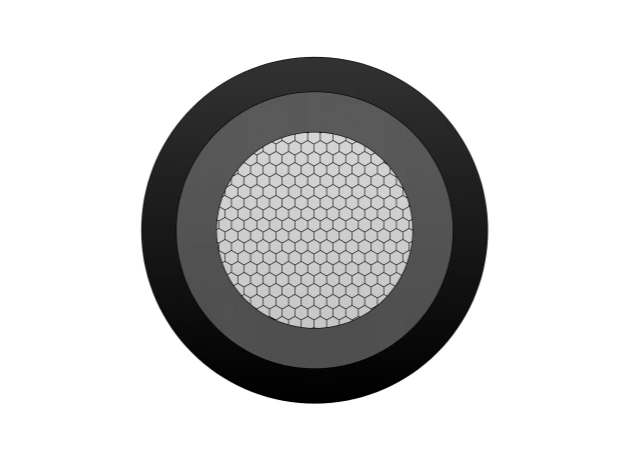
NSGAFÖU 1.8/3kV Rubber Cable
NSGAFÖU 1.8/3kV Rubber Cable is a robust, single-core flexible power cable engineered for extreme mechanical and environmental stresses in mining, tunneling, cranes, and mobile machinery. It features finely stranded tinned copper conductors (class 5) for superior flexibility and corrosion resistance, EPR (ethylene propylene rubber) insulation for excellent dielectric strength and 90°C continuous rating (250°C short-circuit), and a tough CPE (chlorinated polyethylene) or neoprene outer sheath providing outstanding oil resistance, flame retardancy (IEC 60332-1), abrasion/tear resistance, and weatherproofing. Compliant with DIN VDE 0250-813 / HD 22.16 S2 standards, it offers high mechanical strength, tight bending radii, and reliable performance in wet, oily, or abrasive conditions. The NSGAFÖU 1.8/3kV is ideal for trailing cables, reeling systems, and power connections where flexibility, durability, and safety are essential.
RZ1-K(AS) XLPE LSZH Flexible Cable
RZ1-K(AS) XLPE LSZH Flexible Cable is a single Core flame retardant LSZH flexible power cable suitable for instllation outdoor and indoor. The "(AS)" suffix denotes advanced fire-retardant properties, minimizing smoke and toxic gases during fires. Excellent bend radius and resistance to mechanical stress, oils, and chemicals ensure easy routing and durability.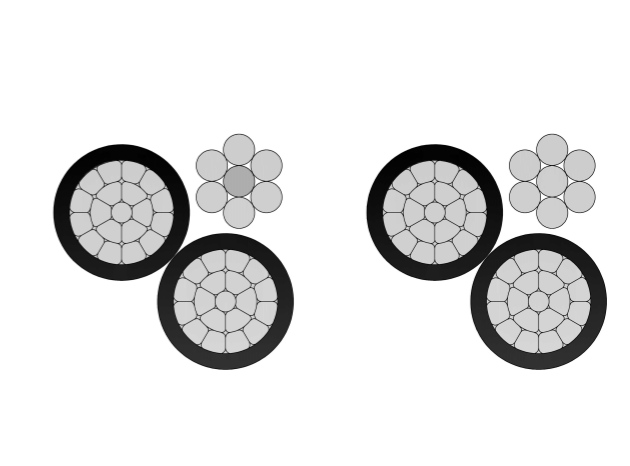
1/0 Leda Aluminum Conductor Triplex Overhead Service Drop Cable
The 1/0 Leda Triplex Service Drop Cable is a durable overhead cable for secondary power distribution to residential service entrances. Featuring two 1/0 AWG aluminum phase conductors and one neutral messenger (7-strand) insulated with XLPE or PE and assembled in triplex configuration, it provides excellent mechanical strength and weather resistance. Compliant with ASTM B-230, B-231, ICEA S-76-474, and ANSI/ICEA standards, this cable supports 600V applications with high UV, moisture, and abrasion protection. The self-supporting messenger reduces sag and simplifies installation over medium spans. The 1/0 Leda Triplex Service Drop Cable ensures low power losses, high current capacity, and long service life in harsh outdoor conditions. Lightweight and flexible, it is widely used for two-phase service drops with neutral in urban, suburban, and rural areas requiring safe, cost-effective aerial connections from utility poles to homes.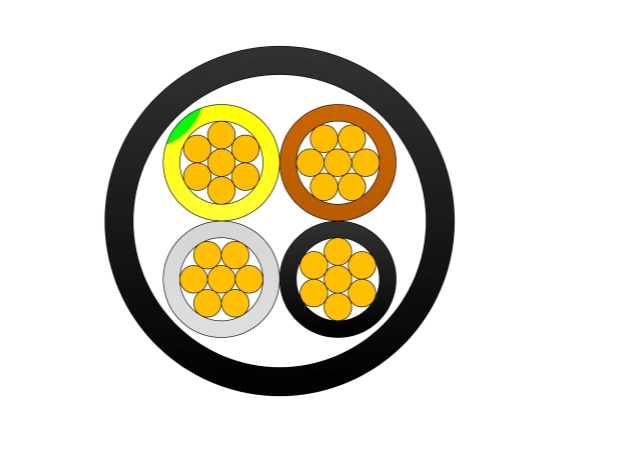
2/3/4 Cores Aluminum Cable AL/XLPE/PVC Low Voltage Power Cable
The 2/3/4 Cores Aluminum Cable AL/XLPE/PVC is designed for reliable low-voltage power transmission and distribution in industrial, commercial, and utility applications. Manufactured with high-conductivity stranded aluminum conductors, premium XLPE insulation, and a durable PVC outer sheath, the cable provides an economical alternative to copper cables while maintaining excellent electrical performance. The XLPE insulation offers outstanding dielectric strength, low insulation losses, and thermal stability, allowing continuous conductor operation at temperatures up to 90°C. The PVC sheath protects against moisture, abrasion, chemicals, UV exposure, and environmental stress, ensuring long-term durability in demanding installations. Available in 2-core, 3-core, and 4-core configurations, the cable is suitable for single-phase and three-phase power systems. Manufactured according to IEC 60502-1 standards, it ensures safe and efficient electrical distribution across a wide range of applications. Its lightweight construction reduces transportation and installation costs, making the 2/3/4 Cores Aluminum Cable AL/XLPE/PVC an ideal solution for power infrastructure, commercial facilities, industrial plants, and renewable energy projects.
3/0 Mursia Aluminum Conductor Triplex Overhead Service Drop Cable
The 3/0 Mursia Triplex Aluminum Overhead Service Drop Cable is a premium-grade aerial electrical cable engineered for utility-to-premises power distribution. Designed with two insulated phase conductors and one bare ACSR (Aluminum Conductor Steel Reinforced) neutral messenger, the Mursia cable ensures strength, conductivity, and stability during aerial installation. Constructed with concentric or compressed 1350-H19 aluminum phase conductors (#3/0 AWG), black XLPE insulation for enhanced thermal, abrasion, and environmental resistance, plus a bare ACSR neutral messenger (#3/0 AWG), it ensures efficient conductivity, corrosion resistance, and structural integrity. Rated 600V phase-to-phase up to 90°C (XLPE), with ≈275A ampacity, it meets ASTM B-230/B-231/B-232/B-399 and ICEA S-76-474. The balanced, lightweight design facilitates easy installation while offering robust protection against extreme outdoor conditions such as temperature swings, moisture, UV exposure, and mechanical stress in residential, commercial, and light industrial applications.FAQ From Customers
-
What are the advantages of power cables and overhead lines?(1) Reliable operation, because it is installed in a hidden place such as underground, it is less damaged by external forces, has less chance of failure, and the power supply is safe, and it will not cause harm to people; (2) The maintenance workload is small and frequent inspections are not required; (3) No need to erect towers; (4) Help improve power factor.
-
Which aspects should be considered when choosing the cross section of a power cable?(1) The long-term allowable working current of the cable; (2) Thermal stability once short circuited; (3) The voltage drop on the line cannot exceed the allowable working range.
-
What are the measures for cable fire prevention?(1) Use flame-retardant cables; (2) Use fireproof cable tray; (3) Use fireproof paint; (4) Fire partition walls and fire baffles are installed at cable tunnels, mezzanine exits, etc.; (5) Overhead cables should avoid oil pipelines and explosion-proof doors, otherwise local pipes or heat insulation and fire prevention measures should be taken.
-
What should be paid attention to during the transportation and handling of cables?(1) During transportation, loading and unloading, cables and cable reels should not be damaged. It is strictly forbidden to push the cable reels directly from the vehicle. Generally, cables should not be transported and stored flat. (2) Before transporting or rolling the cable reel, ensure that the cable reel is firm, the cable is wound tightly, the oil pipe between the oil-filled cable and the pressure oil tank should be fixed without damage, the pressure oil tank should be firm, and the pressure indication should meet the requirements.
-
What inspections should be carried out for the acceptance of cable lines?(1) The cable specifications should meet the regulations, the arrangement should be neat, no damage, and the signs should be complete, correct and clear; (2) The fixed bending radius of the cable, the related distance and the wiring of the metal sheath of the single-core power cable should meet the requirements; (3) The cable terminal and the middle head should not leak oil, and the installation should be firm. The oil pressure of the oil-filled cable and the meter setting should meet the requirements; (4) Good grounding; (5) The color of the cable terminal is correct, and the metal parts such as the bracket are completely painted; (6) There should be no debris in the cable trench, tunnel, and bridge, and the cover should be complete.
Welcome your inquiry
Honesty, Integrity, Frugality, Activeness and Passion