
Dry-Type Transformers: Applications and Future Trends in Modern Power Systems
2025-12-12
1. The Rise of Modern Dry-Type Transformers
Against the backdrop of accelerated global energy structure transformation and increasingly clear carbon neutrality goals, dry-type transformers are gradually becoming an indispensable and important component of modern power systems. Unlike traditional oil-immersed transformers that rely on liquid insulation and cooling media, dry-type transformers achieve highly efficient insulation and heat dissipation through the use of air convection and solid insulation systems, such as epoxy resin and cast resin. This oil-free design not only completely eliminates potential safety hazards such as oil leaks, explosions, and fires, but also significantly reduces environmental pollution risks, meeting current requirements for eco-friendly and environmentally friendly equipment. Dry-type transformers can be flexibly applied in high-rise buildings, data centers, subways, hospitals, and renewable energy projects, meeting modern society's demands for fire safety, low maintenance costs, and high energy efficiency, providing solid support for the construction of green power systems and smart grids.
As the global focus shifts toward renewable energy, smart grids, and energy efficiency, dry-type transformers are increasingly becoming the preferred choice for industries seeking environmentally friendly and low-maintenance power solutions.
2. Working Principle and Structure
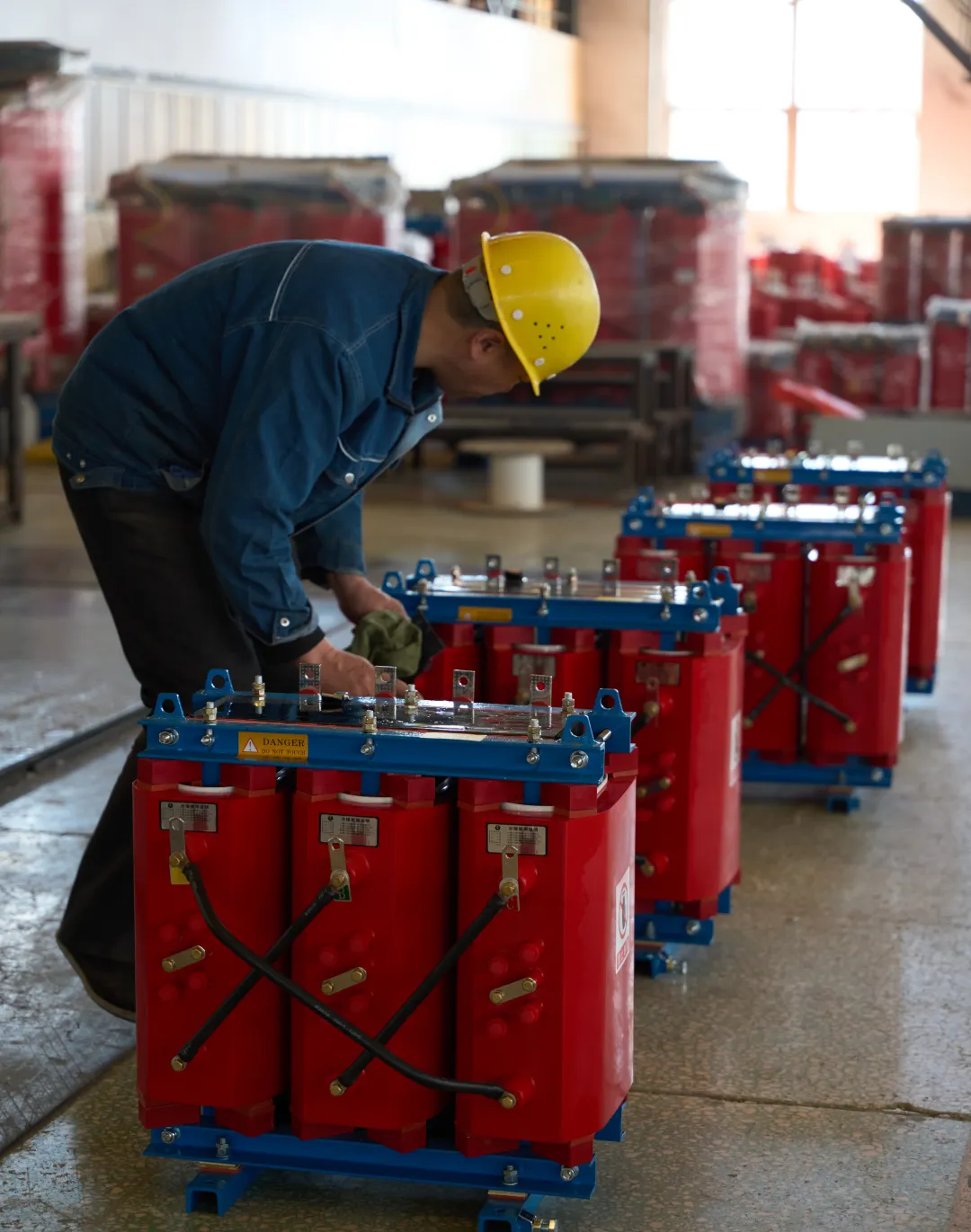
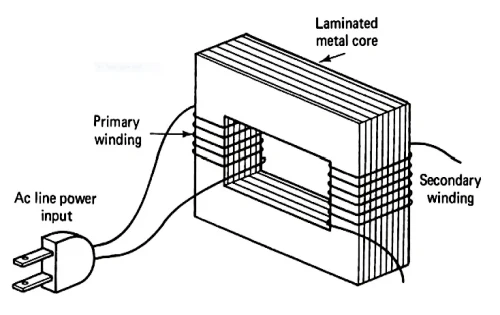
Dry-type transformers operate on the same electromagnetic induction principle as traditional transformers, but with different insulation and cooling methods. The primary and secondary windings are encapsulated in cast resin or coated with epoxy materials, which provide excellent dielectric strength and moisture resistance.
The cooling system relies on natural air (AN) or forced air (AF) circulation, which removes heat efficiently without using flammable substances. The absence of flammable oil not only enhances fire safety but also simplifies installation in confined spaces such as basements, tunnels, or high-rise buildings.
3. Advantages of Dry-Type Transformers
a. Fire Safety and Environmental Protection
One of the main advantages of dry type transformers is their non-flammable construction. Since they contain no oil, there is no risk of explosion or contamination, aligning perfectly with the principles of eco-friendly and environmentally friendly engineering design.
b. Reduced Downtime and Maintenance
Dry-type transformers require minimal maintenance, as there are no oil samples to test or leaks to repair. Their reduced downtime leads to higher operational reliability and cost efficiency, especially in data centers and critical infrastructure, where uninterrupted power is crucial.
c. Energy Efficiency and Smart Monitoring
With the integration of smart sensors and IoT-based control systems, modern dry-type transformers allow real-time monitoring of temperature, load, and insulation health. These features improve energy efficiency, extend operational life, and support smart grid applications.
4. Application Areas
Modern dry-type transformers are widely used across a variety of sectors that demand high safety, compact design, and operational reliability:
|
Application Area |
Use Case Description |
|
Provide stable and safe power with minimal maintenance, ensuring uptime and reliability. |
|
|
Used in wind and solar installations where environmental exposure requires robust insulation and cooling. |
|
|
Commercial Buildings & Hospitals |
Installed indoors where fire safety and low noise are key considerations. |
|
Industrial Facilities |
Handle variable loads with enhanced cooling systems and thermal endurance. |
|
Transportation Hubs (Airports, Metros) |
Support critical infrastructure with reduced downtime and long operational life. |
5. Comparison: Dry-Type vs. Oil-Filled Transformers
|
Feature |
Dry-Type Transformer |
Oil-Filled Transformer |
|
Cooling Medium |
Air or epoxy resin |
Mineral or synthetic oil |
|
Fire Safety |
Excellent — absence of flammable materials |
Moderate — risk of oil ignition |
|
Maintenance |
Low |
Higher (requires oil testing and replacement) |
|
Environmental Impact |
Eco-friendly, no oil leakage |
Potential for oil spill contamination |
|
Installation |
Indoor or confined spaces |
Typically outdoor |
|
Applications |
Buildings, data centers, and renewable energy |
High-voltage transmission substations |
6. Future Development Trends
The future of dry-type transformers is being shaped by advances in materials, automation, and energy policy.
-
Smart and Connected Transformers — Integration with IoT and digital twin systems allows continuous condition monitoring and predictive maintenance.
-
Advanced Insulating Materials — Research into new epoxy resin composites enhances temperature endurance and insulation life.
-
Sustainability and Energy Transition — As renewable energy projects expand, demand for environmentally friendly transformers will continue to rise.
-
Compact, High-Density Designs — Innovations in thermal management will enable smaller, more efficient units suitable for urban power systems.
With global emphasis on decarbonization and electrification, dry-type transformers are expected to replace oil-filled transformers in many medium-voltage and industrial applications gradually. Their combination of safety, efficiency, and sustainability makes them a key enabler of the future smart grid.
7. Conclusion
The transition toward modern dry-type transformers represents a major step forward in power system design. Their eco-friendly construction, low maintenance, and advanced fire safety make them indispensable in today’s energy-efficient and sustainable infrastructure.
As industries, governments, and utilities continue to prioritize green technologies, dry-type transformers will remain at the forefront of power distribution innovation, bridging the gap between reliability, sustainability, and technological advancement.

Related Articles
Related Products
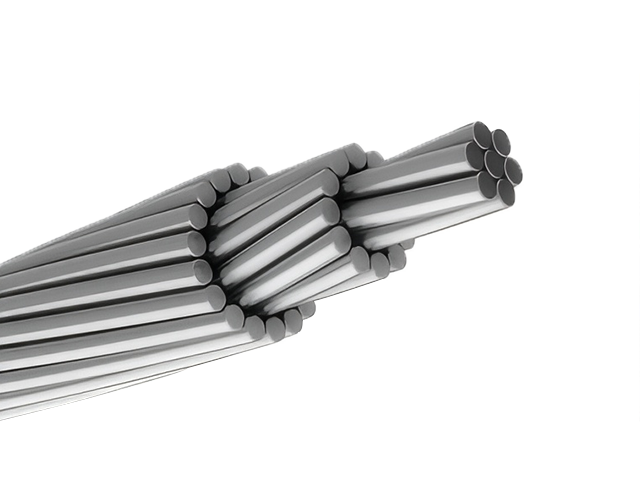
2 AWG SPARATE ACSR Conductor Cable
The 2 AWG SPARATE ACSR (Aluminum Conductor Steel Reinforced) cable, compliant with ASTM B232, ABNT NBR 7270/88, and IEC 61089 standards, is engineered for reliable performance in overhead transmission and distribution systems. Featuring a stranded 1350-H19 aluminum conductor for high conductivity and a single galvanized steel core for enhanced mechanical strength, this cable is ideal for medium to long spans in rural, utility, or open-terrain environments. With a voltage rating of up to 25 kV, an operating temperature range of -10°C to +75°C, and a short-circuit tolerance of up to 150°C (5s), the SPARATE ACSR offers an excellent balance of conductivity, tensile strength, and corrosion resistance. Its lightweight, bare aluminum design with a zinc-coated steel core ensures durability and ease of installation, making it suitable for diverse outdoor conditions. Ampacity is calculated under standard conditions (conductor temperature: 75°C; ambient temperature: 25°C; wind speed: 1 m/s; full sun exposure). Manufactured in accordance with ASTM and IEC standards, the 2 AWG SPARATE ACSR Conductor Cable offers stable quality, easy handling, and long service life, making it suitable for utility distribution networks, rural electrification projects, and overhead line upgrades where dependable performance is required.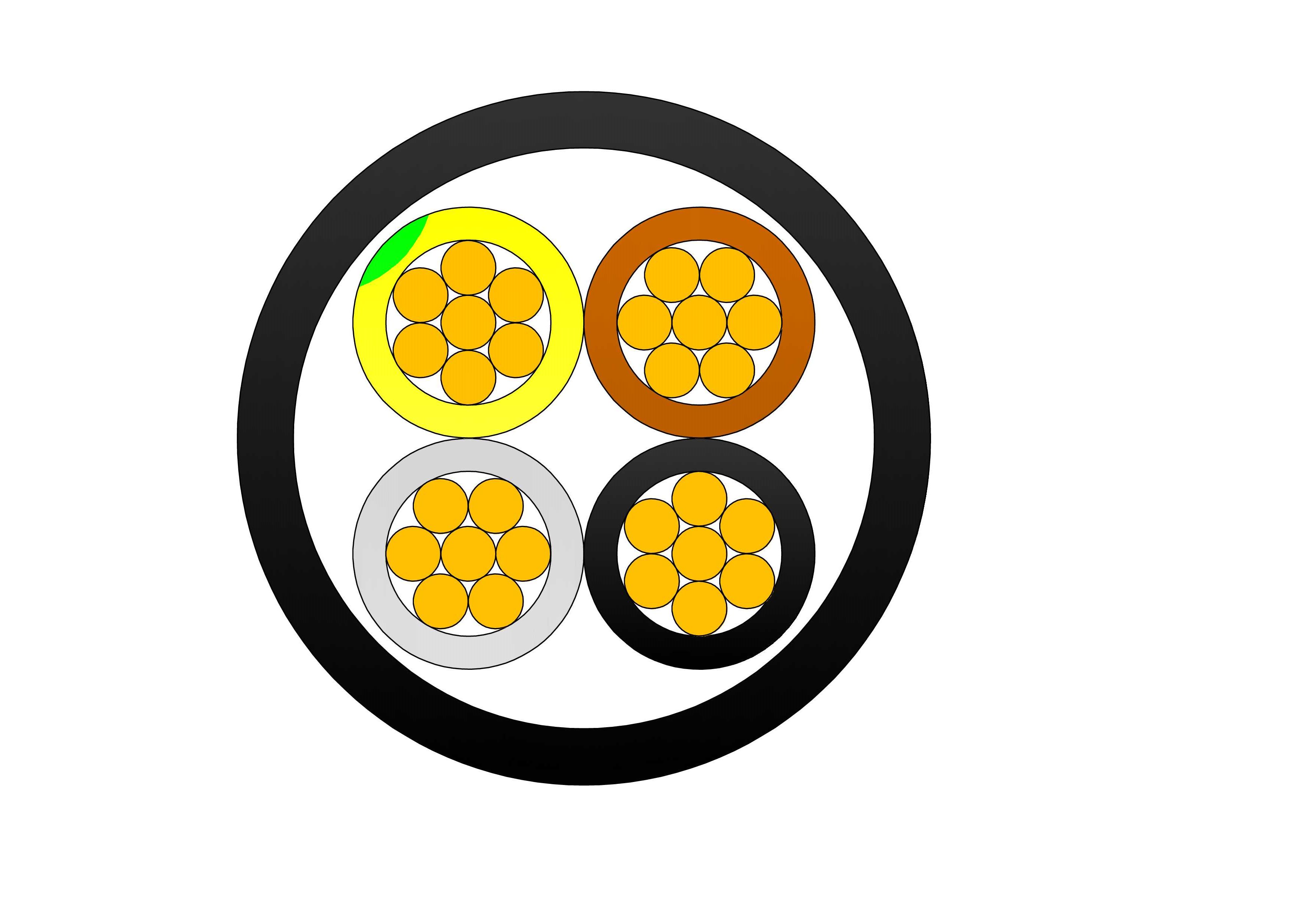
MV Submarine Cable
The Medium Voltage Submarine Cable MV XLPE Armoured is a robust underwater power cable engineered for reliable medium voltage transmission in marine environments. It features stranded copper or aluminum conductors, cross-linked polyethylene (XLPE) insulation for superior electrical and thermal performance, metallic water-blocking sheath, galvanized steel wire armour for mechanical protection, and a heavy-duty outer serving. Designed for voltage levels from 6/10kV to 66kV, this cable ensures low transmission losses, excellent hydrostatic pressure resistance, and long service life in harsh seabed conditions. Manufactured according to IEC 60502-2 and CIGRE recommendations, the Medium Voltage Submarine Cable MV XLPE Armoured is ideal for offshore wind farms, island-to-mainland power links, and oil & gas platform connections. Its advanced construction provides outstanding water tightness, corrosion resistance, and mechanical strength, making it a trusted solution for safe and efficient subsea power transmission.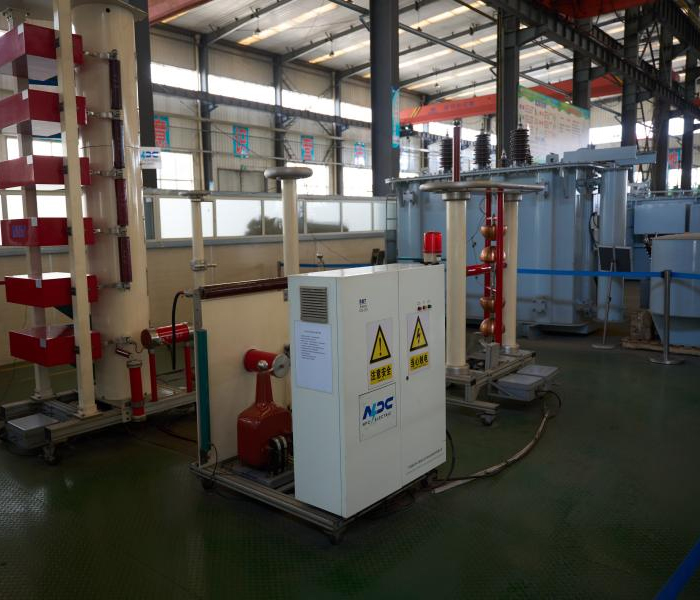
350kVA Epoxy Resin Cast Dry Type Transformer 3 Phase 6.6kV/0.4kV Low Noise
Presenting the high-performance 350kVA Epoxy Resin Cast Dry Type Transformer 3 Phase 6.6kV/0.4kV Low Noise, a cutting-edge, eco-friendly power distribution solution ideal for indoor applications demanding superior safety and quiet operation. This three-phase dry-type transformer utilizes premium epoxy resin vacuum casting on high-conductivity copper windings and low-loss grain-oriented silicon steel cores, achieving outstanding energy efficiency (typically 98%+), minimal no-load/load losses, and exceptional partial discharge suppression (<10pC). With natural air (AN) cooling, Class F/H insulation, fire-retardant self-extinguishing properties, and robust short-circuit withstand, it offers maintenance-free reliability in harsh or sensitive environments. Fully compliant with IEC 60076-11, this compact unit steps down 6.6kV primary (with ±2×2.5% off-circuit taps) to 0.4kV secondary (Dyn11 vector group), supporting sustainable grids with overload capability and zero oil risks.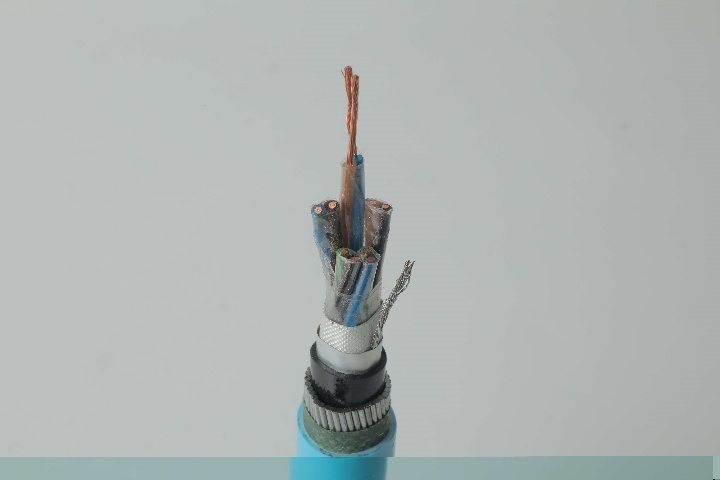
Instrumentation Cables—XLPE Insulated,Individual & Overall Screened,Lead Sheathed,Wire Armoured PVC Sheathed Cables(CU/XLPE/IOSCR/LEAD/SWA/PVC)
Instrumentation Cables are multi-conductor cables that carry and transport low-voltage electrical signals. These low-voltage signals are used to control and monitor electrical power systems. Instrumentation cables have many different industrial applications that include broadcasting, equipment control, such as drilling and pumping in the oil and gas industry, and data transfer, which includes analog and digital signals. They are manufactured according to the BS EN 50288-7 and BS EN 50288-1 standards to ensure quality. Depending on the application, instrumentation cables can be insulated with PVC or XLPE; the cables can be armoured or unarmoured. The sheathing materials can be of PVC, LSZH, or PE. The cables can have additional flame retardant or flame retardant properties, and they can be manufactured with special protections such as lead sheaths, or DRYLAM or AIRBAG technology.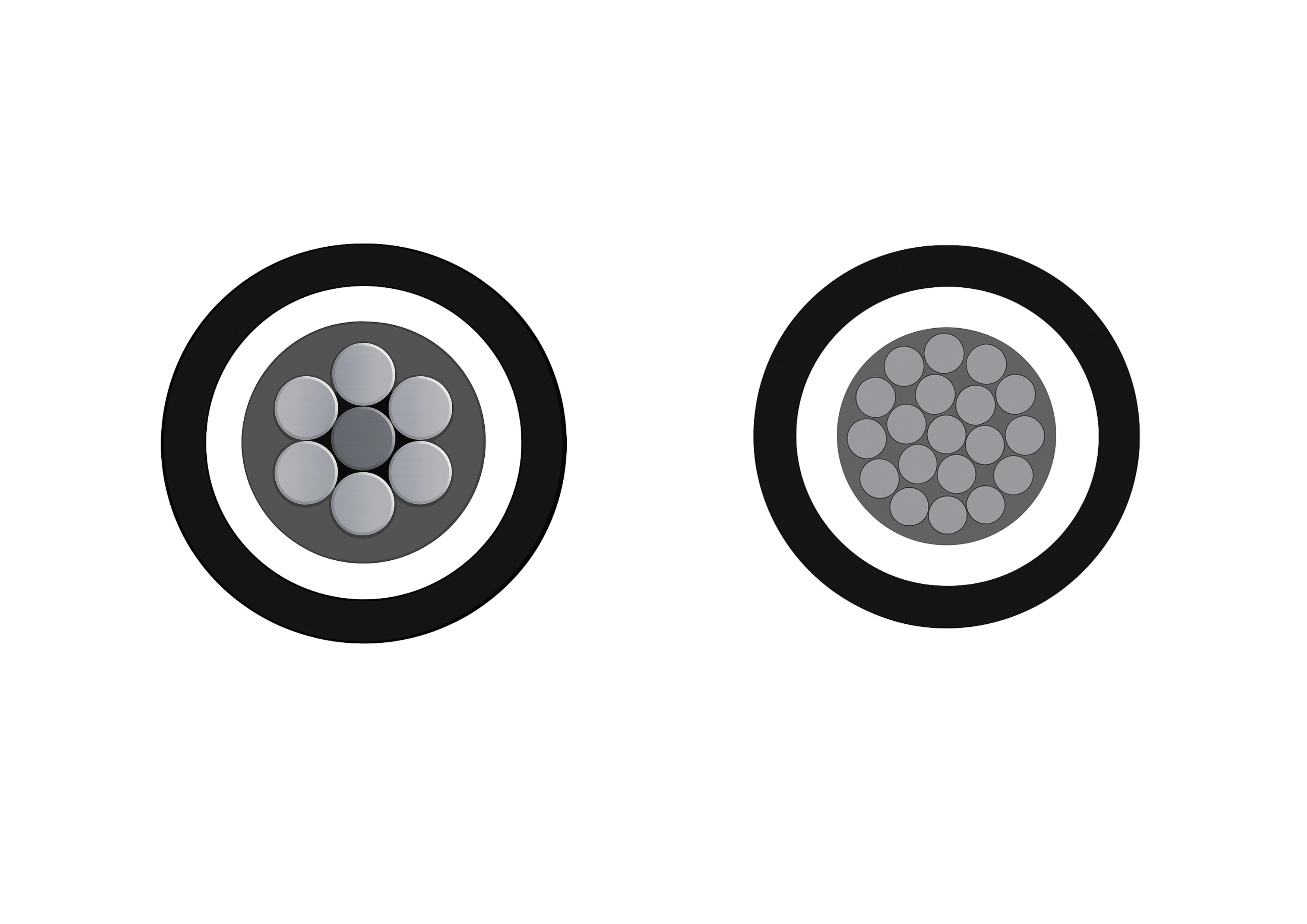
XLPE-HDPE Tree Cable Aluminum 25kV 1x120mm²
The XLPE-HDPE Tree Cable Aluminum 25kV 1x120mm² is designed for medium-voltage overhead distribution systems requiring very high current capacity. Perfect for long-distance transmission lines in rural, coastal, or high-load industrial areas, this cable combines superior durability, environmental resistance, and reliable electrical performance to ensure stable power delivery with minimal energy loss and maintenance. The inner insulation uses cross-linked polyethylene (XLPE), rated for continuous conductor operation at 90°C, fully compliant with ICEA S-121-733 standards. The robust outer jacket is made from high-density polyethylene (HDPE), providing excellent resistance to weathering, ultraviolet radiation, mechanical abrasion, and electrical sparking up to 2.75kV. Standard gray cables feature ASTM B230 markings and sequential metering, while blue cables with spark resistance over 5kV are recommended for harsher environmental conditions. With its ultra high current capacity, robust construction, and environmental resilience, the XLPE-HDPE 25kV tree cable 1x120mm² delivers reliable, long-term power distribution for demanding overhead network applications, ensuring efficiency, safety, and minimal maintenance.
2-Layer 15kV ACSR/AAC Tree Wire - Covered Overhead Distribution Cable
The 2-Layer 15kV ACSR/AAC Tree Wire is a covered overhead conductor designed for reliable medium-voltage distribution in areas with heavy tree contact. It features concentrically stranded ACSR or AAC conductors with a dual-layer covering of track-resistant high-density polyethylene (HDPE) or cross-linked polyethylene (XLPE). The inner layer provides insulation while the outer layer offers superior tracking and weathering resistance. This construction significantly reduces the risk of faults caused by tree limbs, minimizes wildfire ignition potential, and allows closer spacing to vegetation. Suitable for both spacer cable systems and conventional overhead lines, the 2-Layer 15kV ACSR/AAC Tree Wire meets ICEA S-121-733 and related ASTM standards. It undergoes rigorous quality testing from raw materials to finished product, ensuring excellent dielectric strength, mechanical robustness, and long-term performance in challenging environments.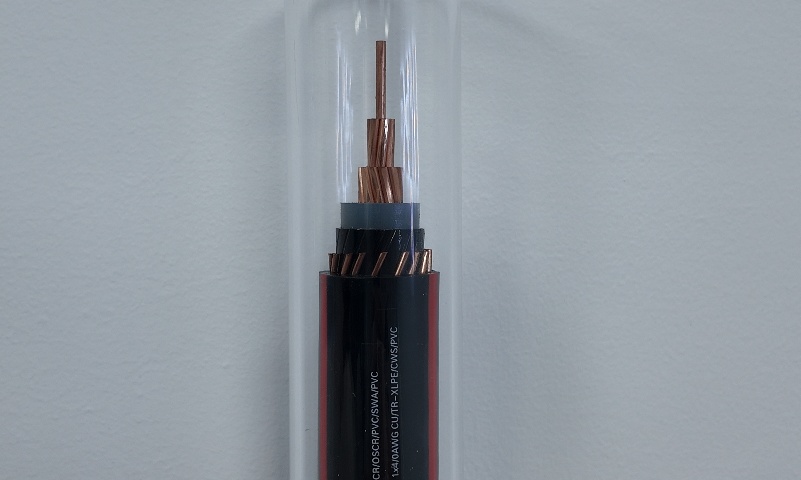
1/0 Stranded Aluminum Conductor 35KV URD Cable
The 1/0 Stranded Aluminum Conductor 35kV URD Cable is a high-reliability medium-voltage underground distribution cable designed for primary power delivery. It features a 1/0 AWG stranded AA8000 aluminum alloy conductor, extruded semi-conducting shields, tree-retardant TR-XLPE insulation, copper concentric neutral wires, and a tough sunlight-resistant LLDPE jacket. This construction provides excellent electrical performance, superior moisture and treeing resistance, and strong mechanical protection suitable for direct burial or duct installations. The cable offers a good balance between ampacity and cost-effectiveness for medium voltage underground systems. Manufactured to ICEA S-94-649 and AEIC CS8 standards, the 1/0 Stranded Aluminum Conductor 35kV URD Cable undergoes rigorous quality testing from raw materials to finished product, ensuring long-term reliability and safety in demanding underground environments.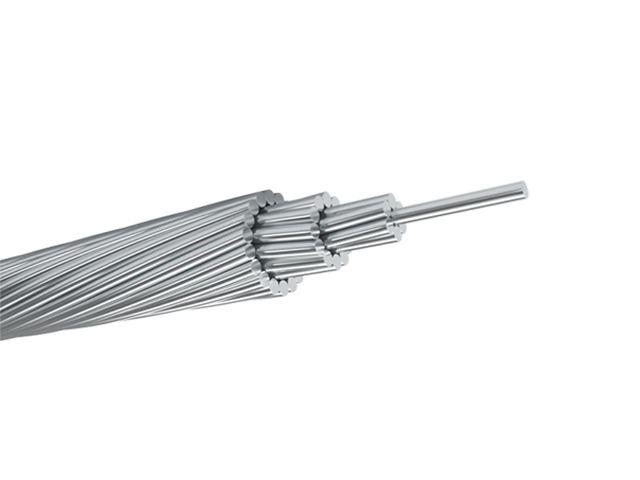
ELGIN AAAC Conductor Cable
ELGIN AAAC (All Aluminum Alloy Conductor) cables comply with ASTM B399 and IEC 61089 standards, offering high tensile strength, excellent conductivity, and strong corrosion resistance. Named "Elgin" for its 900 mm² nominal area with 61-strand configuration, it offers superior conductivity (53% IACS) and tensile strength (295 MPa min) compared to ACSR. Made from heat-treated aluminum-magnesium-silicon alloy (6201-T81), this cable provides excellent corrosion resistance, low weight, and reduced sag for longer spans. Compliant with ASTM B398, B399, IEC 61089, and BS EN 50182 standards, it supports voltages up to 33kV with ampacity up to 1300A at 75°C. The homogeneous alloy construction eliminates bimetallic corrosion and ensures uniform mechanical properties. The Elgin AAAC Conductor Cable minimizes line losses, withstands harsh weather, and requires minimal maintenance. Ideal for rural electrification, urban upgrades, and renewable energy integrations, it delivers reliable, cost-effective power in overhead lines worldwide, outperforming traditional conductors in corrosive or coastal environments.2Y-high-voltage-power-cable-2.webp)
2XS(FL)2Y HDPE High Voltage 26/45 (52) kV Power Cable
2XS(FL)2Y HDPE High Voltage 26/45 (52) kV Power Cable is a high-performance XLPE-insulated cable designed for medium-to-high voltage transmission. It features a copper or aluminum conductor (optional watertightness – WTC), extruded semi-conductive conductor, and insulation screens, and water-swellable tapes for longitudinal water blocking. A longitudinally applied aluminium tape moisture barrier coated with PE copolymer provides excellent mechanical protection and resistance to moisture ingress. The HDPE oversheath offers superior abrasion resistance, chemical resistance, and durability, making it suitable for underground, underwater, outdoor, indoor, and duct installations in power stations, industrial plants, and distribution networks. Compliant with IEC 60840 standards, it ensures reliable performance in demanding environments.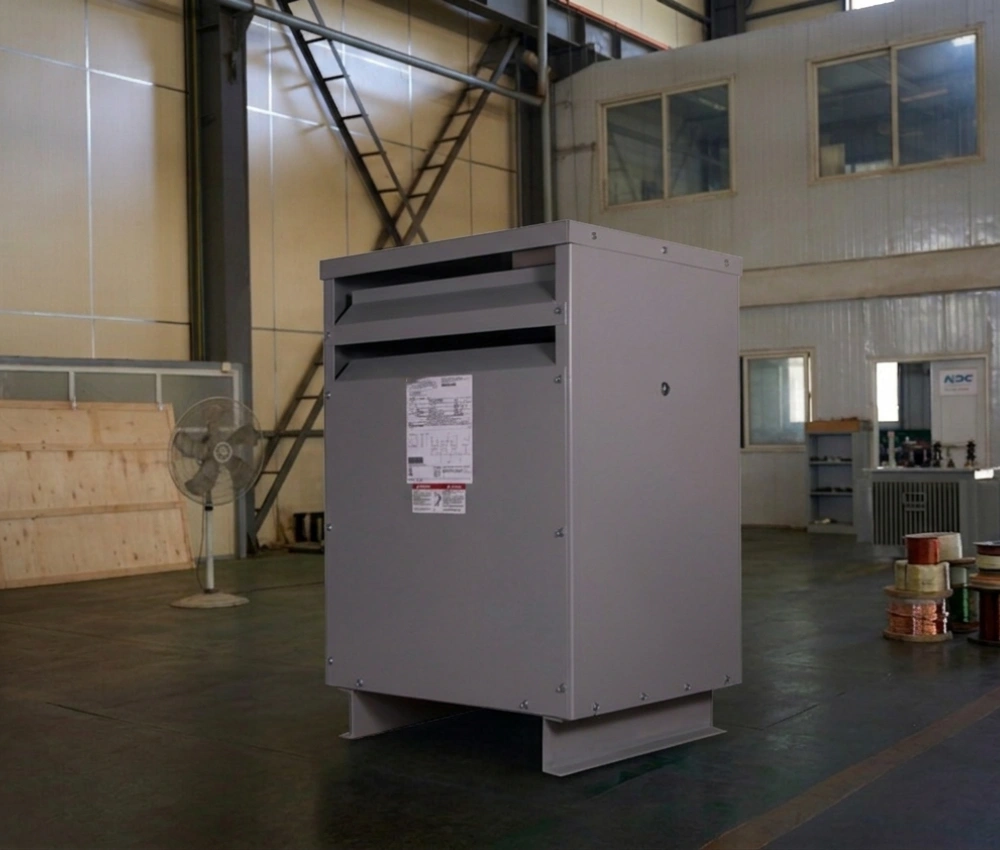
10kVA Isolation Transformer - 120V to 240V
The 10kVA Isolation Transformer – 120V to 240V is specifically engineered to provide safe voltage conversion and complete electrical isolation for critical power applications. Designed to convert a 120V input supply into a stable 240V output while maintaining galvanic separation between the primary and secondary circuits, this transformer significantly improves power quality, reduces electrical noise, and protects connected equipment from voltage disturbances, ground loops, and transient surges. Featuring a high-efficiency silicon steel core and precision-engineered copper windings, the transformer delivers stable output voltage, low operating losses, and exceptional thermal performance. The isolation design effectively suppresses electromagnetic interference (EMI) and common-mode noise, making it particularly suitable for sensitive equipment such as industrial controllers, laboratory instruments, communication systems, medical equipment, and testing devices. The robust construction ensures reliable operation under continuous load conditions while minimizing maintenance requirements. The 10kVA Isolation Transformer is available in both open-frame and enclosed configurations, offering installation flexibility across industrial facilities, commercial buildings, telecom infrastructure, manufacturing plants, and specialized power distribution systems. Its durable design, high efficiency, and superior safety performance make it a dependable solution for voltage conversion and electrical isolation applications.
4 AWG SWAN ACSR Conductor Cable
The 4 AWG SWAN ACSR Conductor Cable is a reliable overhead conductor designed for utility distribution and light transmission applications requiring stable electrical performance and mechanical durability. It is manufactured with concentrically stranded aluminum wires reinforced by a galvanized steel core, combining efficient conductivity with added tensile strength. The aluminum strands ensure low resistance and consistent current flow, while the steel core reduces sag, improves load-bearing capability, and enhances resistance to wind and mechanical stress. This construction allows the 4 AWG SWAN ACSR conductor to perform reliably during installation and long-term outdoor service. Produced in accordance with ASTM and IEC standards, the 4 AWG SWAN ACSR Conductor Cable offers uniform quality, easy handling, and dependable service life. It is widely used in overhead distribution networks, rural electrification projects, and utility line upgrades where performance consistency and cost efficiency are essential.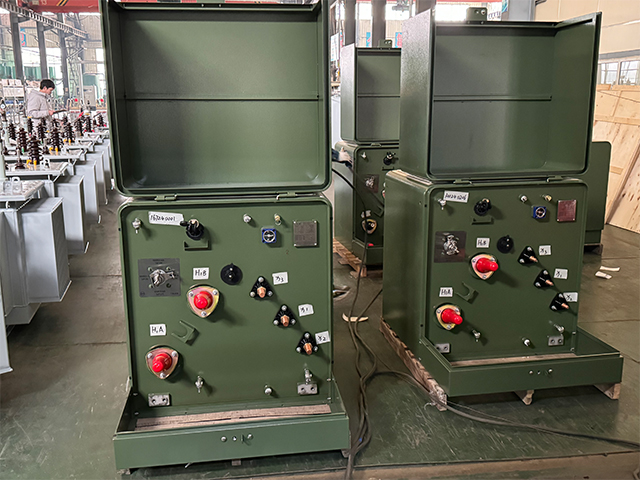
50kVA Single Phase Pad Mounted transformer
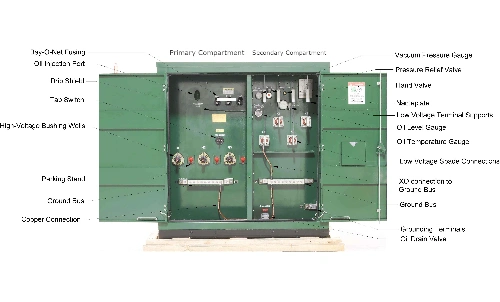
NPC ELECTRIC 50 kVA pad mounted transformer meets/exceeds DOE 2016 efficiency ratings with UL/cUL listed. Design and production with ANSI/IEEE, CSA standards.NPC ELECTRIC Transformer's 50 kVA single-phase pad-mounted transformer is extensively employed in the North American market. With their wealth of project experience,NPC ELECTRIC Transformer caters to a diverse clientele, including builders, public utility departments, and transformer distributors and retailers.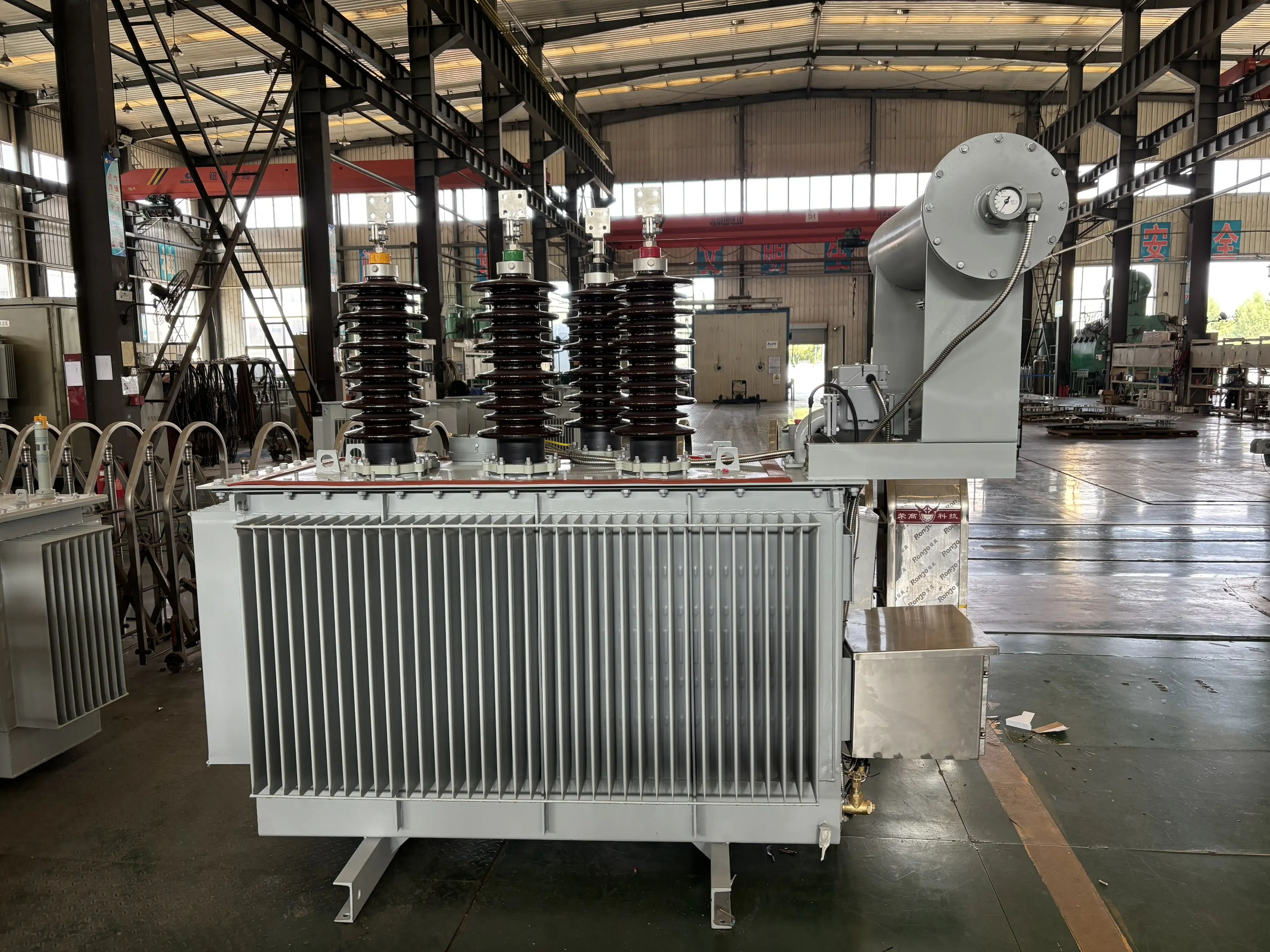
500kVA 11kV Dry-Type Zigzag Grounding Transformer
The Dry-Type Zigzag Earthing/Grounding Transformer 500kVA 11kV is designed to provide an effective neutral grounding solution for medium-voltage power systems. By creating an artificial neutral point, the zigzag transformer limits earth fault currents, stabilizes system voltage, and enhances overall grid safety. Its zigzag winding configuration ensures balanced performance under normal operation while offering low zero-sequence impedance during ground faults. Featuring a dry-type insulation system, this transformer eliminates the risk of oil leakage and fire hazards, making it ideal for indoor substations and environmentally sensitive installations. The low-loss core design minimizes energy consumption and heat generation, ensuring high efficiency and long service life.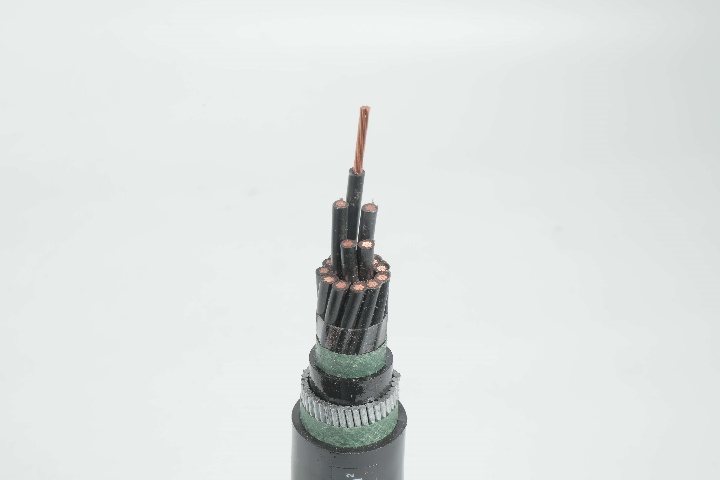
Control Cable 0.6/1 kV CVV-S to IEC 60502 Standard (2-30 core)
Engineered for electromagnetic interference resistance, the Control Cable 0.6/1 kV CVV-S to IEC 60502 Standard (2-30 core) excels in sensitive control environments. It employs concentric stranded copper conductors for low-resistance transmission, paired with black PVC insulation marked by white numbers for easy identification. The integrated copper tape shield effectively blocks electrostatic noise, while dual PVC sheaths provide flame resistance and mechanical protection. Suitable for 0.6/1 kV ratings, it withstands temperatures from -15°C to 70°C. This cable is tailored for supervisory circuits, outdoor stations, and installations in ducts or conduits where shielding is essential. With options from 2 to 30 cores, it accommodates diverse system requirements, enhancing signal integrity and reducing errors. Fully compliant with IEC 60502, it minimizes operational disruptions in high-interference settings. Ideal for professionals demanding dependable solutions, the CVV-S ensures long-lasting performance and cost savings through superior durability.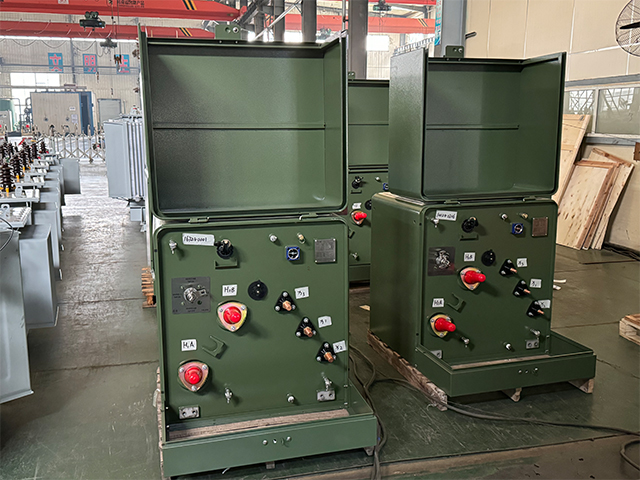
10kVA Single Phase Pad Mounted Transformer
The 10 kVA pad-mounted transformer meets ANSI, CSA, NEMA, IEEE, and DOE standards. NPC Electric's 10 kVA pad-mounted transformers comply with DOE efficiency values and are UL listed. Based on specific technical requirements, the incoming line can be designed as either a loop feed or radial feed, and it also supports customized dual voltage.Welcome your inquiry
Honesty, Integrity, Frugality, Activeness and Passion