


11kV to 0.8kV 1250 kVA Solar Power Transformer - Copper Wound High Efficiency PV Transformer
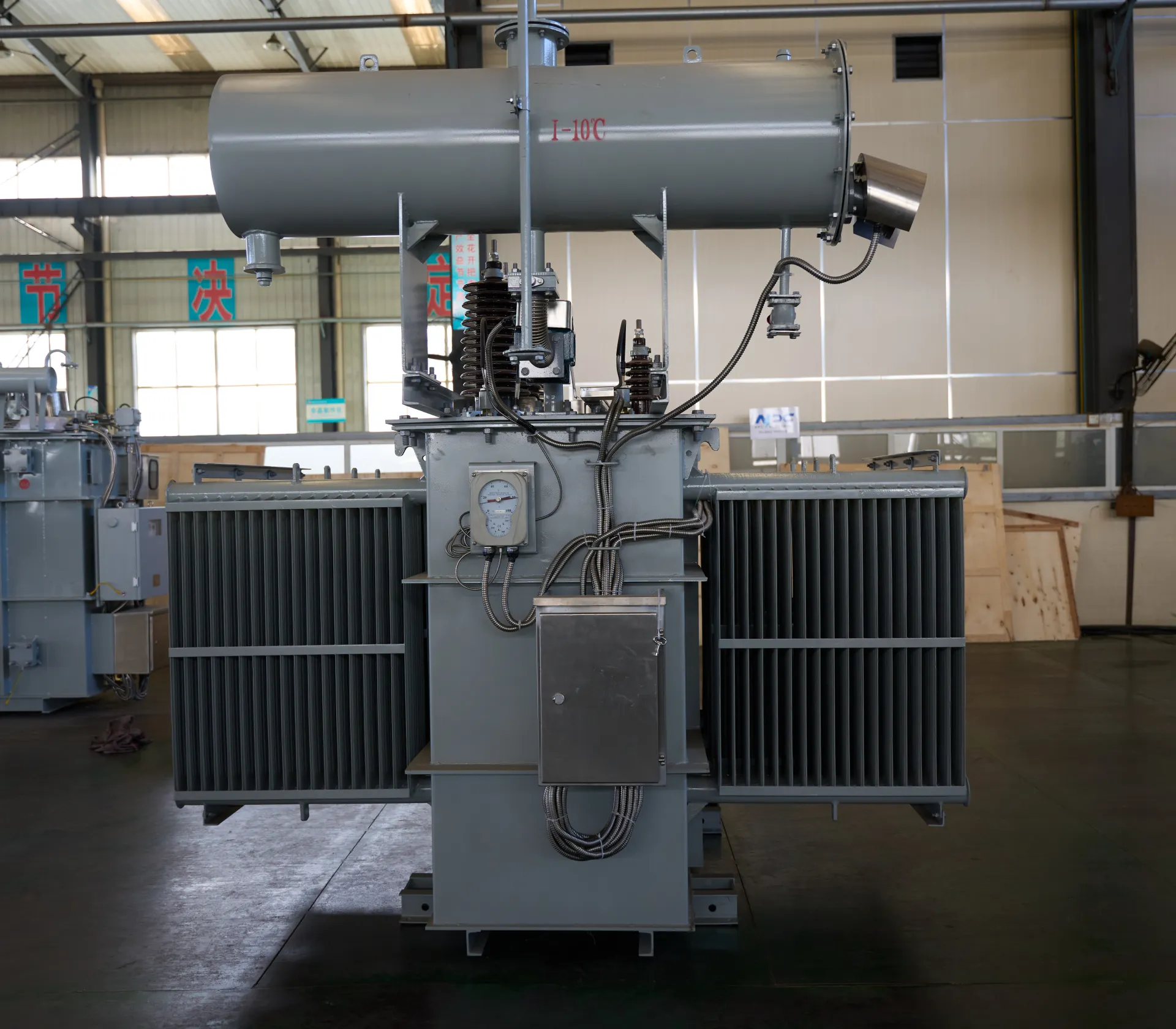
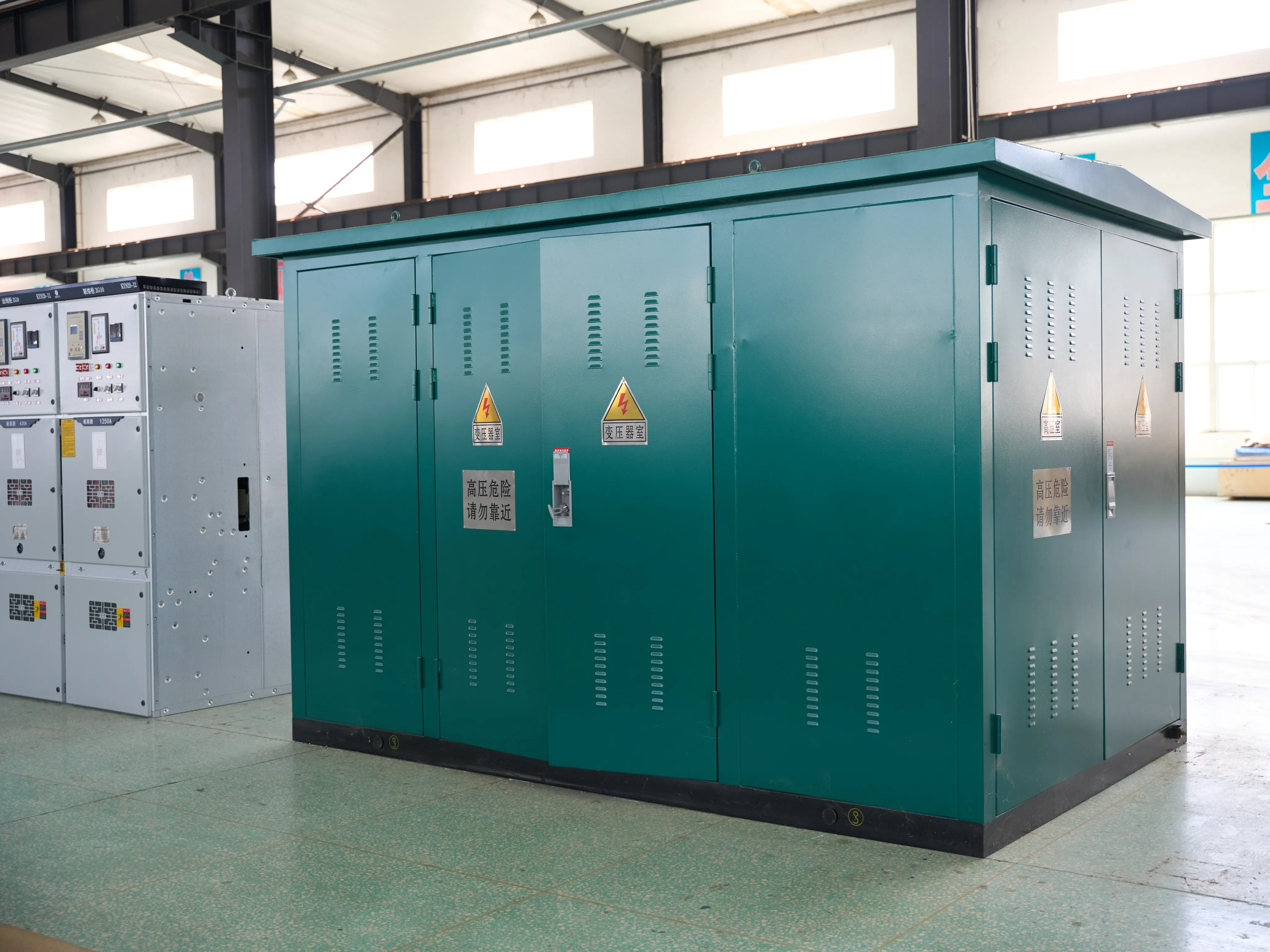
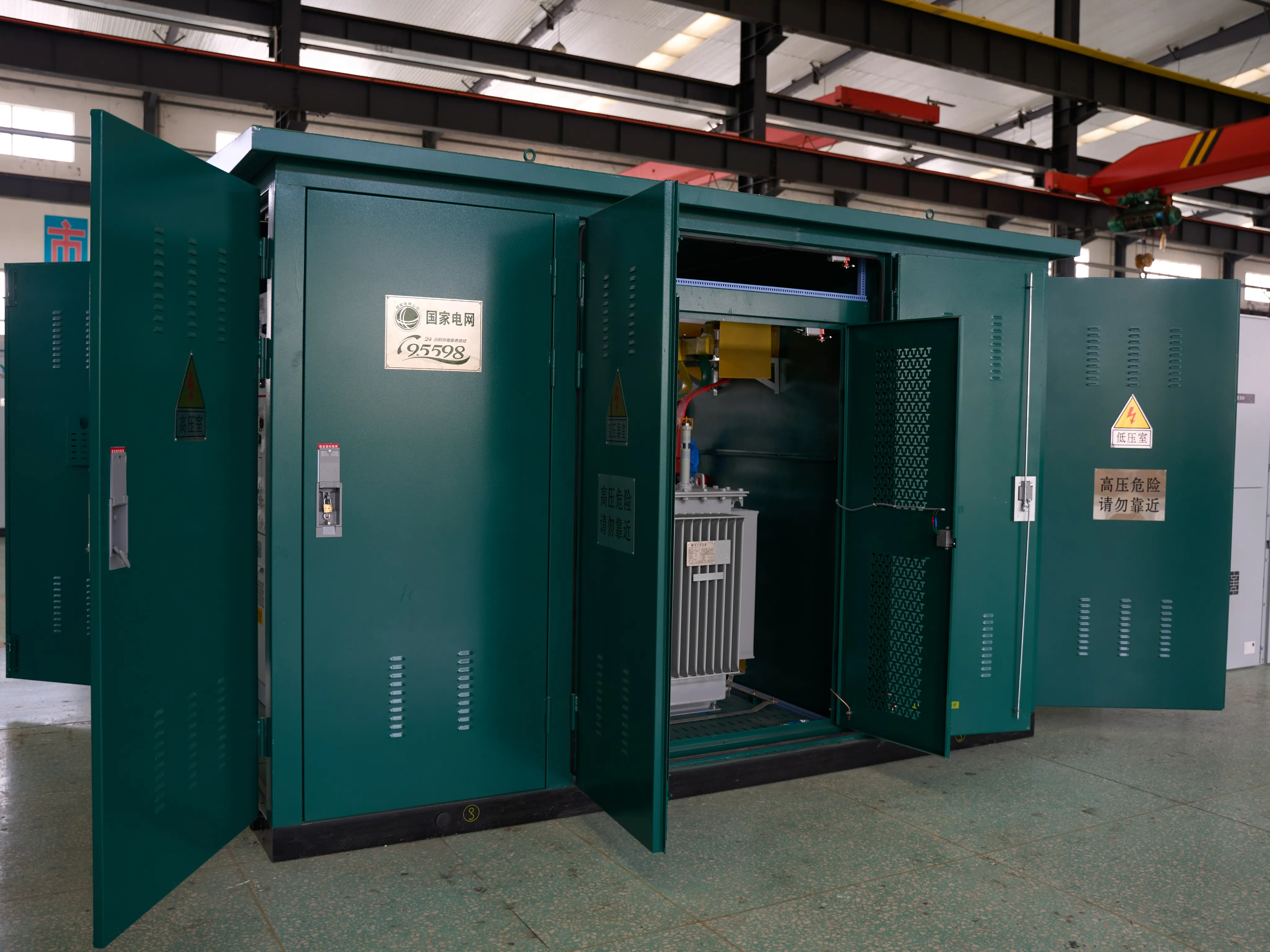
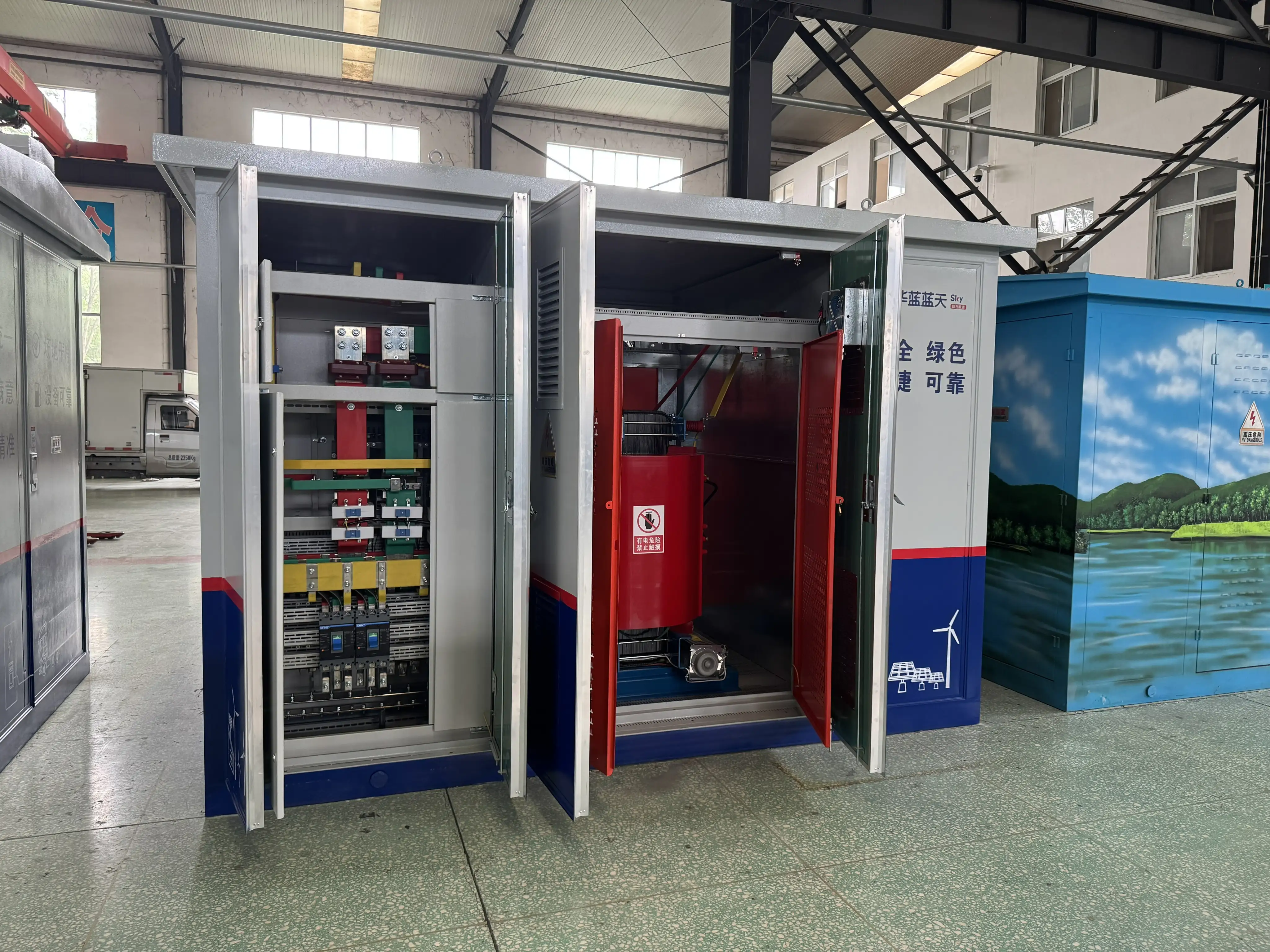
The 1250 kVA Solar Power Step-Up Transformer is a high-performance, inverter-duty solution specifically engineered for utility-scale photovoltaic (PV) installations. Designed to interface directly with 800V central or string inverters, this unit efficiently elevates voltage to 11kV for medium-voltage distribution. Unlike standard distribution transformers, our 1250 kVA model features 100% high-purity oxygen-free copper windings, offering superior thermal conductivity and lower losses. The core is constructed from laser-scribed, grain-oriented silicon steel to minimize eddy current losses, ensuring maximum energy harvest even during low-irradiance periods. With advanced harmonic mitigation technology, it withstands the high-frequency switching stresses typical of modern solar power conversion.
- Primary Voltage Ratings 11 kV/800V (Customizable up to 12kV)
- Secondary Voltage Ratings 0.315kV, 0.38kV, 0.48kV, 0.6kV, 0.69kV, 0.8kV or customized
- H.V. Tap Range ± 2×2.5% HV taps or others
- Type Solar Step-up Transformer
- BIL 30/200kV, 30/170kV, 30/150, 30/95 or others
- Standards IEEE, ANSI, NEMA, IEC, GB
- Application Utility-Scale Solar Farms & Centralized Power Plants
- Power Rating 1250 kVA
- Certificate UL ,CESI
- Cooling Method ONAN, KNAN
- Opeartion Step-up
Technical Specifications
Customization Optional
Packing and Shipping
Manufacturer Test
Routine Testing
Application
Technical Specifications
11kV to 0.8kV 1250 kVA Solar Power Transformer - Copper Wound High Efficiency PV Transformer
Technical Specifications
Accessories
| Rated Power | 1250kVA | |
| Rating Primary Voltage | 11kV/800V | |
| Secondary Voltage | Customized | |
| Frequency | 50/60Hz | |
| Vector Group | Dyn11,Ynd11,Dyn11yn11,YNd11d11 | |
| Winding Material | Aluminum/Copper | |
| Zero-Sequence Impedance | Customized | |
| Altitude | ≤1,000m or Customized | |
| Color | ANSI 70 Light gray/Munsell 7GY3.29/1.5 or customized etc | |
| Tank material | Mild Steel, 304 Stainless Steel | |
| HV Bushing |
| LV Bushing |
| Tap changer |
| Oil level gauge |
| Oil temperature indicator |
| Pressure relief device |
| CT |
| Lifting hook for complete transformer |
| Name plate |
| Radiators |
| Oil upper filtering valve |
| Oil drain valve with 3/8" sampler |
| Terminal box |
Customization Optional
11kV to 0.8kV 1250 kVA Solar Power Transformer - Copper Wound High Efficiency PV Transformer
We offer tailored electrical configurations to meet the specific requirements of international solar projects. Our 1250 kVA units can be designed with dual-low voltage windings to accommodate two separate 625kVA inverter inputs, reducing overall site footprint and balance-of-system (BOS) costs. Customers can choose between mineral oil (IEC 60296) or biodegradable synthetic ester fluids (FR3) for projects located in environmentally sensitive areas or fire-risk zones. Additionally, we provide custom vector groups and impedance ratings to match your specific grid-connection studies and protection coordination requirements. On the mechanical and monitoring side, we provide "Smart Transformer" integration packages.
This includes the installation of fiber-optic temperature sensors directly within the copper windings for precise "hot-spot" monitoring, as well as integrated nitrogen-blanketed sealing systems to extend oil life. Enclosures can be customized with C5-M high-corrosion resistant coatings for coastal salt-spray environments or specialized solar-shielding paint to reduce solar gain in desert climates. We also offer flexible connection interfaces, including plug-in bushings or side-mounted cable boxes, allowing for seamless integration into pre-fabricated containerized substations.
Packing and Shipping
11kV to 0.8kV 1250 kVA Solar Power Transformer - Copper Wound High Efficiency PV Transformer
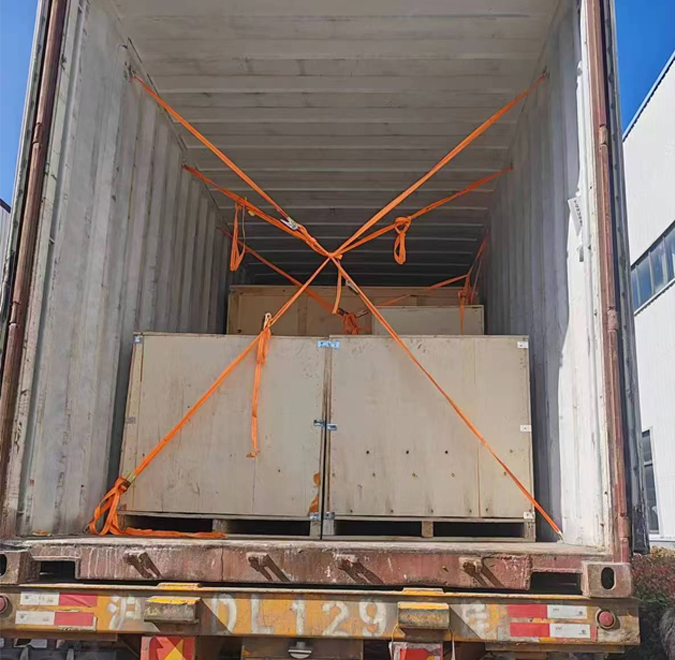
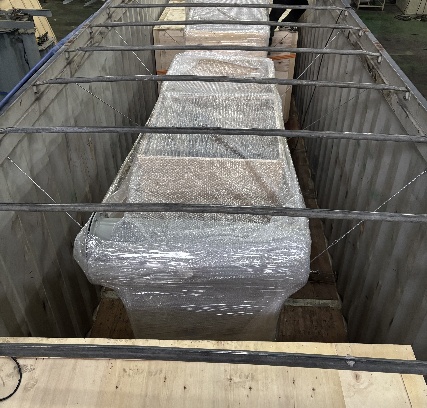
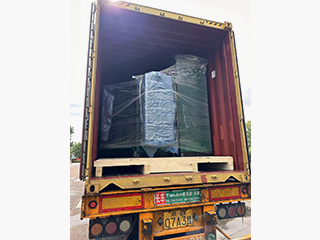
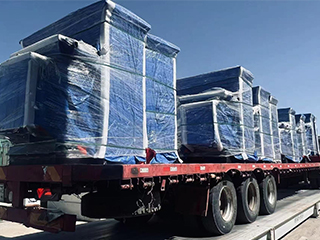
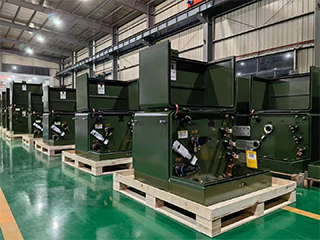
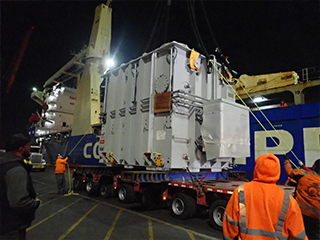
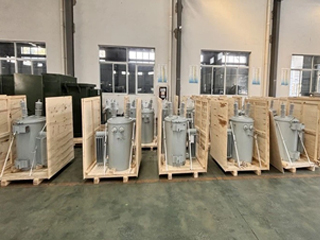
Our global shipping strategy for the 1250 kVA transformer is centered on vibration-dampened protection. Before departure, each unit is secured to a heavy-duty reinforced steel skid that acts as a vibration isolator. The transformer is wrapped in a multi-layered VCI (Vapor Corrosion Inhibitor) heat-shrunk film that creates a chemical barrier against oxidation, essential for long-term sea freight. All external components, such as the conservator tank and high-voltage bushings, are protected by custom-built timber enclosures to prevent impact damage during crane operations.
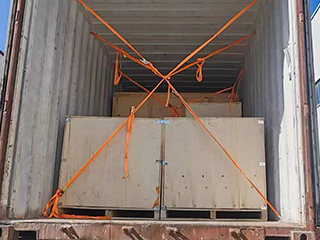
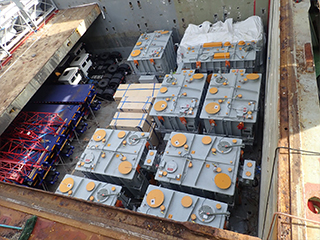
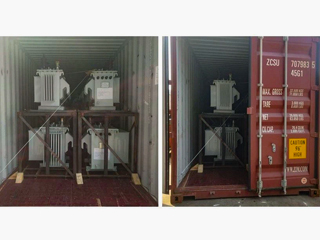
For sea freight logistics, we utilize 20ft Flat Rack or Open Top containers depending on the final assembly height. We implement a rigorous "Double-Tie" down method using industrial-grade steel lashing and turnbuckles, ensuring the unit remains immobile even in sea states exceeding Force 6. For liquid-filled units, we maintain a specific oil level to allow for thermal expansion during transit through different climate zones, with the tank pressurized with dry nitrogen to prevent moisture ingress.Inland transport involves the use of specialized hydraulic trailers equipped with air-ride suspension.
This minimizes the risk of internal core-shifting or loosening of the copper winding braces. We provide comprehensive tracking for every 1250 kVA unit, utilizing GPS-enabled shock sensors that record real-time G-force data. If a preset threshold is exceeded, an automated alert is sent to our quality team, triggering a mandatory internal inspection upon site arrival to guarantee the unit’s structural integrity before commissioning.The final stage of our delivery process includes comprehensive documentation and unloading support.
We provide a detailed "Site Receiving Guide" and digital CAD drawings of lifting points to the project contractors. Our packing list is digitized and integrated with QR codes on each crate, allowing site managers to quickly verify components against the project inventory. We offer DDP (Delivered Duty Paid) services to most global solar hubs, managing all customs clearance and local haulage to ensure your project stays on its critical path schedule.
For sea freight logistics, we utilize 20ft Flat Rack or Open Top containers depending on the final assembly height. We implement a rigorous "Double-Tie" down method using industrial-grade steel lashing and turnbuckles, ensuring the unit remains immobile even in sea states exceeding Force 6. For liquid-filled units, we maintain a specific oil level to allow for thermal expansion during transit through different climate zones, with the tank pressurized with dry nitrogen to prevent moisture ingress.Inland transport involves the use of specialized hydraulic trailers equipped with air-ride suspension.
This minimizes the risk of internal core-shifting or loosening of the copper winding braces. We provide comprehensive tracking for every 1250 kVA unit, utilizing GPS-enabled shock sensors that record real-time G-force data. If a preset threshold is exceeded, an automated alert is sent to our quality team, triggering a mandatory internal inspection upon site arrival to guarantee the unit’s structural integrity before commissioning.The final stage of our delivery process includes comprehensive documentation and unloading support.
We provide a detailed "Site Receiving Guide" and digital CAD drawings of lifting points to the project contractors. Our packing list is digitized and integrated with QR codes on each crate, allowing site managers to quickly verify components against the project inventory. We offer DDP (Delivered Duty Paid) services to most global solar hubs, managing all customs clearance and local haulage to ensure your project stays on its critical path schedule.
32
32 years of industry experience
Manufacturer Test
11kV to 0.8kV 1250 kVA Solar Power Transformer - Copper Wound High Efficiency PV Transformer
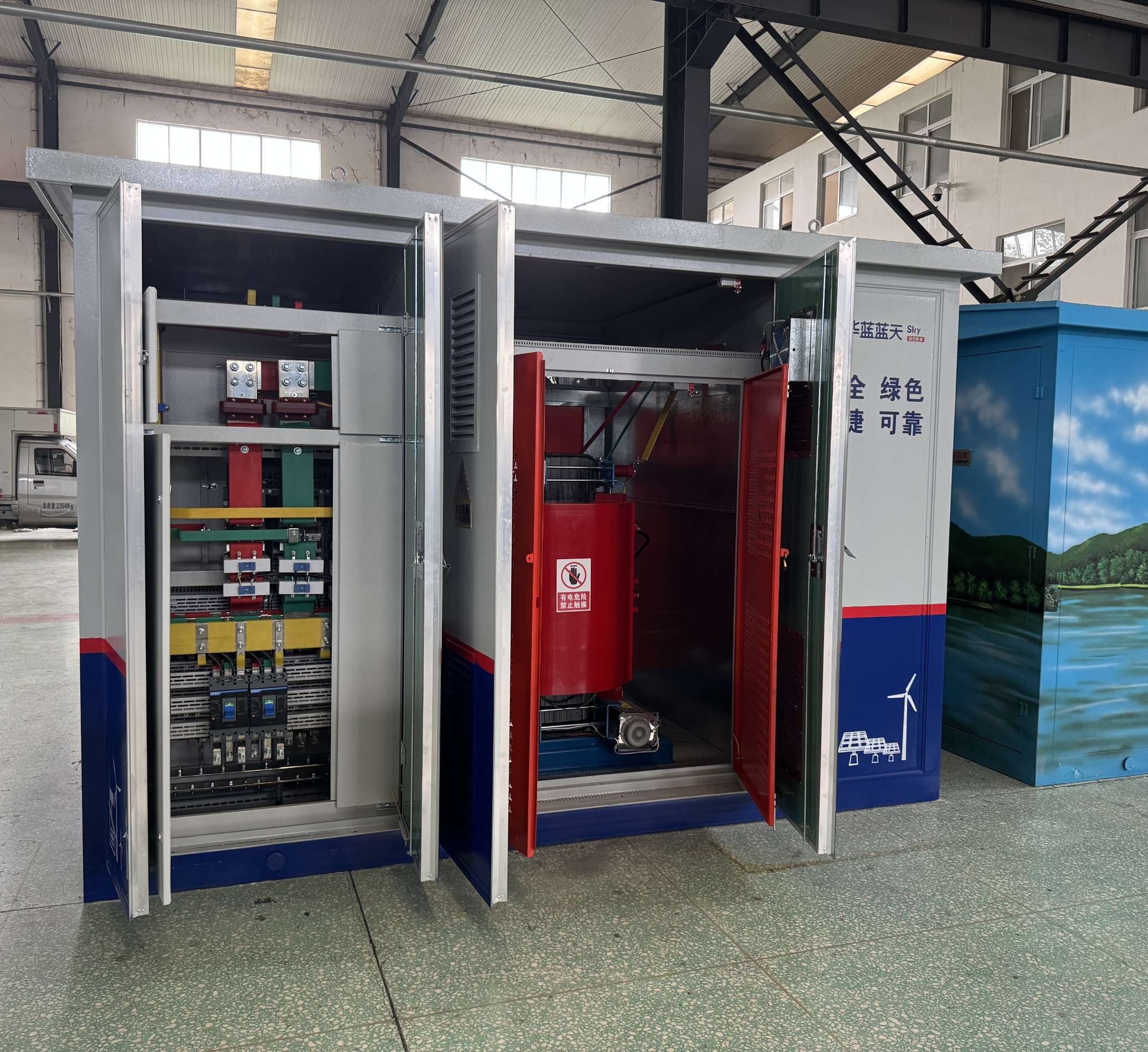
Progress Test
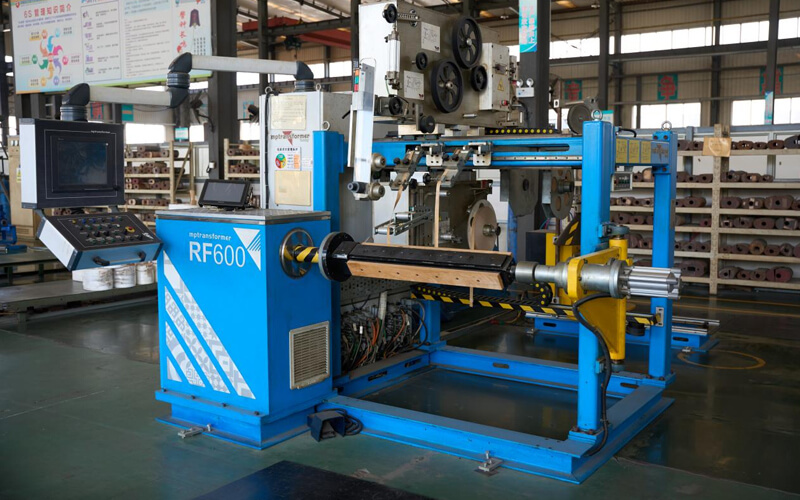
Progress testing for the solar power transformer is conducted through structured inspections at critical production stages. Incoming materials, including copper conductors, core steel, insulation materials, and insulating oil, are verified for compliance with design specifications. During winding assembly, inspections focus on conductor placement accuracy, insulation layering, and dimensional consistency. Core assembly is monitored to ensure magnetic alignment and mechanical stability.
After winding completion, the active part undergoes controlled drying and vacuum treatment to achieve specified moisture limits. Intermediate electrical inspections, such as winding resistance measurement and turns ratio verification, are carried out before tank installation. Tank fabrication is inspected for welding quality, dimensional accuracy, and coating integrity. Prior to oil filling, leak testing and internal cleanliness inspections are performed. All results are documented to ensure quality traceability and readiness for final acceptance testing.
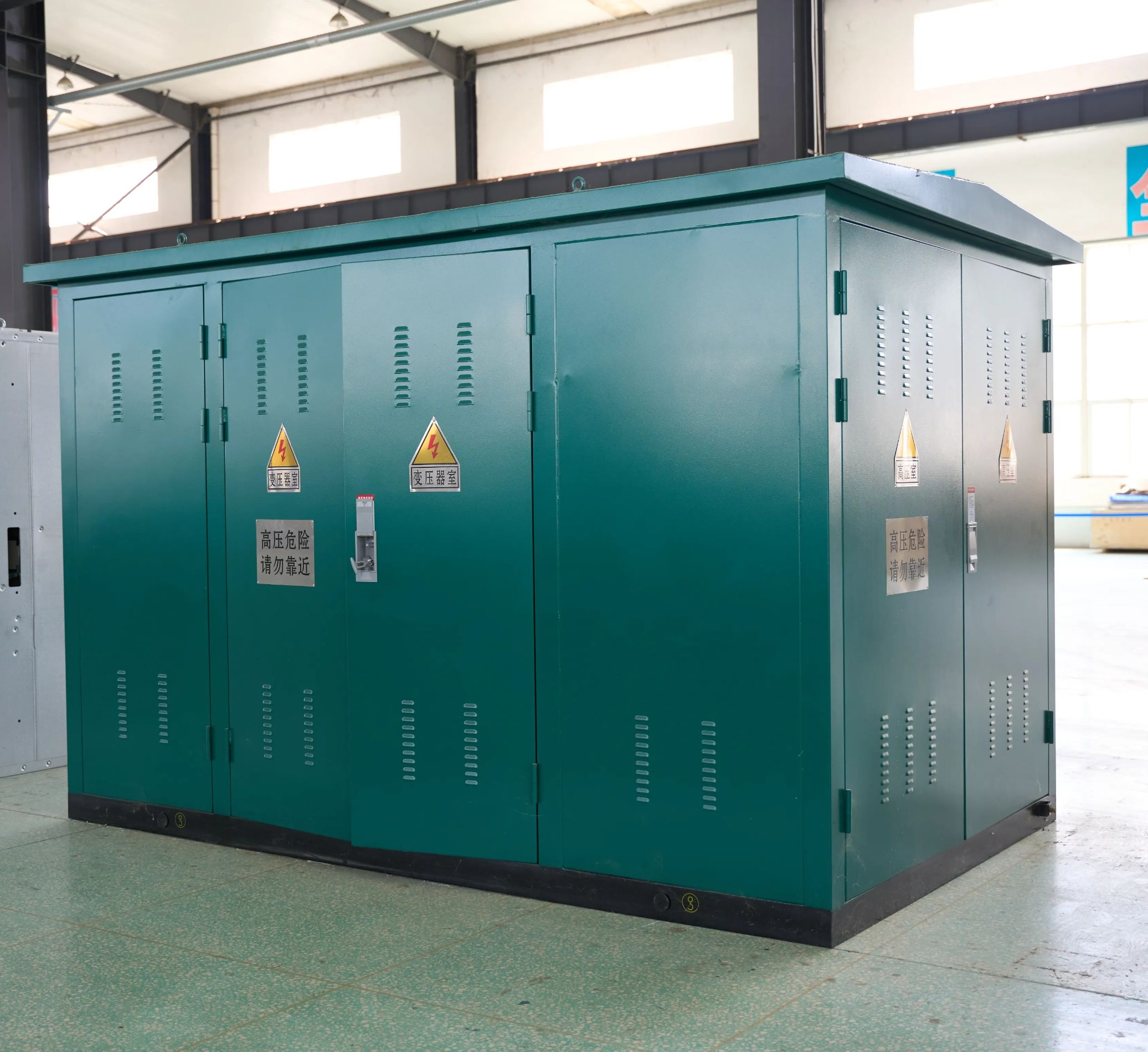
Design Tests
Design tests are critical type tests used to verify the rationality of transformer design and long-term operational reliability. They are typically performed on prototypes or representative products within the same series. Tests include temperature rise tests to verify that winding and oil temperatures meet design limits under rated load; lightning impulse withstand tests to assess the insulation strength of the transformer under transient overvoltage conditions in the power grid; and short-circuit withstand tests to confirm the stability of the windings and mechanical structure under short-circuit electrodynamic forces. Additionally, noise measurement tests may be included to verify that the product meets environmental and power plant noise standards. The results of all design tests provide a basis for verifying the product design, ensuring it meets relevant IEC or IEEE standards.
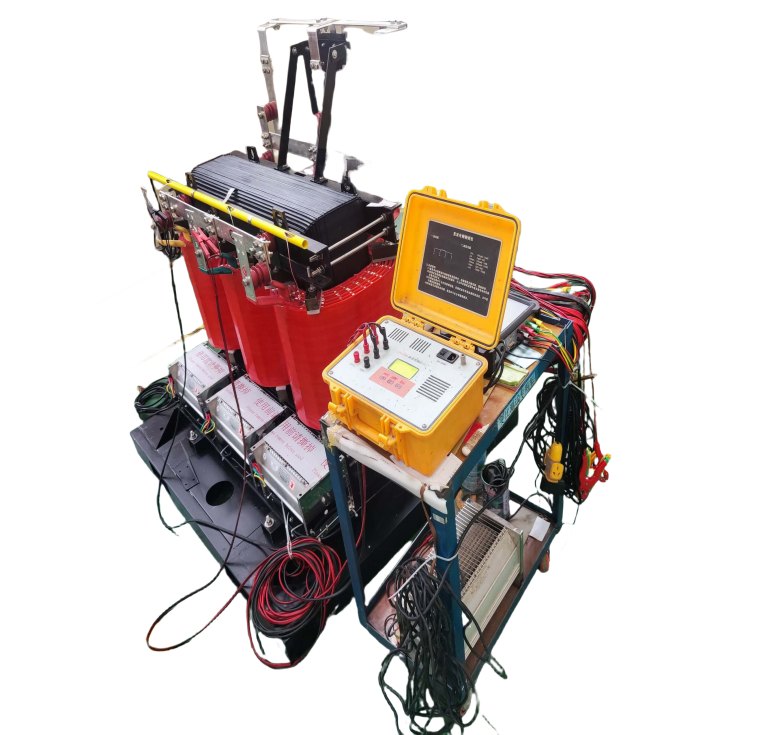
Transformer Factory Acceptance Test
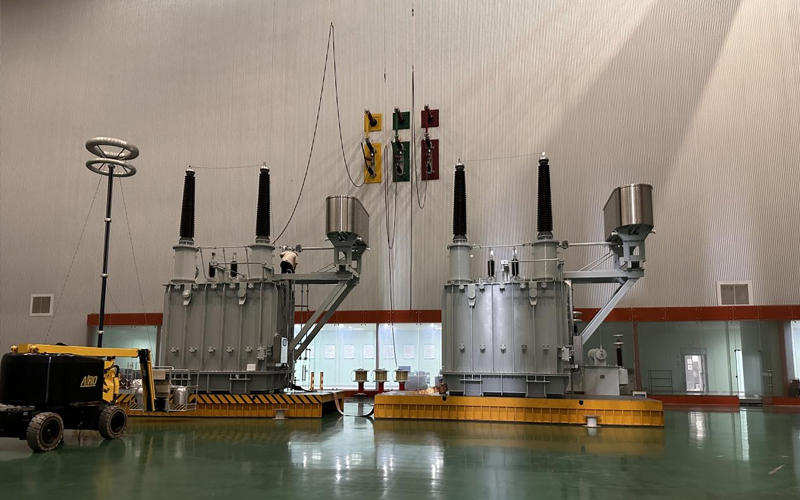
Factory Acceptance Testing ensures the operational readiness of the PV transformer before delivery. Electrical routine tests verify resistance balance, voltage ratio accuracy, phase displacement, and insulation resistance levels. High-voltage testing confirms the transformer’s ability to withstand rated operating conditions.
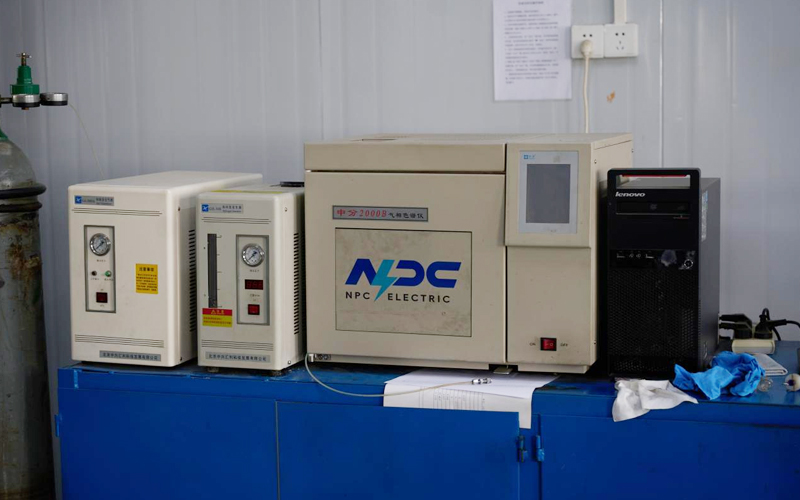
Thermal performance is validated through temperature rise testing, while efficiency is confirmed by loss and impedance measurements. Partial discharge testing evaluates internal insulation quality. Mechanical and functional checks include oil leakage testing, cooling equipment operation, monitoring device verification, and safety component inspection. Oil samples are analyzed for dielectric strength and moisture content. FAT documentation is completed for customer approval.
Routine Test - On load Loss Test
Purpose of Testing
The purpose of On-load Loss Test is to measure the active power loss of the transformer under rated voltage and rated load, evaluate its energy efficiency level and design compliance, and provide a basis for energy consumption calculation and performance optimization during operation.
Testing Equipment
Power transformer test system (e.g. OMICRON, ISA, Tettex, Vanguard, etc.)
Voltage source and current source (usually rated voltage, or adjusted according to the test standard, such as 10 KV, 20 KV, 35 KV, etc.)
Temperature and humidity meter (used to record ambient temperature and humidity for correction of test data)
Voltage source and current source (usually rated voltage, or adjusted according to the test standard, such as 10 KV, 20 KV, 35 KV, etc.)
Temperature and humidity meter (used to record ambient temperature and humidity for correction of test data)
Pre-Test Preparation
Disconnect the transformer high voltage, low voltage and neutral power supply to ensure that the equipment is properly grounded and safely discharged.
The test environment should be dry and rainless, with a relative humidity of less than 75% and a recommended temperature range of 20–30°C.
The test environment should be dry and rainless, with a relative humidity of less than 75% and a recommended temperature range of 20–30°C.
Test Progress
Connect the Test Instrument:
Connect the test equipment to the appropriate terminals of the device under test and ensure that all wiring is correct and the device is well grounded.
Apply Test Voltage:
Apply the specified test voltage at the rated frequency and adjust the low voltage side to maintain the rated current (or specified current).
Connect the test equipment to the appropriate terminals of the device under test and ensure that all wiring is correct and the device is well grounded.
Apply Test Voltage:
Apply the specified test voltage at the rated frequency and adjust the low voltage side to maintain the rated current (or specified current).
Measure and Record
Start the test and record the following parameters:
On-Load Loss Power
Input Power and Output Power
Current
Voltage
Temperature (temperature rise or winding temperature)
Ambient temperature and humidity during the test
On-Load Loss Power
Input Power and Output Power
Current
Voltage
Temperature (temperature rise or winding temperature)
Ambient temperature and humidity during the test
Temperature Correction
The measured loss data is corrected based on a reference temperature (usually 20°C) to ensure the accuracy of the results.
Repeat Testing (if necessary)
Test different tap positions (Tap Changer) and record and compare the load loss data of each tap point.
Evaluation Criteria (Reference)
Evaluate the test results based on the equipment type and manufacturer requirements. If the load losses are low and the efficiency is high, it is considered "normal".
Test standard
IEEE C57.12.01 & IEEE C57.12.91 (Dry-Type)
*These comprehensive tests ensure that each transformer meets performance standards and operates
reliably under various conditions.
Application
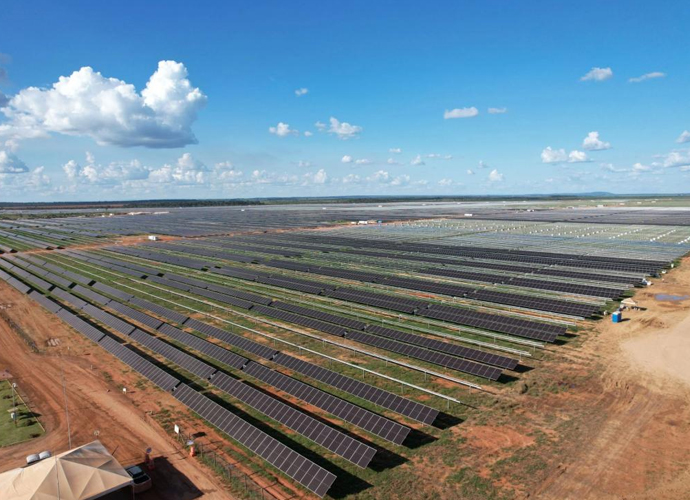
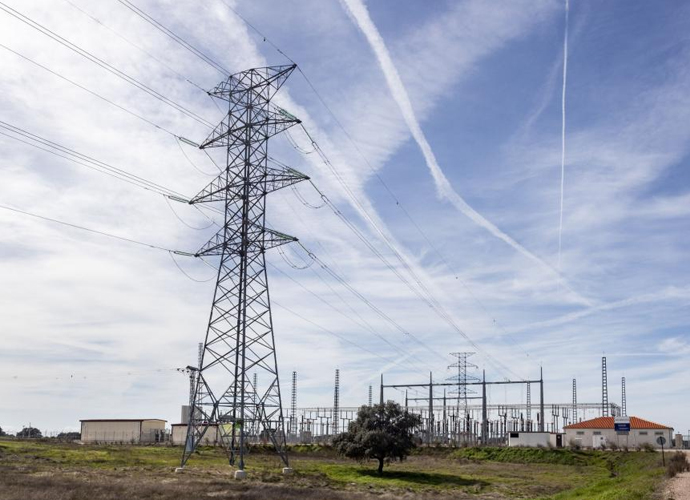
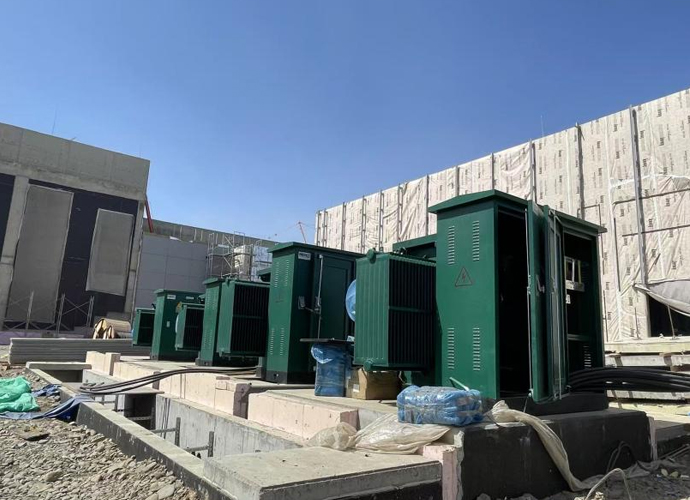
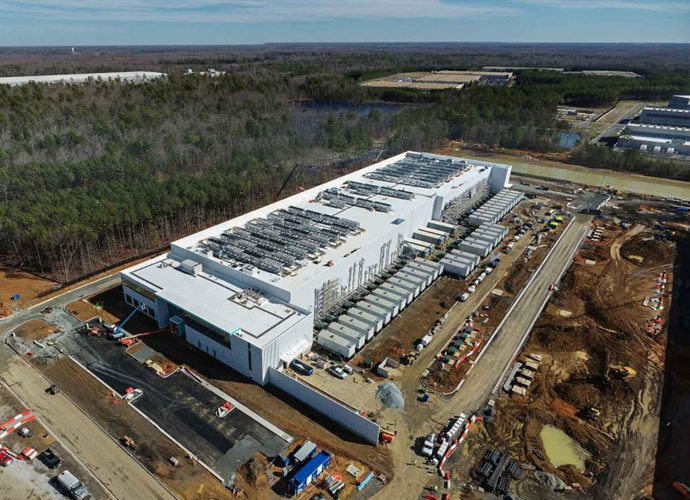
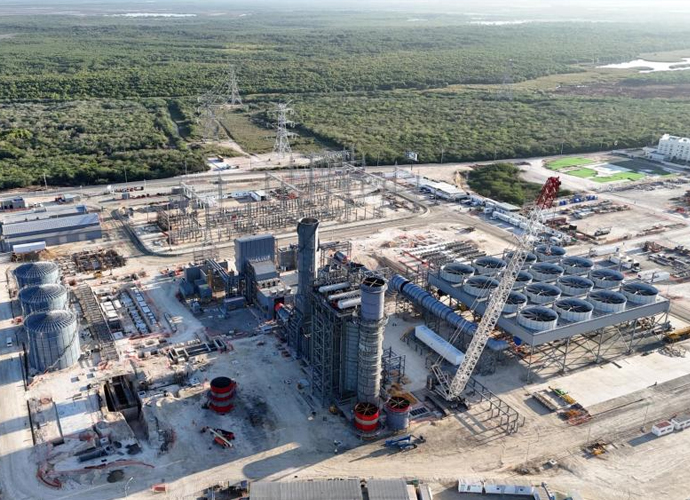
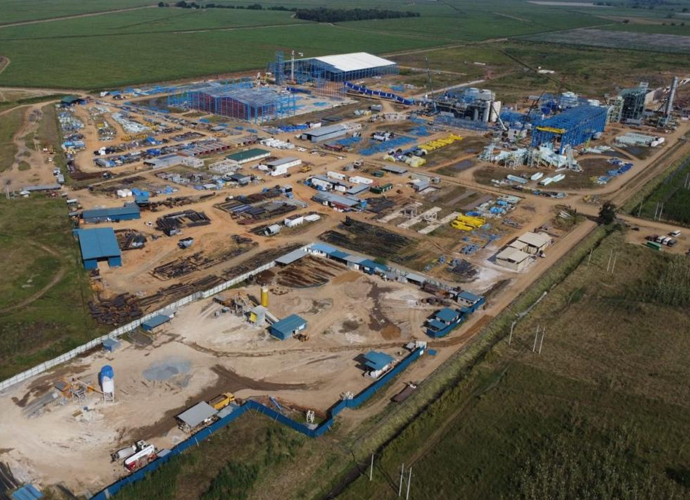
Ideal for large-scale factory-integrated PV systems where a dedicated 1250 kVA transformer is required to isolate solar generation from the building’s internal 400V load while feeding the grid at 11kV.


Technical Advantages
● 30+ years of manufacturing experience
● ISO and UL certified production
● Customized cable and transformer solutions
Product Packaging
Transformers Packaging (1)
Transformers Packaging (2)
Transformers Packaging (3)
Transformers Packaging (4)
Transformers Packaging (5)
Transformers Packaging (6)
Transformers Packaging (7)
Transformers Packaging (8)
Related Products
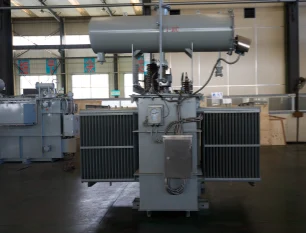
250MVA 330kV High-Voltage Oil-Immersed Distribution Transformer for Grid & Substation
The 250MVA 330kV High-Voltage Oil-Immersed Distribution Transformer is engineered for reliable and efficient power transmission in large utility grids and high-demand substations. Designed with advanced insulation and a durable oil-immersed cooling system, it ensures excellent thermal stability and long service life. The high-voltage 330kV configuration provides exceptional performance in long-distance power delivery, minimizing losses and improving grid stability. Its precision-wound copper coils, high-strength core materials, and robust tank structure guarantee safe operation under fluctuating load conditions. With strong short-circuit resistance, high dielectric strength, and low noise operation, this transformer meets stringent international standards. It is widely used in national grid projects, power plants, and heavy-industry energy networks, supporting continuous, stable, and efficient power distribution.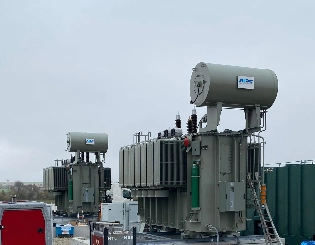
230kV 3-Phase Step-Down Power Transformer
The 230kV 3-Phase Step-Down Power Transformer is designed to reduce high transmission voltages to suitable distribution levels while maintaining excellent efficiency and operational stability. Engineered for utility substations and large-scale grid interfaces, this transformer ensures safe and controlled power delivery from high-voltage networks to regional or industrial distribution systems. Its oil-immersed insulation system provides strong dielectric protection and efficient thermal dissipation, enabling reliable continuous operation under varying load conditions. Precision core construction and optimized winding layout help minimize energy losses and voltage fluctuation. The transformer’s robust mechanical design enhances resistance to short-circuit forces and thermal stress, supporting long service life and low maintenance. This solution is ideal for modern power grids requiring dependable voltage transformation and efficient energy management.
11/0.4kV 630kVA Oil-Immersed Power Transformer Distribution Type
Discover our premium 11/0.4kV 630kVA Oil-Immersed Power Transformer, engineered for superior high-efficiency distribution in modern electrical grids. This robust transformer features advanced silicon steel cores that minimize energy losses, ensuring up to 98% efficiency under full load. Ideal for urban and rural power networks, it incorporates eco-friendly insulating oil with high dielectric strength, providing reliable voltage step-down from 11kV to 0.4kV while handling demanding loads up to 630kVA. Built with corrosion-resistant tanks and precision-wound copper coils, this distribution transformer guarantees long-term durability, reduced maintenance, and compliance with international standards like IEC 60076. Whether for residential complexes, commercial facilities, or industrial applications, it optimizes power delivery, lowers operational costs, and supports sustainable energy practices. Experience unmatched performance with this high-efficiency oil-immersed transformer designed for seamless integration into your power system.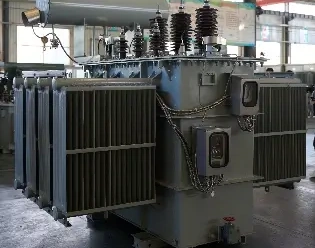
35kV 46kV Power Transformer
NPC ELECTRIC's 35kV and 46kV power(electrical) transformer complies with international standards such as IEC and ANSI, and features high efficiency, low loss, and strong insulation. This product is widely used in power grid main transformers, power plants, industrial and mining enterprises, and large infrastructure projects. Key features include mineral oil or FR3 natural ester insulation (ONAN/ONAF/ODAF cooling options), copper or aluminum windings, primary voltages 35kV or 46kV (grounded wye or delta, with dual-voltage configurations), secondary voltages 6.6kV, 11kV, 13.8kV, 33kV, or custom (e.g., 13.8kV/480V or 35kV/11kV), BIL ratings 200–650kV depending on voltage class, impedance typically 8–12%, ±2×2.5% or ±5% off-load tap changer (OLTC optional), conservator tank or sealed tank design, Buchholz relay, pressure relief device, oil temperature gauges, winding temperature indicators, and ANSI 61 gray or custom tank finish.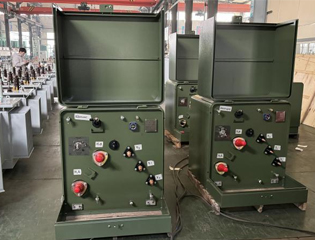
33kV Single Phase Pole Mounted Transformer
Designed for medium-voltage overhead systems, the 33kV single phase pole mounted transformer efficiently steps down primary voltages of 33kV (or 34.5kV variants) to secondary levels such as 230V, 240V, or 415V, serving substantial single-phase loads in extended networks. Constructed with advanced grain-oriented silicon steel cores and precision windings, it achieves minimal no-load and load losses while fully complying with IEC 60076 and IEEE C57 requirements. The oil-immersed tank with ONAN cooling maintains a 65°C temperature rise, supporting reliable performance during peak demands and harsh weather exposure. High insulation levels, including 150-200kV BIL on the HV side, combined with pressure relief valves, HV bushings with arcing horns, and optional surge arresters, provide exceptional protection against lightning and overvoltages. This transformer offers quiet operation, strong overload capacity, and extended service life, making it essential for utilities optimizing power access in remote or growing areas.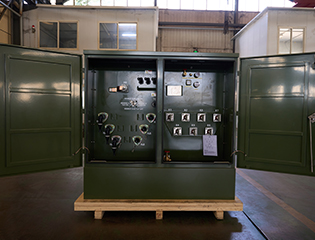
5000kVA Three Phase Pad Mounted Transformer
NPC ELECTRIC's 5000kVA Three Phase Pad Mounted Transformer (5 MVA) is a robust, liquid-immersed compartmental distribution transformer built for high-capacity outdoor pad-mounted installations on concrete foundations. Compliant with updated DOE energy conservation standards (post-2024 amendments, targeting high efficiency levels around 99.68% for 5000 kVA units), ANSI/IEEE C57.12.00, C57.12.34, C57.12.90, and related CSA/IEC norms, this transformer delivers top-tier energy efficiency, minimal no-load and load losses, and exceptional reliability in utility-scale, industrial, and commercial power systems. The tamper-resistant, weatherproof steel enclosure (dead-front or live-front) with NEMA 3R-equivalent protection ensures safety, reduced maintenance, and seamless blending into urban, suburban, or remote environments.FAQ From Customers
-
What is a Transformer?A transformer is an electrical device used to change the voltage of alternating current (AC). It works on the principle of electromagnetic induction, converting high-voltage current into low-voltage current or low-voltage current into high-voltage current. Transformers are widely used in power transmission, distribution systems, and various electronic devices.
-
What are the main uses of a transformer?The main use of a transformer is voltage conversion. Transformers are used in power transmission systems to help transfer electricity from power plants to consumers. In addition, transformers are also used in electronic devices such as chargers, televisions, power adapters, etc., to adjust the voltage to meet the requirements of different devices.
-
Do you have UL listed?Yes, our transformer has UL listed. We have exported to America many pad mounted transformer,substation transformer and HV.
Welcome your inquiry
Honesty, Integrity, Frugality, Activeness and Passion