
Best Practices for Underground Electrical Distribution System Design 2026
2026-03-11
As urban density increases and power reliability expectations rise, the underground electrical distribution system has become a critical component of modern power infrastructure. Compared with traditional overhead lines, underground systems offer enhanced safety, improved aesthetics, and greater protection against weather-related outages. However, they also introduce higher upfront costs, complex installation requirements, and long-term maintenance challenges.
Understanding Underground Electrical Distribution Systems
An underground electrical distribution system delivers power through insulated cables buried below ground, typically supplying electricity from substations to end users. These systems are widely used in:
- Urban and residential developments
- Industrial parks and data centers
- Airports, hospitals, and critical infrastructure
- Areas exposed to severe weather or environmental constraints
Unlike overhead distribution, underground systems require careful planning around soil conditions, thermal performance, routing, and accessibility.
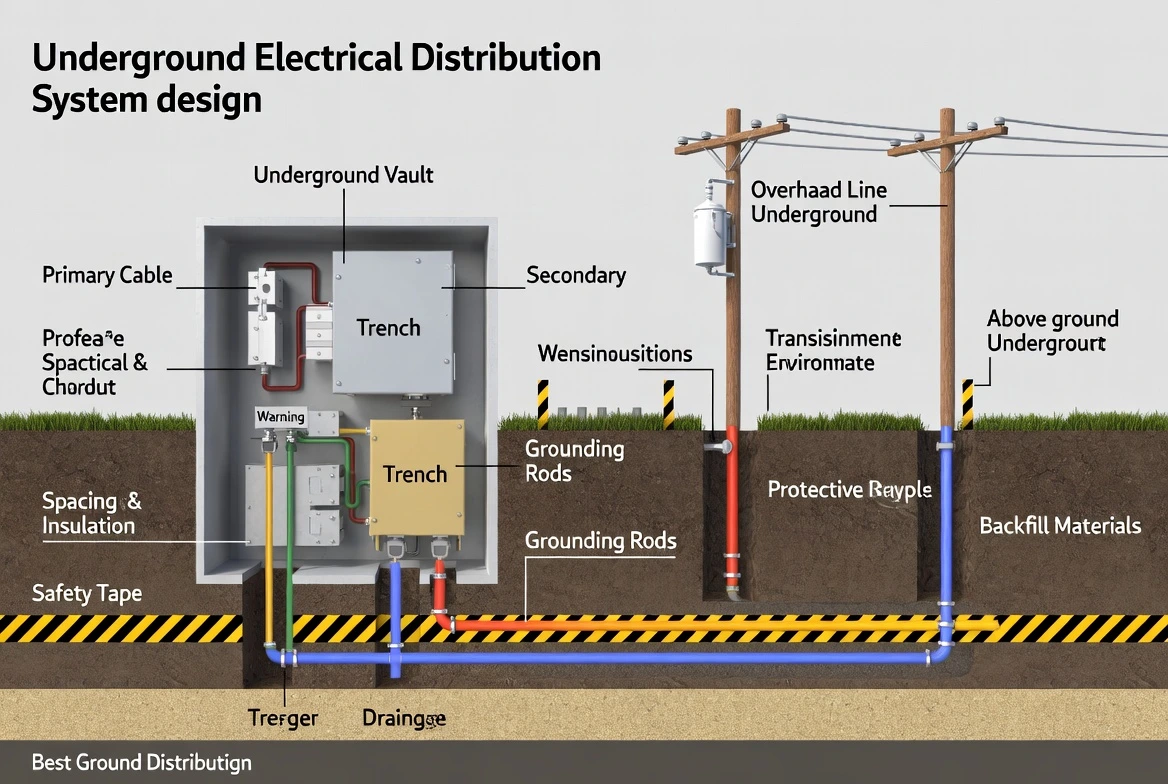
Overhead vs Underground Distribution Systems
Before selecting an underground solution, engineers must evaluate the trade-offs between overhead and underground distribution systems.
Key Differences
|
Aspect |
Overhead Distribution |
Underground Distribution |
|
Initial Cost |
Lower |
Higher |
|
Reliability |
Weather-sensitive |
Weather-resistant |
|
Maintenance |
Easier access |
More complex |
|
Visual Impact |
High |
Minimal |
|
Safety |
Exposed conductors |
Fully insulated |
|
Lifespan |
Moderate |
Long-term, when designed correctly |
While overhead systems remain cost-effective in rural areas, underground systems require advanced engineering to justify their investment through improved reliability and reduced outage risks.
Core Design Considerations for Underground Systems
1. Cable Selection and Insulation
Cable choice is central to underground distribution system performance. Common options include:
- XLPE-insulated power cables for medium voltage
- Armored cables for mechanical protection
- Water-blocked cables in high-moisture environments
Engineers must consider voltage rating, thermal limits, soil resistivity, and installation depth to prevent premature failures.
2. Thermal Management and Heat Dissipation
Unlike overhead lines that dissipate heat into open air, underground cables rely on the surrounding soil for cooling. Poor thermal design can cause overheating, leading to insulation degradation and reduced service life.
Best practices include:
- Proper cable spacing
- Thermal backfill materials
- Accurate load forecasting
Effective thermal modeling is essential, especially for high-load urban feeders.
3. Trenching, Duct Banks, and Routing
Underground distribution system design requires careful planning of:
- Trench depth and width
- Conduit materials (PVC, HDPE, concrete duct banks)
- Separation from other utilities
Routing should minimize future excavation risks while allowing system expansion. Coordination with civil engineers is critical to avoid conflicts with water, gas, and telecom infrastructure.
4. Protection and Fault Management
Although underground systems experience fewer faults, locating and repairing failures is more complex. Systems require:
- Accurate protection coordination
- Fault indicators and monitoring
- Clear cable identification
Designing for maintainability reduces downtime and operational risk.
5. Grounding and Safety
Grounding plays a vital role in underground distribution systems, especially in densely populated areas. Engineers must ensure:
- Touch and step voltage limits are met
- Effective bonding of metallic components
- Compliance with applicable safety standards
Proper grounding protects both personnel and equipment during fault conditions.
Lifecycle Cost and Reliability Perspective
While underground systems have higher upfront costs, they often deliver superior long-term value when designed correctly. Utilities increasingly evaluate projects based on the total cost of ownership, including:
- Reduced outage frequency
- Lower exposure to storms and vandalism
- Extended service life
For mission-critical facilities, underground distribution systems support higher reliability targets that overhead systems may not achieve.
Case Studies: Underground Electrical Distribution Systems in Practice
To better understand how underground electrical distribution systems perform under real operating conditions, the following case studies illustrate practical design decisions made by utilities and industrial operators. These examples highlight how engineering trade-offs impact reliability, cost, and long-term performance.
Case Study 1: Urban Utility Underground Distribution Upgrade
Project Background
A municipal utility serving a high-density urban district experienced frequent outages caused by storms and aging overhead lines. The utility initiated a phased conversion from overhead to underground distribution systems to improve service reliability and public safety.
Design Approach
- Medium-voltage XLPE-insulated cables installed in concrete duct banks
- Optimized routing to avoid existing water and telecom infrastructure
- Enhanced grounding design to control touch and step voltages
- Integration of fault indicators to improve fault location accuracy
Results
- Outage frequency reduced by over 60% after commissioning
- Improved system resilience against extreme weather events
- Higher initial capital expenditure offset by reduced emergency repair costs
Key Takeaway
For urban utilities, underground systems require higher upfront investment but deliver measurable long-term benefits in reliability and operational stability.
Case Study 2: Industrial Park Power Distribution System
Project Background
A large industrial park hosting manufacturing plants and logistics centers required a highly reliable power supply with minimal visual impact. Frequent expansion plans also demanded flexibility in the underground distribution system design.
Design Approach
- Ring-type underground distribution system for redundancy
- Armored power cables with moisture-resistant insulation
- Dedicated cable corridors reserved for future load expansion
- Standardized duct spacing to improve thermal performance
Results
- Improved continuity of supply during maintenance or localized faults
- Reduced operational interruptions affecting production lines
- Simplified system expansion without major excavation works
Key Takeaway
In industrial parks, underground distribution systems support long-term scalability when future capacity and access requirements are addressed during the initial design phase.
Case Study 3: Utility-Scale Mixed Overhead and Underground Distribution System
Project Background
A regional utility serving suburban and semi-rural areas adopted a hybrid approach, combining overhead and underground distribution systems to balance cost and reliability.
Design Approach
- Underground systems are deployed in environmentally sensitive and high-traffic zones
- Overhead lines retained in low-risk, open areas
- Standardized protection coordination across both systems
- Consistent documentation and asset management practices
Results
- Optimized capital investment without compromising system reliability
- Reduced outage exposure in critical service areas
- Improved maintenance planning across distribution systems
Key Takeaway
A selective underground approach allows utilities to manage costs while deploying underground systems where operational and environmental benefits are greatest.

Standards, Codes, and Compliance
All underground distribution system designs must align with relevant standards and regulations. Common references include:
- IEC and IEEE standards
- National electrical codes
- Utility-specific design guidelines
Compliance ensures safety, interoperability, and long-term system performance.
Common Design Challenges and Mitigation Strategies
|
Challenge |
Engineering Solution |
|
High installation cost |
Optimized routing and phased construction |
|
Heat buildup |
Thermal backfill and load balancing |
|
Fault location difficulty |
Monitoring systems and detailed records |
|
Moisture ingress |
Water-blocked cables and proper sealing |
|
Limited accessibility |
Strategic placement of access points |
Addressing these challenges early in the design phase reduces operational risks and unexpected costs.
Applications Where Underground Systems Are Preferred
Underground systems are especially suited for:
- City centers and commercial districts
- Industrial facilities with high reliability requirements
- Campuses and large developments
- Areas with environmental or right-of-way constraints
In these scenarios, underground electrical distribution systems support long-term infrastructure resilience.
Designing an effective underground electrical distribution system requires more than burying cables—it demands a holistic engineering approach that integrates electrical, civil, thermal, and safety considerations. While underground systems require higher initial investment, their advantages in reliability, safety, and environmental protection often justify the cost in modern power networks.
By following proven best practices and understanding how underground systems differ from overhead alternatives, engineers and project owners can deliver distribution networks that meet today’s performance expectations and tomorrow’s growth demands.

Related Articles
Related Products
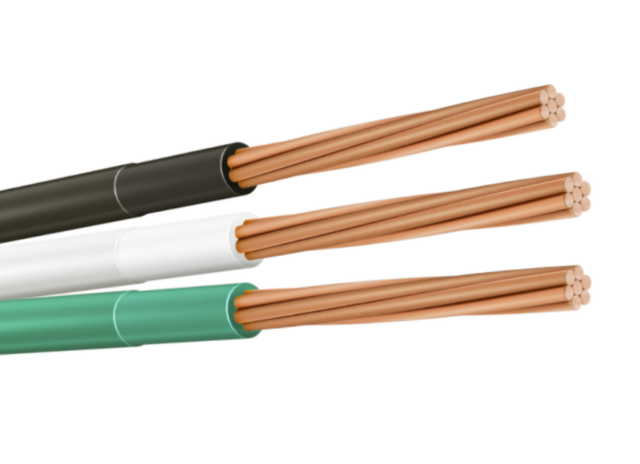
THHN AND THWN
Electrical wire THHN THWN is used in new construction projects or rewiring tasks in 600-volt systems. Versatile and usable in both wet and dry locations, THHN/THWN-2 is an excellent choice for a wide range of electrical installations. THHN/THWN-2 conductors can withstand temperatures up to 90°C in dry environments and up to 75°C in the presence of oil or coolant. Its outer nylon jacket is smooth and fine, ensuring easy installation by reducing friction during pulling. This feature is especially useful for long or challenging runs.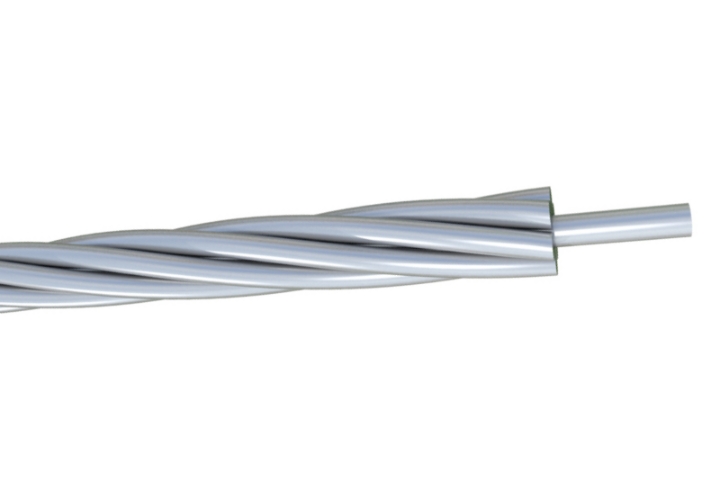
Galvanized Steel Conductor
The Galvanized Steel Conductor Cable Guard Wire offers robust mechanical protection for overhead power systems. Constructed from premium high-tensile steel wires with Class A or B hot-dip galvanization, it delivers exceptional resistance to rust, abrasion, and environmental stress. Meeting standards like ASTM A475 and BS EN 50189, this guard wire provides high breaking strength and flexibility for spanning long distances. Installed as an overhead shield, it prevents damage to conductors from external impacts, reducing downtime and maintenance costs. The uniform zinc layer ensures decades of service life even in coastal or polluted areas. Select our Galvanized Steel Conductor Cable Guard Wire for reliable overhead line guarding in electric utilities, telecommunications, and infrastructure projects worldwide.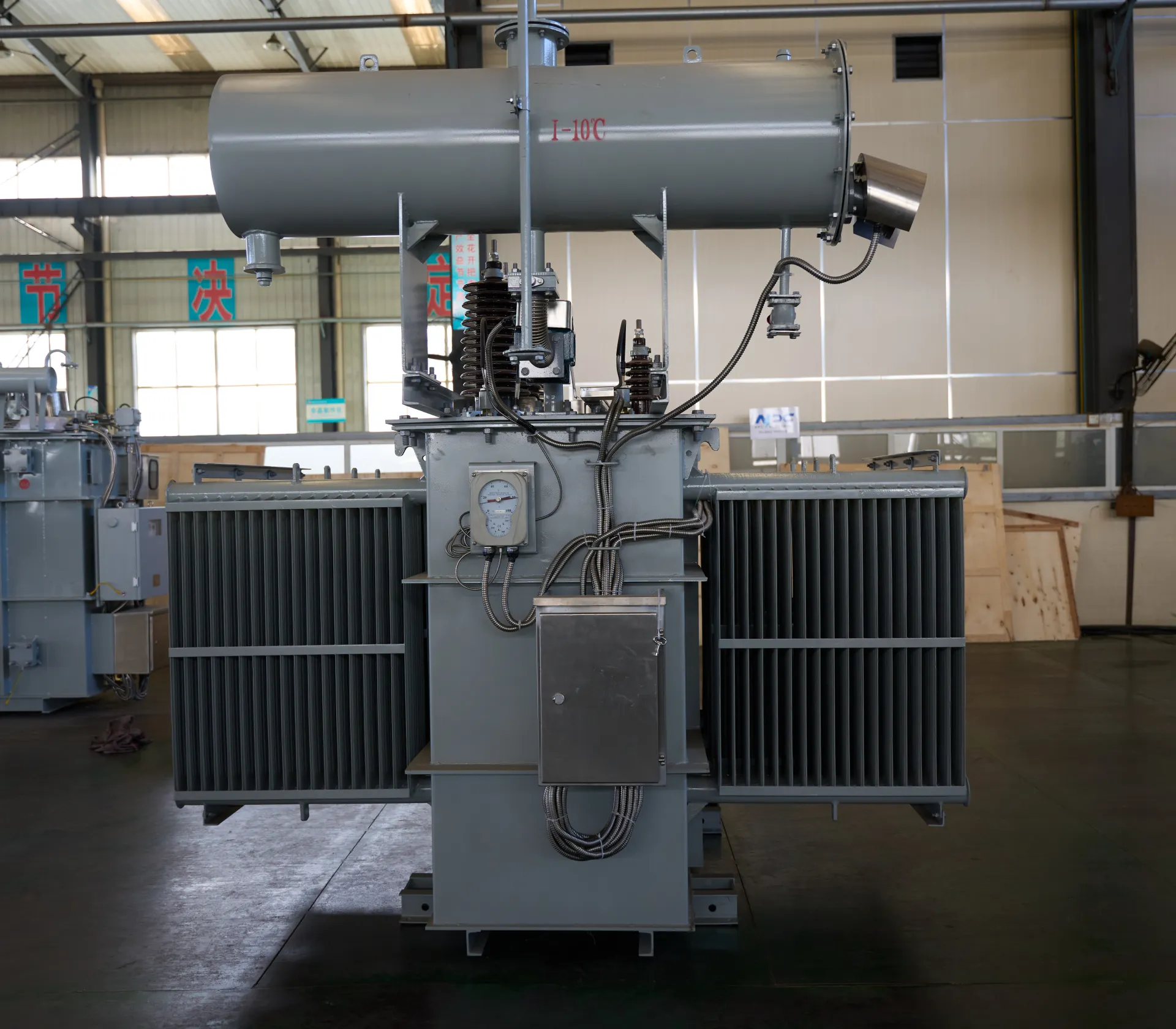
37kV 10000kVA(10MVA) Three Phase Duplex Winding Oil Immersed Power Transformer
The 37kV 10000kVA (10MVA) Three Phase Duplex Winding Oil Immersed Power Transformer is designed for high-reliability medium-voltage distribution and industrial applications. Featuring 99.95% electrolytic copper duplex windings, advanced ONAN/ONAF cooling, and ±8×1.25% on-load tap changer (optional), it delivers ultra-low no-load and load losses (S11/S13 series). Fully compliant with IEC 60076, GB/T 1094, and ANSI/IEEE standards, it withstands 170–200 kV lightning impulse and PD <10 pC. Corrugated tank or detachable radiator design ensures excellent heat dissipation and mechanical strength. Standard voltages 37±8×1.25%/11kV, 37/6.3kV or custom. Vacuum oil processing and nitrogen sealing guarantee 30+ years service life with minimal maintenance. Trusted by utilities, EPCs, and heavy industries worldwide.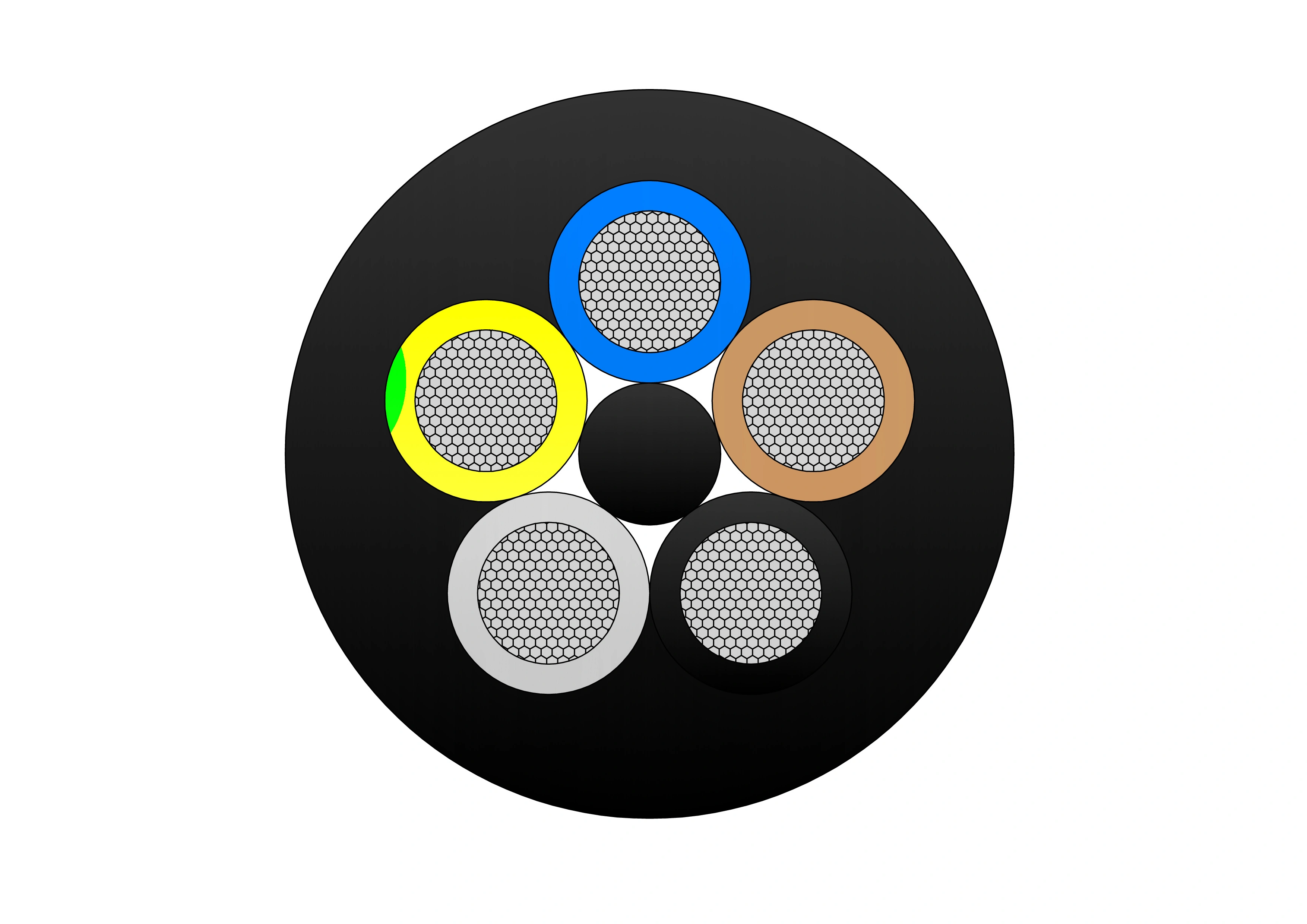
(N)TSCGECEWOU - 3.6/6kV, 6/10kV, 8.7/15kV and 12/20kV Submersible Cable
The (N)TSCGECEWOU - 3.6/6kV, 6/10kV, 8.7/15kV, and 12/20kV Submersible Cable is a flexible, heavy-duty medium-voltage cable designed for submersible applications in mining, tunneling, and industrial water environments. It features class 5 finely stranded tinned copper conductors for flexibility and corrosion resistance, semi-conductive conductor and insulation screens, EPR (ethylene propylene rubber) insulation for superior dielectric strength and 90°C continuous rating, copper braid screen for EMI protection and grounding, control/monitoring conductors, and a watertight, abrasion-resistant rubber outer sheath (e.g., 5GM5 type) that prevents water ingress up to high pressures (e.g., 50 bar). Compliant with DIN VDE 0250 and relevant IEC standards, it offers high mechanical strength, longitudinal water blocking, and resistance to oils, chemicals, and flames. Suitable for submersible pumps, dredgers, and underwater equipment, the (N)TSCGECEWOU Submersible ensures reliable power transmission in submerged conditions with minimal maintenance.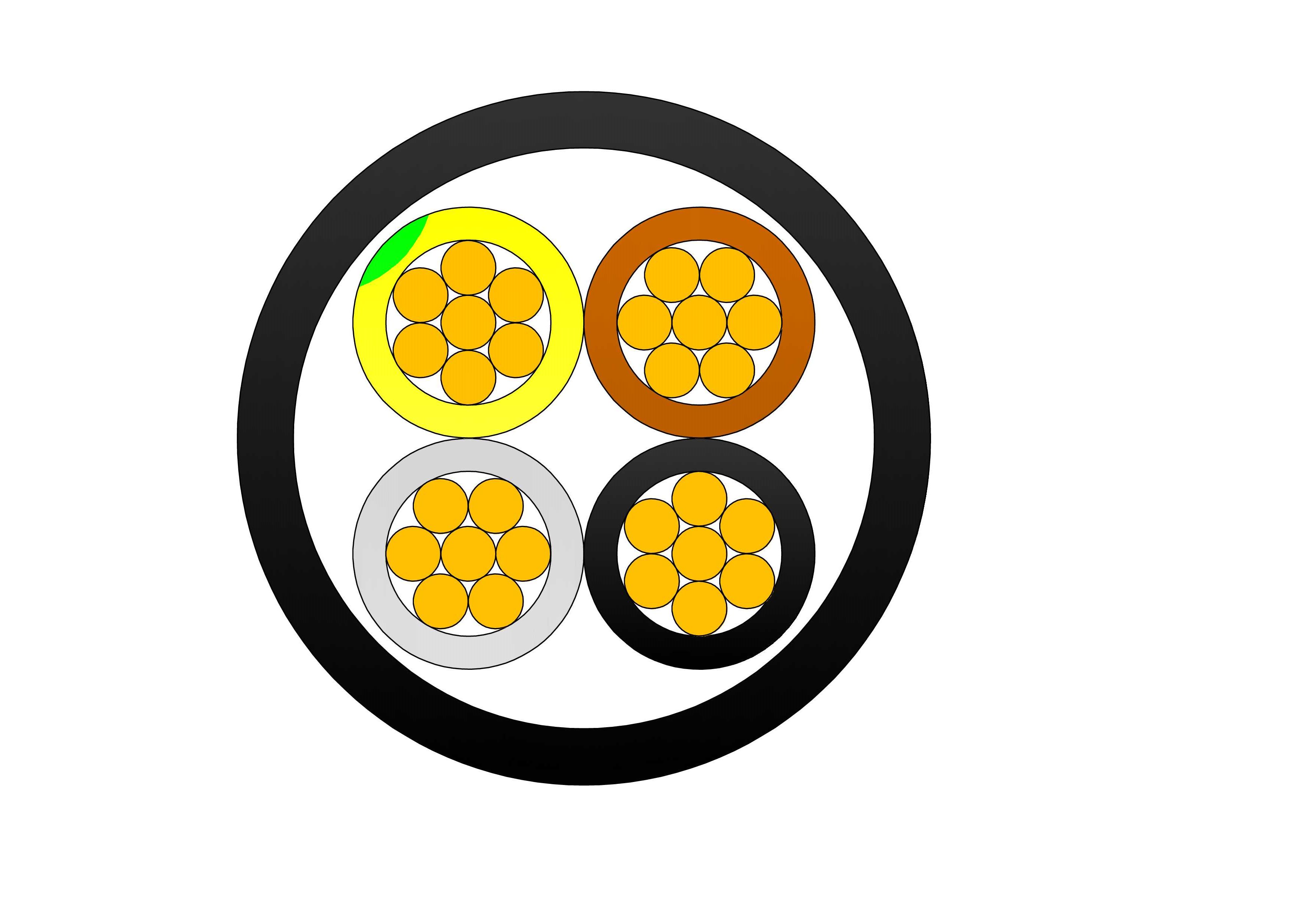
2/3/4 Cores Aluminum Cable AL/XLPE/PVC Low Voltage Power Cable
The 2/3/4 Cores Aluminum Cable AL/XLPE/PVC is designed for reliable low-voltage power transmission and distribution in industrial, commercial, and utility applications. Manufactured with high-conductivity stranded aluminum conductors, premium XLPE insulation, and a durable PVC outer sheath, the cable provides an economical alternative to copper cables while maintaining excellent electrical performance. The XLPE insulation offers outstanding dielectric strength, low insulation losses, and thermal stability, allowing continuous conductor operation at temperatures up to 90°C. The PVC sheath protects against moisture, abrasion, chemicals, UV exposure, and environmental stress, ensuring long-term durability in demanding installations. Available in 2-core, 3-core, and 4-core configurations, the cable is suitable for single-phase and three-phase power systems. Manufactured according to IEC 60502-1 standards, it ensures safe and efficient electrical distribution across a wide range of applications. Its lightweight construction reduces transportation and installation costs, making the 2/3/4 Cores Aluminum Cable AL/XLPE/PVC an ideal solution for power infrastructure, commercial facilities, industrial plants, and renewable energy projects.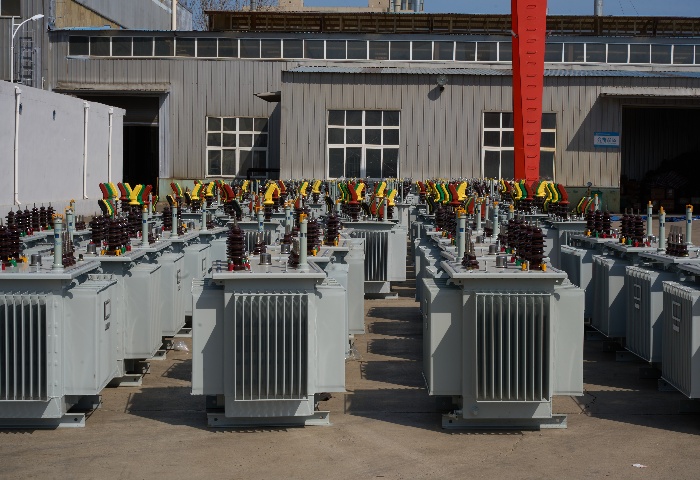
100kVA Oil Immersed Transformer
NPC ELECTRIC 100kva Oil Immersed Transformer boasts a robust design that utilizes high-quality materials to ensure long-lasting performance. Its oil-immersed cooling system provides effective heat dissipation, maintaining optimal operating temperatures even under heavy loads. This transformer is designed to handle a maximum power capacity of 100kVA, making it suitable for a wide range of applications, including commercial, industrial, and residential settings. One of the standout features of the SGOB 100kva Oil Immersed Transformer is its advanced insulation system, which enhances its short-circuit resistance and overall safety.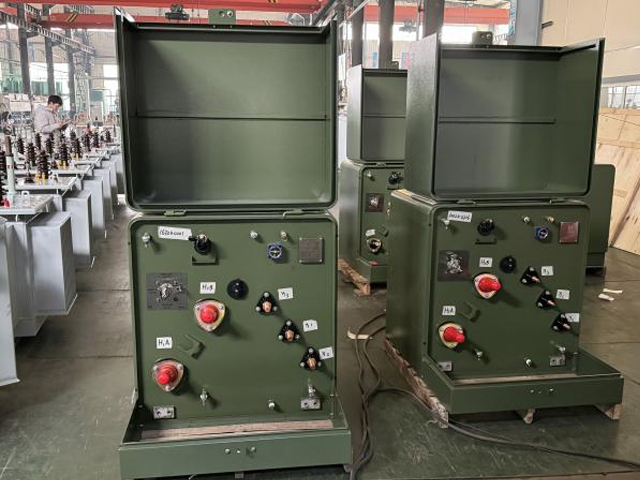
200kVA Single Phase Pole Mounted Transformer
NPC ELECTRIC'S 200kVA single phase pole mounted transformer delivers exceptional reliability for demanding overhead power systems. It efficiently converts primary voltages like 11kV or 22kV to secondary levels such as 220V or 400V, supporting heavier loads in diverse environments. Constructed with low-loss grain-oriented steel cores and high-grade aluminum conductors, it achieves superior energy efficiency and reduced operational costs. Meeting ANSI/IEEE C57 standards, the weatherproof enclosure ensures protection against elements, with a 55°C temperature rise and ONAF cooling for enhanced performance. Essential safety integrations include overload fuses and oil level gauges, making it suitable for utilities aiming for minimal downtime. This transformer excels in providing stable power with low harmonic distortion, ideal for modern grid upgrades.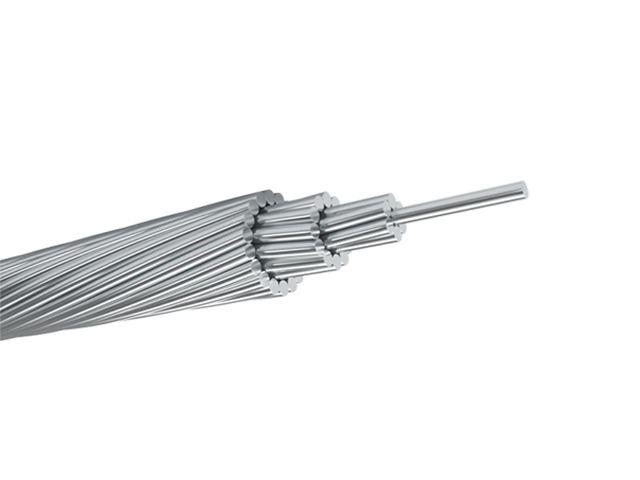
BUTTE AAAC Conductor Cable
BUTTE AAAC (All Aluminum Alloy Conductor) cables comply with ASTM B399 standards and offer high strength, good conductivity, and corrosion resistance. Named "Butte" for its 400 mm² nominal area with 37-strand configuration, it offers superior conductivity (53% IACS) and tensile strength (295 MPa min) compared to ACSR. Made from heat-treated aluminum-magnesium-silicon alloy (6201-T81), this cable provides excellent corrosion resistance, low weight, and reduced sag for longer spans. Compliant with ASTM B398, B399, IEC 61089, and BS EN 50182 standards, it supports voltages up to 33kV with ampacity up to 800A at 75°C. The homogeneous alloy construction eliminates bimetallic corrosion and ensures uniform mechanical properties. The Butte AAAC Conductor Cable minimizes line losses, withstands harsh weather, and requires minimal maintenance. Ideal for rural electrification, urban upgrades, and renewable energy integrations, it delivers reliable, cost-effective power in overhead lines worldwide, outperforming traditional conductors in corrosive or coastal environments.
500kVA Three Phase Pad Mounted Transformer
The 500kVA three-phase pad transformer is an efficient and sturdy power equipment designed for commercial, industrial and distribution systems. It has a compact design and a protective casing that meets NEMA 3R or higher standards. It is suitable for various outdoor environments and can effectively resist external factors such as weather, dust and moisture. It can meet the power needs of different regions and has a variety of optional functions, such as load regulation and temperature control systems, to further improve its operating efficiency and safety. The built-in protection device can effectively prevent overload, short circuit and other faults to ensure the safe and reliable operation of the power system.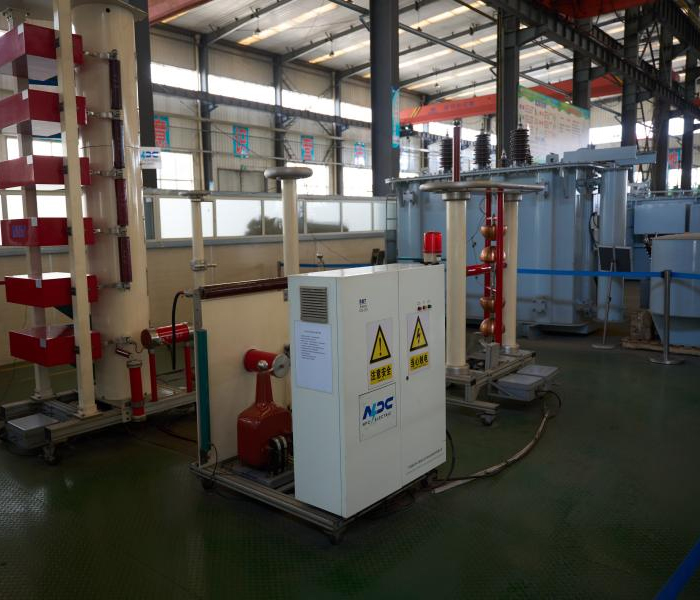
33kV Cast Resin Dry Type Transformer 1000kVA–5000kVA Three Phase
The 33kV Cast Resin Dry Type Transformer 1000kVA–5000kVA Three Phase is a high-capacity, oil-free power solution engineered for demanding indoor medium- and high-voltage distribution networks. This robust three-phase cast resin transformer utilizes premium low-loss grain-oriented silicon steel cores and high-conductivity copper windings (aluminum optional) fully encapsulated in high-grade epoxy resin under vacuum pressure, delivering exceptional energy efficiency (typically 98.5–99.5%), significantly reduced no-load and load losses, and superior partial discharge performance (<10pC). Fully compliant with IEC 60076-11, IEEE/ANSI, and relevant energy efficiency standards, this transformer steps down 33kV primary (with ±2×2.5% to ±10% off-circuit taps standard) to secondary voltages such as 0.4kV, 0.69kV, 6.6kV, or 11kV (Dyn11 vector group typical).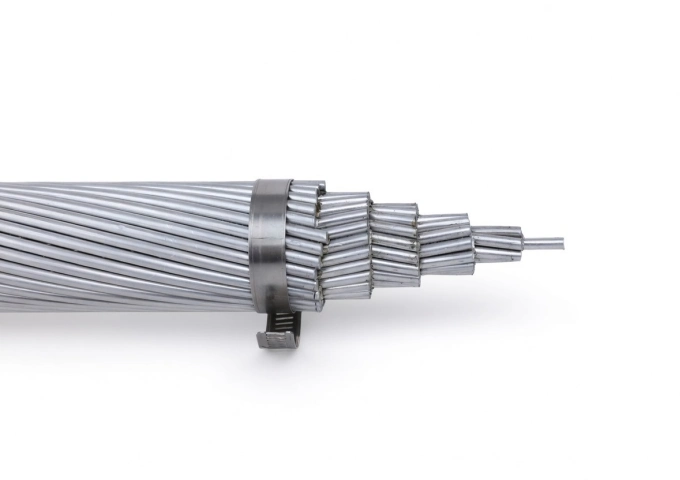
336.4 MCM Tulip AAC Cable
The 336.4 MCM Tulip AAC Cable is a high-performance All Aluminum Conductor designed for demanding overhead power transmission and distribution lines. Manufactured with 19 strands of premium 1350-H19 aluminum wire in a concentric lay configuration, this bare conductor provides excellent electrical conductivity with a low DC resistance of 0.0514 ohms per 1000 ft at 20°C. Featuring an overall diameter of 0.666 inches and a rated breaking strength of 6,150 lbs, the Tulip AAC delivers a robust ampacity of 513 amps while weighing only 315.8 lbs per 1000 ft. Its optimized strength-to-weight ratio minimizes sag and structural loading. Fully compliant with ASTM B-230 and B-231 standards, the 336.4 MCM Tulip AAC Cable offers outstanding corrosion resistance for long-term durability in harsh outdoor environments, making it the preferred choice for utility networks requiring cost-effective, high-reliability bare aluminum conductors.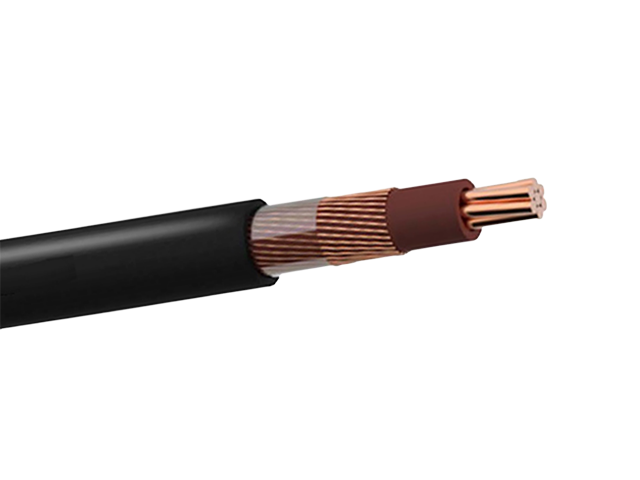
Copper Concentric Round LV Cable
The Copper Concentric Round LV Cable is a high-performance low-voltage cable designed for reliable power delivery in residential and commercial service entrance applications. It features a stranded hard-drawn copper phase conductor with XLPE insulation, surrounded by concentrically arranged copper neutral conductors, and protected by a durable black polyethylene sheath. The round configuration ensures excellent flexibility, easy pulling through conduits, and balanced electrical performance. With superior conductivity, mechanical strength, and weather resistance, this cable is suitable for both aerial and underground installations. Manufactured to international standards, the Copper Concentric Round LV Cable undergoes rigorous quality testing from raw materials to finished product, guaranteeing consistent electrical performance, high safety, and long-term durability for modern LV networks.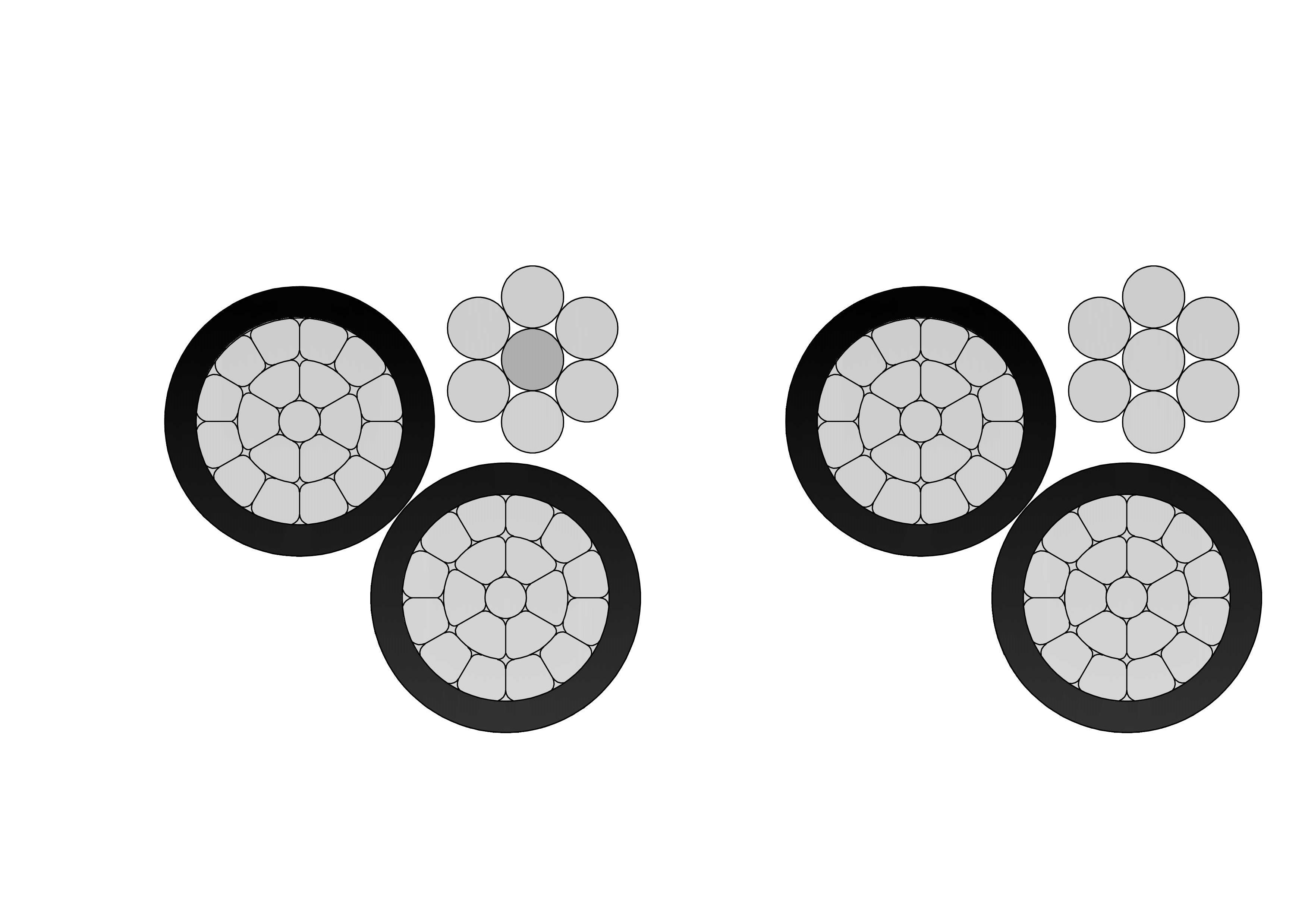
Triplex Service Drop Cable
The Triplex Service Drop Cable is designed for overhead power distribution from utility lines to residential and commercial service entrances. It typically consists of two insulated phase conductors and one bare or insulated neutral messenger conductor, twisted together to provide mechanical support and electrical reliability. The phase conductors are insulated with weather-resistant materials such as XLPE or PE, offering excellent resistance to UV radiation, moisture, and environmental aging. Engineered for dependable performance, the Triplex Service Drop Cable ensures stable power delivery while minimizing line losses and installation complexity. Its lightweight yet robust construction allows for easy stringing across poles and buildings, while maintaining adequate tensile strength for long-span applications. Manufactured in accordance with applicable utility and industry standards, this cable is widely used in low-voltage overhead distribution networks where safety, durability, and long service life are essential.
10 Gauge Galvanized Steel Conductor Wire
The 10 Gauge Galvanized Steel Conductor Wire is a premium high-strength bare steel wire designed for reliable overhead power line applications. Manufactured with heavy hot-dip zinc coating, this 10 AWG galvanized conductor delivers superior corrosion resistance and long service life in harsh outdoor environments. It offers excellent tensile strength and mechanical performance, making it ideal for use as overhead ground wire (static wire), guy wire, or messenger wire. Fully compliant with ASTM A475 and related utility standards, the 10 Gauge Galvanized Steel Conductor Wire undergoes rigorous testing from raw materials to finished product to ensure uniform zinc adhesion, consistent diameter, and high breaking strength. Its durable construction minimizes maintenance while providing dependable shielding and structural support for transmission and distribution systems.
125kVA Oil Immersed Transformer
125kVA Oil Immersed Transformer has the characteristics of high efficiency and low loss, which can reduce power consumption and operation cost, and has significant social benefits. The NPC ELECTRIC 125kva Oil Immersed Transformer, manufactured and supplied by a leading Chinese manufacturer, is are highly advanced electrical device engineered to meet the rigorous demands of modern power distribution systems. These transformers are renowned for their exceptional durability, efficiency, and reliability. As a trusted supplier in China, the manufacturer offers a comprehensive range of 125kVA Oil Immersed Transformers tailored to suit various applications, ensuring optimal performance and long-term value to customers worldwide.Welcome your inquiry
Honesty, Integrity, Frugality, Activeness and Passion