Current Transformer vs. Voltage Transformer: Key Differences Explained
2025-12-29
Transformers are crucial components in electrical power systems, used to step up or step down voltage levels for efficient energy distribution. While both current transformers (CTs) and voltage transformers (VTs) play essential roles, they serve different purposes and operate under distinct principles. Understanding the key differences between these two types of transformers is vital for selecting the right one based on your specific needs.
In this article, we will compare current transformers and voltage transformers, focusing on their applications, design features, and operational characteristics from a practical, real-world perspective.
1. What is a Current Transformer (CT)?
A current transformer (CT) is a type of transformer primarily used to measure or monitor electrical current in a conductor. The CT provides an accurate, scaled-down representation of the current flowing through a circuit. It does so by using a magnetic core to induce a secondary current proportional to the primary current.
Key Features of Current Transformers:
-
Primary Function: Measure current, provide feedback for protection and metering systems.
-
Design: Typically consists of a core (often toroidal) through which the primary conductor passes, with a secondary winding that produces a proportional output.
-
Applications: Current transformers are widely used in electrical metering, protection systems, and monitoring circuits. For example, in industrial settings, CTs are critical in ensuring the proper functioning of overcurrent protection devices.
2. What is a Voltage Transformer (VT)?
A voltage transformer (VT), also known as a potential transformer (PT), is used to measure voltage levels in high-voltage electrical circuits. The VT steps down the voltage to a safer, more manageable level for measurement or for providing voltage feedback to control systems.
Key Features of Voltage Transformers:
-
Primary Function: Measure voltage, provide a reference for protection devices, and metering systems.
-
Design: Similar to an ordinary step-down transformer, with a primary winding connected across the high-voltage circuit and a secondary winding producing a scaled-down voltage.
-
Applications: Voltage transformers are used in control panels, protection relays, and voltage metering systems to monitor and regulate voltage levels.
3. Core Differences Between Current Transformers and Voltage Transformers
3.1 Functionality
The most fundamental difference between a current transformer and a voltage transformer lies in their purpose:
-
Current Transformers: Measure current and provide an electrical signal proportional to the primary current. They are typically used in protection and metering circuits, where accurate current measurement is crucial.
-
Voltage Transformers: Measure the voltage across a circuit, providing a scaled-down version of the voltage for measurement or monitoring. Voltage transformers are primarily used in metering, voltage monitoring, and control systems.
3.2 Construction and Design
The physical construction of these two transformers differs significantly:
-
Current Transformers: Most CTs have a core that is usually made from a high-permeability magnetic material (such as silicon steel), and they are typically constructed as toroidal (doughnut-shaped) cores. The primary winding is often the conductor passing through the core itself. This design enables the CT to measure current without needing to directly interrupt the current flow.
-
Voltage Transformers: VTs, on the other hand, have a more traditional transformer design with separate primary and secondary windings wound around a magnetic core. They are designed to handle the high-voltage potential between two points, with insulation rated to withstand the voltage levels being measured.
3.3 Connection and Wiring
The way each transformer is connected in an electrical circuit also differs:
-
Current Transformer Connections: Current transformers are typically connected in series with the conductor being measured. The secondary winding is often connected to measuring instruments or protection relays, where the output is directly proportional to the current flowing in the primary circuit.
-
Voltage Transformer Connections: Voltage transformers are connected in parallel across the voltage to be measured. The secondary winding is then connected to measuring devices or control systems that can use the reduced voltage signal to assess system health and performance.
Current Transformer vs Voltage Transformer Table:
|
Feature |
Current Transformer (CT) |
Voltage Transformer (VT) |
|
Primary Function |
Measures current, provides proportional secondary current |
Measures voltage, provides proportional secondary voltage |
|
Design |
Typically a toroidal core with a conductor passing through |
Traditional transformer design with primary and secondary windings |
|
Connection Type |
Connected in series with the primary circuit |
Connected in parallel across the voltage source |
|
Typical Applications |
Protection systems, metering, industrial automation |
Voltage measurement, control systems, metering |
|
Accuracy |
High accuracy for current measurement, low burden |
High accuracy for voltage measurement, can experience higher burden |
|
Core Material |
High-permeability magnetic core (e.g., silicon steel) |
Magnetic core designed for voltage step-down and isolation |
|
Output |
Proportional current for metering or protection relays |
Proportional voltage for measurement and regulation |
|
Installation |
Easy to install by passing the conductor through the core |
Installed by connecting the primary circuit to the transformer |
|
Burden |
Low burden, minimal impact on the primary current flow |
Higher burden, needs to maintain voltage step-down ratio |
|
Key Advantages |
Ideal for current monitoring and protection systems |
Ideal for voltage monitoring and control systems |
4. Operational Differences
4.1 Load and Burden
-
Current Transformers: CTs are designed to have a very low burden (the load placed on the secondary circuit), meaning they produce accurate measurements with minimal power loss. The low burden ensures that CTs do not affect the flow of current through the primary conductor.
-
Voltage Transformers: VTs, however, have a higher burden, since they need to step down the voltage while maintaining accuracy. This means they typically have a higher internal impedance and can experience some power loss, although this is mitigated in designs tailored for high-precision applications.
4.2 Accuracy
-
Current Transformers: The accuracy of current transformers is primarily influenced by the design of the core and the burden on the secondary winding. Core current transformers are widely used in precision applications where the current measurement needs to be highly accurate, such as in protection relays and industrial automation systems.
-
Voltage Transformers: Accuracy for VTs is determined by the proportion of voltage step-down and the quality of the secondary windings. VTs must maintain the exact voltage ratio over a range of loads and frequencies to ensure reliable voltage monitoring.
5. Applications of Current and Voltage Transformers
Both current transformers and voltage transformers are essential for the safe and efficient operation of electrical systems. However, they are deployed in different scenarios:
-
Current Transformers: Used in protection systems (such as for overcurrent protection), metering applications, and control circuits. They are critical in monitoring electrical distribution in industrial plants, substation networks, and power plants.
-
Voltage Transformers: Commonly found in voltage monitoring systems, control panels, and metering devices. VTs are also used in substations to provide accurate voltage measurements for regulatory compliance and system monitoring.
While current transformers and voltage transformers both serve critical roles in electrical systems, they are distinctly different in their functions, designs, and applications. Understanding these differences ensures that engineers and technicians can select the right transformer for the job, whether it’s for current measurement and protection or voltage monitoring and regulation.
In industrial and utility systems, the correct use of both current transformers and voltage transformers is essential for maintaining operational efficiency, safety, and reliability. When choosing between the two, it is important to consider factors like load conditions, measurement accuracy, and system requirements to ensure optimal performance.
By understanding these differences, you can make informed decisions about transformer selection and avoid potential inefficiencies or failures in your electrical systems.

Related Articles




Related Products
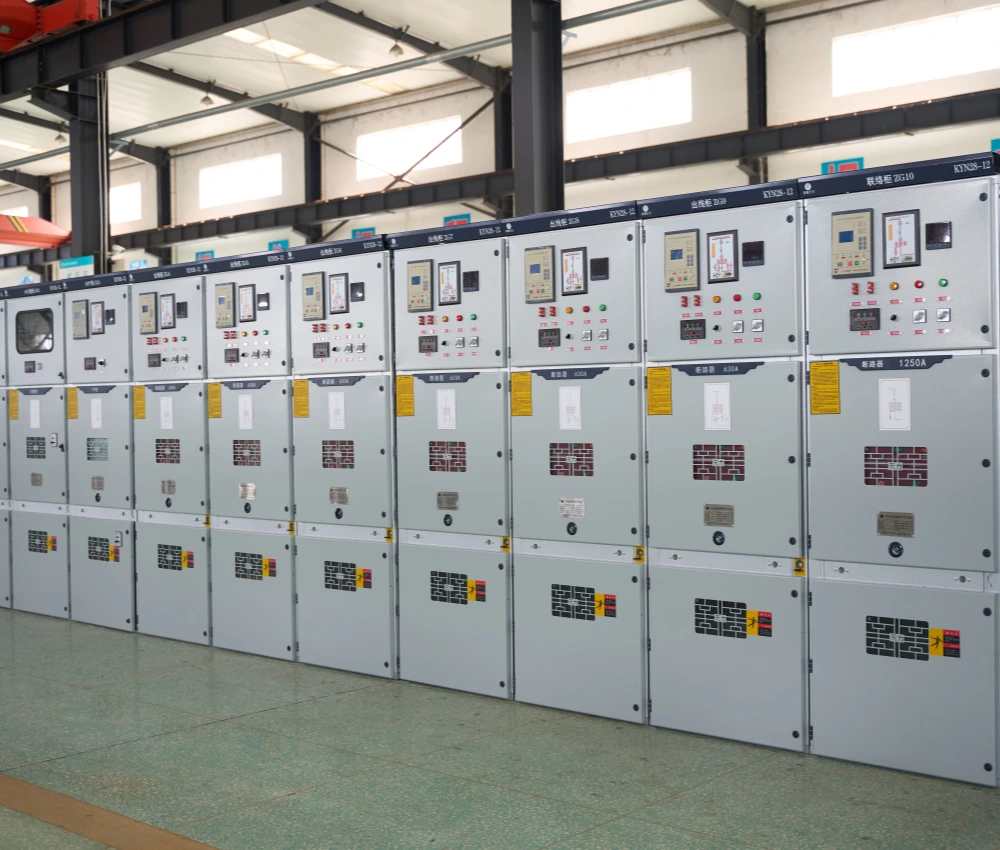
High Voltage Solid State Soft Start Cabinet
The High Voltage Solid State Soft Start Cabinet is an advanced motor control and protection system specifically engineered for medium and high-voltage industrial motors operating in demanding applications such as mining, petrochemical processing, power generation, water treatment, metallurgy, cement production, and large-scale manufacturing facilities. The cabinet utilizes high-performance thyristor solid-state control technology to provide smooth motor acceleration, reduce inrush current, minimize mechanical stress, and improve overall power system stability during motor startup operations. Designed with intelligent digital control architecture and precision-engineered power modules, the high voltage soft start cabinet significantly reduces voltage fluctuations, mechanical shock, and thermal stress commonly associated with direct-on-line motor starting methods. The system effectively extends motor service life, reduces maintenance requirements, and improves operational reliability for high-capacity pumps, compressors, conveyors, crushers, fans, and industrial processing equipment. Its modular cabinet structure simplifies installation, maintenance access, and future system expansion while ensuring safe and stable long-term operation. The High Voltage Solid State Soft Start Cabinet supports intelligent monitoring systems, programmable control logic, remote communication interfaces, and comprehensive protection functions for modern industrial automation environments.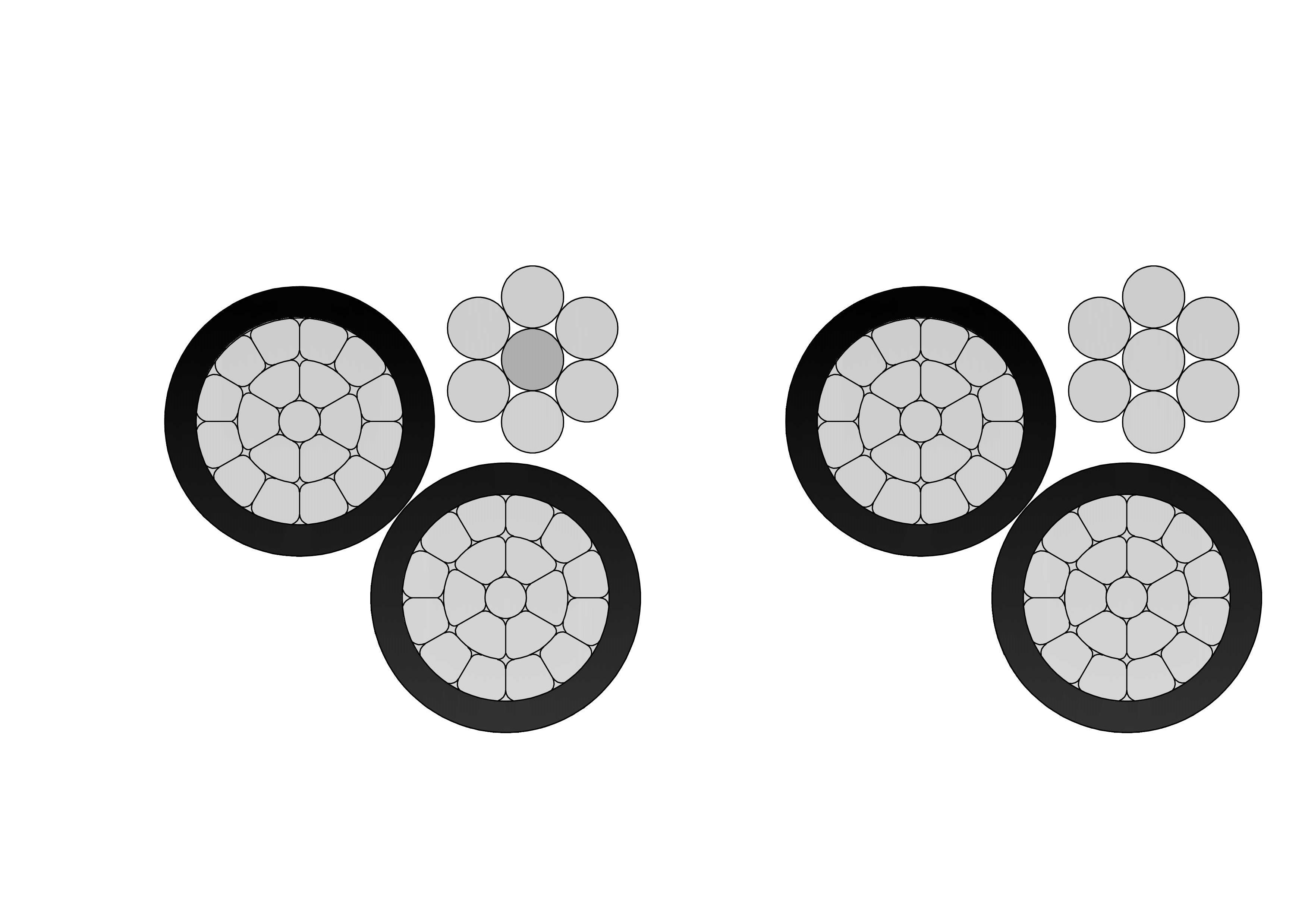
NS75/NS90 Triplex Unjacketed Overhead Neutral Supported Cable
The NS75/NS90 Triplex Unjacketed Overhead Neutral Supported Cable provides efficient overhead power delivery for Canadian utilities. It consists of two compact 1350-H19 aluminum phase conductors insulated in black sunlight-resistant PE (NS75, 75°C) or XLPE (NS90, 90°C), twisted around a bare ACSR full neutral messenger for structural support and reduced sag. Rated 600V, with NS90 offering higher ampacity due to 90°C rating, it meets CSA C22.2 No. 129 and supports single-phase service drops or secondary distribution. The unjacketed triplex design is lightweight, easy to install, and resistant to weathering, abrasion, and chemicals. Compliant with relevant standards, the NS75/NS90 Triplex ensures cost-effective, durable performance in pole-to-building or pole-to-pole aerial setups.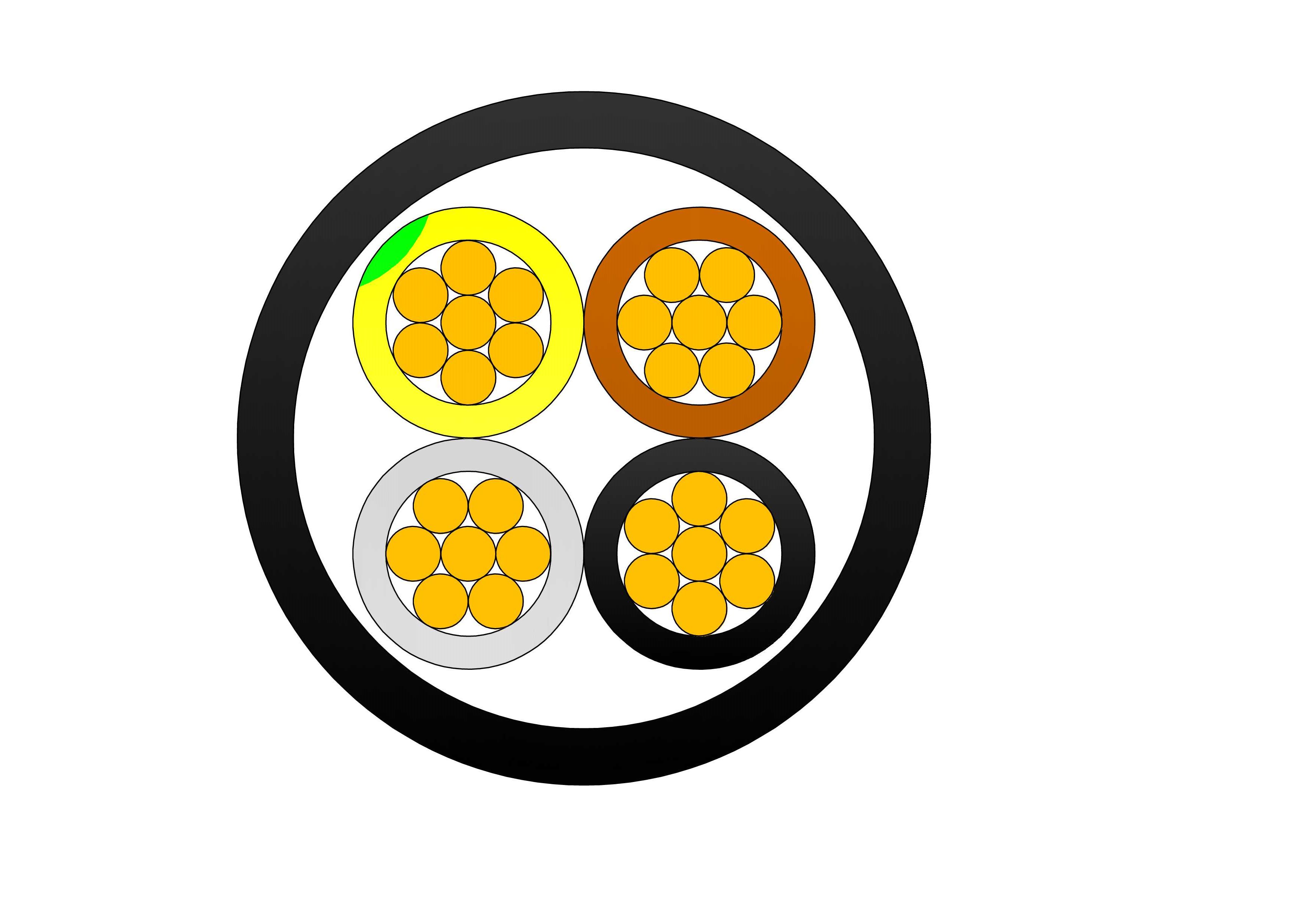
3+1 Cores Copper Cable CU/XLPE/PVC 0.6/1kV
The 3+1 Cores Copper Cable CU/XLPE/PVC 0.6/1kV is a high-performance low-voltage power cable designed for reliable electrical power transmission and distribution systems. Featuring three phase conductors and one neutral conductor, this cable is manufactured with high-purity copper conductors, cross-linked polyethylene (XLPE) insulation, and a durable PVC outer sheath. The combination of premium materials ensures excellent electrical conductivity, thermal stability, and mechanical protection. XLPE insulation provides superior dielectric properties, higher operating temperatures, and enhanced resistance to moisture, chemicals, and aging compared with conventional PVC-insulated cables. The PVC outer sheath offers excellent protection against abrasion, impact, and environmental conditions, making the cable suitable for indoor, outdoor, duct, tray, and underground installations. Designed to operate at rated voltages up to 0.6/1kV, this cable is widely used in industrial plants, commercial buildings, renewable energy projects, utility substations, and infrastructure developments. Manufactured according to international standards, the cable delivers long service life, reliable performance, and enhanced safety in demanding electrical distribution applications.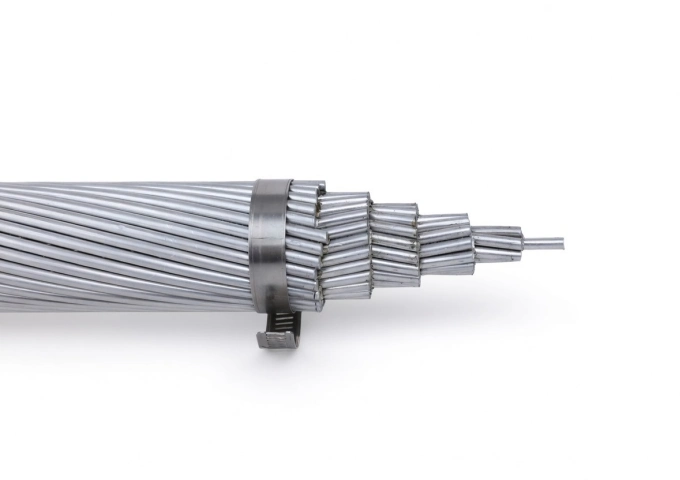
397.5 MCM Canna AAC Cable
The 397.5 MCM Canna AAC Cable represents premium All Aluminum Conductor technology for overhead power applications. Built with 19 strands of high-conductivity 1350-H19 aluminum, this bare conductor delivers an optimal balance of electrical efficiency and mechanical robustness. With a 0.724-inch diameter, 7,110 lbs breaking strength, and 570 amps ampacity, the Canna AAC offers low DC resistance of 0.0435 ohms per 1000 ft at 20°C and a weight of 373.2 lbs per 1000 ft. This design minimizes sag while providing excellent corrosion resistance for extended outdoor service. Manufactured to meet ASTM B-230 and B-231 standards, the 397.5 MCM Canna AAC Cable undergoes extensive quality testing from raw materials through finished product. It is the perfect solution for new installations and upgrades in transmission and distribution systems that demand lightweight, high-conductivity bare aluminum conductors.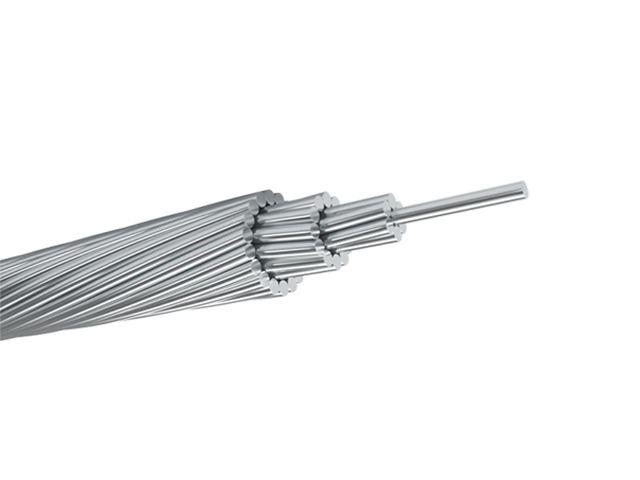
CANTON AAAC Conductor Cable
CANTON AAAC (All Aluminum Alloy Conductor) cables are manufactured in accordance with ASTM B399 standards, offering high tensile strength, good electrical conductivity, and corrosion resistance. With 800 mm² nominal area and 61-strand design, it uses heat-treated aluminum-magnesium-silicon alloy (6201-T81) for enhanced strength (295 MPa min) and conductivity (53% IACS min). Meeting ASTM B398, B399, IEC 61089, and BS EN 50182 standards, this cable handles ampacity up to 1200A at 75°C and voltages up to 33kV. The all-alloy construction avoids bimetallic corrosion, providing better resistance in harsh conditions than ACSR. Reduced weight minimizes sag and installation expenses, supporting longer spans. The Canton AAAC Conductor Cable delivers low electrical losses, high mechanical endurance, and excellent weather tolerance. Flame-retardant variants available. Perfect for urban grids, renewable projects, and coastal setups, it provides cost-effective, low-maintenance power delivery in overhead applications globally, excelling in reliability and lifespan over conventional conductors.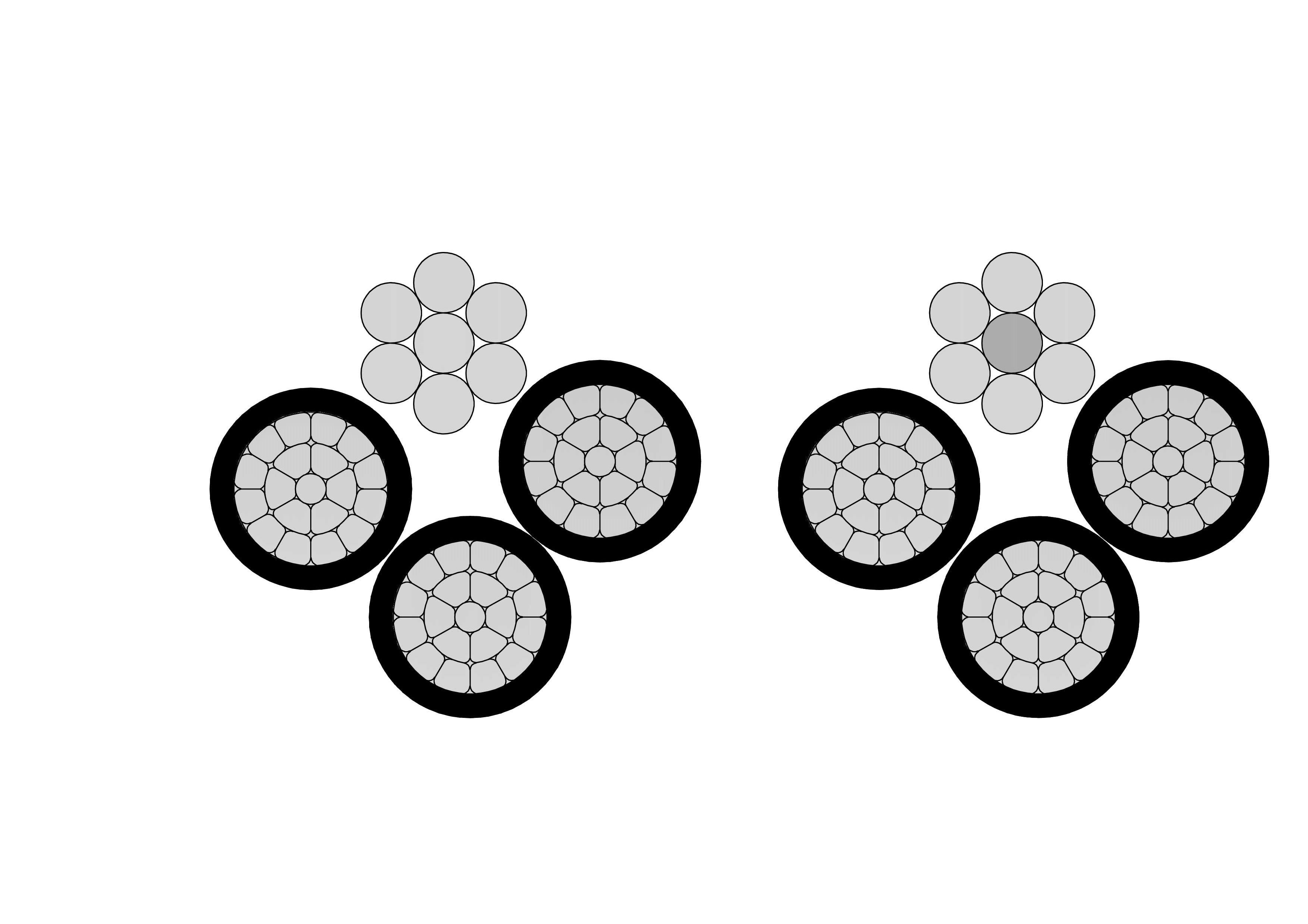
1/0 Shetland Aluminum Conductor Quadruplex Overhead Service Drop Cable
1/0 Shetland Aluminum Conductor Quadruplex Overhead Service Drop Cable is engineered to deliver three-phase electrical power from pole-mounted transformers to service entrances in residential, agricultural, and light commercial settings. Designed for overhead installation, this cable is rated for 600 volts phase-to-phase and can operate at temperatures up to 90°C with cross-linked polyethylene (XLP) insulation, or 75°C with polyethylene (PE) insulation. The cable includes three phase conductors constructed from 1350-H19 series aluminum, either stranded or compressed, and a neutral messenger made of bare AAAC (All Aluminum Alloy Conductor). Optional constructions are available with AAC or ACSR messengers, allowing adaptability for varying mechanical or electrical needs. XLP insulation offers superior durability, weather resistance, and thermal stability, making this cable ideal for challenging outdoor environments.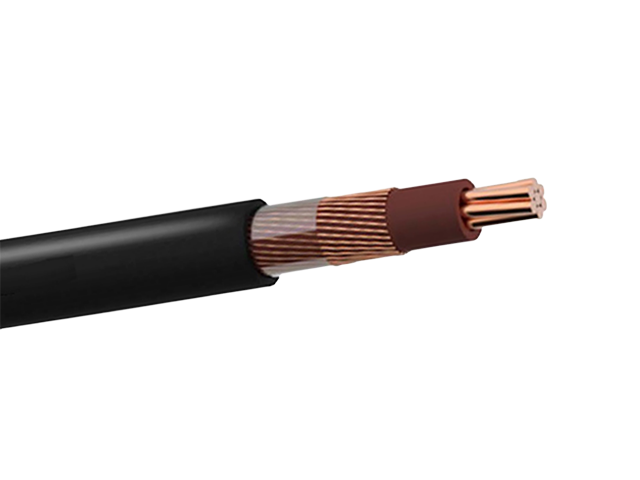
28 kV Concentric Neutral Power Cable
The 28 kV Concentric Neutral Power Cable is a premium medium-voltage underground distribution cable engineered for reliable primary power delivery. It consists of a stranded copper or aluminum conductor, extruded semi-conducting conductor shield, tree-retardant TR-XLPE or EPR insulation, semi-conducting insulation shield, and helically applied bare copper concentric neutral wires, all protected by a tough sunlight-resistant LLDPE jacket. Available with 100% or 133% insulation levels and full or reduced neutral, this cable offers excellent electrical performance, superior moisture and treeing resistance, and strong mechanical protection. Suitable for direct burial or duct installations, the 28 kV Concentric Neutral Power Cable meets ICEA S-94-649, AEIC CS8, and related standards. It undergoes rigorous quality testing from raw materials to finished product, ensuring low dielectric loss, high reliability, and long service life in demanding underground environments.
FLINT AAAC Conductor Cable
FLINT AAAC (All Aluminum Alloy Conductor) cables are manufactured in accordance with ASTM B399 and IEC 61089 standards, offering excellent strength, conductivity, and corrosion resistance. With 750 mm² nominal area and 37-strand design, it uses heat-treated aluminum-magnesium-silicon alloy (6201-T81) for enhanced strength (295 MPa min) and conductivity (53% IACS min). Meeting ASTM B398, B399, IEC 61089, and BS EN 50182 standards, this cable handles ampacity up to 1150A at 75°C and voltages up to 33kV. The all-alloy construction avoids bimetallic corrosion, providing better resistance in harsh conditions than ACSR. Reduced weight minimizes sag and installation expenses, supporting longer spans. The Flint AAAC Conductor Cable delivers low electrical losses, high mechanical endurance, and excellent weather tolerance. Flame-retardant variants available. Perfect for urban grids, renewable projects, and coastal setups, it provides cost-effective, low-maintenance power delivery in overhead applications globally, excelling in reliability and lifespan over conventional conductors.
4 Crab Aluminum Conductor Triplex Overhead Service Drop Cable Wire
4 Crab Triplex Aluminum Overhead Service Drop Cable is designed for reliable utility power delivery from pole-mounted transformers to the service entrance at residential, commercial, or light industrial sites. It consists of two insulated phase conductors and a bare AAC (All-Aluminum Conductor) messenger serving as both a neutral and mechanical support. Built for overhead single-phase service drops, it operates at voltages up to 600V and is insulated with black cross-linked polyethylene (XLP) for enhanced durability against UV, abrasion, and moisture. The 4 Crab's robust yet flexible structure prevents sagging and ensures stable performance over time. Utilities and contractors appreciate its cost-effectiveness and low-maintenance profile. Elevate your electrical infrastructure with this reliable cable that combines innovation and durability for uninterrupted power supply.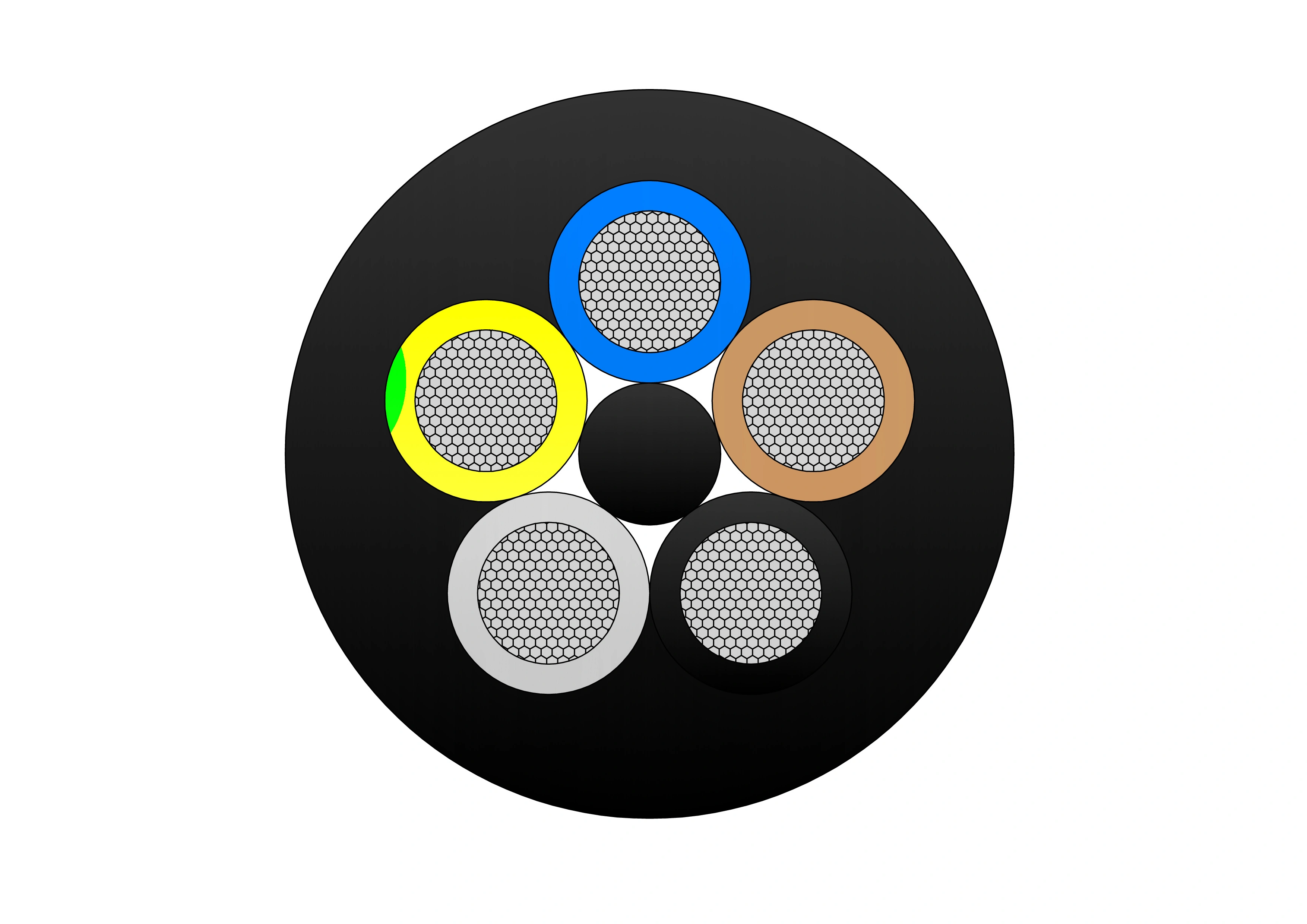
Variable Frequency Drive (VFD) EMC 2YSL(st)CY Cable
The Variable Frequency Drive (VFD) EMC 2YSL(st)CY Cable is a flexible, low-voltage power and control cable designed for use with frequency-controlled drives. Built to DIN VDE 0250 standards, it features low capacitance, enhanced EMC shielding with aluminium-foil and tinned copper braid, and PVC outer sheath for durability. It provides excellent electromagnetic compatibility, oil and grease resistance, and reliable performance under medium mechanical stress. Ideal for connecting motors to inverters, this cable supports fixed and temporary installations in both indoor and outdoor environments (excluding direct burial).
13.8kV 1600kVA Cast Resin Dry Type Transformer
Introducing the robust 13.8kV 1600kVA Cast Resin Dry Type Transformer, a high-capacity, oil-free power solution engineered for safe, reliable indoor medium-voltage distribution in industrial and utility applications. This three-phase cast resin transformer utilizes premium low-loss grain-oriented silicon steel cores and high-conductivity copper (or optional aluminum) windings fully encapsulated in epoxy resin under vacuum pressure, delivering exceptional energy efficiency (often exceeding 98-99% per DOE/IEEE standards), significantly reduced no-load and load losses, and superior partial discharge performance (<10pC). Compliant with IEC 60076-11, IEEE/ANSI, and DOE efficiency requirements, this transformer steps down 13.8kV primary (with ±2×2.5% off-circuit taps standard) to common secondary voltages like 0.4kV, 0.48kV, or 0.66kV (Dyn11 vector group typical), making it ideal for sustainable, high-power indoor substations and facilities.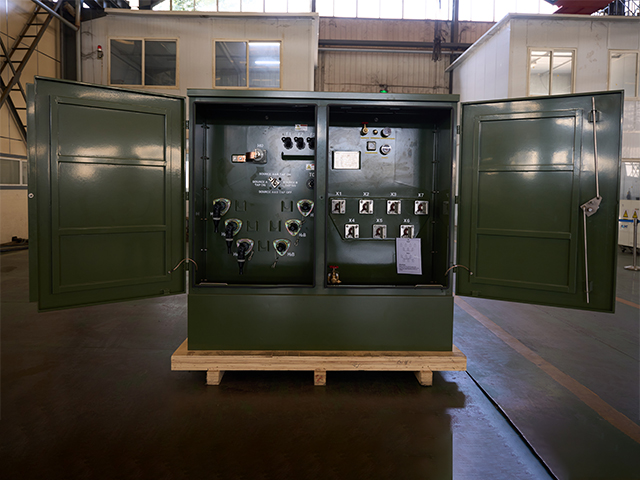
800kVA Three Phase Pad Mounted Transformer
NPC ELECTRIC's 800kVA three phase pad mounted transformer provides exceptional power handling for high-demand medium-voltage applications, ensuring stable and efficient distribution in outdoor settings. Built with safety and longevity in mind, this pad-mounted unit features three-point door latching, automatic pressure relief, liquid level/pressure/vacuum gauges, high BIL ratings (up to 150kV for surge protection), and a tamper-resistant structure suitable for public access areas. Its compact, low-profile footprint facilitates easy installation on concrete pads in constrained urban or industrial sites, while advanced enclosure integrity meets IEEE C57.12.28 requirements.
1/0 Neritina Aluminum Conductor Triplex Overhead Service Drop Cable
1/0 Neritina Aluminum Conductor Triplex Overhead Service Drop Cable is designed for reliable secondary overhead power distribution from utility poles to residential and light commercial service entrances. The triplex structure consists of two insulated aluminum phase conductors helically wrapped around a bare aluminum neutral messenger, which provides both electrical grounding and mechanical support. The 1/0 Neritina conductor size offers enhanced current-carrying capacity, strong tensile performance, and controlled sag characteristics, making it suitable for longer spans and higher service loads. Aluminum conductors reduce overall cable weight while delivering excellent corrosion resistance and ease of installation in outdoor environments. Manufactured in compliance with ASTM and utility specifications, the 1/0 Neritina Aluminum Conductor Triplex Overhead Service Drop Cable ensures stable electrical performance, long service life, and dependable mechanical integrity. It is widely adopted by utilities and contractors seeking a cost-efficient and durable overhead service drop solution.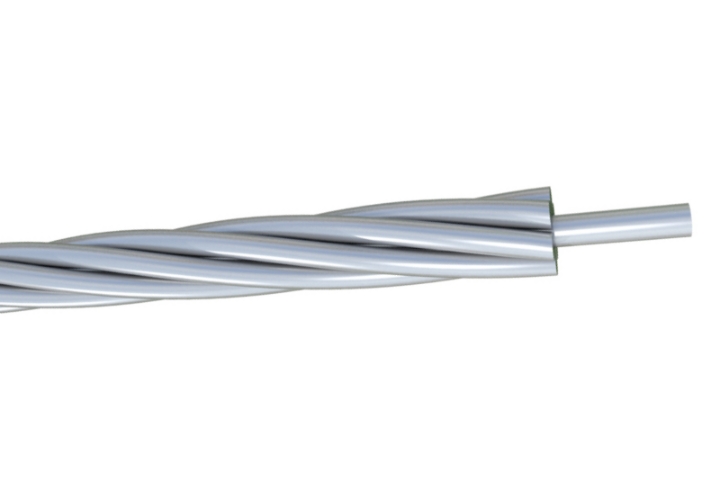
Galvanized Steel Conductor
The Galvanized Steel Conductor Cable Guard Wire offers robust mechanical protection for overhead power systems. Constructed from premium high-tensile steel wires with Class A or B hot-dip galvanization, it delivers exceptional resistance to rust, abrasion, and environmental stress. Meeting standards like ASTM A475 and BS EN 50189, this guard wire provides high breaking strength and flexibility for spanning long distances. Installed as an overhead shield, it prevents damage to conductors from external impacts, reducing downtime and maintenance costs. The uniform zinc layer ensures decades of service life even in coastal or polluted areas. Select our Galvanized Steel Conductor Cable Guard Wire for reliable overhead line guarding in electric utilities, telecommunications, and infrastructure projects worldwide.
(N)TSCGECEWOU 8.7/15kV and 12/20kV ATB Cable (Ground Check Conductor)
The (N)TSCGECEWOU 8.7/15kV and 12/20kV ATB (Ground Check Conductor) Cable is a flexible medium-voltage cable enhanced with anti-torsion braid (ATB) and ground check conductor (GCC) for superior stability and safety monitoring in mining. It comprises tinned class 5 copper phase conductors, semi-conductive screens, EPR insulation for reliable dielectric/thermal performance, copper braid screen, control conductors, dedicated ground check conductor for fault detection, anti-torsion braid to reduce twisting under heavy loads, and a robust rubber sheath resistant to oils, flames, abrasion, and mechanical damage. Compliant with DIN VDE 0250, it offers high flexibility, torsional strength, and EMC protection for dynamic applications. The (N)TSCGECEWOU ATB GCC ensures dependable higher-voltage MV power with ground continuity monitoring for heavy mobile machinery such as excavators, draglines, and tunnel boring equipment in opencast and underground mining.Welcome your inquiry
Honesty, Integrity, Frugality, Activeness and Passion