
Power Transformer Installation: Common Cable Types and Selection Guide
2026-02-20
Why Cable Selection Matters in Transformer Installation
Power transformer installation is a critical phase in any electrical infrastructure project, directly affecting system reliability, operational safety, and long-term lifecycle costs. For EPC contractors, utility companies, industrial facility owners, and renewable energy developers, transformer installation is not merely a technical operation—it is a strategic investment decision.
Cables form the physical and electrical link between the electrical transformer and the wider electrical system. Improper cable selection can result in overheating, insulation failure, electric shocks, unexpected downtime, and even regulatory non-compliance. From real-world engineering experience, many transformer failures are not caused by the transformer itself, but by incorrect cable types, undersized conductors, or unsuitable insulation materials.
Who This Guide Is For
This article is designed for professionals involved in transformer projects, including:
- EPC contractors and project engineers
- Power utility companies and grid operators
- Industrial facility managers and plant engineers
- Renewable energy developers (solar and wind projects)
- Electrical distributors and procurement teams
The focus is on real installation conditions, not theoretical assumptions.
Understanding Cable Requirements in Power Transformer Installation
In power transformer installation, cables must safely transmit electrical energy while withstanding mechanical, thermal, and environmental stresses. Key design considerations include:
- Voltage level (low, medium, or high voltage)
- Current-carrying capacity
- Insulation performance
- Installation method (underground, overhead, tray, conduit)
- Environmental exposure
- Compliance with electrical standards
Both copper and aluminum conductors are widely used in transformer installations. Copper offers superior conductivity and compact sizing, while aluminum provides cost efficiency and lighter weight—often preferred in large-scale electrical systems.
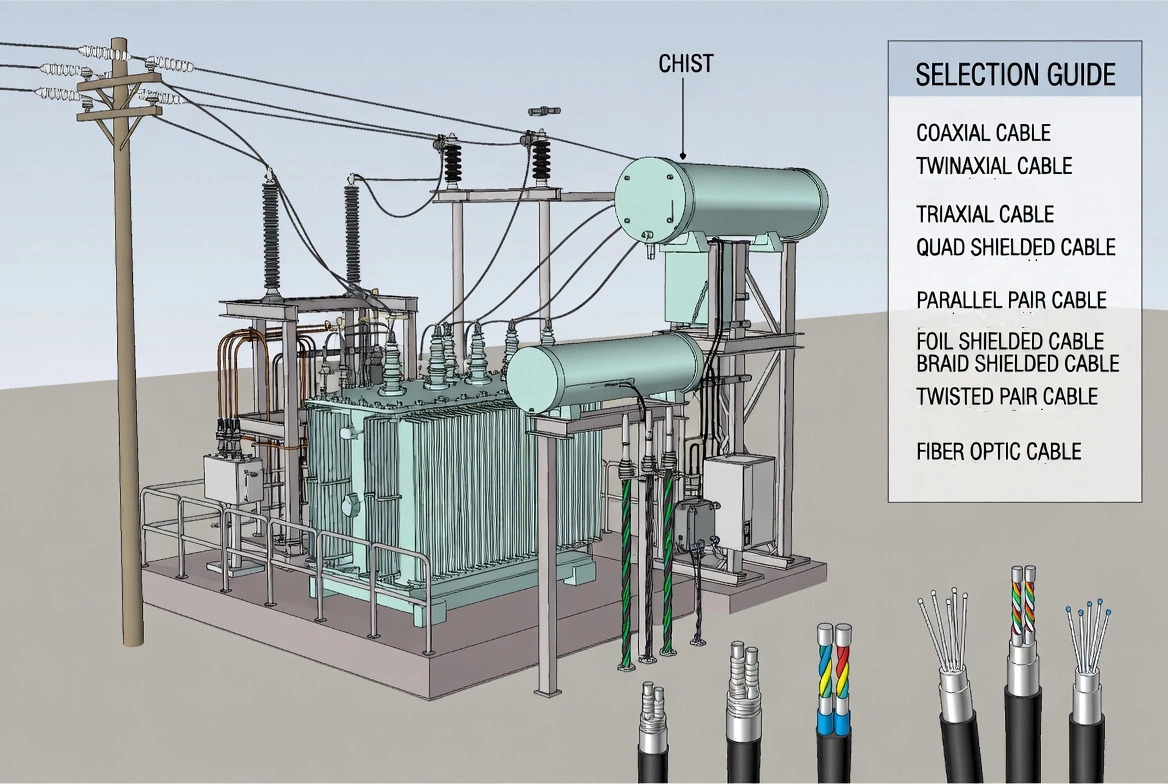
Common Cable Types Used in Transformer Installation
1. XLPE Cable (Cross-Linked Polyethylene)
XLPE cable is the most widely used option in modern power transformer installation due to its excellent thermal and electrical properties.
Key advantages from field experience:
- Higher operating temperature rating compared to PVC cable
- Lower dielectric losses in medium- and high-voltage systems
- Strong resistance to moisture and chemical exposure
- Reduced long-term maintenance requirements
XLPE cables are commonly used on transformer primary and secondary sides, especially in medium-voltage and high-voltage applications.
2. PVC Cable
PVC cable remains common in low-voltage transformer connections and auxiliary circuits.
Practical considerations:
- Lower material cost
- Suitable for controlled indoor environments
- Limited thermal performance compared to XLPE cable
PVC cable is frequently used where operating temperatures and load fluctuations are predictable.
3. Flexible Cable
Flexible cable is typically applied in control circuits, temporary connections, and locations requiring vibration resistance.
Advantages:
- Excellent bending performance
- Reduced risk of conductor fatigue
- Improved job performance during installation
4. Armored Power Cables
Armored cables provide mechanical protection for transformer installations in underground or industrial environments.
Real-world benefits:
- Protection against physical damage
- Reduced the risk of cable failure during civil works
- Enhanced safety in harsh operating conditions
Cable Selection Table for Power Transformer Installation
|
Application Area |
Recommended Cable Type |
Insulation |
Business & Engineering Benefit |
|
Transformer Primary (MV) |
XLPE Cable |
XLPE |
Long service life, low electrical losses |
|
Transformer Secondary (LV) |
PVC or XLPE Cable |
PVC / XLPE |
Cost flexibility, stable performance |
|
Underground Installations |
XLPE Armored Cable |
XLPE |
Mechanical protection, reduced failures |
|
Industrial Electrical Systems |
XLPE Cable |
XLPE |
High thermal stability, low downtime |
|
Utility Distribution Networks |
Aluminum XLPE Cable |
XLPE |
Cost-effective for large-scale projects |
Key Cable Selection Criteria from Engineering Practice
Voltage Rating
Selecting a cable with an insufficient voltage rating increases electrical stress and insulation degradation, potentially leading to system failure and compliance violations.
Current-Carrying Capacity
Undersized cables result in excessive heating, energy losses, and reduced transformer lifespan—raising the total cost of ownership.
Insulation Type
- XLPE cable is preferred for high-load and outdoor environments.
- PVC cable is suitable for controlled, low-voltage installations.
Installation Environment
Environmental factors such as humidity, soil conditions, chemical exposure, and ambient temperature must be considered during cable selection.
Common Costly Mistakes in Transformer Cable Selection
Based on real installation projects, frequent mistakes include:
- Using PVC cable where XLPE cable is required for thermal performance
- Ignoring future load expansion when sizing cables
- Underestimating mechanical stress in underground installations
- Selecting non-certified wires and cables that fail electrical standards
These errors often lead to project delays, rework costs, and unexpected operational failures.
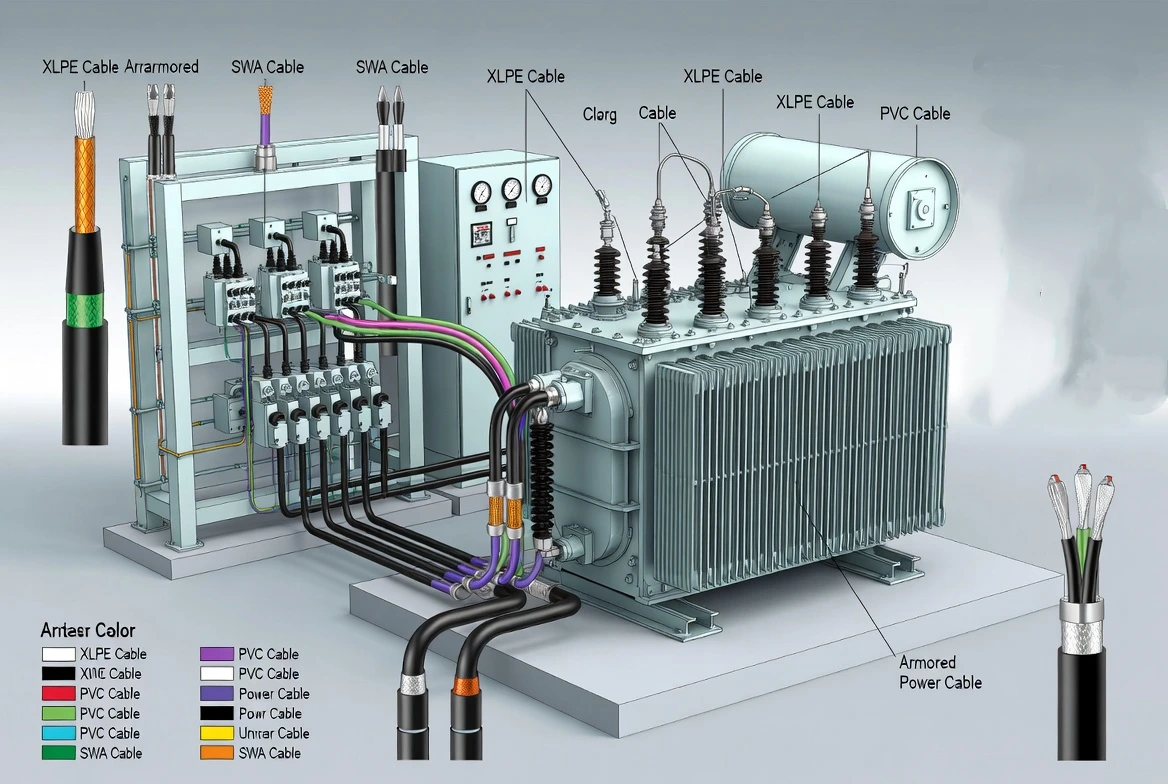
Safety Considerations and Electric Shock Prevention
Inadequate cable insulation and improper termination significantly increase the risk of electric shocks during operation and maintenance. Correct cable selection, grounding, and termination practices are essential to ensure personnel safety and regulatory compliance in electrical systems.
Compliance with Electrical Standards
Professional power transformer installation requires cables compliant with international and regional standards, such as:
- IEC 60502 (Power cables)
- IEC 60840 / IEC 62067 (High voltage cables)
- IEEE and utility-specific requirements
Working with an experienced supplier ensures proper documentation, testing records, and traceability.
Engineering Support and Cable Solutions for Transformer Projects
Selecting cables for power transformer installation requires more than catalog specifications—it demands real project experience. Whether for utility substations, industrial plants, or renewable energy installations, professional engineering support can significantly reduce technical and commercial risks.
Professional suppliers typically provide:
- Cable sizing and selection assistance
- XLPE cable and PVC cable customization
- Compliance with IEC and utility standards
- Logistics coordination for transformer projects
Contact an experienced engineering team to discuss cable solutions tailored to your transformer installation requirements.
Power transformer installation is only as reliable as the cables that connect it to the electrical system. Selecting the right cable types—whether XLPE cable, PVC cable, or armored solutions—ensures safety, efficiency, and long-term system performance. By aligning engineering principles with real installation conditions, project teams can optimize both technical reliability and lifecycle costs.

Related Articles
Related Products
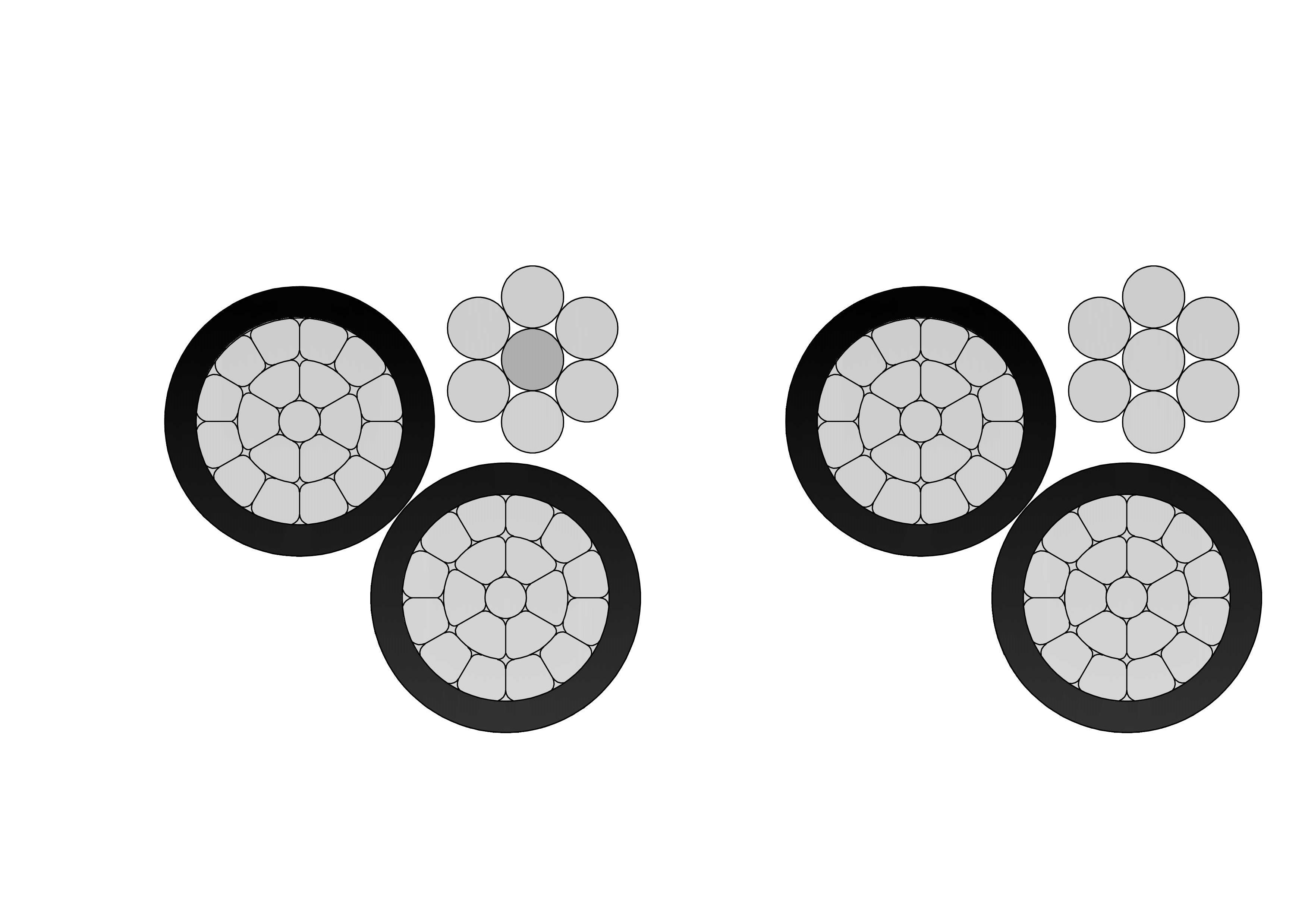
4 Periwinkle Aluminum Conductor Triplex Overhead Service Drop Cable
The 4-4-6 Periwinkle Aluminum Conductor Triplex Overhead Service Drop Cable is a cost-effective solution for overhead power delivery from utility poles to residential or light commercial weatherheads. It features concentric-lay-stranded 1350-H19 aluminum phase conductors (#4 AWG, 7-strand), black cross-linked polyethylene (XLPE) insulation for superior weather, UV, and thermal resistance, and a bare ACSR neutral messenger (#6 AWG, 6/1) providing mechanical strength and conductivity. Rated for 600 volts phase-to-phase at conductor temperatures up to 90°C (XLPE) or 75°C (Poly), it offers an allowable ampacity of approximately 100 amps (XLP). Compliant with ASTM B-230, B-231, B-232, B-399, and ICEA S-76-474 standards, this lightweight, flexible cable ensures easy installation and reliable performance in outdoor conditions, including wind, ice loading, moisture, and temperature fluctuations.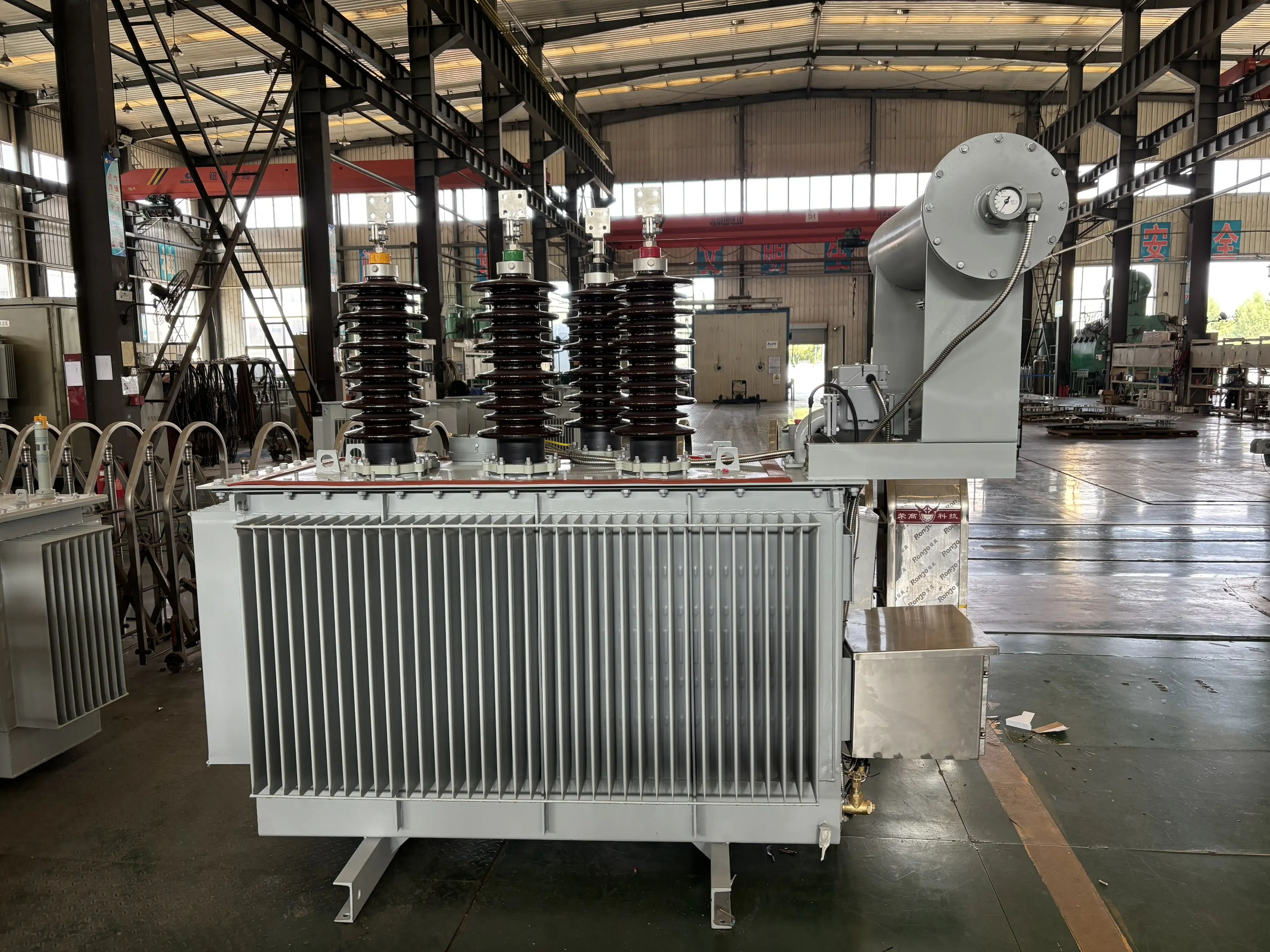
2000kVA 33kV Oil-Immersed Earthing Transformer with NGR
2000kVA 33kV Oil-Immersed Neutral Grounding Earthing Transformer with NGR is engineered to provide a stable and controlled neutral point for medium-voltage power systems. By combining an earthing transformer with an integrated Neutral Grounding Resistor (NGR), it effectively limits earth fault current, improves system protection coordination, and enhances operational safety. The oil-immersed design ensures excellent insulation performance, efficient heat dissipation, and long-term reliability under continuous operation. Optimized magnetic core construction reduces losses, while robust windings withstand short-time fault currents without mechanical degradation. The integrated NGR is precisely matched to system requirements, enabling accurate fault current limitation and minimizing damage to equipment during ground faults.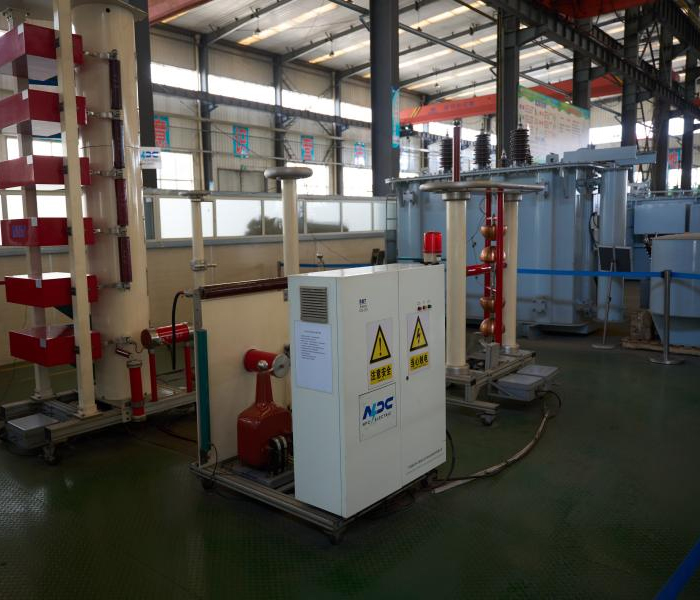
200kVA Dry Type Transformer
200kVA Dry Type Transformer is designed for high efficiency and reliable performance in various industrial and commercial applications. With a robust and compact design, it ensures safe operation without the need for external cooling fluids. Ideal for environments where space and fire safety are critical, this transformer provides reliable power distribution while minimizing environmental impact. Built with advanced materials and precision engineering, it offers excellent durability, low maintenance, and energy savings, making it the perfect choice for demanding electrical needs.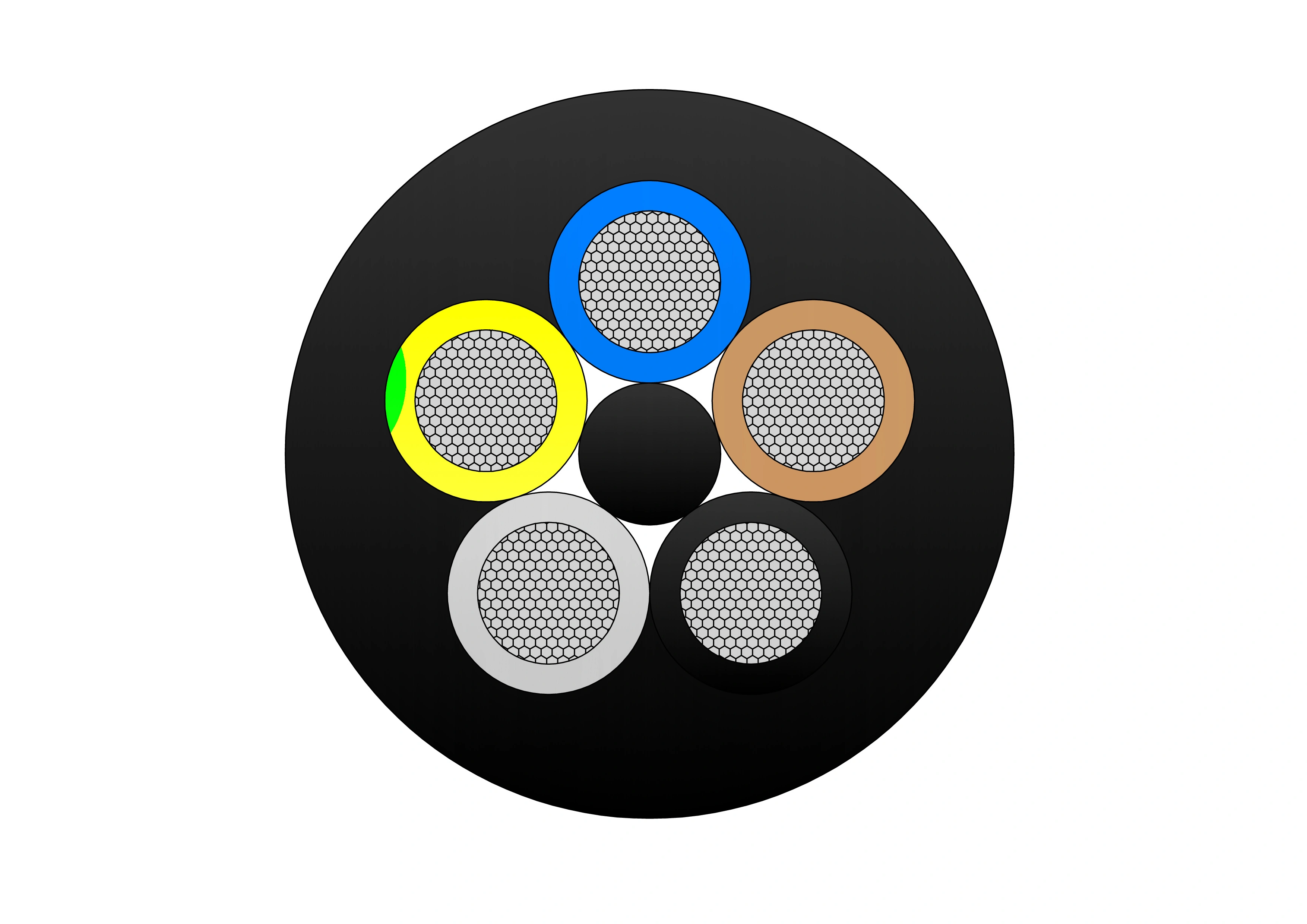
Type 260 Armoured Mining Cable with Pilot Core
The Type 260 Armoured Mining Cable with Pilot Core is a medium-voltage, rubber-insulated cable designed for heavy-duty mining applications requiring high mechanical strength and electrical reliability. It features flexible stranded tinned copper conductors, EPR insulation, and tinned copper braiding for excellent screening. The pliable galvanised steel wire armour (SWA) provides superior mechanical protection, making it suitable for harsh mining environments. The interstitial pilot core allows enhanced control and monitoring functions. With a PCP heavy-duty sheath, it offers flame retardancy, oil resistance, and durability. Compliant with AS/NZS 1802 and related standards, it is ideal for feeder cables, mining machinery power supply, and transportable substations. The Type 245 is ideal for high-power trailing in coal and metalliferous mines, powering longwall shearers, continuous miners, face conveyors, and critical equipment with enhanced safety via pilot core and armour.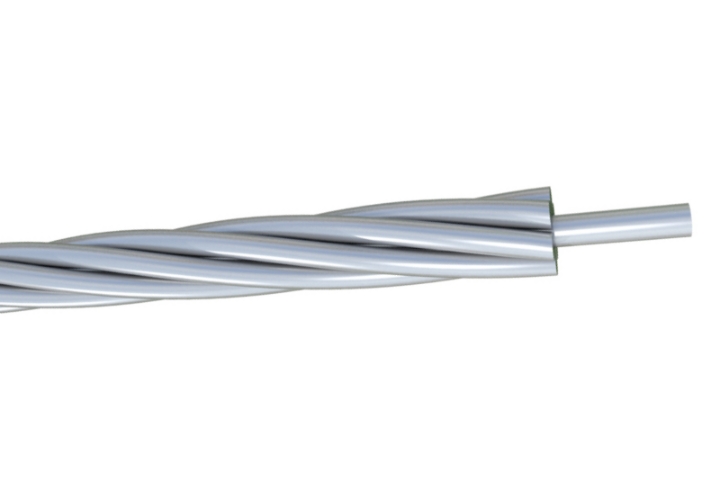
14 Gauge Galvanized Steel Conductor Wire for Power & Grounding Use
14 Gauge Galvanized Steel Conductor Wire is engineered for superior strength, durability, and corrosion resistance in demanding environments. Manufactured using premium-grade carbon steel and processed through advanced hot-dip galvanizing technology, this wire provides a uniform zinc coating that protects against rust, oxidation, and harsh weather conditions. With a precise 14 gauge diameter, the wire offers an optimal balance between flexibility and tensile strength, making it suitable for a wide range of electrical and structural applications. It is widely used in overhead power transmission, grounding systems, agricultural fencing, and industrial binding purposes. The smooth surface finish ensures easy installation while minimizing wear during handling. Designed to meet international standards such as ASTM and IEC, this conductor wire guarantees consistent performance and long service life. Customization options are available in terms of coating thickness, tensile strength, and packaging, allowing it to meet specific project requirements across various industries.
Earthing Transformer
The Earthing Transformer (also known as Grounding Transformer or Neutral Grounding Transformer) is a specialized auxiliary transformer used in three-phase power systems to provide a neutral grounding point and a low-impedance path for zero-sequence currents during ground faults. It is essential in ungrounded delta or ungrounded wye systems (common in industrial, utility, and renewable energy applications) where no natural neutral exists, enabling safe fault current flow to ground, stabilizing voltages, limiting overvoltages on unfaulted phases, and supporting protective relaying. Typical features include three-phase construction, rated voltage matching system line-to-line (e.g., 11kV, 33kV, 35kV, up to 220kV+), short-time rating for fault current (e.g., 10–30 seconds at 100–1000A or more), neutral bushing for grounding connection.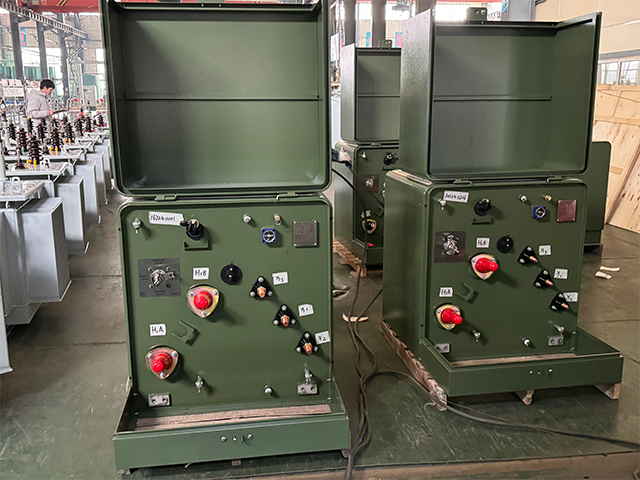
250kVA Single Phase Pad Mounted Transformer
NPC ELECTRIC 250 kVA single phase pad mounted transformer operates safely, reliably, and efficiently and can be installed indoors and outdoors. The industrial transformer has a rated power of 250 kVA, a primary voltage of 27600/16000V single-phase and a secondary voltage of 120/240V single-phase.The transformer has a primary loop feed and dead front primary connections.2Y-high-voltage-power-cable-2.webp)
2XS(FL)2Y MDPE High Voltage 26/45 (52)kV Power Cable
The 2XS(FL)2Y MDPE High Voltage Power Cable is a single-core aluminum conductor cable with XLPE insulation and an MDPE sheath, rated 26/45(52) kV. Designed for medium- and high-voltage power transmission, it meets IEC 60502 and IEC 60840 standards, offering excellent electrical performance, mechanical protection, and environmental resistance. Its robust construction features a copper conductor, semi-conductive screens, water-blocking tape, metallic screen, aluminum tape with PE coating, and a durable MDPE sheath, ensuring reliable operation in power stations, industrial facilities, and distribution networks. Suitable for underground, underwater, outdoor, indoor, and duct installations. A comprehensive quality management system governs production of the 2XS(FL)2Y power cable. Raw material testing, process inspection, and finished product testing are strictly implemented to ensure consistent quality, safety, and long-term operational stability.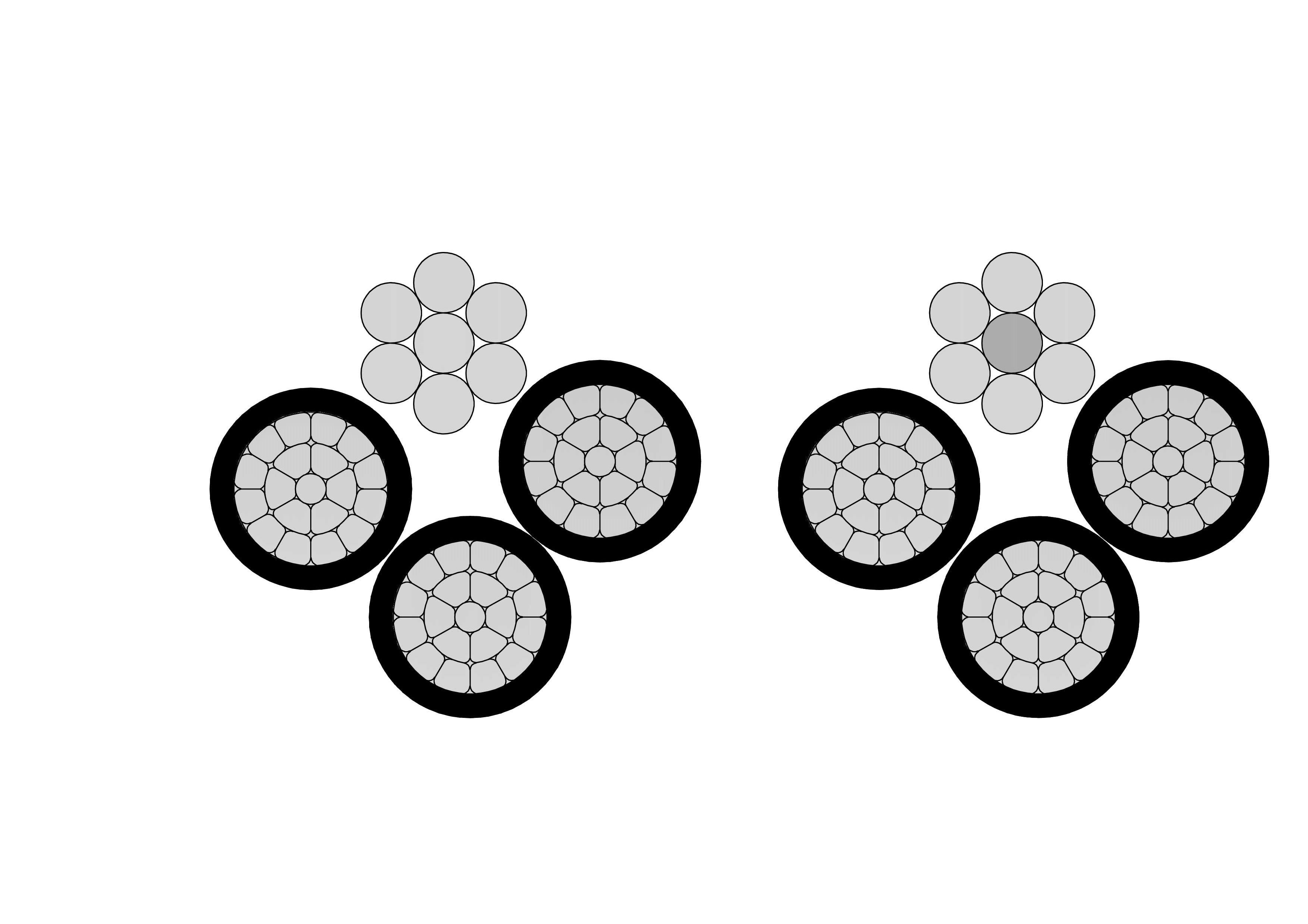
4 Hackney Aluminum Conductor Quadruplex Overhead Service Drop Cable
4 Hackney Quadruplex Service Drop Cable is a robust overhead cable for three-phase secondary power distribution with neutral. Featuring three 4 AWG aluminum phase conductors and one neutral messenger (7-strand) insulated with XLPE or PE and assembled in quadruplex configuration, it offers excellent mechanical strength and weather resistance. Compliant with ASTM B-230, B-231, ICEA S-76-474, and ANSI/ICEA standards, this cable supports 600V applications with superior UV, moisture, and abrasion protection. The self-supporting messenger reduces sag and simplifies installation over medium spans. The 4 Hackney Quadruplex Service Drop Cable ensures low power losses, high current capacity, and long service life in harsh outdoor conditions. Lightweight and flexible, it is widely used for three-phase service drops in residential subdivisions, commercial buildings, and rural areas requiring safe, cost-effective aerial connections from utility poles to service entrances.
2XS(FL)2Y HDPE High Voltage 76/132 (145)kV Power Cable
The 2XS(FL)2Y HDPE High Voltage 76/132 (145) kV Power Cable is a single-core copper conductor cable with XLPE insulation and HDPE sheath, engineered for reliable high-voltage power transmission in demanding environments. Manufactured according to IEC 60840 standards, it delivers outstanding electrical performance, water resistance, and mechanical protection. Suitable for installation underground, underwater, outdoors, indoors, and in cable ducts, making it ideal for power stations, industrial sites, and distribution networks. It features stranded copper conductors for optimal conductivity, semi-conductive conductor screen, premium-grade XLPE insulation for exceptional dielectric performance and 90°C continuous rating (250°C short-circuit), semi-conductive insulation screen, concentric copper wire screen combined with aluminium laminated foil for longitudinal water-blocking, electromagnetic shielding, and grounding, and a high-density polyethylene (HDPE) outer sheath delivering superior mechanical protection, moisture resistance, chemical stability, and UV resistance.
11/0.4kV Dry Type Transformer | Indoor Power Transformer
Discover the reliable 11/0.4kV Dry Type Transformer | Indoor Power Transformer, a safe, oil-free solution designed for efficient medium-to-low voltage conversion in indoor electrical installations. This three-phase dry-type transformer (typically cast resin or vacuum pressure impregnated) features premium low-loss silicon steel cores and high-conductivity copper windings, achieving superior energy efficiency often exceeding 98% and complying with IEC 60076-11 standards. The epoxy resin encapsulation provides excellent moisture resistance, fire self-extinguishing properties (F1 class), minimal partial discharge (<10pC), and robust short-circuit withstand capability. With natural air (AN) cooling and optional forced air (AF) upgrades, it offers low noise operation, Class F/H insulation, and maintenance-free performance in demanding environments. Ideal for step-down from 11kV primary (with ±2×2.5% or wider off-circuit taps) to 0.4kV secondary (Dyn11 vector group standard), this indoor power transformer supports capacities from 100kVA to several MVA, delivering stable, eco-friendly power distribution without oil-related risks.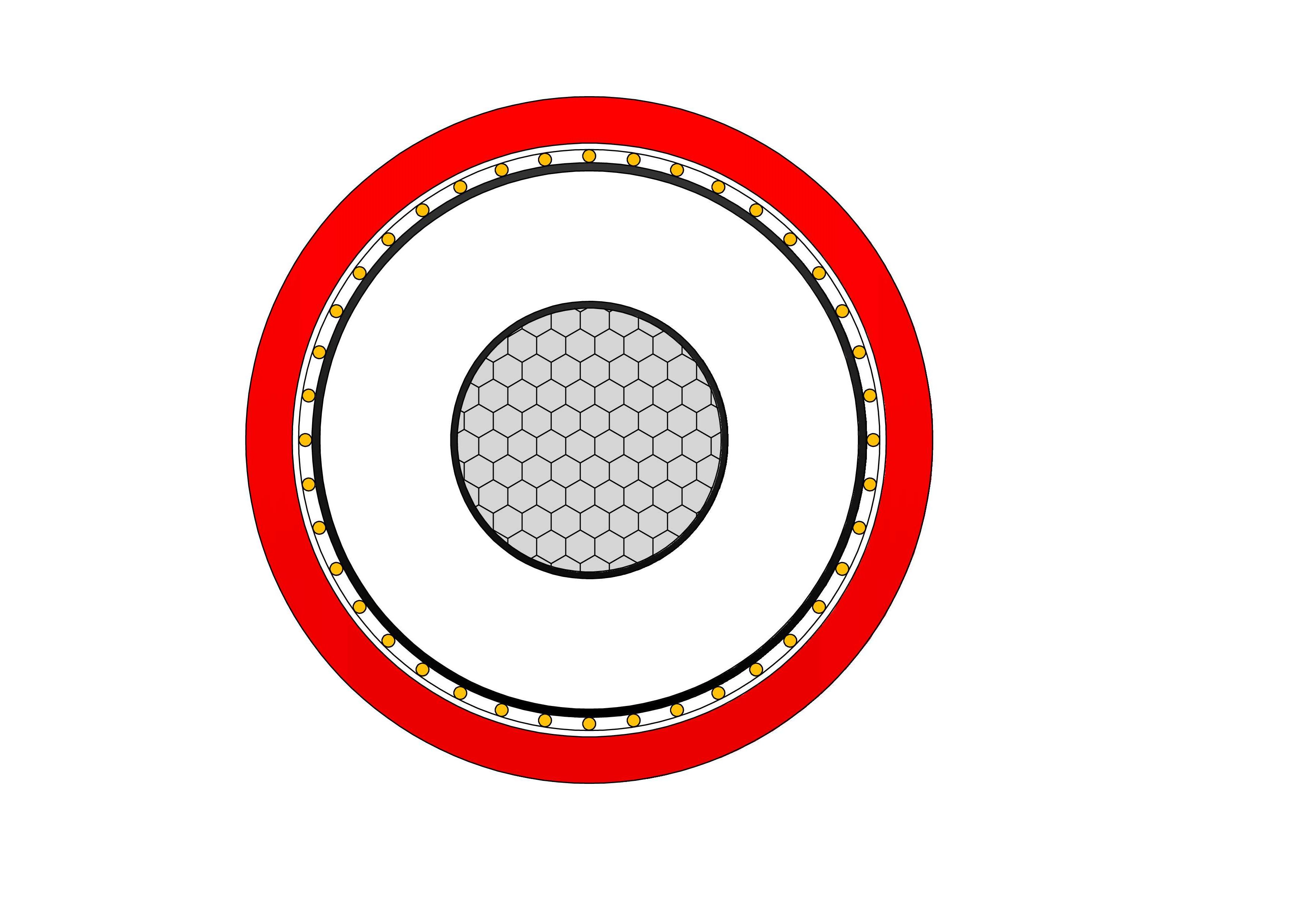
RHZ1-OL-AL Medium Voltage Power Cable(8.7/15kV, 12/20kV, 18/30kV)
Our RHZ1-OL-AL Medium Voltage Power Cable (8.7/15kV, 12/20kV, 18/30kV) provides economical fire safety for medium voltage networks. Built with aluminium conductors, thermosetting XLPE insulation, metallic screen, and advanced low smoke zero halogen (LSZH) sheath, it meets UNE 21123-4 and CPR requirements. During fires, it emits very low smoke and no corrosive gases, facilitating evacuation. Lightweight aluminium reduces costs and installation effort while delivering reliable current capacity. Superior partial discharge resistance, low tan delta, and thermal endurance ensure efficiency and longevity. Suitable for direct burial, ducts, or indoor use in sensitive areas, the RHZ1-OL-AL Medium Voltage Power Cable is widely used in transportation hubs, data centers, public facilities, and infrastructure demanding reliable medium voltage cabling with enhanced fire protection, environmental compliance, and life-safety features in populated or confined spaces.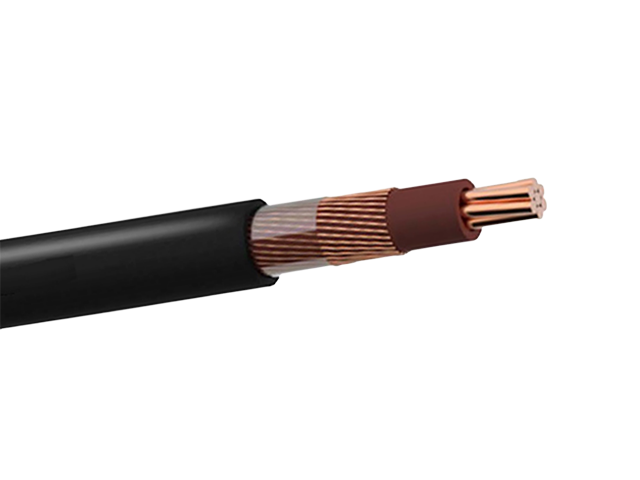
Aerial Concentric Service Cable 600/1000V - Copper & Aluminum LV Overhead Cable
The Aerial Concentric Service Cable is specially designed for overhead low-voltage service connections. It consists of stranded copper or AA8000 aluminum alloy phase conductors with XLPE insulation, concentrically arranged neutral conductors, and a durable UV-stabilized black polyethylene sheath. The concentric round construction offers balanced electrical performance, high mechanical strength, and easy handling during installation. With excellent conductivity and weather resistance, this cable is suitable for long-term aerial exposure in residential, rural, and light commercial networks. The Aerial Concentric Service Cable meets international performance standards and undergoes extensive quality testing to ensure consistent performance, safety, and long service life for overhead LV applications.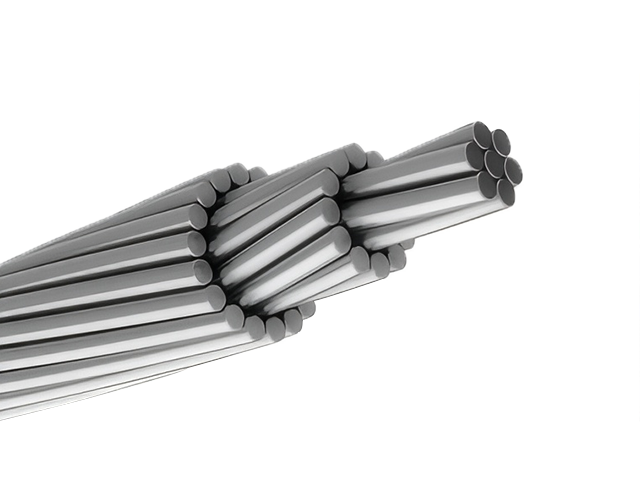
Penguin ACSR Conductor Cable
The ACSR Penguin is an Aluminium Conductor Steel Reinforced (ACSR) designed with a robust steel core surrounded by layers of high-conductivity aluminium wires, adhering to ASTM B232 standards. It features a stranded steel core surrounded by layers of aluminum conductors, combining excellent tensile strength with efficient current-carrying capability. The steel core provides superior load-bearing capacity, while the aluminum strands ensure low electrical resistance and reduced line losses. This balanced construction allows the Penguin ACSR Conductor Cable to withstand long spans, high wind loads, and varying environmental conditions. Manufactured in accordance with relevant ASTM and IEC standards, it offers stable performance, ease of installation, and long service life. The conductor is widely adopted in overhead transmission lines where durability, economy, and mechanical reliability are critical.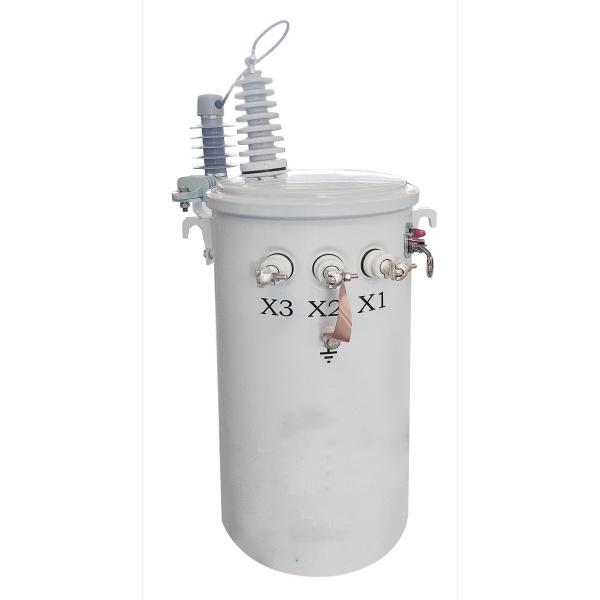
50kVA Completely self-protected(CSP) Single Phase Pole Mounted Transformer
50kVA Completely self-protected(CSP) Single Phase pole Mounted transformer is a robust, high-efficiency solution designed for reliable single-phase power distribution in residential, commercial, and small industrial applications. This transformer features built-in protection mechanisms, including overload, short-circuit, and over-voltage safeguards, ensuring automatic disconnection during fault conditions to protect both the transformer and the electrical system. With its pole-mounted design, it is space-efficient and ideal for installations in urban, rural, and remote areas. The transformer operates with low losses, ensuring high energy efficiency and long-term performance. Built with durable materials, it offers exceptional resilience against harsh weather conditions, ensuring reliability and longevity. This transformer is an ideal choice for any application requiring consistent, stable single-phase power.Welcome your inquiry
Honesty, Integrity, Frugality, Activeness and Passion