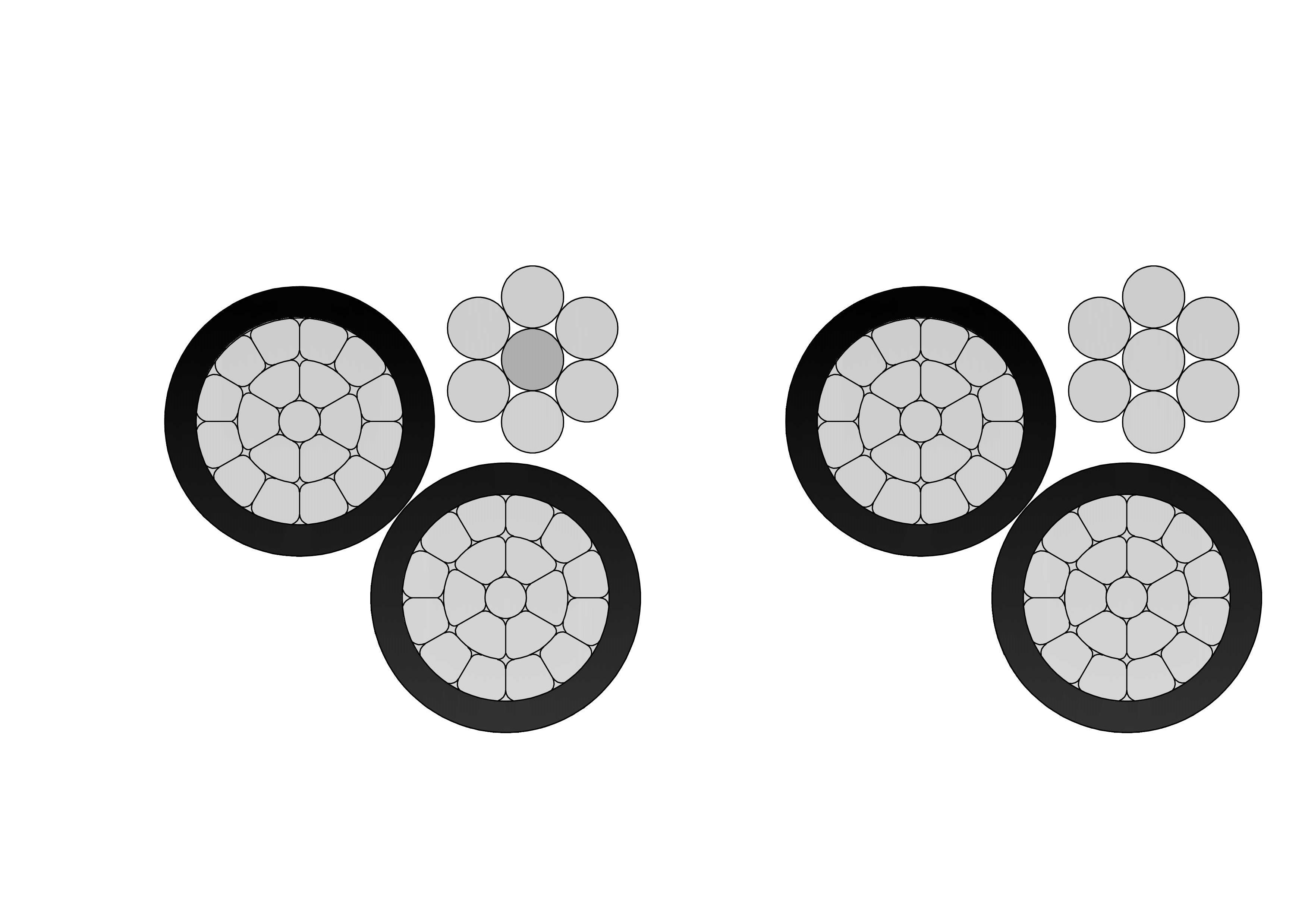

1/0 Cenia Aluminum Conductor Triplex Overhead Service Drop Cable
1/0 Cenia Aluminum Conductor Triplex Overhead Service Drop Cable is designed for dependable secondary overhead power distribution from utility lines to residential and light commercial service entrances. Its triplex construction features two insulated aluminum phase conductors helically wrapped around a bare aluminum neutral messenger, which provides both mechanical support and grounding continuity.
With a 1/0 Cenia conductor size, this cable delivers increased current-carrying capacity, strong tensile strength, and controlled sag performance, making it suitable for longer spans and higher service demands. Aluminum conductors reduce overall cable weight while offering excellent corrosion resistance and long-term durability in outdoor environments.
Manufactured in accordance with ASTM and utility standards, the 1/0 Cenia Aluminum Conductor Triplex Overhead Service Drop Cable ensures stable electrical transmission, reliable mechanical performance, and consistent quality throughout its service life.
Construction
Technical Specifications
Quality Control
Application
Construction
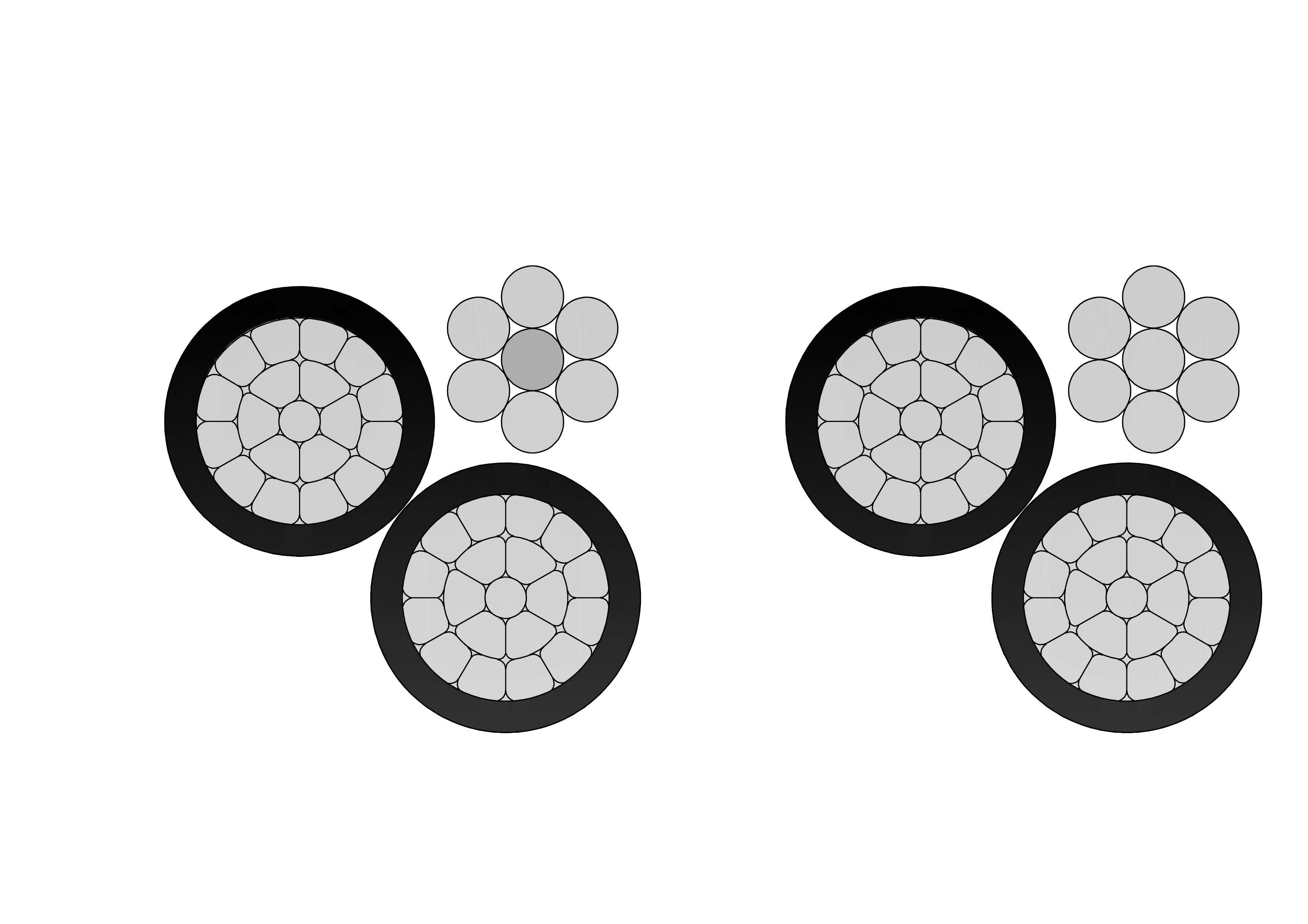
1/0 Cenia Aluminum Conductor Triplex Overhead Service Drop Cable Constrution
Standard
• ASTM B-230 Aluminum Wire, 1350-H19 for Electrical Purposes.
• ASTM B-231 Aluminum Conductors, Concentric-Lay-Stranded.
• ASTM B-232 Aluminum Conductors, Concentric-Lay-Stranded, Coated Steel Reinforced (ACSR).
• ASTM B-399 Concentric-Lay-Stranded 6201-T81 Aluminum Alloy Conductors.
• ICEA S-76-474-Neutral-supported Power Cable Assemblies With Weather-Resistant Extruded Insulation Rated 600 Volts.
• ASTM B-231 Aluminum Conductors, Concentric-Lay-Stranded.
• ASTM B-232 Aluminum Conductors, Concentric-Lay-Stranded, Coated Steel Reinforced (ACSR).
• ASTM B-399 Concentric-Lay-Stranded 6201-T81 Aluminum Alloy Conductors.
• ICEA S-76-474-Neutral-supported Power Cable Assemblies With Weather-Resistant Extruded Insulation Rated 600 Volts.
Phase Conductor
Strand or Compressed 1350-H19 Series Aluminum Conductor.
Neutral (Messenger) Conductor
Bare ACSR messenger. Optional constructions include a messenger of AAC or 6201 alloy.
Insulation
Black Cross Linked Polyethylene (XLP) Insulation.
Application
1/0 Cenia Aluminum Conductor Overhead Service Drop Cable Wire has three conductors, with one of them being for neutral path, and two electrodes. Used to supply power, usually from a pole-mounted transformer, to the user's service head where connection to the service entrance cable is made. To be used at voltages of 600 volts phase-to-phase or less and at conductor temperatures not to exceed 75°C for polyethylene insulated conductors or 90°C for cross-linked polyethylene (XLPE) insulated conductors. A bare messenger wire of this electrical cable is bonded closely on the two insulated aluminum conductors, which are individually insulated with black cross-linked polyethylene for protection.
Typical Applications
1. Overhead utility-to-home service drops
2. Outdoor aerial electrical distribution
3. Temporary or permanent power installations
4. Weatherhead service entrance wiring
2. Outdoor aerial electrical distribution
3. Temporary or permanent power installations
4. Weatherhead service entrance wiring
Key Features
1. Voltage rating: 600 volts
2. Temperature rating: 75°C (PE), 90°C (XLP)
3. Conductors: 1350-H19 Aluminum, stranded or compressed
4. Bare AAAC messenger for neutral and support
5. Insulation: Black cross-linked polyethylene (XLP), UV and weather resistant
6. Lightweight yet durable for easy aerial installation
2. Temperature rating: 75°C (PE), 90°C (XLP)
3. Conductors: 1350-H19 Aluminum, stranded or compressed
4. Bare AAAC messenger for neutral and support
5. Insulation: Black cross-linked polyethylene (XLP), UV and weather resistant
6. Lightweight yet durable for easy aerial installation
Technical Specifications
1/0 Cenia Aluminum Conductor Triplex Overhead Service Drop Cable
1/0 Cenia Aluminum Conductor Triplex Overhead Service Drop Cable
| Rated voltage | V | 600 |
| Test voltage | Veff kV/Hz | 4/50 |
| Laying temperature | °C | min. -5 |
| Operating temperature | °C | -30 ~ +90 |
| Conductor temperature | °C | max. +90 |
| Short-circuit temperature | °C/s | max. +250 /5 |
| Bending radius (min.) | mm | 20 × Ø of cable |
Quality Control
1/0 Cenia Aluminum Conductor Triplex Overhead Service Drop Cable
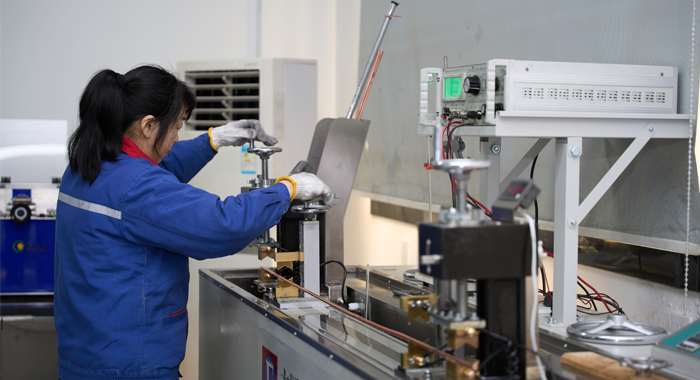
Raw Material Test
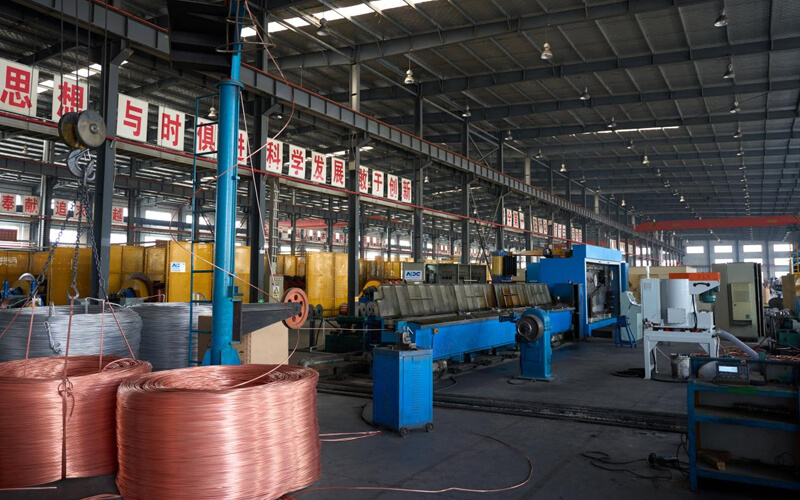
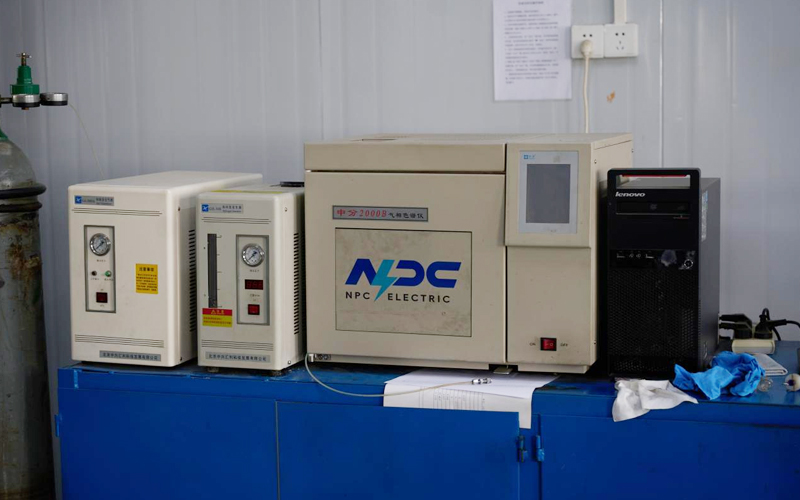
The Raw Material Test forms the initial quality control stage for the 1/0 Cenia Aluminum Conductor Triplex Overhead Service Drop Cable. Aluminum rods are tested for chemical composition, electrical conductivity, tensile strength, and elongation to ensure compliance with applicable ASTM standards. Insulation compounds undergo evaluations for thermal stability, flexibility, UV resistance, and aging performance. Surface finish and dimensional consistency of all incoming materials are inspected before approval. Each batch is fully documented and traceable, ensuring that only qualified materials enter the production process.
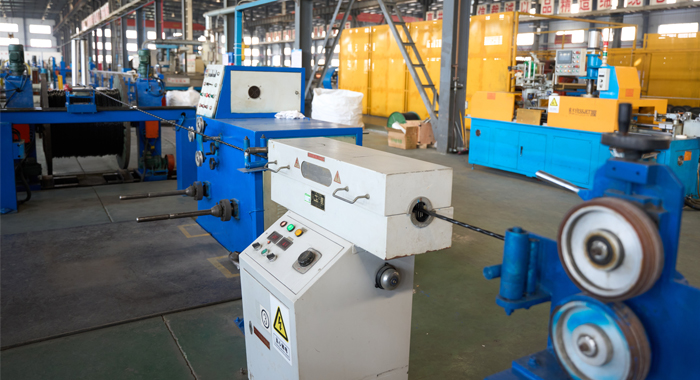
Process inspection
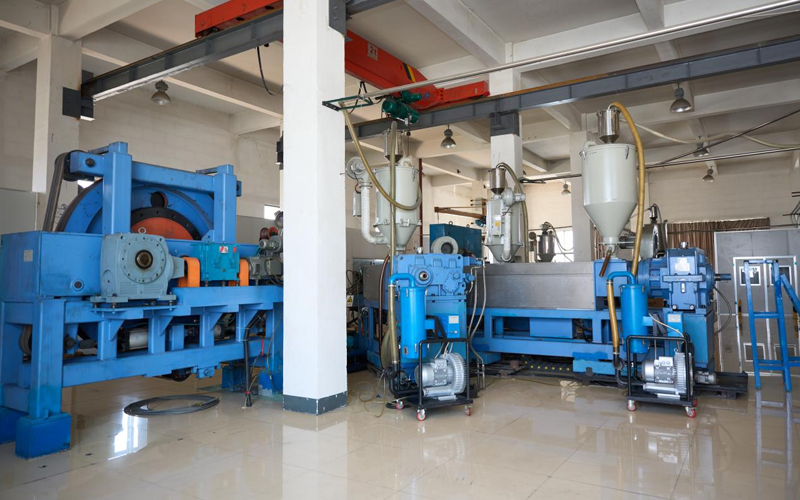
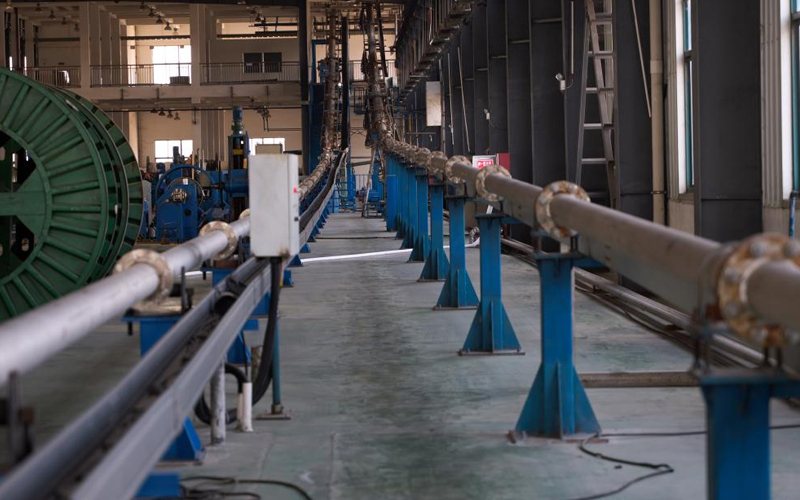
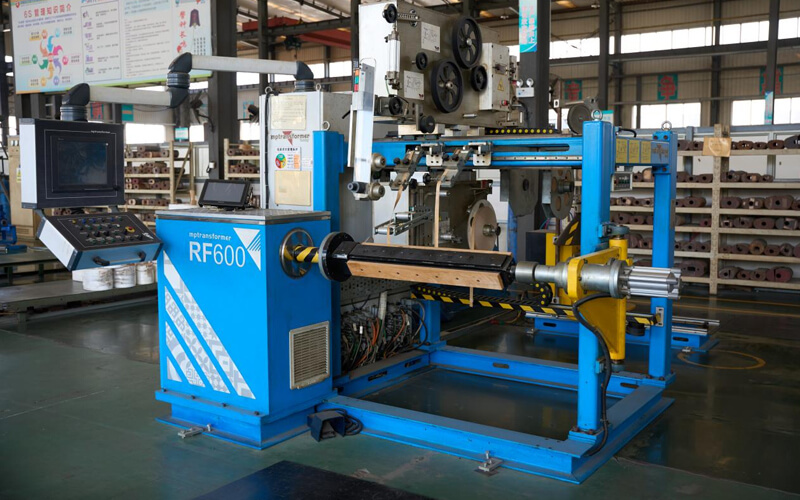
Process Inspection monitors each manufacturing step of the 1/0 Cenia Aluminum Conductor Triplex Overhead Service Drop Cable. During wire drawing, conductor diameter, roundness, and surface quality are continuously checked. Insulation extrusion is controlled for thickness uniformity and concentricity. During stranding, lay length, strand tension, and alignment are inspected to maintain structural balance. These inspections ensure consistent electrical performance and mechanical reliability.
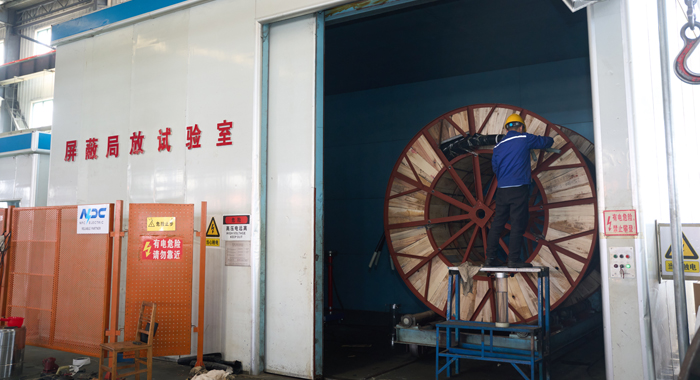
Finished Product
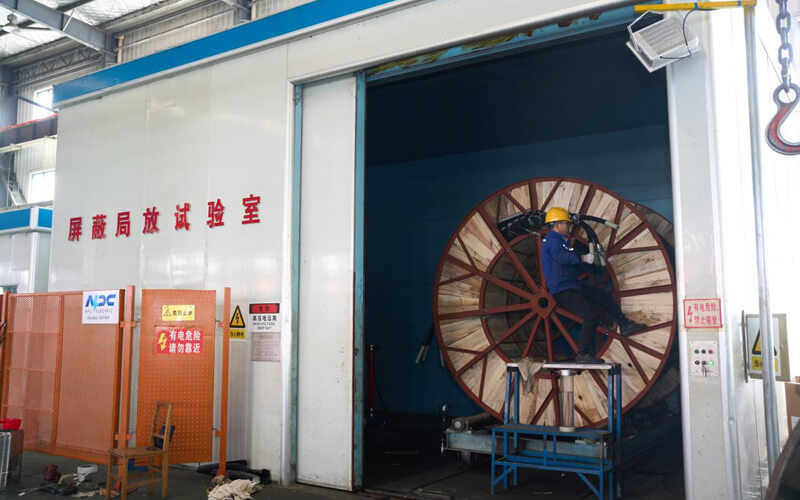
The Finished Product Test validates the final quality of the 1/0 Cenia Aluminum Conductor Triplex Overhead Service Drop Cable before shipment. Electrical resistance tests confirm conductivity, while tensile and elongation tests verify mechanical strength. Insulation integrity, dimensional accuracy, surface appearance, marking clarity, and packaging condition are thoroughly inspected. Only compliant products are approved for delivery.
Application
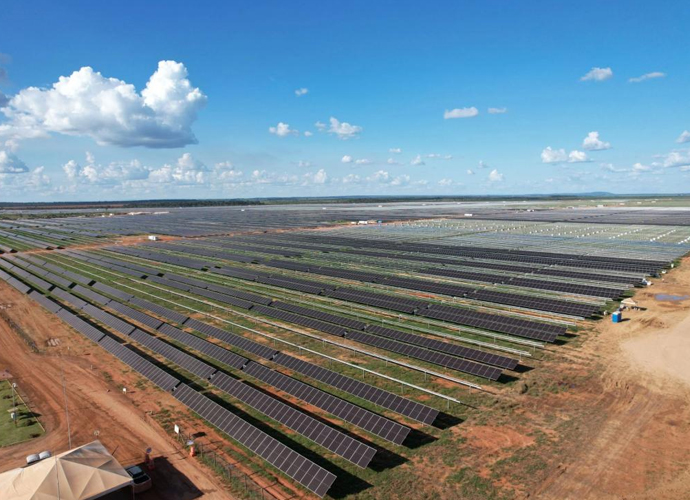
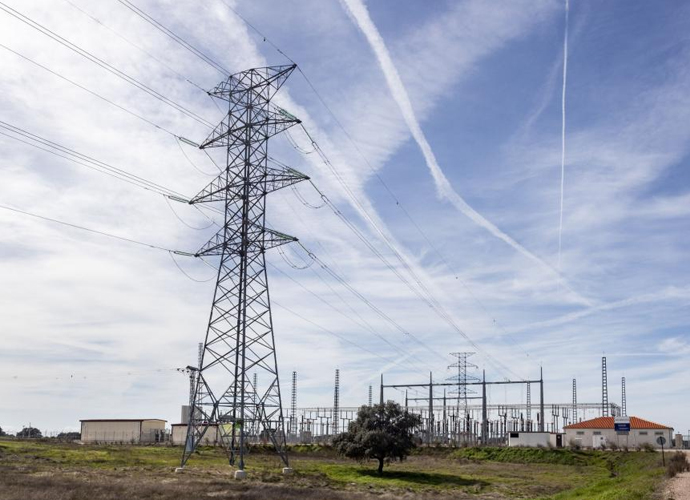
Used in overhead triplex service drop systems to supply secondary electrical power from utility distribution lines to residential homes and light commercial buildings.
Technical Advantages
● 30+ years of manufacturing experience
● ISO and UL certified production
● Customized cable and transformer solutions
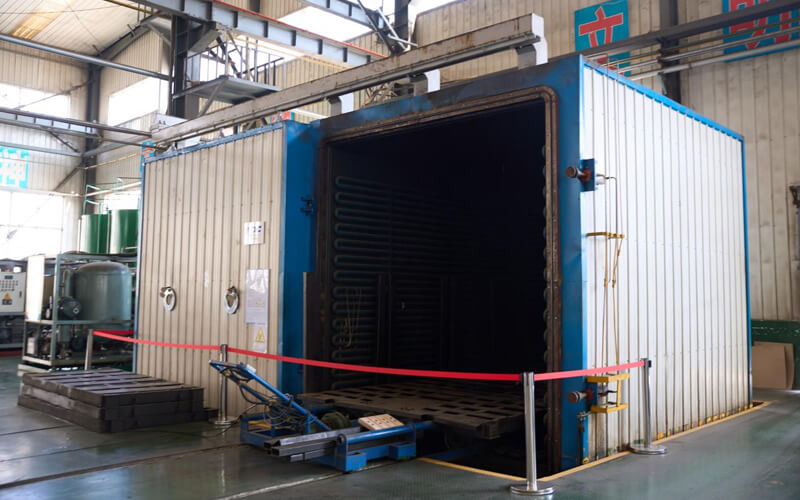
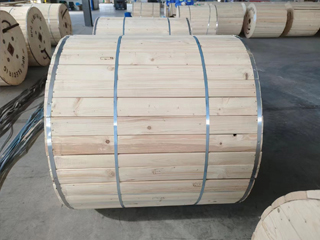
Product Packaging
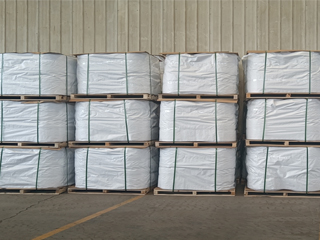
Wires and Cables packaging (1)
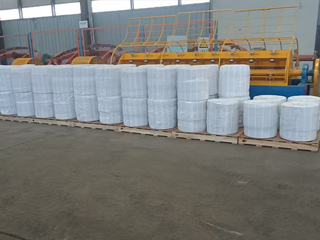
Wires and Cables packaging (2)
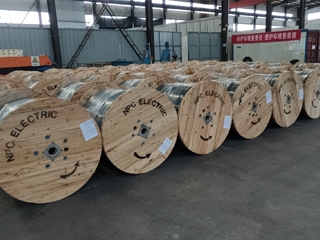
Wires and Cables packaging (3)
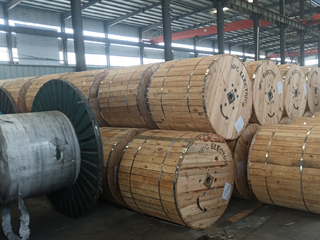
Wires and Cables packaging (4)
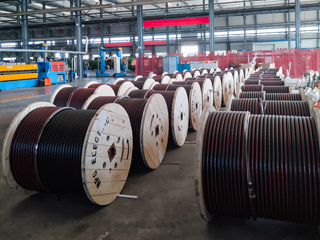
Wires and Cables packaging (5)
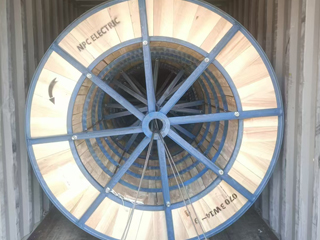
Wires and Cables packaging (6)
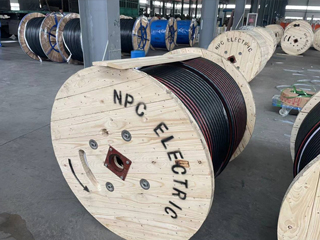
Wires and Cables packaging (7)
Wires and Cables packaging (8)
Related Products
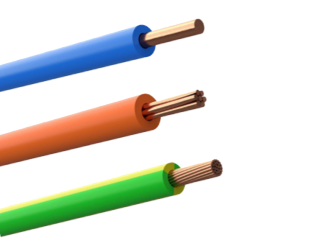
H07V-U H07V-R H07V-K
H07V-K cable is used for the internal wiring of electric motors and transformers as well as other electrical appliances and lighting applications. It can be used in and at electronic appliances for measuring, regulating and controlling. The cables are also ideal for laying in pipes, surface wiring and conduit installations. Specifications according to HD 516 apply for respective specific applications. H07V-U cable is intended for the installation to inside of apparatus as well as for the protective laying to the lightings, in dry rooms, in production facilities, switch and distributor boards, in tubes, under and surface mounting of plasters. H07V-R cable is preferably for installation indoors, in cable ducts, and in industrial plants or switching stations, under ground installation. It can be used in switchboards and distributor boards or where a thicker strand of multi-wire is required. Found in electronic and electrical equipment and switch gear cabinets designed for export to a European country and for MRO replacement of European-made equipment wire.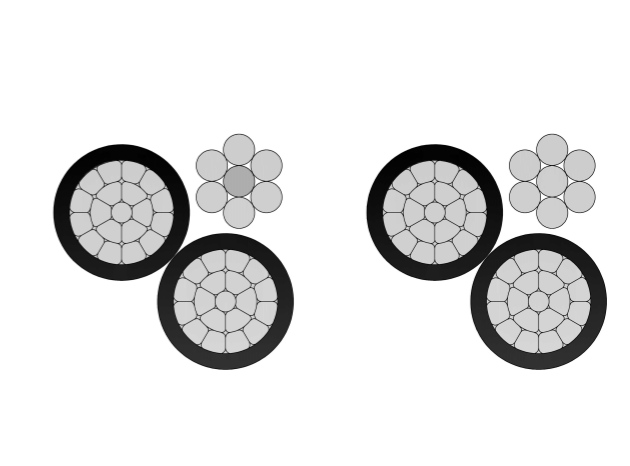
4/0 Cerapus Aluminum Conductor Triplex Overhead Service Drop Cable
4/0-4/0-2/0 Cerapus Aluminum Conductor Triplex Overhead Service Drop Cable provides premium overhead power transmission for utility-to-consumer connections with elevated capacity needs. Featuring concentric or compressed 1350-H19 aluminum phase conductors (#4/0 AWG), black XLPE insulation for enhanced thermal, abrasion, and environmental protection, plus a bare ACSR neutral messenger (#2/0 AWG), it ensures efficient conductivity, corrosion resistance, and structural integrity. Rated 600V phase-to-phase up to 90°C (XLPE), with ≈315A ampacity, it complies with ASTM B-230/B-231/B-232/B-399 and ICEA S-76-474. Its balanced, lightweight design facilitates easy installation while offering robust long-term performance against demanding outdoor factors like extreme temperatures, moisture, UV exposure, and mechanical loads in residential, commercial, and light industrial settings.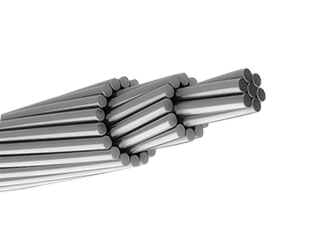
266.8 MCM Waxwing ACSR Conductor Cable
The Waxwing ACSR Conductor Cable is engineered for demanding overhead transmission, with 266.8 MCM size and 18/1 stranding configuration. High-purity aluminum (1350-H19) surrounds a galvanized steel core, offering a DC resistance of 0.0643 Ω/MFT and ampacity up to 340A. Adhering to ASTM B230 for aluminum and B232 for assembly, it provides excellent corrosion resistance and mechanical integrity for spans up to 300m. The steel core minimizes sag under heavy loads, while aluminum ensures high conductivity (61.5% IACS) and lightweight design for easier installation. Suitable for distribution voltages up to 138kV, the Waxwing ACSR Conductor Cable reduces line losses and withstands extreme weather, including ice loads up to 1/2 inch. Its economical profile makes it a staple for utility expansions, renewable connections, and grid modernization, delivering consistent power with high weather tolerance and minimal maintenance in global overhead networks.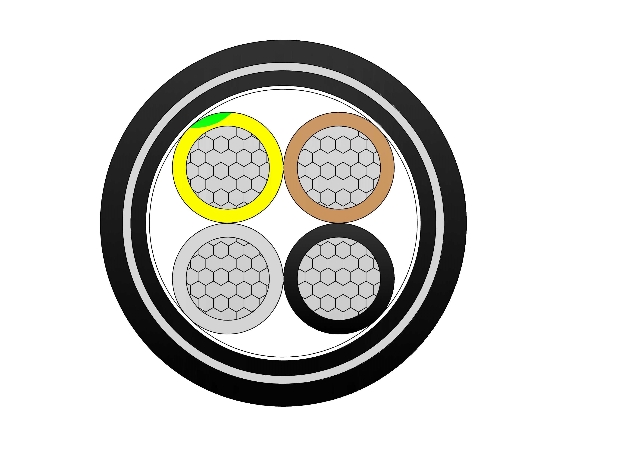
NAYBY 0.6/1kV Low Voltage Power Cable
NAYBY 0.6/1kV are low voltage power cables designed according to DIN VDE 0276 standard, suitable for fixed installation in indoor, outdoor, underground, cable ducts, or concrete (not exposed to vibration), with steel tape armoring providing additional mechanical protection. Featuring stranded or solid aluminium conductors, PVC insulation, filler, and robust PVC outer sheath, it complies with VDE 0276-603 and IEC standards. This unarmoured cable offers good electrical properties, mechanical strength, and resistance to moisture and chemicals. Lightweight aluminium design reduces installation and material costs compared to copper equivalents. Suitable for direct burial, ducts, or indoor fixed installations where mechanical protection is not critical. Flame-retardant with adequate current-carrying capacity, the NAYBY 0.6/1kV Low Voltage Power Cable ensures reliable performance with minimal losses.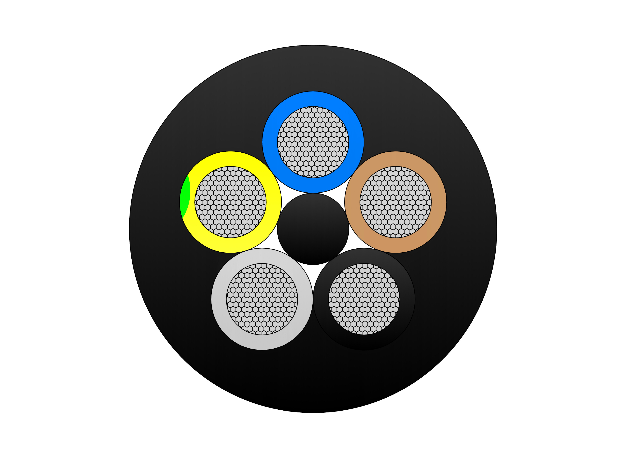
YSLTOE-J 300/500V Cable
The YSLTOE-J 300/500V Cable is a flexible low-voltage control cable featuring tinned copper conductors and a halogen-free, oil-resistant PUR outer sheath. It is engineered for gravity-feed collector baskets in modern high-speed container cranes, ensuring reliable performance under moderate mechanical stress and in oily industrial environments. Manufactured to DIN VDE 0281 and related standards, it offers excellent tensile strength, abrasion resistance, and flexibility. For proper installation, the cable must be mounted torsion-free in a counter-clockwise direction, with a basket diameter exceeding 30× the cable’s outer diameter to prevent damage.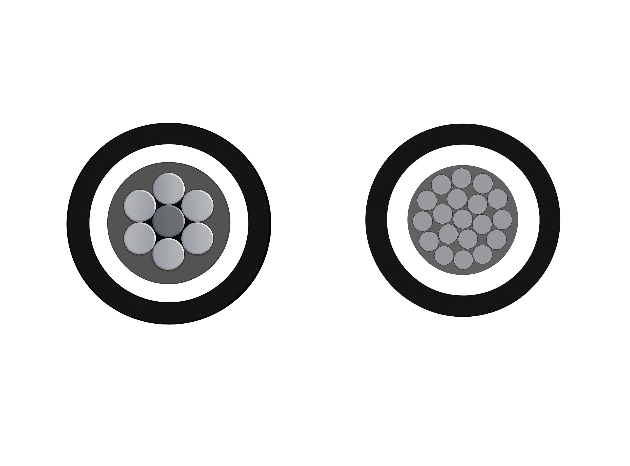
3-Layer 35kV AAC/AAAC/ACSR Tree Wire - Covered Overhead MV Cable
The 3-Layer 35kV AAC/AAAC/ACSR Tree Wire is an advanced covered medium-voltage overhead conductor engineered for reliable performance in areas with dense vegetation. It features a concentrically stranded AAC, AAAC, or ACSR conductor protected by a triple-layer system of track-resistant high-density polyethylene (HDPE) or cross-linked polyethylene (XLPE). The multi-layer covering provides exceptional tracking resistance, abrasion protection, and weatherability while significantly reducing the risk of electrical faults caused by tree limb contact and minimizing wildfire ignition potential. This design allows closer spacing to vegetation and lowers vegetation management costs. Suitable for both conventional overhead lines and spacer cable systems, the 3-Layer 35kV AAC/AAAC/ACSR Tree Wire meets ICEA S-121-733 and related ASTM standards. It undergoes rigorous quality testing from raw materials to finished product, ensuring excellent dielectric strength, mechanical robustness, and long-term durability in challenging environments.FAQ From Customers
-
What are the advantages of power cables and overhead lines?(1) Reliable operation, because it is installed in a hidden place such as underground, it is less damaged by external forces, has less chance of failure, and the power supply is safe, and it will not cause harm to people; (2) The maintenance workload is small and frequent inspections are not required; (3) No need to erect towers; (4) Help improve power factor.
-
Which aspects should be considered when choosing the cross section of a power cable?(1) The long-term allowable working current of the cable; (2) Thermal stability once short circuited; (3) The voltage drop on the line cannot exceed the allowable working range.
-
What are the measures for cable fire prevention?(1) Use flame-retardant cables; (2) Use fireproof cable tray; (3) Use fireproof paint; (4) Fire partition walls and fire baffles are installed at cable tunnels, mezzanine exits, etc.; (5) Overhead cables should avoid oil pipelines and explosion-proof doors, otherwise local pipes or heat insulation and fire prevention measures should be taken.
-
What should be paid attention to during the transportation and handling of cables?(1) During transportation, loading and unloading, cables and cable reels should not be damaged. It is strictly forbidden to push the cable reels directly from the vehicle. Generally, cables should not be transported and stored flat. (2) Before transporting or rolling the cable reel, ensure that the cable reel is firm, the cable is wound tightly, the oil pipe between the oil-filled cable and the pressure oil tank should be fixed without damage, the pressure oil tank should be firm, and the pressure indication should meet the requirements.
-
What inspections should be carried out for the acceptance of cable lines?(1) The cable specifications should meet the regulations, the arrangement should be neat, no damage, and the signs should be complete, correct and clear; (2) The fixed bending radius of the cable, the related distance and the wiring of the metal sheath of the single-core power cable should meet the requirements; (3) The cable terminal and the middle head should not leak oil, and the installation should be firm. The oil pressure of the oil-filled cable and the meter setting should meet the requirements; (4) Good grounding; (5) The color of the cable terminal is correct, and the metal parts such as the bracket are completely painted; (6) There should be no debris in the cable trench, tunnel, and bridge, and the cover should be complete.
Welcome your inquiry
Honesty, Integrity, Frugality, Activeness and Passion