Best Practices For Daily Transformer Maintenance
2025-06-20
Daily transformer maintenance plays an important role in power systems. Whether in life, industrial facilities, or renewable energy sites, they must maintain high performance and quality in a variety of harsh environments and operating conditions. Daily transformer maintenance is essential not just to avoid costly downtime, but to ensure safety and maximize operational life. As an experienced O&M engineer, I’ll walk you through a practical approach to the daily care of power transformers, from routine inspections to diagnostics like dissolved gas analysis.
Why Daily Transformer Maintenance Matters
Transformers are built to last, but neglecting daily care can lead to performance degradation, overheating, or even catastrophic transformer failure. Factors such as ambient temperature, overloading, oil contamination, and loose transformer components can reduce insulation life or trigger sudden faults.
By following a structured maintenance plan, including daily checks, engineers can focus on identifying potential issues before they escalate, which dramatically reduces unexpected outages.
Start with a Transformer Maintenance Plan and Checklist
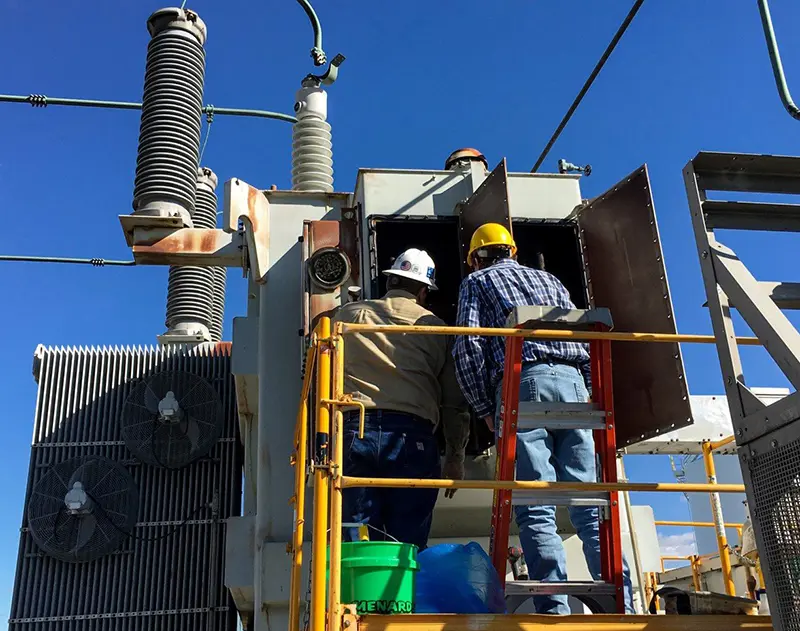
A well-defined maintenance plan is the foundation of good transformer care. While some inspections are annual or quarterly, others must be done daily or weekly. Build your transformer maintenance checklist to include:
- Daily: Visual inspection, oil temperature, and oil level
- Weekly: Cooling system operation and cleanliness
- Monthly: Oil sampling and leak checks
- Annually: Laboratory testing and detailed diagnostics
1. Visual Inspection: The First Line of Defense
Daily visual inspection is fast, easy, and highly effective in catching early signs of trouble. While patrolling the site, regularly inspect for:
- Cracks, rust, or physical damage on the tank and bushings
- Signs of oil leak from gaskets, seals, or fittings
- Color changes or soot marks indicating overheating or arcing
- Bird nests or debris that could compromise ventilation
- Loose bolts, nuts, or external transformer components
Record observations immediately and escalate anomalies for further diagnostics.
2. Monitor Oil Level and Oil Temperature
Transformer insulating oil performs two essential tasks: cooling and electrical insulation. Monitoring oil level and oil temperature daily helps track internal transformer conditions:
- Ensure oil levels stay within the manufacturer's specifications; sudden drops may indicate an oil leak
- Track oil temperature at consistent times of the day under similar loading conditions
- Any spikes in oil temperature without a corresponding increase in load could point to internal issues, like core hot spots or blocked cooling paths
Changes in oil behavior often precede transformer failure, so do not ignore trends, even if the transformer appears to be operating normally.
3. Cooling System Checks
Efficient operation of the cooling system is vital. Whether the system is ONAN (oil natural air natural) or ONAF (oil natural air forced), a failure in cooling may shorten transformer life.
During daily checks:
- Inspect radiator fins for dust, dirt, or obstructions
- Confirm that cooling fans (if present) are running when required
- Verify that louvers, vents, and exhausts are unobstructed
- Examine the condition of the breather and silica gel color (moisture absorption)
Cooling system neglect often leads to elevated oil temperature, which accelerates insulation aging.
4. Oil Sampling and Dissolved Gas Analysis (DGA)
While not part of a daily routine, it's essential to schedule regular oil sampling as part of your broader maintenance plan. Oil samples reveal vital insights into transformer health:
- Check for water contamination or oxidation in insulating oil
- Use dissolved gas analysis (DGA) to detect gas buildup from electrical discharges, overheating, or arcing
- Evaluate dielectric strength to confirm insulation integrity
DGA should be performed annually or after any abnormal event, while oil moisture and acidity tests may be done quarterly, depending on the environment.
5. Look for Early Signs of Oil Leaks
One of the most overlooked but critical issues is the oil leak. Even a minor leak can lead to a slow drop in insulation quality and oil volume, eventually resulting in overheating or arcing.
To manage this:
- Include leak detection in your routine inspections
- Look under and around the transformer for oil stains or puddles
- Check gasket and valve areas for seepage or accumulation
If left unaddressed, leaks can compromise dielectric strength and lead to partial discharge events or core insulation breakdown.
6. Pay Attention to Noise and Vibration of Electrical Transformers
Unusual noise or vibration is another early indicator of mechanical or magnetic stress within electrical transformers. While on site:
- Listen for buzzing or humming noises beyond normal levels
- Investigate vibrations at the base or enclosure
- Confirm that the mounting hardware is secure
Changes in acoustic patterns often relate to transformer components shifting, magnetostriction effects, or cooling fan imbalance.
7. Regular Maintenance Tips for High-Risk Environments
In areas with high humidity, pollution, or extreme temperatures, regular maintenance should be more frequent and detailed:
- Apply anti-condensation heaters in damp regions
- Install bird guards and insect screens to avoid contamination
- Repaint external surfaces periodically to prevent rust and corrosion
- Increase oil sampling frequency if operating near chemical plants or marine environments
Adapting your maintenance plan to local conditions prevents premature aging and maintains performance integrity.
8. Document Everything Transformer Maintenance Info
No maintenance plan is complete without proper documentation. For each inspection:
- Record oil temperature, oil level, and visual findings
- Update the transformer maintenance checklist daily
- Track leak history, test results, and repairs
- Store DGA reports and lab analysis for long-term tracking
Over time, this log becomes an invaluable tool for identifying patterns, forecasting issues, and making data-driven replacement decisions.
Transformer Maintenance Services
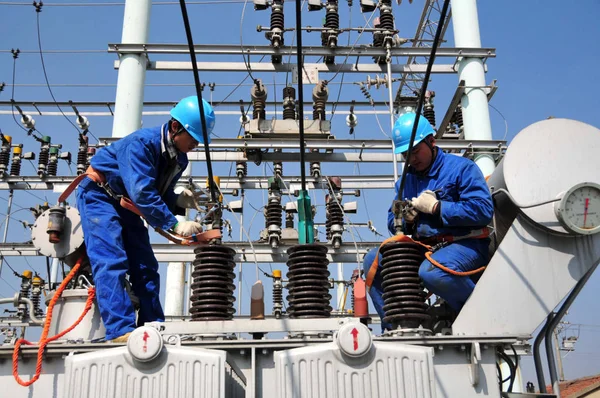
Daily transformer maintenance also requires a good transformer maintenance service team with excellent skills, a sense of responsibility, etc.
The daily maintenance of electrical transformers doesn't have to be complex, but it must be consistent, data-driven, and proactive. By following a detailed maintenance checklist and transformer maintenance guide, performing thorough routine inspections, and monitoring key indicators like oil temperature, oil level, and cooling system function, O&M teams can significantly reduce the risk of transformer failure.
Equally important is scheduling regular oil sampling, performing dissolved gas analysis, and responding quickly to any oil leak or irregularity in transformer components.
Remember, regularly inspect, document findings, and stay ahead of issues. Because when it comes to transformer health, prevention is always more affordable than repair. Let’s check the transformer now.

Related Articles
Related Products
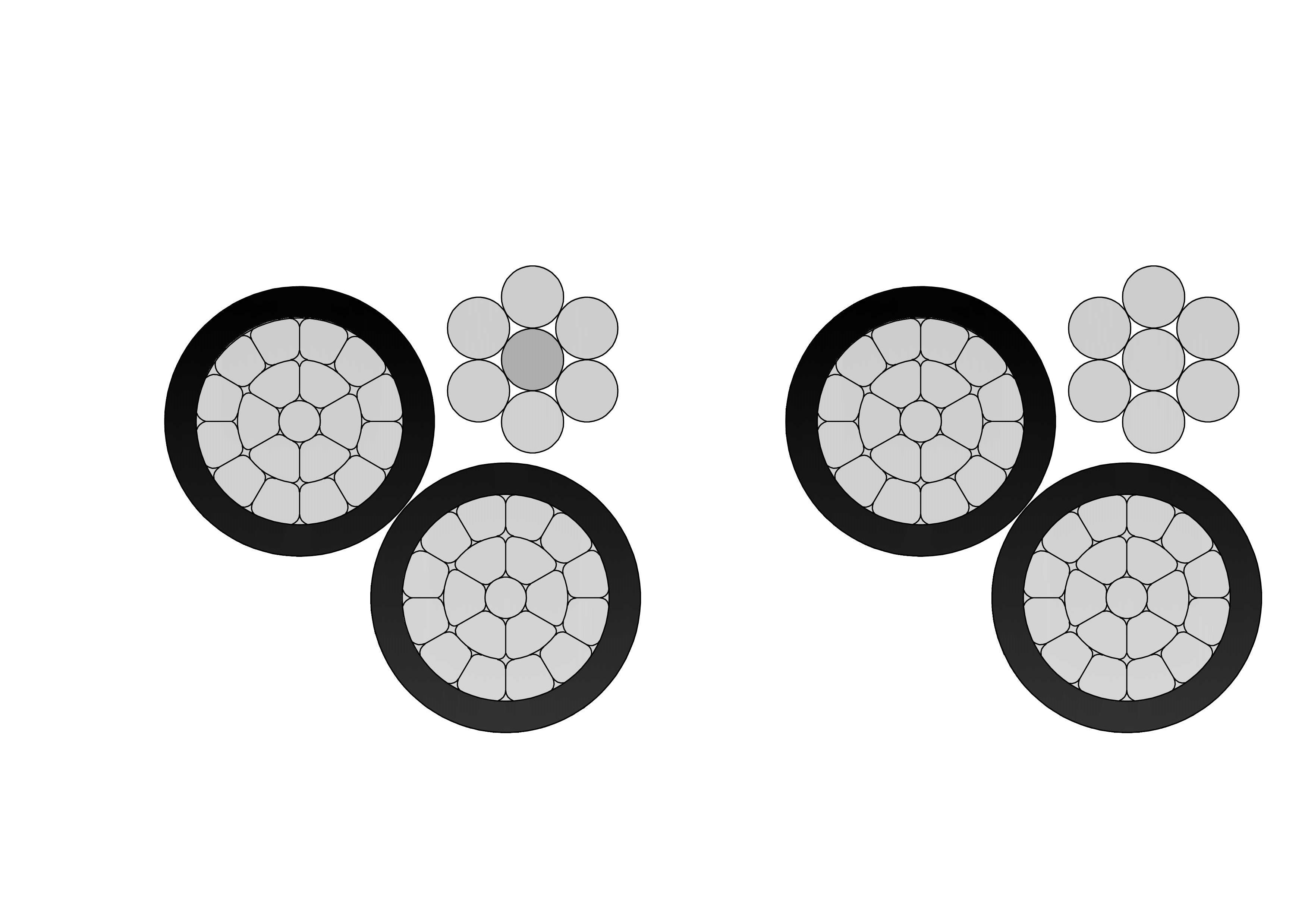
1/0 Leda Aluminum Conductor Triplex Overhead Service Drop Cable
The 1/0 Leda Triplex Service Drop Cable is a durable overhead cable for secondary power distribution to residential service entrances. Featuring two 1/0 AWG aluminum phase conductors and one neutral messenger (7-strand) insulated with XLPE or PE and assembled in triplex configuration, it provides excellent mechanical strength and weather resistance. Compliant with ASTM B-230, B-231, ICEA S-76-474, and ANSI/ICEA standards, this cable supports 600V applications with high UV, moisture, and abrasion protection. The self-supporting messenger reduces sag and simplifies installation over medium spans. The 1/0 Leda Triplex Service Drop Cable ensures low power losses, high current capacity, and long service life in harsh outdoor conditions. Lightweight and flexible, it is widely used for two-phase service drops with neutral in urban, suburban, and rural areas requiring safe, cost-effective aerial connections from utility poles to homes.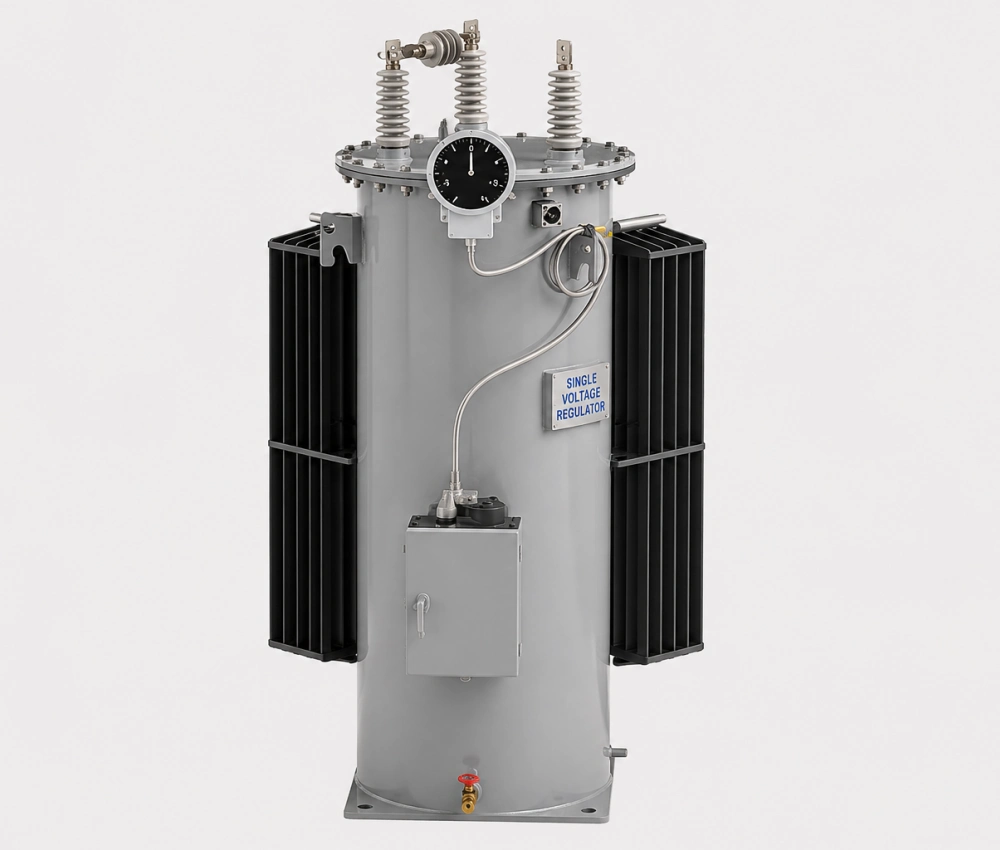
Step Voltage Regulator for Overhead Line & Substation | Automatic On-Load Tap Changer
The Step Voltage Regulator for Overhead Line & Substation is a high-performance, automatic on-load tap-changing device engineered to maintain stable voltage levels in fluctuating distribution networks. Utilizing premium copper windings, high-permeability silicon steel cores, and a motorized on-load tap changer, this regulator delivers precise ±10% to ±20% voltage correction with fast response and minimal waveform distortion. It features an advanced microprocessor-based AVR controller with remote communication capability (RS485/GSM/4G), real-time monitoring, and multiple protection functions including over-voltage, under-voltage, overload, and reverse power. Designed for both pole-mounted overhead line installation and substation applications, it offers excellent overload capacity, low losses, and long service life under harsh outdoor conditions. Fully sealed, oil-immersed construction with advanced corrosion protection ensures reliable operation in tropical, coastal, or heavily polluted environments while complying with IEC 60076-21 and ANSI C57.15 standards.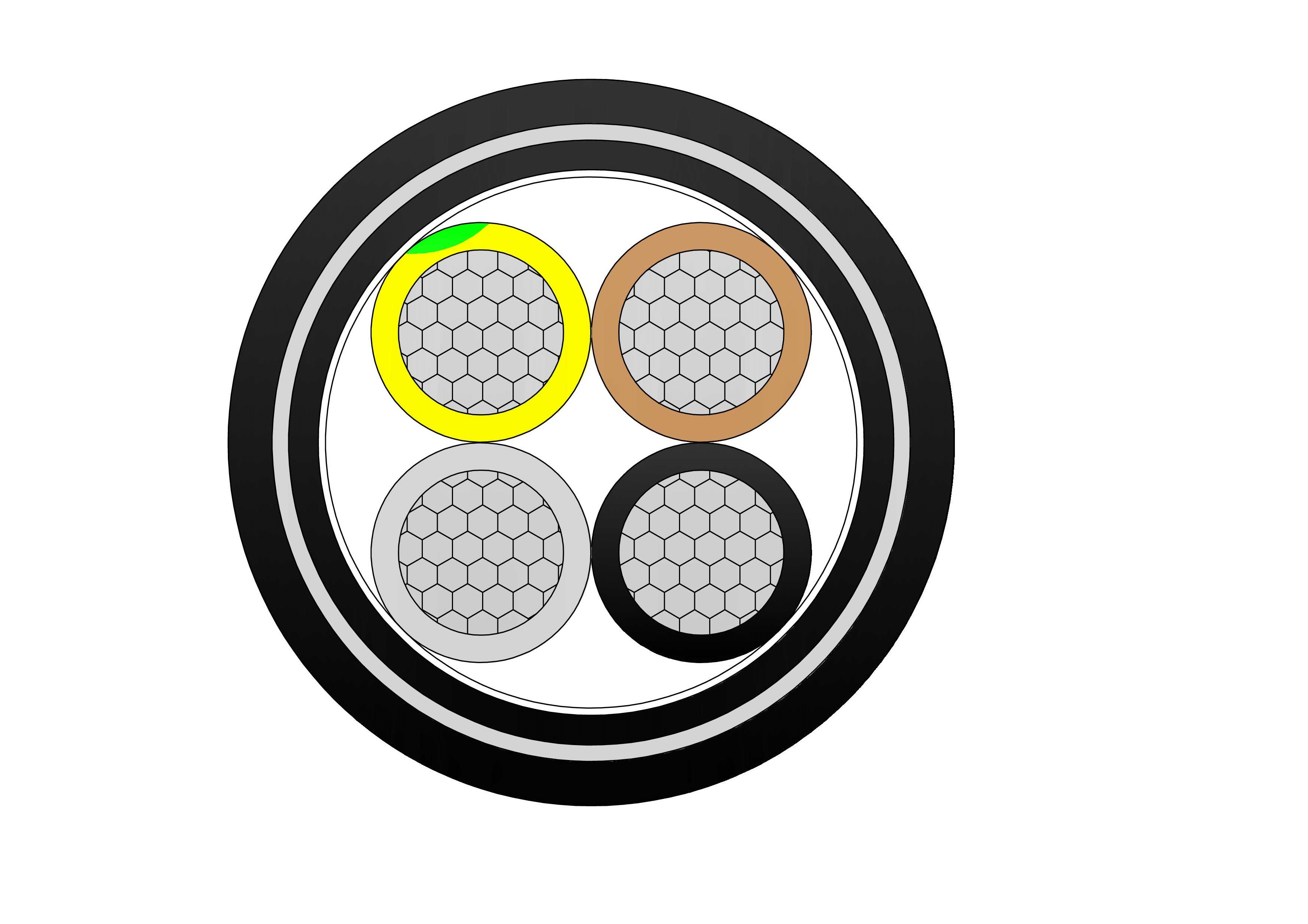
NAYBY 0.6/1kV Low Voltage Power Cable
NAYBY 0.6/1kV are low voltage power cables designed according to DIN VDE 0276 standard, suitable for fixed installation in indoor, outdoor, underground, cable ducts, or concrete (not exposed to vibration), with steel tape armoring providing additional mechanical protection. Featuring stranded or solid aluminium conductors, PVC insulation, filler, and robust PVC outer sheath, it complies with VDE 0276-603 and IEC standards. This unarmoured cable offers good electrical properties, mechanical strength, and resistance to moisture and chemicals. Lightweight aluminium design reduces installation and material costs compared to copper equivalents. Suitable for direct burial, ducts, or indoor fixed installations where mechanical protection is not critical. Flame-retardant with adequate current-carrying capacity, the NAYBY 0.6/1kV Low Voltage Power Cable ensures reliable performance with minimal losses.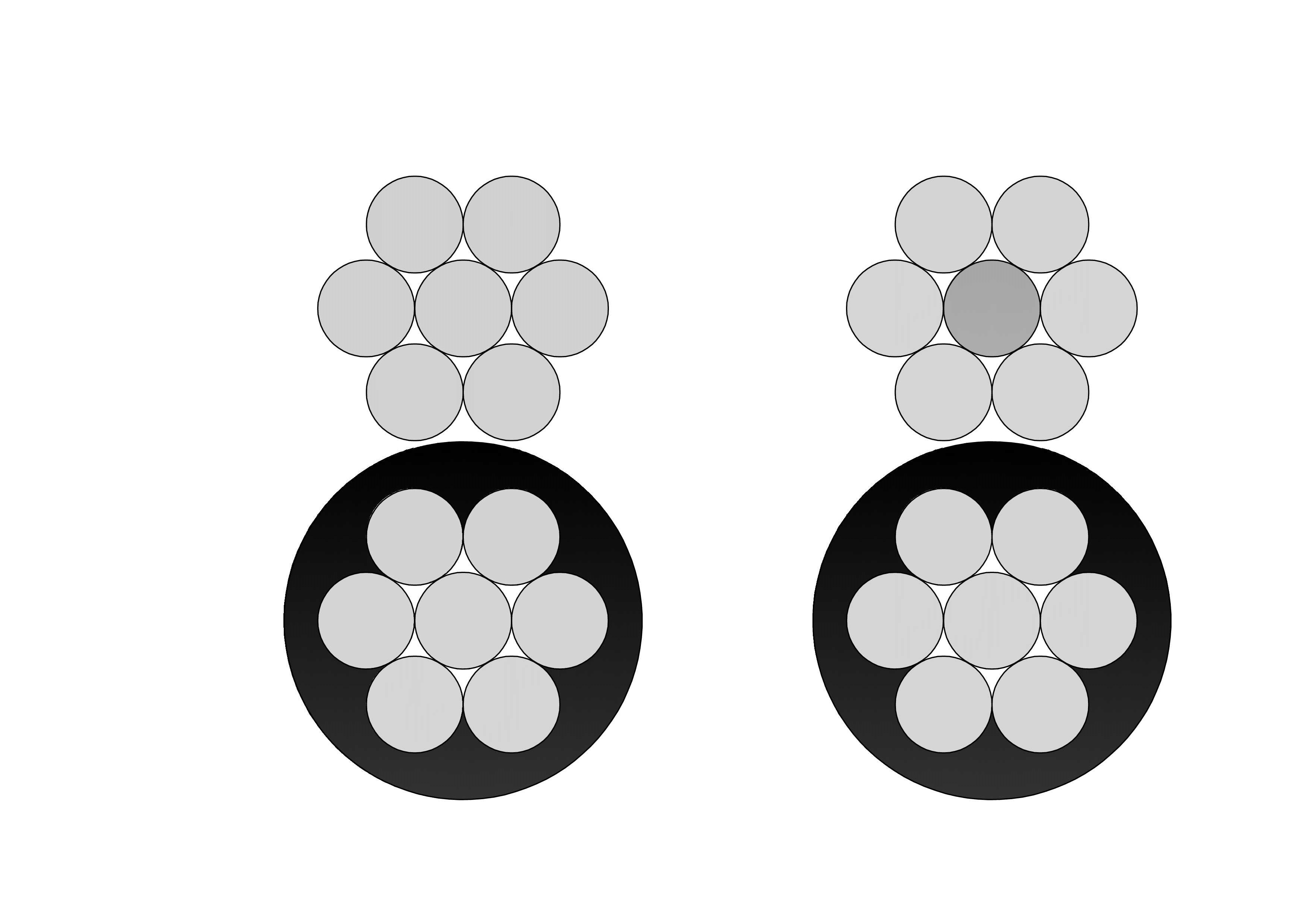
2 Chow Aluminum Conductor Duplex Overhead Service Drop Cable
2 Chow Aluminum Conductor Duplex Overhead Service Drop Cable is designed for dependable secondary overhead power distribution from utility lines to residential and light commercial service entrances. The duplex configuration consists of two stranded aluminum conductors, typically functioning as a phase conductor and a neutral messenger, providing both electrical transmission and mechanical support. The No. 2 Chow conductor size delivers balanced current-carrying capacity with controlled sag, making it suitable for short to medium service drop spans. Aluminum construction offers low weight, excellent corrosion resistance, and ease of installation in outdoor environments. Manufactured in accordance with ASTM and utility specifications, the 2 Chow Aluminum Conductor Duplex Overhead Service Drop Cable ensures uniform stranding, stable conductivity, and reliable long-term performance. It is widely used by utilities and contractors seeking a cost-effective, durable solution for overhead service drop applications.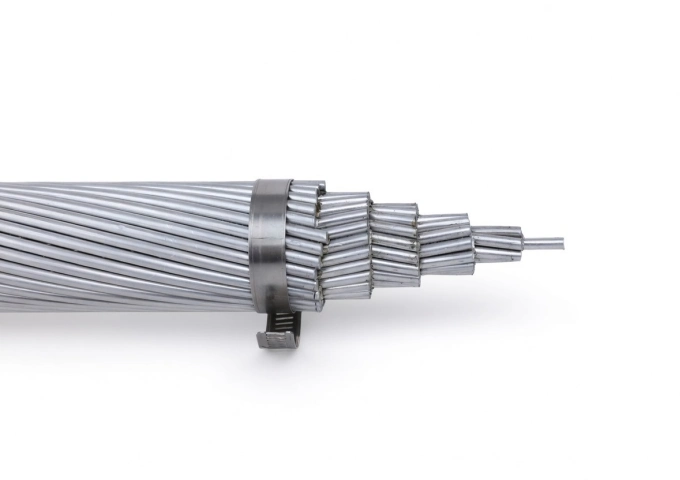
795 MCM Arbutus AAC Cable
The 795 MCM Arbutus AAC Cable represents premium All Aluminum Conductor technology for overhead power applications. Built with 37 strands of high-conductivity 1350-H19 aluminum, this bare conductor delivers an optimal balance of electrical efficiency and mechanical robustness. With a 1.026-inch diameter, 14,200 lbs breaking strength, and 880 amps ampacity, the Arbutus AAC offers low DC resistance of 0.0217 ohms per 1000 ft at 20°C and a weight of 746.7 lbs per 1000 ft. This design minimizes sag while providing excellent corrosion resistance for extended outdoor service. Manufactured to meet ASTM B-230 and B-231 standards, the 795 MCM Arbutus AAC Cable undergoes extensive quality testing from raw materials through finished product. It is the ideal solution for new installations and upgrades in transmission and distribution systems that demand lightweight, high-conductivity bare aluminum conductors.
336.4 MCM Tulip AAC Cable
The 336.4 MCM Tulip AAC Cable is a high-performance All Aluminum Conductor designed for demanding overhead power transmission and distribution lines. Manufactured with 19 strands of premium 1350-H19 aluminum wire in a concentric lay configuration, this bare conductor provides excellent electrical conductivity with a low DC resistance of 0.0514 ohms per 1000 ft at 20°C. Featuring an overall diameter of 0.666 inches and a rated breaking strength of 6,150 lbs, the Tulip AAC delivers a robust ampacity of 513 amps while weighing only 315.8 lbs per 1000 ft. Its optimized strength-to-weight ratio minimizes sag and structural loading. Fully compliant with ASTM B-230 and B-231 standards, the 336.4 MCM Tulip AAC Cable offers outstanding corrosion resistance for long-term durability in harsh outdoor environments, making it the preferred choice for utility networks requiring cost-effective, high-reliability bare aluminum conductors.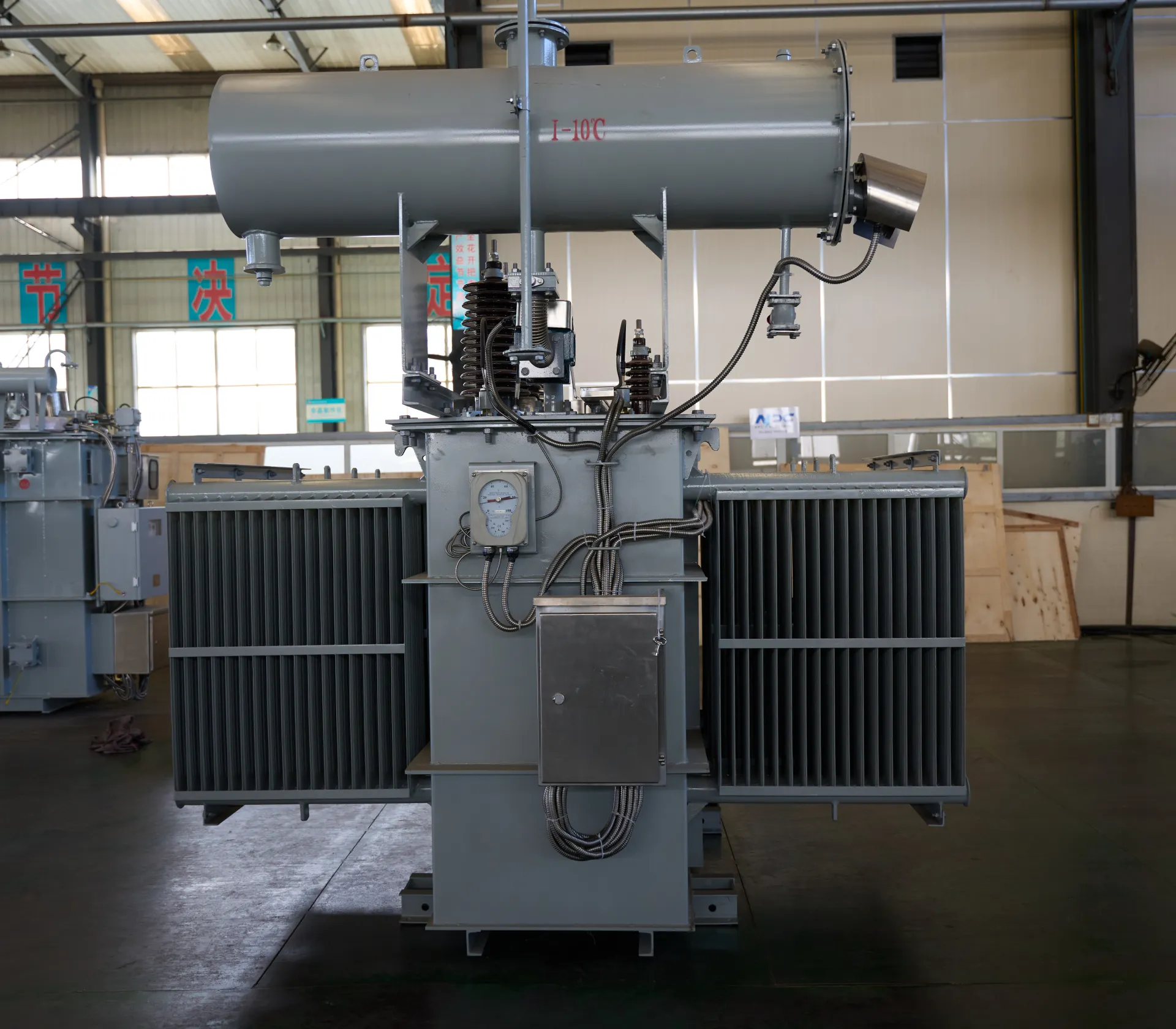
Oil Immersed Power Transformer 200kVA for Substation With Transformer Oil
The oil-immersed power transformer, rated at 200kVA, is designed for use in substations, efficiently converting voltage. It is equipped with high-quality transformer oil, which enhances heat dissipation and prolongs the lifespan of the equipment. Ideal for various power supply applications, it excels in industrial environments requiring stable voltage and high performance.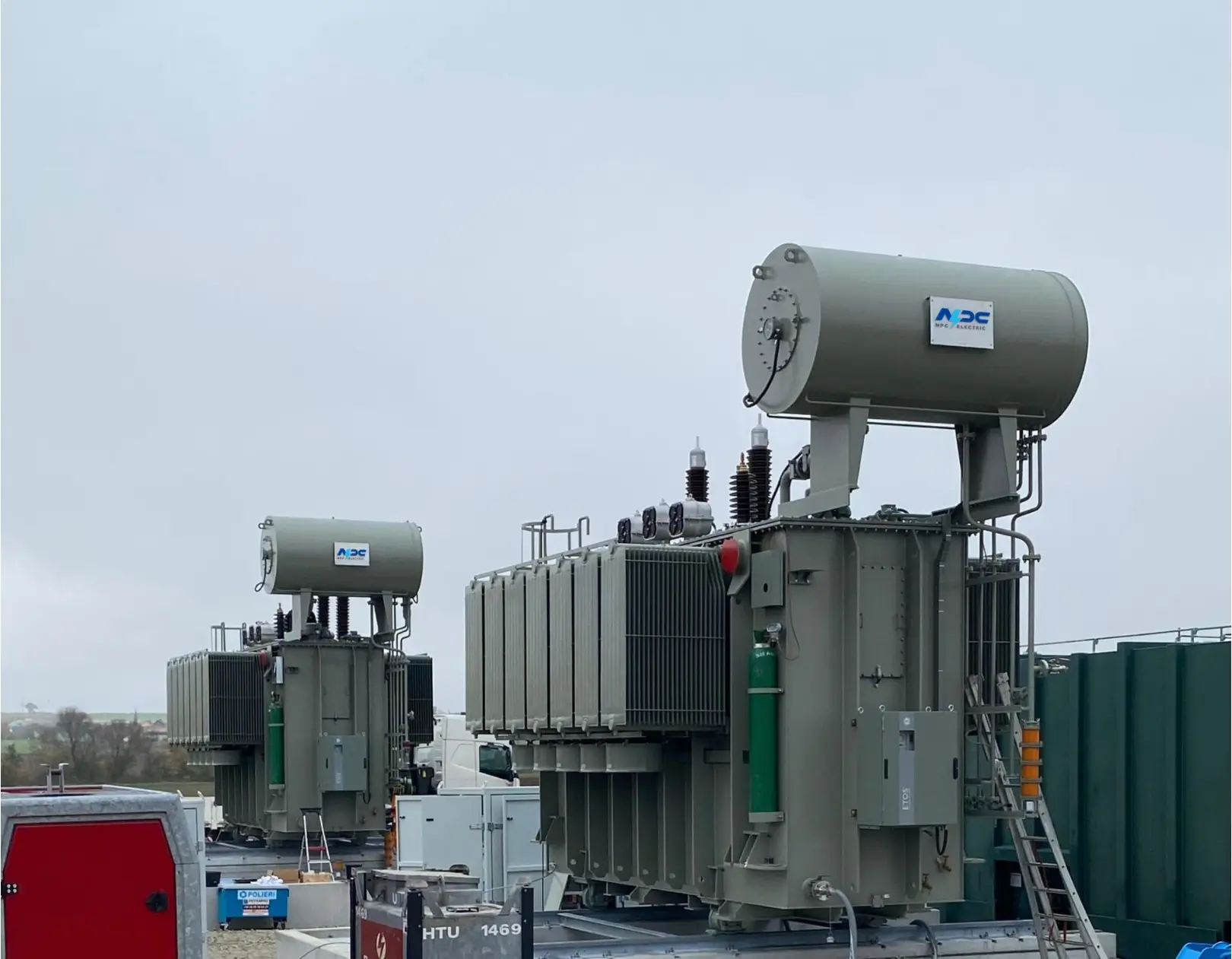
260 kV 20MVA 28 MVA Substation Power Transformer
The robust 260 kV 20/28 MVA substation power transformer, engineered for high-voltage applications in modern electrical grids. This oil-immersed unit features dual capacity ratings for flexible operation under varying loads, ensuring efficient power distribution and voltage step-down in utility substations. With advanced insulation systems and low-loss core materials, it minimizes energy dissipation while handling peak demands reliably. Ideal for integrating renewable energy sources or industrial power systems, this transformer complies with IEC 60076 standards, offering superior performance in harsh environments. Its compact design facilitates easy installation, making it a top choice for upgrading aging infrastructure or expanding grid capacity.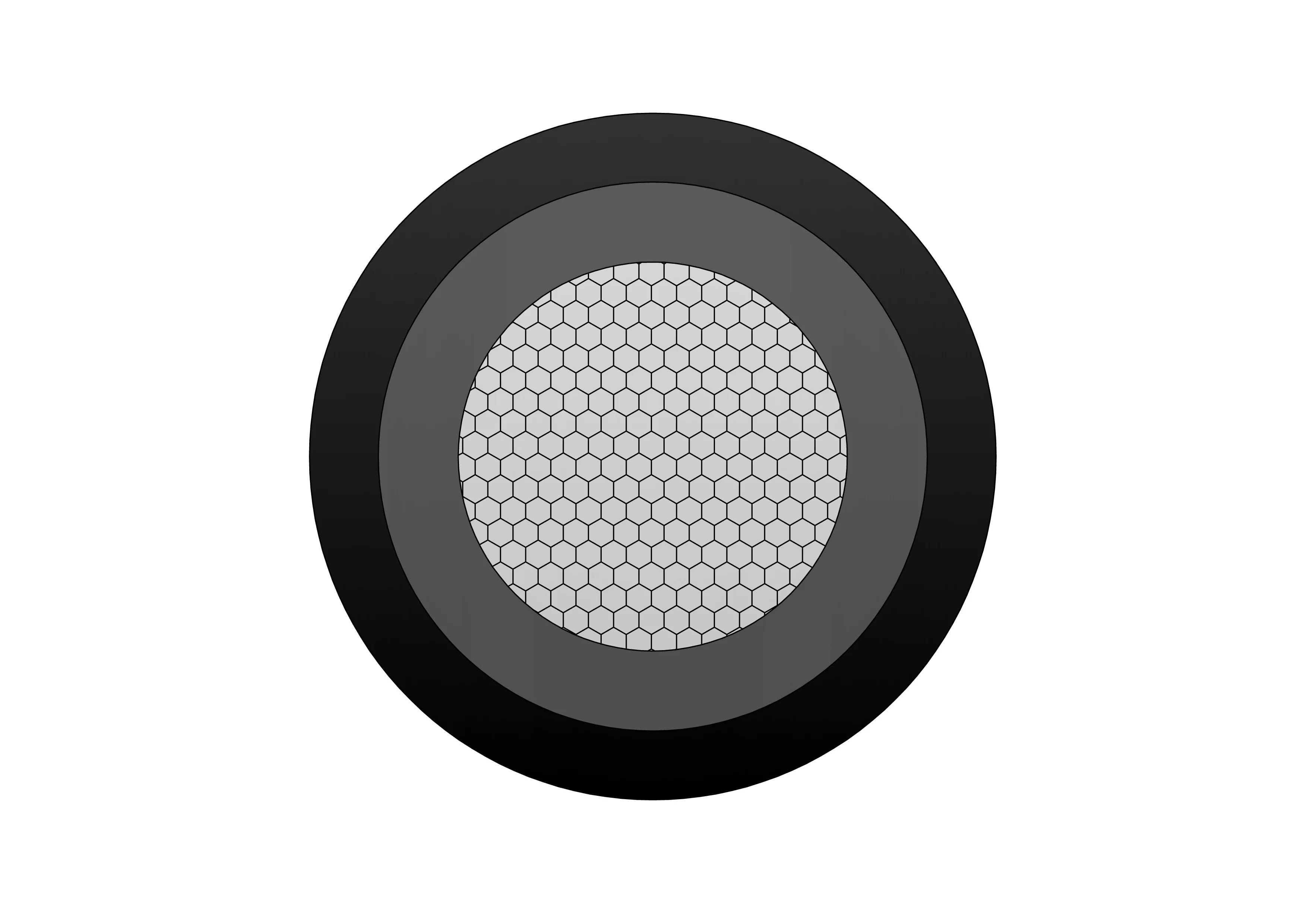
NSGAFÖU 1.8/3kV Rubber Cable
NSGAFÖU 1.8/3kV Rubber Cable is a robust, single-core flexible power cable engineered for extreme mechanical and environmental stresses in mining, tunneling, cranes, and mobile machinery. It features finely stranded tinned copper conductors (class 5) for superior flexibility and corrosion resistance, EPR (ethylene propylene rubber) insulation for excellent dielectric strength and 90°C continuous rating (250°C short-circuit), and a tough CPE (chlorinated polyethylene) or neoprene outer sheath providing outstanding oil resistance, flame retardancy (IEC 60332-1), abrasion/tear resistance, and weatherproofing. Compliant with DIN VDE 0250-813 / HD 22.16 S2 standards, it offers high mechanical strength, tight bending radii, and reliable performance in wet, oily, or abrasive conditions. The NSGAFÖU 1.8/3kV is ideal for trailing cables, reeling systems, and power connections where flexibility, durability, and safety are essential.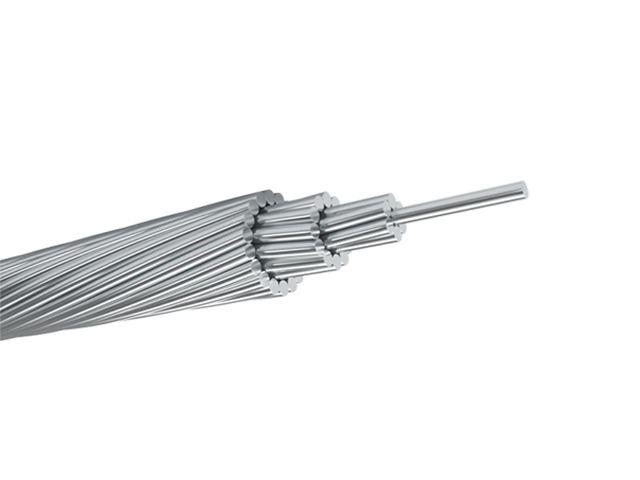
CAIRO AAAC Conductor Cable
CAIRO AAAC (All Aluminum Alloy Conductor) cables comply with ASTM B399 standards and offer high tensile strength, good conductivity, and resistance to corrosion. Named "Cairo" for its 600 mm² nominal area with 61-strand configuration, it offers superior conductivity (53% IACS) and tensile strength (295 MPa min) compared to ACSR. Made from heat-treated aluminum-magnesium-silicon alloy (6201-T81), this cable provides excellent corrosion resistance, low weight, and reduced sag for longer spans. Compliant with ASTM B398, B399, IEC 61089, and BS EN 50182 standards, it supports voltages up to 33kV with ampacity up to 1000A at 75°C. The homogeneous alloy construction eliminates bimetallic corrosion and ensures uniform mechanical properties. The Cairo AAAC Conductor Cable minimizes line losses, withstands harsh weather, and requires minimal maintenance. Ideal for rural electrification, urban upgrades, and renewable energy integrations, it delivers reliable, cost-effective power in overhead lines worldwide, outperforming traditional conductors in corrosive or coastal environments.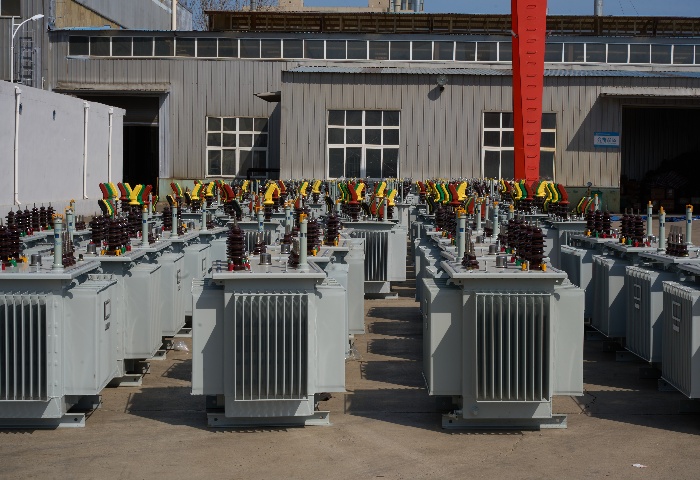
35kV Oil Immersed Transformer
NPC ELECTRIC's 35kV Oil Immersed Transformer is a premium three-phase power transformer optimized for high-voltage step-down in 50/60Hz AC systems with primary ratings of 35kV (or 33-38.5kV range). It incorporates a robust conservator or fully sealed tank design with efficient radiator cooling (ONAN standard, ONAF optional), ensuring exceptional thermal dissipation, moisture exclusion. Outdoor-rated with pollution-resistant bushings (BIL 170-200kV), Dyn11/Ynd1 vector groups, and low noise (<62dB), it provides stable 35kV to secondary voltages (e.g., 10kV/6.3kV/0.4kV) conversion, enhancing grid stability, minimizing transmission losses, and supporting demanding applications in harsh or high-altitude conditions.
954 MCM Magnolia AAC Cable
The 954 MCM Magnolia AAC Cable is a high-performance All Aluminum Conductor designed for demanding overhead power transmission and distribution lines. Manufactured with 37 strands of premium 1350-H19 aluminum wire in a concentric lay configuration, this bare conductor provides excellent electrical conductivity with a low DC resistance of 0.0181 ohms per 1000 ft at 20°C. Featuring an overall diameter of 1.124 inches and a rated breaking strength of 16,400 lbs, the Magnolia AAC delivers a robust ampacity of 982 amps while weighing only 895.6 lbs per 1000 ft. Its optimized strength-to-weight ratio minimizes sag and structural loading. Fully compliant with ASTM B-230 and B-231 standards, the 954 MCM Magnolia AAC Cable offers outstanding corrosion resistance for long-term durability in harsh outdoor environments, making it the preferred choice for utility networks requiring cost-effective, high-reliability bare aluminum conductors.
3/0 Fulgar Aluminum Conductor Triplex Overhead Service Drop Cable
3/0 Fulgar Aluminum Conductor Triplex Overhead Service Drop Cable is engineered for high-capacity overhead electrical service connections in utility distribution systems. The cable consists of two insulated aluminum phase conductors twisted around a bare aluminum neutral messenger, ensuring stable electrical transmission and strong mechanical support. Manufactured using high-purity aluminum and weather-resistant insulation compounds, the 3/0 Fulgar Aluminum Conductor Triplex Overhead Service Drop Cable delivers low electrical resistance, excellent corrosion resistance, and reliable long-term performance in outdoor environments. Its optimized conductor design allows efficient installation while maintaining the tensile strength required for aerial service applications. The cable is designed to withstand UV exposure, wind loading, and temperature fluctuations. Comprehensive quality control procedures and systematic testing are applied throughout the manufacturing process to ensure compliance with industry and utility standards and dependable field operation.
336.4 Nannynose Aluminum Conductor Triplex Overhead Service Drop Cable
Built for high-demand overhead applications, the 336.4 Nannynose Aluminum Conductor Triplex Overhead Service Drop Cable provides robust power transmission. It features three 336.4 MCM (19/w) 1350-H19 aluminum conductors: two black XLPE-insulated phases for superior dielectric and environmental protection, cabled around a bare 336.4 MCM (19/w) AAC neutral messenger for excellent tensile strength and sag control. Rated 600V with 90°C conductor temperature and ampacity up to 420A (XLPE), this cable complies with ASTM B-230/B-231 and ICEA S-76-474. Lightweight, corrosion-resistant, and cost-effective, the 336.4 Nannynose ensures dependable performance in large secondary distribution and service drop installations.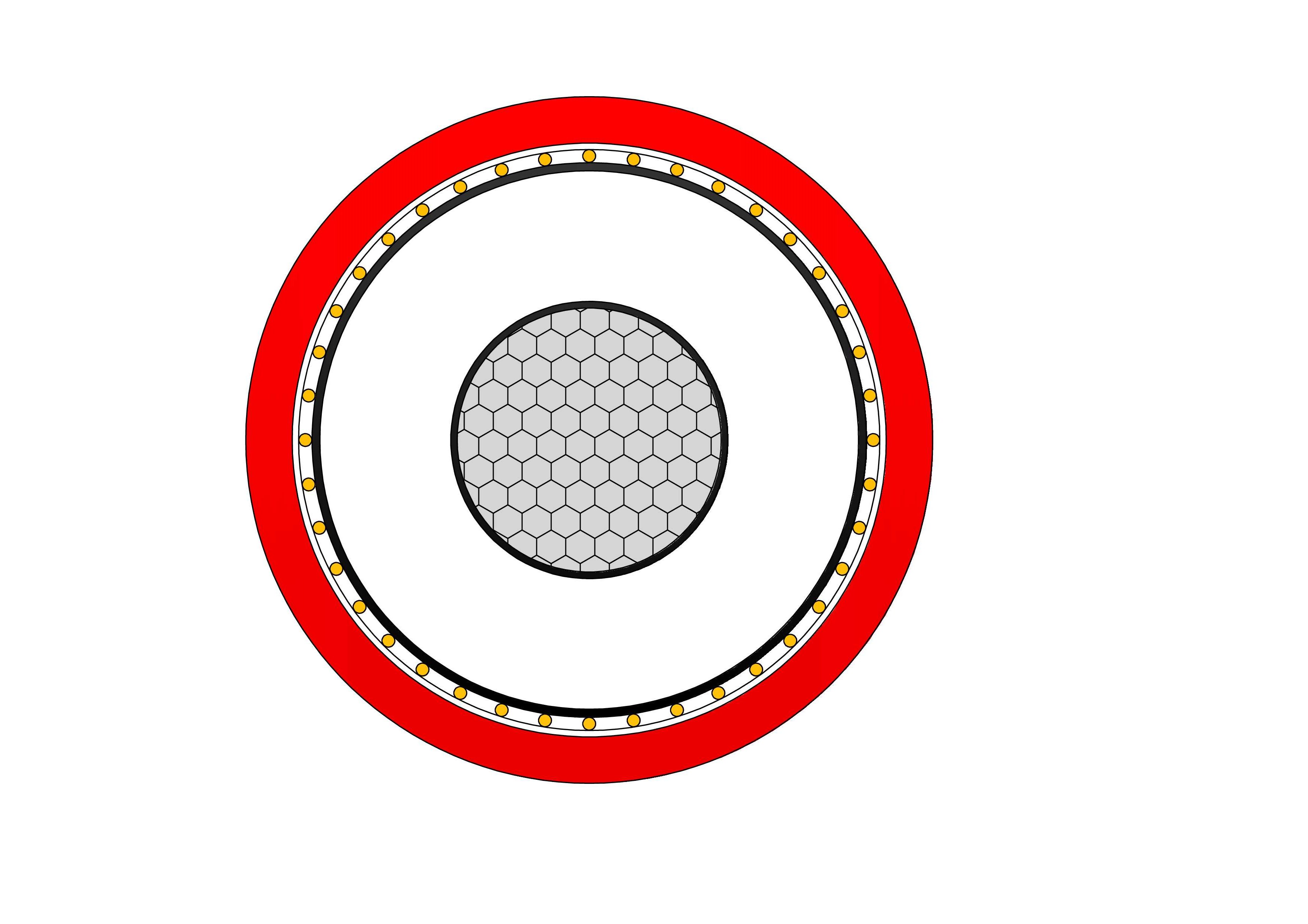
NA2XSY Medium Voltage Power Cable(6/10kV, 12/20kV, 18/30kV)
NA2XSY are medium voltage power cables with aluminum conductors and XLPE insulation, designed according to IEC 60502-2 standards. Constructed with aluminium conductors, thermosetting XLPE insulation, metallic screen (copper tape or wires), and tough PVC outer sheath, it meets IEC 60502-2 requirements. The screen ensures electromagnetic compatibility and fault protection. Low tan delta, high breakdown strength, and excellent thermal endurance minimize losses and support overloads. PVC sheath provides reliable mechanical and moisture protection for fixed installations. Optional longitudinal water-blocking improves performance in damp areas. Flame-retardant and easy to install, the NA2XSY Medium Voltage Power Cable is favored for power grids, manufacturing plants, commercial developments, and renewable energy sites demanding cost-efficient single-core medium voltage cabling with proven durability and performance in buried or tray installations worldwide.Welcome your inquiry
Honesty, Integrity, Frugality, Activeness and Passion