

Step Voltage Regulator for Overhead Line & Substation | Automatic On-Load Tap Changer
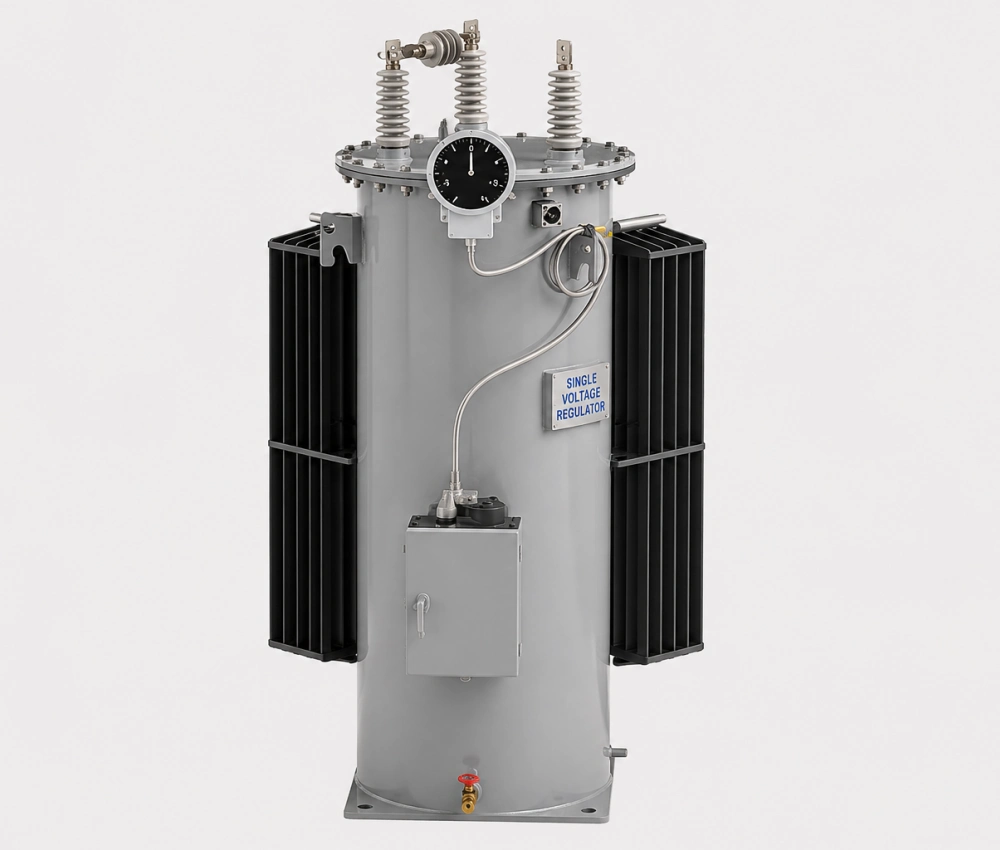
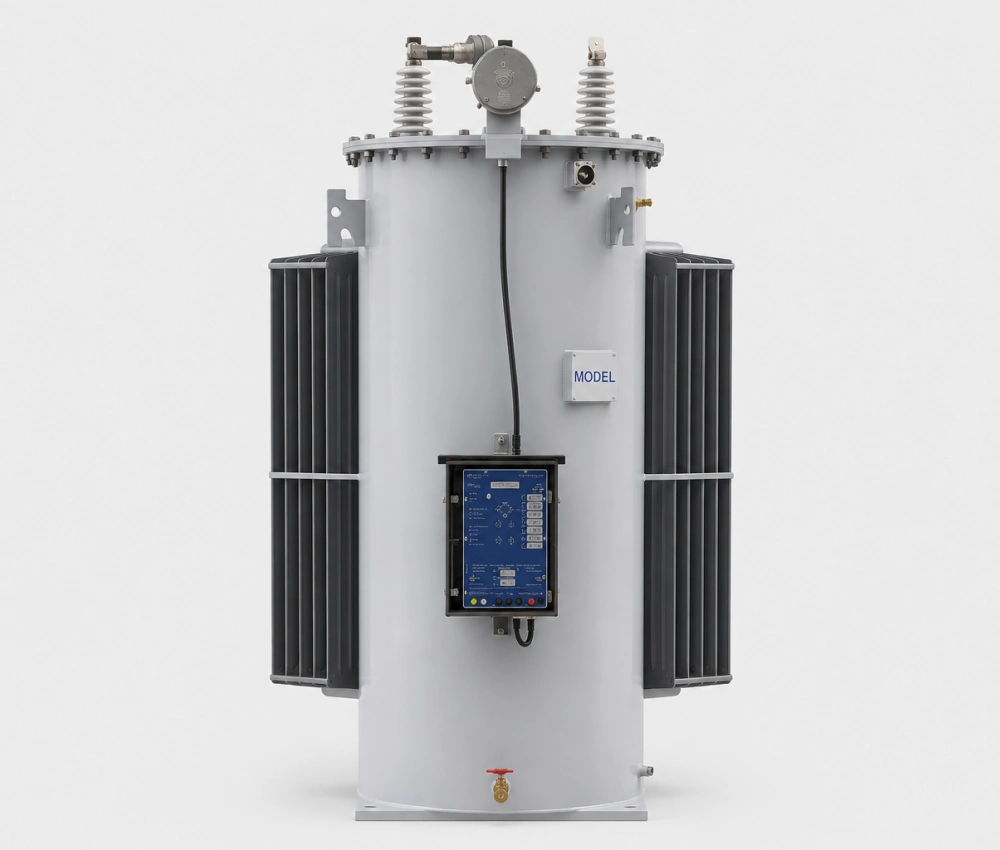
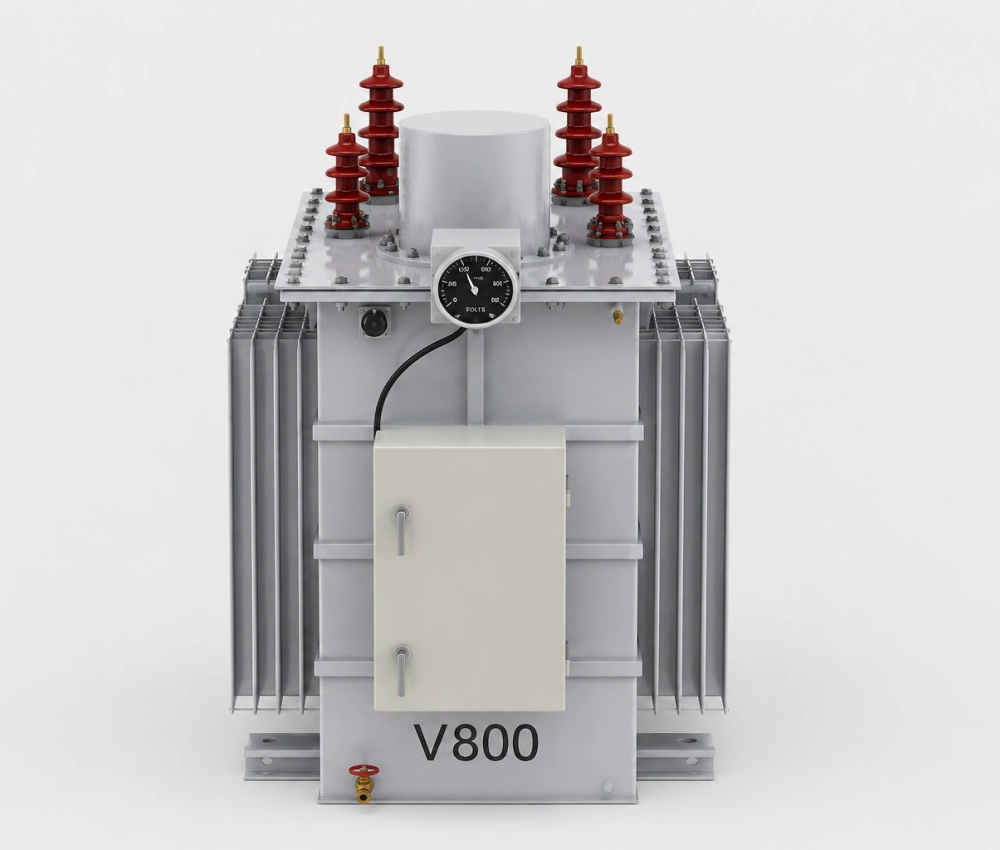
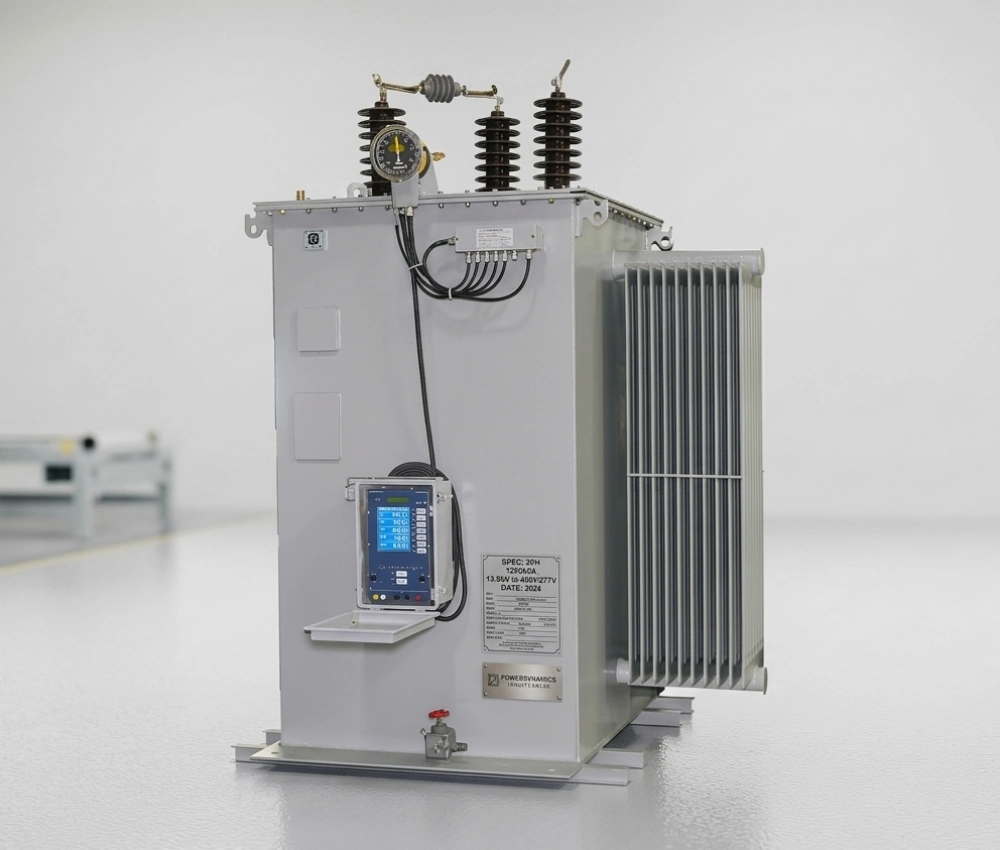
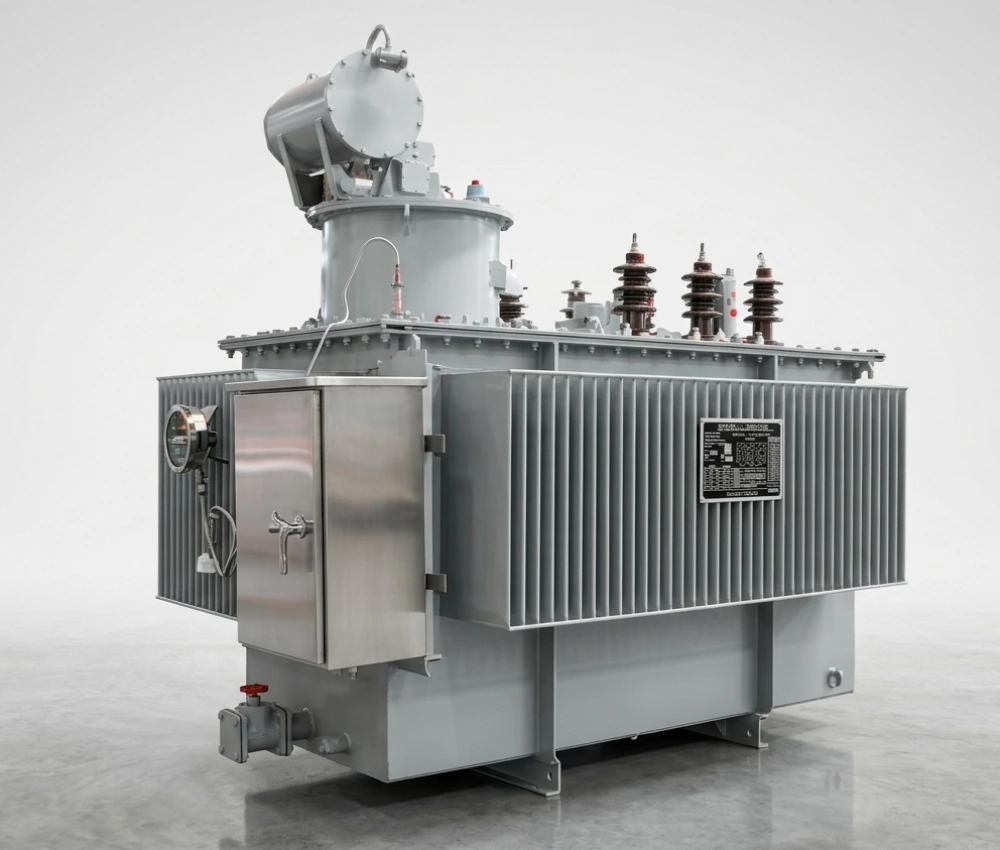
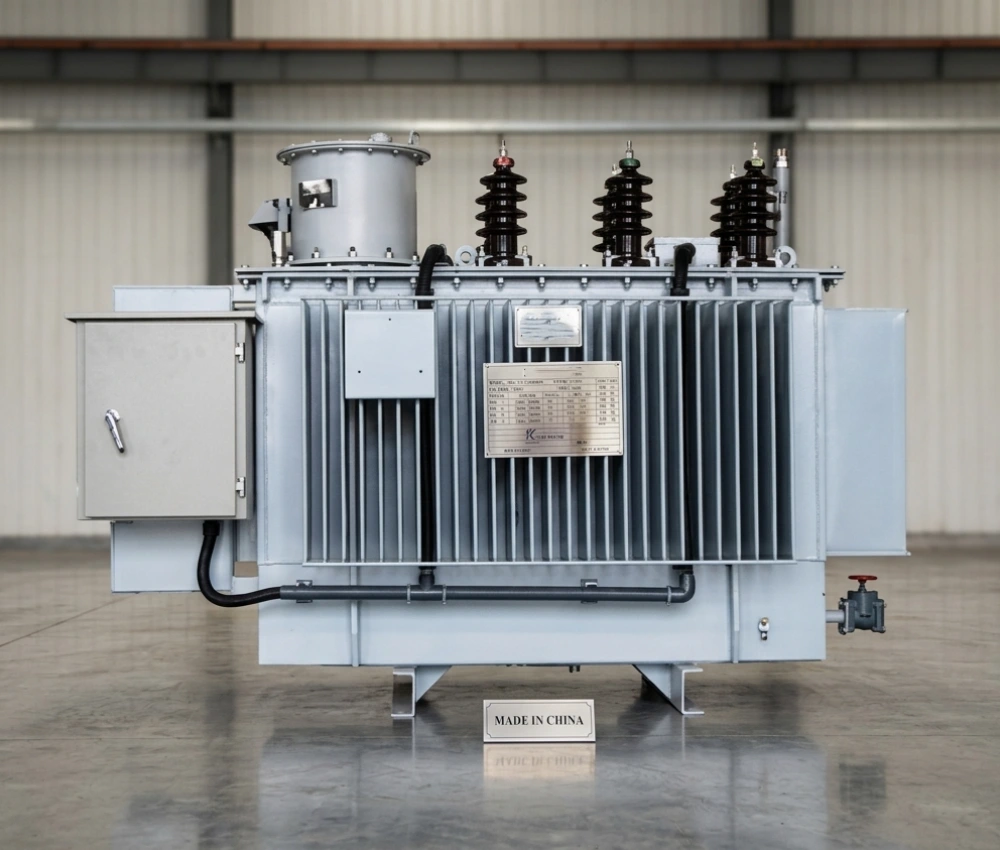
The Step Voltage Regulator for Overhead Line & Substation is a high-performance, automatic on-load tap-changing device engineered to maintain stable voltage levels in fluctuating distribution networks. Utilizing premium copper windings, high-permeability silicon steel cores, and a motorized on-load tap changer, this regulator delivers precise ±10% to ±20% voltage correction with fast response and minimal waveform distortion. It features an advanced microprocessor-based AVR controller with remote communication capability (RS485/GSM/4G), real-time monitoring, and multiple protection functions including over-voltage, under-voltage, overload, and reverse power. Designed for both pole-mounted overhead line installation and substation applications, it offers excellent overload capacity, low losses, and long service life under harsh outdoor conditions. Fully sealed, oil-immersed construction with advanced corrosion protection ensures reliable operation in tropical, coastal, or heavily polluted environments while complying with IEC 60076-21 and ANSI C57.15 standards.
- Primary Voltage Ratings 6 kV / 10 kV / 11 kV / 22 kV / 33 kV
- Secondary Voltage Ratings --
- H.V. Tap Range --
- Type Voltage Regulator
- BIL 11kV - 200kV
- Standards IEC 60076, IEC 60137, ASTM D202
- Application residential, commercial, industrial voltage stabilization
- Power Rating 100 kVA – 2000 kVA
- Certificate UL, CESI, IEEE
- Cooling Method Natural Air Cooling
- Opeartion --
Technical Specifications
Customization Optional
Packing and Shipping
Manufacturer Test
Routine Testing
Application
Technical Specifications
Step Voltage Regulator for Overhead Line & Substation | Automatic On-Load Tap Changer
Step Voltage Regulator for Overhead Line & Substation Parameter
Step Voltage Regulator for Overhead Line & Substation Technical Data
| Parameter | Specification |
| Rated Capacity | 100 kVA – 2000 kVA |
| Primary Voltage | 6 kV / 10 kV / 11 kV / 22 kV / 33 kV |
| Regulation Range | ±10% to ±20% (customizable) |
| Number of Steps | 16 ~ 32 steps |
| Step Voltage | 0.625% ~ 1.25% per step |
| Cooling Method | ONAN (Oil Natural Air Natural) |
| Controller | Microprocessor with RTU/GSM/4G |
| Operating Temperature | -40°C to +55°C |
|
Voltage(kV)
BIL(kV)
|
Load Current
(Amperes)
|
kVA
|
|
2.5 kV
60 kV BIL
|
200
300
400
500
668
1000
1332
1665
|
50
75
100
125
167
250
333
416
|
|
5.0 kV
75 kV BIL
|
100
150
200
250
334
500
668
833
|
50
75
100
125
167
250
333
416
|
|
7.62 kV
95 kV BIL
|
100
150
219
328
438
546
656
875
1093
|
76
114
167
250
333
416
500
667
833
|
|
13.8 kV
95 kV BIL
|
100
150
200
300
400
483
604
|
138
207
276
414
552
667
833
|
|
19.92 kV
150 kV BIL
|
50
100
167
200
335
418
502
|
100
200
333
400
667
833
1000
|
|
33 kV
200 kV BIL
|
50
100
200
|
165
330
660
|
Customization Optional
Step Voltage Regulator for Overhead Line & Substation | Automatic On-Load Tap Changer
Our Step Voltage Regulator for Overhead Line & Substation provides comprehensive customization to satisfy various grid configurations and environmental challenges. Customers can select rated voltages from 6kV to 36kV, capacities from 100kVA to 2000kVA, and regulation ranges up to ±30%. The number of tap steps (16–40), step size, and response speed can be optimized for specific network impedance and load characteristics. Advanced control options include IEC 61850 protocol, DNP3, Modbus RTU/TCP, and cloud-based remote monitoring platforms for SCADA integration. Enclosure types support pole-mounted, pad-mounted, or substation indoor/outdoor installations with stainless steel tanks, enhanced corrosion protection, or bird-proof designs for coastal and heavily polluted areas.
Additional customization includes high-overload capability (up to 200% for 2 hours), neutral grounding resistor integration, harmonic filtering, automatic power factor correction, and bypass switches for maintenance without power interruption. We also offer low-noise designs for urban installations, extreme temperature insulation systems (-50°C to +60°C), and solar-powered controller backups for remote sites. These flexible options allow utilities and EPC contractors to obtain a tailor-made solution that maximizes voltage stability and minimizes operational costs, making it highly searchable for “custom pole mounted step voltage regulator for overhead lines.”
Packing and Shipping
Step Voltage Regulator for Overhead Line & Substation | Automatic On-Load Tap Changer
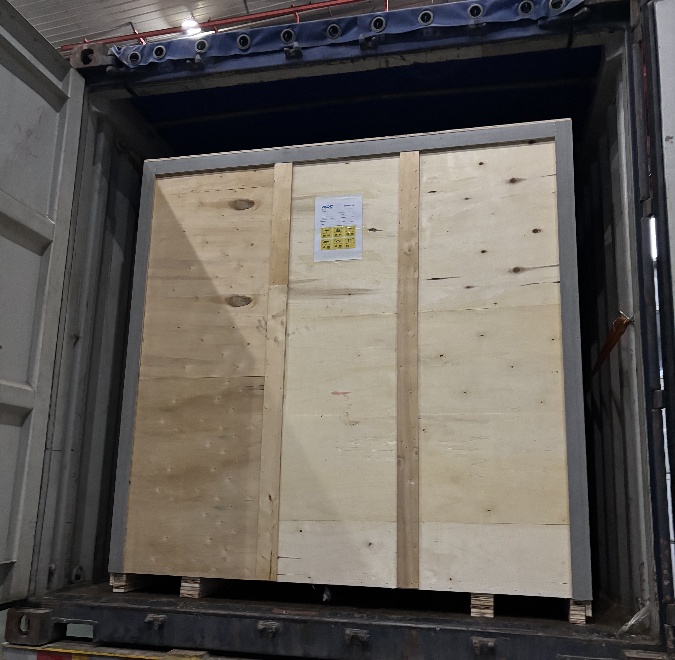
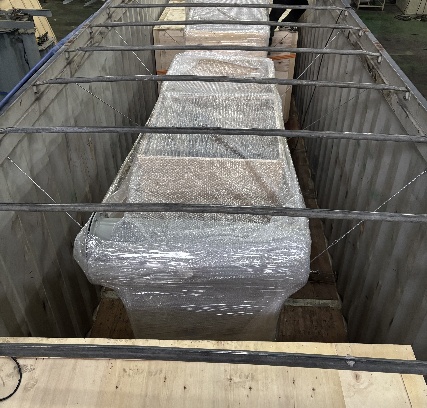
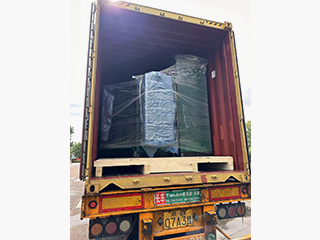
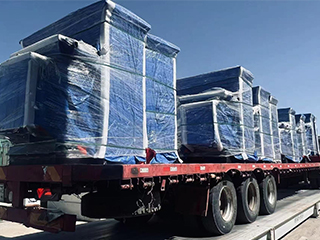
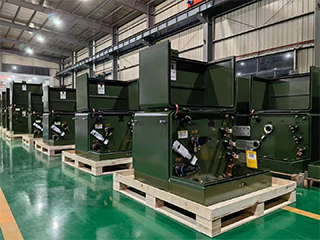
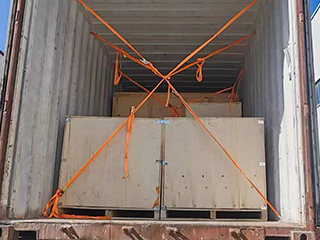
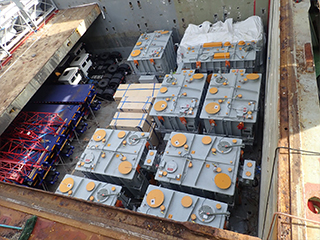
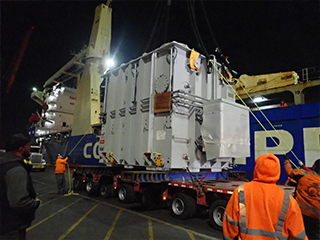
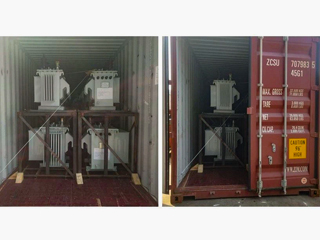
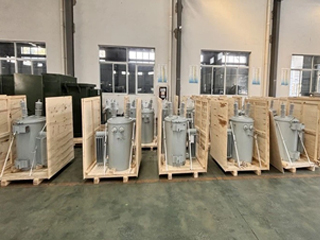
The Step Voltage Regulator for Overhead Line & Substation undergoes robust export packaging to withstand long-distance transportation and rough handling. The unit is securely fixed on a heavy-duty steel-reinforced wooden pallet with vibration-dampening mounts and multiple steel bands. All bushings, radiators, and control cabinets are protected with custom wooden frames and thick foam padding. The complete assembly is wrapped in waterproof plastic film and moisture-absorbent materials, then placed inside a reinforced fumigated wooden crate or steel container frame meeting ISPM 15 international standards. Shock indicators and tilt sensors are installed to monitor handling throughout the journey.
We provide flexible shipping solutions tailored to project schedules and destinations. For international deliveries, sea freight using 20ft or 40ft open-top or flat-rack containers ensures safe and economical transport with professional lashing and blocking, typically taking 25–55 days. Air freight is available for urgent spare parts or emergency replacements. Domestic and regional shipments utilize specialized low-bed trailers with hydraulic cranes and escort vehicles for oversized loads.
Full documentation packages are prepared in advance, including commercial invoices, packing lists, certificates of origin, factory test reports, and installation manuals to speed up customs clearance. Sustainable packing practices such as reusable steel components and minimized plastic usage are adopted wherever possible. Clients receive a dedicated online tracking portal with real-time GPS updates and proactive status notifications.
Upon arrival at the project site, we offer optional professional supervision for unloading, oil level verification, and initial commissioning guidance. For large projects, we support consolidated multi-unit shipments and phased delivery scheduling to optimize logistics costs and site management. This meticulous packing and shipping process ensures every step voltage regulator reaches its destination in perfect condition, ready for immediate installation and operation.
We provide flexible shipping solutions tailored to project schedules and destinations. For international deliveries, sea freight using 20ft or 40ft open-top or flat-rack containers ensures safe and economical transport with professional lashing and blocking, typically taking 25–55 days. Air freight is available for urgent spare parts or emergency replacements. Domestic and regional shipments utilize specialized low-bed trailers with hydraulic cranes and escort vehicles for oversized loads.
Full documentation packages are prepared in advance, including commercial invoices, packing lists, certificates of origin, factory test reports, and installation manuals to speed up customs clearance. Sustainable packing practices such as reusable steel components and minimized plastic usage are adopted wherever possible. Clients receive a dedicated online tracking portal with real-time GPS updates and proactive status notifications.
Upon arrival at the project site, we offer optional professional supervision for unloading, oil level verification, and initial commissioning guidance. For large projects, we support consolidated multi-unit shipments and phased delivery scheduling to optimize logistics costs and site management. This meticulous packing and shipping process ensures every step voltage regulator reaches its destination in perfect condition, ready for immediate installation and operation.
32
32 years of industry experience
Manufacturer Test
Step Voltage Regulator for Overhead Line & Substation | Automatic On-Load Tap Changer
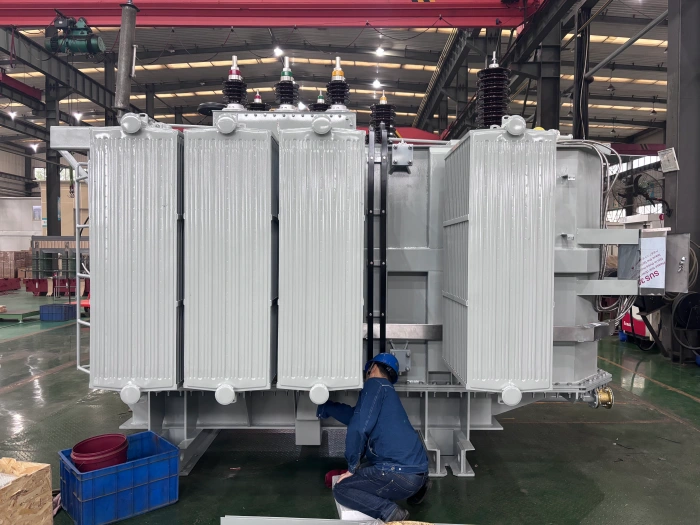
Progress Test
Mid-to-late production testing includes partial assembly dielectric tests at elevated voltage levels and partial discharge measurement to detect insulation defects. Oil processing and vacuum filling are monitored for moisture content and dielectric strength. Automatic control logic is simulated under various input voltage and load conditions to verify regulation accuracy and response time. Thermal performance is evaluated through heat-run simulation at rated and overload capacities. Final pre-painting vibration and mechanical strength tests confirm structural durability for pole-mounted or substation applications. Comprehensive data logging and third-party witness options provide full traceability before final acceptance. Winding resistance, insulation resistance, and turn-to-turn withstand tests are performed on the copper coils. On-load tap changer mechanical assembly undergoes 20,000 operation cycle endurance testing for smooth switching and contact reliability.
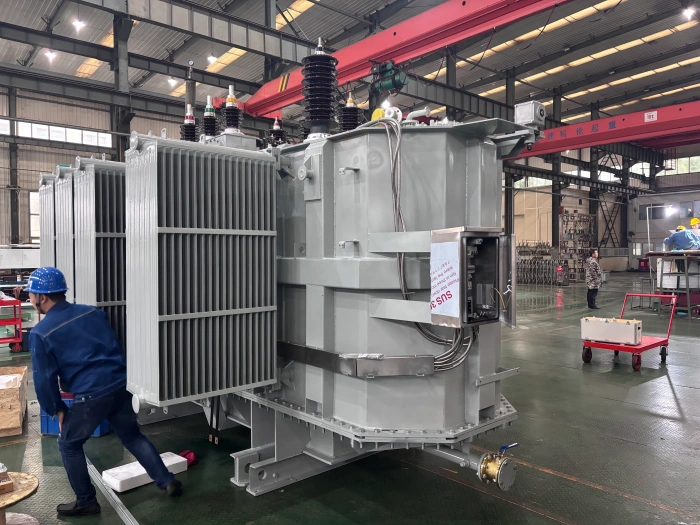
Design Tests
All transformer will be test after finished the production, test items as below:
♦ Insulation Power Factor
♦ Ratio, Polarity, and Phase Relation
♦ Winding Resistance
♦ Impulse Tests
♦ Transformer Turns Ratio/TTR (All Tap Voltages)
♦ Impedance Voltage & Load Loss (Rated Voltage)
♦ Polarity, 1-Ph / Phase Relation, 3-Ph (Rated Voltage)
♦ Excitation & No-Load Loss (Rated Voltage)
♦ Applied Voltage
♦ Induced Voltage
♦ Lightning Impulse
♦ Insulation Resistance (Rated Voltage)
♦ Temperature Rise
♦ Dielectric Withstand (Hipot)
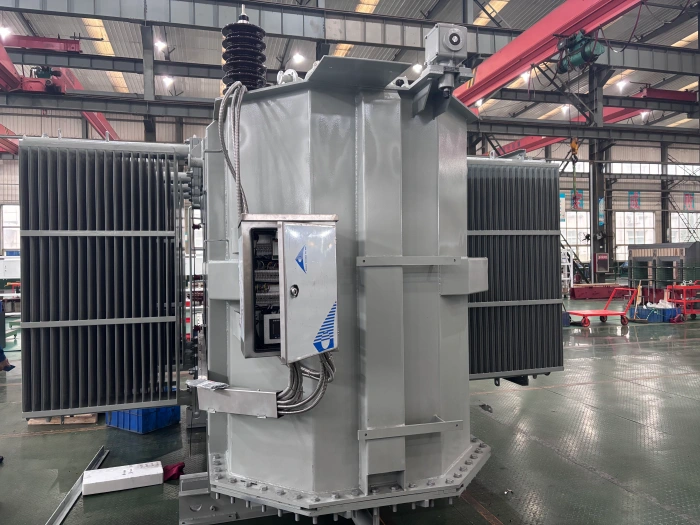
Factory Acceptance Test
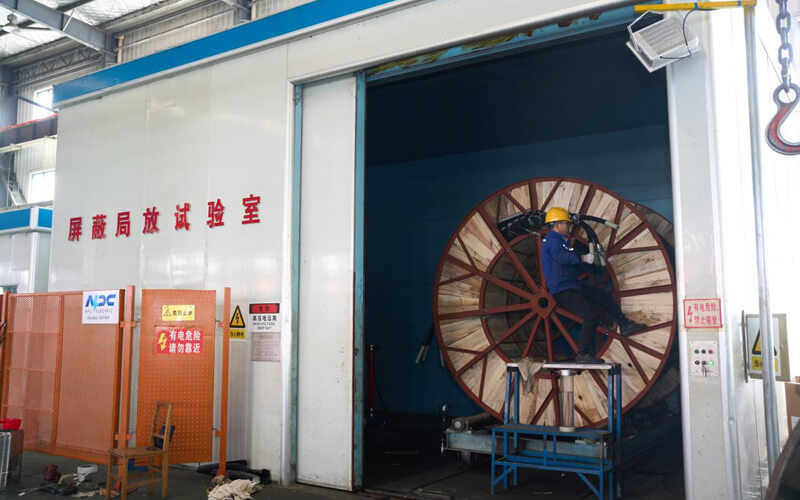
Advanced FAT includes extended heat-run testing at 100% and 150% rated load to verify temperature rise and cooling efficiency. On-load tap changer endurance cycling (minimum 10,000 operations) confirms mechanical and electrical reliability under load. Remote communication protocols and SCADA integration are tested for data accuracy and command response. Noise level measurement, sealing integrity, and auxiliary device functionality (gauges, relays, heaters) are verified. Final comprehensive inspection covers paint quality, nameplate information, accessories, and overall appearance. Complete test reports with calibration certificates, oscillographic records, and optional customer witness signatures are provided, fully certifying the regulator’s readiness for overhead line and substation deployment. No-load loss and excitation current measurements confirm core efficiency. Full-range voltage regulation tests verify output stability and step accuracy under zero to full load. Power frequency withstand and impulse tests validate insulation integrity at rated voltage levels.
Routine Test - Winding Resistance
Purpose of Testing
The purpose of winding resistance testing is to detect the continuity and connection quality of the internal conductors of the motor or transformer windings, and to promptly detect potential faults such as open circuits, poor contact or local heating.
Testing Equipment
Winding resistance tester (e.g. OMICRON, DV Power, Raytech, Megger, ISA, etc.)
Test voltage source (commonly used are 6V, 10V, 20V, 40V or 100V, depending on the equipment model or customer requirements)
Temperature and humidity meter (used to record the ambient temperature and humidity during the test)
Test voltage source (commonly used are 6V, 10V, 20V, 40V or 100V, depending on the equipment model or customer requirements)
Temperature and humidity meter (used to record the ambient temperature and humidity during the test)
Pre-Test Preparation
Check if the instrument has been calibrated to ensure the test accuracy.
Disconnect the electrical connection between the test cable and the equipment to ensure that there is no external current or voltage interference.
Select a suitable voltage range for testing and set the test voltage according to the equipment requirements.
Disconnect the electrical connection between the test cable and the equipment to ensure that there is no external current or voltage interference.
Select a suitable voltage range for testing and set the test voltage according to the equipment requirements.
Test Progress
Connect the Test Instrument:
Connect the test equipment to the winding terminals of the device under test, making sure the connections are secure and properly grounded to avoid measurement errors.
Apply Test Voltage:
Select the appropriate test current according to the equipment specifications (such as test current for low-voltage windings, single-phase or three-phase windings).
Connect the test equipment to the winding terminals of the device under test, making sure the connections are secure and properly grounded to avoid measurement errors.
Apply Test Voltage:
Select the appropriate test current according to the equipment specifications (such as test current for low-voltage windings, single-phase or three-phase windings).
Measure and Record
Start the test and record the following parameters:
Winding resistance (usually expressed in units of "Ω")
Test current (A)
Test voltage (V)
Temperature (record the winding temperature before and after the test)
Winding resistance (usually expressed in units of "Ω")
Test current (A)
Test voltage (V)
Temperature (record the winding temperature before and after the test)
Temperature Correction
The measured winding resistance values are converted to a reference temperature (usually 20°C) based on a temperature correction formula to allow accurate evaluation and comparison.
Repeat Testing (if necessary)
Test the different windings (high voltage, medium voltage, low voltage) separately and make sure to record the resistance value of each winding.
Evaluation Criteria (Reference)
Resistance deviation is less than 5% (normal)
Resistance deviation is between 5% and 10% (warning)
Resistance deviation exceeds 10% (further inspection or corrective action is required)
Resistance deviation is between 5% and 10% (warning)
Resistance deviation exceeds 10% (further inspection or corrective action is required)
*These comprehensive tests ensure that each transformer meets performance standards and operates
reliably under various conditions.
Application
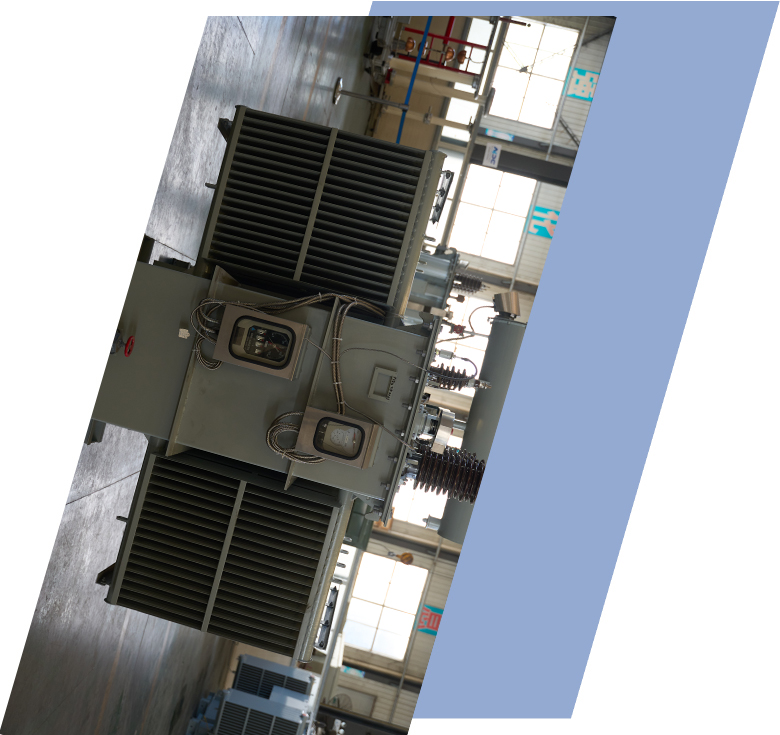
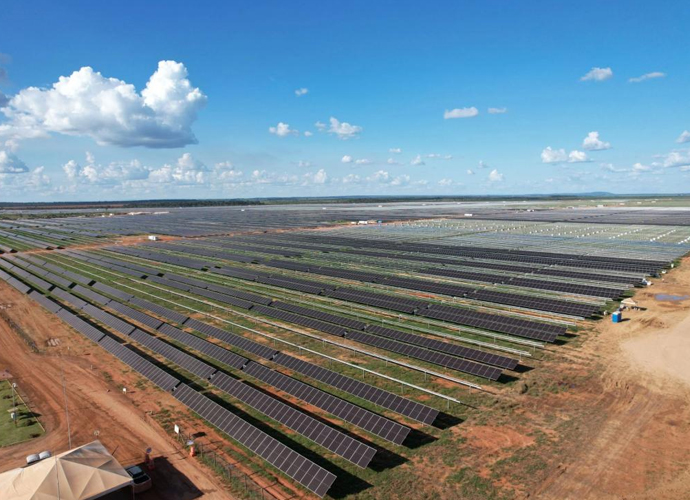
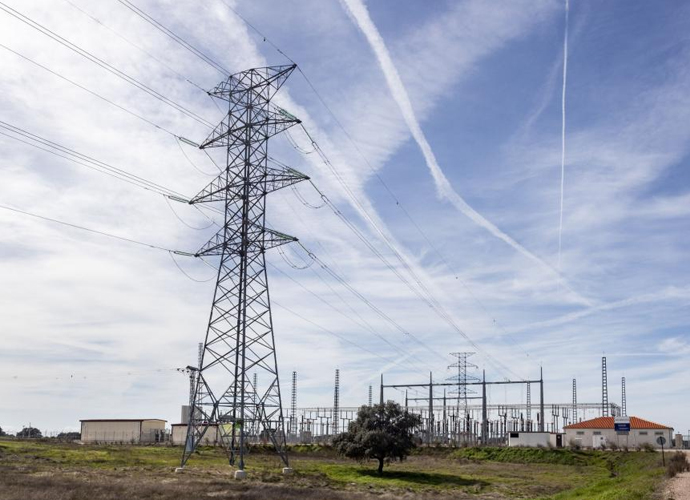
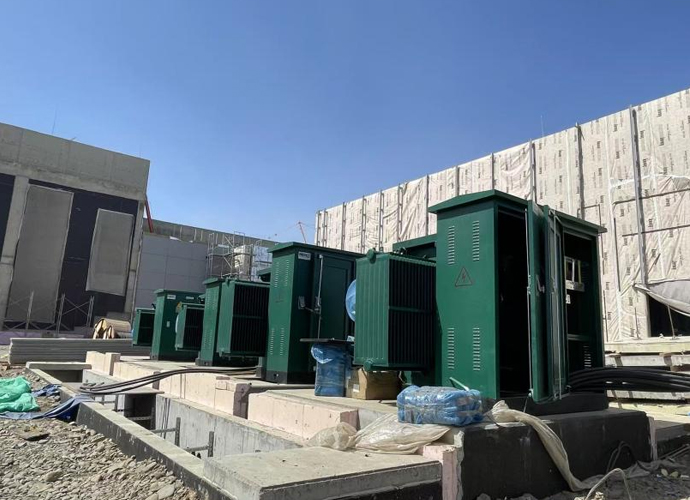
Extensively deployed in utility distribution networks, renewable energy integration points, and industrial park substations, providing precise automatic voltage regulation for both overhead lines and indoor/outdoor substation applications to improve power quality and system efficiency.

Technical Advantages
● 30+ years of manufacturing experience
● ISO and UL certified production
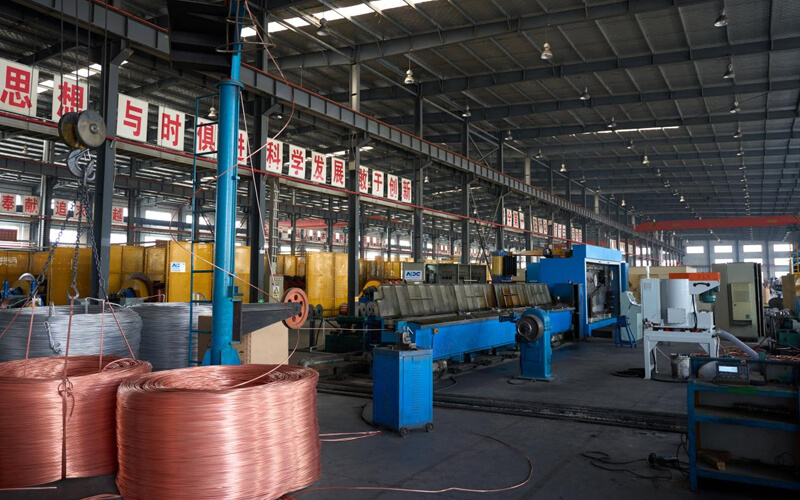
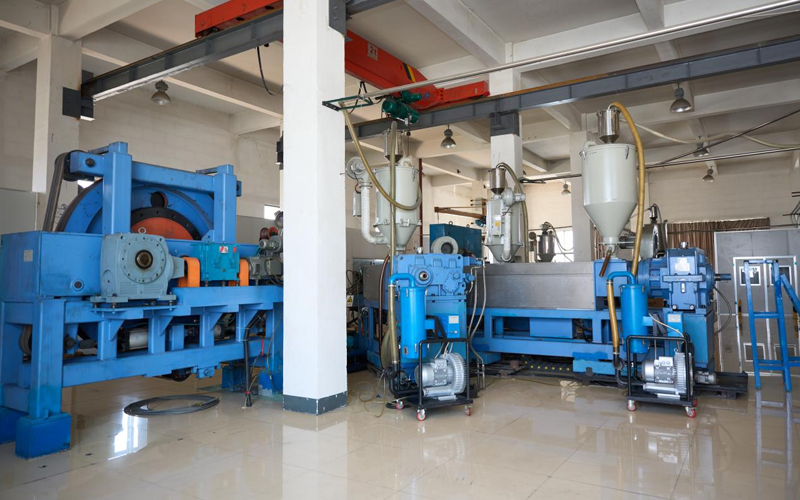
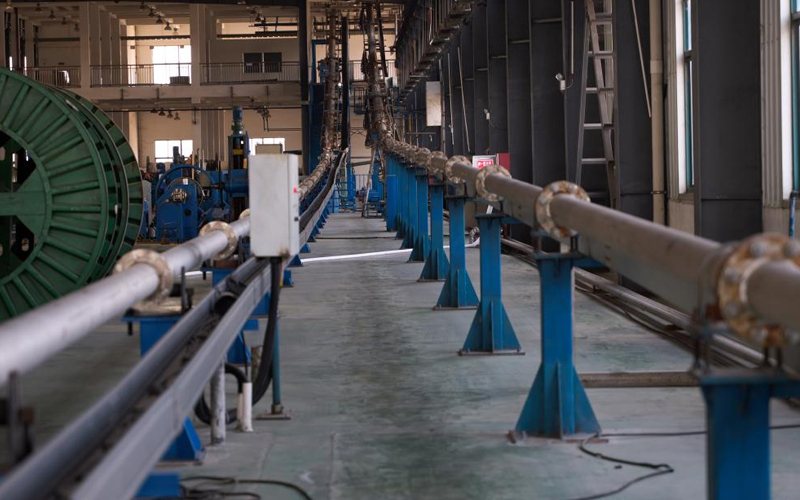
● Customized cable and transformer solutions
Product Packaging
Transformers Packaging (1)
Transformers Packaging (2)
Transformers Packaging (3)
Transformers Packaging (4)
Transformers Packaging (5)
Transformers Packaging (6)
Transformers Packaging (7)
Transformers Packaging (8)
Related Products
400kV Power Transformer: High-Voltage Substation Solutions
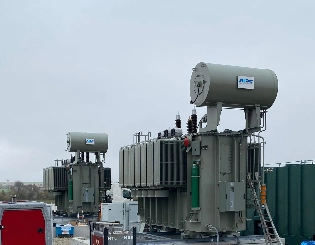
NPC Electric 400kV Power Transformer represents the pinnacle of Extra-High Voltage (EHV) engineering, specifically designed to handle the massive energy loads of modern national grids and renewable energy hubs. This unit utilizes a sophisticated cooling architecture and a low-flux density core design to ensure maximum efficiency and minimal noise pollution. Each transformer is built with a high-strength, vacuum-proof tank and premium-grade insulation materials that have undergone rigorous moisture extraction. With its advanced electromagnetic shielding, the 400kV model minimizes eddy current heating, ensuring a stable service life exceeding 30 years. It serves as a vital link in stepping down bulk power from 400kV transmission lines to regional distribution levels, offering unmatched short-circuit withstand capabilities and thermal stability for critical infrastructure projects worldwide.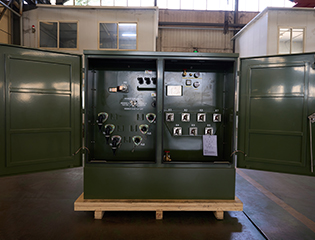
500kVA Three Phase Pad Mounted Transformer
The 500kVA three-phase pad transformer is an efficient and sturdy power equipment designed for commercial, industrial and distribution systems. It has a compact design and a protective casing that meets NEMA 3R or higher standards. It is suitable for various outdoor environments and can effectively resist external factors such as weather, dust and moisture. It can meet the power needs of different regions and has a variety of optional functions, such as load regulation and temperature control systems, to further improve its operating efficiency and safety. The built-in protection device can effectively prevent overload, short circuit and other faults to ensure the safe and reliable operation of the power system.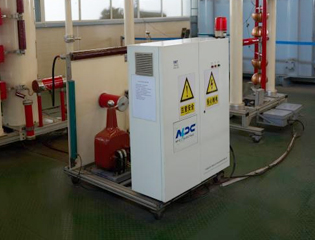
10kV Cast Resin Dry Type Transformer Copper Winding
The 10kV Cast Resin Dry Type Transformer Copper Winding, a high-reliability, oil-free power solution engineered for safe and efficient indoor medium-voltage distribution. This three-phase dry-type transformer features fully vacuum-cast epoxy resin encapsulation around high-purity copper windings, combined with premium low-loss grain-oriented silicon steel cores to deliver exceptional energy efficiency (typically 98%+), significantly reduced no-load and load losses, and outstanding partial discharge performance (<10pC). The cast resin design ensures superior moisture resistance, self-extinguishing fire safety (F1 class), robust short-circuit withstand, and maintenance-free operation. Natural air (AN) cooling with optional forced air (AF) upgrades supports high overload capacity while maintaining low acoustic emissions through advanced vibration isolation and optimized core/winding geometry. Compliant with IEC 60076-11 and equivalent standards, this transformer steps down 10kV primary (with ±2×2.5% or wider off-circuit taps) to 0.4kV secondary (Dyn11 vector group standard), making it the ideal choice for modern commercial, industrial, and utility indoor installations prioritizing safety, sustainability, and long-term performance.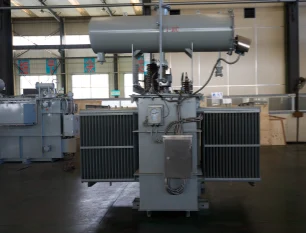
250MVA 330kV High-Voltage Oil-Immersed Distribution Transformer for Grid & Substation
The 250MVA 330kV High-Voltage Oil-Immersed Distribution Transformer is engineered for reliable and efficient power transmission in large utility grids and high-demand substations. Designed with advanced insulation and a durable oil-immersed cooling system, it ensures excellent thermal stability and long service life. The high-voltage 330kV configuration provides exceptional performance in long-distance power delivery, minimizing losses and improving grid stability. Its precision-wound copper coils, high-strength core materials, and robust tank structure guarantee safe operation under fluctuating load conditions. With strong short-circuit resistance, high dielectric strength, and low noise operation, this transformer meets stringent international standards. It is widely used in national grid projects, power plants, and heavy-industry energy networks, supporting continuous, stable, and efficient power distribution.
Step Down Dry Type Transformer
The Step Down Dry Type Transformer is a safe, efficient, oil-free electrical device designed to reduce (step down) higher incoming voltages to lower levels suitable for end-use equipment in indoor power distribution systems. This three-phase or single-phase transformer uses air (natural or forced) for cooling instead of insulating liquids, with windings typically encapsulated in epoxy resin (cast resin) or vacuum pressure impregnated for superior insulation. It features premium low-loss grain-oriented silicon steel cores and high-conductivity copper (or aluminum) windings, delivering excellent energy efficiency (often 98%+ per DOE/IEC standards), minimal no-load/load losses, low partial discharge (<10pC), and robust short-circuit withstand. Compliant with IEC 60076-11, IEEE/ANSI, and DOE efficiency requirements, step-down dry type transformers commonly handle primary voltages from 480V to 35kV+ stepping down to 208Y/120V, 400V, 0.4kV, or custom secondaries, making them ideal for modern, sustainable indoor applications.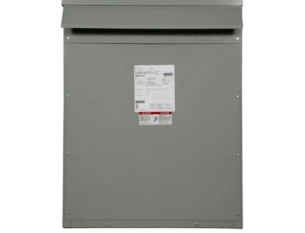
Single Phase Isolation Transformer
The Single Phase Isolation Transformer is a specialized power transformer designed to provide complete electrical isolation between the primary and secondary circuits while ensuring safe and efficient power transmission. By eliminating direct conductive paths between input and output power sources, the transformer effectively suppresses electrical noise, reduces common-mode interference, minimizes transient voltage disturbances, and enhances operational safety for connected equipment. This makes it an ideal solution for sensitive electronic devices, industrial control systems, laboratory instruments, medical equipment, and commercial power applications. Constructed with premium-grade CRGO silicon steel cores and precision-wound copper or aluminum conductors, the Single Phase Isolation Transformer offers exceptional efficiency, low losses, and stable voltage regulation. Its robust insulation system enhances dielectric strength and provides reliable protection against electrical faults and grounding issues. The transformer is available in a wide range of voltage ratings and capacities, making it suitable for both standard and customized electrical distribution requirements. Designed for long-term performance and minimal maintenance, the Single Phase Isolation Transformer can be integrated into industrial automation systems, telecommunications networks, data processing facilities, and specialized power conditioning applications.FAQ From Customers
-
What is a Transformer?A transformer is an electrical device used to change the voltage of alternating current (AC). It works on the principle of electromagnetic induction, converting high-voltage current into low-voltage current or low-voltage current into high-voltage current. Transformers are widely used in power transmission, distribution systems, and various electronic devices.
-
What are the main uses of a transformer?The main use of a transformer is voltage conversion. Transformers are used in power transmission systems to help transfer electricity from power plants to consumers. In addition, transformers are also used in electronic devices such as chargers, televisions, power adapters, etc., to adjust the voltage to meet the requirements of different devices.
-
Do you have UL listed?Yes, our transformer has UL listed. We have exported to America many pad mounted transformer,substation transformer and HV.
Welcome your inquiry
Honesty, Integrity, Frugality, Activeness and Passion