


100kVA–20MVA Solar Step-Up Transformer for PV Power Plants
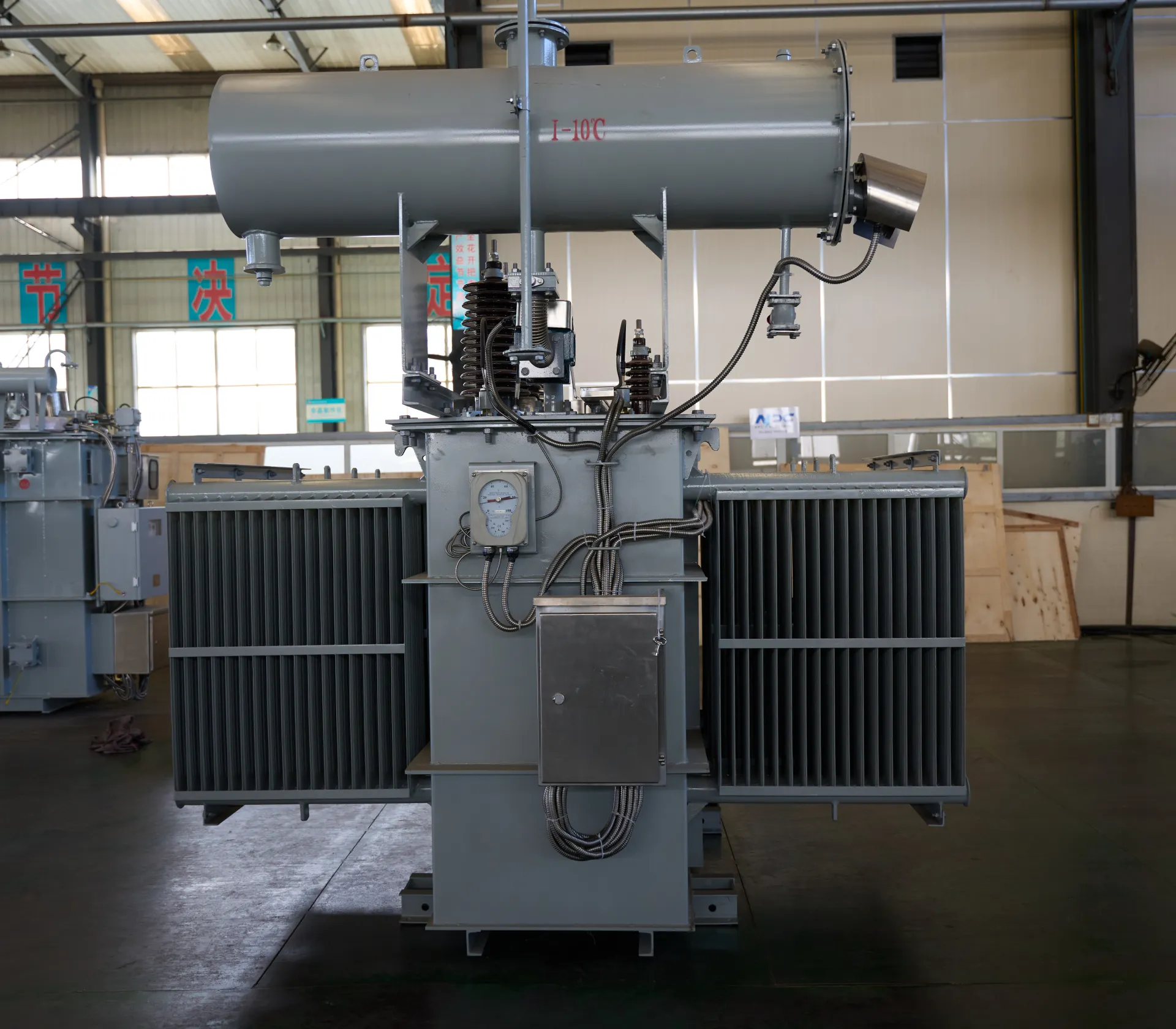
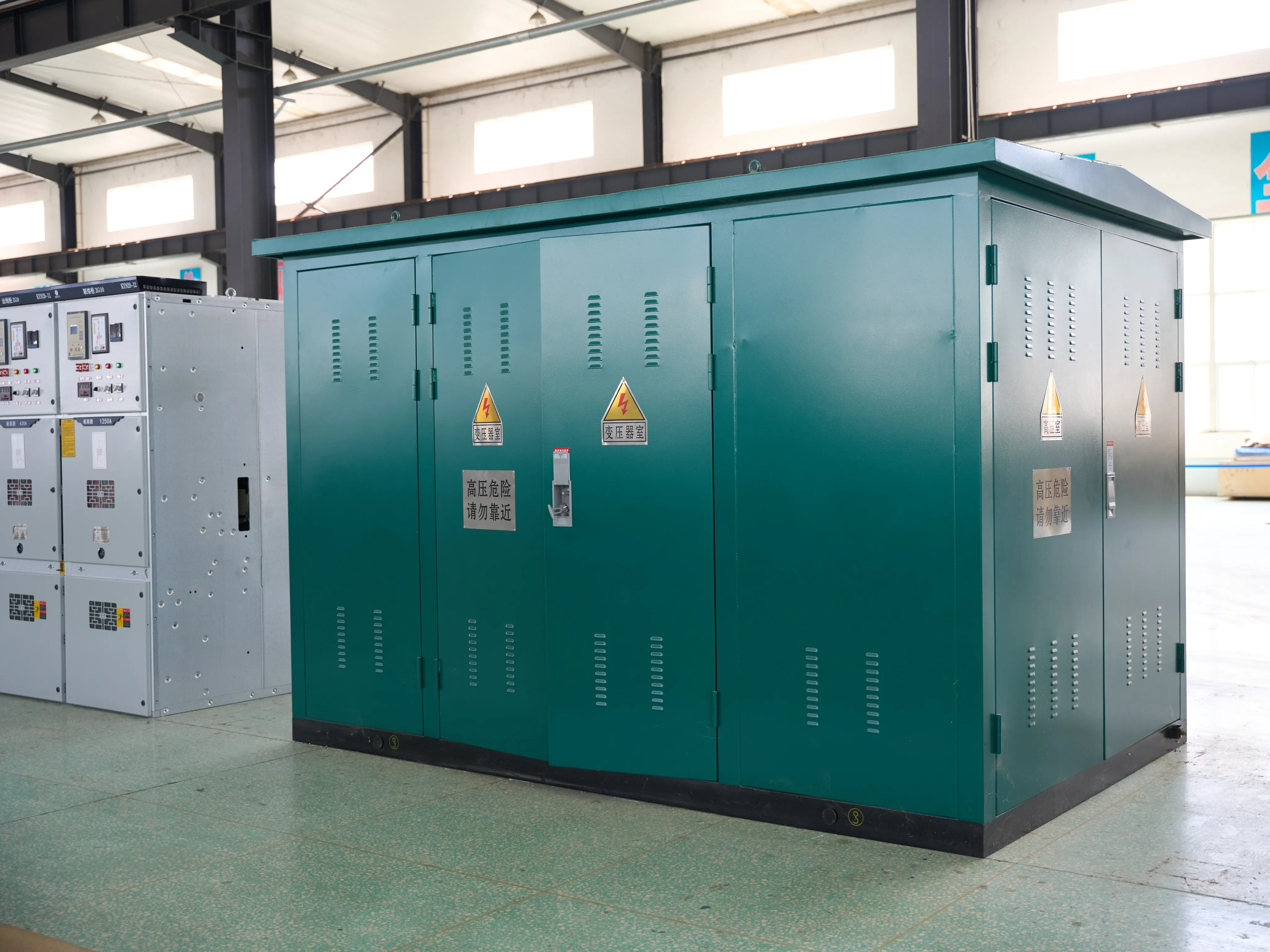
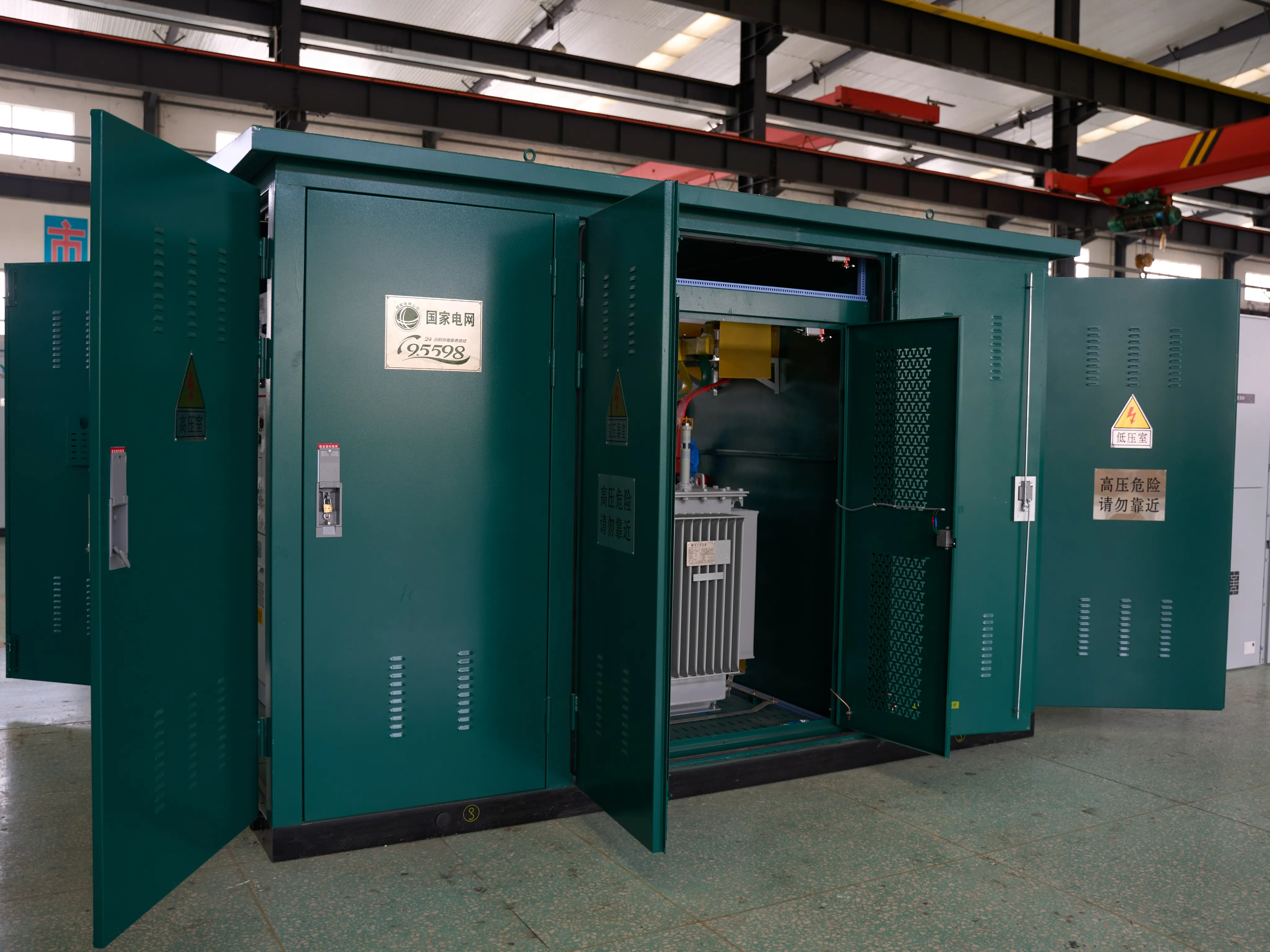
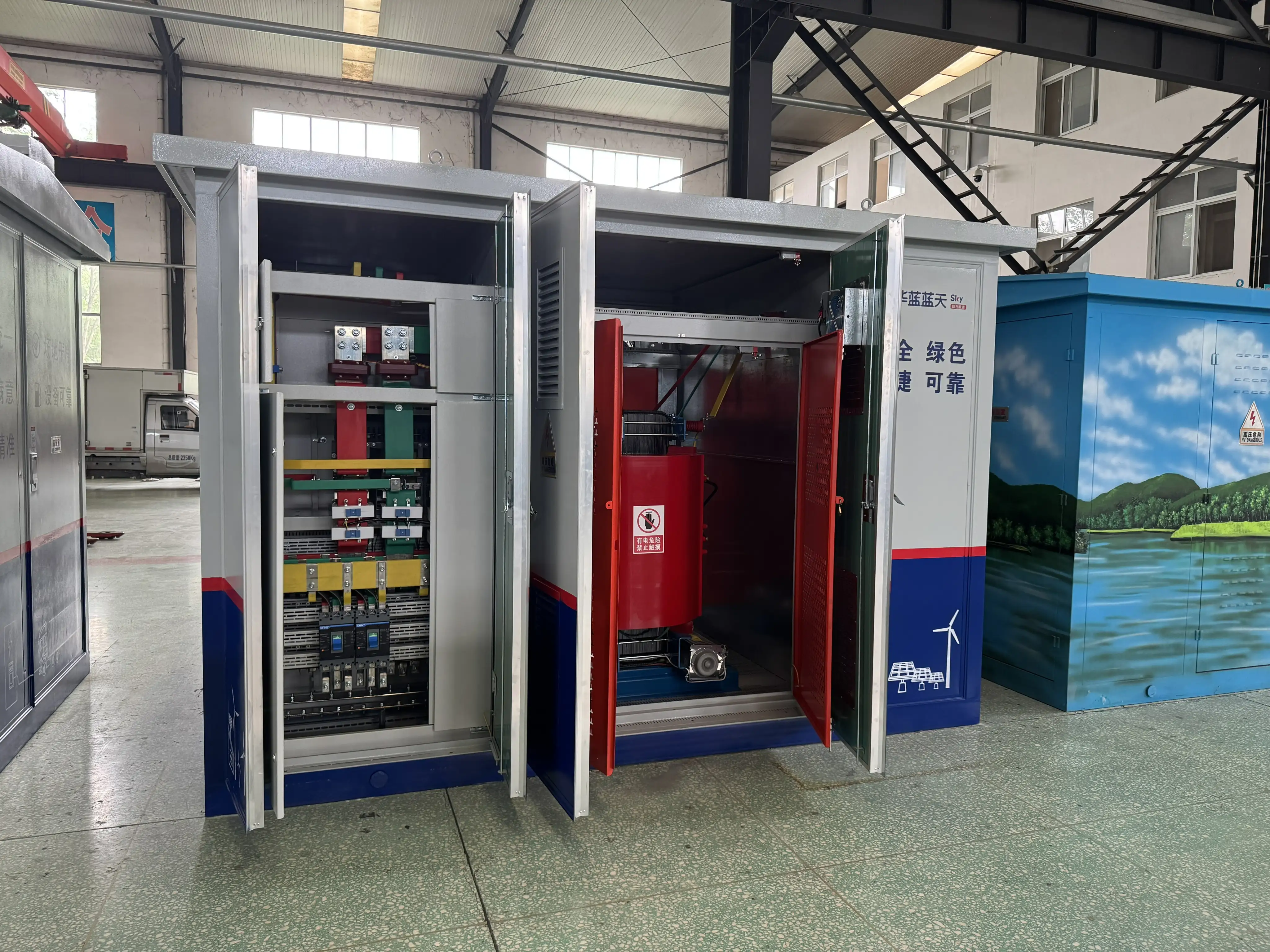
The 100kVA–20MVA Solar Step-Up Transformer is engineered specifically for modern solar power plants, providing efficient voltage elevation from inverter output levels to medium- or high-voltage grid requirements. Designed for continuous operation under fluctuating solar loads, this transformer ensures stable power transmission, low energy losses, and high operational reliability. Featuring a robust oil-immersed insulation system, the transformer delivers excellent thermal performance and long service life even in harsh outdoor environments. High-quality copper or aluminum windings, optimized magnetic core design, and advanced cooling configurations contribute to superior efficiency and reduced lifecycle costs. The transformer complies with IEC and IEEE standards, making it suitable for utility-scale photovoltaic projects, distributed generation systems, and renewable energy substations. With flexible capacity coverage from 100kVA to 20MVA, it adapts seamlessly to small, medium, and large solar installations.
- Primary Voltage Ratings 11kV - 33kV or others
- Secondary Voltage Ratings 0.315kV, 0.38kV, 0.48kV, 0.6kV, 0.69kV, 0.8kV or customized
- H.V. Tap Range ± 2×2.5% HV taps or others
- Type Solar Step-up Transformer
- BIL 30/200kV, 30/170kV, 30/150, 30/95 or others
- Standards IEEE, ANSI, NEMA, IEC, GB
- Application ground-mounted solar power plants, industrial PV systems
- Power Rating 100kVA–20MVA
- Certificate UL ,CESI
- Cooling Method ONAN, KNAN
- Opeartion Step-up
Technical Specifications
Customization Optional
Packing and Shipping
Manufacturer Test
Routine Testing
Application
Technical Specifications
100kVA–20MVA Solar Step-Up Transformer for PV Power Plants
Technical Specifications
Accessories
| Rated Power | 100kVA–20MVA | |
| Rating Primary Voltage | 11kV - 33kV or others | |
| Secondary Voltage | Customized | |
| Frequency | 50/60Hz | |
| Vector Group | Dyn11,Ynd11,Dyn11yn11,YNd11d11 | |
| Winding Material | Aluminum/Copper | |
| Zero-Sequence Impedance | Customized | |
| Altitude | ≤1,000m or Customized | |
| Color | ANSI 70 Light gray/Munsell 7GY3.29/1.5 or customized etc | |
| Tank material | Mild Steel, 304 Stainless Steel | |
| HV Bushing |
| LV Bushing |
| Tap changer |
| Oil level gauge |
| Oil temperature indicator |
| Pressure relief device |
| CT |
| Lifting hook for complete transformer |
| Name plate |
| Radiators |
| Oil upper filtering valve |
| Oil drain valve with 3/8" sampler |
| Terminal box |
Customization Optional
100kVA–20MVA Solar Step-Up Transformer for PV Power Plants
The 100kVA–20MVA Solar Step-Up Transformer offers extensive electrical customization to meet diverse photovoltaic project requirements. Primary and secondary voltage ratings can be precisely configured to match inverter output levels and grid connection standards, including common ranges such as 400V, 690V, 800V, 1kV, 6.6kV, 10kV, 11kV, 33kV, or higher. Vector group selection is optimized for solar inverter compatibility, ensuring minimal harmonic interaction and stable synchronization with the utility grid. Customers may choose copper or aluminum windings based on efficiency targets, cost considerations, and thermal performance expectations. Tap changer options include off-circuit tap changers or on-load tap changers (OLTC) for voltage regulation under variable solar generation conditions.
Mechanical and environmental customization further enhances adaptability to site conditions. The transformer tank can be designed for outdoor installation with corrosion-resistant coatings suitable for desert, coastal, or high-humidity environments. Cooling methods such as ONAN or ONAF are selectable according to capacity and ambient temperature. Noise level optimization, fire safety features, intelligent monitoring systems, and digital temperature indicators can be integrated upon request. Accessories including surge arresters, cable boxes, and protection relays are configurable to align with EPC specifications. This flexible customization approach ensures seamless integration into any solar power plant design.
Packing and Shipping
100kVA–20MVA Solar Step-Up Transformer for PV Power Plants
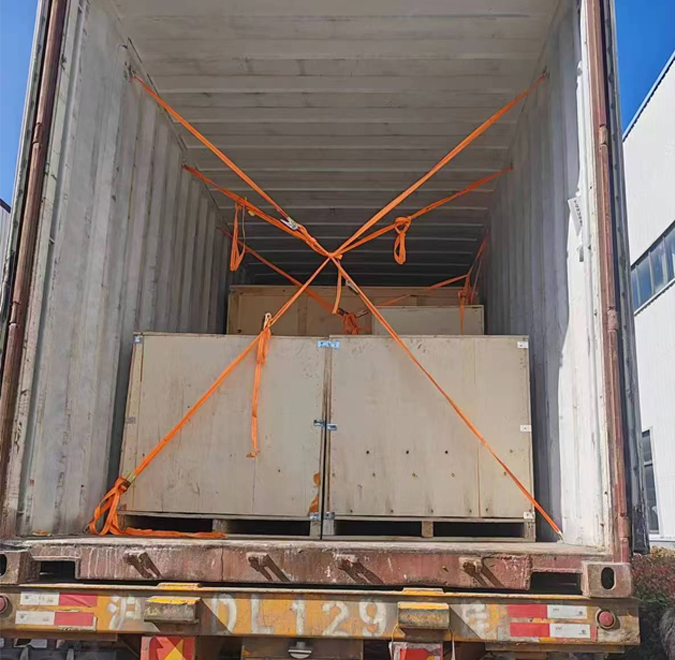
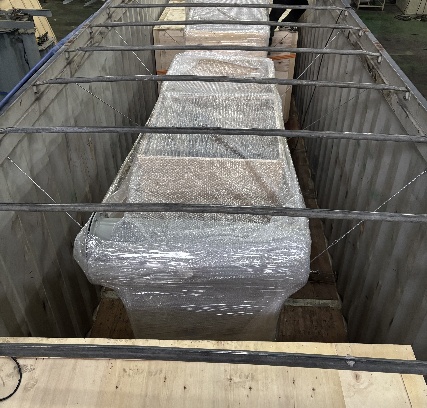
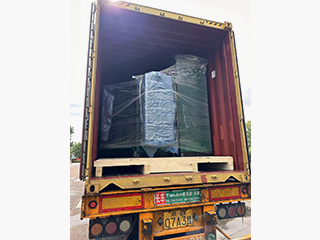
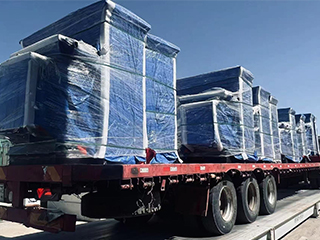
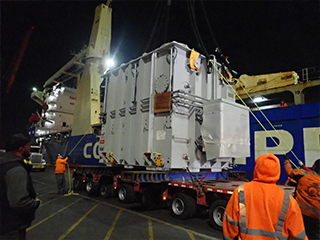
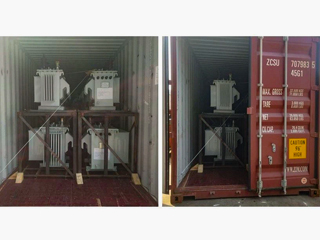
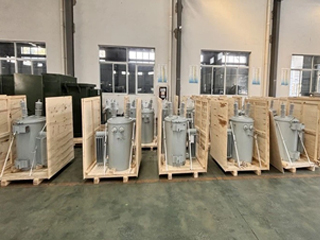
The packing and shipping process for the Solar Step-Up Transformer is designed to safeguard structural integrity and electrical performance throughout transportation. Prior to packing, each transformer undergoes a final inspection to ensure all components are securely assembled and free from surface defects. External fittings, terminals, and accessories are carefully protected using reinforced covers and cushioning materials to prevent mechanical damage during handling.
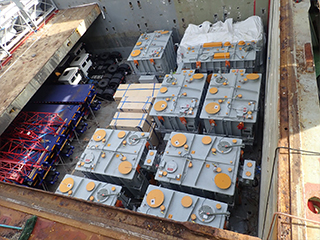
Depending on project logistics and destination, the transformer may be shipped oil-filled, nitrogen-filled, or vacuum-sealed. For long-distance or overseas transport, moisture-proof wrapping and anti-corrosion treatments are applied to protect insulation systems and metallic surfaces. Bushings, radiators, and auxiliary equipment may be detached and packed separately in dedicated crates to minimize transit risk.
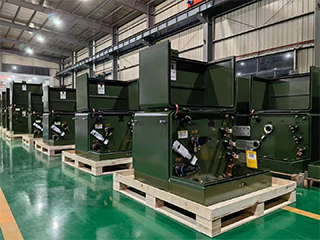
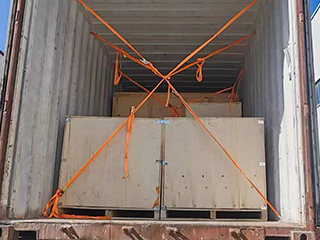
The transformer body is mounted on heavy-duty steel or treated wooden skids engineered to support the unit’s weight and maintain stability during lifting and transport. Shock-absorbing materials and internal bracing reduce vibration stress during road, rail, or sea transportation. All wooden packaging complies with international phytosanitary regulations such as ISPM 15.
Clear labeling, lifting instructions, center-of-gravity markings, and safety warnings are applied to each package. Complete shipping documentation—including packing list, test reports, manuals, and certificates—is provided to ensure smooth customs clearance and on-site installation. This systematic approach guarantees safe delivery and rapid commissioning upon arrival.
Depending on project logistics and destination, the transformer may be shipped oil-filled, nitrogen-filled, or vacuum-sealed. For long-distance or overseas transport, moisture-proof wrapping and anti-corrosion treatments are applied to protect insulation systems and metallic surfaces. Bushings, radiators, and auxiliary equipment may be detached and packed separately in dedicated crates to minimize transit risk.
The transformer body is mounted on heavy-duty steel or treated wooden skids engineered to support the unit’s weight and maintain stability during lifting and transport. Shock-absorbing materials and internal bracing reduce vibration stress during road, rail, or sea transportation. All wooden packaging complies with international phytosanitary regulations such as ISPM 15.
Clear labeling, lifting instructions, center-of-gravity markings, and safety warnings are applied to each package. Complete shipping documentation—including packing list, test reports, manuals, and certificates—is provided to ensure smooth customs clearance and on-site installation. This systematic approach guarantees safe delivery and rapid commissioning upon arrival.
32
32 years of industry experience
Manufacturer Test
100kVA–20MVA Solar Step-Up Transformer for PV Power Plants
Progress Test
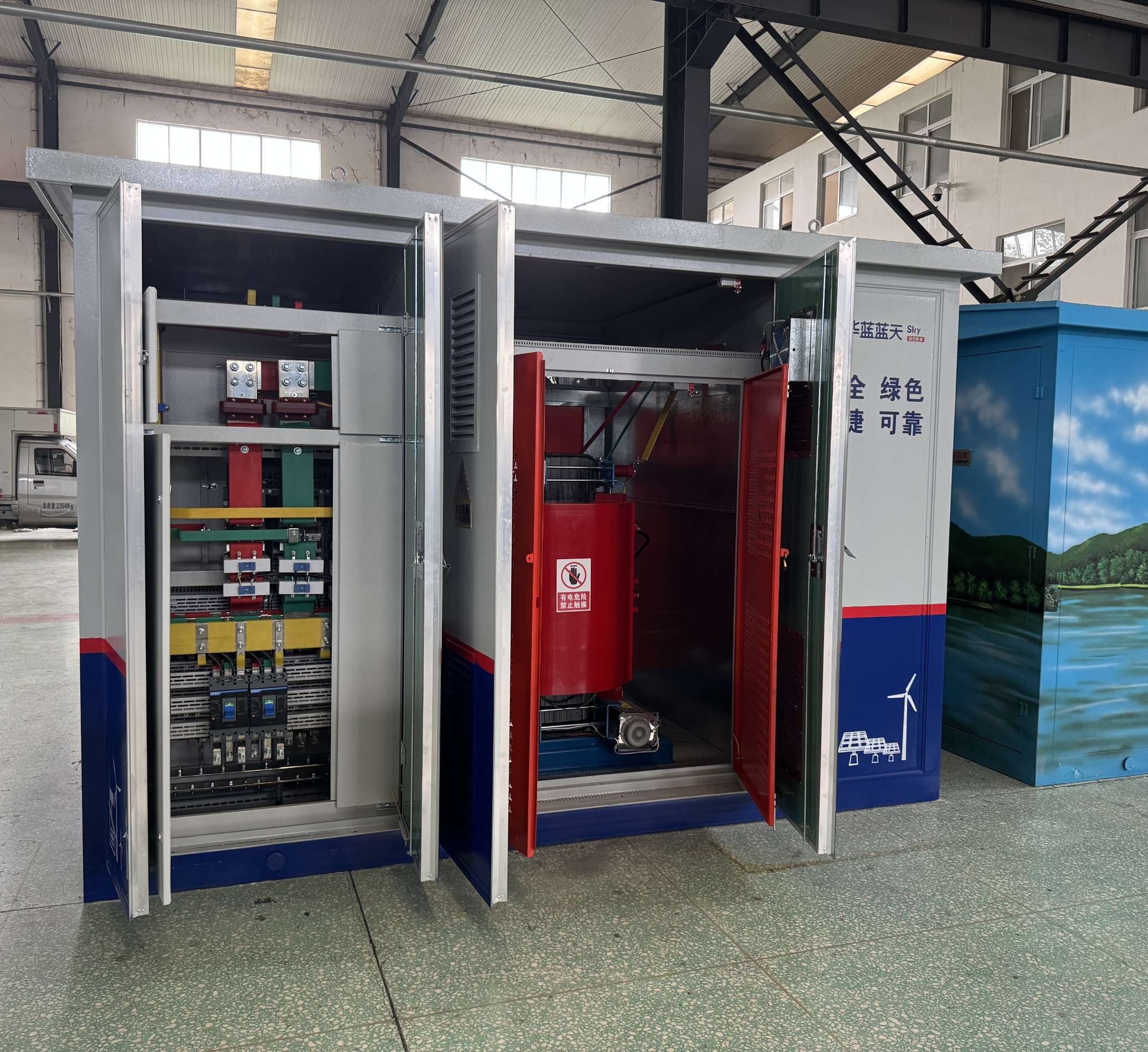
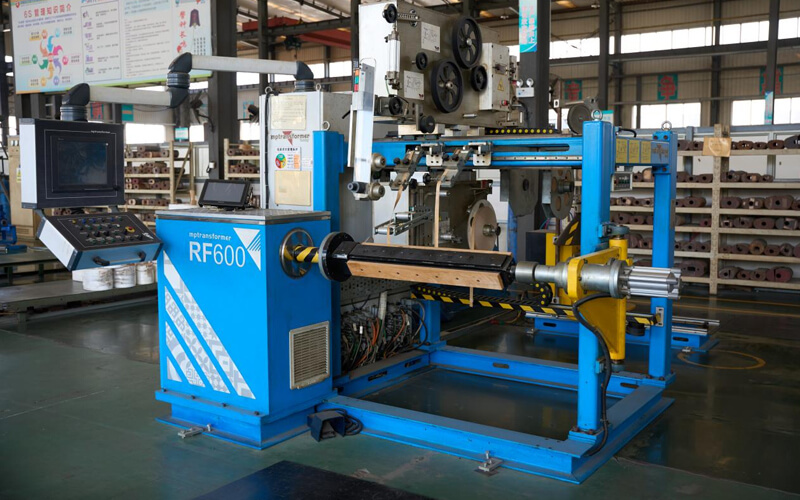
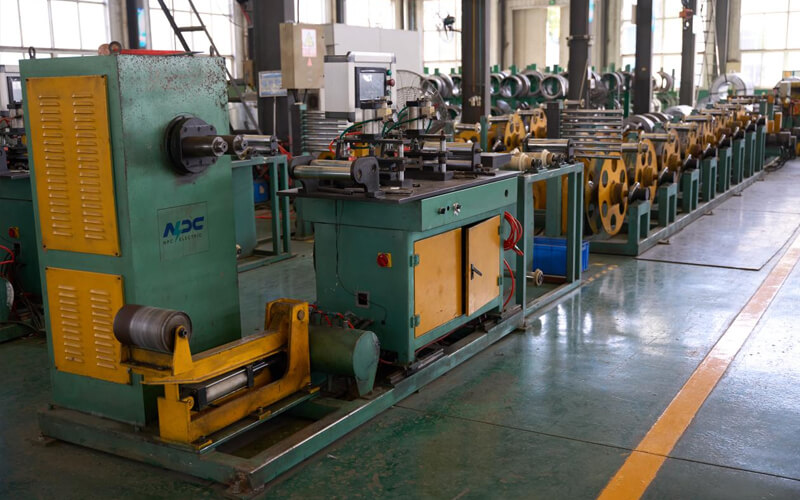
Progress testing for the Solar Step-Up Transformer is conducted throughout the manufacturing process to ensure consistent quality and adherence to design specifications. Incoming raw materials such as electrical steel, winding conductors, insulation paper, and transformer oil are inspected and tested prior to production. Core assembly inspections verify lamination alignment, stacking pressure, and dimensional accuracy. During winding and insulation processes, in-process inspections confirm conductor tension, insulation thickness, and winding geometry. Coil assemblies undergo drying and vacuum treatment to remove residual moisture and enhance dielectric strength. Intermediate electrical checks, including winding resistance and insulation resistance tests, are performed before final assembly.
Tank fabrication and welding are inspected for structural integrity, followed by pressure and leakage tests. Prior to oil filling, internal cleanliness is verified to prevent contamination. All results are recorded in progress inspection reports, ensuring full traceability and early identification of potential deviations.
Design Tests
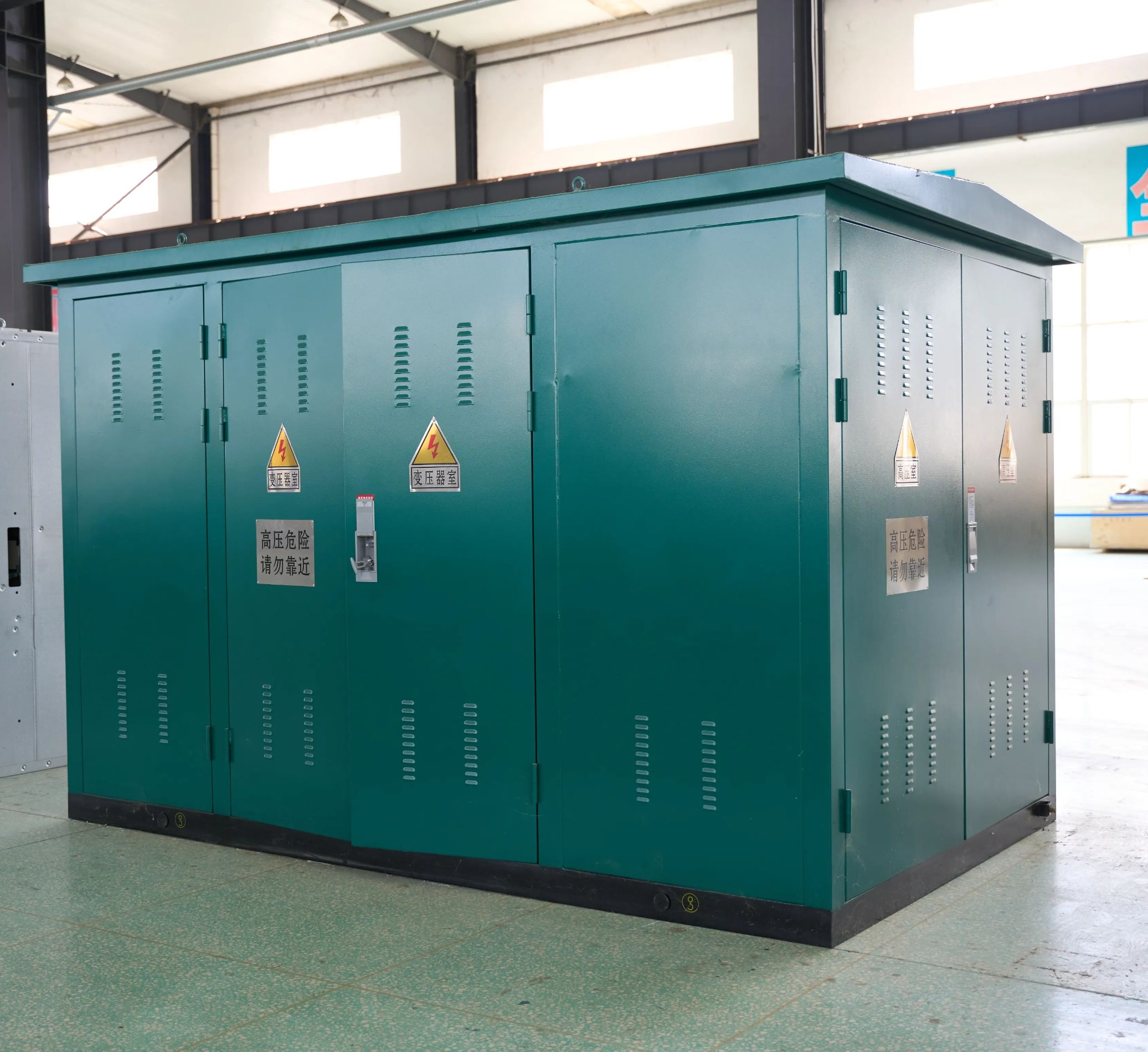
All transformer will be test after finished the production, test items as below:
♦ Insulation Power Factor
♦ Winding Resistance
♦ Impulse Tests
♦ On load Loss Test
♦ No Load Loss Test
♦ Leak Test
♦ DC Insulation Resistance Test
♦ Transformer Turns Ratio/TTR (All Tap Voltages)
♦ Impedance Voltage & Load Loss (Rated Voltage)
♦ Excitation & No-Load Loss (Rated Voltage)
♦ Applied Voltage
♦ Induced Voltage
♦ Lightning Impulse
♦ Insulation Resistance (Rated Voltage)
♦ Temperature Rise
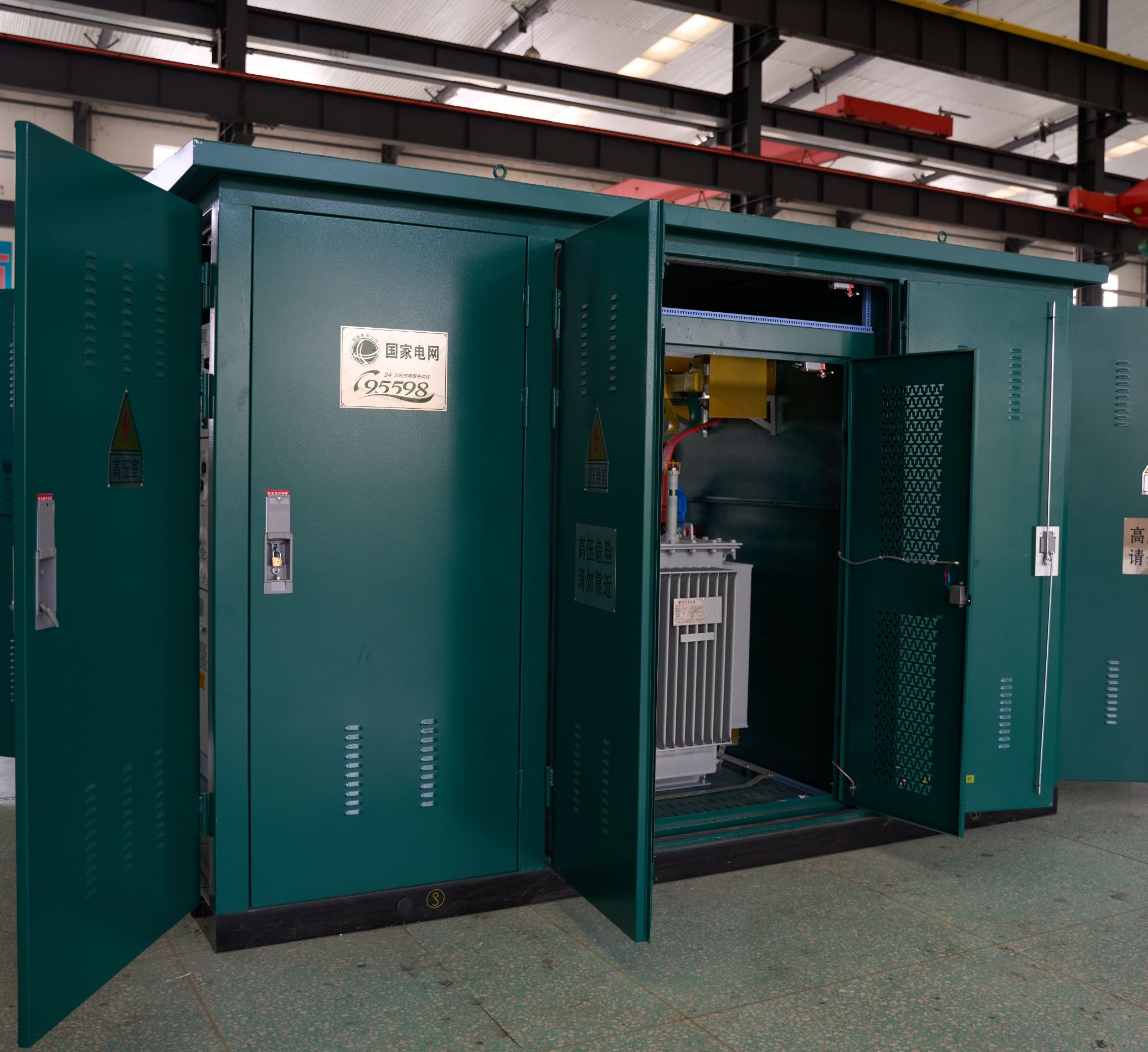
Transformer Factory Acceptance Test
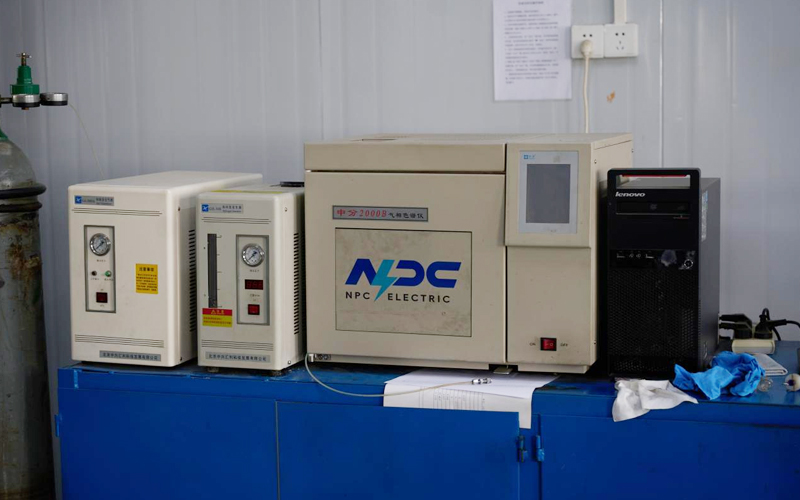
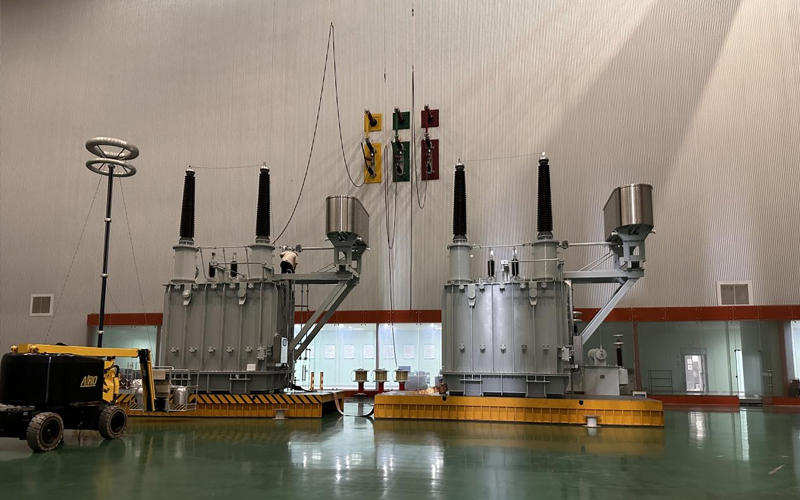
The Factory Acceptance Test confirms that the transformer meets all electrical, mechanical, and performance requirements. Routine tests include winding resistance, voltage ratio, polarity, and vector group verification. No-load and load loss tests confirm efficiency targets.
Dielectric tests such as applied voltage and induced voltage withstand tests validate insulation performance. Oil samples are tested for dielectric strength and moisture content. Functional testing of monitoring devices and accessories completes the FAT process, with results documented for customer approval.
Mechanical inspections ensure proper assembly, sealing, and accessory installation. Cooling system performance and alarm functions are tested. Upon completion, a comprehensive FAT report is issued prior to shipment release.
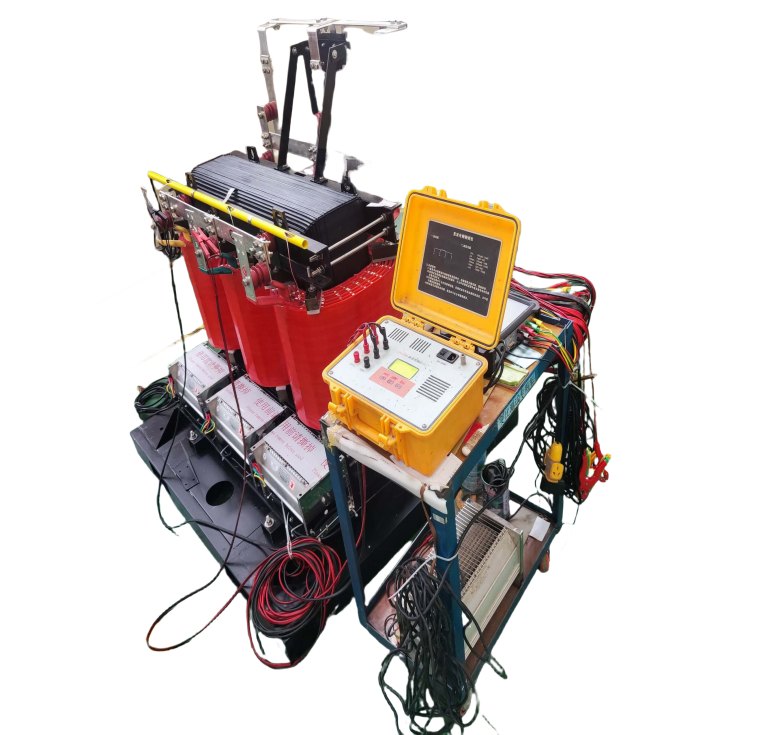
Routine Test - On load Loss Test
Purpose of Testing
The purpose of On-load Loss Test is to measure the active power loss of the transformer under rated voltage and rated load, evaluate its energy efficiency level and design compliance, and provide a basis for energy consumption calculation and performance optimization during operation.
Testing Equipment
Power transformer test system (e.g. OMICRON, ISA, Tettex, Vanguard, etc.)
Voltage source and current source (usually rated voltage, or adjusted according to the test standard, such as 10 KV, 20 KV, 35 KV, etc.)
Temperature and humidity meter (used to record ambient temperature and humidity for correction of test data)
Voltage source and current source (usually rated voltage, or adjusted according to the test standard, such as 10 KV, 20 KV, 35 KV, etc.)
Temperature and humidity meter (used to record ambient temperature and humidity for correction of test data)
Pre-Test Preparation
Disconnect the transformer high voltage, low voltage and neutral power supply to ensure that the equipment is properly grounded and safely discharged.
The test environment should be dry and rainless, with a relative humidity of less than 75% and a recommended temperature range of 20–30°C.
The test environment should be dry and rainless, with a relative humidity of less than 75% and a recommended temperature range of 20–30°C.
Test Progress
Connect the Test Instrument:
Connect the test equipment to the appropriate terminals of the device under test and ensure that all wiring is correct and the device is well grounded.
Apply Test Voltage:
Apply the specified test voltage at the rated frequency and adjust the low voltage side to maintain the rated current (or specified current).
Connect the test equipment to the appropriate terminals of the device under test and ensure that all wiring is correct and the device is well grounded.
Apply Test Voltage:
Apply the specified test voltage at the rated frequency and adjust the low voltage side to maintain the rated current (or specified current).
Measure and Record
Start the test and record the following parameters:
On-Load Loss Power
Input Power and Output Power
Current
Voltage
Temperature (temperature rise or winding temperature)
Ambient temperature and humidity during the test
On-Load Loss Power
Input Power and Output Power
Current
Voltage
Temperature (temperature rise or winding temperature)
Ambient temperature and humidity during the test
Temperature Correction
The measured loss data is corrected based on a reference temperature (usually 20°C) to ensure the accuracy of the results.
Repeat Testing (if necessary)
Test different tap positions (Tap Changer) and record and compare the load loss data of each tap point.
Evaluation Criteria (Reference)
Evaluate the test results based on the equipment type and manufacturer requirements. If the load losses are low and the efficiency is high, it is considered "normal".
Test standard
IEEE C57.12.01 & IEEE C57.12.91 (Dry-Type)
*These comprehensive tests ensure that each transformer meets performance standards and operates
reliably under various conditions.
Application
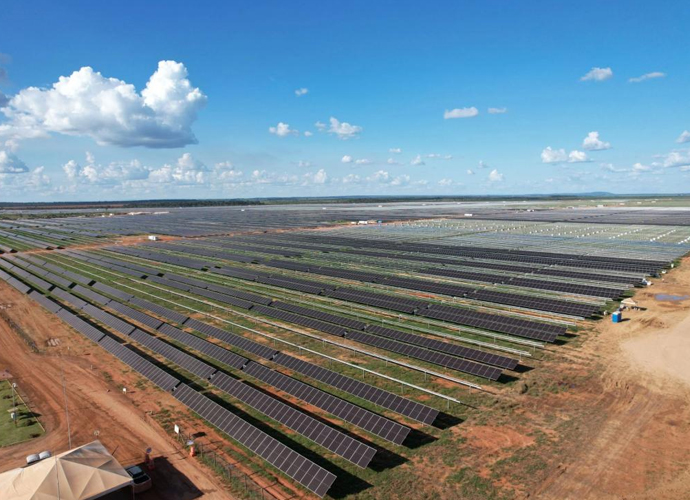
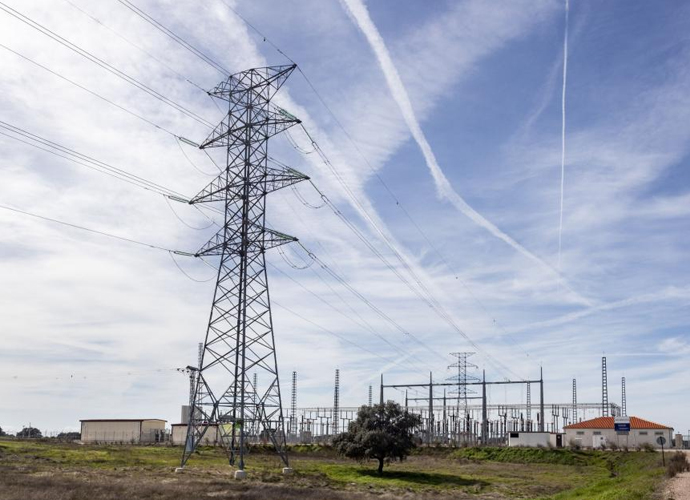
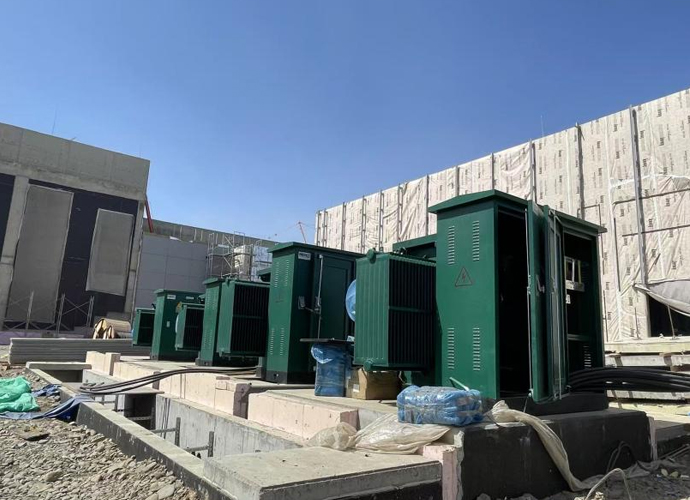
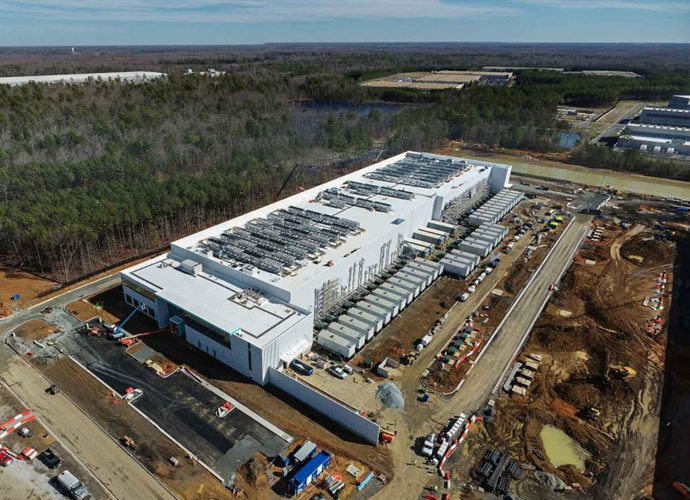
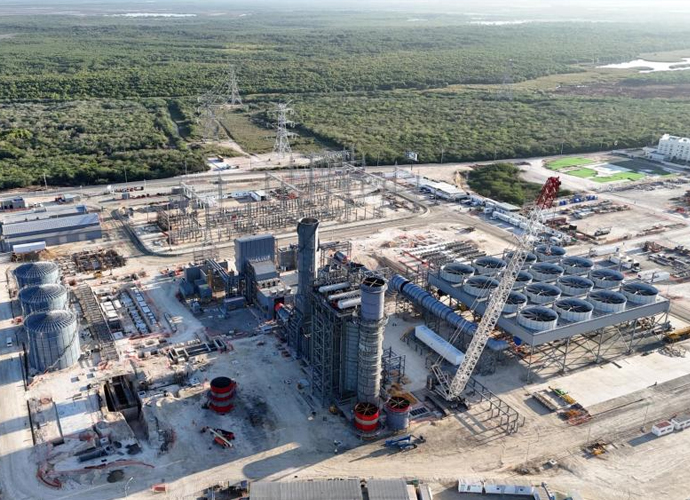
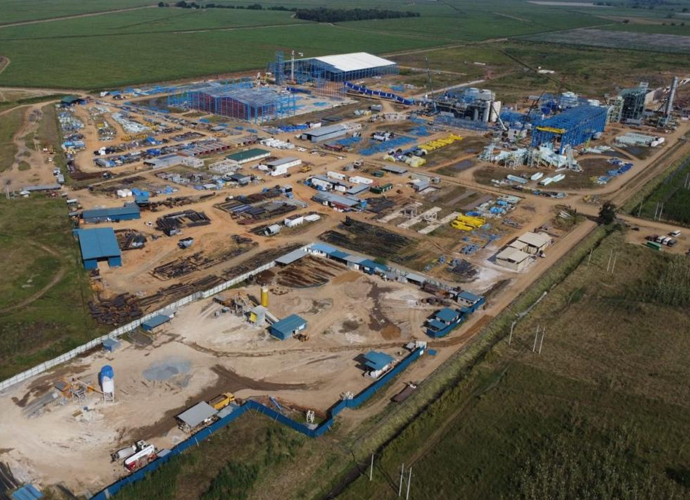
Ideal for utility-scale solar farms, distributed PV plants, and renewable energy substations, this solar step-up transformer efficiently boosts inverter output voltage for grid connection, ensuring stable and reliable power transmission.


Technical Advantages
● 30+ years of manufacturing experience
● ISO and UL certified production
● Customized cable and transformer solutions
Product Packaging
Transformers Packaging (1)
Transformers Packaging (2)
Transformers Packaging (3)
Transformers Packaging (4)
Transformers Packaging (5)
Transformers Packaging (6)
Transformers Packaging (7)
Transformers Packaging (8)
Related Products
Isolation Transformer
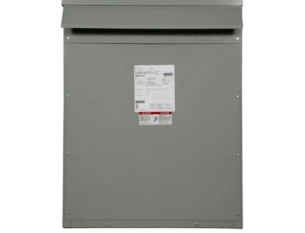
The Isolation Transformer is a specialized power transformer designed to electrically separate the primary and secondary circuits while maintaining efficient power transfer. By eliminating direct electrical connections between input and output systems, the transformer effectively reduces electrical noise, suppresses common-mode interference, improves power quality, and enhances operational safety for critical equipment and sensitive electronic systems. It is widely utilized in industrial automation, healthcare facilities, data centers, telecommunications infrastructure, laboratory environments, and renewable energy systems where stable and clean power supply is essential. Available in single-phase and three-phase configurations, the transformer supports various voltage conversion requirements while delivering long-term reliability under continuous operating conditions. The Isolation Transformer can be integrated into modern power distribution networks, automation systems, and mission-critical electrical installations. With customizable winding configurations, enclosure options, and intelligent monitoring capabilities, the transformer offers flexible solutions for demanding industrial and commercial power applications while ensuring compliance with international electrical safety standards.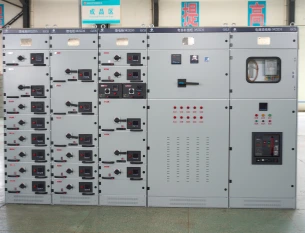
Low Voltage Switchgear
The Low Voltage Switchgear is a high-performance electrical distribution and protection system designed for safe, reliable, and efficient low-voltage power management in industrial facilities, commercial buildings, utility substations, renewable energy systems, and infrastructure projects. The switchgear integrates circuit breakers, protection relays, busbar systems, metering devices, and intelligent control components into a modular enclosure structure to provide stable electrical distribution and advanced operational safety. Manufactured using precision-engineered components and high-quality insulation materials, the low voltage switchgear ensures excellent electrical performance, thermal stability, and mechanical durability under demanding operating conditions. The modular cabinet design improves installation flexibility, simplifies maintenance procedures, and supports future expansion requirements while minimizing operational downtime. The Low Voltage Switchgear supports multiple distribution architectures, intelligent monitoring systems, and smart-grid communication protocols for modern energy management applications. With customizable configurations and scalable electrical protection functions, the system delivers dependable power distribution performance for industrial automation systems, commercial electrical networks, data centers, transportation infrastructure, and utility power systems.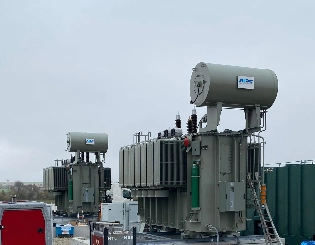
170kV 4–40MVA Oil-Immersed High-Voltage Power Transformer
The 170kV 4–40MVA oil-immersed high-voltage power transformer is designed to support flexible capacity requirements across modern transmission and substation systems. Its wide MVA range allows a single platform to adapt to diverse grid configurations, from regional substations to industrial power interfaces. The transformer utilizes a refined oil-paper insulation system to ensure strong dielectric performance and long-term operational stability under high electrical stress. Advanced magnetic circuit optimization minimizes losses while maintaining excellent voltage regulation. The mechanical structure is engineered to withstand thermal cycling, short-circuit forces, and continuous operation under variable load conditions. With a focus on reliability, efficiency, and service life, this transformer is well suited for utility-scale projects that demand dependable high-voltage energy transfer with adaptable power ratings.
Three Phase Isolation Transformer
The Three Phase Isolation Transformer is a premium electrical power solution designed to provide complete galvanic isolation between the primary and secondary circuits of three-phase power systems. By eliminating direct electrical continuity between power sources and connected loads, the transformer effectively reduces electrical noise, suppresses common-mode disturbances, minimizes transient voltage surges, and improves overall power quality. This advanced isolation capability helps protect sensitive equipment, enhance operational safety, and improve system reliability in demanding industrial and commercial environments. Manufactured using high-permeability CRGO silicon steel cores and precision-engineered copper or aluminum windings, the Three Phase Isolation Transformer delivers excellent efficiency, low losses, and stable voltage regulation. Its robust insulation system ensures superior dielectric performance while reducing the risk of electrical faults and ground loop issues. The transformer is widely deployed in industrial automation facilities, manufacturing plants, renewable energy installations, data centers, transportation infrastructure, healthcare facilities, and critical power applications where reliable and clean power is essential.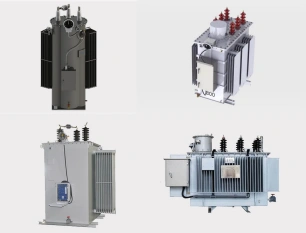
Three Phase Step Voltage Regulator - Distribution Voltage Stabilizer
The Three Phase Step Voltage Regulator is a high-reliability, automatic on-load tap changing device engineered to maintain stable voltage levels in medium-voltage distribution systems. Featuring premium copper windings, advanced low-loss silicon steel cores, and a fast-response motorized tap changer, it delivers precise voltage correction with excellent accuracy and minimal waveform distortion. The intelligent digital AVR controller continuously monitors three-phase parameters and automatically adjusts taps in real time to compensate for load variations and grid fluctuations. Designed for demanding outdoor environments, it offers robust overload capacity, low power losses, comprehensive protection systems, and remote monitoring capabilities. This regulator effectively improves voltage profile, reduces energy losses, and enhances the overall stability and efficiency of distribution networks.
130kV 10MVA / 25MVA / 40MVA Electrical Power Transformer
The 130kV Electrical Power Transformer with ratings of 10MVA, 25MVA, and 40MVA is designed to support medium-to-large capacity power transmission and distribution systems. It is engineered to provide consistent voltage conversion, high operational efficiency, and excellent thermal stability under variable grid conditions. The transformer incorporates a precisely calculated magnetic core, high-strength winding design, and an oil-immersed insulation system that enhances heat dissipation and electrical reliability. Its structure is optimized to withstand electrical stress, mechanical vibration, and long-term continuous operation. Suitable for outdoor installation, the transformer maintains stable performance in challenging environments such as high temperature, humidity, or heavy industrial zones. Built in accordance with recognized international standards, it offers dependable service life and reduced maintenance requirements for modern power networks.FAQ From Customers
-
What is a Transformer?A transformer is an electrical device used to change the voltage of alternating current (AC). It works on the principle of electromagnetic induction, converting high-voltage current into low-voltage current or low-voltage current into high-voltage current. Transformers are widely used in power transmission, distribution systems, and various electronic devices.
-
What are the main uses of a transformer?The main use of a transformer is voltage conversion. Transformers are used in power transmission systems to help transfer electricity from power plants to consumers. In addition, transformers are also used in electronic devices such as chargers, televisions, power adapters, etc., to adjust the voltage to meet the requirements of different devices.
-
Do you have UL listed?Yes, our transformer has UL listed. We have exported to America many pad mounted transformer,substation transformer and HV.
Welcome your inquiry
Honesty, Integrity, Frugality, Activeness and Passion