Zig-Zag vs Wye-Delta Grounding Transformer: Which is Better?
2026-07-13
Grounding transformers play a critical role in modern electrical power systems by establishing a stable neutral point for system grounding, fault protection, and voltage stabilization. In medium-voltage and high-voltage networks, especially those using delta connection systems or ungrounded systems, grounding transformers are essential for controlling line-to-ground fault currents and maintaining operational safety.
Among the most commonly used grounding transformer configurations are the Zig-Zag Grounding Transformer and the Wye-Delta Grounding Transformer. Although both designs serve the same fundamental purpose of neutral grounding, their internal winding configuration, fault current behavior, installation complexity, and operational performance differ significantly.
Selecting the correct earthing transformer directly impacts:
- Fault current magnitude
- Ground protection sensitivity
- System stability
- Equipment protection
- Arc flash performance
- Operational reliability
1. What Is a Grounding Transformer?
A grounding transformer is a specialized transformer used to create an artificial neutral point in electrical systems that otherwise lack a neutral connection.
Grounding transformers are widely used in:
- Delta-connected systems
- Renewable energy plants
- Industrial facilities
- Mining operations
- Utility substations
- Distributed power systems
The primary purpose of a grounding transformer is to:
- Provide neutral grounding
- Stabilize phase voltages
- Limit transient overvoltages
- Support protective relay operation
- Improve fault detection capability
Without proper grounding, ungrounded systems may experience dangerous voltage instability during single-phase ground faults.
2. How Zig-Zag Grounding Transformers Work
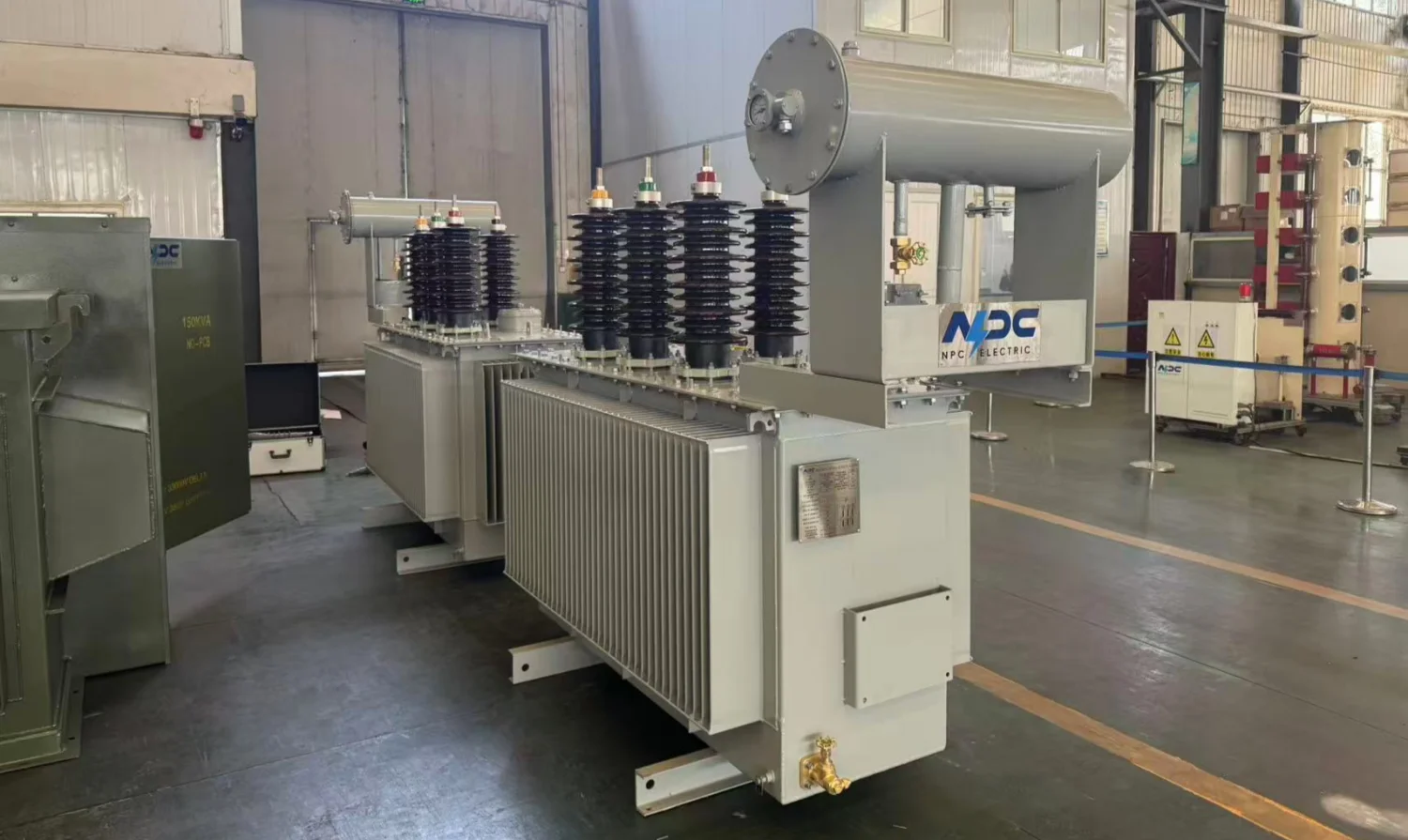
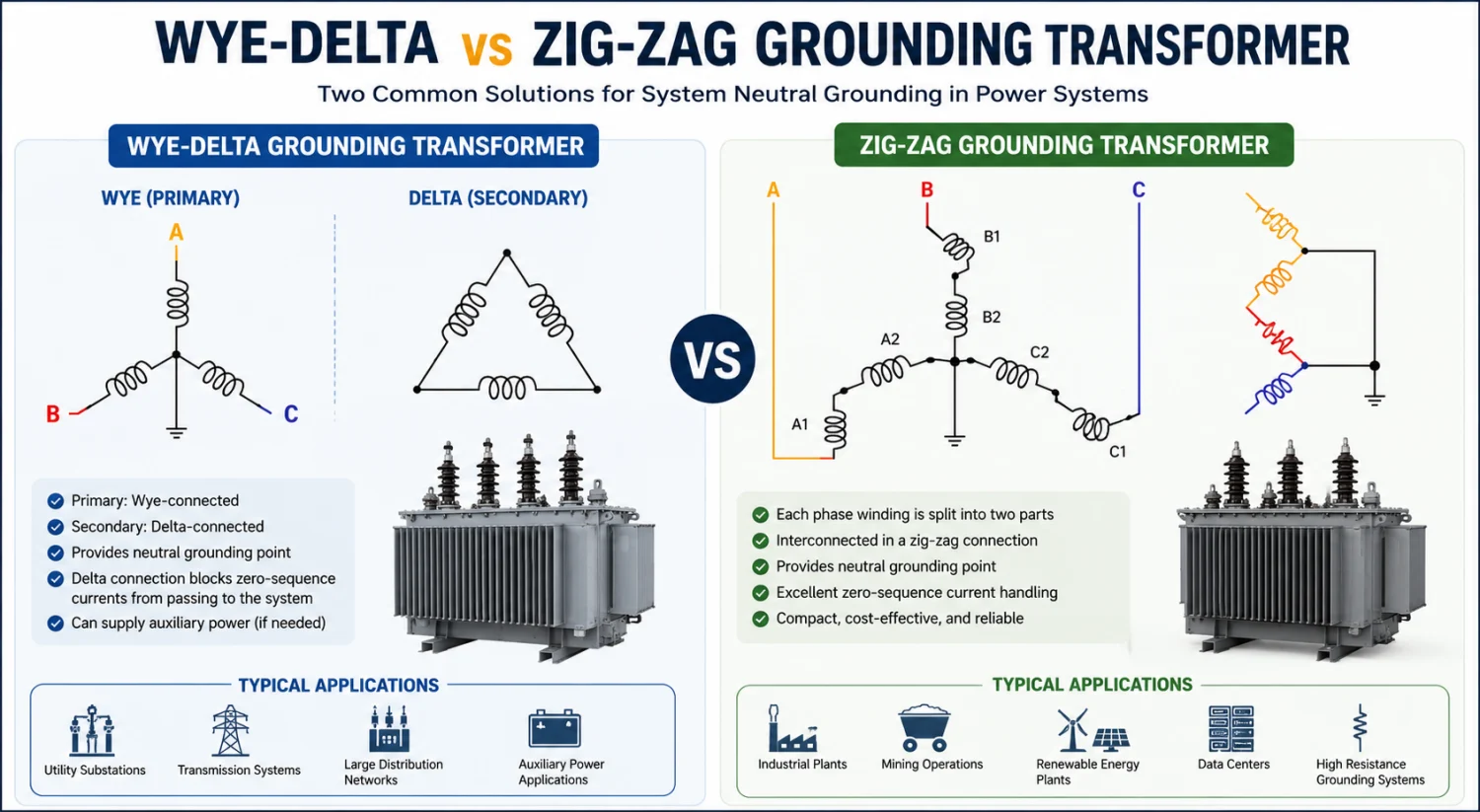
A Zig-Zag Grounding Transformer uses a special zig-zag connection winding arrangement to establish a neutral point without requiring a separate secondary winding.
Zig Zag Connection Principle
In a zig-zag transformer:
- Each phase winding is split into two equal sections
- Windings from different phases are interconnected
- Magnetic flux balances under normal operation
During balanced conditions, very little current flows through the transformer.
However, during a line-to-ground fault:
- Zero-sequence current flows through the zig-zag winding structure
- The transformer provides a grounding path
- Protective systems detect the fault quickly
Advantages of Zig Zag Grounding
Zig-zag grounding transformers offer several important engineering benefits.
Compact Design
Because they do not require a full secondary winding, zig-zag transformers are:
- Smaller
- Lighter
- More economical
than many wye delta transformers.
Excellent Fault Grounding Performance
Zig-zag transformers provide:
- Low impedance grounding
- Effective fault current return path
- Stable neutral grounding performance
This makes them highly effective in industrial power systems.
Reduced Harmonic Distortion
The zig-zag connection helps suppress certain harmonic components and improves system voltage balance.
3. How Wye-Delta Grounding Transformers Work
A Wye-Delta grounding transformer uses a conventional transformer winding arrangement consisting of:
- Wye-connected primary winding
- Delta-connected secondary winding
The wye connection provides the neutral point required for grounding.
Secondary Winding Function
Unlike zig-zag transformers, wye-delta transformers include a complete secondary winding.
This allows the transformer to perform additional functions such as:
- Auxiliary power supply
- Station service loads
- Voltage transformation
The delta connection also helps circulate triplen harmonics internally.
Ground Fault Operation
During ground faults:
- Fault current flows through the grounded neutral
- Protective relays detect abnormal current
- Circuit breakers isolate the fault
Wye delta grounding transformers are commonly used in utility substations and larger transmission systems.
4. Main Differences Between Zig-Zag and Wye-Delta Grounding Transformers
Although both transformer types provide neutral grounding, their engineering behavior differs substantially.
|
Parameter |
Zig-Zag Grounding Transformer |
Wye-Delta Grounding Transformer |
|
Winding Configuration |
Zig-zag connection |
Wye primary + delta secondary |
|
Secondary Winding |
Not required |
Required |
|
Neutral Grounding Capability |
Excellent |
Excellent |
|
Physical Size |
Compact |
Larger |
|
Installation Cost |
Lower |
Higher |
|
Harmonic Suppression |
Very good |
Good |
|
Auxiliary Power Supply |
Not available |
Available |
|
Fault Current Path |
Direct zero-sequence path |
Through grounded neutral |
|
Maintenance Requirement |
Lower |
Moderate |
|
Typical Applications |
Industrial grounding systems |
Utility substations |
|
High Resistance Grounding Compatibility |
Excellent |
Excellent |
|
Transformer Complexity |
Moderate |
Higher |
In many industrial grounding applications, zig-zag transformers provide a more economical solution.
5. Grounding Methods and Fault Current Control
Grounding transformer selection depends heavily on grounding philosophy.
Solid Grounding
Solid grounding directly connects the neutral point to ground.
Advantages include:
- Fast fault detection
- Strong protection coordination
However, fault currents can become extremely high.
High Resistance Grounding
High resistance grounding uses grounding resistors to limit fault current magnitude.
Benefits include:
- Reduced equipment damage
- Lower arc flash energy
- Improved operational continuity
Both zig-zag grounding and wye-delta grounding transformers can be combined with grounding resistors.
Comparison of Electrical Grounding Methods in Power Systems
|
Grounding Method |
Fault Current Level |
System Stability |
Arc Flash Risk |
Typical Applications |
|
Solid Grounding |
High |
Excellent |
Higher |
Utility power systems |
|
High Resistance Grounding |
Low to Moderate |
Excellent |
Reduced |
Industrial facilities |
|
Low Resistance Grounding |
Moderate |
Very good |
Moderate |
Medium voltage systems |
|
Ungrounded Systems |
Very low |
Poor during faults |
High transient risk |
Older industrial systems |
|
Zig Zag Grounding |
Adjustable |
Excellent |
Reduced |
Industrial and renewable systems |
|
Wye Delta Grounding |
Adjustable |
Excellent |
Moderate |
Utility substations |
Ungrounded Systems
Ungrounded systems do not intentionally connect the system neutral to earth.
Although they may continue operating during a single-phase fault, they create risks such as:
- Transient overvoltages
- Insulation stress
- Difficult fault detection
Modern industrial power systems increasingly avoid ungrounded operation.
6. Applications of Zig-Zag and Wye-Delta Grounding Transformers
Table: Typical Applications of Zig-Zag and Wye-Delta Grounding Transformers
|
Industry/Application |
Recommended Transformer Type |
Main Engineering Benefit |
|
Industrial Manufacturing Plants |
Zig-Zag Grounding Transformer |
Compact grounding solution |
|
Mining Operations |
Zig-Zag Grounding Transformer |
High resistance grounding compatibility |
|
Renewable Energy Plants |
Zig-Zag Transformer |
Voltage stabilization |
|
Utility Transmission Substations |
Wye-Delta Grounding Transformer |
Auxiliary power capability |
|
Zig-Zag Grounding Transformer |
Improved grounding reliability |
|
|
Petrochemical Facilities |
Zig-Zag Grounding Transformer |
Arc flash reduction |
|
Large Distribution Networks |
Wye-Delta Transformer |
Flexible grounding design |
|
Wind Farms |
Zig-Zag Transformer |
Ground fault management |
|
Zig-Zag Grounding |
Inverter grounding stability |
|
|
Grid Interconnection Systems |
Wye-Delta Grounding Transformer |
Harmonic management |
Different grounding transformer designs are preferred for different applications.
Zig Zag Transformer Applications
Zig-zag transformers are widely used in:
- Industrial facilities
- Mining systems
- Renewable energy plants
- Motor control centers
- Data centers
They are especially effective where compact grounding solutions are required.
Wye Delta Transformer Applications
Wye delta transformers are commonly used in:
- Utility substations
- Power transmission systems
- Large distribution networks
- Grid interconnection systems
The secondary winding provides additional operational flexibility.
Renewable Energy Systems
Solar and wind power plants increasingly use grounding transformers to stabilize inverter-based power systems.
7. Which Grounding Transformer Is Better?
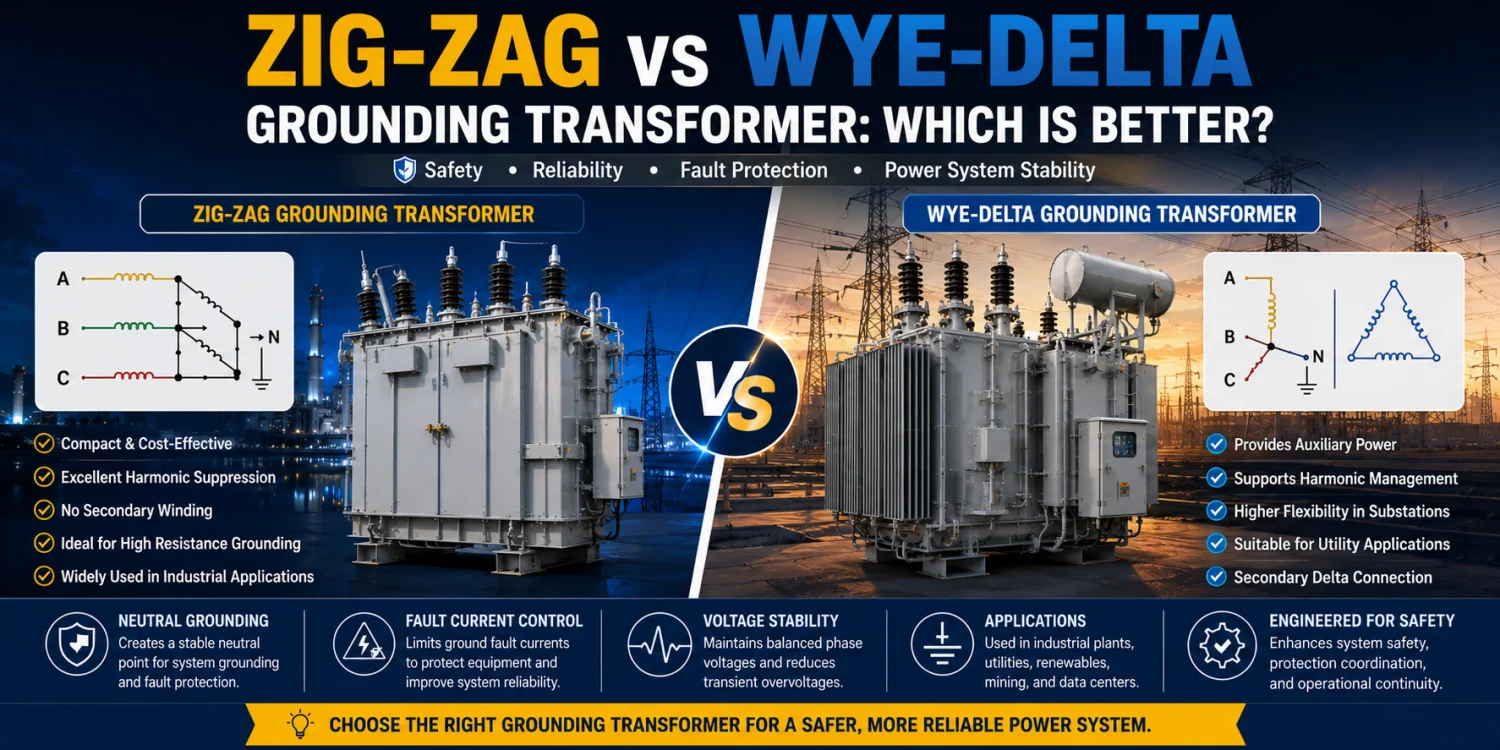
There is no universal answer because application requirements vary.
Table: Ground Fault Current Selection Guide
|
System Requirement |
Recommended Grounding Transformer |
|
Compact installation |
Zig-Zag Transformer |
|
Auxiliary secondary voltage needed |
Wye-Delta Transformer |
|
Industrial grounding system |
Zig-Zag Grounding |
|
Utility substation |
Wye-Delta Grounding |
|
Lower installation cost |
Zig-Zag Transformer |
|
Advanced harmonic control |
Wye-Delta Transformer |
|
Renewable energy inverter systems |
Zig-Zag Transformer |
|
Large transmission infrastructure |
Wye-Delta Transformer |
When Zig-Zag Grounding Transformers Are Better
Zig-zag transformers are often preferred when:
- Space is limited
- Lower installation cost is important
- No auxiliary secondary voltage is required
- Industrial grounding is the primary objective
- High resistance grounding systems are used
When Wye-Delta Grounding Transformers Are Better
Wye delta grounding transformers are typically better when:
- Auxiliary power is needed
- Utility-grade flexibility is required
- Harmonic management is important
- Larger substations are involved
Engineering Decision Factors
Selection depends on:
- Ground fault current requirements
- Available space
- System voltage
- Harmonic conditions
- Budget
- Protection coordination
Engineering analysis should always include fault studies and grounding calculations.
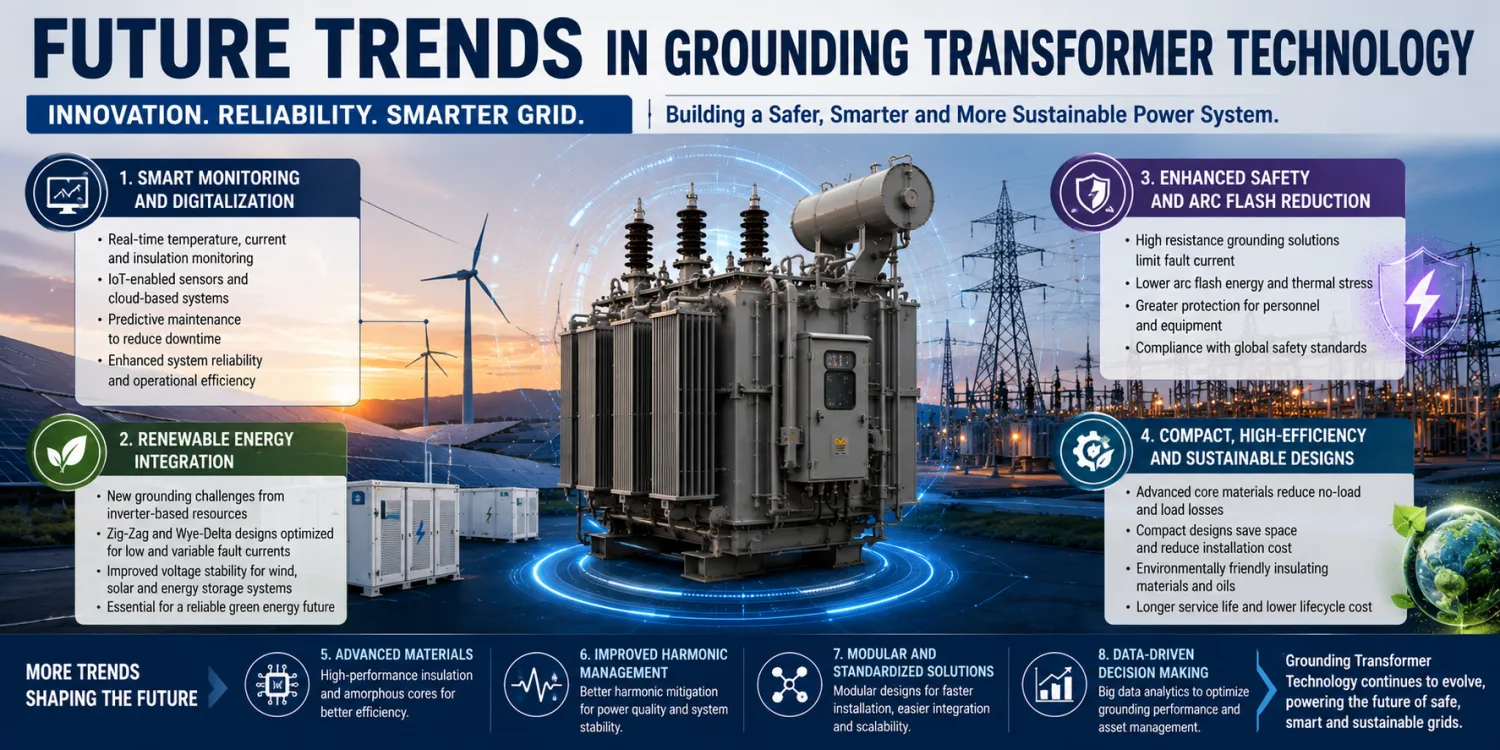
8. Future Trends in Grounding Transformer Technology
Power system grounding technology continues evolving alongside smart grid development.
Smart Monitoring Systems
Modern grounding transformers are increasingly used:
- Thermal monitoring
- Fault current sensors
- Predictive diagnostics
Renewable Energy Integration
Inverter-based renewable systems create new grounding challenges because of changing fault current behavior.
Advanced grounding transformer designs are increasingly important for renewable integration.
Arc Flash Reduction
Industrial facilities increasingly prioritize grounding systems that reduce arc flash hazards and improve worker safety.
Compact High-Efficiency Designs
Manufacturers continue improving transformer design to reduce:
- Losses
- Footprint
- Maintenance requirements
9: FAQ: Zig-Zag vs Wye-Delta Grounding Transformers
1. What is a Zig-Zag grounding transformer used for?
A Zig-Zag Grounding Transformer is used to create an artificial neutral point in ungrounded or delta-connected power systems. It provides neutral grounding, improves fault detection, stabilizes phase voltages, and limits transient overvoltages during line-to-ground faults.
2. What is the difference between a Zig-Zag transformer and a Wye-Delta grounding transformer?
The main difference is the winding configuration. A Zig-Zag transformer uses interconnected phase windings without a secondary winding, while a Wye-Delta grounding transformer uses a wye-connected primary and a delta-connected secondary winding. Wye-Delta transformers can also provide auxiliary power output.
3. Why are grounding transformers important in power systems?
Grounding transformers improve electrical system safety and stability by establishing a neutral grounding point. They help control fault currents, support protective relay operation, reduce overvoltage risks, and improve system reliability in industrial and utility power systems.
4. When should a Zig-Zag grounding transformer be used?
Zig-zag transformers are commonly used in industrial facilities, renewable energy plants, mining systems, and data centers, where compact installation, lower cost, and effective high-resistance grounding are required.
5. What are the advantages of Wye-Delta grounding transformers?
Wye-Delta grounding transformers provide excellent grounding performance while also supplying auxiliary secondary voltage for station service loads, harmonic management, and flexible utility substation applications.
6. Can grounding transformers reduce arc flash hazards?
Yes. Grounding transformers used with high resistance grounding systems can significantly reduce fault current magnitude and lower arc flash energy, improving personnel safety and reducing equipment damage.
Conclusion
Both Zig-Zag Grounding Transformers and Wye Delta Grounding Transformers play essential roles in modern electrical grounding systems. Zig-zag transformers offer compact design, lower cost, excellent grounding performance, and simplified installation, making them highly effective for industrial grounding applications and high-resistance grounding systems.
Wye delta transformers provide greater operational flexibility through their secondary winding capability and remain widely used in utility substations and complex power distribution networks.
Choosing the correct grounding transformer requires careful evaluation of system grounding philosophy, fault current requirements, harmonic performance, installation constraints, and long-term operational objectives. As electrical power systems continue evolving toward renewable integration and smart grid operation, grounding transformer technology will remain a critical component of safe and reliable electrical infrastructure.

Related Articles
Related Products
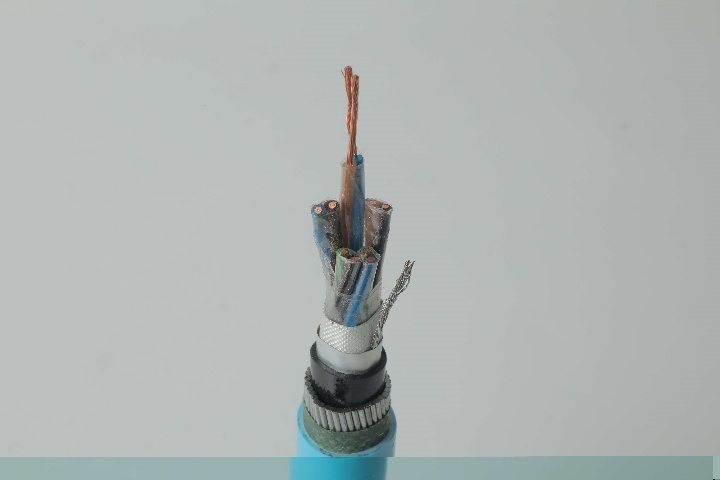
Instrumentation Cables—PVC Insulated, Overall Screened, Wire Armoured PVC Sheathed Cables(CU/PVC/OSCR/SWA/PVC)
Instrumentation Cables are multi-conductor cables that carry and transport low-voltage electrical signals. These low-voltage signals are used to control and monitor electrical power systems. Instrumentation cables have many different industrial applications that include broadcasting, equipment control, such as drilling and pumping in the oil and gas industry, and data transfer, which includes analog and digital signals. They are manufactured according to the BS EN 50288-7 and BS EN 50288-1 standards to ensure quality. Depending on the application, instrumentation cables can be insulated with PVC or XLPE; the cables can be armoured or unarmoured. The sheathing materials can be of PVC, LSZH, or PE. The cables can have additional flame retardant or flame retardant properties, and they can be manufactured with special protections such as lead sheaths, or DRYLAM or AIRBAG technology.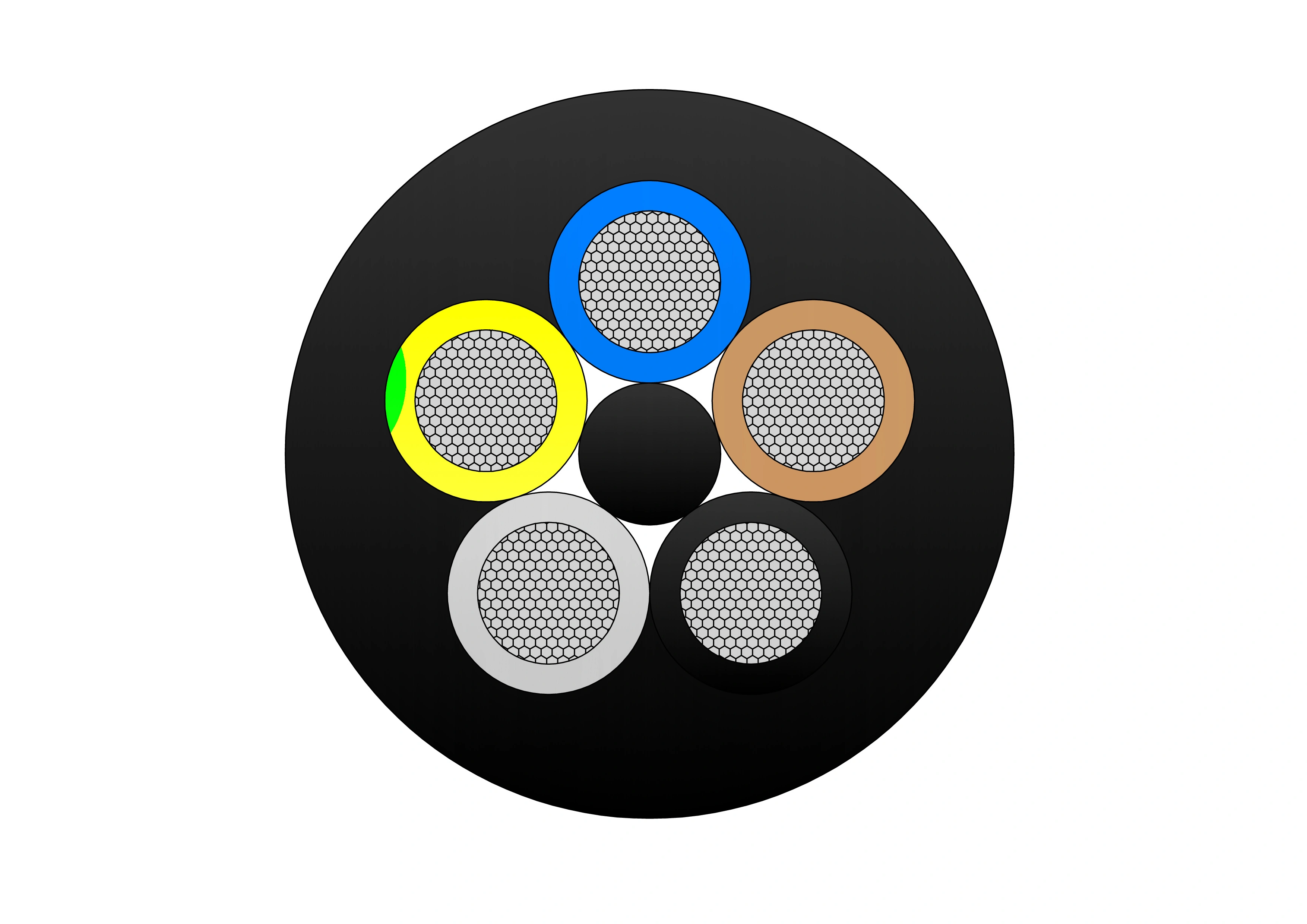
Type 275 Flexible Overall Semi-conductive Rubber Screened Mining Cable
The Type 275 Flexible Overall Semi-conductive Rubber Screened Mining Cable is a 1.1kV, medium-voltage cable designed for coal mining and heavy-duty industrial applications. It features tinned annealed copper conductors, EPR insulation, and a semi-conductive thermosetting compound screen for enhanced electrical performance. The cable is reinforced with polyamide yarn braid and protected by a heavy-duty CSP sheath, offering oil resistance, flame retardancy, and mechanical durability. Its robust construction ensures reliable power delivery to shuttle cars, electric pumps, and other mining equipment. Compliant with AS/NZS 2802 and stringent mining standards, it supports very high tensile loads, frequent flexing, tight bending radii, and reliable operation in wet, dusty, and hazardous mine environments.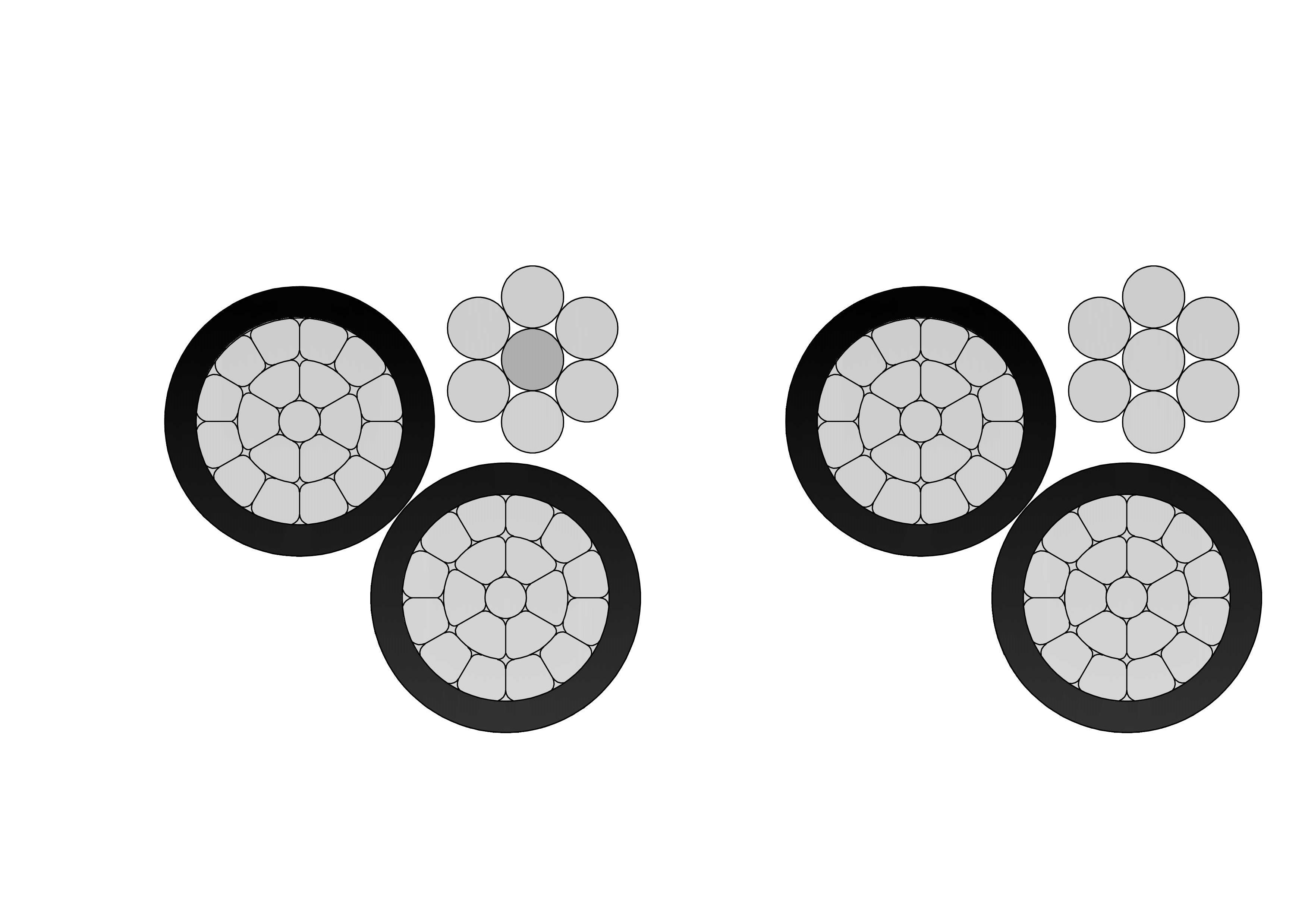
4/0 Zuzara Aluminum Conductor Triplex Overhead Service Drop Cable
The 4/0 Zuzara Aluminum Conductor Triplex Overhead Service Drop Cable is engineered to deliver safe, efficient, and durable overhead power distribution for high-demand utility networks. It features two insulated aluminum phase conductors helically wrapped around a bare aluminum neutral messenger, providing strong mechanical support and stable electrical performance. Manufactured using premium aluminum materials and high-performance insulation compounds, the 4/0 Zuzara Aluminum Conductor Triplex Overhead Service Drop Cable offers excellent resistance to corrosion, UV radiation, and environmental stress. Its optimized structure supports easy handling and installation while meeting utility and industry standards. The cable performs reliably under mechanical load, temperature variation, and prolonged outdoor exposure. Strict quality management systems and detailed testing procedures are implemented throughout production to ensure consistent performance and dependable service life.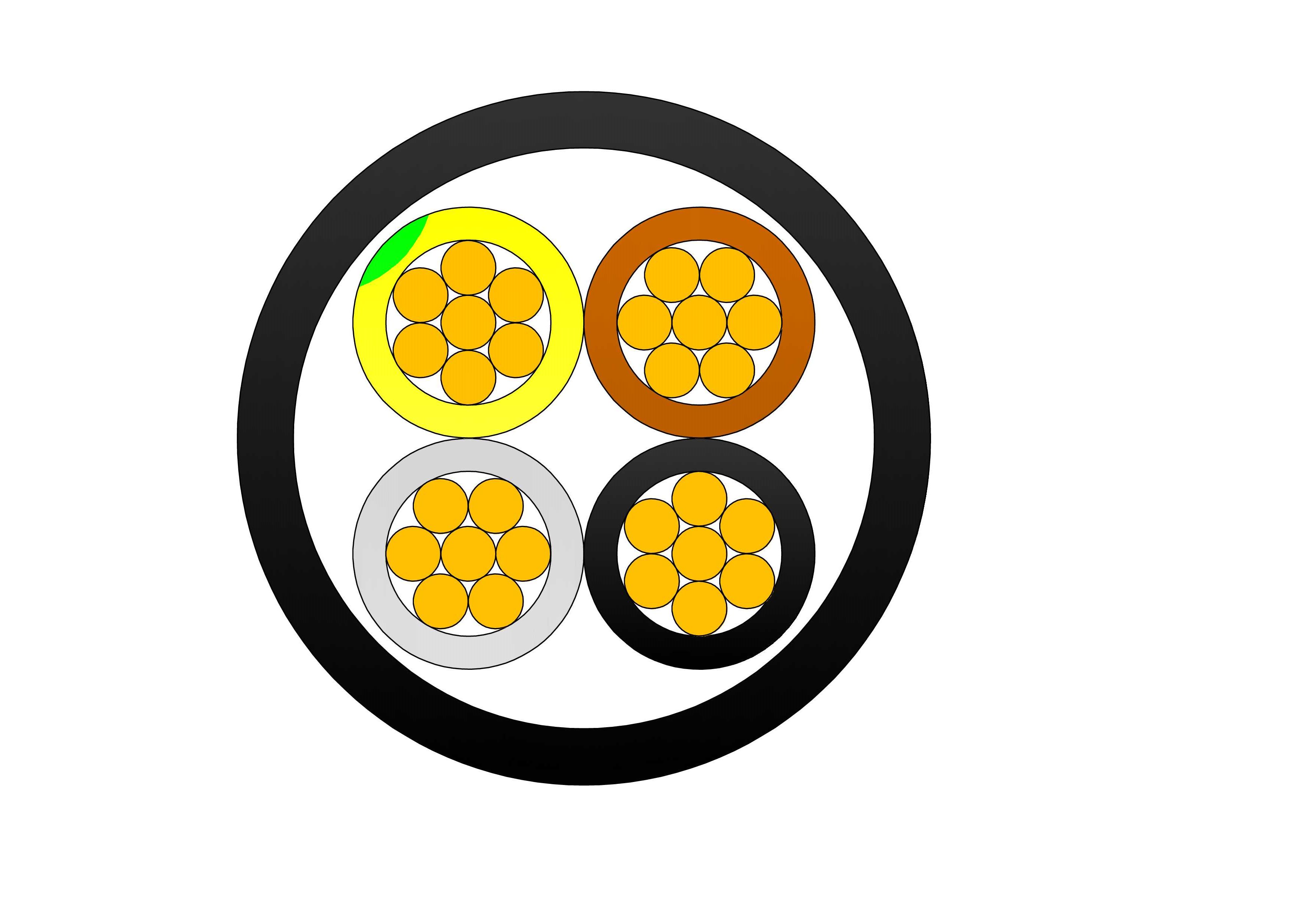
LV Submarine Cable
The Low Voltage Submarine Cable LV XLPE Armoured is a durable underwater power cable designed for reliable low voltage power transmission in marine environments. It features stranded copper or aluminum conductors, cross-linked polyethylene (XLPE) insulation for superior electrical performance, water-blocking layers, galvanized steel wire armour for mechanical protection, and a robust outer sheath resistant to abrasion and corrosion. Rated for 0.6/1kV or 1.8kV, this cable ensures excellent water tightness, high tensile strength, and long-term stability even in harsh seabed conditions. Manufactured according to IEC 60502-1 and submarine cable standards, the Low Voltage Submarine Cable LV XLPE Armoured is ideal for offshore platforms, island interconnections, coastal power supply, and harbor infrastructure. Its strong construction provides outstanding resistance to hydrostatic pressure, marine growth, and mechanical stresses, making it a trusted solution for safe and efficient underwater power distribution.
100kVA Dry Type Transformer
The 100kVA dry-type transformer adopts efficient dry-type insulation technology and is designed for industrial, commercial and residential power systems. With its excellent performance and compact structure, the transformer provides stable and reliable power support and is suitable for small and medium-sized power distribution needs. Through strict quality control, NPC ELECTRIC's 100kVA dry-type transformer provides users with high-quality, low-maintenance power solutions.2Y-high-voltage-power-cable-2.webp)
2XS(FL)2Y MDPE High Voltage 36/60 (72.5)kV Power Cable
The 2XS(FL)2Y MDPE High Voltage Power Cable is a single-core aluminum conductor cable with XLPE insulation and an MDPE sheath, rated 36/60 (72.5) kV. Designed for high-voltage power transmission, it complies with IEC 60840 standards, delivering excellent electrical performance, robust mechanical protection, and outstanding water resistance for demanding applications. Its construction features a copper conductor, semi-conductive conductor screen, XLPE insulation, semi-conductive insulation screen, semi-conductive water swelling tape, copper wire metallic screen, longitudinal aluminum tape with PE copolymer coating, and a durable MDPE sheath. The water-blocking tape prevents water propagation inside the cable, ensuring reliable operation in power stations, industrial facilities, and distribution networks. This cable is suitable for distribution networks, connections to generation units, and industrial plants, with installation options including underground, underwater, outdoor, indoor, and cable ducts.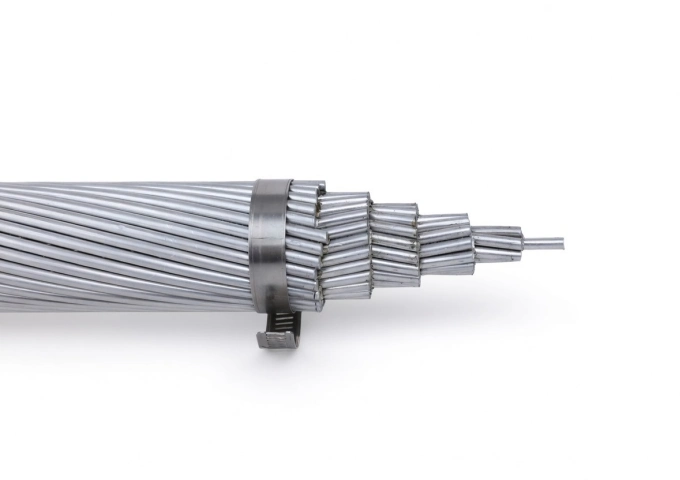
1/0 AWG Poppy AAC Cable
The 1/0 AWG Poppy AAC Cable represents premium All Aluminum Conductor technology for overhead power applications. Manufactured with seven strands of high-conductivity 1350-H19 aluminum, this bare conductor delivers an optimal balance of electrical efficiency and mechanical performance. Its 0.368-inch diameter and 1,990 lbs breaking strength support reliable operation with 247 amps capacity and minimal sag. Weighing just 99.1 lbs per 1000 ft, the Poppy AAC reduces structural loading and installation expenses while providing excellent corrosion resistance for extended outdoor service. Compliant with ASTM B-230 and B-231, the 1/0 AWG Poppy AAC Cable offers low DC resistance of 0.164 ohms/1000 ft at 20°C. It undergoes stringent quality testing from raw materials through finished product, making it an ideal choice for new builds and upgrades in transmission and distribution systems requiring dependable, lightweight bare conductors.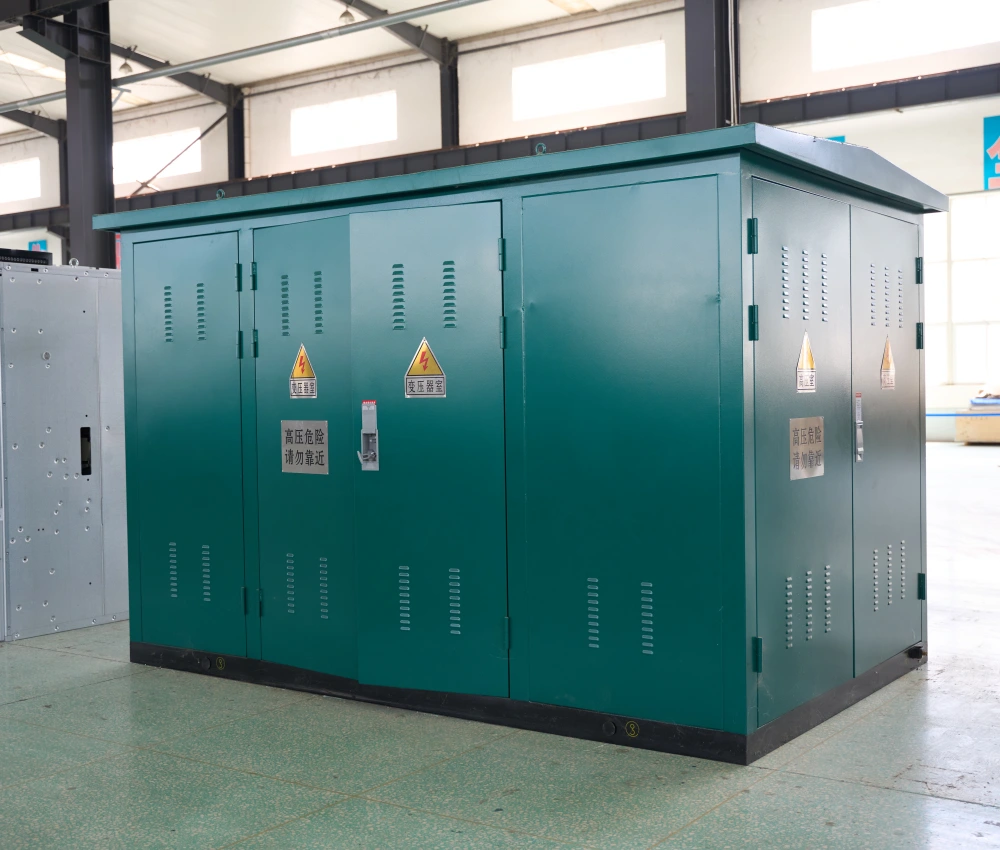
Outdoor Prefabricated Transformer Substation
The Outdoor Prefabricated Transformer Substation is an integrated medium-voltage power distribution solution designed for outdoor installation in industrial, commercial, utility, and renewable energy applications. The system combines medium-voltage switchgear, distribution transformer, low-voltage distribution equipment, and intelligent control systems into a compact prefabricated enclosure, providing efficient and reliable power transformation while minimizing construction time and installation costs. Engineered for harsh environmental conditions, the outdoor substation features a weather-resistant enclosure, corrosion-protected structure, advanced insulation technology, and optimized thermal ventilation system to ensure long-term operational stability. Its modular design allows rapid deployment, simplified transportation, and flexible installation while improving maintenance accessibility and operational safety. The Outdoor Prefabricated Transformer Substation supports multiple voltage levels, transformer capacities, and intelligent automation functions, making it suitable for utility distribution systems, renewable energy projects, urban infrastructure, mining facilities, transportation networks, and industrial manufacturing plants. With smart-grid compatibility and customizable configurations, the substation provides efficient and scalable electrical distribution performance for modern power networks.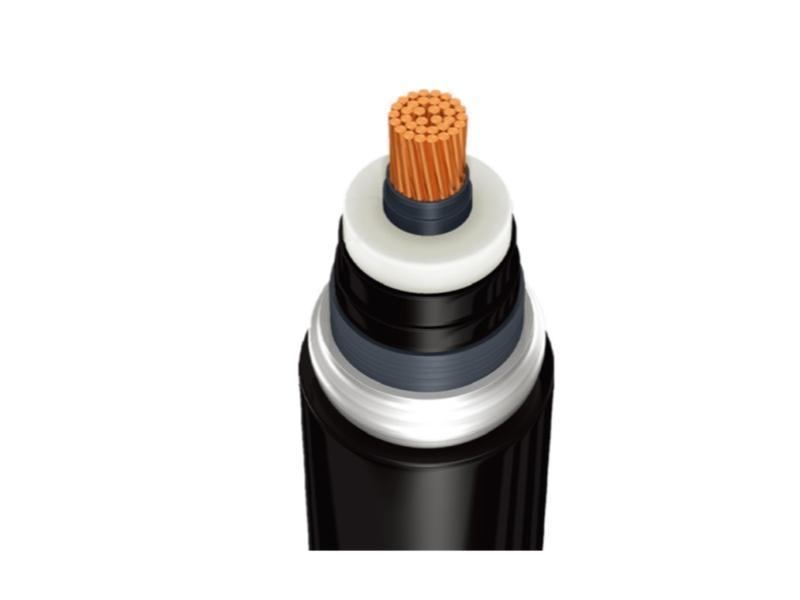
High Voltage Power Cable
NPC Electric High Voltage Power Cable is engineered for reliable transmission of electricity at voltages from 35kV to 500kV. Featuring copper or aluminum conductors, cross-linked polyethylene (XLPE) insulation, metallic screening, and a robust outer sheath, this cable minimizes losses and ensures long-term performance in demanding environments. Designed to meet international standards like IEC 60840 and IEC 62067, it offers excellent electrical properties, mechanical strength, and resistance to moisture, chemicals, and thermal stress. Whether for underground burial, submarine applications, or overhead lines, our High Voltage Power Cable delivers superior efficiency and safety. With low dielectric losses and high breakdown strength, it supports modern power grids, renewable energy integration, and industrial power distribution. Choose our cables for minimal maintenance, extended service life, and compliance with global safety norms.
6300kVA Dry Type Transformer
The NPC ELECTRIC 6300kVA Dry Type Transformer is a high-performance, heavy-duty power solution designed for large industrial and commercial applications. With a capacity of 6300kVA, it features cutting-edge dry-type insulation technology, offering superior safety, low maintenance, and extended reliability. Built to withstand demanding operating conditions, this transformer provides stable, efficient, and noise-free performance while minimizing environmental impact. Its dry-type ventilated or encapsulated construction provides zero fluid maintenance, no spill/leak risks, and suitability for extreme high-density loads, space-limited, or environmentally restricted high-power applications.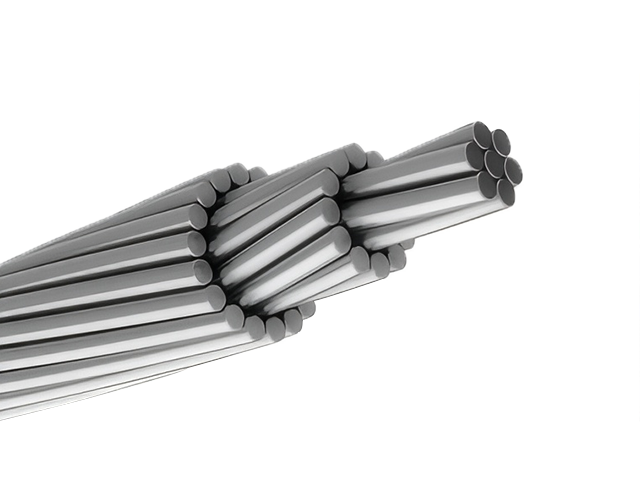
1033.5 MCM CURLEW ACSR Conductor Cable
The ACSR 1033.5 MCM Curlew 54/7 is a high-performance, bare concentric-lay-stranded conductor designed for overhead power transmission and distribution lines. Complying with ASTM B232 standards, this conductor features a robust galvanized steel core (Class A or B) for enhanced mechanical strength, surrounded by multiple layers of hard-drawn 1350-H19 aluminum wire for superior electrical conductivity. The Curlew configuration, with 54 aluminum strands and 7 steel strands, ensures an optimal balance of durability and efficiency, making it ideal for long-span transmission lines and primary/secondary distribution networks. Engineered for reliability, ACSR Curlew offers excellent corrosion resistance and customizable aluminum-to-steel ratios to meet specific electrical and mechanical requirements.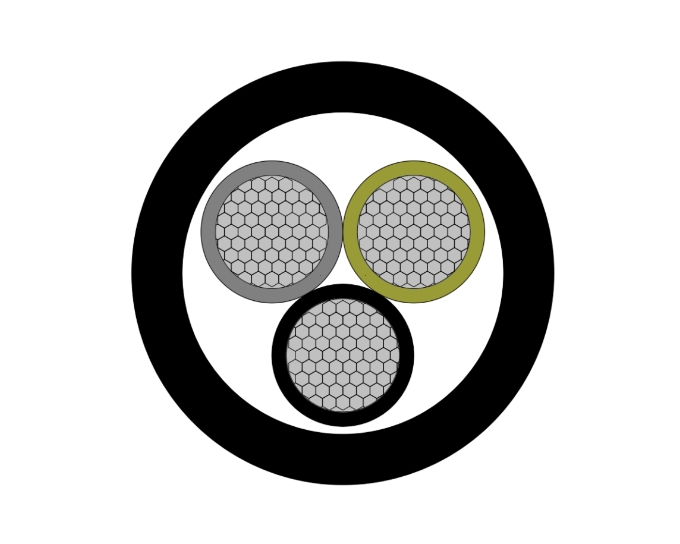
NA2X2Y Cables
NA2X2Y cable is a low-voltage power cable with an aluminum conductor, XLPE (cross-linked polyethylene) insulation, and a PE (polyethylene) outer sheath, designed for fixed installations in power distribution systems. It complies with IEC 60502-1 and is rated for 0.6/1kV. Thanks to its robust PE sheath, NA2X2Y cable provides excellent mechanical protection and high resistance to moisture, UV radiation, and chemicals—making it particularly suitable for outdoor and underground installation in solar photovoltaic (PV) projects. It is commonly used for connecting inverters, combiner boxes, transformers, and the main AC distribution network in solar farms.
1/0 Murex Aluminum Conductor Triplex Overhead Service Drop Cable
1/0 Murex Aluminum Conductor Triplex Overhead Service Drop Cable is engineered for secondary overhead power distribution from utility lines to residential and light commercial service entrances. The triplex construction consists of two insulated aluminum phase conductors twisted around a bare aluminum neutral messenger, providing both electrical transmission and mechanical support. The 1/0 Murex conductor size offers high current-carrying capacity, excellent tensile strength, and controlled sag performance, making it suitable for longer service drop spans and higher load requirements. Aluminum conductors ensure reduced weight, corrosion resistance, and ease of installation in outdoor environments. Manufactured in accordance with ASTM and utility standards, the 1/0 Murex Aluminum Conductor Triplex Overhead Service Drop Cable delivers consistent electrical performance, long-term durability, and reliable mechanical stability. It is widely used by utilities and contractors seeking a cost-effective and dependable overhead service drop solution.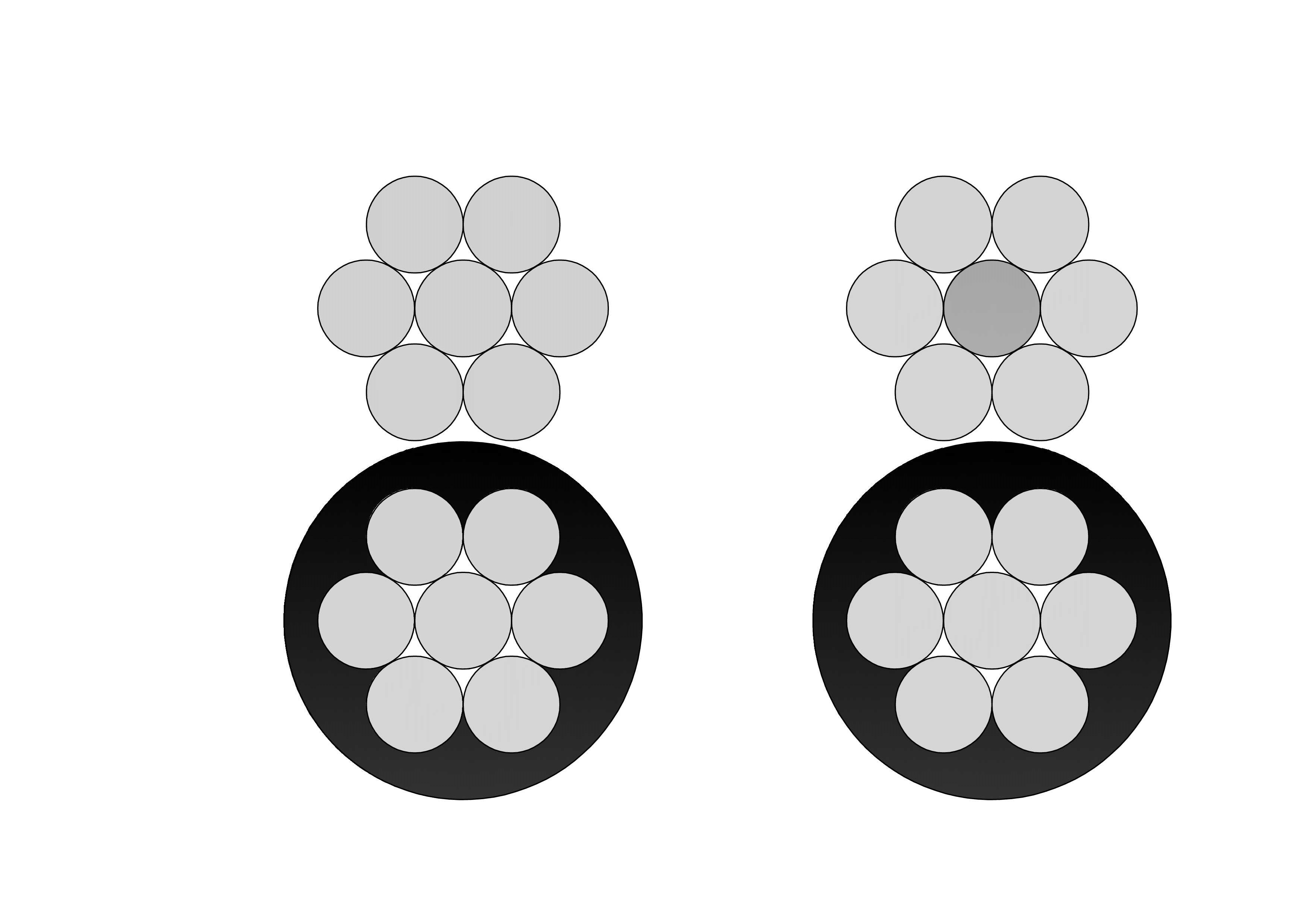
Duplex Service Drop Cable
The Duplex Service Drop Cable is a reliable overhead cable for secondary power distribution from the utility pole to the service entrance. Featuring two insulated phase conductors (aluminum or ACSR) twisted around a bare or covered neutral messenger wire, it offers excellent mechanical strength and weather resistance. Insulation options include XLPE, PE, or PVC for superior UV, moisture, and abrasion protection. Compliant with ASTM B-230, B-231, ICEA S-76-474, and ANSI/ICEA standards, this cable supports low-voltage applications up to 600V. Lightweight design facilitates easy installation with reduced sag and long spans. The Duplex Service Drop Cable ensures minimal power losses, high tensile strength from the messenger, and long service life in harsh outdoor conditions. Ideal for residential, commercial, and rural electrification projects requiring safe, cost-effective aerial service connections worldwide.
1250kVA Dry Type Transformer
NPC ELECTRIC 1250kVA Dry-Type Transformer delivers reliable, oil-free power distribution with a compact and efficient design. Featuring advanced insulation and cooling systems, it ensures safe, low-maintenance operation, making it ideal for industrial and commercial applications. It provides environmentally friendly, cost-effective performance with a 1250kVA capacity. Compliant with DOE amended energy conservation standards (finalized April 2024, mandatory compliance from April 23, 2029, with a 20% reduction in losses for three-phase low-voltage dry-type units), ANSI/IEEE C57.12.01, NEMA ST-20, UL 1561, and CSA requirements, this low-voltage (≤600V) transformer provides outstanding efficiency, minimized thermal losses, significant energy savings, and enhanced fire safety without insulating fluids.Welcome your inquiry
Honesty, Integrity, Frugality, Activeness and Passion