
Mining Cable Guide: Types, Selection & Safety Tips for Underground Mining
2026-06-17
1. The Critical Role of Mining Cables
In underground mining operations, mining cable systems are not just components—they are mission-critical infrastructure that directly impacts operational efficiency, worker safety, and equipment reliability. Unlike standard wires and cables, mining power cable solutions must withstand extreme mechanical stress, moisture, abrasion, chemical exposure, and continuous movement.
From an engineering perspective, cable mining environments impose unique constraints: confined spaces, explosive atmospheres, and high mechanical loads. Therefore, selecting the right mining cables is essential for ensuring an uninterrupted power supply and minimizing downtime.
For global buyers and EPC contractors, understanding cable specifications, standards, and supplier capabilities—such as working with a qualified Mining Cable Supplier or mining cable factory—is a key part of project success.
2. Types of Mining Cables
Mining environments require specialized cable designs based on application, voltage level, and mobility.
2.1 Trailing Cables
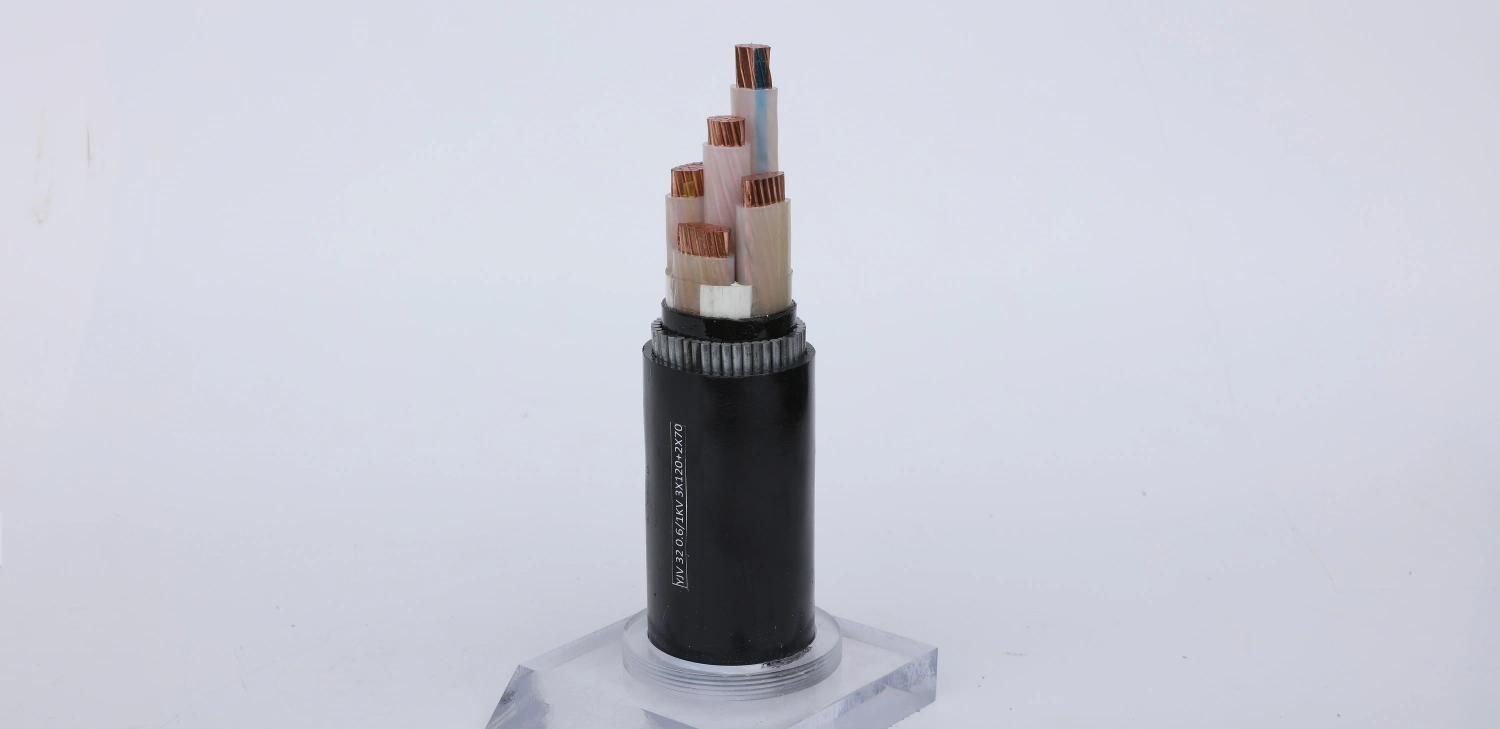
Trailing cable is one of the most widely used types in underground mining.
- Designed for mobile equipment (e.g., shuttle cars, continuous miners)
- High flexibility and tensile strength
- Reinforced insulation for abrasion resistance
These cables must endure constant bending and dragging, making material quality and construction critical.
2.2 Feeder Cables
Used to transmit power from substations to distribution points within mines.
- Medium to high voltage (typically Mining Cables 2kV-25kV)
- Heavy-duty insulation
- Suitable for semi-fixed installations
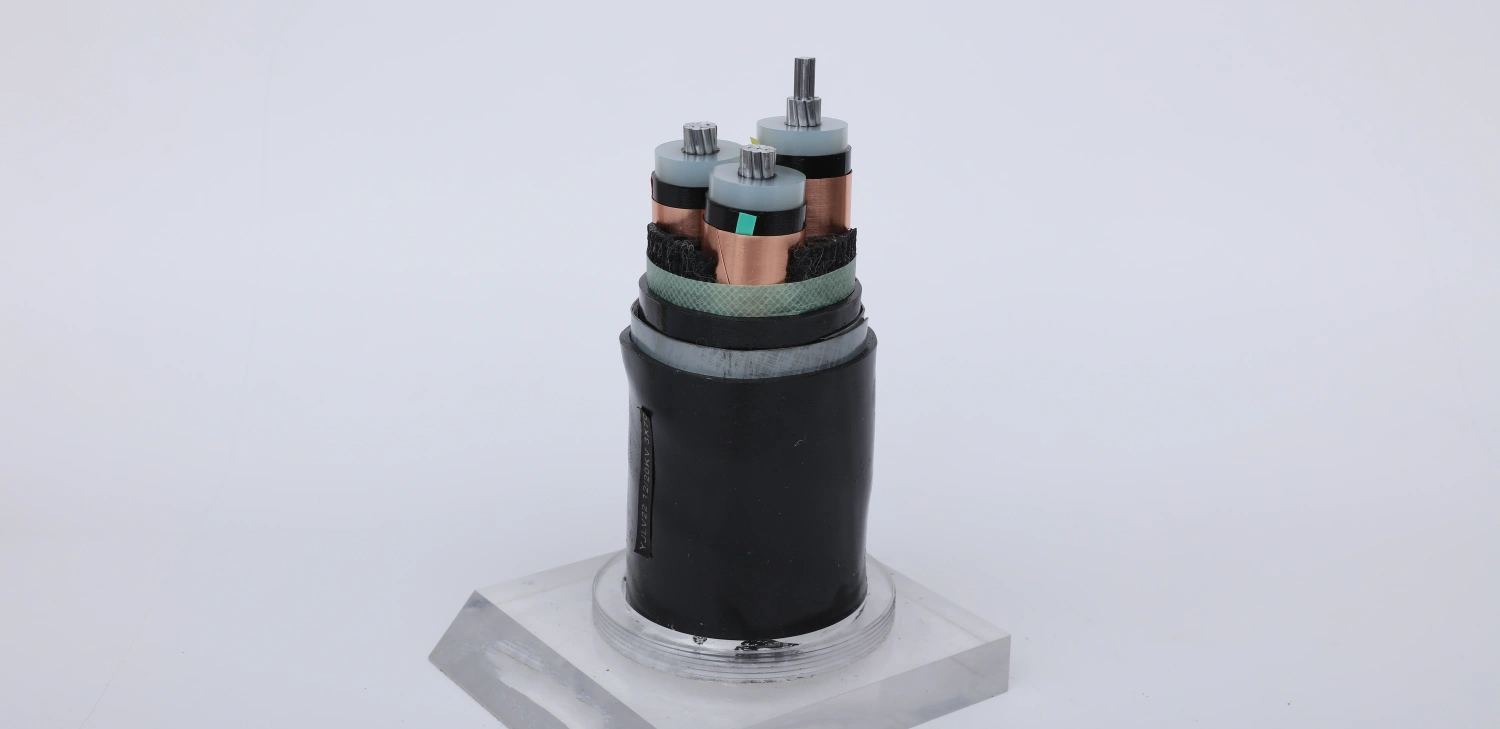
2.3 High Voltage Mining Cables
High-voltage cables are used in large-scale mining operations requiring long-distance power transmission.
- Voltage range up to 25kV or higher
- Enhanced shielding and insulation
- Designed for high load capacity
2.4 Control and Signal Cables
These cables support monitoring and automation systems.
- Low voltage
- Shielded against electromagnetic interference
- Critical for modern smart mining systems
📊 Mining Cable Types and Typical Applications
|
Cable Type |
Voltage Range |
Application |
Key Features |
Typical Equipment |
|
Trailing Cable |
1kV–15kV |
Mobile mining equipment |
High flexibility, abrasion resistance |
Shuttle cars, continuous miners |
|
Feeder Cable |
2kV–25kV |
Power distribution in mines |
मजबूत insulation, high durability |
Substations, distribution panels |
|
High Voltage Mining Cable |
6kV–25kV+ |
Long-distance power transmission |
High load capacity, shielding |
Large mining systems |
|
Control Cable |
<1kV |
Monitoring and control systems |
Shielded, low interference |
Sensors, automation systems |
3. Key Technical Specifications
When selecting a mining power cable, engineers must evaluate multiple technical parameters:
Voltage Rating
Typical range: 2kV–25kV, depending on application.
Conductor Material
- Copper: High conductivity, preferred for critical systems
- Aluminum: Cost-effective alternative
Insulation Type
- EPR (Ethylene Propylene Rubber)
- XLPE (Cross-linked Polyethylene)
Mechanical Protection
- Steel reinforcement
- Heavy-duty outer sheath
Environmental Resistance
Cables must resist:
- Moisture
- Oil and chemicals
- Mechanical abrasion
📊 Typical Technical Parameters of Mining Power Cables
|
Parameter |
Standard Range |
Engineering Consideration |
Impact on Performance |
|
Voltage Rating |
2kV–25kV |
Match system voltage |
Determines insulation level |
|
Conductor Type |
Copper / Aluminum |
Copper is preferred for reliability |
Affects conductivity & cost |
|
Insulation Material |
EPR / XLPE |
Depends on the environment |
Thermal & electrical performance |
|
Temperature Rating |
75°C–105°C |
High-temp mining conditions |
Prevents overheating |
|
Mechanical Strength |
High |
Required for harsh environments |
Reduces cable damage |
|
Outer Sheath |
Rubber / PVC |
abrasion & chemicals |
Extends cable lifespan |
4. Cable Selection Criteria for Underground Mining
Selecting the correct mining cables requires a systematic engineering approach.
Load Requirements
Calculate current demand based on equipment and system load.
Installation Environment
Consider:
- Tunnel layout
- Temperature conditions
- Exposure to water or chemicals
Flexibility vs Durability
- Mobile equipment → flexible trailing cable
- Fixed systems → rigid armored cable
Compliance Standards
Ensure cables meet international standards such as IEC, ICEA, or mining-specific certifications.
5. How to Choose the Right Mining Cable for Underground Mining
Step 1: Determine Voltage Requirements
Identify system voltage (e.g., 2kV–25kV Mining Cables) based on equipment and transmission distance.
Step 2: Analyze Application Type
Select cable type:
- Trailing cable → mobile equipment
- Feeder cable → fixed distribution
Step 3: Evaluate Environmental Conditions
Consider:
- Moisture levels
- Temperature
- Mechanical stress
Step 4: Check Safety Standards
Ensure compliance with:
- Flame-retardant requirements
- Mining safety certifications
Step 5: Select a Reliable Supplier
Work with a trusted Mining Cable Supplier or mining cable factory with proven export experience.
6. Safety Protocols in Mining Cable Systems
Safety is the most critical factor in underground mining. Improper cable selection or handling can lead to severe hazards.
Key Safety Protocols:
- Regular inspection of power cable insulation
- Proper grounding and shielding
- Use of flame-retardant materials
- Protection against mechanical damage
Preventing Electrical Hazards
Effective safety measures include:
- Overcurrent protection
- Fault detection systems
- Isolation switches
These measures help prevent accidents and ensure the safe operation of mining equipment.
📊 Common Mining Cable Risks and Safety Measures
|
Risk Type |
Cause |
Potential Hazard |
Safety Measures |
|
Insulation Failure |
Wear, moisture, aging |
Electric shock, short circuit |
Regular inspection, proper insulation |
|
Mechanical Damage |
Dragging, impact |
Cable breakage, downtime |
Protective routing, cable supports |
|
Overheating |
Overload, poor ventilation |
Fire hazard |
Load monitoring, proper sizing |
|
Improper Installation |
Incorrect handling |
System failure |
Skilled installation, training |
|
Lack of Maintenance |
Neglect |
Increased failure risk |
Scheduled maintenance programs |
7. Safety Training and Operational Best Practices
Importance of Safety Training
Comprehensive safety training programs are essential for:
- Cable handling procedures
- Emergency response
- Equipment operation
Worker Awareness
Operators must understand:
- Cable load limits
- Signs of wear and damage
- Safe installation practices
Maintenance Protocols
Routine maintenance includes:
- Visual inspection
- Insulation testing
- Load monitoring
Proper training and maintenance significantly reduce operational risks.
8. Mining Cable Manufacturing and Supplier Selection
Choosing a reliable Mining Cable Supplier or mining cable factory is crucial for quality assurance.
Key Evaluation Factors:
- Manufacturing capability (2kV–25kV and above)
- Compliance with international standards
- Quality control systems
- Export experience
Global Supply Considerations:
- Lead time
- Logistics and packaging
- After-sales technical support
Working with experienced wires and cables manufacturers ensures consistent performance and long-term reliability.
🔧 Looking for Reliable Mining Cable Solutions?
Whether you need mining cable, mining power cable, or customized Mining Cables 2kV–25kV, choosing the right partner is critical for safety and performance.
We provide:
- High-quality trailing cable for mobile mining equipment
- Durable high-voltage power cable for underground systems
- Custom-engineered wires and cables for harsh mining environments
- Strict compliance with international safety protocols
📩 Get a Free Quote & Technical Consultation
Tell us your project requirements, and our engineering team will recommend the most suitable solution.
- ✔ Fast response within 24 hours
- ✔ Customized cable design
- ✔ Competitive factory pricing
- ✔ Global export experience
👉 Contact us now to get a quote for your mining cable project.
📋 What We Need From You:
- Voltage level (e.g., 6kV / 11kV / 25kV)
- Application (trailing cable/feeder cable)
- Installation environment (underground/wet/high temperature)
- Quantity and delivery timeline
9. Challenges and Future Trends in Mining Cables
Harsh Operating Conditions
Mining cables must adapt to:
- Deeper mines
- Higher temperatures
- Increased automation
Smart Mining Integration
Modern mines use digital monitoring systems, requiring advanced cable designs with integrated communication capabilities.
Sustainability and Efficiency
Reducing energy loss and improving cable lifespan are key goals in modern mining operations.
10. Conclusion: Engineering Approach to Mining Cable Selection
In underground mining, the performance of mining cables directly impacts productivity, safety, and cost efficiency. From trailing cable applications to high-voltage transmission systems, each cable type must be carefully selected based on technical and environmental requirements.
By combining proper design, strict safety protocols, and reliable suppliers, mining operators can ensure safe, efficient, and sustainable operations in challenging environments.
FAQ
1. What is a mining cable, and how is it different from standard cables?
A mining cable is a specialized power cable designed for harsh underground environments. Unlike standard wires and cables, it offers higher mechanical strength, moisture resistance, and flexibility to withstand abrasion, impact, and continuous movement in mining operations.
2. What voltage range do mining power cables typically support?
Most mining power cable systems operate within Mining Cables 2kV–25kV, depending on equipment requirements and transmission distance. High-voltage mining cables are used for heavy-duty underground power distribution.
3. How can mining cables help improve safety in underground mining?
High-quality mining cables improve safety by using flame-retardant materials, reinforced insulation, and robust shielding. Combined with proper safety protocols, regular inspection, and safety training, they help prevent accidents such as electrical faults, fires, and equipment failure.

Related Articles
Related Products
2 AWG SPARATE ACSR Conductor Cable
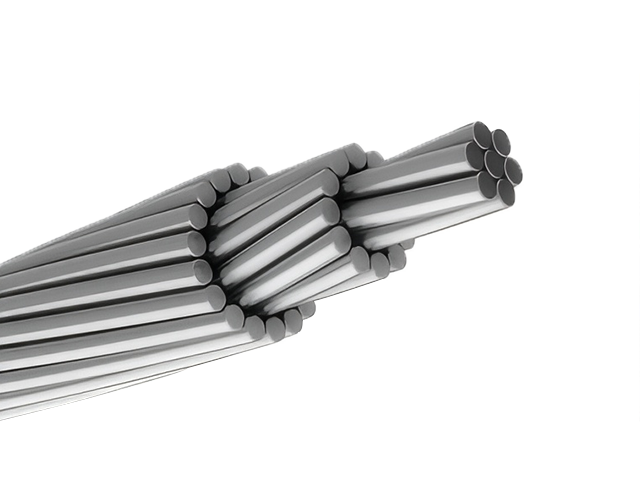
The 2 AWG SPARATE ACSR (Aluminum Conductor Steel Reinforced) cable, compliant with ASTM B232, ABNT NBR 7270/88, and IEC 61089 standards, is engineered for reliable performance in overhead transmission and distribution systems. Featuring a stranded 1350-H19 aluminum conductor for high conductivity and a single galvanized steel core for enhanced mechanical strength, this cable is ideal for medium to long spans in rural, utility, or open-terrain environments. With a voltage rating of up to 25 kV, an operating temperature range of -10°C to +75°C, and a short-circuit tolerance of up to 150°C (5s), the SPARATE ACSR offers an excellent balance of conductivity, tensile strength, and corrosion resistance. Its lightweight, bare aluminum design with a zinc-coated steel core ensures durability and ease of installation, making it suitable for diverse outdoor conditions. Ampacity is calculated under standard conditions (conductor temperature: 75°C; ambient temperature: 25°C; wind speed: 1 m/s; full sun exposure). Manufactured in accordance with ASTM and IEC standards, the 2 AWG SPARATE ACSR Conductor Cable offers stable quality, easy handling, and long service life, making it suitable for utility distribution networks, rural electrification projects, and overhead line upgrades where dependable performance is required.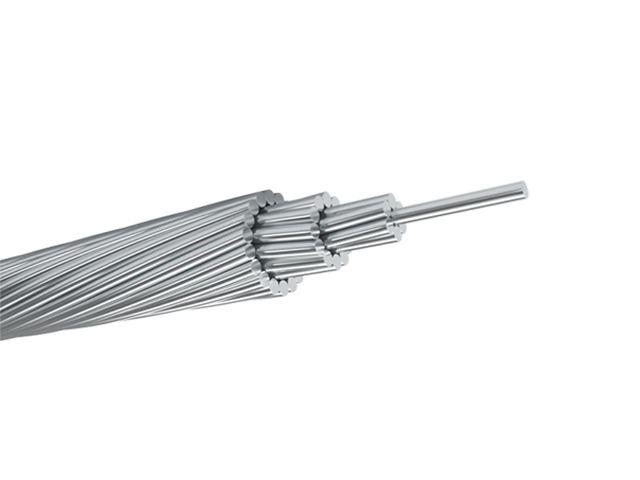
AMHERST AAAC Conductor Cable
AMHERST AAAC (All Aluminum Alloy Conductor) cables comply with ASTM B399 standards and offer high strength, good conductivity, and excellent corrosion resistance. With 300 mm² nominal area and 37-strand design, it uses heat-treated aluminum-magnesium-silicon alloy (6201-T81) for enhanced strength (295 MPa min) and conductivity (53% IACS min). Meeting ASTM B398, B399, IEC 61089, and BS EN 50182 standards, this cable handles ampacity up to 700A at 75°C and voltages up to 33kV. The all-alloy construction avoids bimetallic corrosion, providing better resistance in harsh conditions than ACSR. Reduced weight minimizes sag and installation expenses, supporting longer spans. The Amherst AAAC Conductor Cable delivers low electrical losses, high mechanical endurance, and excellent weather tolerance. Flame-retardant variants available. Perfect for urban grids, renewable projects, and coastal setups, it provides cost-effective, low-maintenance power delivery in overhead applications globally, excelling in reliability and lifespan over conventional conductors.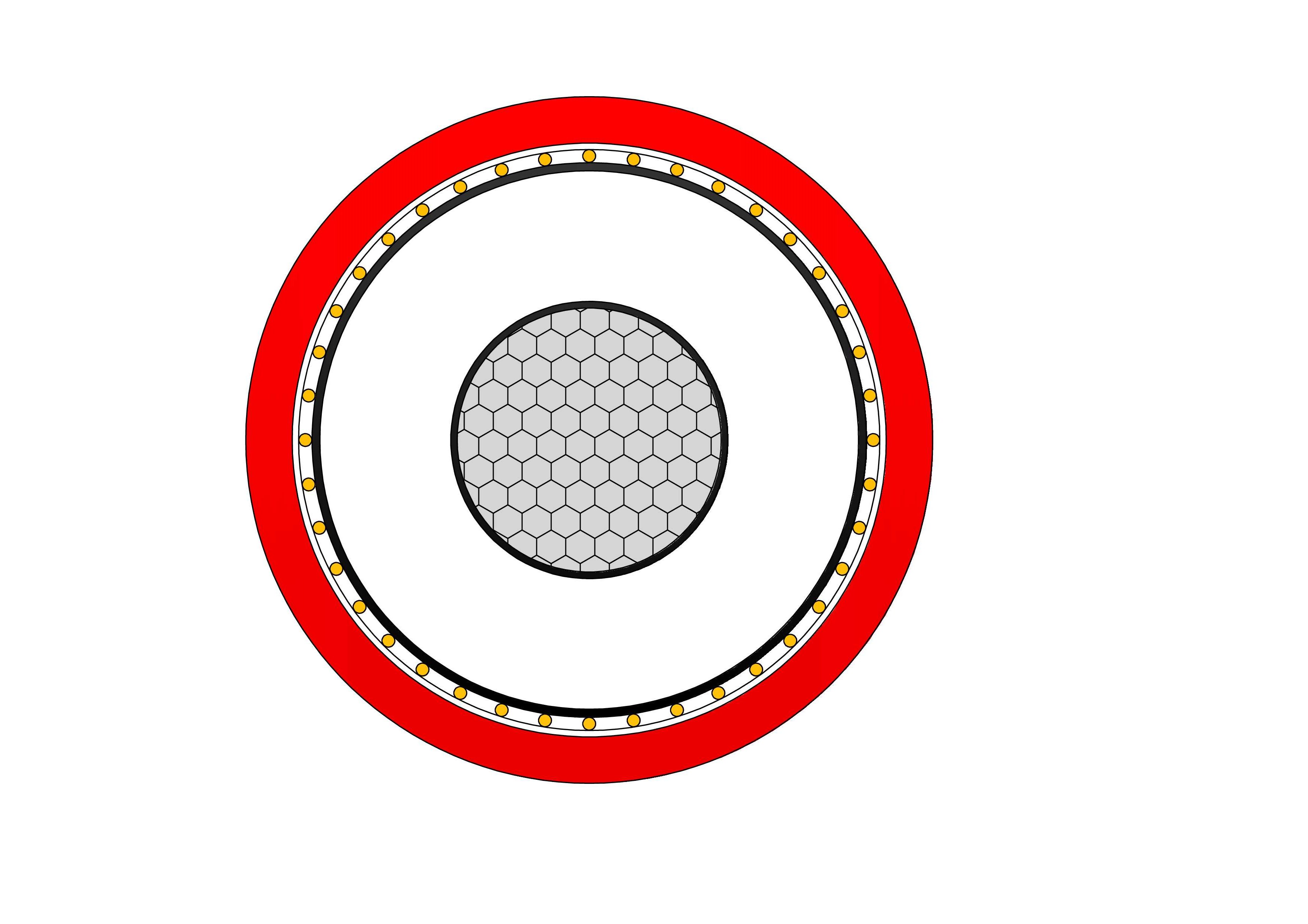
NA2XSY Medium Voltage Power Cable(6/10kV, 12/20kV, 18/30kV)
NA2XSY are medium voltage power cables with aluminum conductors and XLPE insulation, designed according to IEC 60502-2 standards. Constructed with aluminium conductors, thermosetting XLPE insulation, metallic screen (copper tape or wires), and tough PVC outer sheath, it meets IEC 60502-2 requirements. The screen ensures electromagnetic compatibility and fault protection. Low tan delta, high breakdown strength, and excellent thermal endurance minimize losses and support overloads. PVC sheath provides reliable mechanical and moisture protection for fixed installations. Optional longitudinal water-blocking improves performance in damp areas. Flame-retardant and easy to install, the NA2XSY Medium Voltage Power Cable is favored for power grids, manufacturing plants, commercial developments, and renewable energy sites demanding cost-efficient single-core medium voltage cabling with proven durability and performance in buried or tray installations worldwide.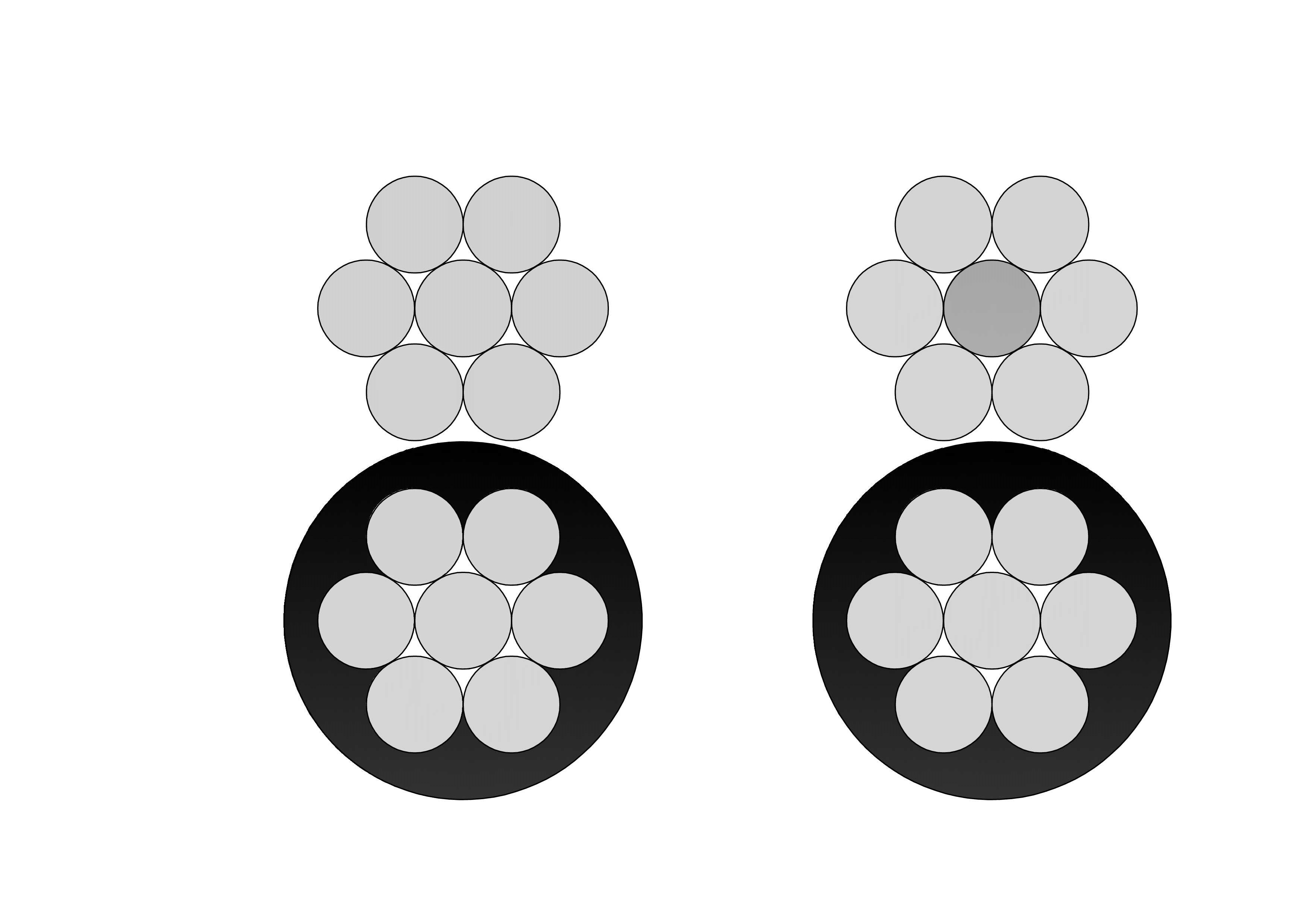
Copper Conductor Duplex Service Drop Cable 600V
The Copper Conductor Duplex Service Drop Cable 600V is a high-performance overhead cable for secondary power distribution from utility poles to service entrances. Featuring two insulated copper conductors (phase and neutral) twisted around a bare or insulated neutral messenger, it offers superior conductivity and mechanical strength. Insulation options include XLPE or PE for excellent UV, moisture, and abrasion resistance. Compliant with ASTM B-1, B-2, B-3, B-8, ICEA S-76-474, and ANSI/ICEA standards, this cable supports 600V applications with low voltage drop and high current capacity. The robust design ensures reduced sag, easy installation, and long service life in harsh weather conditions. The Copper Conductor Duplex Service Drop Cable 600V delivers minimal power losses and reliable performance for single-phase service drops. Widely used in urban, suburban, and rural electrification projects requiring premium copper overhead connections with enhanced durability and safety.
336.4 MCM LINNET ACSR Conductor Cable
The ACSR CAA 336.4 MCM 26/7F LINNET conductor is engineered for superior performance in overhead transmission and distribution systems. Constructed with 26 strands of hard-drawn 1350-H19 aluminium helically stranded around 7 galvanized steel wires, this conductor delivers the perfect balance of high electrical conductivity and enhanced tensile strength. Compliant with ASTM B232 standards, this ACSR conductor is ideal for long-span installations and demanding environmental conditions. The steel-reinforced core, galvanized to Class A or B standards, provides critical mechanical support, while the aluminium strands ensure efficient power transmission. This construction makes the LINNET configuration especially well-suited for medium- to high-voltage lines, where both strength and conductivity are crucial. Its corrosion-resistant steel core enhances durability and reduces maintenance needs, ensuring a long service life in overhead applications.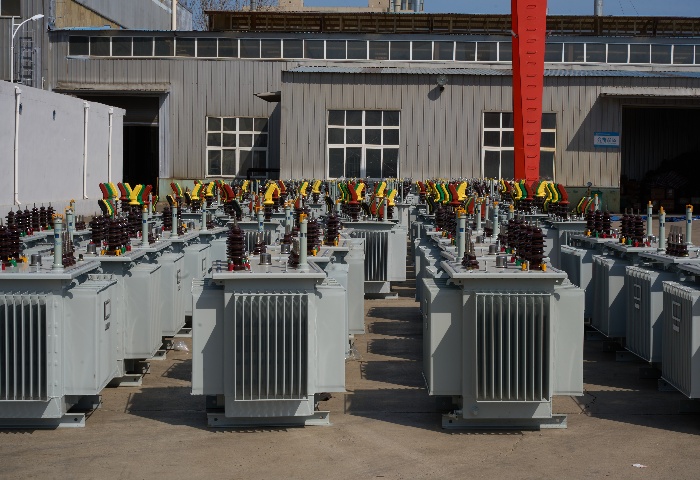
150kVA Oil Immersed Transformer
NPC ELECTRIC's 150kVA Oil Immersed Transformer is a compact and efficient power distribution solution designed for low to medium load applications. Utilizing a traditional oil-immersed insulation system, the transformer delivers stable dielectric performance and effective heat dissipation, ensuring reliable operation under continuous service conditions. The optimized core and winding structure reduces energy loss while maintaining consistent voltage output, making it suitable for decentralized power networks. With low operating noise and dependable overload capability, the transformer supports stable power supply for residential, commercial, and light industrial users. Its compact footprint and proven oil-filled technology make it an economical and practical choice for localized power distribution systems.3GHSSHCH-mining-cable-2.webp)
(N)3GHSSHCH Mining Cable
The (N)3GHSSHCH 3.6/6kV and 6/10kV medium voltage flexible mining cable is engineered for demanding industrial environments such as underground mining, tunneling, and heavy-duty mobile equipment. Featuring EPR rubber insulation, halogen-free LSZH sheath, and a copper wire braid screen, it offers superior mechanical strength, oil resistance, and flame retardancy. Its robust multi-layer construction includes semi-conductive layers, steel wire braid armour, and individual copper screening, ensuring reliable electrical performance and enhanced safety. With excellent flexibility, a wide operating temperature range (-40°C to +80°C fixed), and compliance with VDE, EN, and IEC standards, this cable guarantees long service life in the harshest conditions. Ideal for medium voltage power supply where safety, flexibility, and durability are critical.
100kVA Oil Immersed Transformer
NPC ELECTRIC 100kva Oil Immersed Transformer boasts a robust design that utilizes high-quality materials to ensure long-lasting performance. Its oil-immersed cooling system provides effective heat dissipation, maintaining optimal operating temperatures even under heavy loads. This transformer is designed to handle a maximum power capacity of 100kVA, making it suitable for a wide range of applications, including commercial, industrial, and residential settings. One of the standout features of the SGOB 100kva Oil Immersed Transformer is its advanced insulation system, which enhances its short-circuit resistance and overall safety.2Y-high-voltage-power-cable-2.webp)
High Voltage / 2XS(F)2Y, A2XS(F)2Y 110kV Power Cable
The 2XS(F)2Y / A2XS(F)2Y 110kV High Voltage Power Cable is engineered for underground high-voltage transmission networks with a maximum operating voltage of 110kV (123kV highest). Built with Class 2 copper or aluminum Milliken conductors, extruded semi-conductive XLPE screens, and XLPE insulation, it ensures excellent electrical performance and long service life. Its copper wire screen with counter-helical copper tape offers enhanced shielding, while the water-swellable tapes provide longitudinal water-blocking. The HDPE outer sheath delivers high abrasion resistance and durability, making it ideal for installation in environments with existing mechanical protection. Manufactured to IEC 60840, HRN HD 632, and IEC/EN 60228 standards, this cable is well-suited for high-load and long-distance transmission applications.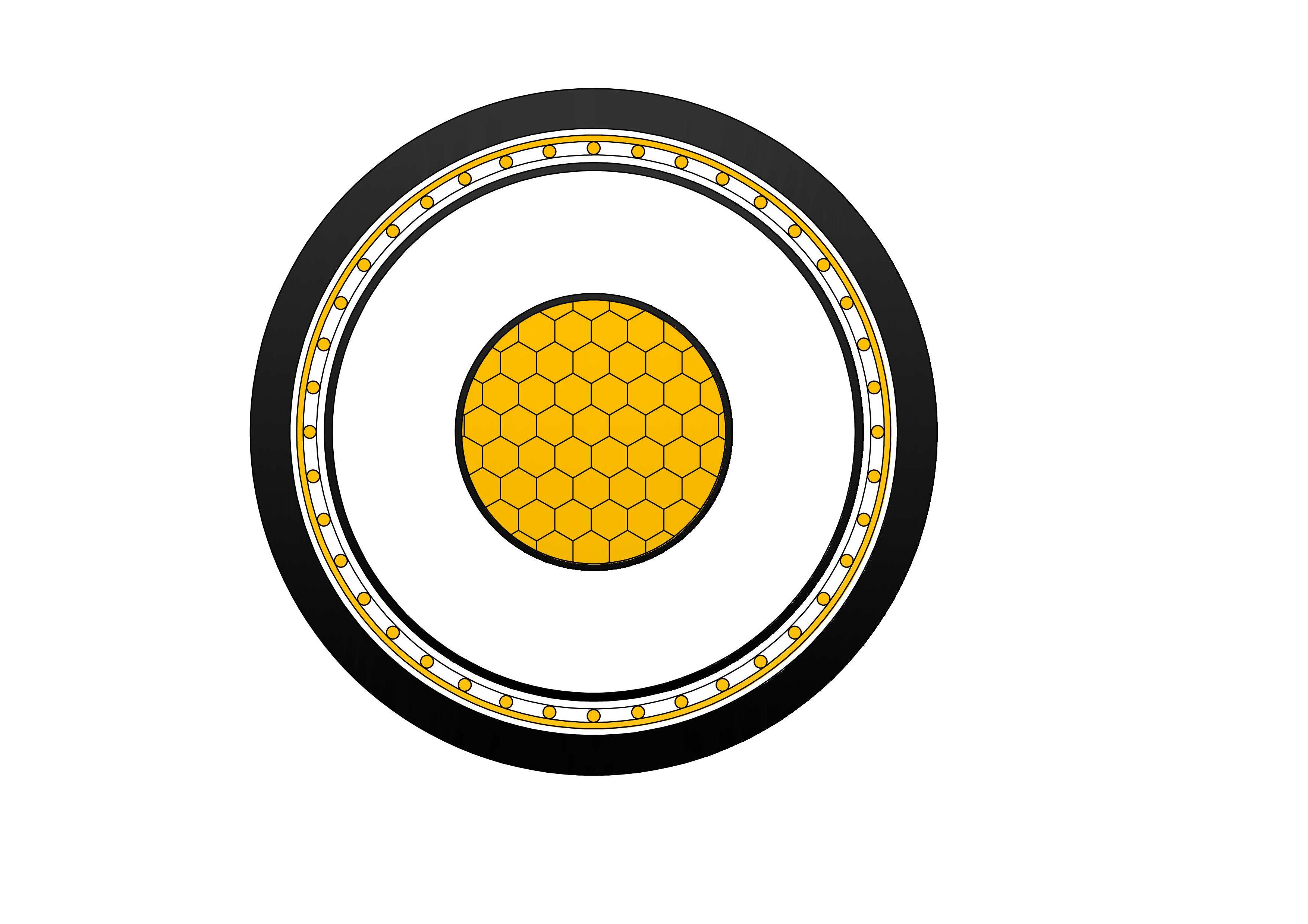
N2XS(F)2Y Medium Voltage Power Cable(6/10kV, 12/20kV, 18/30kV)
The N2XS(F)2Y Medium Voltage Power Cable is engineered for reliable power transmission in medium voltage networks operating at 6/10kV, 12/20kV, and 18/30kV. The cable features a copper conductor, XLPE insulation, and a longitudinally corrugated aluminum sheath that provides excellent moisture barrier performance and mechanical protection. The outer polyethylene sheath enhances resistance to chemicals, abrasion, and environmental stress. Designed in accordance with IEC standards, N2XS(F)2Y cables offer low dielectric losses, stable electrical performance, and long service life. The aluminum sheath also serves as an effective metallic screen, improving fault current capability and system safety. This construction makes the cable suitable for underground and outdoor installations where high reliability and environmental protection are essential.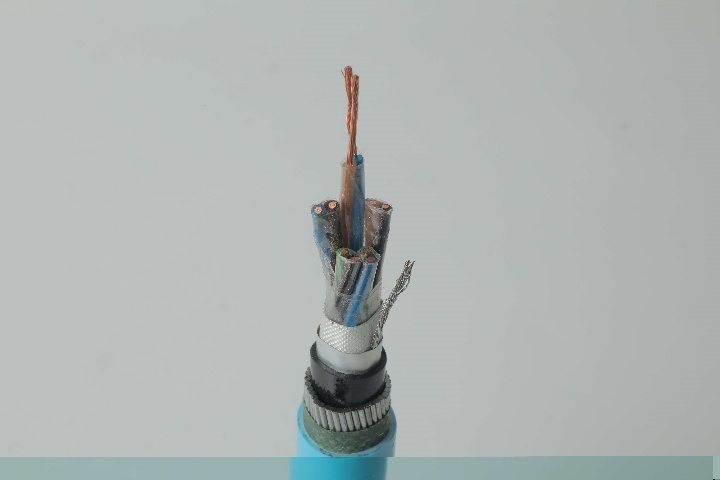
Instrumentation Cables—PVC Insulated,Individual & Overall Screened, Unarmoured PVC Sheathed Cables(CU/PVC/OSCR/PVC)
Instrumentation Cables are multi-conductor cables that carry and transport low-voltage electrical signals. These low-voltage signals are used to control and monitor electrical power systems. Instrumentation cables have many different industrial applications that include broadcasting, equipment control, such as drilling and pumping in the oil and gas industry, and data transfer, which includes analog and digital signals. They are manufactured according to the BS EN 50288-7 and BS EN 50288-1 standards to ensure quality. Instrumentation cables come in twisted pairs, triads, and quads, depending on the customer’s applications; twisting reduces any electromagnetic interference by reducing the chances of electrical voltages and currents being induced in the conductor. Individual and overall screening are also applied in instrumentation cables to optimize the signal transferred and further reduce any electromagnetic interference. Screening of pairs, triads, or quads also includes a drain wire earthed to the ground, which ensures a noise-free signal transmission.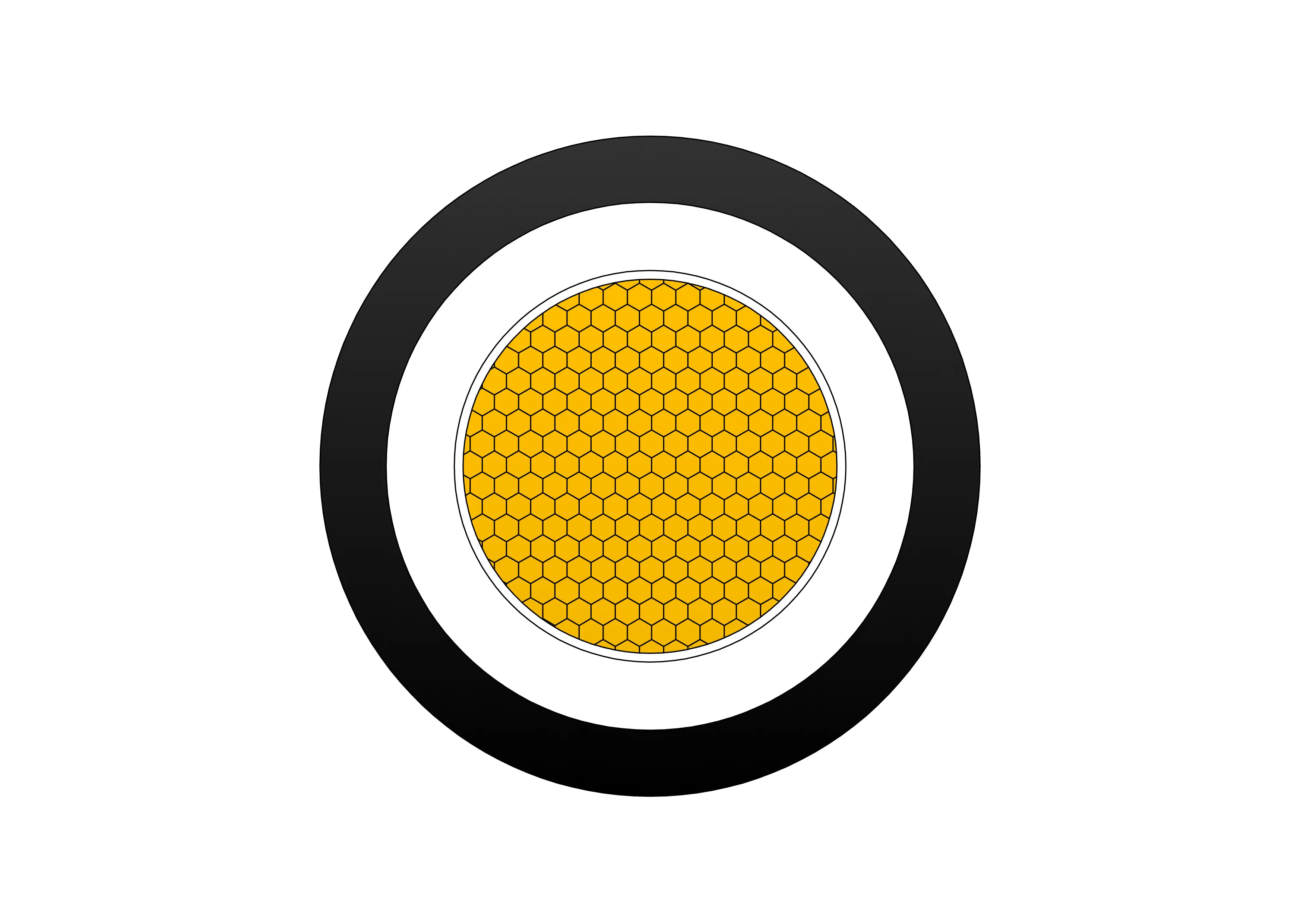
H01N2-D EN 50525-2-81 Welding Cable
The H01N2-D EN 50525-2-81 Welding Cable is an ultra-flexible, heavy-duty single-core cable specifically developed for professional welding applications. It features extremely fine-stranded class 5 copper conductors for maximum flexibility and high current-carrying capacity, heat-resistant rubber insulation and outer sheath providing excellent thermal stability (up to 85–90°C continuous, 200°C short-term), superior oil resistance, flame retardancy (IEC 60332-1), abrasion/tear resistance, and weatherproofing. Compliant with EN 50525-2-81 (HD 22.6 S2) standard and rated 100 V, it supports very tight bending radii, frequent reeling, and reliable performance even under intense mechanical stress and welding heat. The H01N2-D is the industry standard choice for electrode holders, earth returns, welding machines, and portable high-current connections in workshops, shipbuilding, construction, and industrial environments where extreme flexibility and durability are required.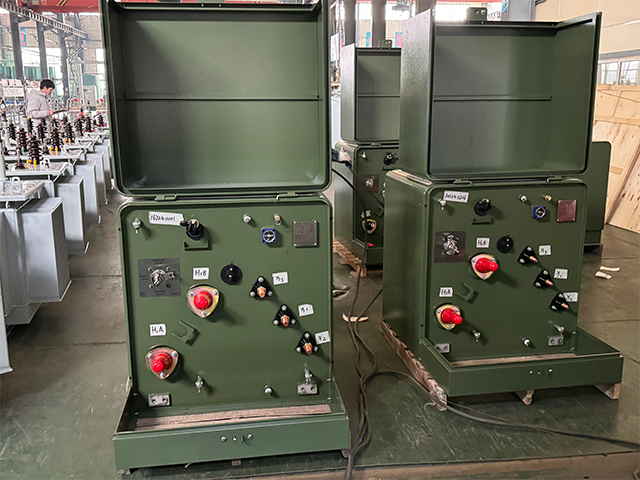
167kVA Single Phase Pad Mounted Transformer
The 167kVA single phase pad mounted transformer is engineered for higher-capacity underground residential and light commercial distribution, efficiently transforming primary voltages such as 12470GrdY/7200, 24940GrdY/14400, 34500GrdY/19920, or dual-voltage configurations to secondary 120/240V split-phase or 240V outputs. Constructed with premium grain-oriented silicon steel cores and aluminum or copper windings, it delivers exceptional energy efficiency and minimal losses while fully complying with DOE 2016 standards and IEEE/ANSI C57.12.34 specifications.
954 MCM RAIL ACSR Conductor Cable
The ACSR CAA 954 MCM 45/7F RAIL is a robust Aluminium Conductor Steel Reinforced (ACSR) cable designed to meet the demanding requirements of modern overhead transmission and distribution systems. It consists of 45 hard-drawn 1350-H19 aluminium strands concentrically wound around 7 galvanized steel strands, forming a high-capacity conductor with a reliable strength-to-conductivity ratio. Manufactured in accordance with ASTM B232, the RAIL configuration is ideal for long-span installations where increased tensile strength and environmental durability are essential. The galvanized steel core, coated to Class A or B standards, provides corrosion resistance and mechanical reinforcement against environmental stressors like wind, ice loading, and mechanical tension. This ACSR design supports efficient power delivery across overhead transmission networks, while also serving as a dependable solution for primary and secondary distribution lines. Suitable for voltages up to 230kV in distribution lines, the Rail ACSR Conductor Cable minimizes line losses and withstands harsh weather, including wind and ice loading.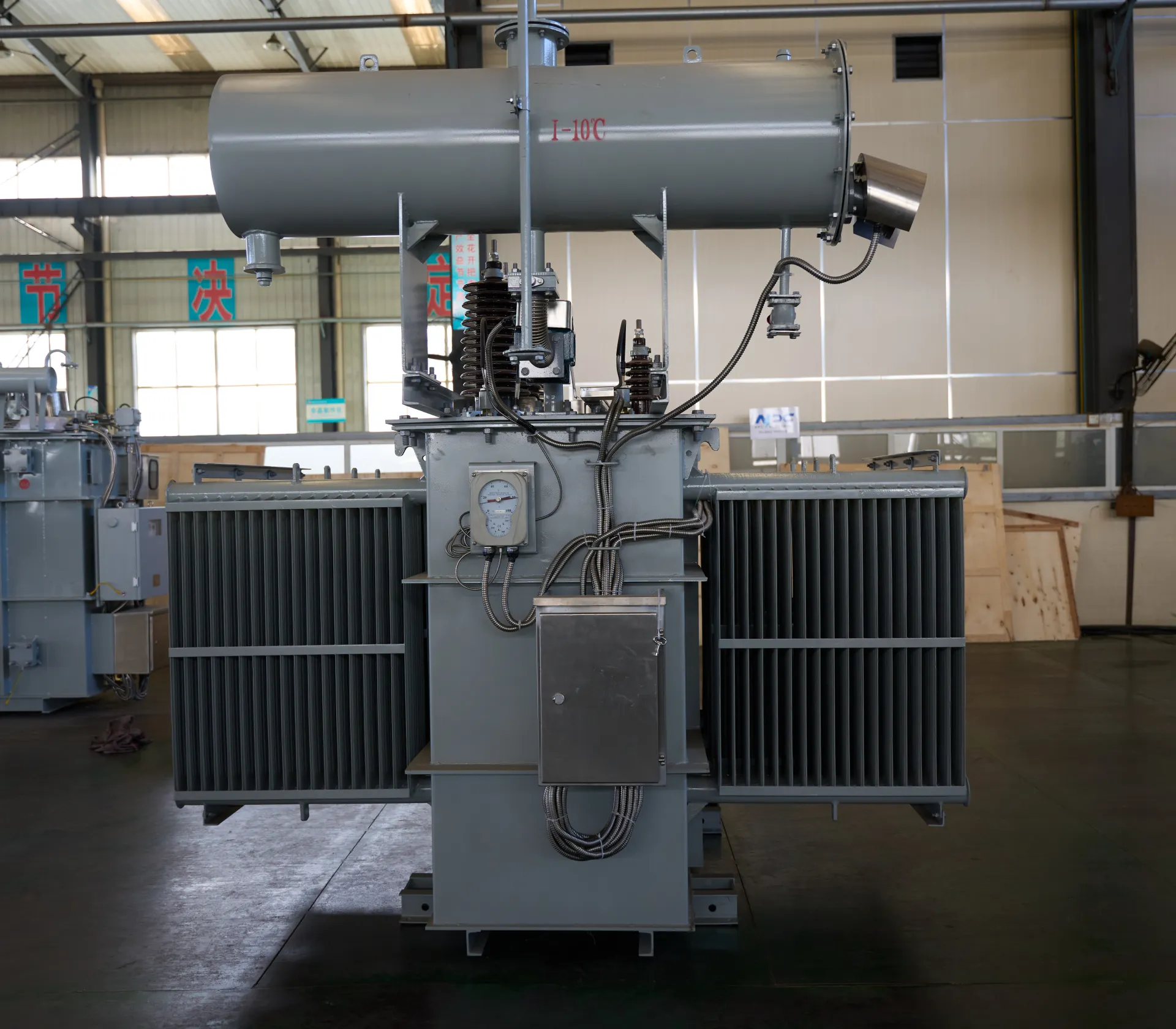
6kV Three-Phase Oil-Immersed Power Transformer
The 6kV Three-Phase Oil-Immersed Power Transformer is designed for stable and efficient voltage conversion in industrial and commercial power distribution systems. With a durable oil-immersed insulation structure and high-quality copper windings, it offers excellent thermal performance, strong dielectric strength, and reliable operation under varying load conditions. Its compact design, robust core materials, and advanced cooling system ensure low losses, reduced noise, and long service life. This 6kV transformer is suitable for factories, mining sites, distribution stations, and utility networks requiring consistent and safe electrical power supply. Engineered to meet international standards, it provides dependable performance and high efficiency across diverse low-to-medium voltage applications.Welcome your inquiry
Honesty, Integrity, Frugality, Activeness and Passion