Solar PV Cable vs Regular Cable: Key Differences You Must Know
2026-04-28
When installing a solar power system, choosing the right cable is critical for safety, performance, and long-term reliability. Many people wonder whether they can use regular cables instead of dedicated Solar PV cables. The truth is, Solar PV Cable and regular cables are fundamentally different in design, materials, and performance — especially when exposed to harsh outdoor environments.
Solar PV cables are specifically engineered to withstand extreme UV radiation, high temperatures, ozone, moisture, and mechanical stress for decades. In contrast, regular cables (such as standard building wire or THHN) lack the necessary UV resistance, weatherproofing, and durability, making them prone to rapid degradation, cracking, and safety hazards when used in solar applications.
1. Why Cable Selection Matters in Solar Systems
In modern solar power systems, cable selection is not a minor component decision—it is a critical engineering factor that directly impacts efficiency, safety, and long-term reliability. Many project failures in solar installation environments can be traced back to improper cable selection, particularly when standard power cable or electric cable is used instead of specialized solar PV cable.
Unlike general electrical wiring used in general electrical applications, solar cables typically operate under extreme environmental and electrical conditions, including UV exposure, extreme temperatures, and high voltages. Understanding the difference between solar pv cable and cable and normal cable types is essential for engineers, EPC contractors, and global buyers.
2. What Is Solar PV Cable?
Solar PV Cable is a specialized type of electrical cable designed specifically for use in solar photovoltaic (PV) power systems. Also known as solar cable or PV wire, it connects solar panels to inverters, charge controllers, and the electrical grid.
Unlike regular cables, Solar PV Cable is engineered to withstand harsh outdoor conditions, including prolonged exposure to intense UV radiation, extreme temperatures (-40°C to +90°C), ozone, moisture, and mechanical stress. It features high-quality cross-linked polyethylene (XLPE) insulation and a robust sheath that provides excellent weather resistance, flexibility, and long service life.
With superior fire resistance and compliance with international standards such as TÜV and UL, Solar PV Cable ensures safe, efficient, and reliable power transmission in both rooftop and large-scale solar installations.
A solar PV cable (also known as PV solar wire or solar PV wire) is specifically designed for photovoltaic systems.
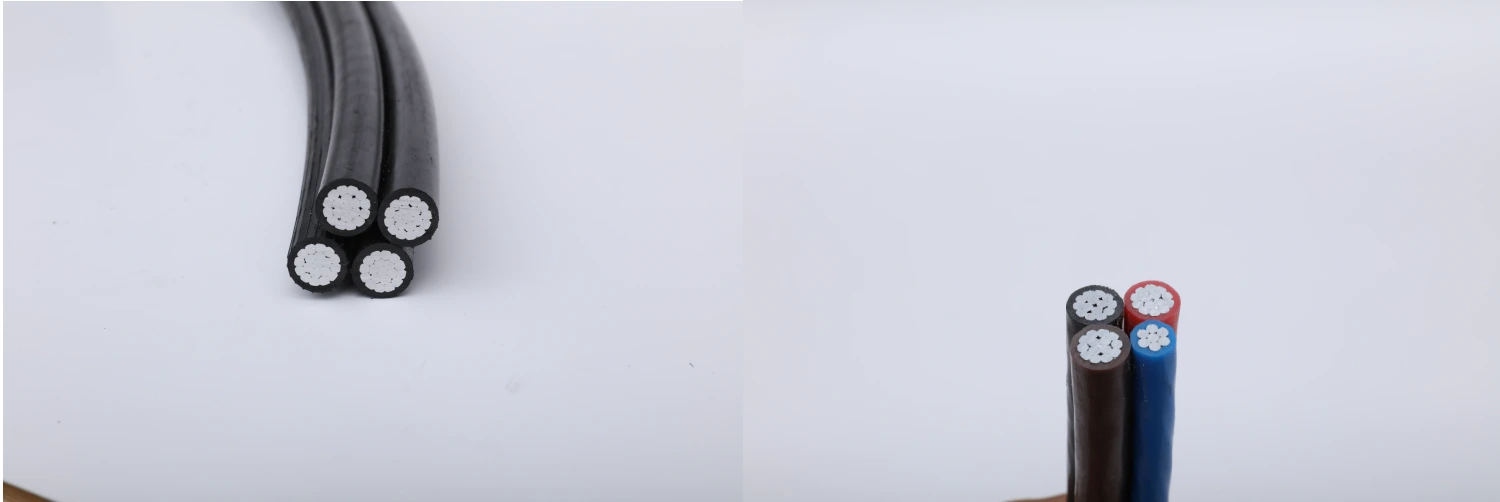
Key Design Features:
- Double insulation using cross-linked polyethylene (XLPE)
- UV and ozone resistance
- High flexibility for outdoor installations
- Long service life (typically 25+ years)
Typical Applications:
- Connecting solar panels to inverters
- DC wiring in PV systems
- Ground-mounted and rooftop systems
Engineering Insight:
Unlike standard wires and cables, PV cables must maintain performance under continuous sunlight and temperature fluctuations.
3. What is a regular electrical cable?
Regular electrical cable, also known as standard building wire or general-purpose cable, refers to common cables used for indoor electrical wiring in residential, commercial, and light industrial applications. Popular types include THHN, THWN, Romex (NM-B), and PVC insulated cables.
These cables are designed primarily for protected environments with stable temperatures and minimal exposure to sunlight, weather, or extreme conditions. They typically feature PVC insulation and jacketing, offering basic electrical conductivity, flame retardancy, and cost-effectiveness for standard power distribution.
However, regular electrical cables lack the specialized UV resistance, high-temperature tolerance, flexibility, and long-term weatherproofing required for outdoor or harsh environments. This makes them unsuitable for solar PV systems, where durability under direct sunlight and extreme conditions is critical.
A regular cable refers to a standard electric cable or power cable used in conventional electrical systems.
Characteristics:
- Designed for indoor or controlled environments
- Limited UV resistance
- Shorter lifespan under outdoor conditions
Common Uses:
- Building wiring
- Industrial systems
- General power distribution
Limitation:
Regular cables are not optimized for solar power systems, especially in exposed environments.
4. Solar PV Cable Types and Specifications
Solar PV Cable comes in various types and specifications to meet different solar installation requirements. The most common types include single-core solar cables (4mm², 6mm², 10mm²) and twin-core solar cables.
These cables are typically rated for 1.5kV DC voltage, with high-quality XLPE or EPR insulation and halogen-free, flame-retardant sheaths. Key specifications include UV resistance, a temperature range from -40°C to +90°C (or 120°C for some models), excellent flexibility, and TUV/UL certifications.
Choosing the right Solar PV Cable type and size ensures optimal performance, safety, and long-term reliability in both residential rooftop and large-scale solar power systems.
Solar PV Cable Types
Common Solar PV Cable Types include:
- Single-core PV cable (most common)
- Twin-core cable (for specific applications)
Conductor Materials:
- Copper or aluminum
- Copper is preferred for its conductivity and durability
Insulation Material:
- Cross-linked polyethylene (XLPE)
- Provides thermal and electrical stability
Voltage Ratings:
- Typically 600V to 1500V DC
Temperature Range:
- -40°C to +90°C or higher
📊 Solar PV Cable Technical Specifications
|
Parameter |
Typical Value |
Engineering Requirement |
Impact on System |
|
Voltage Rating |
600V–1500V DC |
Must match PV system design |
Prevents insulation failure |
|
Conductor Material |
Copper / Aluminum |
High conductivity required |
Reduces energy loss |
|
Insulation Type |
XLPE (Cross-Linked Polyethylene) |
UV & heat resistant |
Ensures long-term durability |
|
Temperature Range |
-40°C to +90°C |
Suitable for extreme temperatures |
Maintains performance stability |
|
UV Resistance |
High |
Required for outdoor installations |
Prevents degradation |
|
Flame Retardant |
Yes |
Meets safety standards |
Reduces fire risk |
|
Lifespan |
25+ years |
Matches the solar panel lifecycle |
Low maintenance cost |
5. Key Differences: Solar PV Cable vs Regular Cable
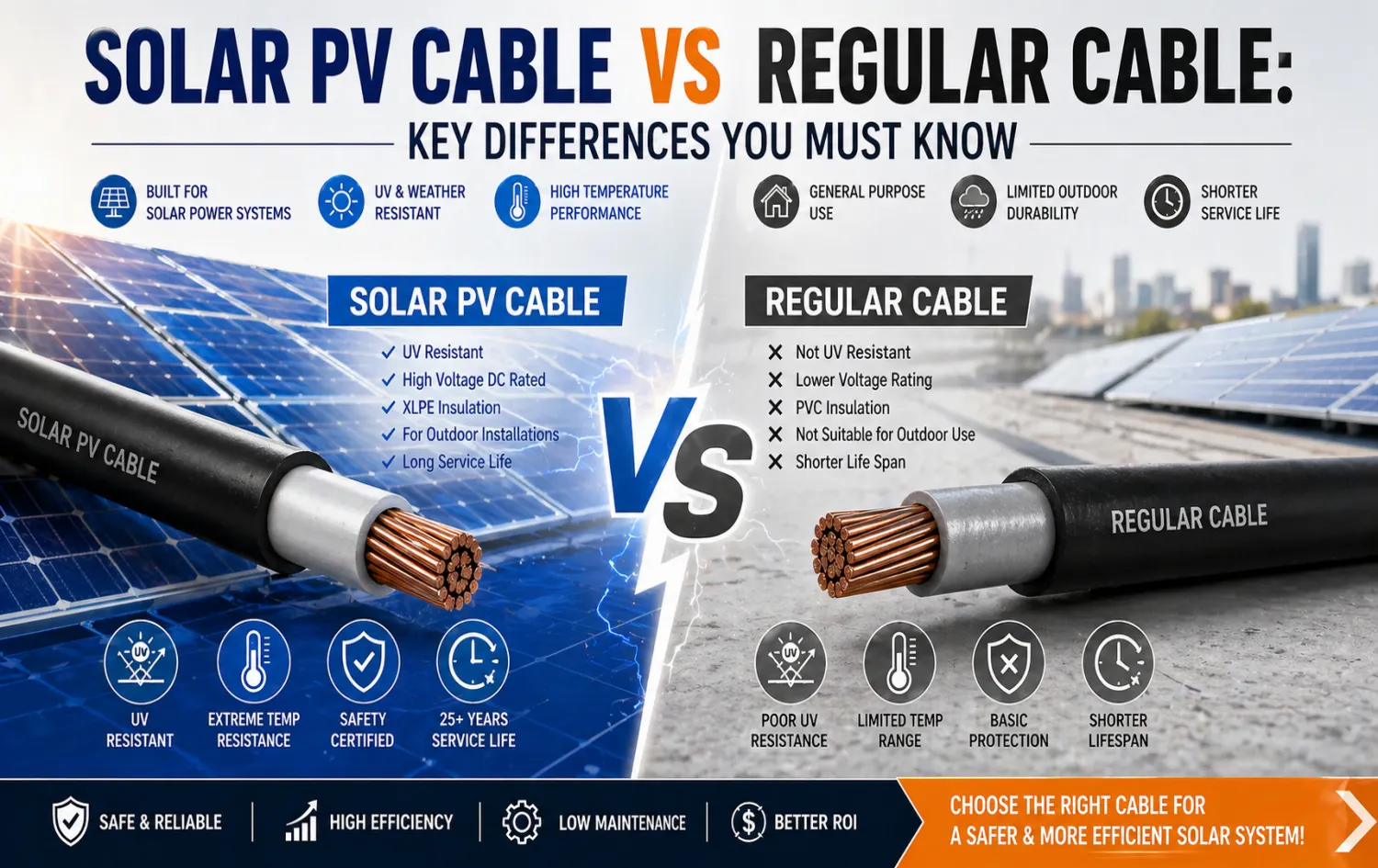
The main differences between Solar PV Cable and regular cable lie in their design and durability. Solar PV Cable is specially engineered for outdoor solar installations, featuring superior UV resistance, wide temperature tolerance (-40°C to +90°C), excellent flexibility, and weatherproof sheathing. It also offers high flame retardancy and long service life under direct sunlight.
In contrast, regular electrical cables (such as THHN or PVC cables) are designed for indoor use only. They lack sufficient UV protection, have poorer weather resistance, and degrade quickly when exposed to sunlight, heat, and moisture.
Choosing the right Solar PV Cable is essential for safety, efficiency, and reliability in solar PV systems.
📊 Technical Comparison Table
|
Feature |
Solar PV Cable |
Regular Cable |
|
Application |
Solar power systems |
General electrical use |
|
Insulation |
XLPE double insulation |
PVC or basic insulation |
|
UV Resistance |
High |
Low |
|
Temperature Resistance |
Handles extreme temperatures |
Limited |
|
Lifespan |
25+ years |
5–10 years |
|
Voltage Rating |
High DC voltage |
Standard AC voltage |
|
Safety Standards |
Strict safety standards |
General compliance |
Engineering Insight:
Using regular cable in PV systems significantly increases the risk of insulation failure, energy loss, and fire hazards.
6. Cable Sizing: 10AWG vs 12AWG Solar PV Cable
📊 10AWG vs 12AWG Solar PV Cable Comparison
|
Parameter |
10AWG |
12AWG |
|
Current Capacity |
Higher |
Lower |
|
Voltage Drop |
Lower |
Higher |
|
Cost |
Higher |
Lower |
|
Application |
Large PV systems |
Small installations |
Practical Insight:
Choosing between 10AWG vs 12AWG Solar PV Cable depends on:
- System size
- Distance between components
- Current requirements
Incorrect sizing can lead to overheating and reduced efficiency
7. Safety Standards and Compliance
Solar PV Cable must meet strict international safety standards to ensure long-term performance and safety in solar installations. The most recognized certifications include TÜV 2PfG 1169/08.2007, UL 4703, and IEC 62930.
These standards guarantee that the cable is UV-resistant, flame-retardant, ozone-resistant, and capable of withstanding extreme temperatures and mechanical stress. High-quality Solar PV Cable is also halogen-free and low-smoke, reducing toxic gas emission in case of fire.
Always choose Solar PV Cable that complies with TÜV or UL certifications. Using non-compliant or regular cables can lead to system failure, safety hazards, and voided warranties in your solar PV project.
Key Safety Requirements:
- Flame-retardant properties
- UV resistance
- Weatherproof insulation
Standards to Consider:
- IEC standards for PV cables
- Certification for high voltages
Engineering Impact:
Compliance ensures safe operation and long-term reliability of PV cable systems.
8. How to Choose the Right Solar Cable
Choosing the right Solar PV Cable is crucial for the safety, efficiency, and longevity of your solar power system.
First, select the correct cable size (cross-section) based on current, voltage drop, and distance — 4mm² and 6mm² are most commonly used. Look for high-quality XLPE insulation with excellent UV resistance and a wide temperature range (-40°C to +90°C). Ensure the cable is TUV or UL certified and rated for at least 1.5kV DC.
Prioritize flexibility, flame retardancy, and weatherproof sheathing. Avoid using regular electrical cables, as they degrade quickly outdoors. Always choose certified Solar PV Cable from a reliable manufacturer to guarantee long-term performance.
Step-by-Step Selection Guide:
Step 1: Identify Application
Determine whether the cable is for DC or AC connection in PV systems.
Step 2: Evaluate Environment
Consider:
- UV exposure
- Extreme temperatures
- Outdoor conditions
Step 3: Select Material
Choose between copper and aluminum based on budget and performance.
Step 4: Check Certification
Ensure compliance with safety standards.
Step 5: Size the Cable
Select appropriate gauge (e.g., 10AWG or 12AWG).
9. Common Mistakes and Best Practices
Common Mistakes:
- Using a regular power cable in solar systems
- Ignoring environmental factors
- Undersizing cables
Best Practices:
- Always use certified solar PV cable
- Match cable specifications to system design
- Work with reliable suppliers
10. Conclusion: Choosing the Right Cable for Solar Success
The difference between solar PV cable and regular electric cable is not just technical—it is fundamental to system safety and performance. While standard wires and cables may be suitable for indoor applications, only specialized solar cables typically meet the demanding requirements of modern solar installation environments.
For engineers and global buyers, selecting the right PV solar wire ensures efficient energy transfer, reduced maintenance, and long-term system reliability. Investing in high-quality solar PV cable is essential for any successful solar power system.
❓ Frequently Asked Questions (FAQ)
1. What is a solar PV cable used for?
A solar PV cable is used for transmitting DC electricity in solar power systems, especially for connecting solar panels to inverters. It is designed to withstand UV exposure, extreme temperatures, and outdoor conditions.
2. Can I use a regular cable instead of a solar PV cable?
Using a standard power cable or electric cable is not recommended for PV systems. Solar cables typically offer better insulation, UV resistance, and compliance with safety standards, making them essential for long-term reliability.
3. What is the difference between PV cable and normal cable?
A PV cable is designed for high voltages, outdoor exposure, and long lifespan, while a regular cable is intended for indoor or controlled environments with lower durability requirements.
4. How do I choose the right solar cable size?
Cable sizing depends on current, distance, and voltage drop. For example, choosing between 10AWG vs 12AWG Solar PV Cable depends on system size and load requirements.
5. What materials are used in solar PV cables?
Most solar pv wire uses copper or aluminum conductors with cross-linked polyethylene (XLPE) insulation for durability and thermal resistance.

Related Articles
Related Products
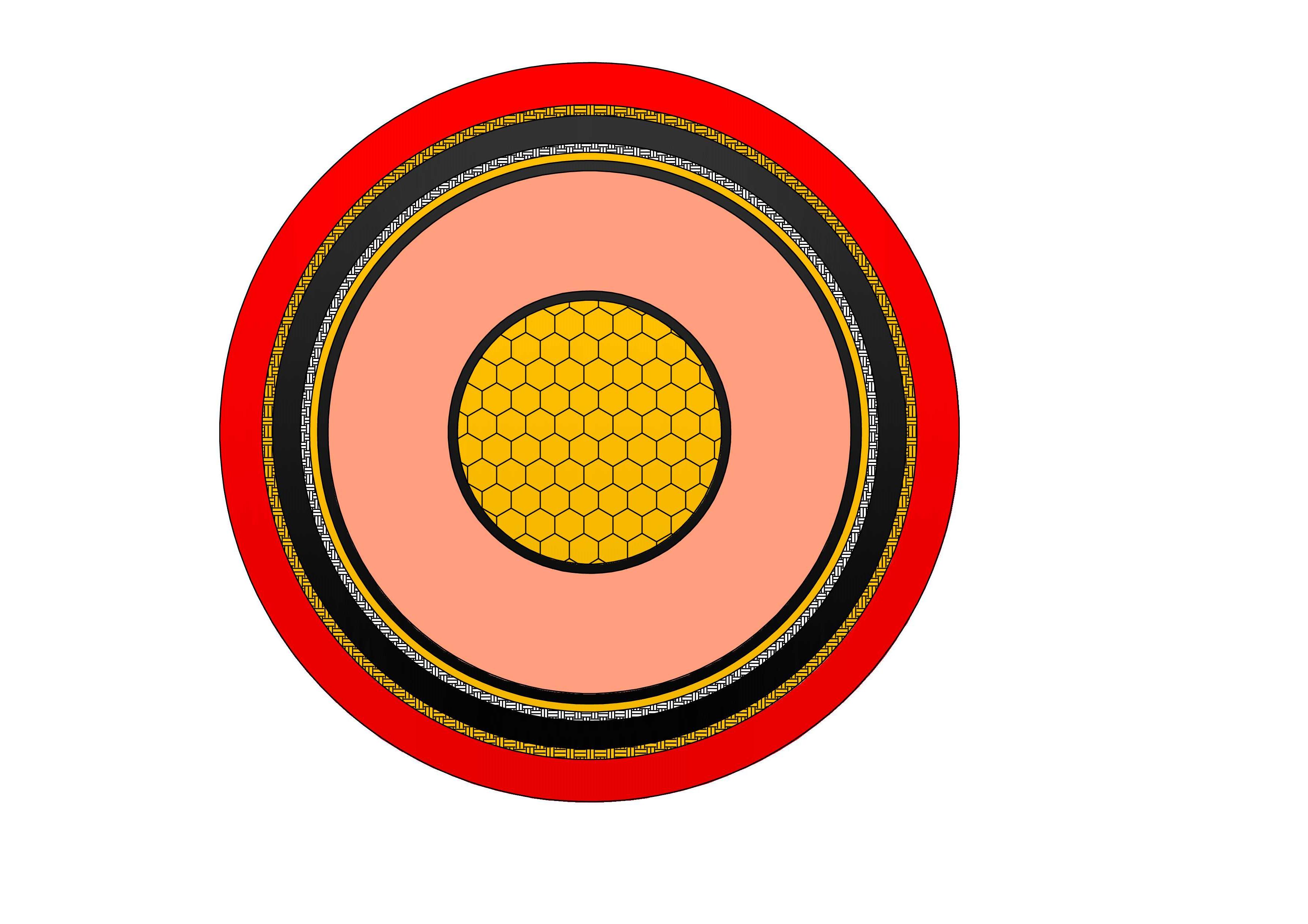
XAI Armoured Medium Voltage Power Cable(6/10kV, 12/20kV, 18/30kV)
NPC Electric XAI Armoured Medium Voltage Power Cable (6/10kV, 12/20kV, 18/30kV) delivers protected, high-performance medium voltage transmission. Constructed with copper or aluminium conductors, thermosetting XLPE insulation, metallic screen, bedding, galvanised steel wire armour (SWA), and tough outer sheath, it meets IEC 60502-2 requirements. The SWA layer offers outstanding resistance to mechanical damage, enabling direct burial without conduits. Low transmission losses, high current rating, and excellent overload tolerance ensure optimal efficiency. Optional LSZH sheath and water-blocking for added safety and reliability. Flame-retardant and environmentally robust, the XAI Armoured Medium Voltage Power Cable is widely selected for power grids, manufacturing plants, wind/solar farms, and infrastructure demanding reliable, maintenance-free medium voltage cabling with enhanced mechanical safeguarding in challenging terrains or high-impact zones worldwide.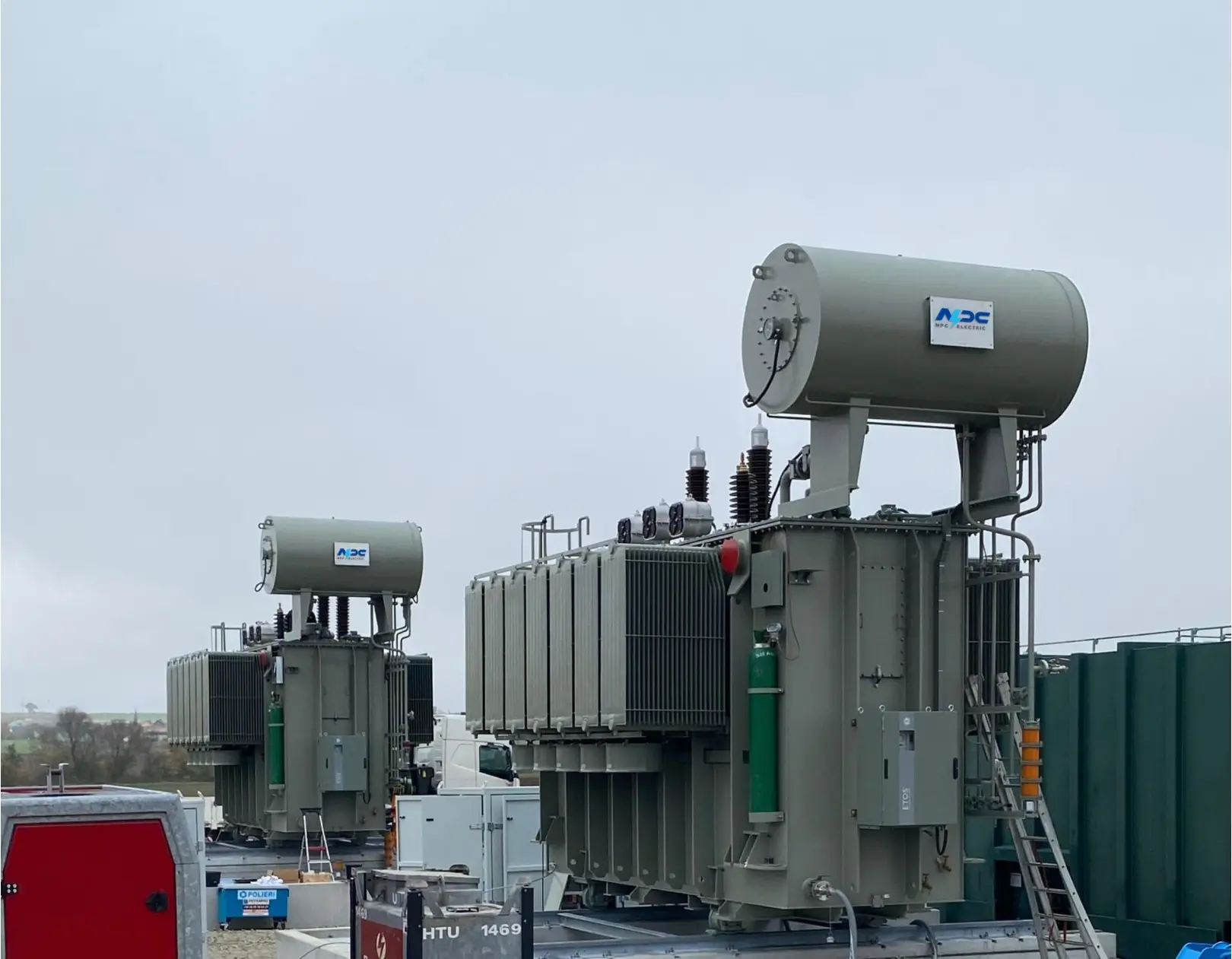
220kV 230kV Power Transformer
The 220kV / 230kV Power Transformer is an extra-high-voltage, oil-immersed, three-phase power transformer engineered for backbone transmission networks, major utility substations, large-scale renewable energy integration, heavy industrial corridors, and cross-border grid interconnections. Typical specifications include mineral oil or FR3 natural ester insulation (ONAN/ONAF/ODAF/OFWF cooling configurations), high-conductivity copper windings (aluminum optional), primary voltages 220kV or 230kV (grounded wye/delta, dual-voltage or multi-tap options), secondary voltages 35kV, 66kV, 110kV, 132kV, 138kV or custom (e.g., 230kV/115kV, 220kV/35kV, 230kV/13.8kV step-down), BIL ratings 950–1050kV (up to 1175kV for ultra-high lightning areas), impedance 10–18% (tolerances ±7.5%), ±8×1.25% or ±10×1.25% off-load tap changer (OLTC ±16–25% range common), conservator with bladder or sealed tank, Buchholz relay, sudden pressure relay, oil/winding temperature indicators (OTI/WTI), fiber-optic hot-spot sensors, partial discharge monitoring, pressure relief device, and ANSI 61 gray or custom tank finish.
158kV 250MVA Power Transformer – High-Voltage Substation Autotransformer
The 158kV 250MVA High-Voltage Substation Autotransformer is designed for large-capacity power transmission systems where efficiency, voltage stability, and reduced losses are critical. As an autotransformer, it enables optimized power transfer between closely related voltage levels while minimizing material usage and operational losses. The unit features a robust electromagnetic design, reinforced insulation structure, and an oil-immersed cooling system that ensures effective heat dissipation under heavy continuous load. Its mechanical framework is engineered to withstand high electrical stress, short-circuit forces, and long-term outdoor exposure. Intended for backbone substations and grid interconnection points, this autotransformer supports reliable energy exchange in high-voltage networks and contributes to improved system efficiency and reduced lifecycle operating costs.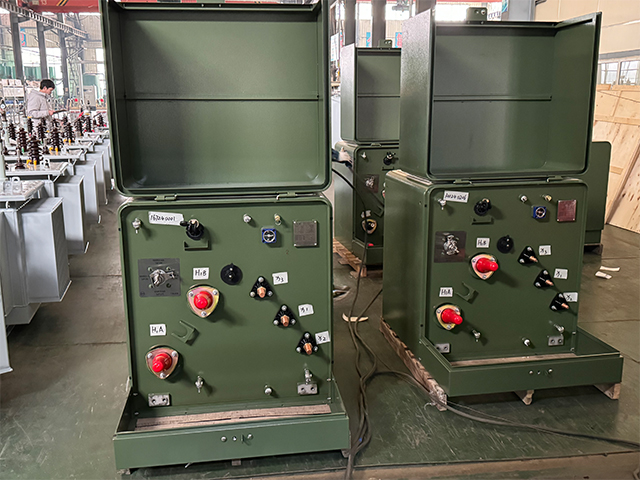
75kVA Single Phase Pad Mounted transformer
The 75kVA single phase pad mounted transformer is designed for medium-capacity underground residential and light commercial distribution, transforming primary voltages such as 12470GrdY/7200, 24940GrdY/14400, 34500GrdY/19920, or dual-voltage setups to secondary 120/240V split-phase or 240V. The compartmental dead-front enclosure with tamper-resistant doors, mineral oil insulation, and ONAN cooling supports a 65°C temperature rise for dependable performance under residential peak demands.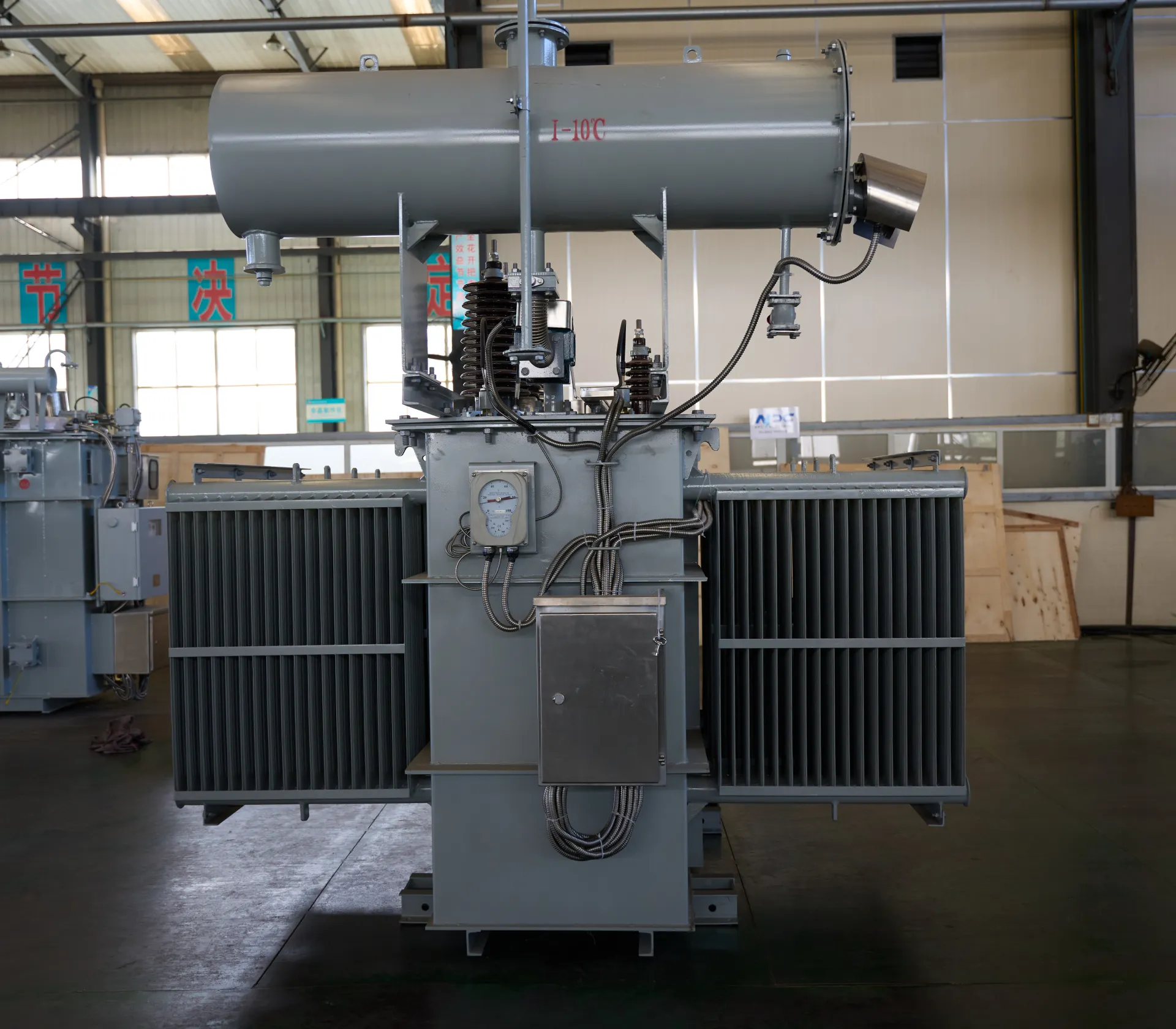
33kV 35kV Solar Power Transformer
NPC Electric 33kV 35kV Solar Power Transformer is a specialized solution engineered to bridge the gap between solar inverters and the high-voltage utility grid. Unlike standard distribution units, these transformers are optimized to handle the pulsed DC-to-AC waveforms generated by modern PV inverters. Utilizing high-permeability magnetic cores and oxygen-free copper windings, they significantly reduce "No-Load" losses during non-sunlight hours, maximizing your project's Levelized Cost of Energy (LCOE). The robust tank design features enhanced heat dissipation fins, ensuring stable operation even under peak solar radiation in desert or tropical climates.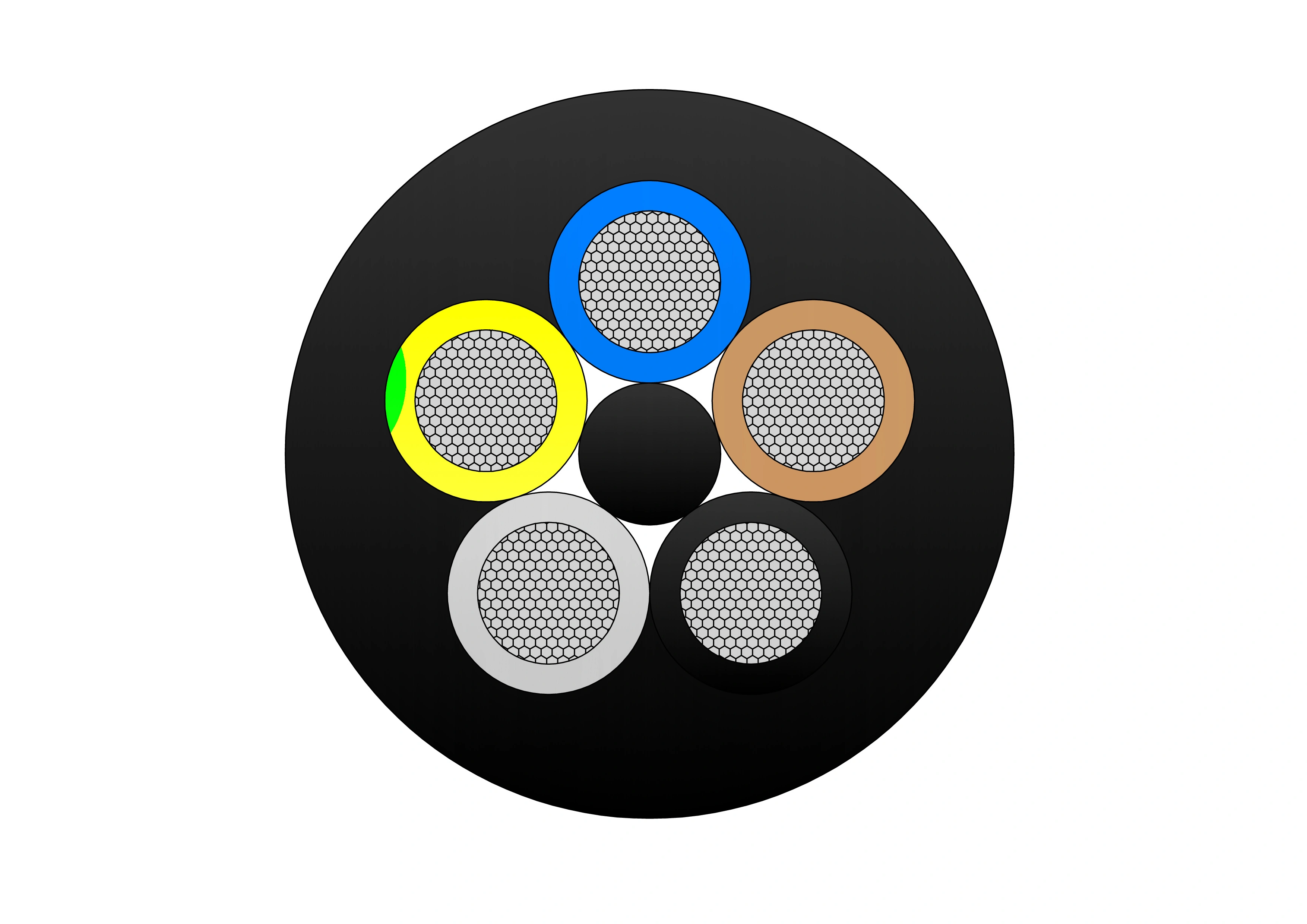
NTSCGECEWOU 3.6/6kV, 6/10kV, 8.7/15kV and 12/20kV Cable
The NTSCGECEWOU 3.6/6kV, 6/10kV, 8.7/15kV and 12/20kV Cable is a flexible, heavy-duty medium-voltage trailing/reeling cable designed for demanding mining and tunnelling operations. It features class 5 finely stranded tinned copper phase conductors for superior flexibility and corrosion resistance, semi-conductive conductor and insulation screens for field control, EPR (ethylene propylene rubber) insulation providing high dielectric strength and 90°C continuous operation, individual copper wire screens serving as earth conductors, control conductors, a monitoring conductor (ÜL), and a robust rubber outer sheath resistant to oil, flame, abrasion, tearing, and mechanical stress. Compliant with DIN VDE 0250, it supports high tensile loads, fast reeling speeds, tight bending radii, and effective EMC shielding across voltage ranges. The NTSCGECEWOU ensures safe, reliable MV power supply to mobile equipment such as shearers, tunnel boring machines, and conveyors in harsh underground and opencast environments, minimising downtime and enhancing operational efficiency.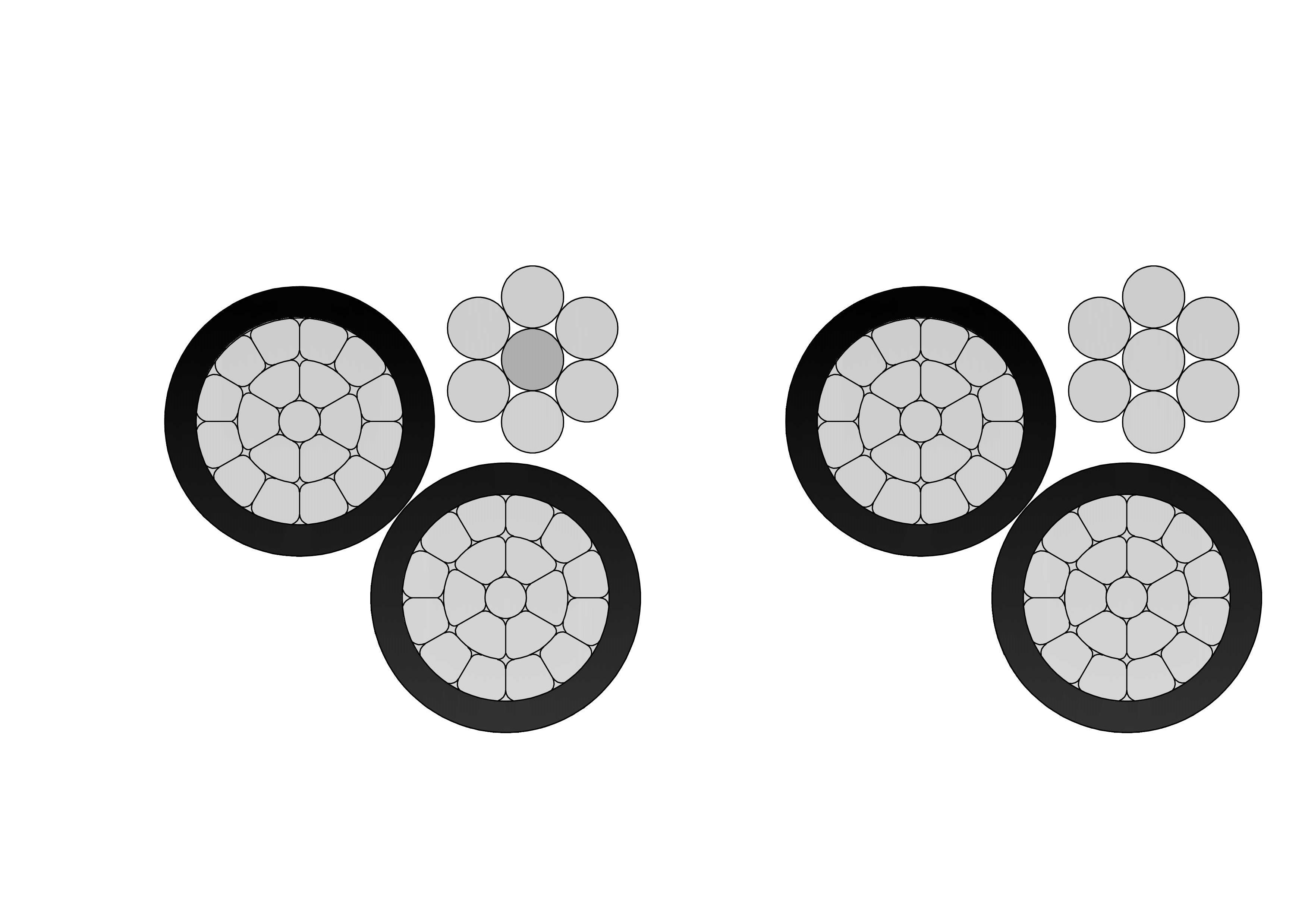
3/0 Fulgar Aluminum Conductor Triplex Overhead Service Drop Cable
3/0 Fulgar Aluminum Conductor Triplex Overhead Service Drop Cable is engineered for high-capacity overhead electrical service connections in utility distribution systems. The cable consists of two insulated aluminum phase conductors twisted around a bare aluminum neutral messenger, ensuring stable electrical transmission and strong mechanical support. Manufactured using high-purity aluminum and weather-resistant insulation compounds, the 3/0 Fulgar Aluminum Conductor Triplex Overhead Service Drop Cable delivers low electrical resistance, excellent corrosion resistance, and reliable long-term performance in outdoor environments. Its optimized conductor design allows efficient installation while maintaining the tensile strength required for aerial service applications. The cable is designed to withstand UV exposure, wind loading, and temperature fluctuations. Comprehensive quality control procedures and systematic testing are applied throughout the manufacturing process to ensure compliance with industry and utility standards and dependable field operation.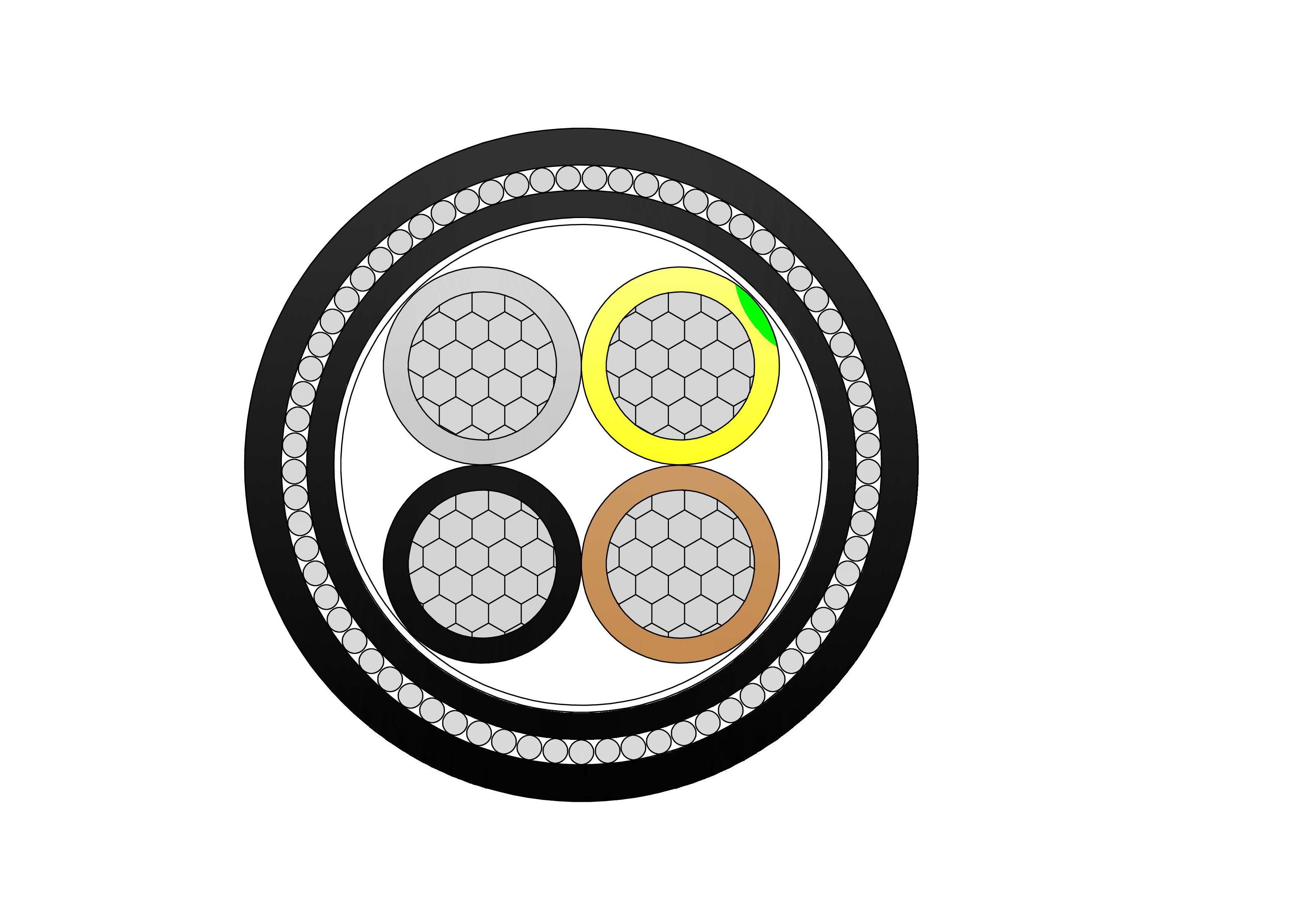
NAYRY 0.6/1kV Low Voltage Power Cable
NAYRY are low voltage power cables designed according to DIN VDE 0276-603 standard, suitable for fixed installation in indoor, outdoor, underground, or concrete (not subject to vibration and long-term underwater) environments. Constructed with aluminium conductors, PVC core insulation, filling, galvanized steel wire armour, and tough PVC outer sheath, it meets VDE 0276 and IEC requirements. The SWA layer delivers outstanding resistance to mechanical damage, enabling direct burial without conduits. Aluminium design lowers weight and costs while providing adequate current rating. Flame-retardant and stable in moist conditions, the NAYRY 0.6/1kV Low Voltage Power Cable is popular for factories, renewable energy projects, commercial sites, and infrastructure needing reliable, low-maintenance low-voltage cabling with enhanced safeguarding in aggressive soils.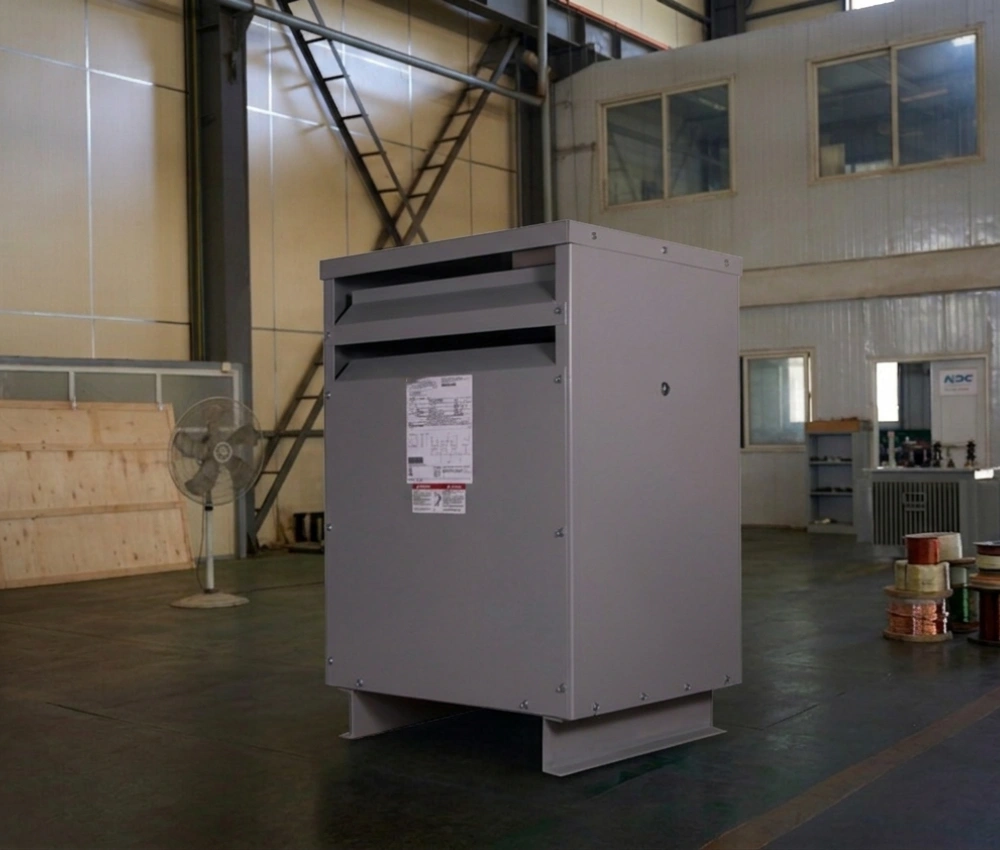
Dry Type Isolation Transformer
The Dry Type Isolation Transformer is a highly reliable power conditioning and electrical isolation solution designed to provide complete galvanic separation between input and output circuits. By eliminating direct electrical connections between the primary and secondary windings, the transformer effectively reduces electrical noise, suppresses transient disturbances, minimizes ground loop currents, and enhances system safety. Its oil-free design makes it particularly suitable for indoor installations where environmental protection, fire safety, and operational reliability are critical requirements. Manufactured using high-grade silicon steel cores, advanced vacuum pressure impregnated (VPI) insulation technology, and precision-wound copper or aluminum conductors, the Dry Type Isolation Transformer delivers superior voltage regulation, thermal stability, and dielectric performance. The transformer is widely utilized in industrial automation systems, medical facilities, commercial buildings, telecommunications infrastructure, data centers, renewable energy installations, and sensitive electronic equipment applications. Its maintenance-friendly design and robust construction ensure long service life and dependable performance under demanding operating conditions.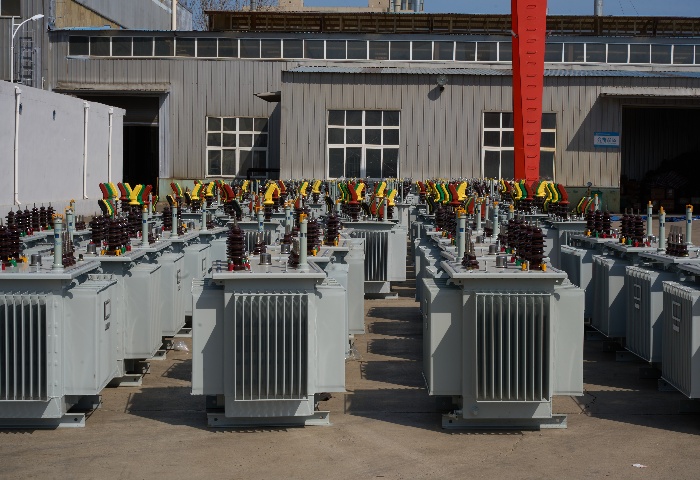
160kVA Oil Immersed Transformer
The 160kVA Oil-Immersed Transformer is characterized by its high efficiency and low loss, significantly reducing power consumption and operational costs. This transformer offers notable social benefits and is a high-tech product actively promoted by the government. Produced by a leading Chinese manufacturer, the NPC ELECTRIC 160kVA Oil-Immersed Transformer represents a pinnacle of electrical engineering, designed to meet the stringent demands of contemporary power distribution systems. These transformers are crafted with precision and incorporate cutting-edge technology, renowned for their exceptional durability, efficiency, and reliability.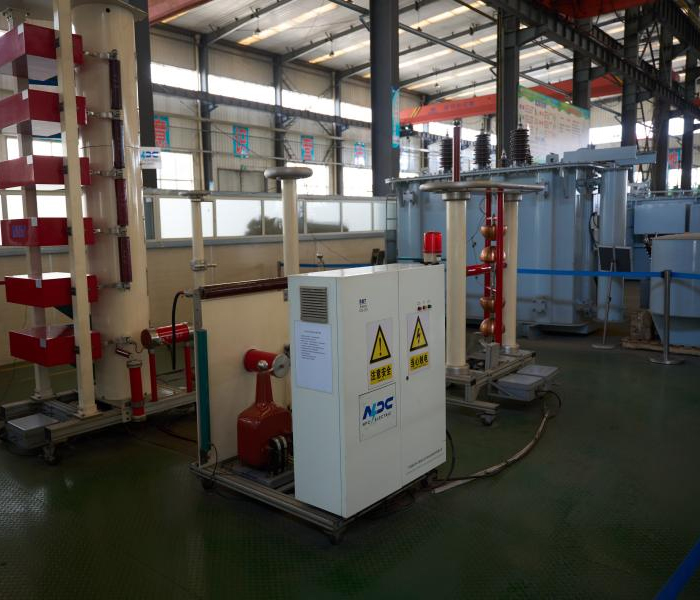
1600kVA Dry Type Transformer
1600kVA dry-type transformer is an efficient and reliable power equipment designed to provide a stable power supply. Its rated capacity is 1600kVA, which is suitable for the power needs of various industrial and commercial sites. The transformer adopts advanced dry insulation technology, which has higher safety and durability, and avoids the fire hazards that may be caused by oil-immersed transformers. In addition, the low-noise operation and environmentally friendly design of the equipment can effectively reduce operating costs and reduce environmental impact.
XLPE-HDPE Tree Cable Aluminum 25kV 1x150mm²
The XLPE-HDPE Tree Cable Aluminum 25kV 1x150mm² is engineered for medium-voltage overhead distribution systems requiring very high current capacity. Ideal for long-distance transmission in rural, coastal, and industrial areas, this cable provides exceptional reliability, efficient energy delivery, and long-term performance while minimizing line losses and maintenance costs. Constructed with high-conductivity aluminum alloy 1350 wires, the conductor features round compacted, class 2 stranding, with minimum conductivity of 61% IACS and tensile strength of at least 130 MPa. Optional conductor shielding with extruded semiconductor thermosetting compound is available for enhanced performance in 15kV and 25kV applications. Rated at 25kV, the XLPE-HDPE tree cable allows reduced line clearance compared to bare conductors while maintaining electrical safety. A comprehensive quality control system, including raw material testing, process inspection, and finished product testing, ensures consistent performance and compliance with IEC and utility standards.
336 Limpet Aluminum Conductor Triplex Overhead Service Drop Cable
The 336 Limpet Triplex Aluminum Overhead Service Drop Cable is specifically designed for reliable and efficient power distribution from utility poles to residential, commercial, and light industrial service entrances. This cable features two insulated aluminum phase conductors and a bare ACSR (Aluminum Conductor Steel Reinforced) messenger, which serves as both the neutral conductor and the primary mechanical support for the cable. The conductors are insulated with black cross-linked polyethylene (XLP), delivering exceptional UV resistance, moisture protection, and long-term outdoor durability. Rated 600V phase-to-phase with conductor temperatures up to 90°C (XLPE), it supports ampacity ratings around 395–445A (depending on conditions). Compliant with ASTM B-230, B-231, B-232, and ICEA S-76-474 standards, the 336 Limpet offers lightweight, corrosion-resistant construction ideal for demanding secondary distribution and large-scale service drops.
70kV 8000kVA Copper-Wound Oil-Immersed Power Transformer for High-Voltage Distribution
The 70kV 8000kVA Copper-Wound Oil-Immersed Power Transformer for High-Voltage Distribution is designed to deliver robust performance in demanding grid environments. Featuring 100% oxygen-free copper windings, the transformer ensures superior electrical conductivity, reduced losses, and enhanced overload capability. Its oil-immersed cooling system provides excellent heat dissipation, maintaining long-term stability under high-load and continuous operation conditions. The high-grade silicon steel core minimizes noise and magnetic losses, improving overall efficiency. The transformer’s reinforced tank, durable insulation system, and outdoor-ready structure enable reliable operation in harsh climates, industrial zones, and high-temperature regions. Compliant with IEC, IEEE, and GB standards, this transformer supports utility substations, industrial power networks, renewable energy integration, and high-voltage distribution systems, ensuring safe, efficient, and uninterrupted power delivery.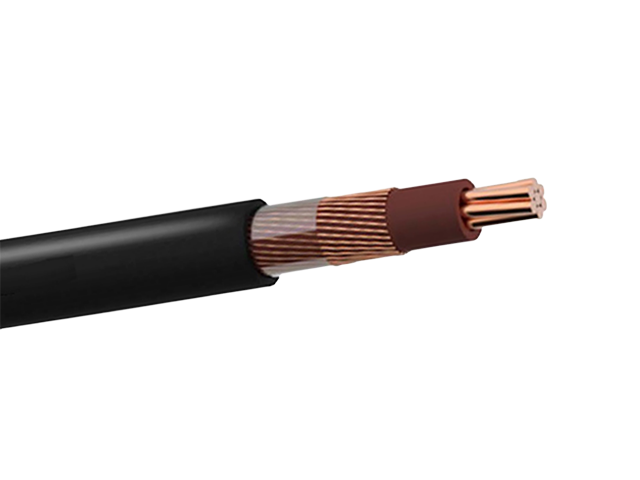
Aluminum Concentric Service Cable - 600/1000V AA8000 XLPE LV Cable
The Aluminum Concentric Service Cable is a reliable low-voltage cable designed for efficient house service connections and secondary distribution. It features compact stranded AA8000 series aluminum alloy phase conductors, XLPE insulation, and a concentrically stranded aluminum alloy neutral layer, all protected by a durable black polyethylene sheath. The concentric design provides balanced electrical performance and mechanical strength while maintaining excellent flexibility for easy installation. With superior corrosion resistance and cost-effectiveness compared to copper cables, this cable is perfect for both aerial and underground applications. Rated 600/1000V, the Aluminum Concentric Service Cable meets international standards and undergoes rigorous quality testing from raw materials to finished product, ensuring consistent conductivity, long service life, and reliable performance in residential and light commercial networks.Welcome your inquiry
Honesty, Integrity, Frugality, Activeness and Passion