
138kV Power Transformer: Ultimate Guide to Specifications, Types & Applications
2026-07-28
In contemporary power transmission networks, the 138kV power transformer serves as a critical interface between high-voltage transmission lines and lower-voltage distribution systems. Operating at 138 kV, this voltage class is widely adopted across North America, parts of Latin America, and selected international markets as a primary transmission level. From a practical engineering perspective, selecting and deploying a 138kV power transformer requires balancing efficiency, reliability, thermal performance, and long-term operational costs.
Unlike lower-voltage units, a 138kv power transformer must withstand higher dielectric stresses, manage larger fault currents, and maintain stability under fluctuating load conditions. Engineers working on substation projects routinely evaluate these units for their ability to step voltage up or down while minimizing losses. The electrical transformer at this level is not merely a passive device; it functions as an active system component whose performance directly influences grid stability, voltage regulation, and overall system efficiency. Understanding its role from the outset enables better project planning, reduced downtime, and improved asset utilization across utility and industrial applications.
Global brands such as Hyundai power transformers and ABB power transformers have demonstrated the importance of advanced insulation systems, intelligent monitoring, and high-efficiency core designs. At the same time, many international EPC contractors and utilities increasingly source equipment from experienced power transformer manufacturers capable of delivering customized designs that comply with IEC, IEEE, ANSI, and local utility specifications.
1. What Is a 138kV Power Transformer?
A 138kV power transformer is a high-voltage power transformer designed to transfer electrical energy between transmission and distribution voltage levels using electromagnetic induction. Its primary function is to step voltage up or down while maintaining electrical isolation between interconnected systems.
Unlike distribution transformers, 138kV transformers typically operate in transmission substations and industrial power systems where power ratings range from approximately 10 MVA to more than 300 MVA, depending on network requirements.
Typical voltage configurations include:
- 138/69 kV
- 138/34.5 kV
- 138/13.8 kV
- 138/11 kV
- 138/33 kV
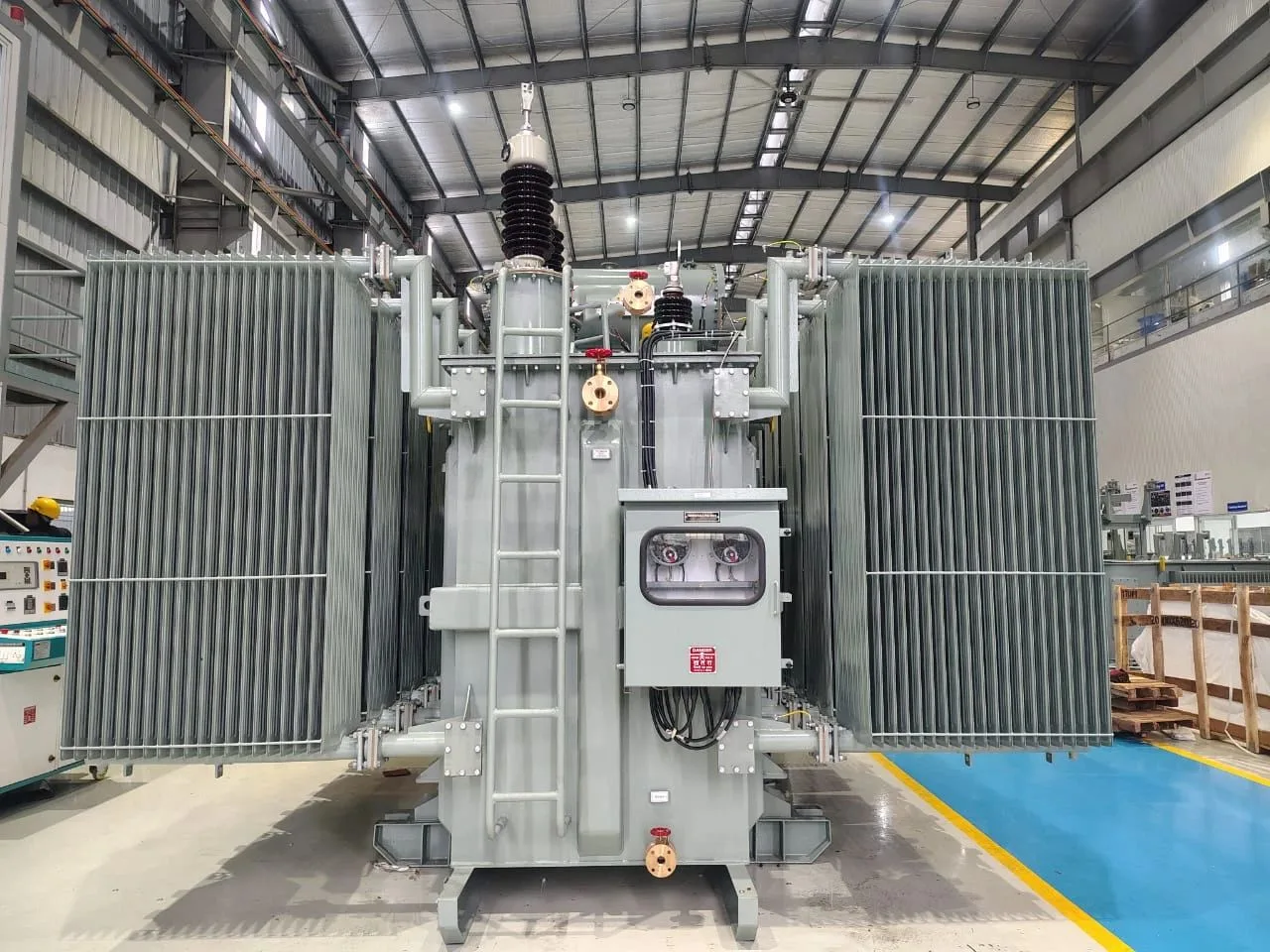
These transformers are generally oil-immersed and utilize ONAN, ONAF, OFAF, or OFWF cooling systems to manage thermal performance under varying load conditions.
2. Core Specifications and Technical Parameters
When specifying a 138kV power transformer, engineers must examine a precise set of technical parameters that determine suitability for the intended application. Rated power typically ranges from 10 MVA to over 100 MVA, depending on substation capacity requirements. Primary voltage is standardized at 138 kV with secondary voltages commonly set at 34.5 kV, 13.8 kV, or 12.47 kV to match regional distribution standards.
Table:138kV Power Transformer Key Technical Specifications
|
Parameter |
Typical Range / Value |
Remarks / Importance |
|
Rated Power |
10 MVA – 120 MVA |
Common for substation and industrial use |
|
Primary Voltage |
138 kV |
Standard transmission voltage |
|
Secondary Voltage |
34.5 kV / 13.8 kV / 12.47 kV |
Matches regional distribution systems |
|
Vector Group |
Dyn11 / YNd1 / YNyn0 |
Affects harmonic and fault behavior |
|
Impedance Voltage |
8% – 12% |
Critical for short-circuit current limitation |
|
No-load Loss |
15 – 80 kW |
Impacts long-term energy efficiency |
|
Load Loss (at rated current) |
50 – 350 kW |
Depends on capacity and design |
|
Cooling Method |
ONAN / ONAF / OFAF |
Determines overload capability |
|
Basic Impulse Level (BIL) |
550 kV / 650 kV |
Ensures dielectric strength |
|
Temperature Rise (Oil / Winding) |
55/65 °C or 60/65 °C |
IEEE / IEC compliant |
Key performance indicators include no-load loss, load loss, impedance voltage (usually 8–12 percent), and temperature rise limits. Insulation levels must comply with basic impulse levels (BIL) of 550 kV or higher to ensure dielectric strength against lightning and switching surges. Cooling methods—ONAN, ONAF, or OFAF—directly affect continuous loading capability and overload capacity. From a field perspective, accurate specification of these parameters prevents costly mismatches during commissioning. A power transformer manufacturer will also provide detailed nameplate data covering vector group, tap changer range, and noise levels, all of which influence site selection and environmental compliance.
3. Types of 138kV Power Transformers
Several distinct types of 138kv transformer configurations are available, each optimized for specific operating conditions. Oil-immersed power transformers remain the dominant choice for outdoor substations due to their superior cooling efficiency and proven reliability under continuous load. These units use mineral oil or natural ester fluids for insulation and heat transfer.
Dry-type transformers, while less common at 138 kV, appear in specialized indoor or environmentally sensitive installations where fire safety is paramount. Autotransformers offer advantages in bulk power transfer applications by reducing material costs and improving efficiency for voltage ratios close to unity. Generator step-up transformers and mobile transformers represent additional specialized variants. Selecting the correct type requires evaluating site constraints, environmental regulations, and expected load profiles. Practical experience shows that oil-immersed designs continue to deliver the best balance of cost, performance, and longevity for most 138kV applications worldwide.
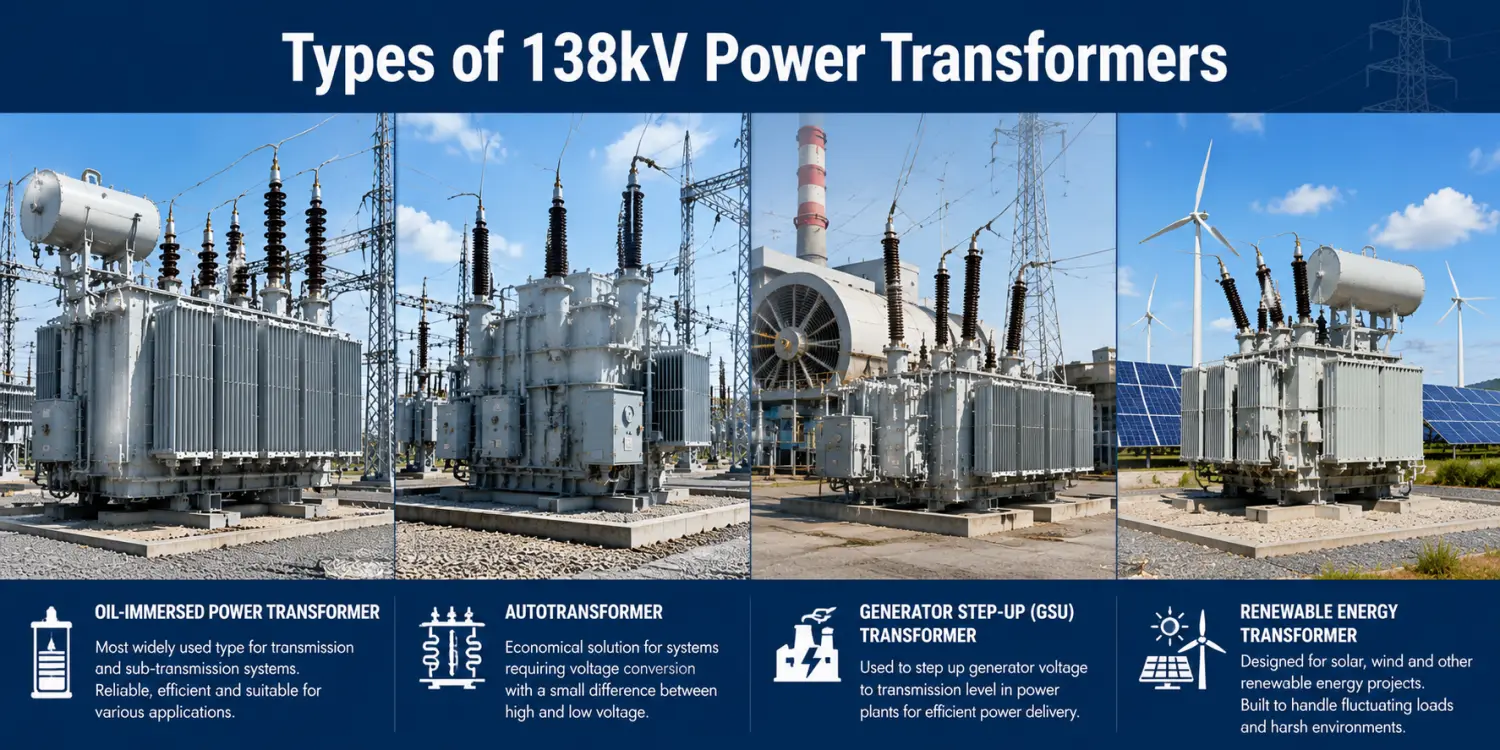
Table: Comparison of Common 138kV Power Transformer Types
|
Type |
Cooling / Insulation |
Typical Application |
Advantages |
Limitations |
|
Oil-Immersed Power Transformer |
Mineral oil / Natural ester |
Outdoor substations, utility grids |
High efficiency, excellent cooling, proven reliability |
Requires oil containment & fire protection |
|
Cast resin / Air |
Indoor, environmentally sensitive sites |
Fire-safe, low maintenance |
Higher cost, limited capacity at 138 kV |
|
|
Autotransformer |
Oil-immersed |
Bulk power transfer, voltage close to 1:1 |
Lower cost, higher efficiency |
Limited isolation, specific ratio only |
|
Generator Step-Up Transformer |
Oil-immersed |
Power plants, renewable collector stations |
Optimized for generator voltage |
Specialized design, higher impedance |
|
Mobile / Trailer-Mounted |
Oil-immersed |
Emergency restoration, temporary supply |
Fast deployment |
Limited continuous rating, higher cost |
4. Design Principles and Construction Features
Modern 138kV power transformer design emphasizes both electromagnetic efficiency and mechanical robustness. The core is typically constructed from high-grade grain-oriented silicon steel with step-lap joints to minimize no-load losses and magnetizing current. Windings are arranged in concentric or interleaved configurations using continuously transposed conductors to control eddy current losses and improve short-circuit withstand capability.
Insulation systems combine cellulose paper, pressboard, and oil barriers engineered to manage electric field distribution. On-load tap changers (OLTC) or off-circuit tap changers provide voltage regulation under varying load conditions. Structural design incorporates robust tank construction, radiators, and conservator systems to accommodate thermal expansion. From a manufacturing standpoint, leading power transformer suppliers such as Hyundai power transformers and ABB power transformers employ advanced finite-element analysis and rigorous prototype testing to validate mechanical integrity under short-circuit forces. These design choices directly translate into longer service life and reduced maintenance frequency in the field.
5. Practical Applications Across Power Networks
The 138kV power transformer finds extensive use in utility transmission substations, industrial complexes, renewable energy integration points, and large commercial facilities. In transmission networks, it steps voltage down from higher transmission levels or serves as a primary distribution transformer. Industrial users rely on these units to supply large motors, process equipment, and plant distribution systems with stable voltage.
Renewable energy projects increasingly specify 138kv transformers for solar and wind farm collector substations, where they interface variable generation with the grid. Mobile substations equipped with trailer-mounted 138kV units provide rapid restoration capability during outages or planned maintenance. Each application imposes unique requirements on impedance, cooling capacity, and protection schemes. Engineers must evaluate load characteristics, fault levels, and future expansion plans to ensure the selected unit performs reliably under real-world operating conditions.
6. Manufacturing Standards, Quality Assurance, and Leading Suppliers
Global supply of 138kV power transformers is governed by stringent international standards including IEEE C57, IEC 60076, and relevant national codes. Reputable power transformer manufacturers implement multi-stage quality control covering core stacking, winding assembly, drying processes, and final testing. Routine tests include turns ratio, winding resistance, insulation resistance, and dielectric withstand. Type tests verify temperature rise, short-circuit strength, and impulse performance.
Among established suppliers, Hyundai power transformers and ABB power transformers maintain strong reputations for consistent quality and global support networks. Other specialized power transformer suppliers focus on customized designs for export markets. When evaluating a power transformer manufacturer, buyers should review factory test reports, material traceability, and after-sales service capability. Long-term reliability depends heavily on manufacturing discipline and adherence to proven production processes.
Table: Recommended Standards & Leading Power Transformer Manufacturers
|
Category |
Standard / Manufacturer |
Key Focus Areas |
Relevance to 138kV Power Transformer |
|
International Standard |
IEEE C57 Series |
Design, testing, loading guide |
Widely adopted in North America |
|
International Standard |
IEC 60076 Series |
Power transformer performance & testing |
Preferred for global export projects |
|
Leading Manufacturer |
ABB Power Transformers |
High reliability, digital monitoring |
Strong global service network |
|
Leading Manufacturer |
Hyundai Power Transformers |
Cost-effective, large capacity units |
Competitive for international markets |
|
Quality Assurance Focus |
Factory Acceptance Tests (FAT) |
Ratio, insulation, temperature rise, impulse |
Mandatory before shipment |
|
Quality Assurance Focus |
Dissolved Gas Analysis (DGA) |
Early fault detection |
Essential for long-term operation |
|
Recommended Supplier Criteria |
Power Transformer Manufacturer |
Traceability, after-sales support, customization |
Critical for export & long-term reliability |
7. Installation, Commissioning, Operation, and Maintenance Practices
Successful deployment of a 138kV power transformer begins with careful site preparation, foundation design, and oil handling procedures. Installation teams must ensure correct alignment, grounding, and connection of bushings, radiators, and control cabinets. Pre-commissioning tests verify insulation integrity, protection relay settings, and cooling system functionality.
During operation, continuous monitoring of oil temperature, winding temperature, load current, and dissolved gas analysis provides early warning of developing faults. Scheduled maintenance includes oil sampling, bushing inspection, tap changer servicing, and infrared thermography. From a practical standpoint, implementing a condition-based maintenance strategy significantly extends service life and reduces unplanned outages. Operators should maintain detailed records of loading history and test results to support informed decision-making throughout the transformer’s operational life.
8. Selection Considerations, Procurement Guidelines, and Future Outlook
Selecting the optimal 138kv power transformer requires a systematic evaluation of technical requirements, total cost of ownership, and supplier capability. Key decision factors include efficiency class, overload capability, environmental constraints, and delivery schedule. International buyers should confirm compliance with destination country standards and logistics requirements for oversized equipment.
Looking ahead, advances in amorphous metal cores, ester-based insulating fluids, and digital monitoring systems are improving efficiency and environmental performance. As grids incorporate higher shares of renewable energy, 138kV transformers will increasingly need to handle bidirectional power flow and greater load variability. Working closely with an experienced power transformer supplier ensures access to the latest technology and reliable long-term support. Proper specification, rigorous quality control, and disciplined operation remain the foundation for successful deployment of these essential assets in modern power systems.
Conclusion
The 138kV power transformer remains a cornerstone of modern transmission infrastructure, providing efficient, reliable, and safe voltage transformation for utilities, industrial facilities, renewable energy projects, and critical infrastructure. Its performance directly influences grid stability, operational efficiency, and long-term asset reliability.
Selecting the appropriate electrical transformer requires careful evaluation of voltage ratings, power capacity, insulation systems, cooling methods, international standards, testing requirements, and lifecycle costs. While established brands such as Hyundai power transformers and ABB power transformers have demonstrated engineering excellence, partnering with a trusted power transformer supplier or experienced power transformer manufacturer that offers customized solutions, rigorous factory testing, and global project support is equally important. As electrical networks become increasingly digital, sustainable, and resilient, the 138kV transformer will continue to play a vital role in supporting future power systems and the global transition to cleaner energy.

Related Articles

Related Products
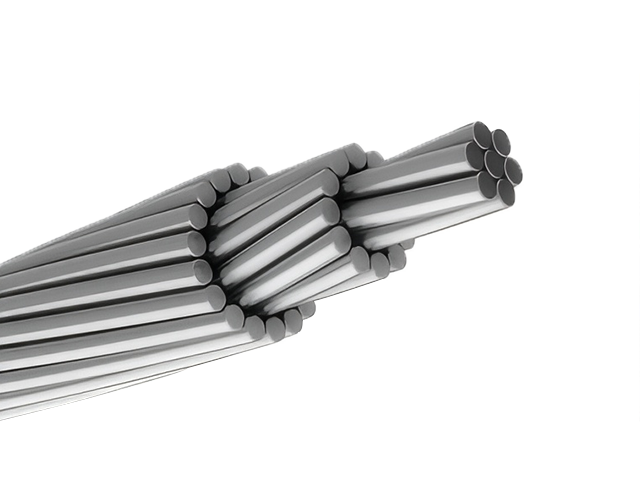
Quail ACSR Conductor Cable
Introducing the Quail ACSR Conductor Cable, a versatile 2/0 AWG overhead conductor with 6/1 stranding configuration. Composed of EC grade aluminum wires surrounding a galvanized steel core, it achieves a rated strength of 4,030 lbs and ampacity up to 250A at 75°C. Adhering to ASTM B230 for aluminum and B232 for assembly, this cable excels in corrosion resistance and mechanical endurance for spans up to 250m. The steel core enhances tensile strength to control sag under loads, while aluminum provides high conductivity (61.5% IACS) and a lightweight design for easier installation. Suitable for distribution voltages up to 138kV, the Quail ACSR Conductor Cable reduces line losses and withstands extreme weather, including ice loads up to 1/2 inch. Its economic profile makes it a staple for utility expansions, renewable integrations, and grid modernization, delivering consistent power with high weather tolerance and minimal maintenance in global overhead networks.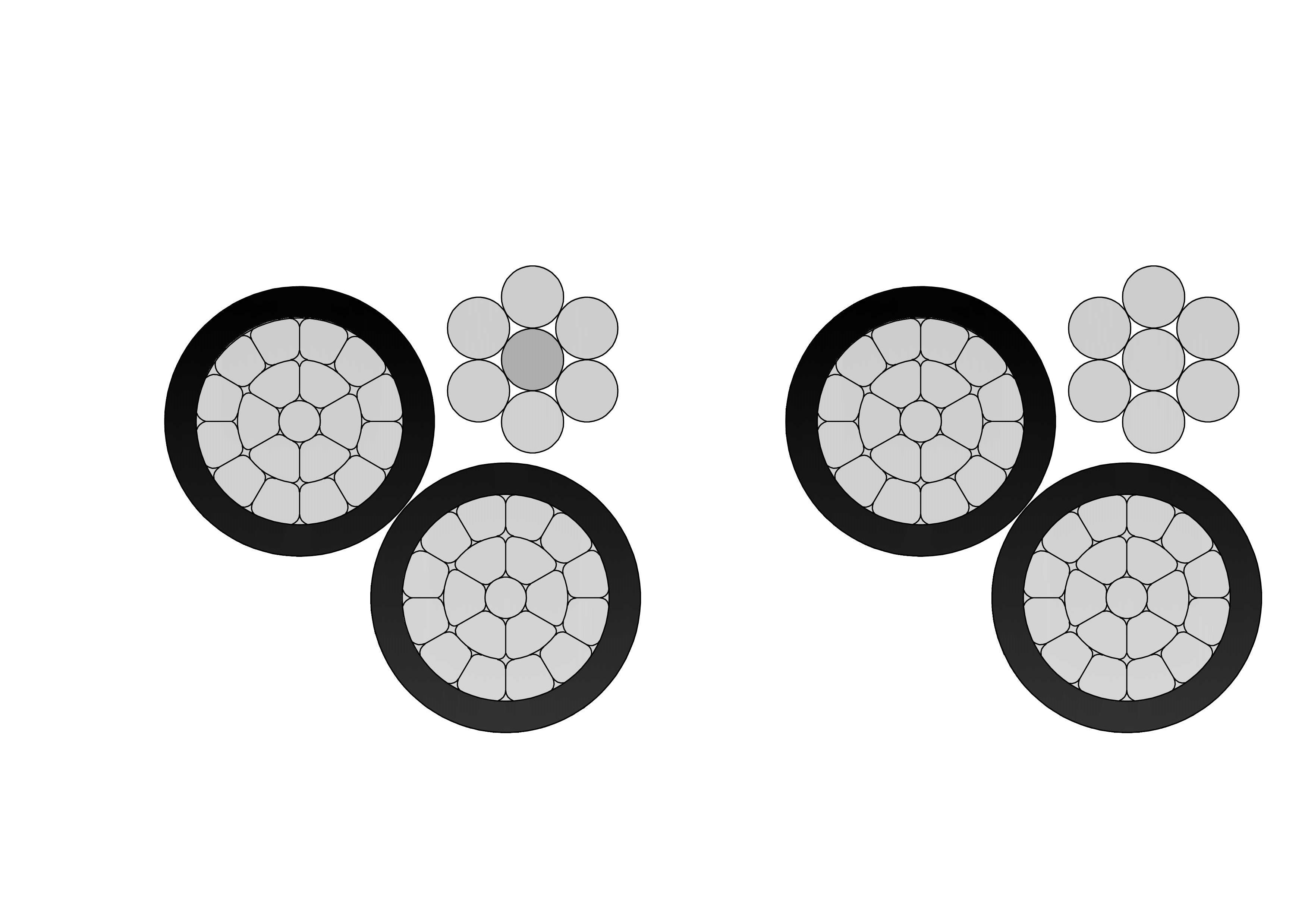
3/0 Melita Aluminum Conductor Triplex Overhead Service Drop Cable
The 3/0-3/0-3/0 Melita Aluminum Conductor Triplex Overhead Service Drop Cable is designed for high-performance overhead power distribution from utility poles to residential, commercial, or light industrial weatherheads. It features concentric-lay-stranded 1350-H19 aluminum conductors (#3/0 AWG, 19-strand), black cross-linked polyethylene (XLPE) insulation for exceptional weather, UV, and thermal resistance, and a bare neutral messenger (#3/0 AWG, typically ACSR or AAC). Rated for 600 volts phase-to-phase at conductor temperatures up to 90°C (XLPE) or 75°C (Poly), it supports an allowable ampacity of approximately 275 amps (XLP). Compliant with ASTM B-230, B-231, B-232, B-399, and ICEA S-76-474 standards, this robust yet lightweight cable ensures easy installation, excellent conductivity, and long-term durability in challenging outdoor conditions like wind, ice, moisture, and temperature extremes.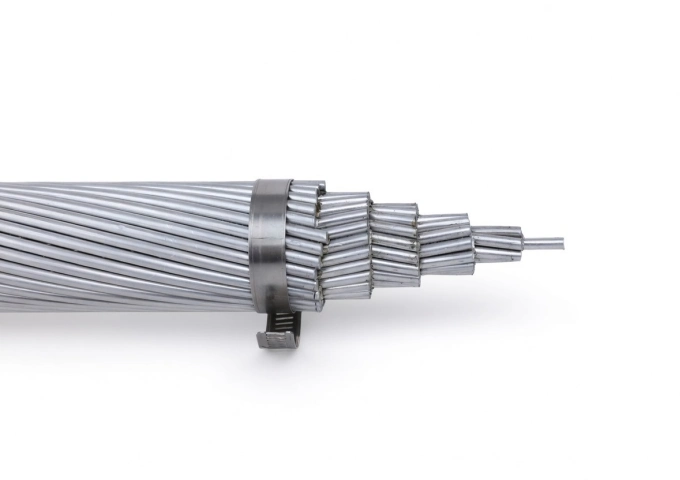
1/0 AWG Poppy AAC Cable
The 1/0 AWG Poppy AAC Cable represents premium All Aluminum Conductor technology for overhead power applications. Manufactured with seven strands of high-conductivity 1350-H19 aluminum, this bare conductor delivers an optimal balance of electrical efficiency and mechanical performance. Its 0.368-inch diameter and 1,990 lbs breaking strength support reliable operation with 247 amps capacity and minimal sag. Weighing just 99.1 lbs per 1000 ft, the Poppy AAC reduces structural loading and installation expenses while providing excellent corrosion resistance for extended outdoor service. Compliant with ASTM B-230 and B-231, the 1/0 AWG Poppy AAC Cable offers low DC resistance of 0.164 ohms/1000 ft at 20°C. It undergoes stringent quality testing from raw materials through finished product, making it an ideal choice for new builds and upgrades in transmission and distribution systems requiring dependable, lightweight bare conductors.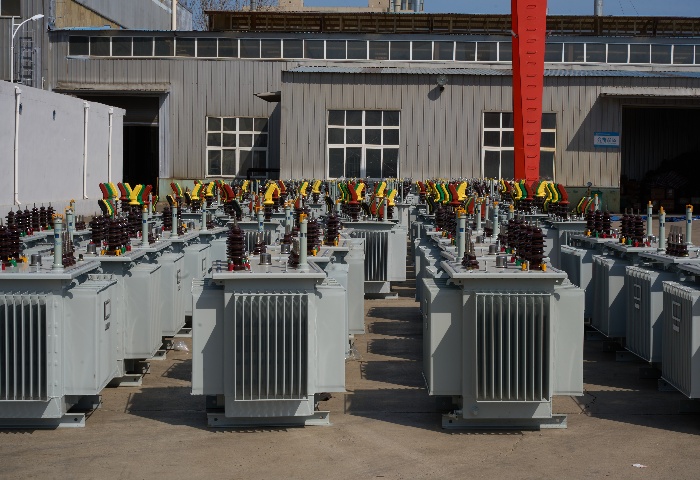
4000kVA Oil Immersed Transformer
4000kVA Oil Immersed Transformer is designed for medium and large-scale power distribution systems that require high reliability, strong overload capacity, and long-term stable operation. The transformer adopts a fully sealed oil-immersed structure, effectively preventing moisture ingress and oil oxidation, thereby extending service life and reducing maintenance frequency. The transformer features excellent thermal performance and robust insulation strength, ensuring stable operation under continuous load or fluctuating grid conditions. Advanced oil circulation and cooling structure enhance heat dissipation, while precise manufacturing processes guarantee low noise and high mechanical strength.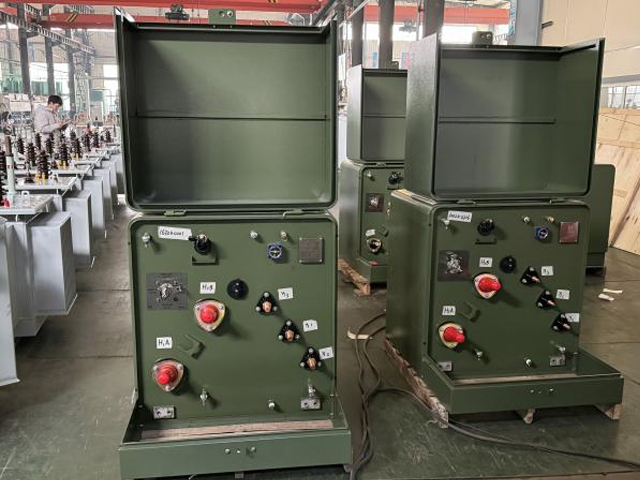
50kVA Conventional Type Single Phase Pole Mounted Transformer
The 50kVA Conventional Type Single Phase pole Mounted transformer produced by NPC ELECTRIC has a rated capacity ranging from 10kVA to 333kVA, meeting the standards of ANSI/IEEE C57, IEC60076, etc. Its main function is to convert high-voltage power (such as 10kV, 11kV, etc.) into low-voltage power (such as 220V, 240V) through the transformer for use in homes, shops, industrial equipment, etc. It is suitable for residential areas, commercial areas, rural power grids, agricultural facilities and small industrial power supply. Standard features encompass mineral oil insulation (ONAN cooling), aluminum or copper windings, primary voltages 2.4kV–34.5kV grounded wye or delta (common: 7200/12470GrdY, 7620/13200GrdY, 12470GrdY/7200, 24940GrdY/14400, 34500GrdY/19920), secondary 120/240V or 240/120V split-phase, BIL ratings 95–150kV HV / 30kV LV, impedance typically 2.0–4.0%, ±2×2.5% or 5-position tap changer, conventional or CSP (completely self-protected) configurations with internal fuses, lightning arresters, weak-link protection, pressure relief valve, oil sight gauge, and ANSI 70 gray tank finish. Efficiency typically reaches 99.11%+, with low sound levels and corrosion-resistant hardware for extended outdoor service.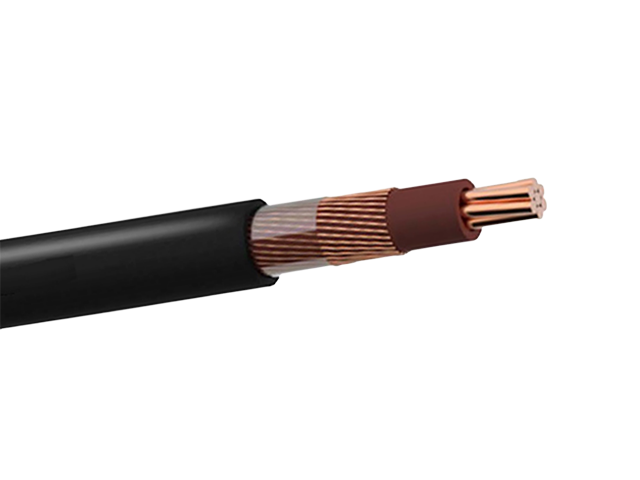
15kV Concentric Copper Power Cable
The 15kV Concentric Copper Power Cable is a premium medium-voltage underground distribution cable featuring a high-conductivity stranded copper conductor, extruded semi-conducting shields, tree-retardant TR-XLPE or EPR insulation, and a full concentric copper neutral layer protected by a rugged sunlight-resistant LLDPE jacket. This construction delivers superior electrical performance, excellent moisture and treeing resistance, and outstanding mechanical protection. Available with 100% or 133% insulation levels, the cable is ideal for direct burial or duct installations. Manufactured to ICEA S-94-649 and AEIC CS8 standards, the 15kV Concentric Copper Power Cable undergoes rigorous quality testing from raw materials to finished product, ensuring low dielectric loss, high reliability, and long service life in demanding underground environments.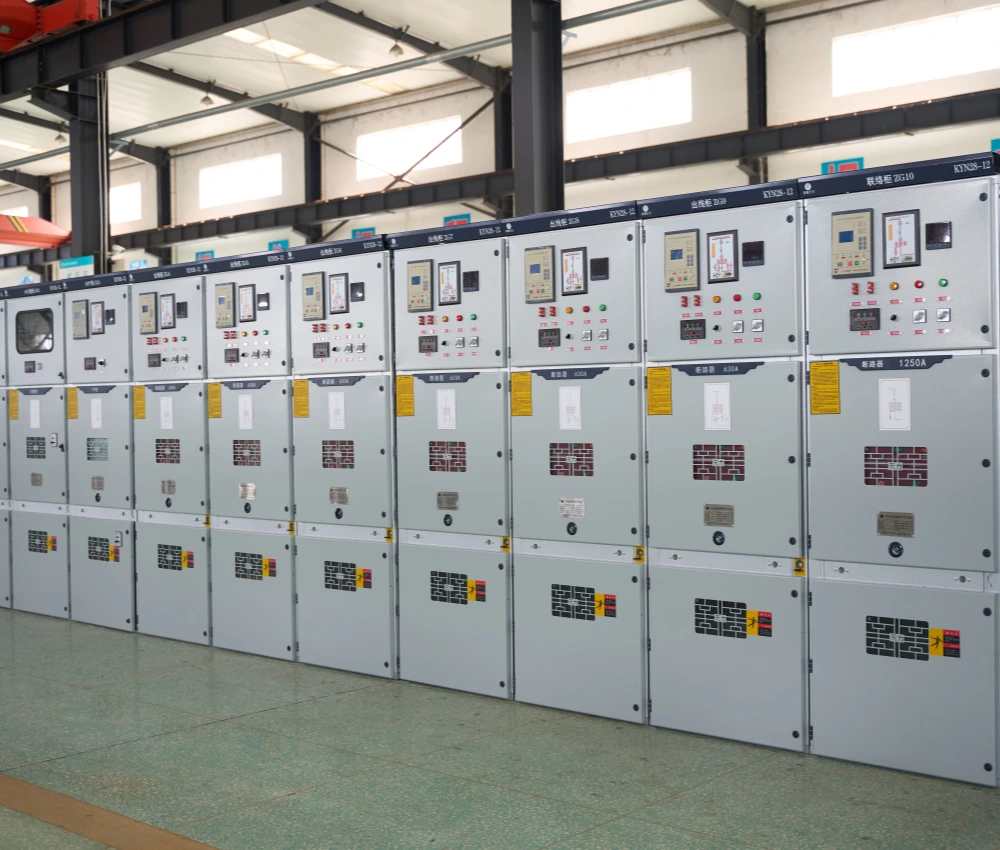
Low Voltage Switchgear
The Low Voltage Switchgear is a high-performance electrical distribution and protection system designed for safe, reliable, and efficient low-voltage power management in industrial facilities, commercial buildings, utility substations, renewable energy systems, and infrastructure projects. The switchgear integrates circuit breakers, protection relays, busbar systems, metering devices, and intelligent control components into a modular enclosure structure to provide stable electrical distribution and advanced operational safety. Manufactured using precision-engineered components and high-quality insulation materials, the low voltage switchgear ensures excellent electrical performance, thermal stability, and mechanical durability under demanding operating conditions. The modular cabinet design improves installation flexibility, simplifies maintenance procedures, and supports future expansion requirements while minimizing operational downtime. The Low Voltage Switchgear supports multiple distribution architectures, intelligent monitoring systems, and smart-grid communication protocols for modern energy management applications. With customizable configurations and scalable electrical protection functions, the system delivers dependable power distribution performance for industrial automation systems, commercial electrical networks, data centers, transportation infrastructure, and utility power systems.
Indoor Box-Type Fixed Metal-Enclosed Switchgear
The Indoor Box-Type Fixed Metal-Enclosed Switchgear is a high-performance medium-voltage electrical distribution and protection system specifically engineered for industrial facilities, utility substations, commercial infrastructure, renewable energy projects, and intelligent power distribution networks. The switchgear adopts a fully enclosed metal-clad structure integrating vacuum circuit breakers, disconnect switches, protection relays, current transformers, voltage transformers, and intelligent control systems within a compact fixed cabinet configuration. This design provides reliable medium-voltage power distribution while significantly improving operational safety and equipment stability. Designed according to international medium-voltage distribution standards, the indoor box-type switchgear delivers outstanding insulation performance, mechanical durability, and thermal stability under continuous operating conditions. The compartmentalized cabinet structure effectively separates busbar chambers, breaker compartments, cable chambers, and low-voltage control sections to reduce electrical fault propagation risks and simplify maintenance procedures. The fixed structure design improves installation stability and ensures dependable long-term operational performance for mission-critical electrical systems. The Indoor Box-Type Fixed Metal-Enclosed Switchgear supports intelligent monitoring systems, digital protection devices, remote communication interfaces, and smart-grid automation technologies for modern electrical distribution environments. With flexible configuration capabilities and scalable electrical protection architectures, the switchgear provides stable medium-voltage switching, fault isolation, and electrical control performance for industrial automation systems, utility networks, transportation infrastructure, and commercial power systems.
4 Whelk Triplex Aluminum Conductor Triplex Overhead Service Drop Cable
4-4-4 Whelk Aluminum Conductor Triplex Overhead Service Drop Cable provides efficient overhead power transmission for utility-to-consumer connections. Constructed with solid or stranded 1350-H19 aluminum phase conductors (#4 AWG), black XLPE insulation for enhanced thermal, abrasion, and environmental protection, plus a bare ACSR neutral messenger (#4 AWG, 6/1), it ensures efficient conductivity, corrosion resistance, and structural support. Rated 600V phase-to-phase up to 90°C (XLPE), with ≈115A ampacity, it complies with ASTM B-230/B-231/B-232/B-399 and ICEA S-76-474. Its balanced, lightweight design simplifies installation while offering robust long-term performance against harsh outdoor elements like extreme temperatures, moisture, UV exposure, and mechanical stress in residential and light commercial applications.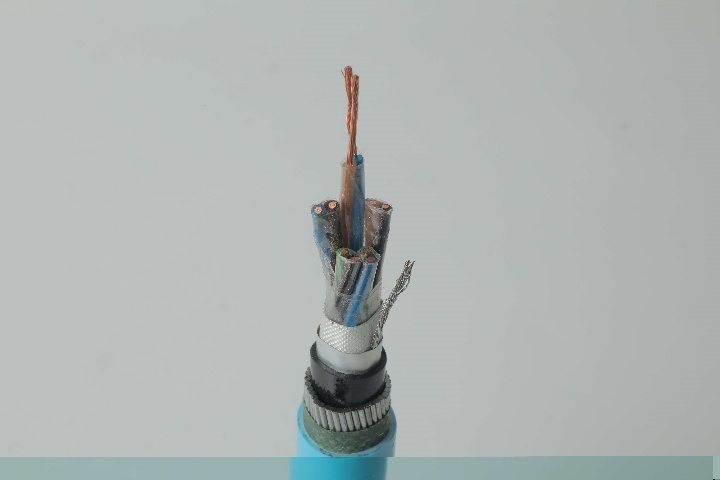
Instrumentation Cables—PVC Insulated,Individual & Overall Screened, Unarmoured PVC Sheathed Cables(CU/PVC/OSCR/PVC)
Instrumentation Cables are multi-conductor cables that carry and transport low-voltage electrical signals. These low-voltage signals are used to control and monitor electrical power systems. Instrumentation cables have many different industrial applications that include broadcasting, equipment control, such as drilling and pumping in the oil and gas industry, and data transfer, which includes analog and digital signals. They are manufactured according to the BS EN 50288-7 and BS EN 50288-1 standards to ensure quality. Instrumentation cables come in twisted pairs, triads, and quads, depending on the customer’s applications; twisting reduces any electromagnetic interference by reducing the chances of electrical voltages and currents being induced in the conductor. Individual and overall screening are also applied in instrumentation cables to optimize the signal transferred and further reduce any electromagnetic interference. Screening of pairs, triads, or quads also includes a drain wire earthed to the ground, which ensures a noise-free signal transmission.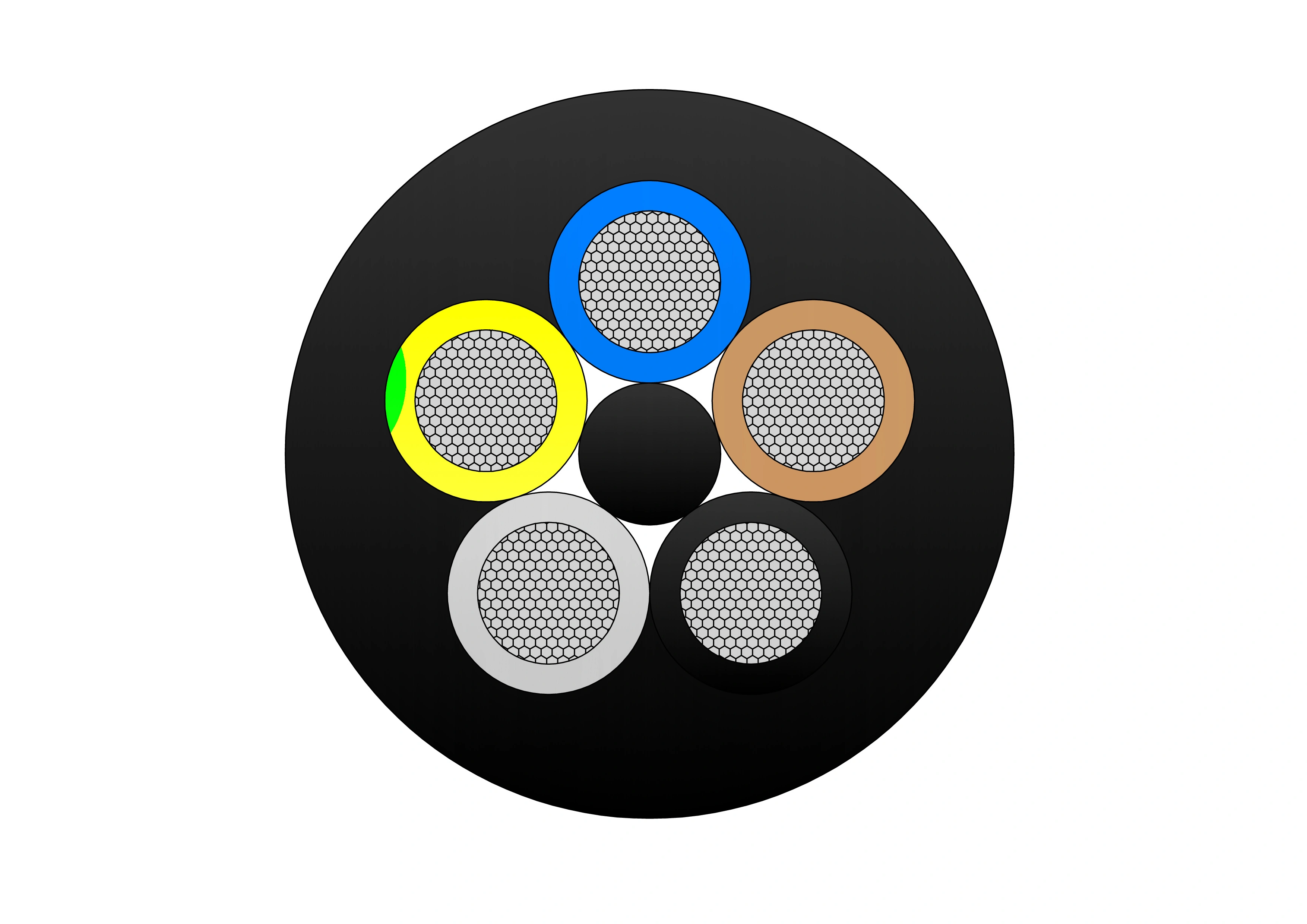
Type 210 Flexible Rubber Mining Cable
The Type 210 Flexible Rubber Mining Cable is a 1.1kV medium-voltage cable engineered for mining handheld drills and boring machines. It features flexible stranded tinned annealed copper conductors, EPR insulation, and a composite copper/polyester screen for improved electrical shielding. The heavy-duty PCP sheath offers oil resistance, abrasion protection, and flame retardancy, ensuring durability in harsh underground conditions. Compliant with AS/NZS 2802 and related standards, this cable delivers long-lasting performance in demanding environments requiring high flexibility and mechanical strength.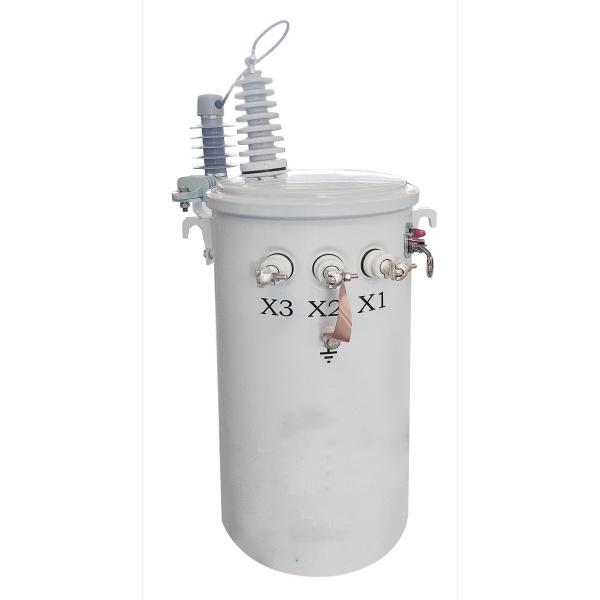
37.5kVA Completely self-protected(CSP) Single Phase Pole Mounted Transformer
37.5kVA Completely self-protected(CSP) Single Phase pole Mounted transformer is an efficient and reliable power equipment designed to provide a stable single-phase power supply. The transformer adopts fully self-protection technology and has built-in multiple protection functions such as overload, short circuit, and overvoltage to ensure that the transformer automatically cuts off the power supply under abnormal conditions, effectively avoiding equipment damage and ensuring the safe operation of the system.
3150kVA Oil Immersed Transformer
3150kVA Oil Immersed Transformer is a high-capacity three-phase power transformer optimized for efficient voltage transformation in 50/60Hz AC medium-voltage networks, with primary ratings commonly at 11kV, 22kV, 33kV, or 35kV (adaptable to 10–38.5kV) and secondary at 0.4kV, 0.69kV, 6.3kV, 10kV, or 11kV. Employing advanced high-permeability grain-oriented silicon steel core (S13/S20 series compliant) for dramatically reduced no-load losses (typically 3200–5400W), high-purity copper windings, and premium insulating oil (IEC 60296 compliant, dielectric >60kV/2.5mm), it achieves low load losses (around 18–22kW at 75°C), strong overload capability (up to 150–180% short-duration), noise below 65dB, and efficiency exceeding 99%.This transformer minimizes operational expenses, transmission losses, and environmental impact in large-scale industrial, utility, and renewable setups.
(N)TSCGECECWOU 8.7/15kV and 12/20kV ZH Cable
The (N)TSCGECECWOU 8.7/15kV and 12/20kV ZH cable is a flexible medium voltage power cable designed and manufactured to DIN VDE 0250 standards. Engineered for demanding mining, tunneling, and mobile equipment applications, it features EPR insulation, a halogen-free flame-retardant sheath, and a concentric copper conductor to ensure exceptional mechanical strength, EMC protection, and resistance to oil, moisture, and fire. With a robust PUR outer sheath and halogen-free materials, this cable provides high flexibility and durability for reeling and trailing systems in harsh industrial environments, making it ideal for tunnel boring machines, mining conveyors, and other heavy-duty energy supply applications.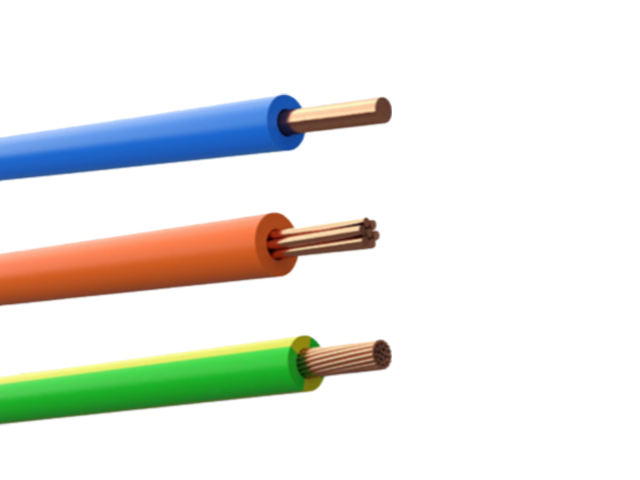
H05V-U H05V-R H05V-K
H05V-K cable is used for the internal wiring of electric motors and transformers as well as other electrical appliances and lighting applications. It can be used in and at electronic appliances for measuring, regulating and controlling. The cables are also ideal for laying in pipes, surface wiring and conduit installations. Specifications according to HD 516 apply for respective specific applications. H05V-U cable is intended for the installation to the inside of apparatus as well as for the protective laying to the lightings, in dry rooms, in production facilities, switch and distributor boards, in tubes, under and surface mounting of plasters. H05V-R is preferably for installation indoors, in cable ducts and in industrial plants or switching stations, under ground installation. Can be used in switchboards and distributor boards or where a thicker strand of multi-wire is required.Found in electronic and electrical equipment and switch gear cabinets designed for export to a European country and for MRO replacement of European made equipment wire.Welcome your inquiry
Honesty, Integrity, Frugality, Activeness and Passion