
Energy Efficient Distribution Transformers: Standards, Savings & New Technologies
2026-07-24
Distribution transformers are among the most important assets in modern electrical distribution systems. They are responsible for reducing medium voltage electricity from utility distribution networks into lower voltages suitable for residential, commercial, and industrial applications. As global electricity demand continues increasing, utilities and industrial operators are under growing pressure to improve energy efficiency, reduce operational losses, and modernize aging grid infrastructure.
Energy-efficient distribution transformers have therefore become a critical focus across the global power industry. Modern transformer technologies now prioritize:
- Lower no-load losses
- Reduced operating costs
- Improved thermal performance
- Smart grid compatibility
- Environmental sustainability
- Long operational lifespan
Governments and utility regulators worldwide are also introducing stricter transformer efficiency standards to reduce energy waste and carbon emissions. This has accelerated innovation in transformer core materials, insulation systems, digital monitoring, and transformer design optimization.
Today, the global distribution transformer market is evolving rapidly due to:
- Renewable energy expansion
- Urbanization
- Electrification of transportation
- Smart grid development
- Data center growth
- Industrial modernization
1. What Is a Distribution Transformer?
A distribution transformer is a transformer used in electrical distribution systems to reduce voltage from medium voltage distribution lines to usable voltage levels for end users.
Distribution transformers are typically installed:
- On utility poles
- In ground-mounted substations
- Inside commercial buildings
- In industrial facilities
- In renewable energy systems
Their primary function is safe and efficient voltage reduction for local power distribution.
How Distribution Transformers Work
Distribution transformers operate using electromagnetic induction.
Alternating current flowing through the primary winding creates magnetic flux inside the transformer core. This induces voltage in the secondary winding and transfers electrical energy between circuits.
Why Energy Efficiency Matters
Distribution transformers operate continuously, often 24 hours per day, for decades.
Even small reductions in transformer losses can create substantial long-term energy savings across utility networks.
Losses generally include:
- No-load core losses
- Load losses
- Stray losses
Modern energy-efficient transformer design focuses on minimizing all three.
2. Types of Distribution Transformer
Different applications require different transformer configurations.
Table: Comparison of Main Distribution Transformer Types
|
Transformer Type |
Installation Method |
Typical Voltage Range |
Common Applications |
Main Advantages |
|
Pole Distribution Transformer |
Pole mounted |
11 kV – 33 kV / 120–480 V |
Rural and residential distribution |
Low installation cost |
|
Ground mounted |
11 kV – 35 kV |
Urban underground distribution |
High public safety |
|
|
Dry Type Distribution Transformer |
Indoor installation |
400 V – 35 kV |
Commercial buildings and data centers |
Low fire risk |
|
Single Phase Distribution Transformer |
Pole or indoor mounted |
120 V – 240 V |
Residential systems |
Economical for low loads |
|
Substation or industrial installation |
400 V – 35 kV |
Industrial facilities |
High efficiency for large loads |
|
|
Amorphous Core Transformer |
Various installations |
400 V – 35 kV |
Smart grids and renewable systems |
Extremely low core losses |
Pole Distribution Transformer
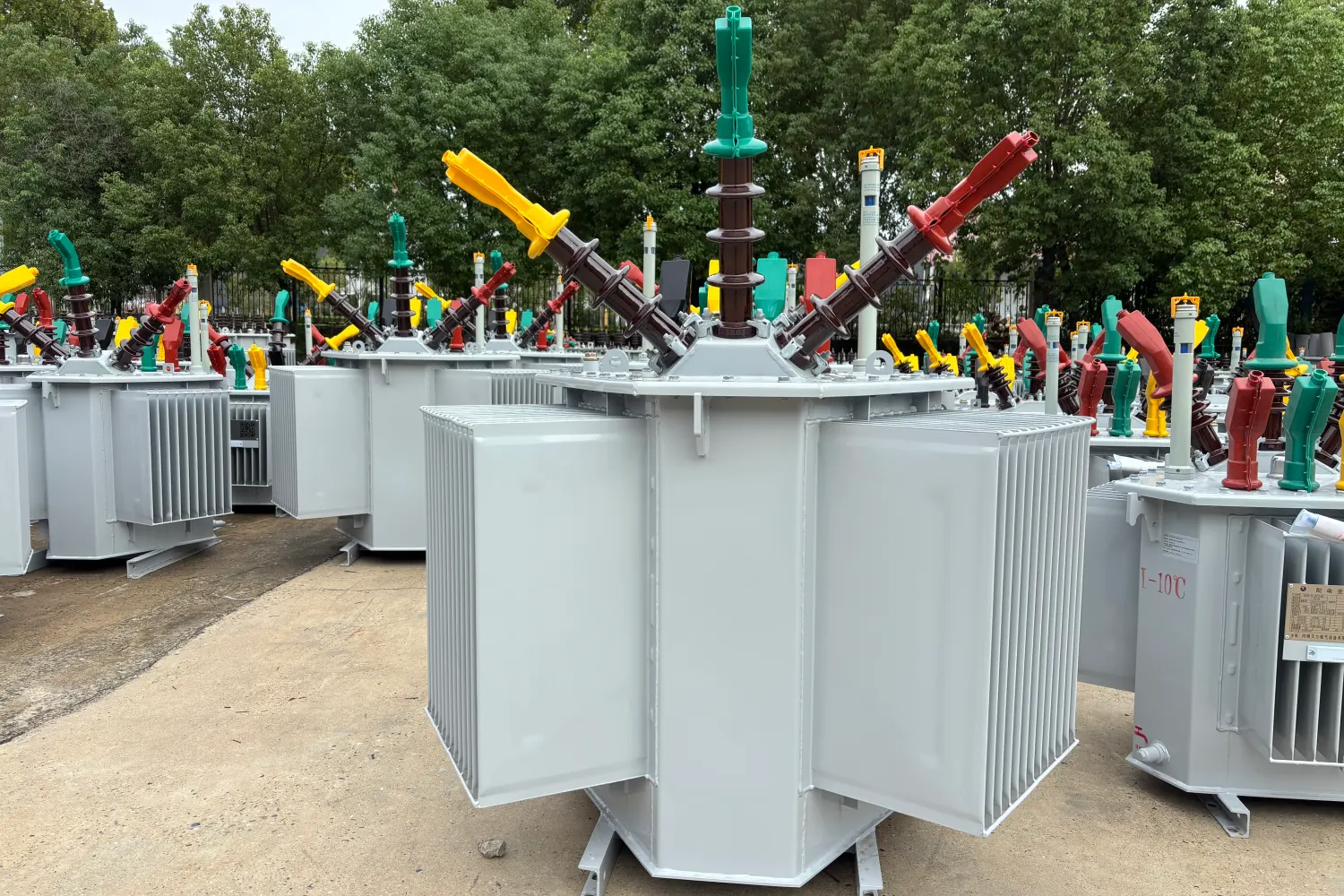
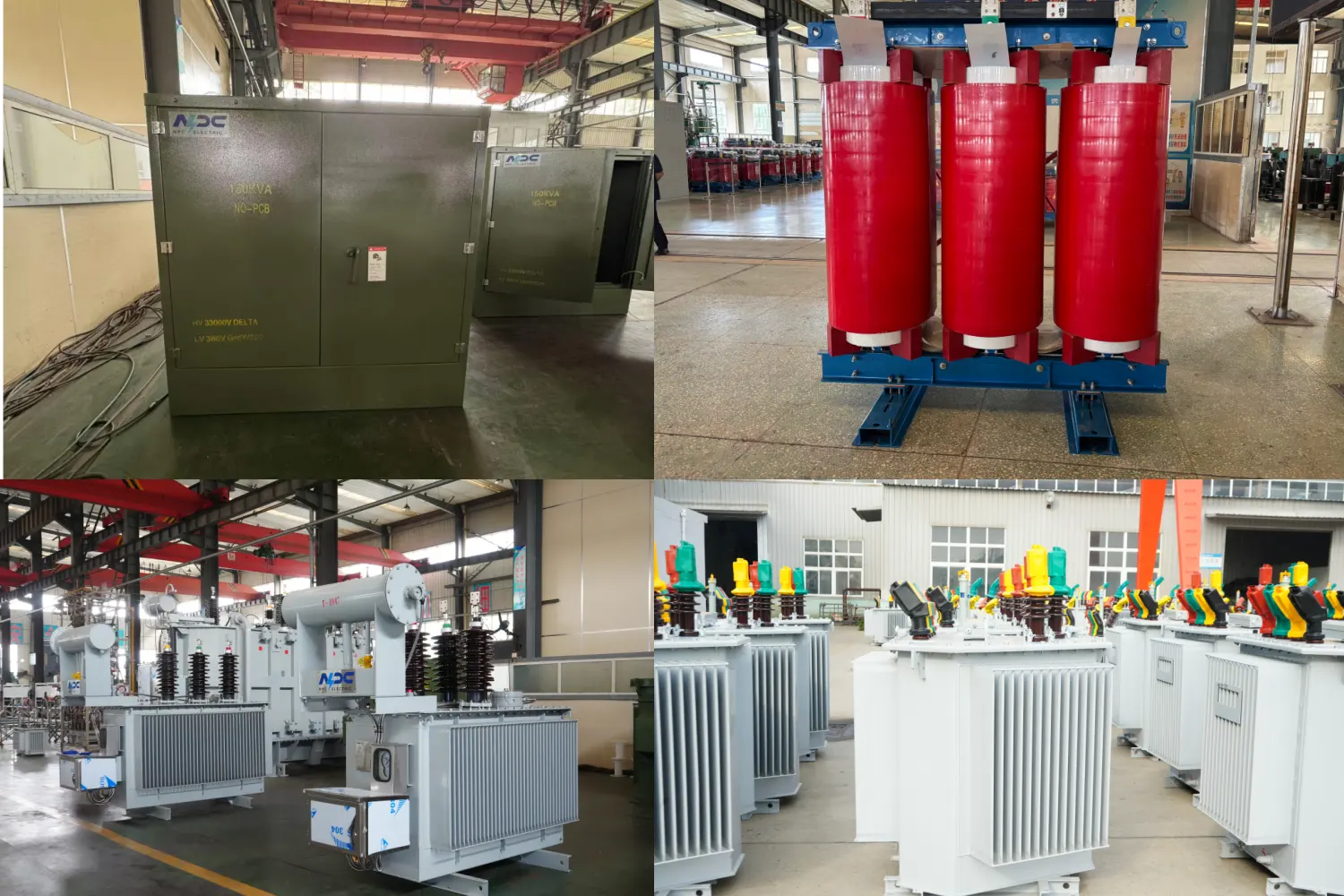
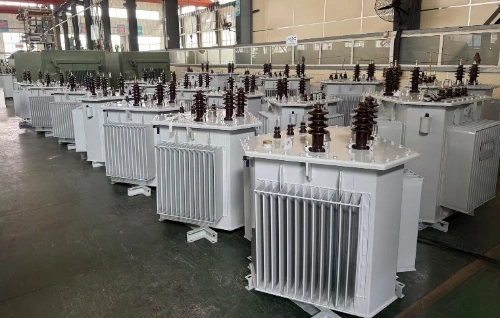
Pole distribution transformer systems are mounted on utility poles for overhead electrical distribution.
Applications include:
- Rural electrification
- Residential neighborhoods
- Light commercial supply
Advantages include:
- Low installation cost
- Easy maintenance access
- Efficient local distribution
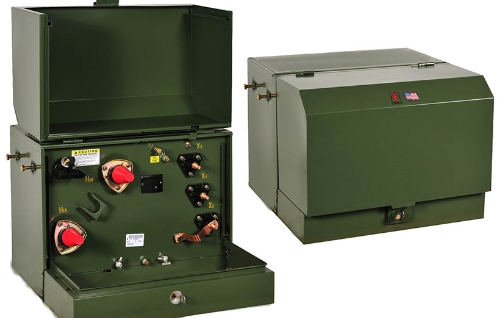
Pad-Mounted Distribution Transformer
Pad-mounted transformers are installed at ground level in secure metal enclosures.
These systems are commonly used in:
- Urban electrical networks
- Underground distribution systems
- Commercial developments
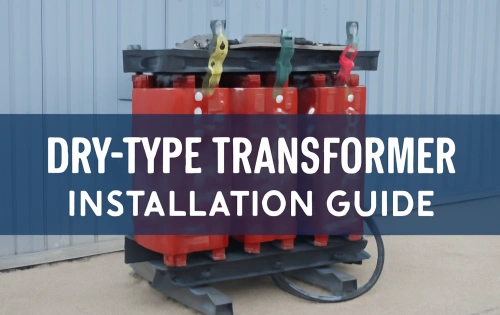
Dry Type Distribution Transformer
Dry-type distribution transformer systems use air cooling rather than oil insulation.
Advantages include:
- Lower fire risk
- Reduced maintenance
- Environmentally safer operation
They are widely used in:
- Hospitals
- Data centers
- Commercial buildings
- Renewable energy systems
Single Phase Distribution Transformer
Single-phase distribution transformer systems are commonly used for:
- Residential supply
- Small businesses
- Rural electrical systems
These transformers provide economical, low-capacity power distribution.
3 Phase Distribution Transformer
3-phase distribution transformer systems are designed for:
- Industrial facilities
- Manufacturing plants
- Commercial complexes
- High-capacity electrical loads
They support balanced three-phase electrical distribution and higher operational efficiency.
3. Energy Efficiency Standards for Distribution Transformers
Governments worldwide have introduced mandatory transformer efficiency standards.
IEC Standards
The IEC establishes international efficiency classifications for power distribution transformer systems.
IEC standards define:
- Maximum energy losses
- Testing methods
- Performance categories
- Eco-design requirements
DOE Efficiency Standards
In the United States, Department of Energy regulations require minimum transformer efficiency levels.
These standards significantly reduce utility energy waste.
EU EcoDesign Regulations
European Union EcoDesign regulations require:
- Lower transformer losses
- Improved environmental performance
- Higher efficiency materials
Why Standards Matter
Efficiency standards improve:
- Grid reliability
- Utility operating cost
- Environmental sustainability
- Carbon reduction targets
They also accelerate global transformer modernization.
Table: Global Transformer Efficiency Standards Comparison
|
Standard Organization |
Region |
Main Focus |
Transformer Efficiency Requirement |
|
IEC |
International |
Transformer performance and testing |
IE efficiency classes |
|
DOE |
United States |
Minimum efficiency regulation |
Mandatory efficiency compliance |
|
EU EcoDesign |
European Union |
Environmental performance |
Low-loss transformer requirements |
|
IEEE |
North America |
Technical engineering standards |
Grid reliability and testing |
|
GB Standards |
China |
Utility and industrial transformers |
Energy-saving transformer regulations |
4. Key Technologies Behind Energy-Efficient Distribution Transformers
Modern transformer manufacturers use multiple technologies to improve efficiency.
Table: Main Transformer Losses and Efficiency Improvement Technologies
|
Loss Type |
Main Cause |
Impact on Efficiency |
Modern Improvement Technology |
|
No-Load Core Loss |
Magnetic hysteresis and eddy currents |
Continuous energy waste |
Amorphous metal core |
|
Copper Loss |
Winding resistance |
Heat generation under load |
High conductivity copper windings |
|
Stray Loss |
Leakage magnetic flux |
Local overheating |
Optimized magnetic shielding |
|
Dielectric Loss |
Insulation system aging |
Reduced insulation performance |
Advanced insulation materials |
|
Harmonic Loss |
Nonlinear electrical loads |
Additional heating |
Harmonic-resistant transformer design |
|
Thermal Loss |
Poor cooling performance |
Reduced lifespan |
Smart cooling systems |
Amorphous Core Transformers
Amorphous metal core technology dramatically reduces no-load losses.
Advantages include:
- Lower core loss
- Higher efficiency
- Reduced operating cost
These transformers are increasingly used in renewable and smart grid systems.
High Conductivity Windings
Copper and advanced aluminum winding systems improve electrical conductivity and reduce resistance losses.
Advanced Insulation Systems
Improved insulation materials enhance:
- Thermal stability
- Operational lifespan
- Overload capability
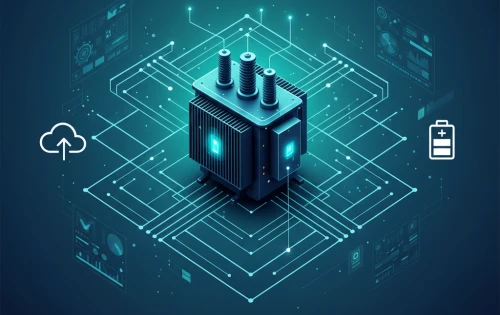
Smart Monitoring Systems
Modern transformers increasingly integrate:
- IoT sensors
- Thermal monitoring
- Remote diagnostics
- Predictive maintenance
Smart transformers improve operational reliability and reduce downtime.
5. Operational Savings and Economic Benefits
Energy-efficient transformers provide major long-term financial advantages.
Reduced Energy Losses
Lower transformer losses reduce:
- Utility electricity waste
- Operating expenses
- Heat generation
Lower Lifecycle Cost
Although efficient transformers may have a higher upfront cost, they often provide a lower total cost of ownership over their operational lifespan.
Reduced Cooling Requirements
Improved efficiency decreases operating temperature and cooling demand.
This extends transformer insulation life.
Improved Grid Reliability
Efficient transformers reduce:
- Thermal stress
- Failure risk
- Maintenance frequency
This improves overall electrical system stability.
6. Distribution Transformer Applications in Modern Power Systems
Distribution transformers are used across nearly every electrical infrastructure sector.
Residential Power Distribution
Single-phase distribution transformer systems provide stable voltage for homes and apartments.
Industrial Facilities
3-phase distribution transformer systems support:
- Heavy machinery
- Manufacturing lines
- Industrial motors
Renewable Energy Systems
Modern renewable projects use distribution transformers for:
- Solar farm integration
- Wind farm distribution
- Battery storage systems
Data Centers
Dry-type distribution transformer systems are increasingly used in:
- Cloud infrastructure
- AI computing facilities
- Critical power systems
Smart Grids
Smart distribution transformer technology supports:
- Real-time monitoring
- Load balancing
- Distributed energy integration
7. Distribution Transformer Market Trends
The global distribution transformer market is expanding rapidly.
Grid Modernization
Utilities worldwide are replacing aging infrastructure with energy-efficient transformer systems.
Renewable Energy Expansion
Renewable energy growth is increasing demand for:
- Smart transformers
- Compact substations
- Flexible grid integration
Urbanization and Electrification
Urban growth and electric vehicle infrastructure require higher distribution capacity and more reliable transformers and electricity distribution networks.
Increased Demand for Dry Type Transformers
Dry-type transformer demand is growing due to:
- Fire safety regulations
- Indoor installations
- Environmental concerns
Growth of Smart Transformer Technology
Modern distribution transformer manufacturers increasingly develop:
- Digital transformer platforms
- Predictive analytics systems
- AI-based monitoring technologies
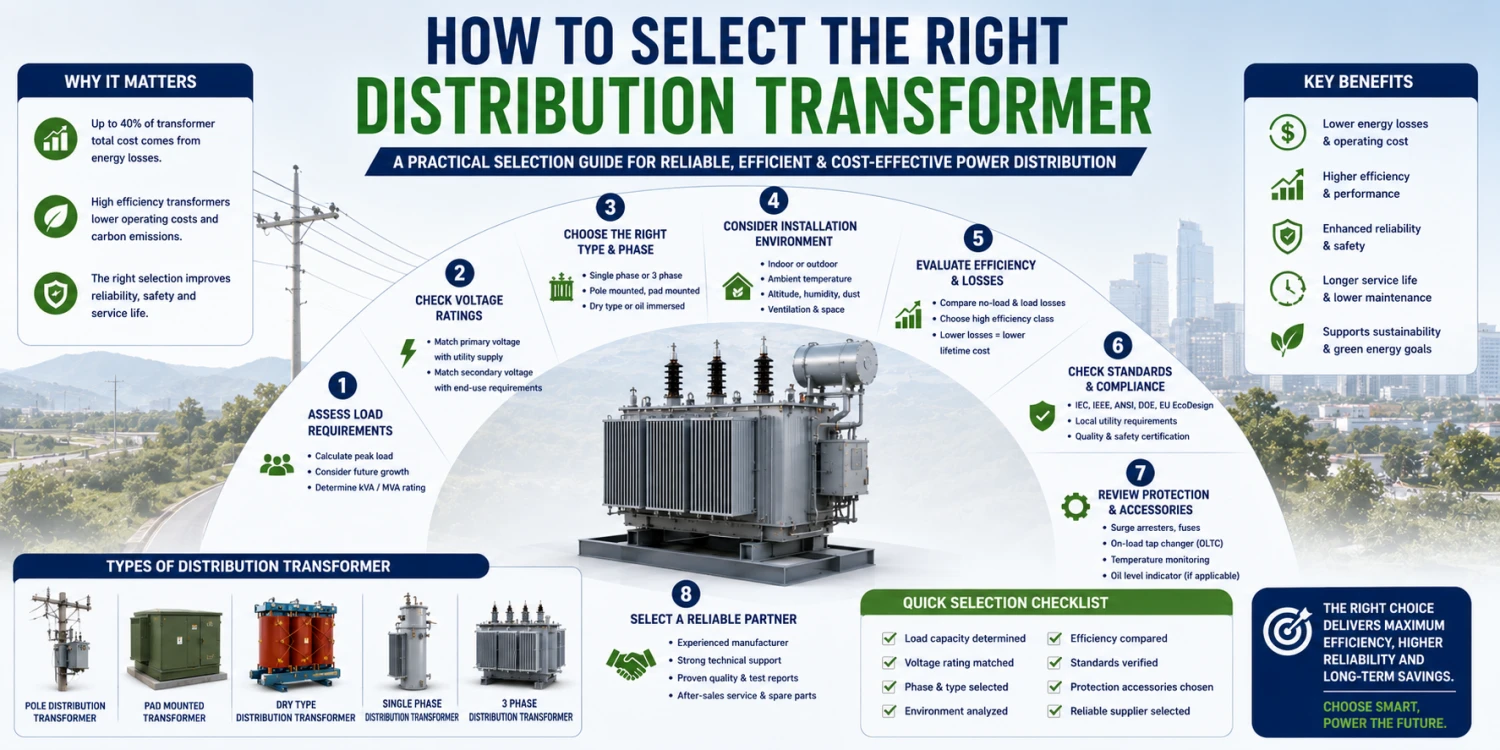
8. How to Select the Right Distribution Transformer
Proper transformer selection depends on operational requirements.
Table: Key Factors for Selecting a Distribution Transformer
|
Selection Factor |
Engineering Consideration |
Recommended Evaluation |
|
Load Capacity |
Peak and future load demand |
kVA or MVA sizing analysis |
|
Voltage Rating |
Utility and end-user voltage compatibility |
Primary and secondary voltage matching |
|
Installation Environment |
Indoor or outdoor conditions |
Temperature, humidity, ventilation |
|
Cooling Method |
Oil-immersed or dry type |
Fire safety and maintenance needs |
|
Energy Efficiency |
Operating loss reduction |
Lifecycle cost analysis |
|
Harmonic Resistance |
Nonlinear renewable or industrial loads |
Harmonic filtering capability |
|
Protection Level |
Environmental exposure |
IP rating and enclosure protection |
|
Smart Monitoring |
Digital diagnostics capability |
IoT and remote monitoring support |
Load Requirements
Engineers must evaluate:
- Peak demand
- Load profile
- Future expansion
Voltage Rating
Transformer voltage must match both the utility supply and the end-user requirements.
Installation Environment
Selection depends on:
- Indoor or outdoor installation
- Ambient temperature
- Humidity
- Fire safety requirements
Efficiency Requirements
Higher efficiency transformers reduce long-term operational costs.
Lifecycle cost analysis is critical during procurement.
Supplier and Manufacturer Capability
Choosing reliable distribution transformer suppliers and manufacturers improves:
- Product quality
- Technical support
- Spare parts availability
- Long-term reliability
Conclusion
Energy-efficient distribution transformers are essential components of modern electrical infrastructure. From pole distribution transformer systems and dry type distribution transformer applications to smart 3-phase distribution transformer networks, these technologies support safe, reliable, and efficient electrical distribution worldwide.
As utilities and industrial operators pursue grid modernization, renewable energy integration, and carbon reduction goals, transformer efficiency has become more important than ever. Advanced technologies such as amorphous core materials, smart monitoring systems, and high-efficiency insulation designs are significantly improving transformer performance while reducing lifecycle operating costs.
With continued innovation in smart grids, renewable power systems, and intelligent monitoring platforms, energy-efficient distribution transformers will remain fundamental to the future development of global electrical distribution systems.

Related Articles

Related Products
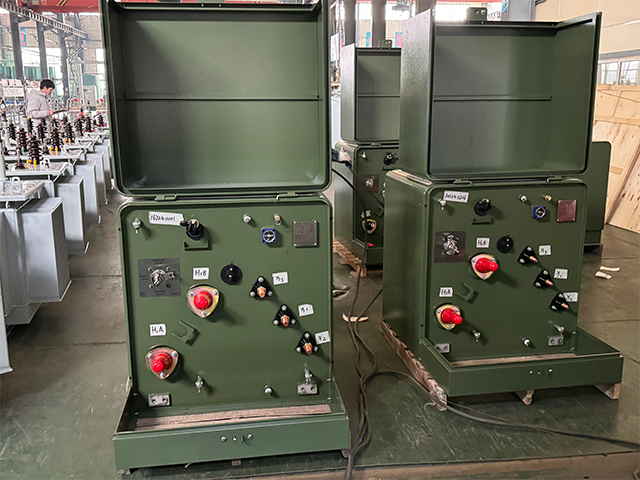
1250kVA Single Phase Pad Mounted Transformer
The 1250kVA Single Phase Pad Mounted Transformer is a premium solution crafted for expansive underground electrical systems in high-growth areas. Housed in a secure, weatherproof cabinet with advanced dead-front or live-front configurations, it maximizes personnel safety and deters tampering in public spaces. Adhering to ANSI C57.12.25, IEEE C57.12.91, and energy efficiency mandates, this 1250kVA single-phase padmount excels in transforming primary voltages up to 34.5kV to flexible secondary levels, offering exceptional short-circuit strength and quiet operation for large-scale residential and commercial deployments.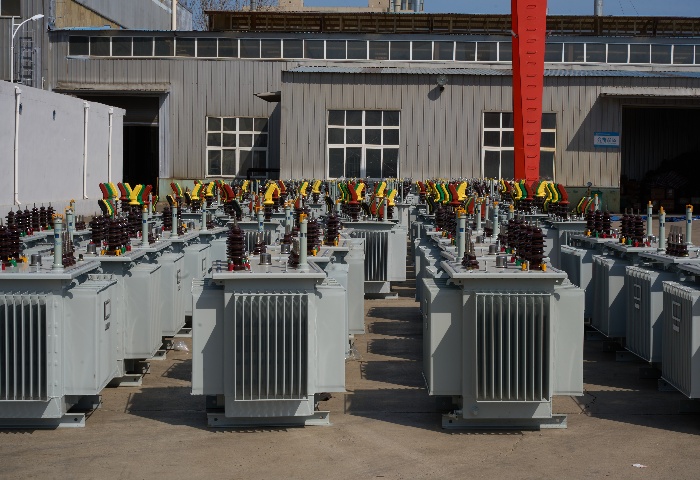
300kVA Oil Immersed Transformer
In the field of power transmission and distribution, NPC ELECTRIC 300kVA oil-immersed transformer stands out with its excellent performance, providing reliable power support for various power consumption scenarios. The transformer is carefully wound with high-quality silicon steel sheets and electromagnetic wires, with extremely low no-load loss and load loss, which greatly improves the efficiency of power conversion and effectively reduces electricity costs. It is widely used in industrial plants, commercial centers, residential communities, infrastructure construction, and other fields to meet the power needs of different scenarios.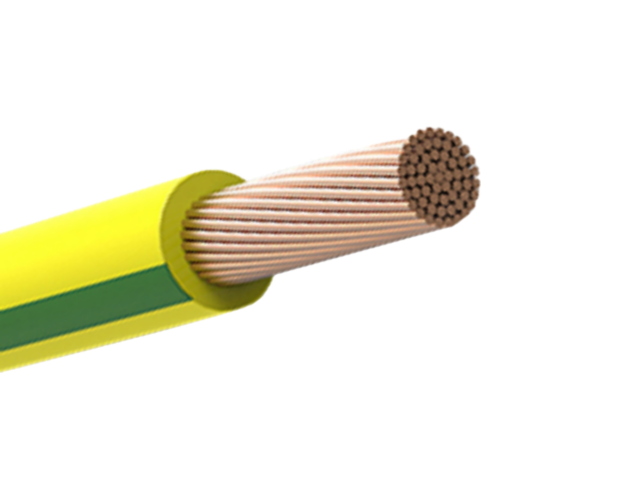
TW AND THW
Electrical wire TW AND THW is used in new construction projects or rewiring tasks in 600-volt systems. It is from NPC Electric are designed for building wiring applications where dependable electrical performance and installation safety are required. These single-core copper conductors are insulated with high-quality thermoplastic materials, providing stable conductivity, good mechanical protection, and resistance to heat and moisture. TW wire is suitable for dry or damp locations with moderate temperature ratings, while TH wire offers higher heat resistance for applications requiring enhanced thermal performance. Manufactured under strict quality control, NPC Electric TW and TH Wires deliver uniform insulation thickness, consistent conductor structure, and long service life. Their reliable performance and ease of handling make them a trusted choice for residential, commercial, and light industrial electrical installations.3GHSSHCH-mining-cable-2.webp)
(N)3GHSSHCH Mining Cable
The (N)3GHSSHCH 3.6/6kV and 6/10kV medium voltage flexible mining cable is engineered for demanding industrial environments such as underground mining, tunneling, and heavy-duty mobile equipment. Featuring EPR rubber insulation, halogen-free LSZH sheath, and a copper wire braid screen, it offers superior mechanical strength, oil resistance, and flame retardancy. Its robust multi-layer construction includes semi-conductive layers, steel wire braid armour, and individual copper screening, ensuring reliable electrical performance and enhanced safety. With excellent flexibility, a wide operating temperature range (-40°C to +80°C fixed), and compliance with VDE, EN, and IEC standards, this cable guarantees long service life in the harshest conditions. Ideal for medium voltage power supply where safety, flexibility, and durability are critical.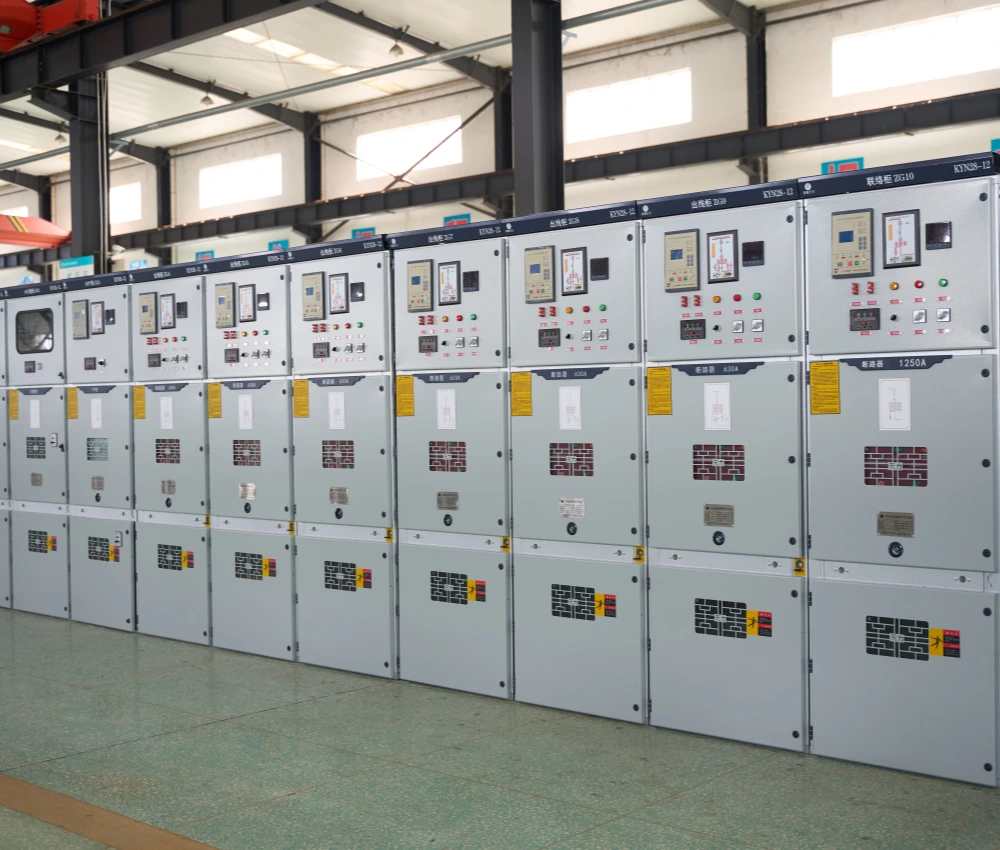
High Voltage Switchgear
NPC Electric high voltage switchgear delivers exceptional reliability and safety for modern electrical networks. Built with cutting-edge insulation technology and intelligent monitoring systems, this HV switchgear ensures seamless power distribution while protecting critical infrastructure from faults and overloads. Ideal for utilities, industrial plants, and renewable energy projects, it combines compact design with robust construction to minimize downtime and maximize operational efficiency in demanding environments.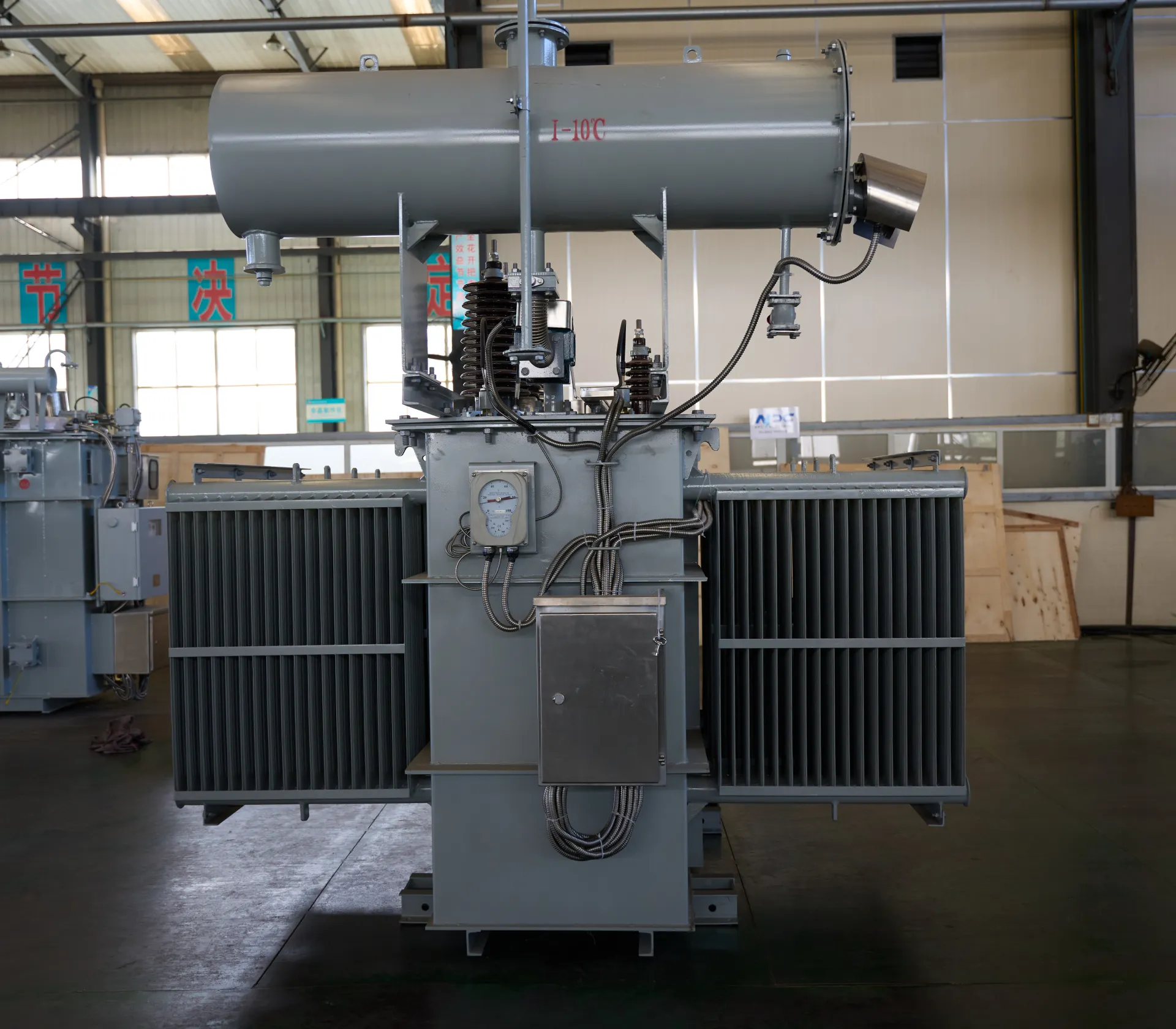
630kVA Three-Phase Oil-Immersed Outdoor Substation Transformer | 220V to 380V Step-Up Transformer
This 630kVA three-phase oil-immersed transformer is designed for outdoor substations, providing reliable voltage conversion from 220V to 380V. With a robust oil-immersed cooling system, it ensures excellent heat dissipation, stable performance, and long service life. Ideal for industrial facilities, commercial power distribution, and utility applications, this step-up transformer delivers consistent efficiency even under heavy load conditions.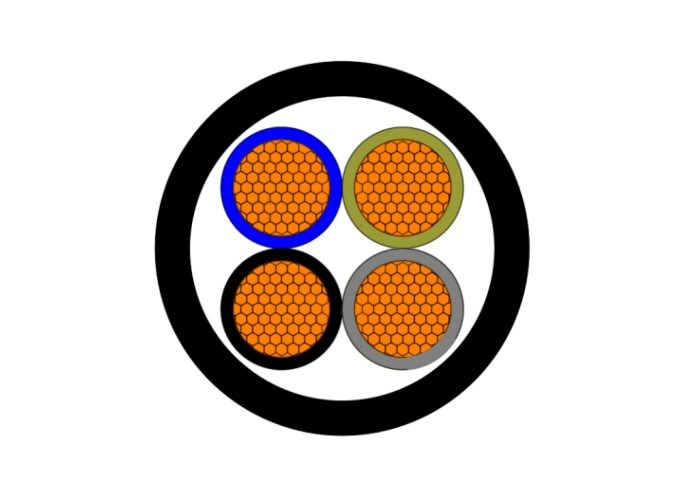
N2XH IEC 60502-1 XLPE LSZH 0.6/1kV Cable
The N2XH IEC 60502-1 XLPE LSZH 0.6/1kV Cable is designed for safe and reliable low voltage power distribution in buildings and infrastructure where fire safety is a critical requirement. Manufactured with high-quality copper conductors and XLPE insulation, the cable provides excellent electrical performance, thermal stability, and long service life. The LSZH (Low Smoke Zero Halogen) outer sheath significantly reduces smoke density and eliminates corrosive gas emission in the event of fire, helping to protect people, equipment, and structures. Rated at 0.6/1kV and produced in accordance with IEC 60502-1, this cable meets international standards for electrical safety and fire performance. Its robust construction supports fixed installation in indoor environments where high safety, reliability, and environmental protection are essential.2Y-high-voltage-power-cable-2.webp)
2XS(FL)2Y MDPE High Voltage 26/45 (52)kV Power Cable
The 2XS(FL)2Y MDPE High Voltage Power Cable is a single-core aluminum conductor cable with XLPE insulation and an MDPE sheath, rated 26/45(52) kV. Designed for medium- and high-voltage power transmission, it meets IEC 60502 and IEC 60840 standards, offering excellent electrical performance, mechanical protection, and environmental resistance. Its robust construction features a copper conductor, semi-conductive screens, water-blocking tape, metallic screen, aluminum tape with PE coating, and a durable MDPE sheath, ensuring reliable operation in power stations, industrial facilities, and distribution networks. Suitable for underground, underwater, outdoor, indoor, and duct installations. A comprehensive quality management system governs production of the 2XS(FL)2Y power cable. Raw material testing, process inspection, and finished product testing are strictly implemented to ensure consistent quality, safety, and long-term operational stability.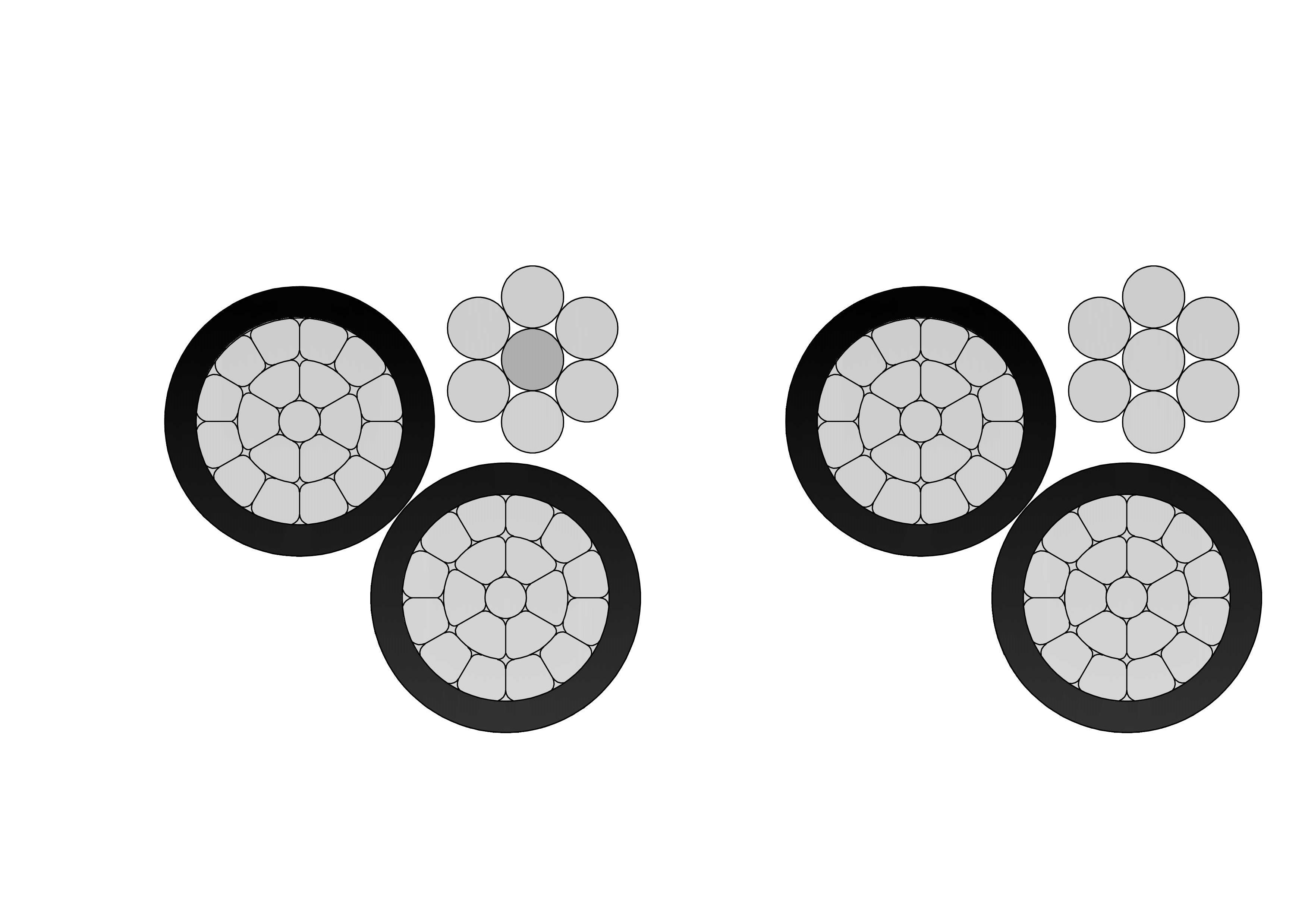
2/0 Runcina Aluminum Conductor Triplex Overhead Service Drop Cable
The 2/0 Runcina Aluminum Conductor Triplex Overhead Service Drop Cable is engineered to provide safe and efficient overhead electrical power distribution. It consists of two insulated aluminum phase conductors and a bare aluminum neutral messenger, delivering strong mechanical support and stable electrical transmission. Manufactured using premium aluminum materials and high-performance insulation compounds, the 2/0 Runcina Aluminum Conductor Triplex Overhead Service Drop Cable offers excellent resistance to corrosion, UV radiation, and environmental stress. Its optimized structure supports easy installation while meeting utility and industry standards. The cable performs reliably under mechanical load, temperature variation, and long-term outdoor exposure. Strict quality management systems and detailed testing procedures are implemented throughout production to ensure consistent performance and dependable service life.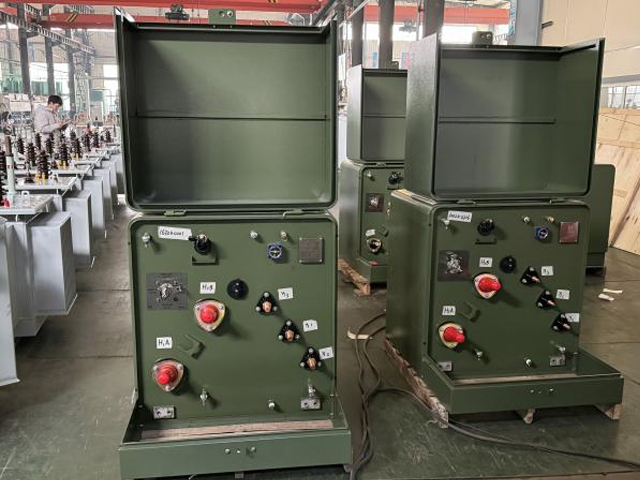
200kVA Single Phase Pole Mounted Transformer
NPC ELECTRIC'S 200kVA single phase pole mounted transformer delivers exceptional reliability for demanding overhead power systems. It efficiently converts primary voltages like 11kV or 22kV to secondary levels such as 220V or 400V, supporting heavier loads in diverse environments. Constructed with low-loss grain-oriented steel cores and high-grade aluminum conductors, it achieves superior energy efficiency and reduced operational costs. Meeting ANSI/IEEE C57 standards, the weatherproof enclosure ensures protection against elements, with a 55°C temperature rise and ONAF cooling for enhanced performance. Essential safety integrations include overload fuses and oil level gauges, making it suitable for utilities aiming for minimal downtime. This transformer excels in providing stable power with low harmonic distortion, ideal for modern grid upgrades.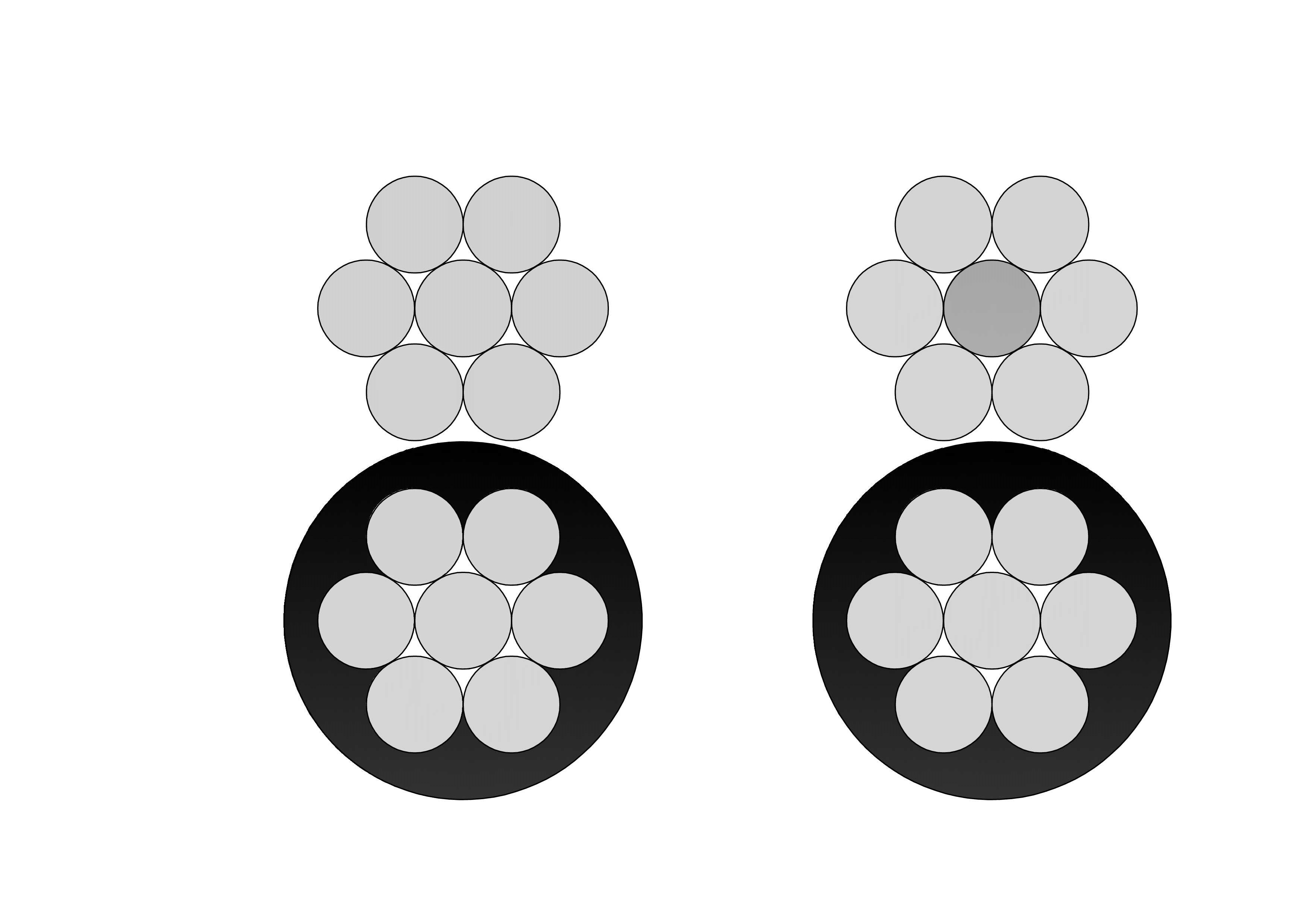
4 Spaniel Aluminum Conductor Duplex Overhead Service Drop Cable
Introducing the 4 Spaniel Duplex Service Drop Cable, a versatile overhead solution for low-voltage secondary distribution. Built with two 4 AWG aluminum conductors (7-strand) insulated with polyethylene or XLPE and formed into a duplex assembly, it meets ASTM and ICEA requirements for 600V service. The tough insulation offers outstanding protection against UV rays, moisture, tree contact, and abrasion. Compact duplex design provides self-support and easy pulling during installation. The 4 Spaniel Duplex Service Drop Cable supports efficient power transfer with low voltage drop and high durability in extreme temperatures. Popular for its lightweight construction and reduced installation time, it is the go-to choice for electricians and utilities. Widely deployed in housing developments, farm services, and temporary power setups, this cable ensures safe, long-lasting overhead connections from distribution transformers to customer service entrances worldwide.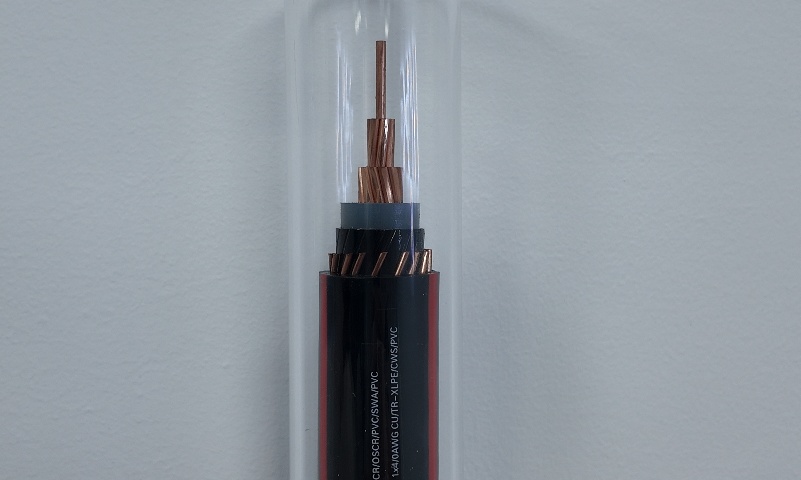
4/0 AWG Aluminum URD Cable 1/3 Neutral
The 4/0 AWG Aluminum URD Cable 1/3 Neutral is a durable and economical 600V underground residential distribution cable engineered for service entrance and secondary power delivery. It utilizes a 4/0 AWG stranded AA8000 aluminum alloy phase conductor with XLPE insulation and a 1/3 concentric aluminum alloy neutral, all protected by a rugged black polyethylene sheath. This design offers excellent flexibility, high conductivity, and superior moisture resistance, making it suitable for direct burial or conduit installations. The 1/3 neutral configuration provides a balanced and cost-effective solution for most residential applications. Manufactured to UL 854 and ICEA standards, the 4/0 AWG Aluminum URD Cable 1/3 Neutral undergoes extensive quality testing to ensure consistent performance and long service life in underground environments.
High Voltage Solid State Soft Start Cabinet
The High Voltage Solid State Soft Start Cabinet is an advanced motor control and protection system specifically engineered for medium and high-voltage industrial motors operating in demanding applications such as mining, petrochemical processing, power generation, water treatment, metallurgy, cement production, and large-scale manufacturing facilities. The cabinet utilizes high-performance thyristor solid-state control technology to provide smooth motor acceleration, reduce inrush current, minimize mechanical stress, and improve overall power system stability during motor startup operations. Designed with intelligent digital control architecture and precision-engineered power modules, the high voltage soft start cabinet significantly reduces voltage fluctuations, mechanical shock, and thermal stress commonly associated with direct-on-line motor starting methods. The system effectively extends motor service life, reduces maintenance requirements, and improves operational reliability for high-capacity pumps, compressors, conveyors, crushers, fans, and industrial processing equipment. Its modular cabinet structure simplifies installation, maintenance access, and future system expansion while ensuring safe and stable long-term operation. The High Voltage Solid State Soft Start Cabinet supports intelligent monitoring systems, programmable control logic, remote communication interfaces, and comprehensive protection functions for modern industrial automation environments.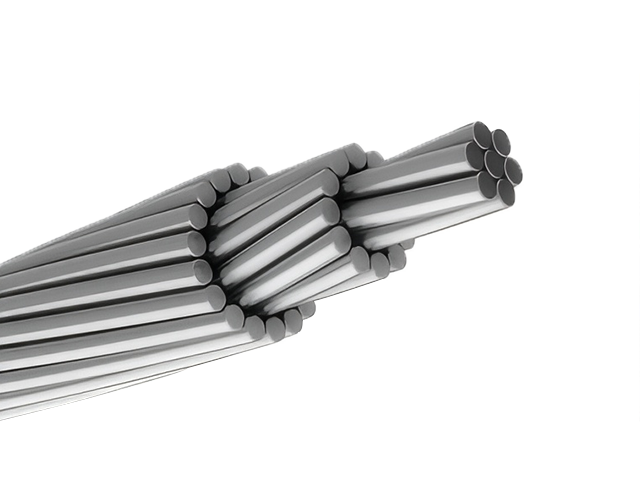
266.8 MCM Waxwing ACSR Conductor Cable
The Waxwing ACSR Conductor Cable is engineered for demanding overhead transmission, with 266.8 MCM size and 18/1 stranding configuration. High-purity aluminum (1350-H19) surrounds a galvanized steel core, offering a DC resistance of 0.0643 Ω/MFT and ampacity up to 340A. Adhering to ASTM B230 for aluminum and B232 for assembly, it provides excellent corrosion resistance and mechanical integrity for spans up to 300m. The steel core minimizes sag under heavy loads, while aluminum ensures high conductivity (61.5% IACS) and lightweight design for easier installation. Suitable for distribution voltages up to 138kV, the Waxwing ACSR Conductor Cable reduces line losses and withstands extreme weather, including ice loads up to 1/2 inch. Its economical profile makes it a staple for utility expansions, renewable connections, and grid modernization, delivering consistent power with high weather tolerance and minimal maintenance in global overhead networks.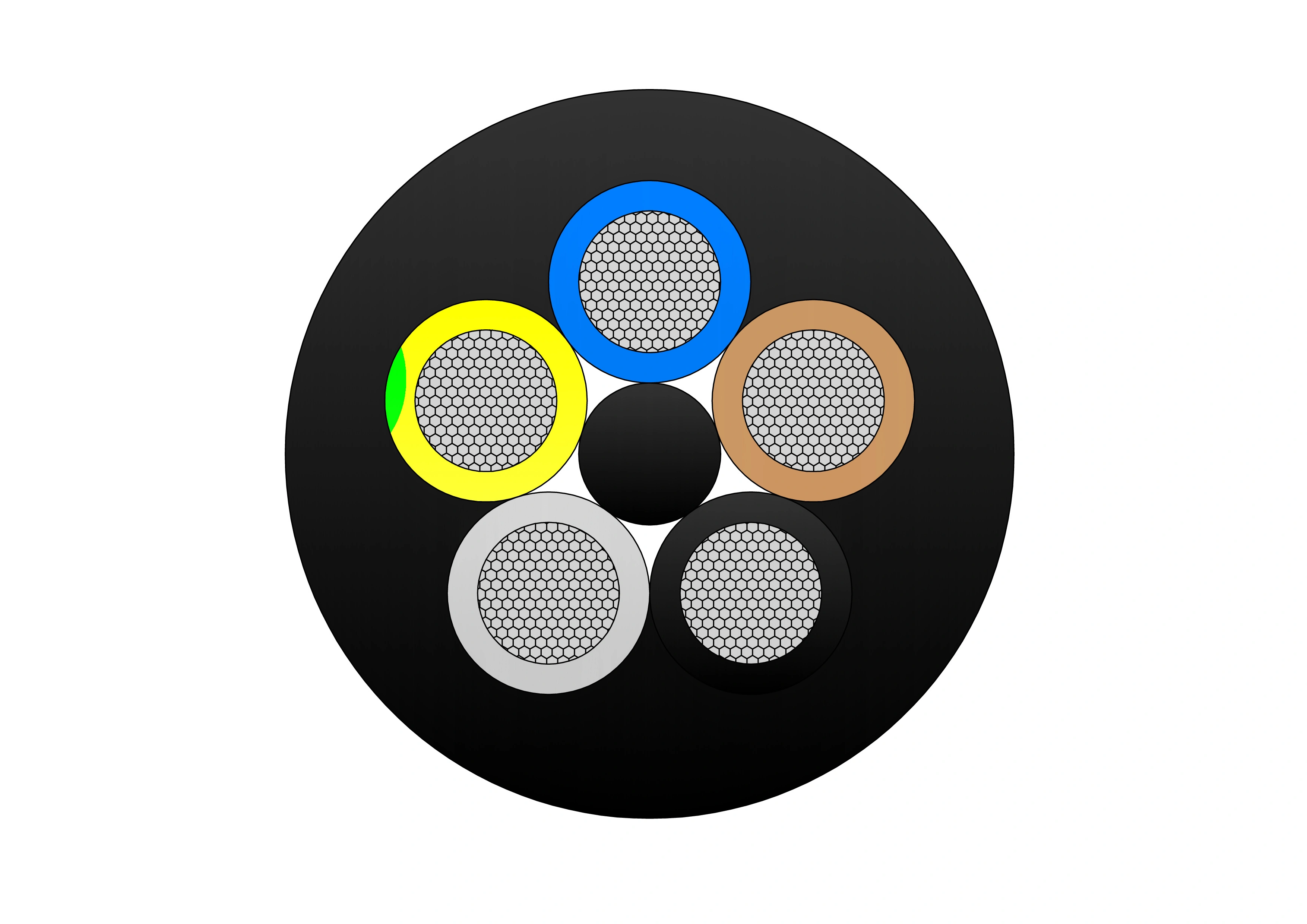
Type 450 Flexible Copper Screened Mining Cable With Two Earth And One Pilot Core
The Type 450 Flexible Copper Screened Mining Cable is a medium-voltage, heavy-duty mining cable designed for power supply in draglines, slow reeling, and industrial applications requiring two earth cores and one pilot core. It features tinned annealed copper conductors, EPR (XR-EP-90) insulation, and a tinned copper/polyamide braid screen for electrical shielding. The double-layer HD-PCP sheath provides extra heavy-duty protection, including oil resistance, flame retardancy, and chemical durability. Available in voltage ratings from 3.3kV to 33kV, the cable meets AS/NZS 2802 and related standards, ensuring high performance and reliability in harsh mining environments.Welcome your inquiry
Honesty, Integrity, Frugality, Activeness and Passion