
How to Choose Power Transformers for Utility-Scale Solar & Renewable Energy Projects
2026-06-29
Why Power Transformers Play a Crucial Role in Modern Renewable Energy Projects
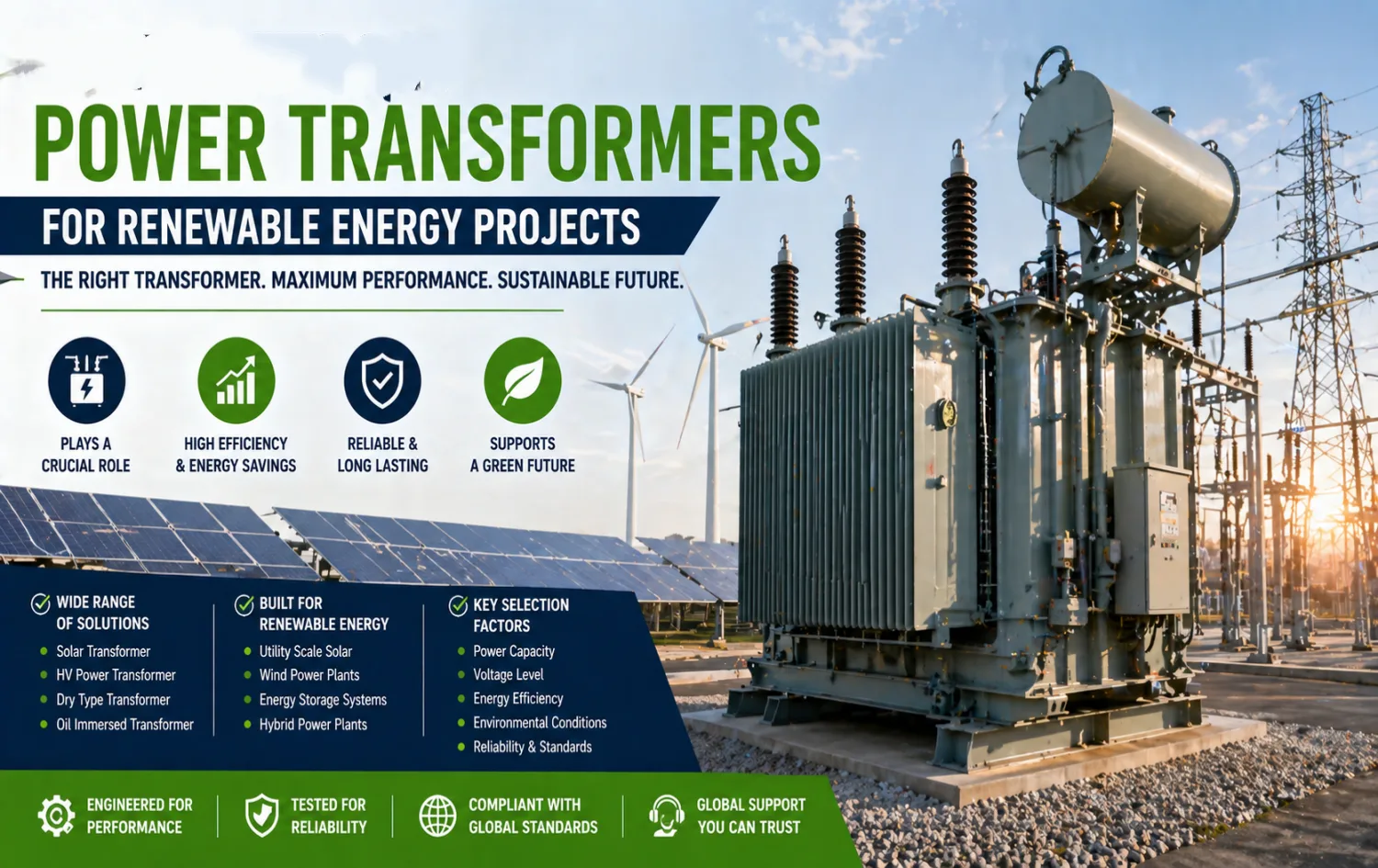
Power transformers serve as the backbone of grid integration for renewable generation. In utility-scale solar farms and large-scale renewable energy power plants, they step up voltages from solar inverters or wind turbines to transmission levels while maintaining stability and minimizing losses. Choosing the right renewable energy transformer directly impacts project reliability, energy efficiency, and long-term profitability.
From real-world engineering experience on international export projects, improper selection leads to higher losses, accelerated aging due to thermal cycling, harmonic issues from inverters, and costly delays. This practical guide walks through a systematic, science-based approach, incorporating 2026 market realities.
Types of Power Transformers Suitable for Renewable Energy Applications
1.1 Oil Immersed Power Transformer vs Dry Type Solar Energy Power Capacity Units
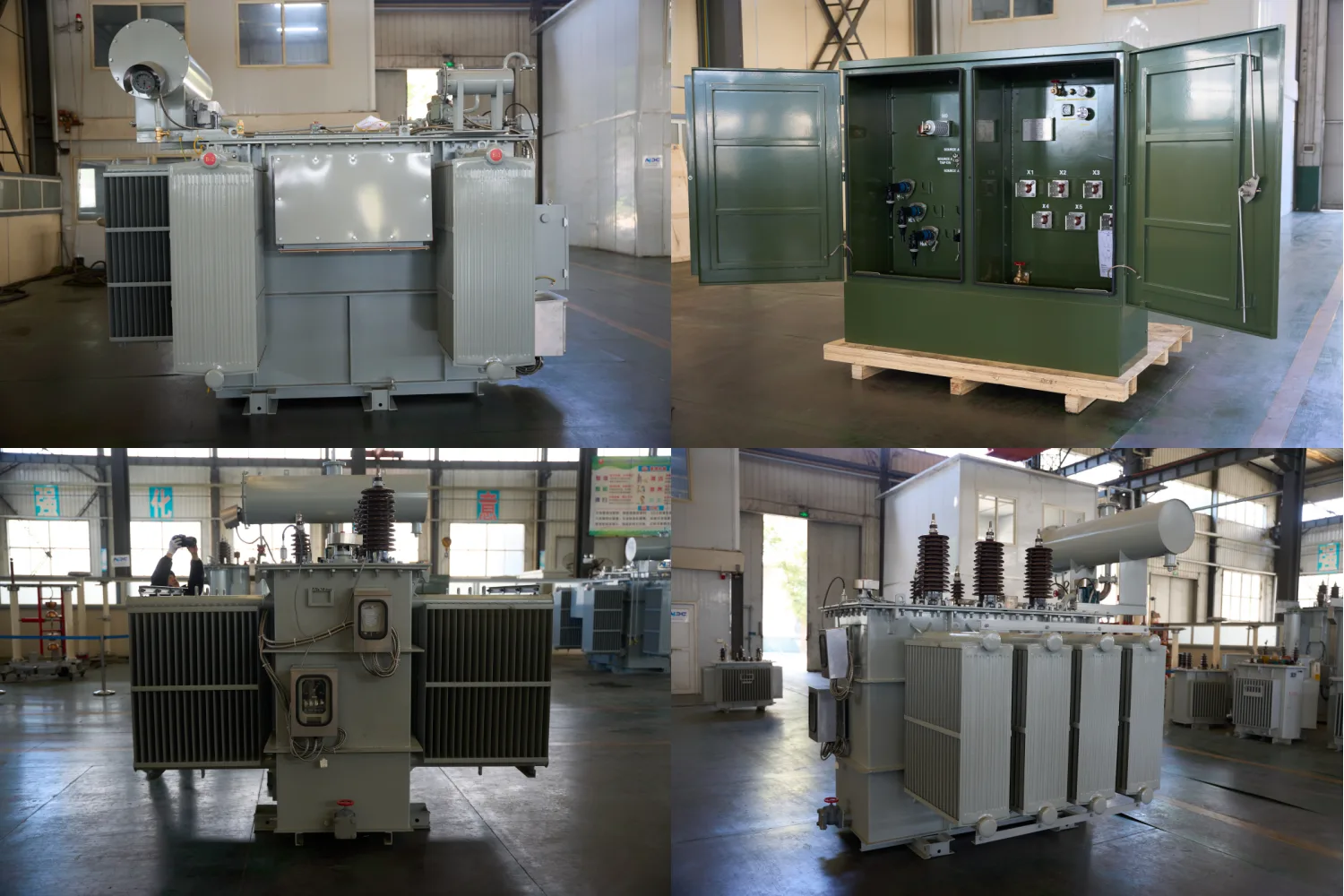
Oil-immersed power transformers remain the preferred choice for most utility-scale solar installations thanks to excellent thermal management and higher overload capability. They handle the variable loading patterns of solar generation effectively through ONAN/ONAF cooling, delivering efficiencies often exceeding 99% at rated capacity.
Dry-type solar energy power capacity transformers, typically cast-resin, offer superior fire safety and lower maintenance, making them ideal for urban or environmentally sensitive sites. However, they often require derating in high-ambient conditions common to desert solar farms. Field data consistently shows that oil-immersed designs provide better overall lifecycle performance in MW-scale applications.
The table below provides a clear technical comparison based on practical field performance in renewable projects:
Table 1: Oil-Immersed vs Dry-Type Transformers for Utility-Scale Solar Applications
|
Parameter |
Oil-Immersed Power Transformer |
Dry-Type Solar Transformer |
|
Typical Capacity Range |
2.5 MVA – 350+ MVA |
Up to 10 MVA (practical limit for renewables) |
|
Voltage Range |
Up to 400 kV+ |
Typically up to 35 kV |
|
Efficiency at Full Load |
98.8% – 99.7% |
96.5% – 98.5% |
|
Cooling Method |
ONAN / ONAF / ONAF |
AN / AF |
|
Fire Safety |
Moderate (requires oil containment) |
Excellent (cast-resin, flame-retardant) |
|
Overload Capability |
High (excellent thermal inertia) |
Moderate (requires derating in high ambient) |
|
Maintenance |
Higher (oil monitoring & filtration) |
Lower (no oil) |
|
Best Application |
Outdoor collector substations, high voltage scale solar farms |
Indoor inverter skids, urban or fire-sensitive sites |
|
Lifecycle Cost (TOC) |
Generally lower for MW-scale projects |
Higher upfront, better in constrained environments |
Source: Compiled from typical IEC 60076-based specifications and field data in utility-scale solar deployments.
This comparison shows why oil-immersed power transformer designs are favored for the majority of large-scale renewable energy power plants, while dry-type units serve niche requirements.
1.2 Generator Step-Up (GSU) and Inverter Transformers for Solar and Wind
Inverter transformers must withstand the harmonic distortion generated by modern solar inverters. Specialized renewable energy transformer designs incorporate reinforced insulation and K-factor ratings to reduce eddy current losses. Generator step-up transformers in hybrid plants require additional robustness against bidirectional power flows and frequent start-stop cycles.
Determining Optimal Power Capacity and Voltage Ratings
Transformer sizing starts with a detailed load flow analysis. For utility-scale solar, aggregate inverter AC output and apply a conservative 8–15% margin to accommodate peak irradiance, future expansion, and overload conditions without excessive capital cost.
Voltage selection must align precisely with both inverter LV output (typically 0.69 kV or 1.1 kV) and the grid interconnection voltage (33 kV up to 400 kV+). HV power transformer impedance values are critical—they must limit fault currents while ensuring tight voltage regulation (±0.5% no-load typical per IEC 60076).
On-load tap changers (OLTC) with wide ranges enhance operational flexibility under fluctuating renewable output and evolving grid codes. Practical projects always validate specifications through detailed interconnection studies.
Table 2: Typical Voltage Ratings and Impedance for Renewable Energy Transformers
|
Transformer Type |
LV Side (Inverter / Generator) |
HV Side (Grid) |
Typical Impedance (%) |
Common Power Rating (MVA) |
Key Application |
|
Inverter Step-Up Transformer |
0.69 kV / 1.1 kV |
33 kV / 34.5 kV |
6 – 8% |
2 – 8 |
Direct connection to solar inverters |
|
Collector / Step-Up Transformer |
33 kV / 34.5 kV |
132 kV / 220 kV |
8 – 12% |
20 – 100 |
Utility-scale solar collector substation |
|
GSU / Main Power Transformer |
13.8 – 34.5 kV |
230 kV / 345 kV |
8 – 15% (avg. 9–10%) |
50 – 350 |
Large-scale renewable energy power plants interconnection |
|
HV Power Transformer |
132 kV |
400 kV+ |
10 – 18% |
100 – 500+ |
Transmission tie-in |
On-load tap changers (OLTC) with ±10% to ±20% range are recommended to maintain voltage regulation under variable renewable output.
Managing Harmonics, Thermal Cycling, and Solar Inverter Compatibility
Solar inverters produce significant harmonic content, primarily 5th, 7th, and 11th orders. Renewable energy transformers need K-4 to K-20 ratings, depending on inverter technology and system configuration. Advanced designs use finite element analysis to optimize winding geometry and minimize hot spots.
Thermal cycling from daily solar ramp-up and ramp-down accelerates insulation aging. Dual temperature rise ratings (55/65°C) and high-quality grain-oriented or amorphous core materials help mitigate this stress. Delta-wye configurations with properly grounded neutrals improve zero-sequence handling and support IEEE 1547-compliant ride-through capabilities.
Achieving High-Efficiency Power Systems and Loss Optimization
Energy efficiency has become a decisive factor in 2026. Compliance with IEC 60076-20, updated DOE standards, and regional Ecodesign requirements drives the adoption of low-loss cores and advanced cooling. Even small efficiency gains (0.3–0.7%) translate into substantial LCOE reductions over a 30-year project life.
Amorphous core transformers excel in minimizing no-load losses, while natural ester (vegetable) oils enhance fire safety and environmental performance compared to traditional mineral oil. Total ownership cost (TOC) analysis, factoring capitalized losses at site-specific energy values, consistently favors premium high-efficiency power systems over lowest-first-cost options.
Table 3: Typical Loss Comparison – Conventional vs High-Efficiency Designs (per 1000 kVA base, approximate values at 50/60 Hz)
|
Core / Design Type |
No-Load Loss (Core Loss) |
Load Loss (at Rated Current) |
Total Loss at 100% Load |
Efficiency Gain |
Best For Renewable Projects |
|
Conventional CRGO Silicon Steel |
1,100 – 1,400 W |
10,000 – 12,000 W |
~11,500 W |
Baseline |
Standard applications |
|
Amorphous Core Transformer |
300 – 550 W |
9,500 – 11,500 W |
~10,200 W |
0.4 – 0.8% |
High-voltage scale solar farms with high no-load hours |
|
High-Efficiency Oil-Immersed (Ester Oil + Optimized Design) |
600 – 900 W |
9,000 – 10,500 W |
~9,800 W |
0.3 – 0.6% |
Utility-scale solar with stringent LCOE targets |
|
1,200 – 1,800 W |
11,000 – 14,000 W |
~13,000 W |
Lower |
Fire-sensitive or indoor locations |
Amorphous core transformers significantly reduce no-load losses (often by 60–70%), making them ideal for solar applications where transformers may operate at partial load during non-peak sunlight hours. Natural ester oils further improve fire safety and biodegradability.
Site-Specific Environmental and Safety Design Considerations
Environmental conditions heavily influence transformer specification. High-ambient desert projects may require forced cooling or oversized radiators. Coastal installations demand enhanced corrosion protection and creepage distances. Seismic zones require reinforced tank designs and anchoring systems.
Safety features such as sudden pressure relays, Buchholz protection, fiber-optic winding temperature monitoring, and oil spill containment are standard on quality oil-immersed power transformer units. Acoustic performance must also meet local permitting limits through core clamping and enclosure treatments.
Standards Compliance and Grid Code Requirements
Successful international projects demand full compliance with IEC 60076 series for performance and testing, IEEE C57 for application guidance, and IEEE 1547 / IEEE 2800 for inverter-based resource interconnection. Grid codes increasingly require dynamic reactive power support and low-voltage ride-through capabilities indirectly supported by stable transformer voltage regulation.
Factory acceptance testing (FAT), including loss measurement, impulse testing, and power quality validation, forms a critical quality gate before shipment.
Selecting Reliable Power Transformer Manufacturers and Procurement Strategy
Partnering with experienced power transformer manufacturers is essential in a market still facing tight supply for large HV units. Evaluation criteria should include:
- Proven delivery record on utility-scale solar projects
- In-house design capability for renewable-specific stresses (harmonics, cyclic loading)
- Transparent efficiency guarantees backed by type test reports
- Strong after-sales support, including digital monitoring integration (smart transformer features)
- Ability to meet international certifications and export documentation requirements
Early engagement during the FEED stage helps avoid change orders and secures realistic lead times, which can still exceed 18 months for custom high-voltage scale solar farm transformers.
Lifecycle Cost Analysis, Maintenance, and Future-Proofing Your Investment
Comprehensive lifecycle costing integrates CAPEX, installation, capitalized losses, maintenance, and end-of-life considerations. Condition monitoring technologies—dissolved gas analysis (DGA), partial discharge sensors, and IoT-enabled bushing monitoring—enable predictive maintenance and extend service life beyond 30–40 years.
Future-proofing involves specifying extra capacity margins, wide tap ranges, and modular designs that facilitate upgrades as plants evolve toward hybrid renewable + storage configurations. The shift toward smart transformers with integrated sensors supports real-time grid support functions demanded by higher renewable penetration.
Conclusion: Strategic Transformer Selection for Long-Term Renewable Success
Selecting the optimal power transformers for renewable energy projects requires balancing electrical performance, environmental resilience, regulatory compliance, and economic outcomes. By focusing on solar transformer designs engineered for inverter characteristics, ensuring compatibility with high-voltage-scale solar farms, and collaborating with qualified power transformer manufacturers, developers achieve superior energy efficiency, enhanced reliability, and minimized operational risks.
Choosing the right power transformer for renewable energy projects is a critical engineering decision that impacts system performance, reliability, and cost efficiency.
From HV power transformer solutions for transmission to specialized solar transformer designs for PV systems, each transformer type serves a unique purpose. By focusing on power capacity, energy efficiency, and environmental conditions, project developers can ensure optimal performance in modern renewable energy systems.
For global EPC contractors and investors, partnering with experienced power transformer manufacturers is key to delivering successful, scalable, and sustainable energy projects.

Related Articles
Related Products
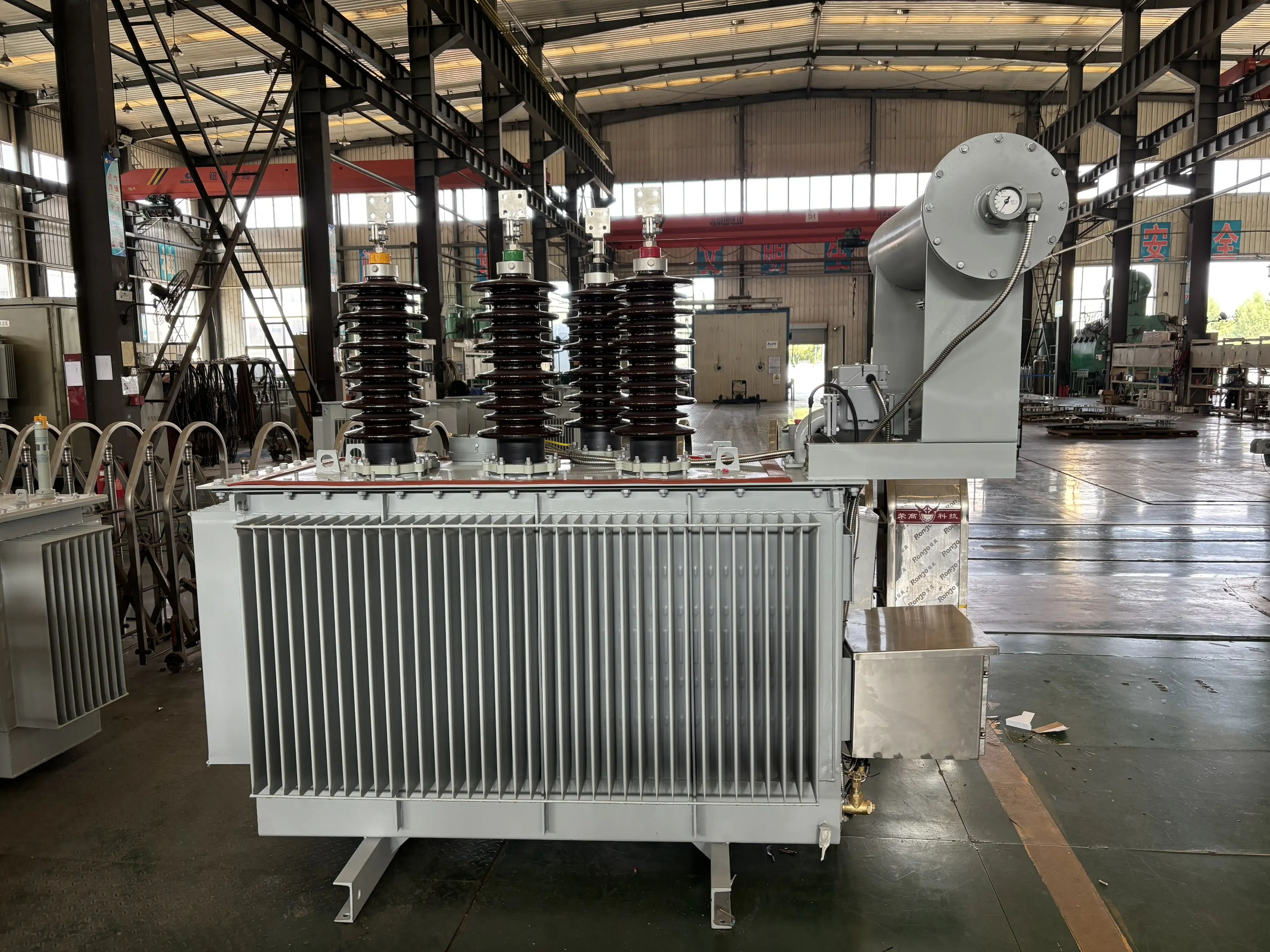
11kV 1500kVA Zigzag Wiring Earthing Transformer with NGR High Impedance
11kV 1500kVA Zigzag Wiring Earthing Transformer with NGR (High Impedance) is designed to provide a reliable artificial neutral point for medium-voltage power systems where controlled earth fault current is required. Utilizing a zigzag winding configuration, the transformer offers low zero-sequence impedance while maintaining balanced operation during normal conditions. The integrated high-impedance Neutral Grounding Resistor (NGR) effectively limits ground fault current, reducing thermal and mechanical stress on network equipment. This transformer is engineered for stable performance, high fault withstand capability, and long operational life. The robust insulation system and reinforced windings ensure safe operation under fault conditions, while the optimized core design minimizes losses.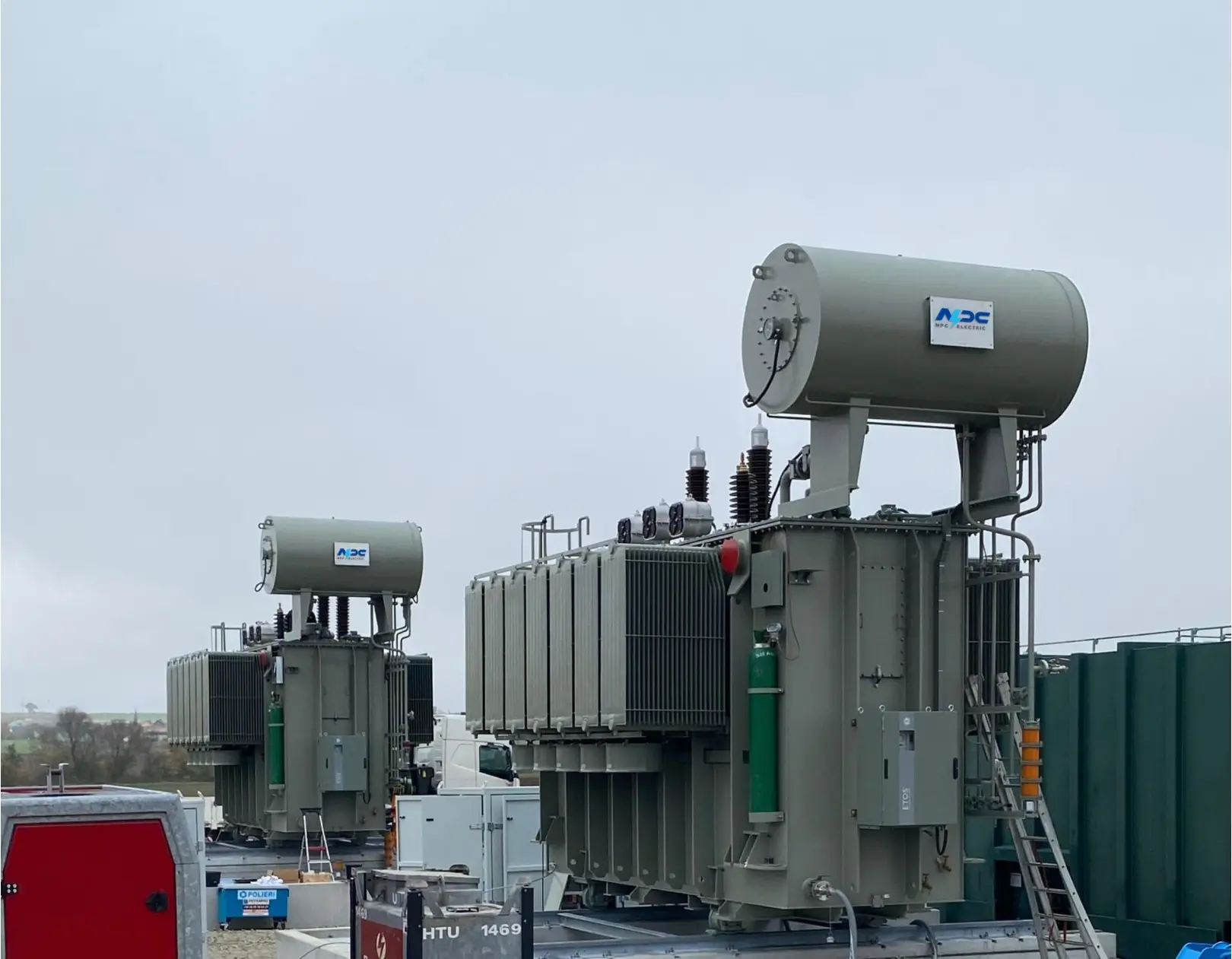
75kV 1250kVA Three Phase Oil Immersed Power Transformer Copper
The 75kV 1250kVA Three Phase Oil Immersed Power Transformer Copper is engineered for regional 66–75 kV transmission and industrial step-down applications. It adopts 99.99 % electrolytic copper windings, high-grade grain-oriented silicon steel S13 core, corrugated tank + ONAN cooling, and ±5 % off-circuit tap changer (on-load optional). Fully compliant with IEC 60076, lightning impulse withstand 350 kV peak, PD <10 pC, noise ≤58 dB. Fully sealed or conservator design with vacuum oil filling and nitrogen sealing ensures >30-year maintenance-free operation even in high-altitude or polluted areas. Ideal for mining, metallurgy, wind farms, and urban 75 kV substations requiring high reliability and low loss.
FR-N20XA8E-R Triplex 12/20kV Cable Gen to NF C 33-226 - Cu/XLPE/MDPE
The NF C 33-226 Cu-XLPE-MDPE Triplex 12/20kV Cable is a high-performance three-core medium voltage power cable designed for safe and efficient three-phase power transmission. It features Class 2 stranded copper conductors, cross-linked polyethylene (XLPE) insulation, and a medium-density polyethylene (MDPE) outer sheath, providing excellent electrical conductivity, thermal stability, and mechanical protection. Manufactured in compliance with NF C 33-226, IEC 60502-2, and EN 60228, this cable is ideal for industrial parks, municipal grids, substations, and commercial power systems. It offers outstanding resistance to water (AD7) and UV radiation (ISO 4892), and is halogen-free (IEC/EN 60754-1) for enhanced safety and environmental protection. With a rated voltage of 12/20 (24)kV and maximum conductor temperature of 90°C, the Triplex design ensures efficient load balancing and stable power delivery in medium-voltage networks.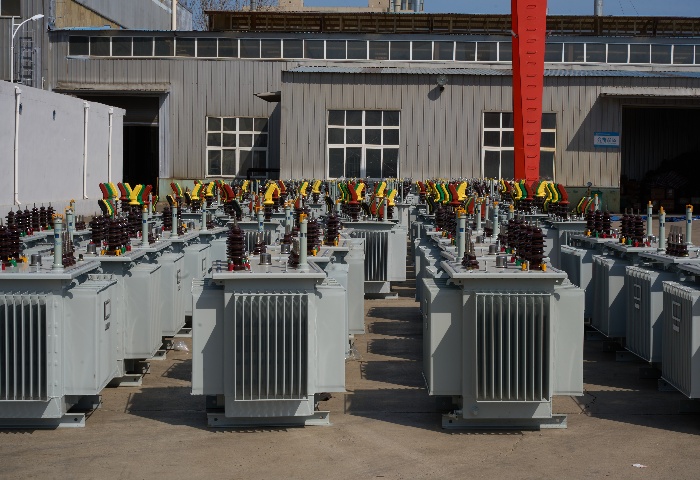
80kVA Oil Immersed Transformer
NPC ELECTRIC 80kva Oil Immersed Transformer boasts a robust design that incorporates high-quality materials and advanced manufacturing techniques. The transformer's core is made from premium cold-rolled silicon steel sheets, ensuring low loss and high efficiency. The oil-immersed design of the NPC ELECTRIC 80kVA transformer provides effective cooling and insulation, ensuring that the transformer operates within safe temperature limits and maintains optimal performance. The oil also acts as a dielectric medium, enhancing the transformer's electrical properties and protecting it from environmental factors.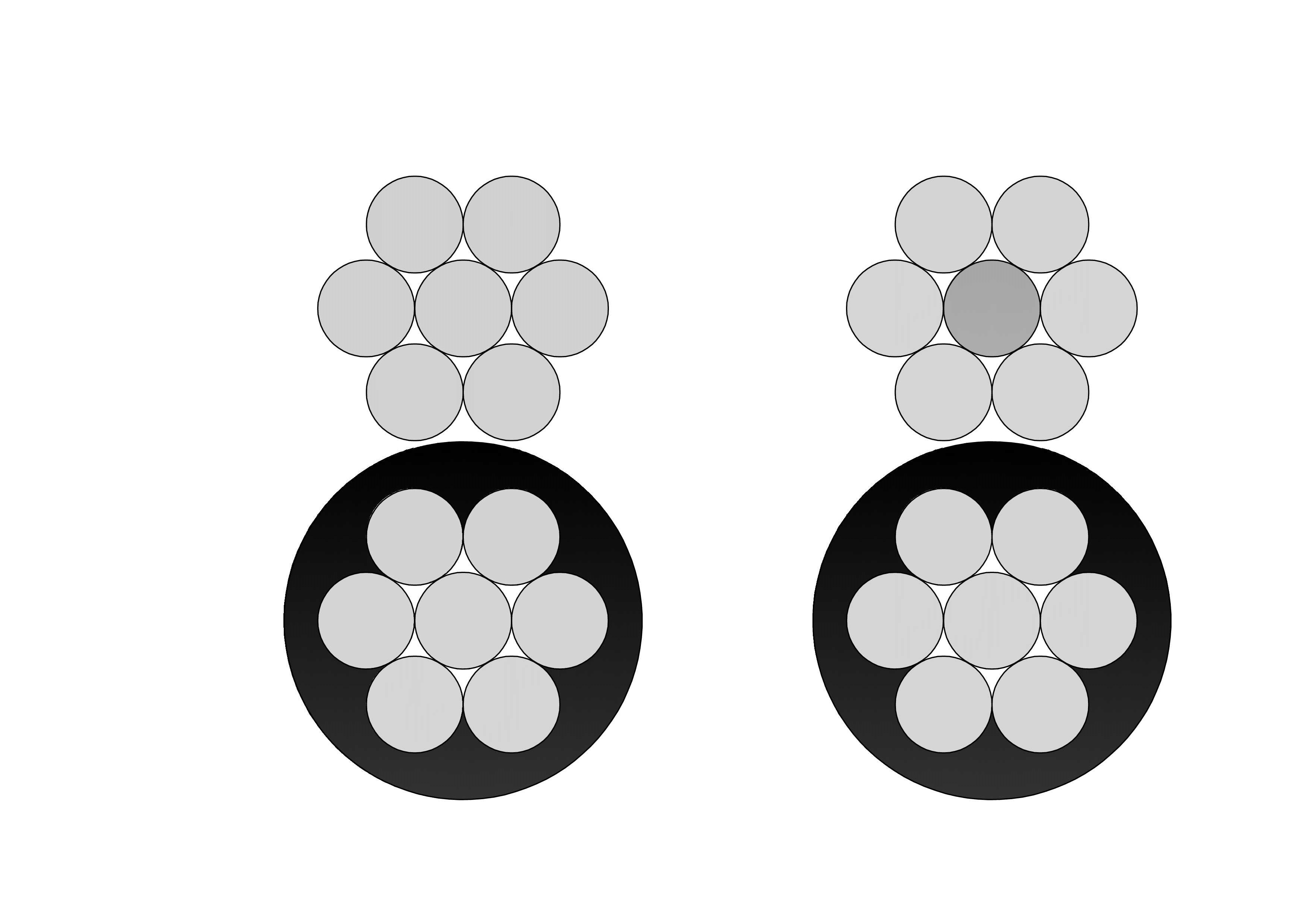
4 Terrier Aluminum Conductor Duplex Overhead Service Drop Cable
Our 4 Spaniel Duplex Service Drop Cable provides reliable overhead secondary distribution for residential applications. Consisting of two 4 AWG aluminum conductors (one phase, one neutral, 7-strand) insulated with cross-linked polyethylene (XLPE) and twisted in duplex form, it meets ASTM, ICEA, and international standards. The robust insulation resists sunlight, moisture, and mechanical damage for decades of outdoor service. Lightweight design simplifies installation with low sag and easy handling. The 4 Spaniel Duplex Service Drop Cable ensures minimal losses, high current capacity, and excellent weather performance up to 600V. Self-supporting configuration reduces pole loading. Flame-retardant options enhance safety. Commonly chosen for single-phase power delivery in subdivisions, rural homes, and temporary connections requiring safe, economical aerial bundled solutions with proven durability.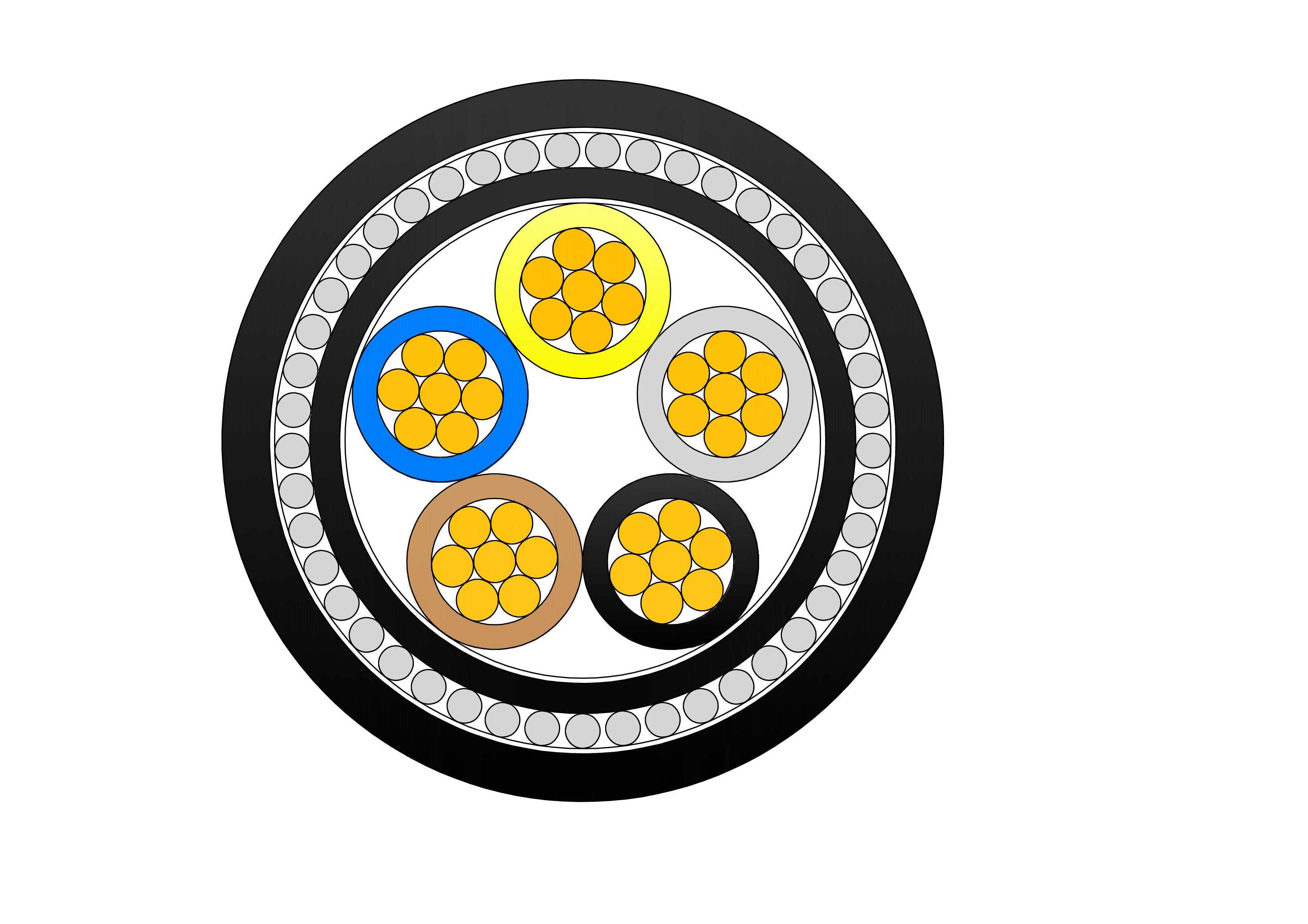
NYRY 0.6/1kV Low Voltage Power Cable
NYRY 0.6/1kV are low voltage power cables designed according to BS 5467 standard, suitable for fixed installation in indoor, outdoor, underground, cable ducts or concrete (not subject to vibration) environments, with steel wire armouring for mechanical protection. The cable features stranded copper conductors insulated with high-quality PVC, ensuring dependable electrical performance and thermal resistance under normal operating conditions. The metallic concentric conductor layer provides effective grounding and enhanced fault current capability, while the robust PVC outer sheath offers protection against moisture, abrasion, and external mechanical stress. Rated at 0.6/1kV and manufactured in accordance with relevant IEC standards, the NYRY cable is suitable for fixed installation both indoors and outdoors. Its construction supports long service life, consistent power delivery, and safe operation in demanding environments.2Y-high-voltage-power-cable-2.webp)
A2XS(FL)2Y MDPE High Voltage 36/60 (72.5)kV Power Cable
The A2XS(FL)2Y MDPE High Voltage Power Cable is a single-core aluminum conductor cable with XLPE insulation and an MDPE sheath, rated 36/60 (72.5) kV. Designed for high-voltage power transmission, it meets IEC 60840 standards, offering excellent electrical performance, mechanical protection, and water resistance. Its construction features an aluminum conductor, semi-conductive conductor screen, XLPE insulation, semi-conductive insulation screen, semi-conductive water swelling tape, copper wire metallic screen, longitudinal aluminum tape with PE copolymer coating, and an MDPE sheath. Water-blocking tape prevents water propagation, ensuring reliable operation in power stations, industrial plants, and distribution networks. Suitable for underground, underwater, indoor, outdoor, and duct installations, this cable is ideal for distribution networks, connections to generation units, and industrial processes.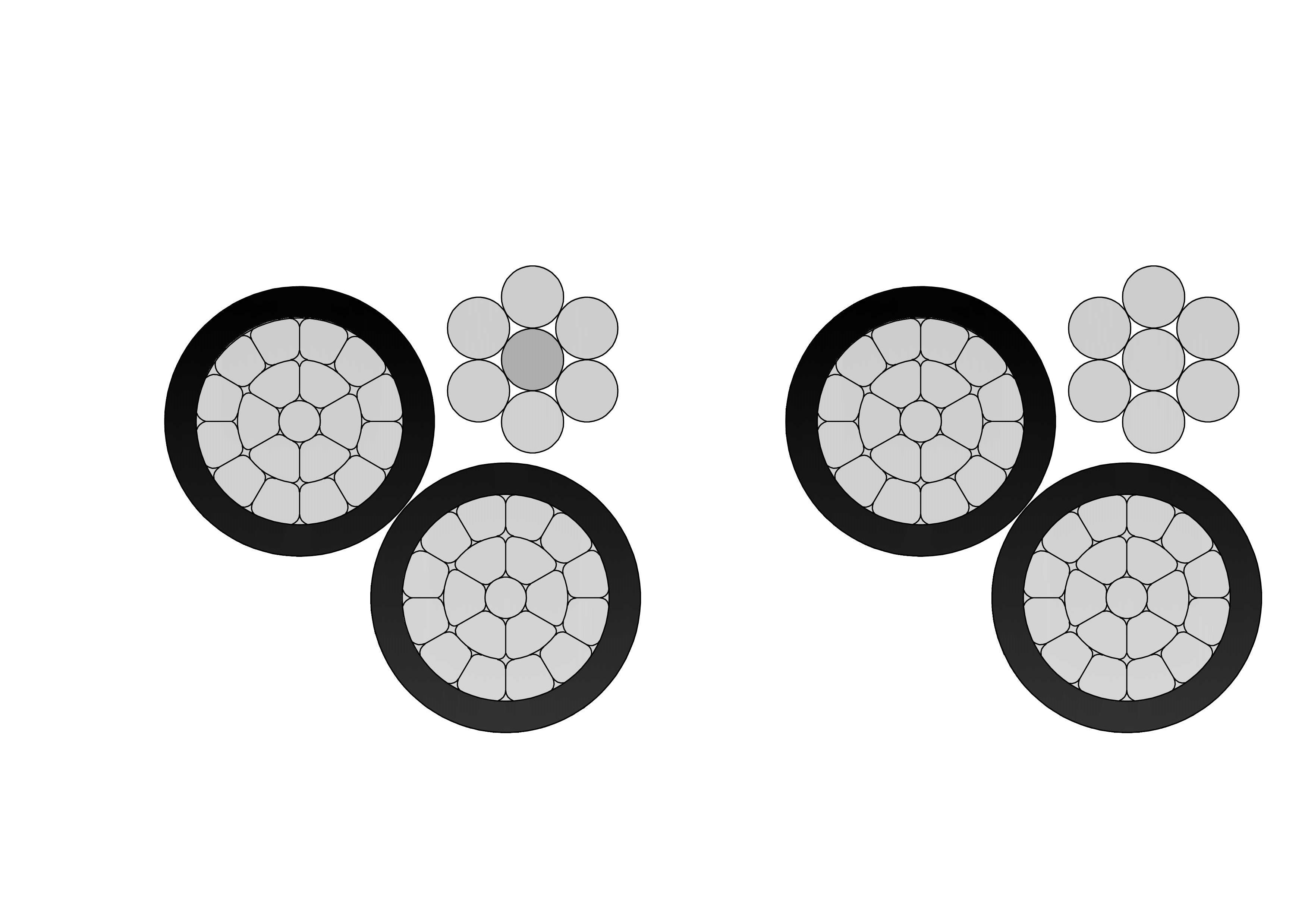
2/0 Trophon Aluminum Conductor Triplex Overhead Service Drop Cable
The 2/0 Trophon Aluminum Conductor Triplex Overhead Service Drop Cable delivers superior performance for overhead power distribution. Engineered with high-quality 1350-H19 aluminum conductors, black cross-linked polyethylene (XLPE) insulation, and a bare ACSR neutral messenger, this triplex cable ensures excellent conductivity, weather resistance, and mechanical strength. Rated for 600V phase-to-phase at up to 90°C conductor temperature (XLP), it offers approx. 230A ampacity, making it ideal for residential and light commercial service entrances. Compliant with ASTM B-230, B-231, B-232, and ICEA S-76-474 standards, the cable withstands harsh outdoor conditions while maintaining flexibility and reliability.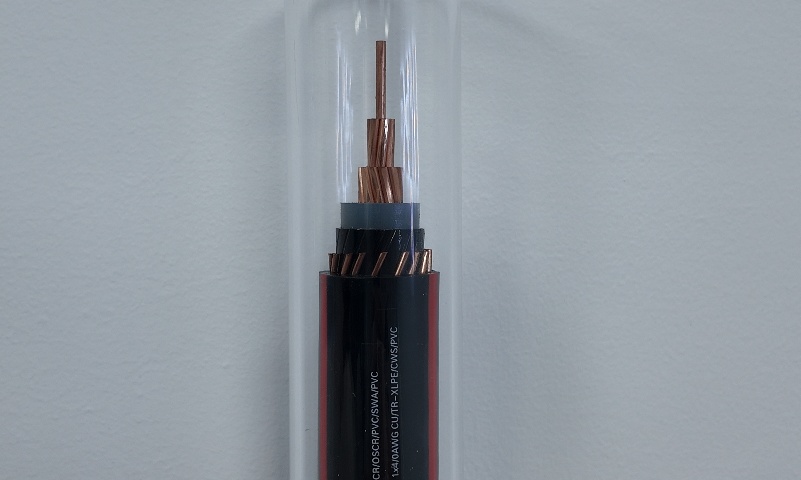
Quadruplex URD Cable
The Quadruplex URD Cable is a robust 600V underground residential distribution cable designed for efficient service entrance and secondary power delivery. It consists of four insulated AA8000 aluminum alloy phase conductors and a concentric neutral, all protected by a tough black polyethylene sheath. The quadruplex configuration provides a compact yet high-capacity solution for direct burial applications, offering excellent electrical balance and mechanical strength. Manufactured with XLPE insulation, this cable delivers superior electrical properties, moisture resistance, and long-term durability. Lightweight and cost-effective compared to copper alternatives, the Quadruplex URD Cable meets UL 854, ICEA, and ASTM standards. It undergoes rigorous quality testing from raw materials to finished product, ensuring consistent performance in demanding underground environments.
2 Cockle Aluminum Conductor Triplex Overhead Service Drop Cable
The 2-2-4 Cockle Aluminum Conductor Triplex Overhead Service Drop Cable is engineered for efficient overhead power supply from utility poles to residential or commercial weatherheads. It consists of two concentric-lay-stranded 1350-H19 aluminum phase conductors (#2 AWG, 7-strand), black cross-linked polyethylene (XLPE) insulation for superior weather, UV, and thermal resistance, and a bare ACSR neutral messenger (#4 AWG, 6/1) providing mechanical strength and conductivity. Rated for 600 volts phase-to-phase at conductor temperatures up to 90°C (XLPE) or 75°C (Poly), it offers an allowable ampacity of approximately 150 amps (XLP). Compliant with ASTM B-230, B-231, B-232, B-399, and ICEA S-76-474 standards, this lightweight, flexible cable facilitates straightforward installation and ensures long-term reliability in harsh outdoor environments, including exposure to wind, ice, moisture, and temperature variations.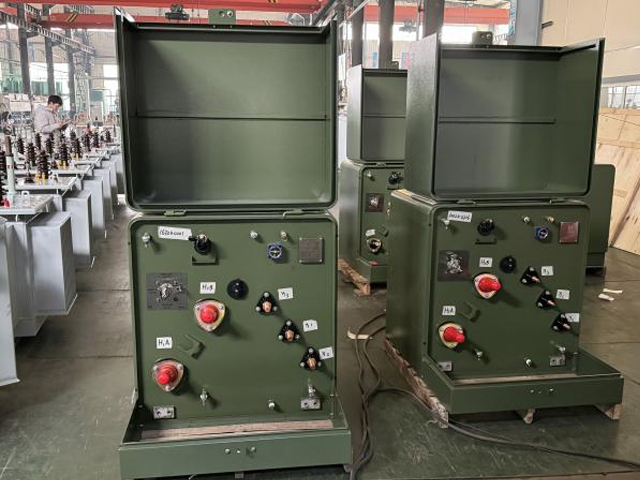
15kVA Conventional Type Single Phase Pole Mounted Transformer
NPC ELECTRIC has been focusing on the production of 15kVA Conventional Type Single Phase pole Mounted transformer for more than 20 years, which complies with IEC 60076, ANSI C57.12.20, EN 50464-1, ISO 9001 standards. NPC ELECTRIC'S transformer adopts oil-immersed self-cooling design, which can efficiently and stably convert high-voltage electricity into low-voltage electricity suitable for users. It is mainly used for power supply needs of rural areas, end of the power grid and small industrial users. Typical features include mineral oil insulation (ONAN cooling), aluminum or copper windings, primary voltages from 2.4kV to 34.5kV (e.g., 7200/12470GrdY, 7620/13200GrdY, 12470GrdY/7200, 24900GrdY/14400), secondary voltages 120/240V or 240/120V split-phase, BIL ratings 60-150kV on HV and 30kV on LV, impedance around 2-3.5%, ±2×2.5% taps, conventional or CSP (completely self-protected) configurations with internal fuses, arresters, and weak-link protection, pressure relief valve, oil sight gauge, and ANSI 70 gray tank finish.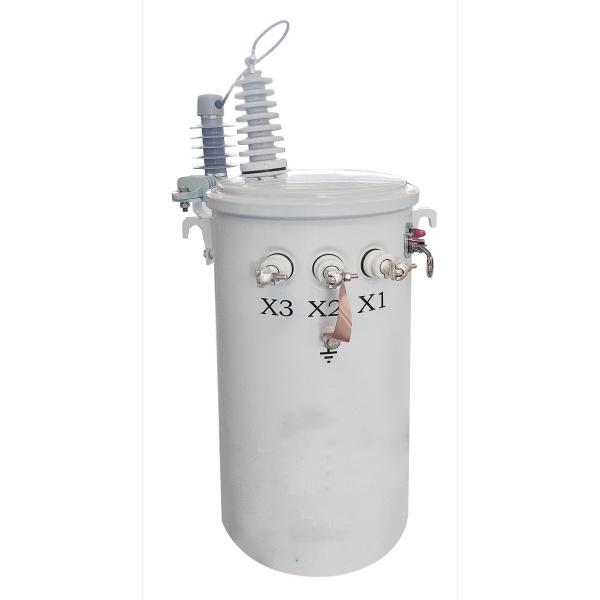
10kVA Completely Self-protected(CSP) Single Phase Pole Mounted Transformer
NPC ELECTRIC the production of 10 kVA Completely Self-Protected (CSP) single-phase overhead transformers, meticulously engineered to meet international standards such as IEEE C57.12.00, IEEE C57.12.20, DOE-2016 Efficiency, CSA C2.1, and CSA C2.2. The 10kVA fully self-protected (CSP) single-phase pole-mounted transformer is an efficient and reliable power equipment designed for small and medium-sized power needs. The transformer adopts advanced fully self-protection technology and has built-in overload, short-circuit and overvoltage protection functions to ensure that the transformer can automatically cut off power under abnormal conditions, avoid equipment damage and improve system safety. It has a simple design, is easy to install, saves space, and is suitable for all types of power distribution systems. This transformer is suitable for residential, commercial areas and small industrial places, providing stable single-phase power output.
300 kV 31.5MVA 40 MVA High Voltage Power Transformer
Unlock superior grid performance with the state-of-the-art 300 kV 31.5/40 MVA high voltage electrical power transformer, tailored for efficient voltage conversion in expansive transmission networks. This robust, three-phase design operates with ONAN cooling at 31.5 MVA and escalates to ONAF at 40 MVA, incorporating cutting-edge biodegradable ester insulation fluids for enhanced fire safety and environmental sustainability as per 2025 regulations. Built with high-grade grain-oriented silicon steel cores to achieve efficiency rates exceeding 98%, it reduces no-load losses and supports seamless integration with HVDC systems and renewable energy hubs. Advanced features include IoT-enabled Sensformer-like monitoring for real-time diagnostics, predictive analytics to prevent downtime, and compliance with updated IEC 60076-2025 and IEEE C57.12.00 standards for superior dielectric strength and thermal resilience. Ideal for harsh operational settings, its modular construction allows for quick field repairs, while anti-vibration mountings ensure low noise levels under 55 dB, making it perfect for proximity to populated areas.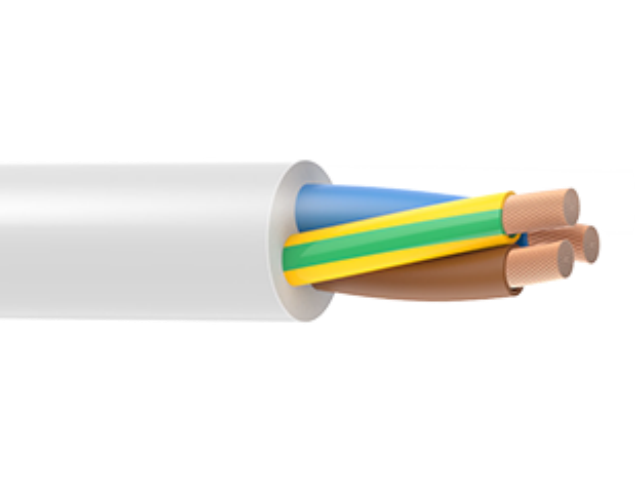
H05VV-F
H05VV-F wires from NPC Electric are flexible PVC insulated and sheathed cables designed for light-duty power connections in household and commercial electrical equipment. Featuring finely stranded copper conductors, these wires provide excellent flexibility, making them easy to install and suitable for applications involving frequent movement. The double PVC insulation structure offers reliable electrical protection, good mechanical strength, and resistance to abrasion, ensuring safe operation under normal indoor conditions. Manufactured in accordance with harmonized standards, NPC Electric H05VV-F wires deliver stable conductivity, consistent insulation thickness, and dependable performance. They are widely used where flexibility, safety, and ease of handling are essential, making them a practical choice for appliances, extension cords, and portable equipment.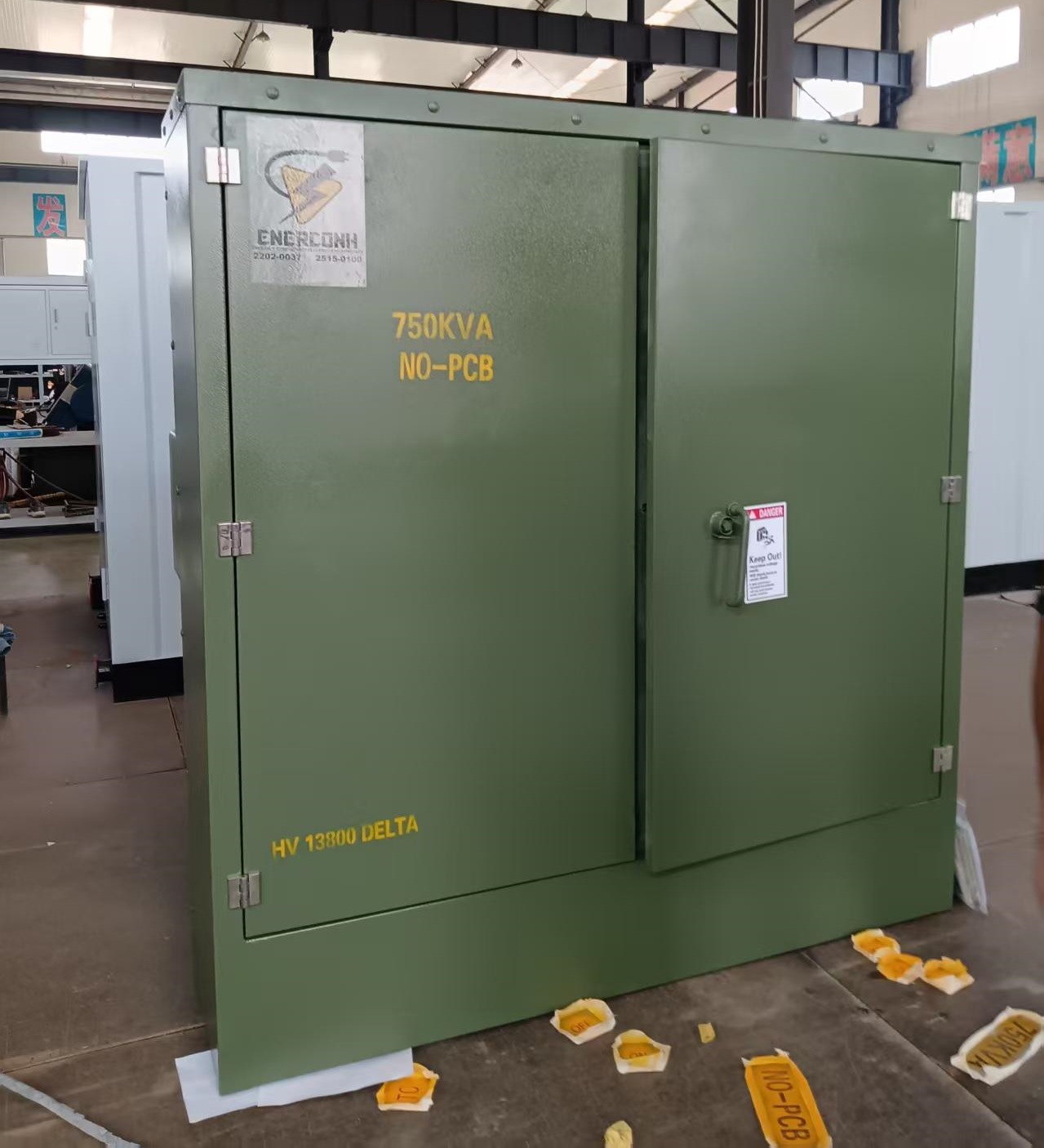
750kVA Radial Feed Pad Mounted transformer To Honduras
The 750kVA Radial Feed Pad Mounted Transformer is a high-capacity, three-phase, oil-immersed distribution transformer specifically configured for radial feed (single-source primary supply) applications. It is ideal for utility substations, commercial complexes, industrial sites, and large residential developments requiring dependable step-down from medium-voltage primary lines to low-voltage secondary service. Fully compliant with ANSI C57.12.00, IEEE C57.12.90, IEEE C57.12.34 (for pad-mounted compartmental-type transformers), IEC 60076, and DOE 2016 efficiency standards (aligned with 2029 amendments for reduced losses), this 750 kVA unit provides excellent energy efficiency (>99.2% typical), low no-load/load losses, robust overload capability, and long-term reliability in outdoor environments. Typical specifications include mineral oil or FR3 natural ester fluid (ONAN cooling), aluminum or copper windings, primary voltage 13.8kV (13800V Delta or 12470GrdY/7200 common for Latin America/Honduras compatibility), secondary 480Y/277V (or 208Y/120V, custom options), BIL 95kV HV / 30kV LV, impedance 5.75–7.0% (±7.5%), ±2×2.5% taps, radial-feed dead-front design with three high-voltage bushings (H1, H2, H3), bayonet fuses + partial-range current-limiting fuses, load-break switch (optional), lightning arresters, pressure relief valve, oil level/temperature gauges, and ANSI 70 gray (or Munsell green) finish. Low sound level (<60 dB), strong short-circuit withstand, and radial-feed configuration suit single-source underground or overhead feeds.Welcome your inquiry
Honesty, Integrity, Frugality, Activeness and Passion