


33kV 35kV Solar Power Transformer
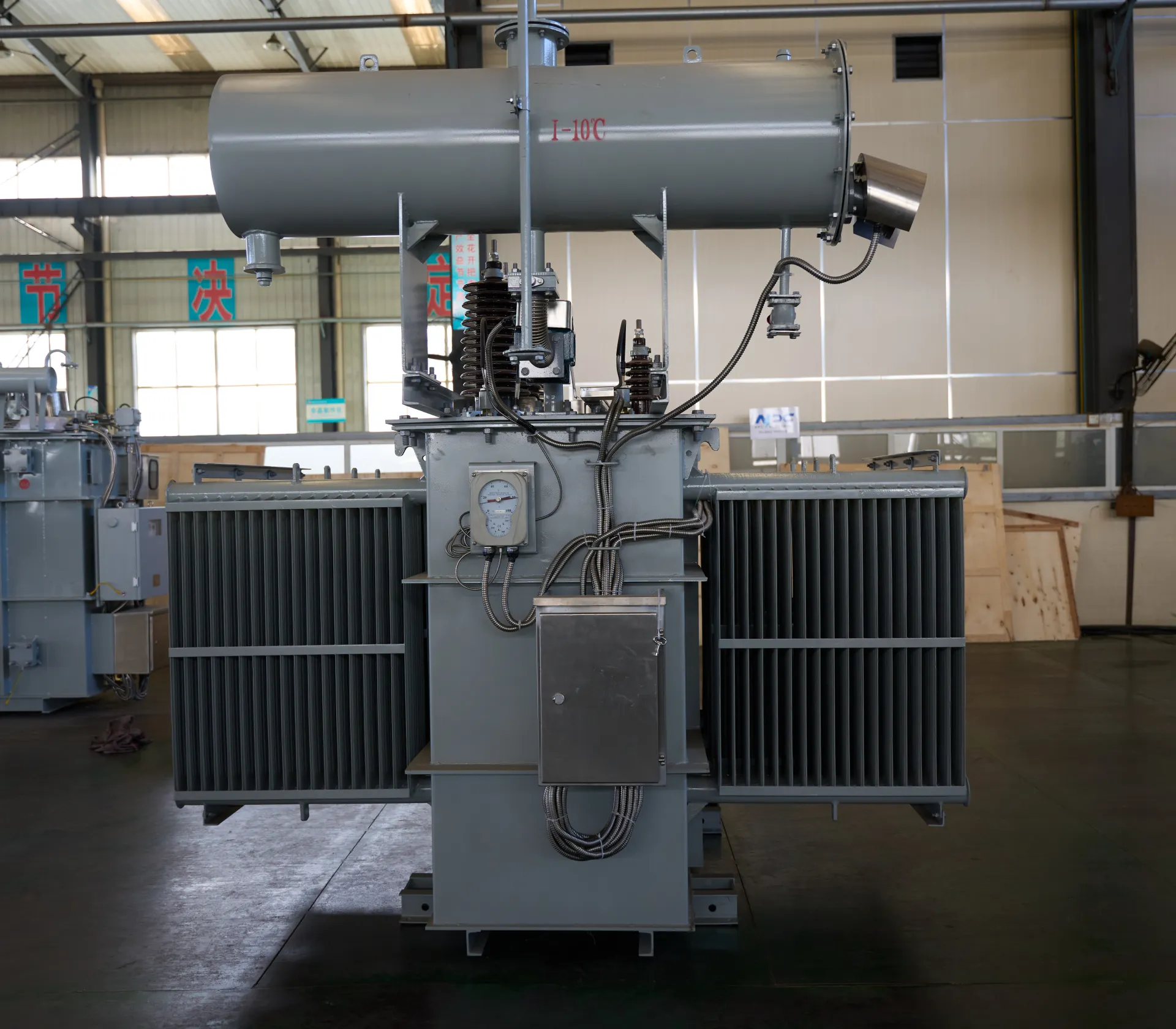
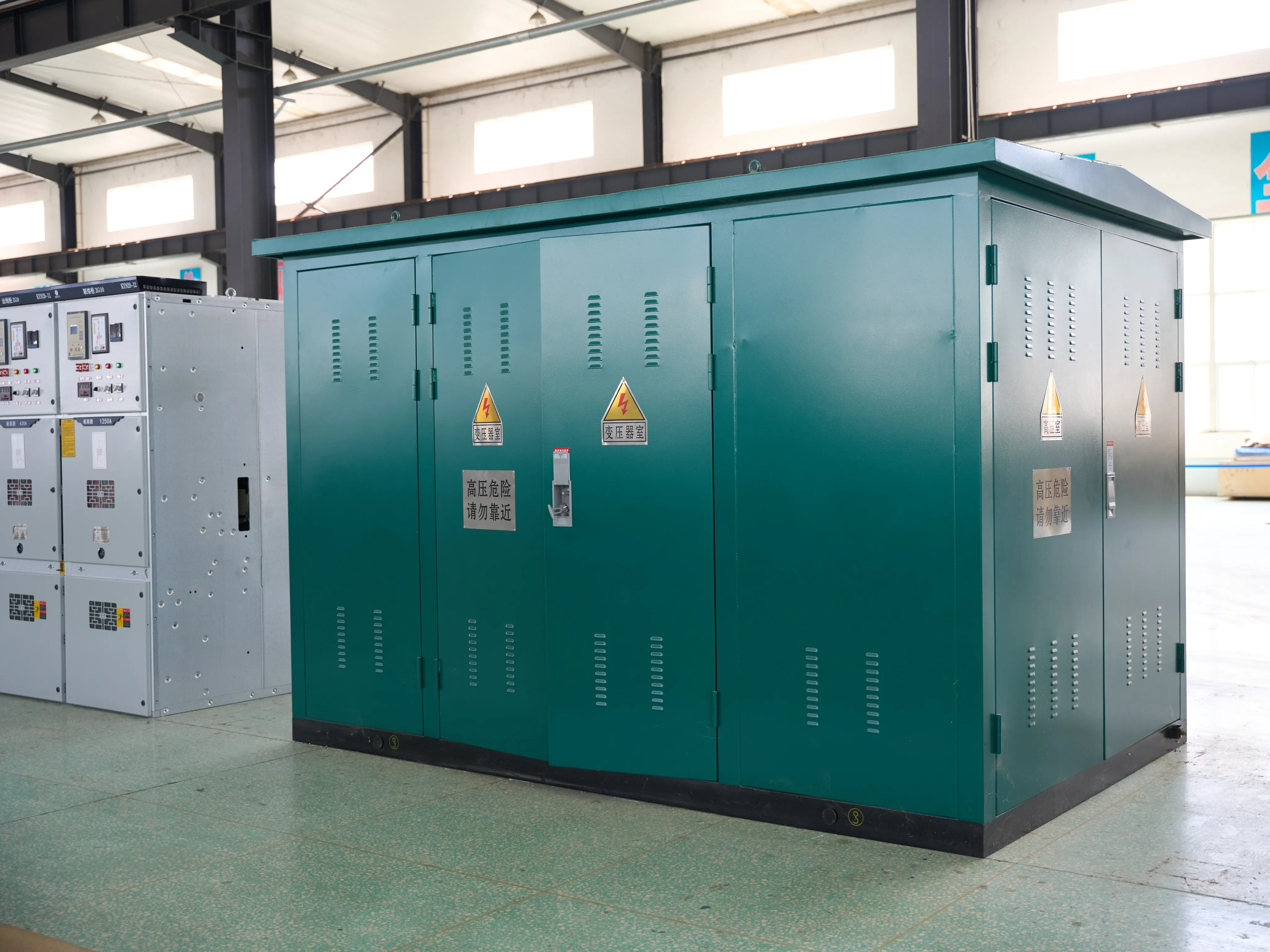
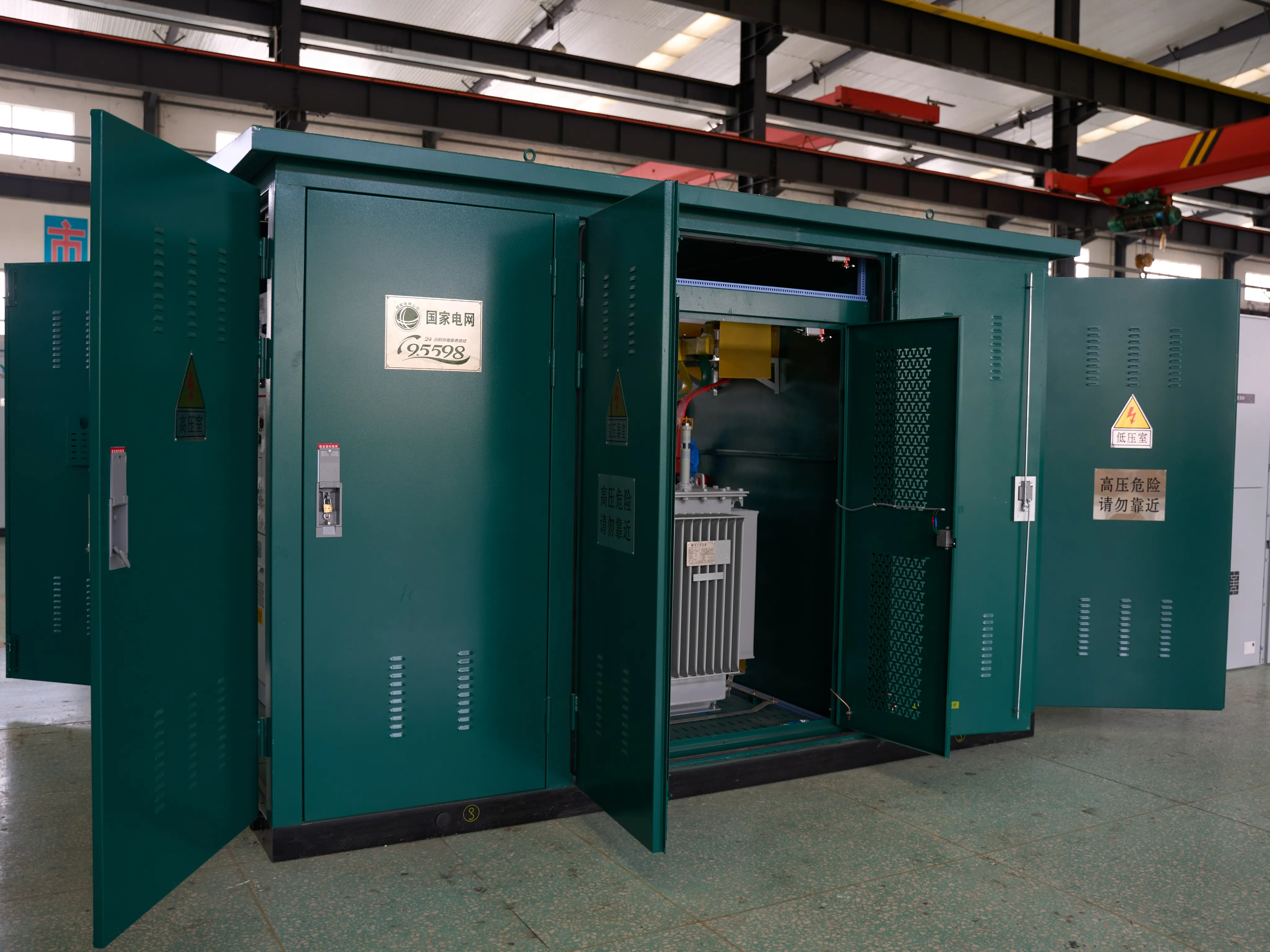
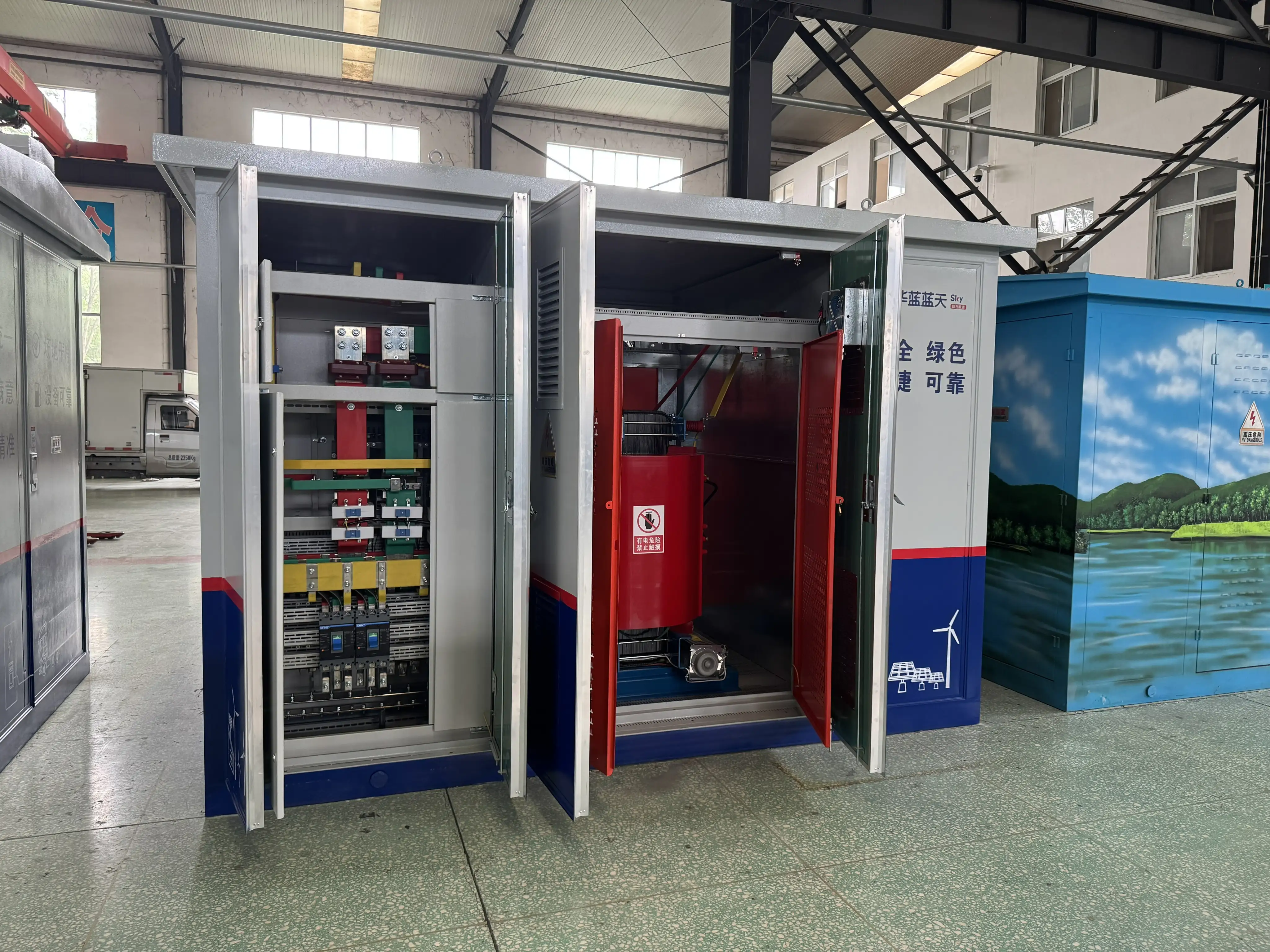
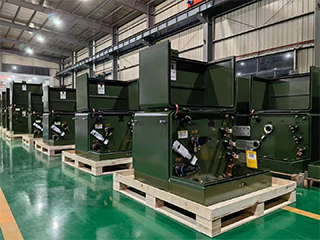
NPC Electric 33kV 35kV Solar Power Transformer is a specialized solution engineered to bridge the gap between solar inverters and the high-voltage utility grid. Unlike standard distribution units, these transformers are optimized to handle the pulsed DC-to-AC waveforms generated by modern PV inverters. Utilizing high-permeability magnetic cores and oxygen-free copper windings, they significantly reduce "No-Load" losses during non-sunlight hours, maximizing your project's Levelized Cost of Energy (LCOE). The robust tank design features enhanced heat dissipation fins, ensuring stable operation even under peak solar radiation in desert or tropical climates.
- Primary Voltage Ratings 10kV, 11kV, 20kV, 33kV, 35kV or others
- Secondary Voltage Ratings 0.315kV, 0.38kV, 0.48kV, 0.6kV, 0.69kV, 0.8kV or customized
- H.V. Tap Range ± 2×2.5% HV taps or others
- Type Solar Step-up Transformer
- BIL 30/200kV, 30/170kV, 30/150, 30/95 or others
- Standards IEEE, ANSI, NEMA, IEC, GB
- Application industrial power systems, providing safe and reliable grid synchronization.
- Power Rating 1000kVA / 1250kVA / 1600kVA / 2500kVA / 3150kVA
- Certificate UL ,CESI
- Cooling Method ONAN, KNAN
- Opeartion Step-up
Technical Specifications
Customization Optional
Packing and Shipping
Manufacturer Test
Routine Testing
Application
Technical Specifications
33kV 35kV Solar Power Transformer
Technical Specifications
Accessories
| Rated Power | 1000kVA / 1250kVA / 1600kVA / 2500kVA / 3150kVA | |
| Rating Primary Voltage | 10kV, 11kV, 20kV, 33kV, 35kV or others | |
| Secondary Voltage | Customized | |
| Frequency | 50/60Hz | |
| Vector Group | Dyn11,Ynd11,Dyn11yn11,YNd11d11 | |
| Winding Material | Aluminum/Copper | |
| Zero-Sequence Impedance | Customized | |
| Altitude | ≤1,000m or Customized | |
| Color | ANSI 70 Light gray/Munsell 7GY3.29/1.5 or customized etc | |
| Tank material | Mild Steel, 304 Stainless Steel | |
| HV Bushing |
| LV Bushing |
| Tap changer |
| Oil level gauge |
| Oil temperature indicator |
| Pressure relief device |
| CT |
| Lifting hook for complete transformer |
| Name plate |
| Radiators |
| Oil upper filtering valve |
| Oil drain valve with 3/8" sampler |
| Terminal box |
Customization Optional
33kV 35kV Solar Power Transformer
We provide deep-level technical customization to align with specific regional grid codes and inverter brands (such as Sungrow, Huawei, or SMA). Customers can specify precise voltage ratios—for example, stepping up from a unique inverter output of $630\text{V}$ or $800\text{V}$ to medium voltage levels ($11\text{kV}$ to $38.5\text{kV}$). Beyond electrical ratings, we offer a choice of insulation fluids, including high-flashpoint vegetable oils for environmentally sensitive areas or standard mineral oil for cost-effective industrial performance. Vector groups like $Dyn11$, $Ynd11$, or dual-split windings are available to support various grounding strategies and harmonic mitigation needs.
On the structural and environmental front, we offer modular integration services. This includes the addition of integrated LV/MV switchgear cabinets, smart monitoring sensors for real-time oil temperature and pressure tracking via RS485 or Fiber Optics, and custom enclosure ratings from IP54 to IP66. For projects in high-salinity coastal zones or high-altitude regions ($>2000\text{m}$), we provide specialized C5-M anti-corrosion coatings and enhanced bushing creepage distances. Every unit can be branded with your project-specific labeling and color schemes to maintain a professional site aesthetic.
Packing and Shipping
33kV 35kV Solar Power Transformer
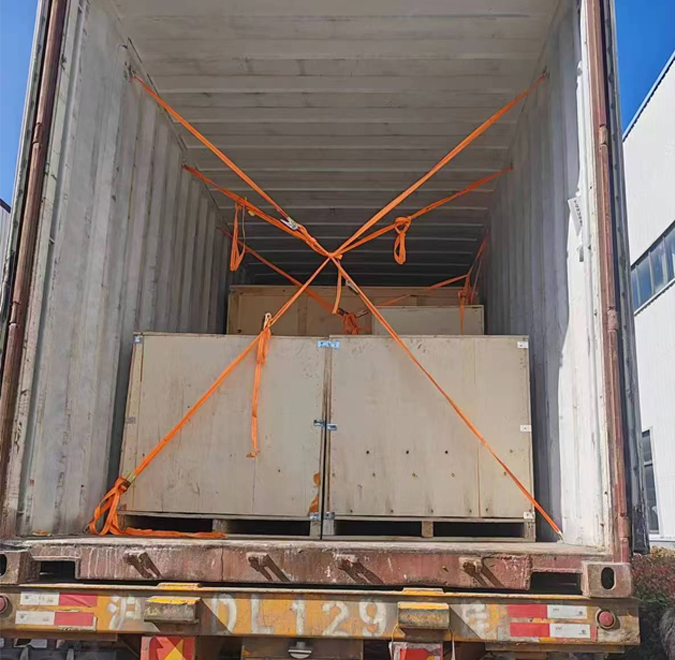
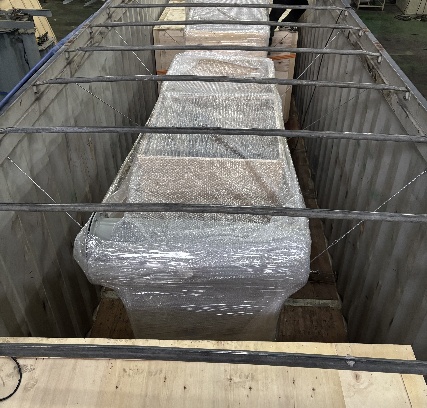
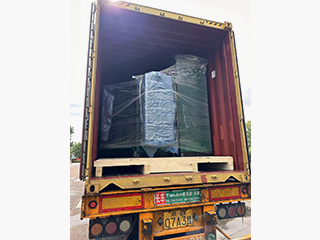
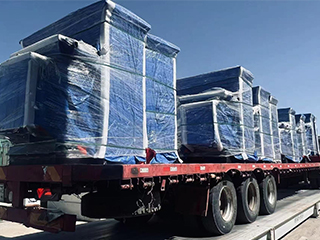
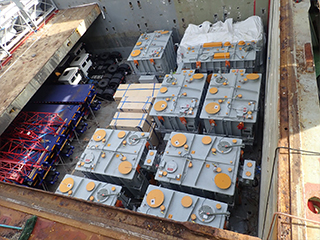
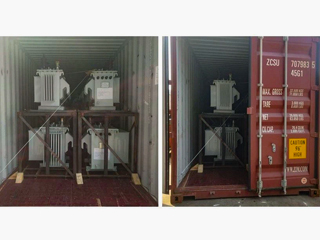
NPC Electric logistics protocol is designed to eliminate the risks of international transit. Each transformer undergoes a scientific preservation process before leaving the facility. We apply a specialized VCI (Volatile Corrosion Inhibitor) film to all exposed copper terminals and bushings to prevent oxidation during sea voyages. The main tank is vacuum-sealed in heavy-duty 6-mil polyethylene sheeting, with industrial-grade desiccant packets placed inside the secondary protection layer to maintain a zero-humidity environment.
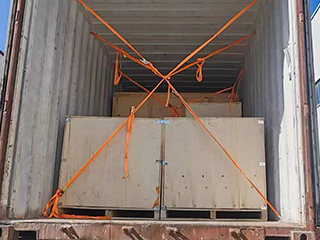
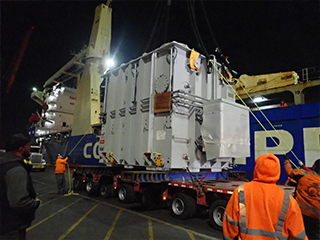
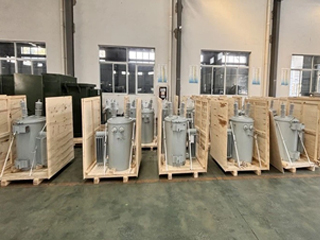
For mechanical stability, we utilize heavy-duty, heat-treated (ISPM-15 compliant) timber or steel skids. The transformer is anchored using high-tensile steel tensioners that distribute the weight evenly, preventing any internal core shifting during crane maneuvers. For larger units, the radiators and conservator tanks may be disassembled and packed in reinforced plywood crates to reduce the shipping volume and minimize the risk of impact damage to the cooling fins. Each crate is marked with international handling symbols and center-of-gravity indicators.
We incorporate real-time monitoring technology into our shipping. Every high-value shipment is equipped with dual-axis shock recorders and "Tilt-Watch" indicators. This provides a verifiable data log of the physical forces the transformer encountered during its journey. Our logistics team coordinates with Tier-1 freight forwarders to manage the "last mile" delivery, ensuring that the specialized flat-bed trailers or low-loaders used for site delivery are equipped with appropriate hydraulic lifting equipment to facilitate a safe offloading process at the solar farm.
Finally, we manage all export documentation and compliance. This includes providing detailed Packing Lists, Commercial Invoices with correct HS Codes for solar infrastructure, and Certificates of Conformity (CE, UL, or IEEE) required for customs clearance. We offer flexible Incoterms (CIF, DDP, or FOB) and provide comprehensive transit insurance. By synchronizing our production schedule with vessel departures, we ensure that your transformers arrive on-site precisely when the civil works are ready for installation, avoiding unnecessary storage fees at the port.
For mechanical stability, we utilize heavy-duty, heat-treated (ISPM-15 compliant) timber or steel skids. The transformer is anchored using high-tensile steel tensioners that distribute the weight evenly, preventing any internal core shifting during crane maneuvers. For larger units, the radiators and conservator tanks may be disassembled and packed in reinforced plywood crates to reduce the shipping volume and minimize the risk of impact damage to the cooling fins. Each crate is marked with international handling symbols and center-of-gravity indicators.
We incorporate real-time monitoring technology into our shipping. Every high-value shipment is equipped with dual-axis shock recorders and "Tilt-Watch" indicators. This provides a verifiable data log of the physical forces the transformer encountered during its journey. Our logistics team coordinates with Tier-1 freight forwarders to manage the "last mile" delivery, ensuring that the specialized flat-bed trailers or low-loaders used for site delivery are equipped with appropriate hydraulic lifting equipment to facilitate a safe offloading process at the solar farm.
Finally, we manage all export documentation and compliance. This includes providing detailed Packing Lists, Commercial Invoices with correct HS Codes for solar infrastructure, and Certificates of Conformity (CE, UL, or IEEE) required for customs clearance. We offer flexible Incoterms (CIF, DDP, or FOB) and provide comprehensive transit insurance. By synchronizing our production schedule with vessel departures, we ensure that your transformers arrive on-site precisely when the civil works are ready for installation, avoiding unnecessary storage fees at the port.
32
32 years of industry experience
Manufacturer Test
33kV 35kV Solar Power Transformer
Progress Test
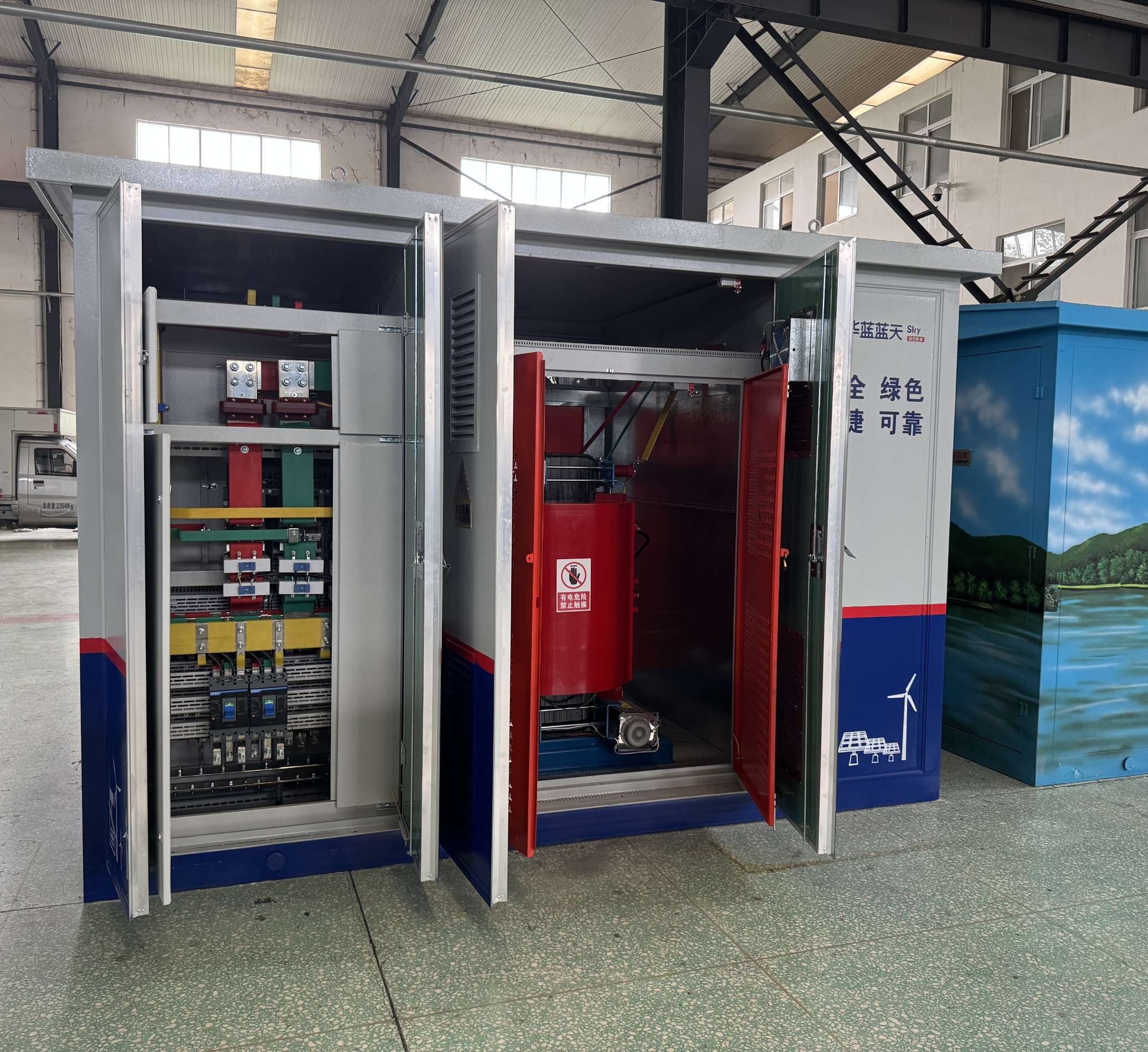
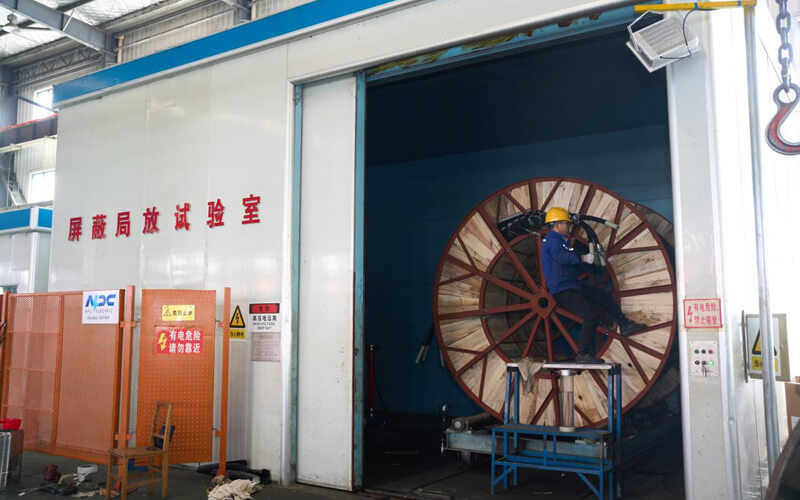
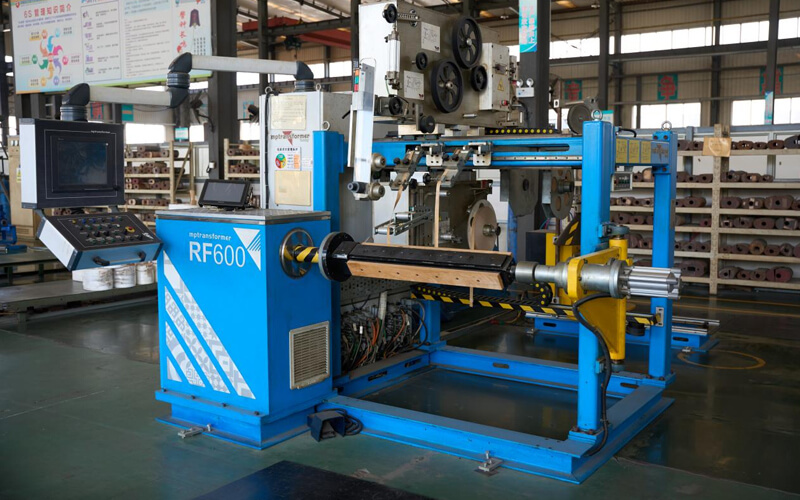
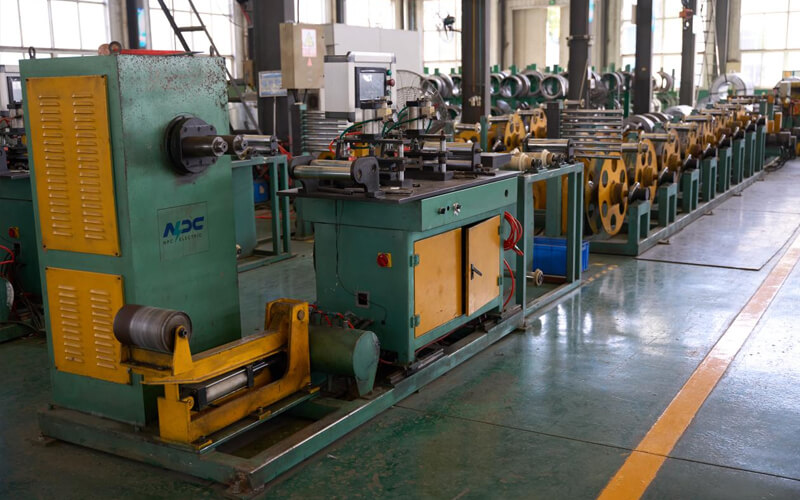
A structured progress test plan ensures traceability and process control during transformer manufacturing. After winding completion, resistance balance and polarity checks are carried out to confirm electrical consistency. Mechanical alignment and clamping force inspections validate structural stability. Before tank sealing, preliminary dielectric tests and oil quality analysis are performed to confirm insulation readiness. Progress testing documentation provides customers with transparent insight into production status, reinforcing confidence in product reliability before final acceptance testing. During manufacturing, the 33kV / 35kV Solar Power Transformer is subjected to structured progress tests to ensure quality control throughout production. Core stacking inspections verify magnetic circuit accuracy and loss control, while winding process checks confirm conductor alignment and insulation consistency. Intermediate electrical tests, including insulation resistance measurement and turns ratio verification, are carried out to ensure the 33kV / 35kV solar power transformer meets design requirements prior to final assembly.
Design Tests
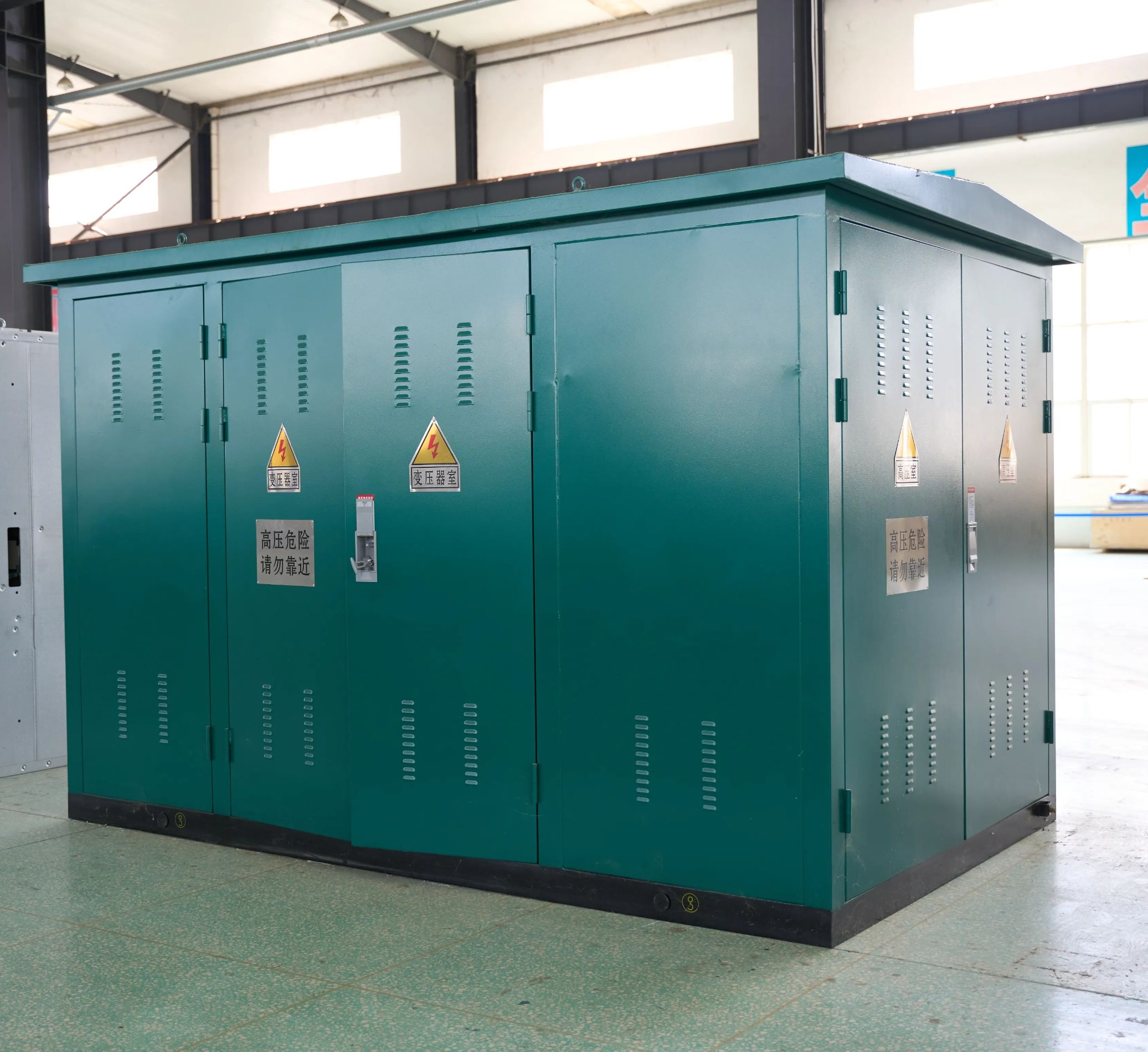
All transformers will be tested after finishing the production, test items as follows:
♦ Insulation Power Factor
♦ Winding Resistance
♦ Impulse Tests
♦ On load Loss Test
♦ No Load Loss Test
♦ Leak Test
♦ DC Insulation Resistance Test
♦ Transformer Turns Ratio/TTR (All Tap Voltages)
♦ Impedance Voltage & Load Loss (Rated Voltage)
♦ Excitation & No-Load Loss (Rated Voltage)
♦ Applied Voltage
♦ Induced Voltage
♦ Lightning Impulse
♦ Insulation Resistance (Rated Voltage)
♦ Temperature Rise
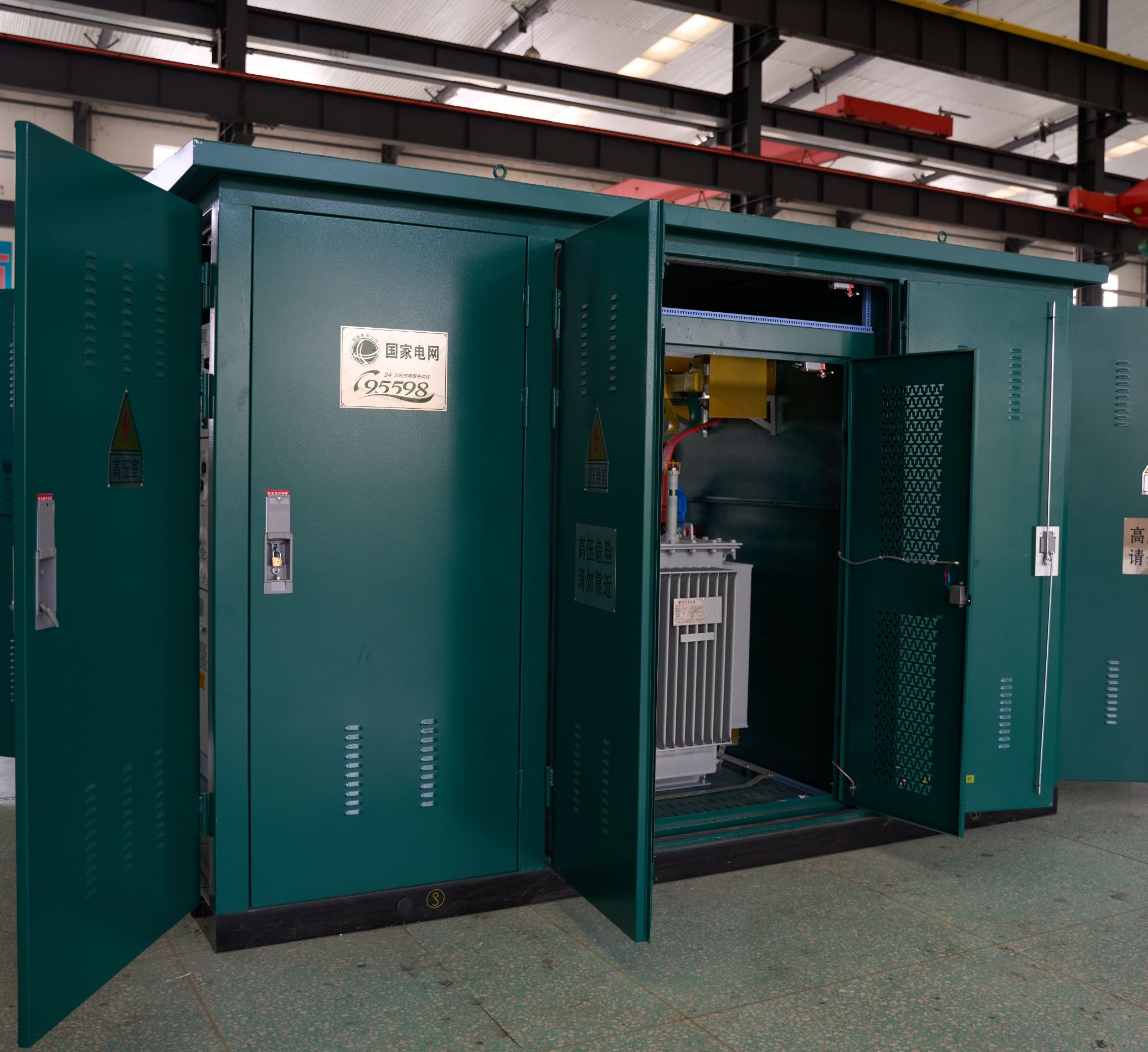
Transformer Factory Acceptance Test
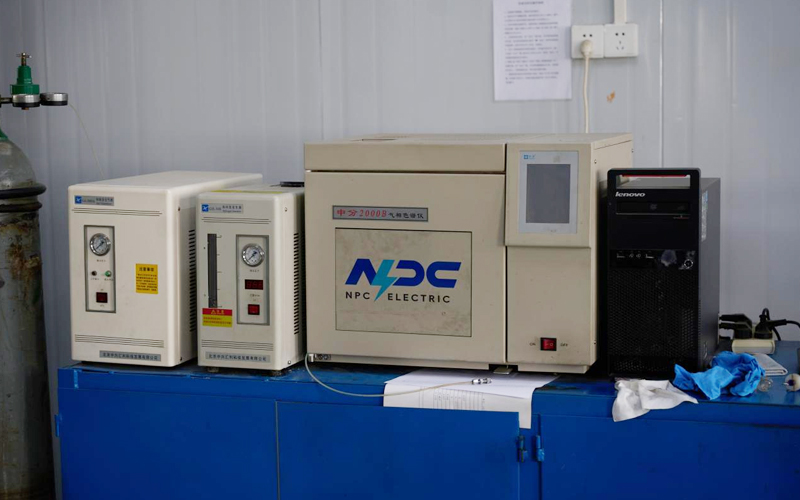
Factory Acceptance Testing verifies that the finished transformer complies with contractual and technical specifications. Routine tests include winding resistance measurement, ratio verification, vector group confirmation, and no-load and load loss testing. These evaluations confirm electrical accuracy and efficiency performance. Insulation tests, such as applied voltage and induced voltage withstand tests validate dielectric strength under simulated operating conditions. Oil samples are analyzed for breakdown voltage and moisture content. All FAT procedures follow recognized IEC or IEEE standards and are witnessed or documented according to customer requirements. The Factory Acceptance Test for the 33kV / 35kV Solar Power Transformer is conducted in accordance with IEC and relevant renewable energy standards. Test items include winding resistance measurement, voltage ratio and vector group verification, applied voltage withstand testing, and insulation power factor measurement. These tests confirm the electrical safety and functional accuracy of the solar power transformer before shipment.
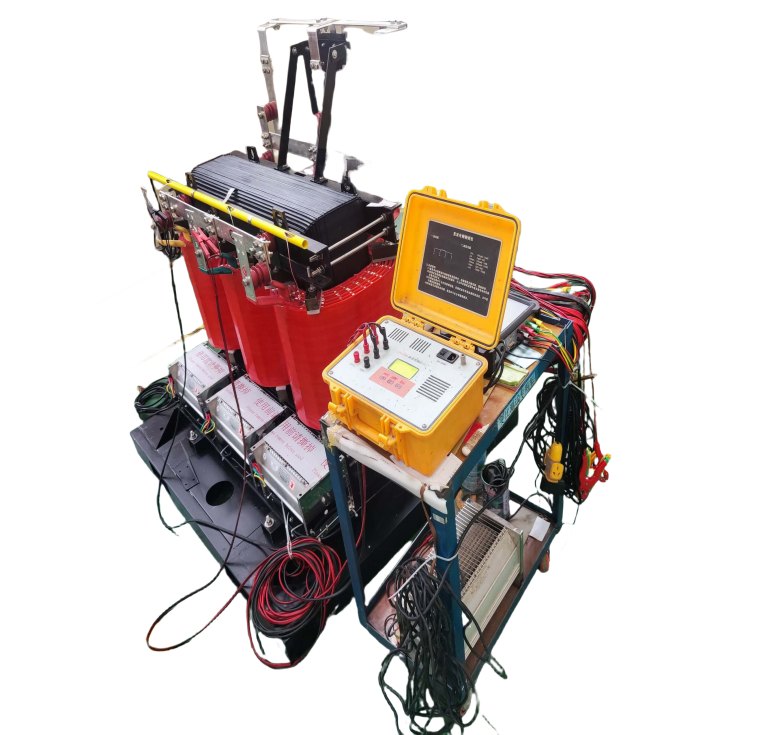
Routine Test - Excitation & No-Load Loss (Rated Voltage)
Purpose of Testing
The purpose of testing Excitation & No-Load Loss at rated voltage is to assess the transformer's core loss and magnetizing current under normal operating conditions, ensuring efficient performance and identifying any potential issues in the core or windings. This test helps verify that the transformer operates within specified parameters and meets its design requirements.
Testing Equipment
Test equipment: Excitation Test instrument (such as OMICRON, Megger, etc.)
Voltage source: usually rated voltage (such as 230V, 400V, 660V, customized according to equipment requirements)
Temperature and humidity meter: used to record ambient temperature and humidity conditions
Voltage source: usually rated voltage (such as 230V, 400V, 660V, customized according to equipment requirements)
Temperature and humidity meter: used to record ambient temperature and humidity conditions
Pre-Test Preparation
Disconnect and make sure the device is powered off and properly grounded and discharged.
Check the device terminals and wiring to ensure that the connection is secure and not loose or contaminated.
Ensure the test environment is suitable: relative humidity below 75%, no rain, and recommended temperature is 20-30°C.
Check the device terminals and wiring to ensure that the connection is secure and not loose or contaminated.
Ensure the test environment is suitable: relative humidity below 75%, no rain, and recommended temperature is 20-30°C.
Test Progress
Connect the Test Instrument:
Connect the test equipment to the appropriate terminals of the device under test and ensure that all connection points are properly grounded to avoid current leakage during the test.
Apply Test Voltage:
Select a suitable test voltage according to the rated voltage of the equipment (for example, the rated voltage is 11kV, 33kV or others), and ensure that the applied voltage is stable.
Connect the test equipment to the appropriate terminals of the device under test and ensure that all connection points are properly grounded to avoid current leakage during the test.
Apply Test Voltage:
Select a suitable test voltage according to the rated voltage of the equipment (for example, the rated voltage is 11kV, 33kV or others), and ensure that the applied voltage is stable.
Measure and Record
No-load current
No-load loss
Excitation loss
Power factor
Voltage
Current
Ambient temperature and humidity during testing
No-load loss
Excitation loss
Power factor
Voltage
Current
Ambient temperature and humidity during testing
Temperature Correction
The measured loss values and currents are corrected to a reference temperature (typically 20°C) for an accurate evaluation.
Repeat Testing (if necessary)
If necessary, measure the no-load loss and excitation loss of different windings (high voltage, medium voltage, low voltage) and at different voltage levels for comparative analysis.
Evaluation Criteria (Reference)
No-load loss ≤ rated loss (meets specifications)
No-load loss > rated loss (further inspection or corrective action required)
No-load loss > rated loss (further inspection or corrective action required)
*These comprehensive tests ensure that each transformer meets performance standards and operates
reliably under various conditions.
Application
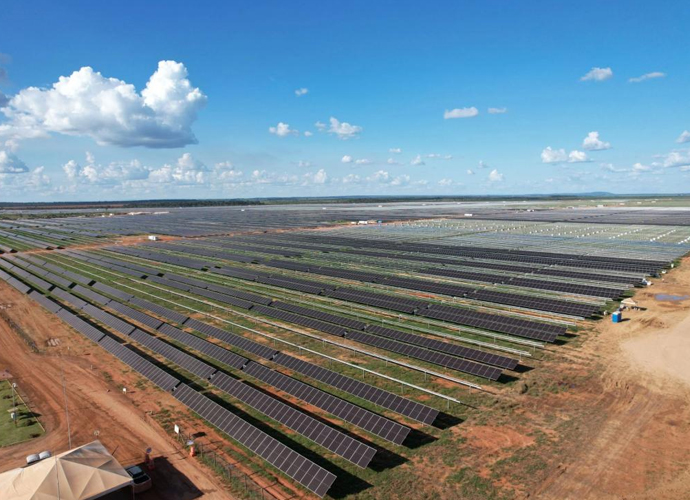
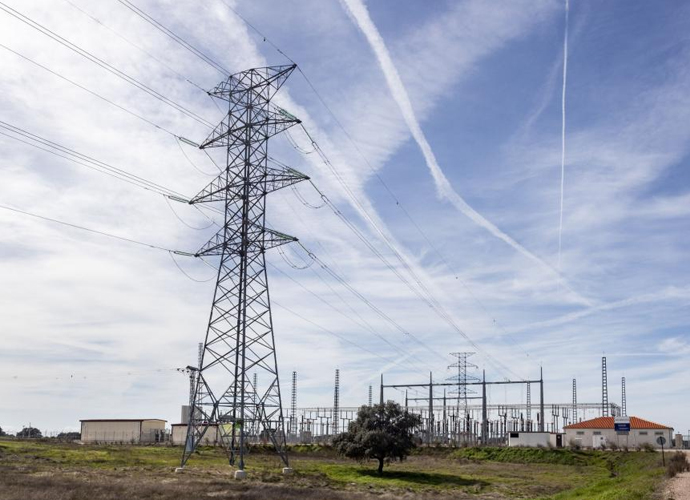
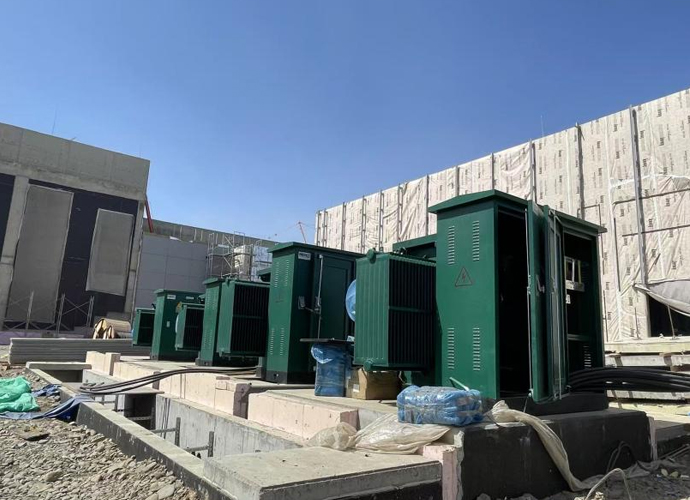
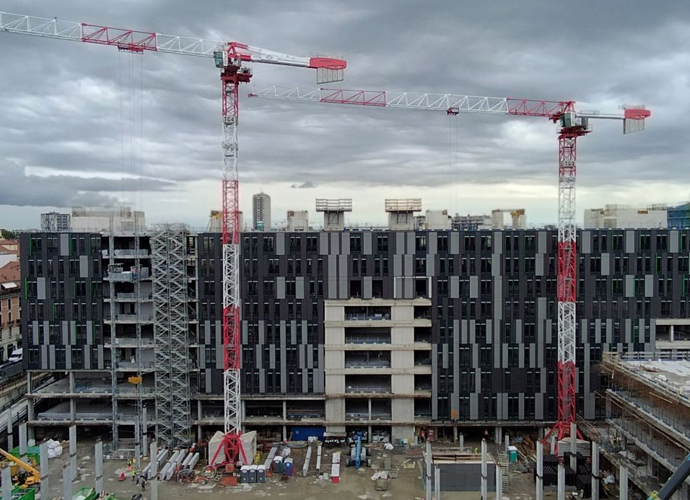
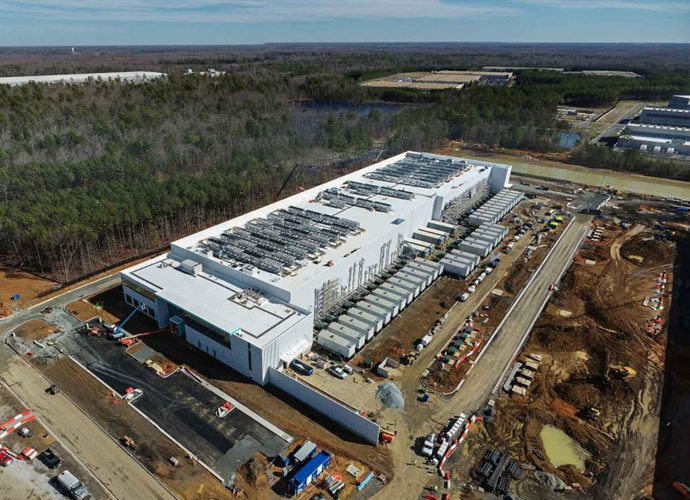
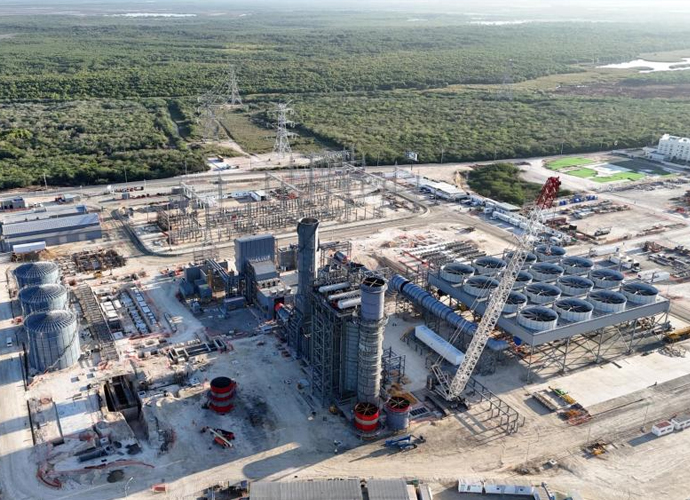
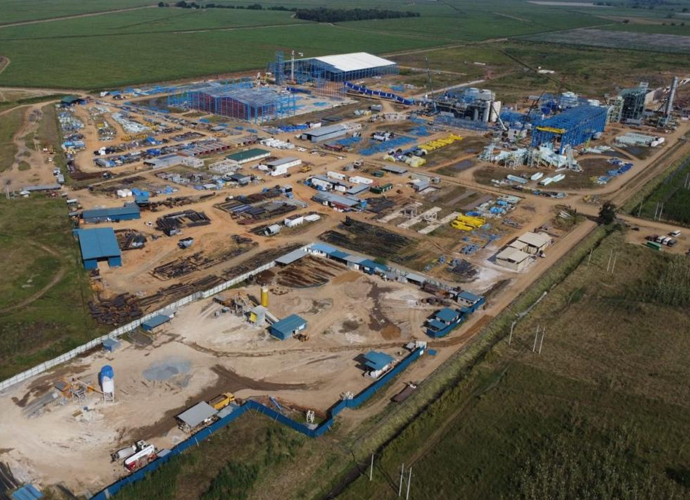
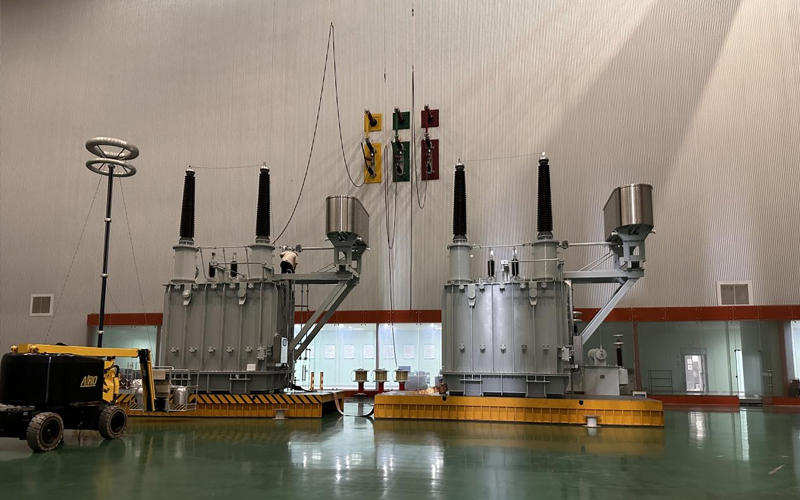
NPC Electric transformers are the primary link in massive 100MW+ solar parks, stepping up power from centralized inverters for long-distance transmission to the main grid substation, ensuring ultra-low transmission losses.

Technical Advantages
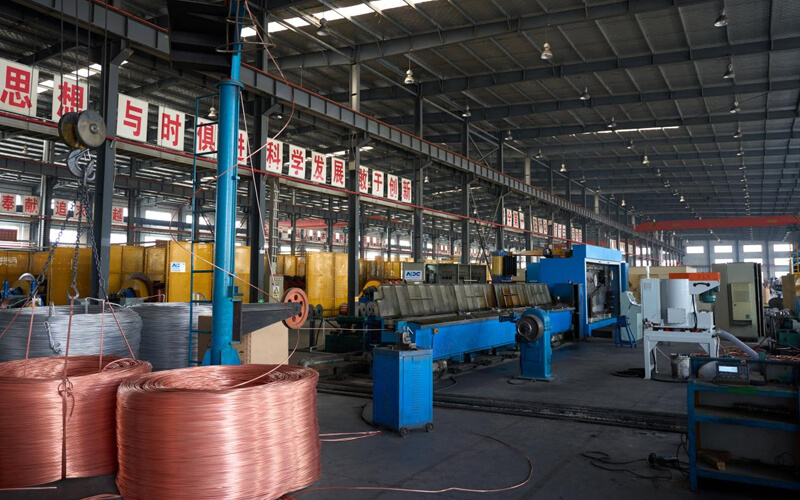
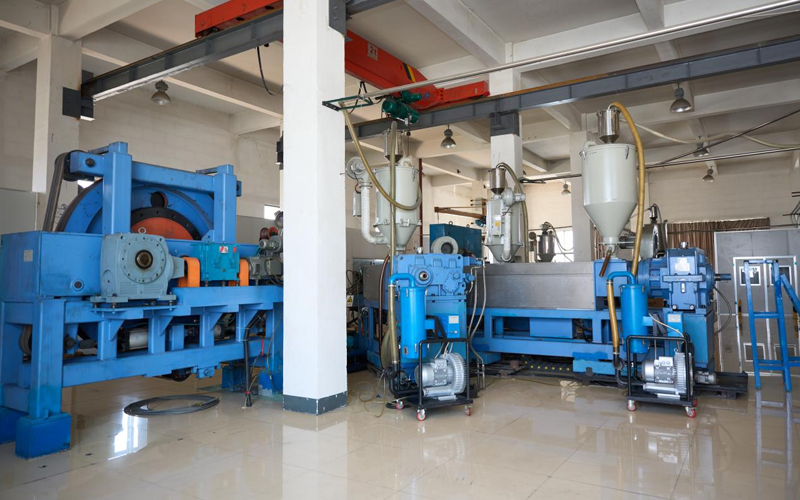
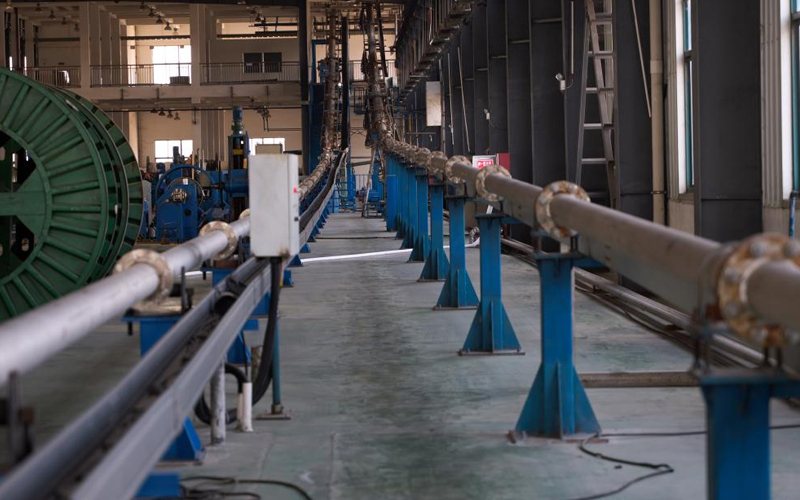
● 30+ years of manufacturing experience
● ISO and UL certified production
● Customized cable and transformer solutions
Product Packaging
Transformers Packaging (1)
Transformers Packaging (2)
Transformers Packaging (3)
Transformers Packaging (4)
Transformers Packaging (5)
Transformers Packaging (6)
Transformers Packaging (7)
Transformers Packaging (8)
Related Products
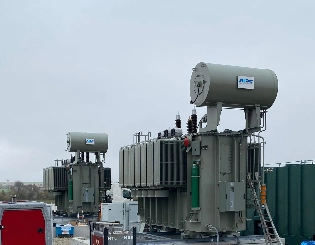
220kV 230kV Power Transformer
The 220kV / 230kV Power Transformer is an extra-high-voltage, oil-immersed, three-phase power transformer engineered for backbone transmission networks, major utility substations, large-scale renewable energy integration, heavy industrial corridors, and cross-border grid interconnections. Typical specifications include mineral oil or FR3 natural ester insulation (ONAN/ONAF/ODAF/OFWF cooling configurations), high-conductivity copper windings (aluminum optional), primary voltages 220kV or 230kV (grounded wye/delta, dual-voltage or multi-tap options), secondary voltages 35kV, 66kV, 110kV, 132kV, 138kV or custom (e.g., 230kV/115kV, 220kV/35kV, 230kV/13.8kV step-down), BIL ratings 950–1050kV (up to 1175kV for ultra-high lightning areas), impedance 10–18% (tolerances ±7.5%), ±8×1.25% or ±10×1.25% off-load tap changer (OLTC ±16–25% range common), conservator with bladder or sealed tank, Buchholz relay, sudden pressure relay, oil/winding temperature indicators (OTI/WTI), fiber-optic hot-spot sensors, partial discharge monitoring, pressure relief device, and ANSI 61 gray or custom tank finish.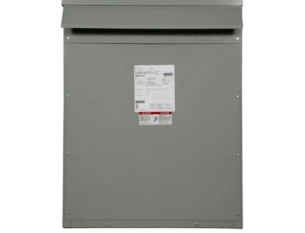
Single Phase Isolation Transformer
The Single Phase Isolation Transformer is a specialized power transformer designed to provide complete electrical isolation between the primary and secondary circuits while ensuring safe and efficient power transmission. By eliminating direct conductive paths between input and output power sources, the transformer effectively suppresses electrical noise, reduces common-mode interference, minimizes transient voltage disturbances, and enhances operational safety for connected equipment. This makes it an ideal solution for sensitive electronic devices, industrial control systems, laboratory instruments, medical equipment, and commercial power applications. Constructed with premium-grade CRGO silicon steel cores and precision-wound copper or aluminum conductors, the Single Phase Isolation Transformer offers exceptional efficiency, low losses, and stable voltage regulation. Its robust insulation system enhances dielectric strength and provides reliable protection against electrical faults and grounding issues. The transformer is available in a wide range of voltage ratings and capacities, making it suitable for both standard and customized electrical distribution requirements. Designed for long-term performance and minimal maintenance, the Single Phase Isolation Transformer can be integrated into industrial automation systems, telecommunications networks, data processing facilities, and specialized power conditioning applications.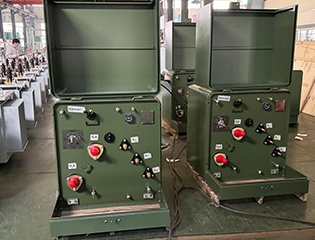
75kVA Single Phase Pad Mounted transformer
The 75kVA single phase pad mounted transformer is designed for medium-capacity underground residential and light commercial distribution, transforming primary voltages such as 12470GrdY/7200, 24940GrdY/14400, 34500GrdY/19920, or dual-voltage setups to secondary 120/240V split-phase or 240V. The compartmental dead-front enclosure with tamper-resistant doors, mineral oil insulation, and ONAN cooling supports a 65°C temperature rise for dependable performance under residential peak demands.
7500kVA Dry Type Transformer
7500kVA Dry Type Transformer is a high-capacity, reliable power solution designed for large-scale industrial and commercial applications. With a robust 7500kVA rating, it incorporates advanced dry-type insulation technology, ensuring enhanced safety, minimal maintenance, and exceptional durability. Engineered for demanding environments, this transformer delivers stable, efficient, and low-noise operation while reducing environmental impact. The NPC ELECTRIC 7500kVA Dry Type Transformer is the ideal choice for high-power applications, providing secure and continuous power distribution for critical infrastructure. Typical attributes encompass three-phase construction, primary voltages 208V–600V (e.g., 480V Delta, 600V Delta), secondary voltages such as 208Y/120V, 480Y/277V, or custom, aluminum or copper windings, 150°C rise (standard) or 115°C/80°C with 220°C insulation class, ±2×2.5% primary taps, NEMA 1 ventilated enclosure (NEMA 3R/encapsulated options), natural convection cooling (AN), electrostatic shielding, and low sound levels per NEMA.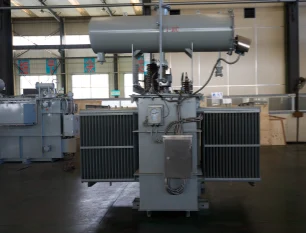
37kV 10000kVA(10MVA) Three Phase Duplex Winding Oil Immersed Power Transformer
The 37kV 10000kVA (10MVA) Three Phase Duplex Winding Oil Immersed Power Transformer is designed for high-reliability medium-voltage distribution and industrial applications. Featuring 99.95% electrolytic copper duplex windings, advanced ONAN/ONAF cooling, and ±8×1.25% on-load tap changer (optional), it delivers ultra-low no-load and load losses (S11/S13 series). Fully compliant with IEC 60076, GB/T 1094, and ANSI/IEEE standards, it withstands 170–200 kV lightning impulse and PD <10 pC. Corrugated tank or detachable radiator design ensures excellent heat dissipation and mechanical strength. Standard voltages 37±8×1.25%/11kV, 37/6.3kV or custom. Vacuum oil processing and nitrogen sealing guarantee 30+ years service life with minimal maintenance. Trusted by utilities, EPCs, and heavy industries worldwide.
315kVA Dry Type Transformer
The 315 kVA Cast Resin Dry Type Distribution Transformer 480V-208Y/120V, a robust, maintenance-free solution optimized for safe indoor power conversion in North American electrical systems. This three-phase dry-type transformer features premium copper windings fully encapsulated in high-grade epoxy resin under vacuum pressure, delivering exceptional moisture resistance, fire self-extinguishing performance (F1 class), and minimal partial discharge for long-term reliability. With premium low-loss grain-oriented silicon steel cores and natural air (AN) cooling, it achieves superior energy efficiency exceeding DOE 2016 minimums, often reaching 98%+ under typical loads, while maintaining low noise levels and Class F/H insulation for demanding environments. Compliant with IEC 60076-11, ANSI/IEEE C57.12.01, UL, and DOE standards, this compact unit steps down 480V Delta primary (with ±2×2.5% off-circuit taps) to 208Y/120V secondary, providing stable power for commercial, industrial, and institutional applications with zero oil hazards and eco-friendly operation.FAQ From Customers
-
What is a Transformer?A transformer is an electrical device used to change the voltage of alternating current (AC). It works on the principle of electromagnetic induction, converting high-voltage current into low-voltage current or low-voltage current into high-voltage current. Transformers are widely used in power transmission, distribution systems, and various electronic devices.
-
What are the main uses of a transformer?The main use of a transformer is voltage conversion. Transformers are used in power transmission systems to help transfer electricity from power plants to consumers. In addition, transformers are also used in electronic devices such as chargers, televisions, power adapters, etc., to adjust the voltage to meet the requirements of different devices.
-
Do you have UL listed?Yes, our transformer has UL listed. We have exported to America many pad mounted transformer,substation transformer and HV.
Welcome your inquiry
Honesty, Integrity, Frugality, Activeness and Passion