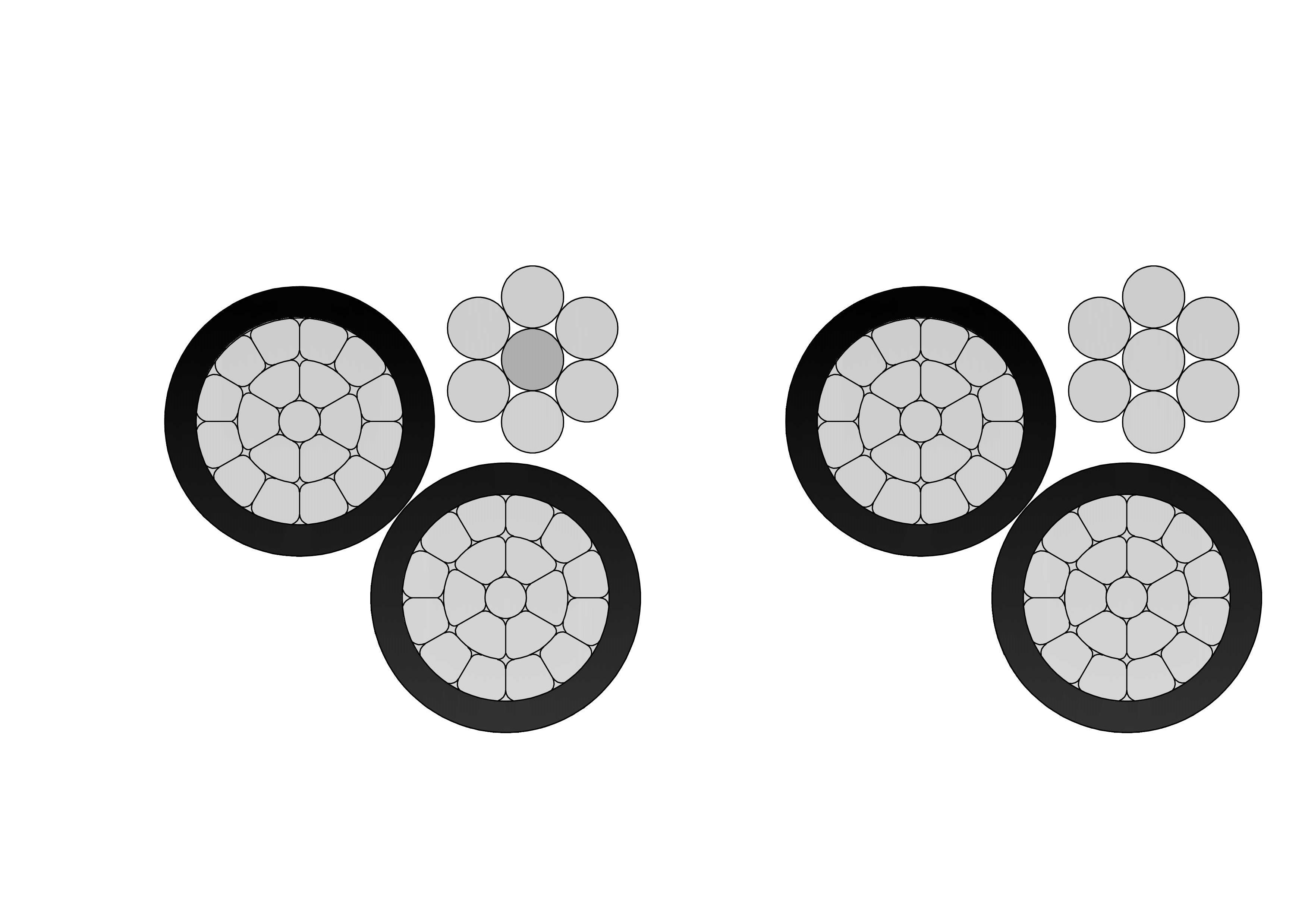

4 Strombus Aluminum Conductor Triplex Overhead Service Drop Cable
4 Strombus Aluminum Conductor Triplex Overhead Service Drop Cable is designed for reliable overhead power distribution from utility lines to service entrances of residential, commercial, and light industrial buildings. This cable consists of two insulated phase conductors and one bare or insulated neutral messenger made from high-purity aluminum, ensuring excellent conductivity, reduced weight, and long service life. The 4 Strombus Aluminum Conductor Triplex Overhead Service Drop Cable is manufactured using precision stranding and advanced insulation extrusion technology, providing stable electrical performance and strong mechanical strength. The insulation material offers excellent resistance to weathering, UV radiation, moisture, and temperature fluctuations, making the cable suitable for long-term outdoor installation. To guarantee consistent quality, the 4 Strombus Aluminum Conductor Triplex Overhead Service Drop Cable undergoes a comprehensive testing system covering raw materials, production processes, and finished products. Each stage follows standardized testing procedures to ensure compliance with international standards and utility requirements. This cable is an ideal solution for cost-effective, safe, and efficient overhead service drop applications.
Construction
Technical Specifications
Quality Control
Application
Construction
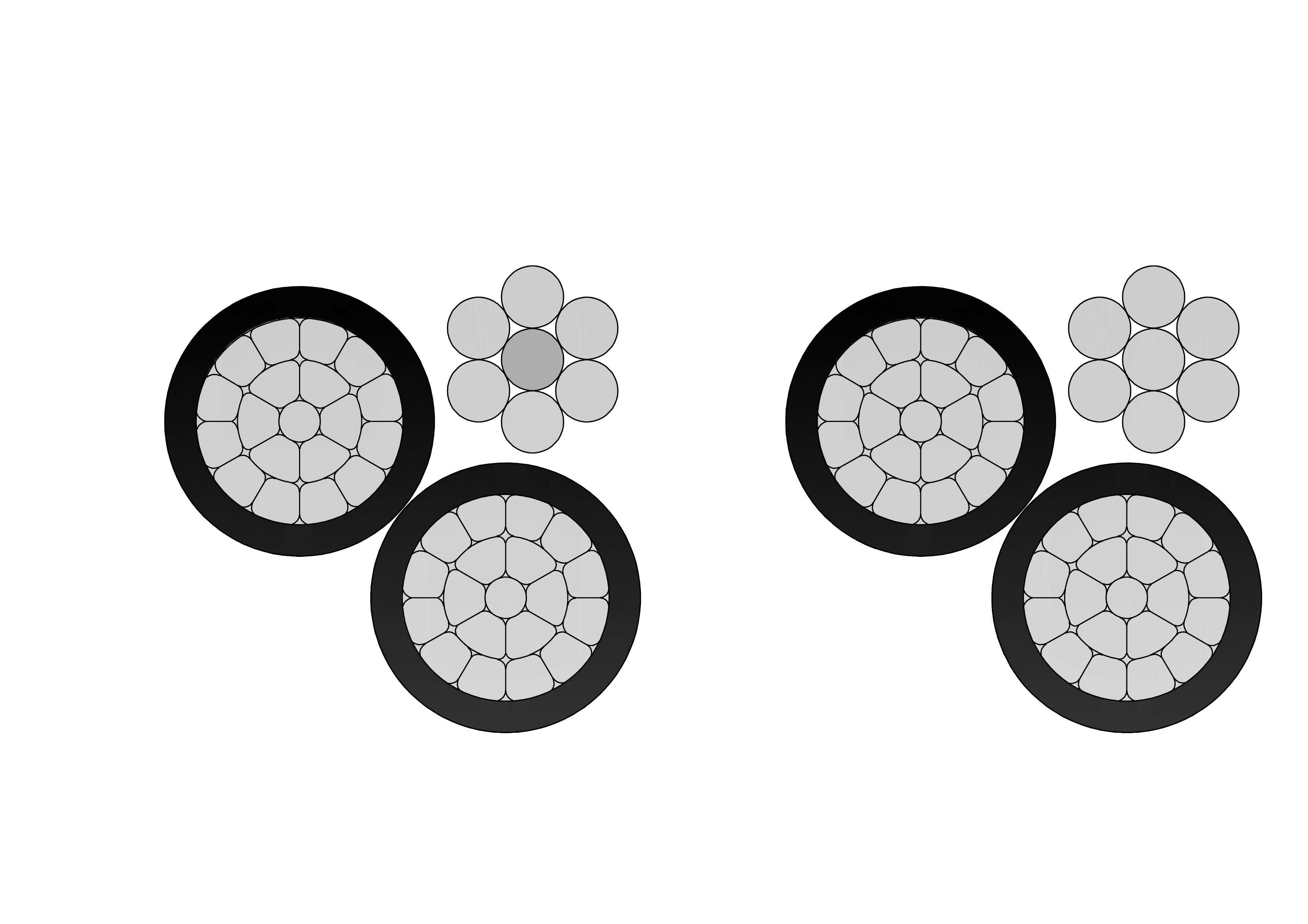
4 Strombus Aluminum Conductor Triplex Overhead Service Drop Cable Constrution
Standard
• ASTM B-230 Aluminum Wire, 1350-H19 for Electrical Purposes.
• ASTM B-231 Aluminum Conductors, Concentric-Lay-Stranded.
• ASTM B-232 Aluminum Conductors, Concentric-Lay-Stranded, Coated Steel Reinforced (ACSR).
• ASTM B-399 Concentric-Lay-Stranded 6201-T81 Aluminum Alloy Conductors.
• ICEA S-76-474-Neutral-supported Power Cable Assemblies With Weather-Resistant Extruded Insulation Rated 600 Volts.
• ASTM B-231 Aluminum Conductors, Concentric-Lay-Stranded.
• ASTM B-232 Aluminum Conductors, Concentric-Lay-Stranded, Coated Steel Reinforced (ACSR).
• ASTM B-399 Concentric-Lay-Stranded 6201-T81 Aluminum Alloy Conductors.
• ICEA S-76-474-Neutral-supported Power Cable Assemblies With Weather-Resistant Extruded Insulation Rated 600 Volts.
Phase Conductor
Strand or Compressed 1350-H19 Series Aluminum Conductor.
Neutral (Messenger) Conductor
Bare ACSR messenger. Optional constructions include a messenger of AAC or 6201 alloy.
Insulation
Black Cross Linked Polyethylene (XLP) Insulation.
Key Features
1. ACSR messenger for superior tensile strength in long spans
2. Optional AAC or 6201 alloy messenger construction
3. Designed for 120/240V single-phase service drops
4. XLP insulation for weather, UV, and abrasion protection
5. Fully compliant with ASTM and ICEA standards
2. Optional AAC or 6201 alloy messenger construction
3. Designed for 120/240V single-phase service drops
4. XLP insulation for weather, UV, and abrasion protection
5. Fully compliant with ASTM and ICEA standards
Application
4 Strombus Triplex aluminum wire has three conductors, with one of them being for the neutral path, and two electrodes. Used to supply power, usually from a pole-mounted transformer, to the user's service head, where connection to the service entrance cable is made. To be used at voltages of 600 volts phase-to-phase or less and at conductor temperatures not to exceed 75°C for polyethylene insulated conductors or 90°C for cross-linked polyethylene (XLPE) insulated conductors.
Technical Specifications
4 Strombus Aluminum Conductor Triplex Overhead Service Drop Cable
4 Strombus Aluminum Conductor Triplex Overhead Service Drop Cable
| Rated voltage | V | 600 |
| Test voltage | Veff kV/Hz | 4/50 |
| Laying temperature | °C | min. -5 |
| Operating temperature | °C | -30 ~ +90 |
| Conductor temperature | °C | max. +90 |
| Short-circuit temperature | °C/s | max. +250 /5 |
| Bending radius (min.) | mm | 20 × Ø of cable |
Quality Control
4 Strombus Aluminum Conductor Triplex Overhead Service Drop Cable
Raw Material Test
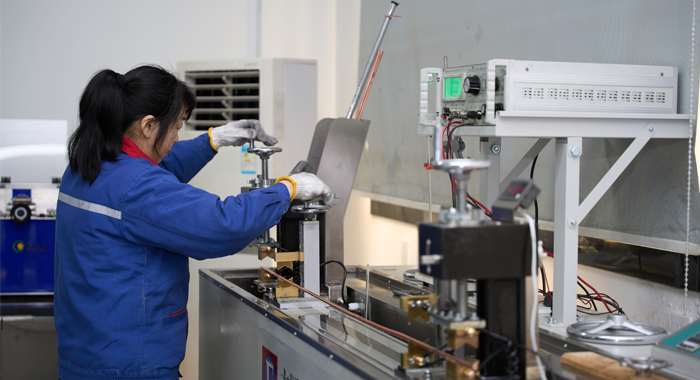
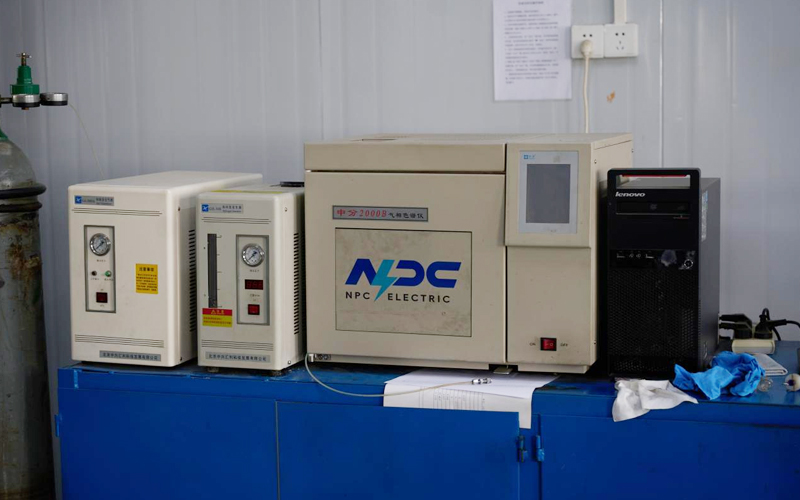
Raw material testing is the first and most critical quality control step for the 4 Strombus Aluminum Conductor Triplex Overhead Service Drop Cable. All incoming aluminum rods and insulation compounds are strictly inspected before entering the production line. The aluminum used for the conductor must meet specified chemical composition requirements, ensuring high electrical conductivity and adequate tensile strength. Spectrometer analysis is performed to verify aluminum purity and to detect any trace elements that could negatively affect performance. Mechanical tests such as tensile strength and elongation are conducted on aluminum rods to confirm their ductility and resistance to breakage during stranding. Surface quality inspection ensures the aluminum rod is free from cracks, inclusions, oxidation, or contamination that could lead to conductor defects.
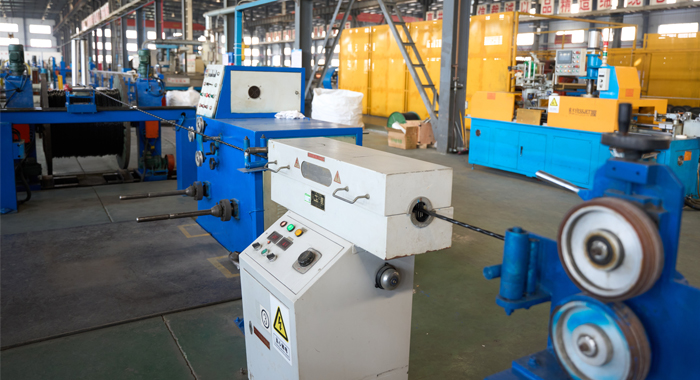
Process inspection
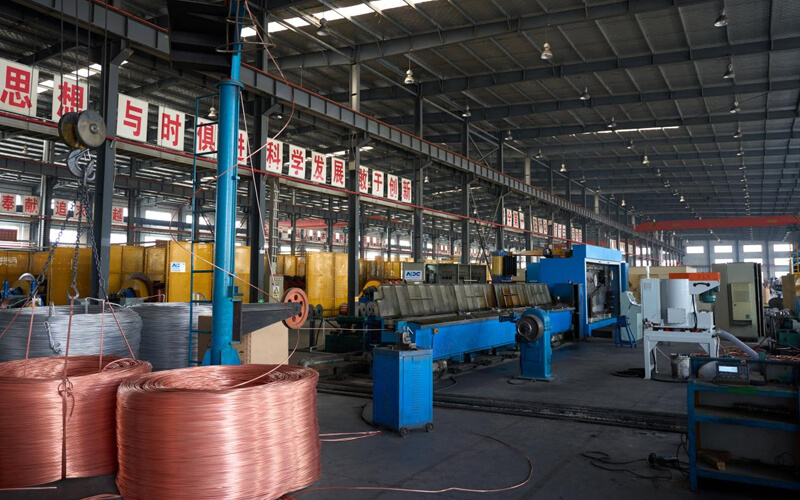
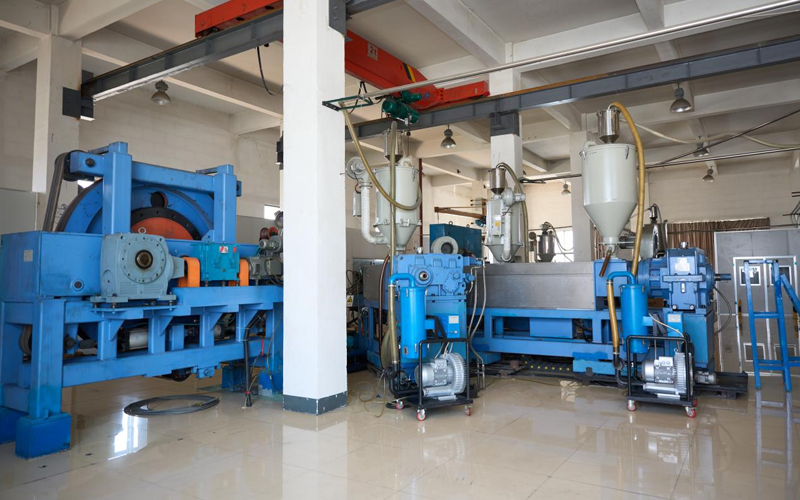
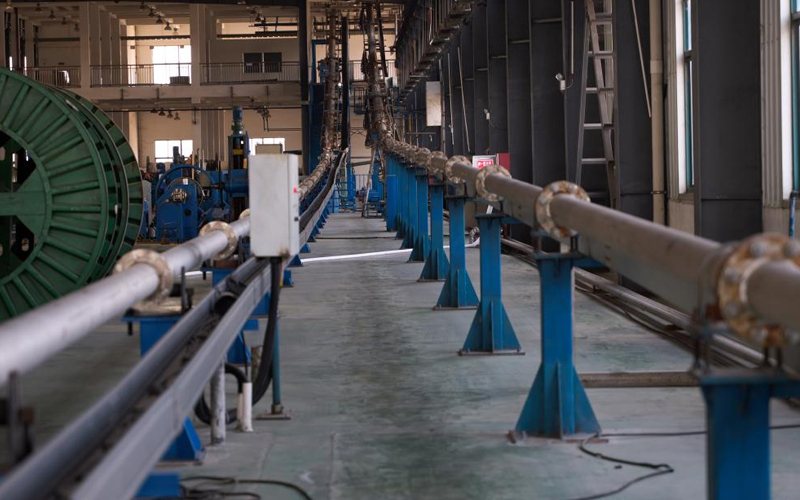
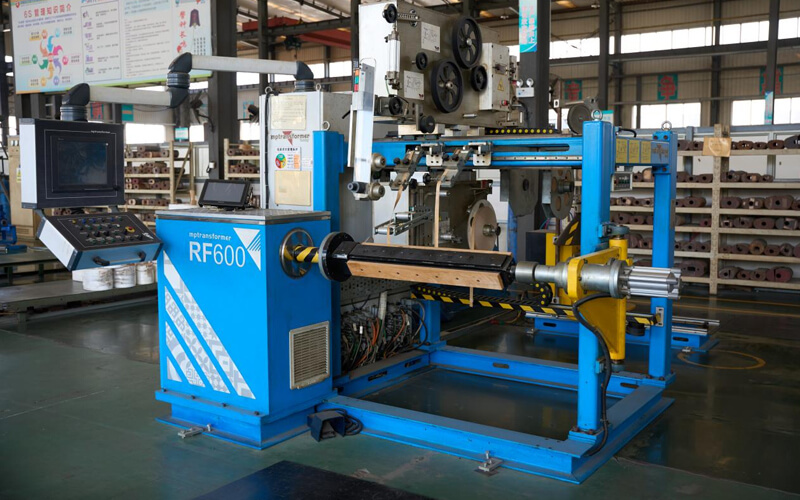
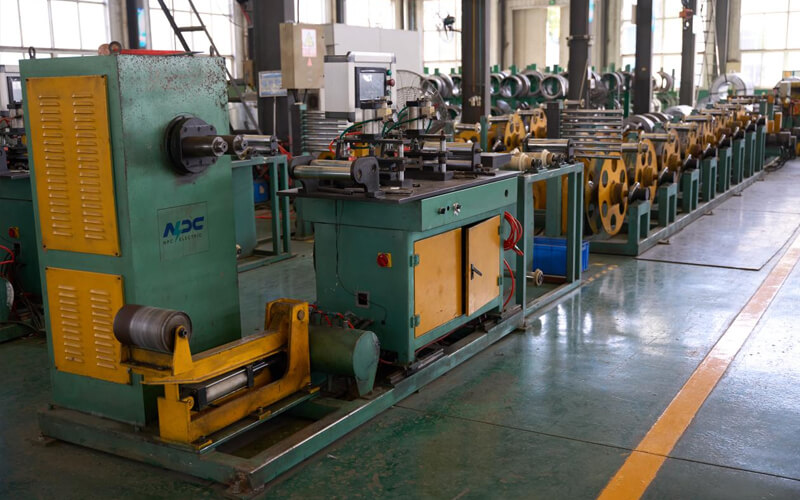
Process inspection ensures that each production stage of the 4 Strombus Aluminum Conductor Triplex Overhead Service Drop Cable meets defined technical and quality standards. During conductor stranding, inspections focus on strand count, lay length, compactness, and overall conductor diameter. Precision measuring tools are used to verify uniformity and roundness, ensuring optimal electrical performance and mechanical stability. During insulation extrusion, real-time monitoring systems control insulation thickness, concentricity, and surface smoothness. Any deviation from specified tolerances triggers immediate corrective action. Spark testing is continuously applied to detect pinholes or insulation defects, preventing hidden faults in the 4 Strombus Aluminum Conductor Triplex Overhead Service Drop Cable.
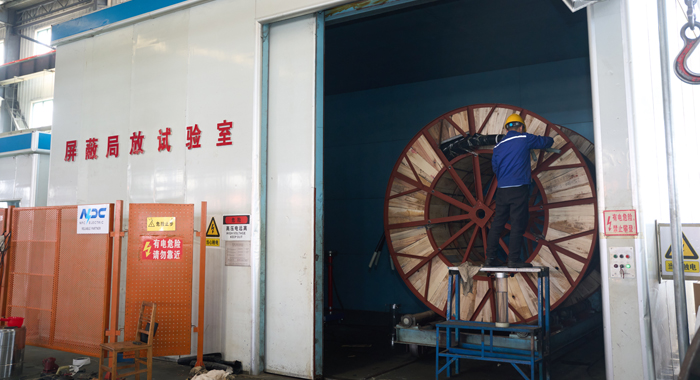
Finished Product
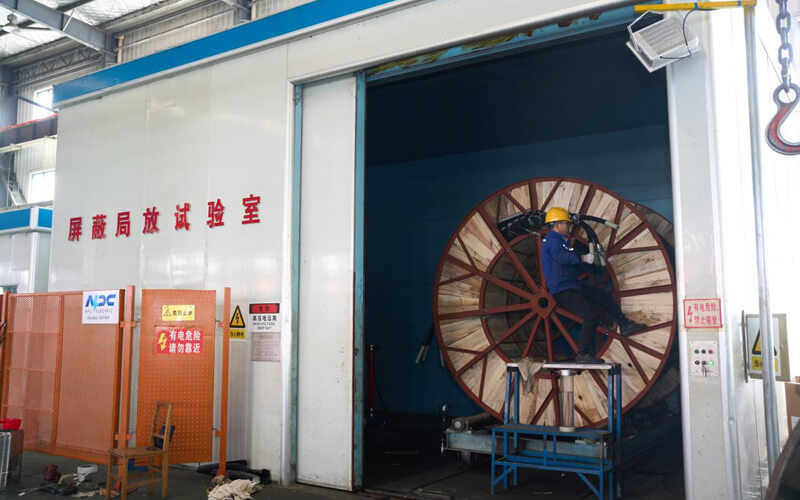
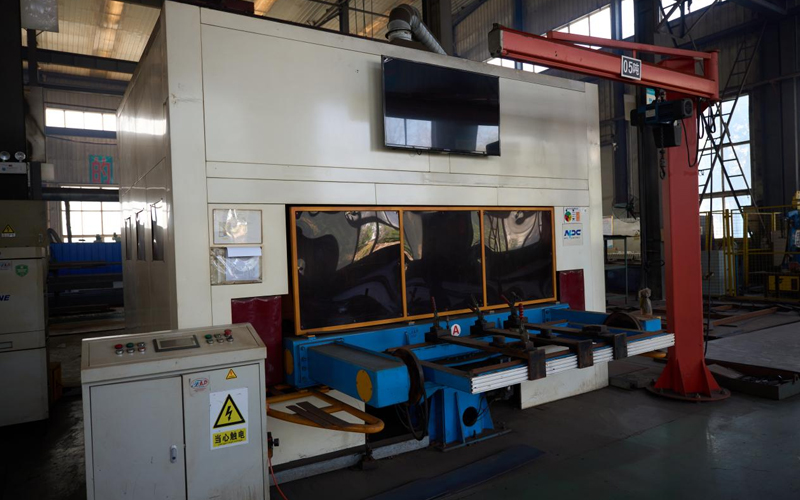
Finished product testing validates the overall quality and reliability of the 4 Strombus Aluminum Conductor Triplex Overhead Service Drop Cable before delivery. Electrical tests include conductor resistance measurement to confirm compliance with standard values and ensure efficient current transmission. High-voltage withstand tests verify insulation integrity under specified voltage stress. Mechanical testing evaluates tensile strength, elongation, and adhesion between conductor and insulation. These tests ensure the cable can withstand installation tension and long-term service conditions. Insulation thickness, concentricity, and overall cable dimensions are measured to confirm conformity with design specifications.
Application
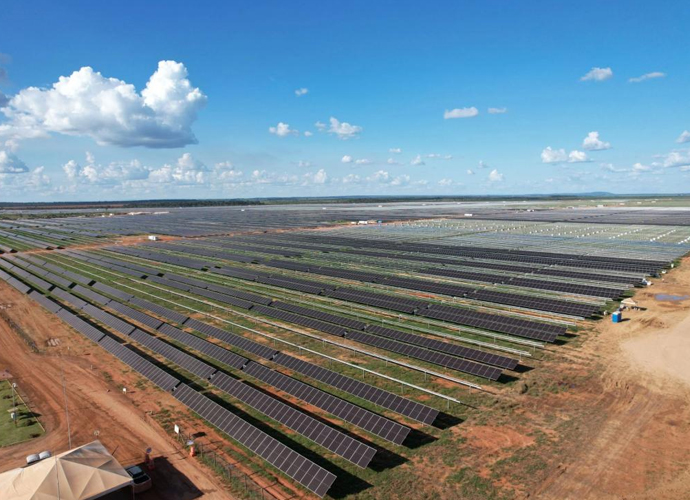
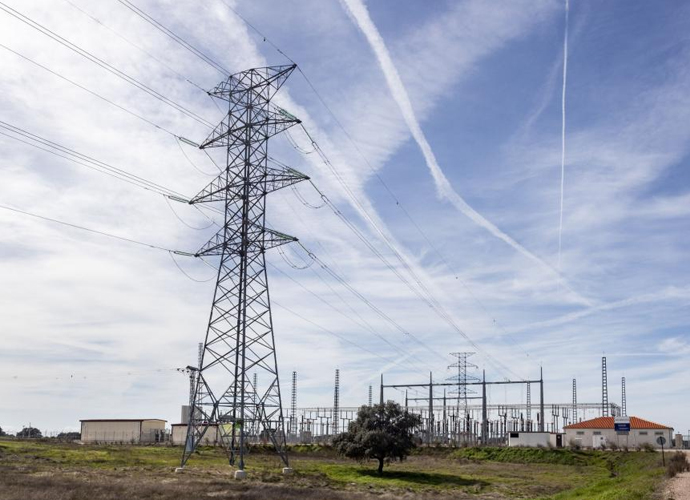
The 4 Strombus Aluminum Conductor Triplex Overhead Service Drop Cable is widely used for overhead power distribution from utility poles to residential homes, commercial buildings, and small industrial facilities, especially in outdoor environments requiring weather-resistant and lightweight conductors.
Technical Advantages
● 30+ years of manufacturing experience
● ISO and UL certified production
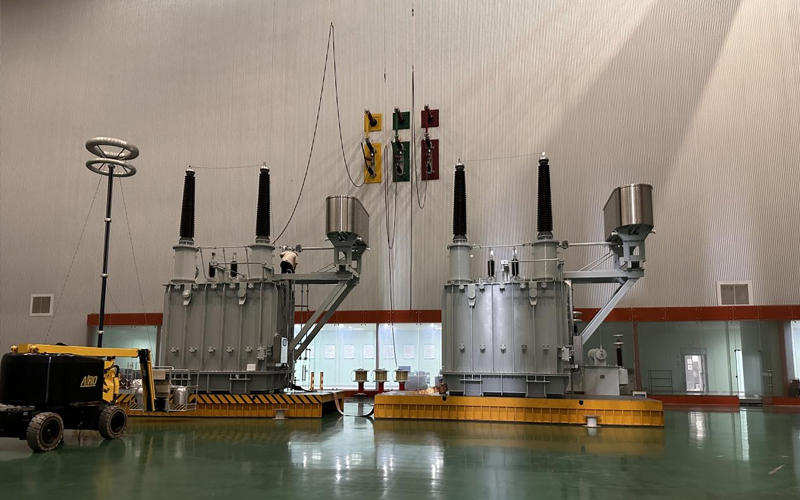
● Customized cable and transformer solutions
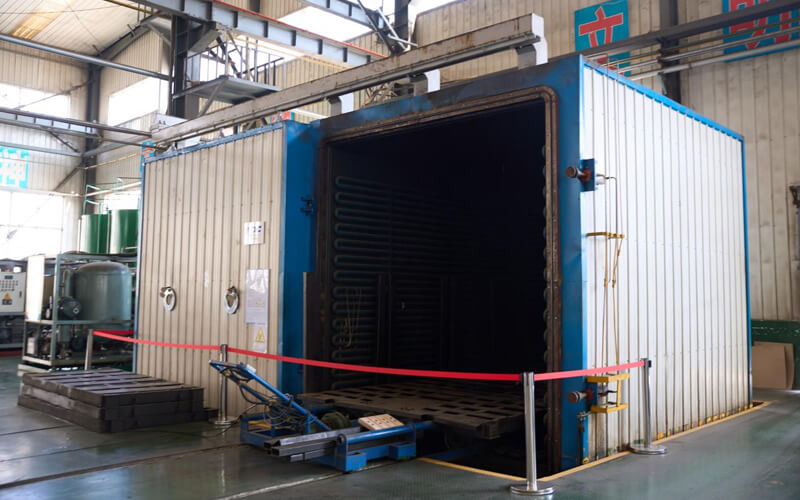
Product Packaging
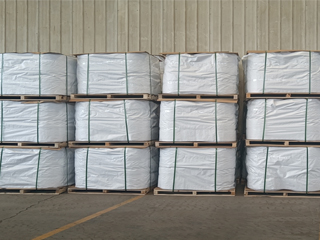
Wires and Cables packaging (1)
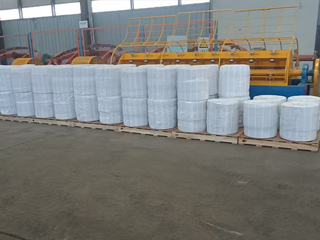
Wires and Cables packaging (2)
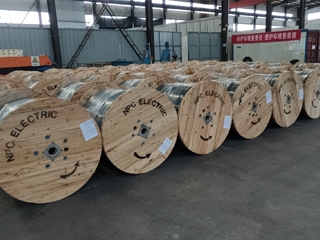
Wires and Cables packaging (3)
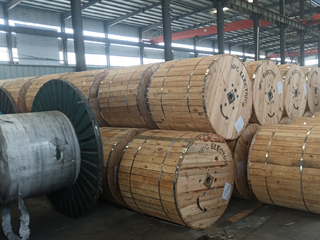
Wires and Cables packaging (4)
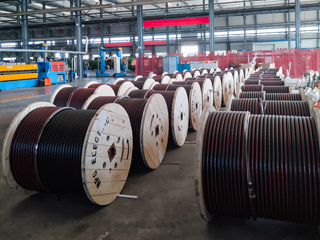
Wires and Cables packaging (5)
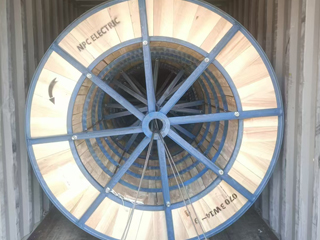
Wires and Cables packaging (6)
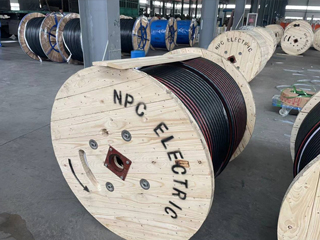
Wires and Cables packaging (7)
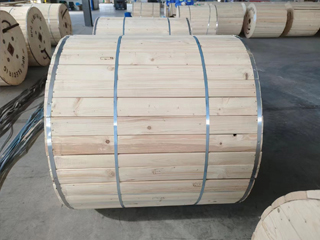
Wires and Cables packaging (8)
Related Products
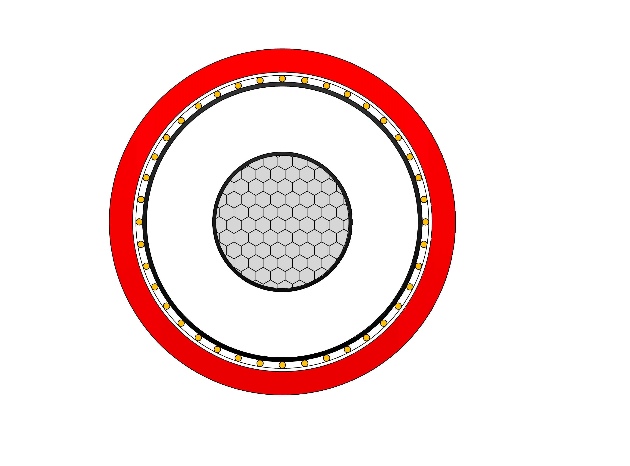
RHZ1-OL-AL Medium Voltage Power Cable(8.7/15kV, 12/20kV, 18/30kV)
Our RHZ1-OL-AL Medium Voltage Power Cable (8.7/15kV, 12/20kV, 18/30kV) provides economical fire safety for medium voltage networks. Built with aluminium conductors, thermosetting XLPE insulation, metallic screen, and advanced low smoke zero halogen (LSZH) sheath, it meets UNE 21123-4 and CPR requirements. During fires, it emits very low smoke and no corrosive gases, facilitating evacuation. Lightweight aluminium reduces costs and installation effort while delivering reliable current capacity. Superior partial discharge resistance, low tan delta, and thermal endurance ensure efficiency and longevity. Suitable for direct burial, ducts, or indoor use in sensitive areas, the RHZ1-OL-AL Medium Voltage Power Cable is widely used in transportation hubs, data centers, public facilities, and infrastructure demanding reliable medium voltage cabling with enhanced fire protection, environmental compliance, and life-safety features in populated or confined spaces.
ACAR Conductor ASTM B524 Standard - Aluminum Alloy Reinforced Cable
The ACAR Conductor ASTM B524 Standard is a high-performance Aluminum Conductor Alloy Reinforced designed for efficient overhead power transmission and distribution. It consists of concentrically stranded 1350-H19 aluminum wires surrounding a high-strength 6201-T81 aluminum-magnesium-silicon alloy core, providing an outstanding balance of electrical conductivity and mechanical strength. This construction delivers higher ampacity and better strength-to-weight ratio than equivalent ACSR conductors at the same weight, while offering superior corrosion resistance without steel core concerns. Compliant with ASTM B524, B230, and B398, the ACAR Conductor undergoes rigorous quality testing from raw materials to finished product. It features low DC resistance, reduced sag, and long service life, making it ideal for new lines or reconductoring projects where optimized performance and cost-effectiveness are essential.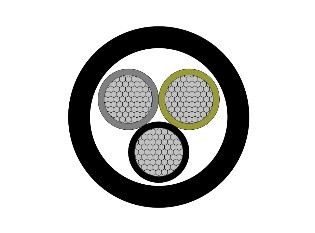
NAYY-J/NAYY-O Cables
The NAYY-J/NAYY-O Solar Cables provide cost-effective, reliable power distribution in photovoltaic systems. With sector-shaped or round aluminum conductors, PVC core insulation, and robust PVC outer jacket, they meet VDE 0276 requirements. NAYY-J includes a protective earth conductor, while NAYY-O is without. These cables excel in wet environments with superior water and chemical resistance, suitable for direct burial without additional protection. UV-stabilized and mechanically strong, they withstand soil stress and installation pulling forces. Low-weight aluminum reduces handling efforts, making them popular for extensive solar parks. NAYY-J/NAYY-O Solar Cables ensure efficient energy transfer with minimal losses, supporting sustainable solar infrastructure worldwide.2Y-high-voltage-power-cable.webp)
2XS(FL)2Y HDPE High Voltage 36/60 (72.5) kV Power Cable
The 2XS(FL)2Y HDPE High Voltage 36/60 (72.5) kV Power Cable is a high-performance single-core copper conductor cable designed for medium-to-high voltage power transmission. It features XLPE insulation, extruded semi-conductive conductor and insulation screens, and semi-conductive water-swellable tapes for longitudinal water blocking. A longitudinally applied aluminium tape moisture barrier coated with PE copolymer ensures superior moisture resistance and mechanical protection. The HDPE oversheath provides outstanding abrasion, chemical, and environmental resistance, making it suitable for direct burial, underwater, outdoor, indoor, and duct installations. Manufactured in compliance with IEC 60840, this cable guarantees reliable long-term electrical performance in demanding environments such as power stations, industrial plants, and distribution networks.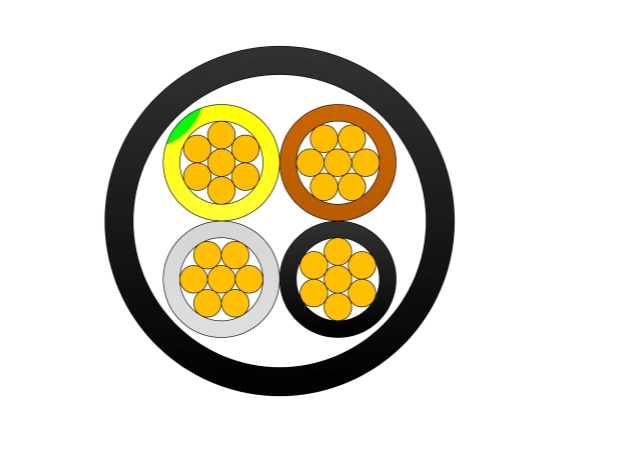
PV SOLAR Aluminum 8000 XLPE Insulated
The PV Solar Aluminum 8000 XLPE Insulated Cable is a lightweight, high-efficiency solar cable designed for photovoltaic power generation systems. It features 8000 series aluminum alloy conductors for excellent conductivity and flexibility, cross-linked polyethylene (XLPE) insulation for superior thermal, UV, and weather resistance, and is suitable for both DC and AC applications. Compliant with TÜV 2PfG 1169 / EN 50618 and UL 4703 standards, this cable offers low voltage drop, high current-carrying capacity, and long service life in harsh outdoor environments. The PV Solar Aluminum 8000 XLPE Insulated Cable significantly reduces weight and installation costs compared to copper cables while maintaining reliable performance. It is widely used in solar farms, rooftop PV systems, and ground-mounted installations requiring cost-effective, durable, and high-performance cabling solutions.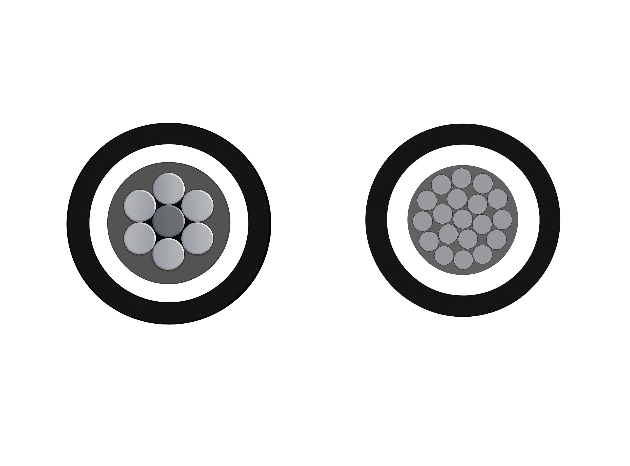
XLPE-HDPE Tree Cable Aluminum 25kV 1x120mm²
The XLPE-HDPE Tree Cable Aluminum 25kV 1x120mm² is designed for medium-voltage overhead distribution systems requiring very high current capacity. Perfect for long-distance transmission lines in rural, coastal, or high-load industrial areas, this cable combines superior durability, environmental resistance, and reliable electrical performance to ensure stable power delivery with minimal energy loss and maintenance. The inner insulation uses cross-linked polyethylene (XLPE), rated for continuous conductor operation at 90°C, fully compliant with ICEA S-121-733 standards. The robust outer jacket is made from high-density polyethylene (HDPE), providing excellent resistance to weathering, ultraviolet radiation, mechanical abrasion, and electrical sparking up to 2.75kV. Standard gray cables feature ASTM B230 markings and sequential metering, while blue cables with spark resistance over 5kV are recommended for harsher environmental conditions. With its ultra high current capacity, robust construction, and environmental resilience, the XLPE-HDPE 25kV tree cable 1x120mm² delivers reliable, long-term power distribution for demanding overhead network applications, ensuring efficiency, safety, and minimal maintenance.FAQ From Customers
-
What are the advantages of power cables and overhead lines?(1) Reliable operation, because it is installed in a hidden place such as underground, it is less damaged by external forces, has less chance of failure, and the power supply is safe, and it will not cause harm to people; (2) The maintenance workload is small and frequent inspections are not required; (3) No need to erect towers; (4) Help improve power factor.
-
Which aspects should be considered when choosing the cross section of a power cable?(1) The long-term allowable working current of the cable; (2) Thermal stability once short circuited; (3) The voltage drop on the line cannot exceed the allowable working range.
-
What are the measures for cable fire prevention?(1) Use flame-retardant cables; (2) Use fireproof cable tray; (3) Use fireproof paint; (4) Fire partition walls and fire baffles are installed at cable tunnels, mezzanine exits, etc.; (5) Overhead cables should avoid oil pipelines and explosion-proof doors, otherwise local pipes or heat insulation and fire prevention measures should be taken.
-
What should be paid attention to during the transportation and handling of cables?(1) During transportation, loading and unloading, cables and cable reels should not be damaged. It is strictly forbidden to push the cable reels directly from the vehicle. Generally, cables should not be transported and stored flat. (2) Before transporting or rolling the cable reel, ensure that the cable reel is firm, the cable is wound tightly, the oil pipe between the oil-filled cable and the pressure oil tank should be fixed without damage, the pressure oil tank should be firm, and the pressure indication should meet the requirements.
-
What inspections should be carried out for the acceptance of cable lines?(1) The cable specifications should meet the regulations, the arrangement should be neat, no damage, and the signs should be complete, correct and clear; (2) The fixed bending radius of the cable, the related distance and the wiring of the metal sheath of the single-core power cable should meet the requirements; (3) The cable terminal and the middle head should not leak oil, and the installation should be firm. The oil pressure of the oil-filled cable and the meter setting should meet the requirements; (4) Good grounding; (5) The color of the cable terminal is correct, and the metal parts such as the bracket are completely painted; (6) There should be no debris in the cable trench, tunnel, and bridge, and the cover should be complete.
Welcome your inquiry
Honesty, Integrity, Frugality, Activeness and Passion