What Is Solar Energy in 2026? Latest Technology, Costs & Future Trends
2026-01-22
1. What Is Solar Energy?
Solar energy refers to the radiant light and heat energy emitted by the Sun, which is harnessed and converted into usable forms such as electricity or thermal energy. As the most abundant renewable energy source on Earth, solar energy is clean, inexhaustible, and plays a central role in the global transition to sustainable power in 2026.
The Sun continuously bombards Earth with enormous amounts of energy—every hour, the sunlight reaching our planet's surface theoretically exceeds the world's annual energy consumption. This energy arrives mainly as photons (light particles). Modern solar technologies capture it in two primary ways.
The dominant method is photovoltaic (PV) solar energy. Solar panels, composed of photovoltaic cells (typically silicon-based), use the photovoltaic effect: when sunlight strikes the cells, photons excite electrons, generating direct current (DC) electricity. An inverter then converts DC to alternating current (AC) suitable for homes, businesses, or the grid. In 2026, residential and utility-scale PV systems are widespread, with average panel efficiencies reaching 20–23%, and advanced technologies like perovskite tandem cells pushing lab records toward 30%.
The second approach is solar thermal energy (including concentrating solar power, CSP). Mirrors or collectors focus sunlight to heat fluids, producing steam that drives turbines for electricity generation or directly heats water for domestic/industrial use. While PV dominates electricity production, solar thermal remains valuable for heating applications and large-scale plants in sunny regions.
Solar energy offers significant advantages. It is renewable and produces no direct greenhouse gas emissions during operation, helping combat climate change. Once installed, it has near-zero fuel costs and low maintenance. Globally, solar is now often the cheapest new electricity source in many markets. It enhances energy independence, reduces electricity bills (especially with battery storage), and creates jobs in manufacturing, installation, and related sectors. In 2026, despite some policy shifts (e.g., tax credit changes in certain countries), solar continues rapid growth, with utility-scale additions surging and batteries enabling a more reliable 24/7 supply.
However, challenges exist. Solar is intermittent—dependent on daylight and weather—requiring storage or grid backup. Initial installation costs, though falling dramatically, remain a barrier for some. Manufacturing relies on supply chains (often concentrated in specific regions), and land use for large farms can raise environmental concerns if not managed sustainably. Recycling panels at end-of-life is improving but still evolving.
In summary, solar energy transforms the Sun's free, constant radiation into clean power and heat, driving the clean energy revolution. By 2026, it is no longer a niche option but a mainstream, increasingly affordable solution powering homes, industries, and grids worldwide, with continued innovation accelerating its role in a low-carbon future.
2. How Does Solar Energy Work? (Updated 2026 View)
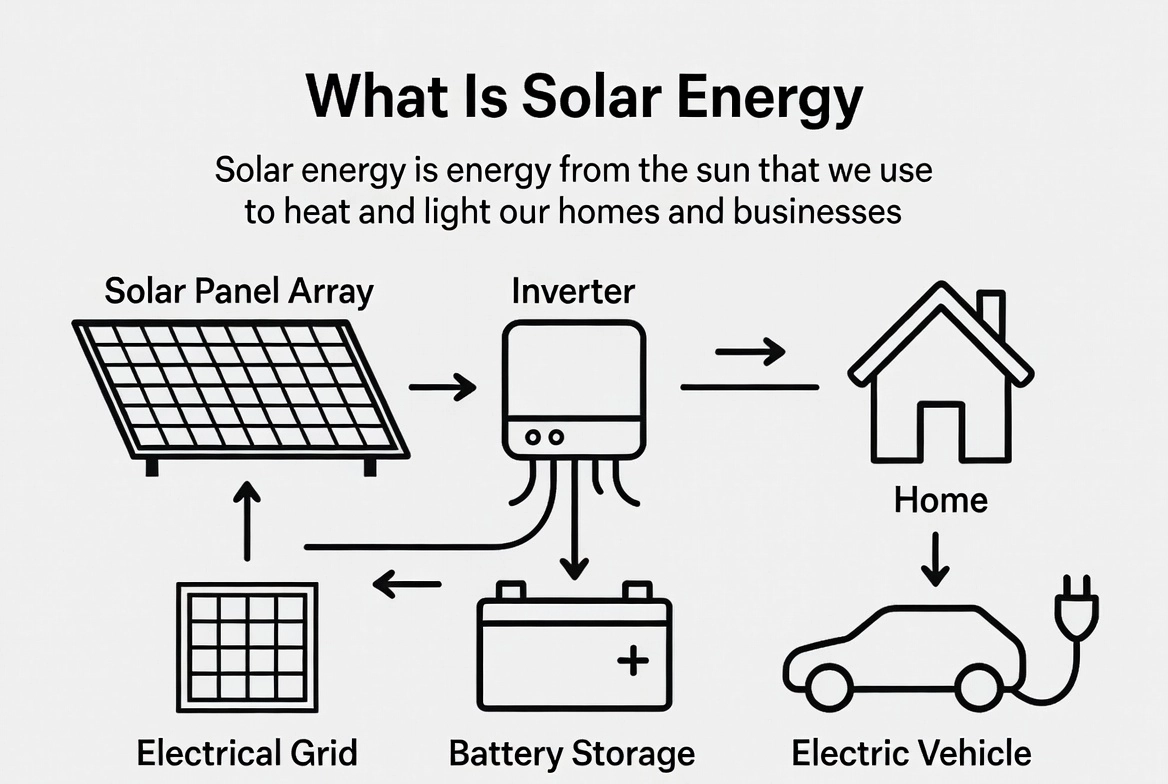
At a fundamental level, solar energy works through the photovoltaic effect:
- Solar cells (typically silicon-based) absorb photons from sunlight
- Electrons are excited, generating direct current (DC) electricity
- A solar inverter converts DC into alternating current (AC)
- Power flows through solar cables, transformers, and protection devices
- Electricity is consumed on-site, stored in batteries, or exported to the grid
Core Components of a Modern Solar Energy System
|
Component |
Function |
|
Solar panels (PV modules) |
Convert sunlight into DC power |
|
Solar inverter |
DC to AC conversion |
|
Solar transformer |
Voltage matching and grid interconnection |
|
Solar cable |
Safe DC/AC power transmission |
|
Battery storage |
Energy storage and peak shaving |
|
Monitoring system |
Real-time performance and fault detection |
3. Latest Solar Technology Trends in 2026
3.1 High-Efficiency Solar Cells
By 2026, TOPCon, HJT, and perovskite-enhanced solar cells dominate new installations, with commercial module efficiencies reaching 23–26%, compared to 17–19% a decade earlier.
|
Cell Technology |
Typical Efficiency |
Key Advantage |
|
PERC |
20–22% |
Mature, cost-effective |
|
TOPCon |
22–24% |
Better low-light performance |
|
HJT |
23–25% |
Lower temperature coefficient |
|
Perovskite-silicon tandem |
25–28% (pilot) |
Next-gen efficiency |
3.2 Battery Technologies and Energy Storage
Solar battery systems have become essential for both home and commercial solar energy systems.
Key developments:
- Lithium iron phosphate (LFP) dominates due to safety and lifespan
- Emerging sodium-ion batteries reduce reliance on lithium
- Smart energy management optimizes charge/discharge cycles
|
Battery Type |
Cycle Life |
Typical Use |
|
LFP Lithium |
6,000–8,000 |
Residential & C&I |
|
Sodium-ion |
4,000–6,000 |
Cost-sensitive markets |
|
Flow batteries |
10,000+ |
Utility-scale |
4. Solar Energy Cost Trends in 2026
4.1 Solar Power System Cost Overview
Despite inflationary pressure on materials, solar power costs continue to decline due to scale manufacturing and automation—especially in China solar energy supply chains.
|
System Type |
2020 Cost (USD/W) |
2026 Cost (USD/W) |
|
Residential solar |
2.5–3.0 |
1.2–1.6 |
|
Commercial solar |
1.8–2.2 |
0.9–1.3 |
|
Utility-scale solar |
0.9–1.2 |
0.45–0.65 |
4.2 Solar Energy for Home: Realistic Economics
A typical 5–10 kW home solar power system in 2026 delivers:
- Payback period: 5–8 years (with incentives)
- Lifetime energy production: 25+ years
- Electricity cost reduction: 60–90%
5. Tax Incentives and Policy Support
Government incentives remain a key driver of solar adoption:
- Federal solar tax credits (US ITC)
- Feed-in tariffs and net metering
- Accelerated depreciation for businesses
- Local subsidies for solar panel installation
Policy stability is increasingly important for long-term solar investment planning.
6. Solar Energy Systems in Real-World Applications
6.1 Residential and Home Solar Energy
Home solar energy systems now integrate:
- Smart inverters
- Battery storage
- EV charging
- Energy monitoring apps
This enables households to function as micro energy producers, improving grid resilience.
6.2 Utility-Scale Solar Power Plants
Large solar farms rely on:
- Central inverters or string inverter clusters
- Step-up solar transformers
- Medium-voltage solar cables
- SCADA-based performance analytics
These systems support national clean energy and energy production targets.
7. Role of Solar Transformers and Solar Cables
While panels receive the most attention, solar transformers and solar cables are critical for system safety and efficiency.
- Solar transformers ensure voltage matching and isolation
- Solar cables are UV-resistant, halogen-free, and designed for long-term outdoor use
- Poor cable or transformer selection can reduce system efficiency by 2–5%
8. China Solar Energy and Global Supply Chains
China remains the world’s largest producer of:
- Solar cells
- Solar modules
- Inverters
- Balance-of-system components
In 2026, global buyers increasingly focus on:
- Supply chain transparency
- Quality certification (IEC, UL)
- Carbon footprint of manufacturing
9. Future Trends: What’s Next for Solar Energy?
Key future developments include:
- Perovskite commercialization
- AI-driven solar energy forecasting
- Digital twins for solar plants
- Grid-forming inverters
- Deeper integration with hydrogen and storage
Solar energy is evolving from a standalone energy source into a core pillar of intelligent energy systems.
10. Is Solar Energy Worth It in 2026?
In 2026, solar energy is no longer an emerging technology—it is a mainstream, high-efficiency, cost-stable energy solution.
For homeowners, businesses, and utilities alike, modern solar energy systems deliver:
- Long-term cost savings
- Energy independence
- Regulatory compliance
- Measurable carbon reduction
Understanding how solar energy works, its true costs, and its supporting infrastructure is essential for making informed energy decisions in the coming decade.

Related Articles
Related Products
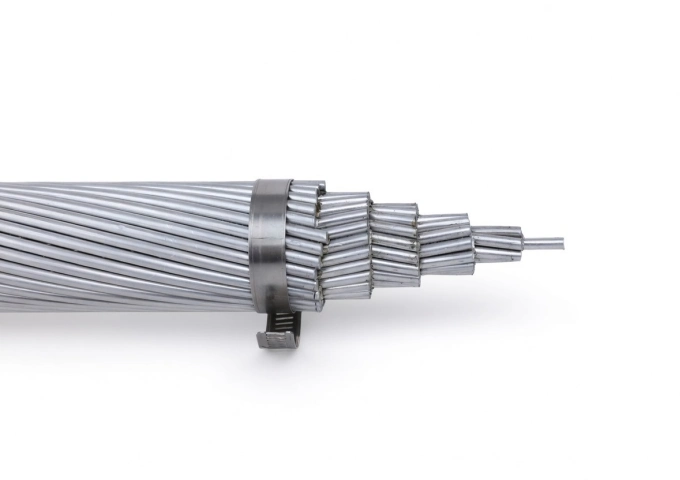
397.5 MCM Canna AAC Cable
The 397.5 MCM Canna AAC Cable represents premium All Aluminum Conductor technology for overhead power applications. Built with 19 strands of high-conductivity 1350-H19 aluminum, this bare conductor delivers an optimal balance of electrical efficiency and mechanical robustness. With a 0.724-inch diameter, 7,110 lbs breaking strength, and 570 amps ampacity, the Canna AAC offers low DC resistance of 0.0435 ohms per 1000 ft at 20°C and a weight of 373.2 lbs per 1000 ft. This design minimizes sag while providing excellent corrosion resistance for extended outdoor service. Manufactured to meet ASTM B-230 and B-231 standards, the 397.5 MCM Canna AAC Cable undergoes extensive quality testing from raw materials through finished product. It is the perfect solution for new installations and upgrades in transmission and distribution systems that demand lightweight, high-conductivity bare aluminum conductors.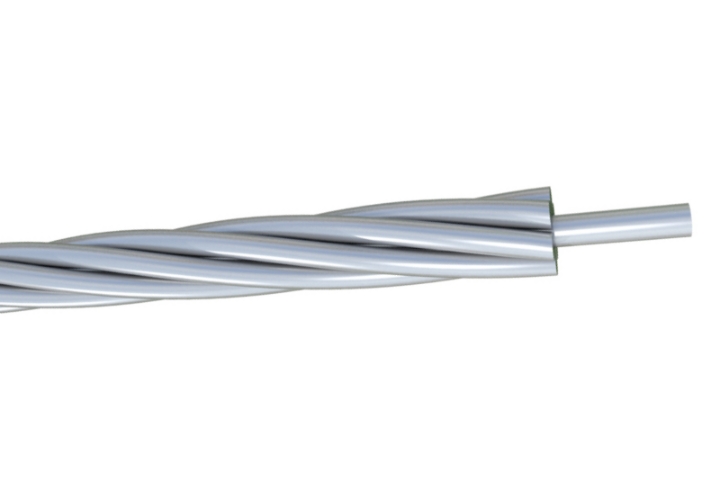
8 Gauge Galvanized Steel Conductor Wire
The 8 Gauge Galvanized Steel Conductor Wire is engineered for demanding utility applications, delivering reliable high-strength performance with outstanding corrosion resistance. Produced with heavy hot-dip galvanizing, this 8 AWG wire features a uniform zinc coating that effectively protects against rust in challenging environments. It performs exceptionally well as overhead ground wire, static wire, or guy wire for pole guying in power transmission and distribution systems. Meeting ASTM A475 requirements, the 8 Gauge Galvanized Steel Conductor Wire provides excellent tensile strength and long service life with minimal maintenance. Rigorous quality testing throughout production ensures consistent mechanical properties and coating integrity, making it a cost-effective and dependable solution for shielding and structural support in overhead lines.
FR-N20XA8E-AR 12/20kV Cable Gen to NF C 33-226 - AL/XLPE/MDPE
The NF C 33-226 AL-XLPE-MDPE 12/20(24)kV Cable is a high-quality medium voltage power cable designed for safe and efficient fixed installations. Constructed with a Class 2 stranded aluminum conductor, cross-linked polyethylene (XLPE) insulation, and a medium-density polyethylene (MDPE) outer sheath, it offers outstanding electrical performance, mechanical strength, and long service life. Complying with NF C 33-226, IEC 60502-2, and EN 60228 standards, this cable is ideal for industrial facilities, municipal networks, and commercial power supply systems. It provides superior resistance to water (AD7) and UV radiation (ISO 4892), while being halogen-free (IEC/EN 60754-1) for enhanced environmental and operational safety. With a rated voltage of 12/20 (24)kV and a maximum conductor operating temperature of 90°C, the AL-XLPE-MDPE construction ensures reliable, stable, and efficient power transmission in medium-voltage distribution networks.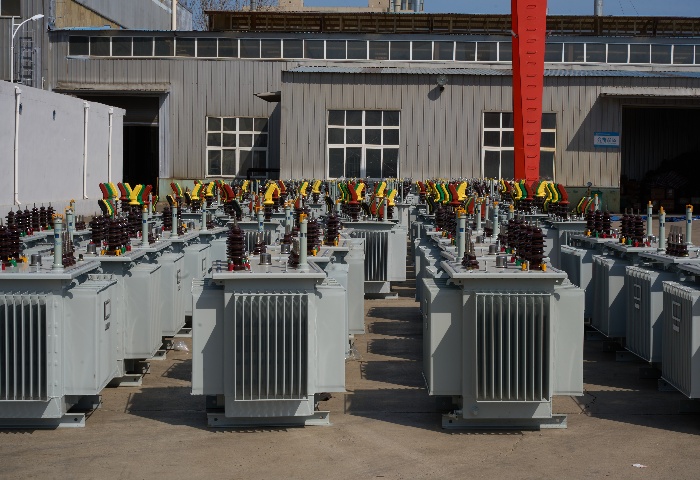
315kVA Oil Immersed Transformer
The 315kVA Oil Immersed Transformers are essential devices that convert electrical energy from one voltage level to another, enabling the efficient transmission and distribution of power across various systems. Oil-immersed transformers, in particular, have become industry favorites due to their superior cooling and insulation capabilities, which extend their lifespan and reduce maintenance requirements. The integration of renewable energy sources, such as wind and solar, requires transformers that can handle the variable output of these sources.2Y-high-voltage-power-cable-2.webp)
2XS(FL)2Y HDPE High Voltage 36/60 (72.5) kV Power Cable
The 2XS(FL)2Y HDPE High Voltage 36/60 (72.5) kV Power Cable is a high-performance single-core copper conductor cable designed for medium-to-high voltage power transmission. It features XLPE insulation, extruded semi-conductive conductor and insulation screens, and semi-conductive water-swellable tapes for longitudinal water blocking. A longitudinally applied aluminium tape moisture barrier coated with PE copolymer ensures superior moisture resistance and mechanical protection. The HDPE oversheath provides outstanding abrasion, chemical, and environmental resistance, making it suitable for direct burial, underwater, outdoor, indoor, and duct installations. Manufactured in compliance with IEC 60840, this cable guarantees reliable long-term electrical performance in demanding environments such as power stations, industrial plants, and distribution networks.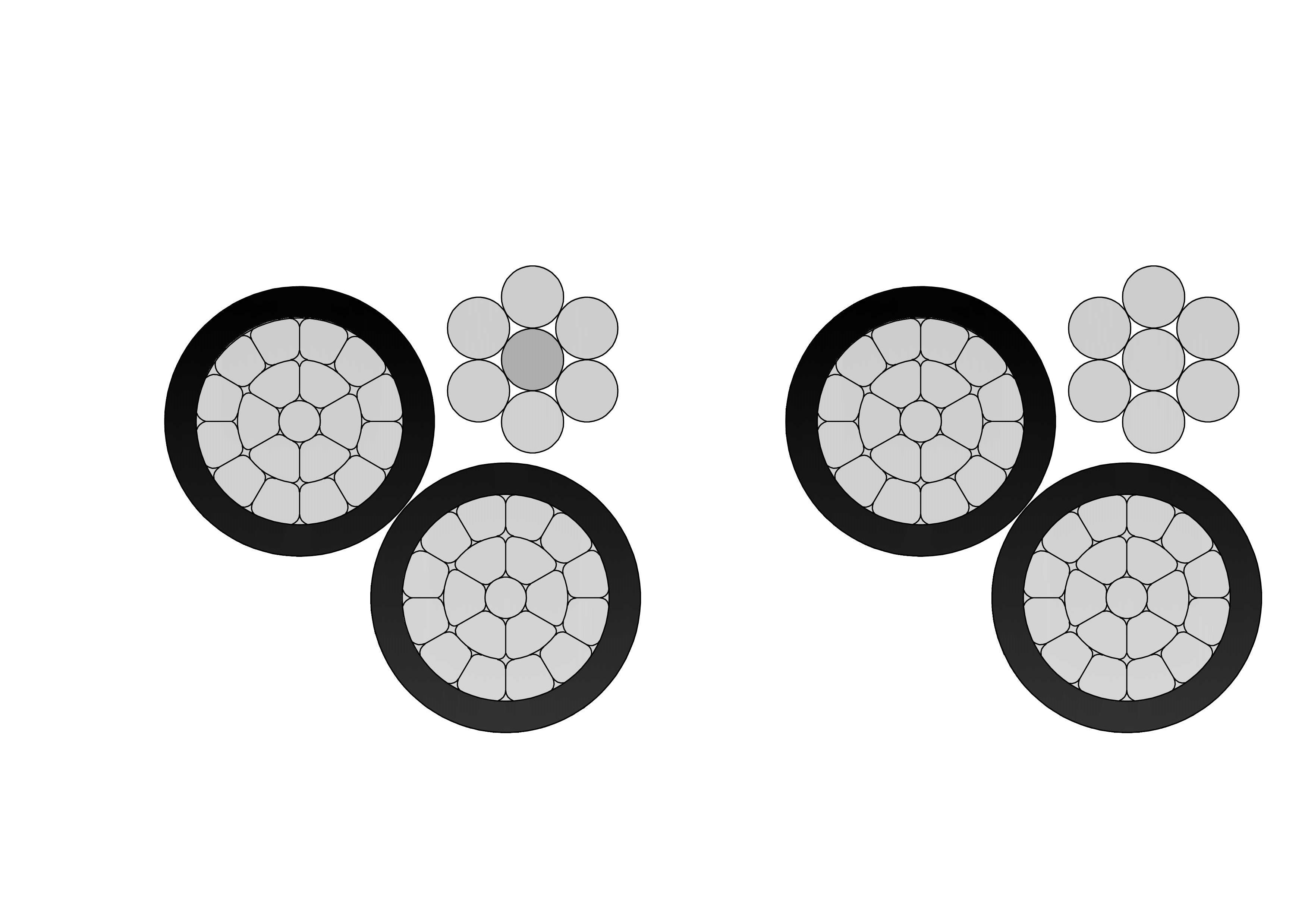
4 Scallop Aluminum Conductor Triplex Overhead Service Drop Cable
The 4 Scallop Triplex Aluminum Overhead Service Drop Cable is engineered for reliable utility power delivery from pole-mounted transformers to service entrances in residential, commercial, and temporary construction setups. It consists of two insulated phase conductors and a bare AAC (All-Aluminum Conductor) messenger that functions as both a neutral and mechanical support. Optimized for overhead single-phase service drops, it operates at voltages up to 600V and uses black cross-linked polyethylene (XLP) insulation to ensure long-lasting resistance to UV rays, moisture, and abrasion. This triplex configuration ensures excellent mechanical strength, reduced sag, and UV/weather resistance. Rated for 600V phase-to-phase and conductor temperatures up to 90°C (XLPE), it offers ampacity of 115A. Compliant with ASTM B-230, B-231, and ICEA S-76-474 standards, the 4 Scallop cable provides lightweight, corrosion-resistant performance ideal for long-term reliability in demanding aerial installations.
4/0 Zuzara Aluminum Conductor Triplex Overhead Service Drop Cable
The 4/0 Zuzara Aluminum Conductor Triplex Overhead Service Drop Cable is engineered to deliver safe, efficient, and durable overhead power distribution for high-demand utility networks. It features two insulated aluminum phase conductors helically wrapped around a bare aluminum neutral messenger, providing strong mechanical support and stable electrical performance. Manufactured using premium aluminum materials and high-performance insulation compounds, the 4/0 Zuzara Aluminum Conductor Triplex Overhead Service Drop Cable offers excellent resistance to corrosion, UV radiation, and environmental stress. Its optimized structure supports easy handling and installation while meeting utility and industry standards. The cable performs reliably under mechanical load, temperature variation, and prolonged outdoor exposure. Strict quality management systems and detailed testing procedures are implemented throughout production to ensure consistent performance and dependable service life.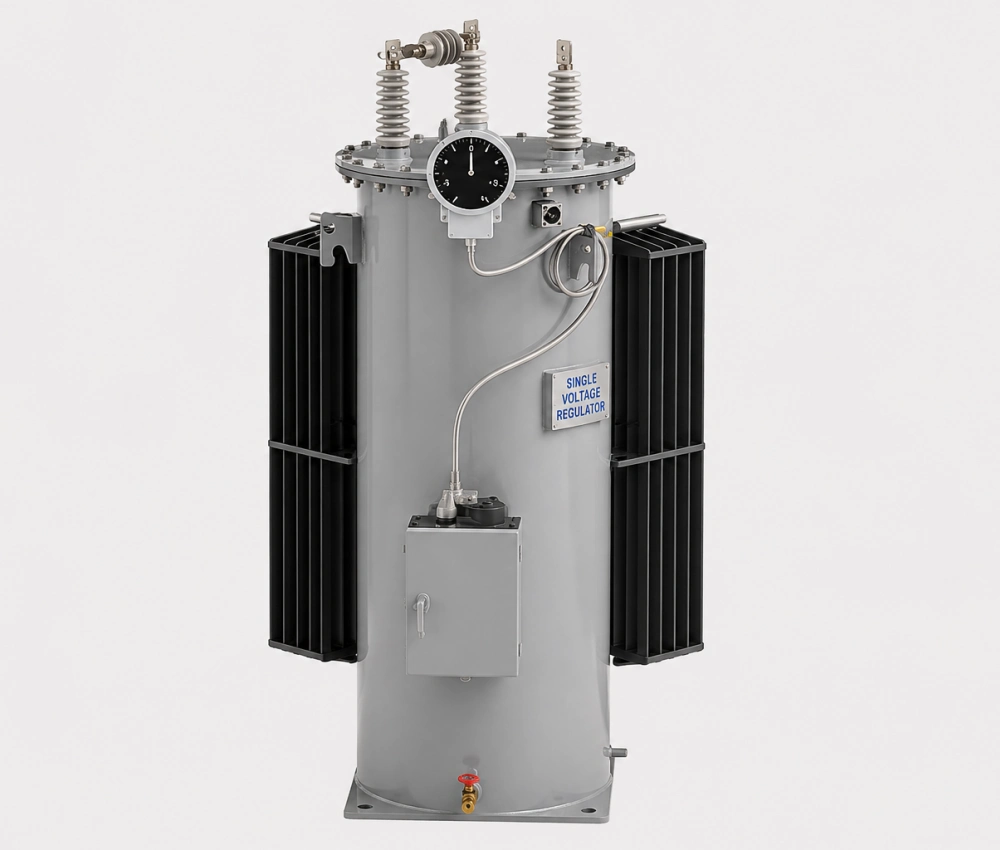
Single Phase Automatic Step Voltage Regulator
The Single-phase Automatic Step Voltage Regulator is an advanced, intelligent voltage stabilization device designed to automatically correct voltage fluctuations and deliver stable output for sensitive electrical equipment. Utilizing a high-efficiency toroidal or laminated core with premium copper windings and multiple tap positions, this regulator provides fast, precise step-type voltage correction (±10% to ±30% input range) with response times under 1 second. It features a microprocessor-based digital controller with LCD display, multiple protection functions (over-voltage, under-voltage, overload, short-circuit, and surge), and automatic bypass capability. Built with robust construction and high overload capacity (up to 200% for short durations), it ensures reliable performance in varying load conditions while maintaining low waveform distortion and high efficiency (>98%). Ideal for single-phase 220V/230V/240V systems, this voltage regulator is widely used in residential, commercial, and light industrial applications to protect equipment from unstable grid voltage and extend service life.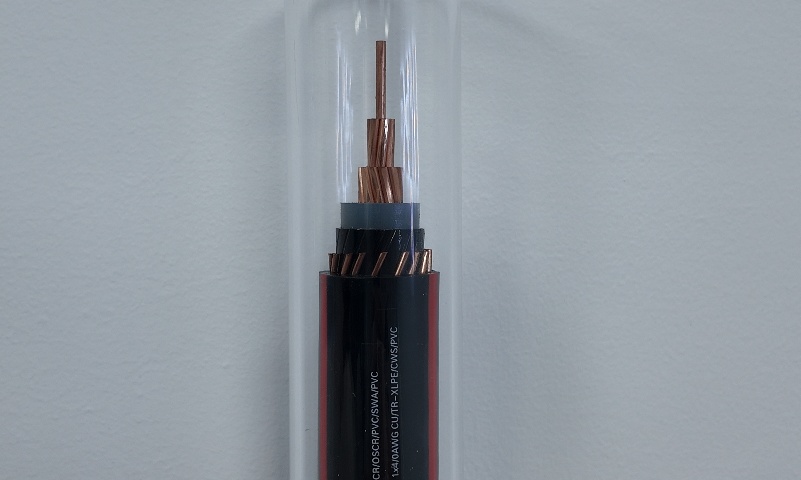
5-46kV TR-XLPE URD Medium Voltage Utility Cables
5–46kV TR-XLPE URD Medium Voltage Utility Power Cables are specifically designed for underground residential distribution and utility power networks. Manufactured with high-quality copper or aluminum conductors and tree-retardant cross-linked polyethylene (TR-XLPE) insulation, these cables provide superior resistance to electrical treeing, moisture ingress, and long-term aging. The TR-XLPE insulation system significantly extends service life in underground installations where environmental stress and moisture exposure are common. Rated for voltage levels from 5kV to 46kV, the cable ensures stable and efficient power transmission under continuous operating conditions. Its robust construction supports direct burial or duct installation, meeting the reliability requirements of modern utility infrastructure. Designed to meet utility and industry performance expectations, TR-XLPE URD cables offer consistent electrical performance, enhanced durability, and reduced maintenance over their operational lifespan.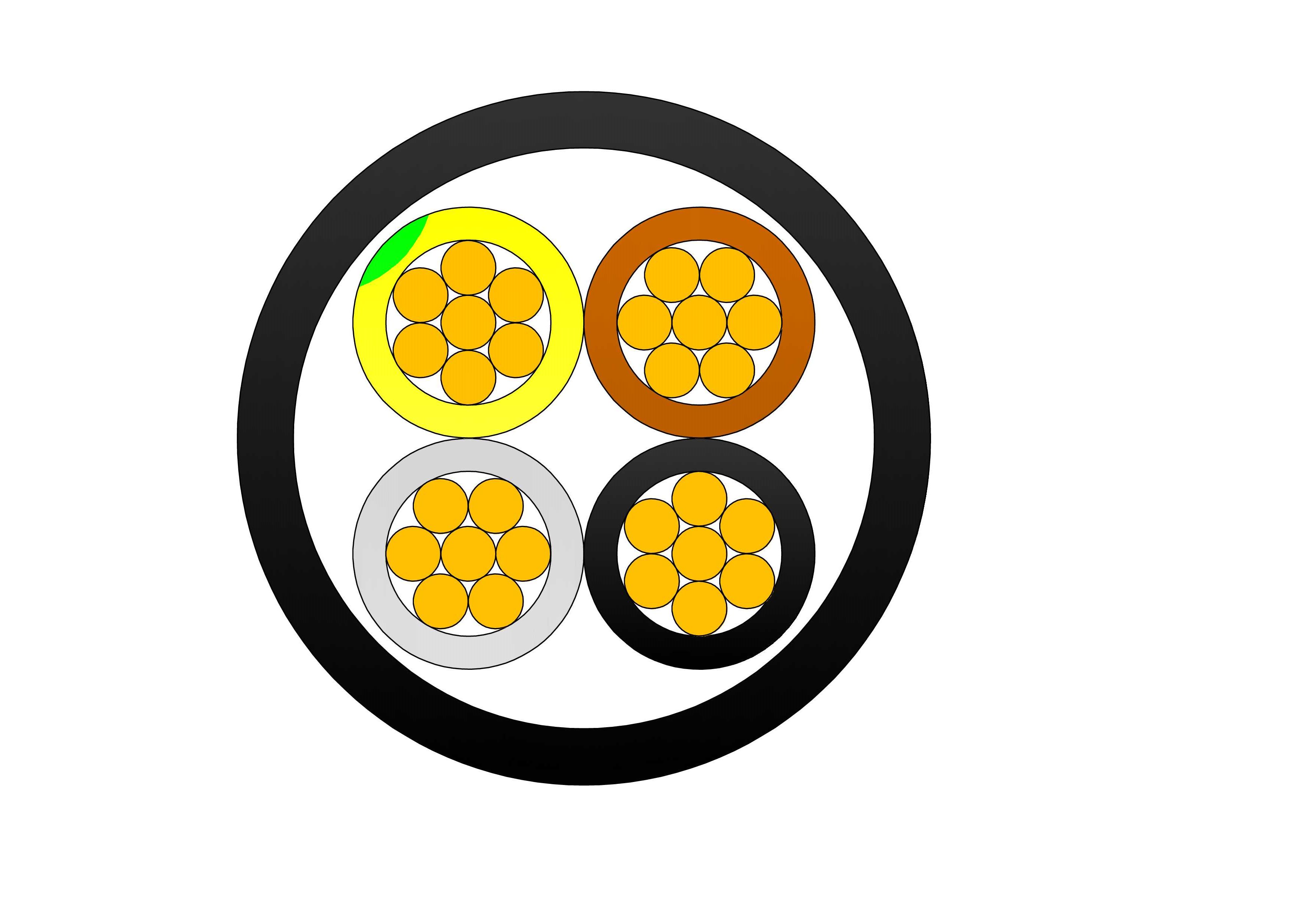
GYTA Fiber Optic Cable
The GYTA Fiber Optic Cable is a high-performance outdoor optical communication cable designed for long-distance transmission and backbone network applications. Featuring a stranded loose tube structure, central strength member, water-blocking compound, aluminum tape armor, and durable PE outer sheath, the cable provides outstanding mechanical protection and environmental resistance. Optical fibers are housed in gel-filled loose tubes that protect against moisture ingress and mechanical stress. The aluminum tape armoring enhances crush resistance and rodent protection, making the cable suitable for direct burial, duct, and aerial installations. The PE outer sheath offers excellent UV resistance, weather resistance, and long-term durability in harsh outdoor environments. Manufactured according to IEC, ITU-T, and international telecommunications standards, the GYTA Fiber Optic Cable supports stable, low-loss signal transmission over extended distances. It is widely used in telecommunications networks, metropolitan area networks, broadband infrastructure, data centers, and utility communication systems. The GYTA Fiber Optic Cable combines reliability, durability, and superior transmission performance for modern fiber optic communication networks.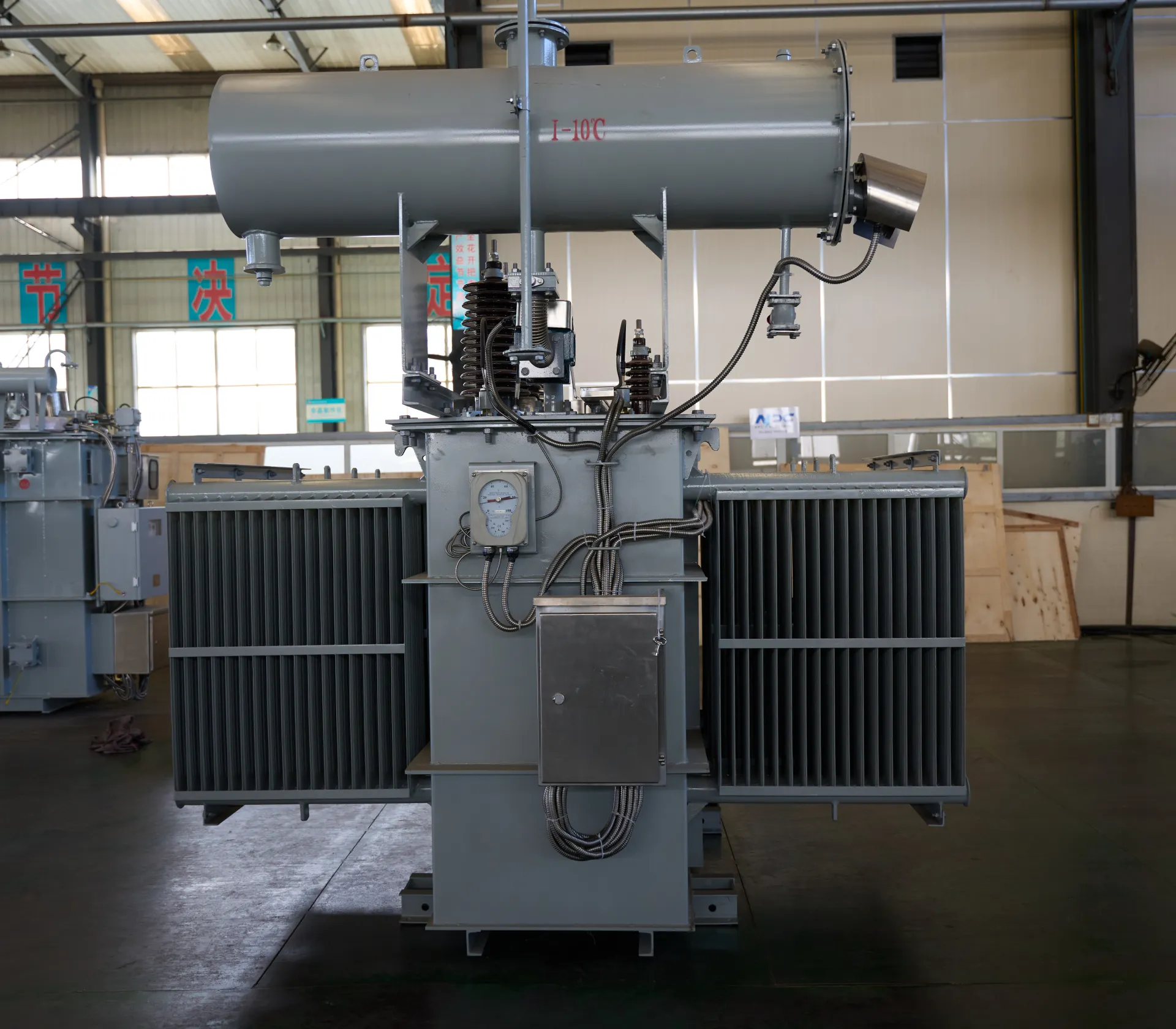
100kVA–20MVA Solar Step-Up Transformer for PV Power Plants
The 100kVA–20MVA Solar Step-Up Transformer is engineered specifically for modern solar power plants, providing efficient voltage elevation from inverter output levels to medium- or high-voltage grid requirements. Designed for continuous operation under fluctuating solar loads, this transformer ensures stable power transmission, low energy losses, and high operational reliability. Featuring a robust oil-immersed insulation system, the transformer delivers excellent thermal performance and long service life even in harsh outdoor environments. High-quality copper or aluminum windings, optimized magnetic core design, and advanced cooling configurations contribute to superior efficiency and reduced lifecycle costs. The transformer complies with IEC and IEEE standards, making it suitable for utility-scale photovoltaic projects, distributed generation systems, and renewable energy substations. With flexible capacity coverage from 100kVA to 20MVA, it adapts seamlessly to small, medium, and large solar installations.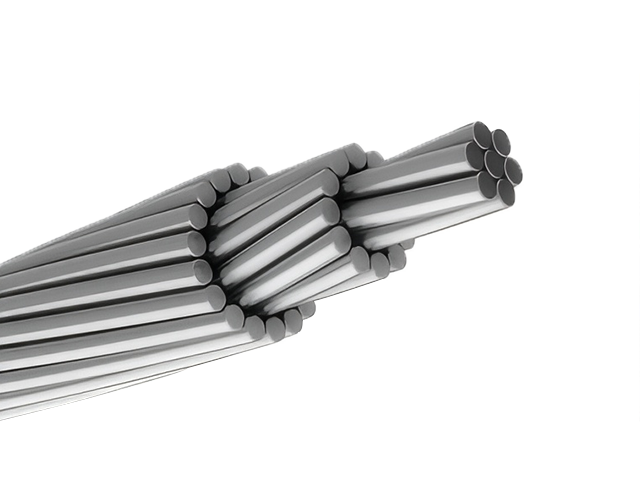
795 MCM DRAKE ACSR Conductor Cable
The ACSR CAA 795 MCM 26/7F DRAKE is a widely used, high-capacity overhead conductor designed for power transmission and distribution systems. It features a rugged construction of 26 hard-drawn 1350-H19 aluminium wires wrapped around 7 galvanized steel strands, forming a strong and conductive concentrically stranded cable. Built to ASTM B232 specifications, this conductor delivers excellent electrical performance, while its steel-reinforced core offers the mechanical strength needed for long-span installations. The steel strands are galvanized to Class A or B, providing reliable corrosion resistance in outdoor environments. With its proven design and high load-handling capabilities, the DRAKE configuration is commonly used across utility networks, particularly for high-voltage transmission lines where strength, conductivity, and longevity are critical. The aluminum 1350-H19 provides excellent corrosion resistance and low electrical resistance (0.0223 Ω/1000ft at 20°C), while the steel enhances sag control over long spans. Suitable for voltages up to 230kV in distribution lines, the 795 MCM Drake ACSR Conductor Cable minimizes line losses and withstands harsh weather, including wind and ice loading.
3+2 Cores Copper Cable CU/XLPE/PVC 0.6/1kV
The Single Core Copper Cable CU/XLPE/PVC 0.6/1kV is engineered for reliable power transmission and distribution in industrial, commercial, and utility applications. Featuring a high-purity copper conductor, XLPE insulation, and durable PVC outer sheath, the cable delivers outstanding electrical conductivity, thermal stability, and mechanical protection. The XLPE insulation offers superior dielectric properties, allowing the cable to operate continuously at conductor temperatures up to 90°C while maintaining excellent insulation performance. The PVC sheath provides resistance against moisture, abrasion, chemicals, and environmental exposure, ensuring a long service life even in demanding installations. Designed according to international standards including IEC 60502-1, this cable is suitable for fixed installations in power networks, industrial facilities, commercial buildings, renewable energy projects, and infrastructure developments. Various conductor sizes and sheath colors can be customized to meet specific project requirements. Its combination of safety, durability, and efficient power transmission makes the Single Core Copper Cable CU/XLPE/PVC 0.6/1kV a dependable solution for modern electrical systems.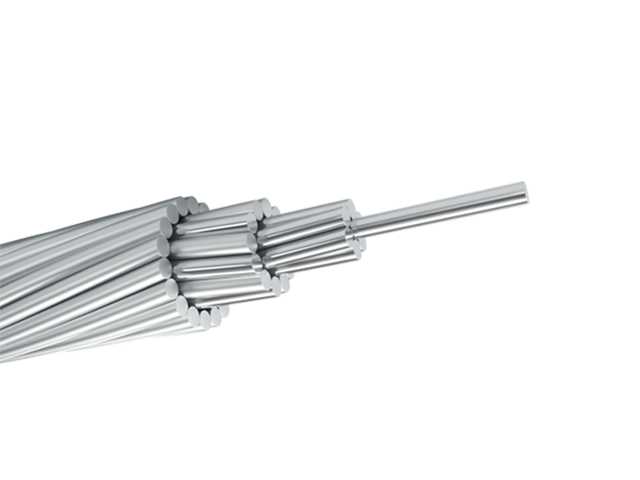
ACAR Conductor IEC 61089 Standard (A1/A3 & A1/A2) - Aluminum Alloy Reinforced
The ACAR Conductor IEC 61089 Standard (A1/A3, A1/A2) is a premium Aluminum Conductor Alloy Reinforced designed for efficient overhead power transmission and distribution. It consists of concentrically stranded 1350-H19 aluminum wires around a high-strength 6201-T81 aluminum-magnesium-silicon alloy core, offering an excellent balance of electrical conductivity and mechanical strength. Compared to equivalent ACSR conductors, this IEC 61089 ACAR provides higher ampacity at the same weight, lower sag, and superior corrosion resistance without steel core issues. Available in A1/A3 and A1/A2 configurations, it meets stringent IEC 61089 requirements for long-span lines. The ACAR Conductor IEC 61089 undergoes rigorous quality testing from raw materials to finished product, ensuring low DC resistance, high breaking strength, and reliable performance in various climates. Ideal for new installations or reconductoring projects where optimized strength-to-weight ratio and cost-effectiveness are critical.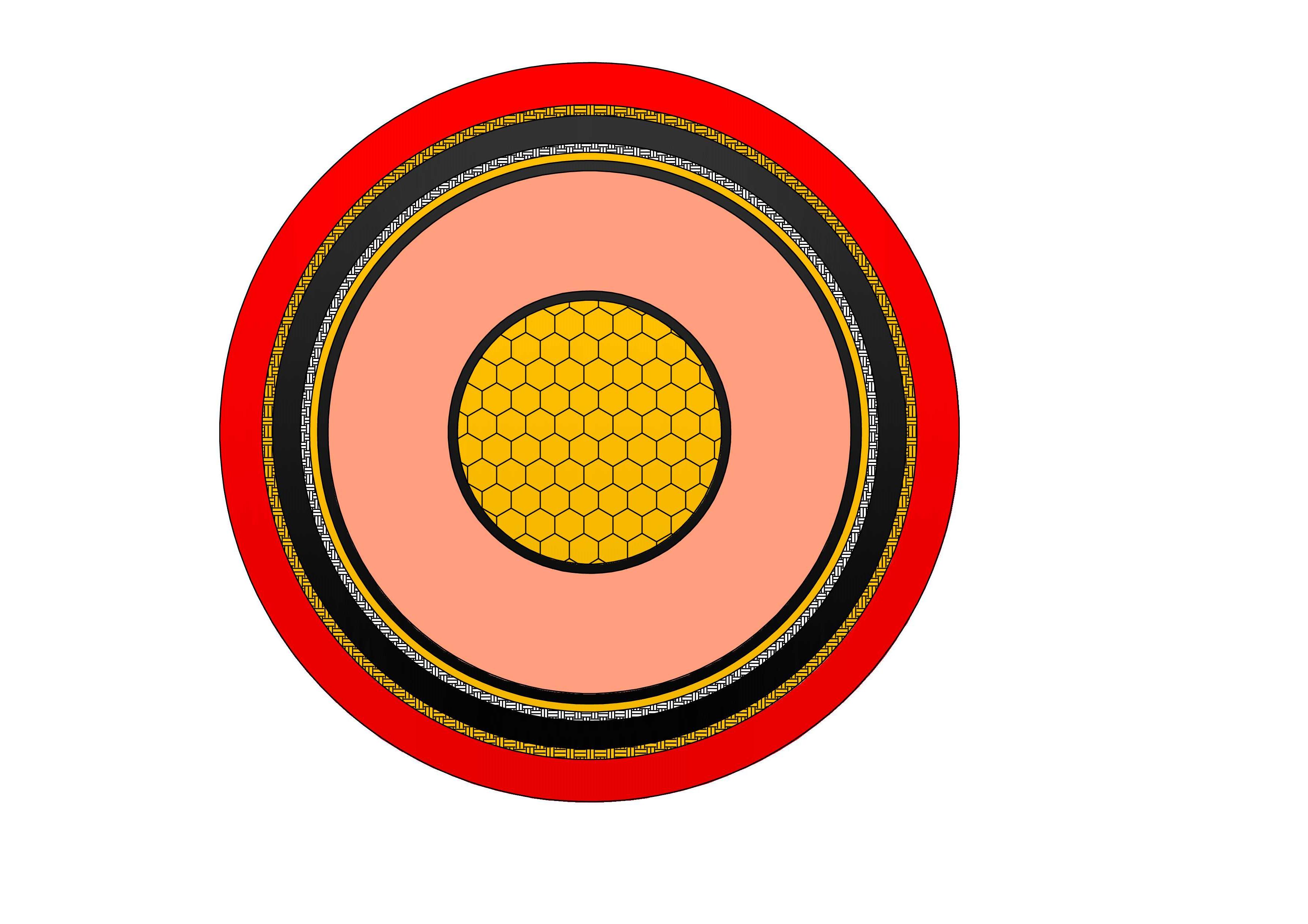
XAI Armoured Medium Voltage Power Cable(6/10kV, 12/20kV, 18/30kV)
NPC Electric XAI Armoured Medium Voltage Power Cable (6/10kV, 12/20kV, 18/30kV) delivers protected, high-performance medium voltage transmission. Constructed with copper or aluminium conductors, thermosetting XLPE insulation, metallic screen, bedding, galvanised steel wire armour (SWA), and tough outer sheath, it meets IEC 60502-2 requirements. The SWA layer offers outstanding resistance to mechanical damage, enabling direct burial without conduits. Low transmission losses, high current rating, and excellent overload tolerance ensure optimal efficiency. Optional LSZH sheath and water-blocking for added safety and reliability. Flame-retardant and environmentally robust, the XAI Armoured Medium Voltage Power Cable is widely selected for power grids, manufacturing plants, wind/solar farms, and infrastructure demanding reliable, maintenance-free medium voltage cabling with enhanced mechanical safeguarding in challenging terrains or high-impact zones worldwide.Welcome your inquiry
Honesty, Integrity, Frugality, Activeness and Passion