


380kV Oil-Immersed Power Transformer
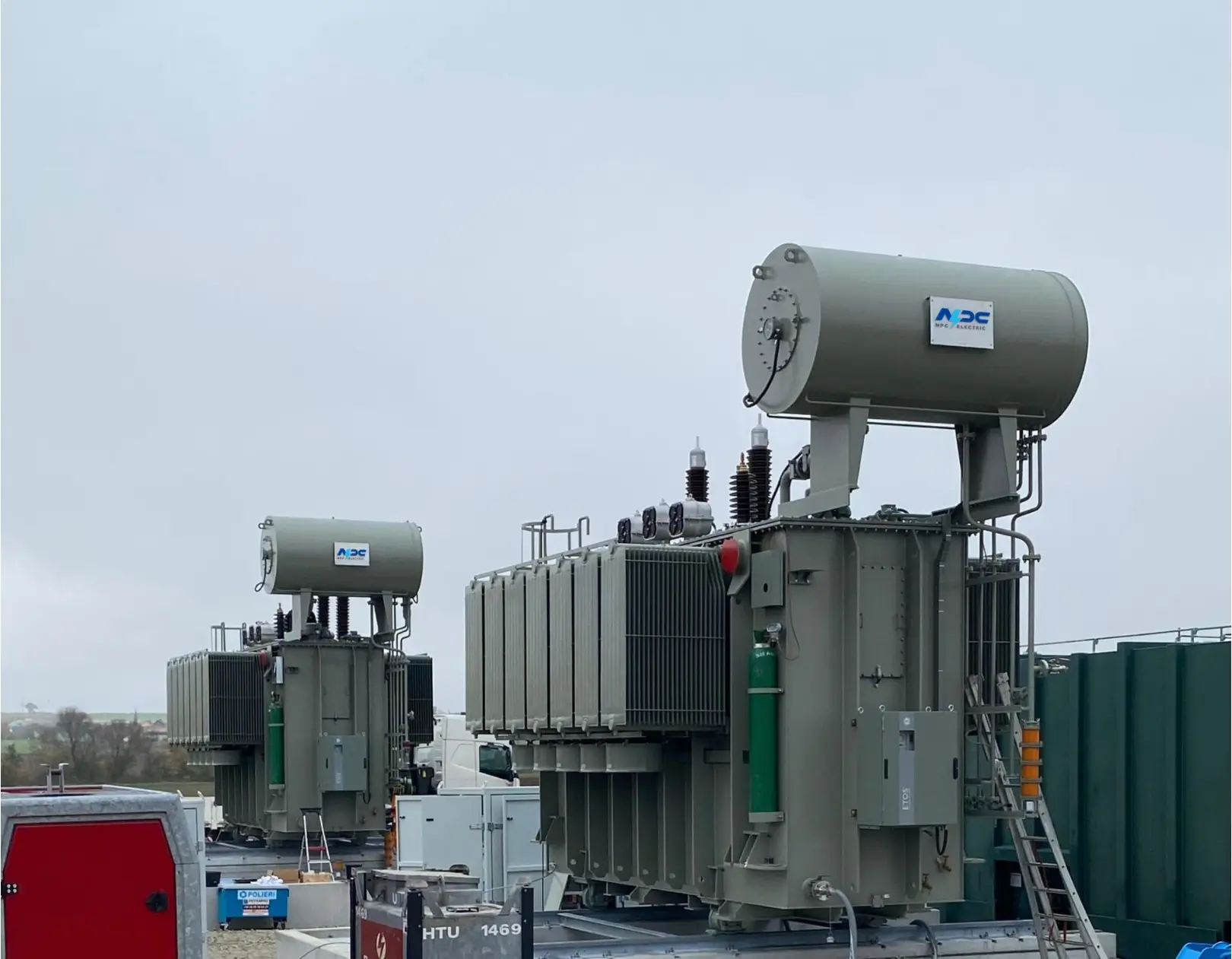
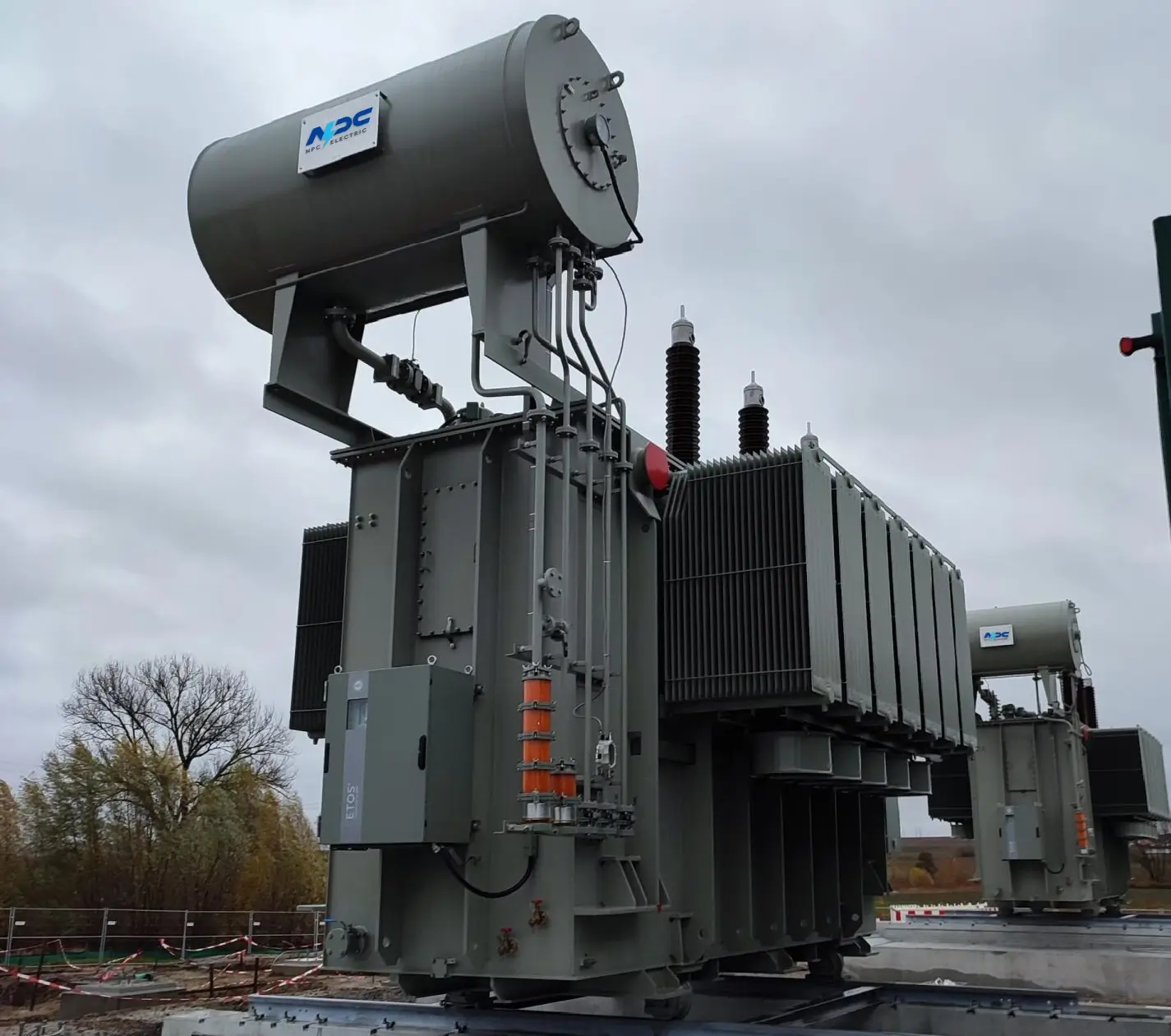
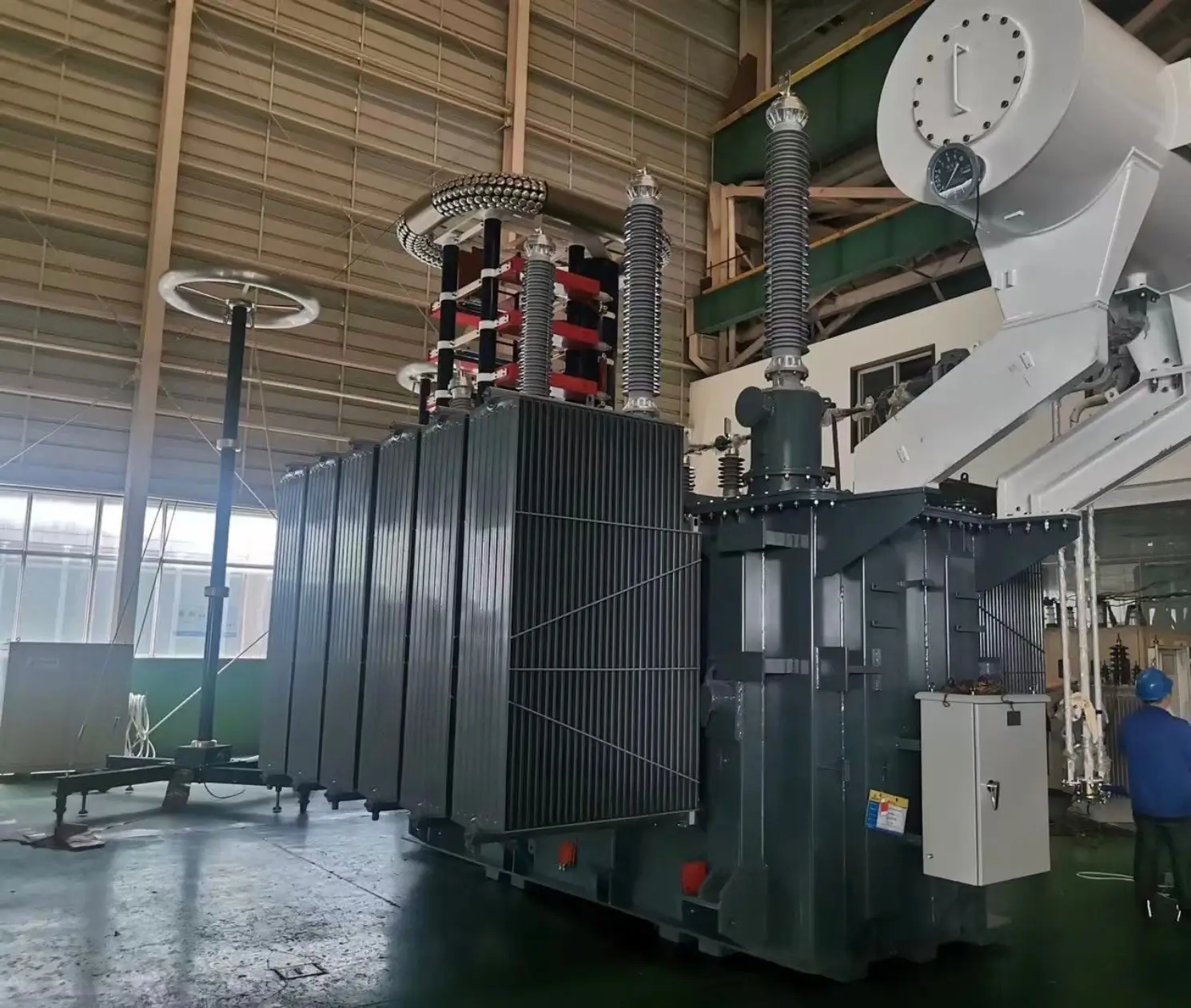
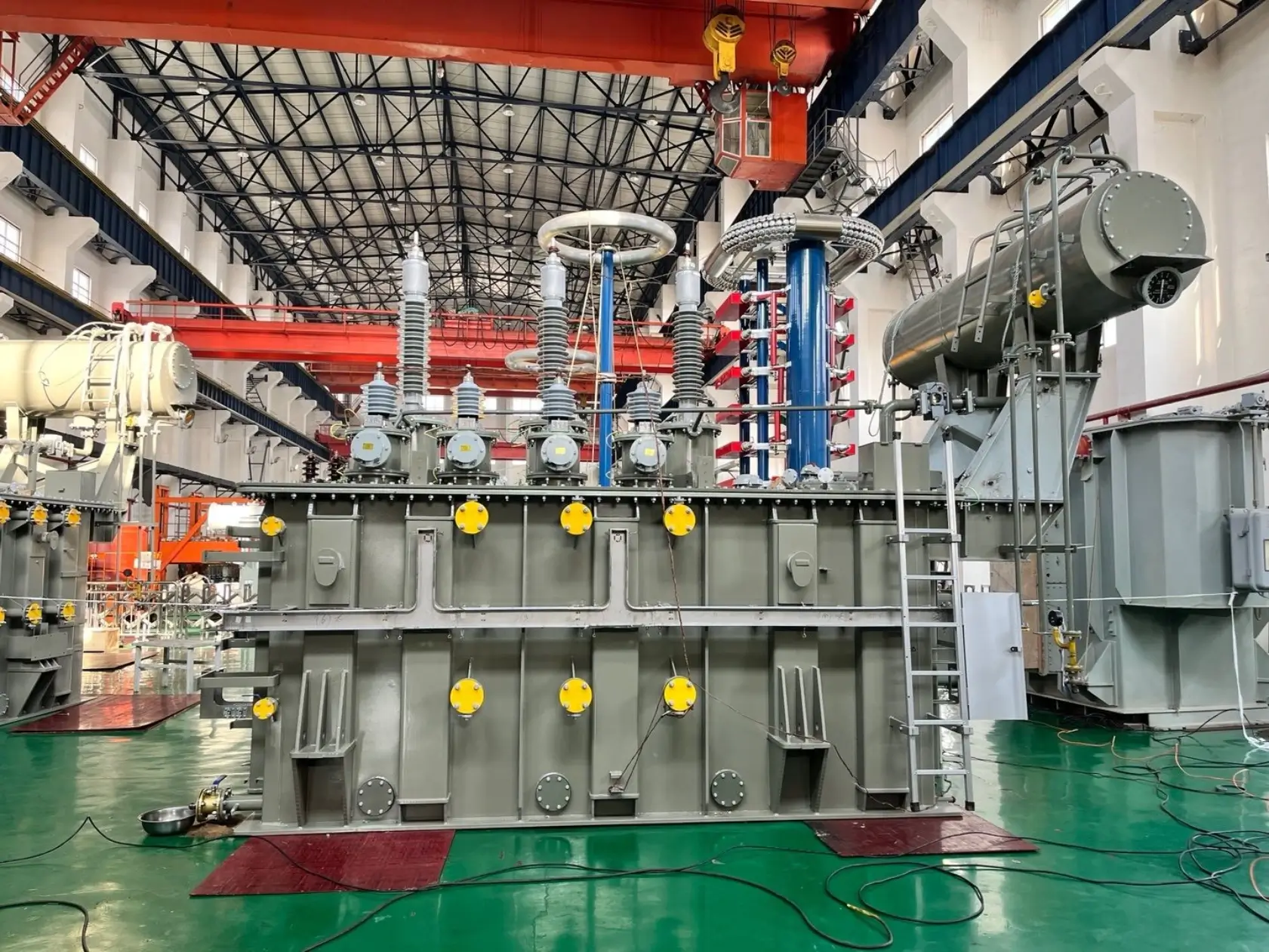
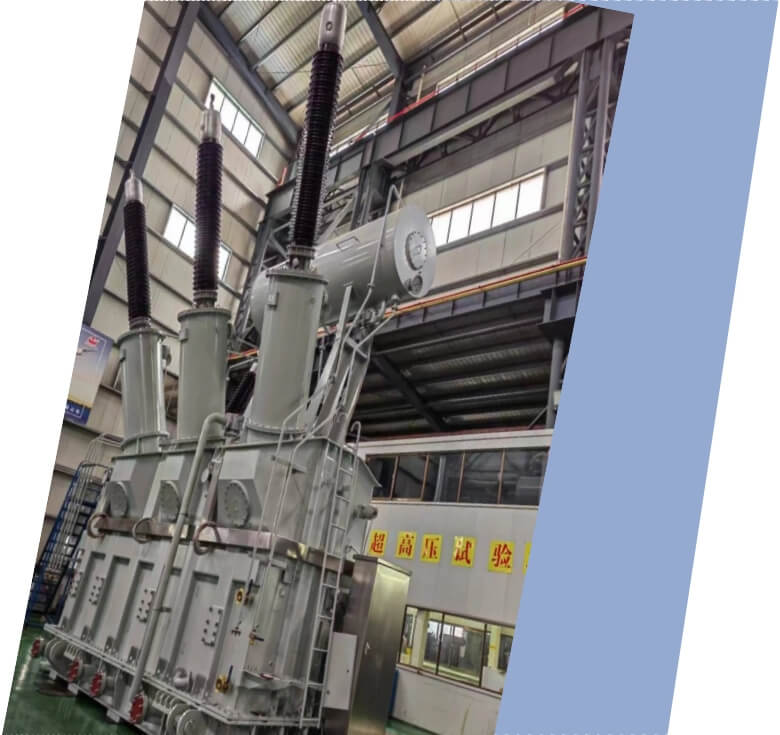
NPC Electric 380kV Oil-Immersed Power Transformer is engineered for the most demanding extra-high voltage (EHV) transmission networks, providing a robust link between power generation and regional distribution. Utilizing a multi-step core stacking method with high-grade, laser-scribed silicon steel, this unit minimizes eddy current losses and vibration. The internal active part is submerged in high-dielectric-strength mineral oil, which serves both as a superior insulator and a high-efficiency coolant. Designed with a vacuum-proof, reinforced corrugated or radiator-type tank, it ensures hermetic integrity under extreme thermal cycling. With advanced electrostatic shielding and a focus on mechanical stability, this transformer offers unparalleled reliability for national grid backbones, ensuring continuous power flow with minimal maintenance requirements even in harsh environmental conditions.
- Primary Voltage Ratings 220kV 230kV 380 kV
- Secondary Voltage Ratings 69/35/37/34.5/26.4./11/10.5/6.6/13.2 kV or others
- H.V. Tap Range ± 8×1.25% HV taps or others
- Type Oil-immersed power transformer
- BIL 900kV
- Standards IEEE, ANSI, IEC, GB
- Application long-distance transmission, renewable energy projects, solar energy
- Power Rating 5000-250000kVA
- Certificate UL, ISO, CESI
- Cooling Method ONAN/ ONAF
- Opeartion Step Down & Step Up
Technical Specifications
Customization Optional
Packing and Shipping
Manufacturer Test
Routine Testing
Application
Technical Specifications
380kV Oil-Immersed Power Transformer
Technical Specifications
Accessories
| Rated Power | 5000-250000kVA |
| Rating Primary Voltage | 220kV 230kV 380kV |
| Secondary Voltage |
69/35/37/34.5/26.4/11/10.5/6.6/13.2 kV Customized |
| Frequency | 50/60Hz |
| Vector Group | Dyn11, YD11, YNd11 or anothers |
| Winding Material | Aluminum/Copper |
| Efficiency | As IEEE, CAS Std or Customized |
| Impedance Voltage | As IEC |
| Altitude | ≤1,000m or Customized |
| Enclosure material | Mid Steel |
| HV Bushing |
| LV Bushing |
| OLTC/NLTC |
| Lifting hook for complete transformer |
| Name plate |
| Oil temperature |
| Winding temperature |
| Radiators |
| Oil level |
| Pressure relief valve |
| CT |
Customization Optional
380kV Oil-Immersed Power Transformer
To meet the diverse technical specifications of global utility providers, we offer extensive structural and functional customization. Customers can choose between different cooling configurations, such as ODAF (Oil Directed Air Forced) or ODWF (Oil Directed Water Forced), to optimize the thermal rating for specific site conditions. We provide a variety of high-voltage bushing options, including RIP (Resin Impregnated Paper) or RIS (Resin Impregnated Synthetic) technologies, to ensure the best performance in polluted or high-altitude regions. Additionally, the transformer can be designed as a single-phase unit for transport-constrained areas or a traditional three-phase unit for compact substation footprints.
In terms of intelligence and protection, our 380kV transformers can be equipped with an array of smart sensors and monitoring hardware. This includes integrated Online Dissolved Gas Analysis (DGA) for real-time fault detection and fiber-optic sensors for direct winding hotspot temperature measurement. We also offer customization of the control cabinet, allowing for seamless integration with existing SCADA systems via various communication protocols like IEC 61850. Specialized noise-reduction enclosures and anti-vibration mounts are also available for installations located near residential zones, ensuring that the equipment meets strict local environmental regulations without compromising power capacity.
Packing and Shipping
380kV Oil-Immersed Power Transformer
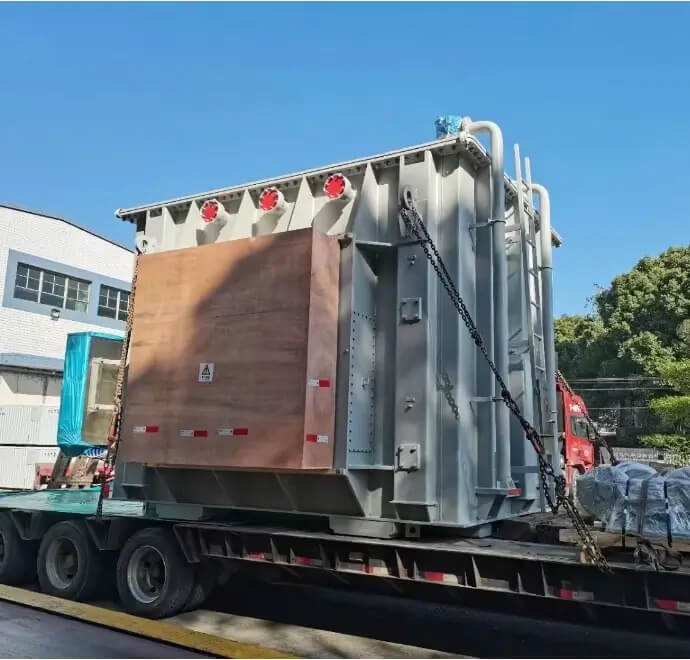
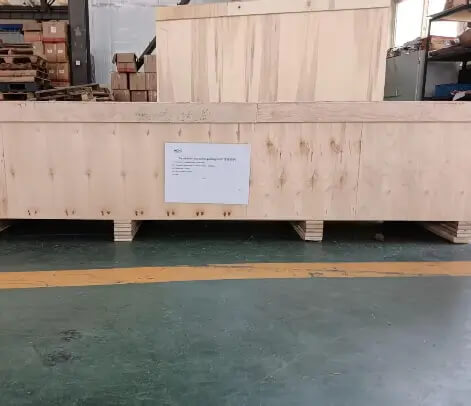
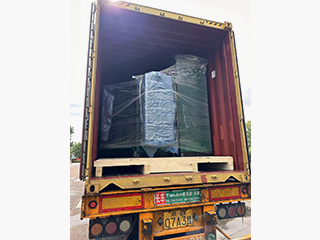
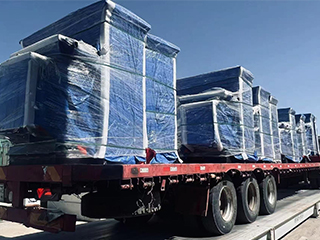
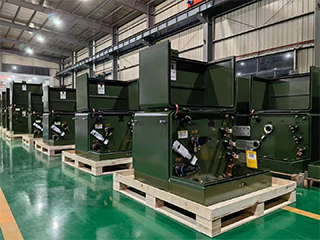
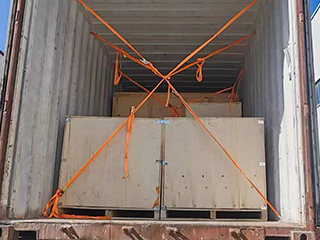
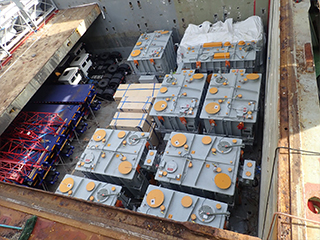
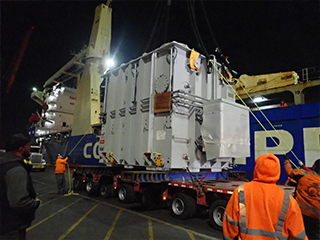
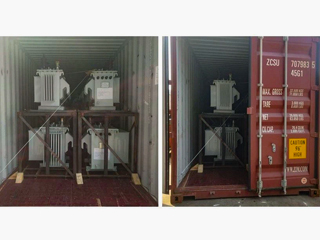
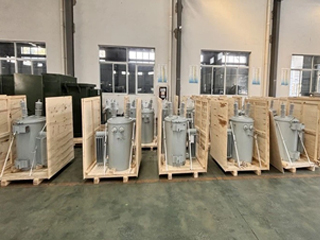
The logistical execution for a 380kV power transformer is a high-precision operation. Due to the massive weight of the main body, the transformer is shipped with the oil removed and replaced by high-purity dry nitrogen to maintain an inert, moisture-free internal environment. The nitrogen pressure is monitored by a dedicated gauge throughout the journey to ensure the integrity of the seals. All external components, including the massive radiator banks, conservator tanks, and sensitive high-voltage bushings, are packed separately in reinforced, IP65-rated seaworthy crates to prevent corrosion and physical damage during sea or rail transit.
For inland transport, we utilize specialized multi-axle modular trailers (SPMT) capable of distributing the concentrated load of the main tank across dozens of wheels. This prevents damage to road infrastructure and ensures the stability of the transformer during transit. A comprehensive route survey is conducted prior to dispatch to identify clearance issues under bridges or power lines. The main body is secured using heavy-duty turnbuckles and steel chains, with friction mats placed underneath the tank to prevent any shifting during the dynamic forces encountered on a ship's deck or a moving heavy-load vehicle.
To ensure accountability and safety, we install a series of 3D impact recorders and GPS tracking units on the transformer tank. These devices provide real-time data on the unit's location and record any G-force impacts exceeding 2G in the longitudinal, transverse, or vertical axes. Upon arrival at the port of discharge or the final substation site, a joint inspection is carried out to verify that no internal displacement has occurred. This data-driven approach to shipping allows our engineers to confirm that the factory-set mechanical tolerances have been preserved before the installation process begins.
The final stage of shipping involves the "last mile" delivery to the transformer pad. Our specialized logistics team manages the complex task of offloading the unit, often using a "jack-and-slide" method if crane access is restricted. Once the transformer is positioned, the nitrogen is purged and replaced with processed insulation oil under a continuous vacuum to prevent air bubbles. This comprehensive end-to-end shipping strategy minimizes the risk of insulation degradation or mechanical fatigue, ensuring that the 380kV transformer arrives at the customer's site in the same pristine condition it left our testing bay.
For inland transport, we utilize specialized multi-axle modular trailers (SPMT) capable of distributing the concentrated load of the main tank across dozens of wheels. This prevents damage to road infrastructure and ensures the stability of the transformer during transit. A comprehensive route survey is conducted prior to dispatch to identify clearance issues under bridges or power lines. The main body is secured using heavy-duty turnbuckles and steel chains, with friction mats placed underneath the tank to prevent any shifting during the dynamic forces encountered on a ship's deck or a moving heavy-load vehicle.
To ensure accountability and safety, we install a series of 3D impact recorders and GPS tracking units on the transformer tank. These devices provide real-time data on the unit's location and record any G-force impacts exceeding 2G in the longitudinal, transverse, or vertical axes. Upon arrival at the port of discharge or the final substation site, a joint inspection is carried out to verify that no internal displacement has occurred. This data-driven approach to shipping allows our engineers to confirm that the factory-set mechanical tolerances have been preserved before the installation process begins.
The final stage of shipping involves the "last mile" delivery to the transformer pad. Our specialized logistics team manages the complex task of offloading the unit, often using a "jack-and-slide" method if crane access is restricted. Once the transformer is positioned, the nitrogen is purged and replaced with processed insulation oil under a continuous vacuum to prevent air bubbles. This comprehensive end-to-end shipping strategy minimizes the risk of insulation degradation or mechanical fatigue, ensuring that the 380kV transformer arrives at the customer's site in the same pristine condition it left our testing bay.
32
32 years of industry experience
Manufacturer Test
380kV Oil-Immersed Power Transformer
Progress test
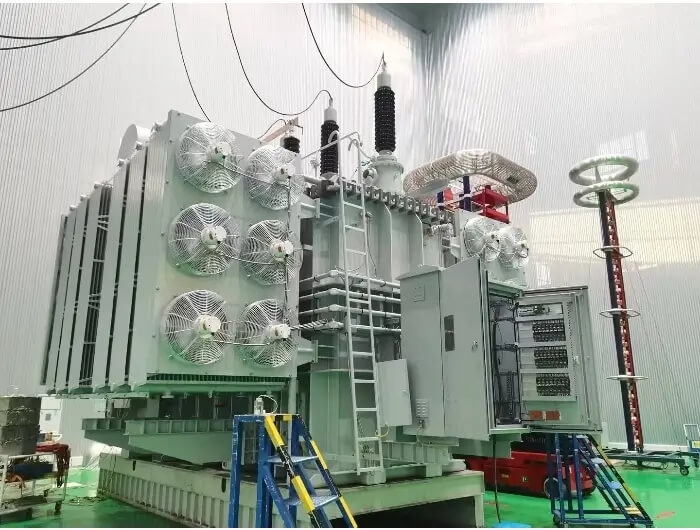
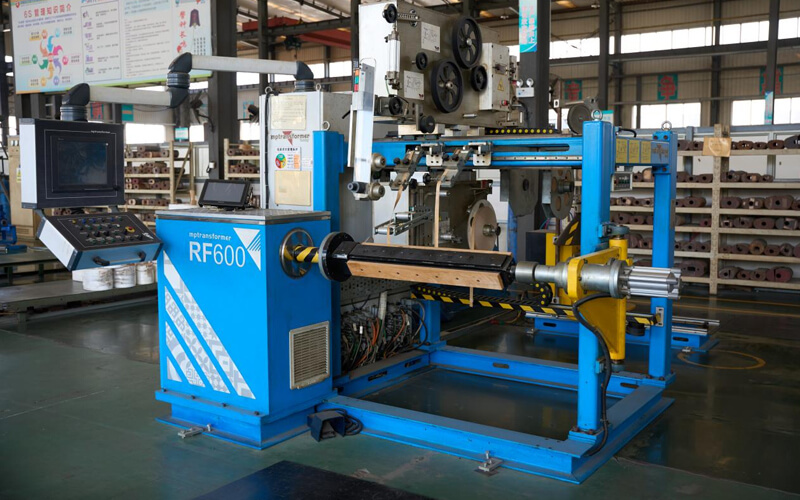
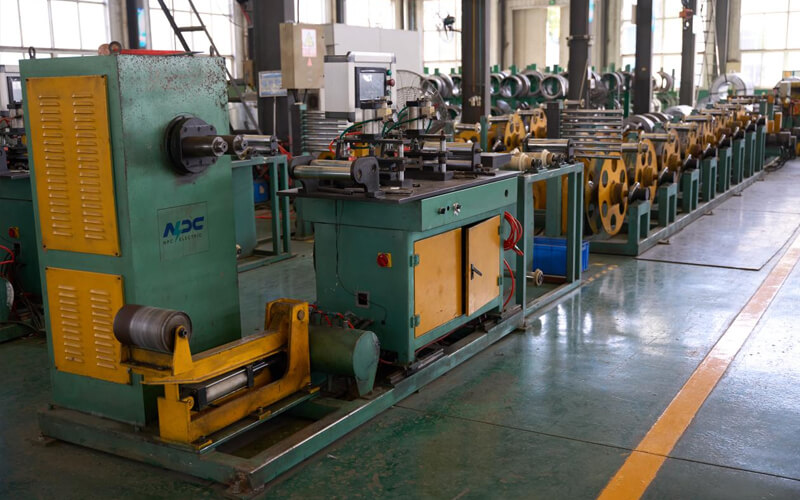
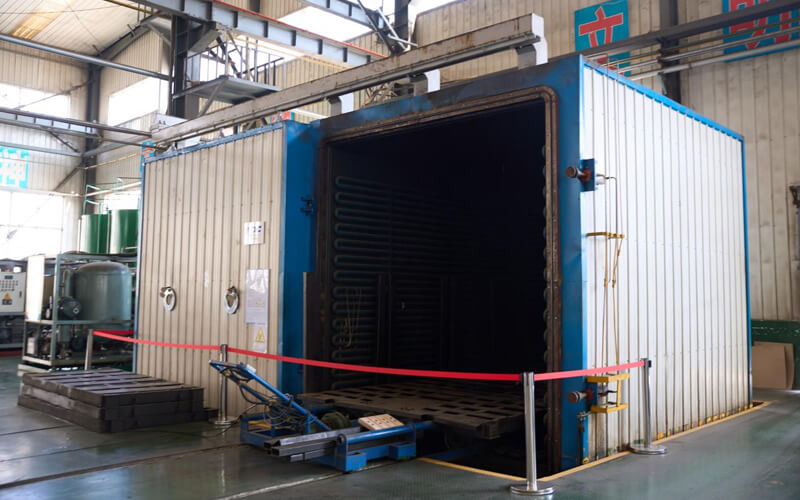
NPC Electric's manufacturing process incorporates a rigorous Progress Test schedule at every critical assembly stage. This begins with the "Cold Test" of the core to verify flux density and magnetic symmetry. Once the windings are manufactured, we perform a high-precision turns ratio and polarity test to ensure electrical alignment. A critical stage is the "Vapor Phase Drying" (VPD) process, after which we measure insulation resistance and power factor to confirm total moisture removal from the cellulose materials. Progress testing for the 380kV Oil-Immersed Power Transformer focuses on insulation system integrity, oil processing quality, and mechanical robustness. Controlled drying cycles, vacuum oil filling procedures, and sealing inspections are closely supervised to maintain dielectric strength and prevent internal defects. By embedding product-specific parameters into each inspection step, the factory ensures consistent quality, operational safety, and long-term reliability of the 380kV oil-immersed power transformer.
Design Tests
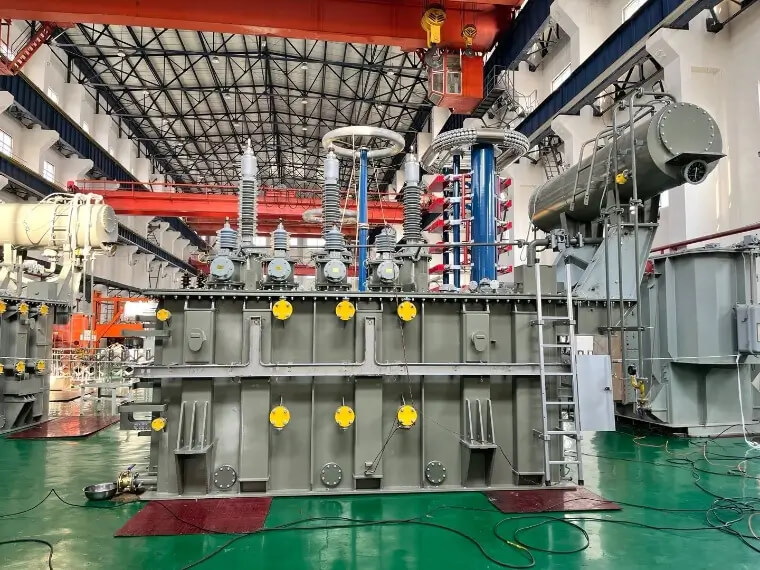
All transformers will be tested after finishing the production test items as below:
♦ Leak testing with pressure for liquid-immersed transformers
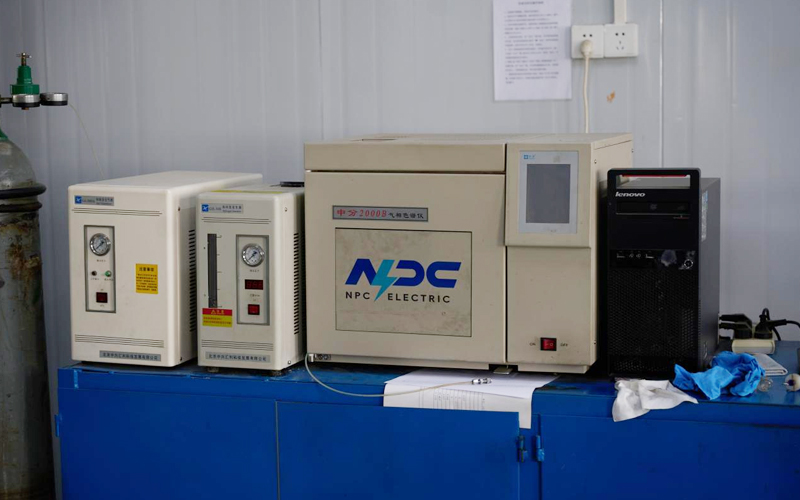
♦ Test of transformer oil
♦ Measurement of voltage ratio and check of phase displacement
♦ Measurement of winding DC resistance
♦ Measurement of d. c. Insulation resistance between each winding to earth, and check of the core and frame insulation
♦ Capacitive bushing test
♦ Measurement of no-load loss and current at 90%,100%,110% of rated voltage
♦ Operation test on on-load tap-changer
♦ Measurement of short-circuit impedance and load loss
♦ Lightning impulse test
♦ Induced-voltage test with partial discharge measurement
♦ Auxiliary wiring check
♦ Current transformer test
♦ Frequency response analysis test
Transformer Factory Acceptance Test
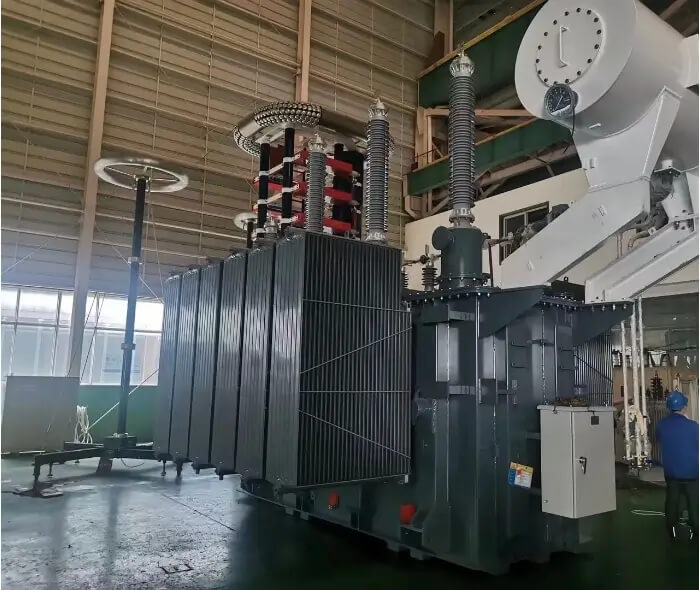
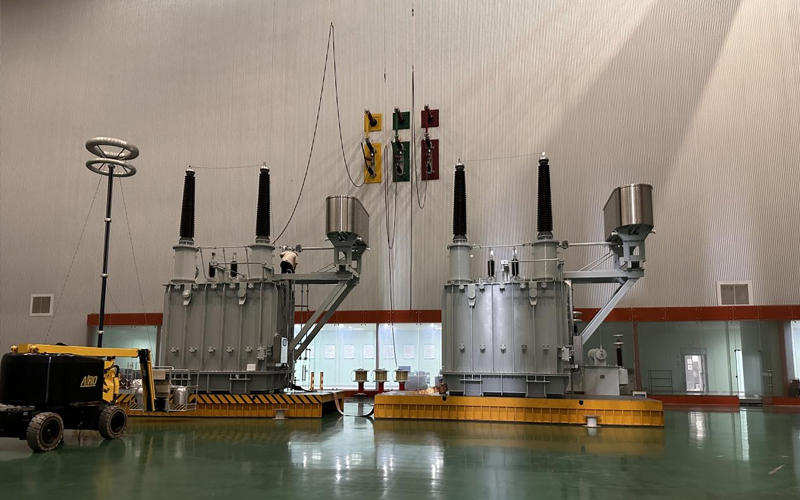
The FAT for our 380kV units focuses on extreme electrical stress validation. We perform Lightning Impulse Tests (both full and chopped wave) and Switching Impulse Tests to simulate grid transients. This is followed by a long-duration Induced Overvoltage Test with Partial Discharge (PD) measurement, where PD levels must remain below 50pC. We also execute a full-load temperature rise test to ensure the oil and winding temperatures stay within the 60/65K limits. The Factory Acceptance Test for the 380kV Oil-Immersed Power Transformer is performed in accordance with IEC and other applicable international standards. Test items include winding resistance measurement, voltage ratio and vector group verification, applied and induced voltage withstand tests, and partial discharge measurement. These tests verify the electrical integrity and functional accuracy of the 380kV oil-immersed power transformer before shipment.
Routine Test - DC Insulation Resistance Test
Purpose of Testing
The purpose of DC insulation resistance testing is to measure the insulation resistance of a device by applying a DC voltage, thereby evaluating the health of the insulation material and the voltage withstand capability of the electrical device. This test helps detect potential insulation aging, moisture or damage, preventing electrical failures in the device.
Testing Equipment
Insulation resistance tester (e.g. Megger, Fluke, Hioki, Klein Tools, etc.)
Voltage source (usually 500V, 1000V, 2500V, or customized according to customer requirements)
Temperature and humidity meter (used to record the ambient temperature and humidity during the test to ensure that the test conditions meet the standard requirements.)
Voltage source (usually 500V, 1000V, 2500V, or customized according to customer requirements)
Temperature and humidity meter (used to record the ambient temperature and humidity during the test to ensure that the test conditions meet the standard requirements.)
Pre-Test Preparation
Make sure the device is properly grounded and fully discharged to prevent residual charge in the device from affecting the test results.
Perform the test under suitable environmental conditions. It is recommended to have a relative humidity below 75%, no rain, and a temperature range of 20-30°C to avoid moisture or temperature fluctuations affecting the test results.
Perform the test under suitable environmental conditions. It is recommended to have a relative humidity below 75%, no rain, and a temperature range of 20-30°C to avoid moisture or temperature fluctuations affecting the test results.
Test Progress
Connect the Test Instrument:
Connect an insulation resistance tester to the high voltage terminal of the device under test and to ground.
Apply Test Voltage:
Select an appropriate test voltage based on the rated voltage of the equipment .
Connect an insulation resistance tester to the high voltage terminal of the device under test and to ground.
Apply Test Voltage:
Select an appropriate test voltage based on the rated voltage of the equipment .
Test Standard
IEC 60076 Oil-immersed power transformers
Measure and Record
Start the test and record the following parameters:
Insulation resistance value (MΩ)
Applied voltage
Ambient temperature and humidity during testing
Insulation resistance value (MΩ)
Applied voltage
Ambient temperature and humidity during testing
Temperature Correction
The measured insulation resistance values are corrected to a reference temperature (usually 20°C) for accurate evaluation.
Repeat Testing (if necessary)
Measure different windings (high voltage, medium voltage, low voltage) or each bushing separately, and conduct comparative analysis to ensure the insulation status of all parts.
Evaluation Criteria (Reference)
Insulation resistance ≥ 1000 MΩ (excellent)
500 MΩ ≤ Insulation resistance < 1000 MΩ (good)
100 MΩ ≤ Insulation resistance < 500 MΩ
Insulation resistance < 100 MΩ
500 MΩ ≤ Insulation resistance < 1000 MΩ (good)
100 MΩ ≤ Insulation resistance < 500 MΩ
Insulation resistance < 100 MΩ
*These comprehensive tests ensure that each transformer meets performance standards and operates
reliably under various conditions.
Application
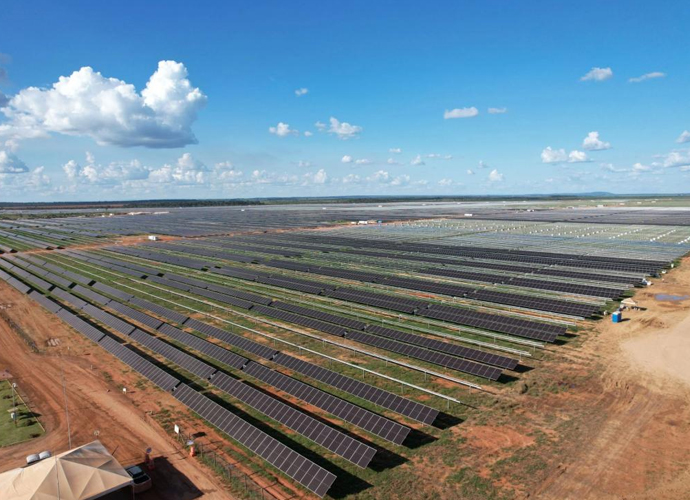
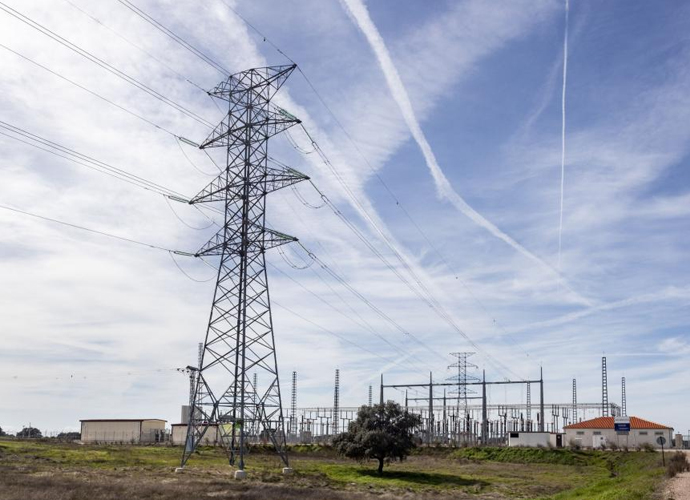
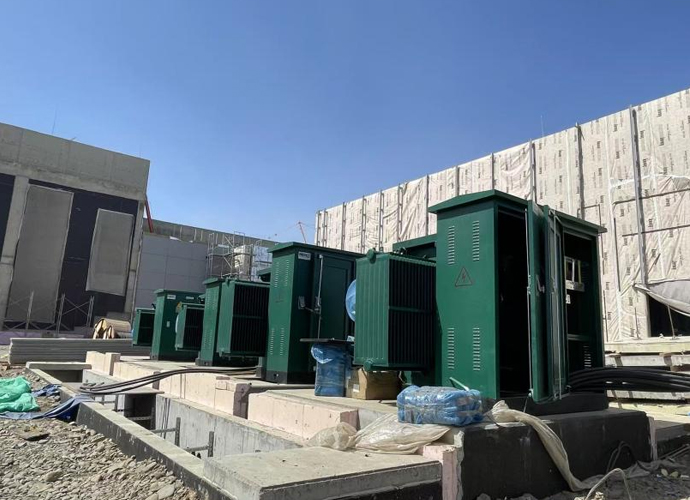
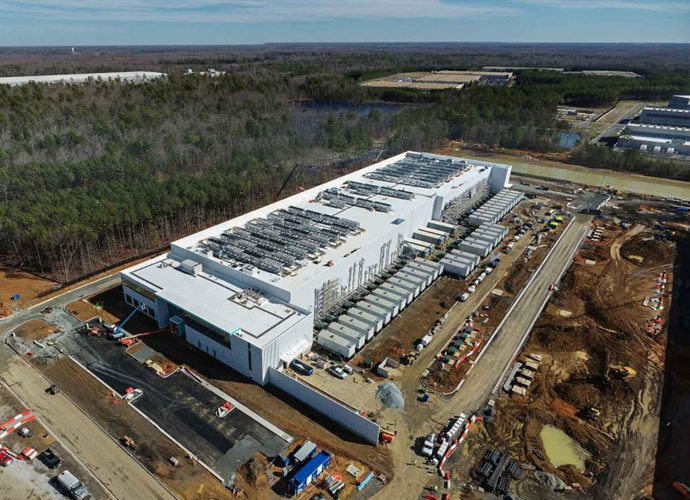
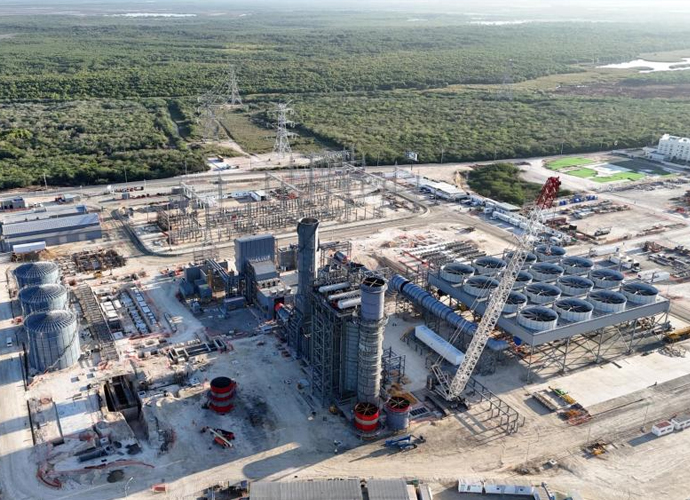
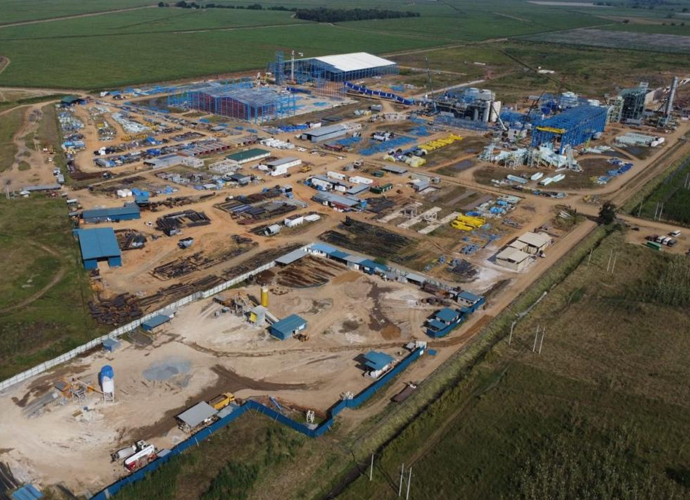
Serves as a massive step-up transformer at offshore wind farm landing stations or large-scale solar deserts, elevating generated power to 380kV for efficient, long-distance transmission to metropolitan centers with minimal resistive loss.


Technical Advantages
● 30+ years of manufacturing experience
● ISO and UL certified production
● Customized cable and transformer solutions
Product Packaging
Transformers Packaging (1)
Transformers Packaging (2)
Transformers Packaging (3)
Transformers Packaging (4)
Transformers Packaging (5)
Transformers Packaging (6)
Transformers Packaging (7)
Transformers Packaging (8)
Related Products
1000kVA Dry Type Transformer
NPC ELECTRIC 1000kVA Dry-Type Transformer offers efficient, oil-free power distribution with a compact design. Equipped with advanced insulation and cooling systems, it ensures safe and reliable operation with minimal maintenance. Ideal for industrial and commercial applications, it provides environmentally friendly and cost-effective performance. Standard features include three-phase configuration, primary voltages 208V–600V (e.g., 480V Delta, 600V Delta), secondary voltages such as 208Y/120V, 480Y/277V, or custom, aluminum or copper windings, 150°C rise (standard) or 115°C/80°C with 220°C insulation class, ±2×2.5% primary taps, NEMA 1 ventilated enclosure (NEMA 3R/encapsulated options), natural convection cooling (AN), electrostatic shielding, and NEMA-compliant low sound levels.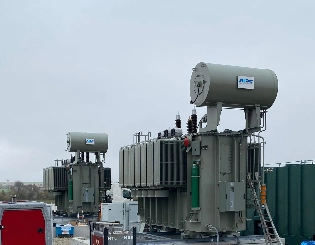
220kV 230kV Power Transformer
The 220kV / 230kV Power Transformer is an extra-high-voltage, oil-immersed, three-phase power transformer engineered for backbone transmission networks, major utility substations, large-scale renewable energy integration, heavy industrial corridors, and cross-border grid interconnections. Typical specifications include mineral oil or FR3 natural ester insulation (ONAN/ONAF/ODAF/OFWF cooling configurations), high-conductivity copper windings (aluminum optional), primary voltages 220kV or 230kV (grounded wye/delta, dual-voltage or multi-tap options), secondary voltages 35kV, 66kV, 110kV, 132kV, 138kV or custom (e.g., 230kV/115kV, 220kV/35kV, 230kV/13.8kV step-down), BIL ratings 950–1050kV (up to 1175kV for ultra-high lightning areas), impedance 10–18% (tolerances ±7.5%), ±8×1.25% or ±10×1.25% off-load tap changer (OLTC ±16–25% range common), conservator with bladder or sealed tank, Buchholz relay, sudden pressure relay, oil/winding temperature indicators (OTI/WTI), fiber-optic hot-spot sensors, partial discharge monitoring, pressure relief device, and ANSI 61 gray or custom tank finish.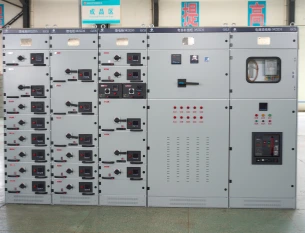
Armored Removable AC Switchgear
The Armored Removable AC Switchgear is a high-performance medium-voltage electrical distribution system specifically engineered for industrial power networks, utility substations, commercial infrastructure, and smart-grid applications. The switchgear adopts a metal-clad armored structure combined with a removable withdrawable unit design, integrating vacuum circuit breakers, protection relays, busbar systems, metering devices, and intelligent control components into a compact modular cabinet configuration. This advanced structure significantly improves operational safety, maintenance efficiency, and system reliability for modern electrical distribution environments. Designed according to international medium-voltage distribution standards, the armored removable AC switchgear provides excellent insulation performance, internal arc resistance, and mechanical durability under demanding operating conditions. The withdrawable breaker mechanism allows convenient maintenance and rapid replacement while reducing operational downtime and improving personnel safety during inspection procedures. The compartmentalized enclosure design effectively isolates busbar sections, cable chambers, breaker compartments, and control circuits to minimize fault propagation risks and enhance overall system protection. The Armored Removable AC Switchgear supports intelligent monitoring systems, remote communication protocols, and automated protection functions for modern digital substations and smart-grid infrastructure. With flexible configuration capabilities and scalable electrical distribution architecture, the system delivers dependable medium-voltage switching and protection performance for industrial automation systems, renewable energy projects, utility power networks, transportation infrastructure, and mission-critical electrical facilities.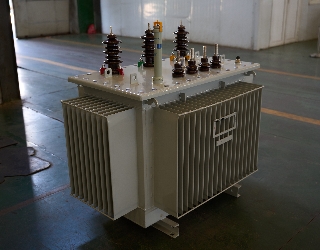
160kVA Oil Immersed Transformer
The 160kVA Oil-Immersed Transformer is characterized by its high efficiency and low loss, significantly reducing power consumption and operational costs. This transformer offers notable social benefits and is a high-tech product actively promoted by the government. Produced by a leading Chinese manufacturer, the NPC ELECTRIC 160kVA Oil-Immersed Transformer represents a pinnacle of electrical engineering, designed to meet the stringent demands of contemporary power distribution systems. These transformers are crafted with precision and incorporate cutting-edge technology, renowned for their exceptional durability, efficiency, and reliability.
Medium Voltage Switchgear
The Medium Voltage Switchgear is an advanced electrical distribution and protection system engineered for safe, reliable, and efficient medium-voltage power management in utility substations, industrial facilities, renewable energy plants, commercial infrastructure, and smart-grid applications. The system integrates vacuum circuit breakers, disconnect switches, protection relays, busbar assemblies, intelligent monitoring systems, and automation devices into a compact modular enclosure structure to ensure stable electrical distribution and enhanced operational safety. Designed with high-strength insulated structures and precision-manufactured electrical components, the medium voltage switchgear provides outstanding dielectric performance, thermal stability, and mechanical durability under demanding operating conditions. Its modular cabinet configuration improves installation flexibility, simplifies maintenance procedures, and supports future power distribution expansion while minimizing operational downtime and maintenance costs. The Medium Voltage Switchgear supports air-insulated and gas-insulated configurations, intelligent automation systems, remote communication protocols, and smart-grid integration technologies. With customizable protection schemes and scalable electrical distribution capabilities, the switchgear delivers dependable medium-voltage control and protection performance for industrial automation systems, utility power networks, renewable energy integration projects, transportation infrastructure, and mission-critical electrical facilities.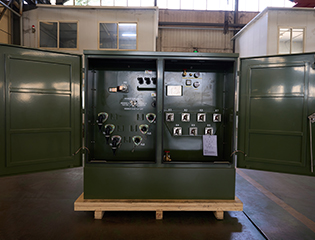
500kVA Three Phase Pad Mounted Transformer
The 500kVA three-phase pad transformer is an efficient and sturdy power equipment designed for commercial, industrial and distribution systems. It has a compact design and a protective casing that meets NEMA 3R or higher standards. It is suitable for various outdoor environments and can effectively resist external factors such as weather, dust and moisture. It can meet the power needs of different regions and has a variety of optional functions, such as load regulation and temperature control systems, to further improve its operating efficiency and safety. The built-in protection device can effectively prevent overload, short circuit and other faults to ensure the safe and reliable operation of the power system.FAQ From Customers
-
What is a Transformer?A transformer is an electrical device used to change the voltage of alternating current (AC). It works on the principle of electromagnetic induction, converting high-voltage current into low-voltage current or low-voltage current into high-voltage current. Transformers are widely used in power transmission, distribution systems, and various electronic devices.
-
What are the main uses of a transformer?The main use of a transformer is voltage conversion. Transformers are used in power transmission systems to help transfer electricity from power plants to consumers. In addition, transformers are also used in electronic devices such as chargers, televisions, power adapters, etc., to adjust the voltage to meet the requirements of different devices.
-
Do you have UL listed?Yes, our transformer has UL listed. We have exported to America many pad mounted transformer,substation transformer and HV.
Welcome your inquiry
Honesty, Integrity, Frugality, Activeness and Passion