
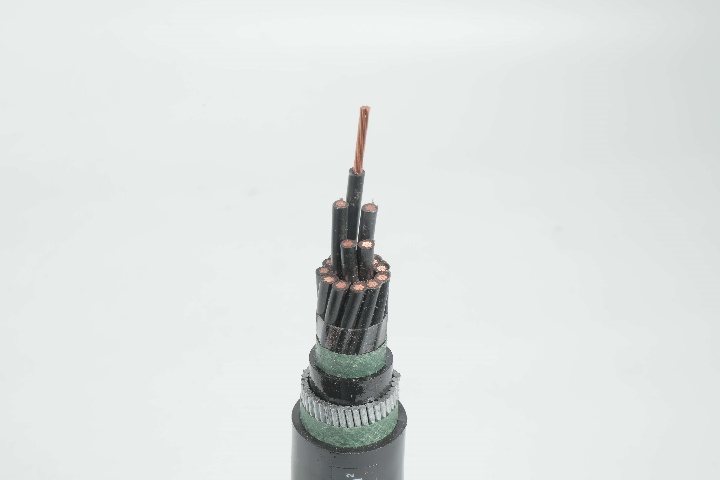
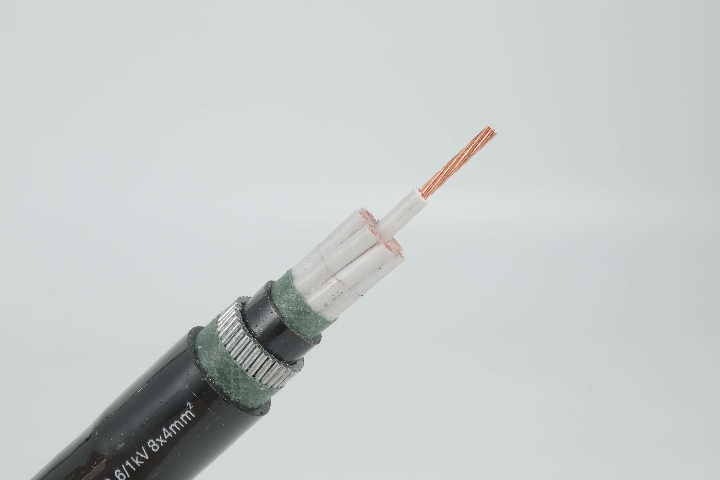
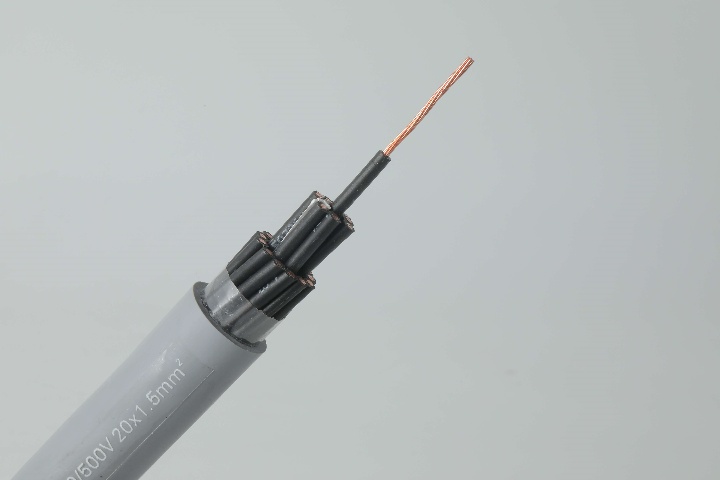


Control Cable 0.6/1 kV CVV-S to IEC 60502 Standard (2-30 core)
Engineered for electromagnetic interference resistance, the Control Cable 0.6/1 kV CVV-S to IEC 60502 Standard (2-30 core) excels in sensitive control environments. It employs concentric stranded copper conductors for low-resistance transmission, paired with black PVC insulation marked by white numbers for easy identification. The integrated copper tape shield effectively blocks electrostatic noise, while dual PVC sheaths provide flame resistance and mechanical protection. Suitable for 0.6/1 kV ratings, it withstands temperatures from -15°C to 70°C. This cable is tailored for supervisory circuits, outdoor stations, and installations in ducts or conduits where shielding is essential. With options from 2 to 30 cores, it accommodates diverse system requirements, enhancing signal integrity and reducing errors. Fully compliant with IEC 60502, it minimizes operational disruptions in high-interference settings. Ideal for professionals demanding dependable solutions, the CVV-S ensures long-lasting performance and cost savings through superior durability.
- Standard IEC 60502-1, IEC 60228
Construction
Technical Specifications
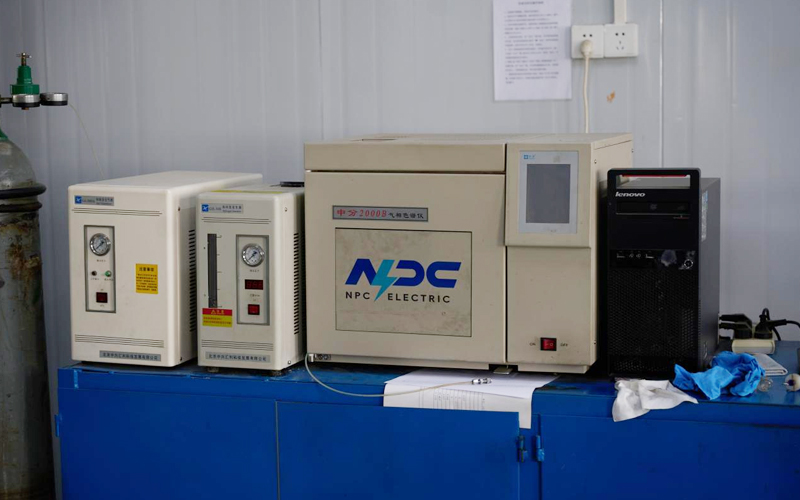
Quality Control
Application
Construction
Control Cable 0.6/1 kV CVV-S to IEC 60502 Standard
Conductors
Copper or Aluminium conductor, round stranded or Shaped, Class 2 to IEC 60228, BS EN 60228. For smaller sizes, a solid round conductor, Class 1 as per IEC 60228, BS EN 60228, can also be supplied upon request.
Insulation
PVC or XLPE material and thickness shall be as per IEC 60502 or BS 5467, rated for 90°C continuous operation
Colour Code (1)
1 Core: Red or Black
2 Cores: Red, Black
3 Cores: Red, Yellow, Blue
4 Cores: Red, Yellow, Blue, Black
5 Cores: Red, Yellow, Blue, Black, Green
Above 5 Cores: Black Cores with White numerals
2 Cores: Red, Black
3 Cores: Red, Yellow, Blue
4 Cores: Red, Yellow, Blue, Black
5 Cores: Red, Yellow, Blue, Black, Green
Above 5 Cores: Black Cores with White numerals
Colour Code (2)
1 Core: Brown or Blue
2 Cores: Brown or Blue
3 Cores: Brown, Black, Grey
4 Cores: Blue, Brown, Black, Grey
5 Cores: Green/Yellow, Blue, Brown, Black, Grey
Above 5 Cores: Black Cores with White numerals
2 Cores: Brown or Blue
3 Cores: Brown, Black, Grey
4 Cores: Blue, Brown, Black, Grey
5 Cores: Green/Yellow, Blue, Brown, Black, Grey
Above 5 Cores: Black Cores with White numerals
Assembly / Inner Sheath
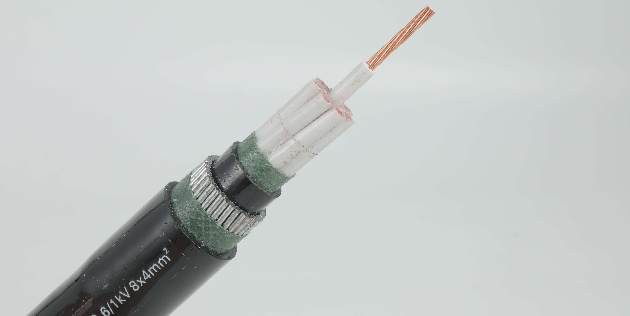
Two, three, or four insulated conductors are laid up together with non-hygroscopic fillers, and the assembly is bedded with an extruded layer of PVC. In case of non-armoured cables, this layer may be omitted
Armour
Aluminum/Galvanized Steel Wires are applied helically over the bedding as per IEC 60502 or as per BS 5467, BS 6346. Single-core cables shall be Aluminium wire armour.
Aluminum/Steel Tapes are applied helically over the bedding of multi-core cables as per IEC 60502.
Aluminum/Steel Tapes are applied helically over the bedding of multi-core cables as per IEC 60502.
Outer Sheath
Outer sheath shall be of Extruded PVC Type ST2 as per IEC 60502-1 or Type 9 as BS 6346/5467. Special types of PVC sheathing material, such as Fire Retardant PVC, Anti-Termite PVC, Anti-Rodent PVC, Sunlight resistant PVC, and Oil Resistant PVC, are available on special request. Also, special sheathing materials such as LLDPE, MDPE, HDPE, LSF, and CPE are available on request.
Fire Performance of Cable Sheaths
Cables can be supplied with special flame retardant PVC outer sheath to comply with the flame test requirements of IEC 60332-3-22, IEC 60332-3-23, and IEC 60332-3-24, can also supply cables with Low Smoke Halogen Free (LSHF) material according to IEC 60502-1, BS 7211, BS 6724, or other equivalent standards.
Technical Specifications
Control Cable 0.6/1 kV CVV-S to IEC 60502 Standard (2-30 core)
2 Cores, 3 Cores and 4 Cores
5 Cores, 6 Cores and 7 Cores
8 Cores, 9 Cores and 10 Cores
11 Cores, 12 Cores and 13 Cores
14 Cores and 15 Cores
| No. of core |
Nominal cross sectional area |
No.&dia. of wires |
Thickness of insulation |
Thickness of inner sheath |
Thickness of outer sheath |
Overall diameter (Approx.) |
Minimum insulation resistance (at70ºC) |
Cable weight (Approx.) |
Standard Length |
| mm2 | No./mm | mm | mm | mm | mm | Ohm/km | kg/km | m | |
| 2 | 0.5 | 7/0.30 | 0.8 | 1 | 1.8 | 12.5 | 0.0162 | 180 | 500/D |
| 0.75 | 7/0.37 | 0.8 | 1 | 1.8 | 13 | 0.0142 | 195 | 500/D | |
| 1 | 7/0.40 | 0.8 | 1 | 1.8 | 13 | 0.0135 | 205 | 500/D | |
| 1.5 | 7/0.50 | 0.8 | 1 | 1.8 | 14 | 0.0115 | 230 | 500/D | |
| 2.5 | 7/0.67 | 0.8 | 1 | 1.8 | 15 | 0.0093 | 280 | 500/D | |
| 4 | 7/0.85 | 1 | 1 | 1.8 | 17 | 0.0092 | 375 | 500/D | |
| 6 | 7/1.04 | 1 | 1 | 1.8 | 18.5 | 0.0078 | 450 | 500/D | |
| 3 | 0.5 | 7/0.30 | 0.8 | 1 | 1.8 | 13 | 0.0162 | 195 | 500/D |
| 0.75 | 7/0.37 | 0.8 | 1 | 1.8 | 13.5 | 0.0142 | 215 | 500/D | |
| 1 | 7/0.40 | 0.8 | 1 | 1.8 | 13.5 | 0.0135 | 225 | 500/D | |
| 1.5 | 7/0.50 | 0.8 | 1 | 1.8 | 14.5 | 0.0115 | 260 | 500/D | |
| 2.5 | 7/0.67 | 0.8 | 1 | 1.8 | 15.5 | 0.0093 | 325 | 500/D | |
| 4 | 7/0.85 | 1 | 1 | 1.8 | 18 | 0.0092 | 445 | 500/D | |
| 6 | 7/1.04 | 1 | 1 | 1.8 | 19 | 0.0078 | 545 | 500/D | |
| 4 | 0.5 | 7/0.30 | 0.8 | 1 | 1.8 | 13.5 | 0.0162 | 220 | 500/D |
| 0.75 | 7/0.37 | 0.8 | 1 | 1.8 | 14 | 0.0142 | 245 | 500/D | |
| 1 | 7/0.40 | 0.8 | 1 | 1.8 | 14.5 | 0.0135 | 260 | 500/D | |
| 1.5 | 7/0.50 | 0.8 | 1 | 1.8 | 15.5 | 0.0115 | 300 | 500/D | |
| 2.5 | 7/0.67 | 0.8 | 1 | 1.8 | 16.5 | 0.0093 | 385 | 500/D | |
| 4 | 7/0.85 | 1 | 1 | 1.8 | 19 | 0.0092 | 530 | 500/D | |
| 6 | 7/1.04 | 1 | 1 | 1.8 | 20.5 | 0.0078 | 660 | 500/D |
| No. of core |
Nominal cross sectional area |
No.&dia. of wires |
Thickness of insulation |
Thickness of inner sheath |
Thickness of outer sheath |
Overall diameter (Approx.) |
Minimum insulation resistance (at70ºC) |
Cable weight (Approx.) |
Standard Length |
| mm2 | No./mm | mm | mm | mm | mm | Ohm/km | kg/km | m | |
| 5 | 0.5 | 7/0.30 | 0.8 | 1 | 1.8 | 14.5 | 0.0162 | 250 | 500/D |
| 0.75 | 7/0.37 | 0.8 | 1 | 1.8 | 15 | 0.0142 | 280 | 500/D | |
| 1 | 7/0.40 | 0.8 | 1 | 1.8 | 15.5 | 0.0135 | 295 | 500/D | |
| 1.5 | 7/0.50 | 0.8 | 1 | 1.8 | 16.5 | 0.0115 | 345 | 500/D | |
| 2.5 | 7/0.67 | 0.8 | 1 | 1.8 | 18 | 0.0093 | 445 | 500/D | |
| 4 | 7/0.85 | 1 | 1 | 1.8 | 20.5 | 0.0092 | 620 | 500/D | |
| 6 | 7/1.04 | 1 | 1 | 1.8 | 22.5 | 0.0078 | 780 | 500/D | |
| 6 | 0.5 | 7/0.30 | 0.8 | 1 | 1.8 | 15.5 | 0.0162 | 270 | 500/D |
| 0.75 | 7/0.37 | 0.8 | 1 | 1.8 | 16 | 0.0142 | 305 | 500/D | |
| 1 | 7/0.40 | 0.8 | 1 | 1.8 | 16.5 | 0.0135 | 320 | 500/D | |
| 1.5 | 7/0.50 | 0.8 | 1 | 1.8 | 17.5 | 0.0115 | 375 | 500/D | |
| 2.5 | 7/0.67 | 0.8 | 1 | 1.8 | 19 | 0.0093 | 490 | 500/D | |
| 4 | 7/0.85 | 1 | 1 | 1.8 | 22 | 0.0092 | 685 | 500/D | |
| 6 | 7/1.04 | 1 | 1 | 1.8 | 24 | 0.0078 | 865 | 500/D | |
| 7 | 0.5 | 7/0.30 | 0.8 | 1 | 1.8 | 15.5 | 0.0162 | 275 | 500/D |
| 0.75 | 7/0.37 | 0.8 | 1 | 1.8 | 16 | 0.0142 | 315 | 500/D | |
| 1 | 7/0.40 | 0.8 | 1 | 1.8 | 16.5 | 0.0135 | 330 | 500/D | |
| 1.5 | 7/0.50 | 0.8 | 1 | 1.8 | 17.5 | 0.0115 | 395 | 500/D | |
| 2.5 | 7/0.67 | 0.8 | 1 | 1.8 | 19 | 0.0093 | 520 | 500/D | |
| 4 | 7/0.85 | 1 | 1 | 1.8 | 22 | 0.0092 | 730 | 500/D | |
| 6 | 7/1.04 | 1 | 1 | 1.8 | 24 | 0.0078 | 930 | 500/D |
| No. of core |
Nominal cross sectional area |
No.&dia. of wires |
Thickness of insulation |
Thickness of inner sheath |
Thickness of outer sheath |
Overall diameter (Approx.) |
Minimum insulation resistance (at70ºC) |
Cable weight (Approx.) |
Standard Length |
| mm2 | No./mm | mm | mm | mm | mm | Ohm/km | kg/km | m | |
| 8 | 0.5 | 7/0.30 | 0.8 | 1 | 1.8 | 16 | 0.0162 | 310 | 500/D |
| 0.75 | 7/0.37 | 0.8 | 1 | 1.8 | 17 | 0.0142 | 350 | 500/D | |
| 1 | 7/0.40 | 0.8 | 1 | 1.8 | 17 | 0.0135 | 370 | 500/D | |
| 1.5 | 7/0.50 | 0.8 | 1 | 1.8 | 18.5 | 0.0115 | 445 | 500/D | |
| 2.5 | 7/0.67 | 0.8 | 1 | 1.8 | 20 | 0.0093 | 590 | 500/D | |
| 4 | 7/0.85 | 1 | 1 | 1.8 | 23.5 | 0.0092 | 835 | 500/D | |
| 6 | 7/1.04 | 1 | 1 | 1.8 | 25.5 | 0.0078 | 1070 | 500/D | |
| 9 | 0.5 | 7/0.30 | 0.8 | 1 | 1.8 | 17 | 0.0162 | 340 | 500/D |
| 0.75 | 7/0.37 | 0.8 | 1 | 1.8 | 18 | 0.0142 | 390 | 500/D | |
| 1 | 7/0.40 | 0.8 | 1 | 1.8 | 18 | 0.0135 | 415 | 500/D | |
| 1.5 | 7/0.50 | 0.8 | 1 | 1.8 | 19.5 | 0.0115 | 495 | 500/D | |
| 2.5 | 7/0.67 | 0.8 | 1 | 1.8 | 21.5 | 0.0093 | 660 | 500/D | |
| 4 | 7/0.85 | 1 | 1 | 1.8 | 25 | 0.0092 | 945 | 500/D | |
| 6 | 7/1.04 | 1 | 1 | 1.8 | 27.5 | 0.0078 | 1215 | 500/D | |
| 10 | 0.5 | 7/0.30 | 0.8 | 1 | 1.8 | 18 | 0.0162 | 370 | 500/D |
| 0.75 | 7/0.37 | 0.8 | 1 | 1.8 | 19 | 0.0142 | 425 | 500/D | |
| 1 | 7/0.40 | 0.8 | 1 | 1.8 | 19.5 | 0.0135 | 445 | 500/D | |
| 1.5 | 7/0.50 | 0.8 | 1 | 1.8 | 20.5 | 0.0115 | 540 | 500/D | |
| 2.5 | 7/0.67 | 0.8 | 1 | 1.8 | 23 | 0.0093 | 720 | 500/D | |
| 4 | 7/0.85 | 1 | 1 | 1.8 | 27 | 0.0092 | 1030 | 500/D | |
| 6 | 7/1.04 | 1 | 1 | 1.8 | 29.5 | 0.0078 | 1325 | 500/D |
| No. of core |
Nominal cross sectional area |
No.&dia. of wires |
Thickness of insulation |
Thickness of inner sheath |
Thickness of outer sheath |
Overall diameter (Approx.) |
Minimum insulation resistance (at70ºC) |
Cable weight (Approx.) |
Standard Length |
| mm2 | No./mm | mm | mm | mm | mm | Ohm/km | kg/km | m | |
| 11 | 0.5 | 7/0.30 | 0.8 | 1 | 1.8 | 18.5 | 0.0162 | 395 | 500/D |
| 0.75 | 7/0.37 | 0.8 | 1 | 1.8 | 19.5 | 0.0142 | 455 | 500/D | |
| 1 | 7/0.40 | 0.8 | 1 | 1.8 | 20 | 0.0135 | 480 | 500/D | |
| 1.5 | 7/0.50 | 0.8 | 1 | 1.8 | 21 | 0.0115 | 580 | 500/D | |
| 2.5 | 7/0.67 | 0.8 | 1 | 1.8 | 23.5 | 0.0093 | 780 | 500/D | |
| 4 | 7/0.85 | 1 | 1 | 1.8 | 28 | 0.0092 | 1125 | 500/D | |
| 6 | 7/1.04 | 1 | 1 | 1.8 | 30.5 | 0.0078 | 1450 | 500/D | |
| 13 | 0.5 | 7/0.30 | 0.8 | 1 | 1.8 | 19 | 0.0162 | 435 | 500/D |
| 0.75 | 7/0.37 | 0.8 | 1 | 1.8 | 20 | 0.0142 | 505 | 500/D | |
| 1 | 7/0.40 | 0.8 | 1 | 1.8 | 20.5 | 0.0135 | 530 | 500/D | |
| 1.5 | 7/0.50 | 0.8 | 1 | 1.8 | 22 | 0.0115 | 645 | 500/D | |
| 2.5 | 7/0.67 | 0.8 | 1 | 1.8 | 24.5 | 0.0093 | 875 | 500/D | |
| 4 | 7/0.85 | 1 | 1 | 1.8 | 29 | 0.0092 | 1275 | 500/D | |
| 6 | 7/1.04 | 1 | 1 | 1.8 | 32 | 0.0078 | 1665 | 500/D | |
| 13 | 0.5 | 7/0.30 | 0.8 | 1 | 1.8 | 19 | 0.0162 | 435 | 500/D |
| 0.75 | 7/0.37 | 0.8 | 1 | 1.8 | 20 | 0.0142 | 505 | 500/D | |
| 1 | 7/0.40 | 0.8 | 1 | 1.8 | 20.5 | 0.0135 | 530 | 500/D | |
| 1.5 | 7/0.50 | 0.8 | 1 | 1.8 | 22 | 0.0115 | 645 | 500/D | |
| 2.5 | 7/0.67 | 0.8 | 1 | 1.8 | 24.5 | 0.0093 | 875 | 500/D | |
| 4 | 7/0.85 | 1 | 1 | 1.8 | 29 | 0.0092 | 1275 | 500/D | |
| 6 | 7/1.04 | 1 | 1 | 1.9 | 32 | 0.0078 | 1665 | 500/D |
| No. of core |
Nominal cross sectional area |
No.&dia. of wires |
Thickness of insulation |
Thickness of inner sheath |
Thickness of outer sheath |
Overall diameter (Approx.) |
Minimum insulation resistance (at70ºC) |
Cable weight (Approx.) |
Standard Length |
| mm2 | No./mm | mm | mm | mm | mm | Ohm/km | kg/km | m | |
| 14 | 0.5 | 7/0.30 | 0.8 | 1 | 1.8 | 19 | 0.0162 | 435 | 500/D |
| 0.75 | 7/0.37 | 0.8 | 1 | 1.8 | 20 | 0.0142 | 505 | 500/D | |
| 1 | 7/0.40 | 0.8 | 1 | 1.8 | 20.5 | 0.0135 | 540 | 500/D | |
| 1.5 | 7/0.50 | 0.8 | 1 | 1.8 | 22 | 0.0115 | 660 | 500/D | |
| 2.5 | 7/0.67 | 0.8 | 1 | 1.8 | 24.5 | 0.0093 | 900 | 500/D | |
| 4 | 7/0.85 | 1 | 1 | 1.8 | 29 | 0.0092 | 1305 | 500/D | |
| 6 | 7/1.04 | 1 | 1 | 1.9 | 32 | 0.0078 | 1715 | 500/D | |
| 15 | 0.5 | 7/0.30 | 0.8 | 1 | 1.8 | 20 | 0.0162 | 475 | 500/D |
| 0.75 | 7/0.37 | 0.8 | 1 | 1.8 | 21 | 0.0142 | 550 | 500/D | |
| 1 | 7/0.40 | 0.8 | 1 | 1.8 | 21.5 | 0.0135 | 585 | 500/D | |
| 1.5 | 7/0.50 | 0.8 | 1 | 1.8 | 23 | 0.0115 | 715 | 500/D | |
| 2.5 | 7/0.67 | 0.8 | 1 | 1.8 | 25.5 | 0.0093 | 980 | 500/D | |
| 4 | 7/0.85 | 1 | 1 | 1.8 | 30.5 | 0.0092 | 1425 | 500/D | |
| 6 | 7/1.04 | 1 | 1 | 1.9 | 34 | 0.0078 | 1875 | 500/D |
Quality Control
Control Cable 0.6/1 kV CVV-S to IEC 60502 Standard (2-30 core)
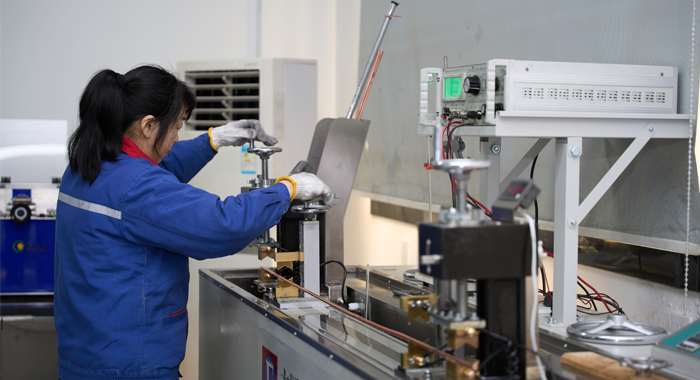
Raw Material Test
For the Control Cable 0.6/1 kV CVV-S to IEC 60502 Standard (2-30 core), raw material testing ensures top-tier quality. Step 1: Verify copper conductor purity using atomic absorption spectrometry to meet 99.99% standards per IEC 60228. Step 2: Test PVC insulation for tensile strength (≥12.5 N/mm²) and elongation (≥150%) with universal testing machines. Step 3: Evaluate copper tape for thickness and conductivity via micrometer and resistivity checks. Step 4: Assess sheath compounds for flame retardancy through oxygen index testing (>27%). Step 5: Conduct chemical resistance immersion tests on PVC in oils and acids for 168 hours. All steps involve 10% batch sampling, detailed logging, and rejection of substandard items to align with IEC 60502, guaranteeing shielded reliability and durability in the final product.
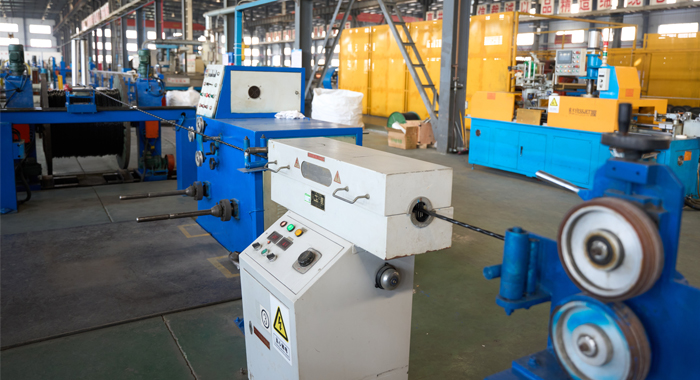
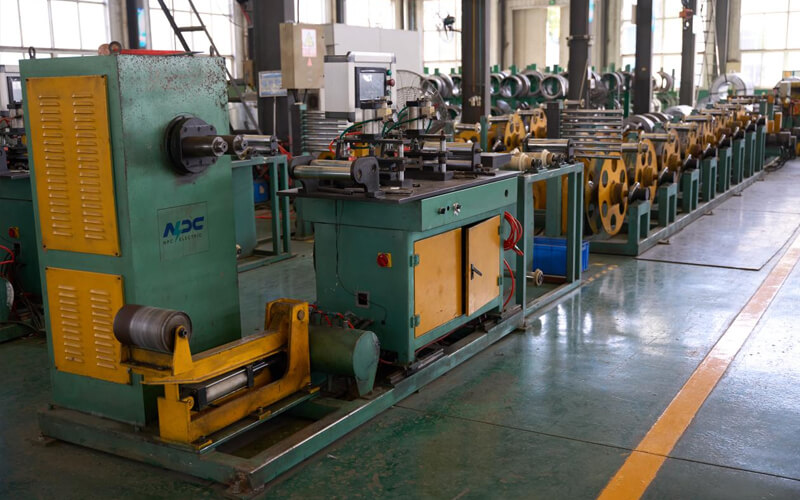
Process inspection
Process inspection of the Control Cable 0.6/1 kV CVV-S to IEC 60502 Standard (2-30 core) focuses on shielding application. Step 1: Control stranding parameters with dynamometers to avoid breaks. Step 2: Monitor insulation uniformity via ultrasonic thickness gauges. Step 3: Verify core lay and identification accuracy. Step 4: Apply copper tape and inspect coverage with eddy current testers. Step 5: Run continuity and voltage tests during assembly. Step 6: Check sheath extrusion for smoothness using sensors. Step 7: Sample sections every 300 meters for cross-analysis. Step 8: Maintain audit-ready digital records. This detailed oversight, per IEC 60502, prevents defects and ensures optimal EMI protection in the finished cable.
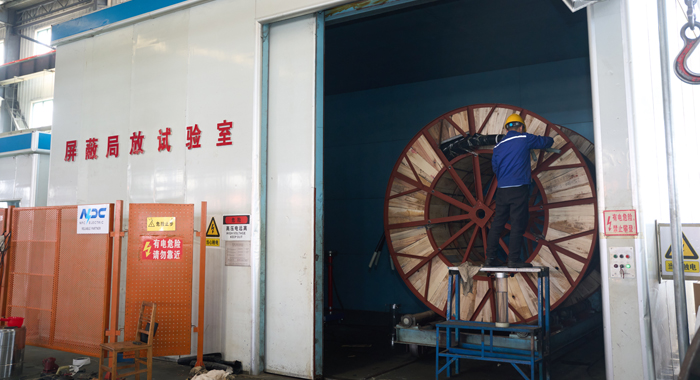
Finished Product
Finished testing for the Control Cable 0.6/1 kV CVV-S to IEC 60502 Standard (2-30 core), verifying shielding efficacy. Step 1: Apply 3 kV AC tests for insulation verification. Step 2: Measure DC resistance for conductor performance. Step 3: Conduct shielding attenuation tests against EMI. Step 4: Perform flex and torsion cycles for durability. Step 5: Test thermal stability at 90°C. Step 6: Assess water ingress on sheaths. Step 7: Evaluate overall electrical properties. Step 8: Issue compliance certificates post-inspection. Batch-wide testing with calibrated instruments confirms IEC 60502 standards, ensuring reliable EMI-resistant operation.
Application
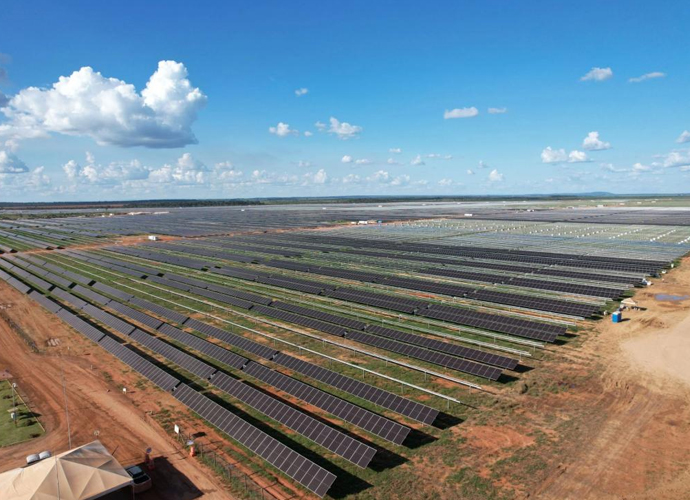
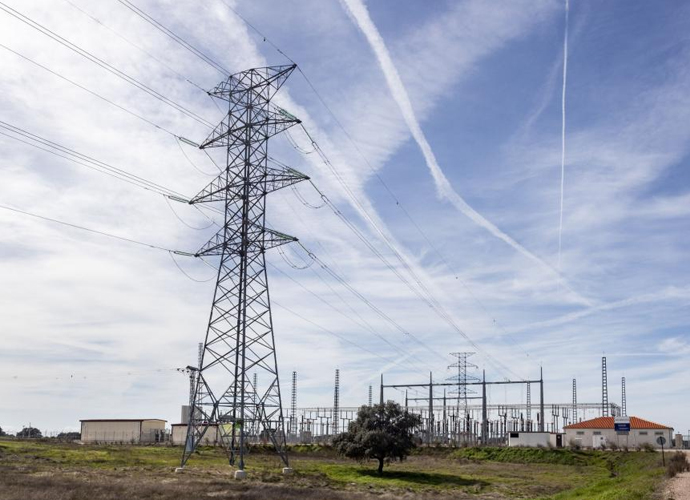
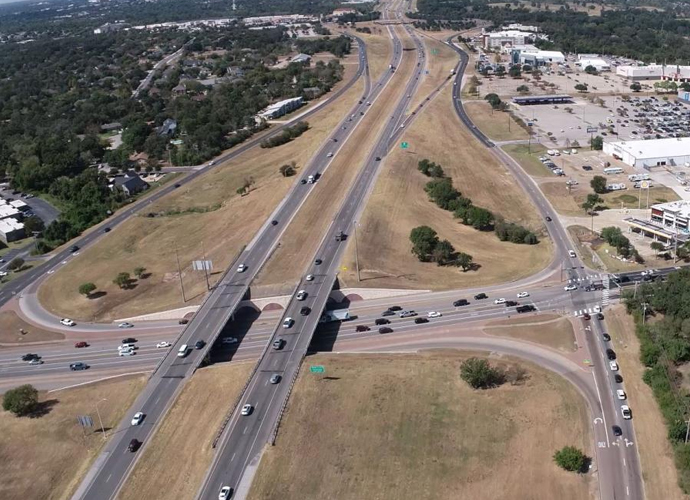
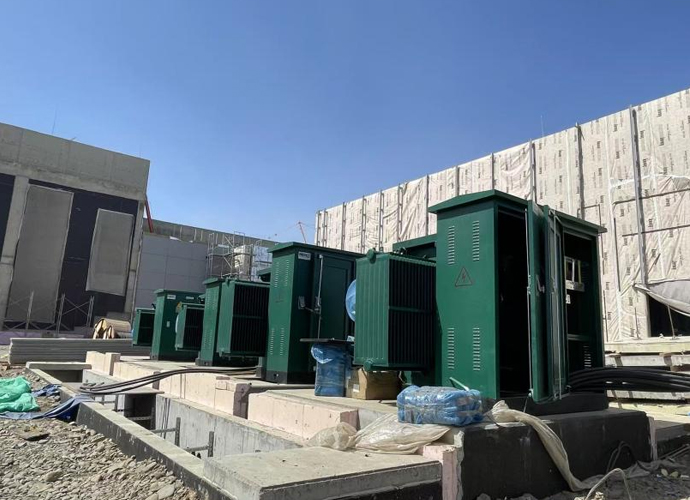
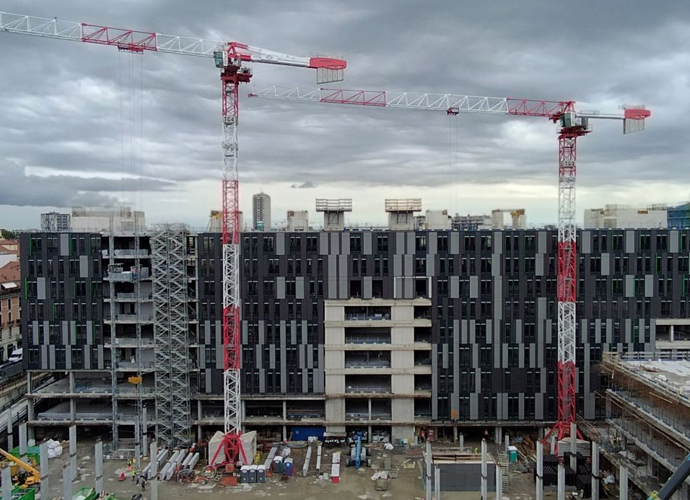
This Control Cable 0.6/1 kV CVV-S to IEC 60502 Standard (2-30 core) thrives in EMI-prone settings like factory control panels, renewable energy systems, commercial wiring, and transportation infrastructure. It offers shielded reliability in wet/dry conduits and outdoor exposures, ideal for precise instrumentation and machinery controls.
Technical Advantages
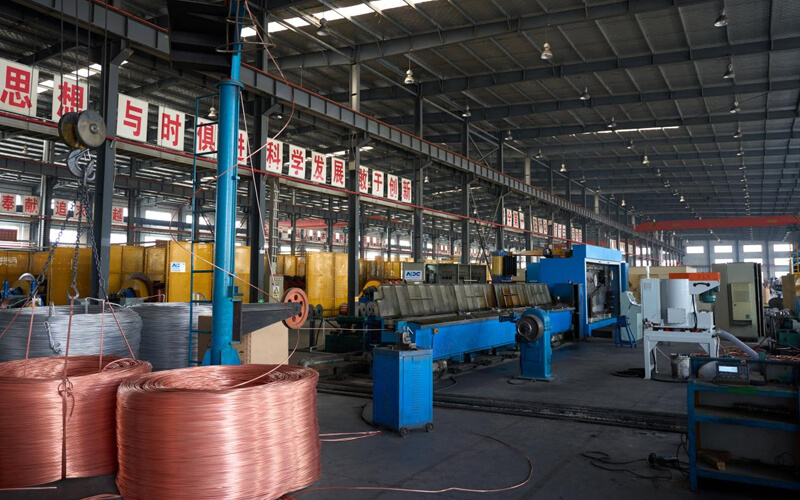
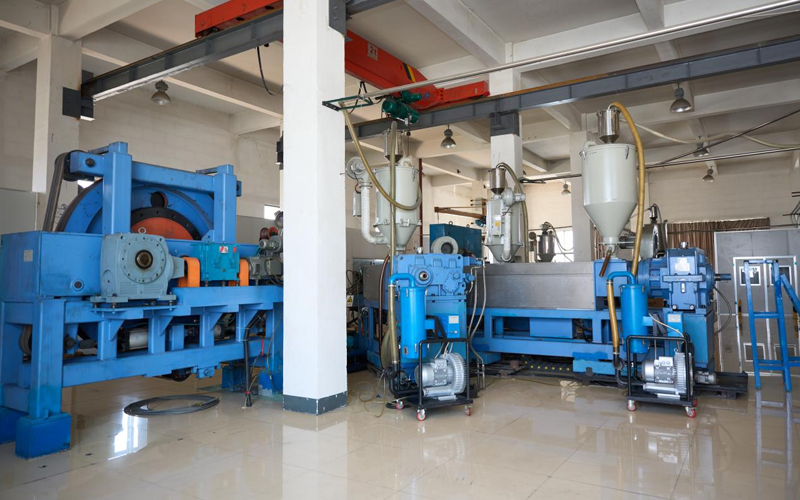
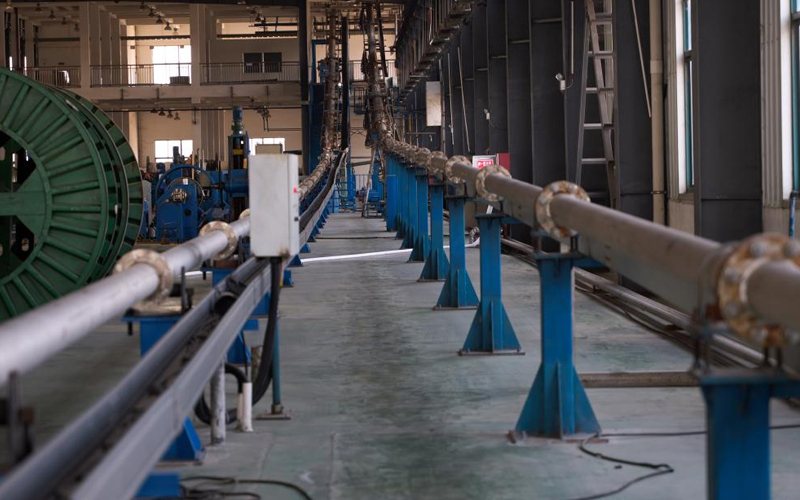
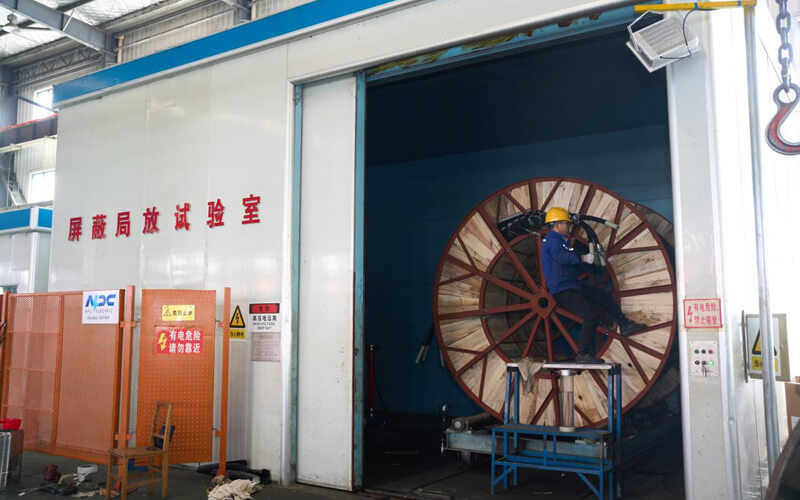
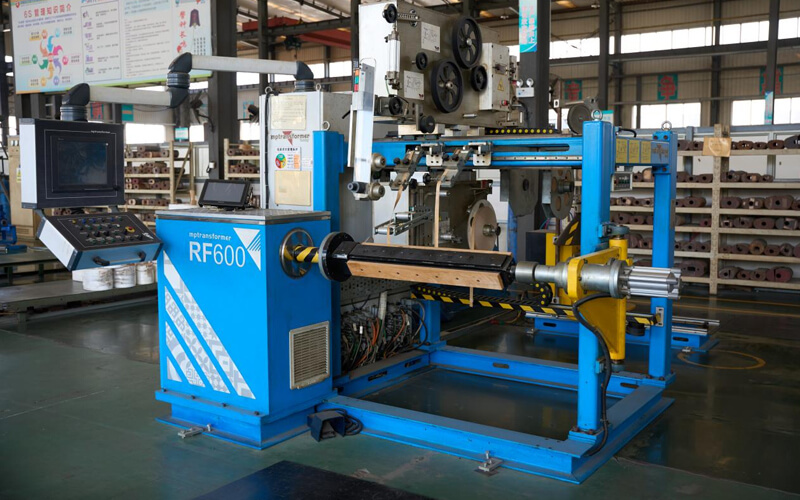
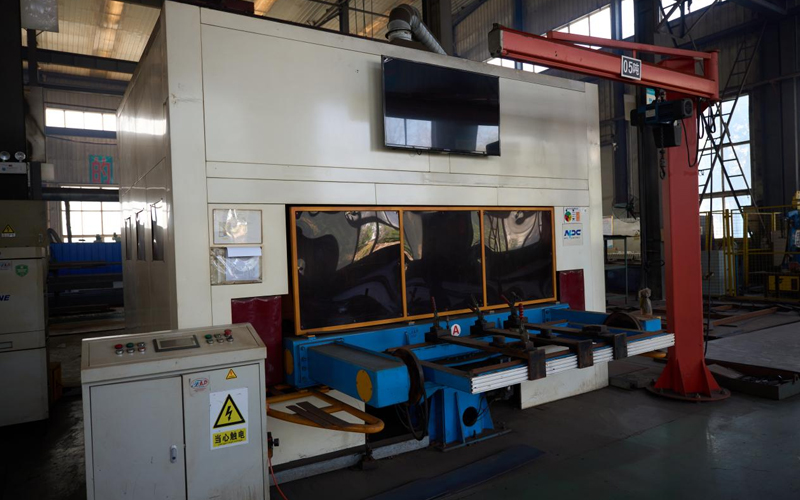
● 30+ years of manufacturing experience
● ISO and UL certified production
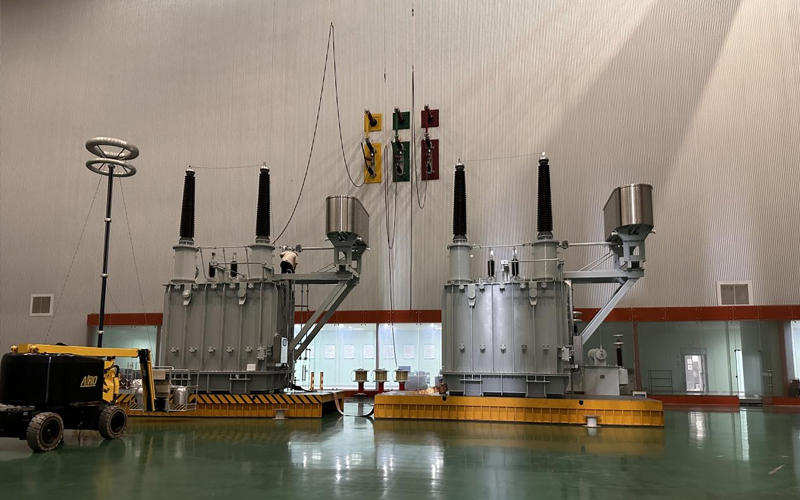
● Customized cable and transformer solutions
Product Packaging
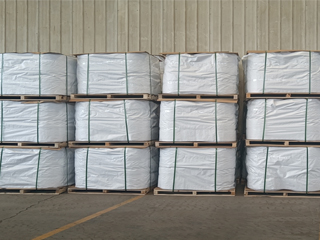
Wires and Cables packaging (1)
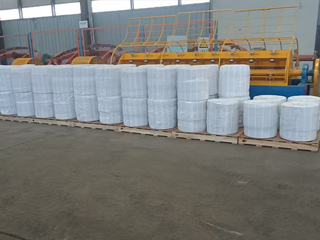
Wires and Cables packaging (2)
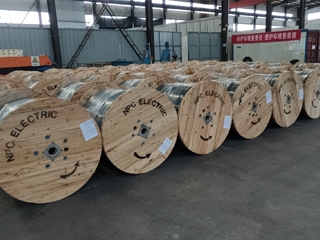
Wires and Cables packaging (3)
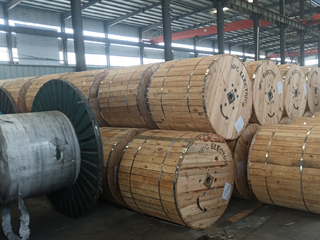
Wires and Cables packaging (4)
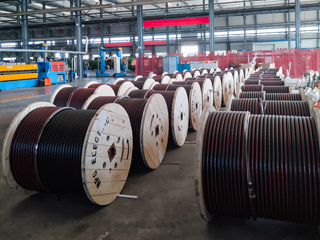
Wires and Cables packaging (5)
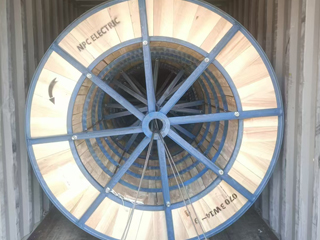
Wires and Cables packaging (6)
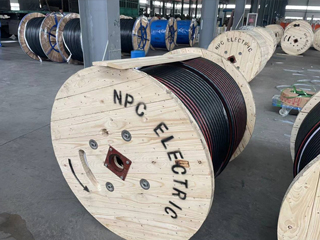
Wires and Cables packaging (7)
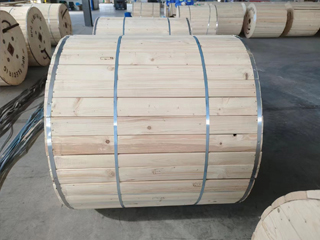
Wires and Cables packaging (8)
Related Products
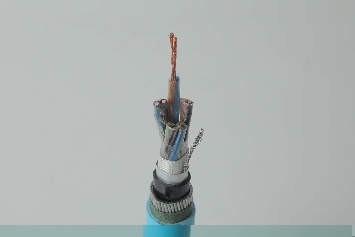
Instrumentation Cables—XLPE Insulated,Individual &Overall Screened,Unarmoured PVC Sheathed Cables(CU/XLPE/IOSCR/PVC)
Instrumentation Cables are multi-conductor cables that carry and transport low-voltage electrical signals. These low-voltage signals are used to control and monitor electrical power systems. Instrumentation cables have many different industrial applications that include broadcasting, equipment control, such as drilling and pumping in the oil and gas industry, and data transfer, which includes analog and digital signals. They are manufactured according to the BS EN 50288-7 and BS EN 50288-1 standards to ensure quality. Depending on the application, instrumentation cables can be insulated with PVC or XLPE; the cables can be armoured or unarmoured. The sheathing materials can be of PVC, LSZH, or PE. The cables can have additional flame retardant or flame retardant properties, and they can be manufactured with special protections such as lead sheaths, or DRYLAM or AIRBAG technology.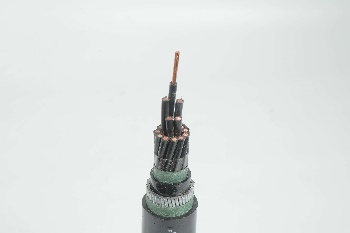
YY Control Cable (YSLY / HSLH) - 300/500V PVC & LSZH Flexible Control Cable
The YY Control Cable (YSLY / HSLH) is a highly flexible multi-core control cable designed for industrial automation, machinery, and building management systems. It features finely stranded copper conductors with PVC or halogen-free (LSZH) insulation, twisted cores, and a durable PVC or low-smoke zero-halogen outer sheath. Available in both standard PVC (YSLY) and flame-retardant low-smoke (HSLH) versions, this cable offers excellent flexibility, oil resistance, and reliable signal transmission. Rated 300/500V, it is suitable for indoor and protected outdoor installations. The YY Control Cable (YSLY / HSLH) undergoes strict quality testing from raw materials to finished product, ensuring consistent electrical performance, mechanical strength, and safety compliance with IEC 60227 and related standards.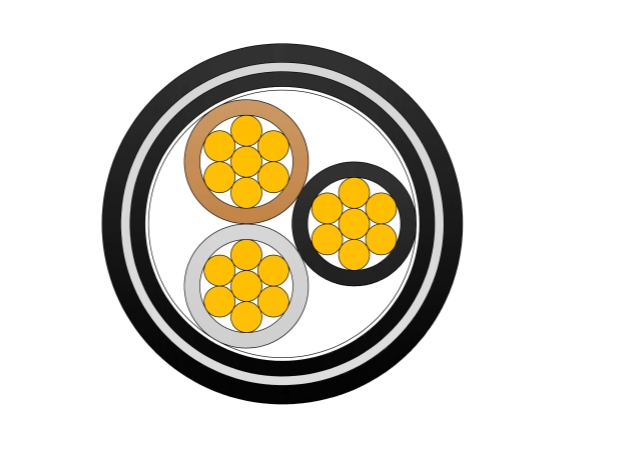
NYBY 0.6/1kV Low Voltage Power Cable
NYBY 0.6/1kV are low voltage power cables designed according to IEC 60502-1 standard, suitable for fixed installation in indoor, outdoor, underground, cable ducts, or concrete environments, with steel tape armoring for enhanced mechanical protection. Constructed with copper conductors, PVC core insulation, filling, galvanized steel wire armour, and tough PVC outer sheath, it meets VDE 0276 and IEC requirements. The SWA layer offers outstanding resistance to mechanical damage, enabling direct burial without additional conduits. Copper ensures minimal losses and high current rating. Flame-retardant and stable in moist conditions, the NYBY 0.6/1kV Low Voltage Power Cable is widely used in factories, renewable energy sites, commercial complexes, and infrastructure needing reliable, long-service-life low-voltage cabling with enhanced safeguarding in aggressive soils or high-risk areas.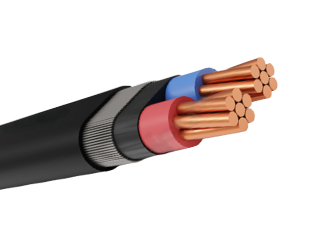
USEB-90 AA8000 Concentric Underground Service Cable 600/1000V
The USEB-90 Underground Concentric Service Cable is an advanced low-voltage cable engineered for underground service entrance and secondary distribution systems. It utilizes compact AA8000 aluminum alloy phase conductors with XLPE insulation and a concentrically arranged neutral layer, protected by a durable polyethylene sheath. This design offers superior flexibility, high current-carrying capacity, excellent mechanical protection, and outstanding resistance to moisture and corrosion. Suitable for direct burial without additional conduit, the USEB-90 Underground Concentric Service Cable simplifies installation while ensuring long-term reliability. It meets international performance requirements and undergoes extensive quality testing to deliver consistent electrical performance and durability in demanding underground environments.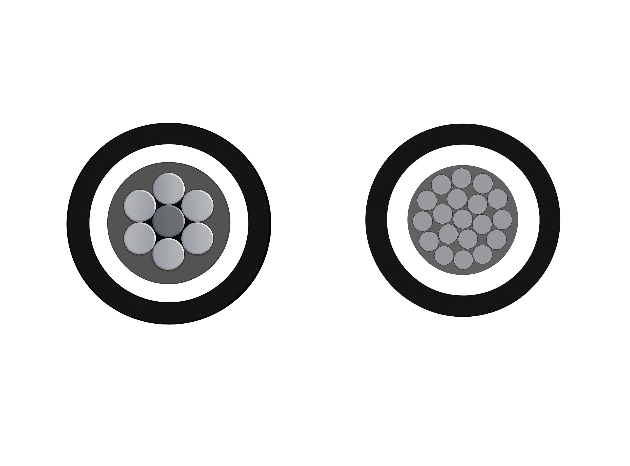
XLPE-HDPE Tree Cable Aluminum 25kV 1x120mm²
The XLPE-HDPE Tree Cable Aluminum 25kV 1x120mm² is designed for medium-voltage overhead distribution systems requiring very high current capacity. Perfect for long-distance transmission lines in rural, coastal, or high-load industrial areas, this cable combines superior durability, environmental resistance, and reliable electrical performance to ensure stable power delivery with minimal energy loss and maintenance. The inner insulation uses cross-linked polyethylene (XLPE), rated for continuous conductor operation at 90°C, fully compliant with ICEA S-121-733 standards. The robust outer jacket is made from high-density polyethylene (HDPE), providing excellent resistance to weathering, ultraviolet radiation, mechanical abrasion, and electrical sparking up to 2.75kV. Standard gray cables feature ASTM B230 markings and sequential metering, while blue cables with spark resistance over 5kV are recommended for harsher environmental conditions. With its ultra high current capacity, robust construction, and environmental resilience, the XLPE-HDPE 25kV tree cable 1x120mm² delivers reliable, long-term power distribution for demanding overhead network applications, ensuring efficiency, safety, and minimal maintenance.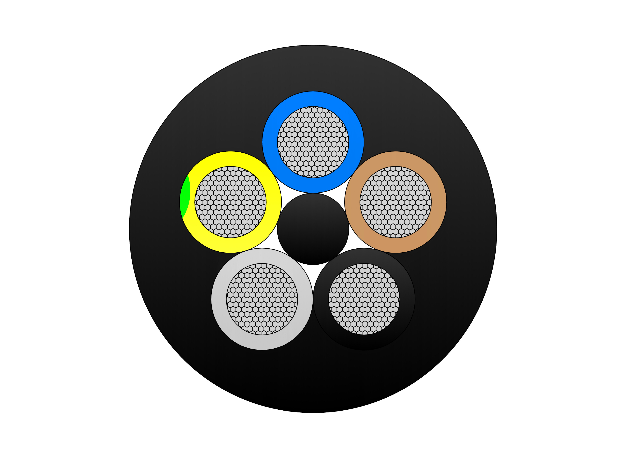
Type 260 Armoured Mining Cable with Pilot Core
The Type 260 Armoured Mining Cable with Pilot Core is a medium-voltage, rubber-insulated cable designed for heavy-duty mining applications requiring high mechanical strength and electrical reliability. It features flexible stranded tinned copper conductors, EPR insulation, and tinned copper braiding for excellent screening. The pliable galvanised steel wire armour (SWA) provides superior mechanical protection, making it suitable for harsh mining environments. The interstitial pilot core allows enhanced control and monitoring functions. With a PCP heavy-duty sheath, it offers flame retardancy, oil resistance, and durability. Compliant with AS/NZS 1802 and related standards, it is ideal for feeder cables, mining machinery power supply, and transportable substations. The Type 245 is ideal for high-power trailing in coal and metalliferous mines, powering longwall shearers, continuous miners, face conveyors, and critical equipment with enhanced safety via pilot core and armour.FAQ From Customers
-
What are the advantages of power cables and overhead lines?(1) Reliable operation, because it is installed in a hidden place such as underground, it is less damaged by external forces, has less chance of failure, and the power supply is safe, and it will not cause harm to people; (2) The maintenance workload is small and frequent inspections are not required; (3) No need to erect towers; (4) Help improve power factor.
-
Which aspects should be considered when choosing the cross section of a power cable?(1) The long-term allowable working current of the cable; (2) Thermal stability once short circuited; (3) The voltage drop on the line cannot exceed the allowable working range.
-
What are the measures for cable fire prevention?(1) Use flame-retardant cables; (2) Use fireproof cable tray; (3) Use fireproof paint; (4) Fire partition walls and fire baffles are installed at cable tunnels, mezzanine exits, etc.; (5) Overhead cables should avoid oil pipelines and explosion-proof doors, otherwise local pipes or heat insulation and fire prevention measures should be taken.
-
What should be paid attention to during the transportation and handling of cables?(1) During transportation, loading and unloading, cables and cable reels should not be damaged. It is strictly forbidden to push the cable reels directly from the vehicle. Generally, cables should not be transported and stored flat. (2) Before transporting or rolling the cable reel, ensure that the cable reel is firm, the cable is wound tightly, the oil pipe between the oil-filled cable and the pressure oil tank should be fixed without damage, the pressure oil tank should be firm, and the pressure indication should meet the requirements.
-
What inspections should be carried out for the acceptance of cable lines?(1) The cable specifications should meet the regulations, the arrangement should be neat, no damage, and the signs should be complete, correct and clear; (2) The fixed bending radius of the cable, the related distance and the wiring of the metal sheath of the single-core power cable should meet the requirements; (3) The cable terminal and the middle head should not leak oil, and the installation should be firm. The oil pressure of the oil-filled cable and the meter setting should meet the requirements; (4) Good grounding; (5) The color of the cable terminal is correct, and the metal parts such as the bracket are completely painted; (6) There should be no debris in the cable trench, tunnel, and bridge, and the cover should be complete.
Welcome your inquiry
Honesty, Integrity, Frugality, Activeness and Passion