Solar PV Cable vs USE-2 Cable: Technical Comparison for Solar Installations
2026-05-08
1. Solar Power Wiring
As global renewable energy deployment expands, reliable electrical wiring becomes essential for modern solar power systems. Solar installations require specialized cables capable of withstanding high temperatures, ultraviolet exposure, and long-term outdoor operation.
Two commonly used cable types in photovoltaic installations are:
- Solar PV cable
- USE-2 cable (Underground Service Entrance cable)
While both cables share certain characteristics—such as cross-linked polyethylene insulation and strong environmental resistance—their applications within photovoltaic systems differ significantly.
2. What is Solar PV Cable?
A solar PV cable is a specialized electrical conductor designed specifically for DC wiring in photovoltaic systems. These cables connect solar panels, combiner boxes, inverters, and other components within the solar array.
Solar PV Cable, also known as photovoltaic cable, PV wire, or solar cable, is a specialized single-conductor electrical wire designed for photovoltaic (solar) systems. It safely transmits high-voltage direct current (DC) electricity generated by solar panels to inverters, batteries, or the grid. Unlike standard cables, Solar PV Cable features robust double insulation (often XLPE or XLPO), tinned copper conductors for corrosion resistance, and superior protection against UV radiation, extreme temperatures (-40°C to +120°C), ozone, weather, and abrasion—ensuring 25+ years of reliable outdoor performance.
Certified to standards like UL 4703 (US) or EN 50618 / TÜV (global), it supports voltages up to 1500V DC, making it ideal for rooftop, ground-mount, and utility-scale solar installations. Choosing the right Solar PV Cable minimizes energy loss, enhances system safety, and boosts long-term efficiency in renewable energy projects.
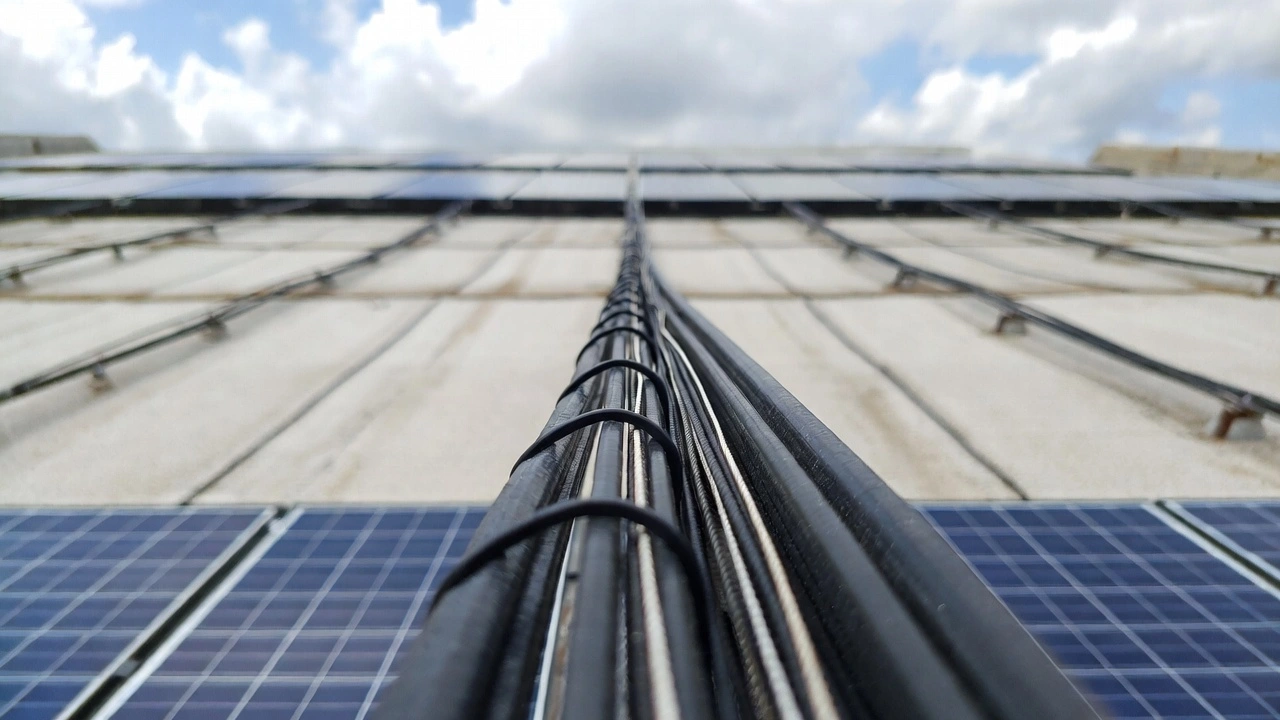
Key Characteristics of Solar PV Cable
- Designed for dc cable for solar pv systems
- UV-resistant insulation
- High flexibility for panel wiring
- Resistant to ozone and weather
- Rated for high temperature environments
These cables are often referred to as:
- PV wire for solar panels
- photovoltaic wire
- PV solar wire
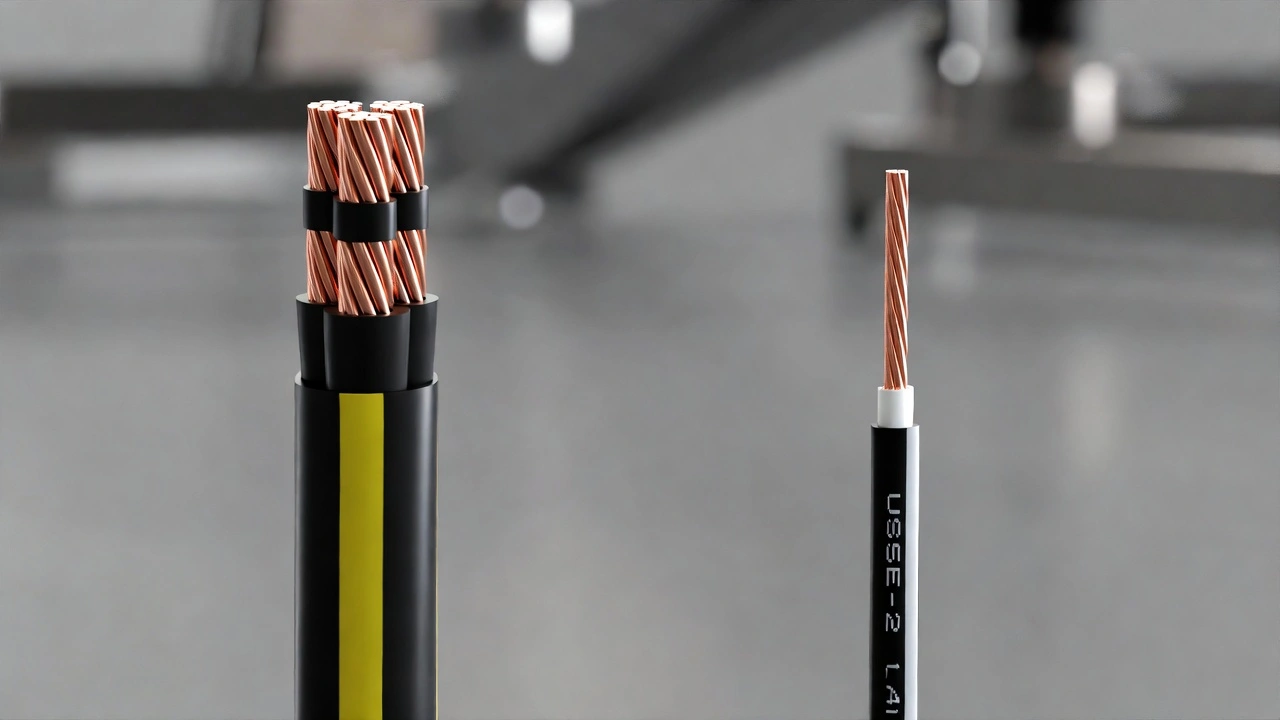
Typical Solar PV Cable Structure
|
Component |
Material |
Function |
|
Conductor |
Tinned copper |
Conduct electricity |
|
Insulation |
Cross-linked polyethylene (XLPE) |
Electrical insulation |
|
Jacket |
UV-resistant polymer |
Environmental protection |
Because solar arrays are exposed to sunlight and extreme temperature changes, pv cables must meet strict durability requirements.
3. What is USE-2 Cable?
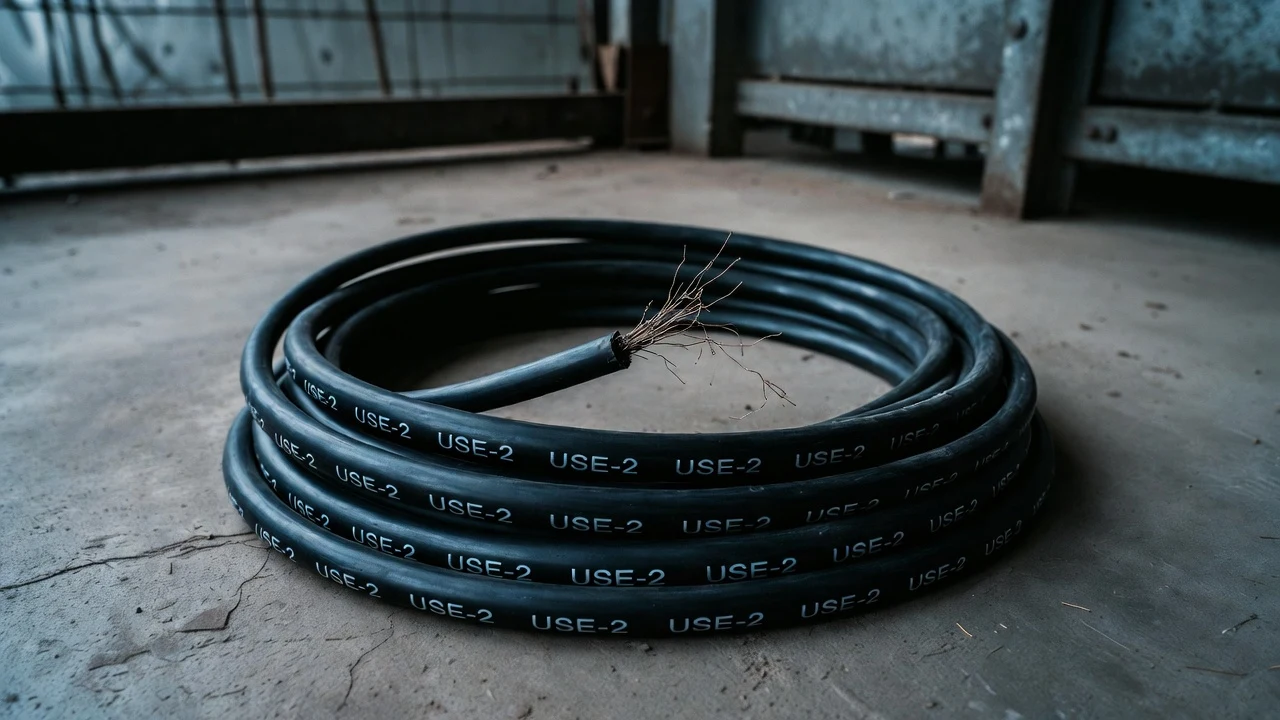
USE-2 Cable, or Underground Service Entrance Cable Type USE-2, is a durable single-conductor wire approved for direct burial and underground service entrances per NEC standards. Dual-rated as RHH/RHW-2, it features XLPE (cross-linked polyethylene) insulation for high heat, moisture, abrasion, and sunlight resistance, rated 600V (sometimes up to 1000V) at 90°C in wet or dry locations.
Commonly used for feeders, services, conduits, raceways, and older/grounded solar PV systems, USE-2 excels in underground applications but is limited for exposed rooftop solar compared to modern PV wire. Certified to UL 854 / UL 44, it's reliable for residential, commercial, and utility wiring needing tough environmental protection.
USE-2 cables are commonly used in:
- Power distribution systems
- Underground electrical connections
- Solar inverter AC connections
- Service entrance wiring
Unlike PV cables, use-2 underground service entrance cables are primarily intended for buried installations or feeder circuits, not for direct panel connections.
Typical USE-2 Cable Construction
|
Component |
Description |
|
Conductor |
Aluminum or copper |
|
Insulation |
XLPE insulation |
|
Jacket |
Optional protective layer |
The cross-linked polyethylene insulation provides excellent moisture resistance, making USE-2 cables suitable for underground environments.
4. Key Differences Between Solar PV Cable and USE-2 Cable
Although both cable types use similar insulation materials, they are designed for different electrical environments.
Solar PV Cable vs USE-2 Cable Comparison
|
Parameter |
Solar PV Cable |
USE-2 Cable |
|
Main Application |
Solar panel wiring |
Underground service entrance |
|
Current Type |
DC |
AC or DC |
|
UV Resistance |
High |
Moderate |
|
Installation |
Outdoor exposed |
Direct burial or conduit |
|
Flexibility |
High |
Moderate |
|
Typical Use |
PV array connections |
Feeder cables |
Solar cables are optimized for photovoltaic systems, while USE-2 cables are designed for power distribution infrastructure.
5. Electrical Specifications and Voltage Ratings
Voltage rating is one of the most important factors when selecting a cable for solar installations.
Typical Voltage Ratings
|
Cable Type |
Voltage Rating |
|
Solar PV Cable |
1000V – 1500V DC |
|
USE-2 Cable |
600V – 2000V |
Most modern solar power systems operate at 1000V or 1500V DC, making PV cable the preferred solution for panel interconnection.
However, USE-2 cables are sometimes used in DC circuits where permitted by electrical codes.
6. Temperature Ratings and Environmental Resistance
Solar installations expose cables to extreme heat and sunlight. Therefore, cable temperature ratings are critical.
Temperature Comparison
|
Cable Type |
Temperature Rating |
|
Solar PV Cable |
Up to 120°C |
|
USE-2 Cable |
Up to 90°C wet / 105°C dry |
Because solar modules can reach very high temperatures, solar wire is specifically engineered for high-temperature photovoltaic environments.
7. Conductor Materials and Insulation Design
Both cable types use cross-linked polyethylene insulation, but conductor materials differ depending on the application.
Conductor Comparison
|
Parameter |
PV Cable |
USE-2 Cable |
|
Conductor |
Tinned copper |
Copper or aluminum |
|
Corrosion Resistance |
Excellent |
Good |
|
Flexibility |
High |
Moderate |
Copper conductors are preferred in pv applications because they provide better flexibility and conductivity.
8. Installation Scenarios in Solar Power Systems
Solar projects use different wiring depending on system architecture.
Typical Solar Installation Wiring
|
System Component |
Recommended Cable |
|
Solar panel interconnection |
Solar PV cable |
|
String combiner connection |
PV cable |
|
Inverter connection |
USE-2 or THHN |
|
Underground feeder |
USE-2 cable |
This combination ensures optimal performance across the entire solar installation.
9. PV Wire and USE-2 in Grounded and Ungrounded Systems
Photovoltaic systems can be configured as grounded or ungrounded systems, which affects cable selection.
Grounded vs Ungrounded Systems
|
System Type |
Cable Requirement |
|
Grounded system |
Standard PV wire |
|
Ungrounded system |
Double-insulated PV cable |
Modern solar installations increasingly use ungrounded photovoltaic systems, requiring cables with enhanced insulation protection.
10. Cable Sizes and Common Types
Solar systems require different cable sizes depending on current capacity and system voltage.
Common Solar PV Cable Sizes
|
Cable Size |
Typical Application |
|
14 AWG |
Small solar modules |
|
10 AWG |
Residential PV arrays |
|
8 AWG |
Medium arrays |
|
4mm solar PV cable |
Standard solar installations |
The 4mm solar PV cable is widely used in residential rooftop systems because it balances flexibility and current capacity.
Common USE-2 Cable Sizes
|
Cable Size |
Application |
|
2/0 USE cable |
Service entrance feeders |
|
1/0 USE cable |
Distribution circuits |
|
4 AWG USE-2 |
Small feeder circuits |
Large conductor sizes, such as 2/0 USE cable, are often used for higher power loads.
11. Solar PV Cable Size Calculator
Solar PV Cable Size Calculator
Choosing the correct solar cable size is critical for system efficiency, voltage drop control, and safety. An undersized cable can lead to overheating and energy loss, while an oversized cable increases unnecessary costs.
Use the Solar PV Cable Size Calculator below to estimate the correct cable cross-section for your solar installation.
Solar Cable Size Formula
The common formula used for DC solar cable sizing is:

Where:
|
Parameter |
Meaning |
|
L |
One-way cable length (meters) |
|
I |
Current (Amps) |
|
Voltage Drop |
Allowed voltage drop (%) |
|
Conductivity |
Copper conductivity constant |
Quick Solar Cable Size Calculator
You can estimate your required cable size with this formula:
Cable Size (mm²) ≈
(2 × Cable Length × Current) ÷ (Voltage Drop × 56)
Example calculation:
If:
- Cable length = 30 m
- Current = 18 A
- Voltage drop = 3%
Then:
Result ≈ 6 mm² solar cable recommended
Typical Solar Cable Size Guide
|
Current |
Distance |
Recommended Cable |
|
10A |
< 20m |
4 mm² |
|
20A |
< 30m |
6 mm² |
|
30A |
< 40m |
10 mm² |
|
40A |
< 50m |
16 mm² |
For large solar farms or commercial installations, engineers should also consider:
- Ambient temperature
- Cable grouping
- Conduit installation
- Local electrical standards
12. Solar Cable vs PV Wire vs USE-2
Many installers confuse solar cable, PV wire, and USE-2 wire. Although they are related, they are designed for different environments and standards.
Solar Cable vs PV Wire vs USE-2 Comparison Table
|
Feature |
Solar Cable |
PV Wire |
USE-2 Wire |
|
Standard |
IEC 62930 / EN 50618 |
UL 4703 |
UL 854 |
|
Typical Market |
Europe / International |
North America |
North America |
|
Voltage Rating |
1500V DC |
2000V DC |
600-1000V |
|
Temperature Rating |
-40°C to 90°C |
-40°C to 90°C (120°C wet) |
90°C |
|
UV Resistance |
Yes |
Yes |
Limited |
|
Direct Burial |
No |
No |
Yes |
|
Flexibility |
High |
Medium |
Low |
|
Conductor |
Tinned Copper |
Tinned Copper |
Copper / Aluminum |
|
Application |
Solar panel connection |
PV module wiring |
Underground feeder cable |
When to Use Each Cable Type
Use Solar Cable When
- IEC standard solar systems
- Rooftop solar installations
- Flexible cable routing required
Use PV Wire When
- UL-certified solar installations
- Solar farms in North America
- High temperature environments
Use USE-2 Wire When
- Underground solar connections
- Feeder cables to inverters
- Direct burial applications
Selecting the right cable type is just as important as choosing the correct cable size.
- Solar cables are ideal for flexible rooftop installations.
- PV wires meet UL standards for North American solar projects.
- USE-2 wires are mainly used for underground feeder applications.
Using a solar PV cable size calculator together with the correct cable type ensures maximum system performance, safety, and long-term reliability.
13. Solar Cable Size Chart for Solar Power Systems
In practical solar installations, cable sizing is usually estimated based on the system capacity (kW) and operating voltage. This method helps engineers quickly select suitable pv solar wire before performing detailed calculations.
Below is a simplified solar cable size chart used in photovoltaic system design.
|
Solar System Size |
Current (Approx.) |
Recommended PV Cable |
|
1 kW |
5–6 A |
4 mm² solar pv cable |
|
3 kW |
12–15 A |
6 mm² solar cable |
|
5 kW |
20–25 A |
10 mm² solar cable |
|
10 kW |
40–45 A |
16 mm² solar cable |
|
50 kW |
200 A |
70 mm² PV cable |
|
100 kW |
400 A |
120 mm² PV cable |
|
1 MW |
2000 A |
400 mm² PV cable |
|
10 MW |
20000 A |
Parallel large PV cables |
This table provides a preliminary cable selection reference for engineers designing solar power systems.
However, the final cable size should always consider:
- voltage drop
- ambient temperature
- cable grouping
- installation method
- conductor material
Solar Cable Voltage Drop Chart
Voltage drop is one of the most critical design considerations in dc cable for solar pv systems.
If the voltage drop exceeds recommended limits, the solar system will suffer from:
- power loss
- Reduced inverter efficiency
- overheating cables
Most electrical standards recommend:
- ≤3% voltage drop for DC solar circuits
Typical Voltage Drop Values for PV Cables
|
Cable Size |
Current |
Voltage Drop (50m circuit) |
|
4 mm² |
15 A |
~3.6 V |
|
6 mm² |
20 A |
~3.2 V |
|
10 mm² |
30 A |
~2.8 V |
|
16 mm² |
40 A |
~2.3 V |
|
25 mm² |
60 A |
~1.9 V |
Using larger pv cables reduces voltage drop and improves overall solar power system efficiency.
14.1500V Solar Cable Selection Guide
Modern utility-scale photovoltaic systems increasingly operate at 1500V DC rather than 1000V. Higher voltage reduces current and minimizes cable losses.
Advantages of 1500V Solar Systems
|
Benefit |
Explanation |
|
Lower current |
Reduced cable size |
|
Lower power loss |
Higher system efficiency |
|
Fewer combiner boxes |
Reduced equipment cost |
|
Long-distance transmission |
Suitable for solar farms |
Because of these benefits, 1500V photovoltaic wire has become the standard for large solar farms and utility-scale pv installations.
Typical 1500V Solar Cable Specifications
|
Parameter |
Specification |
|
Voltage rating |
1500 V DC |
|
Conductor |
Tinned copper |
|
Insulation |
Cross linked polyethylene |
|
Temperature rating |
-40°C to 120°C |
|
UV resistance |
Yes |
|
Flame resistance |
IEC standards |
These cables are widely used in:
- large solar application projects
- industrial rooftop solar systems
- utility-scale photovoltaic systems
15. Engineering Best Practices for Solar Cable Selection
When selecting cables for pv installations, engineers should follow these guidelines:
1. Match Voltage Ratings
The cable voltage rating must exceed the system voltage.
Typical ratings:
|
Cable Type |
Voltage Rating |
|
Solar PV cable |
1500V DC |
|
PV wire |
2000V DC |
|
USE-2 cable |
600–1000V |
2. Consider High Temperature Conditions
Solar cables must withstand extreme heat because solar panels can reach temperatures above 70°C during operation.
Therefore, high-temperature-rated solar wire is essential.
3. Ensure UV and Weather Resistance
Since cables are exposed to outdoor environments, they must resist:
- UV radiation
- moisture
- ozone
- temperature cycling
This is why cross-linked polyethylene insulation is widely used in modern pv cables.
When selecting between PV wire and use-2 cable, engineers should consider:
Key Selection Factors
|
Factor |
Consideration |
|
Voltage rating |
Must exceed system voltage |
|
Temperature resistance |
Required for rooftop arrays |
|
Installation method |
Direct burial or exposed |
|
Environmental conditions |
UV exposure and moisture |
|
Cable flexibility |
Important for panel connections |
For most PV installations, the recommended practice is:
- Use solar PV cable for panel wiring
- Use USE-2 cable for underground feeder circuits
Both solar PV cable and USE-2 cable play essential roles in modern solar power systems. Each cable type is optimized for specific applications within photovoltaic installations.
Key takeaways:
- Solar PV cable is designed for flexible DC connections between solar panels and system components.
- PV wire is widely used in North American solar projects with UL certification.
- The USE-2 cable is primarily used for underground service entrances and feeder circuits.
By using the solar PV cable size calculator, consulting solar cable size charts, and understanding voltage drop limitations, engineers can design efficient, safe, and durable photovoltaic systems.
As the global renewable energy market continues to grow, high-quality PV wire, solar cable, and underground service entrance cable will remain critical components of reliable solar installations.

Related Articles
Related Products
750kVA Oil Immersed Transformer
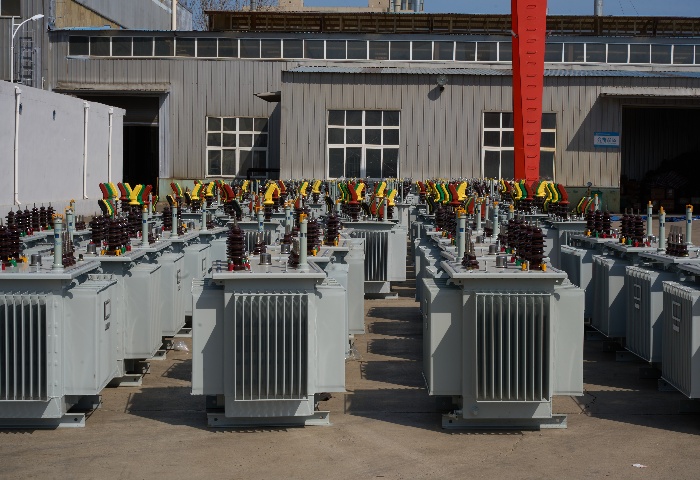
NPC ELECTRIC's 750kVA oil-immersed transformer uses advanced oil-immersed cooling technology to provide efficient and stable power conversion. The transformer complies with international standards such as the International Electrotechnical Commission (IEC) and ISO 9001, ensuring the high quality and safety of the product. Its sturdy structure and excellent overload resistance are widely used in industrial, commercial, and power network fields.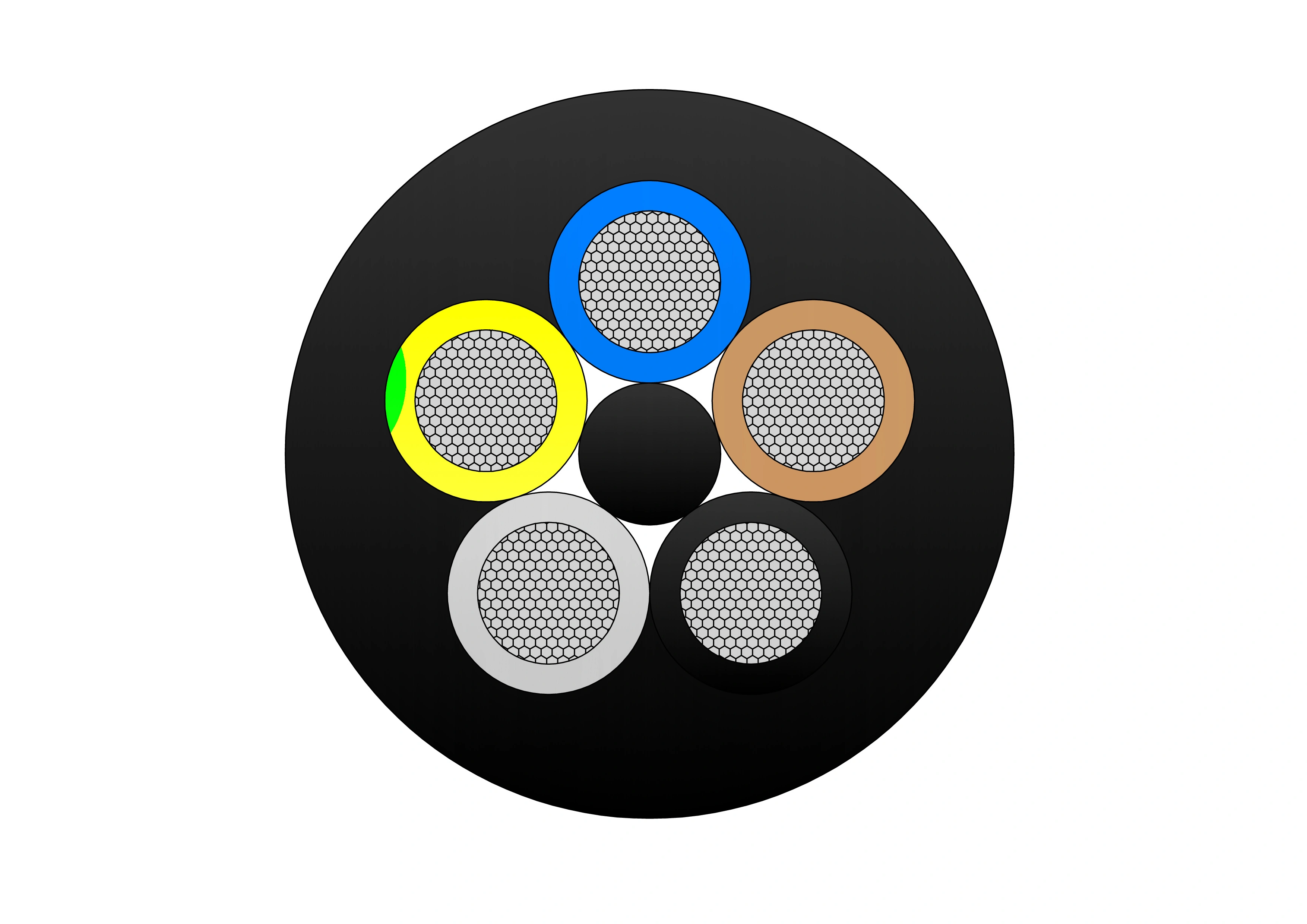
(N)TSCGEWOU 3.6/6kV, 6/10kV, 8.7/15kV and 12/20kV FO Cable
The (N)TSCGEWOU 3.6/6kV, 6/10kV, 8.7/15kV and 12/20kV FO Cable is a flexible, heavy-duty medium-voltage trailing/reeling cable with integrated fiber optic (FO) elements for combined power and high-speed data transmission in mining and tunneling. It features class 5 finely stranded tinned copper phase conductors for flexibility and corrosion resistance, semi-conductive screens, EPR insulation for superior dielectric strength and 90°C rating, copper braid screen for EMI protection and grounding, control conductors, monitoring conductor (ÜL), central or distributed multimode/single-mode fiber optic cores (protected in gel-filled tubes for water resistance and mechanical protection), and a tough rubber outer sheath resistant to oil, flame, abrasion, and mechanical stress. Compliant with DIN VDE 0250 and relevant IEC standards, it supports high tensile loads, fast reeling speeds, and tight bending radii while enabling real-time monitoring and communication. The (N)TSCGEWOU FO ensures safe, reliable MV power and data delivery to mobile equipment like shearers, tunnel boring machines, and smart conveyors in harsh underground environments.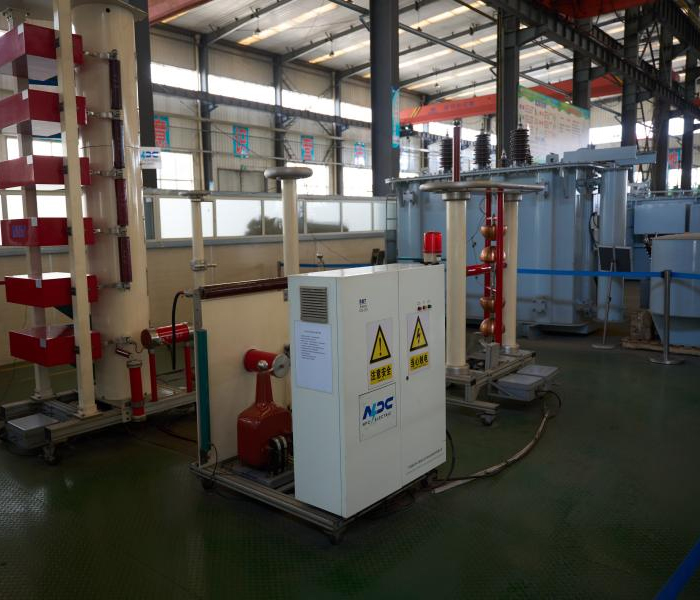
500kVA Dry Type Transformer
NPC ELECTRIC 500kVA Dry-Type Transformer offers reliable and efficient power distribution with a compact, oil-free design. It ensures safe, low-maintenance operation with advanced insulation and cooling systems, making it ideal for industrial and commercial use. With a capacity of 500kVA, it delivers stable performance while being environmentally friendly and cost-effective. Key characteristics feature three-phase design (single-phase adaptable), primary voltages 208V–600V (e.g., 480V Delta, 600V Delta), secondary voltages such as 208Y/120V, 480Y/277V, or custom, aluminum or copper windings, 150°C rise (standard) or 115°C/80°C with 220°C insulation class, ±2×2.5% primary taps, NEMA 1 ventilated enclosure (NEMA 3R/encapsulated options), natural convection cooling (AN), electrostatic shielding, and low sound levels per NEMA.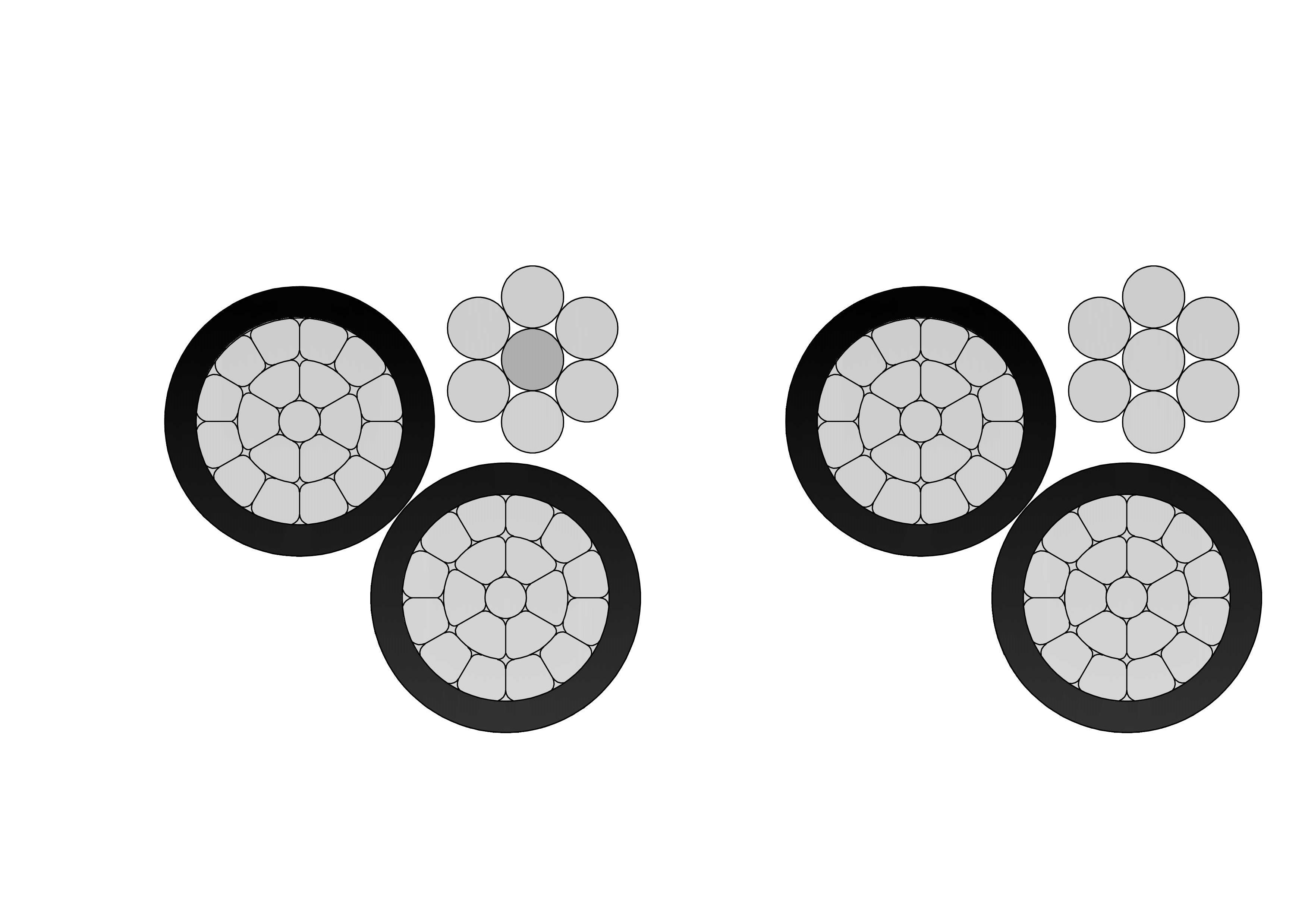
2/0 Cyclops Aluminum Conductor Triplex Overhead Service Drop Cable
The 2/0 Cyclops Aluminum Conductor Triplex Overhead Service Drop Cable is engineered for reliable overhead electrical service from utility lines to residential and commercial buildings. This cable consists of two insulated phase conductors helically wrapped around a bare aluminum neutral messenger, ensuring mechanical strength and electrical stability. Manufactured using high-purity aluminum and weather-resistant insulation, the 2/0 Cyclops Aluminum Conductor Triplex Overhead Service Drop Cable delivers excellent conductivity, corrosion resistance, and long service life. Its lightweight construction simplifies installation while maintaining strong tensile performance for aerial applications. The cable is designed to meet utility standards and perform consistently under varying environmental conditions such as UV exposure, wind, and temperature fluctuations. Each production batch undergoes comprehensive testing to guarantee compliance, safety, and performance, making this cable a dependable solution for modern power distribution systems.
4 Oyster Aluminum Conductor Triplex Overhead Service Drop Cable
4-4-4 Oyster Aluminum Conductor Triplex Overhead Service Drop Cable provides high-quality overhead power transmission for utility-to-consumer connections. Constructed with compressed 1350-H19 aluminum phase conductors (#4 AWG), robust XLPE black insulation for enhanced thermal and environmental protection, and an AAC bare neutral (#4 AWG), it offers outstanding electrical efficiency, corrosion resistance, and durability in extreme weather. Designed for 600V applications (phase-to-phase) with conductor temps up to 90°C, it supports ~115A ampacity. Meets key standards including ASTM B-230/B-231/B-232 and ICEA S-76-474. Lightweight yet strong, this cable simplifies installation while ensuring long-term performance for service entrances.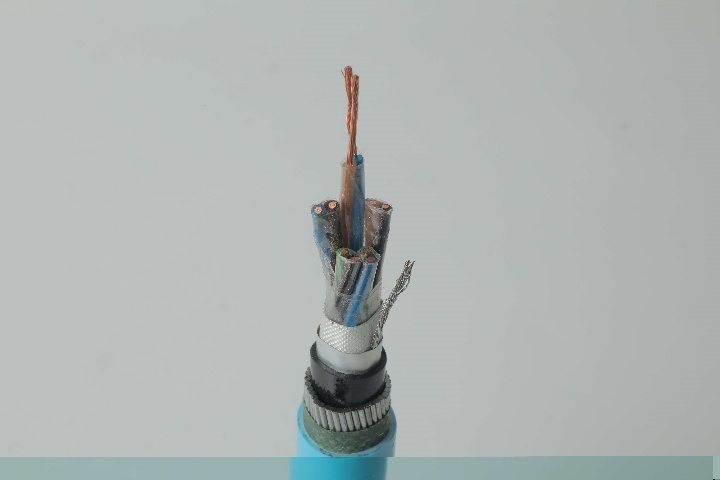
Instrumentation Cables—PVC Insulated,Individual & Overall Screened, Unarmoured PVC Sheathed Cables(CU/PVC/OSCR/PVC)
Instrumentation Cables are multi-conductor cables that carry and transport low-voltage electrical signals. These low-voltage signals are used to control and monitor electrical power systems. Instrumentation cables have many different industrial applications that include broadcasting, equipment control, such as drilling and pumping in the oil and gas industry, and data transfer, which includes analog and digital signals. They are manufactured according to the BS EN 50288-7 and BS EN 50288-1 standards to ensure quality. Instrumentation cables come in twisted pairs, triads, and quads, depending on the customer’s applications; twisting reduces any electromagnetic interference by reducing the chances of electrical voltages and currents being induced in the conductor. Individual and overall screening are also applied in instrumentation cables to optimize the signal transferred and further reduce any electromagnetic interference. Screening of pairs, triads, or quads also includes a drain wire earthed to the ground, which ensures a noise-free signal transmission.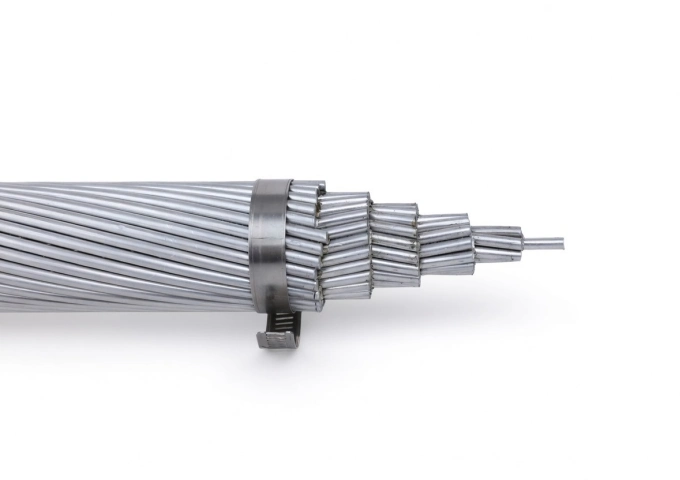
2000 MCM Cowslip AAC All Aluminum Bare Conductor Cable
The 2000 MCM Cowslip AAC Cable represents premium All Aluminum Conductor technology for overhead power applications. Built with 91 strands of high-conductivity 1350-H19 aluminum, this bare conductor delivers an optimal balance of electrical efficiency and mechanical robustness. With a 1.631-inch diameter, 32,200 lbs breaking strength, and 1518 amps ampacity, the Cowslip AAC offers low DC resistance of 0.00864 ohms per 1000 ft at 20°C and a weight of 1877 lbs per 1000 ft. This design minimizes sag while providing excellent corrosion resistance for extended outdoor service. Manufactured to meet ASTM B-230 and B-231 standards, the 2000 MCM Cowslip AAC Cable undergoes extensive quality testing from raw materials through finished product. It is the ideal solution for new installations and upgrades in transmission and distribution systems that demand lightweight, high-conductivity bare aluminum conductors.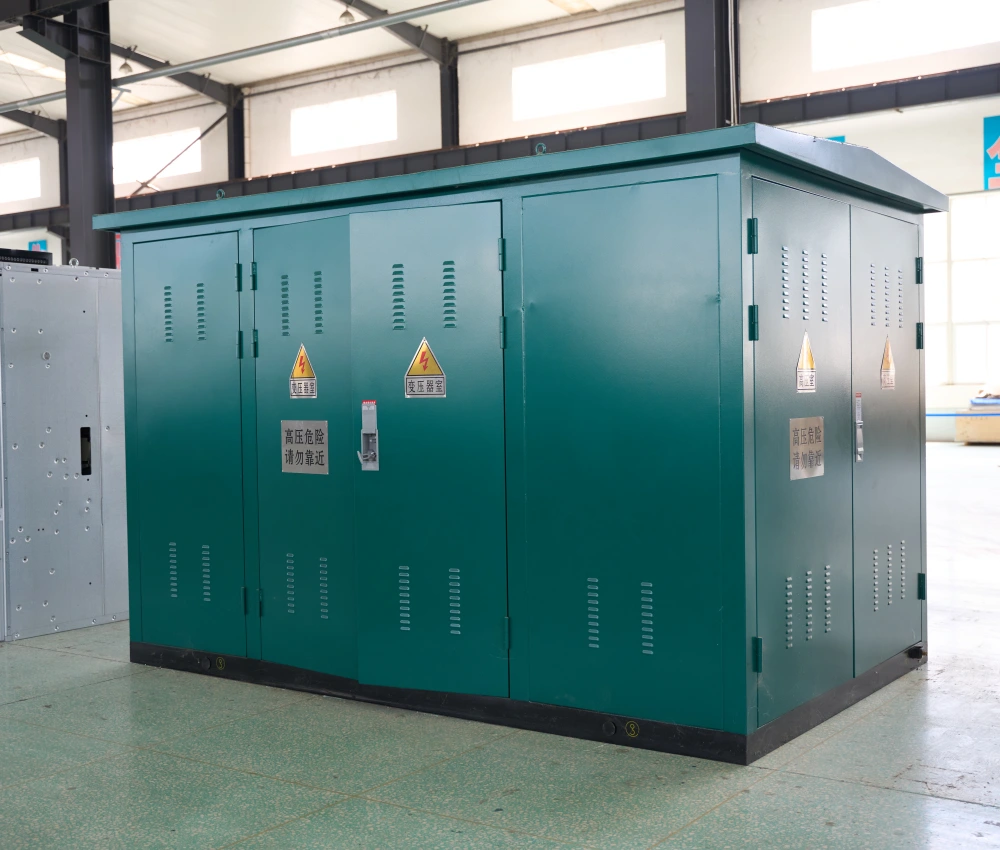
Outdoor Prefabricated Transformer Substation
The Outdoor Prefabricated Transformer Substation is an integrated medium-voltage power distribution solution designed for outdoor installation in industrial, commercial, utility, and renewable energy applications. The system combines medium-voltage switchgear, distribution transformer, low-voltage distribution equipment, and intelligent control systems into a compact prefabricated enclosure, providing efficient and reliable power transformation while minimizing construction time and installation costs. Engineered for harsh environmental conditions, the outdoor substation features a weather-resistant enclosure, corrosion-protected structure, advanced insulation technology, and optimized thermal ventilation system to ensure long-term operational stability. Its modular design allows rapid deployment, simplified transportation, and flexible installation while improving maintenance accessibility and operational safety. The Outdoor Prefabricated Transformer Substation supports multiple voltage levels, transformer capacities, and intelligent automation functions, making it suitable for utility distribution systems, renewable energy projects, urban infrastructure, mining facilities, transportation networks, and industrial manufacturing plants. With smart-grid compatibility and customizable configurations, the substation provides efficient and scalable electrical distribution performance for modern power networks.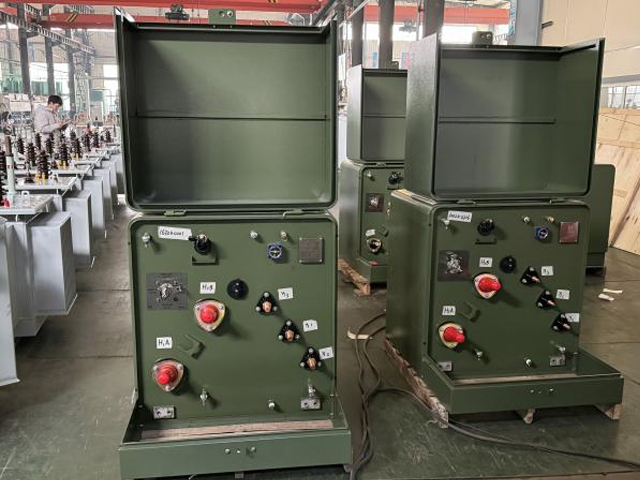
167kVA Conventional Type Single Phase Pole Mounted Transformer
NPC ELECTRIC'S 167kVA Single Phase pole Mounted transformer is a high capacity single phase distribution transformer designed for medium to high load distribution systems. It is mainly used in residential, commercial, agricultural and light industrial applications to provide stable single phase power to ensure reliable operation of user-side equipment. It complies with international standards such as ANSI/IEEE C57, IEC60076 and other standards to ensure its high quality and stability. Standard features include mineral oil insulation (ONAN cooling), aluminum or copper windings, primary voltages 2.4kV–34.5kV grounded wye or delta (common: 7200/12470GrdY, 7620/13200GrdY, 12470GrdY/7200, 24940GrdY/14400, 34500GrdY/19920), secondary 120/240V or 240/120V split-phase (options for 277V/480V or custom), BIL ratings 95–150kV HV / 30kV LV, impedance typically 1.5–4.5%, ±2×2.5% or 5-position tap changer, conventional or CSP (completely self-protected) configurations with internal fuses, lightning arresters, weak-link protection, pressure relief valve, oil sight gauge, and ANSI 70 gray tank finish. Efficiency typically reaches 99.33% at 50% load per DOE levels (with 2029 amendments targeting further reductions for units ≥100 kVA), with low sound levels and corrosion-resistant hardware for extended outdoor service.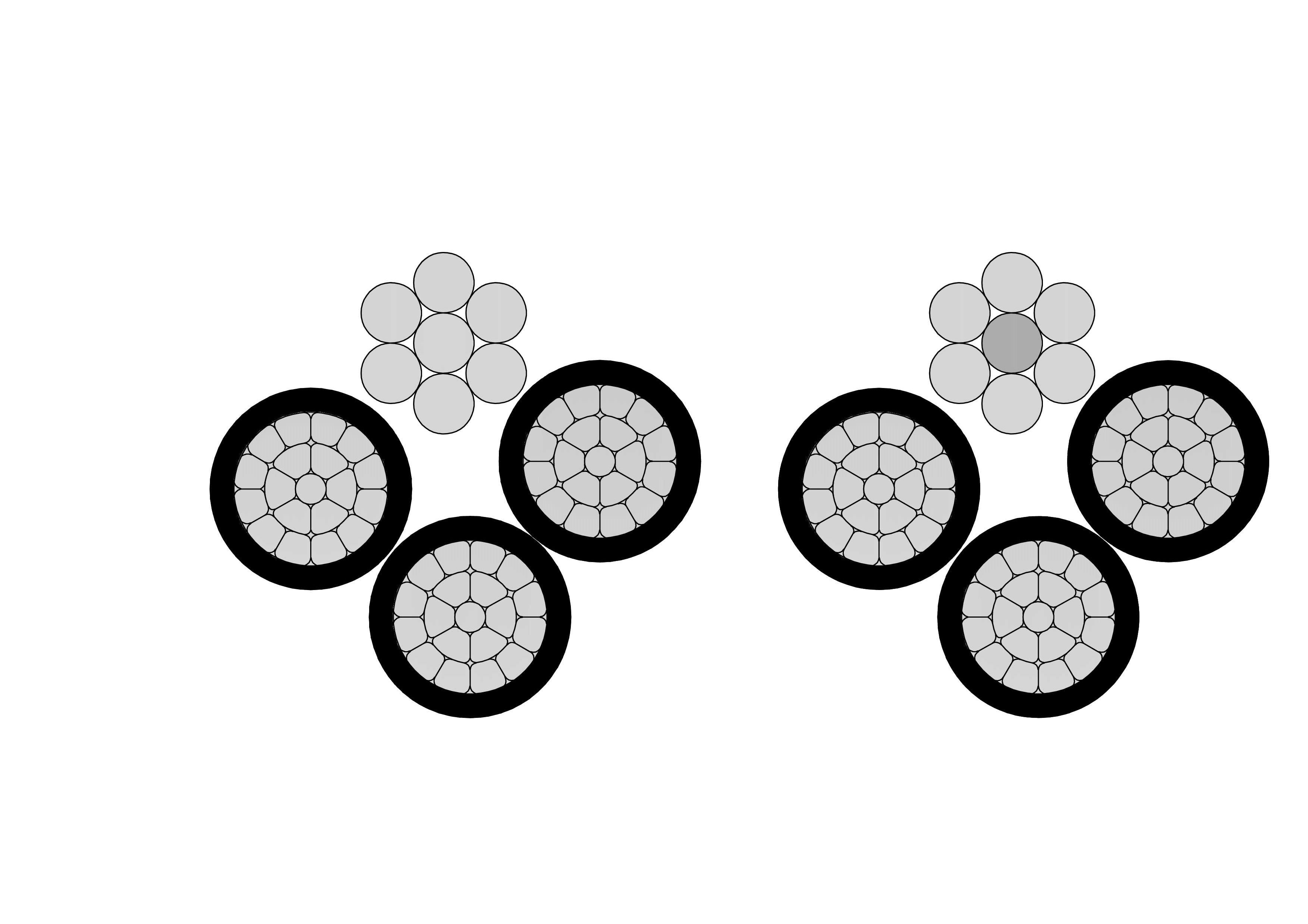
1/0 Shetland Aluminum Conductor Quadruplex Overhead Service Drop Cable
1/0 Shetland Aluminum Conductor Quadruplex Overhead Service Drop Cable is engineered to deliver three-phase electrical power from pole-mounted transformers to service entrances in residential, agricultural, and light commercial settings. Designed for overhead installation, this cable is rated for 600 volts phase-to-phase and can operate at temperatures up to 90°C with cross-linked polyethylene (XLP) insulation, or 75°C with polyethylene (PE) insulation. The cable includes three phase conductors constructed from 1350-H19 series aluminum, either stranded or compressed, and a neutral messenger made of bare AAAC (All Aluminum Alloy Conductor). Optional constructions are available with AAC or ACSR messengers, allowing adaptability for varying mechanical or electrical needs. XLP insulation offers superior durability, weather resistance, and thermal stability, making this cable ideal for challenging outdoor environments.
380kV Oil-Immersed Power Transformer
NPC Electric 380kV Oil-Immersed Power Transformer is engineered for the most demanding extra-high voltage (EHV) transmission networks, providing a robust link between power generation and regional distribution. Utilizing a multi-step core stacking method with high-grade, laser-scribed silicon steel, this unit minimizes eddy current losses and vibration. The internal active part is submerged in high-dielectric-strength mineral oil, which serves both as a superior insulator and a high-efficiency coolant. Designed with a vacuum-proof, reinforced corrugated or radiator-type tank, it ensures hermetic integrity under extreme thermal cycling. With advanced electrostatic shielding and a focus on mechanical stability, this transformer offers unparalleled reliability for national grid backbones, ensuring continuous power flow with minimal maintenance requirements even in harsh environmental conditions.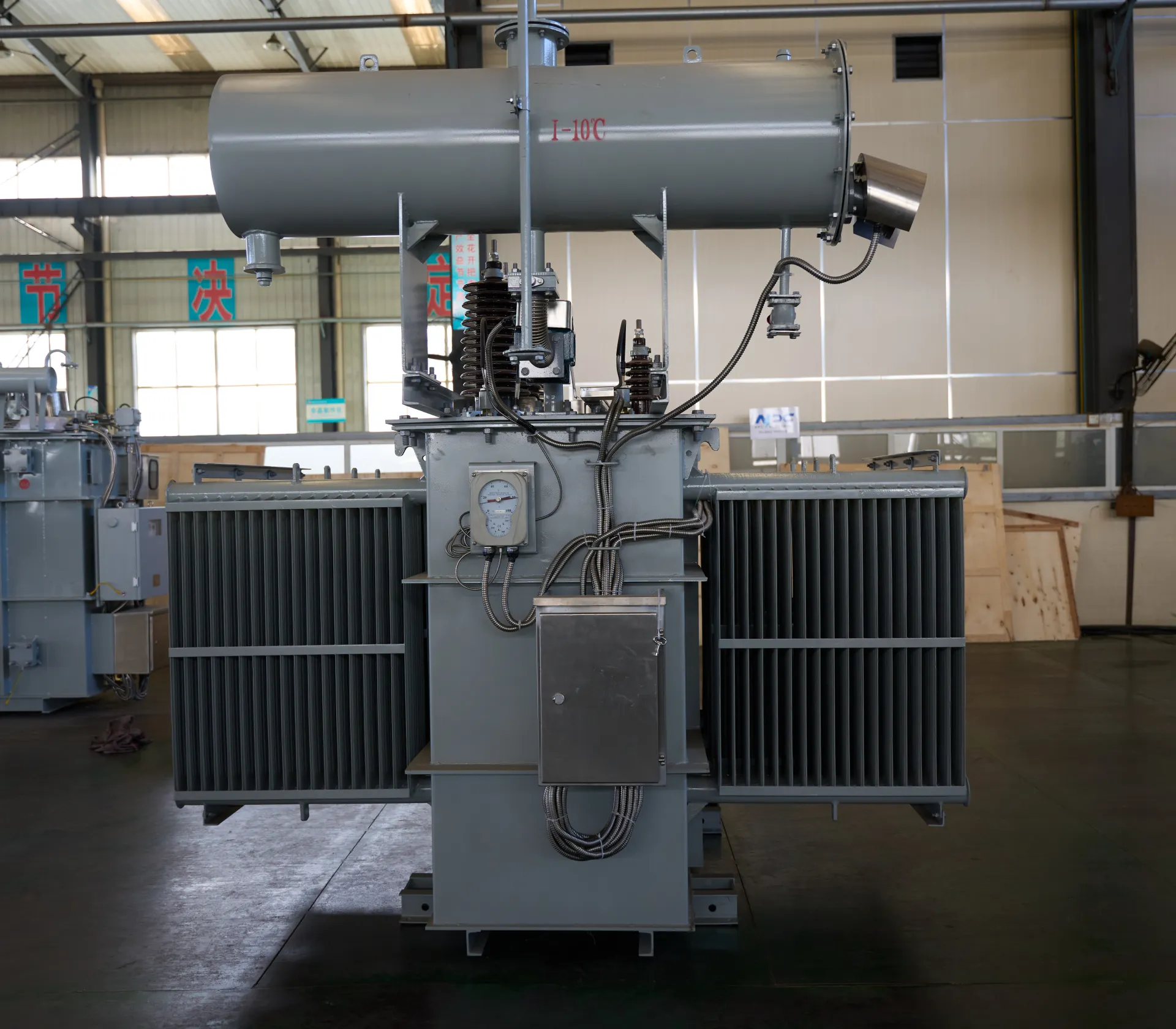
33kV 35kV Solar Power Transformer
NPC Electric 33kV 35kV Solar Power Transformer is a specialized solution engineered to bridge the gap between solar inverters and the high-voltage utility grid. Unlike standard distribution units, these transformers are optimized to handle the pulsed DC-to-AC waveforms generated by modern PV inverters. Utilizing high-permeability magnetic cores and oxygen-free copper windings, they significantly reduce "No-Load" losses during non-sunlight hours, maximizing your project's Levelized Cost of Energy (LCOE). The robust tank design features enhanced heat dissipation fins, ensuring stable operation even under peak solar radiation in desert or tropical climates.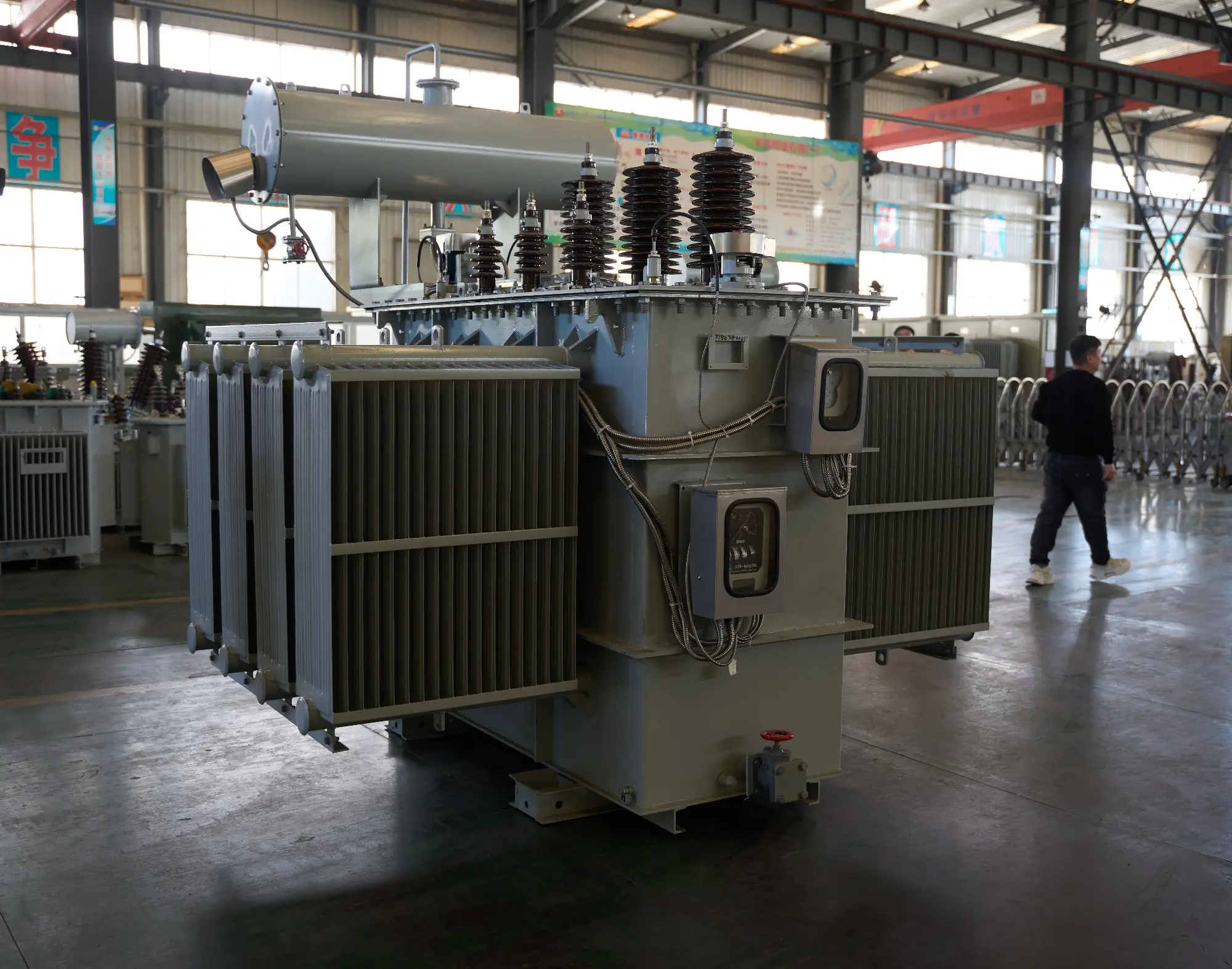
35kV 46kV Power Transformer
NPC ELECTRIC's 35kV and 46kV power(electrical) transformer complies with international standards such as IEC and ANSI, and features high efficiency, low loss, and strong insulation. This product is widely used in power grid main transformers, power plants, industrial and mining enterprises, and large infrastructure projects. Key features include mineral oil or FR3 natural ester insulation (ONAN/ONAF/ODAF cooling options), copper or aluminum windings, primary voltages 35kV or 46kV (grounded wye or delta, with dual-voltage configurations), secondary voltages 6.6kV, 11kV, 13.8kV, 33kV, or custom (e.g., 13.8kV/480V or 35kV/11kV), BIL ratings 200–650kV depending on voltage class, impedance typically 8–12%, ±2×2.5% or ±5% off-load tap changer (OLTC optional), conservator tank or sealed tank design, Buchholz relay, pressure relief device, oil temperature gauges, winding temperature indicators, and ANSI 61 gray or custom tank finish.
Type 450 Flexible Copper Screened Mining Cable With Two Earth And One Pilot Core
The Type 450 Flexible Copper Screened Mining Cable is a medium-voltage, heavy-duty mining cable designed for power supply in draglines, slow reeling, and industrial applications requiring two earth cores and one pilot core. It features tinned annealed copper conductors, EPR (XR-EP-90) insulation, and a tinned copper/polyamide braid screen for electrical shielding. The double-layer HD-PCP sheath provides extra heavy-duty protection, including oil resistance, flame retardancy, and chemical durability. Available in voltage ratings from 3.3kV to 33kV, the cable meets AS/NZS 2802 and related standards, ensuring high performance and reliability in harsh mining environments.
Quadruplex Cable Aluminum Conductor Overhead Service Drop Cable 600V
The Quadruplex Aluminum Overhead Service Drop Cable 600V is a reliable aerial cable for three-phase secondary power distribution with neutral. Featuring three insulated aluminum phase conductors and one neutral messenger (stranded aluminum or ACSR) with XLPE or PE insulation in quadruplex assembly, it offers excellent mechanical strength and weather resistance. Compliant with ASTM B-230, B-231, ICEA S-76-474, and ANSI/ICEA standards, this cable supports 600V applications with superior UV, moisture, and abrasion protection. The self-supporting messenger reduces sag and simplifies installation over medium spans. The Quadruplex Aluminum Overhead Service Drop Cable 600V ensures low power losses, high current capacity, and long service life in harsh outdoor conditions. Lightweight and flexible, it is widely used for three-phase service drops in residential subdivisions, commercial buildings, and rural areas requiring safe, cost-effective overhead connections from utility poles to service entrances worldwide.Welcome your inquiry
Honesty, Integrity, Frugality, Activeness and Passion