
25kV XLPE-HDPE Tree Wire: High-Durability Solution for Modern Power Networks
2026-02-06
Power companies face numerous challenges, including extreme weather, vegetation contact, wildlife disturbance, and increasing demands for power reliability. To address these issues, 25kV XLPE-HDPE insulated tree conductors have become one of the most widely used solutions for overhead distribution networks. Tree conductors combine advanced insulation materials with robust mechanical strength, significantly reducing electrical faults, improving system safety, and extending service life.
Tree conductors (sometimes also called tree cables) are coated conductors specifically designed for overhead applications where contact with vegetation is unavoidable. Unlike bare conductors, tree conductors feature a double-insulation structure, typically an inner XLPE insulation layer and an outer HDPE protective layer, offering properties such as abrasion resistance, moisture resistance, UV resistance, and electrical stress resistance. This structure makes them suitable for operation at 15kV, 25kV, and 35kV distribution levels.
1. Engineering Purpose of Tree Wire in Distribution Networks
From an engineering perspective, tree wire plays a crucial role in medium-voltage rural and suburban networks where maintaining clearances between conductors and vegetation is challenging. Because outages caused by falling branches are one of the leading causes of feeder interruptions, utilities increasingly rely on tree wire to mitigate contact-related faults.
Key engineering objectives include:
-
Reducing line faults caused by vegetation, animals, and severe weather
-
Increasing line reliability in forested or windy regions
-
Enhancing safety for field personnel and the public
-
Extending the maintenance cycle by reducing the frequency of tree trimming
-
Improving resistance to moisture, sunlight, and mechanical stress
Tree wire is not an insulated power cable; it is a covered conductor. The covering provides dielectric protection but is not intended for continuous grounded contact. It significantly delays flashovers, giving distribution protection systems more time to react.
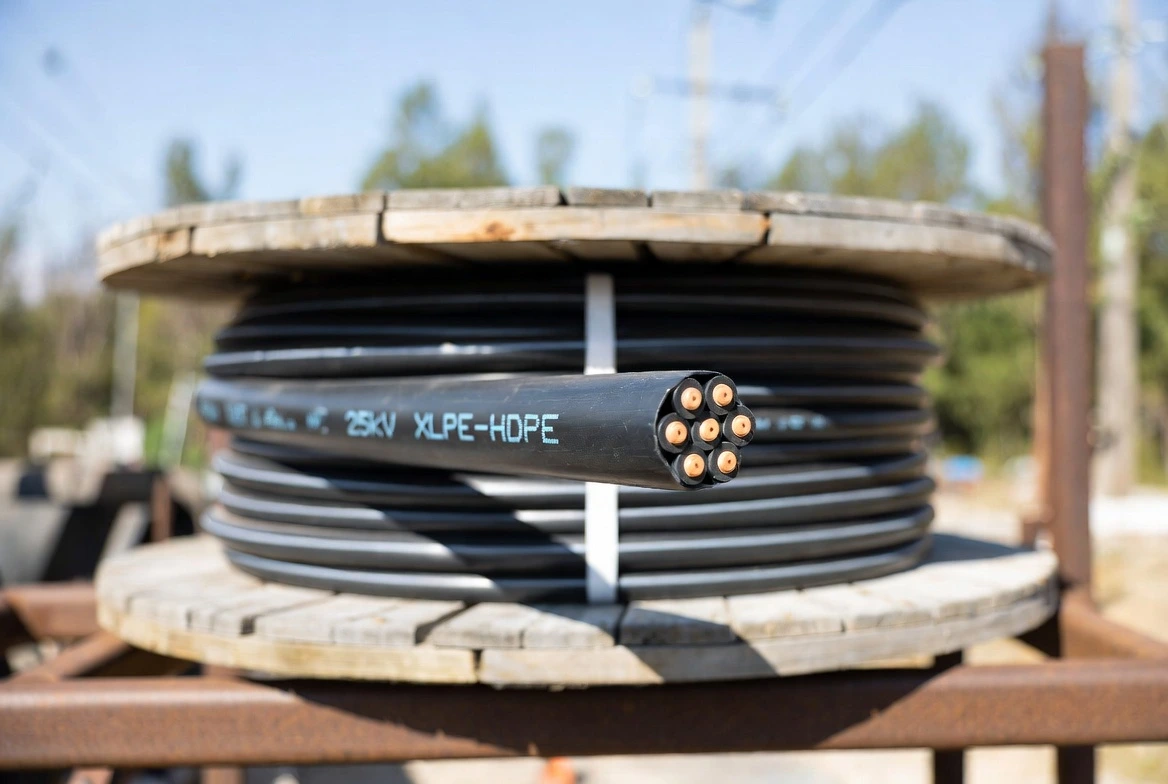
2. Material Composition: XLPE + HDPE Dual-Layer System
The typical 25kV tree wire structure includes:
-
Conductor
Usually, aluminum or AAAC is selected for conductivity and weight balance.
-
XLPE (Cross-Linked Polyethylene) Inner Layer
-
Provides primary electrical insulation
-
Excellent dielectric strength
-
Low dielectric loss
-
Strong resistance to electrical treeing
-
-
HDPE (High-Density Polyethylene) Outer Jacket
-
provides mechanical protection
-
High wear, moisture, and UV resistance
-
Prevents damage from branches and wildlife
-
High surface hardness for environmental durability
-
The synergy between XLPE and HDPE ensures that 25kV XLPE-HDPE tree wire performs reliably in harsh field conditions.
3. Performance Advantages in Real Utility Applications
From field engineering to long-term operations, tree wire provides measurable performance benefits:
3.1 Enhanced Reliability
Tree wire significantly reduces transient faults caused by momentary tree contact. Unlike bare conductors, the insulated design prevents immediate flashover, which is essential for:
-
Rural overhead networks
-
Mountainous or forested areas
-
High-wind regions
3.2 Lower Maintenance Costs
Because vegetation contact does not immediately result in outages, utilities can reduce tree-trimming cycles, saving significant O&M costs over the lifetime of the feeder.
3.3 Improved Safety and Reduced Outage Frequency
The covered structure minimizes:
-
Phase-to-ground faults
-
Fire risks
-
Wildlife-induced outages
-
Weather-related failures
3.4 Long-Term Durability
XLPE and HDPE materials provide strong resistance to:
-
UV degradation
-
Moisture and rain
-
Abrasion from branches
-
Salt spray in coastal zones
As a result, tree wire installations typically achieve service lives of 30–40 years, depending on environmental conditions.
4. Typical Applications of 15kV, 25kV, and 35kV Tree Wire
Tree wire can be deployed in the following medium-voltage systems:
-
Overhead distribution feeders (primary)
-
Rural electrification networks
-
Coastal and tropical climates require corrosion resistance
-
Mountainous and forested areas
-
Utility grid modernization projects
-
Areas with frequent storms or falling branches
For 15kV and 25kV networks, three-wire is the most common solution. For long spans or high mechanical loads, 35kV tree wire offers additional insulation and strength.
5. Technical Specification Table (Typical)
| Item | Specification |
| Rated Voltage | 25 kV (also available in 15 kV, 35 kV) |
| Conductor Material | AAC / AAAC / ACSR |
| Inner Insulation | XLPE (Cross-Linked Polyethylene) |
| Outer Jacket | HDPE (High-Density Polyethylene) |
| Temperature Rating | 90°C normal operation |
| UV Resistance | Excellent |
| Water Resistance | High |
| Typical Application | Overhead distribution lines, forested areas |
| Fault Reduction Capability | High for vegetation contact |
| Expected Service Life | 30–40 years |
Utilities may request customized conductor sizes or jacket thicknesses depending on mechanical load requirements.
6. Installation Considerations in Real Utility Projects
Practical engineering considerations when deploying 25kV tree wire include:
6.1 Proper Clearance and Sag
Although tree wire resists vegetation contact, utilities still maintain minimum clearances for operational safety and to prevent long-term abrasion.
6.2 Conductor Strength and Span Length
AAAC conductors are preferred for long spans due to better tensile strength-to-weight ratios.
6.3 Accessories Compatibility
All clamps, connectors, dead-ends, and spacers must be certified for covered conductor applications to avoid insulation damage.
6.4 Environmental Conditions
In areas with heavy ice loading, larger conductor sizes or reinforced designs may be required.
6.5 Inspection and Condition Monitoring
Periodic visual inspections are recommended to detect jacket damage, wildlife activity, or mechanical wear.
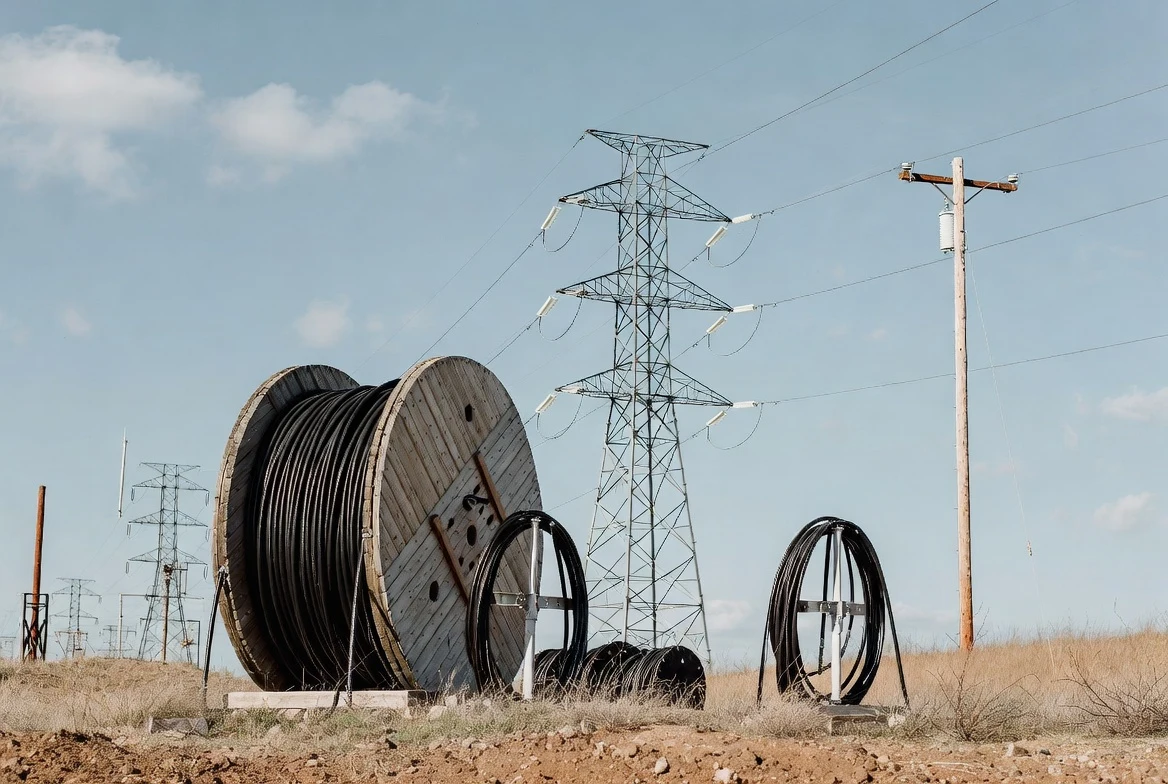
25kV XLPE-HDPE tree wire delivers a robust, reliable, and cost-effective solution for medium-voltage overhead distribution grids. With its dual-layer insulation, high dielectric performance, and exceptional durability, it meets the increasing demands of modern utilities seeking to reduce outages, improve public safety, and extend asset life. As grid modernization accelerates, tree wire—together with smart grid equipment and advanced monitoring—is playing an increasingly important role in building resilient, long-term, and low-maintenance distribution networks.

Related Articles
Related Products
35kV Oil Immersed Transformer
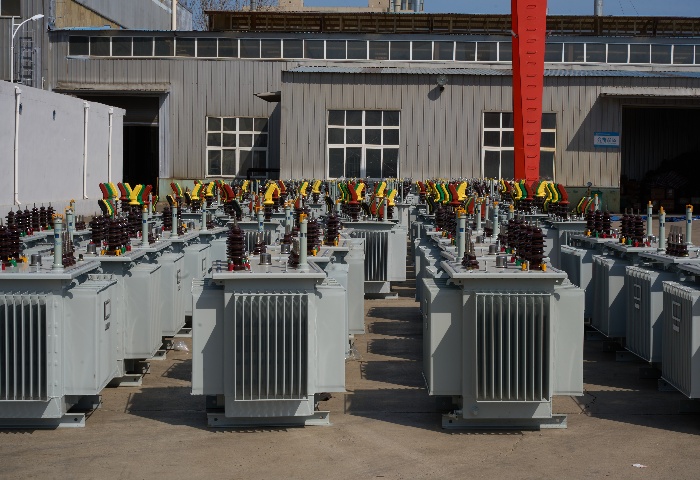
NPC ELECTRIC's 35kV Oil Immersed Transformer is a premium three-phase power transformer optimized for high-voltage step-down in 50/60Hz AC systems with primary ratings of 35kV (or 33-38.5kV range). It incorporates a robust conservator or fully sealed tank design with efficient radiator cooling (ONAN standard, ONAF optional), ensuring exceptional thermal dissipation, moisture exclusion. Outdoor-rated with pollution-resistant bushings (BIL 170-200kV), Dyn11/Ynd1 vector groups, and low noise (<62dB), it provides stable 35kV to secondary voltages (e.g., 10kV/6.3kV/0.4kV) conversion, enhancing grid stability, minimizing transmission losses, and supporting demanding applications in harsh or high-altitude conditions.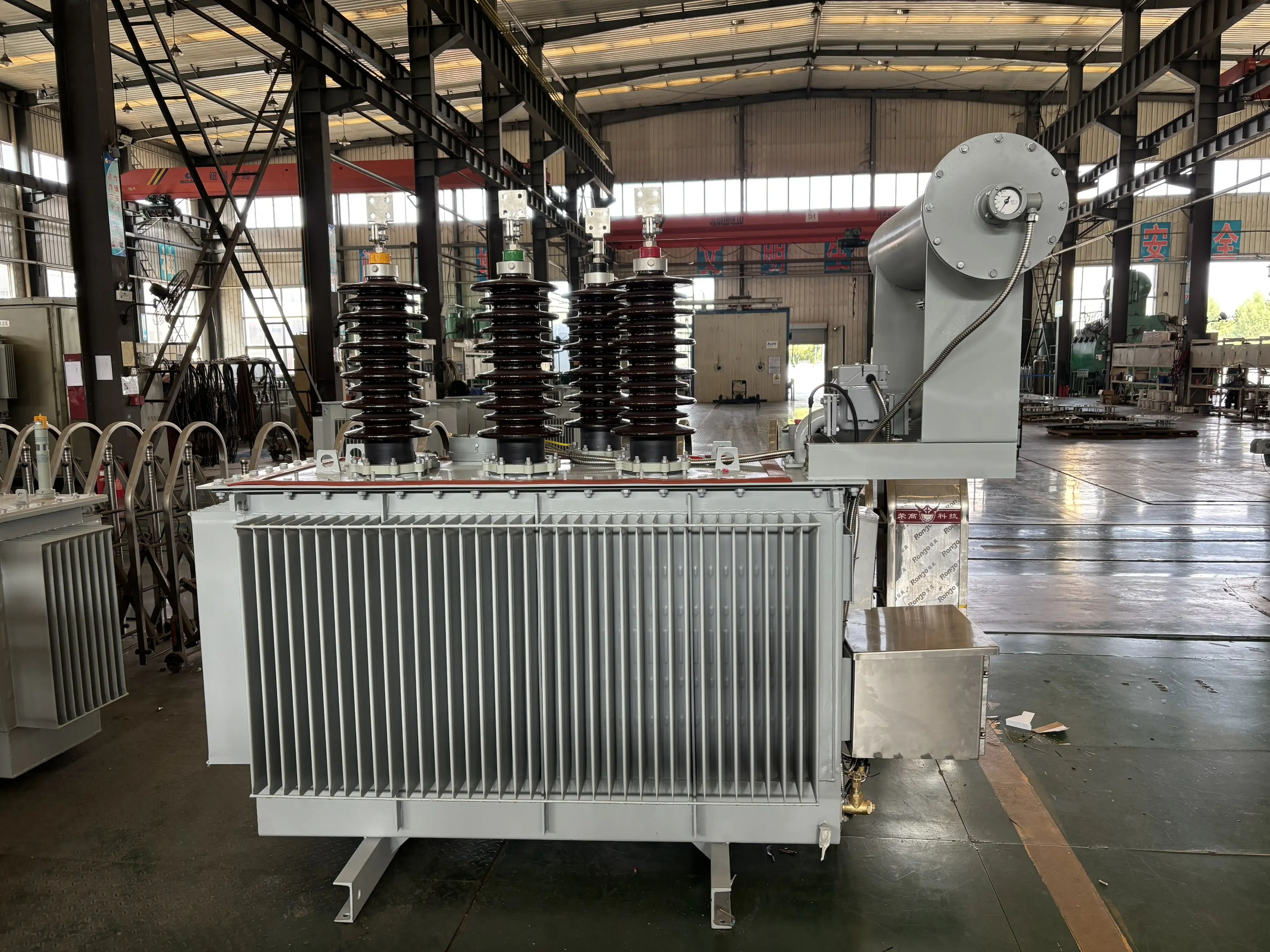
Zigzag Neutral Grounding Transformer to IEC Standards – Factory Direct Sales
Zigzag Neutral Grounding Transformer manufactured to IEC standards is a reliable solution for establishing an artificial neutral point in medium-voltage power systems. Designed with a precision zigzag winding configuration, it provides low zero-sequence impedance during ground faults while maintaining balanced operation under normal conditions. This enables effective limitation of earth fault currents, improved system protection coordination, and enhanced grid safety. Produced under strict IEC compliance, the transformer features a robust core design, high-quality conductors, and reinforced insulation systems to ensure long-term stability and fault withstand capability. Factory direct sales allow for flexible engineering support, competitive pricing, and shorter delivery cycles.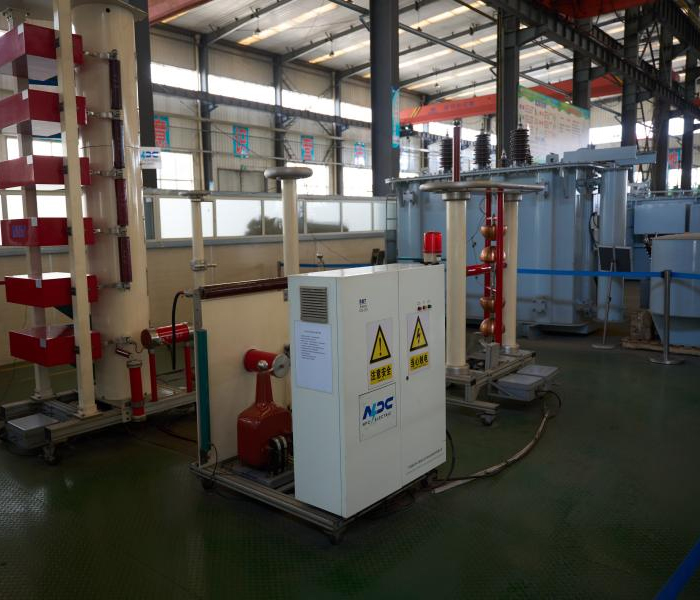
22kV Dry Type Transformer Cast Resin Three Phase Distribution Transformer
22kV Dry Type Transformer Cast Resin Three Phase Distribution Transformer, a premium oil-free solution engineered for safe, reliable medium-voltage power distribution in indoor environments. This three-phase cast resin transformer features fully vacuum-impregnated epoxy resin windings with high-conductivity copper conductors and premium low-loss grain-oriented silicon steel cores, achieving superior energy efficiency (typically 98.5%+), significantly reduced no-load and load losses, and excellent partial discharge performance (<10pC). The advanced cast resin encapsulation provides outstanding moisture resistance, self-extinguishing fire safety (F1 class), robust short-circuit withstand capability, and completely maintenance-free operation. Natural air (AN) cooling with optional forced air (AF) upgrades supports high overload capacity, while optimized core clamping, vibration-dampening mounts, and noise-reduction design deliver low acoustic levels suitable for urban or sensitive installations.
3000kVA Three Phase Pad Mounted Transformer
NPC ELECTRIC's 3000kVA Three Phase Pad Mounted transformer complies with international standards such as IEC and IEEE. It adopts a fully sealed and fully insulated design and has excellent overload capacity and safety performance. It is widely used in industrial parks, commercial complexes, new energy power stations and other scenarios, and is suitable for outdoor ground installation. The product has a compact structure, reliable operation, and easy maintenance, making it an ideal choice for modern power distribution systems.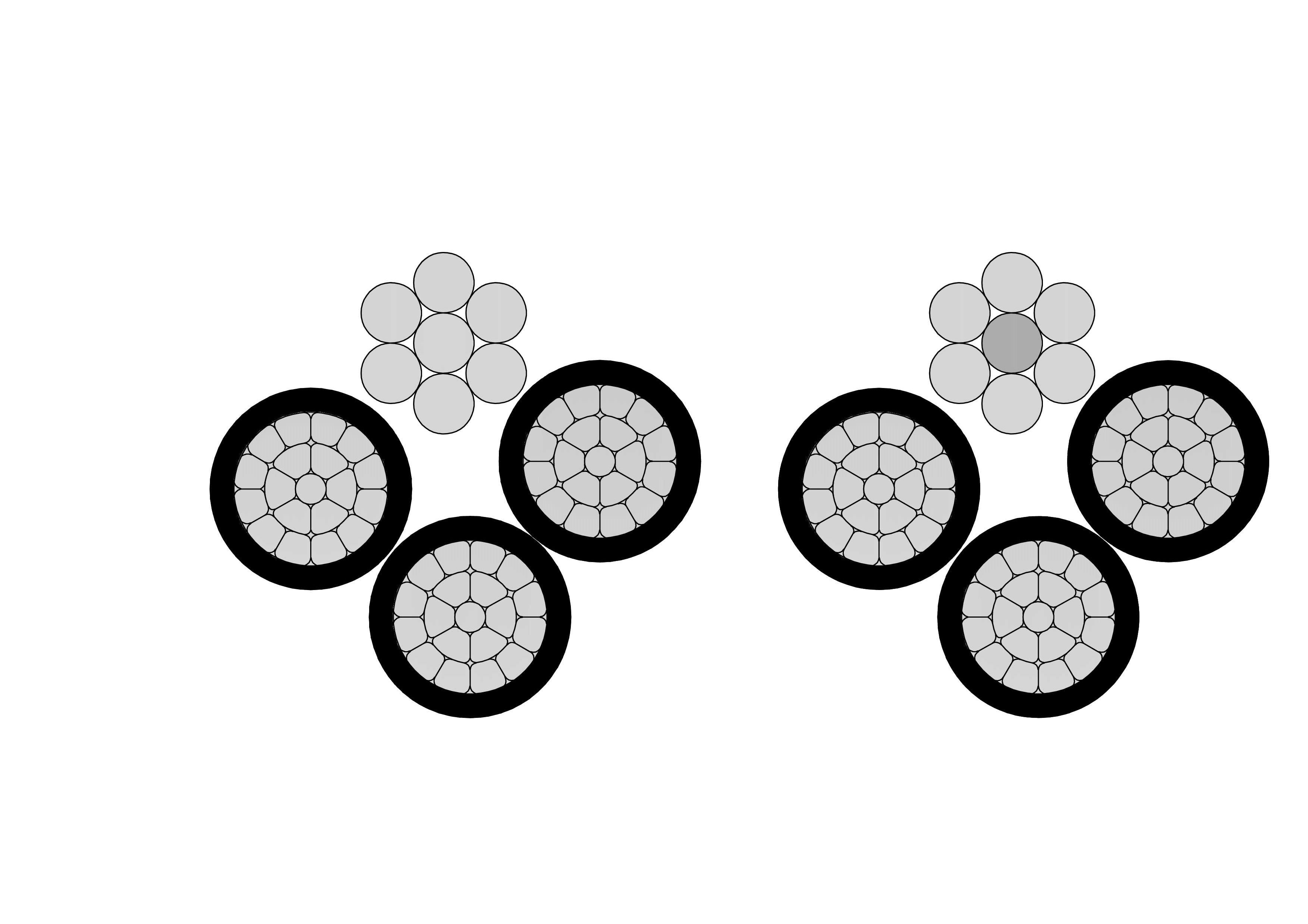
Copper Conductor Quadruplex Service Drop Cable 600V
Copper Conductor Quadruplex Overhead Service Drop Cable is designed for 600V phase-to-phase electrical distribution, primarily used to carry power from pole-mounted transformers to the customer's service entrance. Comprising three insulated copper phase conductors and one copper neutral messenger (stranded) with XLPE or PE insulation in quadruplex form, it meets ASTM, ICEA, and international standards. High-purity copper ensures minimal voltage drop and excellent current capacity. Robust insulation resists sunlight, moisture, and mechanical damage for decades of outdoor service. Self-supporting design allows easy installation with low sag. The Copper Conductor Quadruplex Service Drop Cable 600V provides reliable power transfer up to 600V in extreme temperatures. Flame-retardant options enhance safety. Commonly chosen for premium single-phase and three-phase power delivery in subdivisions, rural homes, commercial connections, and critical installations requiring high-conductivity copper overhead solutions with proven longevity and performance.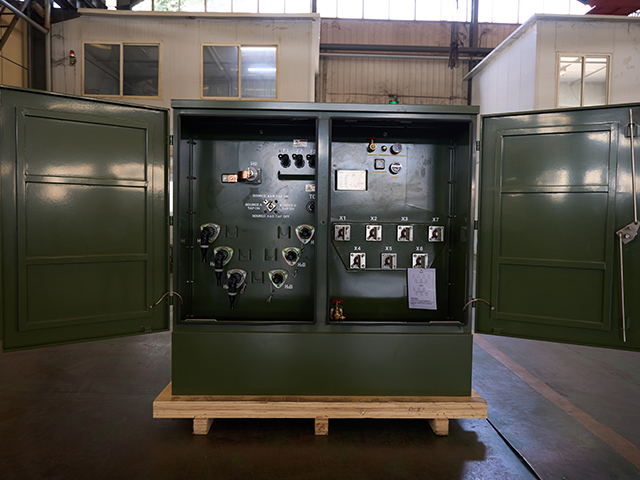
45kVA Three Phase Pad Mounted Transformer
The 45 kVA pad-mounted transformer meets ANSI, CSA, NEMA, IEEE, and DOE standards. The compartmental dead-front enclosure features tamper-resistant doors, mineral oil or ester fluid insulation, and ONAN cooling for a 65°C temperature rise, enabling quiet, overload-capable operation in outdoor pad installations.
5000kVA Dry Type Transformer
The NPC ELECTRIC 5000kVA Dry Type Transformer is a high-capacity, reliable power solution designed for large-scale industrial and commercial operations. With a robust 5000kVA rating, it features advanced dry-type insulation technology for enhanced safety, low maintenance, and long-lasting performance. Engineered for demanding environments, this transformer ensures stable, efficient, and quiet operation while minimizing environmental impact. It achieves efficiencies around 99.48% at 35% load per DOE 2029 levels for three-phase low-voltage dry-type at 5000 kVA (aligned/interpolated from published tables showing progressive gains and 20% loss reduction from prior baselines), accommodates high harmonics, overloads, and ensures long-term reliability with reduced environmental footprint and operational expenses.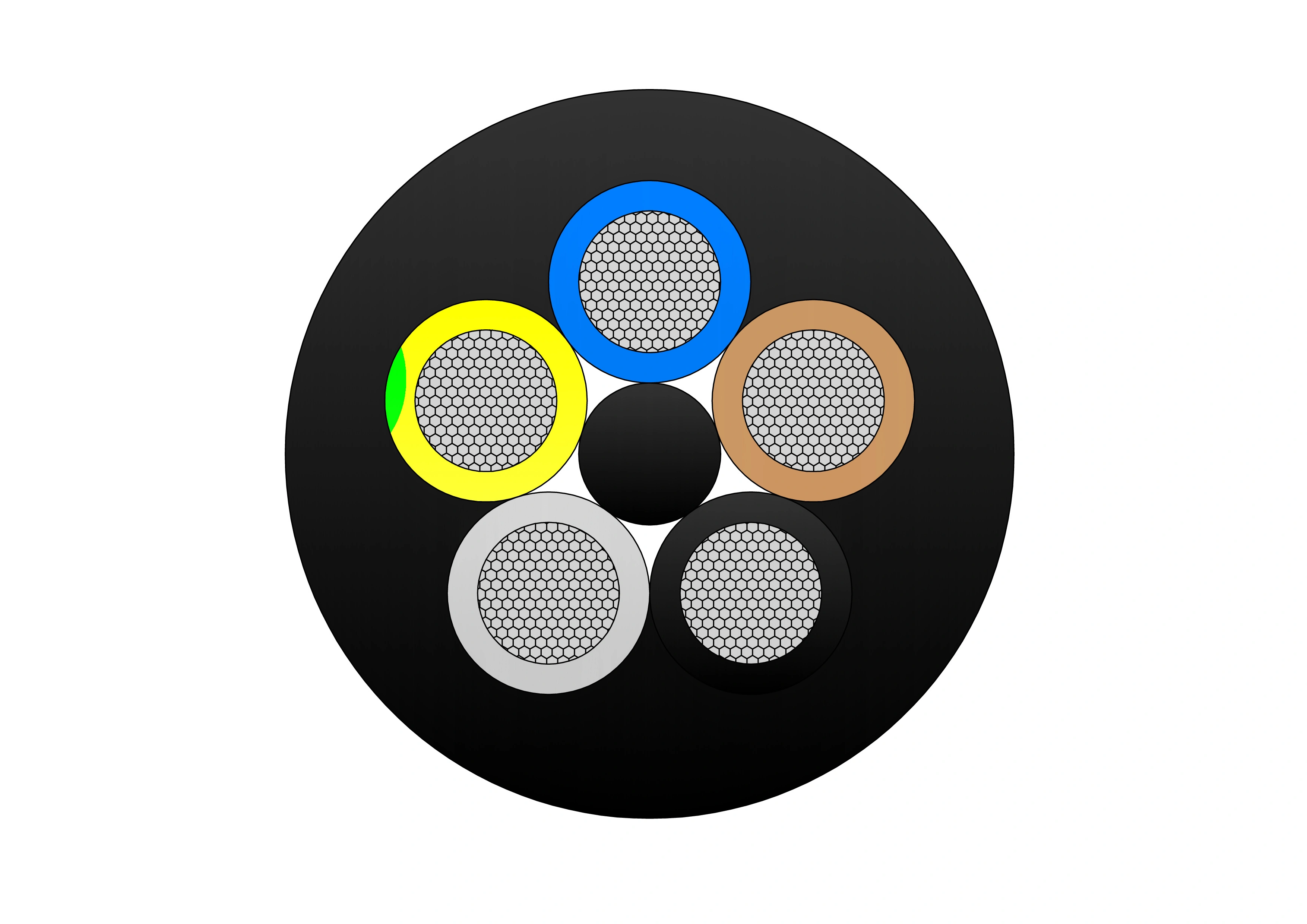
(N)TSKCGEWOU 3.6/6kV, 6/10kV, 8.7/15kV and 12/20kV Cable
The (N)TSKCGEWOU 3.6/6kV, 6/10kV, 8.7/15kV, 12/20kV Cable is a rugged flexible medium-voltage cable optimized for dynamic mining and tunneling applications. It includes tinned class 5 copper phase conductors, semi-conductive screens, EPR insulation for outstanding dielectric and thermal properties (90°C rating), copper braid screen for shielding, control conductors, monitoring conductor (ÜL), and a heavy-duty rubber sheath resistant to oils, flames, abrasion, and mechanical damage. Compliant with DIN VDE 0250, it provides high flexibility, torsional strength, and EMC protection across voltage levels for extreme conditions. The (N)TSKCGEWOU ensures dependable MV energy delivery to mobile machinery such as excavators, draglines, shearers, and tunnel boring equipment in opencast and underground mining, enhancing safety, reducing voltage drop, and supporting long service life.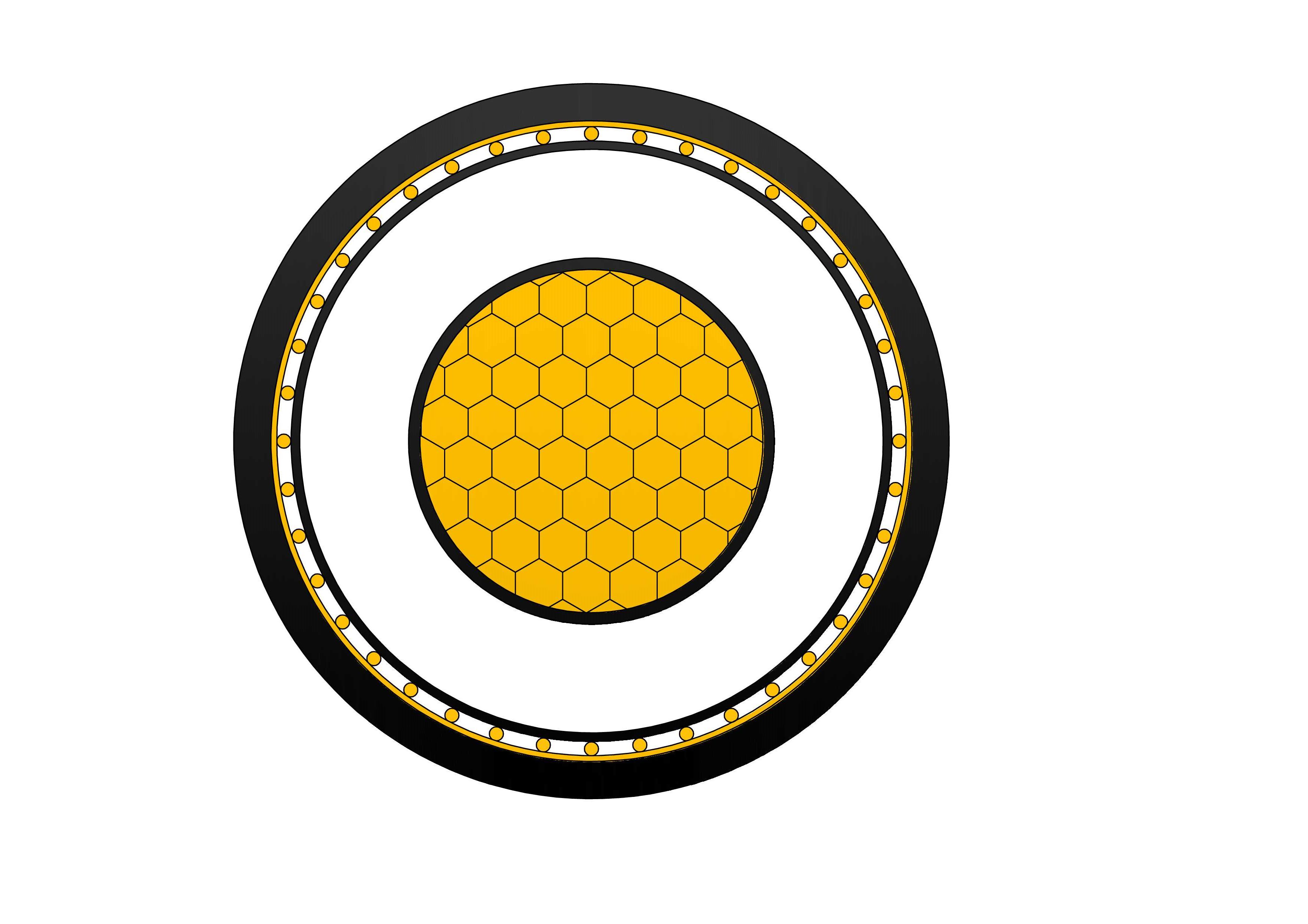
N2XS2Y Medium Voltage Power Cable(6/10kV, 12/20kV, 18/30kV)
N2XS2Y Medium Voltage Power Cable (6/10kV, 12/20kV, 18/30kV) is engineered for reliable medium voltage power transmission and distribution. Featuring stranded copper conductors, cross-linked polyethylene (XLPE) insulation, copper tape or wire screen, and robust polyethylene (PE) outer sheath, it fully complies with IEC 60502-2 standards. The PE sheath provides excellent resistance to moisture, UV, chemicals, and mechanical stress, ideal for direct burial. With low dielectric losses, high thermal stability, and superior partial discharge performance, it ensures efficient operation and long service life. Longitudinal and radial water blocking options available for enhanced protection. Flame-retardant and environmentally durable, the N2XS2Y Medium Voltage Power Cable is the preferred choice for utilities, industrial plants, renewable energy projects, and infrastructure networks requiring safe, high-performance medium voltage cabling in harsh underground or outdoor conditions worldwide.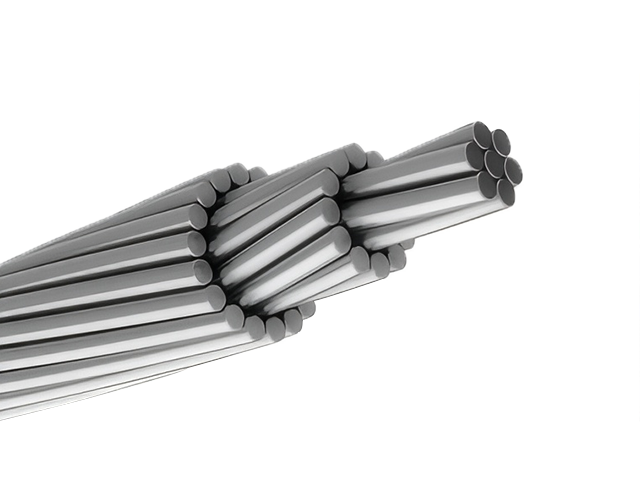
ALUMINUM CONDUCTOR ALUMINUM CLAD STEEL REINFORCED(ACSR/AW)
Aluminum Conductor Aluminum-Clad Steel Reinforced (ACSR/AW) offers enhanced protection for overhead lines, with outer 1350 aluminum strands encircling an aluminum-clad high-strength steel core. The cladding significantly boosts corrosion resistance over traditional ACSR, ideal for marine, acidic, or high-humidity settings. Steel reinforcement provides superior mechanical properties, enabling longer spans with reduced sag and higher load capacity. Electrical conductivity from aluminum layers ensures minimal transmission losses, supporting ampacities up to 20% higher in equivalents. Adhering to IEC 61089 and ASTM B549, ACSR/AW features versatile stranding options for optimized ratios. Its design facilitates easy installation and compatibility with existing hardware. Lightweight yet robust, it lowers infrastructure costs and maintenance needs. ACSR/AW promotes sustainability through better longevity and recyclability, reducing environmental impact. Widely adopted in global utilities, it delivers reliable performance in extreme conditions, from stormy coasts to industrial hubs, making it a smart choice for future-proofing power grids.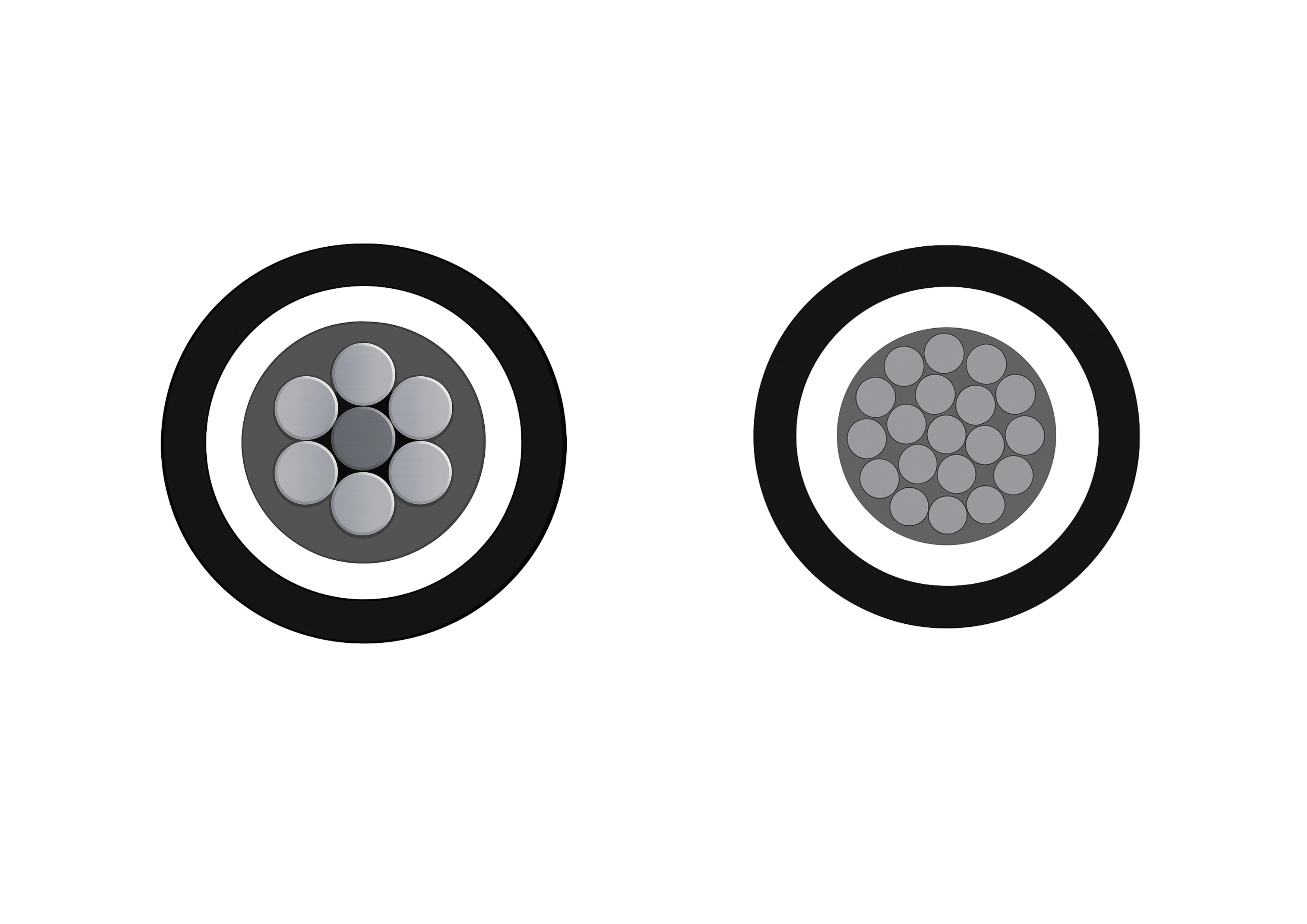
XLPE-HDPE Tree Cable Aluminum 25kV 1x70mm²
The XLPE-HDPE Tree Cable Aluminum 25kV 1x70mm² is specially designed for medium-voltage overhead distribution systems that demand higher load capacity. Its robust construction ensures outstanding performance and reliability even in harsh outdoor conditions, making it ideal for wooded areas, semi-urban environments, and locations where maintenance and tree-trimming need to be minimized. The conductor is made from high-conductivity aluminum alloy 1350 wires, round compacted with class 2 stranding, achieving a minimum conductivity of 61% IACS and a tensile strength of at least 130 MPa. Optional conductor shielding with an extruded semiconductor thermosetting compound is available for 15kV and 25kV applications, providing enhanced electrical performance. This 25kV XLPE-HDPE tree cable delivers reliable, eco-friendly power distribution with reduced maintenance needs. Its combination of high current capacity, environmental resilience, and long service life makes it a perfect solution for medium-voltage overhead networks in challenging outdoor settings.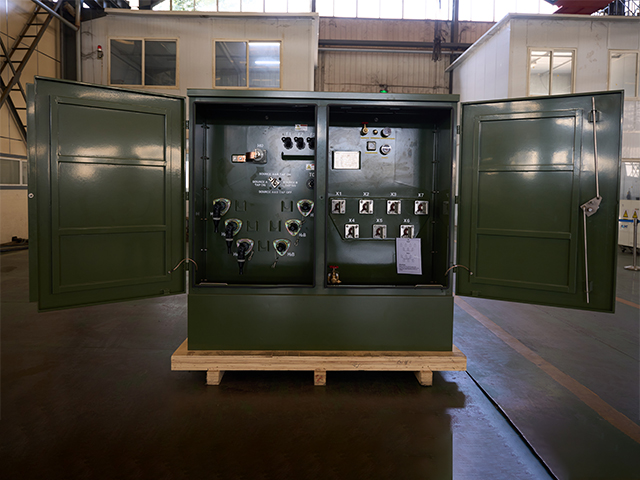
225kVA Three Phase Pad Mounted Transformer
The 225kVA three-phase pad transformer is an efficient and reliable power conversion device designed for commercial, industrial and distribution systems. With a high power capacity of 225kVA, the transformer is able to provide a stable three-phase power supply for large-scale equipment to meet high load requirements. Its rugged housing is made of weather-resistant materials and meets NEMA 3R standards, ensuring long-term stable operation in outdoor environments and preventing the influence of external factors such as water, dust and corrosion.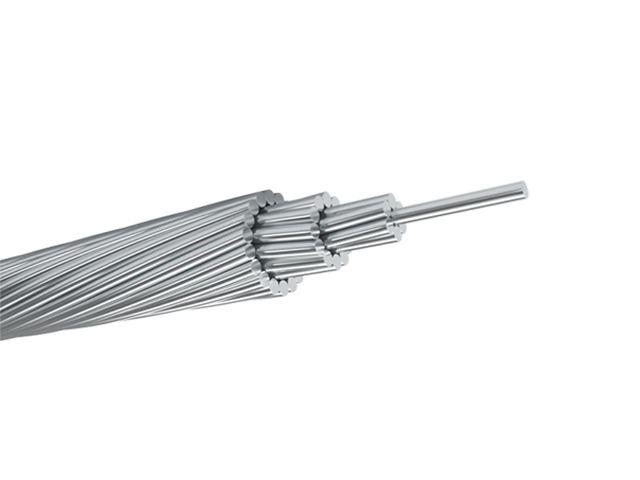
AZUSA AAAC Conductor Cable
AZUSA AAAC (All Aluminum Alloy Conductor) cables comply with ASTM B399 standards and are characterized by high strength, excellent conductivity, and superior corrosion resistance. Meeting ASTM B398, B399, IEC 61089, and BS EN 50182 standards, this cable handles ampacity up to 900A at 75°C and voltages up to 33kV. The all-alloy construction avoids bimetallic corrosion, providing better resistance in harsh conditions than ACSR. Reduced weight minimizes sag and installation expenses, supporting longer spans. The Azusa AAAC Conductor Cable delivers low electrical losses, high mechanical endurance, and excellent weather tolerance. Flame-retardant variants available. Perfect for urban grids, renewable projects, and coastal setups, it provides cost-effective, low-maintenance power delivery in overhead applications globally, excelling in reliability and lifespan over conventional conductors.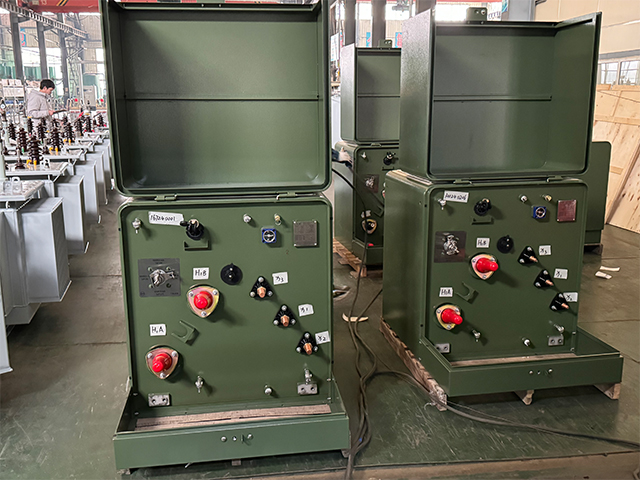
50kVA Single Phase Pad Mounted transformer
NPC ELECTRIC 50 kVA pad mounted transformer meets/exceeds DOE 2016 efficiency ratings with UL/cUL listed. Design and production with ANSI/IEEE, CSA standards.NPC ELECTRIC Transformer's 50 kVA single-phase pad-mounted transformer is extensively employed in the North American market. With their wealth of project experience,NPC ELECTRIC Transformer caters to a diverse clientele, including builders, public utility departments, and transformer distributors and retailers.
556.5 MCM Dahlia AAC Cable
The 556.5 MCM Dahlia AAC Cable is a high-performance All Aluminum Conductor designed for demanding overhead power transmission and distribution lines. Manufactured with 19 strands of premium 1350-H19 aluminum wire in a concentric lay configuration, this bare conductor provides excellent electrical conductivity with a low DC resistance of 0.0311 ohms per 1000 ft at 20°C. Featuring an overall diameter of 0.856 inches and a rated breaking strength of 9,750 lbs, the Dahlia AAC delivers a robust ampacity of 703 amps while weighing only 522.4 lbs per 1000 ft. Its optimized strength-to-weight ratio minimizes sag and structural loading. Fully compliant with ASTM B-230 and B-231 standards, the 556.5 MCM Dahlia AAC Cable offers outstanding corrosion resistance for long-term durability in harsh outdoor environments, making it the preferred choice for utility networks requiring cost-effective, high-reliability bare aluminum conductors.Welcome your inquiry
Honesty, Integrity, Frugality, Activeness and Passion