
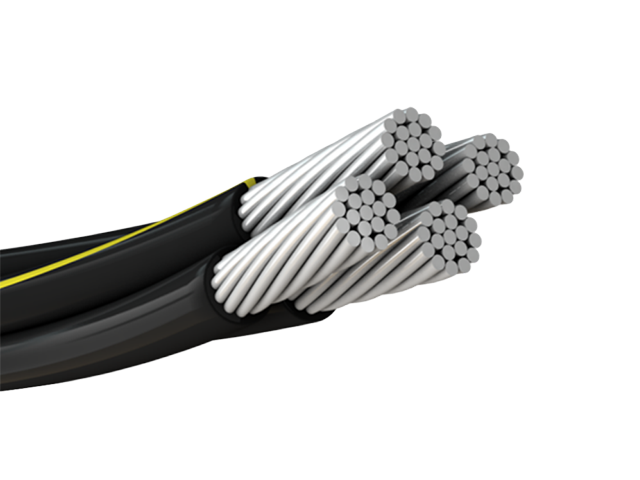

ABC CABLE NFC 33-209
Aerial Bundled Cable under NPC 33-209 standard is mainly used in the field of overhead power distribution. ABC Cable, manufactured in accordance with NFC 33-209 is designed for overhead low-voltage power distribution with enhanced mechanical strength and operational safety. The cable consists of insulated aluminum phase conductors twisted around a reinforced messenger conductor, forming a compact aerial bundle. This structure reduces the risk of short circuits caused by external contact and minimizes power outages in densely populated or environmentally challenging areas. The insulation material provides excellent resistance to UV radiation, weather exposure, and thermal aging, ensuring stable electrical performance over long service periods. Compliant with NFC 33-209 requirements, the cable delivers reliable current transmission, reduced line losses, and simplified installation compared with bare conductors. ABC Cable NFC 33-209 is widely used by utility companies for modern overhead distribution networks where safety, durability, and cost efficiency are critical.
Construction
Technical Specifications
Quality Control
Application
Construction
ABC CABLE NFC 33-209
Standard
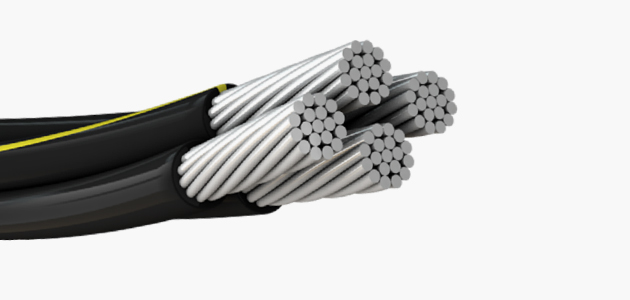
NFC 33-209
Phase Conductor
Stranded,Circular compacted ,Circular compressed AAC.
Neutral Conductor
Stranded,Circular compacted ,Circular compressed AAAC.
Insulation
Cross-linked polyethylene (XLPE),Black color,Weather and UV resistant.
Technical Specifications
ABC CABLE NFC 33-209
ABC CABLE NFC 33-209
|
Number of and |
Phase Core | Street Lighting Core | Complete Cable | |||||
|
No. and Section area |
No. of wires |
Insulation Thickness |
No. of wires |
Diameter of conductor |
Insulation Thickness |
Overall Diameter (approx.) |
Weight (approx.) |
|
| mm² | mm² | No. | mm | No. | mm | mm | mm | kg/km |
| 2x16 | 2x16 | 7 | 1.2 | - | - | - | 14.2 | 126 |
| 2x25 | 2x25 | 7 | 1.4 | - | - | - | 17.6 | 194 |
| 2x35 | 2x35 | 7 | 1.6 | - | - | - | 20.4 | 266 |
| 2x50 | 2x50 | 7 | 1.6 | - | - | - | 22.6 | 341 |
| 4x16 | 4x16 | 7 | 1.2 | - | - | - | 17.2 | 252 |
| 4x25 | 4x25 | 7 | 1.4 | - | - | - | 21.2 | 388 |
| 4x35 | 4x35 | 7 | 1.6 | - | - | - | 24.6 | 533 |
| 3x25+54.6 | 3x25 | 7 | 1.4 | - | - | - | 23.6 | 496 |
| 3x25+54.6+1x16 | 3x25 | 7 | 1.4 | 7 | 4.8 | 1.2 | 24.9 | 560 |
| 3x25+54.6+2x16 | 3x25 | 7 | 1.4 | 7 | 4.8 | 1.2 | 26.6 | 624 |
| 3x35+54.6 | 3x35 | 7 | 1.6 | - | - | - | 26.1 | 604 |
| 3x35+54.6+1x16 | 3x35 | 7 | 1.6 | 7 | 4.8 | 1.2 | 27.2 | 668 |
| 3x35+54.6+2x16 | 3x35 | 7 | 1.6 | 7 | 4.8 | 1.2 | 28.7 | 732 |
| 3x50+54.6 | 3x50 | 7 | 1.6 | - | - | - | 28.1 | 716 |
| 3x50+54.6+1x16 | 3x50 | 7 | 1.6 | 7 | 4.8 | 1.2 | 28.9 | 780 |
| 3x50+54.6+2x16 | 3x50 | 7 | 1.6 | 7 | 4.8 | 1.2 | 30.3 | 844 |
| 3x70+54.6 | 3x70 | 12 | 1.8 | - | - | - | 32.2 | 940 |
| 3x70+54.6+1x16 | 3x70 | 12 | 1.8 | 7 | 4.8 | 1.2 | 32.7 | 1004 |
| 3x70+54.6+2x16 | 3x70 | 12 | 1.8 | 7 | 4.8 | 1.2 | 33.8 | 1068 |
| 3x70+54.6+1x25 | 3x70 | 12 | 1.8 | 7 | 6.0 | 1.4 | 33.6 | 1038 |
| 3x70+54.6+2x25 | 3x70 | 12 | 1.8 | 7 | 6.0 | 1.4 | 35.5 | 1137 |
| 3x70+70 | 3x70 | 12 | 1.8 | - | - | - | 32.1 | 970 |
| 3x70+70+1x16 | 3x70 | 12 | 1.8 | 7 | 4.8 | 1.2 | 32.5 | 1035 |
| 3x70+70+2x16 | 3x70 | 12 | 1.8 | 7 | 4.8 | 1.2 | 33.6 | 1099 |
| 3x95+70 | 3x95 | 19 | 1.8 | - | - | - | 35.6 | 1212 |
| 3x95+70+1x16 | 3x95 | 19 | 1.8 | 7 | 4.8 | 1.2 | 35.7 | 1276 |
| 3x95+70+2x16 | 3x95 | 19 | 1.8 | 7 | 4.8 | 1.2 | 36.6 | 1340 |
| 3x120+70 | 3x120 | 19 | 1.8 | - | - | - | 38.0 | 1439 |
| 3x120+70+1x16 | 3x120 | 19 | 1.8 | 7 | 4.8 | 1.2 | 37.8 | 1503 |
| 3x120+70+2x16 | 3x120 | 19 | 1.8 | 7 | 4.8 | 1.2 | 38.6 | 1567 |
| 3x150+70 | 3x150 | 19 | 1.7 | - | - | - | 40.2 | 1650 |
| 3x150+70+1x16 | 3x150 | 19 | 1.7 | 7 | 4.8 | 1.2 | 39.8 | 1714 |
| 3x150+70+2x16 | 3x150 | 19 | 1.7 | 7 | 4.8 | 1.2 | 40.4 | 1778 |
| 3x120+95 | 3x120 | 19 | 1.8 | - | - | - | 39.5 | 1526 |
| 3x120+95+1x16 | 3x120 | 19 | 1.8 | 7 | 4.8 | 1.2 | 39.5 | 1590 |
| 3x120+95+2x16 | 3x120 | 19 | 1.8 | 7 | 4.8 | 1.2 | 39.8 | 1654 |
| 3x150+95 | 3x150 | 19 | 1.7 | - | - | - | 41.7 | 1736 |
| 3x150+95+1x16 | 3x150 | 19 | 1.7 | 7 | 4.8 | 1.2 | 41.7 | 1800 |
| 3x150+95+2x16 | 3x150 | 19 | 1.7 | 7 | 4.8 | 1.2 | 41.6 | 1865 |
Quality Control
ABC CABLE NFC 33-209
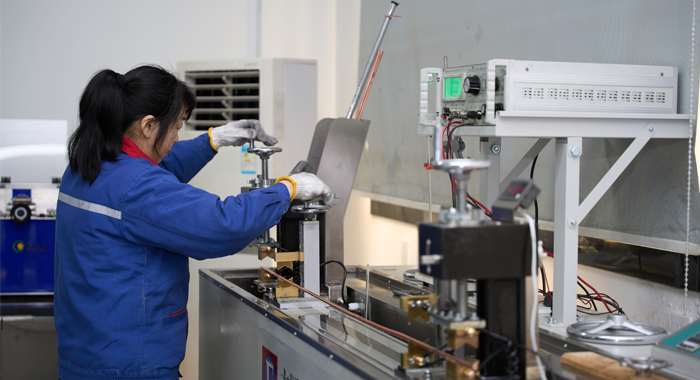
Raw Material Test
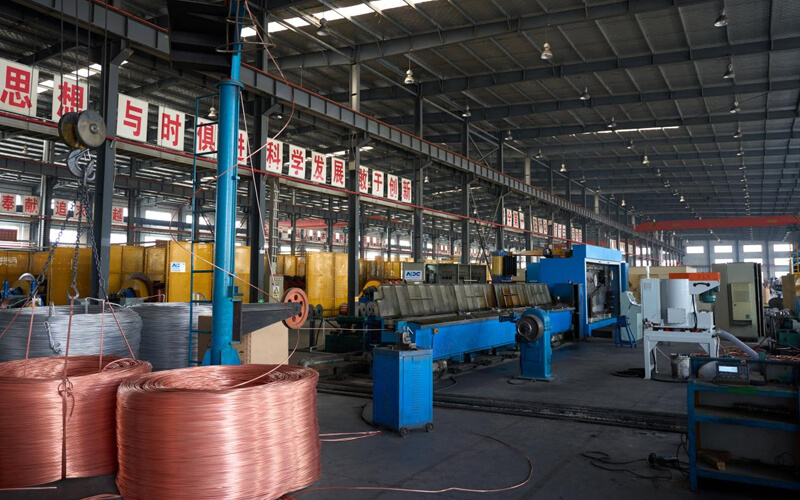
Raw Material Test verifies the quality of all materials before manufacturing. Aluminum conductors undergo tests for purity, electrical conductivity, tensile strength, and dimensional consistency. Insulation materials are tested for weather resistance, thermal aging, mechanical strength, and uniformity. The messenger conductor is evaluated for mechanical performance and structural integrity. Strict material inspection ensures the ABC cable meets NFC 33-209 requirements and delivers reliable performance throughout its service life.
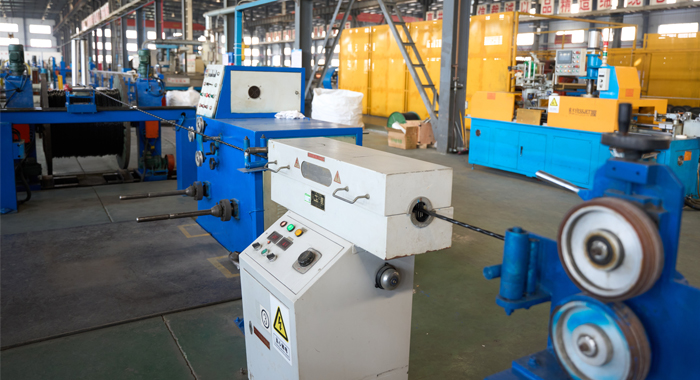
Process inspection
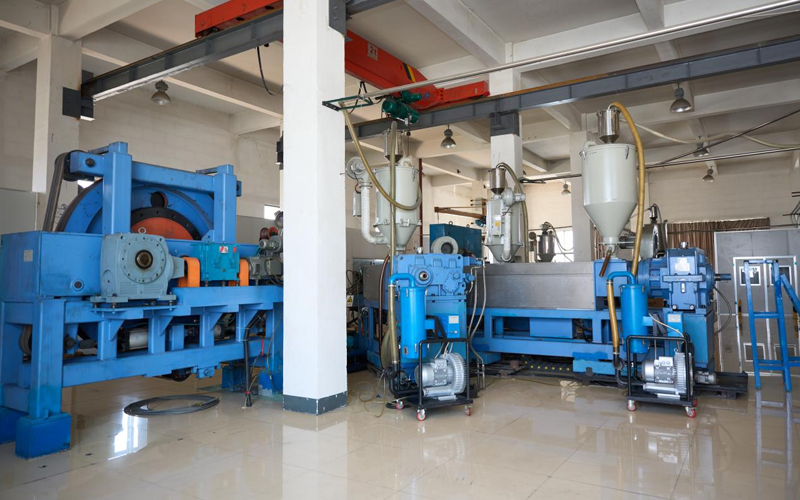
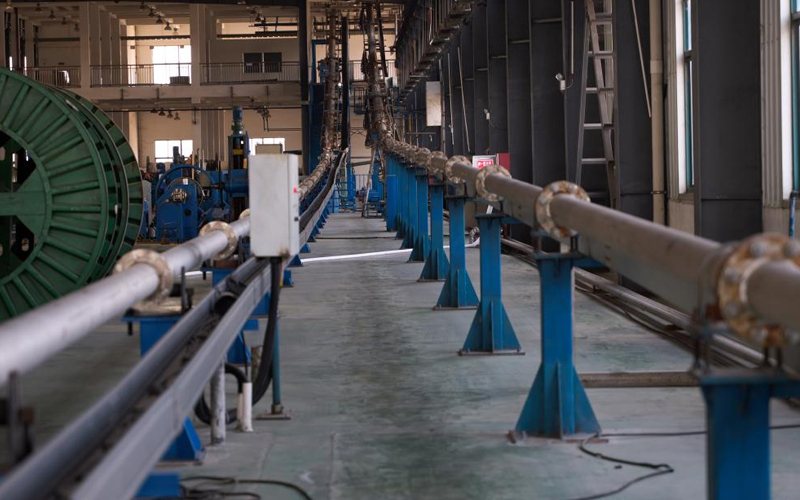
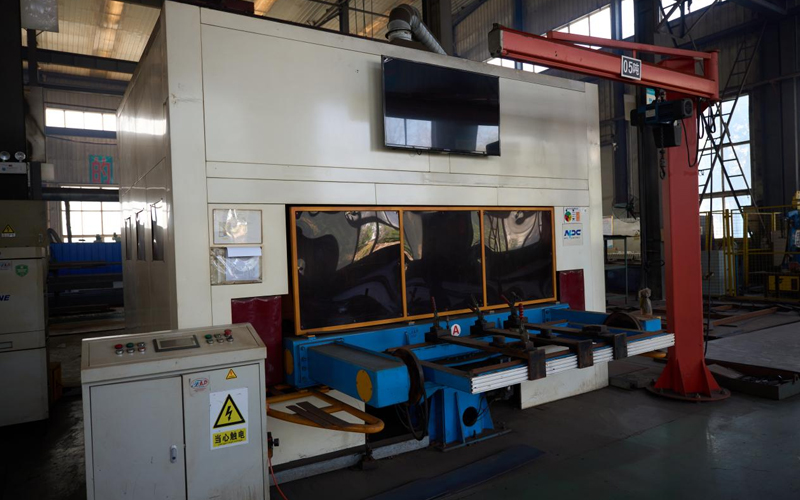
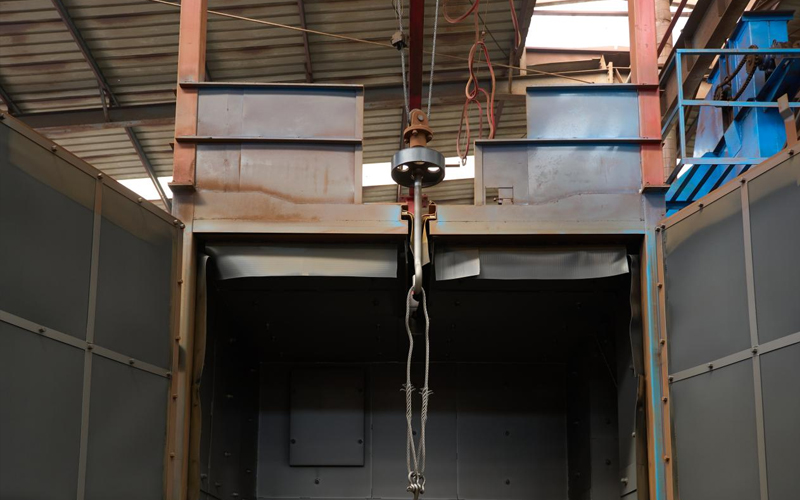
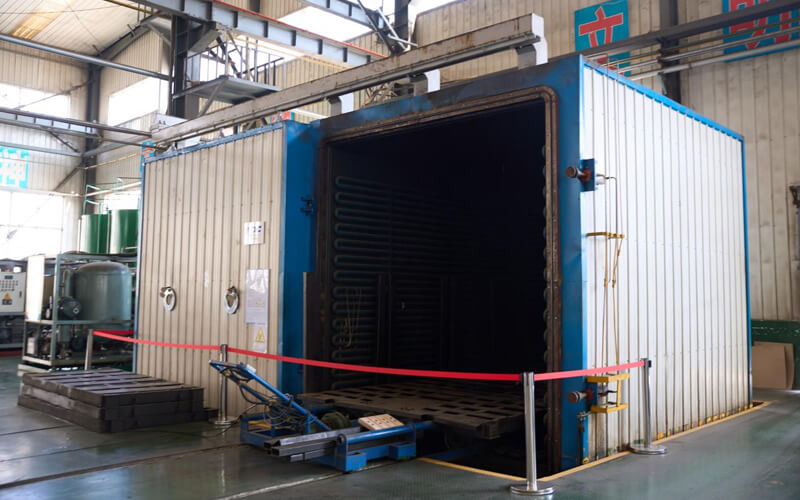
Process Inspection controls quality during the entire production process. Conductor assembly is checked for correct stranding and alignment, while insulation extrusion is monitored for thickness accuracy and surface quality. The cabling process ensures even twisting and secure placement around the messenger conductor. Continuous inspections and in-process testing help maintain product consistency and ensure full compliance with NFC 33-209 technical standards.
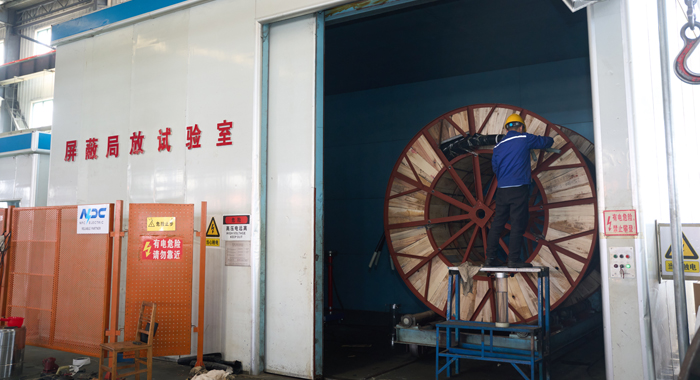
Finished Product
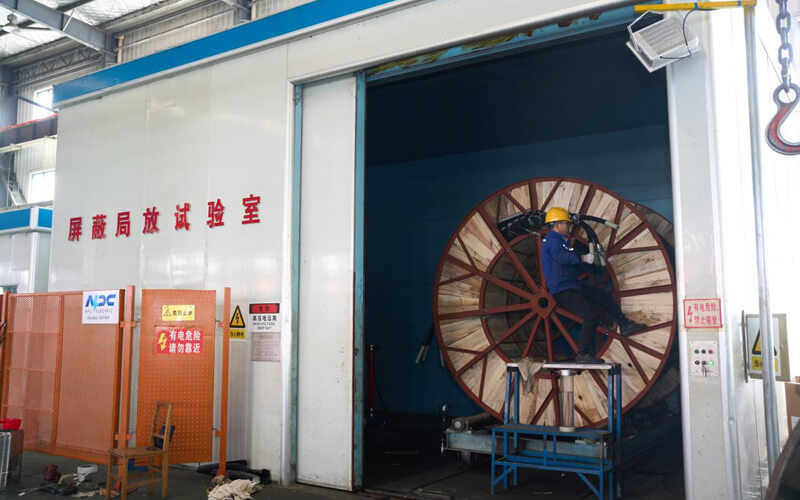
Finished Product Test confirms the ABC cable’s compliance with electrical and mechanical specifications. Electrical tests include resistance measurement, insulation integrity, and voltage withstand performance. Mechanical tests evaluate tensile strength, bending capability, and environmental durability. Final visual inspection verifies construction accuracy, labeling, and workmanship. Only products that meet all standards and customer requirements are approved for delivery.
Application
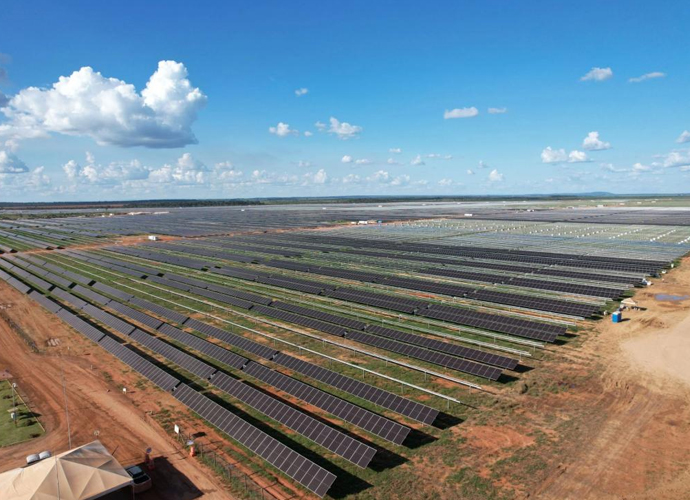
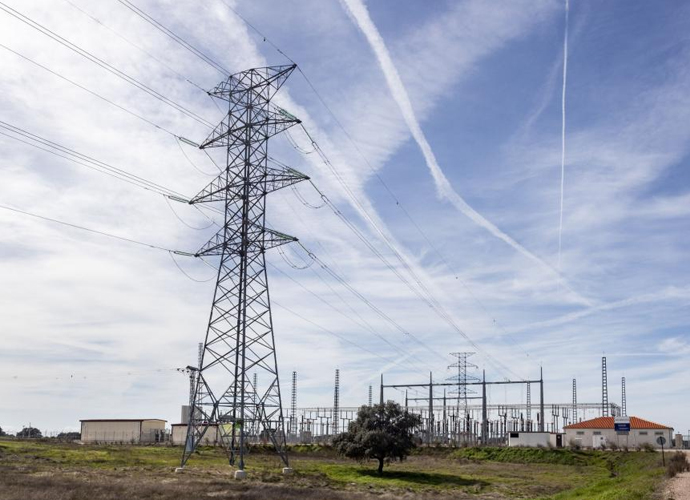
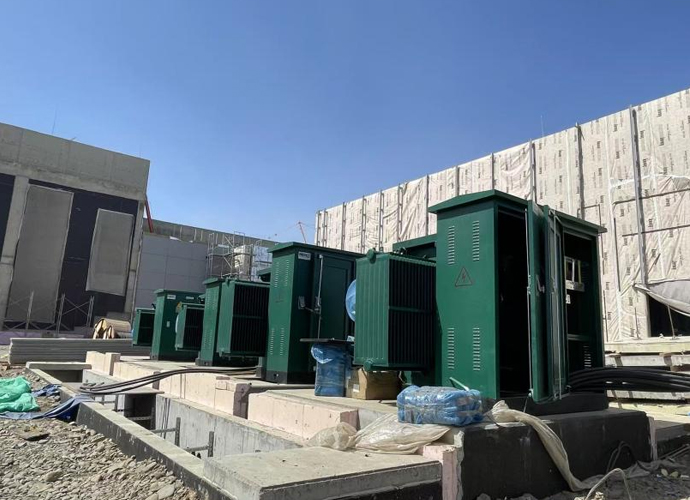
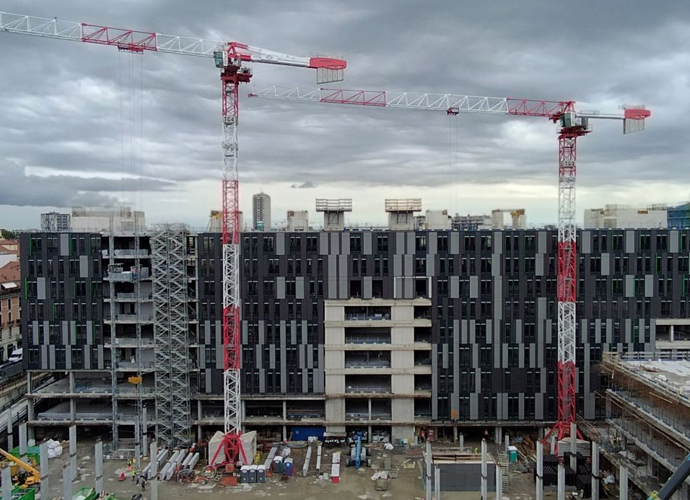
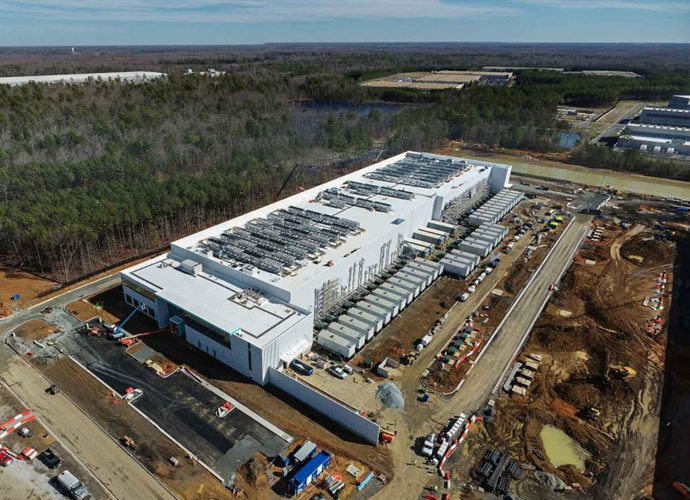
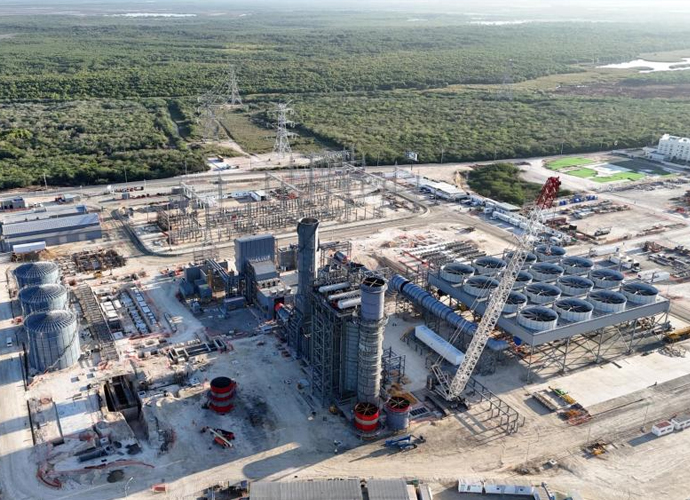
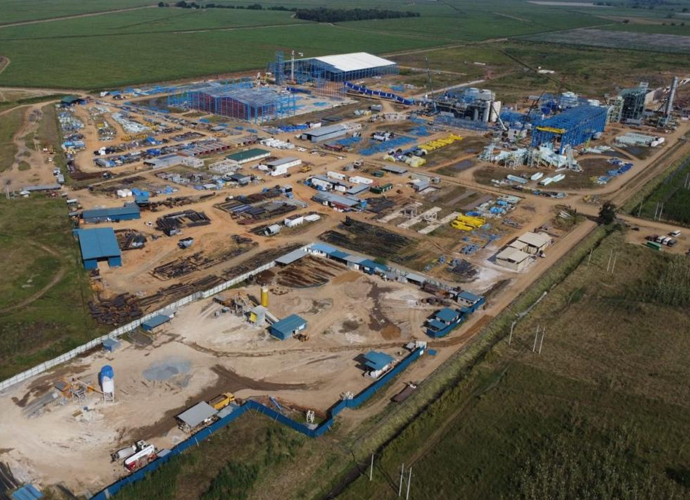
ABC Cable NFC 33-209 is widely used in overhead low-voltage utility networks, residential distribution lines, rural electrification projects, and urban power infrastructure upgrades.

Technical Advantages
● 30+ years of manufacturing experience
● ISO and UL certified production
● Customized cable and transformer solutions
Product Packaging
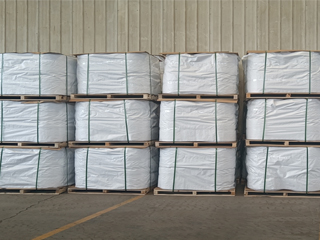
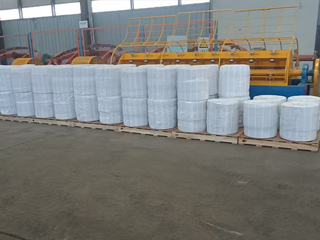
Wires and Cables packaging (1)
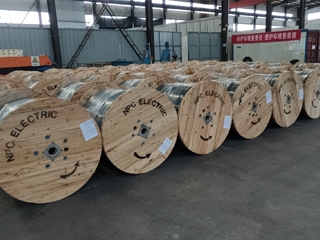
Wires and Cables packaging (2)
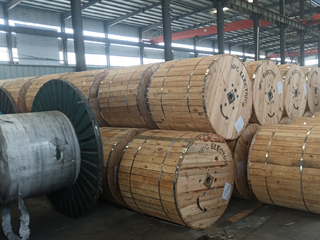
Wires and Cables packaging (3)
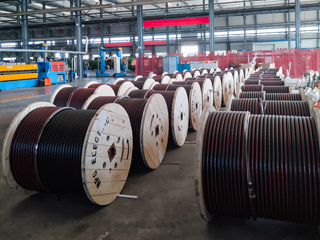
Wires and Cables packaging (4)
Wires and Cables packaging (5)
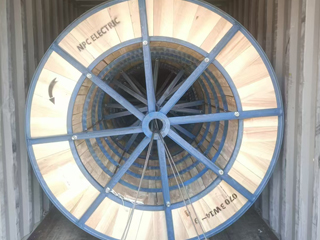
Wires and Cables packaging (6)
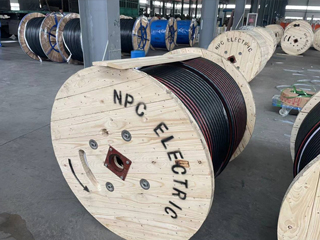
Wires and Cables packaging (7)
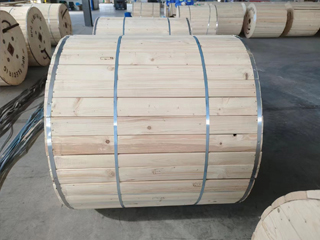
Wires and Cables packaging (8)
Related Products
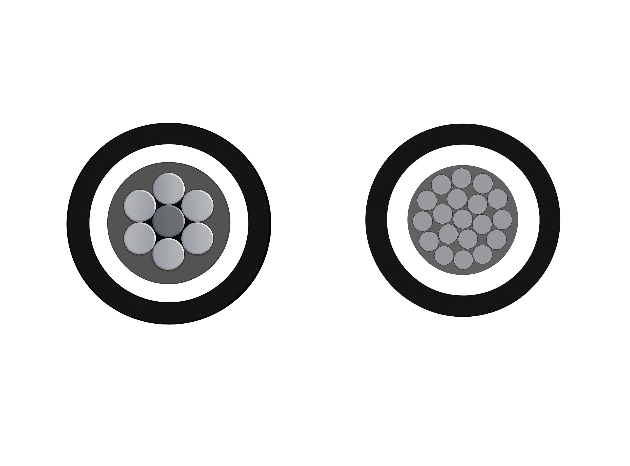
3-Layer 35kV AAC/AAAC/ACSR Tree Wire - Covered Overhead MV Cable
The 3-Layer 35kV AAC/AAAC/ACSR Tree Wire is an advanced covered medium-voltage overhead conductor engineered for reliable performance in areas with dense vegetation. It features a concentrically stranded AAC, AAAC, or ACSR conductor protected by a triple-layer system of track-resistant high-density polyethylene (HDPE) or cross-linked polyethylene (XLPE). The multi-layer covering provides exceptional tracking resistance, abrasion protection, and weatherability while significantly reducing the risk of electrical faults caused by tree limb contact and minimizing wildfire ignition potential. This design allows closer spacing to vegetation and lowers vegetation management costs. Suitable for both conventional overhead lines and spacer cable systems, the 3-Layer 35kV AAC/AAAC/ACSR Tree Wire meets ICEA S-121-733 and related ASTM standards. It undergoes rigorous quality testing from raw materials to finished product, ensuring excellent dielectric strength, mechanical robustness, and long-term durability in challenging environments.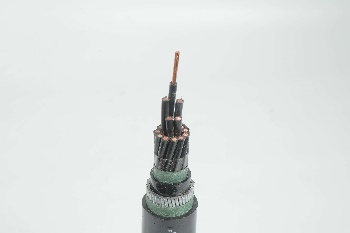
Control Cable 0.6/1 kV CVV-SWA to IEC 60502 Standard (2-16 core)
NPC Electric Control Cable 0.6/1 kV CVV-SWA to IEC 60502 Standard (2-16 core) is built for maximum protection in demanding control applications. It features concentric stranded copper conductors for excellent conductivity and flexibility, insulated with high-grade black PVC and identified by white numbers. A copper tape shield minimizes electromagnetic interference, while the steel wire armour (SWA) provides superior mechanical protection against impacts, rodents, and crushing. Dual PVC sheaths enhance flame retardancy and resistance to moisture and chemicals. Rated for voltages up to 1 kV, it operates reliably from -15°C to 70°C. Compliant with IEC 60502, this cable is suited for supervisory circuits, power stations, and installations in ducts, trays, underground, or direct burial. With 2 to 16 cores, it handles complex control setups, ensuring signal integrity and reducing downtime. Ideal for industrial environments requiring robust defence, the CVV-SWA delivers long-term durability, cost efficiency, and safety through advanced engineering and quality materials.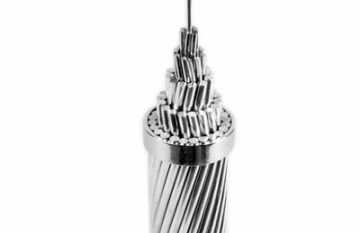
2000 MCM Cowslip AAC All Aluminum Bare Conductor Cable
The 2000 MCM Cowslip AAC Cable represents premium All Aluminum Conductor technology for overhead power applications. Built with 91 strands of high-conductivity 1350-H19 aluminum, this bare conductor delivers an optimal balance of electrical efficiency and mechanical robustness. With a 1.631-inch diameter, 32,200 lbs breaking strength, and 1518 amps ampacity, the Cowslip AAC offers low DC resistance of 0.00864 ohms per 1000 ft at 20°C and a weight of 1877 lbs per 1000 ft. This design minimizes sag while providing excellent corrosion resistance for extended outdoor service. Manufactured to meet ASTM B-230 and B-231 standards, the 2000 MCM Cowslip AAC Cable undergoes extensive quality testing from raw materials through finished product. It is the ideal solution for new installations and upgrades in transmission and distribution systems that demand lightweight, high-conductivity bare aluminum conductors.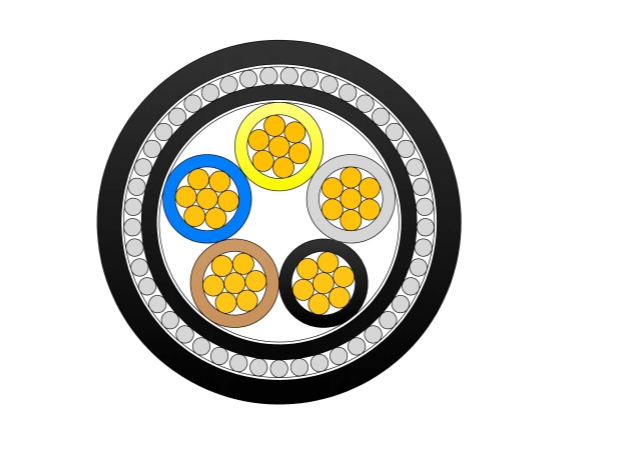
NYRY 0.6/1kV Low Voltage Power Cable
NYRY 0.6/1kV are low voltage power cables designed according to BS 5467 standard, suitable for fixed installation in indoor, outdoor, underground, cable ducts or concrete (not subject to vibration) environments, with steel wire armouring for mechanical protection. The cable features stranded copper conductors insulated with high-quality PVC, ensuring dependable electrical performance and thermal resistance under normal operating conditions. The metallic concentric conductor layer provides effective grounding and enhanced fault current capability, while the robust PVC outer sheath offers protection against moisture, abrasion, and external mechanical stress. Rated at 0.6/1kV and manufactured in accordance with relevant IEC standards, the NYRY cable is suitable for fixed installation both indoors and outdoors. Its construction supports long service life, consistent power delivery, and safe operation in demanding environments.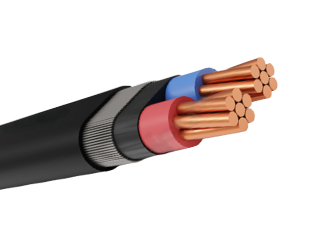
Airdac SNE & CNE Concentric Cable
The Airdac SNE & CNE Concentric Cable is a robust low-voltage aerial service connection cable designed for reliable house service from the distribution network to the consumer meter. It features a circular stranded hard-drawn copper phase conductor insulated with XLPE, surrounded by concentrically arranged neutral and earth conductors, and protected by a black polyethylene sheath. The SNE version provides separate neutral and earth conductors, while the CNE version combines them for simplified earthing. With a nylon ripcord for easy stripping and UV-stabilized materials, this cable offers excellent mechanical strength, electrical performance, and long-term durability. Manufactured to SANS 1507-6 and related standards, the Airdac SNE & CNE Concentric Cable undergoes rigorous quality testing from raw materials to finished product, ensuring safe, tamper-resistant, and vandal-proof performance in overhead or underground installations.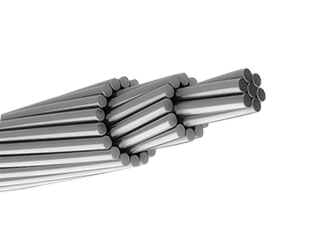
336.4 MCM LINNET ACSR Conductor Cable
The ACSR CAA 336.4 MCM 26/7F LINNET conductor is engineered for superior performance in overhead transmission and distribution systems. Constructed with 26 strands of hard-drawn 1350-H19 aluminium helically stranded around 7 galvanized steel wires, this conductor delivers the perfect balance of high electrical conductivity and enhanced tensile strength. Compliant with ASTM B232 standards, this ACSR conductor is ideal for long-span installations and demanding environmental conditions. The steel-reinforced core, galvanized to Class A or B standards, provides critical mechanical support, while the aluminium strands ensure efficient power transmission. This construction makes the LINNET configuration especially well-suited for medium- to high-voltage lines, where both strength and conductivity are crucial. Its corrosion-resistant steel core enhances durability and reduces maintenance needs, ensuring a long service life in overhead applications.FAQ From Customers
-
What are the advantages of power cables and overhead lines?(1) Reliable operation, because it is installed in a hidden place such as underground, it is less damaged by external forces, has less chance of failure, and the power supply is safe, and it will not cause harm to people; (2) The maintenance workload is small and frequent inspections are not required; (3) No need to erect towers; (4) Help improve power factor.
-
Which aspects should be considered when choosing the cross section of a power cable?(1) The long-term allowable working current of the cable; (2) Thermal stability once short circuited; (3) The voltage drop on the line cannot exceed the allowable working range.
-
What are the measures for cable fire prevention?(1) Use flame-retardant cables; (2) Use fireproof cable tray; (3) Use fireproof paint; (4) Fire partition walls and fire baffles are installed at cable tunnels, mezzanine exits, etc.; (5) Overhead cables should avoid oil pipelines and explosion-proof doors, otherwise local pipes or heat insulation and fire prevention measures should be taken.
-
What should be paid attention to during the transportation and handling of cables?(1) During transportation, loading and unloading, cables and cable reels should not be damaged. It is strictly forbidden to push the cable reels directly from the vehicle. Generally, cables should not be transported and stored flat. (2) Before transporting or rolling the cable reel, ensure that the cable reel is firm, the cable is wound tightly, the oil pipe between the oil-filled cable and the pressure oil tank should be fixed without damage, the pressure oil tank should be firm, and the pressure indication should meet the requirements.
-
What inspections should be carried out for the acceptance of cable lines?(1) The cable specifications should meet the regulations, the arrangement should be neat, no damage, and the signs should be complete, correct and clear; (2) The fixed bending radius of the cable, the related distance and the wiring of the metal sheath of the single-core power cable should meet the requirements; (3) The cable terminal and the middle head should not leak oil, and the installation should be firm. The oil pressure of the oil-filled cable and the meter setting should meet the requirements; (4) Good grounding; (5) The color of the cable terminal is correct, and the metal parts such as the bracket are completely painted; (6) There should be no debris in the cable trench, tunnel, and bridge, and the cover should be complete.
Welcome your inquiry
Honesty, Integrity, Frugality, Activeness and Passion