
How to Choose the Right Galvanized Steel Cable Diameter for Project
2026-05-20
Selecting the correct galvanized steel cable diameter is a critical engineering decision that directly affects load-bearing capacity, safety, durability, and project cost.
Whether used in construction, power distribution, cable trays, lifting systems, or industrial applications, the wrong cable size can lead to:
- Structural failure
- Excessive wear
- Reduced lifespan
- Safety hazards
1. What is Galvanized Steel Cable?
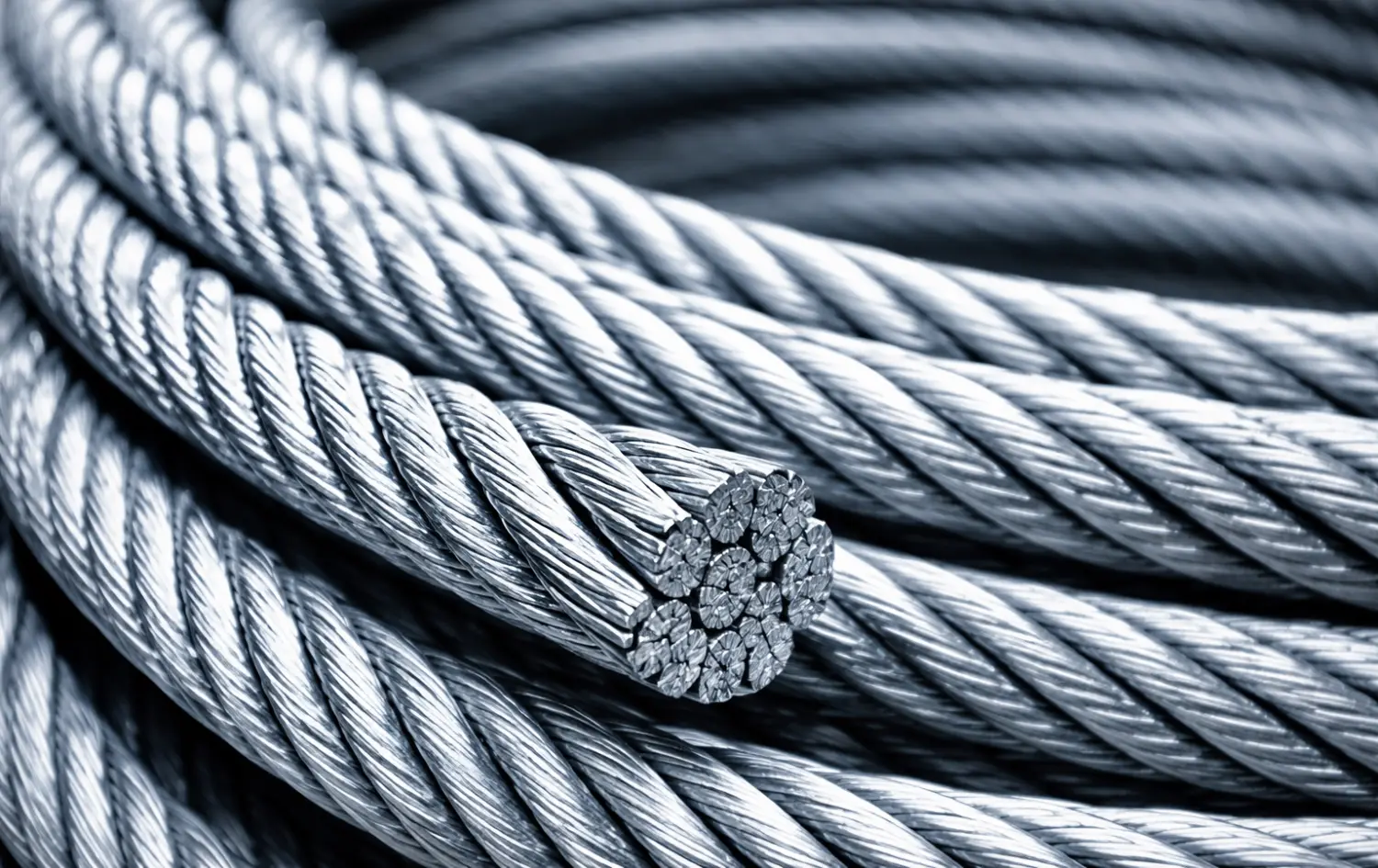
Galvanized steel cable, also known as galvanized wire rope or galvanized steel wire rope, is a high-strength cable made from carbon steel wires twisted into strands and then helically formed into a rope. The key feature is its protective zinc coating applied through hot-dip galvanization (immersing in molten zinc) or electro-galvanization, which provides excellent corrosion resistance and rust protection.
This zinc layer acts as a sacrificial barrier (cathodic protection), shielding the underlying steel even if minor scratches occur. As a result, galvanized steel cable offers superior durability in outdoor, humid, or mildly corrosive environments compared to uncoated (bright) wire rope, while maintaining high tensile strength, abrasion resistance, and flexibility.
Common constructions include 7x7 (good flexibility), 7x19 (highly flexible for aircraft cable applications), and 6x19 or 6x37 classes for heavy-duty use. Diameters range from 1/16 inch to over 2 inches, with breaking strengths tailored to specific loads.
Advantages of galvanized steel cable:
- Cost-effective alternative to stainless steel
- Long service life in moderate conditions
- High strength-to-weight ratio
- Shiny silver appearance for easy identification
It is widely used in construction (rigging, slings, suspension), agriculture (fencing, guying), marine (mooring, towing), industrial lifting, bridge railings, overhead cranes, cable railing systems, and general outdoor applications
For projects requiring maximum corrosion resistance in harsh saltwater or chemical environments, stainless steel may be preferred—but for most economical, reliable performance, galvanized steel cable remains a top choice.
Types of Galvanization
|
Type |
Description |
Application |
|
Hot Dipped Galvanized |
Thick zinc coating |
Outdoor & marine environments |
|
Electro-Galvanized |
Thin coating |
Indoor use |
|
Coated Cable (PVC) |
Extra protective layer |
Harsh environments |
Compared to stainless steel cable, galvanized cables offer:
- Lower cost
- Good corrosion resistance
- High tensile strength
2. Common Galvanized Steel Cable Sizes
Below are the most widely used cable diameters in industrial and construction projects.
Standard Cable Sizes Table
|
Diameter (inch) |
Metric (mm) |
Typical Breaking Strength |
Common Use |
|
1/4" galvanized steel cable |
6.35 mm |
~7 kN |
Light-duty applications |
|
5/16" galvanized steel cable |
8 mm |
~11 kN |
General purpose |
|
3/8" galvanized steel cable |
9.5 mm |
~16 kN |
Medium load systems |
|
1/2" galvanized steel cable |
12.7 mm |
~27 kN |
Heavy-duty lifting |
|
5/8" galvanized steel cable |
16 mm |
~45 kN |
Structural support |
3. Load Calculation for Cable Selection
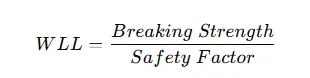
To select the correct cable diameter, engineers must calculate the working load limit (WLL).
Formula:
Typical Safety Factors:
|
Application |
Safety Factor |
|
Lifting |
5–6 |
|
Static Load |
3–4 |
|
Dynamic Load |
6–8 |
Example Calculation
|
Parameter |
Value |
|
Required Load |
5,000 kg |
|
Safety Factor |
5 |
|
Required Breaking Strength |
25,000 kg |
➡ Recommended cable: 1/2 galvanized steel cable
4. Galvanized Steel Cable Selection Chart
Diameter vs Load Capacity
|
Cable Size |
Breaking Strength |
Recommended Load |
|
1/4" |
7 kN |
≤ 1.4 kN |
|
5/16" |
11 kN |
≤ 2.2 kN |
|
3/8" |
16 kN |
≤ 3.2 kN |
|
1/2" |
27 kN |
≤ 5.4 kN |
|
5/8" |
45 kN |
≤ 9 kN |
5. Galvanized Steel Cable Weight Chart (Per Meter / Per Foot)
In real-world engineering and procurement, cable weight is a critical parameter for:
- Transportation cost estimation
- Structural load calculation
- Installation planning
- Cable tray and support design
The following table provides approximate weight values for galvanized steel cables.
Cable Weight Reference Table
|
Diameter (inch) |
Diameter (mm) |
Weight (kg/m) |
Weight (lb/ft) |
|
1/4" |
6.35 mm |
0.18 kg/m |
0.12 lb/ft |
|
5/16" |
8 mm |
0.28 kg/m |
0.19 lb/ft |
|
3/8" |
9.5 mm |
0.40 kg/m |
0.27 lb/ft |
|
1/2" |
12.7 mm |
0.70 kg/m |
0.47 lb/ft |
|
5/8" |
16 mm |
1.10 kg/m |
0.74 lb/ft |
|
3/4" |
19 mm |
1.60 kg/m |
1.08 lb/ft |
Engineering Insight
- Thicker wire = significantly higher weight, impacting installation
- For long-distance installations, weight directly affects support structure design
- In cable tray systems, weight accumulation must be calculated carefully
Example Calculation
|
Parameter |
Value |
|
Cable Size |
1/2" |
|
Length |
100 m |
|
Weight per meter |
0.70 kg/m |
|
Total Weight |
70 kg |
➡ This is critical for transporting and installing large-scale cables.
6. Galvanized Steel Cable Diameter Calculator (Engineering Tool)
To simplify cable selection, engineers can use a basic calculation model to determine the appropriate cable diameter.
6.1 Step 1: Define Load Requirement
Required Load = Actual Load × Safety Factor
6.2 Step 2: Select Breaking Strength
Choose a cable with:
Breaking Strength ≥ Required Load
6.3 Step 3: Match Cable Diameter
Use the reference chart to determine the correct diameter.
Quick Calculator Table
|
Load (kg) |
Safety Factor |
Required Strength (kg) |
Recommended Cable |
|
500 kg |
5 |
2500 kg |
1/4" |
|
1000 kg |
5 |
5000 kg |
5/16" |
|
2000 kg |
5 |
10000 kg |
3/8" |
|
4000 kg |
5 |
20000 kg |
1/2" |
|
8000 kg |
5 |
40000 kg |
5/8" |
6.4 Advanced Engineering Considerations
When using the calculator in real projects, also consider:
|
Factor |
Impact |
|
Dynamic Loads |
Increase the safety factor |
|
Shock Loading |
Requires a stronger cable |
|
Bending Radius |
Affects cable lifespan |
|
Corrosion Conditions |
May require coated cable |
|
Temperature |
Affects material strength |
6.5 Practical Example
Project Scenario:
|
Parameter |
Value |
|
Load |
2,500 kg |
|
Safety Factor |
6 |
|
Required Strength |
15,000 kg |
➡ Recommended Cable: 3/8 galvanized steel cable
6.6 Common Design Mistakes
|
Mistake |
Result |
|
Ignoring dynamic load |
Unexpected failure |
|
Underestimating the safety factor |
Safety risk |
|
Not considering the environment |
Corrosion damage |
|
Selecting only by diameter |
Incorrect performance |
7. Application-Based Selection Guide
7.1 Construction & Structural Use
- Use 3/8" to 1/2" cables
- Focus on load-bearing and durability
7.2 Cable Tray Systems
For galvanized steel cable tray installations:
|
Application |
Recommended Size |
|
Light cable trays |
1/4" |
|
Medium trays |
5/16" |
|
Heavy-duty trays |
3/8"–1/2" |
7.3 Power & Utility Applications
- High tension environments
- Require hot-dipped galvanized cables
- Prefer thicker wire for reliability
7.4 Marine & Outdoor Use
- High corrosion risk
- Use coated cable or stainless steel cable
8. Galvanized Steel vs Stainless Steel Cable
Galvanized steel cable (also called galvanized wire rope) features high-strength carbon steel wires coated with a layer of zinc via hot-dip galvanization. This provides good corrosion resistance in moderate outdoor, humid, or freshwater environments at a lower cost. It offers higher tensile strength, better abrasion resistance (often lasting 4–5x longer against wear), and greater affordability—making it ideal for construction rigging, agricultural fencing, industrial lifting, bridges, cranes, and general guying where budget and durability matter.
Stainless steel cable (typically 304 or 316 grades) incorporates chromium (and often nickel) for superior inherent rust and corrosion resistance, especially in harsh saltwater, marine, chemical, or coastal conditions. It excels in extreme environments like boating, aerospace, food processing, railings, and architectural applications, delivering longer service life without coatings that can wear off. However, it is more expensive (often 30%+ higher), slightly less strong in pure tensile terms for some constructions, and softer (leading to faster visible wear in high-abrasion scenarios).
Comparison Table
|
Feature |
Galvanized Steel Cable |
Stainless Steel Cable |
|
Cost |
Lower |
Higher |
|
Corrosion Resistance |
Good |
Excellent |
|
Strength |
High |
Moderate |
|
Flexibility |
Moderate |
High |
|
Application |
General purpose |
Marine/chemical |
9. Galvanized Steel Cable vs Wire Rope vs Sling: Key Differences Explained
In engineering and industrial applications, terms like galvanized steel cable, wire rope, and lifting sling are often used interchangeably. However, they have distinct design structures, performance characteristics, and use cases.
Understanding these differences is essential for making an informed choice and ensuring safe operation.
9.1 Definitions
|
Product |
Definition |
|
Galvanized Steel Cable |
Zinc-coated steel wire rope designed for corrosion resistance |
|
Wire Rope |
General term for stranded steel cables (galvanized or stainless) |
|
Sling |
Pre-assembled lifting device made from wire rope, chain, or synthetic material |
9.2 Structural Differences
|
Feature |
Galvanized Steel Cable |
Wire Rope |
Sling |
|
Surface |
Zinc-coated (corrosion-resistant) |
May be coated or uncoated |
Depends on the material |
|
Structure |
Stranded steel wires |
Same as cable |
Assembled with hooks/loops |
|
Flexibility |
Moderate |
High (varies by construction) |
Designed for lifting |
|
Customization |
Medium |
High |
Pre-configured |
9.3 Performance Comparison
|
Parameter |
Galvanized Cable |
Wire Rope |
Sling |
|
Tensile Strength |
High |
Very high |
Depends on type |
|
Corrosion Resistance |
Good |
Varies |
Varies |
|
Load Bearing |
Strong |
Stronger options available |
Optimized for lifting |
|
Durability |
High |
High |
Application-specific |
9.4 Application Scenarios
Galvanized Steel Cable
- Cable tray support systems
- Outdoor structural applications
- General-purpose load support
Wire Rope Cable
- Cranes and hoisting systems
- Elevators and lifting equipment
- Heavy-duty industrial use
Sling
- Lifting and rigging operations
- Construction and logistics
- Pre-engineered lifting solutions
9.5 Selection Guide
|
Application |
Recommended Product |
|
General outdoor support |
Galvanized steel cable |
|
Heavy lifting equipment |
Wire rope |
|
Safe lifting operations |
Sling |
9.6 Engineering Insight
- Use galvanized steel cable when corrosion resistance and cost-effectiveness are priorities
- Choose wire rope for maximum strength and flexibility
- Select slings when safety-certified lifting solutions are required
9.7 Common Mistakes
|
Mistake |
Result |
|
Using a cable as a sling |
Safety hazard |
|
Ignoring corrosion conditions |
Reduced lifespan |
|
Overlooking load rating |
Equipment failure |
10. Key Engineering Considerations
When selecting cable diameter, consider:
|
Factor |
Importance |
|
Load type |
Static or dynamic |
|
Environment |
Corrosion, temperature |
|
Installation method |
Fixed or moving |
|
Flexibility requirement |
Handling and bending |
|
Safety standards |
Compliance requirements |
11. Common Mistakes to Avoid
|
Mistake |
Impact |
|
Choosing thinner wire to save cost |
Risk of failure |
|
Ignoring safety factor |
Unsafe operation |
|
Wrong type of galvanization |
Premature corrosion |
|
Over-sizing excessively |
Increased cost and weight |
12. Practical Engineering Case
Project Example: Cable Tray Support System
|
Parameter |
Value |
|
Load |
800 kg |
|
Environment |
Outdoor |
|
Cable Type |
Hot dipped galvanized |
|
Selected Size |
5/16" cable |
Result:
- Safe load capacity
- Corrosion resistance
- Cost-effective solution
13. Galvanized Steel Cable Specification Sheet Template
For international buyers, EPC contractors, and project engineers, a clear and complete technical specification sheet is essential for requesting accurate quotations and ensuring the correct product selection.
This ready-to-use template allows customers to quickly define their requirements for galvanized steel cable procurement.
13.1 Standard Specification Template
|
Parameter |
Description |
Example |
|
Cable Type |
Galvanized / Stainless Steel Cable |
Hot-dipped galvanized |
|
Cable Diameter |
Required size |
3/8" (9.5 mm) |
|
Construction |
Strand configuration |
7x19 |
|
Breaking Strength |
Minimum required strength |
16 kN |
|
Working Load Limit |
Safe working load |
3.2 kN |
|
Length |
Total required length |
500 meters |
|
Coating Type |
Galvanization method |
Hot dipped |
|
Surface Treatment |
Additional coating |
PVC coated (optional) |
|
Application |
Usage scenario |
Cable tray support |
|
Environment |
Indoor / Outdoor / Marine |
Outdoor |
|
Standard |
Compliance requirement |
ASTM / EN |
|
Quantity |
Order volume |
10 reels |
13.2 Optional Technical Parameters
For more complex projects, additional details may be required:
|
Parameter |
Importance |
|
Tensile grade of steel |
Determines strength |
|
Core type (fiber/steel) |
Affects flexibility |
|
Lubrication requirement |
Improves lifespan |
|
Corrosion class |
Critical for harsh environments |
|
Packaging method |
Export logistics |
13.3 RFQ (Request for Quotation) Example
Below is a professional RFQ format that buyers can send directly to suppliers:
Subject: Inquiry for Galvanized Steel Cable
Content:
We are looking for a supplier for galvanized steel cable with the following specifications:
- Diameter: 3/8" (9.5 mm)
- Construction: 7x19
- Material: Hot-dipped galvanized steel
- Breaking Strength: ≥16 kN
- Application: Outdoor cable tray support system
- Quantity: 5000 meters
Please provide:
- Technical datasheet
- Price (FOB/CIF)
- Delivery time
- Certification (ISO, ASTM, EN)
13.4 Supplier Evaluation Checklist
Before placing an order, verify:
|
Item |
Requirement |
|
Test Certificates |
Mill test report |
|
Quality System |
ISO certification |
|
Inspection |
Third-party inspection available |
|
Production Capacity |
Meets project schedule |
|
Export Experience |
Required for international projects |
13.5 Engineering Insight
A well-prepared specification sheet helps:
- Avoid miscommunication
- Ensure correct cable selection
- Reduce procurement risk
- Improve quotation accuracy
- Speed up project timelines
14. Conclusion
Choosing the correct galvanized steel cable is essential for ensuring safe, durable, and cost-effective project performance.
By understanding:
- Cable diameter and tensile strength
- Load-bearing requirements
- Environmental factors
- Material differences
Engineers and project managers can make an informed choice that ensures long-term reliability and safety.

Related Articles


Related Products
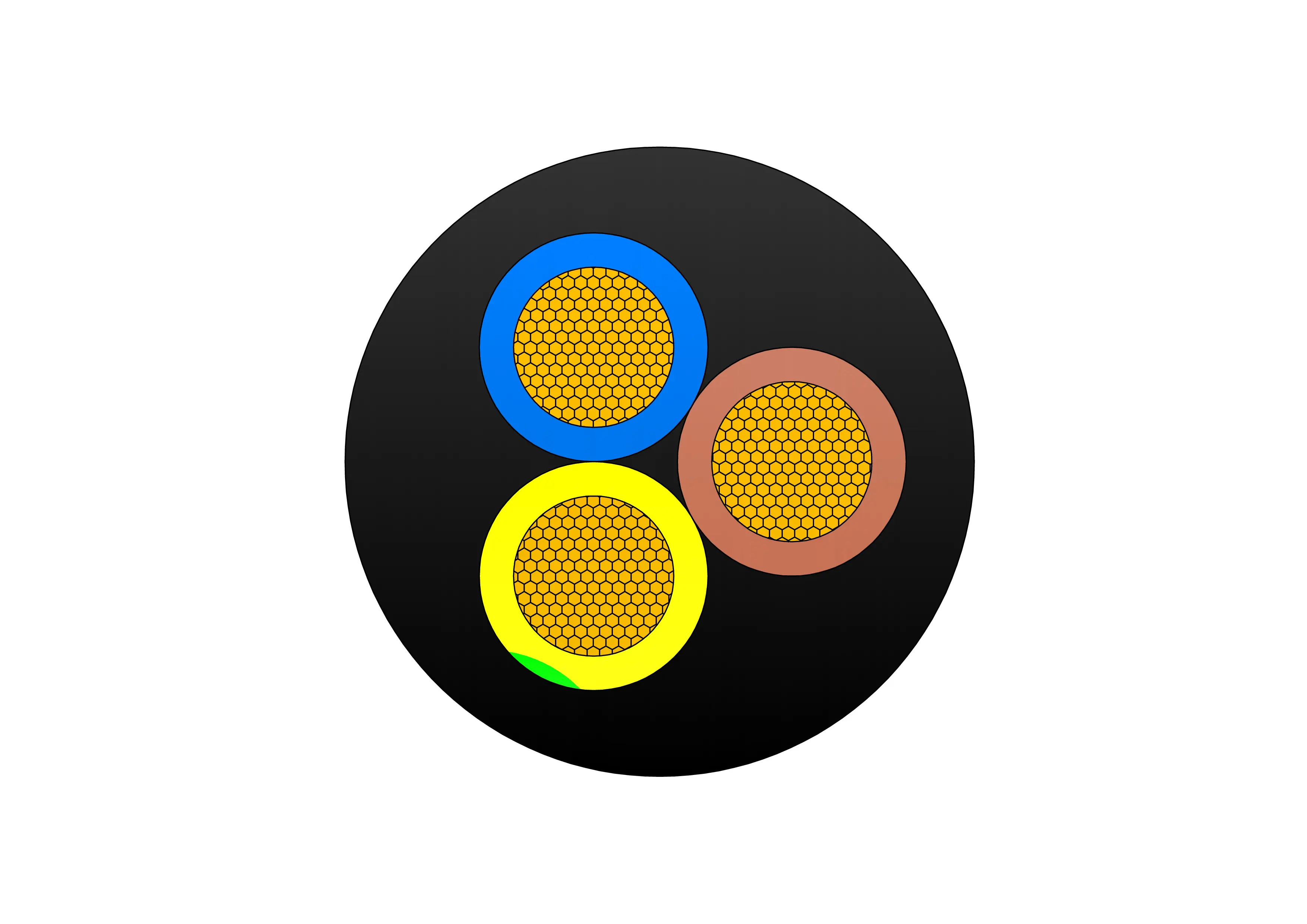
H07ZZ-F EN 50525-3-21 LSZH Rubber Flexible Cable
The H07ZZ-F Rubber Flexible Cable is a high-performance low-smoke, halogen-free (LSZH) flexible cable designed in compliance with EN 50525-3-21 and IEC 60502-1 standards. It offers outstanding flexibility, flame retardancy, and resistance to smoke and toxic gas emission, ensuring enhanced safety in public and industrial environments. With its cross-linked LSZH insulation and sheath, the H07ZZ-F cable is ideal for fixed and mobile electrical installations in airports, subways, public buildings, power distribution systems, UPS equipment, and stage lighting setups. Engineered to perform under moderate mechanical stress, it maintains excellent reliability both indoors and outdoors. The H07ZZ-F LSZH is ideal for mobile equipment, construction sites, mining, public buildings, and industrial power supply where low smoke, halogen-free safety, and flexibility are critical for fire-sensitive or confined spaces.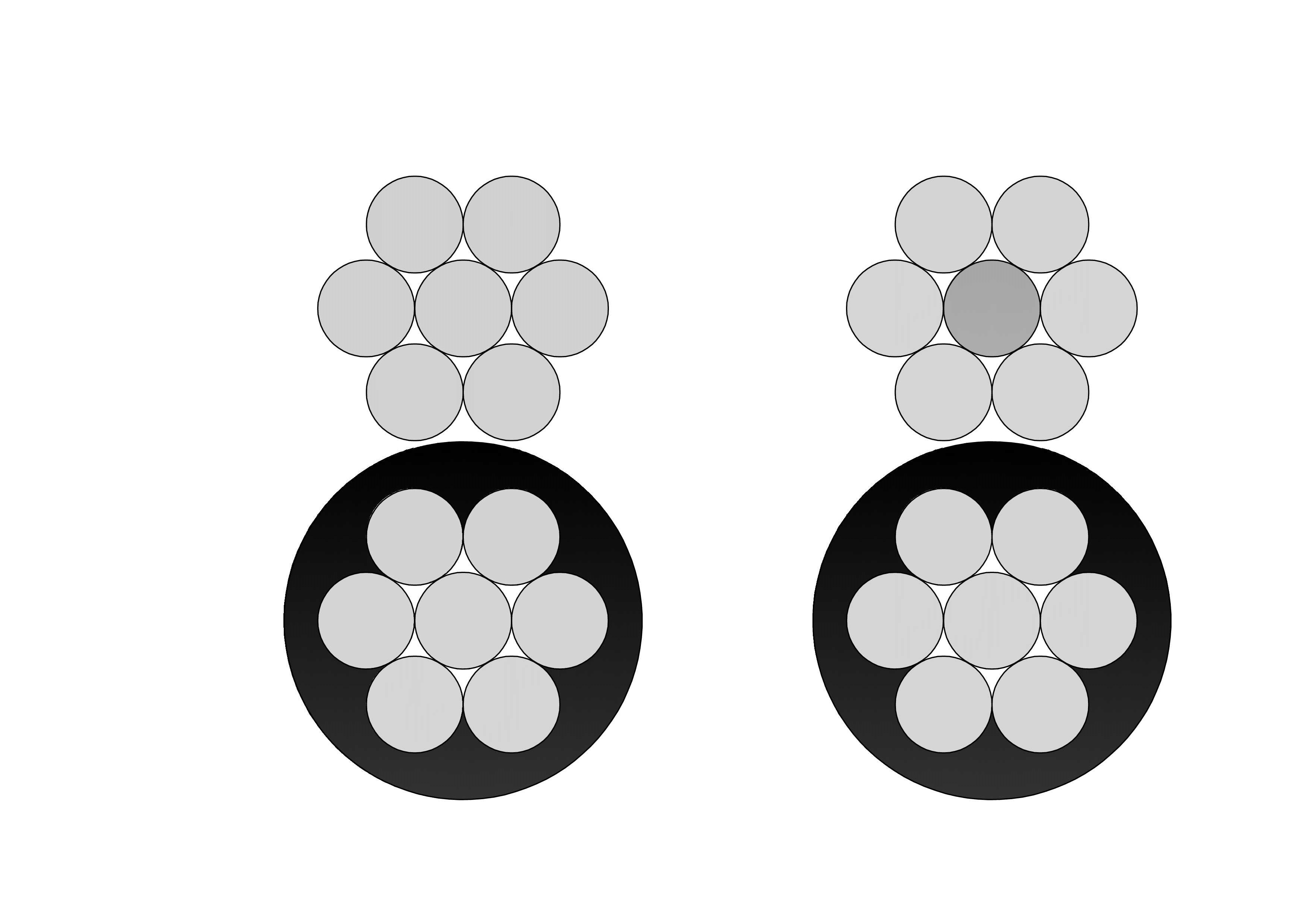
Copper Conductor Duplex Service Drop Cable 600V
The Copper Conductor Duplex Service Drop Cable 600V is a high-performance overhead cable for secondary power distribution from utility poles to service entrances. Featuring two insulated copper conductors (phase and neutral) twisted around a bare or insulated neutral messenger, it offers superior conductivity and mechanical strength. Insulation options include XLPE or PE for excellent UV, moisture, and abrasion resistance. Compliant with ASTM B-1, B-2, B-3, B-8, ICEA S-76-474, and ANSI/ICEA standards, this cable supports 600V applications with low voltage drop and high current capacity. The robust design ensures reduced sag, easy installation, and long service life in harsh weather conditions. The Copper Conductor Duplex Service Drop Cable 600V delivers minimal power losses and reliable performance for single-phase service drops. Widely used in urban, suburban, and rural electrification projects requiring premium copper overhead connections with enhanced durability and safety.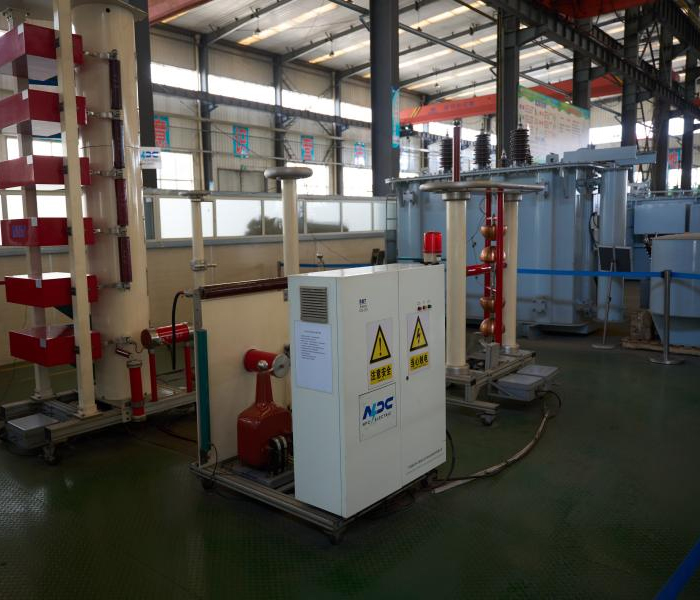
Step Up Dry Type Transformer Copper Winding High Overload Capacity
The Step Up Dry Type Transformer Copper Winding High Overload Capacity is a robust, oil-free power solution designed to increase (step up) voltage from lower primary levels to higher secondary outputs for efficient power transmission in indoor applications. This three-phase cast resin dry type transformer features premium high-conductivity copper windings fully encapsulated in epoxy resin under vacuum pressure, paired with low-loss grain-oriented silicon steel cores to achieve superior energy efficiency (typically 98%+), minimal no-load and load losses, and excellent partial discharge performance (<10pC). Compliant with IEC 60076-11, IEEE/ANSI, and relevant efficiency standards, this transformer commonly steps up voltages such as 0.4kV/480V primary to 6.6kV, 11kV, 13.8kV, 22kV, or 35kV secondary (Dyn11 or custom vector group), with capacities from 100kVA to several MVA, making it ideal for renewable energy systems, generator step-up, industrial processes, and utility indoor substations prioritizing safety, sustainability, and overload resilience.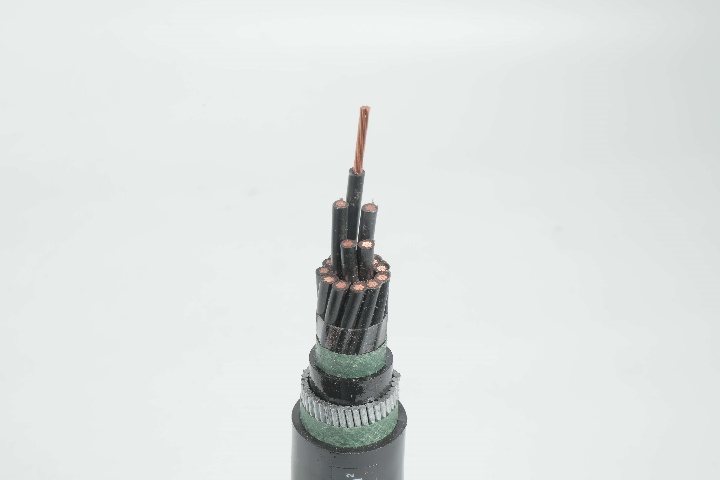
Armoured Copper Control Cable - SWA Steel Wire Braided
The YY Control Cable (YSLY / HSLH) is a highly flexible multi-core control cable designed for industrial automation, machinery, and building management systems. It features finely stranded copper conductors with PVC or halogen-free (LSZH) insulation, twisted cores, and a durable PVC or low-smoke zero-halogen outer sheath. Available in both standard PVC (YSLY) and flame-retardant low-smoke (HSLH) versions, this cable offers excellent flexibility, oil resistance, and reliable signal transmission. Rated 300/500V, it is suitable for indoor and protected outdoor installations. The YY Control Cable (YSLY / HSLH) undergoes strict quality testing from raw materials to finished product, ensuring consistent electrical performance, mechanical strength, and safety compliance with IEC 60227 and related standards.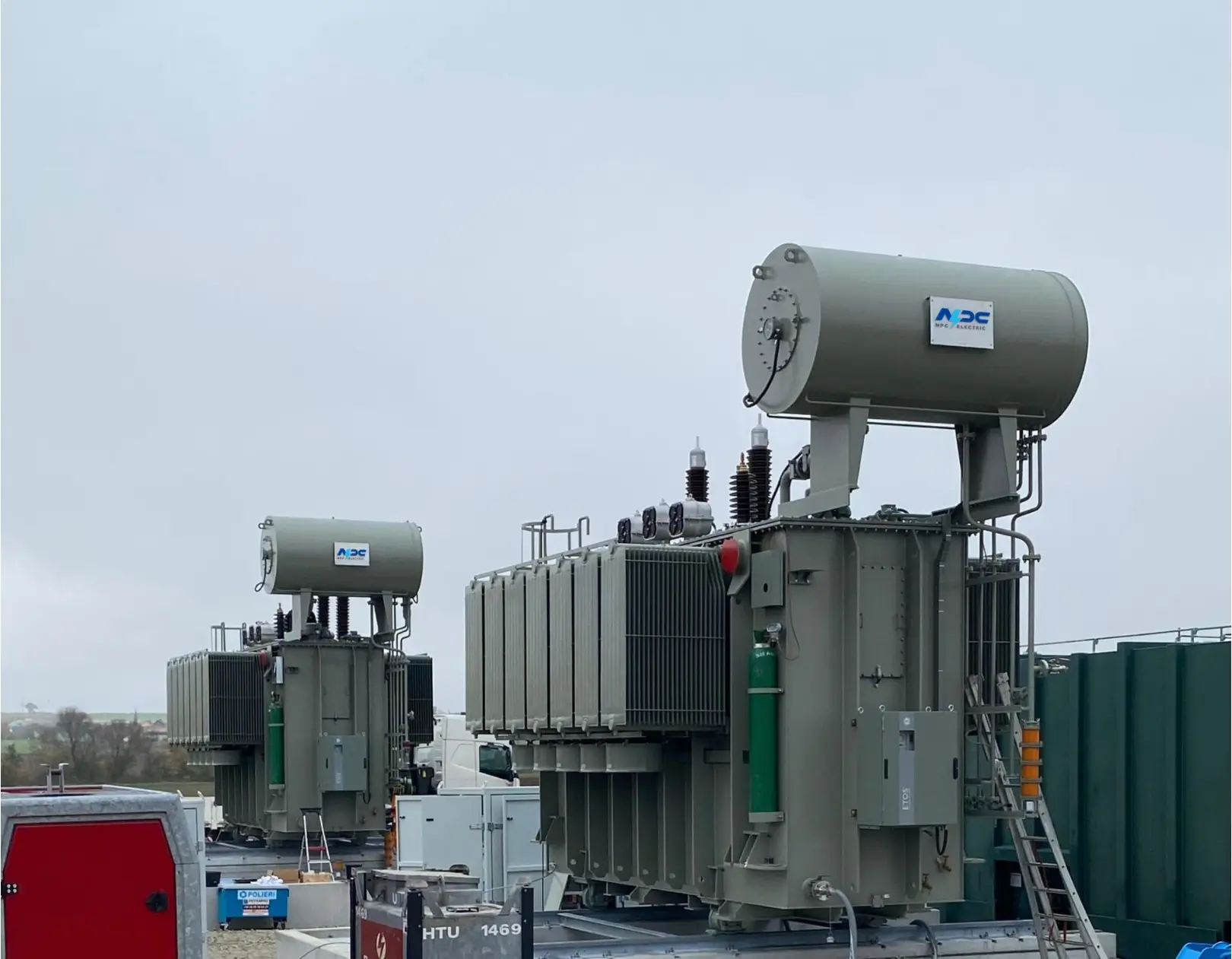
115kV 35MVA Three-Phase Oil-Immersed Power Transformer
The 115kV 35MVA Three-Phase Oil-Immersed Power Transformer is designed for reliable and efficient operation in high-voltage transmission and substation applications. Built with high-permeability silicon steel cores and precision-wound copper conductors, it delivers low losses, strong short-circuit withstand capability, and excellent thermal stability. The oil-immersed cooling system ensures effective heat dissipation, enabling continuous operation under heavy-load conditions. A robust tank structure, advanced insulation system, and outdoor-rated protection make the transformer suitable for harsh environmental conditions. Manufactured in accordance with IEC, IEEE, and ANSI standards, this transformer is widely used in utility substations, industrial power systems, and regional transmission networks where long service life, stable voltage regulation, and high operational reliability are critical.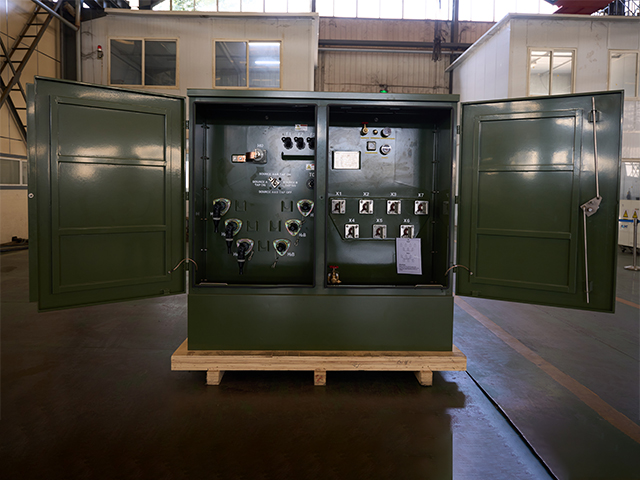
1250kVA Three Phase Pad Mounted Transformer
NPC ELECTRIC's 1250kVA Three Phase Pad Mounted Transformer is a high-performance, oil-immersed distribution transformer engineered for reliable underground power distribution in demanding environments. It delivers exceptional efficiency (up to 99.2% or higher), low no-load and load losses, and a 65°C average winding rise for extended service life exceeding 30-40 years. Key components include high-grade silicon steel core, aluminum or copper windings, 5-position tap changer (±2x2.5%), pressure relief valve, oil level gauge, and tamper-resistant enclosure in Munsell green finish.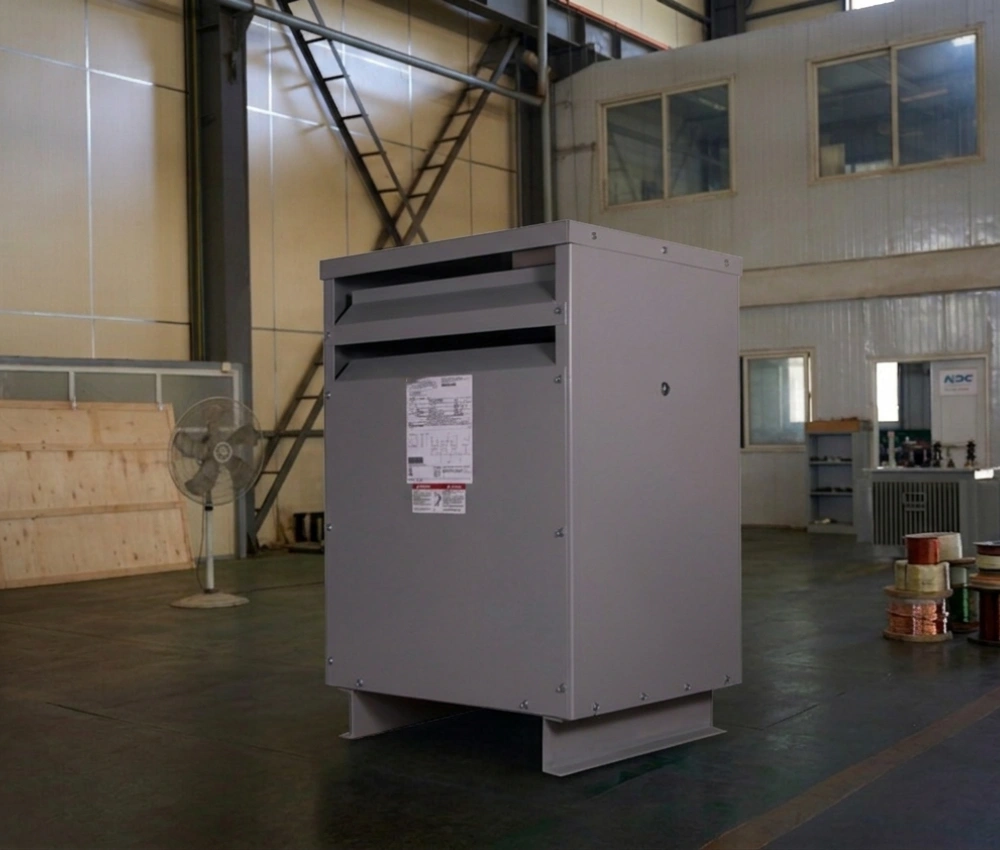
Single Phase Isolation Transformer
The Single Phase Isolation Transformer is a specialized power transformer designed to provide complete electrical isolation between the primary and secondary circuits while ensuring safe and efficient power transmission. By eliminating direct conductive paths between input and output power sources, the transformer effectively suppresses electrical noise, reduces common-mode interference, minimizes transient voltage disturbances, and enhances operational safety for connected equipment. This makes it an ideal solution for sensitive electronic devices, industrial control systems, laboratory instruments, medical equipment, and commercial power applications. Constructed with premium-grade CRGO silicon steel cores and precision-wound copper or aluminum conductors, the Single Phase Isolation Transformer offers exceptional efficiency, low losses, and stable voltage regulation. Its robust insulation system enhances dielectric strength and provides reliable protection against electrical faults and grounding issues. The transformer is available in a wide range of voltage ratings and capacities, making it suitable for both standard and customized electrical distribution requirements. Designed for long-term performance and minimal maintenance, the Single Phase Isolation Transformer can be integrated into industrial automation systems, telecommunications networks, data processing facilities, and specialized power conditioning applications.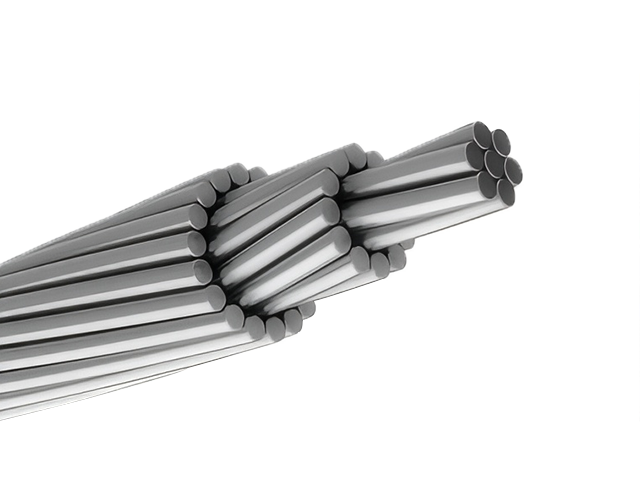
2 AWG SPARATE ACSR Conductor Cable
The 2 AWG SPARATE ACSR (Aluminum Conductor Steel Reinforced) cable, compliant with ASTM B232, ABNT NBR 7270/88, and IEC 61089 standards, is engineered for reliable performance in overhead transmission and distribution systems. Featuring a stranded 1350-H19 aluminum conductor for high conductivity and a single galvanized steel core for enhanced mechanical strength, this cable is ideal for medium to long spans in rural, utility, or open-terrain environments. With a voltage rating of up to 25 kV, an operating temperature range of -10°C to +75°C, and a short-circuit tolerance of up to 150°C (5s), the SPARATE ACSR offers an excellent balance of conductivity, tensile strength, and corrosion resistance. Its lightweight, bare aluminum design with a zinc-coated steel core ensures durability and ease of installation, making it suitable for diverse outdoor conditions. Ampacity is calculated under standard conditions (conductor temperature: 75°C; ambient temperature: 25°C; wind speed: 1 m/s; full sun exposure). Manufactured in accordance with ASTM and IEC standards, the 2 AWG SPARATE ACSR Conductor Cable offers stable quality, easy handling, and long service life, making it suitable for utility distribution networks, rural electrification projects, and overhead line upgrades where dependable performance is required.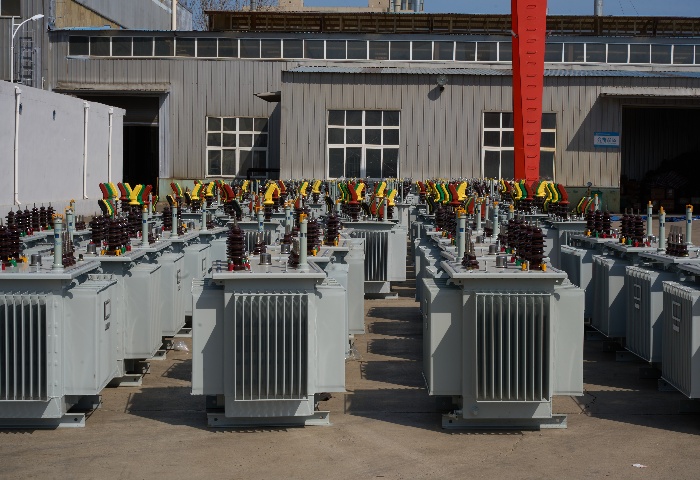
75kVA Oil Immersed Transformer
75kVA oil-immersed transformer is an efficient and reliable power conversion device, which is widely used in power distribution systems in industrial, commercial, and construction sites. The transformer adopts oil-immersed cooling technology, has good heat dissipation performance, and can work continuously and stably under high load conditions. The 75kVA oil-immersed transformer also has complete protection functions, including overload protection, short-circuit protection, and temperature monitoring, to ensure the safety and stability of the equipment during operation.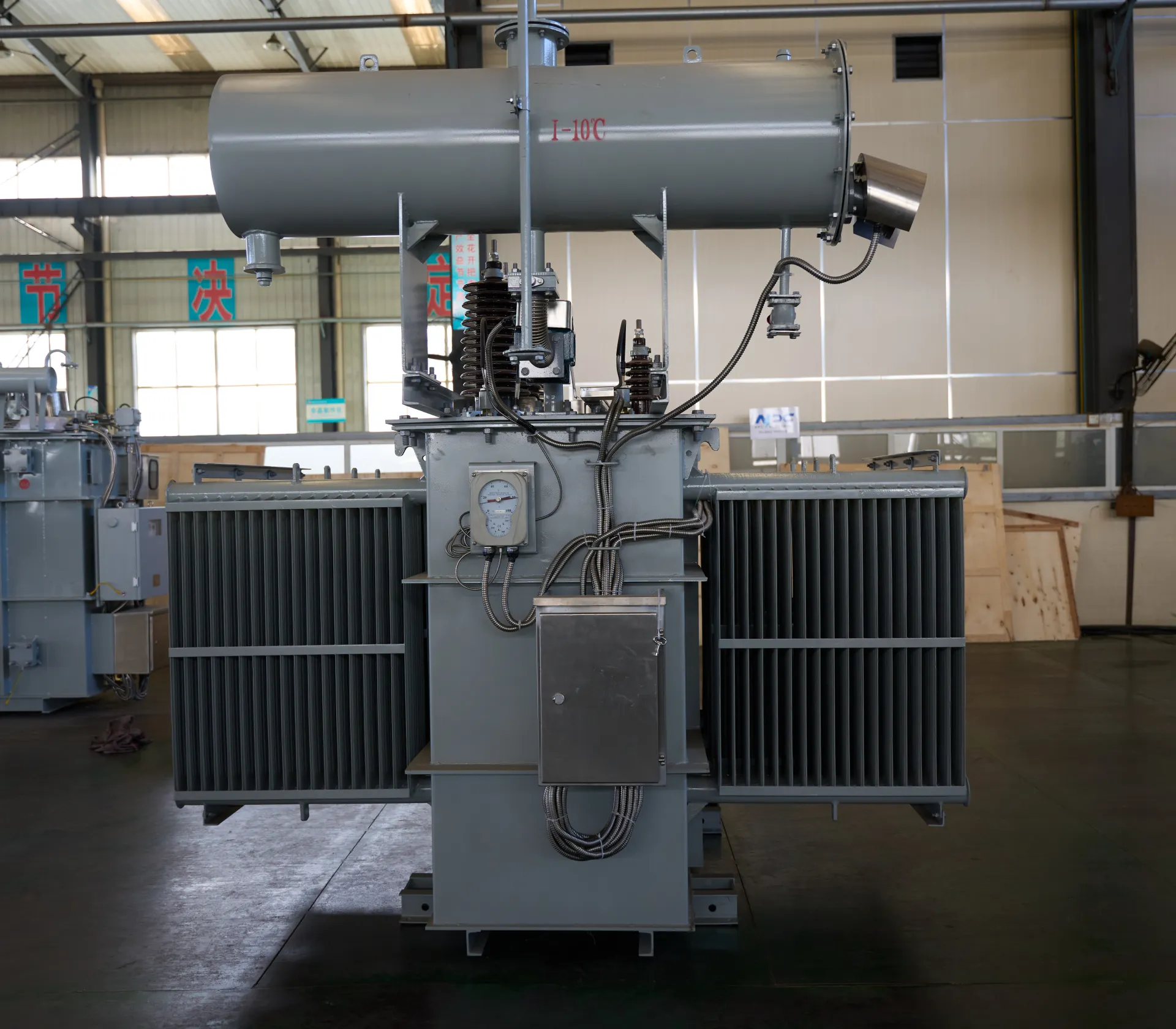
33/0.4kv 2000kVA Power Distribution Transformer
Experience superior power reliability with our 33/0.4kV 2000kVA Power Distribution Transformer, a cutting-edge solution designed for efficient medium-to-low voltage conversion in extensive electrical networks. This oil-immersed transformer incorporates high-permeability grain-oriented steel cores and optimized copper windings to deliver exceptional efficiency, low noise operation, and minimal energy losses even under full load conditions. The robust conservator-type tank filled with premium inhibited mineral oil ensures excellent cooling, high breakdown voltage, and protection against environmental factors. Engineered for long-term performance in challenging climates, it features anti-corrosion coatings, sealed bushings, and overload tolerance up to 150% for short durations. Fully compliant with IEC 60076, GB/T 1094, and other global standards, this 2000kVA distribution transformer supports sustainable energy infrastructure by reducing carbon footprint through enhanced efficiency and reliable power delivery to end users.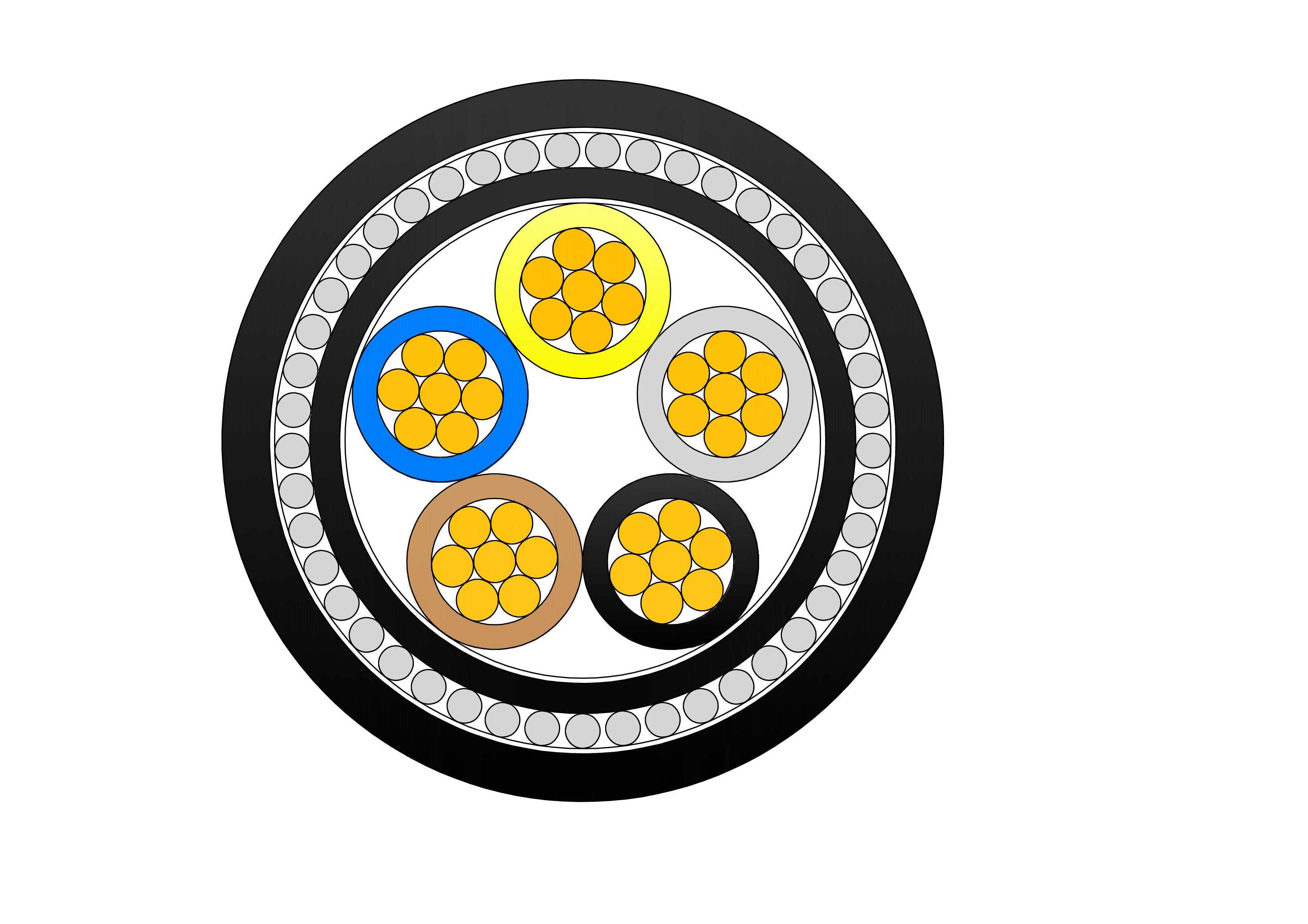
NYRY 0.6/1kV Low Voltage Power Cable
NYRY 0.6/1kV are low voltage power cables designed according to BS 5467 standard, suitable for fixed installation in indoor, outdoor, underground, cable ducts or concrete (not subject to vibration) environments, with steel wire armouring for mechanical protection. The cable features stranded copper conductors insulated with high-quality PVC, ensuring dependable electrical performance and thermal resistance under normal operating conditions. The metallic concentric conductor layer provides effective grounding and enhanced fault current capability, while the robust PVC outer sheath offers protection against moisture, abrasion, and external mechanical stress. Rated at 0.6/1kV and manufactured in accordance with relevant IEC standards, the NYRY cable is suitable for fixed installation both indoors and outdoors. Its construction supports long service life, consistent power delivery, and safe operation in demanding environments.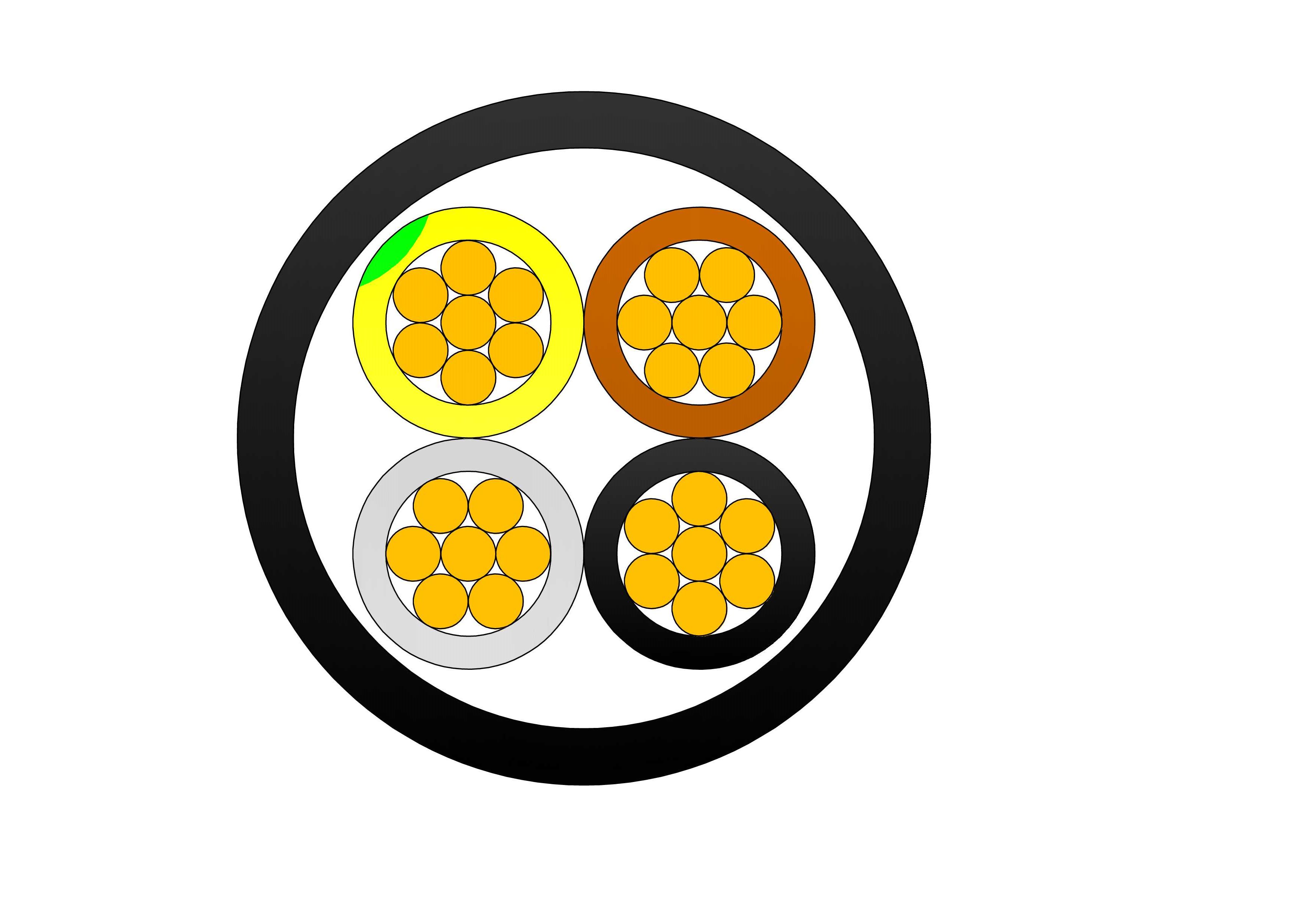
4/5 Cores SWA Armoured Cable
The 4/5 Cores SWA Armoured Cable is engineered for demanding power distribution applications where durability, safety, and mechanical protection are critical. Manufactured with premium copper or aluminum conductors, advanced XLPE insulation, galvanized steel wire armour, and a weather-resistant PVC outer sheath, the cable provides exceptional reliability in harsh operating environments. Its steel wire armour offers excellent protection against impact, tensile loads, crushing forces, and accidental mechanical damage. This makes the cable ideal for underground installations, cable trenches, and direct burial applications. The XLPE insulation delivers superior dielectric performance, low transmission losses, and thermal resistance up to 90°C continuous operation. The PVC outer sheath provides excellent resistance against moisture, chemicals, oils, abrasion, and UV radiation. Complying with IEC and BS standards, the cable is suitable for utility networks, industrial facilities, renewable energy projects, transportation infrastructure, and commercial developments. The 4/5 Cores SWA Armoured Cable offers an economical and dependable solution for modern power distribution systems.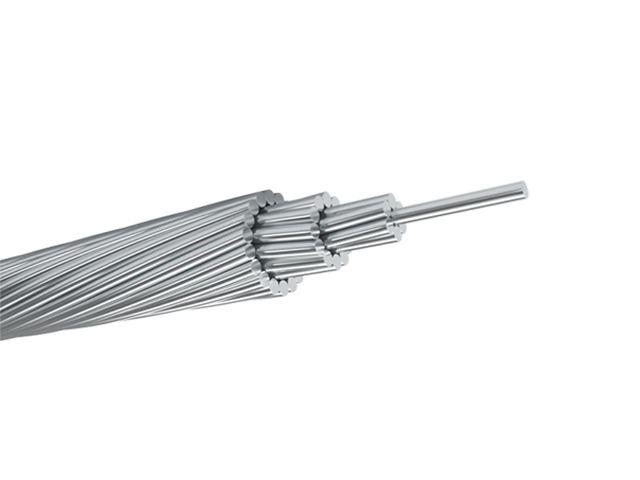
AAAC Dog Conductor Cable
AAAC DOG conductor is an All Aluminum Alloy Conductor manufactured according to ASTM B399 or IEC 61089 standards, offering high strength, good conductivity, and excellent corrosion resistance.The Dog-size AAAC conductor offers improved sag characteristics and mechanical stability, making it suitable for longer spans and areas exposed to coastal, industrial, or high-humidity environments. Its homogeneous aluminum alloy construction eliminates galvanic corrosion risk and reduces maintenance requirements over long service life. Produced in accordance with ASTM and IEC standards, the AAAC Dog Conductor Cable ensures consistent quality, uniform stranding, and reliable performance. It is widely selected for modern utility networks where efficiency, durability, and lifecycle cost optimization are critical.
380kV Oil-Immersed Power Transformer
NPC Electric 380kV Oil-Immersed Power Transformer is engineered for the most demanding extra-high voltage (EHV) transmission networks, providing a robust link between power generation and regional distribution. Utilizing a multi-step core stacking method with high-grade, laser-scribed silicon steel, this unit minimizes eddy current losses and vibration. The internal active part is submerged in high-dielectric-strength mineral oil, which serves both as a superior insulator and a high-efficiency coolant. Designed with a vacuum-proof, reinforced corrugated or radiator-type tank, it ensures hermetic integrity under extreme thermal cycling. With advanced electrostatic shielding and a focus on mechanical stability, this transformer offers unparalleled reliability for national grid backbones, ensuring continuous power flow with minimal maintenance requirements even in harsh environmental conditions.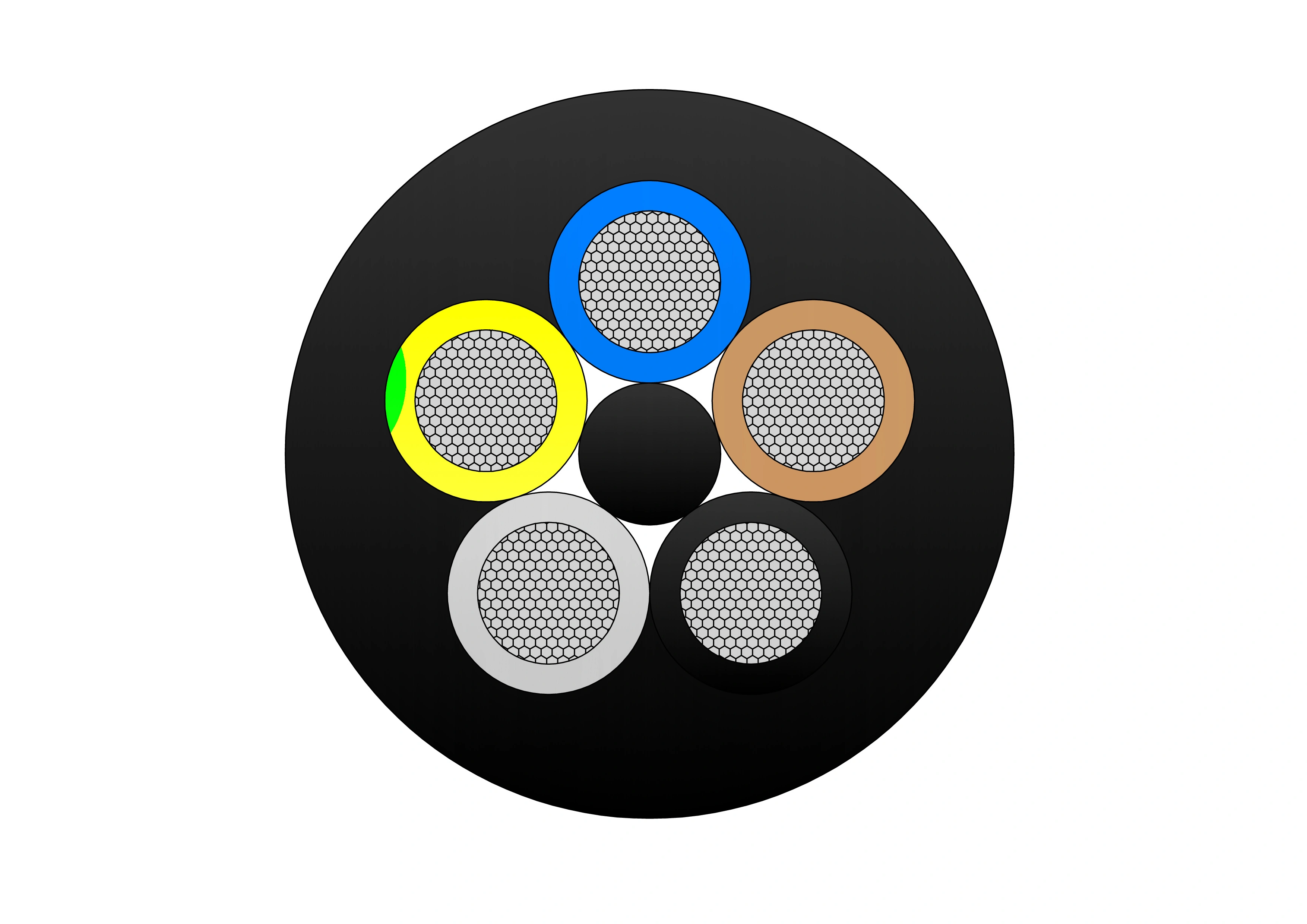
Type 441 Flexible Semi-Conductive Screened Mining Cable
The Type 441 Flexible Semi-Conductive Screened Mining Cable is a medium-voltage rubber-insulated cable engineered for harsh mining applications. It features tinned annealed copper conductors, EPR insulation, and semi-conductive screening for optimal electrical performance. Designed with three earth/protective cores and one pilot core, it is ideal for powering draglines, shovels, and drills, as well as for trailing and reeling uses in mining and industrial environments. Its HD-CSP extra heavy-duty outer sheath delivers oil resistance, flame retardancy, and high mechanical durability, ensuring long service life in demanding operational conditions. Compliant with AS/NZS 2802 and related standards, this cable provides reliable performance under extreme stress. The flexible construction of the Type 241 mining cable allows repeated bending and movement without compromising electrical performance. Manufactured under a strict quality management system, the cable undergoes comprehensive raw material testing, process inspection, and finished product testing to ensure compliance with mining standards and long-term operational reliability.Welcome your inquiry
Honesty, Integrity, Frugality, Activeness and Passion