
Global Rush for Chinese Power Transformers: 2026 Orders Booked to 2027, Powering Worldwide Grid Upgrades
2026-03-24
The global energy sector is experiencing an unprecedented surge in demand for power transformers, driven by rapid grid modernization, expansion of renewable energy, and explosive growth in AI data center infrastructure. As a result, China transformer manufacturer capacity has become central to global supply chains, with many China power transformer manufacturers reporting that orders for 2026 are already booked into 2027.
This surge reflects a structural shift in global energy systems, where electricity grids must evolve to accommodate distributed energy sources, large-scale energy storage, and electrification across industries.
1. Why Global Demand for Power Transformers Is Surging
In 2026, global demand for power transformers is surging dramatically, driven by a perfect storm of electrification, energy transition, and technological boom. Electricity consumption is accelerating at rates unseen in decades, fueled by explosive growth in AI data centers (projected to double power needs by 2030), widespread adoption of renewable energy sources like wind and solar, and massive grid modernization efforts worldwide.
Key drivers include:
- AI and data center expansion — Hyperscale facilities require high-capacity substation and generator step-up transformers to handle massive, continuous loads, pushing U.S. demand up over 100% since 2019 in key categories.
- Renewable integration — Offshore wind, solar farms, and HVDC transmission demand specialized, high-voltage transformers to evacuate variable power efficiently into grids.
- Aging infrastructure replacement — Decades-old transformers nearing end-of-life, combined with extreme weather resilience needs, trigger urgent upgrades.
- Electrification trends — EV charging networks, industrial reshoring, and urbanization amplify overall load growth.
This has created persistent shortages (up to 30% deficit in high-voltage units), extended lead times (often 2+ years), and rising prices, making power transformers a critical bottleneck—and strategic asset—in the global energy transition. As nations race toward net-zero and digital economies, demand shows no signs of slowing, with the market projected to grow robustly through 2030.
Key Demand Drivers
|
Driver |
Description |
Impact on Transformers |
|
Renewable Energy Expansion |
Solar, wind, and hydro integration |
High demand for grid connection transformers |
|
AI Data Center Growth |
High-density computing loads |
Requires stable high-capacity transformers |
|
Grid Modernization |
Aging infrastructure upgrades |
Replacement + smart transformer demand |
|
Electrification |
EVs, industry electrification |
Increased load on power grids |
Engineering Perspective
Modern power grids must handle:
- Intermittent renewable power
- Distributed energy storage systems
- High-load data center clusters
- Cross-border global grids interconnections
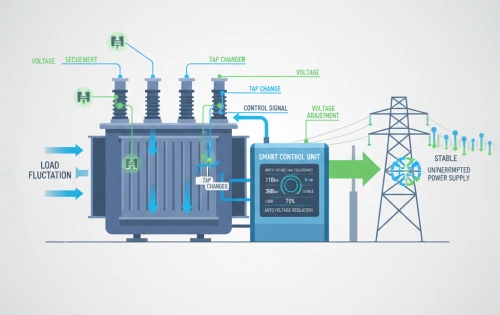
These changes are driving exponential demand for reliable Power Transformer solutions.
2. China’s Dominance in Transformer Manufacturing
In 2026, China has solidified its dominance in transformer manufacturing, commanding approximately 60% of global production capacity and leading the world as the top producer and exporter of power transformers. This leadership stems from a highly integrated, vertically controlled supply chain—from raw materials like electrical steel, copper, and aluminum to advanced components such as cores, windings, and on-load tap changers—enabling unmatched scale, speed, and cost efficiency.
In 2025, China's transformer exports shattered records, surging nearly 36% year-on-year to 64.6 billion yuan (about $9.3 billion), with average unit prices rising roughly one-third to around 205,000 yuan amid global shortages. Key drivers include explosive demand from AI data centers, renewable energy integration, grid modernization, and electrification worldwide, where high-voltage and substation transformers face lead times of 2+ years and deficits up to 30% in major markets like the US and Europe.
Chinese firms like TBEA, China XD Group, and others leverage complete domestic ecosystems, rapid response to orders (many booked through 2027), and technological prowess in UHV and smart transformers to fill global gaps. As nations accelerate net-zero goals and digital infrastructure, China's manufacturing edge positions it as the indispensable backbone of the global energy transition, with exports continuing to boom into 2026 and beyond.
Key Strengths of China Transformer Manufacturers
|
Factor |
Advantage |
|
Production Capacity |
Large-scale manufacturing capability |
|
Cost Efficiency |
Competitive pricing with high quality |
|
Supply Chain |
Integrated raw materials and components |
|
Technology |
Increasing adoption of smart transformer tech |
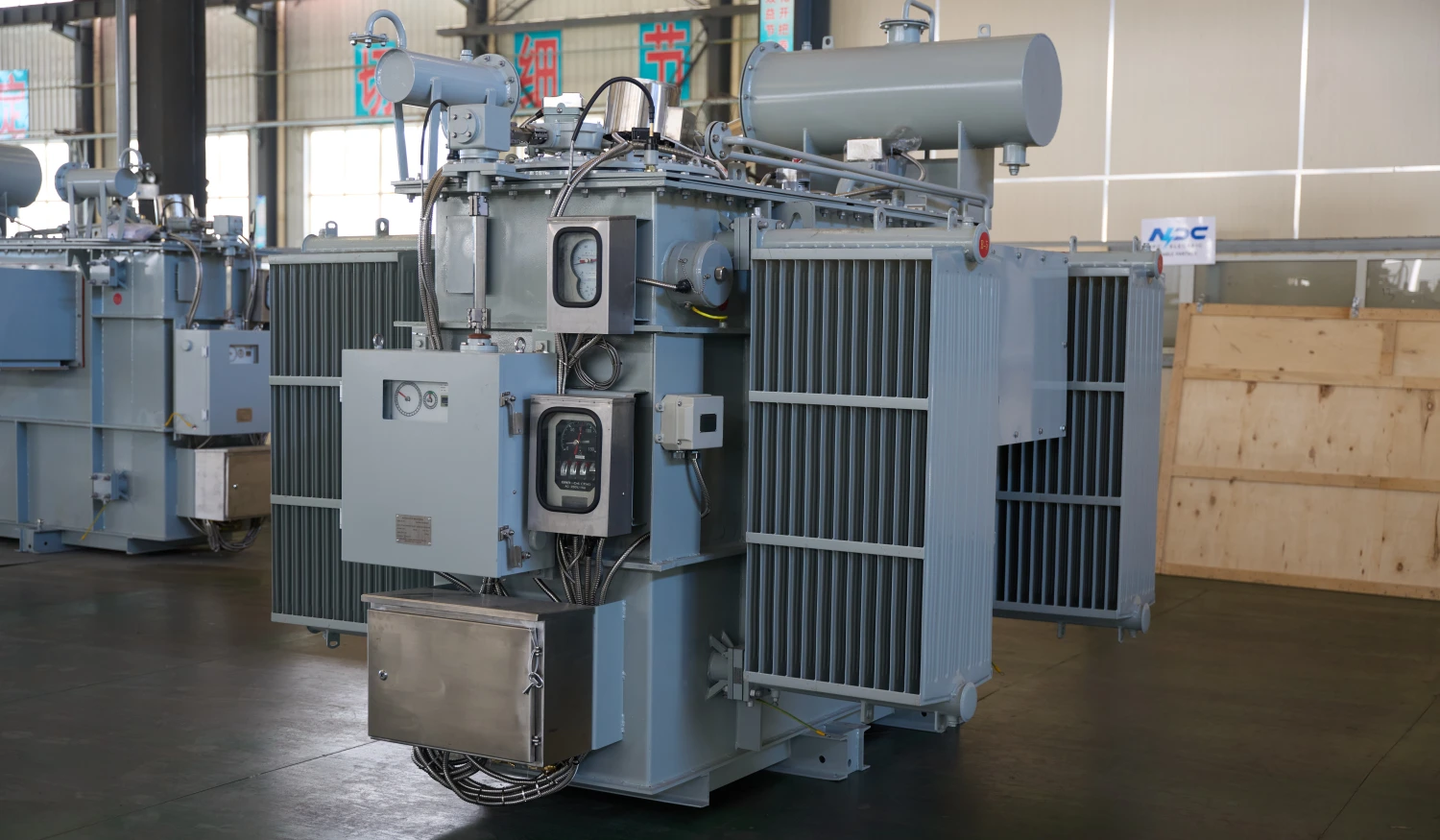
Major transformer manufacturers such as NPC Electric Transformers are scaling operations to meet global demand.
Export Growth
|
Year |
Estimated Export Growth |
|
2023 |
+12% |
|
2024 |
+18% |
|
2025 |
+25% |
|
2026 (Forecast) |
Continued high growth |
The total industry value has exceeded 64.6 billion yuan, reflecting strong global demand for China's transformer exports.
3. Production Capacity vs Global Demand
Despite expansion, supply is tightening.
Capacity Constraints
|
Issue |
Impact |
|
Raw Material Shortages |
Increased costs |
|
Skilled Labor Demand |
Production bottlenecks |
|
Long Lead Times |
12–24 months delivery |
|
High Order Backlogs |
Orders booked into 2027 |
Real-World Situation
- Large power plants and utilities are placing long-term procurement contracts
- EPC contractors are securing supplies early
- Delays in transformer delivery are impacting grid infrastructure projects
4. Role of Renewable Energy in Transformer Demand
The global energy transition is the single largest driver.
Transformer Requirements for Renewable Energy
|
Energy Source |
Transformer Requirement |
|
Solar |
Step-up transformers for grid connection |
|
Wind |
Offshore/onshore high-voltage transformers |
|
Hydro |
|
|
Energy Storage |
Bidirectional transformers |
Renewables require advanced transformers capable of:
- Voltage regulation
- Grid synchronization
- Handling fluctuating loads
5. AI Data Centers: A New Demand Engine
The rapid expansion of AI data center infrastructure is reshaping electricity consumption.
Power Characteristics of AI Data Centers
|
Parameter |
Requirement |
|
Power Density |
Extremely high |
|
Stability |
Critical |
|
Redundancy |
Required |
|
Efficiency |
Essential |
Impact on Transformer Demand
- Increased demand for high-capacity power transformers
- Need for a reliable and efficient power supply
- Growth in urban and hyperscale data center projects
This sector alone is becoming a major driver of global energy demand.
6. Grid Modernization and Global Infrastructure Upgrades
Aging electricity grids worldwide require urgent upgrades.
Key Modernization Areas
- Replacement of outdated transformers
- Integration of renewable power
- Deployment of smart grid technologies
- Expansion of transmission networks
Global Investment Trends
|
Region |
Focus |
|
Europe |
Renewable integration & grid stability |
|
USA |
Grid resilience & AI infrastructure |
|
Asia |
Rapid expansion of power grids |
|
Middle East |
New energy projects |
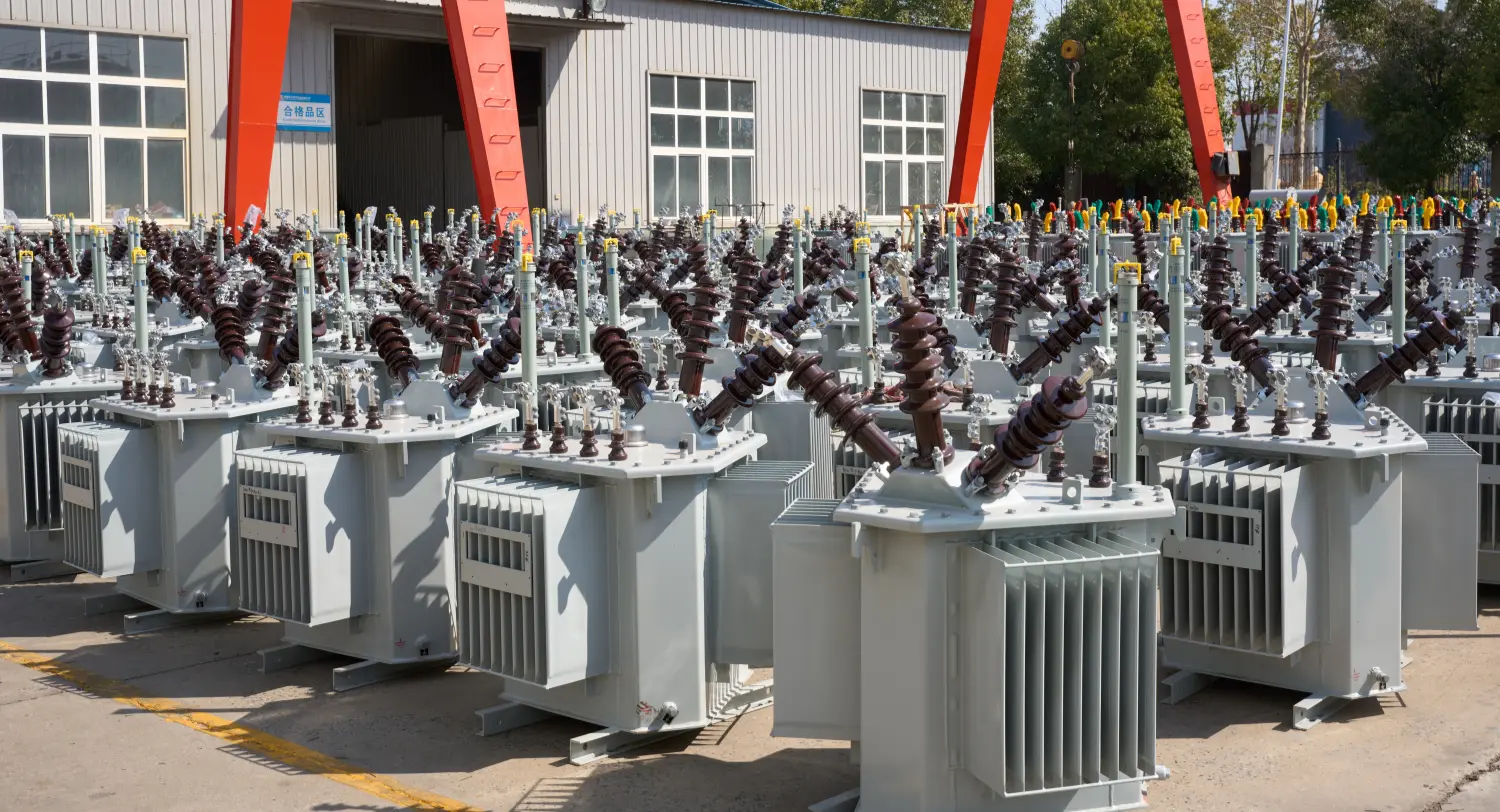
These upgrades are driving demand for China transformer exports at scale.
7. Strategic Procurement Trends
From an engineering and procurement standpoint, transformer sourcing strategies are evolving.
Key Trends
- Early procurement (2–3 years in advance)
- Long-term contracts with china power transformer manufacturers
- Supplier diversification
- Focus on quality certification and testing
Procurement Checklist
|
Criteria |
Importance |
|
Technical Specs |
Critical |
|
Production Capacity |
High |
|
Delivery Time |
Critical |
|
Export Experience |
High |
|
After-Sales Support |
Essential |
8. Competitive Landscape of Transformer Manufacturers
The global transformer market includes:
- Chinese manufacturers (dominant in exports)
- European high-end suppliers
- US-based specialized manufacturers
China’s Competitive Edge
- Fast scaling capability
- Competitive pricing
- Strong export ecosystem
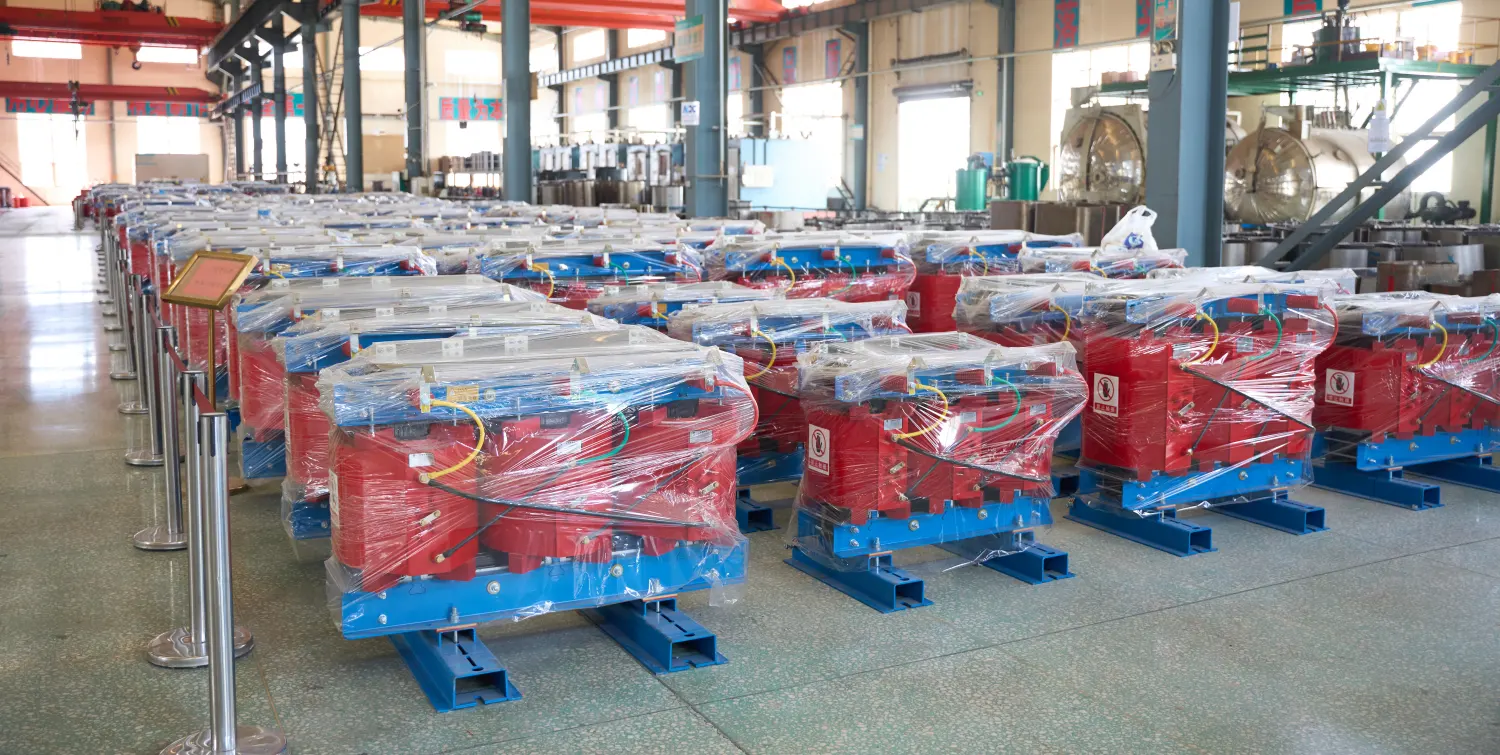
Companies like NPC Electric Transformers are increasingly competitive in international markets.
9. Future Outlook: Long-Term Market Expansion
The transformer market is entering a sustained growth cycle.
Key Forecast Trends (2025–2035)
- Continued grid modernization
- Growth in renewable energy integration
- Expansion of AI data center infrastructure
- Increasing demand for energy storage systems
- Development of interconnected global grids
Market Characteristics
|
Factor |
Outlook |
|
Demand |
Strong long-term growth |
|
Supply |
Tight but expanding |
|
Pricing |
Upward pressure |
|
Technology |
Increasingly smart & digital |
10. Frequently Asked Questions (FAQs)
Why are Chinese power transformers in such high demand?
China transformer manufacturers offer large production capacity, competitive pricing, and reliable export capabilities.
How long is the delivery time for power transformers?
Currently, lead times can reach 12–24 months due to high demand and order backlogs.
What industries drive transformer demand?
Key sectors include renewable energy, power plants, AI data centers, and grid infrastructure.
What is the impact of AI data centers on power grids?
They significantly increase electricity demand, requiring upgrades to power grids and high-capacity transformers.
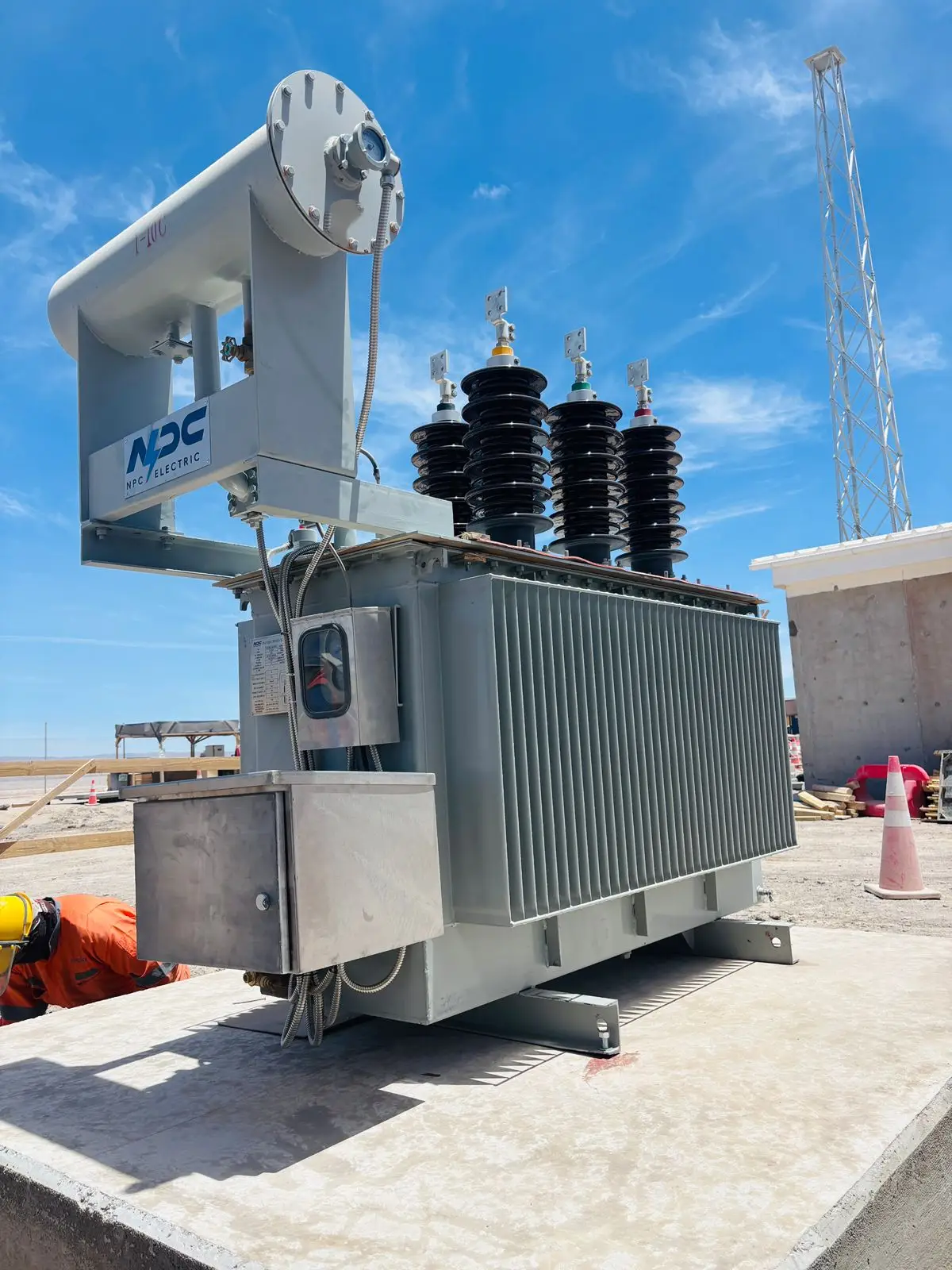
The global rush for power transformers reflects a deeper transformation in global energy systems. Driven by energy transition, grid modernization, and the rise of AI data center infrastructure, demand is expected to remain strong for the next decade.
China's power transformer manufacturers will continue to play a central role in supporting global grids, thanks to their unmatched production capacity and export capabilities.
👉 Looking for a reliable China transformer manufacturer?
Contact us today for customized Power Transformer solutions, tailored for renewable energy projects, data centers, and large-scale grid infrastructure upgrades.

Related Articles

Related Products
4 Scallop Aluminum Conductor Triplex Overhead Service Drop Cable
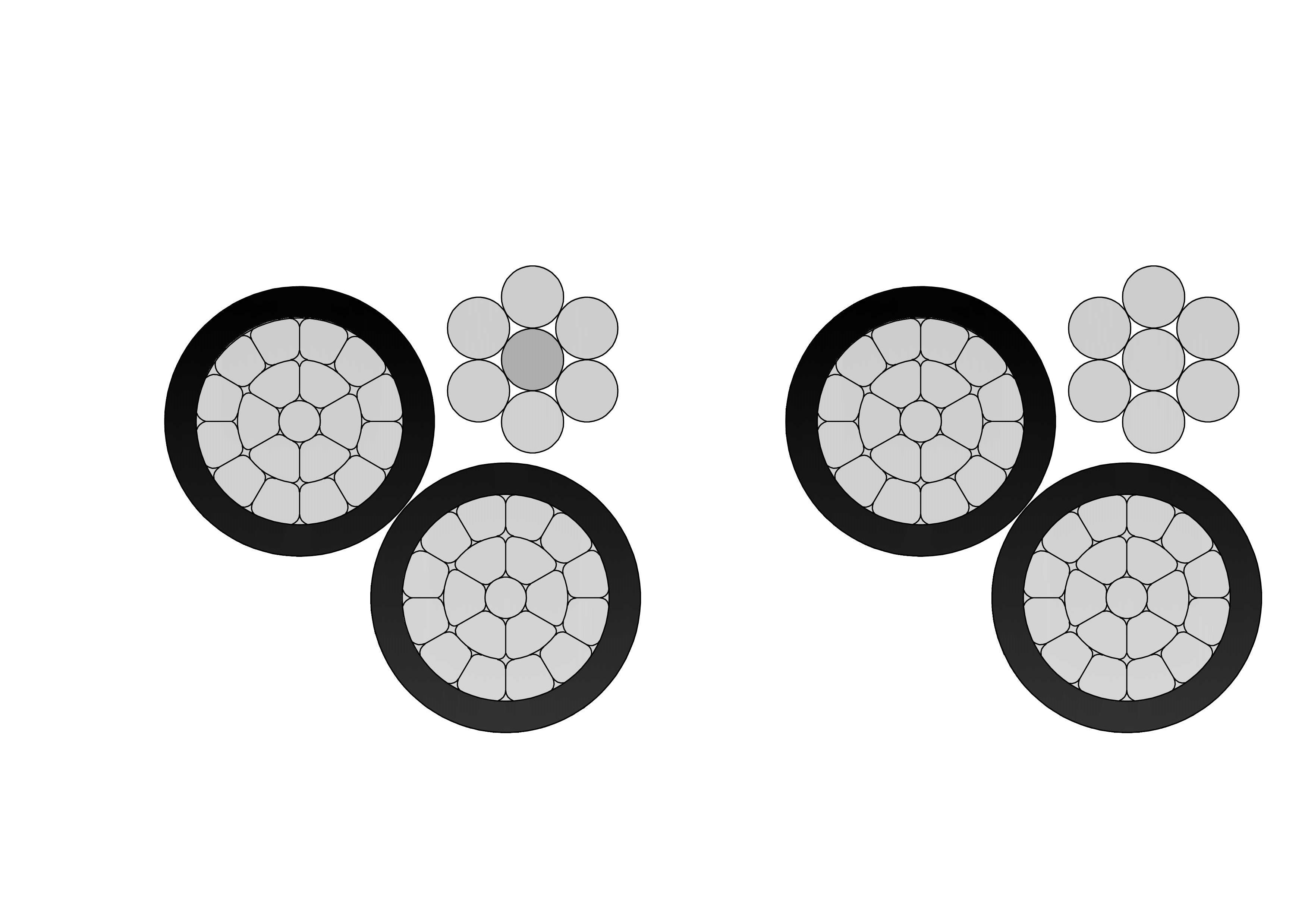
The 4 Scallop Triplex Aluminum Overhead Service Drop Cable is engineered for reliable utility power delivery from pole-mounted transformers to service entrances in residential, commercial, and temporary construction setups. It consists of two insulated phase conductors and a bare AAC (All-Aluminum Conductor) messenger that functions as both a neutral and mechanical support. Optimized for overhead single-phase service drops, it operates at voltages up to 600V and uses black cross-linked polyethylene (XLP) insulation to ensure long-lasting resistance to UV rays, moisture, and abrasion. This triplex configuration ensures excellent mechanical strength, reduced sag, and UV/weather resistance. Rated for 600V phase-to-phase and conductor temperatures up to 90°C (XLPE), it offers ampacity of 115A. Compliant with ASTM B-230, B-231, and ICEA S-76-474 standards, the 4 Scallop cable provides lightweight, corrosion-resistant performance ideal for long-term reliability in demanding aerial installations.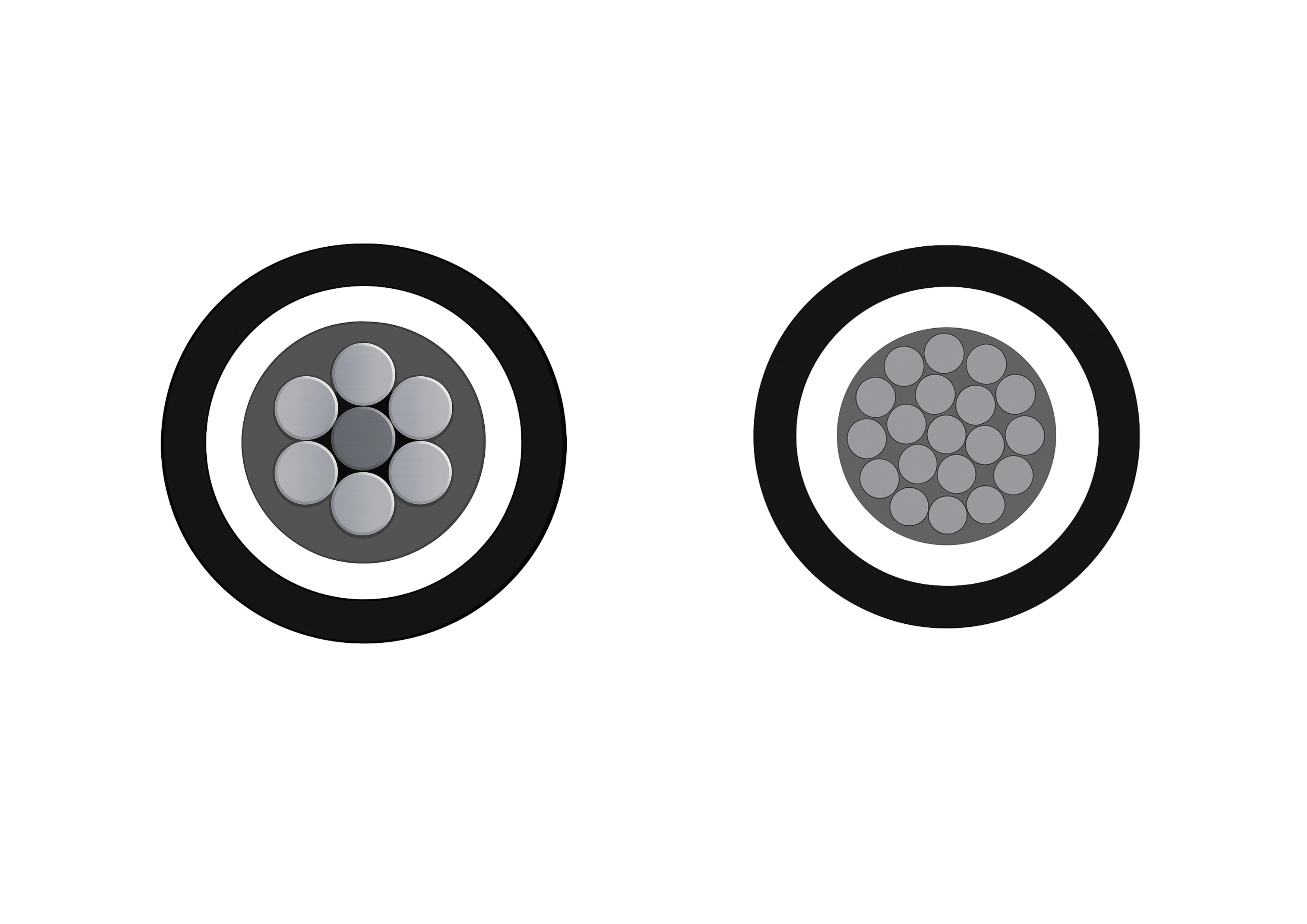
15kV 3-Layer AAAC/ACSR/AAC Tree Wire - Triple Layer Covered Conductor
The 3-Layer 15kV AAAC/ACSR/AAC Tree Wire is a specialized covered overhead conductor developed for distribution lines in areas with dense vegetation. It uses concentrically stranded AAAC, ACSR, or AAC conductors protected by a triple-layer system of track-resistant HDPE or XLPE. The multi-layer covering delivers exceptional tracking resistance, abrasion protection, and weatherability while greatly reducing the risk of electrical faults from tree limb contact and helping minimize wildfire ignition potential. This advanced design allows closer spacing to vegetation and lowers vegetation management costs. Suitable for conventional overhead or spacer cable systems, the 3-Layer 15kV AAAC/ACSR/AAC Tree Wire offers a cost-effective solution for improving line reliability. It complies with ICEA and ASTM standards and undergoes extensive quality testing to ensure long-term performance and safety.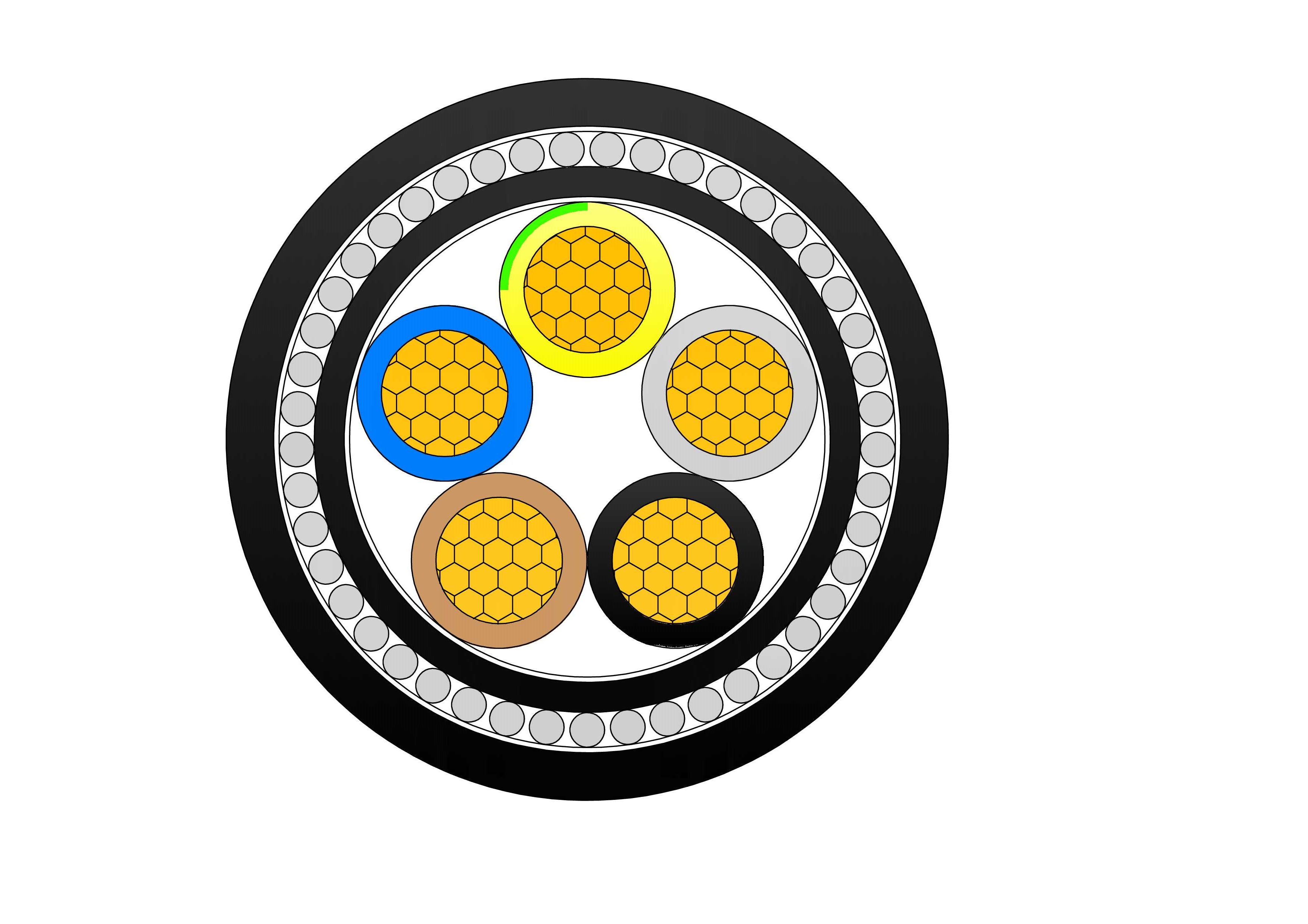
N2XRY 0.6/1kV Low Voltage Power Cable
N2XRY 0.6/1kV are low voltage power cables designed according to BS 5467 standard, suitable for fixed installation in indoor, outdoor, underground, Cable ducts ,conduits or concrete (not subject to vibration) environments,with additional mechanical protection due to steel wire armouring. Constructed with high-purity copper conductors, thermosetting XLPE insulation, PVC inner bedding, double galvanized steel tape armour, and tough PVC outer sheath, it meets IEC 60502-1 requirements. The STA armour delivers superior resistance to compression, impacts, and penetration, suitable for direct burial without conduits. Excellent electrical properties, reduced losses, and high overload capacity ensure optimal performance. Flame-retardant and environmentally stable, the N2XRY 0.6/1kV Low Voltage Power Cable is favored for factories, commercial developments, renewable energy sites, and infrastructure needing reliable, maintenance-free low-voltage cabling in challenging terrains.2Y-high-voltage-power-cable-2.webp)
A2XS(FL)2Y HDPE High Voltage 26/45 (52) kV Power Cable
A2XS(FL)2Y HDPE High Voltage 26/45 (52) kV Power Cable is a high-performance single-core aluminum conductor cable designed for medium-to-high voltage power transmission. It features XLPE insulation, extruded semi-conductive conductor and insulation screens, and semi-conductive water-swellable tapes for longitudinal water blocking. A longitudinally applied aluminium tape moisture barrier coated with PE copolymer ensures outstanding moisture resistance and mechanical protection. The HDPE oversheath provides superior abrasion, chemical, and environmental resistance, making it suitable for direct burial, underwater, outdoor, indoor, and duct installations in power stations, industrial sites, and distribution networks. Complying with IEC 60840 standards, it ensures long-term, reliable electrical performance in challenging environments.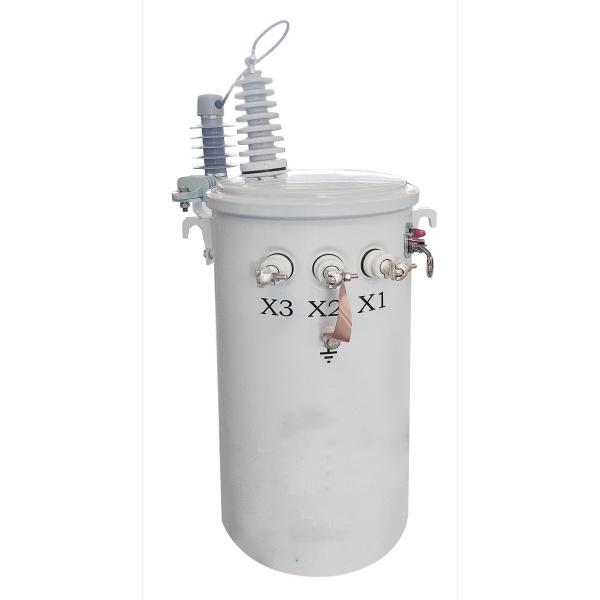
167kVA Completely self-protected(CSP) Single Phase Pole Mounted Transformer
167 kVA Completely Self-Protected (CSP) single-phase overhead transformers, meticulously engineered to meet international standards such as IEEE C57.12.00, IEEE C57.12.20, DOE-2016 Efficiency, CSA C2.1, and CSA C2.2. It is designed for efficient, safe, and reliable power transmission. It is mainly used for power supply in residential, commercial, and small industrial areas to ensure stable power output and long-term trouble-free operation. The transformer has built-in multiple safety protection functions, including overload protection, short circuit protection, and overvoltage protection, which can effectively prevent electrical failures and ensure the safety of the transformer under extreme working conditions. The transformer adopts advanced technology and high-quality materials, with low loss and high efficiency, which can minimize energy waste and improve power transmission efficiency.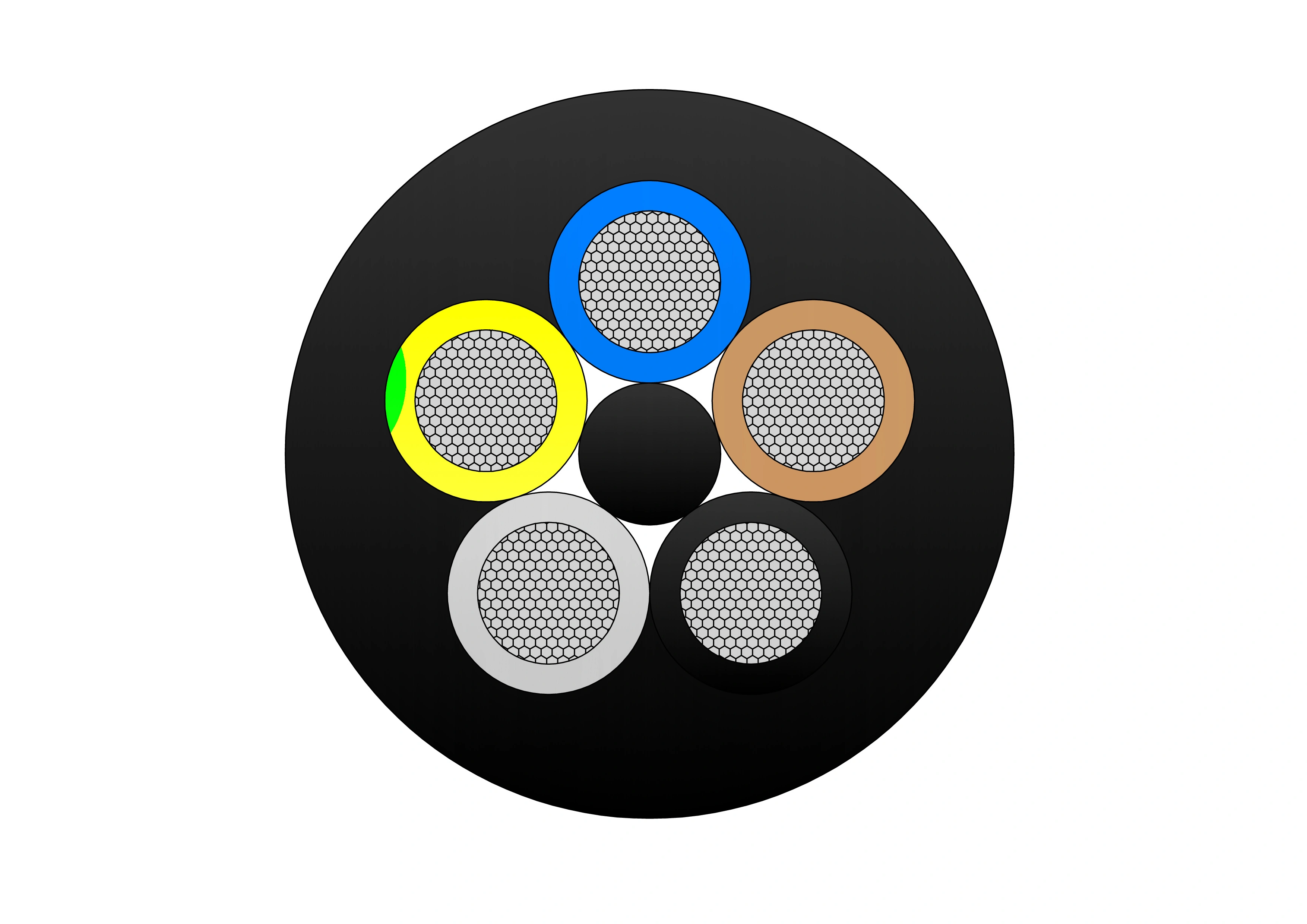
(N)TSCGECEWOU 8.7/15kV and 12/20kV ATB Cable (Ground Check Conductor)
The (N)TSCGECEWOU 8.7/15kV and 12/20kV ATB (Ground Check Conductor) Cable is a flexible medium-voltage cable enhanced with anti-torsion braid (ATB) and ground check conductor (GCC) for superior stability and safety monitoring in mining. It comprises tinned class 5 copper phase conductors, semi-conductive screens, EPR insulation for reliable dielectric/thermal performance, copper braid screen, control conductors, dedicated ground check conductor for fault detection, anti-torsion braid to reduce twisting under heavy loads, and a robust rubber sheath resistant to oils, flames, abrasion, and mechanical damage. Compliant with DIN VDE 0250, it offers high flexibility, torsional strength, and EMC protection for dynamic applications. The (N)TSCGECEWOU ATB GCC ensures dependable higher-voltage MV power with ground continuity monitoring for heavy mobile machinery such as excavators, draglines, and tunnel boring equipment in opencast and underground mining.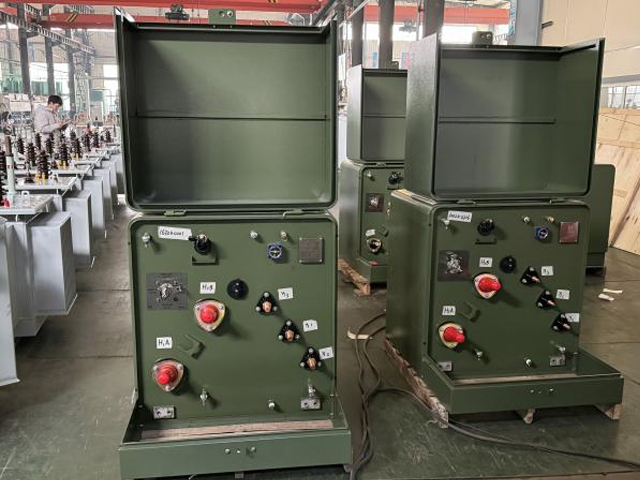
33kV Single Phase Pole Mounted Transformer
Designed for medium-voltage overhead systems, the 33kV single phase pole mounted transformer efficiently steps down primary voltages of 33kV (or 34.5kV variants) to secondary levels such as 230V, 240V, or 415V, serving substantial single-phase loads in extended networks. Constructed with advanced grain-oriented silicon steel cores and precision windings, it achieves minimal no-load and load losses while fully complying with IEC 60076 and IEEE C57 requirements. The oil-immersed tank with ONAN cooling maintains a 65°C temperature rise, supporting reliable performance during peak demands and harsh weather exposure. High insulation levels, including 150-200kV BIL on the HV side, combined with pressure relief valves, HV bushings with arcing horns, and optional surge arresters, provide exceptional protection against lightning and overvoltages. This transformer offers quiet operation, strong overload capacity, and extended service life, making it essential for utilities optimizing power access in remote or growing areas.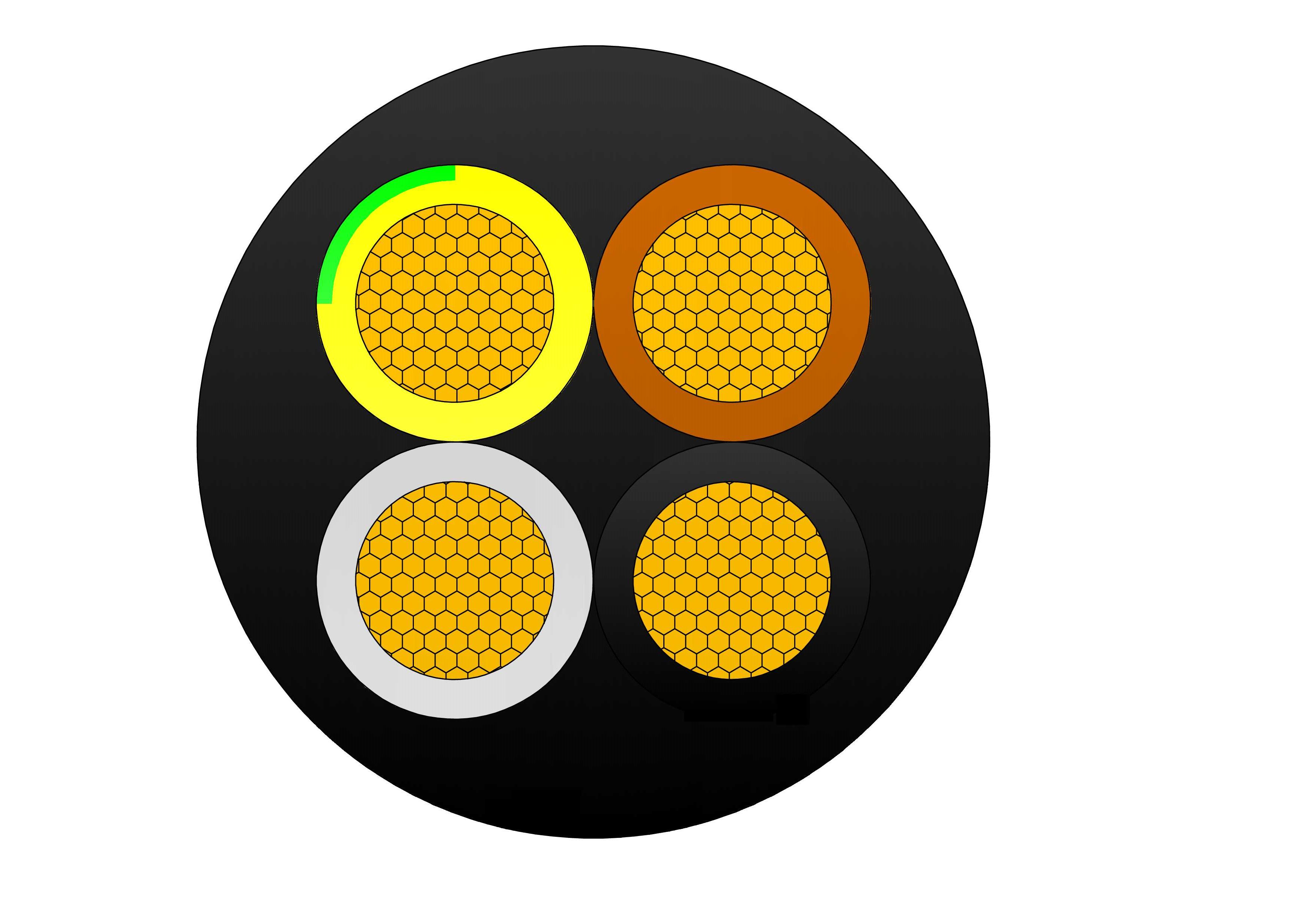
H07ZZ-F 450/750V Low Voltage Power Cable
H07ZZ-F 450/750V Low Voltage Power Cable is a halogen-free, low-smoke flexible power cable designed according to IEC and VDE standards, suitable for fixed installation in dry or damp indoor environments, especially in public buildings where high fire safety requirements apply. Featuring class 5 fine stranded plain copper conductors, cross-linked polyethylene (XLPE) insulation, and low smoke zero halogen (LSZH) elastomer outer sheath, it complies with EN 50525-3-21 and IEC 60332 standards. In fire conditions, it emits minimal smoke and no toxic halogen gases, ensuring safety in confined or public spaces. Excellent flexibility with tight bending radius simplifies installation in complex routing. Ideal for fixed and movable applications requiring enhanced fire safety and environmental compliance in industrial, commercial, and building services projects worldwide.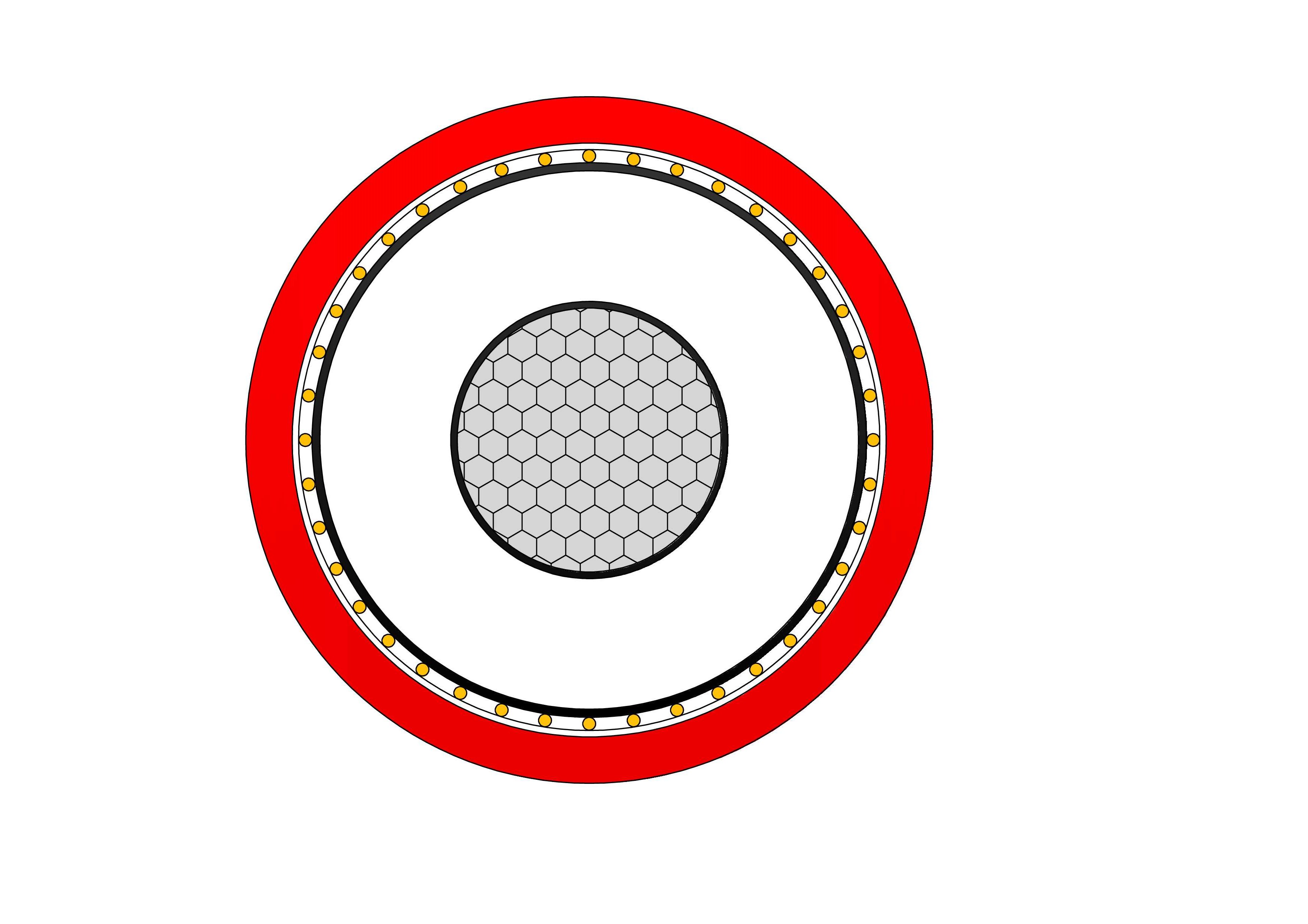
NA2XSY Medium Voltage Power Cable(6/10kV, 12/20kV, 18/30kV)
NA2XSY are medium voltage power cables with aluminum conductors and XLPE insulation, designed according to IEC 60502-2 standards. Constructed with aluminium conductors, thermosetting XLPE insulation, metallic screen (copper tape or wires), and tough PVC outer sheath, it meets IEC 60502-2 requirements. The screen ensures electromagnetic compatibility and fault protection. Low tan delta, high breakdown strength, and excellent thermal endurance minimize losses and support overloads. PVC sheath provides reliable mechanical and moisture protection for fixed installations. Optional longitudinal water-blocking improves performance in damp areas. Flame-retardant and easy to install, the NA2XSY Medium Voltage Power Cable is favored for power grids, manufacturing plants, commercial developments, and renewable energy sites demanding cost-efficient single-core medium voltage cabling with proven durability and performance in buried or tray installations worldwide.
10kVA Completely Self-protected(CSP) Single Phase Pole Mounted Transformer
NPC ELECTRIC the production of 10 kVA Completely Self-Protected (CSP) single-phase overhead transformers, meticulously engineered to meet international standards such as IEEE C57.12.00, IEEE C57.12.20, DOE-2016 Efficiency, CSA C2.1, and CSA C2.2. The 10kVA fully self-protected (CSP) single-phase pole-mounted transformer is an efficient and reliable power equipment designed for small and medium-sized power needs. The transformer adopts advanced fully self-protection technology and has built-in overload, short-circuit and overvoltage protection functions to ensure that the transformer can automatically cut off power under abnormal conditions, avoid equipment damage and improve system safety. It has a simple design, is easy to install, saves space, and is suitable for all types of power distribution systems. This transformer is suitable for residential, commercial areas and small industrial places, providing stable single-phase power output.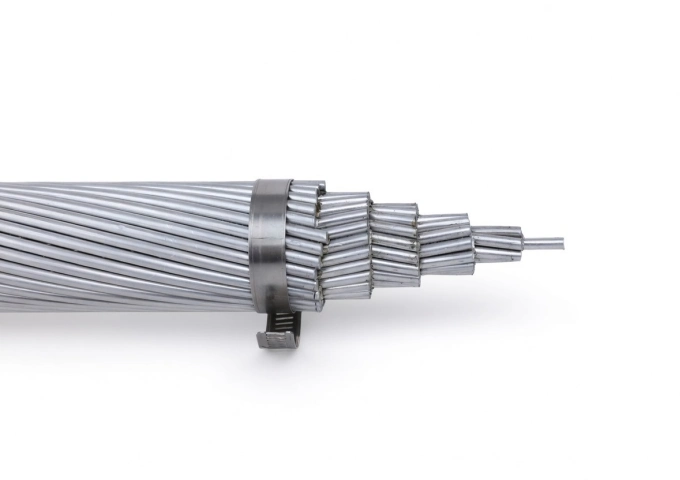
477 MCM Syringa AAC Cable
The 477 MCM Syringa AAC Cable is a high-performance All Aluminum Conductor designed for demanding overhead power transmission and distribution lines. Manufactured with 37 strands of premium 1350-H19 aluminum wire in a concentric lay configuration, this bare conductor provides excellent electrical conductivity with a low DC resistance of 0.0362 ohms per 1000 ft at 20°C. Featuring an overall diameter of 0.795 inches and a rated breaking strength of 8,690 lbs, the Syringa AAC delivers a robust ampacity of 639 amps while weighing only 447.8 lbs per 1000 ft. Its optimized strength-to-weight ratio minimizes sag and structural loading. Fully compliant with ASTM B-230 and B-231 standards, the 477 MCM Syringa AAC Cable offers outstanding corrosion resistance for long-term durability in harsh outdoor environments, making it the preferred choice for utility networks requiring cost-effective, high-reliability bare aluminum conductors.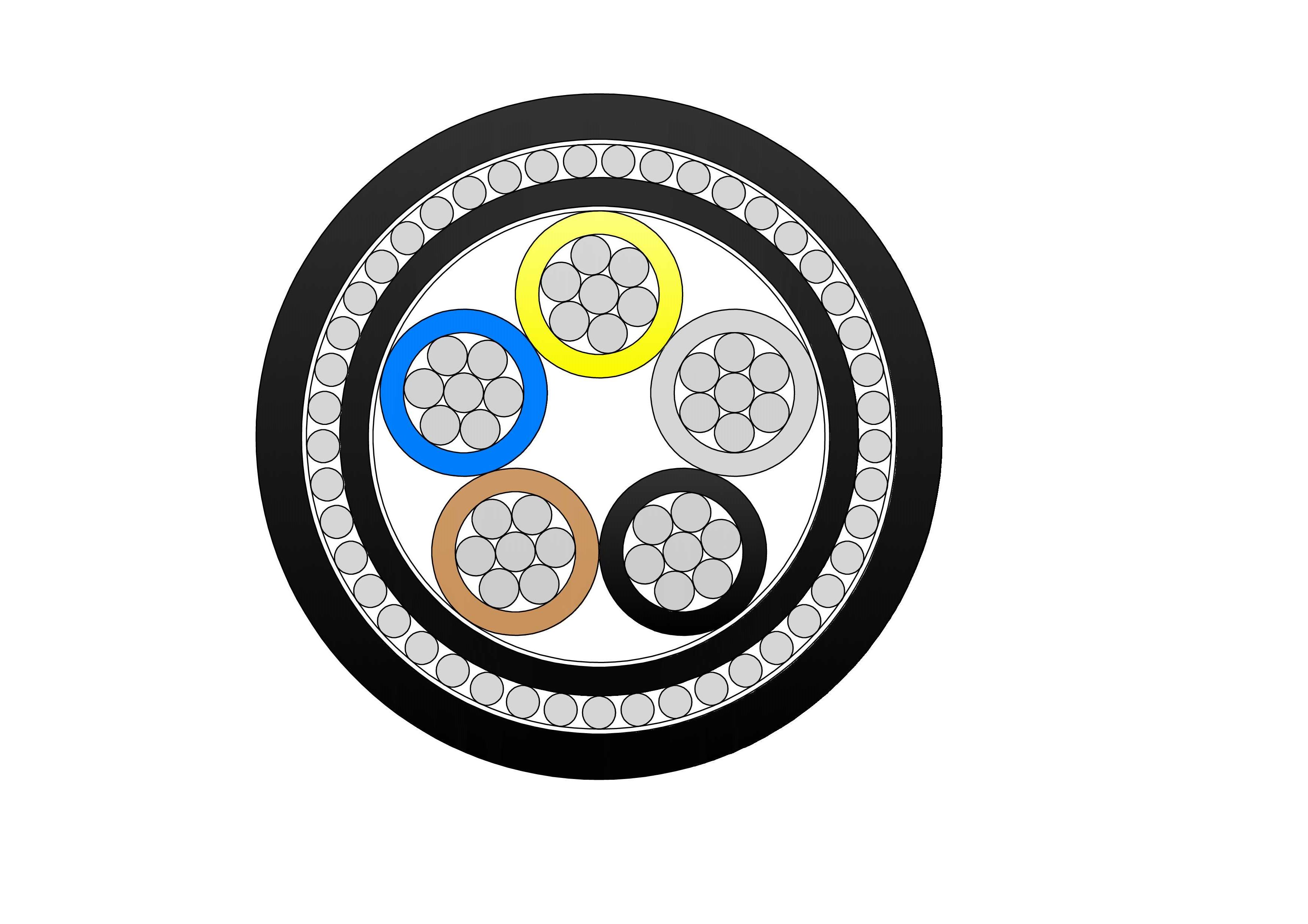
NA2XRY 0.6/1kV Low Voltage Power Cable
NA2XRY 0.6/1kV are low voltage power cables designed according to BS 5467 standard, suitable for fixed installation in indoor, outdoor, underground, or concrete (Can withstand certain mechanical forces) environments. Constructed with aluminium conductors, thermosetting XLPE insulation, PVC inner bedding, double galvanised steel tape armour, and tough PVC outer sheath, it meets IEC 60502-1 requirements. The STA armour offers outstanding resistance to compression and external forces, enabling direct burial. Lightweight aluminium lowers installation costs while ensuring good current rating and low losses. Flame-retardant and stable in harsh conditions, the NA2XRY 0.6/1kV Low Voltage Power Cable is favoured for manufacturing plants, renewable sites, commercial complexes, and infrastructure demanding reliable, low-maintenance low-voltage cabling with enhanced mechanical safeguarding.
Type 441 Flexible Semi-Conductive Screened Mining Cable
The Type 441 Flexible Semi-Conductive Screened Mining Cable is a medium-voltage rubber-insulated cable engineered for harsh mining applications. It features tinned annealed copper conductors, EPR insulation, and semi-conductive screening for optimal electrical performance. Designed with three earth/protective cores and one pilot core, it is ideal for powering draglines, shovels, and drills, as well as for trailing and reeling uses in mining and industrial environments. Its HD-CSP extra heavy-duty outer sheath delivers oil resistance, flame retardancy, and high mechanical durability, ensuring long service life in demanding operational conditions. Compliant with AS/NZS 2802 and related standards, this cable provides reliable performance under extreme stress. The flexible construction of the Type 241 mining cable allows repeated bending and movement without compromising electrical performance. Manufactured under a strict quality management system, the cable undergoes comprehensive raw material testing, process inspection, and finished product testing to ensure compliance with mining standards and long-term operational reliability.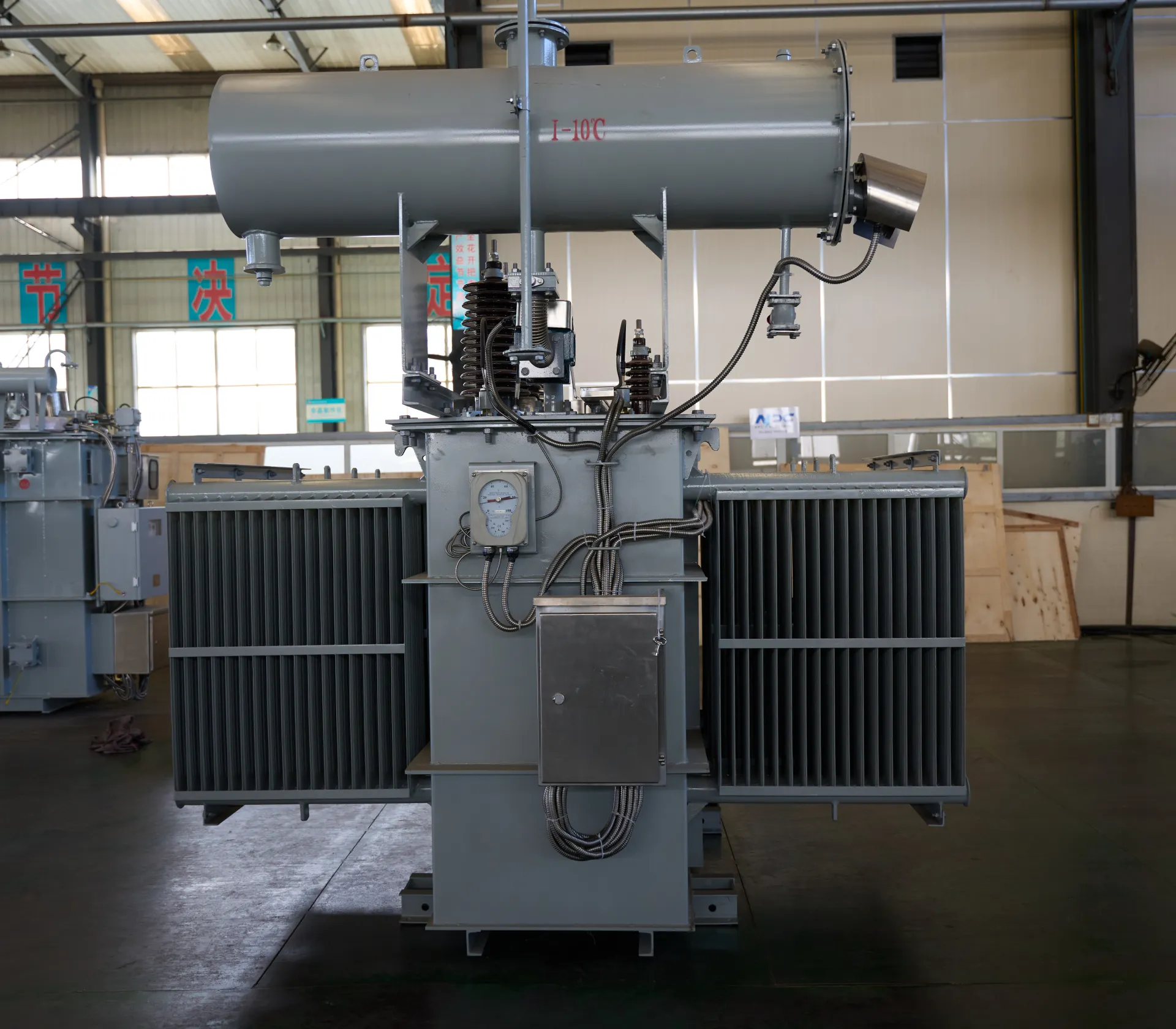
2000kVA 35kV Wind Turbine Step-Up Transformer for Onshore Wind Farms
The Wind Turbine Step-Up Transformer 2000kVA 35kV is purpose-built for onshore wind farms, enabling efficient voltage conversion from wind turbine generators to medium-voltage collection networks. Designed to operate reliably under fluctuating wind loads and harsh outdoor conditions, this transformer ensures stable power transmission and reduced energy losses across wind power systems. The oil-immersed insulation structure provides excellent thermal stability and long service life, while the optimized magnetic core minimizes no-load losses and acoustic noise. High-quality windings and reinforced insulation withstand frequent load variations caused by changing wind speeds.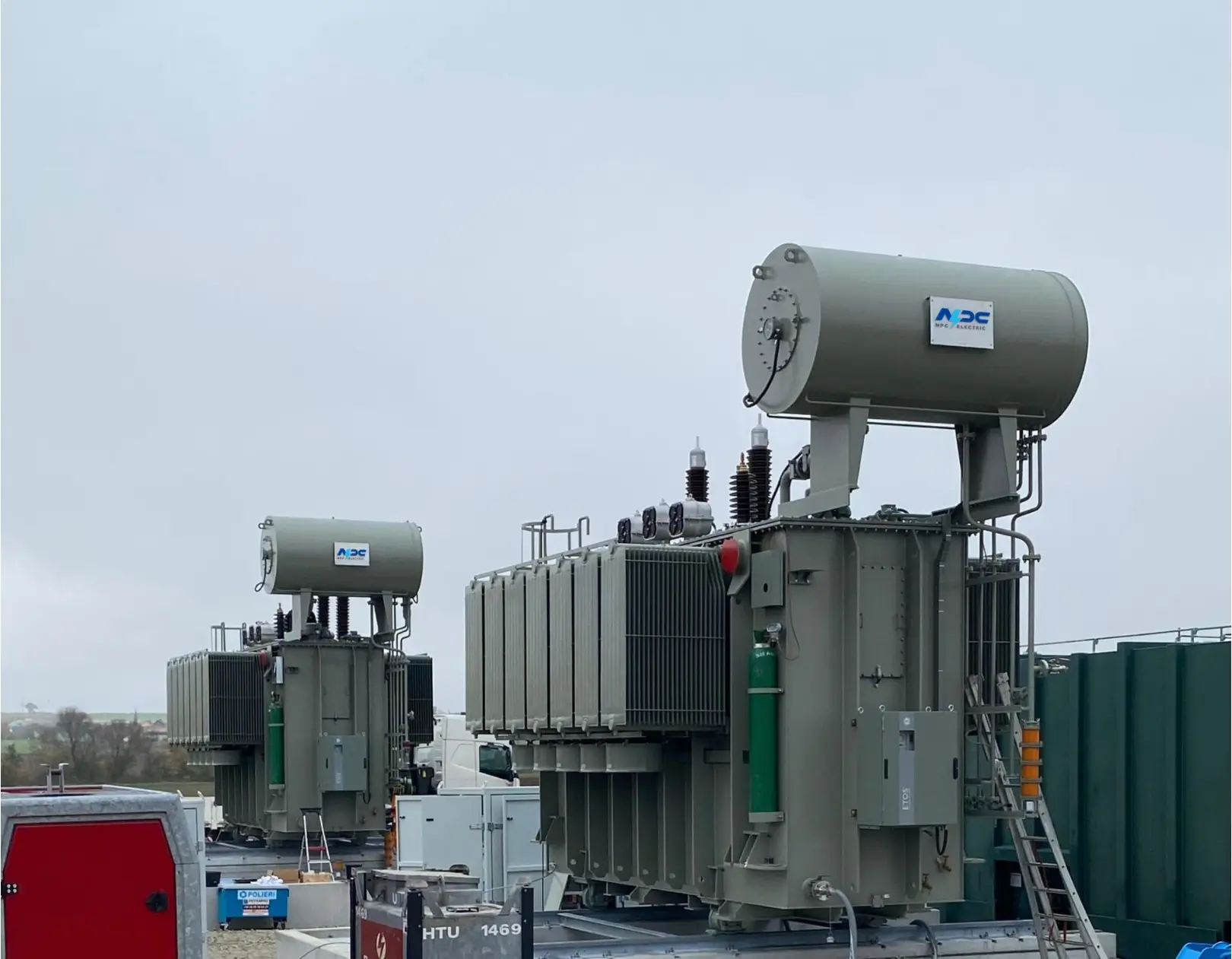
138kV / 140kV / 150kV Three-Phase Oil-Immersed Power Transformer
The 138kV / 140kV / 150kV Three-Phase Oil-Immersed Power Transformer is designed to serve high-voltage transmission and substation applications requiring dependable energy transfer and long-term operational stability. Its design emphasizes electrical reliability, structural strength, and efficient thermal management to support continuous service under varying grid loads. The transformer employs a refined magnetic circuit and carefully engineered winding structure to maintain voltage accuracy while minimizing operational stress. An oil-immersed insulation and cooling system ensures effective heat dissipation and insulation integrity throughout extended operating cycles. Built for outdoor installation, the transformer is capable of withstanding environmental exposure, electrical fluctuations, and mechanical demands associated with modern high-voltage networks. It is suitable for utility-scale projects where safety, efficiency, and durability are essential performance criteria.Welcome your inquiry
Honesty, Integrity, Frugality, Activeness and Passion