
Best AC Transformer Solutions for Power Utilities and Industrial Facilities
2026-01-09
In modern power systems, AC transformers play a crucial role in voltage regulation, energy distribution, and electrical safety. Whether in large substations or industrial production lines, selecting the right AC transformer ensures stable power quality, protects critical equipment, and improves overall operational efficiency. As power grids continue to expand and equipment loads increase, transformers not only need high-efficiency energy conversion capabilities but must also maintain long-term reliable operation in complex environments such as high temperature, high humidity, dust, and high load impacts.
Today, power companies and industrial users have increasingly stringent requirements for transformers. They prefer modern AC transformers with high reliability, flexible configuration, remote monitoring capabilities, and low maintenance requirements. Simultaneously, to meet the development trends of smart grids and automated factories, transformer design is increasingly emphasizing intelligence, including functions such as temperature monitoring, oil quality monitoring, load management, and fault early warning, ensuring the power system maintains safe and stable operation under various conditions.
1. What Is an AC Transformer?
An AC transformer is a device that transfers electrical energy between two AC circuits through electromagnetic induction. It adjusts voltage levels while maintaining electrical isolation. AC transformers are widely used in:
-
Power utilities
-
Industrial equipment
-
HVAC systems
-
Security and control systems
-
Low-voltage electronics
-
Commercial buildings
Because of their efficiency and scalability, AC transformers remain essential in both medium-voltage and low-voltage environments.
2. AC Transformer Solutions for Power Utilities
1) Medium-Voltage Distribution Transformers
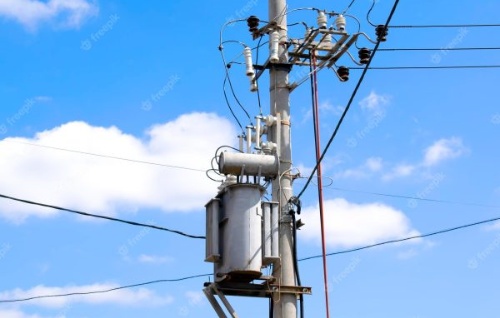
Used in substations and distribution networks, these transformers step the voltage down from transmission levels to utility distribution levels.
Benefits:
-
High reliability
-
Energy-efficient core designs
-
Low noise & reduced losses
-
Suitable for continuous operation
2) AC Transformer for Industrial Switchgear
Industrial plants rely on robust transformers to feed motors, automation systems, and control units. These transformers can handle harsh conditions, variable loads, and long duty cycles.
3) Units Supporting AC–DC Conversion
With the rising use of renewable energy and DC-based equipment, AC transformers work together with converters to support systems that transform DC to AC and regulate voltage in hybrid networks.
3. Low-Voltage AC Transformer Solutions for Industrial Facilities
1) 24V AC Transformer
Common in:
-
HVAC systems
-
Access control
-
Fire alarm panels
-
Industrial sensors
The 24V AC transformer provides safe, low-voltage power ideal for control circuits.
2) 12V AC Transformer
Used in:
-
Security cameras
-
Lighting systems
-
Gate openers
-
Electronic devices
The 12V AC transformer is widely chosen for compact, low-power applications.
3) AC Adaptor Class 2 Transformer
A Class 2 transformer is designed with safety and power limitations (typically 100 VA or less), making it suitable for:
-
Doorbell systems
-
Thermostats
-
Consumer electronics
-
Residential devices
These transformers provide safe, stable voltage while limiting short-circuit and overload risk.
4. AC to DC Power Transformer Solutions
Although technically the transformer handles AC only, an AC to DC power transformer refers to a transformer combined with:
-
Rectifier
-
Filter
-
Regulator
Together, they convert AC power into a stable DC output. Applications include:
-
Industrial control cabinets
-
Communication equipment
-
LED drivers
-
Automation systems
-
Battery chargers
This is commonly used when a facility needs stable, low-ripple DC power.
5. Transformer for AC Unit (HVAC Applications)
Large commercial and industrial HVAC systems require a transformer for AC units to:
-
Step down high-voltage supply
-
Power control boards
-
Supply thermostats
-
Enable smart HVAC control systems
A reliable transformer ensures continuous HVAC operation, especially in 24/7 facilities such as hospitals, data centers, and manufacturing lines.
6. Choosing the Best AC Transformer Solution
Key Selection Criteria
| Selection Factor | Importance | Notes |
| Voltage & Power Rating | ★★★★★ | Choose 12V / 24V / MV depending on load requirements |
| Application Environment | ★★★★★ | Industrial sites require reinforced insulation & cooling |
| Efficiency | ★★★★☆ | Reduces operating cost and power loss |
| Thermal Performance | ★★★★☆ | HVAC, industrial loads require stable temperature management |
| Certification | ★★★★★ | UL, CE, Class 2 compliance ensures safety |
| Noise Level | ★★★☆☆ | Important in commercial and indoor installations |
| Manufacturer Capability | ★★★★★ | Experience and material quality determine the lifetime |
Recommended Applications
-
Utility-grade step-down transformers for substations
-
Control transformers for machinery
-
24V/12V AC transformers for low-voltage circuits
-
AC adaptor Class 2 transformers for electronics
-
AC to DC power transformers for automation systems
-
Transformers for AC units in HVAC systems
Modern utilities and industrial facilities rely heavily on a wide range of AC transformer solutions to ensure safe, stable, and efficient power distribution. From large-scale power transformers to compact low-voltage units such as 12V AC transformers, 24V AC transformers, and AC adaptor Class 2 transformers, each type plays a critical role in maintaining a continuous power supply. As industries increasingly integrate digital controls, renewable energy, and hybrid AC–DC systems, transformers capable of AC to DC conversion and supporting systems that transform DC to AC are becoming even more essential.
Selecting the right transformer not only improves operational efficiency but also reduces downtime, enhances equipment protection, and supports long-term reliability—making it a key investment for any utility or industrial facility.

Related Articles
Related Products
AMHERST AAAC Conductor Cable
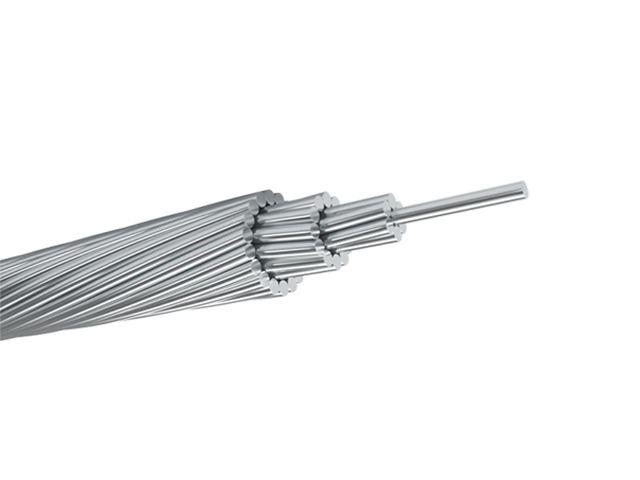
AMHERST AAAC (All Aluminum Alloy Conductor) cables comply with ASTM B399 standards and offer high strength, good conductivity, and excellent corrosion resistance. With 300 mm² nominal area and 37-strand design, it uses heat-treated aluminum-magnesium-silicon alloy (6201-T81) for enhanced strength (295 MPa min) and conductivity (53% IACS min). Meeting ASTM B398, B399, IEC 61089, and BS EN 50182 standards, this cable handles ampacity up to 700A at 75°C and voltages up to 33kV. The all-alloy construction avoids bimetallic corrosion, providing better resistance in harsh conditions than ACSR. Reduced weight minimizes sag and installation expenses, supporting longer spans. The Amherst AAAC Conductor Cable delivers low electrical losses, high mechanical endurance, and excellent weather tolerance. Flame-retardant variants available. Perfect for urban grids, renewable projects, and coastal setups, it provides cost-effective, low-maintenance power delivery in overhead applications globally, excelling in reliability and lifespan over conventional conductors.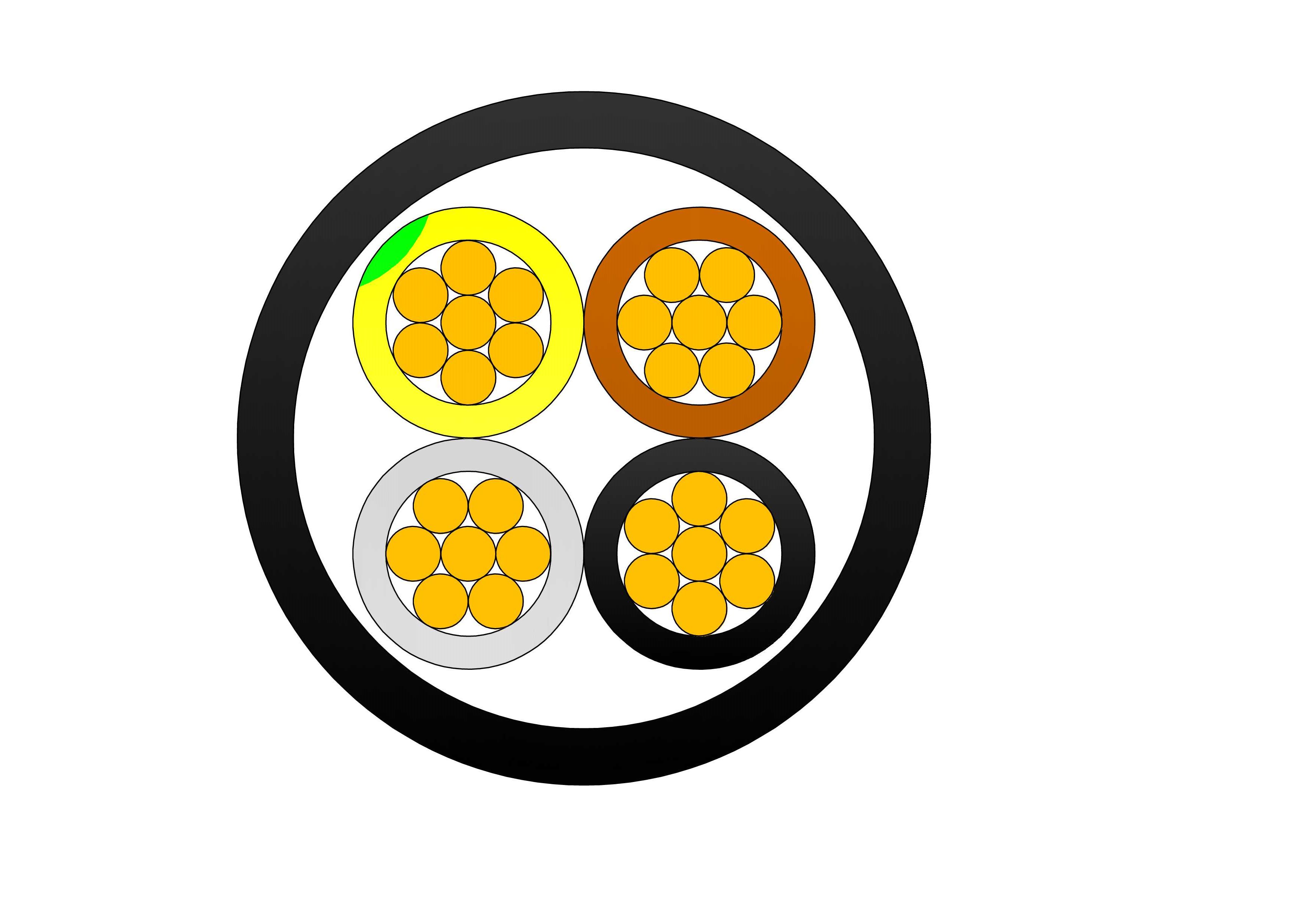
PV SOLAR Aluminum 8000 XLPE Insulated
The PV Solar Aluminum 8000 XLPE Insulated Cable is a lightweight, high-efficiency solar cable designed for photovoltaic power generation systems. It features 8000 series aluminum alloy conductors for excellent conductivity and flexibility, cross-linked polyethylene (XLPE) insulation for superior thermal, UV, and weather resistance, and is suitable for both DC and AC applications. Compliant with TÜV 2PfG 1169 / EN 50618 and UL 4703 standards, this cable offers low voltage drop, high current-carrying capacity, and long service life in harsh outdoor environments. The PV Solar Aluminum 8000 XLPE Insulated Cable significantly reduces weight and installation costs compared to copper cables while maintaining reliable performance. It is widely used in solar farms, rooftop PV systems, and ground-mounted installations requiring cost-effective, durable, and high-performance cabling solutions.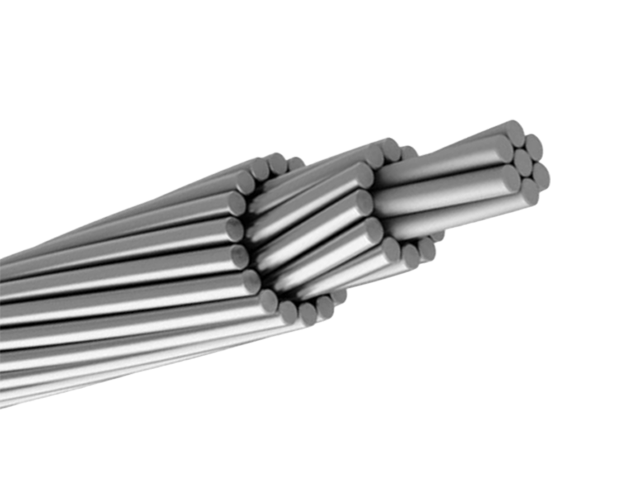
ALL ALUMINUM CONDUCTORS(AAC)
All Aluminum Conductors (AAC) are essential for overhead power transmission and distribution, constructed from concentrically stranded hard-drawn 1350 aluminum wires. Known for their superior electrical conductivity—up to 61.2% IACS—these conductors minimize energy losses, making them cost-effective for urban and rural grids. Lighter than steel-reinforced options, AAC simplifies installation and reduces structural demands on poles and towers. Their excellent corrosion resistance suits moderate environments, though they exhibit higher sag in long spans compared to alloys. Compliant with standards like ASTM B231 and IEC 60889, AAC is available in various sizes, from small distribution lines to higher voltage applications. The stranded design enhances flexibility and durability against wind and ice loads. Ideal for primary and secondary overhead lines, AAC supports efficient power delivery with minimal maintenance. By optimizing conductivity and weight, these conductors contribute to sustainable energy infrastructure, reducing operational costs and enhancing reliability in standard utility setups. Their recyclability aligns with eco-friendly practices in modern electrical networks.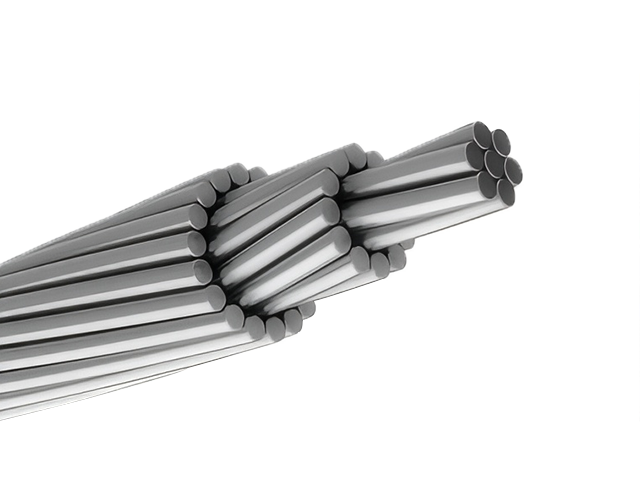
2 AWG SPARROW ACSR Conductor Cable
The 2 AWG SPARROW ACSR (Aluminum Conductor Steel Reinforced) cable, compliant with ASTM B232, ABNT NBR 7270/88, and IEC 61089 standards, is engineered for dependable performance in overhead transmission and distribution systems. Featuring a stranded 1350-H19 aluminum conductor for excellent electrical conductivity and a single galvanized steel core for enhanced mechanical strength, this cable is ideal for medium to long-span installations in suburban, agricultural, and utility networks. With a voltage rating of up to 25 kV, an operating temperature range of -10°C to +75°C, and a short-circuit tolerance of up to 150°C (5s), the SPARROW ACSR ensures reliable conductivity, corrosion resistance, and durability under wind and ice loading. Its lightweight, bare aluminum design with a corrosion-resistant steel core simplifies installation and ensures a long service life in diverse outdoor environments. Ampacity is calculated under standard conditions (conductor temperature: 75°C; ambient temperature: 25°C; wind speed: 1 m/s; full sun exposure).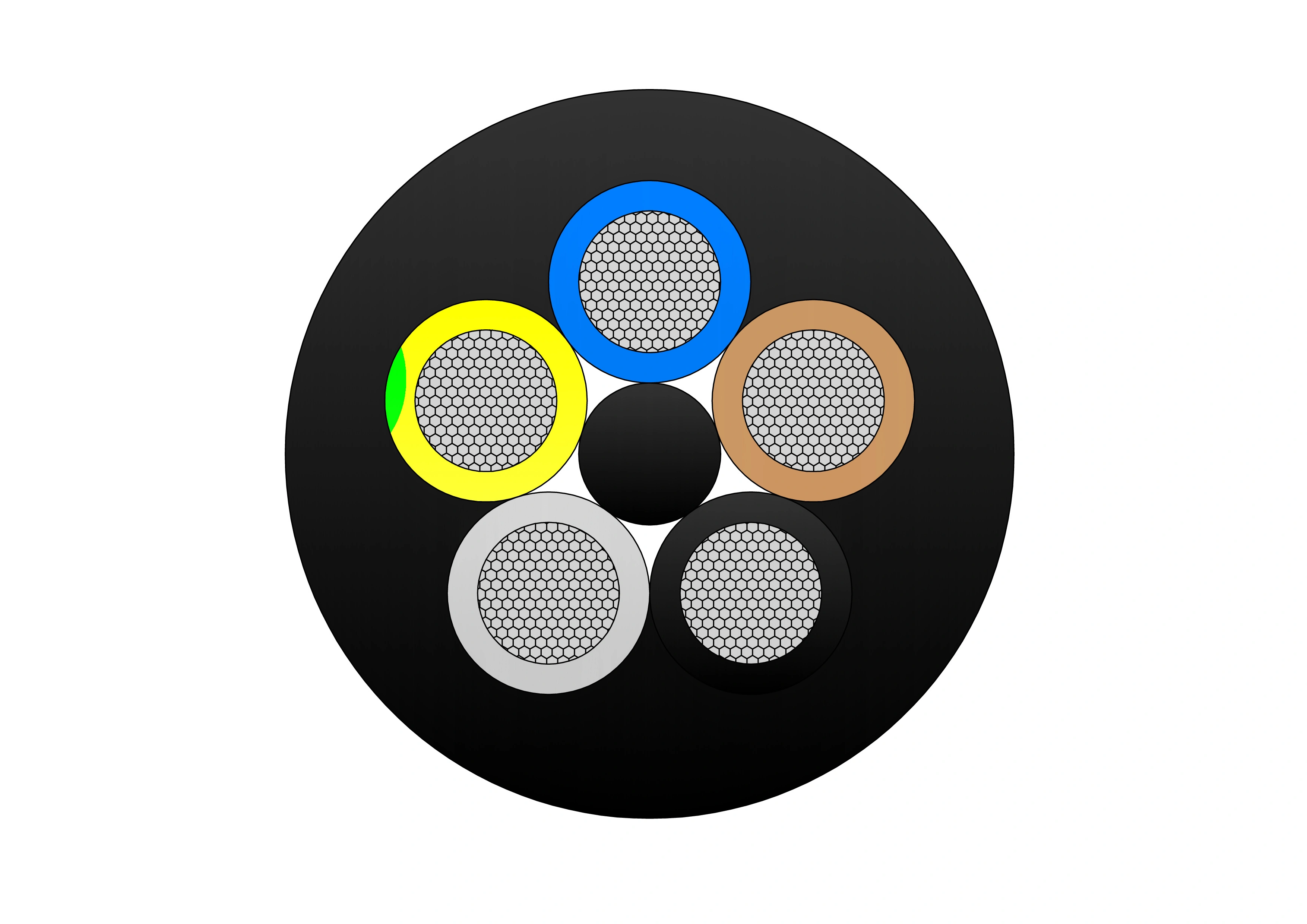
NTSCGEWOU 3.6/6kV, 6/10kV, 8.7/15kV, 12/20kV Cable
The NTSCGEWOU 3.6/6kV, 6/10kV, 8.7/15kV, 12/20kV Cable is a high-performance flexible medium-voltage trailing/reeling cable engineered for extreme mining and tunneling conditions. It comprises class 5 finely stranded tinned copper phase conductors for superior flexibility and corrosion resistance, semi-conductive conductor and insulation screens for field control, EPR insulation for excellent dielectric strength and 90°C continuous operation, copper wire braid screen for EMI protection and grounding, control conductors, monitoring conductor (ÜL), and a durable rubber outer sheath resistant to oil, flame, abrasion, tearing, and mechanical stress. Compliant with DIN VDE 0250, it handles high tensile loads, fast reeling speeds, tight bending radii, and effective EMC shielding across all voltage levels. The NTSCGEWOU delivers safe, reliable MV power to mobile equipment such as shearers, tunnel boring machines, draglines, and conveyors in harsh underground and opencast environments, minimizing downtime and ensuring long-term operational efficiency.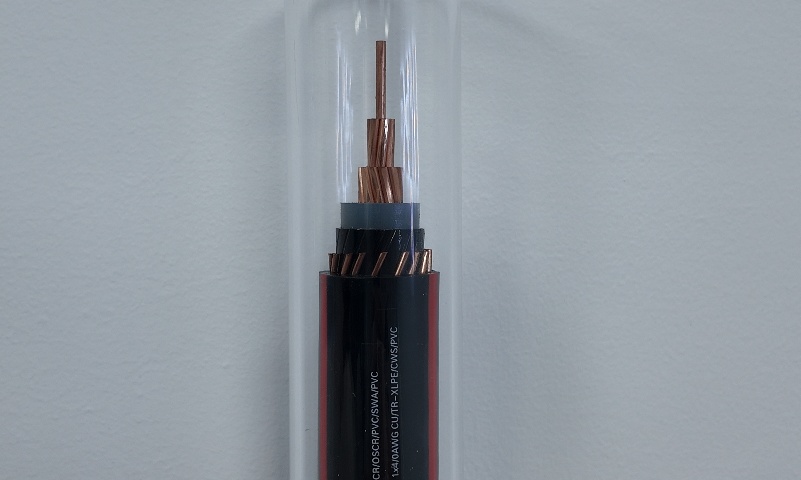
Single Conductor URD Cable
The Single Conductor URD Cable is a reliable and economical 600V underground residential distribution cable engineered for service entrance and secondary power delivery. It features a stranded AA8000 aluminum alloy conductor with XLPE insulation and a concentrically stranded aluminum alloy neutral, all protected by a durable black polyethylene sheath. This single conductor design provides excellent flexibility, high conductivity, and superior moisture resistance, making it suitable for direct burial or conduit installations. Lightweight and corrosion-resistant, the Single Conductor URD Cable is a practical alternative to copper cables while maintaining strong mechanical performance. Manufactured to UL 854 and ICEA standards, it undergoes extensive quality testing to ensure consistent performance and long service life in underground environments.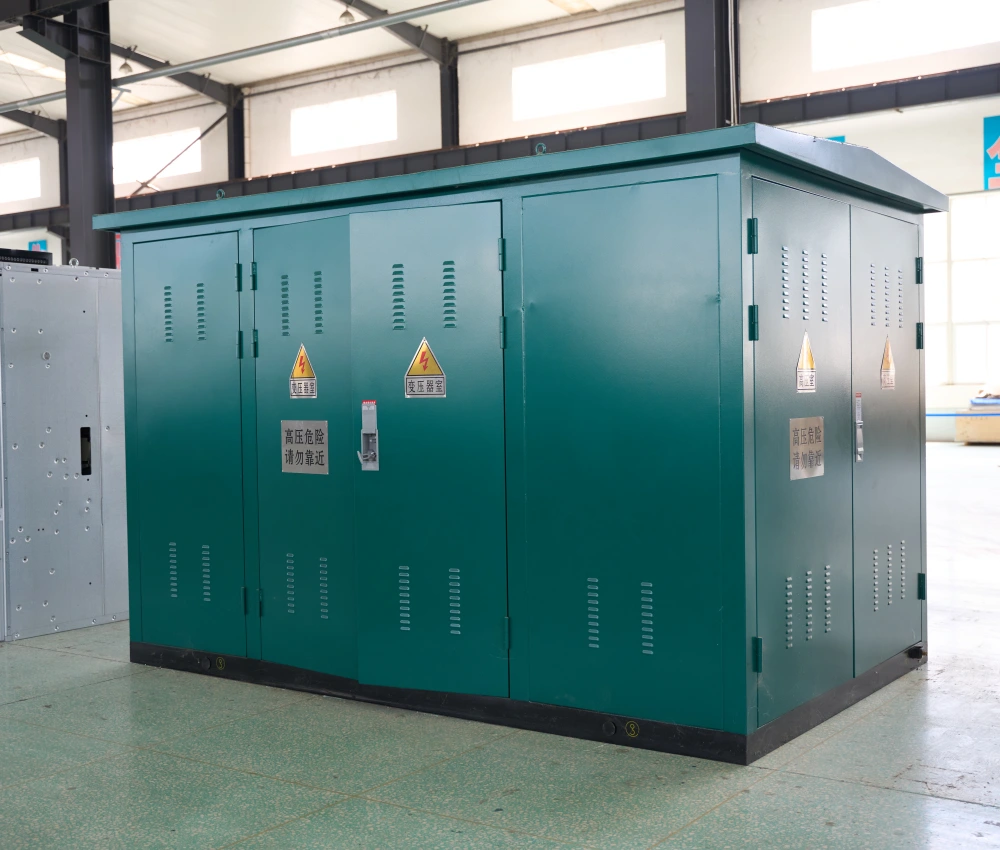
Outdoor Prefabricated Transformer Substation
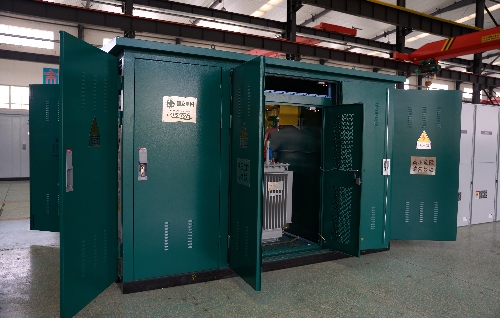
The Outdoor Prefabricated Transformer Substation is an integrated medium-voltage power distribution solution designed for outdoor installation in industrial, commercial, utility, and renewable energy applications. The system combines medium-voltage switchgear, distribution transformer, low-voltage distribution equipment, and intelligent control systems into a compact prefabricated enclosure, providing efficient and reliable power transformation while minimizing construction time and installation costs. Engineered for harsh environmental conditions, the outdoor substation features a weather-resistant enclosure, corrosion-protected structure, advanced insulation technology, and optimized thermal ventilation system to ensure long-term operational stability. Its modular design allows rapid deployment, simplified transportation, and flexible installation while improving maintenance accessibility and operational safety. The Outdoor Prefabricated Transformer Substation supports multiple voltage levels, transformer capacities, and intelligent automation functions, making it suitable for utility distribution systems, renewable energy projects, urban infrastructure, mining facilities, transportation networks, and industrial manufacturing plants. With smart-grid compatibility and customizable configurations, the substation provides efficient and scalable electrical distribution performance for modern power networks.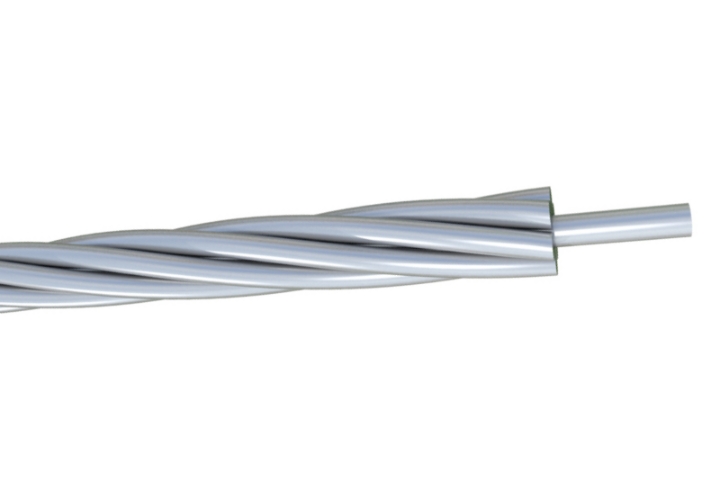
High Quality 16 Gauge Galvanized Steel Conductor Wire Supplier
The 16 Gauge Galvanized Steel Conductor Wire is a versatile and durable solution for electrical and construction applications. Made from premium steel and coated with a high-quality zinc layer through hot-dip galvanization, it provides superior resistance to corrosion and environmental wear. This wire is engineered to deliver consistent tensile strength while maintaining flexibility, making it suitable for grounding systems, fencing, and binding applications. The 16-gauge size ensures easy handling and adaptability for various installation requirements. Its uniform zinc coating enhances longevity and reduces maintenance costs, especially in outdoor environments exposed to moisture and chemicals. Manufactured under strict quality control systems, the wire meets international standards for performance and reliability. With customizable specifications such as coating thickness and tensile strength, the 16 Gauge Galvanized Steel Conductor Wire is widely trusted by contractors and industrial users for its durability and cost-effectiveness.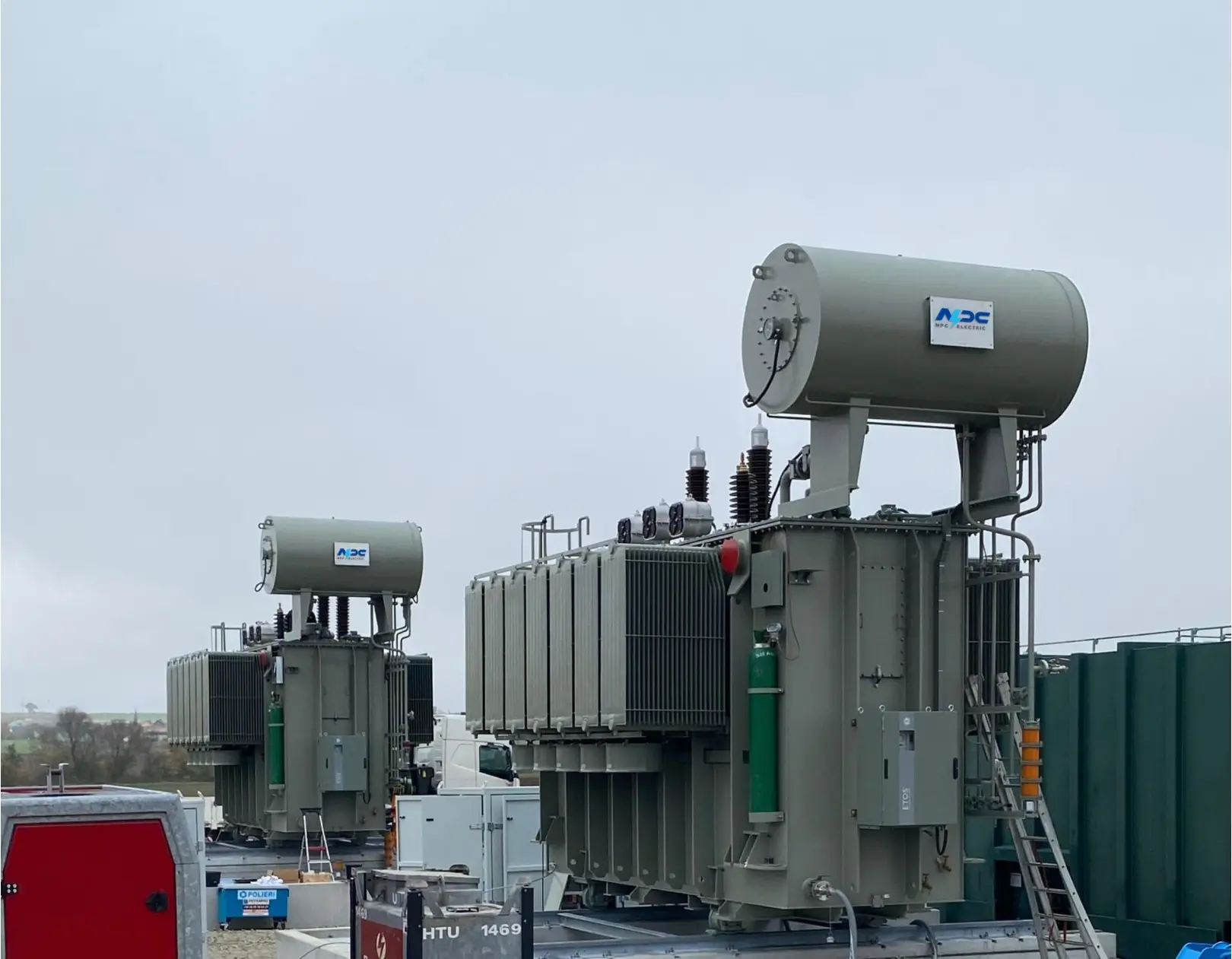
230kV 3-Phase Step-Down Power Transformer
The 230kV 3-Phase Step-Down Power Transformer is designed to reduce high transmission voltages to suitable distribution levels while maintaining excellent efficiency and operational stability. Engineered for utility substations and large-scale grid interfaces, this transformer ensures safe and controlled power delivery from high-voltage networks to regional or industrial distribution systems. Its oil-immersed insulation system provides strong dielectric protection and efficient thermal dissipation, enabling reliable continuous operation under varying load conditions. Precision core construction and optimized winding layout help minimize energy losses and voltage fluctuation. The transformer’s robust mechanical design enhances resistance to short-circuit forces and thermal stress, supporting long service life and low maintenance. This solution is ideal for modern power grids requiring dependable voltage transformation and efficient energy management.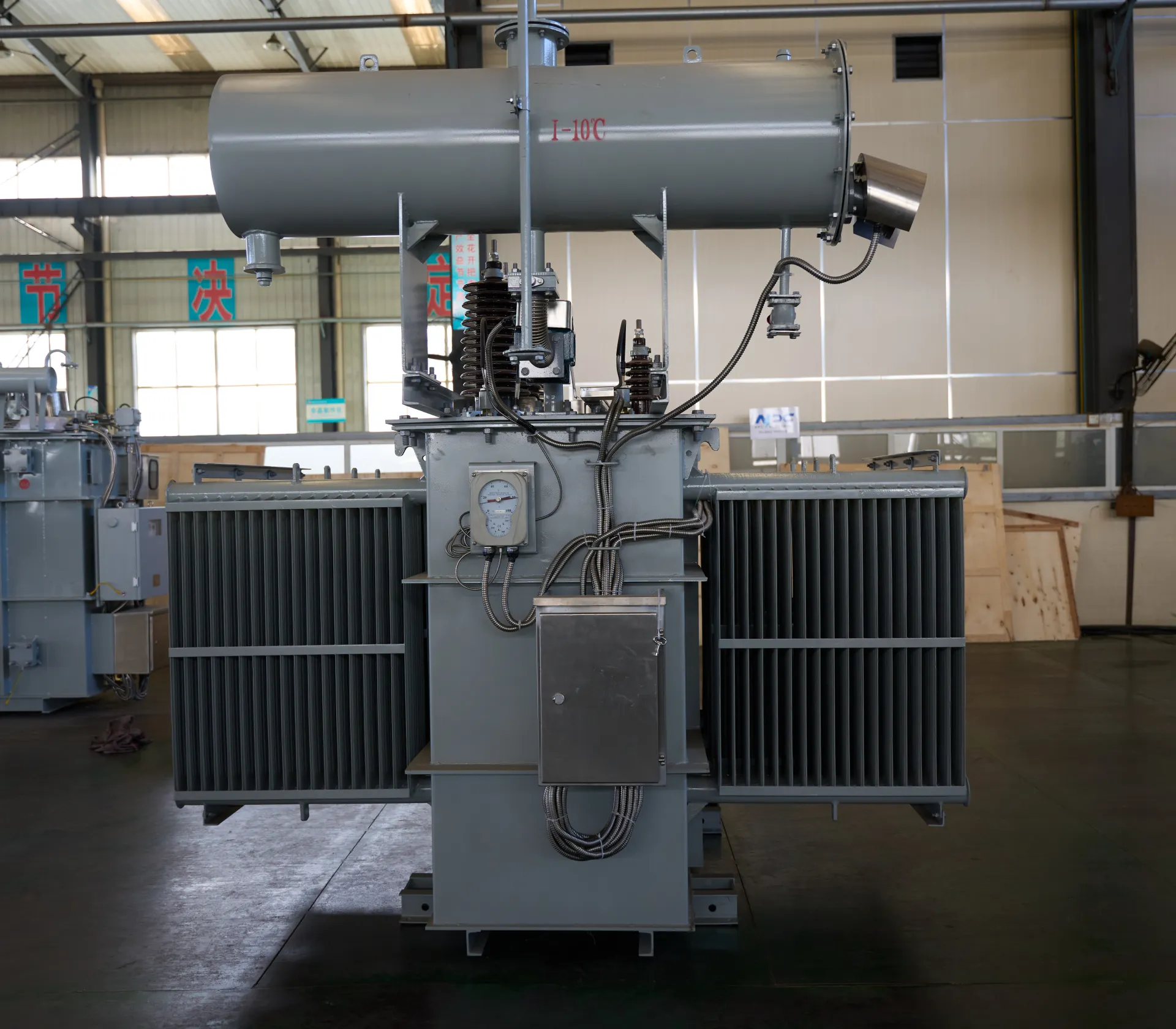
11kV – 33kV Solar Inverter Duty Transformer Up to 20MVA
The Reliable Solar Inverter Duty Transformer for Renewable Energy applications is engineered to support modern photovoltaic systems with capacities up to 20MVA and voltage levels from 11kV to 33kV. Designed to interface directly with solar inverters, this transformer ensures stable voltage conversion, excellent harmonic tolerance, and consistent performance under fluctuating generation conditions typical of renewable energy plants. The transformer adopts a robust oil-immersed structure with optimized thermal management to handle continuous load cycling and high ambient temperatures. Advanced magnetic core materials reduce no-load losses, while reinforced insulation systems improve dielectric strength and operational lifespan.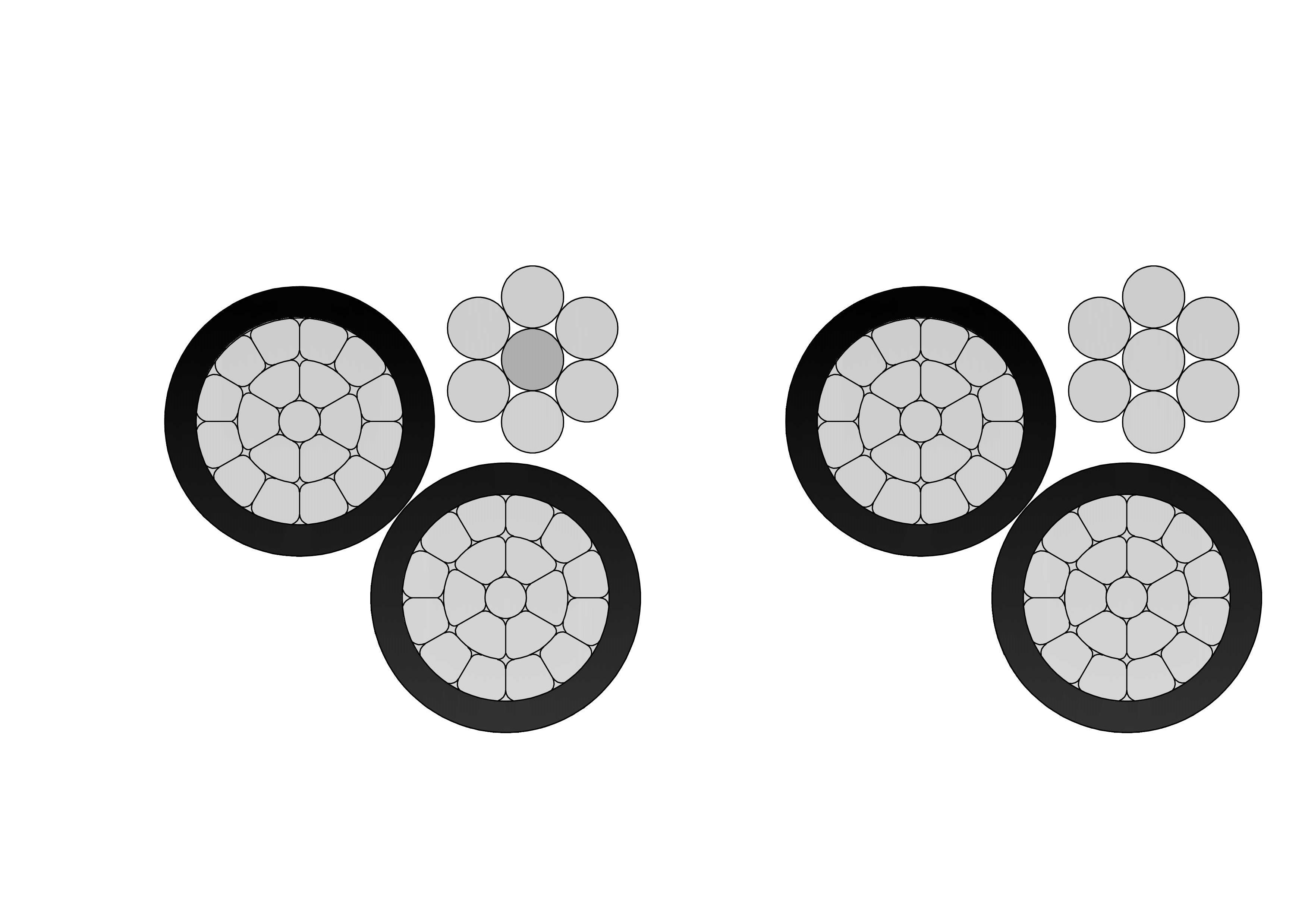
3/0 Flustra Aluminum Conductor Triplex Overhead Service Drop Cable
The 3/0 Flustra Triplex Aluminum Overhead Service Drop Cable is a highly durable, weather-resistant cable designed for power distribution from utility poles to residential or light commercial buildings. This triplex cable includes two phase conductors and one bare neutral messenger, typically made of AAAC (All-Aluminum Alloy Conductor), providing both support and a current return path. With a voltage rating of 600V phase-to-phase and XLPE (Cross-Linked Polyethylene) insulation, this cable is built for high performance and reliability in aerial applications. The cable structure consists of two insulated aluminum phase conductors helically wrapped around a bare aluminum neutral messenger, providing stable electrical transmission and strong mechanical support. Manufactured using high-purity aluminum and weather-resistant insulation compounds, the 3/0 Flustra Aluminum Conductor Triplex Overhead Service Drop Cable delivers low electrical resistance, excellent corrosion resistance, and long-term durability in outdoor environments. Its optimized conductor design supports efficient installation while maintaining the tensile strength required for aerial service applications.
Medium Voltage Unarmored Power Cable
The Medium Voltage Unarmored Power Cable is designed for efficient power transmission and distribution in utility, industrial, and commercial electrical networks. Manufactured with high-conductivity copper or aluminum conductors, advanced XLPE insulation, metallic screening, and a durable outer sheath, the cable delivers excellent electrical performance and long-term operational reliability. Designed for voltage ratings from 3.6/6kV up to 26/35kV, the cable provides superior dielectric strength, low insulation losses, and excellent thermal stability. The absence of armouring reduces cable weight and improves installation flexibility, making it particularly suitable for installations within cable trays, ducts, tunnels, and protected environments. The outer sheath provides reliable protection against moisture, chemicals, UV radiation, and environmental exposure. Manufactured according to IEC 60502-2 and international standards, the cable is widely used in substations, power plants, renewable energy facilities, industrial complexes, and utility distribution systems. The Medium Voltage Unarmored Power Cable offers a cost-effective, lightweight, and reliable solution for modern medium-voltage power transmission applications.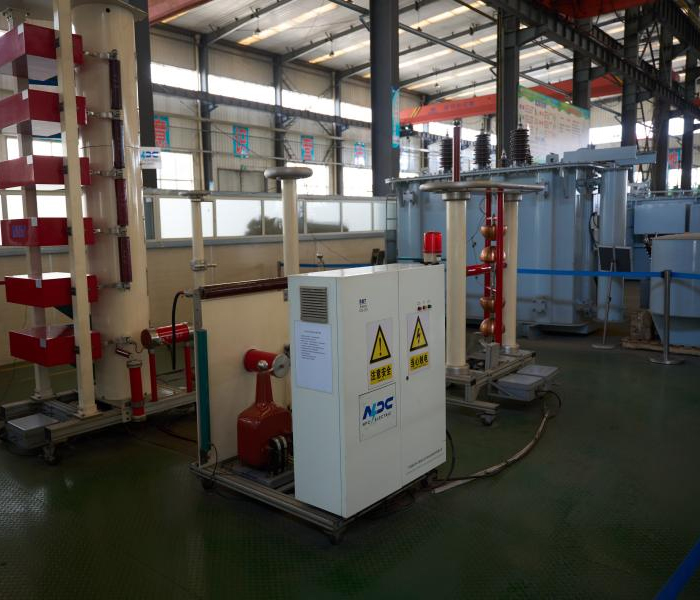
630kVA Dry Type Transformer
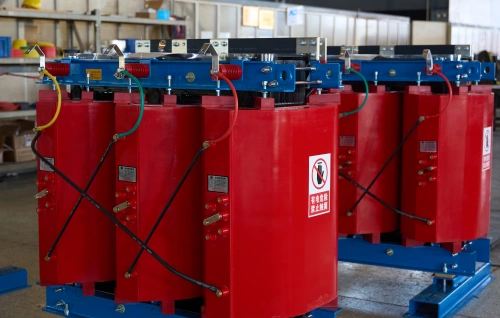
NPC ELECTRIC 630kVA Dry-Type Transformer is a compact, oil-free solution for reliable power distribution. With advanced insulation and cooling systems, it ensures safe, low-maintenance operation, making it ideal for industrial and commercial applications. Offering 630kVA capacity, it delivers efficient, environmentally friendly, and cost-effective performance. Compliant with DOE amended energy conservation standards (finalized 2024, mandatory from April 23, 2029, with 20% loss reduction for three-phase low-voltage dry-type units), ANSI/IEEE C57.12.01, NEMA ST-20, UL 1561, and CSA standards, this low-voltage (≤600V) transformer minimizes no-load losses, runs cooler, and prioritizes fire safety without oils or fluids.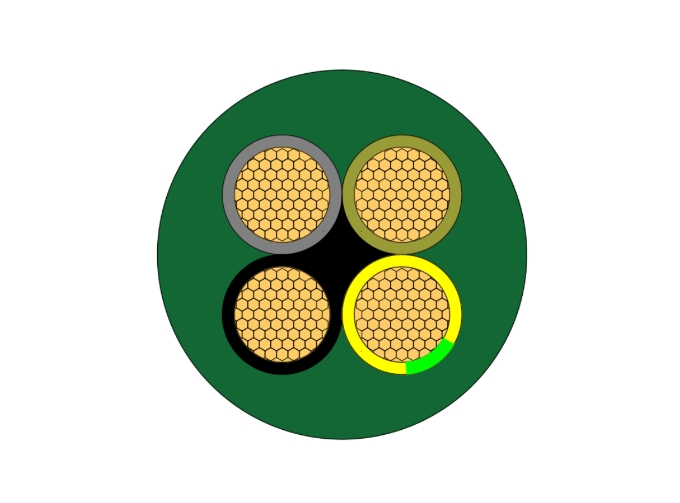
RZ1-K XLPE LSZH Flexible Cable
RZ1-K XLPE LSZH Flexible Cable is for installation where fire,smoke emission and toxic fumes create a potential threat to life and equipment. A flexible power and control cable designed for fixed applications.Manufactured with flexible conductors with halgon free cables. Excellent flexibility allows tight bending radii, simplifying installation in complex routing. Resistant to oils, chemicals, and moisture, the RZ1-K XLPE LSZH Flexible Cable offers superior thermal performance and long service life.
2/3 Cores SWA Armoured Cable
The 2/3 Cores SWA Armoured Cable 0.6/1kV CU/XLPE/SWA/PVC is a heavy-duty low voltage power cable designed for installations requiring superior mechanical protection. It features 2 or 3 stranded copper conductors, cross-linked polyethylene (XLPE) insulation for excellent thermal and electrical performance, galvanized steel wire armour (SWA) for high crush, impact, and tensile strength, and a durable PVC outer sheath. Rated for 0.6/1kV, this cable provides high current-carrying capacity, low voltage drop, and long-term reliability in harsh environments. Manufactured according to IEC 60502-1, the 2/3 Cores SWA Armoured Cable 0.6/1kV is ideal for direct burial, underground ducts, cable trays, and exposed installations. Its strong steel wire armour offers outstanding protection against external mechanical stresses, rodents, and impacts. It is widely used in industrial plants, substations, commercial buildings, and infrastructure projects where safety and durability are critical.Welcome your inquiry
Honesty, Integrity, Frugality, Activeness and Passion