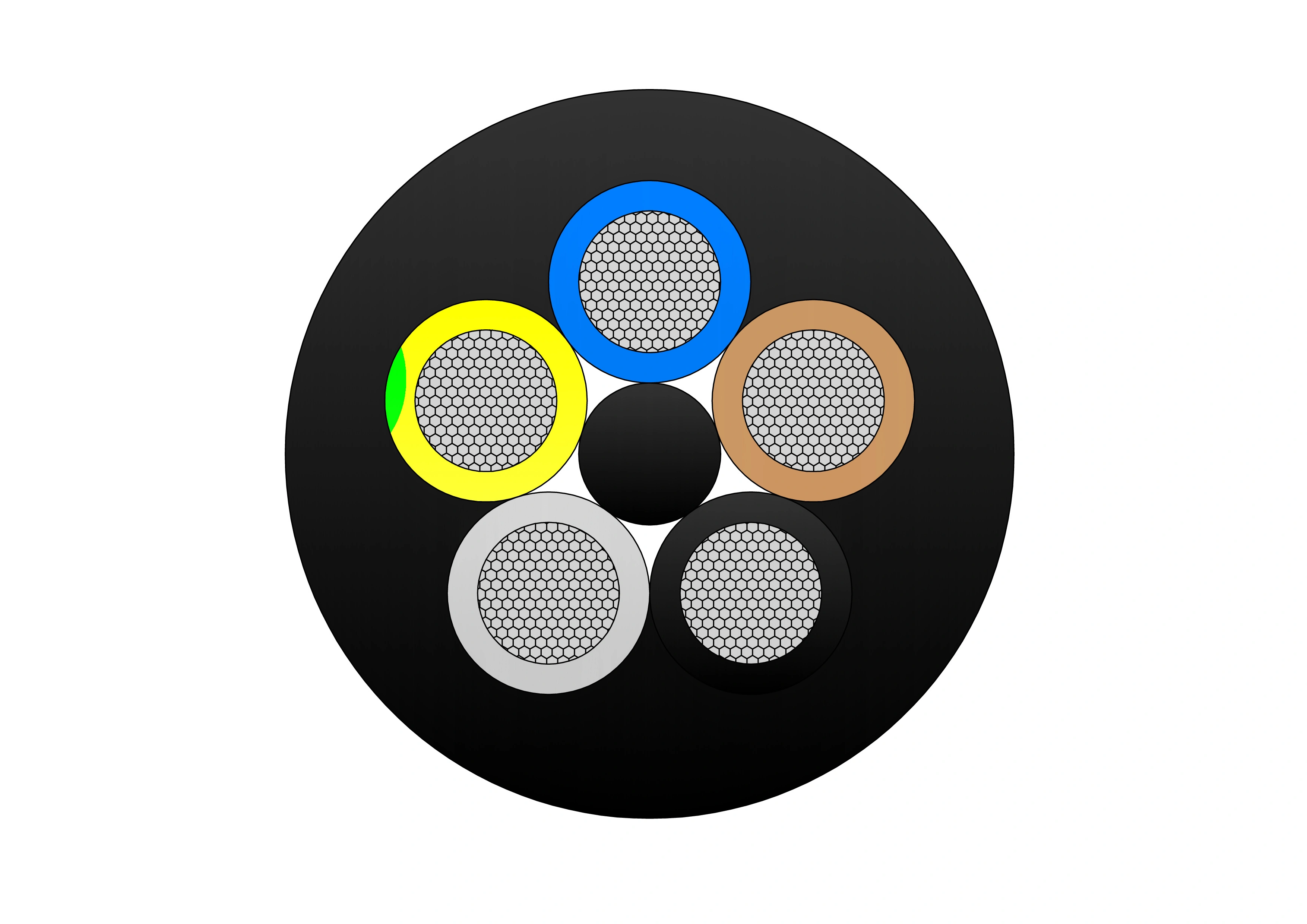

FG7H1OAR - 3.6/6kV, 6/10kV, 8.7/15kV and 12/20kV Cable
The FG7H1OAR - 3.6/6kV, 6/10kV, 8.7/15kV and 12/20kV Cable is a high-quality medium-voltage power cable designed for reliable fixed installations in demanding environments. It features stranded copper or aluminum conductors (class 2), semi-conductive conductor screen, XLPE (cross-linked polyethylene) insulation for excellent dielectric strength and thermal stability (90°C continuous, 250°C short-circuit), semi-conductive insulation screen, copper tape or wire screen for grounding and protection, optional armor (steel tape/wire), and a robust PVC or PE outer sheath resistant to mechanical stress, oils, chemicals, and UV. Compliant with IEC 60502-2 and equivalent standards (e.g., VDE, national codes), it offers low capacitance, high current-carrying capacity, and long service life. Available in single-core or multi-core configurations, the FG7H1OAR is ideal for power distribution in industrial plants, mining facilities, substations, and underground networks where safety, durability, and performance are critical.
- Voltage Rating Uo/U 3.6/6kV | 6/10kV | 8.7/15kV | 12/20kV
-
Test Voltage
3.6/6kV: 12.5kV
6/10kV: 21kV
8.7/15kV: 30.5kV
12/20kV: 42kV -
Temperature Rating
Fixed: -40°C to +80°C
Flexed: +5°C to +80°C -
Minimum Bending Radius
Fixed: 6 x overall diameter
Flexed: 10 x overall diameter - Maximum Short Circuit Temperature +250°C
Construction
Technical Specifications
Quality Control
Application
Construction
FG7H1OAR - 3.6/6kV, 6/10kV, 8.7/15kV and 12/20kV Cable Constrution
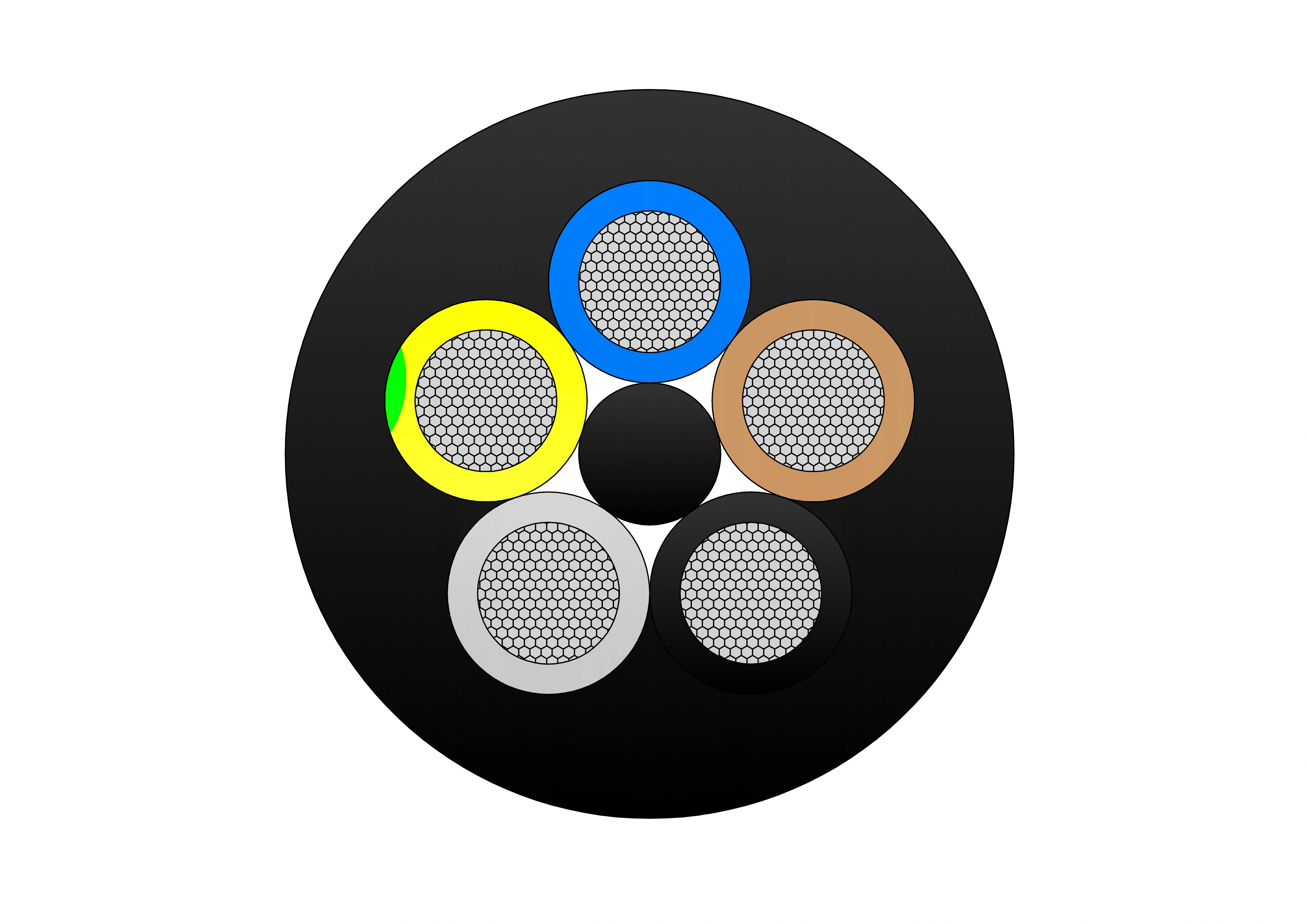
Phase Conductor
Class 5 tinned copper
Insulation
HEPR (Hard Ethylene Propylene Rubber)
Protective Earth Conductor
Individual copper wire braid
Central Filler
Rubber compound on a polyester textile support
Inner Sheath
PVC (Polyvinyl Chloride)
Armour
Steel wire braid over the inner sheath
Outer Sheath
PVC (Polyvinyl Chloride)
Sheath Colour
Red
Manufacturer Standard
IEC 60502-2, IEC 60228
Flame Retardant
IEC/EN 60332-1-2
Control Conductor
Class 5 tinned copper conductor
Semi-Conductive Layers
Semi-conductive tape over the conductor and inner and outer
semi-conductive rubber layer on the insulation
semi-conductive rubber layer on the insulation
Application
FG7H1OAR - 3.6/6kV, 6/10kV, 8.7/15kV and 12/20kV Cable is used for medium-voltage energy supply to equipment in tunneling and underground mining operations. It is suitable for both indoor and outdoor fixed installations under demanding conditions.
Technical Specifications
FG7H1OAR - 3.6/6kV, 6/10kV, 8.7/15kV and 12/20kV Cable
FG7H1OAR 3.6/6kV Cable
FG7H1OAR 6/10kV Cable
FG7H1OAR 8.7/15kV Cable
FG7H1OAR 12/20kV Cable
|
No. Of Cores |
Nominal Cross Sectional Area mm² |
CONDUCTOR DIAMETER |
MINIMUM OVERALL DIAMETER |
MAXIMUM OVERALL DIAMETER |
MAXIMUM TENSILE LOAD |
NOMINAL WEIGHT |
|
|
Phase Conductor |
Earth Conductor |
mm | mm | mm | N | kg/km | |
| 3+3 | 25 | 2.5ST | 6.1 | 36.3 | 40.2 | 1125 | 2250 |
| 3+3 | 35 | 2.5ST | 7.2 | 38.8 | 43.0 | 1575 | 3200 |
| 3+3 | 50 | 2.5ST | 8.9 | 42.5 | 47.0 | 2250 | 3860 |
| 3+3 | 70 | 2.5ST | 10.6 | 46.1 | 50.8 | 3150 | 4630 |
| 3+3 | 95 | 2.5ST | 12.3 | 49.9 | 55.0 | 4275 | 5680 |
| 3+3 | 120 | 2.5ST | 13.8 | 56.8 | 62.5 | 5400 | 7010 |
| 3+3 | 150 | 2.5ST | 15.5 | 57.8 | 63.5 | 6750 | 7910 |
| 3+3 | 185 | 2.5ST | 17.0 | 61.2 | 67.1 | 8225 | 9060 |
|
No. Of Cores |
Nominal Cross Sectional Area mm² |
CONDUCTOR DIAMETER |
MINIMUM OVERALL DIAMETER |
MAXIMUM OVERALL DIAMETER |
MAXIMUM TENSILE LOAD |
NOMINAL WEIGHT |
|
|
Phase Conductor |
Earth Conductor |
mm | mm | mm | N | kg/km | |
| 3+3 | 25 | 2.5ST | 6.1 | 36.3 | 40.8 | 1125 | 2290 |
| 3+3 | 35 | 2.5ST | 7.2 | 38.8 | 43.6 | 1575 | 3240 |
| 3+3 | 50 | 2.5ST | 8.9 | 42.5 | 47.6 | 2250 | 3900 |
| 3+3 | 70 | 2.5ST | 10.6 | 46.1 | 51.4 | 3150 | 4670 |
| 3+3 | 95 | 2.5ST | 12.3 | 49.9 | 55.6 | 4275 | 5720 |
| 3+3 | 120 | 2.5ST | 13.8 | 56.8 | 63.2 | 5400 | 7050 |
| 3+3 | 150 | 2.5ST | 15.5 | 57.8 | 64.2 | 6750 | 7950 |
| 3+3 | 185 | 2.5ST | 17.0 | 61.2 | 67.8 | 8225 | 9100 |
|
No. Of Cores |
Nominal Cross Sectional Area mm² |
CONDUCTOR DIAMETER |
MINIMUM OVERALL DIAMETER |
MAXIMUM OVERALL DIAMETER |
MAXIMUM TENSILE LOAD |
NOMINAL WEIGHT |
|
|
Phase Conductor |
Earth Conductor |
mm | mm | mm | N | kg/km | |
| 3+3 | 25 | 2.5ST | 6.1 | 40.9 | 45.2 | 1125 | 3040 |
| 3+3 | 35 | 2.5ST | 7.2 | 42.9 | 47.4 | 1575 | 3470 |
| 3+3 | 50 | 2.5ST | 8.9 | 46.9 | 51.8 | 2250 | 4280 |
| 3+3 | 70 | 2.5ST | 10.6 | 51.5 | 56.7 | 3150 | 5390 |
| 3+3 | 95 | 2.5ST | 12.3 | 55.2 | 60.7 | 4275 | 6420 |
| 3+3 | 120 | 2.5ST | 13.8 | 57.1 | 62.8 | 5400 | 7120 |
| 3+3 | 150 | 2.5ST | 15.5 | 62.1 | 68.2 | 6750 | 8600 |
|
No. Of Cores |
Nominal Cross Sectional Area mm² |
CONDUCTOR DIAMETER |
MINIMUM OVERALL DIAMETER |
MAXIMUM OVERALL DIAMETER |
MAXIMUM TENSILE LOAD |
NOMINAL WEIGHT |
|
|
Phase Conductor |
Earth Conductor |
mm | mm | mm | N | kg/km | |
| 3+3 | 25 | 2.5ST | 6.1 | 43.8 | 48.4 | 1125 | 3410 |
| 3+3 | 35 | 2.5ST | 7.2 | 45.7 | 50.4 | 1575 | 3830 |
| 3+3 | 50 | 2.5ST | 8.9 | 49.3 | 54.4 | 2250 | 4570 |
| 3+3 | 70 | 2.5ST | 10.6 | 54.1 | 59.6 | 3150 | 5760 |
| 3+3 | 95 | 2.5ST | 12.3 | 57.8 | 63.5 | 4275 | 6890 |
| 3+3 | 120 | 2.5ST | 13.8 | 61.0 | 66.9 | 5400 | 7650 |
Quality Control
FG7H1OAR - 3.6/6kV, 6/10kV, 8.7/15kV and 12/20kV Cable
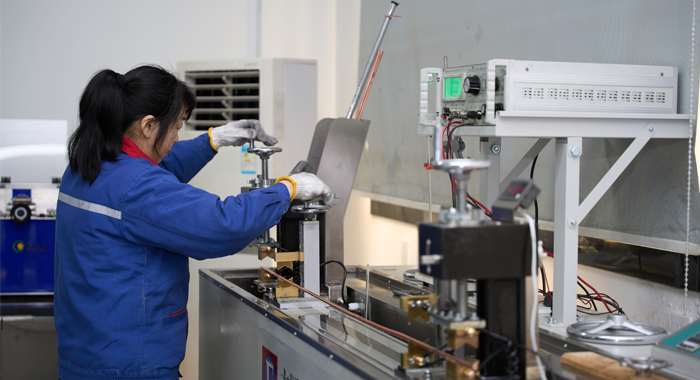
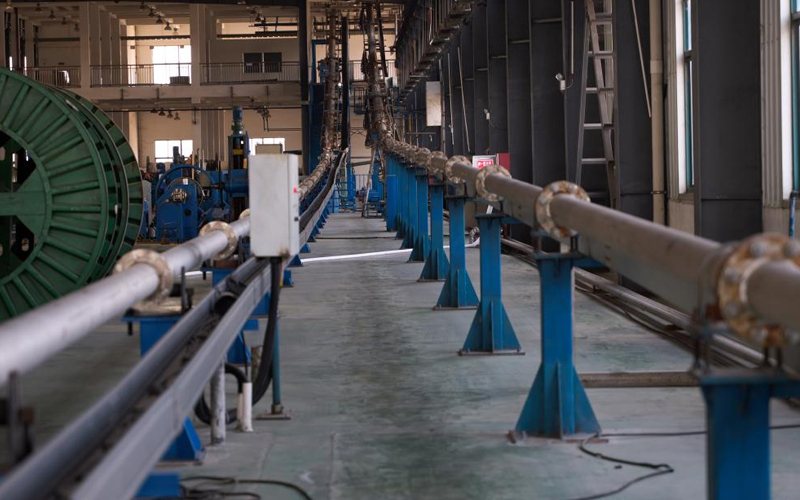
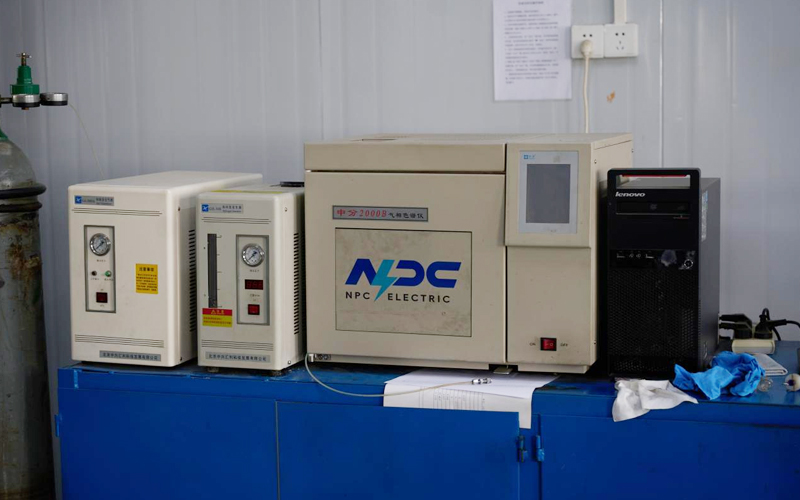
Raw Material Test
Raw Material Test for FG7H1OAR - 3.6/6kV, 6/10kV, 8.7/15kV and 12/20kV Cable ensures premium materials for medium-voltage performance. The structured process includes: Supplier Certification Review: Verify copper/aluminum conductors meet IEC 60228 class 2 for purity (>99.9% Cu or Al), stranding, and conductivity; XLPE insulation compound certified to IEC 60502-2 for electrical and mechanical properties. Conductor Analysis: Test copper/aluminum for tensile strength (>200 MPa Cu / >80 MPa Al), elongation (>10–15%), conductivity (≥97% IACS Cu / ≥61% IACS Al), and surface quality (no oxidation/cracks).Semi-Conductive Compound Testing: Semi-conductive screens evaluated for resistivity (≤1000 Ω·m), adhesion to conductor/insulation, and thermal stability.
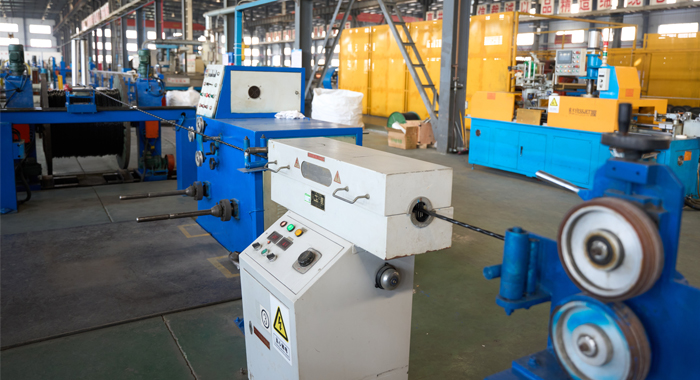
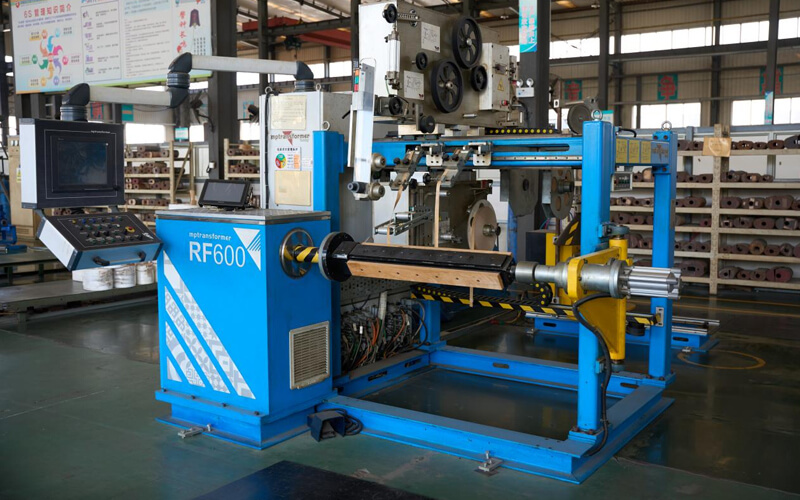
Process inspection
Process Inspection during manufacturing of FG7H1OAR - 3.6/6kV, 6/10kV, 8.7/15kV and 12/20kV Cable maintains precision for MV safety. Steps include: Conductor Stranding: Monitor class 2 stranding for uniform lay length, compactness, and no loose strands. Semi-Conductive & Insulation Extrusion: Apply conductor screen, XLPE insulation, and insulation screen in triple extrusion; inline diameter scanners, eccentricity monitors, and spark testers detect voids/defects.Screening Application: Apply copper tape/wire screen with precise overlap/coverage for effective grounding.Armor & Outer Sheath Extrusion: Add armor (if specified) and extrude outer sheath; real-time checks on thickness, adhesion, and surface quality. Continuous Monitoring: Track conductor resistance, insulation integrity, screen continuity, overall diameter, and voltage-specific parameters throughout.
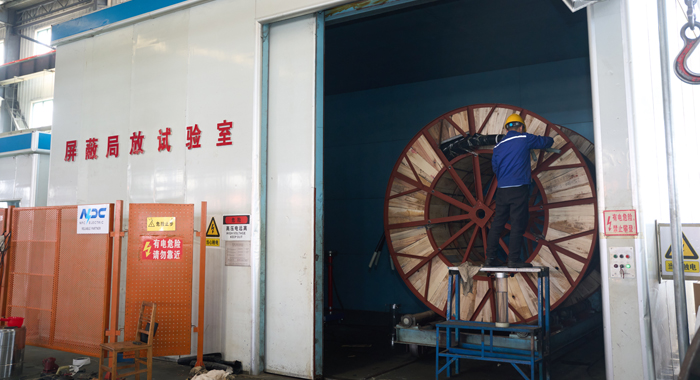
Finished Product
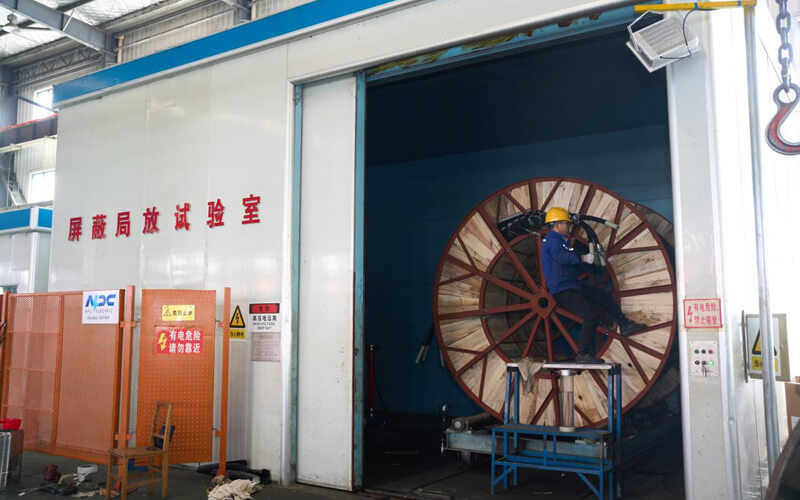
Finished Product Test confirms the FG7H1OAR - 3.6/6kV, 6/10kV, 8.7/15kV, and 12/20kV Cable meets MV standards before shipment. The procedure includes: Visual & Dimensional Inspection: Examine full length for defects, uniformity, markings, and measure outer diameter/weight per meter. Electrical Tests: DC resistance, insulation resistance (>1000 MΩ·km), high-voltage withstand (e.g., 11kV for 3.6/6kV, 17kV for 6/10kV, 24kV for 8.7/15kV, 29kV for 12/20kV/5 min), partial discharge (<5 pC), and screen continuity per IEC 60502-2. Mechanical Evaluation: Bending radius (12–15× OD), tensile strength, crush resistance, and armor integrity (if armored). Sheath & Insulation Performance: Thermal aging (135°C/168h), hot set test, oil/chemical resistance, and flame retardancy (if required) verified.
Application
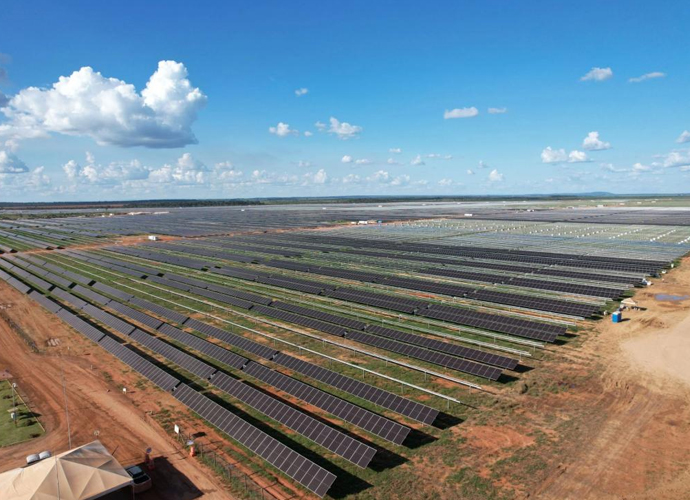
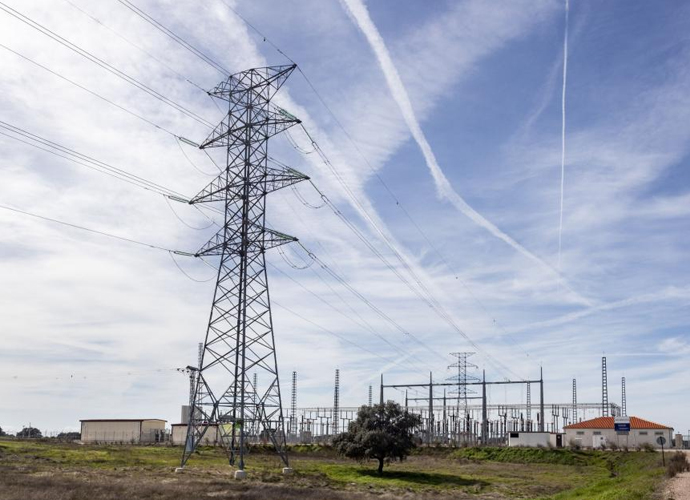
The FG7H1OAR - 3.6/6kV, 6/10kV, 8.7/15kV and 12/20kV Cable is perfect for fixed underground power distribution in mining, industrial plants, substations, petrochemical facilities, renewable energy projects, and urban infrastructure requiring XLPE-insulated MV cable with high mechanical protection and reliable long-term operation.
Technical Advantages
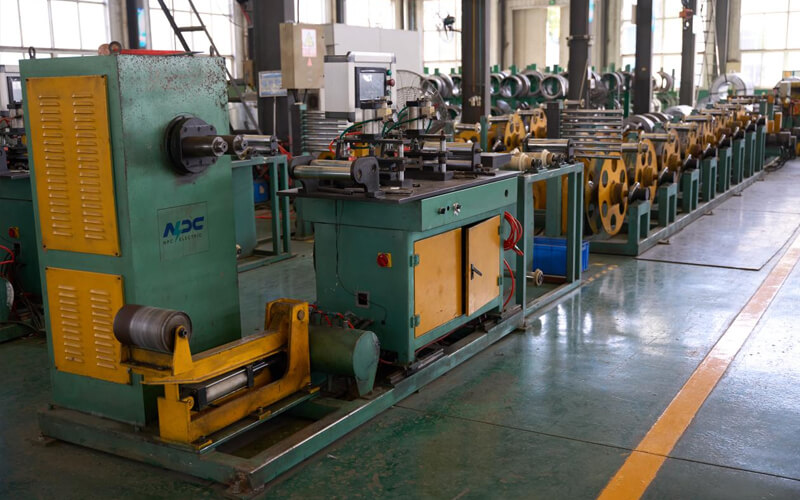
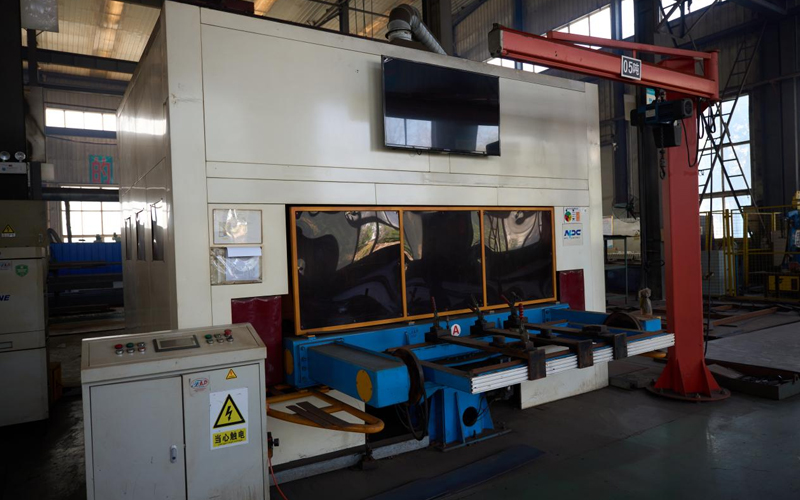
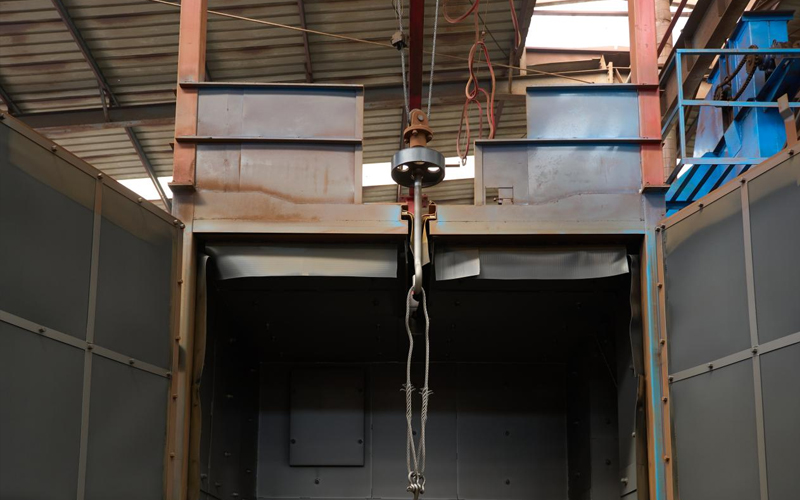
● 30+ years of manufacturing experience
● ISO and UL certified production
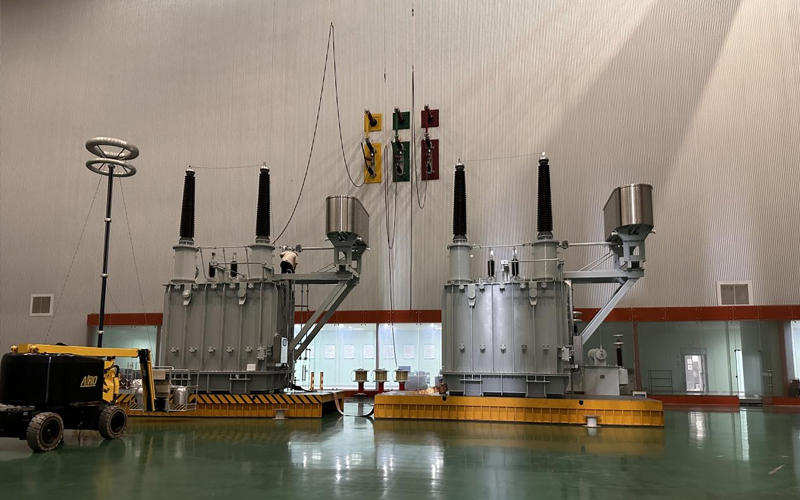
● Customized cable and transformer solutions
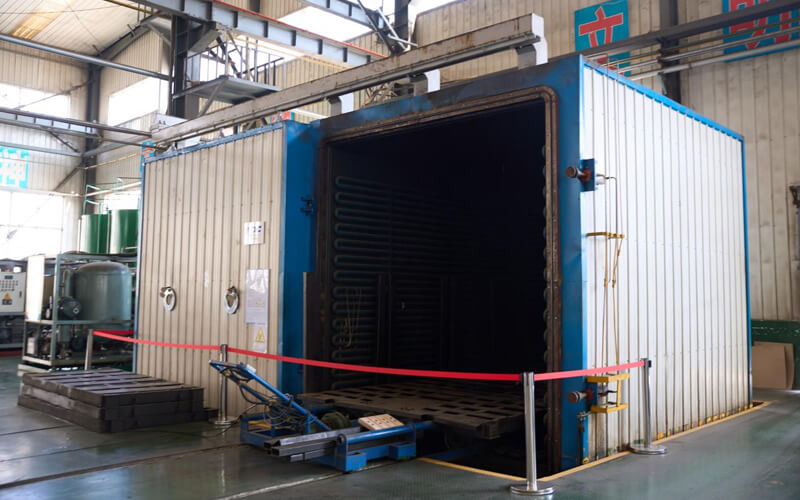
Product Packaging
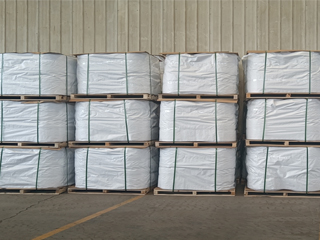
Wires and Cables packaging (1)
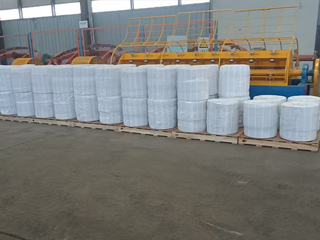
Wires and Cables packaging (2)
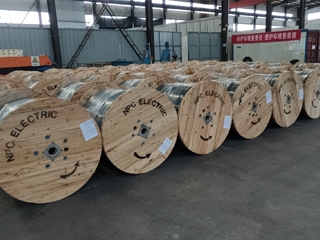
Wires and Cables packaging (3)
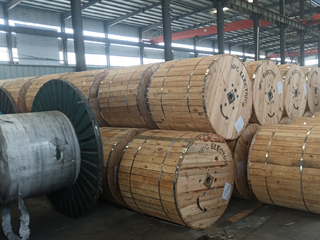
Wires and Cables packaging (4)
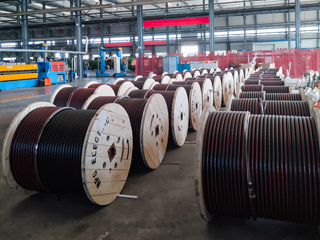
Wires and Cables packaging (5)
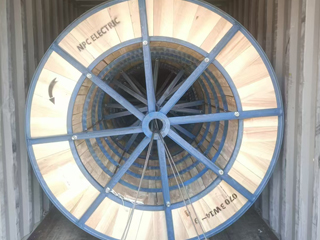
Wires and Cables packaging (6)
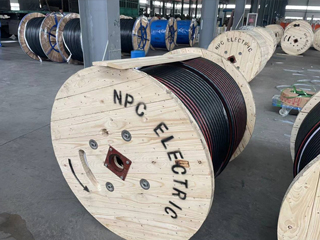
Wires and Cables packaging (7)
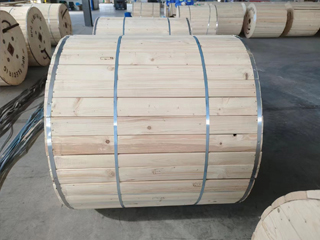
Wires and Cables packaging (8)
Related Products
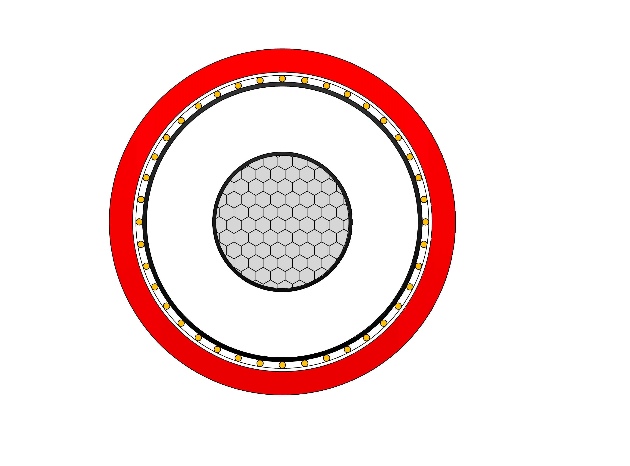
RHZ1-OL-AL Medium Voltage Power Cable(8.7/15kV, 12/20kV, 18/30kV)
Our RHZ1-OL-AL Medium Voltage Power Cable (8.7/15kV, 12/20kV, 18/30kV) provides economical fire safety for medium voltage networks. Built with aluminium conductors, thermosetting XLPE insulation, metallic screen, and advanced low smoke zero halogen (LSZH) sheath, it meets UNE 21123-4 and CPR requirements. During fires, it emits very low smoke and no corrosive gases, facilitating evacuation. Lightweight aluminium reduces costs and installation effort while delivering reliable current capacity. Superior partial discharge resistance, low tan delta, and thermal endurance ensure efficiency and longevity. Suitable for direct burial, ducts, or indoor use in sensitive areas, the RHZ1-OL-AL Medium Voltage Power Cable is widely used in transportation hubs, data centers, public facilities, and infrastructure demanding reliable medium voltage cabling with enhanced fire protection, environmental compliance, and life-safety features in populated or confined spaces.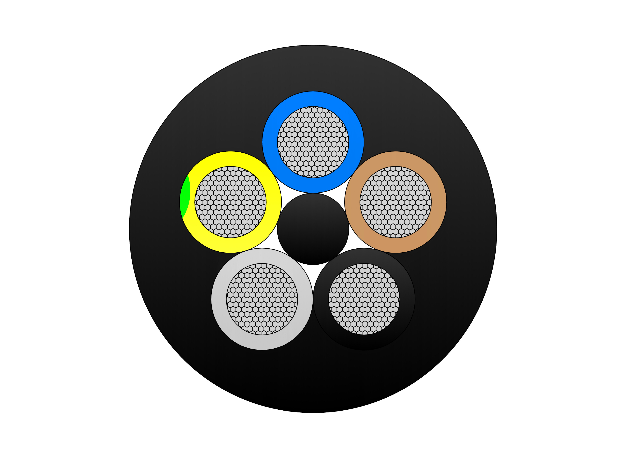
(N)TSCGEWOU 3.6/6kV, 6/10kV, 8.7/15kV and 12/20kV ATB Cable
The (N)TSCGEWOU 3.6/6kV, 6/10kV, 8.7/15kV, and 12/20kV ATB Cable is a medium voltage flexible power cable designed in compliance with VDE 0250 standards. It features Class 5 tinned copper conductors, EPR rubber insulation, semi-conductive layers, halogen-free flame-retardant rubber sheath, and an earth detection conductor. The ATB construction ensures superior mechanical strength, oil resistance, abrasion resistance, and flame retardancy, making it ideal for open-pit mining, tunneling, and other heavy-duty mobile equipment applications under extreme mechanical stress. It includes tinned class 5 copper phase conductors, semi-conductive screens, EPR insulation for reliable dielectric and thermal performance (90°C rating), copper braid screen, control conductors, monitoring conductor (ÜL), anti-torsion braid to reduce twisting under load, and a robust rubber sheath resistant to oils, flames, abrasion, and mechanical damage.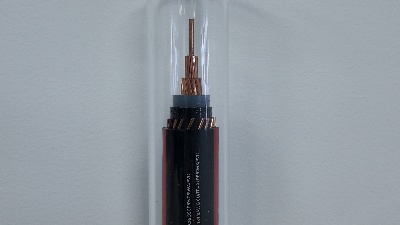
Duplex URD Cable
The Duplex URD Cable is a high-performance 600V underground residential distribution cable designed for reliable service entrance and secondary power delivery. It consists of two insulated AA8000 aluminum alloy phase conductors and a concentric neutral, all protected by a tough black polyethylene sheath. The duplex configuration provides a compact, easy-to-install solution for direct burial applications. Manufactured with XLPE insulation, this cable offers excellent electrical properties, moisture resistance, and long-term durability. The Duplex URD Cable is lightweight, flexible, and cost-effective compared to copper alternatives while maintaining high conductivity and mechanical strength. It meets UL 854, ICEA, and ASTM standards and undergoes rigorous quality testing from raw materials to finished product, ensuring consistent performance in underground environments.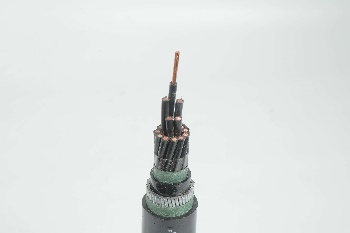
Control Cable 0.6/1 kV CVV-S to IEC 60502 Standard (2-30 core)
Engineered for electromagnetic interference resistance, the Control Cable 0.6/1 kV CVV-S to IEC 60502 Standard (2-30 core) excels in sensitive control environments. It employs concentric stranded copper conductors for low-resistance transmission, paired with black PVC insulation marked by white numbers for easy identification. The integrated copper tape shield effectively blocks electrostatic noise, while dual PVC sheaths provide flame resistance and mechanical protection. Suitable for 0.6/1 kV ratings, it withstands temperatures from -15°C to 70°C. This cable is tailored for supervisory circuits, outdoor stations, and installations in ducts or conduits where shielding is essential. With options from 2 to 30 cores, it accommodates diverse system requirements, enhancing signal integrity and reducing errors. Fully compliant with IEC 60502, it minimizes operational disruptions in high-interference settings. Ideal for professionals demanding dependable solutions, the CVV-S ensures long-lasting performance and cost savings through superior durability.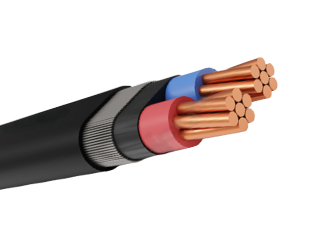
Airdac SNE & CNE Concentric Cable
The Airdac SNE & CNE Concentric Cable is a robust low-voltage aerial service connection cable designed for reliable house service from the distribution network to the consumer meter. It features a circular stranded hard-drawn copper phase conductor insulated with XLPE, surrounded by concentrically arranged neutral and earth conductors, and protected by a black polyethylene sheath. The SNE version provides separate neutral and earth conductors, while the CNE version combines them for simplified earthing. With a nylon ripcord for easy stripping and UV-stabilized materials, this cable offers excellent mechanical strength, electrical performance, and long-term durability. Manufactured to SANS 1507-6 and related standards, the Airdac SNE & CNE Concentric Cable undergoes rigorous quality testing from raw materials to finished product, ensuring safe, tamper-resistant, and vandal-proof performance in overhead or underground installations.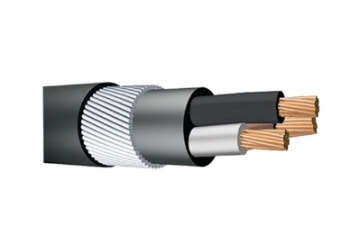
600/1000V XLPE Insulated Low Voltage Power Cable to IEC 60502-1 Standard
The 600/1000V XLPE Insulated Low Voltage Power Cable manufactured to IEC 60502-1 is engineered to provide dependable power transmission in demanding electrical installations. High-purity conductors combined with XLPE insulation deliver excellent electrical stability, high current capacity, and resistance to thermal aging. XLPE insulation allows higher operating temperatures and improved mechanical strength, ensuring long-term performance under continuous service conditions. Rated for 600/1000V systems, this cable supports safe and efficient power distribution in fixed installations. Compliance with IEC 60502-1 ensures the cable meets international standards for design, testing, and operational safety. Its robust construction makes it suitable for indoor, outdoor, and underground applications where durability and reliability are essential.FAQ From Customers
-
What are the advantages of power cables and overhead lines?(1) Reliable operation, because it is installed in a hidden place such as underground, it is less damaged by external forces, has less chance of failure, and the power supply is safe, and it will not cause harm to people; (2) The maintenance workload is small and frequent inspections are not required; (3) No need to erect towers; (4) Help improve power factor.
-
Which aspects should be considered when choosing the cross section of a power cable?(1) The long-term allowable working current of the cable; (2) Thermal stability once short circuited; (3) The voltage drop on the line cannot exceed the allowable working range.
-
What are the measures for cable fire prevention?(1) Use flame-retardant cables; (2) Use fireproof cable tray; (3) Use fireproof paint; (4) Fire partition walls and fire baffles are installed at cable tunnels, mezzanine exits, etc.; (5) Overhead cables should avoid oil pipelines and explosion-proof doors, otherwise local pipes or heat insulation and fire prevention measures should be taken.
-
What should be paid attention to during the transportation and handling of cables?(1) During transportation, loading and unloading, cables and cable reels should not be damaged. It is strictly forbidden to push the cable reels directly from the vehicle. Generally, cables should not be transported and stored flat. (2) Before transporting or rolling the cable reel, ensure that the cable reel is firm, the cable is wound tightly, the oil pipe between the oil-filled cable and the pressure oil tank should be fixed without damage, the pressure oil tank should be firm, and the pressure indication should meet the requirements.
-
What inspections should be carried out for the acceptance of cable lines?(1) The cable specifications should meet the regulations, the arrangement should be neat, no damage, and the signs should be complete, correct and clear; (2) The fixed bending radius of the cable, the related distance and the wiring of the metal sheath of the single-core power cable should meet the requirements; (3) The cable terminal and the middle head should not leak oil, and the installation should be firm. The oil pressure of the oil-filled cable and the meter setting should meet the requirements; (4) Good grounding; (5) The color of the cable terminal is correct, and the metal parts such as the bracket are completely painted; (6) There should be no debris in the cable trench, tunnel, and bridge, and the cover should be complete.
Welcome your inquiry
Honesty, Integrity, Frugality, Activeness and Passion