


150kVA Single Phase Pole Mounted Transformer
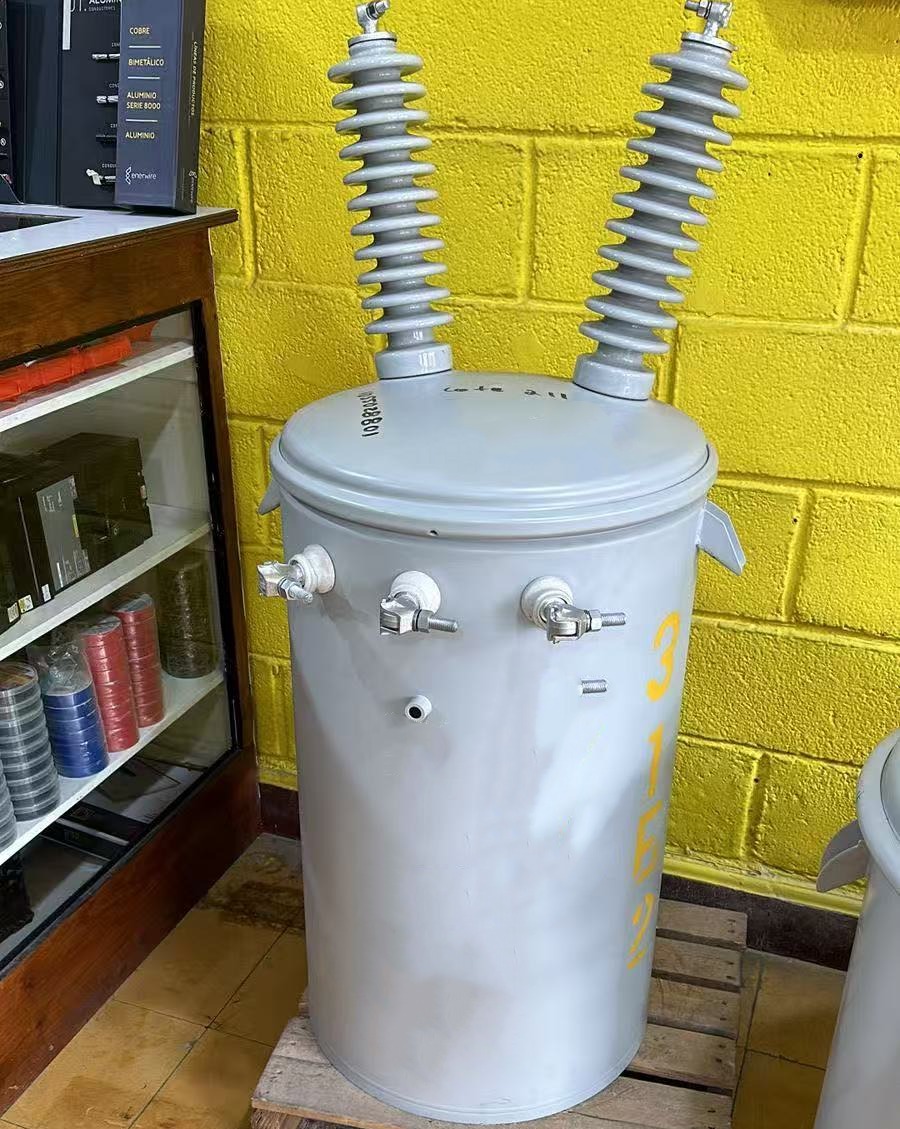
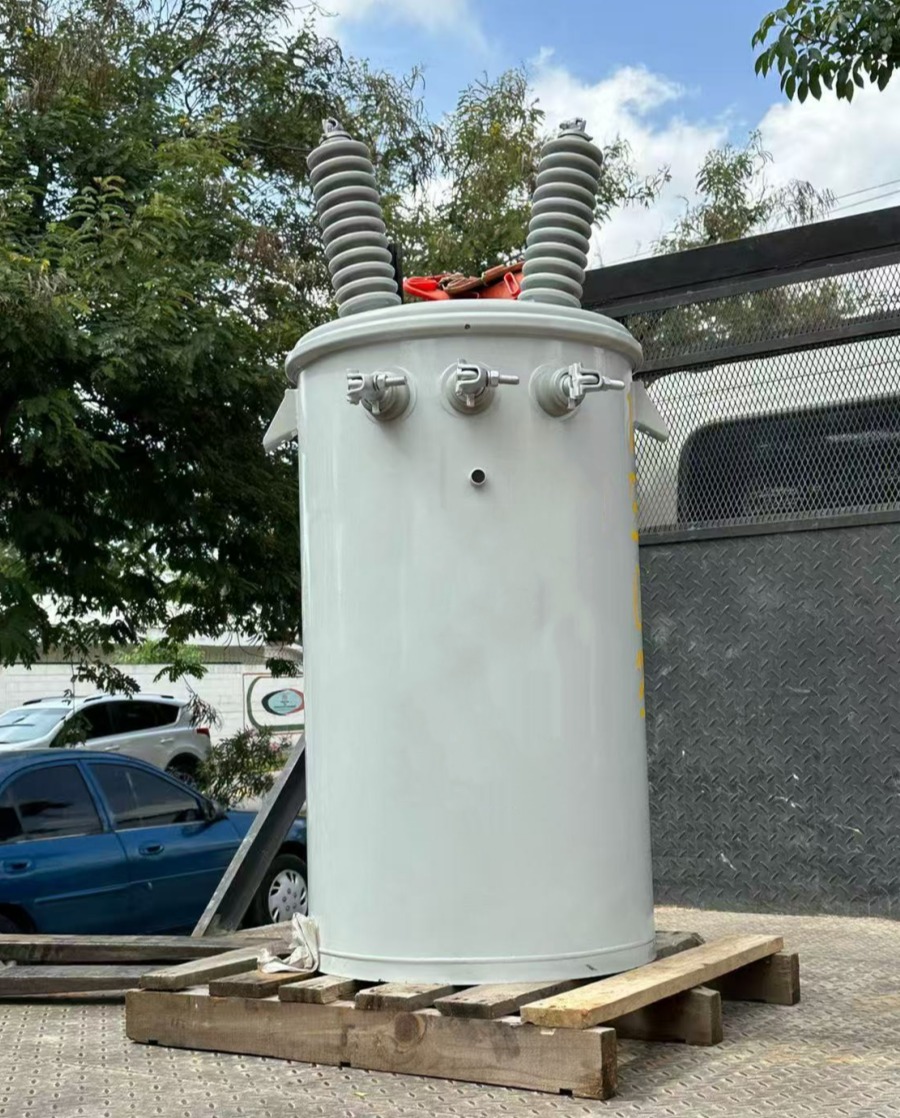
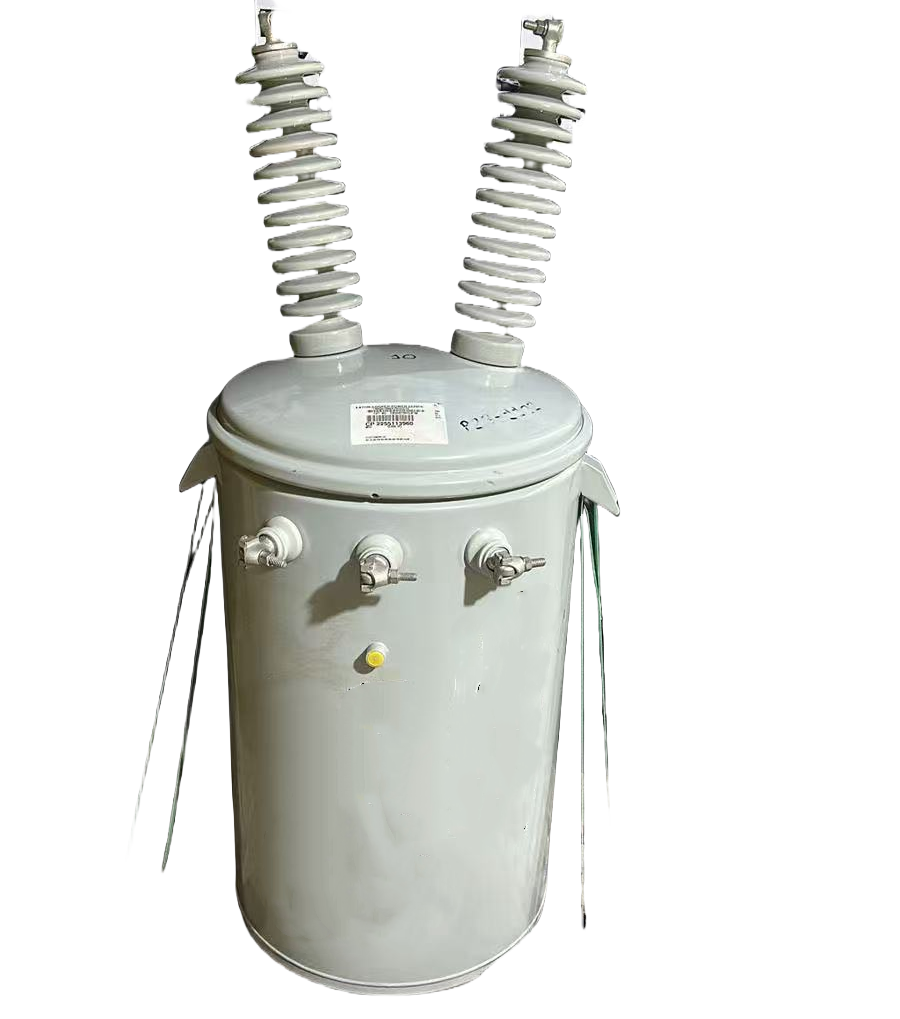
NPC ELECTRIC'S 150kVA single phase pole mounted transformer is engineered for superior performance in overhead electrical distribution networks. This robust unit efficiently steps down high-voltage primary inputs, such as 13.8kV or 24.94kV, to secondary voltages like 120/240V or 277V, ensuring safe and reliable power delivery. Built with high-permeability toroidal cores and precision-wound copper conductors, it minimizes energy losses and enhances durability. Compliant with DOE-2016 efficiency standards and featuring a NEMA 3R-rated enclosure, this transformer withstands harsh environmental conditions while providing quiet operation. Ideal for utilities seeking long-term reliability, it includes protective features like surge arrestors and pressure relief valves to safeguard against overloads and faults. With a 65°C temperature rise rating and ONAN cooling, it handles diverse loads without compromising efficiency.
- Primary Voltage Ratings 2.4kV, 11kV, 33kV, 34.5kV
- Secondary Voltage Ratings 480-240/240-120 or customized
- H.V. Tap Range ± 2×2.5% HV taps or others
- Type Conventional Type
- BIL 30-150kV
- Standards IEEE, ANSI, NEMA, ASTM
- Application small businesses, warehouses, and streetlights
- Power Rating 150kVA
- Certificate CE, ISO
- Cooling Method ONAN, KNAN
- Oil Mineral Oil or FR3
- Opeartion Step Down
Technical Specifications
Customization Optional
Packing and Shipping
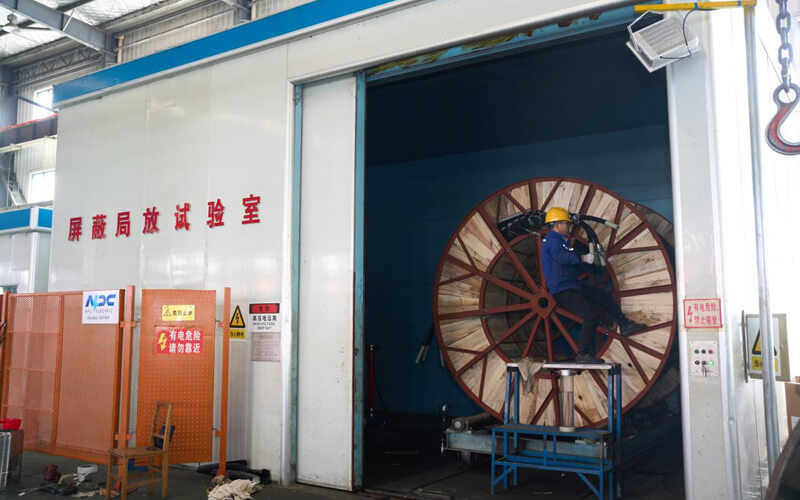
Manufacturer Test
Routine Testing
Application
Technical Specifications
150kVA Single Phase Pole Mounted Transformer
Technical Specifications
Accessories
| Rated Power | 150kVA |
| Rating Primary Voltage | 12.4-34.5kV |
| Secondary Voltage | 480-240V 240-120V 277V Customized |
| Frequency | 50/60Hz |
| Vector Group | Ii0,Ii6 |
| Winding Material | Aluminum/Copper |
| Efficiency | As IEEE,Doe 2016,CAS Std or Customized |
| Impedance Voltage | Nominal 2% or Customized 1.1-5.75% |
| Altitude | ≤1,000m or Customized |
| Color | ANSI 70 Light gray/Munsell 7GY3.29/1.5 or customized etc |
| Tank material | Mild Steel, 304 Stainless Steel |
| Insulating Oil Weight | 130 kg |
| Total Weight | 600 kg |
| Outline Dimensions(W×D×H) | 790×850×1305 (mm) |
| Lifting Lug |
| Tap Changer |
| Pressure Relief Valve |
| Tank Cover and clamp |
| L.V Bushing |
| HV Bushing |
| Ground Strap |
| Nameplate |
| Non-PCB decal |
| High Voltage Warning Signs |
| Suport lug |
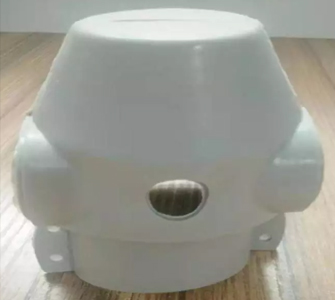
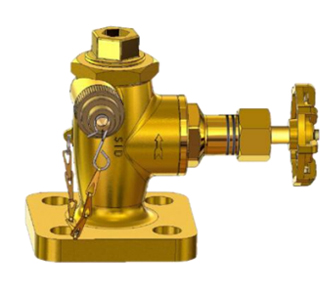
| Oil fill valve |
Customization Optional
150kVA Single Phase Pole Mounted Transformer
Elevate your power distribution setup with our versatile 150kVA single phase pole mounted transformer, offering extensive customization to meet specific project demands. Choose from primary voltage options ranging from 2.4kV to 34.5kV, including popular configurations like 7.2kV, 13.8kV, or 33kV, paired with secondary outputs such as 120/240V, 240/480V, or 277V for seamless integration into existing grids. Winding materials can be selected between high-conductivity copper for superior efficiency and heat dissipation or cost-effective aluminum for lighter weight applications. Frequency adaptations for 50Hz or 60Hz ensure global compatibility, while cooling methods extend beyond standard ONAN to include optional forced air systems for high-load environments. Add-ons like tap changers with up to five positions allow fine-tuned voltage regulation, and impedance levels can be adjusted from 3.5% to suit fault current requirements. Protective enhancements, such as built-in lightning arrestors, fuses, or bayonet-style expulsion devices, provide tailored safety against surges and short circuits. For eco-conscious projects, opt for biodegradable ester fluids instead of mineral oil, reducing environmental impact without sacrificing performance. These custom features not only optimize energy savings but also extend the transformer's lifespan in challenging installations, making it a smart choice for utilities and contractors focused on reliability and adaptability.
Further personalization includes enclosure modifications for extreme weather, such as corrosion-resistant coatings or enhanced ventilation for tropical climates. Integrate advanced monitoring with bushing potential devices for real-time diagnostics or remote temperature indicators to prevent overheating. Power ratings can be fine-tuned around 150kVA, with options for slight upsizing to 167kVA for future-proofing. Core designs incorporate stepped interleaving to cut no-load losses, boosting overall efficiency to exceed industry benchmarks. Whether for rural electrification or urban upgrades, these options ensure the 150kVA single phase pole mounted transformer aligns perfectly with your operational needs, delivering cost-effective, high-performance solutions that prioritize safety, efficiency, and ease of maintenance in overhead distribution systems.
Packing and Shipping
150kVA Single Phase Pole Mounted Transformer
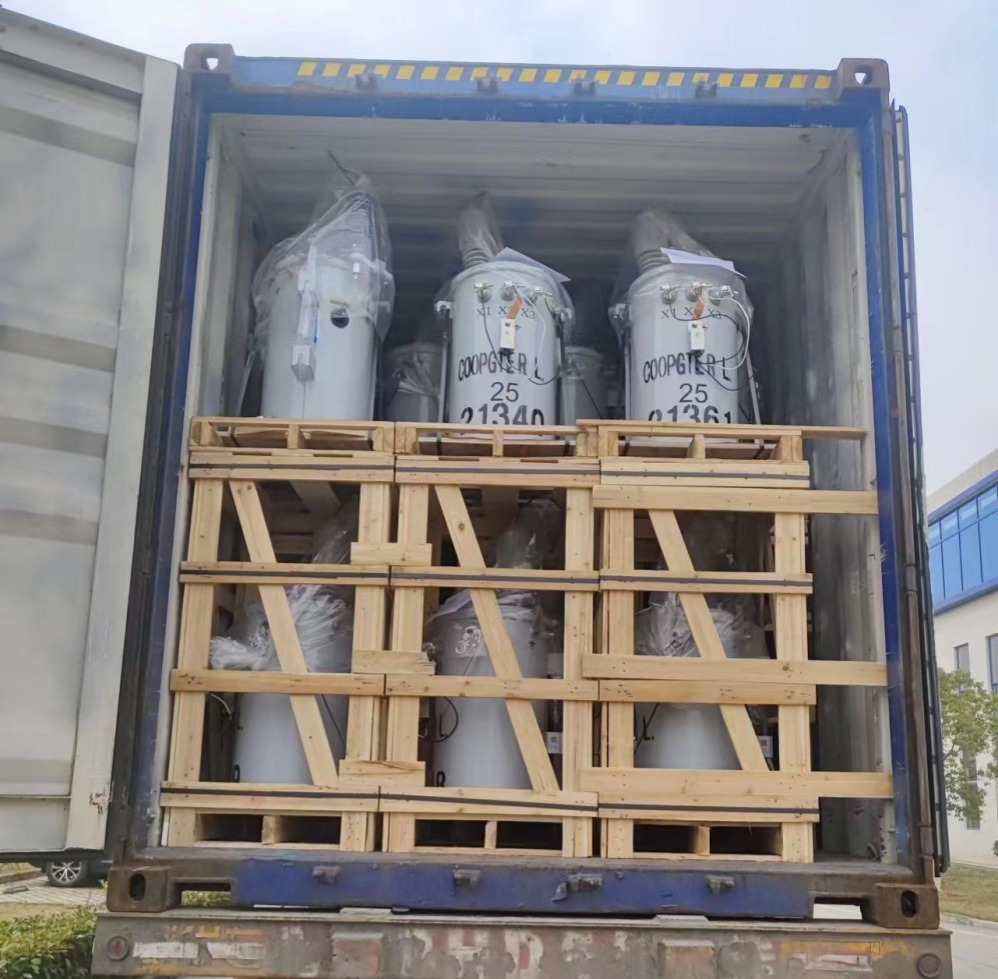
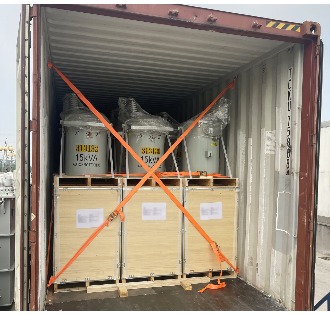
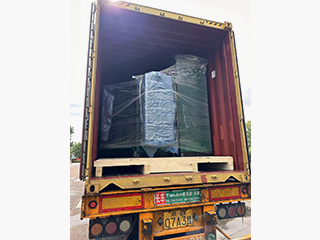
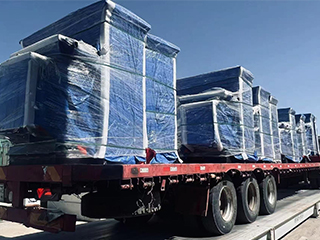
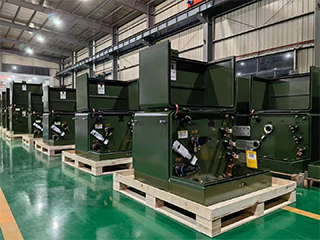
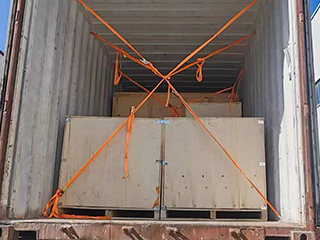
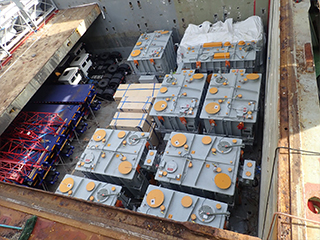
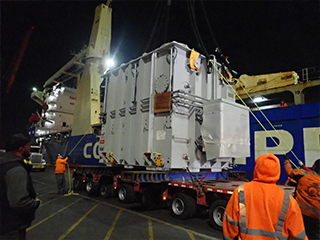
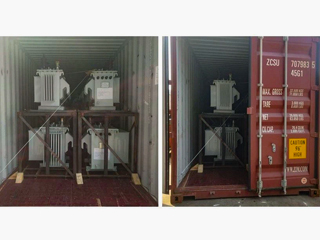
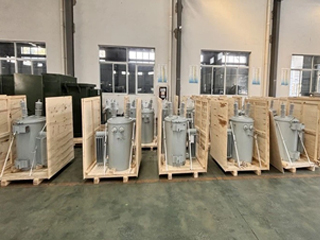
Secure packaging is paramount for our 150kVA single phase pole mounted transformer to ensure it arrives in pristine condition. We employ heavy-duty wooden crates reinforced with steel strapping, custom-fitted to the unit's dimensions for maximum stability. Shock-absorbing materials, including foam padding and anti-vibration mounts, protect against impacts during transit. Desiccants and moisture barriers, such as vacuum-sealed plastic wraps, prevent humidity ingress, especially crucial for oil-filled components. Nitrogen filling maintains internal pressure at 20-30kPa, displacing air to avoid oxidation. Lifting lugs and base skids facilitate safe handling, while export-compliant labeling includes handling instructions and hazard warnings. This meticulous approach minimizes risks from rough handling in land or sea transport, preserving the transformer's integrity from factory to site.
For shipping, we coordinate multimodal logistics tailored to destination requirements. Domestic deliveries often use flatbed trucks with specialized trailers for oversized loads, securing the crate with chains and tarps to shield from weather. International shipments favor ocean freight via 20-foot or 40-foot containers, or roll-on/roll-off vessels for larger units, with corrosion inhibitors applied for saltwater exposure. Air freight is reserved for urgent needs, though rare due to size constraints. Real-time tracking via GPS ensures visibility, and insurance covers potential damages. Compliance with international standards like IEC and IEEE guarantees smooth customs clearance, reducing delays in global distribution of the 150kVA single phase pole mounted transformer.
Environmental considerations guide our packing process, incorporating recyclable materials where possible to align with sustainable practices. For high-value shipments, we include impact recorders to monitor transit forces, allowing post-delivery verification. Pre-shipment inspections confirm all accessories, such as bushings and taps, are securely packed separately if needed. This comprehensive strategy not only protects the equipment but also optimizes costs by selecting efficient routes and carriers experienced in handling electrical gear. Whether shipping to remote rural sites or urban hubs, our methods ensure the transformer is ready for immediate installation upon arrival.
Finally, upon receipt, we provide detailed unpacking guidelines to prevent mishandling. This includes torque specifications for reassembly and oil level checks post-transport. Our logistics partners specialize in heavy equipment, adhering to DOT regulations for road hauls and IMO standards for maritime. By prioritizing safety and efficiency, we deliver the 150kVA single phase pole mounted transformer worldwide, supporting seamless integration into power grids while minimizing downtime and operational disruptions.
For shipping, we coordinate multimodal logistics tailored to destination requirements. Domestic deliveries often use flatbed trucks with specialized trailers for oversized loads, securing the crate with chains and tarps to shield from weather. International shipments favor ocean freight via 20-foot or 40-foot containers, or roll-on/roll-off vessels for larger units, with corrosion inhibitors applied for saltwater exposure. Air freight is reserved for urgent needs, though rare due to size constraints. Real-time tracking via GPS ensures visibility, and insurance covers potential damages. Compliance with international standards like IEC and IEEE guarantees smooth customs clearance, reducing delays in global distribution of the 150kVA single phase pole mounted transformer.
Environmental considerations guide our packing process, incorporating recyclable materials where possible to align with sustainable practices. For high-value shipments, we include impact recorders to monitor transit forces, allowing post-delivery verification. Pre-shipment inspections confirm all accessories, such as bushings and taps, are securely packed separately if needed. This comprehensive strategy not only protects the equipment but also optimizes costs by selecting efficient routes and carriers experienced in handling electrical gear. Whether shipping to remote rural sites or urban hubs, our methods ensure the transformer is ready for immediate installation upon arrival.
Finally, upon receipt, we provide detailed unpacking guidelines to prevent mishandling. This includes torque specifications for reassembly and oil level checks post-transport. Our logistics partners specialize in heavy equipment, adhering to DOT regulations for road hauls and IMO standards for maritime. By prioritizing safety and efficiency, we deliver the 150kVA single phase pole mounted transformer worldwide, supporting seamless integration into power grids while minimizing downtime and operational disruptions.
32
32 years of industry experience
Manufacturer Test
150kVA Single Phase Pole Mounted Transformer
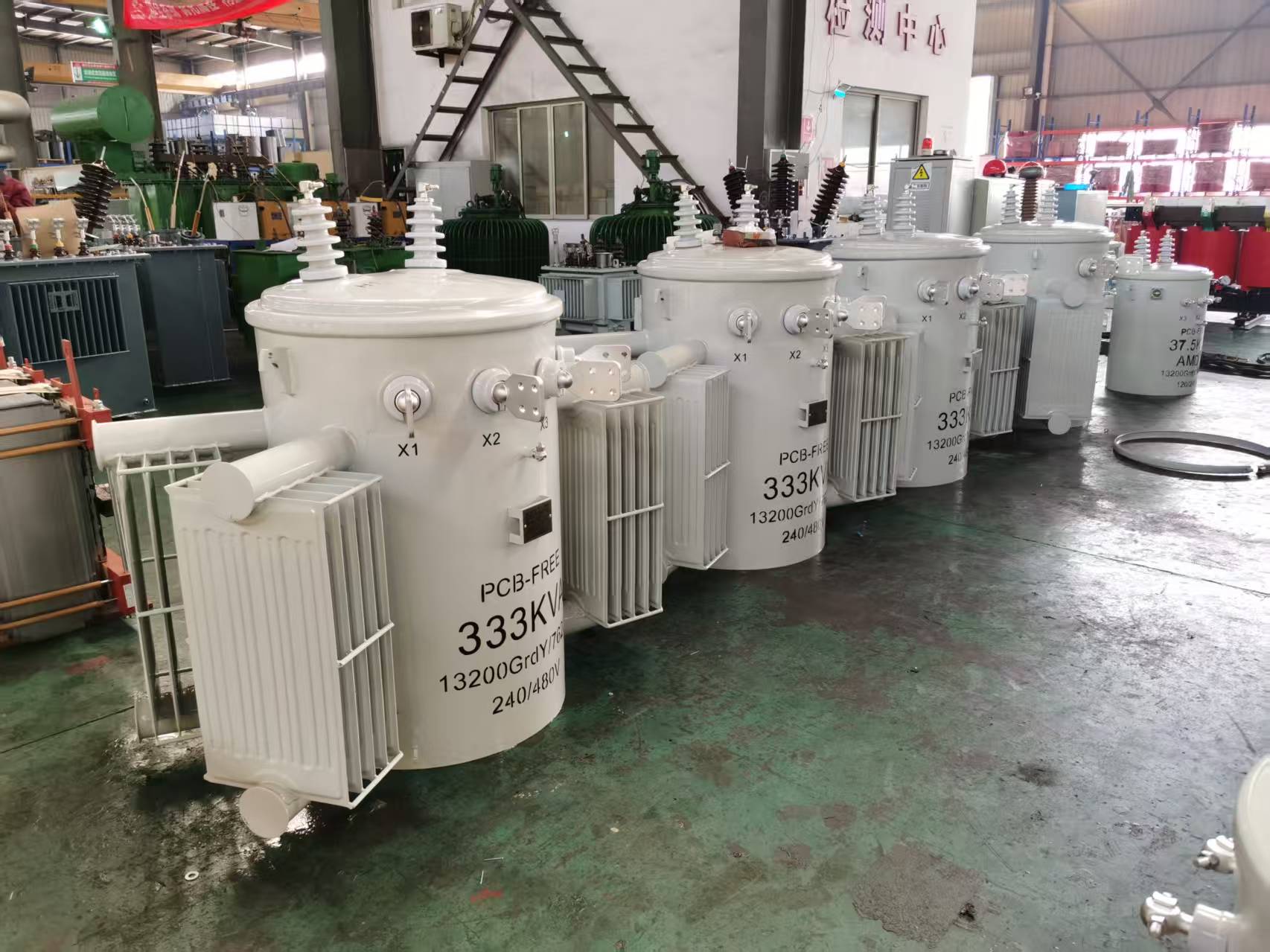
Progress Test
During the manufacturing of the 150kVA single phase pole mounted transformer, progress tests begin with core assembly verification, where high-quality silicon steel laminations are inspected for burr-free cuts and proper interleaving to ensure low no-load losses. Winding resistance is measured using a micro-ohmmeter on both primary and secondary coils at ambient temperature, confirming values align with design specs within 0.5% tolerance to detect any loose connections or material defects early. Insulation resistance testing follows, applying 2500V DC between windings and ground for one minute, aiming for readings exceeding 1000 megohms to verify dielectric strength and moisture absence. Turns ratio assessment employs a TTR tester across all tap positions, validating the exact voltage transformation ratio against nameplate data with accuracy better than 0.5%. Magnetic balance checks involve applying voltage to one winding phase and measuring induced voltages in others, ensuring symmetry within 5% deviation to confirm uniform flux distribution. No-load current excitation at rated voltage monitors magnetizing current below 1% of full load, indicating core integrity without excessive hysteresis losses. Partial discharge testing under high voltage detects any internal voids or impurities by limiting noise to under 100pC, safeguarding long-term reliability.
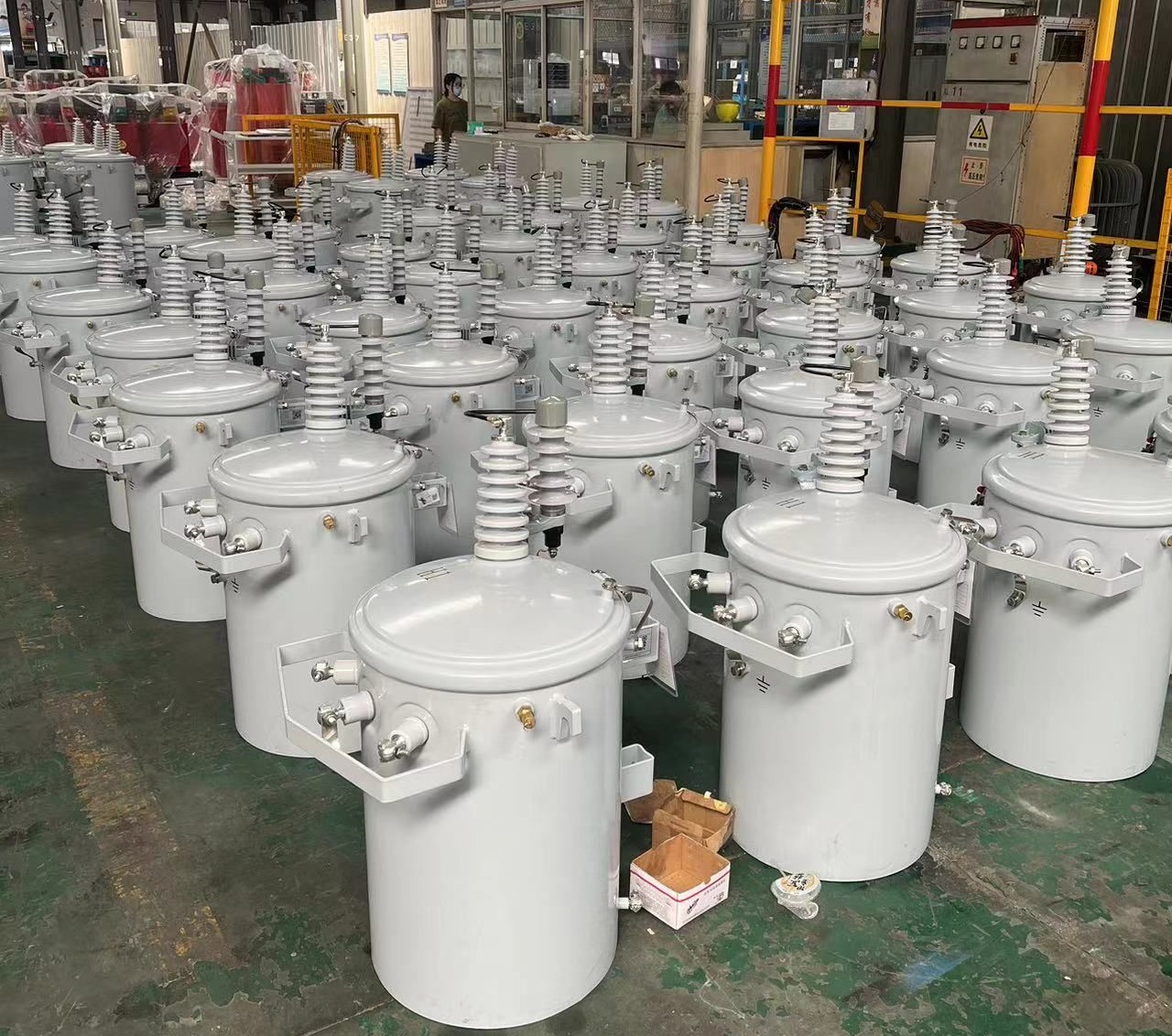
Design Tests
All transformer will be test after finished the production, test items as below:
♦ Insulation Power Factor
♦ Ratio, Polarity, and Phase Relation
♦ Winding Resistance
♦ Impulse Tests
♦ On load Loss Test
♦ Transformer Turns Ratio/TTR (All Tap Voltages)
♦ Impedance Voltage & Load Loss (Rated Voltage)
♦ Polarity, 1-Ph
♦ Excitation & No-Load Loss (Rated Voltage)
♦ Applied Voltage
♦ Induced Voltage
♦ Lightning Impulse
♦ Insulation Resistance (Rated Voltage)
♦ Temperature Rise
♦ Dielectric Withstand (Hipot)
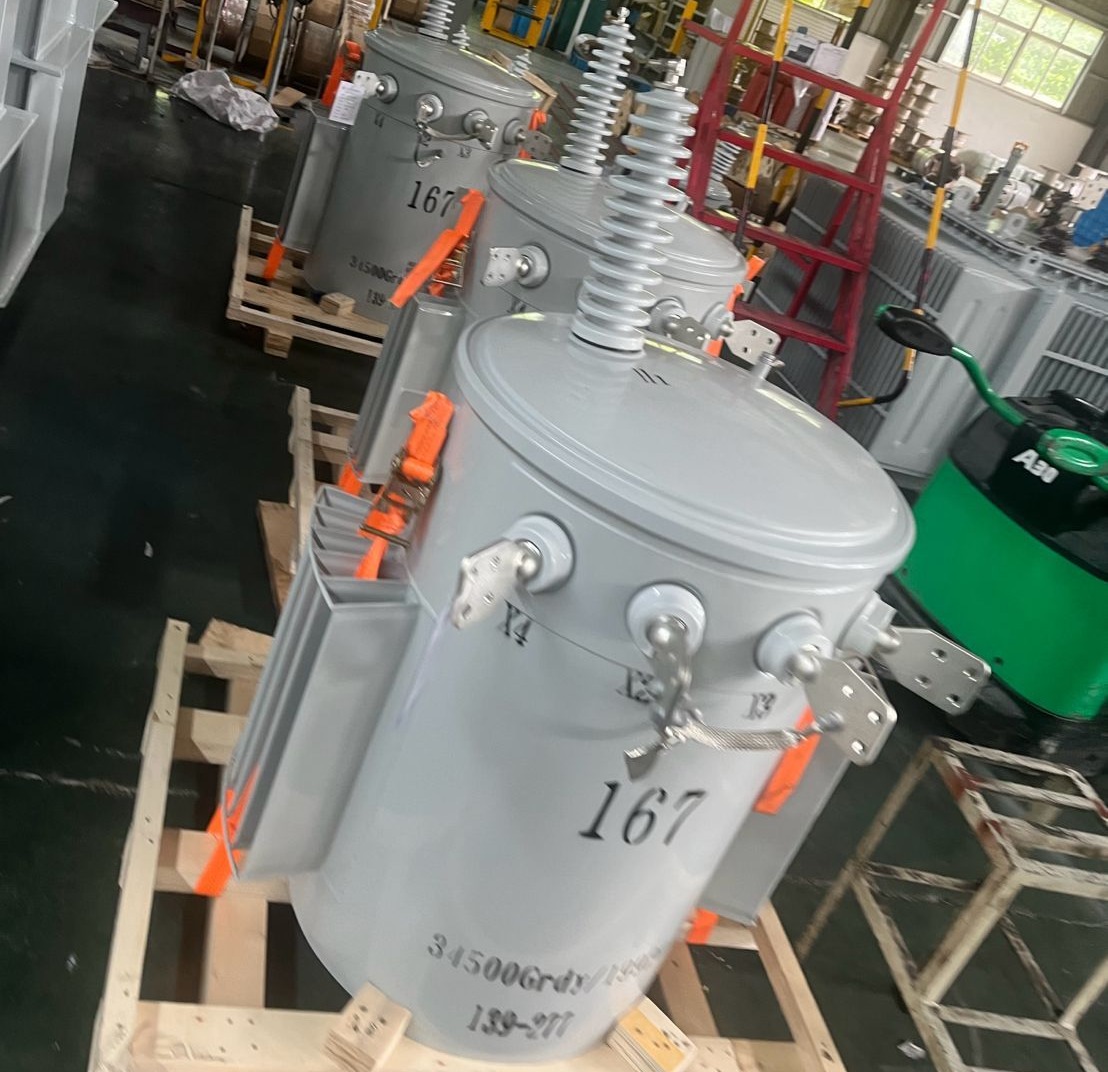
Transformer Factory Acceptance Test
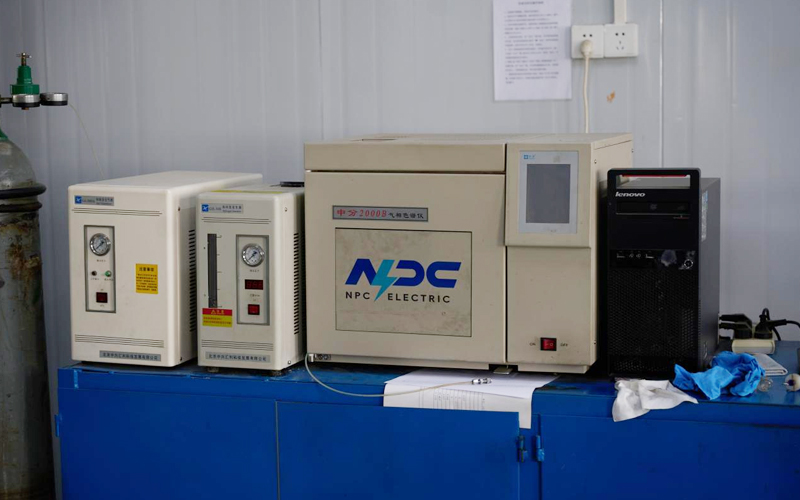
The factory acceptance test for the 150kVA single phase pole mounted transformer commences with a thorough visual inspection of the unit, checking dimensions, paint finish, nameplate accuracy, and welding quality to ensure compliance with drawings and no transport-induced damage. DC winding resistance is measured on primary and secondary sides using the volt-amp method, with current limited to 15% of rated, verifying values match factory benchmarks within 1% after temperature correction to 75°C. Turns ratio testing across all taps uses a precision TTR instrument, confirming ratios align with specifications to 0.5% accuracy, while polarity is validated via additive/subtractive checks. Insulation resistance employs a 5000V megger for one minute between windings, core, and tank, requiring over 2000 megohms at 20°C. Power factor or tan delta testing on bushings and windings at 10kV measures dissipation below 0.5%, detecting moisture or contamination. No-load loss and excitation current are assessed at rated voltage and frequency, ensuring losses stay under guaranteed values per DOE standards. Load loss and impedance are determined by short-circuiting the secondary and applying reduced voltage to the primary, calculating efficiency above 98%. Applied voltage withstand tests ramp to 34kV on the primary for one minute without breakdown. Partial discharge monitoring during overvoltage holds levels below 50pC. Oil samples undergo dielectric strength testing above 40kV and DGA for gas content under 50ppm.
Routine Test - On load Loss Test
Purpose of Testing
The purpose of On-load Loss Test is to measure the active power loss of the transformer under rated voltage and rated load, evaluate its energy efficiency level and design compliance, and provide a basis for energy consumption calculation and performance optimization during operation.
Testing Equipment
Power transformer test system (e.g. OMICRON, ISA, Tettex, Vanguard, etc.)
Voltage source and current source (usually rated voltage, or adjusted according to the test standard, such as 10 KV, 20 KV, 35 KV, etc.)
Temperature and humidity meter (used to record ambient temperature and humidity for correction of test data)
Voltage source and current source (usually rated voltage, or adjusted according to the test standard, such as 10 KV, 20 KV, 35 KV, etc.)
Temperature and humidity meter (used to record ambient temperature and humidity for correction of test data)
Pre-Test Preparation
Disconnect the transformer high voltage, low voltage and neutral power supply to ensure that the equipment is properly grounded and safely discharged.
The test environment should be dry and rainless, with a relative humidity of less than 75% and a recommended temperature range of 20–30°C.
The test environment should be dry and rainless, with a relative humidity of less than 75% and a recommended temperature range of 20–30°C.
Test Progress
Connect the Test Instrument:
Connect the test equipment to the appropriate terminals of the device under test and ensure that all wiring is correct and the device is well grounded.
Apply Test Voltage:
Apply the specified test voltage at the rated frequency and adjust the low voltage side to maintain the rated current (or specified current).
Connect the test equipment to the appropriate terminals of the device under test and ensure that all wiring is correct and the device is well grounded.
Apply Test Voltage:
Apply the specified test voltage at the rated frequency and adjust the low voltage side to maintain the rated current (or specified current).
Measure and Record
Start the test and record the following parameters:
On-Load Loss Power
Input Power and Output Power
Current
Voltage
Temperature (temperature rise or winding temperature)
Ambient temperature and humidity during the test
On-Load Loss Power
Input Power and Output Power
Current
Voltage
Temperature (temperature rise or winding temperature)
Ambient temperature and humidity during the test
Temperature Correction
The measured loss data is corrected based on a reference temperature (usually 20°C) to ensure the accuracy of the results.
Repeat Testing (if necessary)
Test different tap positions (Tap Changer) and record and compare the load loss data of each tap point.
Evaluation Criteria (Reference)
Evaluate the test results based on the equipment type and manufacturer requirements. If the load losses are low and the efficiency is high, it is considered "normal". If the load losses are too high or the efficiency is low, further inspection or corrective action is required.
*These comprehensive tests ensure that each transformer meets performance standards and operates
reliably under various conditions.
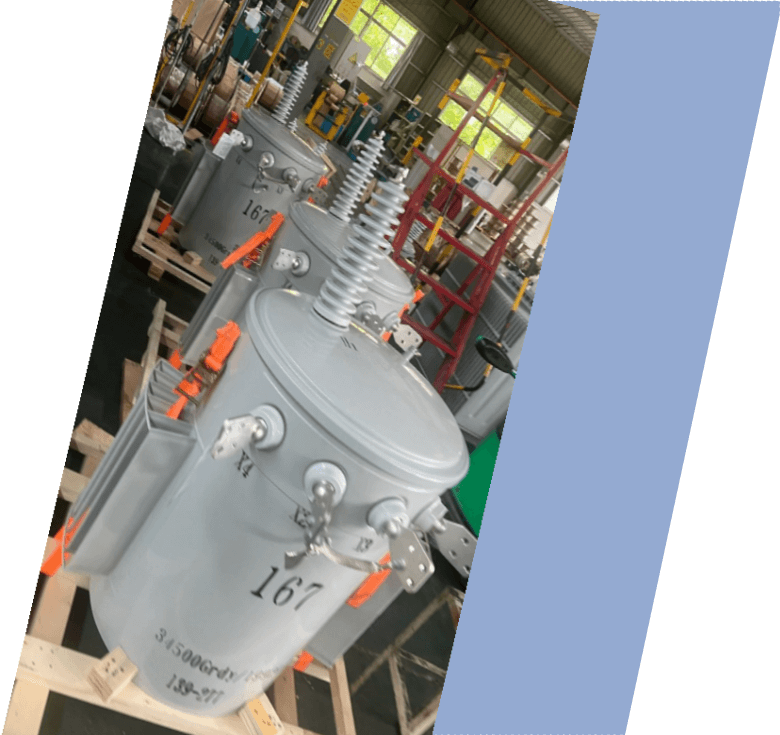
Application
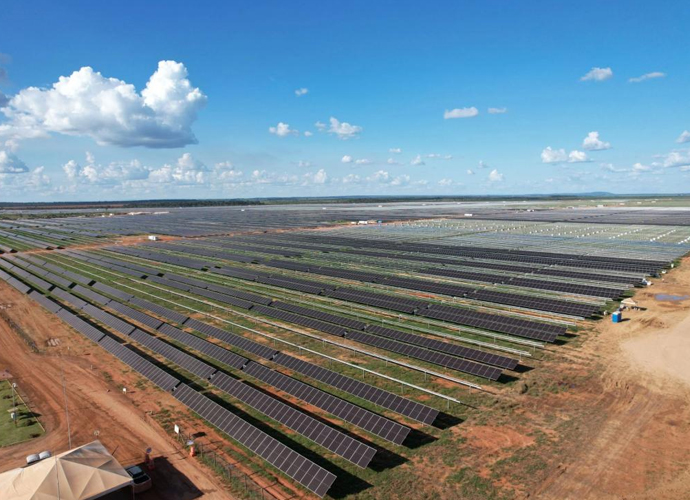
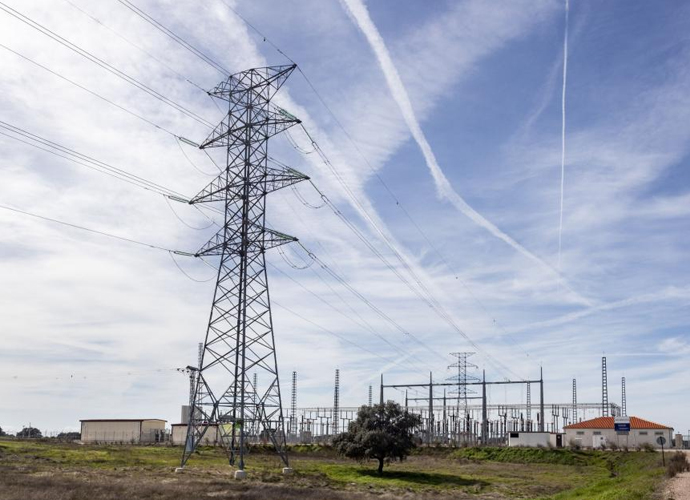
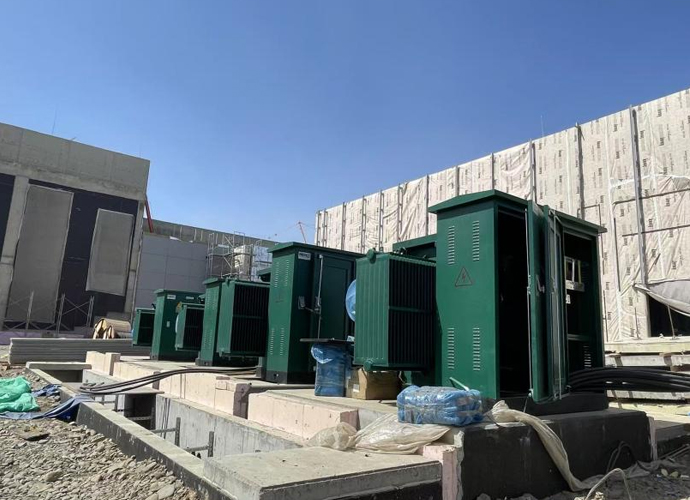
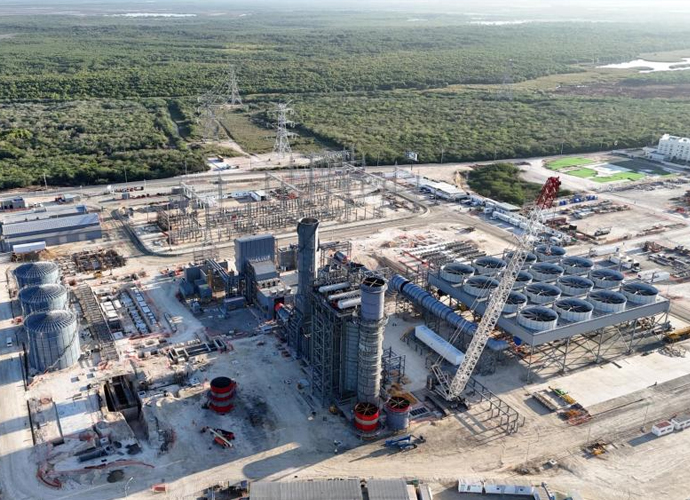
The 150kVA single phase pole mounted transformer excels in residential neighborhoods combined with rural electrification, stepping down grid voltage for homes and farms while supporting light irrigation pumps. It integrates with overhead lines and solar backups for reliable off-grid power in remote villages.



Technical Advantages
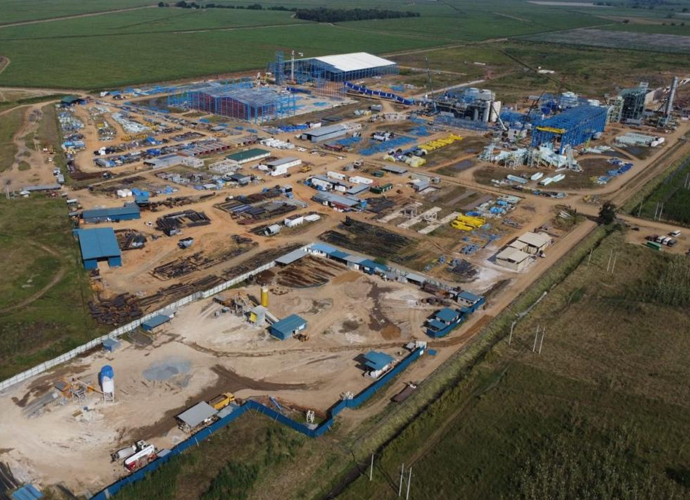
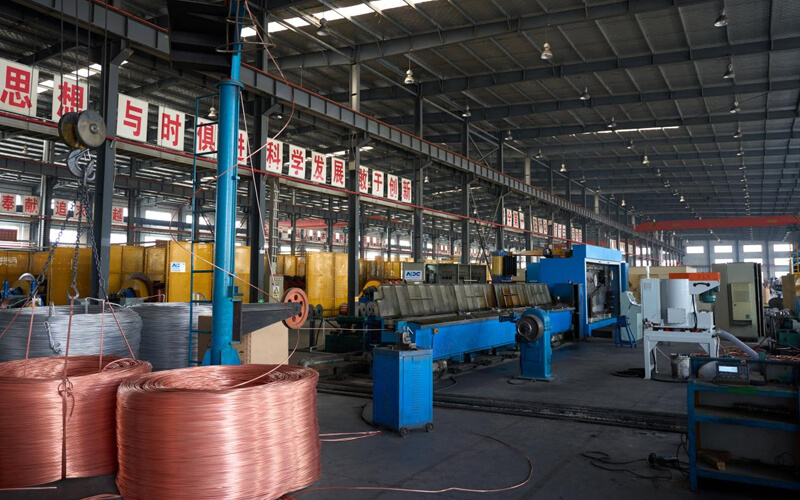
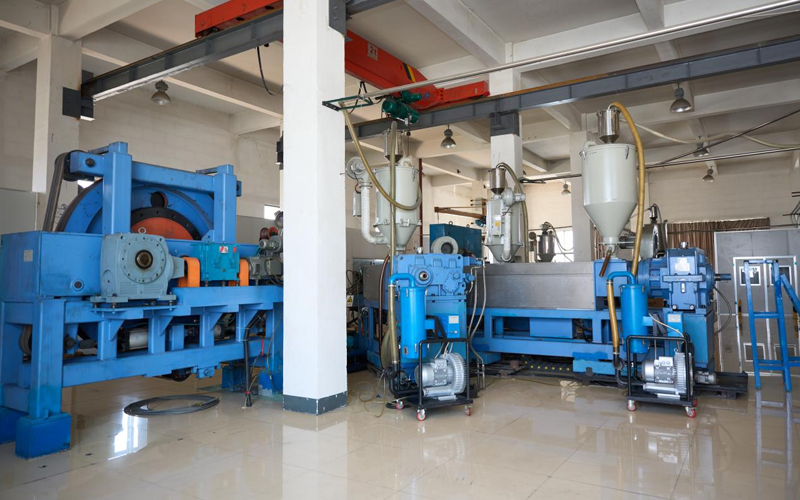
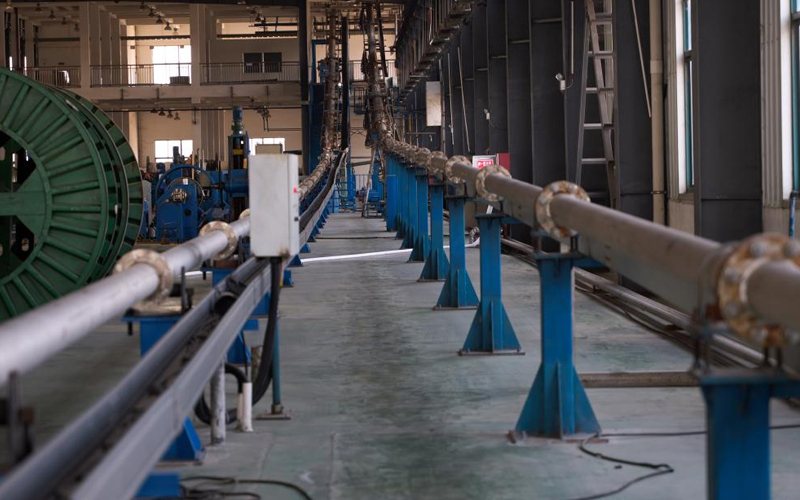
● 30+ years of manufacturing experience
● ISO and UL certified production
● Customized cable and transformer solutions
Product Packaging
Transformers Packaging (1)
Transformers Packaging (2)
Transformers Packaging (3)
Transformers Packaging (4)
Transformers Packaging (5)
Transformers Packaging (6)
Transformers Packaging (7)
Transformers Packaging (8)
Related Products
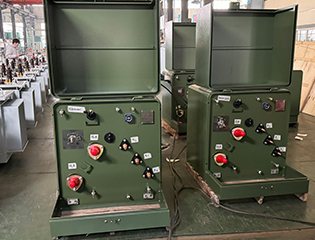
37.5kVA Single Phase Pad Mounted transformer
The 37.5kVA Single Phase Pad Mounted transformer with high voltage (HV) specifications of 24.94GRDY/14.4 kV and low voltage (LV) of 240/120V. At its core lies a robust tank, constructed from resilient alloy 304 stainless steel, guaranteeing longevity even in the harshest conditions. The HV and LV windings, equally critical components, are meticulously crafted from high-quality aluminum to ensure unwavering performance.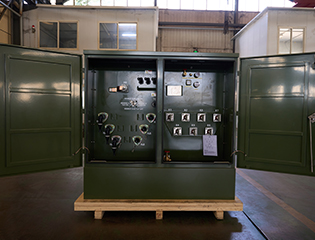
5000kVA Three Phase Pad Mounted Transformer
NPC ELECTRIC's 5000kVA Three Phase Pad Mounted Transformer (5 MVA) is a robust, liquid-immersed compartmental distribution transformer built for high-capacity outdoor pad-mounted installations on concrete foundations. Compliant with updated DOE energy conservation standards (post-2024 amendments, targeting high efficiency levels around 99.68% for 5000 kVA units), ANSI/IEEE C57.12.00, C57.12.34, C57.12.90, and related CSA/IEC norms, this transformer delivers top-tier energy efficiency, minimal no-load and load losses, and exceptional reliability in utility-scale, industrial, and commercial power systems. The tamper-resistant, weatherproof steel enclosure (dead-front or live-front) with NEMA 3R-equivalent protection ensures safety, reduced maintenance, and seamless blending into urban, suburban, or remote environments.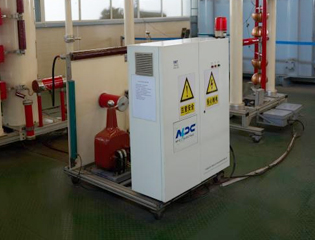
125kVA Cast Resin Dry Type Transformer 3 Phase 10kV/0.4kV Copper Winding IEC Certified
The 125kVA Cast Resin Dry Type Transformer is a compact, three-phase, high-efficiency indoor power transformer engineered for safe and reliable voltage transformation in commercial, institutional, and light-to-medium industrial environments. Featuring advanced cast-resin encapsulation and full copper windings, it eliminates oil-related fire hazards, environmental risks, and routine maintenance while delivering superior performance in confined spaces, high-rise buildings, hospitals, schools, data centers, office complexes, and renewable energy tie-in applications. Fully compliant with IEC 60076-11, IEC 60076-1, IEC 60076-3, IEC 60076-5, IEC 60076-20, IEEE C57.12.01, IEEE C57.12.91, UL 1561 (optional), and DOE 2016 efficiency standards.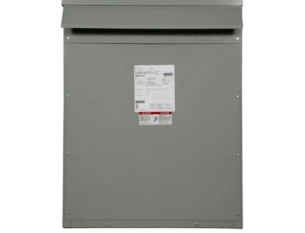
10kVA Isolation Transformer - 120V to 240V
The 10kVA Isolation Transformer – 120V to 240V is specifically engineered to provide safe voltage conversion and complete electrical isolation for critical power applications. Designed to convert a 120V input supply into a stable 240V output while maintaining galvanic separation between the primary and secondary circuits, this transformer significantly improves power quality, reduces electrical noise, and protects connected equipment from voltage disturbances, ground loops, and transient surges. Featuring a high-efficiency silicon steel core and precision-engineered copper windings, the transformer delivers stable output voltage, low operating losses, and exceptional thermal performance. The isolation design effectively suppresses electromagnetic interference (EMI) and common-mode noise, making it particularly suitable for sensitive equipment such as industrial controllers, laboratory instruments, communication systems, medical equipment, and testing devices. The robust construction ensures reliable operation under continuous load conditions while minimizing maintenance requirements. The 10kVA Isolation Transformer is available in both open-frame and enclosed configurations, offering installation flexibility across industrial facilities, commercial buildings, telecom infrastructure, manufacturing plants, and specialized power distribution systems. Its durable design, high efficiency, and superior safety performance make it a dependable solution for voltage conversion and electrical isolation applications.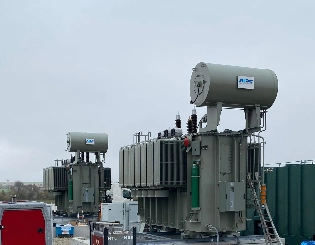
130kV 10MVA / 25MVA / 40MVA Electrical Power Transformer
The 130kV Electrical Power Transformer with ratings of 10MVA, 25MVA, and 40MVA is designed to support medium-to-large capacity power transmission and distribution systems. It is engineered to provide consistent voltage conversion, high operational efficiency, and excellent thermal stability under variable grid conditions. The transformer incorporates a precisely calculated magnetic core, high-strength winding design, and an oil-immersed insulation system that enhances heat dissipation and electrical reliability. Its structure is optimized to withstand electrical stress, mechanical vibration, and long-term continuous operation. Suitable for outdoor installation, the transformer maintains stable performance in challenging environments such as high temperature, humidity, or heavy industrial zones. Built in accordance with recognized international standards, it offers dependable service life and reduced maintenance requirements for modern power networks.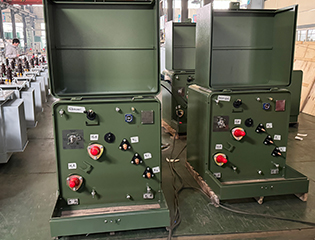
1600kVA Single Phase Pad Mounted Transformer
The 1600kVA Single Phase Pad Mounted Transformer represents the pinnacle of high-capacity underground distribution technology, engineered to handle the most demanding residential and commercial loads with outstanding efficiency and longevity. Conforming to the latest ANSI C57.12.38, IEEE C57.12.00, and DOE 2016/2020 efficiency tiers, this 1600kVA single-phase padmount provides reliable step-down from primary voltages up to 46kV to versatile secondary configurations, supporting massive loop-feed networks with superior overload tolerance and virtually silent operation.FAQ From Customers
-
What is a Transformer?A transformer is an electrical device used to change the voltage of alternating current (AC). It works on the principle of electromagnetic induction, converting high-voltage current into low-voltage current or low-voltage current into high-voltage current. Transformers are widely used in power transmission, distribution systems, and various electronic devices.
-
What are the main uses of a transformer?The main use of a transformer is voltage conversion. Transformers are used in power transmission systems to help transfer electricity from power plants to consumers. In addition, transformers are also used in electronic devices such as chargers, televisions, power adapters, etc., to adjust the voltage to meet the requirements of different devices.
-
Do you have UL listed?Yes, our transformer has UL listed. We have exported to America many pad mounted transformer,substation transformer and HV.
Welcome your inquiry
Honesty, Integrity, Frugality, Activeness and Passion