What Is Wind Power? Complete Guide to Generation, Types & Benefits 2026
2026-02-16
Wind energy has become one of the fastest-growing renewable energy technologies globally, playing a strategic role in reducing carbon emissions and enhancing global energy security. According to the International Energy Agency's (IEA) 2025 World Energy Outlook, wind and solar power together will account for over 70% of new renewable energy capacity, helping to increase the share of clean energy in global electricity demand growth from the current 12% to 35% by 2030. As countries expand their clean energy mix and power companies upgrade grid infrastructure, wind power systems have become a mainstream energy source, providing reliable electricity to cities and remote areas, supporting distributed generation and microgrid construction.
Looking back at 2025, the wind energy industry experienced explosive growth. The World Wind Energy Association (WWEC) semi-annual report shows that global new installed capacity reached 75GW in the first half of the year, a year-on-year increase of 64%, and is expected to exceed 150GW for the whole year, with a cumulative capacity exceeding 1320GW. China contributed 72% of the global new installations, installing 51.4GW, consolidating its dominant position; Europe and the United States added 20GW and 15GW respectively, benefiting from the REPowerEU program and IRA tax incentives. The global wind energy market has reached $97 billion, with a CAGR of 4.9%. Despite challenges posed by supply chain bottlenecks and policy uncertainties (such as the US federal leasing ban), wind energy already supplies 12% of global electricity demand and has driven carbon emission reductions of over 1 billion tons.
Looking ahead to 2026, wind energy trends will focus on technological innovation and large-scale deployment. GWEC predicts new capacity of 140GW, with a CAGR of 8.8%, and offshore wind power accounting for 17.5%, with an expected new capacity of 34GW, benefiting from floating platforms and hydrogen energy coupling. Accelerated digital transformation, with smart transformers and AI predictive maintenance reducing O&M costs by 20%, and ester-based biodegradable oils and SF6-free designs complying with EU F-gas regulations, are driving the localization of green supply chains. The Asia-Pacific region has a CAGR of 11.6%, Europe is targeting 1236GW, and the US has passed the OBBBA Act to advance projects, with expected hybrid solar-wind-storage capacity reaching 30-66GW/year. These trends not only reinforce the central role of wind power in the global energy transition but will also further reduce LCOE to $0.03/kWh, promoting 100% clean power supply for remote islands and industrial parks.
1. What Is Wind Power?
Wind power refers to the conversion of kinetic energy from moving air into electrical energy through a wind turbine. The force of the wind turns the turbine blades, causing the rotor to spin and drive a generator. This electricity can be used locally, stored, or fed into the transmission grid.
In industry terminology, the term wind energy refers to the natural resource itself, while wind power refers specifically to the generated electricity. Modern wind energy systems are deployed at various scales, from small distributed units to massive utility-scale wind farms producing hundreds of megawatts.
The Department of Energy recognizes wind energy as a critical component of national renewable energy strategies due to its scalability and low operating cost.
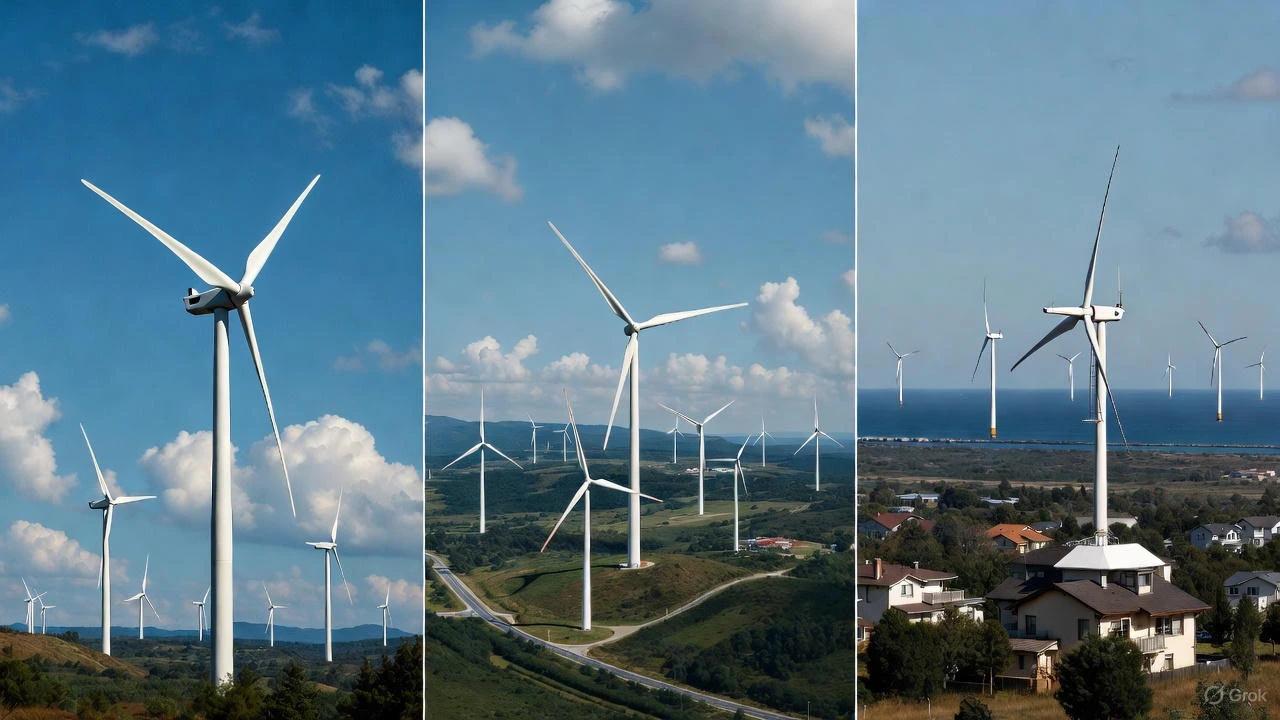 2. How a Wind Turbine Works: Scientific Overview
From a technical point of view, a wind turbine converts kinetic energy (½mv²) into mechanical rotation and then electrical energy. A standard horizontal-axis wind turbine consists of:
-
Blades – aerodynamic airfoils designed to maximize lift
-
Hub and rotor – connected to the blade set
-
Low-speed shaft – transfers rotation to the gearbox
-
Gearbox – increases rotational speed for the generator
-
Generator – converts mechanical energy into electrical energy
-
Nacelle – houses mechanical and electrical components
-
Tower – elevates the turbine to capture higher-velocity winds
Process flow
-
Wind flows over the blades and creates lift.
-
The rotor spins the main shaft.
-
The gearbox accelerates rotational speed to around 1,000–1,800 rpm.
-
The generator produces alternating current.
-
Power electronics convert and stabilize the electrical output.
-
Electricity is transmitted to the grid or used locally.
Wind turbines operate most efficiently at wind speeds between 7 and 12 m/s, with automatic shutdown systems for high-wind safety.
3. Types of Wind Energy Systems
Wind power systems vary by installation environment, turbine size, and functional purpose. The following categories are widely used in industry.
3.1 Utility-Scale Wind Farms
Utility-scale systems typically range from 2 MW to 6 MW per turbine, with offshore machines reaching 10 MW or more. These wind farms feed directly into high-voltage transmission networks.
Characteristics include:
-
Large land or marine area requirements
-
Advanced SCADA control systems
-
Predictive maintenance scheduling
-
High capacity factors (30–45% onshore, 50–60% offshore)
3.2 Onshore Wind
Onshore wind turbines are widely used due to lower installation costs and easier grid integration. Engineers prefer sites with:
-
Average wind speeds above 6.5 m/s
-
Stable terrain
-
Road access for construction
-
Minimal turbulence from buildings or hills
3.3 Offshore Wind
Offshore turbines provide superior wind resources but require advanced engineering:
-
Corrosion-resistant materials
-
Subsea cables
-
Floating or fixed-bottom foundations
-
Higher operation and maintenance expenses
Despite these challenges, offshore wind is rapidly expanding due to strong output consistency.
3.4 Distributed Wind Systems
Small-scale systems (<100 kW) provide electricity for homes, farms, and small industries. They are installed directly on consumer property and reduce electricity bills through direct usage or net metering.
3.5 Wind Power System Overview Table
| Category | Description | Key Technical Points | Typical Values / Examples |
| Wind Resource | Average wind speed and site conditions | Measured via meteorological masts, lidar, and long-term climate data | 6.5–12 m/s for optimal utility-scale projects |
| Turbine Type | Onshore, offshore, distributed | Selected based on terrain, grid access, and installation cost | Utility-scale: 2–6 MW; Offshore: 8–15 MW |
| Major Components | Blades, hub, gearbox, generator, tower | SCADA control, yaw system, pitch control | Tower height 80–140 m; rotor diameter 120–180 m |
| Energy Generation Process | Converts kinetic wind energy to electrical energy | Aerodynamic lift → rotor rotation → generator output | Generator output is typically 690V before the transformer step-up |
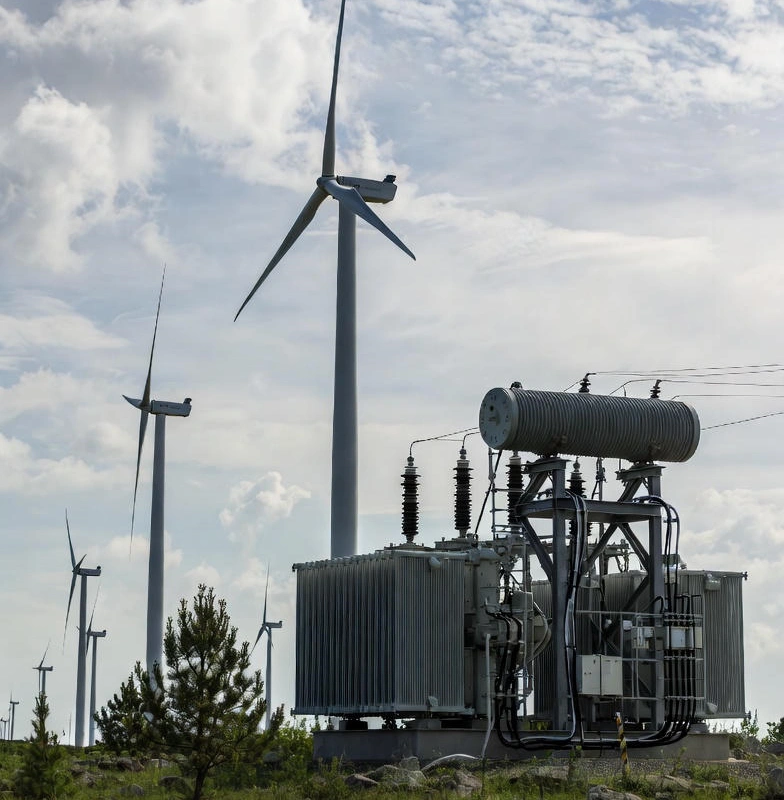
| Grid Connection | Integrates with the local or national grid | Requires transformers, substations, and protection systems | Medium voltage 34.5 kV → transmission 110–220 kV |
| Wind Farm Types | Utility-scale, community-scale, distributed | Defined by power capacity and connection method | 10 MW to > 1 GW for large wind farms |
| O&M Requirements | Routine inspection, lubrication, gearbox service | Predictive maintenance via CMS systems | O&M cost approx. 2–3% of CAPEX annually |
| Environmental Benefits | Low emissions, no fuel use, low water consumption | Supports renewable energy targets and decarbonization | 1 MWh wind = approx. 0.5–0.9 tons CO₂ avoided |
| Economic Factors | LCOE competitiveness, long lifetime | Cost reduction via larger turbines and improved logistics | LCOE: 0.02–0.05 USD/kWh depending on location |
| Challenges | Weather variability, grid integration | Requires energy storage or flexible grid support | Uses batteries, hybrid PV-wind, or demand-side management |
4. How Wind Power Generates Electricity on a Grid Scale
Real-world wind projects follow a fully engineered workflow:
-
Resource assessment
Wind speed data is collected using meteorological masts or lidar systems for 1–2 years. -
Wind farm layout design
Engineers use Wake Loss analysis to reduce turbulence between turbines. -
Grid connection and substations
Power is stepped up using a medium-to-high voltage electrical transformer (e.g., 34.5 kV to 110 kV). -
SCADA and control systems
Real-time monitoring ensures optimal turbine performance, load management, and fault detection. -
O&M (Operations & Maintenance)
Includes lubrication, blade inspection, gearbox servicing, and condition monitoring systems (CMS).
5. Benefits of Wind Power Energy
While the terms “benefits packages” and “retirement plans” are typically associated with employment programs, in industry communications, they may refer to long-term value frameworks for organizations adopting renewable energy. Wind power offers both environmental and financial benefits.
5.1 Environmental Benefits
-
Zero operational emissions
-
Reduces fossil fuel dependency
-
Supports national renewable energy targets
-
Minimal water consumption compared to thermal power plants
5.2 Economic Benefits
-
Lowest levelized cost of energy (LCOE) among all major sources
-
Predictable power generation once installed
-
Reduces electricity bills for distributed wind users
-
Long-term asset value for investors
5.3 Grid and Energy Security Benefits
-
Diversifies power sources
-
Enables hybrid systems with solar, batteries, and hydrogen
-
Supports rural electrification and industrial expansion
6. Challenges and Real-World Considerations
Despite its advantages, wind power requires careful engineering:
6.1 Site Constraints
-
Limited high-wind locations
-
Complex terrain modeling
-
Environmental impact assessments
6.2 Mechanical and Operational Factors
-
Gearbox failures (common O&M cost driver)
-
Blade erosion and lightning protection
-
Foundation fatigue in offshore systems
6.3 Grid Integration
-
Variability requiring energy storage
-
Need for advanced control systems
-
Transmission line upgrades for remote wind farms
These challenges are addressed through modern forecasting, strong grid infrastructure, and data-driven asset management.
7. Wind Power Outlook for 2026 and Beyond
By 2026, the global wind market is expected to expand significantly, driven by:
-
Continued cost reduction of turbines
-
Larger rotor diameters and higher towers
-
Expansion of offshore floating wind
-
Integration with smart grid technologies
-
Increasing demand to decarbonize heavy industries
Utility-scale projects and hybrid renewable systems will dominate new construction, while distributed wind supports rural development and small commercial applications.
Wind power is a mature, scalable, and scientifically robust technology for generating clean electricity. From utility-scale wind farms to distributed wind systems, modern wind energy plays a central role in global renewable energy expansion. Understanding how wind turbines work, how wind power is integrated into electrical grids, and what benefits wind energy provides helps governments, businesses, and households make informed energy decisions.
As 2026 approaches, wind energy will remain a cornerstone of the renewable transition—providing stable, cost-effective, and environmentally sustainable power for decades to come.

Related Articles

Related Products
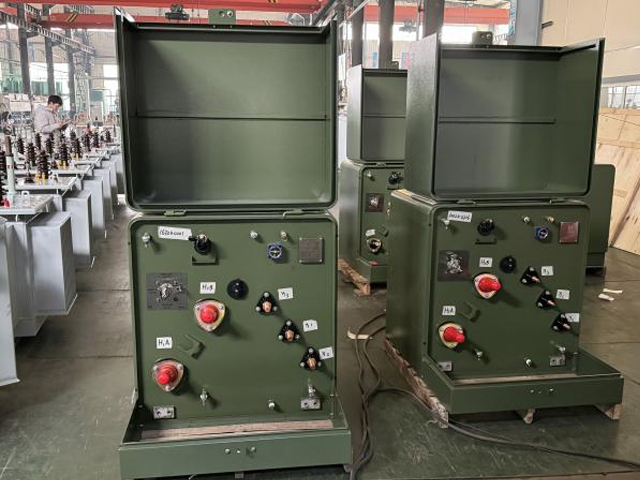
5kVA Conventional Type Single Phase Pole Mounted Transformer
NPC ELECTRIC has been focusing on the production of 5kVA Conventional Type Single Phase Pole Mounted transformer for decades, complying with international standards such as IEC 60076, ISO 9001, IEEE C57.12.00, etc. to ensure its safety, performance, and reliability. NPC ELECTRIC’s 5kVA conventional single-phase pole-mounted transformer is a small power transformer equipment, usually installed on power poles. This transformer is widely used in daily life and small industrial fields for its reliability and efficient power conversion capabilities, ensuring a stable and safe power supply. The transforming primary voltages from 2.4kV to 34.5kV (such as 12470Y/7200, 13200Y/7620, or 14400GrdY/8320) to secondary outputs like 120/240V split-phase or 277V. Featuring an interlaced core for surge resistance, high-grade silicon steel, and aluminum or copper windings.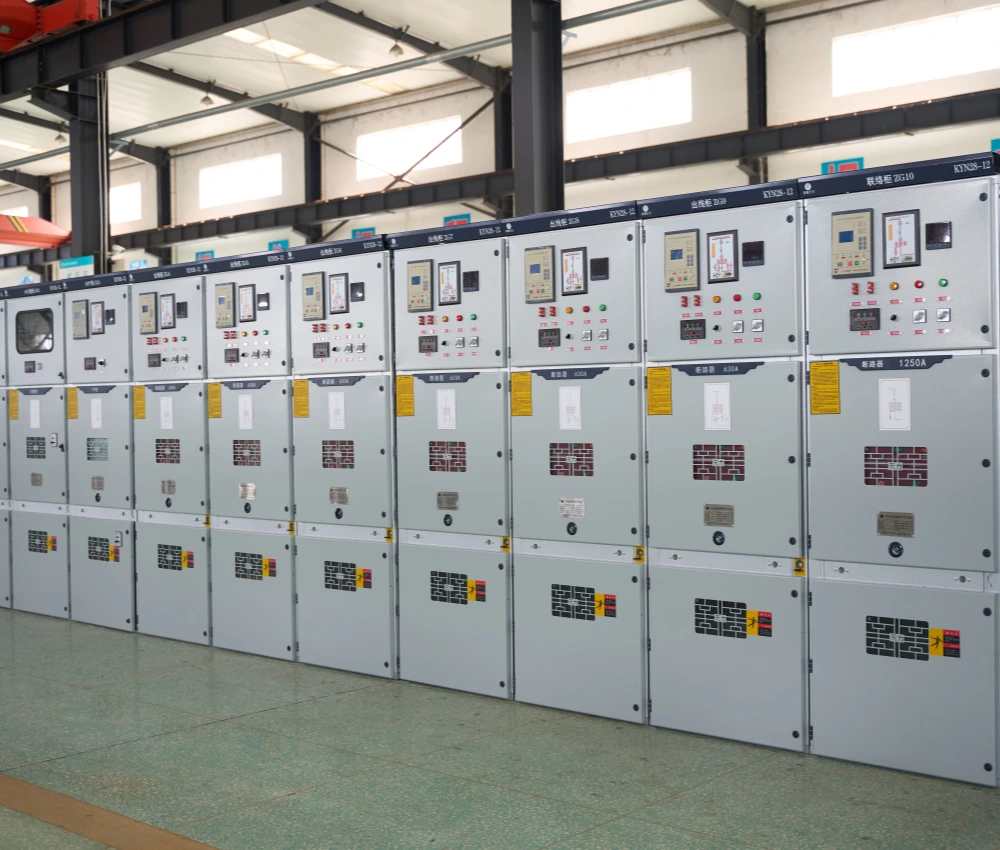
Medium Voltage Switchgear
The Medium Voltage Switchgear is an advanced electrical distribution and protection system engineered for safe, reliable, and efficient medium-voltage power management in utility substations, industrial facilities, renewable energy plants, commercial infrastructure, and smart-grid applications. The system integrates vacuum circuit breakers, disconnect switches, protection relays, busbar assemblies, intelligent monitoring systems, and automation devices into a compact modular enclosure structure to ensure stable electrical distribution and enhanced operational safety. Designed with high-strength insulated structures and precision-manufactured electrical components, the medium voltage switchgear provides outstanding dielectric performance, thermal stability, and mechanical durability under demanding operating conditions. Its modular cabinet configuration improves installation flexibility, simplifies maintenance procedures, and supports future power distribution expansion while minimizing operational downtime and maintenance costs. The Medium Voltage Switchgear supports air-insulated and gas-insulated configurations, intelligent automation systems, remote communication protocols, and smart-grid integration technologies. With customizable protection schemes and scalable electrical distribution capabilities, the switchgear delivers dependable medium-voltage control and protection performance for industrial automation systems, utility power networks, renewable energy integration projects, transportation infrastructure, and mission-critical electrical facilities.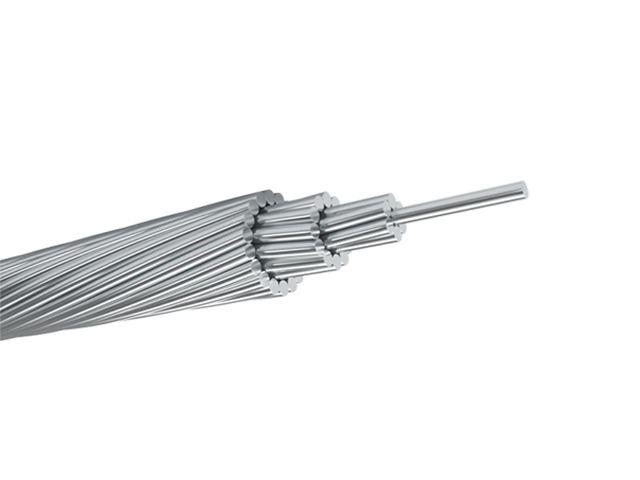
AAAC Rabbit Conductor Cable
AAAC RABBIT conductor is a compact, high-performance All Aluminum Alloy Conductor manufactured using 6201-T81 aluminum alloy, in compliance with ASTM B399, IEC 61089, and BS EN 50182 standards. Named "Rabbit" for its 50 mm² nominal area with 7-strand configuration, it offers superior conductivity (61% IACS) and tensile strength (295 MPa min) compared to ACSR. Made from heat-treated aluminum-magnesium-silicon alloy (6201-T81), this cable provides excellent corrosion resistance, low weight, and reduced sag for longer spans. Compliant with ASTM B398, B399, IEC 61089, and BS EN 50182 standards, it supports voltages up to 33kV with ampacity up to 250A at 75°C. The homogeneous alloy construction eliminates bimetallic corrosion and ensures uniform mechanical properties. The AAAC Rabbit Conductor Cable minimizes line losses, withstands harsh weather, and requires minimal maintenance. Ideal for rural electrification, urban upgrades, and renewable energy integrations, it delivers reliable, cost-effective power delivery in overhead lines worldwide, outperforming traditional conductors in corrosive or coastal environments.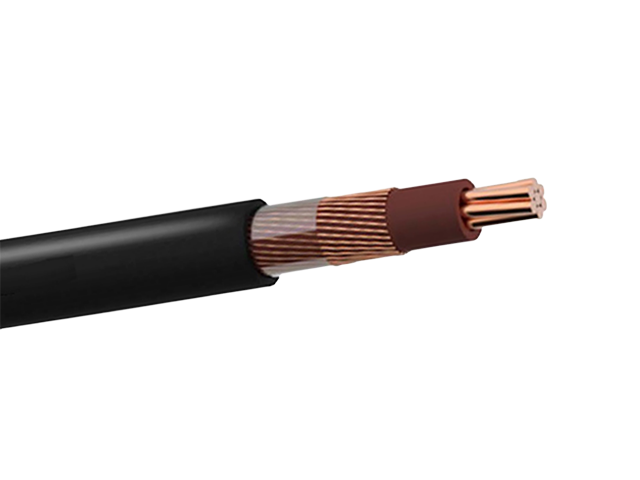
28 kV Concentric Neutral Power Cable
The 28 kV Concentric Neutral Power Cable is a premium medium-voltage underground distribution cable engineered for reliable primary power delivery. It consists of a stranded copper or aluminum conductor, extruded semi-conducting conductor shield, tree-retardant TR-XLPE or EPR insulation, semi-conducting insulation shield, and helically applied bare copper concentric neutral wires, all protected by a tough sunlight-resistant LLDPE jacket. Available with 100% or 133% insulation levels and full or reduced neutral, this cable offers excellent electrical performance, superior moisture and treeing resistance, and strong mechanical protection. Suitable for direct burial or duct installations, the 28 kV Concentric Neutral Power Cable meets ICEA S-94-649, AEIC CS8, and related standards. It undergoes rigorous quality testing from raw materials to finished product, ensuring low dielectric loss, high reliability, and long service life in demanding underground environments.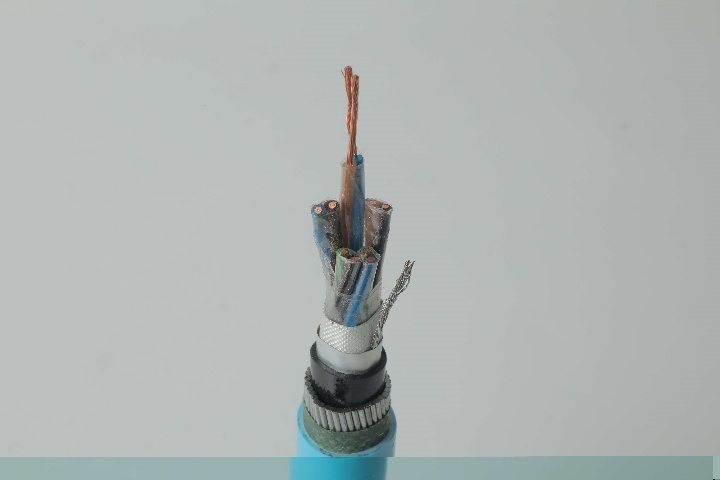
Instrumentation Cables—XLPE Insulated,Individual & Overall Screened,Lead Sheathed,Wire Armoured PVC Sheathed Cables(CU/XLPE/IOSCR/LEAD/SWA/PVC)
Instrumentation Cables are multi-conductor cables that carry and transport low-voltage electrical signals. These low-voltage signals are used to control and monitor electrical power systems. Instrumentation cables have many different industrial applications that include broadcasting, equipment control, such as drilling and pumping in the oil and gas industry, and data transfer, which includes analog and digital signals. They are manufactured according to the BS EN 50288-7 and BS EN 50288-1 standards to ensure quality. Depending on the application, instrumentation cables can be insulated with PVC or XLPE; the cables can be armoured or unarmoured. The sheathing materials can be of PVC, LSZH, or PE. The cables can have additional flame retardant or flame retardant properties, and they can be manufactured with special protections such as lead sheaths, or DRYLAM or AIRBAG technology.2Y-high-voltage-power-cable-2.webp)
2XS(FL)2Y HDPE High Voltage 36/60 (72.5) kV Power Cable
The 2XS(FL)2Y HDPE High Voltage 36/60 (72.5) kV Power Cable is a high-performance single-core copper conductor cable designed for medium-to-high voltage power transmission. It features XLPE insulation, extruded semi-conductive conductor and insulation screens, and semi-conductive water-swellable tapes for longitudinal water blocking. A longitudinally applied aluminium tape moisture barrier coated with PE copolymer ensures superior moisture resistance and mechanical protection. The HDPE oversheath provides outstanding abrasion, chemical, and environmental resistance, making it suitable for direct burial, underwater, outdoor, indoor, and duct installations. Manufactured in compliance with IEC 60840, this cable guarantees reliable long-term electrical performance in demanding environments such as power stations, industrial plants, and distribution networks.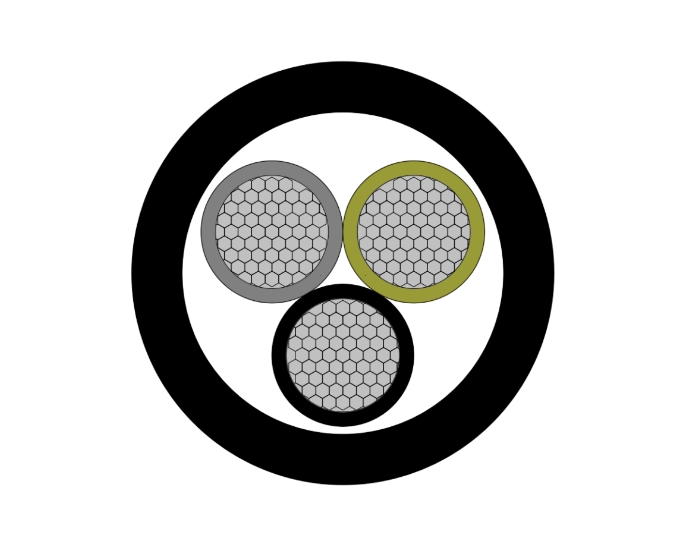
NAYY-J/NAYY-O Cables
The NAYY-J/NAYY-O Solar Cables provide cost-effective, reliable power distribution in photovoltaic systems. With sector-shaped or round aluminum conductors, PVC core insulation, and robust PVC outer jacket, they meet VDE 0276 requirements. NAYY-J includes a protective earth conductor, while NAYY-O is without. These cables excel in wet environments with superior water and chemical resistance, suitable for direct burial without additional protection. UV-stabilized and mechanically strong, they withstand soil stress and installation pulling forces. Low-weight aluminum reduces handling efforts, making them popular for extensive solar parks. NAYY-J/NAYY-O Solar Cables ensure efficient energy transfer with minimal losses, supporting sustainable solar infrastructure worldwide.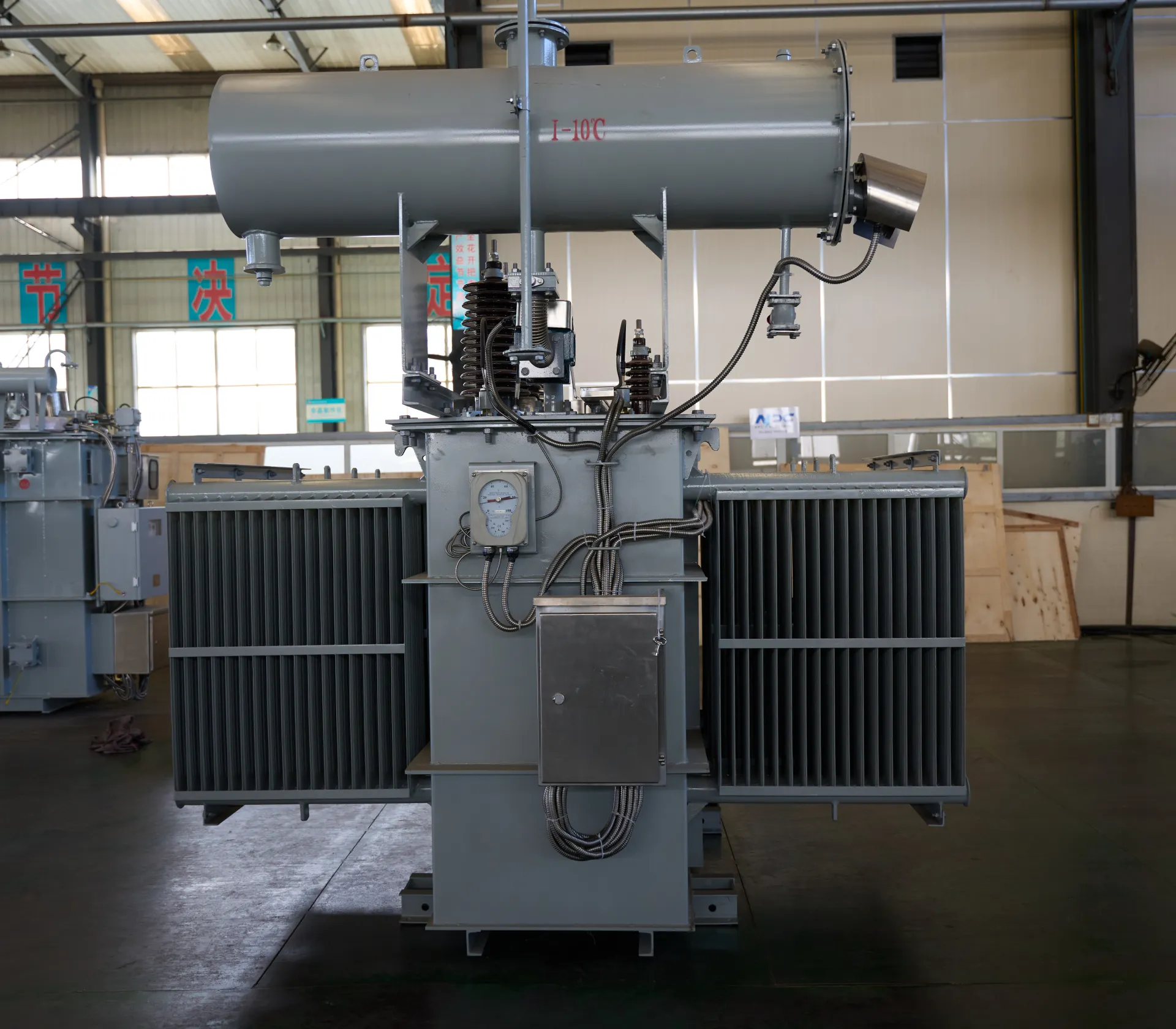
45kV 2500kVA Weatherproof & Oven-Proof Oil-Immersed Power Transformer
The 45kV 2500kVA Weatherproof & Oven-Proof Oil-Immersed Power Transformer is engineered for demanding outdoor applications requiring high durability, stable voltage transformation, and long-term operational reliability. Designed with premium cold-rolled silicon steel, high-conductivity copper windings, and a reinforced oil-immersed cooling system, the transformer ensures excellent thermal stability and resistance to overheating. Its oven-proof construction allows the unit to withstand high ambient temperatures, while the weatherproof enclosure provides protection against rain, dust, humidity, and corrosive environments. With advanced insulation, strong short-circuit endurance, and compatibility with both off-load and on-load tap changers, this 45kV outdoor transformer is ideal for substations, industrial facilities, renewable energy sites, and long-distance power distribution systems. Built in accordance with IEC 60076 standards, it delivers efficiency, reliability, and lifespan required for critical grid infrastructure.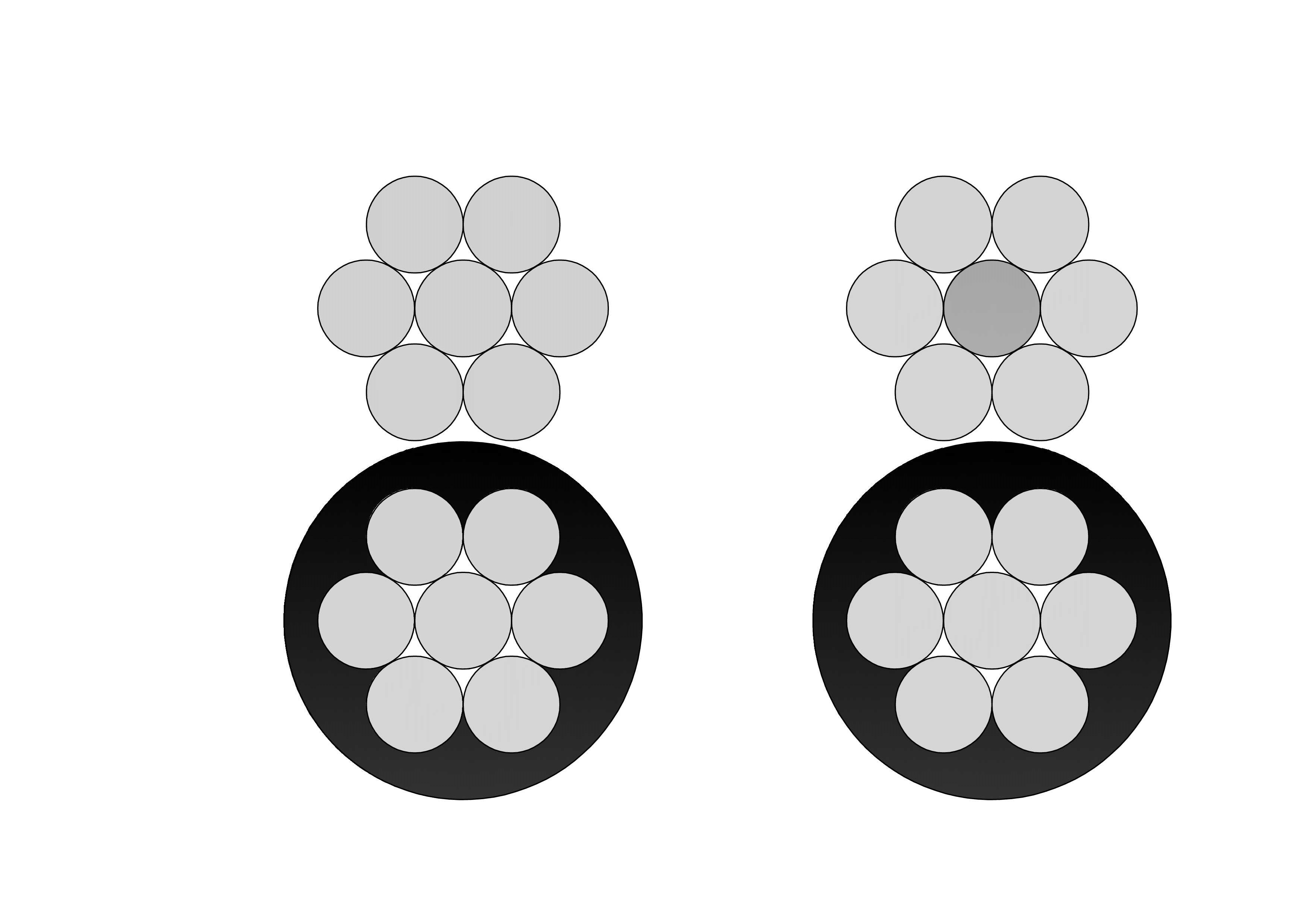
6 Pekingese Aluminum Conductor Duplex Overhead Service Drop Cable
The 6 Pekingese Aluminum Conductor Duplex Overhead Service Drop Cable is designed for safe and efficient secondary overhead power distribution from utility lines to residential and light commercial service entrances. The duplex configuration consists of two concentrically stranded aluminum conductors, typically serving as a phase conductor and a neutral messenger, providing reliable electrical transmission and mechanical support. The No. 6 Pekingese conductor size is well suited for short-span service drop installations, offering stable current-carrying capacity with controlled sag and adequate tensile strength. Aluminum construction ensures lightweight handling, excellent corrosion resistance, and simplified installation in outdoor environments. Manufactured in accordance with ASTM standards and utility specifications, the 6 Pekingese Aluminum Conductor Duplex Overhead Service Drop Cable delivers uniform stranding, consistent conductivity, and dependable long-term performance. It is widely selected by utilities and contractors seeking a cost-effective, durable solution for overhead service drop applications.
FR-N30XA8E-R 18/30kV Cable Gen to NF C 33-226 - Cu/XLPE/MDPE
The NF C 33-226 Cu-XLPE-MDPE 18/30kV Cable is a robust medium voltage power cable designed for safe and reliable energy transmission in fixed installations. It features a Class 2 stranded copper conductor, cross-linked polyethylene (XLPE) insulation, and a medium-density polyethylene (MDPE) outer sheath, ensuring outstanding electrical conductivity, insulation integrity, and mechanical protection. Complying with NF C 33-226, IEC 60502-2, and EN 60228, this cable is ideal for power distribution in industrial plants, substations, municipal grids, and commercial facilities. It provides excellent resistance to water (AD7) and UV radiation (ISO 4892), while being halogen-free (IEC/EN 60754-1) to ensure environmental and operational safety. With a voltage rating of 18/30 (36)kV and maximum operating temperature of 90°C, the Cu-XLPE-MDPE construction guarantees stable, efficient, and long-lasting performance in medium- and high-voltage networks.
397.5 MCM IBIS ACSR Conductor Cable
The ACSR CAA 397.5 MCM 26/7F IBIS conductor is a high-strength aluminium conductor steel reinforced (ACSR) cable, engineered for use in overhead transmission and distribution systems where both mechanical durability and electrical performance are critical. Manufactured in accordance with ASTM B232, this conductor is constructed with 26 strands of hard-drawn 1350-H19 aluminium helically laid over 7 galvanized steel strands, offering an optimal balance between conductivity, corrosion resistance, and tensile strength. The steel core, galvanized to Class A or B standards, provides structural support and resistance to environmental corrosion, while the outer aluminium layers ensure efficient current-carrying capacity. This concentric-lay stranded design makes the IBIS conductor a reliable and widely used solution in medium- and high-voltage power networks, particularly for long-span overhead lines.
167kVA Conventional Type Single Phase Pole Mounted Transformer
NPC ELECTRIC'S 167kVA Single Phase pole Mounted transformer is a high capacity single phase distribution transformer designed for medium to high load distribution systems. It is mainly used in residential, commercial, agricultural and light industrial applications to provide stable single phase power to ensure reliable operation of user-side equipment. It complies with international standards such as ANSI/IEEE C57, IEC60076 and other standards to ensure its high quality and stability. Standard features include mineral oil insulation (ONAN cooling), aluminum or copper windings, primary voltages 2.4kV–34.5kV grounded wye or delta (common: 7200/12470GrdY, 7620/13200GrdY, 12470GrdY/7200, 24940GrdY/14400, 34500GrdY/19920), secondary 120/240V or 240/120V split-phase (options for 277V/480V or custom), BIL ratings 95–150kV HV / 30kV LV, impedance typically 1.5–4.5%, ±2×2.5% or 5-position tap changer, conventional or CSP (completely self-protected) configurations with internal fuses, lightning arresters, weak-link protection, pressure relief valve, oil sight gauge, and ANSI 70 gray tank finish. Efficiency typically reaches 99.33% at 50% load per DOE levels (with 2029 amendments targeting further reductions for units ≥100 kVA), with low sound levels and corrosion-resistant hardware for extended outdoor service.
Control Cable 0.6/1 kV CVV-S to IEC 60502 Standard (2-30 core)
Engineered for electromagnetic interference resistance, the Control Cable 0.6/1 kV CVV-S to IEC 60502 Standard (2-30 core) excels in sensitive control environments. It employs concentric stranded copper conductors for low-resistance transmission, paired with black PVC insulation marked by white numbers for easy identification. The integrated copper tape shield effectively blocks electrostatic noise, while dual PVC sheaths provide flame resistance and mechanical protection. Suitable for 0.6/1 kV ratings, it withstands temperatures from -15°C to 70°C. This cable is tailored for supervisory circuits, outdoor stations, and installations in ducts or conduits where shielding is essential. With options from 2 to 30 cores, it accommodates diverse system requirements, enhancing signal integrity and reducing errors. Fully compliant with IEC 60502, it minimizes operational disruptions in high-interference settings. Ideal for professionals demanding dependable solutions, the CVV-S ensures long-lasting performance and cost savings through superior durability.
37.5kVA Conventional Type Single Phase Pole Mounted Transformer
37.5kVA Conventional Type Single Phase pole Mounted transformer has a rated capacity range from 10 kVA to 333 kVA, and complies with ANSI, IEEE, CSA, IEC60076 and other standards, ensuring safety, stability, and efficiency, allowing you to reduce operating costs. Our products have been widely exported to markets such as North America, Central and South America, and Southeast Asia. With rich experience, we provide comprehensive technical support and services. Key specifications include mineral oil insulation (ONAN cooling), aluminum or copper windings, primary voltages 2.4kV–34.5kV grounded wye or delta (common: 7200/12470GrdY, 7620/13200GrdY, 12470GrdY/7200, 24940GrdY/14400, 34500GrdY/19920), secondary 120/240V or 240/120V split-phase, BIL ratings 95–150kV HV / 30kV LV, impedance typically 2.0–4.0%, ±2×2.5% or 5-position tap changer, conventional or CSP (completely self-protected) configurations with internal fuses, lightning arresters, weak-link protection, pressure relief valve, oil sight gauge, and standard ANSI 70 gray tank finish. Efficiency typically reaches 99.01–99.05%+, with low sound levels and corrosion-resistant features for long-term outdoor durability.
4 Eskimo Aluminum Conductor Duplex Overhead Service Drop Cable
Our 4 Eskimo Duplex Service Drop Cable provides reliable overhead secondary distribution for residential applications. Consisting of two 4 AWG aluminum conductors (one phase, one neutral, 7-strand) insulated with cross-linked polyethylene (XLPE) and twisted in duplex form, it meets ASTM, ICEA, and international standards. The robust insulation resists sunlight, moisture, and mechanical damage for decades of outdoor service. Lightweight design simplifies installation with low sag and easy handling. The 4 Eskimo Duplex Service Drop Cable ensures minimal losses, high current capacity, and excellent weather performance up to 600V. Self-supporting configuration reduces pole loading. Flame-retardant options enhance safety. Commonly chosen for single-phase power delivery in subdivisions, rural homes, and temporary connections requiring safe, economical aerial bundled solutions with proven durability.Welcome your inquiry
Honesty, Integrity, Frugality, Activeness and Passion