
Sustainable Industrial Plants: Green Solutions for the Future
2026-06-30
Industrial development remains one of the most important drivers of global economic growth. Manufacturing facilities, processing plants, mining operations, chemical complexes, and utility power plants provide the products, materials, and energy that modern societies depend upon. However, industrial activities are also responsible for a significant share of global energy consumption, greenhouse gas emissions, and resource utilization.
As governments, investors, and customers increasingly prioritize environmental responsibility, industrial organizations are under pressure to improve sustainability while maintaining productivity and profitability. This challenge has accelerated the adoption of green solutions across industrial sectors, transforming the way facilities are designed, powered, operated, and maintained.
Modern sustainable industrial plants combine energy-efficient technologies, renewable energy integration, digital automation, advanced electrical infrastructure, and intelligent resource management systems. These facilities not only reduce environmental impact but also improve operational efficiency, resilience, and long-term competitiveness.
1. What Is an Industrial Plant and Why Sustainability Matters
What Is an Industry Plant?
An industrial plant, also commonly referred to as a manufacturing plant or production facility, is a large-scale facility where raw materials are transformed into finished goods through mechanical, chemical, or automated processes. These facilities form the backbone of modern manufacturing and heavy industry, powering economies worldwide by producing everything from automobiles and electronics to chemicals, pharmaceuticals, and food products.
Key Characteristics of an Industrial Plant
Industrial plants are typically characterized by their significant size, specialized machinery, advanced infrastructure, and organized production lines. Unlike small workshops, they operate on a massive scale with dedicated zones for raw material storage, processing, assembly, quality control, packaging, and distribution. Modern industrial plants increasingly incorporate Industry 4.0 technologies such as IoT sensors, robotics, artificial intelligence, and real-time data analytics to boost efficiency and reduce operational costs.
There are various types of industrial plants, including:
- Heavy industrial plants (steel mills, chemical plants, oil refineries)
- Light industrial plants (electronics assembly, textile manufacturing)
- Food processing plants
- Pharmaceutical manufacturing facilities
Why Industrial Plants Matter
Industrial plants play a crucial role in job creation, technological innovation, and economic growth. They drive supply chains, support exports, and contribute significantly to a country’s GDP. However, today’s plants also face growing pressure to adopt sustainable practices — implementing energy-efficient systems, waste reduction, and emission control — to meet environmental regulations and ESG standards.
In 2026, the most successful industrial plants are those that combine smart automation with green technology, ensuring higher productivity while minimizing environmental impact.
Understanding what an industrial plant is helps business owners, engineers, and investors make informed decisions when planning new facilities or optimizing existing ones. Whether you’re exploring plant construction, maintenance strategies, or digital transformation, a well-designed industrial plant is essential for long-term competitiveness in the global market.
The Sustainability Challenge
Historically, industrial growth often prioritized production output over environmental considerations.
Major sustainability challenges include:
- High energy consumption
- Carbon emissions
- Water usage
- Waste generation
- Resource depletion
- Air pollution
Addressing these issues requires a comprehensive approach that integrates technology, engineering, and operational management.
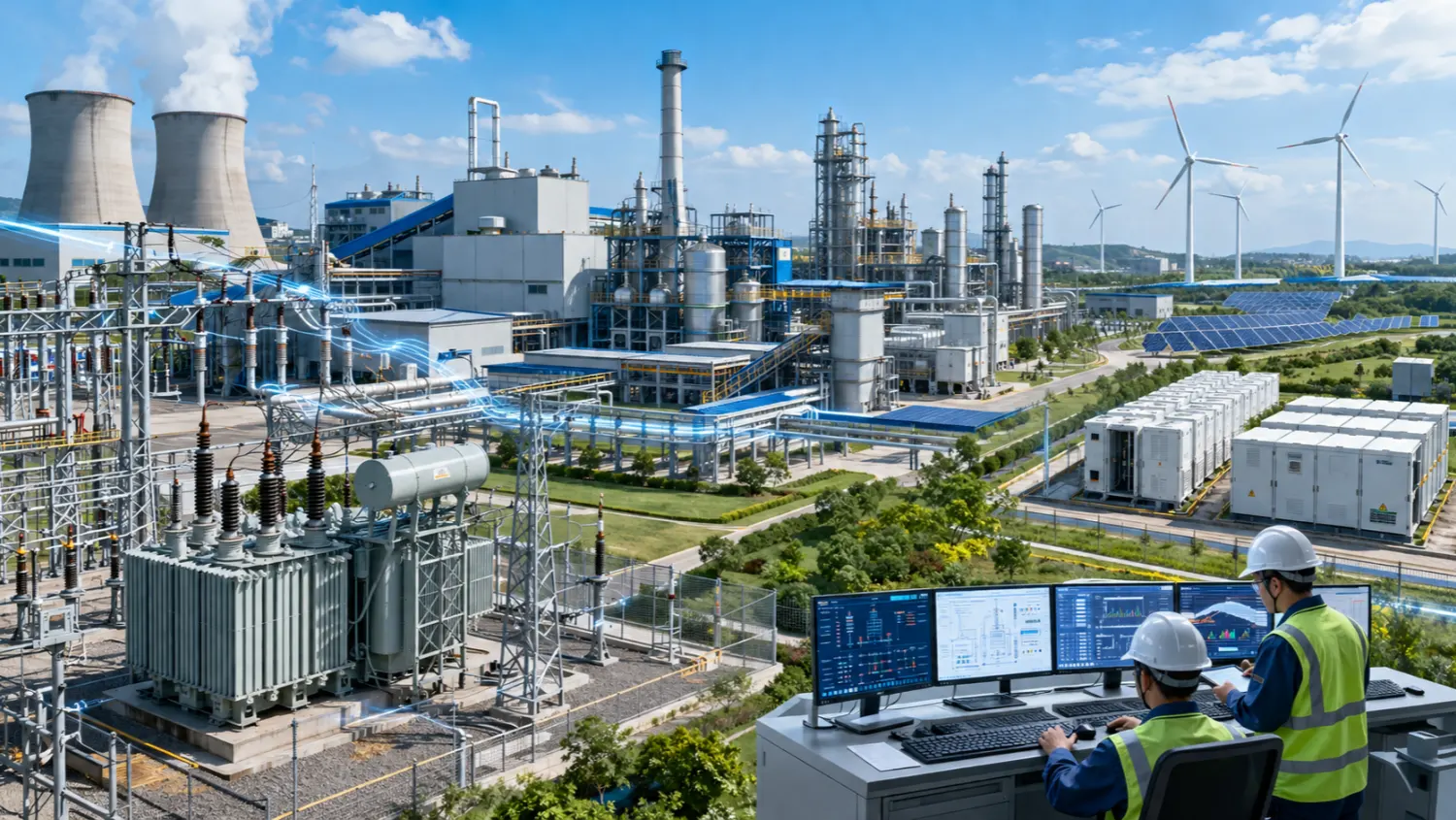
Typical Energy Consumption Distribution in Industrial Plants
|
System |
Typical Energy Share (%) |
|
Process Equipment |
30% – 50% |
|
Electric Motors |
20% – 30% |
|
Heating Systems |
10% – 20% |
|
Compressed Air Systems |
5% – 15% |
|
Lighting Systems |
2% – 8% |
|
HVAC Systems |
5% – 15% |
|
Pumps and Fans |
5% – 12% |
|
Auxiliary Equipment |
2% – 10% |
2. The Evolution of Sustainable Industrial Plants
Industrial sustainability has evolved significantly over the past two decades.
Initially, environmental initiatives focused primarily on regulatory compliance. Today, sustainability has become a core business strategy.
Key Drivers of Change
Several factors are accelerating sustainable industrial transformation:
Environmental Regulations
Governments worldwide are implementing stricter emissions standards and energy-efficiency requirements.
Investor Expectations
Environmental, Social, and Governance (ESG) criteria increasingly influence investment decisions.
Customer Demand
Customers are seeking products manufactured using environmentally responsible processes.
Operational Efficiency
Many sustainability initiatives simultaneously reduce operating costs, creating strong financial incentives.
The result is a shift toward industrial facilities designed to minimize environmental impact while maximizing productivity.
3. Renewable Energy Integration in Industrial Plants
Energy generation and consumption represent one of the largest environmental impacts within industrial operations.
Renewable Energy Adoption
Many industrial plants now integrate renewable energy sources such as:
- Solar photovoltaic systems
- Wind turbines
- Biomass facilities
- Hydropower systems
These resources reduce dependence on fossil-fuel-based electricity.
Role of Power Plants in Industrial Sustainability
The power plant industry is undergoing rapid transformation.
Modern power plants increasingly incorporate:
- Renewable generation
- Energy storage systems
- Smart grid technologies
- Advanced emission controls
Industrial facilities connected to cleaner power sources significantly reduce their overall carbon footprint.
Microgrids and Distributed Energy Systems
Industrial microgrids allow facilities to:
- Generate power locally
- Improve energy security
- Reduce utility costs
- Maintain operational continuity
Microgrids have become a critical component of sustainable industrial infrastructure.
4. Electrical Infrastructure: The Foundation of Green Industry
Reliable and efficient electrical systems are essential for sustainability.
Power Transformers
The power transformer plays a vital role in industrial energy management.
Modern transformers contribute to sustainability through:
- Reduced no-load losses
- Improved load efficiency
- Advanced monitoring systems
- Extended operational life
Energy-efficient transformers can significantly lower facility electricity consumption over time.
Electric Cable Systems
The quality of electric cable infrastructure directly affects energy efficiency.
Advanced cable technologies provide:
- Lower transmission losses
- Improved thermal performance
- Enhanced safety
- Longer service life
Proper cable sizing and installation can substantially reduce energy waste across industrial networks.
Key Electrical Components Supporting Sustainable Industrial Plants
|
Component |
Function |
Sustainability Benefit |
|
Power Transformer |
Voltage conversion |
Reduced transmission losses |
|
Electric Cable |
Power transmission and distribution |
Lower energy losses |
|
Switchgear |
Protection and control |
Improved reliability |
|
Circuit Breakers |
Fault interruption |
Enhanced safety |
|
Energy Storage System (ESS) |
Backup and load balancing |
Renewable energy integration |
|
Smart Metering |
Energy monitoring |
Consumption optimization |
|
SCADA System |
Real-time control |
Operational efficiency |
|
Variable Frequency Drive (VFD) |
Motor speed control |
Reduced energy consumption |
|
Power Quality Analyzer |
Harmonic monitoring |
Improved system efficiency |
|
Solar Inverter |
Renewable energy conversion |
Carbon reduction |
Smart Electrical Distribution
Modern facilities increasingly utilize:
- Digital switchgear
- Intelligent protection systems
- Automated power monitoring
- Predictive maintenance tools
These technologies improve reliability while reducing unnecessary energy consumption.
5. Industry Plant AI and Smart Manufacturing
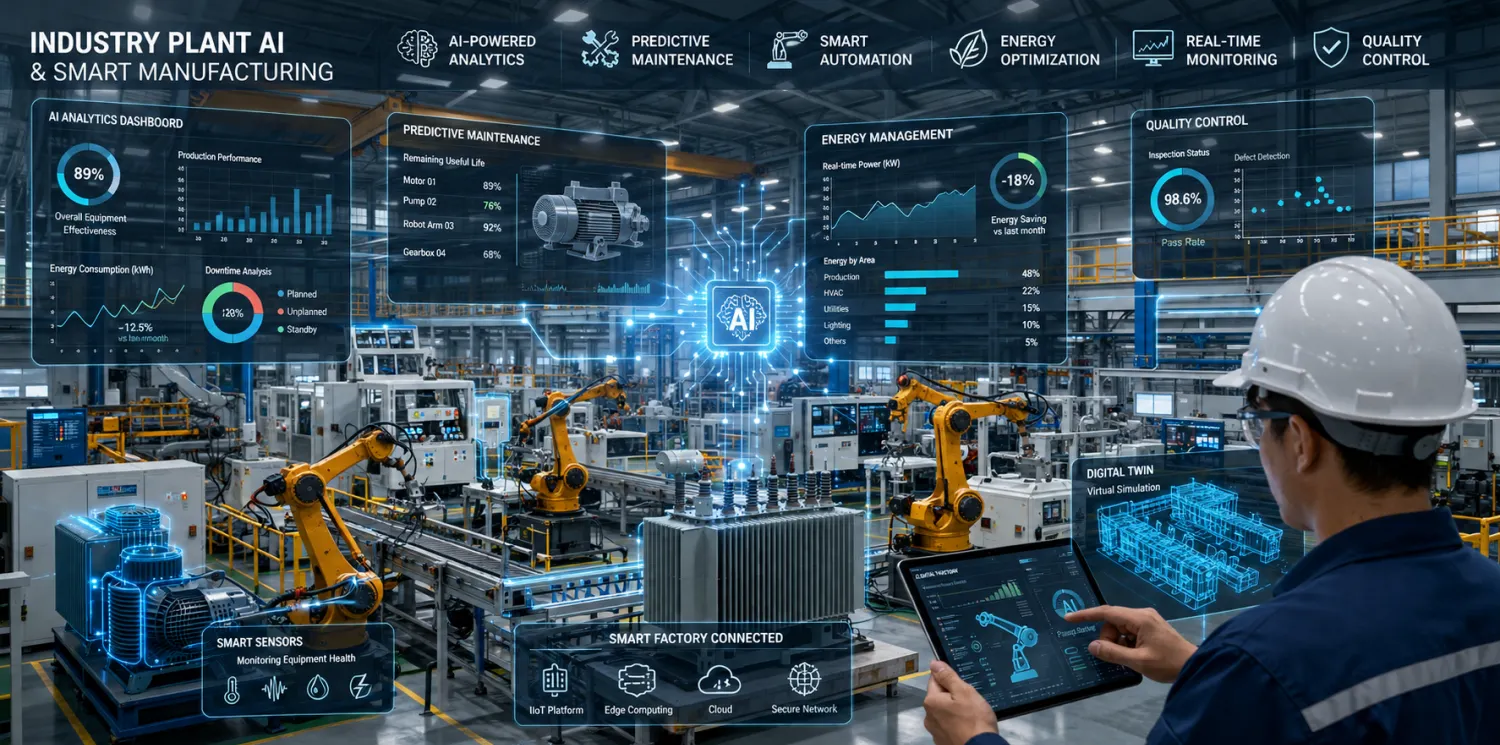
One of the most transformative developments in industrial sustainability is the emergence of Industry Plant AI technologies.
AI-Powered Energy Optimization
Artificial intelligence enables facilities to analyze vast amounts of operational data.
Applications include:
- Load forecasting
- Demand management
- Energy optimization
- Equipment scheduling
AI systems continuously identify opportunities for efficiency improvements.
Predictive Maintenance
Traditional maintenance often relies on fixed schedules.
AI-based predictive maintenance uses:
- Sensors
- Machine learning
- Real-time analytics
To identify potential failures before they occur.
Benefits include:
- Reduced downtime
- Lower maintenance costs
- Extended equipment lifespan
Process Optimization
AI algorithms optimize production processes by:
- Minimizing waste
- Reducing energy consumption
- Improving throughput
- Enhancing product quality
These improvements support both sustainability and profitability objectives.
6. Resource Efficiency and Circular Economy Strategies
Sustainable industrial plants must optimize the use of resources beyond energy alone.
Water Management
Water conservation strategies include:
- Closed-loop cooling systems
- Water recycling technologies
- Advanced treatment facilities
- Leak detection systems
These measures reduce freshwater consumption.
Waste Reduction
Industrial facilities increasingly adopt:
- Material recovery systems
- Recycling programs
- By-product utilization
- Waste-to-energy technologies
The goal is to minimize landfill disposal while maximizing resource recovery.
Circular Manufacturing
Circular economy principles encourage:
- Product reuse
- Material recycling
- Resource recovery
- Sustainable sourcing
This approach reduces environmental impact across the entire value chain.
7. Designing Sustainable Industrial Plants for the Future
Sustainability must be incorporated during the design phase rather than added later.
Energy-Efficient Facility Design
Modern industrial plants emphasize:
- High-efficiency equipment
- Optimized building layouts
- Advanced insulation systems
- Smart lighting technologies
Early design decisions significantly influence long-term performance.
Digital Twin Technology
Digital twins create virtual models of industrial facilities.
Benefits include:
- Energy simulation
- Performance optimization
- Scenario analysis
- Predictive planning
Engineers can evaluate sustainability improvements before implementation.
Traditional Industrial Plants vs Sustainable Industrial Plants
|
Parameter |
Traditional Industrial Plant |
Sustainable Industrial Plant |
|
Energy Source |
Fossil Fuels Dominated |
Renewable + Grid Hybrid |
|
Energy Efficiency |
Moderate |
High |
|
Carbon Emissions |
High |
Low |
|
Resource Recovery |
Limited |
Extensive |
|
Automation Level |
Basic |
Advanced AI & IoT |
|
Predictive Maintenance |
Limited |
Fully Integrated |
|
Waste Management |
Reactive |
Circular Economy Based |
|
Power Monitoring |
Periodic |
Real-Time |
|
Lifecycle Cost |
Higher |
Lower |
|
ESG Compliance |
Basic |
Strong |
|
Operational Resilience |
Moderate |
High |
|
Sustainability Rating |
Low |
High |
Electrification of Industrial Processes
Many industries are replacing fossil-fuel-powered equipment with electric alternatives.
Examples include:
- Electric boilers
- Electric furnaces
- Electric vehicles
- Battery-powered machinery
Industrial electrification supports broader decarbonization goals.
8. Future Trends in Sustainable Industrial Plants
The future of sustainable industry will be shaped by emerging technologies and evolving market demands.
Carbon Neutral Manufacturing
Many organizations have established carbon neutrality targets.
Future investments will focus on:
- Renewable energy
- Carbon capture technologies
- Energy storage systems
- Green hydrogen
Smart Grids and Connected Infrastructure
Industrial facilities will become increasingly connected through:
- Smart grids
- IoT devices
- Advanced analytics
- Real-time optimization platforms
These systems improve both efficiency and resilience.
Autonomous Industrial Operations
AI and automation will continue expanding across industrial environments.
Future facilities may utilize:
- Autonomous maintenance systems
- Self-optimizing production lines
- Intelligent energy management
- Automated environmental monitoring
These innovations will further enhance sustainability performance.
Frequently Asked Questions (FAQ)
1. What is a sustainable industrial plant?
A sustainable industrial plant is a manufacturing or processing facility designed to minimize environmental impact while maintaining high operational efficiency. These facilities use energy-efficient equipment, renewable energy sources, advanced automation systems, and resource optimization strategies to reduce carbon emissions, energy consumption, and waste generation.
2. How do power transformers contribute to sustainability in industrial plants?
Modern power transformers improve sustainability by reducing transmission and distribution losses, increasing energy efficiency, and supporting smart grid integration. High-efficiency transformers can significantly lower electricity consumption over their operational lifespan, reducing both operating costs and carbon emissions.
3. Why are electric cables important in green industrial facilities?
Electric cable systems play a critical role in energy efficiency and operational reliability. Properly designed cable networks reduce power losses, improve electrical safety, support renewable energy integration, and enhance overall power distribution performance within industrial plants.
4. How does Industry Plant AI improve industrial sustainability?
Industry Plant AI uses artificial intelligence, machine learning, and real-time data analytics to optimize energy consumption, predict equipment failures, improve production efficiency, and reduce waste. AI-driven systems help industrial facilities lower operating costs while achieving sustainability and carbon-reduction goals.
5. What renewable energy solutions are commonly used in industrial plants?
Common renewable energy solutions include solar photovoltaic systems, wind power generation, battery energy storage systems (BESS), biomass facilities, and industrial microgrids. These technologies help reduce dependence on fossil fuels and improve energy resilience while supporting long-term sustainability objectives.
6. What are the main benefits of sustainable industrial plants?
Sustainable industrial plants offer multiple benefits, including lower energy costs, reduced carbon emissions, improved ESG performance, higher operational efficiency, enhanced regulatory compliance, greater energy security, and stronger competitiveness in global markets. They also help organizations meet corporate sustainability and net-zero targets.
Conclusion
Sustainable industrial plants represent the future of global manufacturing, energy production, and industrial development. As environmental regulations tighten and market expectations evolve, organizations must adopt comprehensive green solutions that address energy consumption, emissions, resource efficiency, and operational resilience.
By integrating renewable energy systems, efficient power transformers, advanced electric cable infrastructure, AI-driven automation, and circular economy principles, modern industrial plants can achieve significant sustainability improvements while maintaining profitability and competitiveness.
Whether in manufacturing facilities, mining operations, processing complexes, or modern power plants, sustainability is no longer an optional initiative—it has become a fundamental requirement for long-term success. Organizations that embrace these technologies and strategies today will be better positioned to thrive in the increasingly sustainable industrial economy of tomorrow.

Related Articles


Related Products
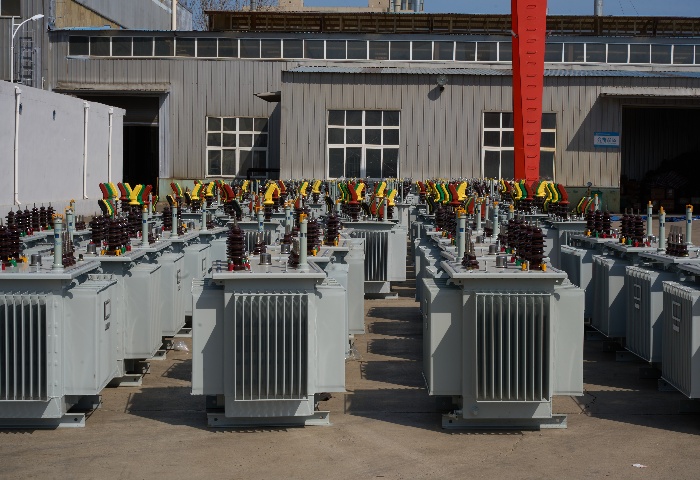
10.5KV Oil Immersed Substation Transformer
The 10.5kV Oil Immersed Substation Transformer is specifically designed for medium-voltage power substations requiring stable voltage conversion and reliable long-term operation. Utilizing a proven oil-immersed insulation system, the transformer provides excellent dielectric strength and efficient heat dissipation, ensuring dependable performance under continuous load conditions. High-quality winding materials and precise manufacturing processes enhance mechanical strength and short-circuit resistance. With low operating noise and strong thermal stability, the transformer is well-suited for modern substations serving industrial, commercial, and infrastructure power distribution systems.
1600kVA Oil Immersed Transformer
The 1600kVA Oil Immersed Transformer is a high-capacity, three-phase, liquid-filled distribution transformer engineered for reliable outdoor pad-mounted or substation installations in utility networks, large commercial/industrial complexes, data centers, manufacturing plants, and high-demand power distribution systems. Primary voltages range from 2.4kV to 34.5kV (common: 34.5kV, 24.94kV, 13.8kV, 13.2kV, 12.47kV, 4.16kV) in delta or grounded wye configurations with BIL up to 200kV. Secondary voltages include 600Y/347V, 480Y/277V, 208Y/120V, 240/120V, or custom outputs with vector groups Dyn11, Dyn1, Yyn0, etc.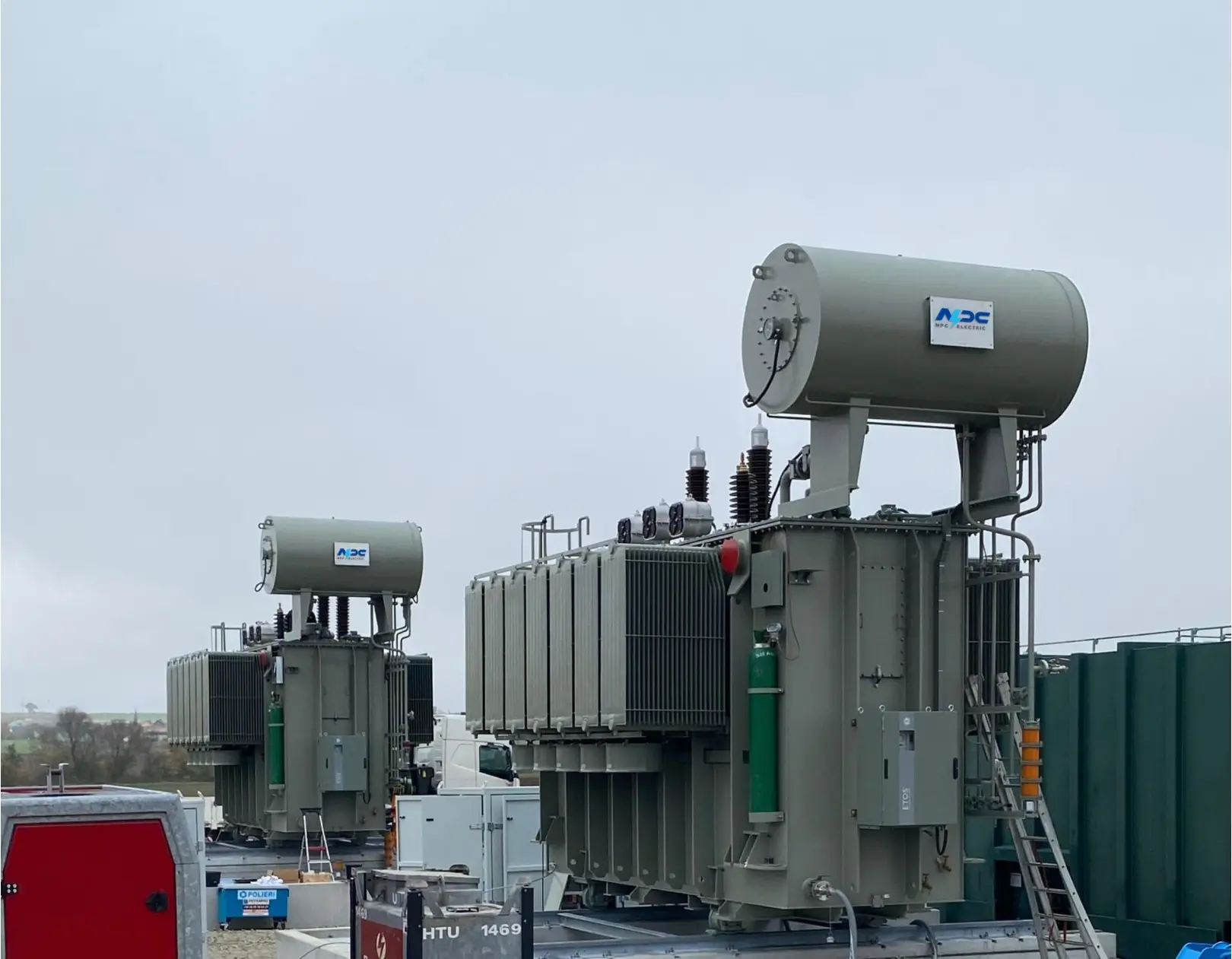
65kV Three-Phase Oil-Immersed Power Transformer with No-Load Voltage Regulation
The 65kV Three-Phase Oil-Immersed Power Transformer with No-Load Voltage Regulation is engineered for medium-to-high voltage distribution systems requiring stable performance and precise voltage control. Equipped with a no-load tap changer, the transformer allows flexible adjustment of voltage ratios to meet varying grid demands. Its high-grade silicon steel core and oxygen-free copper windings ensure low losses, superior thermal efficiency, and long operational life. The oil-immersed cooling system provides enhanced heat dissipation, while the durable outdoor-rated tank structure enables reliable operation in harsh climatic environments. Designed in compliance with IEC, IEEE, and GB standards, this transformer is widely used in utility substations, industrial power networks, renewable energy stations, and large commercial distribution systems. It delivers consistent voltage regulation, strong overload capability, and dependable long-term grid support.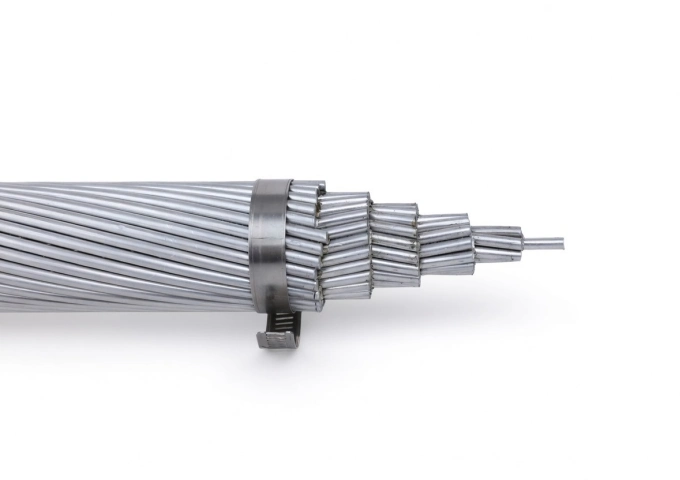
1033.5 MCM Bluebell AAC All Aluminum Bare Conductor Cable
The 1033.5 MCM Bluebell AAC Cable represents premium All Aluminum Conductor technology for overhead power applications. Built with 37 strands of high-conductivity 1350-H19 aluminum, this bare conductor delivers an optimal balance of electrical efficiency and mechanical robustness. With a 1.170-inch diameter, 17,900 lbs breaking strength, and 1033 amps ampacity, the Bluebell AAC offers low DC resistance of 0.0167 ohms per 1000 ft at 20°C and a weight of 970.3 lbs per 1000 ft. This design minimizes sag while providing excellent corrosion resistance for extended outdoor service. Manufactured to meet ASTM B-230 and B-231 standards, the 1033.5 MCM Bluebell AAC Cable undergoes extensive quality testing from raw materials through finished product. It is the ideal solution for new installations and upgrades in transmission and distribution systems that demand lightweight, high-conductivity bare aluminum conductors.
130kV High-Voltage Power Transformer
The 130kV Power Transformer is designed for advanced high-voltage transmission and distribution systems requiring superior electrical stability and long-term operational reliability. Built with an optimized magnetic circuit and precision-engineered windings, it delivers excellent voltage regulation, minimized energy losses, and strong resistance to thermal and mechanical stress. The transformer features a reinforced insulation structure and a sealed oil-immersed cooling system that ensures consistent performance under fluctuating load and environmental conditions. Its rugged construction supports outdoor installation and continuous operation in demanding climates. Designed to meet international grid requirements, this transformer is suitable for utility networks, industrial power hubs, and infrastructure projects where safety, efficiency, and service continuity are critical.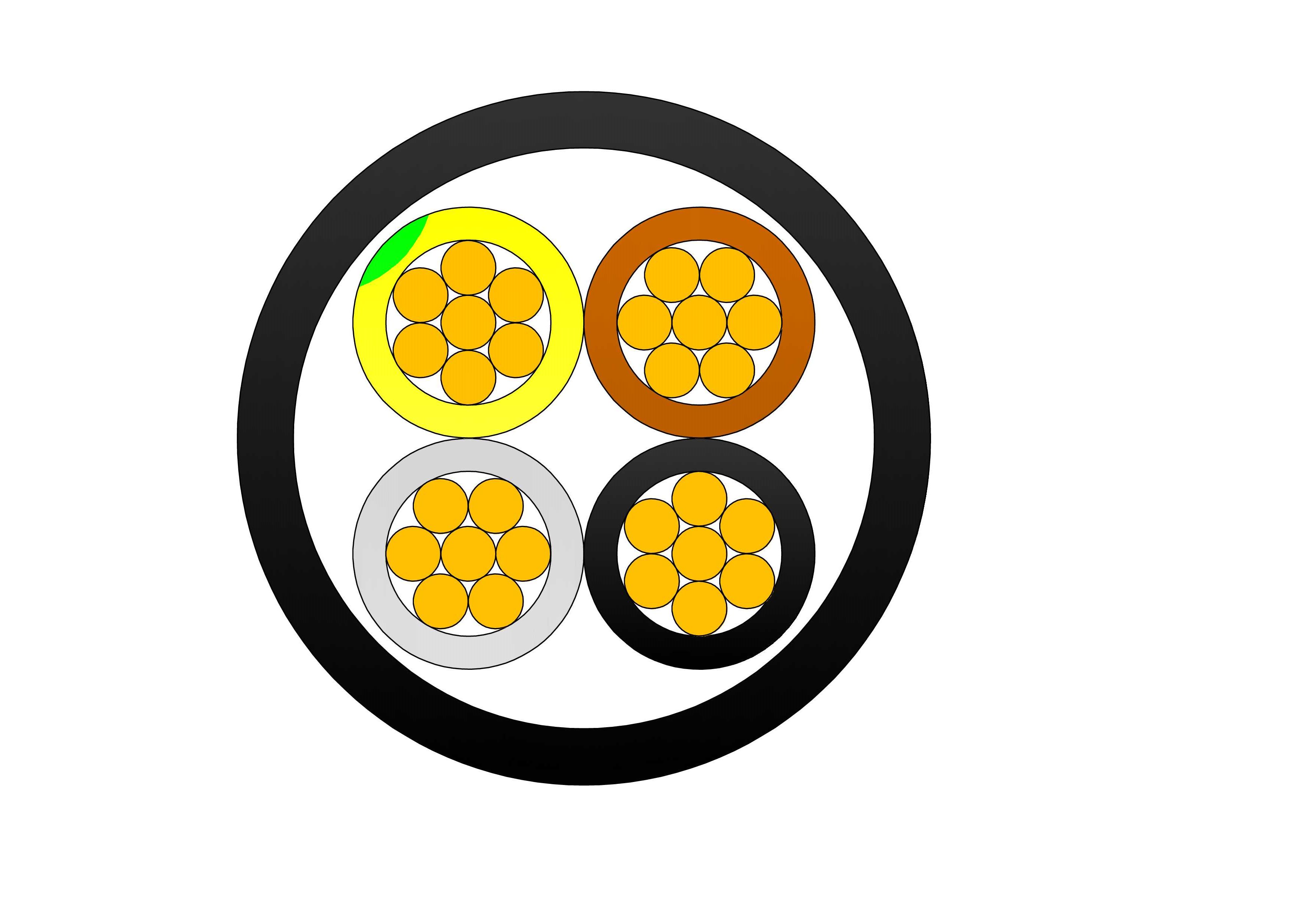
PV SOLAR Copper XLPE Insulated
The PV Solar Copper XLPE Insulated Cable is a premium solar cable engineered for efficient and reliable photovoltaic power systems. It utilizes high-purity stranded copper conductors for maximum conductivity and flexibility, paired with cross-linked polyethylene (XLPE) insulation that provides outstanding thermal stability, UV resistance, and weatherproof performance. Rated for DC 1.8kV and AC 0.6/1kV, this cable meets TÜV 2PfG 1169, EN 50618, and UL 4703 standards, ensuring safety and durability in harsh outdoor conditions. The PV Solar Copper XLPE Insulated Cable offers low voltage drop, high current capacity, and excellent flame retardant properties. Its superior flexibility facilitates easy installation in complex solar arrays. It is the preferred choice for high-end solar farms, rooftop systems, and commercial photovoltaic projects where maximum efficiency and long-term reliability are required.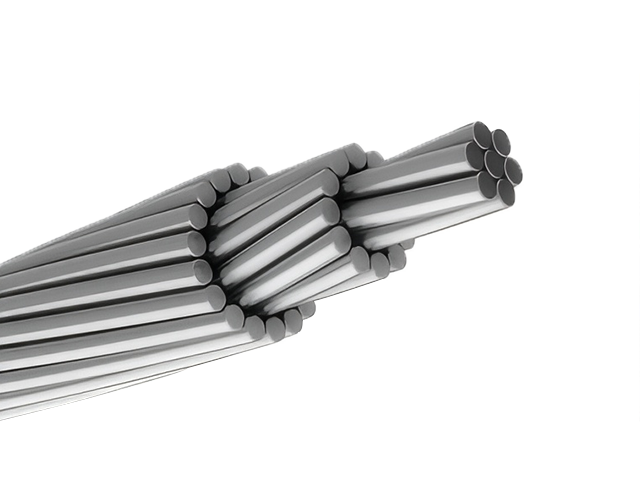
477 MCM HAWK ACSR Conductor Cable
The 477 MCM HAWK ACSR Conductor Cable is a robust and highly efficient Aluminium Conductor Steel Reinforced (ACSR) cable engineered for overhead transmission and distribution networks. It consists of 26 hard-drawn 1350-H19 aluminium wires concentrically stranded around 7 galvanized steel wires, delivering an optimal blend of electrical conductivity and mechanical strength. Designed and manufactured in accordance with ASTM B232, the HAWK configuration is well-suited for long-span overhead lines, where elevated tensile performance is required to withstand environmental loads like wind and ice. The galvanized steel core, available in Class A or B, offers superior corrosion resistance, while the aluminium strands ensure high current-carrying capacity with low resistivity. This conductor is a popular choice in transmission infrastructure due to its balance of strength, weight, and performance, making it a cost-effective and reliable solution in a wide range of operating environments.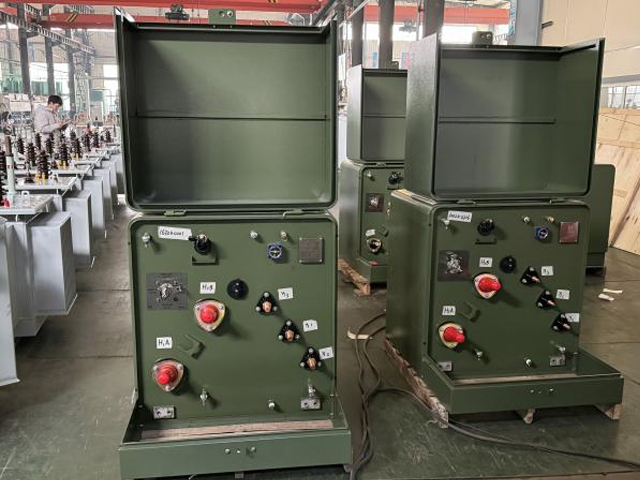
5kVA Conventional Type Single Phase Pole Mounted Transformer
NPC ELECTRIC has been focusing on the production of 5kVA Conventional Type Single Phase Pole Mounted transformer for decades, complying with international standards such as IEC 60076, ISO 9001, IEEE C57.12.00, etc. to ensure its safety, performance, and reliability. NPC ELECTRIC’s 5kVA conventional single-phase pole-mounted transformer is a small power transformer equipment, usually installed on power poles. This transformer is widely used in daily life and small industrial fields for its reliability and efficient power conversion capabilities, ensuring a stable and safe power supply. The transforming primary voltages from 2.4kV to 34.5kV (such as 12470Y/7200, 13200Y/7620, or 14400GrdY/8320) to secondary outputs like 120/240V split-phase or 277V. Featuring an interlaced core for surge resistance, high-grade silicon steel, and aluminum or copper windings.
2500kVA Oil Immersed Transformer
NPC ELECTRIC's 2500kVA oil-immersed transformer is designed with international advanced technology and complies with international standards such as IEC, ANSI, and ISO. It has high efficiency, low noise, and excellent thermal stability. This transformer is widely used in power transmission and distribution systems to ensure a stable and reliable power supply. High-strength windings and robust mechanical construction enhance short-circuit withstand capability and thermal endurance. With reliable voltage regulation and low operational noise, this transformer is well-suited for industrial plants, infrastructure projects, and utility substations requiring a dependable high-capacity power supply.
50kV 1000kVA Outdoor Three-Phase Oil-Immersed Power Transformer for Distribution
The 50kV 1000kVA Outdoor Three-Phase Oil-Immersed Power Transformer for Distribution is engineered to deliver high efficiency, stable voltage regulation, and long-term service reliability in medium-voltage distribution networks. Designed for outdoor installation, the transformer features a robust oil-immersed cooling system, high-grade silicon steel core, and pure copper windings to ensure excellent thermal performance and low-loss characteristics. Its rugged, weatherproof construction withstands harsh climates, ensuring continuous operation in industrial plants, utility grids, mining sites, and renewable energy distribution stations. With optimized insulation, superior dielectric strength, and advanced protection configurations, the transformer offers enhanced safety and reduced maintenance. This unit is ideal for step-down power distribution scenarios requiring consistent performance and dependable energy delivery.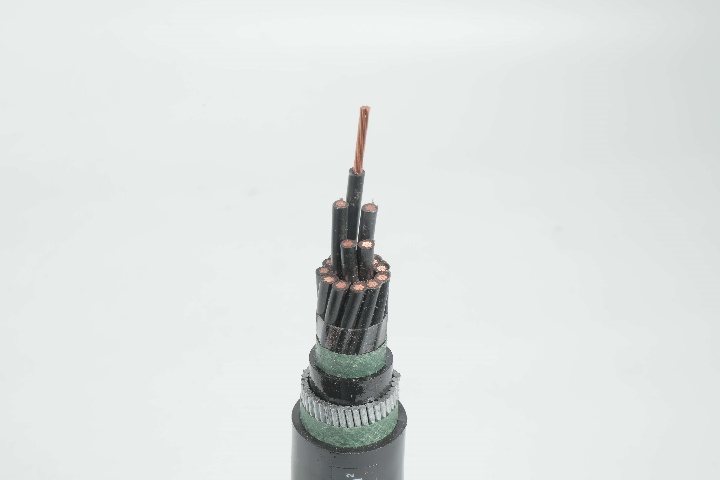
PLTC Shielded Instrumentation Tray Cable - 300V Copper Multi-Pair Cable
The PLTC Shielded Instrumentation Cable is a versatile power-limited tray cable engineered for precise signal transmission in industrial environments. It consists of stranded copper conductors with PVC insulation, twisted pairs or triads, aluminum foil shielding with drain wire for EMI protection, and a flame-retardant PVC jacket. This design ensures clean signal integrity, mechanical durability, and easy installation in cable trays. Rated 300V, the cable is suitable for control, instrumentation, and monitoring circuits. Compliant with UL 13 and NEC Article 725, the PLTC Shielded Instrumentation Cable undergoes extensive quality testing from raw materials to finished product, delivering consistent performance, safety, and reliability for modern industrial automation and process control applications.
Solar Cable H1Z2Z2-K Tinned Stranded Copper
The H1Z2Z2-K Solar Cable Tinned Stranded Copper is a high-performance photovoltaic cable designed for solar power generation systems. It features tinned stranded copper conductors for superior conductivity, corrosion resistance, and flexibility, with cross-linked polyolefin (XLPO) insulation and sheath providing excellent thermal, UV, ozone, and weather resistance. Rated for 1.8 kV DC, this cable meets TÜV 2PfG 1169 and EN 50618 standards, ensuring safety and durability in harsh outdoor environments. The H1Z2Z2-K Solar Cable Tinned Stranded Copper offers low voltage drop, high current-carrying capacity, and long service life. Its halogen-free, low-smoke, and flame-retardant properties enhance safety in solar farms, rooftop PV systems, and ground-mounted installations. Lightweight and flexible, it simplifies installation while maintaining reliable performance in extreme temperatures and weather conditions.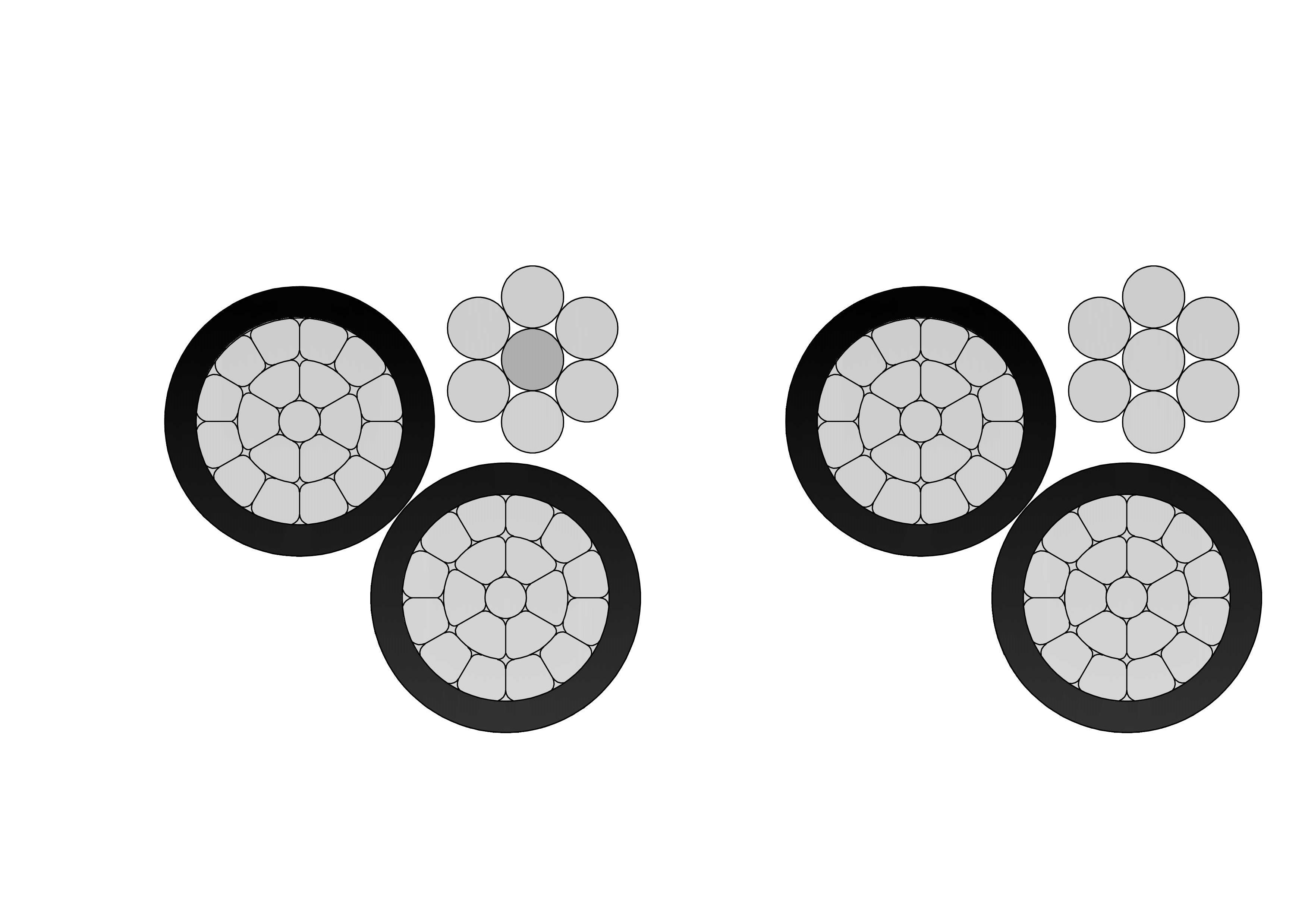
3/0 Melita Aluminum Conductor Triplex Overhead Service Drop Cable
The 3/0-3/0-3/0 Melita Aluminum Conductor Triplex Overhead Service Drop Cable is designed for high-performance overhead power distribution from utility poles to residential, commercial, or light industrial weatherheads. It features concentric-lay-stranded 1350-H19 aluminum conductors (#3/0 AWG, 19-strand), black cross-linked polyethylene (XLPE) insulation for exceptional weather, UV, and thermal resistance, and a bare neutral messenger (#3/0 AWG, typically ACSR or AAC). Rated for 600 volts phase-to-phase at conductor temperatures up to 90°C (XLPE) or 75°C (Poly), it supports an allowable ampacity of approximately 275 amps (XLP). Compliant with ASTM B-230, B-231, B-232, B-399, and ICEA S-76-474 standards, this robust yet lightweight cable ensures easy installation, excellent conductivity, and long-term durability in challenging outdoor conditions like wind, ice, moisture, and temperature extremes.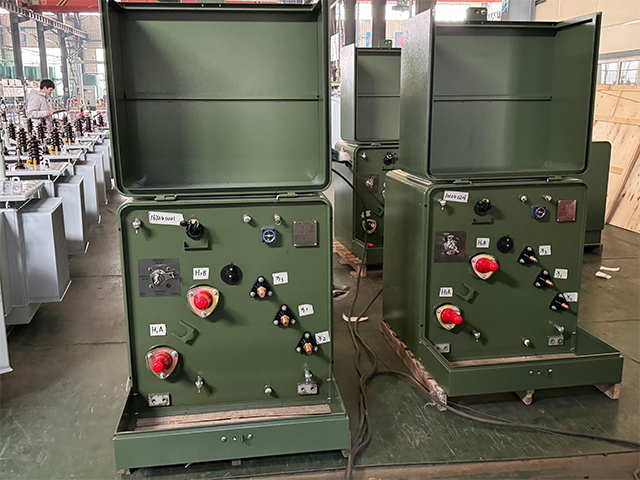
15kVA Single Phase Pad Mounted transformer
The 15 kVA single phase pad mounted transformer operates safely, reliably, and efficiently and can be installed indoors and outdoors. This type of transformer has a low operating cost, is environmentally friendly, easy to install, and has a low purchase cost, so it is widely used in residential, commercial, and other public.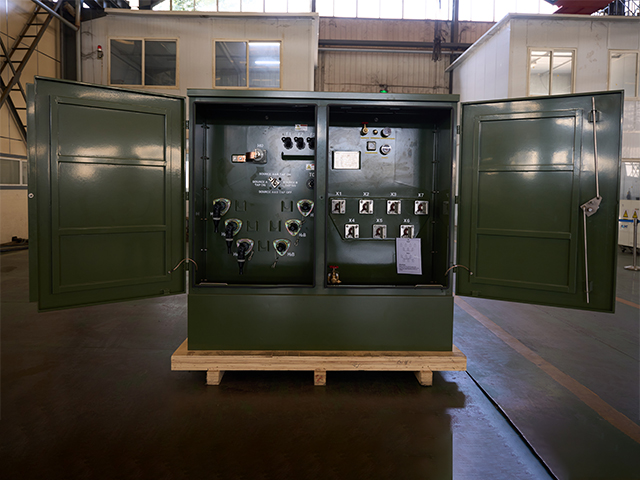
3750kVA Three Phase Pad Mounted Transformer
NPC ELECTRIC's 3750kVA Three Phase Pad Mounted Transformer is a heavy-duty, oil-immersed compartmental-type distribution transformer engineered for high-capacity underground power distribution in large-scale utility and industrial settings. This high-power pad-mounted transformer reduces energy consumption, lowers total ownership costs through superior efficiency and longevity (30+ years), and supports demanding loads with features like vacuum fault interrupters and harmonic mitigation, ideal for reliable, secure power in expansive commercial-industrial networks.Welcome your inquiry
Honesty, Integrity, Frugality, Activeness and Passion