What Are High Voltage Transmission Systems? Complete Guide to HVAC and HVDC
2026-01-29
In an era of rapidly growing electricity demand and the global shift toward renewable energy integration, high-voltage transmission systems serve as the backbone of modern power grids. These systems transport massive amounts of electricity over long distances with minimal losses, ensuring reliable supply from remote generation sources—such as hydroelectric dams, solar farms, and offshore wind—to urban load centers.
Two primary technologies dominate this field: High Voltage Alternating Current (HVAC) and High Voltage Direct Current (HVDC). HVAC, the traditional choice since the early days of electrification, leverages easy voltage transformation via transformers and suits shorter to medium-distance transmission (typically under 500–800 km). However, it faces challenges like higher resistive and reactive power losses, skin effect, corona discharge, and stability issues over very long spans.
In contrast, HVDC has emerged as a game-changer for ultra-long-distance, high-capacity links. By converting AC to DC at the sending end (via rectifiers) and back to AC at the receiving end (via inverters), HVDC eliminates reactive power requirements, reduces line losses (often 30–50% lower than equivalent HVAC), requires fewer conductors, and enables asynchronous grid interconnections. This makes it ideal for interconnecting unsynchronized networks, undersea cables, and massive renewable projects.
This complete guide explores the core principles, key components, advantages, limitations, and real-world applications of both HVAC and HVDC systems, helping readers understand their roles in building resilient, efficient, and future-ready power infrastructures.
What Are High Voltage Transmission Systems?
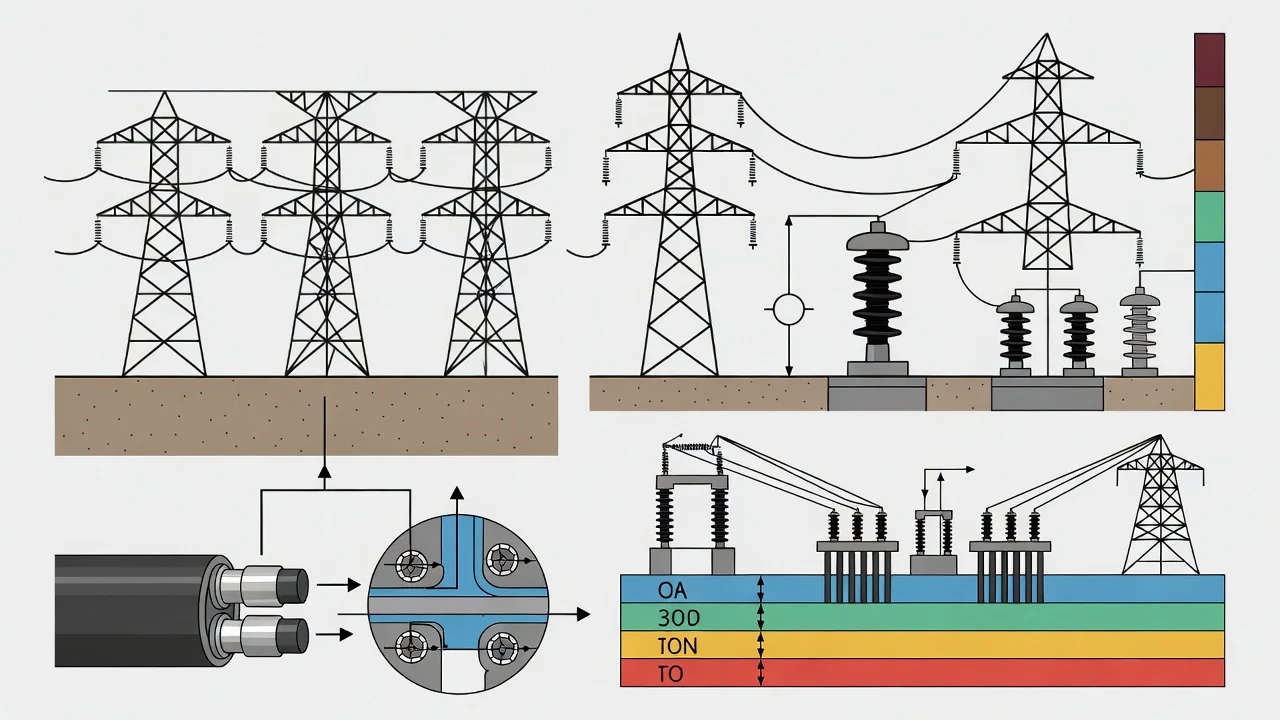
A High Voltage Transmission System transfers electrical power at voltages typically above 110 kV, reducing current flow and minimizing transmission losses over long distances. These systems rely on specialized wires and cables, insulation design, and power control equipment to ensure efficiency, safety, and grid stability.
Typical Voltage Classes
|
Voltage Level |
Range |
|
Medium Voltage |
1 kV – 35 kV |
|
High Voltage (HV) |
110 kV – 220 kV |
|
Extra High Voltage (EHV) |
330 kV – 765 kV |
|
Ultra High Voltage (UHV) |
≥ 800 kV |
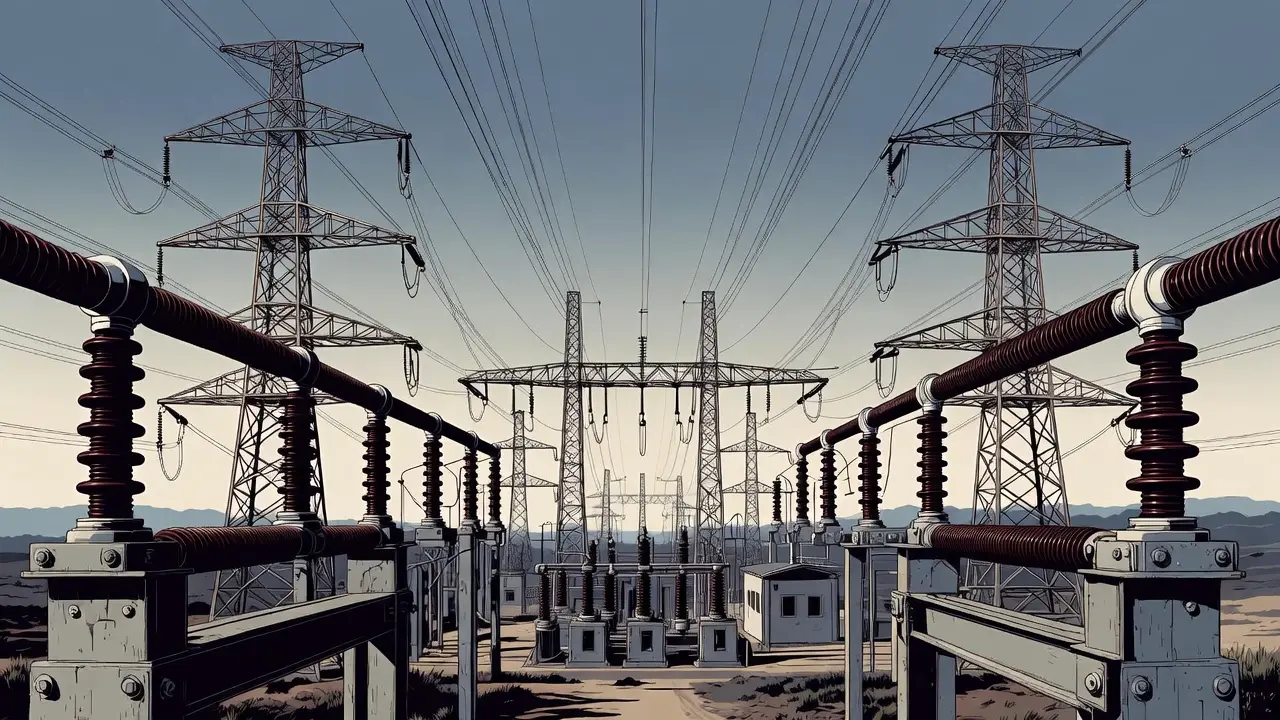
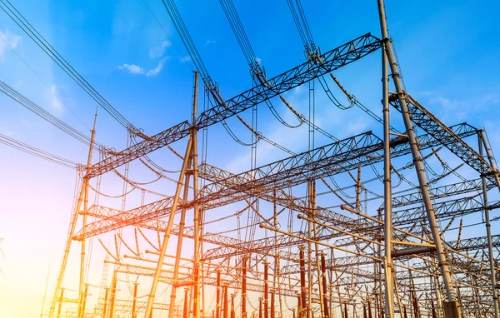
High voltage cables and overhead transmission lines are essential for large-scale power transmission over long distances.
HVAC Transmission Systems Explained
What Is an HVAC Transmission System?
A high voltage AC transmission system delivers alternating current power directly from generators to consumers through transformers and transmission lines. HVAC remains the most widely used transmission method worldwide.
Key Characteristics of HVAC
- Voltage can be easily stepped up or down using transformers
- Compatible with existing electrical systems
- Lower terminal equipment cost
- Mature global standards and supply chain
Typical HVAC Applications
- Regional and national grids
- Urban and suburban power distribution
- Short to medium-distance power transmission (< 600 km overhead)
HVDC Transmission Systems Explained
What Is HVDC?
A high voltage direct current transmission system converts AC power to DC at a converter station, transmits it over HVDC lines, then converts it back to AC at the receiving end.
Key Characteristics of HVDC
- Lower transmission losses over long distances
- No reactive power losses
- Ideal for submarine and underground power cables
- Enables asynchronous grid interconnection
Typical HVDC Applications
- Offshore wind power integration
- Cross-border power transmission
- Undersea cables exceeding 50 km
- Bulk power delivery over 800+ km
HVAC vs HVDC: Technical Comparison Table
|
Parameter |
HVAC |
HVDC |
|
Power Type |
Alternating Current |
Direct Current |
|
Converter Stations |
Not required |
Required at both ends |
|
Reactive Power Loss |
Yes |
No |
|
Cable Length Limitation |
Yes (esp. submarine) |
Minimal |
|
Control Flexibility |
Limited |
Excellent |
|
Grid Synchronization |
Required |
Not required |
Key Components of High Voltage Transmission Systems
1. Transmission Lines & Power Cables
- Overhead lines for long-distance land transmission
- Underground and submarine power cables for urban or marine routes
2. Converter Stations (HVDC)
- Rectifier station (AC to DC)
- Inverter station (DC to AC)
- Harmonic filters and control systems
3. Insulation & Protection
- XLPE-insulated high voltage cables
- Surge arresters and fault detection
HVAC / HVDC Selection Decision Matrix
Practical Decision Matrix for Engineers & EPCs
|
Decision Factor |
HVAC Preferred |
HVDC Preferred |
|
Transmission Distance |
< 600 km (overhead) |
> 800 km |
|
Submarine Cable Length |
< 50 km |
> 50 km |
|
Power Capacity |
< 1,000 MW |
> 1,000 MW |
|
Grid Synchronization |
Required |
Not required |
|
Investment Budget |
Lower CAPEX |
Higher CAPEX, lower OPEX |
|
Renewable Integration |
Moderate |
Excellent |
|
Power Flow Control |
Limited |
Precise and fast |
|
Grid Stability Needs |
Standard |
High |
Engineering Insight:
While HVAC is more economical for short distances, HVDC transmission becomes cost-effective when lower losses, precise power control, and long-distance delivery are critical.
Lifecycle Cost Considerations
|
Cost Element |
HVAC |
HVDC |
|
Initial Equipment Cost |
Lower |
Higher |
|
Line Losses |
Higher over distance |
Lower |
|
Maintenance |
Moderate |
Lower (lines), higher (stations) |
|
Operational Efficiency |
Medium |
High |
Over a 30–40 year lifecycle, HVDC systems often deliver lower total cost of ownership for long-distance or submarine power transmission projects.
Role in Modern Power Transmission & Energy Transition
High voltage transmission systems play a vital role in:
- Large-scale renewable energy integration
- Interconnecting regional power systems
- Reducing carbon emissions through efficient power transmission
- Supporting smart grid and digital control technologies
HVDC systems, in particular, are central to offshore wind, desert solar, and cross-border electricity trade.
Both HVAC and HVDC transmission systems are essential components of modern power infrastructure. The optimal choice depends on distance, power capacity, grid compatibility, and lifecycle economics.
By using the HVAC/HVDC decision matrix, utilities and EPC contractors can select the most efficient and future-ready high voltage transmission system for their specific application—ensuring reliable, scalable, and sustainable power delivery.

Related Articles
Related Products
N2XS(F)2Y Medium Voltage Power Cable(6/10kV, 12/20kV, 18/30kV)
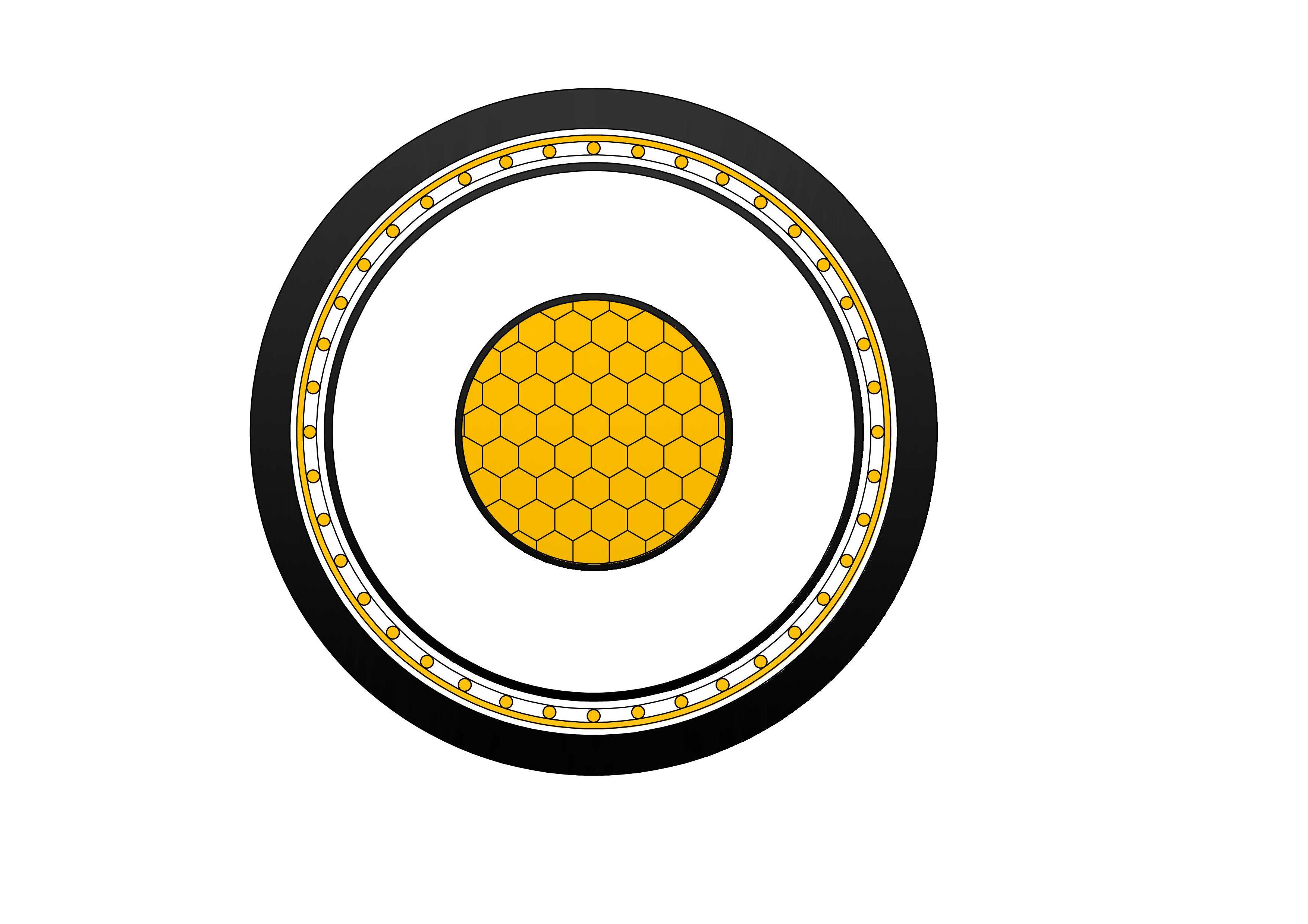
The N2XS(F)2Y Medium Voltage Power Cable is engineered for reliable power transmission in medium voltage networks operating at 6/10kV, 12/20kV, and 18/30kV. The cable features a copper conductor, XLPE insulation, and a longitudinally corrugated aluminum sheath that provides excellent moisture barrier performance and mechanical protection. The outer polyethylene sheath enhances resistance to chemicals, abrasion, and environmental stress. Designed in accordance with IEC standards, N2XS(F)2Y cables offer low dielectric losses, stable electrical performance, and long service life. The aluminum sheath also serves as an effective metallic screen, improving fault current capability and system safety. This construction makes the cable suitable for underground and outdoor installations where high reliability and environmental protection are essential.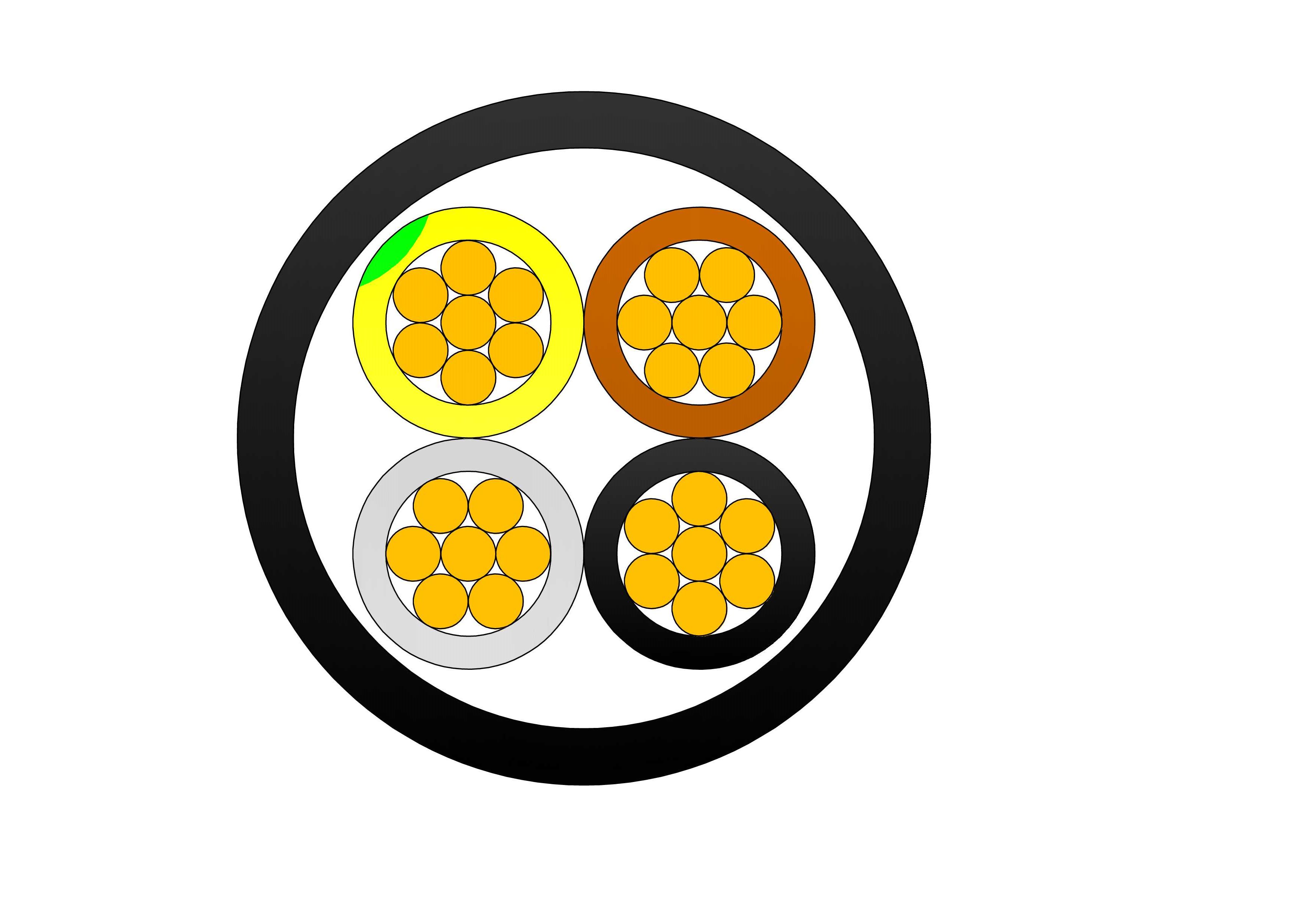
GYTS Fiber Optic Cable
The GYTS Fiber Optic Cable is engineered for outdoor communication applications requiring reliable optical transmission and enhanced mechanical protection. Featuring a stranded loose tube design, central strength member, water-blocking filling compound, aluminum moisture barrier, corrugated steel tape armor, and PE outer jacket, the cable provides outstanding performance in challenging environments. The gel-filled loose tubes protect optical fibers from moisture ingress and mechanical stress while maintaining stable transmission characteristics. The APL moisture barrier prevents water penetration, and the PSP steel tape armor enhances crush resistance, impact protection, and rodent resistance. The UV-resistant PE sheath ensures excellent resistance to weathering, chemicals, and environmental aging. Manufactured according to IEC 60794 and ITU-T standards, the GYTS Fiber Optic Cable is widely used in telecommunications networks, utility communication systems, broadband deployment projects, and industrial communication infrastructure. The cable offers a cost-effective and highly durable solution for outdoor fiber optic network installations.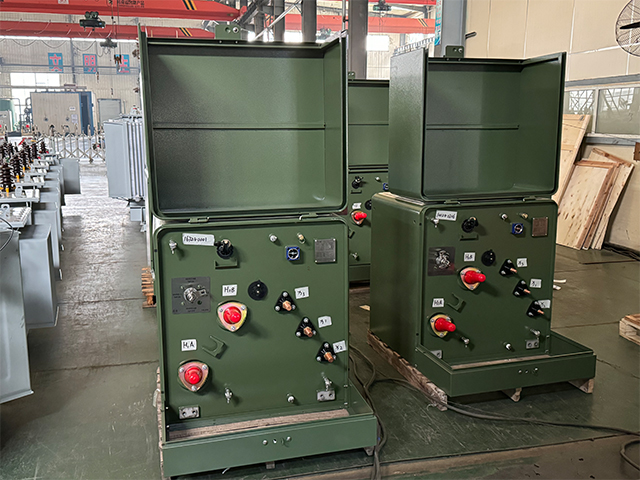
10kVA Single Phase Pad Mounted Transformer
The 10 kVA pad-mounted transformer meets ANSI, CSA, NEMA, IEEE, and DOE standards. NPC Electric's 10 kVA pad-mounted transformers comply with DOE efficiency values and are UL listed. Based on specific technical requirements, the incoming line can be designed as either a loop feed or radial feed, and it also supports customized dual voltage.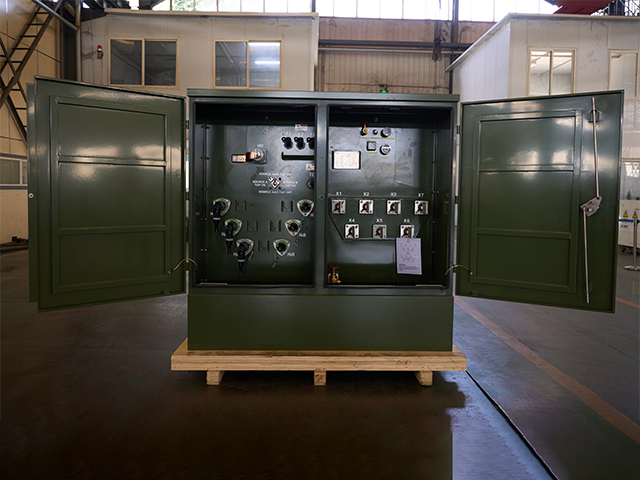
1000kVA Three Phase Pad Mounted Transformer
The 1000kVA three-phase pad transformer is an efficient and reliable power transformer designed for high-load applications such as large commercial, industrial and distribution systems. The transformer has a high power capacity of 1000kVA and can stably provide continuous power supply for three-phase power systems to meet large-scale power needs. With a rugged and durable casing and protective design, it is suitable for operation in various outdoor environments and can effectively resist adverse weather conditions.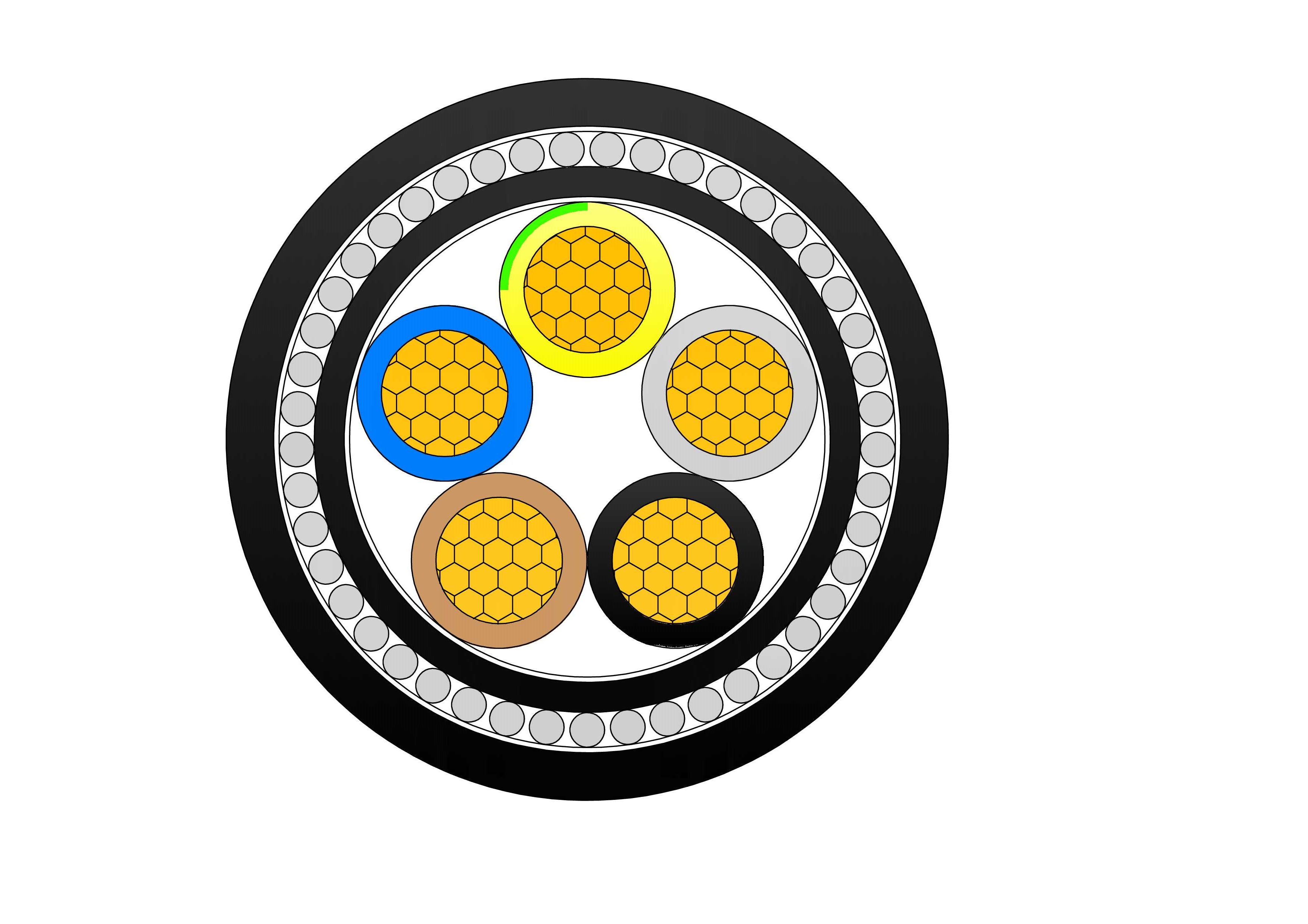
N2XRY 0.6/1kV Low Voltage Power Cable
N2XRY 0.6/1kV are low voltage power cables designed according to BS 5467 standard, suitable for fixed installation in indoor, outdoor, underground, Cable ducts ,conduits or concrete (not subject to vibration) environments,with additional mechanical protection due to steel wire armouring. Constructed with high-purity copper conductors, thermosetting XLPE insulation, PVC inner bedding, double galvanized steel tape armour, and tough PVC outer sheath, it meets IEC 60502-1 requirements. The STA armour delivers superior resistance to compression, impacts, and penetration, suitable for direct burial without conduits. Excellent electrical properties, reduced losses, and high overload capacity ensure optimal performance. Flame-retardant and environmentally stable, the N2XRY 0.6/1kV Low Voltage Power Cable is favored for factories, commercial developments, renewable energy sites, and infrastructure needing reliable, maintenance-free low-voltage cabling in challenging terrains.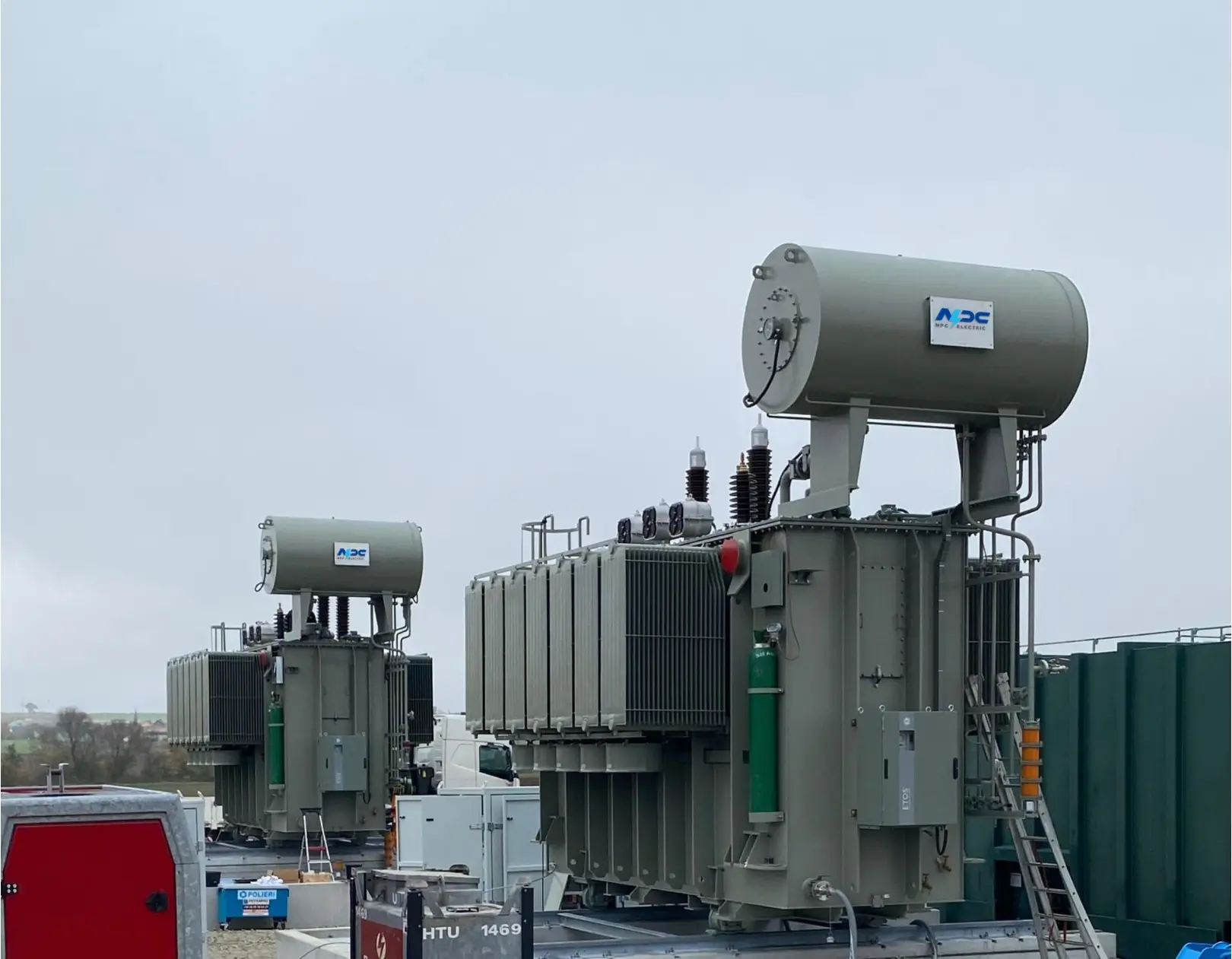
161kV 50MVA Two-Winding Power Transformer – Efficient Oil-Filled Design with OLTC
The 161kV 50MVA Two-Winding Power Transformer is engineered to deliver precise voltage control and stable power transfer in high-voltage transmission and substation networks. Featuring an oil-filled insulation system combined with an On-Load Tap Changer (OLTC), this transformer allows continuous voltage adjustment under load conditions without interrupting system operation. The electromagnetic design emphasizes low losses, high operational efficiency, and consistent performance across variable load profiles. Robust mechanical construction enhances resistance to thermal expansion and short-circuit forces, ensuring long-term reliability in demanding grid environments. Optimized oil circulation supports effective heat dissipation, contributing to extended service life and reduced maintenance requirements. This transformer is well suited for modern power systems where voltage stability, operational flexibility, and dependable energy transmission are critical.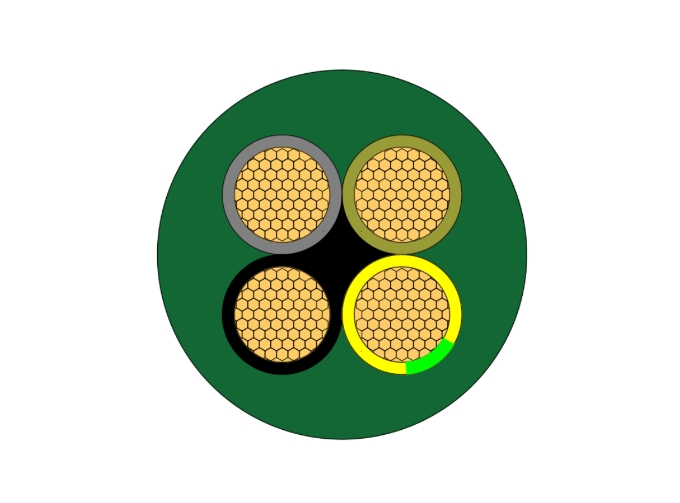
RZ1-K(AS) XLPE LSZH Flexible Cable
RZ1-K(AS) XLPE LSZH Flexible Cable is a single Core flame retardant LSZH flexible power cable suitable for instllation outdoor and indoor. The "(AS)" suffix denotes advanced fire-retardant properties, minimizing smoke and toxic gases during fires. Excellent bend radius and resistance to mechanical stress, oils, and chemicals ensure easy routing and durability.
125kVA Cast Resin Dry Type Transformer 3 Phase 10kV/0.4kV Copper Winding IEC Certified
The 125kVA Cast Resin Dry Type Transformer is a compact, three-phase, high-efficiency indoor power transformer engineered for safe and reliable voltage transformation in commercial, institutional, and light-to-medium industrial environments. Featuring advanced cast-resin encapsulation and full copper windings, it eliminates oil-related fire hazards, environmental risks, and routine maintenance while delivering superior performance in confined spaces, high-rise buildings, hospitals, schools, data centers, office complexes, and renewable energy tie-in applications. Fully compliant with IEC 60076-11, IEC 60076-1, IEC 60076-3, IEC 60076-5, IEC 60076-20, IEEE C57.12.01, IEEE C57.12.91, UL 1561 (optional), and DOE 2016 efficiency standards.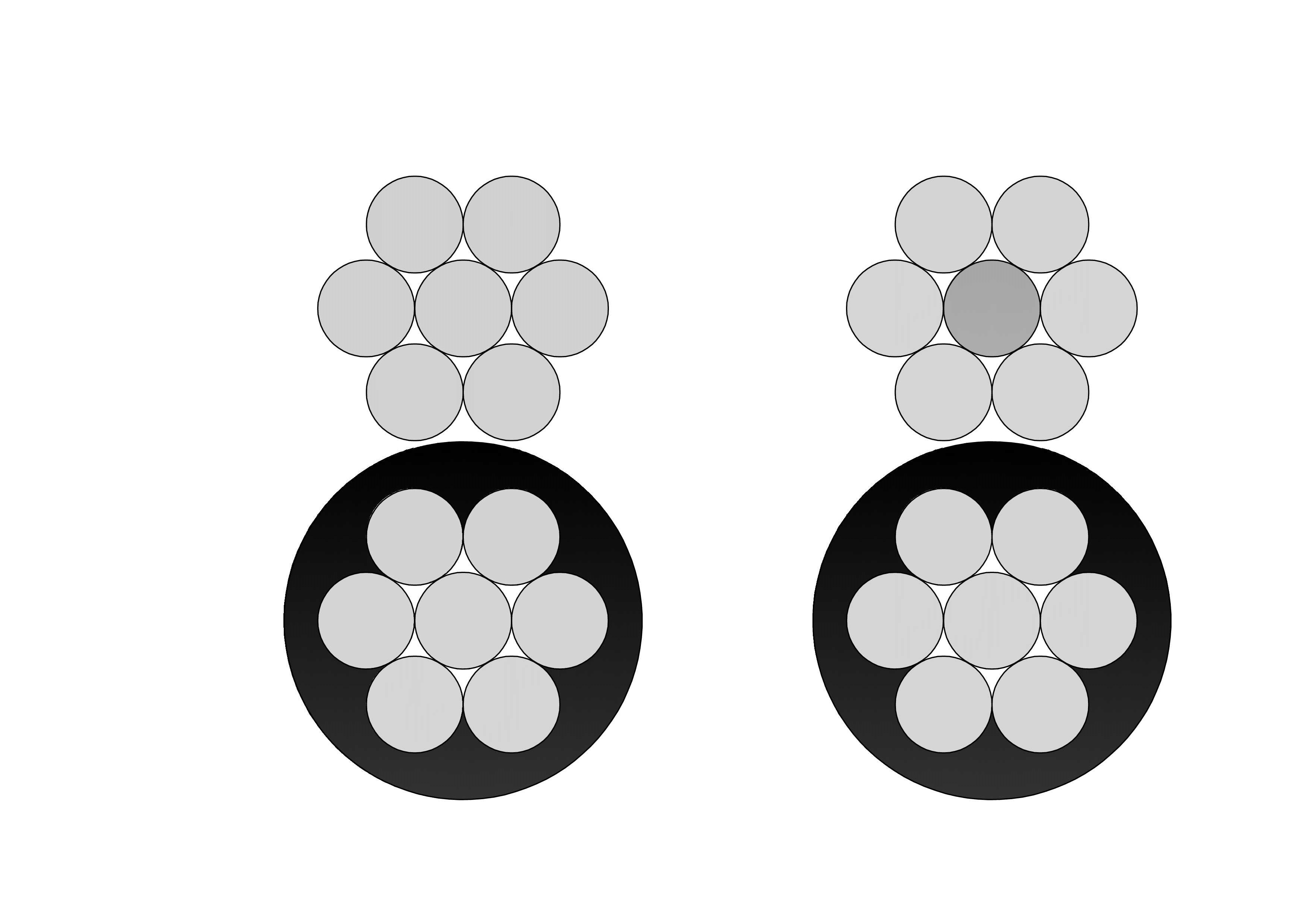
1/0 Malemute Aluminum Conductor Duplex Overhead Service Drop Cable
1/0 Malamute Aluminum Conductor Duplex Overhead Service Drop Cable is designed to deliver efficient and reliable power in overhead secondary distribution networks. Constructed with stranded aluminum conductors, the duplex configuration provides a combination of electrical conductivity, mechanical strength, and installation flexibility. The 1/0 Malamute size is suitable for typical service drop spans, offering dependable load capacity with controlled sag under varying weather conditions. Aluminum construction reduces overall cable weight, simplifies handling, and enhances corrosion resistance for long-term outdoor use. Produced under strict quality management systems, the 1/0 Malamute Aluminum Conductor Duplex Overhead Service Drop Cable meets utility and ASTM standards, making it a trusted solution for modern overhead service installations requiring safety, durability, and consistent performance.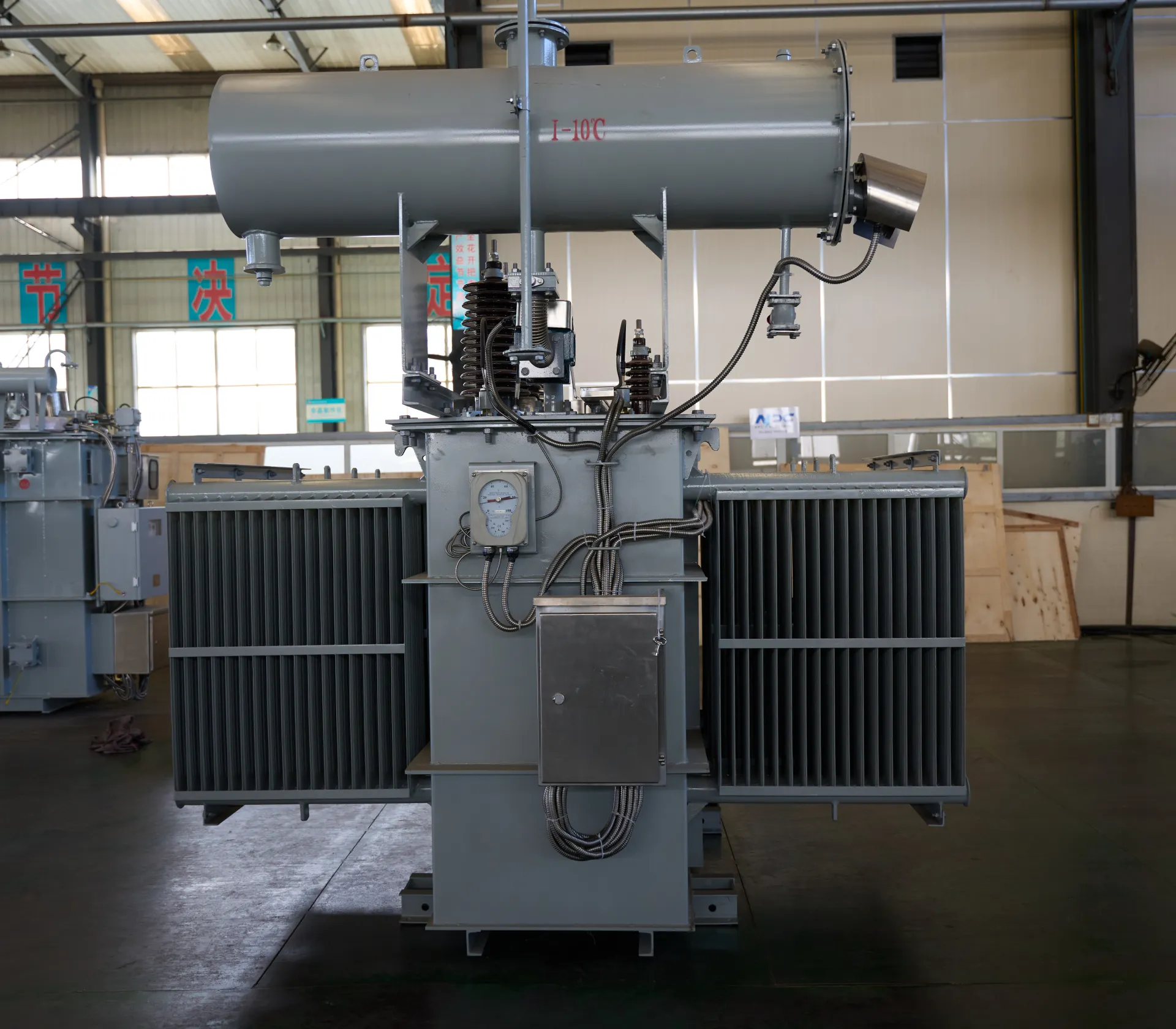
45kV 2500kVA Weatherproof & Oven-Proof Oil-Immersed Power Transformer
The 45kV 2500kVA Weatherproof & Oven-Proof Oil-Immersed Power Transformer is engineered for demanding outdoor applications requiring high durability, stable voltage transformation, and long-term operational reliability. Designed with premium cold-rolled silicon steel, high-conductivity copper windings, and a reinforced oil-immersed cooling system, the transformer ensures excellent thermal stability and resistance to overheating. Its oven-proof construction allows the unit to withstand high ambient temperatures, while the weatherproof enclosure provides protection against rain, dust, humidity, and corrosive environments. With advanced insulation, strong short-circuit endurance, and compatibility with both off-load and on-load tap changers, this 45kV outdoor transformer is ideal for substations, industrial facilities, renewable energy sites, and long-distance power distribution systems. Built in accordance with IEC 60076 standards, it delivers efficiency, reliability, and lifespan required for critical grid infrastructure.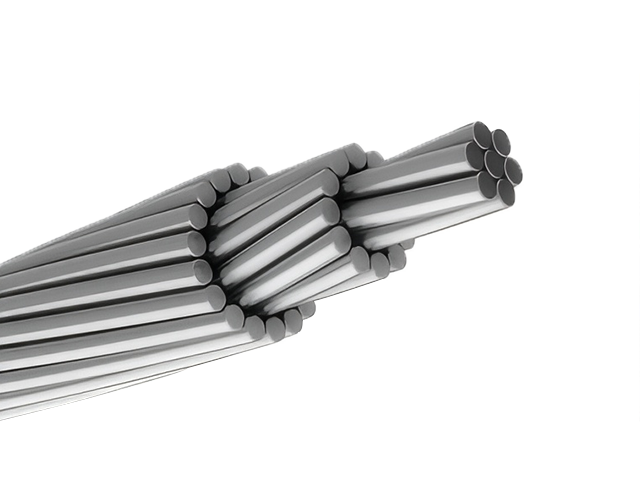
1590 MCM LAPWING ACSR Conductor Cable
The ACSR 1590 MCM Lapwing 45/7 is a high-efficiency, bare concentric-lay-stranded conductor designed for superior performance in overhead power transmission and distribution systems, meeting ASTM B232 standards. It features a galvanized steel core (Class A or B) with 7 steel strands for robust mechanical strength, surrounded by 45 strands of hard-drawn 1350-H19 aluminum wire for excellent electrical conductivity. Ideal for long-span transmission lines and primary/secondary distribution networks, the Lapwing configuration offers exceptional corrosion resistance and customizable aluminum-to-steel ratios to fulfill specific electrical and mechanical demands, ensuring reliable and durable power delivery. Galvanized steel wires used for the core undergo tensile testing, zinc coating thickness measurement, and corrosion resistance evaluation. Dimensional accuracy and surface condition of all materials are verified before approval.
5MVA / 6.3MVA 35kV Three-Phase Oil-Immersed Step-Down Power Transformer
The 5MVA / 6.3MVA 35kV Three-Phase Oil-Immersed Step-Down Power Transformer is designed for reliable voltage reduction in medium-voltage power distribution systems. Built with high-grade silicon-steel cores, premium copper windings, and advanced oil-immersed cooling, it delivers low losses, strong short-circuit resistance, and stable thermal performance. The transformer features robust insulation, durable tank construction, and precision-engineered components to ensure long operational life. Suitable for industrial plants, utility substations, renewable energy facilities, and commercial power distribution, it supports both on-load and off-load tap changers for accurate voltage regulation. Engineered in compliance with IEC standards, this 35kV step-down transformer ensures high efficiency, dependable performance, and safe power delivery under various environmental and load conditions.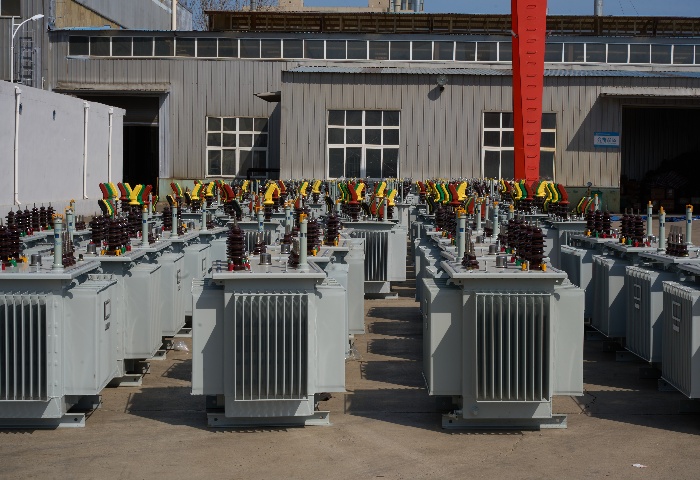
35kV Oil Immersed Transformer
NPC ELECTRIC's 35kV Oil Immersed Transformer is a premium three-phase power transformer optimized for high-voltage step-down in 50/60Hz AC systems with primary ratings of 35kV (or 33-38.5kV range). It incorporates a robust conservator or fully sealed tank design with efficient radiator cooling (ONAN standard, ONAF optional), ensuring exceptional thermal dissipation, moisture exclusion. Outdoor-rated with pollution-resistant bushings (BIL 170-200kV), Dyn11/Ynd1 vector groups, and low noise (<62dB), it provides stable 35kV to secondary voltages (e.g., 10kV/6.3kV/0.4kV) conversion, enhancing grid stability, minimizing transmission losses, and supporting demanding applications in harsh or high-altitude conditions.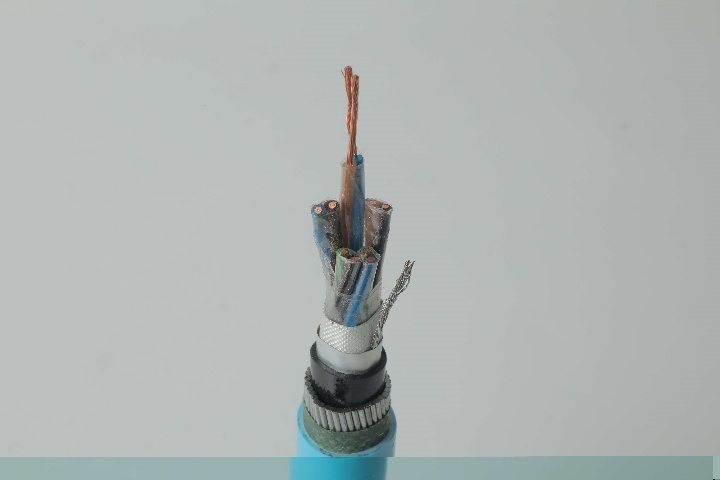
Instrumentation Cables—XLPE Insulated,Individual & Overall Screened, Wire Armoured PVC Sheathed Cables(CU/XLPE/IOSCR/SWA/PVC)
Tailored for resilience under thermal and mechanical stress, the Instrumentation Cables—XLPE Insulated, Individual & Overall Screened, Wire Armoured PVC Sheathed Cables (CU/XLPE/IOSCR/SWA/PVC) ensure accurate signal transmission in challenging conditions. Stranded copper conductors offer low resistance and bendability, with XLPE insulation enabling 90°C continuous use and 250°C short-circuit resistance. Dual screening—individual for crosstalk minimization and overall aluminum/polyester with drain wire for EMI/RFI blocking—safeguards data integrity. SWA armour defends against physical hazards, while PVC sheath provides flame resistance and waterproofing. Adhering to BS EN 50288-7 and BS EN 50288-1, these multi-pair/triad cables handle analogue/digital circuits with reduced capacitance, supporting complex systems. Versatile for ducts, direct burial, or outdoor exposures, they improve uptime, cut failures, and enhance efficiency in heat-prone areas. With superior thermal stability and insulation properties, this CU/XLPE/IOSCR/SWA/PVC is essential for professionals needing armoured, dual-screened solutions that minimize costs and maximize performance in industrial sectors.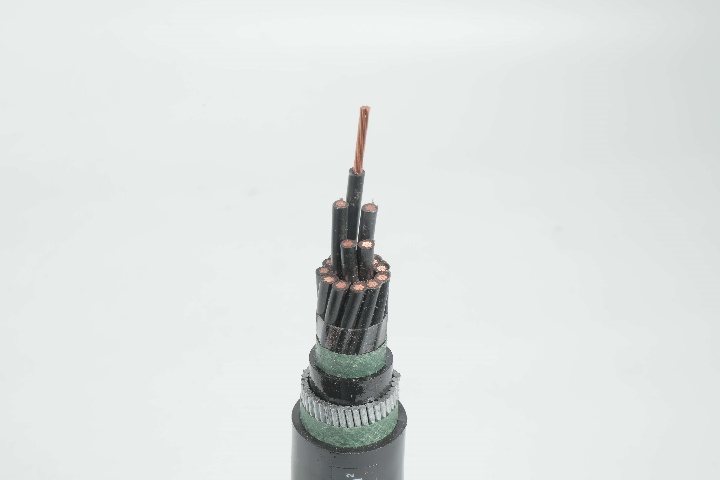
LiHH LSZH Control Cable - Halogen-Free Flexible Control Cable
The LiHH LSZH Control Cable is a high-performance halogen-free flexible control cable designed for applications requiring enhanced fire safety and low smoke emission. It features finely stranded copper conductors with low-smoke zero-halogen (LSZH) insulation, twisted cores, and a robust LSZH outer sheath. This construction provides excellent flexibility, reliable signal transmission, and superior fire performance with minimal toxic gas and smoke generation during combustion. Rated 300/500V, the LiHH LSZH Control Cable is ideal for public buildings, transportation systems, data centers, and industrial environments where safety and environmental protection are critical. Manufactured to international standards such as IEC 60227 and VDE 0812, it undergoes rigorous quality testing from raw materials to finished product, ensuring consistent electrical performance, mechanical strength, and compliance with strict fire safety regulations.Welcome your inquiry
Honesty, Integrity, Frugality, Activeness and Passion