
Energy Storage Transformer Manufacturer – Reliable Solutions for Grid-Scale BESS
2026-06-04
As global power systems transition toward renewable generation, energy storage has become a critical component of modern electrical infrastructure. Solar farms, wind power plants, microgrids, and utility networks increasingly depend on Battery Energy Storage Systems (BESS) to stabilize power output, improve grid reliability, and maximize renewable energy utilization. At the center of every large-scale energy storage project is a specialized Energy Storage Transformer, which enables efficient power conversion between battery systems and utility grids.
Unlike conventional distribution transformers, energy storage transformers must handle bidirectional power flow, rapid load fluctuations, harmonic distortion from power electronics, and demanding operational cycles. Consequently, selecting the right Transformer Manufacturer is crucial for ensuring project reliability, efficiency, and long-term return on investment.
1. What Is an Energy Storage Transformer?
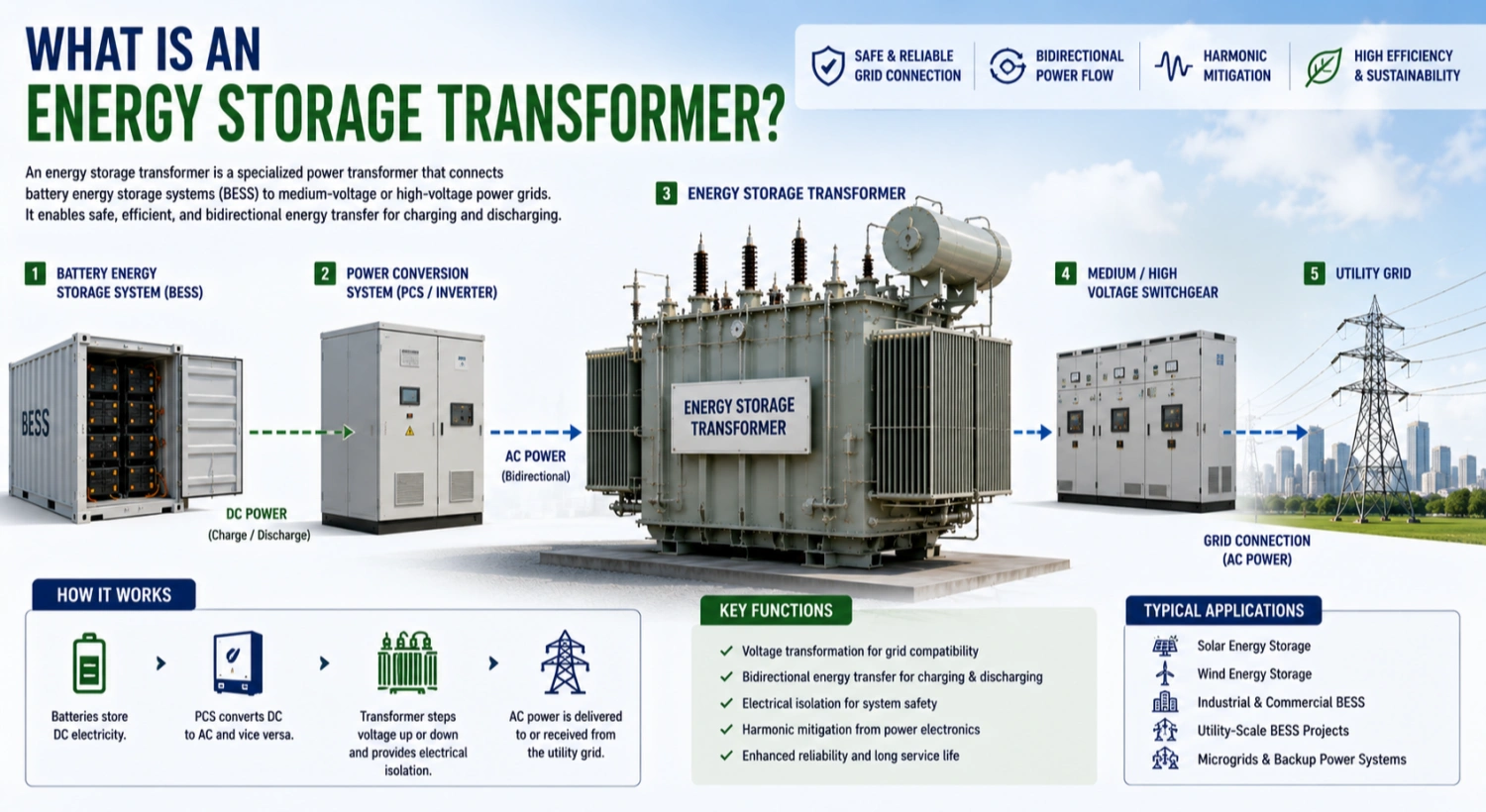
An energy storage transformer is a specialized power transformer designed to connect battery energy storage systems to medium-voltage or high-voltage electrical networks.
Its primary functions include:
- Voltage transformation
- Grid interconnection
- Electrical isolation
- Harmonic mitigation
- Bidirectional energy transfer
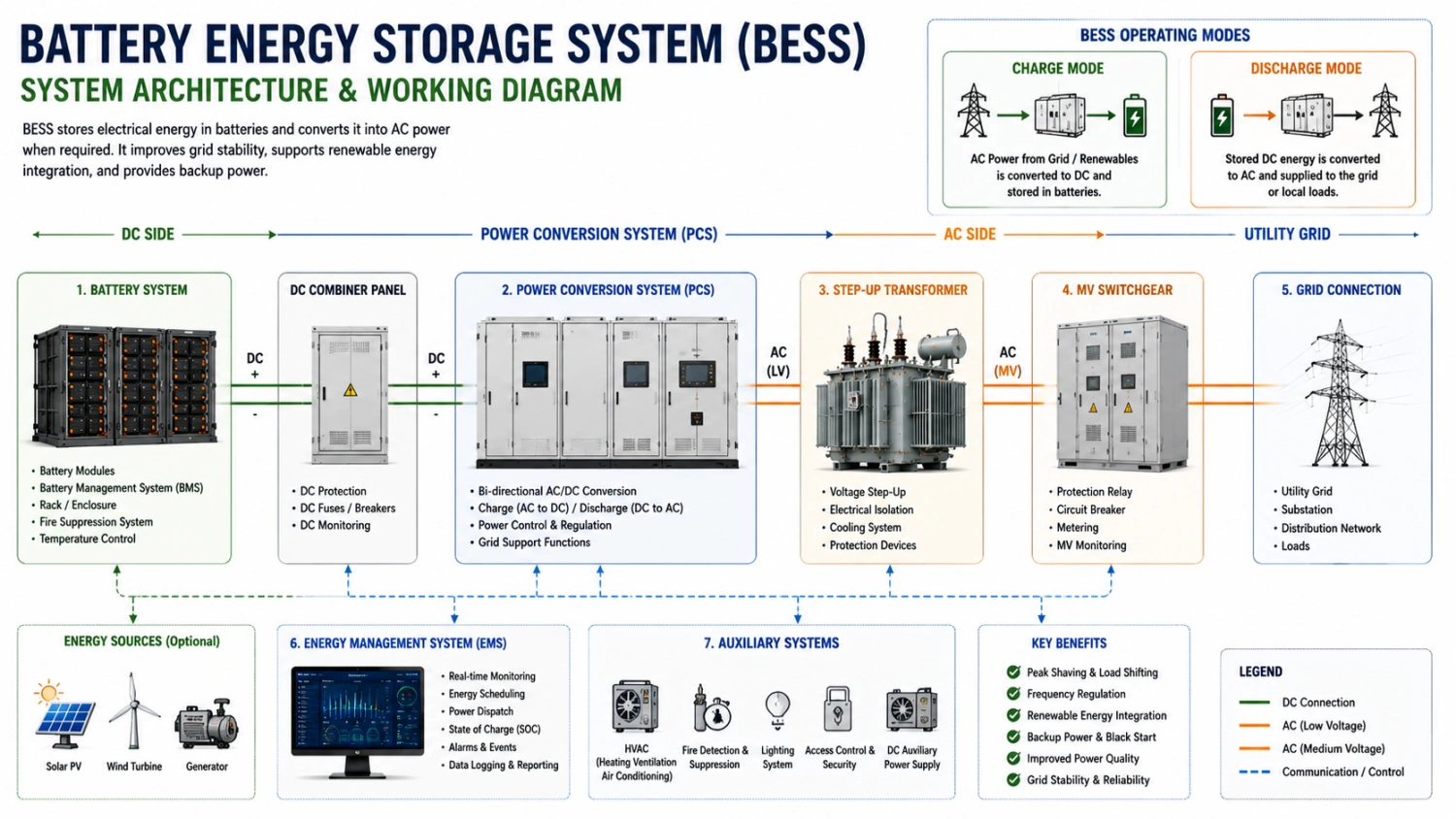
In a typical BESS installation, battery banks store DC electricity. Power conversion systems (PCS) convert DC energy into AC power, while the energy storage transformer steps voltage up or down to match utility requirements.
Unlike traditional transformers that operate primarily in one direction, energy storage transformers must efficiently support charging and discharging cycles throughout their service life.
This operational characteristic places unique demands on transformer design, insulation systems, and thermal management.
2. Why Energy Storage Transformers Are Essential for Grid-Scale BESS
The rapid growth of renewable energy storage has transformed the role of electrical transformers.
Solar and wind resources are inherently variable. Energy production often does not align with demand patterns. BESS installations solve this challenge by storing surplus energy and releasing it when required.
However, battery systems cannot connect directly to utility grids without proper voltage transformation and electrical isolation.
Energy storage transformers provide:
- Safe grid connection
- Voltage matching
- Fault current management
- Improved power quality
- Enhanced system stability
For utility-scale battery energy storage systems, transformer reliability directly affects project availability and revenue generation.
A transformer failure can disconnect an entire storage facility from the grid, leading to significant financial losses and operational disruption.
3. Applications of Energy Storage Transformers
Modern energy storage transformers support a wide variety of applications across the energy sector.
Utility-Scale BESS Projects
Large battery storage facilities commonly ranging from 10 MWh to several hundred MWh require medium-voltage transformers for grid integration.
Applications include:
- Peak shaving
- Frequency regulation
- Load balancing
- Capacity firming
Utility-scale projects represent the fastest-growing market for energy storage transformers worldwide.
Solar Energy Storage Systems
A Solar Transformer integrated with battery storage enables solar plants to deliver electricity beyond daylight hours.
Benefits include:
- Improved energy dispatchability
- Reduced curtailment
- Enhanced grid support
As solar energy storage becomes increasingly important, transformer designs are evolving to accommodate hybrid solar-plus-storage architectures.
Wind Power Energy Storage
Wind farms frequently combine storage systems with renewable generation assets.
Energy storage transformers help manage:
- Wind variability
- Grid stability
- Energy arbitrage opportunities
The combination of wind generation and battery storage is becoming a standard feature in modern renewable energy projects.
Industrial Microgrids
Industrial facilities use BESS systems to:
- Improve reliability
- Reduce demand charges
- Support critical operations
Energy storage transformers provide the interface between battery systems and facility distribution networks.
4. Key Technical Features of Energy Storage Transformers
Energy storage applications create operating conditions that differ significantly from conventional utility systems.
As a result, specialized transformer engineering is required.
Table: Typical Specifications of Grid-Scale Energy Storage Transformers
|
Parameter |
Typical Range |
Engineering Importance |
|
Rated Power |
1MVA – 20MVA |
Matches PCS and BESS capacity |
|
Primary Voltage |
10kV, 20kV, 33kV, 35kV |
Utility grid connection |
|
Secondary Voltage |
400V, 480V, 690V, 800V |
Inverter interface |
|
Frequency |
50Hz / 60Hz |
Grid compatibility |
|
Vector Group |
Dyn11, YNd11 |
Harmonic mitigation and grounding |
|
Impedance Voltage |
5% – 10% |
Fault current limitation |
|
Efficiency |
≥99% |
Reduced operating losses |
|
Cooling Method |
ONAN, ONAF, KNAN |
Thermal performance |
|
Insulation Class |
A, F, H |
Thermal endurance |
|
Harmonic Tolerance |
K-Factor Rated |
Inverter load compatibility |
Bidirectional Power Flow Capability
Traditional transformers primarily transfer energy in one direction.
By contrast, BESS transformers continuously alternate between:
- Charging mode
- Discharging mode
This requires optimized winding design and thermal performance.
Harmonic Resistance
Battery energy storage systems rely on inverters and power electronics.
These devices generate harmonic currents that can increase losses and accelerate insulation aging.
Energy storage transformers incorporate:
- Harmonic-tolerant designs
- Enhanced conductor sizing
- Optimized magnetic circuits
to minimize performance degradation.
Enhanced Thermal Management
Repeated charging and discharging cycles create fluctuating thermal conditions.
Advanced cooling systems help maintain stable operating temperatures.
Common cooling methods include:
- ONAN
- ONAF
- KNAN
- Dry-type air cooling
Effective thermal management significantly extends transformer lifespan.
High Efficiency Design
Since BESS projects often operate continuously, even small efficiency improvements can generate substantial lifetime savings.
Modern energy storage transformers frequently achieve efficiencies exceeding 99%.
5. Energy Storage Transformer vs Conventional Power Transformer
Although both devices perform voltage transformation, their operational requirements differ significantly.
A conventional power transformer is generally optimized for stable utility loads.
An energy storage transformer must accommodate:
- Dynamic loading
- Frequent cycling
- Inverter-generated harmonics
- Bidirectional power transfer
Additional design considerations include:
- Higher thermal endurance
- Enhanced insulation systems
- Improved voltage regulation
- Renewable energy integration
Consequently, selecting a standard transformer for a large BESS project may compromise system performance and reliability.
Table: Energy Storage Transformer vs Conventional Power Transformer
|
Feature |
Energy Storage Transformer |
Conventional Power Transformer |
|
Power Flow Direction |
Bidirectional |
Primarily Unidirectional |
|
Load Profile |
Highly Dynamic |
Relatively Stable |
|
Harmonic Exposure |
High |
Low |
|
Thermal Cycling |
Frequent |
Moderate |
|
Inverter Compatibility |
Required |
Optional |
|
Voltage Regulation |
Enhanced |
Standard |
|
Renewable Integration |
Optimized |
General Purpose |
|
Monitoring Requirements |
Advanced |
Standard |
|
Typical Application |
BESS, Solar Storage, Hybrid Systems |
Utility Transmission and Distribution |
|
Lifecycle Stress |
High |
Moderate |
6. How to Select the Right Energy Storage Transformer
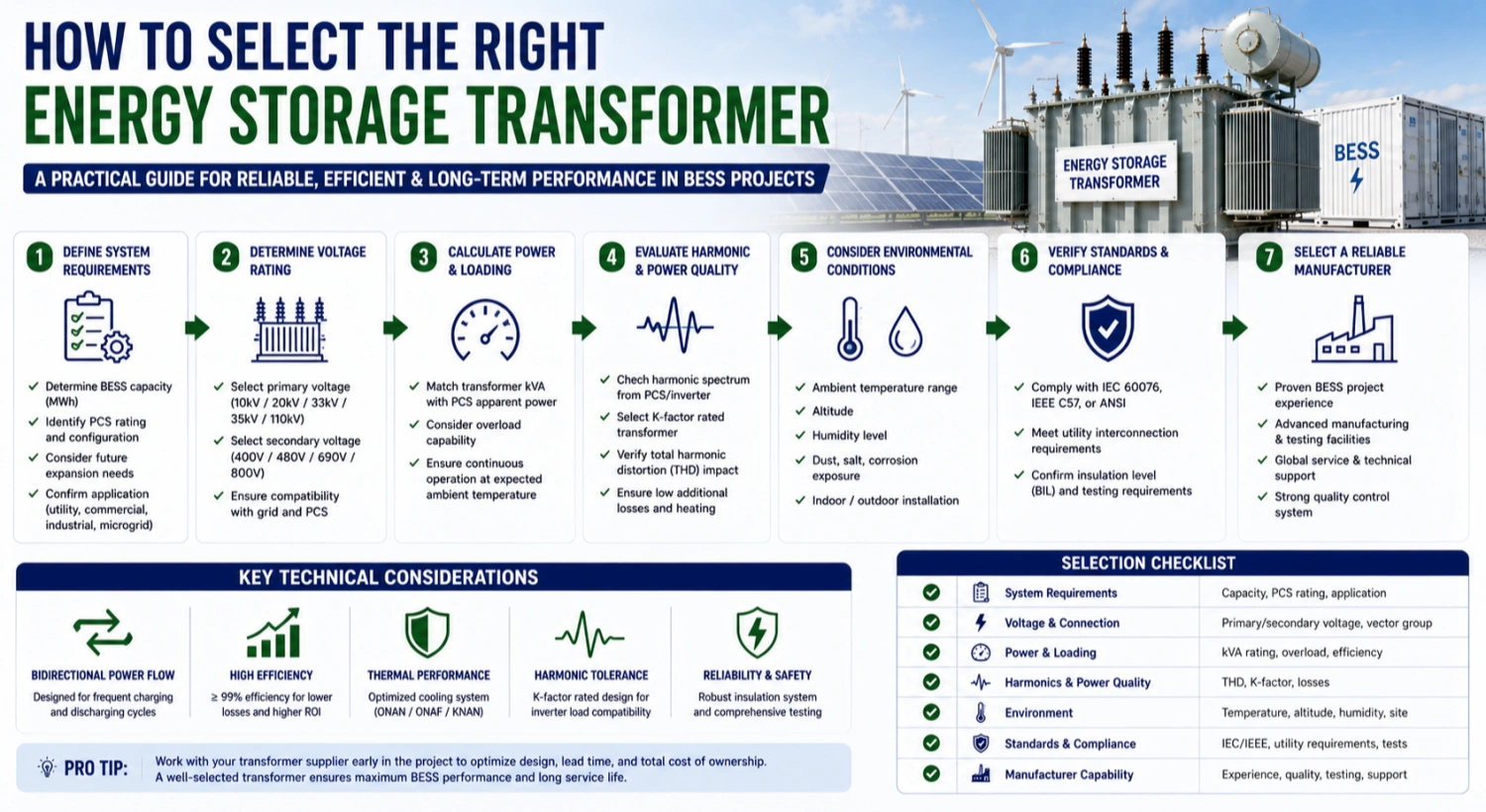
Choosing the proper transformer requires careful evaluation of technical and operational requirements.
Table: Recommended Transformer Selection for Different BESS Applications
|
Application |
Typical BESS Capacity |
Recommended Transformer Rating |
Voltage Level |
|
Commercial BESS |
500kWh – 5MWh |
500kVA – 2MVA |
11kV |
|
Industrial BESS |
5MWh – 20MWh |
2MVA – 10MVA |
11kV / 33kV |
|
Utility Peak Shaving |
20MWh – 100MWh |
5MVA – 20MVA |
33kV / 35kV |
|
Solar + Storage Plant |
10MWh – 200MWh |
5MVA – 25MVA |
33kV |
|
Wind + Storage Plant |
20MWh – 300MWh |
10MVA – 40MVA |
35kV |
|
Grid-Scale BESS |
100MWh – 500MWh+ |
20MVA – 100MVA |
35kV / 110kV |
Define System Capacity
Transformer ratings must match:
- Battery storage capacity
- PCS output rating
- Future expansion plans
Undersized transformers may limit project performance.
Oversized transformers increase capital expenditure.
Evaluate Voltage Requirements
Common configurations include:
- 0.69kV / 35kV
- 0.8kV / 33kV
- 0.48kV / 13.8kV
The optimal voltage ratio depends on local utility requirements and project design.
Analyze Environmental Conditions
Project location influences transformer design.
Consider:
- Ambient temperature
- Altitude
- Humidity
- Dust exposure
- Corrosive environments
Environmental factors directly affect insulation and cooling requirements.
Review Harmonic Performance
The transformer should be specifically designed for inverter-based systems.
Engineers should verify:
- Harmonic loss calculations
- K-factor ratings
- Thermal margins
during the procurement process.
Verify Grid Compliance
Energy storage transformers must satisfy utility interconnection requirements and international standards.
Relevant standards may include:
- IEC 60076
- IEEE C57
- ANSI standards
- Utility-specific specifications
7. What Makes a Reliable Energy Storage Transformer Manufacturer?
Selecting a capable transformer supplier is often more important than selecting the transformer itself.
The quality of engineering, manufacturing, testing, and after-sales support directly affects project success.
Table: Energy Storage Transformer Factory Acceptance Test Checklist
|
Test Item |
Standard Reference |
Purpose |
|
Transformer Ratio Test |
IEC 60076 |
Verify voltage ratio |
|
Winding Resistance Test |
IEC 60076 |
Check winding integrity |
|
Vector Group Verification |
IEC 60076 |
Confirm phase displacement |
|
Insulation Resistance Test |
IEC 60076 |
Assess insulation quality |
|
No-Load Loss Test |
IEC 60076 |
Measure core losses |
|
Load Loss Test |
IEC 60076 |
Measure copper losses |
|
Applied Voltage Test |
IEC 60076 |
Verify insulation strength |
|
Induced Voltage Test |
IEC 60076 |
Validate dielectric performance |
|
Temperature Rise Test |
IEC 60076 |
Verify cooling capability |
|
Partial Discharge Test |
IEC 60270 |
Assess insulation condition |
|
Lightning Impulse Test |
IEC 60076 |
Evaluate surge withstand capability |
Specialized BESS Experience
Manufacturers with proven BESS project references understand the challenges associated with:
- Renewable energy storage
- Grid interconnection
- Inverter-based applications
Experience reduces technical risk.
Advanced Manufacturing Capabilities
Leading transformer manufacturers invest in:
- Automated core processing
- Precision winding equipment
- Vacuum drying systems
- Advanced testing laboratories
These capabilities improve product consistency and reliability.
Comprehensive Testing Programs
Factory testing should include:
- Ratio tests
- Winding resistance tests
- Temperature rise tests
- Impulse tests
- Partial discharge tests
Detailed factory reports provide confidence before shipment.
Global Project Support
International projects require:
- Engineering consultation
- Logistics coordination
- Technical documentation
- Commissioning assistance
A strong support network improves project execution efficiency.
8. Future Trends in Energy Storage Transformer Technology
The global BESS market continues to expand rapidly.
As storage projects increase in size and complexity, transformer technology is evolving accordingly.
Emerging trends include:
Smart Monitoring Systems
Online monitoring enables real-time analysis of:
- Temperature
- Moisture
- Dissolved gases
- Loading conditions
Predictive maintenance reduces downtime.
Eco-Friendly Insulation Fluids
Natural ester liquids improve:
- Fire safety
- Environmental performance
- Sustainability
Higher Power Density Designs
Manufacturers are developing compact transformers that reduce:
- Footprint
- Transportation costs
- Installation complexity
Integration with Smart Grids
Future transformers will become active grid assets capable of supporting:
- Digital substations
- Renewable integration
- Advanced energy management systems
These innovations will further strengthen the role of energy storage transformers in modern power networks.
Conclusion
Energy storage transformers have become indispensable components of modern Battery Energy Storage Systems (BESS), renewable energy storage projects, and smart grid infrastructure. By enabling safe voltage transformation, bidirectional energy transfer, and efficient grid interconnection, these transformers play a vital role in maximizing the value of solar energy storage, wind power systems, and utility-scale battery projects. When selecting an Energy Storage Transformer Manufacturer, project developers should prioritize engineering expertise, BESS experience, testing capabilities, product reliability, and long-term technical support. As renewable energy deployment accelerates worldwide, high-performance energy storage transformers will remain essential for building a more resilient, efficient, and sustainable energy future.

Related Articles

Related Products
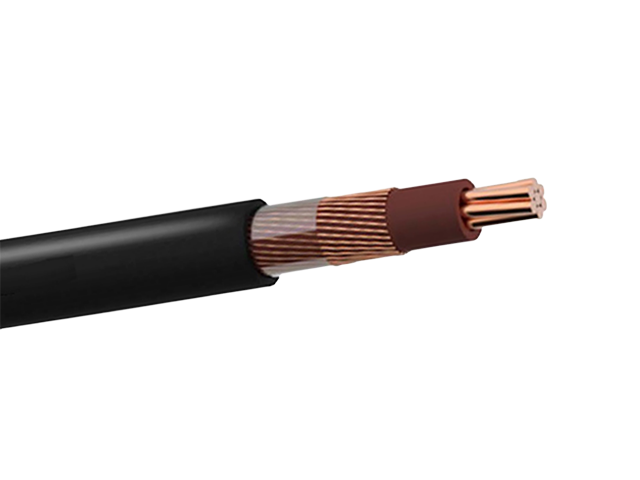
Aluminum Concentric Service Cable - 600/1000V AA8000 XLPE LV Cable
The Aluminum Concentric Service Cable is a reliable low-voltage cable designed for efficient house service connections and secondary distribution. It features compact stranded AA8000 series aluminum alloy phase conductors, XLPE insulation, and a concentrically stranded aluminum alloy neutral layer, all protected by a durable black polyethylene sheath. The concentric design provides balanced electrical performance and mechanical strength while maintaining excellent flexibility for easy installation. With superior corrosion resistance and cost-effectiveness compared to copper cables, this cable is perfect for both aerial and underground applications. Rated 600/1000V, the Aluminum Concentric Service Cable meets international standards and undergoes rigorous quality testing from raw materials to finished product, ensuring consistent conductivity, long service life, and reliable performance in residential and light commercial networks.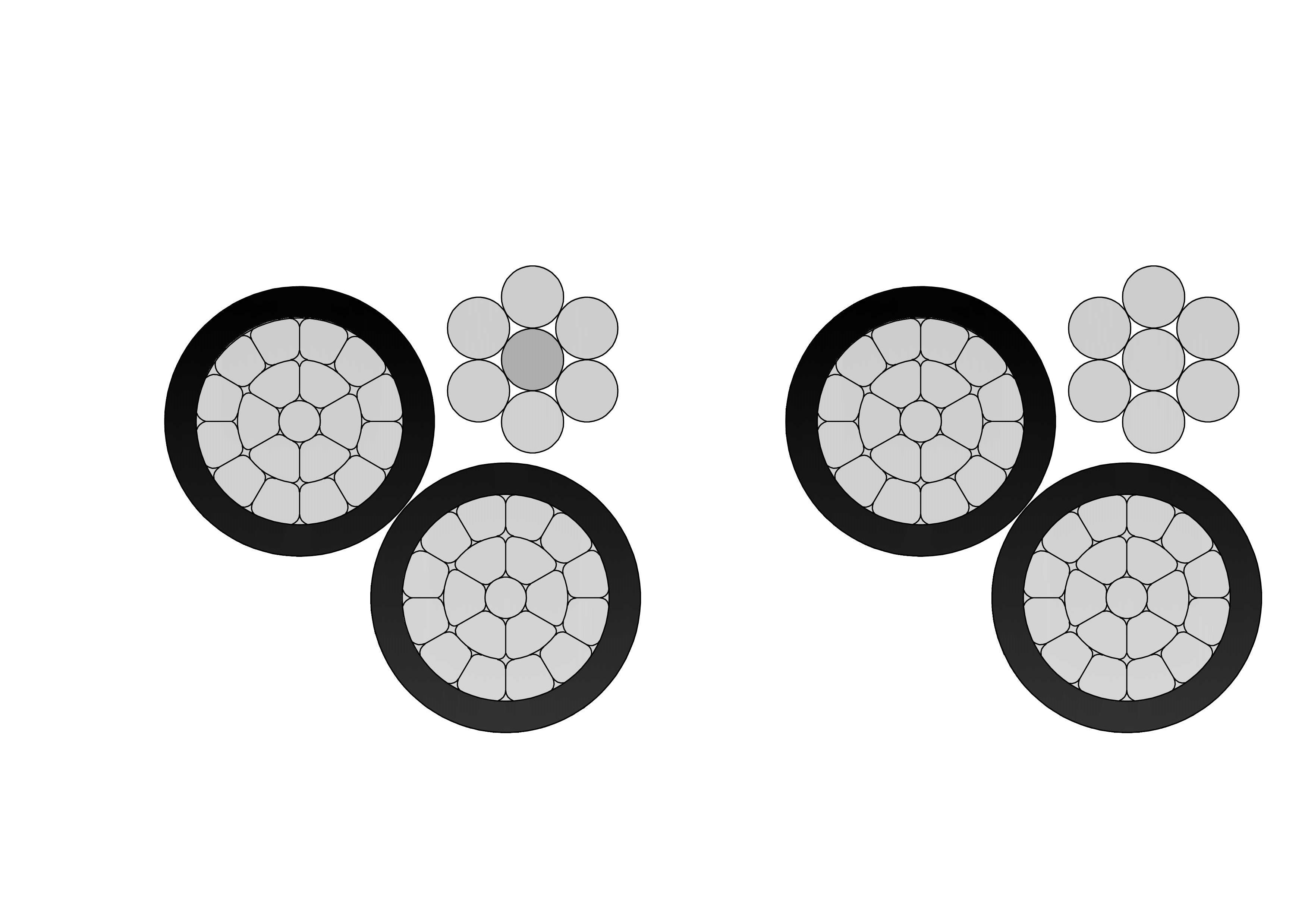
2/0 Triton Aluminum Conductor Triplex Overhead Service Drop Cable
The 2/0 Triton Aluminum Conductor Triplex Overhead Service Drop Cable is engineered for reliable overhead electrical service from utility distribution lines to residential and commercial buildings. The cable consists of two insulated aluminum phase conductors twisted around a bare aluminum neutral messenger, providing balanced electrical performance and strong mechanical support. Manufactured from high-purity aluminum and weather-resistant insulation compounds, the 2/0 Triton Aluminum Conductor Triplex Overhead Service Drop Cable delivers low electrical resistance, excellent corrosion resistance, and long-term durability in outdoor environments. Its lightweight construction simplifies handling and installation while maintaining the tensile strength required for aerial service. The cable is designed to perform under UV exposure, wind loading, and temperature variation. Comprehensive quality control and systematic testing are applied throughout production to ensure compliance with utility standards and dependable field performance.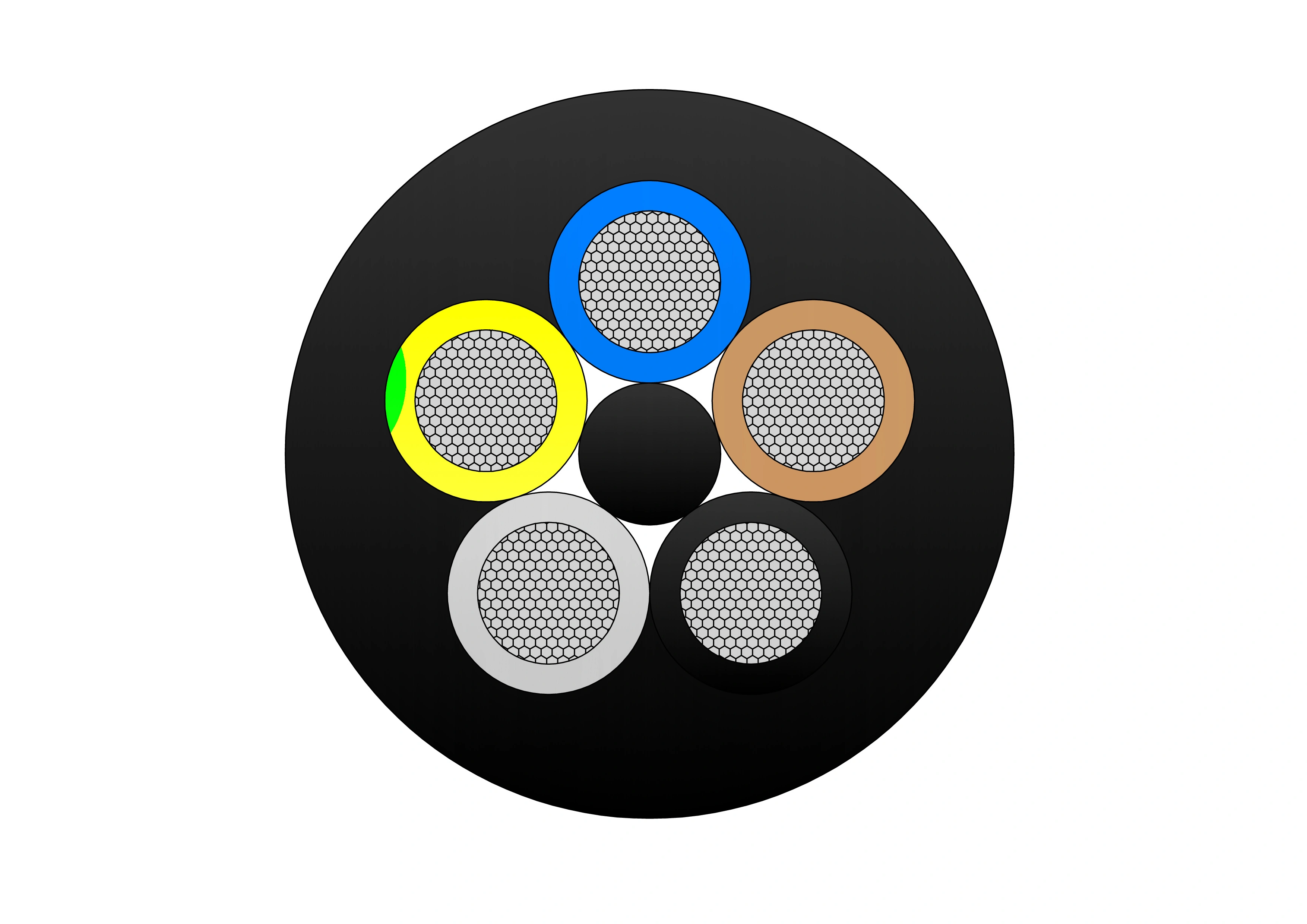
Type 209 Flexible Copper Screened Mining Cable
The Type 209 Flexible Copper Screened Mining Cable is a medium-voltage rubber-insulated cable designed for heavy-duty mining operations. It features tinned annealed copper conductors, EPR insulation, and a flexible copper wire/polyamide braid screen for superior electrical shielding. The extra heavy-duty PCP sheath provides oil resistance, flame retardancy, and high mechanical strength, making it ideal for trailing, feeder, and drilling applications in mining. Available in 1.1kV, 3.3kV, 6.6kV, and 11kV ratings, this cable complies with AS/NZS 2802 and ensures long service life under extreme conditions.
2/0 Cyclops Aluminum Conductor Triplex Overhead Service Drop Cable
The 2/0 Cyclops Aluminum Conductor Triplex Overhead Service Drop Cable is engineered for reliable overhead electrical service from utility lines to residential and commercial buildings. This cable consists of two insulated phase conductors helically wrapped around a bare aluminum neutral messenger, ensuring mechanical strength and electrical stability. Manufactured using high-purity aluminum and weather-resistant insulation, the 2/0 Cyclops Aluminum Conductor Triplex Overhead Service Drop Cable delivers excellent conductivity, corrosion resistance, and long service life. Its lightweight construction simplifies installation while maintaining strong tensile performance for aerial applications. The cable is designed to meet utility standards and perform consistently under varying environmental conditions such as UV exposure, wind, and temperature fluctuations. Each production batch undergoes comprehensive testing to guarantee compliance, safety, and performance, making this cable a dependable solution for modern power distribution systems.
Three Phase Cast Resin Dry Type Transformer
The Three Phase Cast Resin Dry Type Transformer is a safe, high-efficiency indoor power transformer series designed for reliable medium-voltage to low-voltage step-down in commercial, institutional, industrial, data center, hospital, school, high-rise, and renewable energy applications. With advanced epoxy cast-resin encapsulation and full high-conductivity copper windings, it completely eliminates oil fire risks, environmental hazards, and routine maintenance while offering excellent dielectric strength, thermal performance, resistance to moisture/dust/chemicals, and very low noise levels — making it the ideal choice for fire-sensitive, noise-restricted, space-constrained, or high-reliability indoor installations. Fully compliant with IEC 60076-11, IEC 60076-1/2/3/5/20, EN 50588-1 (eco-design), IEEE C57.12.01, IEEE C57.12.91, UL 1561 (optional listing), and DOE 2016 efficiency standards.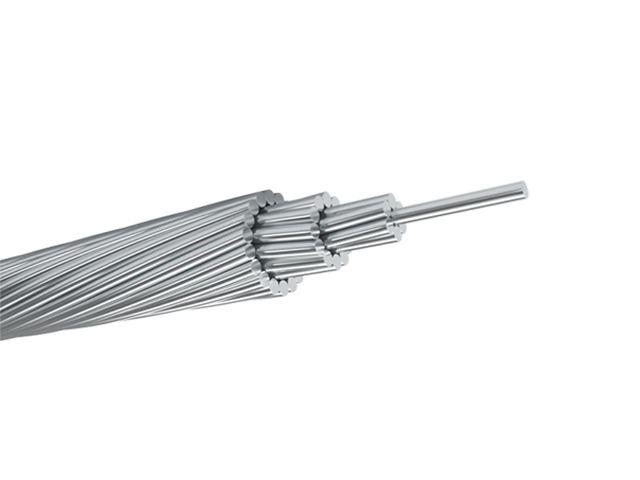
ELGIN AAAC Conductor Cable
ELGIN AAAC (All Aluminum Alloy Conductor) cables comply with ASTM B399 and IEC 61089 standards, offering high tensile strength, excellent conductivity, and strong corrosion resistance. Named "Elgin" for its 900 mm² nominal area with 61-strand configuration, it offers superior conductivity (53% IACS) and tensile strength (295 MPa min) compared to ACSR. Made from heat-treated aluminum-magnesium-silicon alloy (6201-T81), this cable provides excellent corrosion resistance, low weight, and reduced sag for longer spans. Compliant with ASTM B398, B399, IEC 61089, and BS EN 50182 standards, it supports voltages up to 33kV with ampacity up to 1300A at 75°C. The homogeneous alloy construction eliminates bimetallic corrosion and ensures uniform mechanical properties. The Elgin AAAC Conductor Cable minimizes line losses, withstands harsh weather, and requires minimal maintenance. Ideal for rural electrification, urban upgrades, and renewable energy integrations, it delivers reliable, cost-effective power in overhead lines worldwide, outperforming traditional conductors in corrosive or coastal environments.SSCHOU-mining-cable-2.webp)
(N)SSCHOU-J 0.6/1kV Mining Cable
The (N)SSCHOU-J 0.6/1kV cable is a flexible, rubber-insulated low voltage power cable designed in accordance with VDE 0250 standards. It is engineered for underground mining, tunneling, and heavy-duty industrial applications where flame retardancy, oil resistance, EMC protection, and mechanical durability are critical. With tinned copper conductors, robust rubber insulation, and a tinned copper wire braid (TCWB) screen for electromagnetic compatibility, this cable offers high electrical safety and mechanical reliability. It is suitable for dry, damp, wet, and hazardous environments, both indoors and outdoors, and can be permanently submerged in water up to 100 meters. Ideal for frequency converter drives and installations requiring superior shielding and long service life.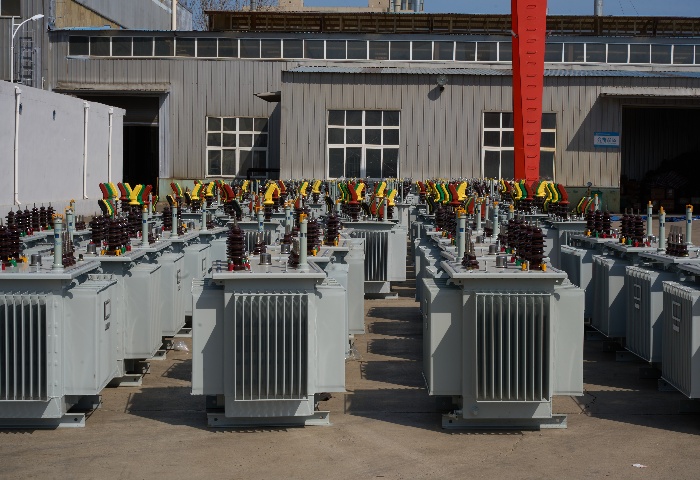
75kVA Oil Immersed Transformer
75kVA oil-immersed transformer is an efficient and reliable power conversion device, which is widely used in power distribution systems in industrial, commercial, and construction sites. The transformer adopts oil-immersed cooling technology, has good heat dissipation performance, and can work continuously and stably under high load conditions. The 75kVA oil-immersed transformer also has complete protection functions, including overload protection, short-circuit protection, and temperature monitoring, to ensure the safety and stability of the equipment during operation.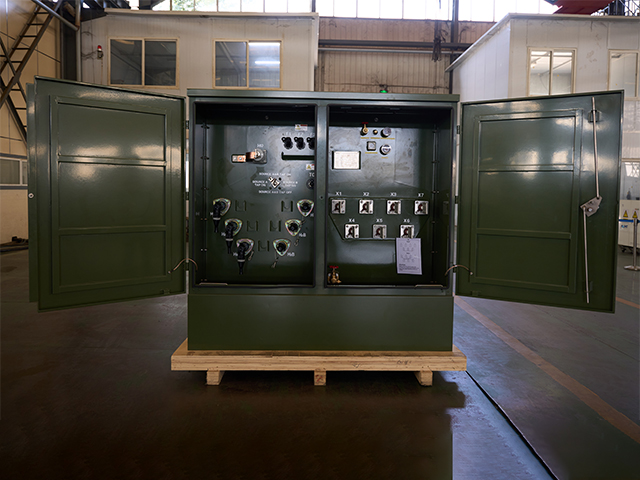
1500kVA Three Phase Pad Mounted Transformer
NPC ELECTRIC's 1500kVA Three Phase Pad Mounted transformer is designed with high-quality silicon steel sheets and insulating oil, in compliance with international standards such as IEC and ANSI, ensuring efficient and stable operation. It is suitable for a variety of scenarios such as urban power distribution, residential areas, commercial parks and industrial facilities. Whether it is ring network power supply or radial power supply, it can be flexibly applied to help achieve efficient and intelligent power transmission and distribution solutions.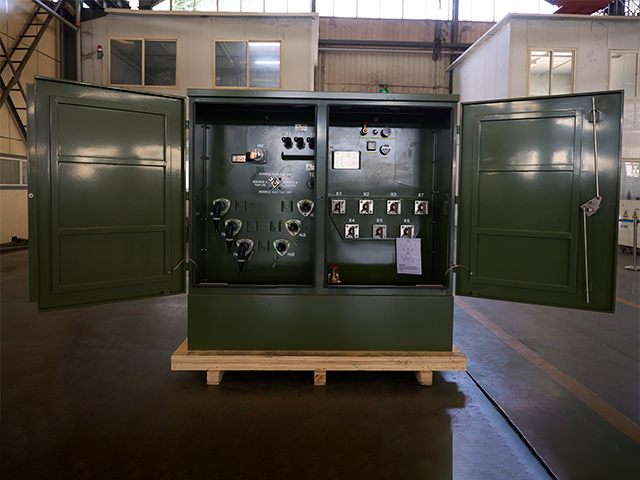
750kVA Three Phase Pad Mounted Transformer
The 750kVA three-phase pad transformer is an efficient and durable power equipment designed for commercial, industrial and distribution system applications. The transformer supports a variety of voltage configurations to meet the power needs of different regions, and is equipped with advanced protection systems such as overload protection, short-circuit protection and temperature control devices to ensure the safe operation of the equipment under high load and extreme environments.
100kVA Oil Immersed Transformer
NPC ELECTRIC 100kva Oil Immersed Transformer boasts a robust design that utilizes high-quality materials to ensure long-lasting performance. Its oil-immersed cooling system provides effective heat dissipation, maintaining optimal operating temperatures even under heavy loads. This transformer is designed to handle a maximum power capacity of 100kVA, making it suitable for a wide range of applications, including commercial, industrial, and residential settings. One of the standout features of the SGOB 100kva Oil Immersed Transformer is its advanced insulation system, which enhances its short-circuit resistance and overall safety.
1250kVA Dry Type Transformer
NPC ELECTRIC 1250kVA Dry-Type Transformer delivers reliable, oil-free power distribution with a compact and efficient design. Featuring advanced insulation and cooling systems, it ensures safe, low-maintenance operation, making it ideal for industrial and commercial applications. It provides environmentally friendly, cost-effective performance with a 1250kVA capacity. Compliant with DOE amended energy conservation standards (finalized April 2024, mandatory compliance from April 23, 2029, with a 20% reduction in losses for three-phase low-voltage dry-type units), ANSI/IEEE C57.12.01, NEMA ST-20, UL 1561, and CSA requirements, this low-voltage (≤600V) transformer provides outstanding efficiency, minimized thermal losses, significant energy savings, and enhanced fire safety without insulating fluids.
1600kVA Dry Type Transformer
1600kVA dry-type transformer is an efficient and reliable power equipment designed to provide a stable power supply. Its rated capacity is 1600kVA, which is suitable for the power needs of various industrial and commercial sites. The transformer adopts advanced dry insulation technology, which has higher safety and durability, and avoids the fire hazards that may be caused by oil-immersed transformers. In addition, the low-noise operation and environmentally friendly design of the equipment can effectively reduce operating costs and reduce environmental impact.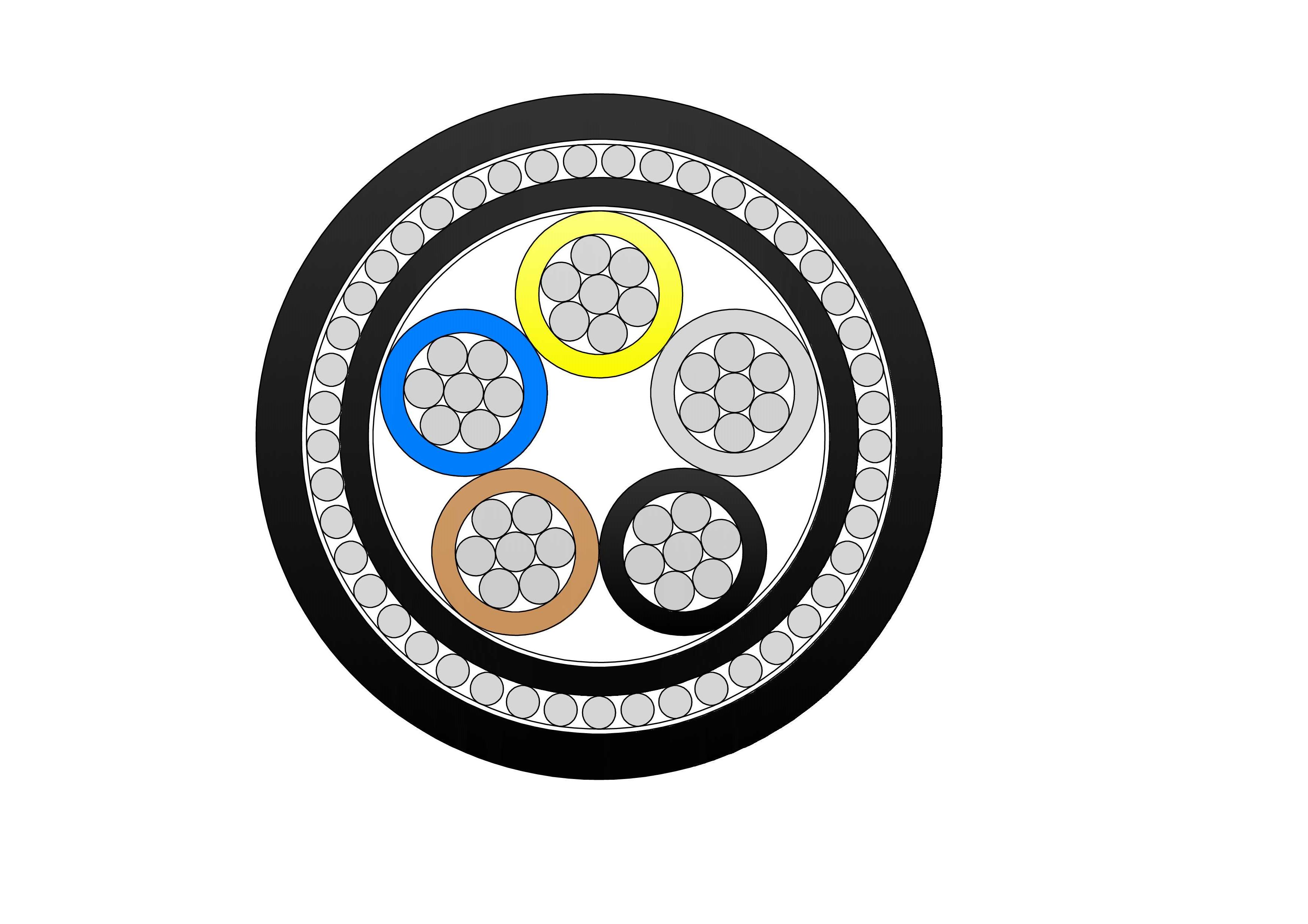
NA2XRY 0.6/1kV Low Voltage Power Cable
NA2XRY 0.6/1kV are low voltage power cables designed according to BS 5467 standard, suitable for fixed installation in indoor, outdoor, underground, or concrete (Can withstand certain mechanical forces) environments. Constructed with aluminium conductors, thermosetting XLPE insulation, PVC inner bedding, double galvanised steel tape armour, and tough PVC outer sheath, it meets IEC 60502-1 requirements. The STA armour offers outstanding resistance to compression and external forces, enabling direct burial. Lightweight aluminium lowers installation costs while ensuring good current rating and low losses. Flame-retardant and stable in harsh conditions, the NA2XRY 0.6/1kV Low Voltage Power Cable is favoured for manufacturing plants, renewable sites, commercial complexes, and infrastructure demanding reliable, low-maintenance low-voltage cabling with enhanced mechanical safeguarding.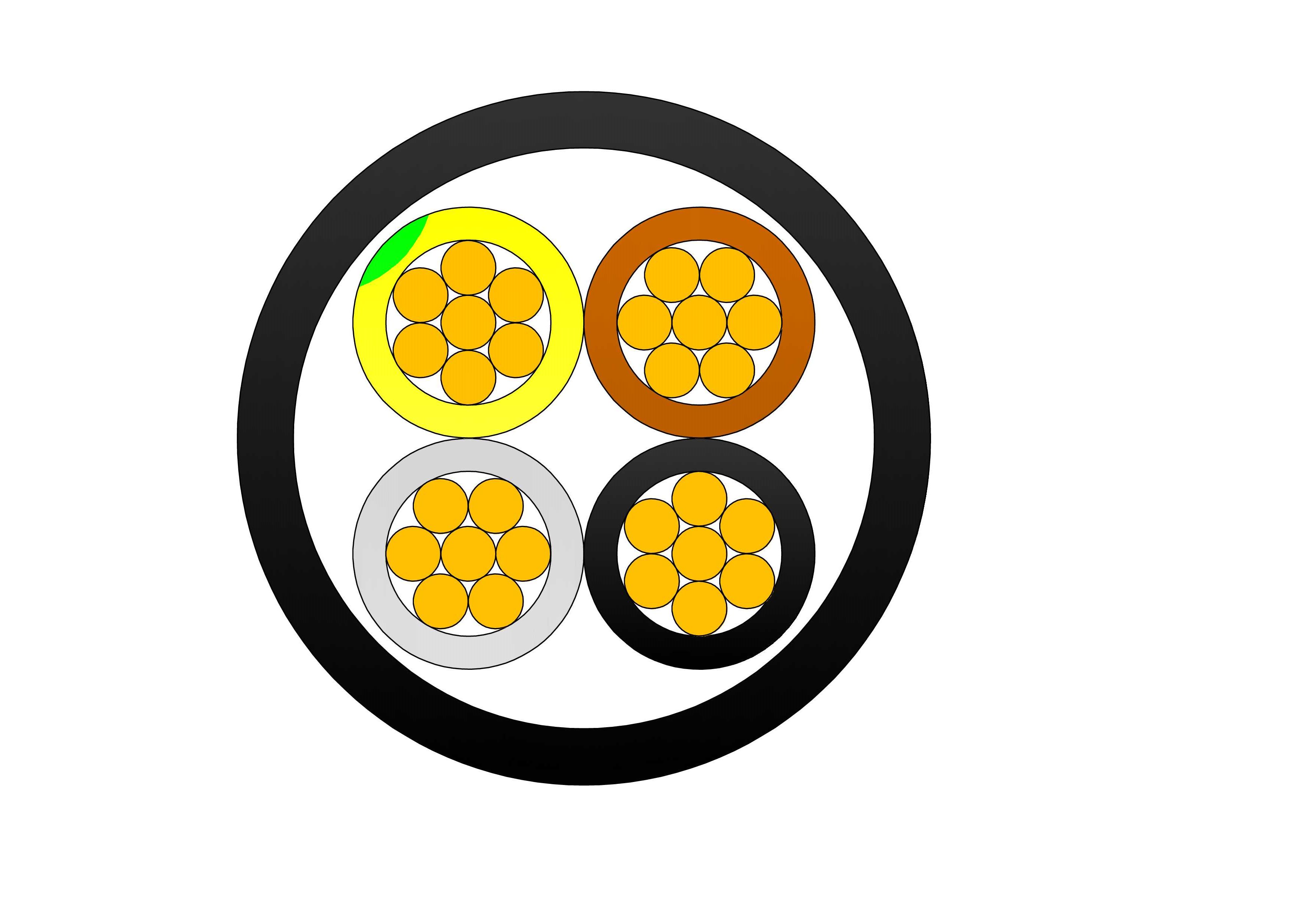
Medium Voltage Armored Power Cable XLPE Insulated Distribution Cable
The Medium Voltage Armored Power Cable is engineered for reliable power transmission and distribution in utility, industrial, and infrastructure applications. Manufactured with high-conductivity copper or aluminum conductors, advanced XLPE insulation, metallic screens, galvanized steel wire or steel tape armour, and a durable outer sheath, the cable delivers excellent electrical performance and superior mechanical protection. Designed for medium voltage networks ranging from 3.6/6kV to 26/35kV, the cable provides outstanding dielectric strength, low insulation losses, and high thermal stability. The armouring layer protects the cable against impact, compression, tensile stress, and accidental mechanical damage, making it suitable for underground and direct burial installations. The outer sheath offers excellent resistance to moisture, chemicals, UV radiation, and environmental exposure. Manufactured according to IEC 60502-2 and international standards, the cable is widely used in substations, renewable energy projects, industrial facilities, power plants, and utility distribution systems. The Medium Voltage Armored Power Cable ensures long-term reliability, operational safety, and efficient power transmission under demanding service conditions.Welcome your inquiry
Honesty, Integrity, Frugality, Activeness and Passion