
AI Data Centers Demand High-Efficiency Power Transformers: Selection Guide
2026-07-30
Artificial Intelligence (AI) is rapidly reshaping the global digital economy, driving unprecedented demand for computing power and electrical infrastructure. From large language models (LLMs) and generative AI to autonomous systems and scientific computing, AI workloads require significantly higher processing density than traditional enterprise applications. As a result, the modern AI data center has evolved into one of the most energy-intensive facilities in the world.
According to industry forecasts, hyperscale AI campuses may consume hundreds of megawatts—or even exceed one gigawatt—of electrical capacity. Such enormous power demand places extraordinary pressure on the electrical power infrastructure, particularly on electrical transformers, switchgear, substations, and cooling systems. In many AI projects, transformer reliability has become just as important as computing performance because even a short interruption can affect thousands of GPUs and critical business operations.
Unlike conventional commercial buildings, AI facilities operate with highly dynamic electrical loads. GPU clusters can change power consumption within seconds, requiring transformers to maintain excellent voltage regulation, thermal stability, overload capability, and energy efficiency under continuously changing operating conditions. At the same time, operators seek to reduce Power Usage Effectiveness (PUE), improve sustainability, and comply with increasingly stringent energy regulations.
Consequently, selecting the appropriate power transformer is no longer a simple procurement decision. Engineers must evaluate transformer efficiency, insulation systems, cooling methods, digital monitoring capabilities, fault tolerance, lifecycle cost, and compatibility with the AI data center power grid. Equally important is partnering with an experienced power transformer manufacturer or power transformer supplier capable of delivering customized solutions that meet international standards and project-specific requirements.
1. What Is an AI Data Center and Why Does It Need Massive Power?
Understanding what an AI data center is is the first step toward selecting the right electrical infrastructure.
An AI data center is a specialized computing facility designed to train and deploy artificial intelligence models. Unlike traditional data centers that primarily support web hosting, enterprise applications, or cloud storage, AI facilities are optimized for high-density computing workloads using GPU clusters, AI accelerators, tensor processing units (TPUs), and advanced networking equipment.
Modern AI servers often consume 30–100 kW per rack, while next-generation liquid-cooled systems may exceed 150–250 kW per rack. This represents a dramatic increase compared with conventional enterprise racks that typically require only 5–15 kW. Such high-density power demand significantly influences the design of transformers, substations, switchgear, and backup power systems.
A typical AI data center electrical architecture includes:
- Utility grid connection
- High-voltage substation
- Power transformer
- Medium-voltage switchgear
- UPS systems
- Backup generators
- Power Distribution Units (PDUs)
- Busway systems
- Rack-level power distribution
- AI computing clusters
Every stage of this power chain depends on stable voltage, high efficiency, and fault tolerance. The transformer, positioned near the front of the electrical distribution system, serves as the critical interface between the utility grid and the facility. Any transformer instability can propagate throughout the entire power network, affecting computing performance and service availability.
Furthermore, AI facilities increasingly rely on renewable energy sources, battery energy storage systems (BESS), and microgrids. These technologies introduce fluctuating power flows that require transformers with superior voltage regulation, thermal management, and dynamic load adaptability.
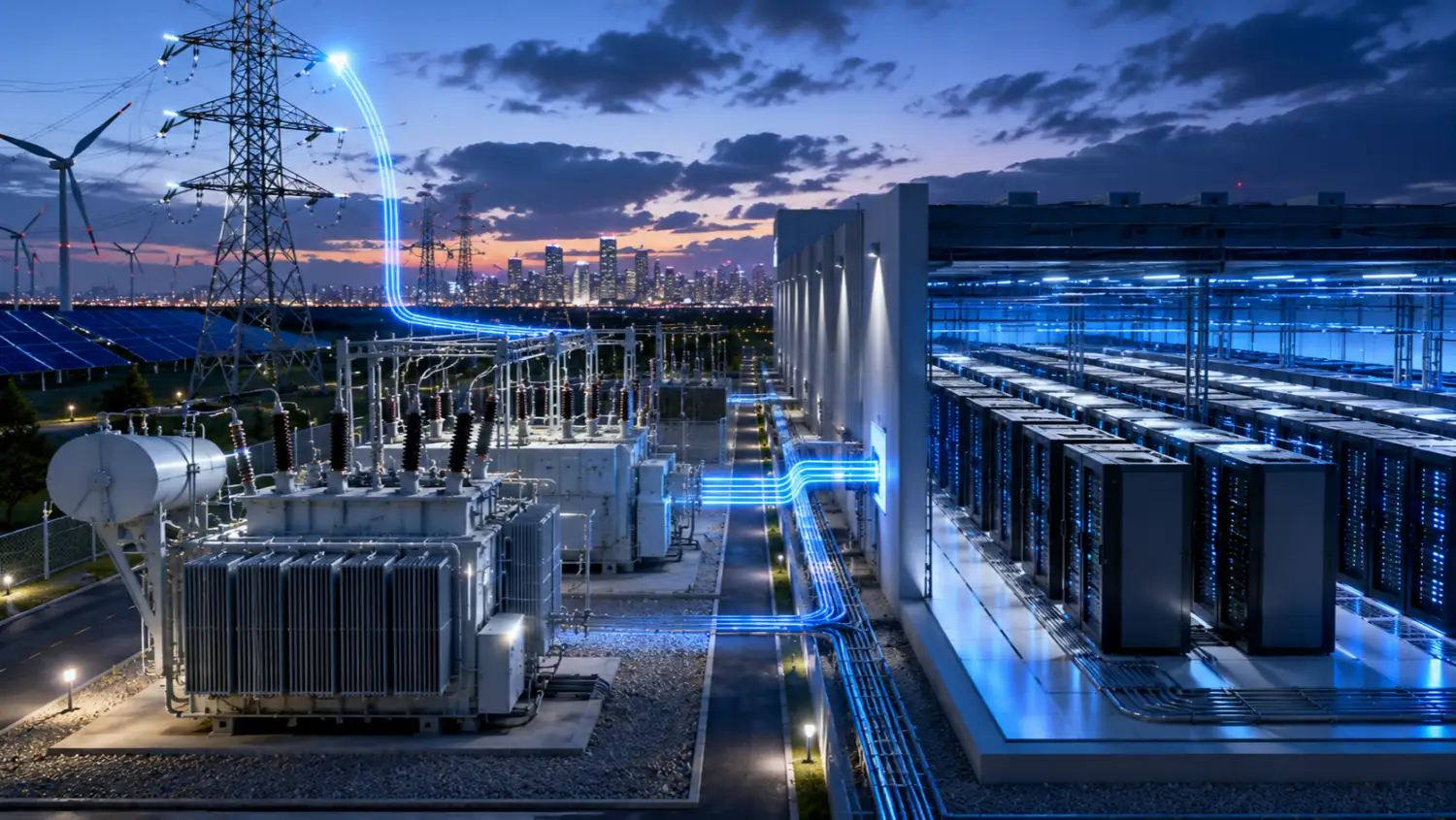
2. Why High-Efficiency Power Transformers Matter in AI Data Centers
A power transformer in an AI data center performs far more than voltage conversion. It directly influences energy efficiency, operating costs, equipment reliability, and overall infrastructure resilience.
One of the most important considerations is energy loss. Transformer losses consist of no-load (core) losses and load (copper) losses. Because AI data centers operate continuously—often 24 hours a day, 365 days a year—even small efficiency improvements can result in substantial energy savings over the transformer's service life.
For example, reducing transformer losses by just one percent in a large hyperscale facility can translate into significant annual electricity savings while lowering carbon emissions. As energy prices continue to rise globally, lifecycle efficiency has become more important than initial purchase cost.
High-efficiency transformers also offer improved thermal performance. AI workloads create rapid and frequent load fluctuations, generating thermal cycling that accelerates insulation aging if not properly managed. Premium transformer designs employ advanced grain-oriented silicon steel, optimized winding arrangements, and improved cooling systems to maintain stable operating temperatures and extend service life.
Another critical factor is power quality. GPU clusters, variable-speed cooling equipment, and power electronic converters can introduce harmonic distortion and transient load variations. Transformers designed for AI applications often incorporate enhanced harmonic withstand capability and optimized impedance characteristics to minimize voltage distortion and ensure stable operation.
Reliability is equally essential. Unplanned outages can interrupt AI model training, disrupt cloud services, and cause substantial financial losses. High-quality transformers equipped with online monitoring systems, temperature sensors, dissolved gas analysis (DGA), and intelligent diagnostics enable predictive maintenance, allowing operators to identify developing faults before they impact operations.
Finally, sustainability has become a strategic objective for hyperscale operators. High-efficiency transformers support lower PUE values, reduce greenhouse gas emissions, and help data center operators meet corporate environmental goals while improving long-term operational economics.
3. Key Technical Specifications for AI Data Center Power Transformers
Selecting the right electrical transformer for an AI facility requires far more than matching voltage and power ratings. AI computing environments demand exceptional reliability, efficiency, scalability, and adaptability. Engineers must evaluate electrical performance, thermal behavior, mechanical strength, digital monitoring capabilities, and lifecycle operating costs simultaneously.
Rated Capacity
Transformer capacity should not only satisfy today's electrical demand but also accommodate future expansion. Hyperscale AI campuses often increase computing capacity in phases, making modular infrastructure planning essential.
Typical transformer capacities include:
- 2.5–10 MVA for enterprise AI data centers
- 10–40 MVA for hyperscale modules
- 40–100+ MVA for utility substations serving AI campuses
Designing with sufficient reserve capacity reduces overload risks and extends transformer service life.
Voltage Configuration
The voltage ratio depends on local utility standards and internal distribution architecture. Common configurations include:
- 132kV / 33kV
- 138kV / 13.8kV
- 110kV / 10kV
- 66kV / 11kV
- 33kV / 415V
Each project should optimize voltage levels to minimize conversion stages while improving overall efficiency.
Energy Efficiency
Transformer efficiency directly affects long-term operating expenses.
High-performance transformers typically feature:
- Low core losses
- Low copper losses
- High magnetic permeability steel
- Optimized conductor design
- Reduced stray losses
Many operators evaluate transformers using Total Ownership Cost (TOC) rather than initial purchase price because electricity losses over 30 years often exceed the equipment cost itself.
Typical Specifications of AI Data Center Power Transformers
|
Parameter |
Enterprise AI Data Center |
Hyperscale AI Campus |
Engineering Recommendation |
|
Transformer Capacity |
2.5–10 MVA |
20–100+ MVA |
Reserve 20–30% expansion capacity |
|
Primary Voltage |
33 kV / 66 kV / 110 kV |
110 kV / 132 kV / 138 kV / 220 kV |
Based on local utility grid |
|
Secondary Voltage |
11 kV / 13.8 kV |
13.8 kV / 33 kV |
Compatible with MV distribution |
|
Frequency |
50 Hz / 60 Hz |
50 Hz / 60 Hz |
Utility dependent |
|
Cooling Method |
Dry Type or ONAN |
ONAF / OFAF / OFWF |
Select according to installation environment |
|
Efficiency |
≥99.2% |
≥99.5% |
Minimize lifecycle energy loss |
|
Insulation Class |
IEC 60076 / IEEE C57 |
IEC 60076 / IEEE C57 |
International compliance |
|
Monitoring |
Optional online monitoring |
Full digital monitoring |
Recommend IoT-enabled transformers |
Cooling Method
Modern AI facilities place unprecedented thermal demands on electrical infrastructure.
Common transformer cooling methods include:
- ONAN (Oil Natural Air Natural)
- ONAF (Oil Natural Air Forced)
- OFAF (Oil Forced Air Forced)
- OFWF (Oil Forced Water Forced)
For indoor installations, dry-type transformers are increasingly selected because of their superior fire safety and reduced maintenance requirements.
Outdoor utility substations generally continue to utilize oil immersed power transformers due to their higher efficiency and greater overload capability.
Intelligent Monitoring
Modern power transformers increasingly integrate digital monitoring systems, including:
- Online Dissolved Gas Analysis (DGA)
- Fiber optic winding temperature sensors
- Moisture monitoring
- Partial discharge monitoring
- Bushing condition monitoring
- Load profile analysis
- Digital twin integration
These technologies enable predictive maintenance and improve transformer availability throughout its operating life.
4. Selecting the Right Power Transformer Manufacturer and Supplier
Choosing an experienced power transformer manufacturer is one of the most important decisions in any AI data center project. While transformer specifications define technical performance, manufacturing quality determines long-term reliability, operational safety, and lifecycle cost.
Engineering Experience
Manufacturers should demonstrate extensive experience in designing transformers for:
- Data centers
- Utility substations
- Renewable energy projects
- Industrial facilities
- Mission-critical infrastructure
AI data centers present unique operating conditions that require transformers capable of handling rapid load fluctuations and continuous high utilization.
Compliance with International Standards
Qualified manufacturers should comply with internationally recognized standards such as:
- IEC 60076 Series
- IEEE C57 Series
- IEC 60296
- IEC 60599
- ISO 9001
- ISO 14001
- ISO 45001
Compliance ensures consistent manufacturing quality and simplifies acceptance by international EPC contractors and utility companies.
Manufacturing Capability
A modern transformer factory should include:
- CNC core cutting lines
- Automatic winding machines
- Vacuum drying ovens
- Vacuum oil filling systems
- High-voltage impulse laboratories
- Partial discharge testing facilities
- Routine and type testing laboratories
Advanced manufacturing processes reduce production variability and improve long-term transformer reliability.
Factory Acceptance Testing (FAT)
Every transformer should undergo comprehensive testing before shipment, including:
- Winding resistance test
- Transformer turns ratio test
- Applied voltage test
- Induced voltage test
- Lightning impulse test
- Partial discharge measurement
- Temperature rise test
- No-load and load loss measurement
These tests verify compliance with project specifications before installation.
Global Service Capability
A professional power transformer supplier should provide:
- Engineering consultation
- Customized transformer design
- Export documentation
- Installation guidance
- Commissioning support
- Spare parts supply
- Remote technical assistance
- Long-term maintenance services
Comprehensive after-sales support is particularly valuable for international AI infrastructure projects where operational continuity is critical.
5. AI Data Center Cooling and Power: Integrated Infrastructure Design
One of the defining characteristics of AI infrastructure is the close relationship between AI data center cooling and power systems. Unlike conventional facilities, where electrical and cooling systems are often designed independently, AI data centers require an integrated engineering approach.
High-density GPU clusters generate enormous amounts of heat. Liquid cooling technologies—including direct-to-chip cooling, immersion cooling, and rear-door heat exchangers—are becoming increasingly common.
These advanced cooling systems place additional demands on the electrical infrastructure:
- Higher pump loads
- Variable-speed motors
- Dynamic electrical demand
- Increased harmonic distortion
- Greater redundancy requirements
Transformers must therefore support continuously changing load profiles without compromising voltage stability or efficiency.
Many modern AI campuses also incorporate:
- Battery Energy Storage Systems (BESS)
- Solar photovoltaic generation
- Fuel cells
- Microgrids
- Intelligent Energy Management Systems (EMS)
As distributed energy resources become more prevalent, transformers increasingly function as bidirectional power interfaces rather than simple voltage conversion devices.
Future transformer designs will play a central role in balancing renewable generation, energy storage, and AI computing demand while maintaining grid stability.
Oil-Immersed vs Dry-Type Transformer Comparison
|
Feature |
Oil-Immersed Power Transformer |
Dry-Type Transformer |
|
Cooling Efficiency |
Excellent |
Good |
|
Maximum Capacity |
Very High |
Medium to High |
|
Fire Safety |
Requires fire protection |
Excellent |
|
Indoor Installation |
Limited |
Highly Recommended |
|
Outdoor Installation |
Excellent |
Good |
|
Maintenance Requirements |
Moderate |
Low |
|
Initial Investment |
Lower |
Slightly Higher |
|
Operating Life |
30–40 Years |
25–35 Years |
|
AI Data Center Suitability |
Utility Substations |
Indoor Electrical Rooms |
|
Typical Application |
Main Grid Connection |
Internal MV Distribution |
6. Future Trends: Smart Transformers for AI Power Grids
The rapid expansion of artificial intelligence is accelerating innovation in transformer technology. Traditional transformers are evolving into intelligent grid assets capable of communicating with digital substations and cloud-based monitoring platforms.
Several emerging trends are reshaping transformer design.
Digital Transformers
Embedded sensors continuously monitor:
- Oil temperature
- Winding hotspot temperature
- Moisture content
- Load conditions
- Dissolved gases
- Partial discharge activity
Real-time data allows operators to predict failures before they occur.
AI-Based Predictive Maintenance
Ironically, AI is also improving transformer reliability.
Machine learning algorithms analyze years of operating data to identify subtle degradation patterns that conventional maintenance programs might overlook.
This predictive approach reduces unexpected outages while lowering maintenance costs.
Eco-Friendly Insulation
Environmental regulations are encouraging the adoption of biodegradable ester insulating fluids.
Compared with traditional mineral oil, natural esters provide:
- Higher fire points
- Improved environmental performance
- Longer insulation life
- Better moisture tolerance
These characteristics make them particularly attractive for urban AI campuses.
Higher Efficiency Core Materials
Advanced grain-oriented silicon steel and amorphous metal cores continue to reduce no-load losses, helping operators lower electricity consumption and improve sustainability.
Digital Substations
IEC 61850 communication protocols enable seamless integration between transformers, protection relays, SCADA systems, and AI-driven asset management platforms.
The future AI data center power grid will increasingly rely on intelligent transformers capable of autonomous diagnostics, remote monitoring, and adaptive operation.
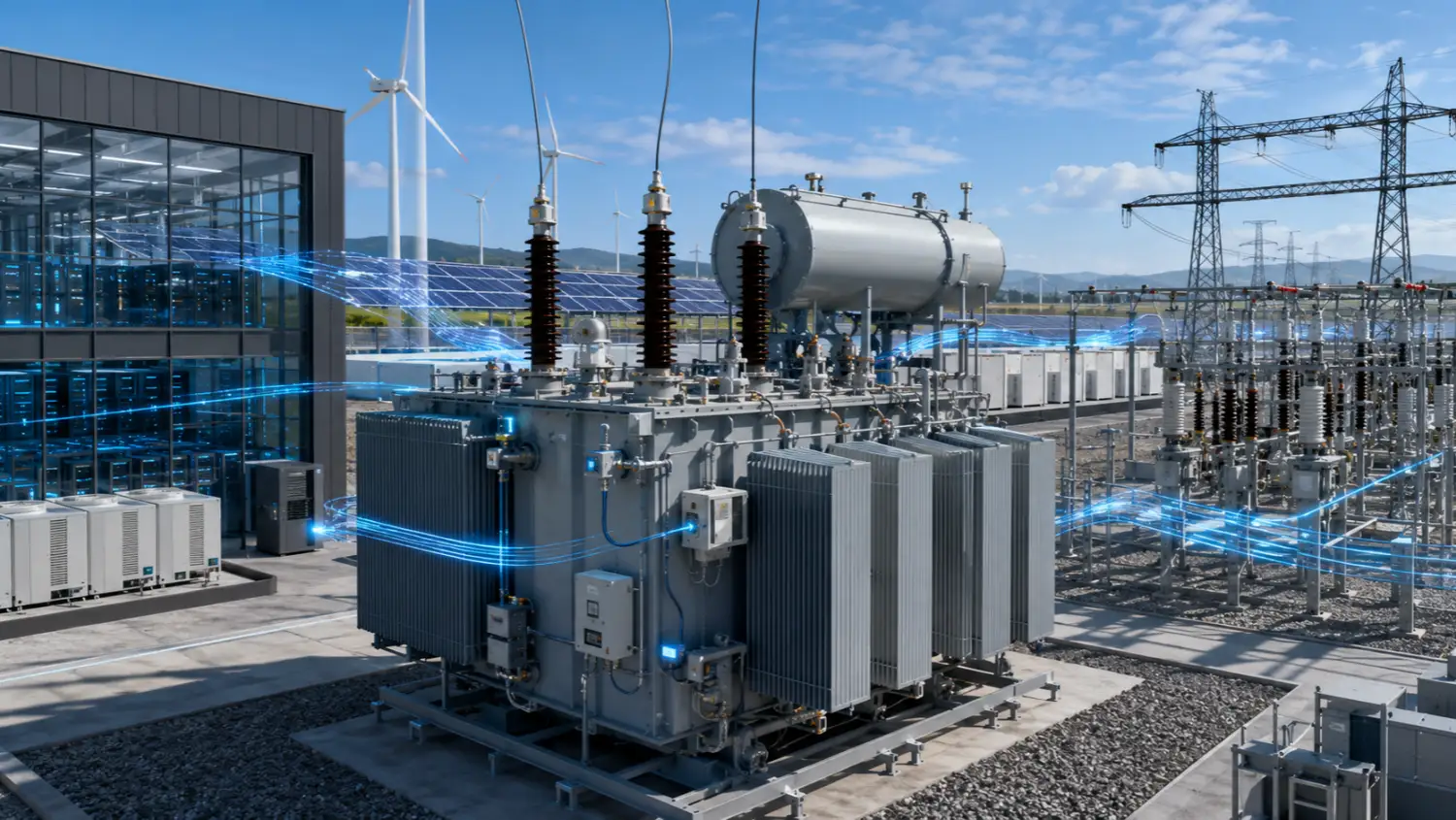
7. Practical Selection Checklist for AI Data Center Projects
Before selecting a transformer, project teams should evaluate both immediate technical requirements and long-term operational objectives.
A recommended engineering checklist includes:
- Required transformer capacity and future expansion plans
- Utility voltage level and internal distribution architecture
- Transformer efficiency class and lifecycle energy losses
- Cooling method based on installation environment
- Harmonic withstand capability
- Short-circuit withstand strength
- Digital monitoring functions
- Redundancy strategy (N+1 or 2N)
- Compliance with IEC and IEEE standards
- Factory testing capability
- Manufacturer experience in data center projects
- Global technical support availability
- Total cost of ownership rather than purchase price alone
A structured evaluation process minimizes technical risk and improves long-term investment returns.
AI Data Center Transformer Evaluation Matrix
|
Evaluation Item |
Recommended Requirement |
Engineering Importance |
|
Energy Efficiency |
Low no-load and load losses |
★★★★★ |
|
Transformer Capacity |
Support future expansion |
★★★★★ |
|
Voltage Regulation |
Stable under dynamic GPU loads |
★★★★★ |
|
Harmonic Withstand Capability |
Designed for nonlinear loads |
★★★★★ |
|
Cooling Performance |
Compatible with liquid cooling systems |
★★★★★ |
|
Short-Circuit Strength |
IEC/IEEE compliant |
★★★★★ |
|
Digital Monitoring |
DGA, temperature, moisture, partial discharge |
★★★★★ |
|
Redundancy Support |
N+1 or 2N architecture |
★★★★★ |
|
Factory Acceptance Testing |
Routine + Type Tests |
★★★★☆ |
|
Manufacturer Experience |
AI/Data Center project references |
★★★★★ |
|
Global Technical Support |
Commissioning and after-sales service |
★★★★☆ |
|
Lifecycle Cost |
Evaluate Total Cost of Ownership (TCO) |
★★★★★ |
Conclusion
Artificial intelligence is fundamentally transforming the design philosophy of modern electrical infrastructure. As AI workloads continue to grow, data centers require significantly more reliable, efficient, and intelligent power systems than traditional IT facilities.
The electrical transformer has become a strategic component rather than a passive electrical device. Its performance directly affects energy efficiency, operational reliability, cooling effectiveness, and the long-term sustainability of AI infrastructure.
When selecting a power transformer, engineers should evaluate efficiency, voltage configuration, cooling technology, digital monitoring, harmonic performance, and future scalability. Equally important is working with an experienced power transformer manufacturer or power transformer supplier capable of delivering customized solutions, rigorous testing, and comprehensive lifecycle support.
Looking ahead, smart transformers equipped with IoT sensors, AI-assisted diagnostics, and predictive maintenance capabilities will become standard components of the next generation of AI data center power grids. By combining advanced transformer technology with intelligent cooling systems and digital energy management, operators can build resilient, energy-efficient, and future-ready data centers capable of supporting the rapidly expanding global AI ecosystem.

Related Articles
Related Products
2 AWG IRIS AAC Cable
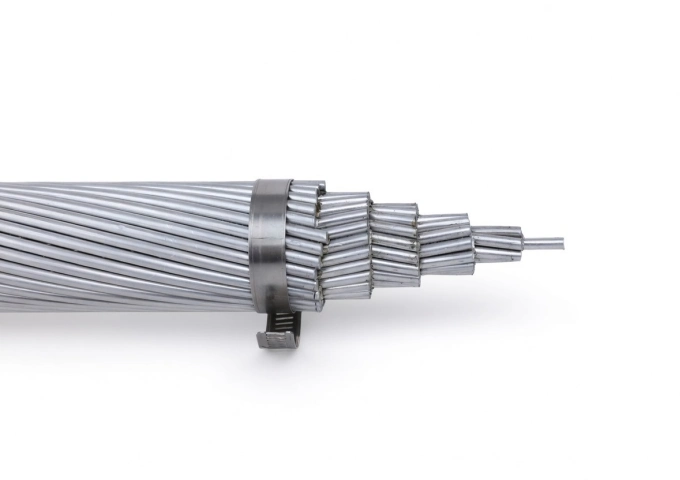
The 2 AWG IRIS AAC Cable is a premium All Aluminum Conductor designed for efficient overhead power transmission and distribution. Manufactured with high-purity 1350-H19 aluminum wires in a 7-strand concentric lay configuration, this bare conductor offers excellent electrical conductivity and lightweight performance. Ideal for urban and rural utility networks, the IRIS AAC delivers superior current-carrying capacity up to 185 amps while maintaining low sag and high reliability in various weather conditions. Its corrosion-resistant properties ensure long service life with minimal maintenance. Rigorously tested from raw materials to finished product, the 2 AWG IRIS AAC Cable meets or exceeds ASTM B-230 and B-231 standards, providing optimal strength-to-weight ratio and low DC resistance of 0.260 ohms per 1000ft. Choose this dependable solution for cost-effective power delivery in overhead lines on poles and towers.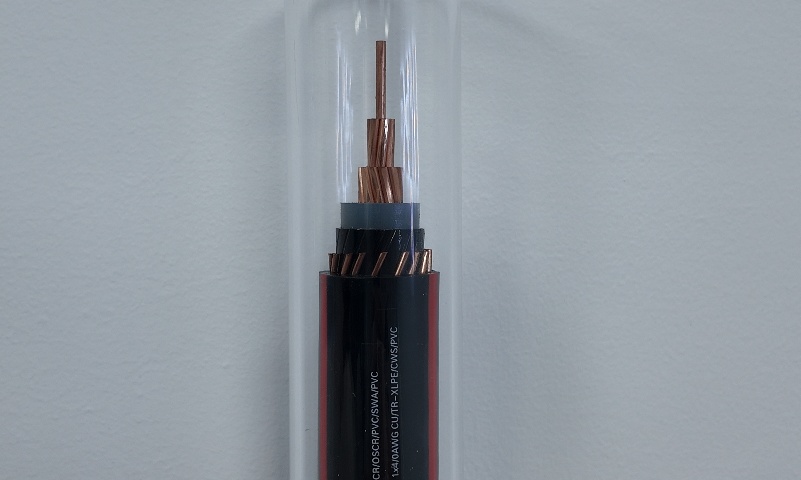
Single Conductor URD Cable
The Single Conductor URD Cable is a reliable and economical 600V underground residential distribution cable engineered for service entrance and secondary power delivery. It features a stranded AA8000 aluminum alloy conductor with XLPE insulation and a concentrically stranded aluminum alloy neutral, all protected by a durable black polyethylene sheath. This single conductor design provides excellent flexibility, high conductivity, and superior moisture resistance, making it suitable for direct burial or conduit installations. Lightweight and corrosion-resistant, the Single Conductor URD Cable is a practical alternative to copper cables while maintaining strong mechanical performance. Manufactured to UL 854 and ICEA standards, it undergoes extensive quality testing to ensure consistent performance and long service life in underground environments.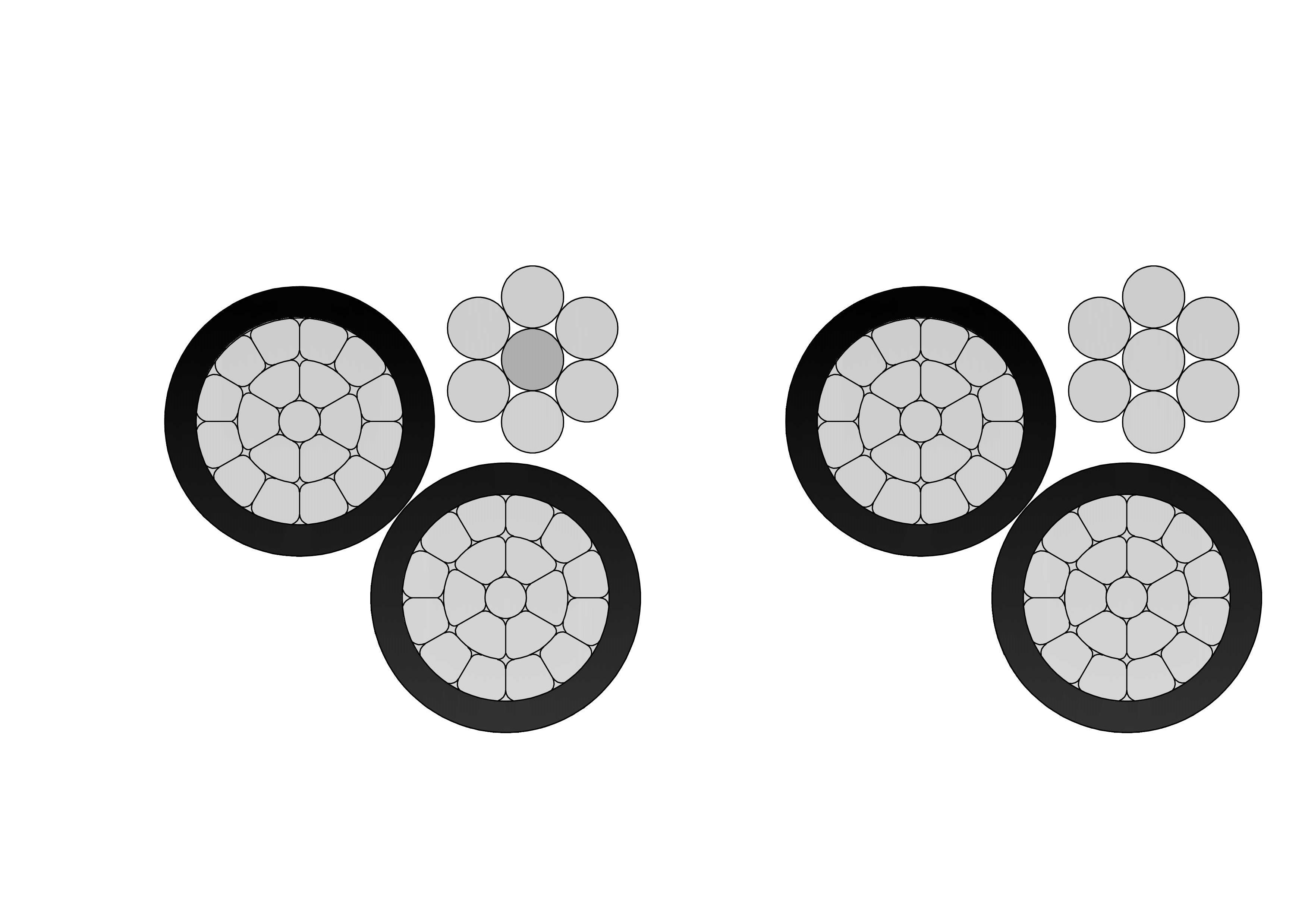
Triplex Service Drop Cable
The Triplex Service Drop Cable is designed for overhead power distribution from utility lines to residential and commercial service entrances. It typically consists of two insulated phase conductors and one bare or insulated neutral messenger conductor, twisted together to provide mechanical support and electrical reliability. The phase conductors are insulated with weather-resistant materials such as XLPE or PE, offering excellent resistance to UV radiation, moisture, and environmental aging. Engineered for dependable performance, the Triplex Service Drop Cable ensures stable power delivery while minimizing line losses and installation complexity. Its lightweight yet robust construction allows for easy stringing across poles and buildings, while maintaining adequate tensile strength for long-span applications. Manufactured in accordance with applicable utility and industry standards, this cable is widely used in low-voltage overhead distribution networks where safety, durability, and long service life are essential.2Y-high-voltage-power-cable-2.webp)
2XS(FL)2Y MDPE High Voltage 76/132 (145)kV Power Cable
The 2XS(FL)2Y MDPE High Voltage Power Cable is a single-core aluminum conductor cable with XLPE insulation and an MDPE sheath, rated 76/132 (145) kV. Designed for extra-high voltage power transmission, it meets IEC 60840 standards, offering excellent electrical performance, mechanical protection, and water resistance for demanding environments. Its construction includes a copper conductor, semi-conductive conductor screen, XLPE insulation, semi-conductive insulation screen, semi-conductive water swelling tape, copper wire metallic screen, longitudinal aluminum tape with PE copolymer coating, and an MDPE sheath. Water-blocking tape prevents water propagation, ensuring reliable operation in power stations, industrial plants, and distribution systems. Suitable for underground, underwater, outdoor, indoor, and duct installations, this cable is ideal for distribution networks and connections to generation units, industrial plants, and processes.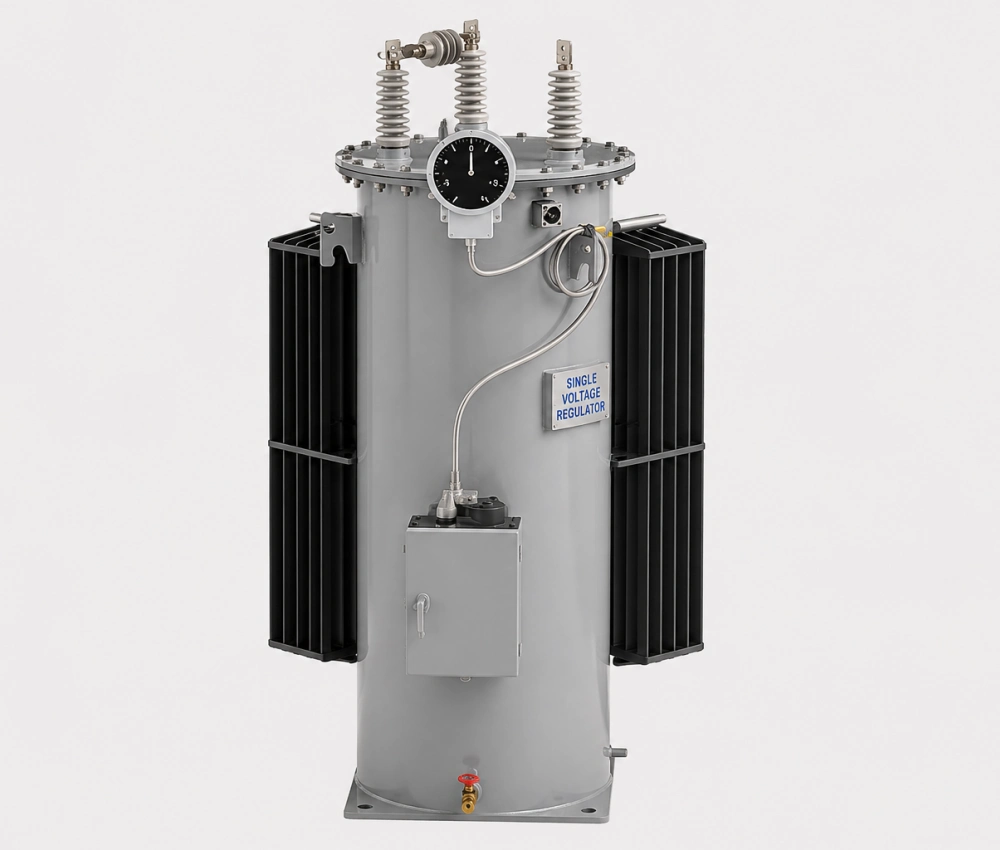
Single Phase Automatic Step Voltage Regulator
The Single-phase Automatic Step Voltage Regulator is an advanced, intelligent voltage stabilization device designed to automatically correct voltage fluctuations and deliver stable output for sensitive electrical equipment. Utilizing a high-efficiency toroidal or laminated core with premium copper windings and multiple tap positions, this regulator provides fast, precise step-type voltage correction (±10% to ±30% input range) with response times under 1 second. It features a microprocessor-based digital controller with LCD display, multiple protection functions (over-voltage, under-voltage, overload, short-circuit, and surge), and automatic bypass capability. Built with robust construction and high overload capacity (up to 200% for short durations), it ensures reliable performance in varying load conditions while maintaining low waveform distortion and high efficiency (>98%). Ideal for single-phase 220V/230V/240V systems, this voltage regulator is widely used in residential, commercial, and light industrial applications to protect equipment from unstable grid voltage and extend service life.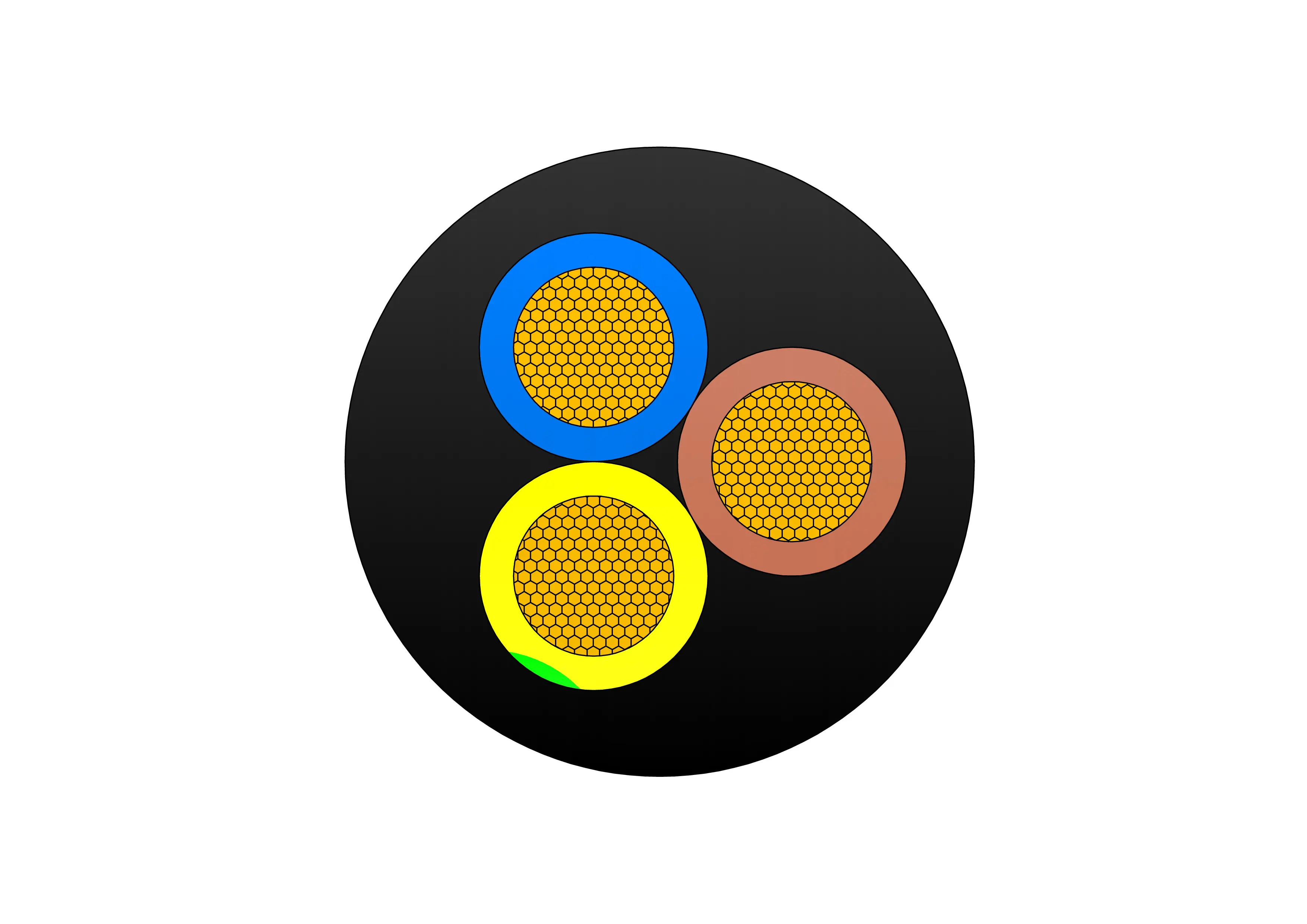
H07ZZ-F EN 50525-3-21 LSZH Rubber Flexible Cable
The H07ZZ-F Rubber Flexible Cable is a high-performance low-smoke, halogen-free (LSZH) flexible cable designed in compliance with EN 50525-3-21 and IEC 60502-1 standards. It offers outstanding flexibility, flame retardancy, and resistance to smoke and toxic gas emission, ensuring enhanced safety in public and industrial environments. With its cross-linked LSZH insulation and sheath, the H07ZZ-F cable is ideal for fixed and mobile electrical installations in airports, subways, public buildings, power distribution systems, UPS equipment, and stage lighting setups. Engineered to perform under moderate mechanical stress, it maintains excellent reliability both indoors and outdoors. The H07ZZ-F LSZH is ideal for mobile equipment, construction sites, mining, public buildings, and industrial power supply where low smoke, halogen-free safety, and flexibility are critical for fire-sensitive or confined spaces.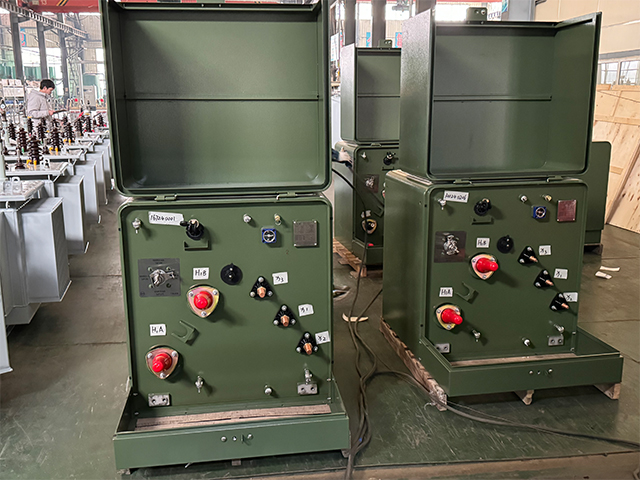
75kVA Single Phase Pad Mounted transformer
The 75kVA single phase pad mounted transformer is designed for medium-capacity underground residential and light commercial distribution, transforming primary voltages such as 12470GrdY/7200, 24940GrdY/14400, 34500GrdY/19920, or dual-voltage setups to secondary 120/240V split-phase or 240V. The compartmental dead-front enclosure with tamper-resistant doors, mineral oil insulation, and ONAN cooling supports a 65°C temperature rise for dependable performance under residential peak demands.
4/0 AWG Aluminum URD Cable 1/3 Neutral
The 4/0 AWG Aluminum URD Cable 1/3 Neutral is a durable and economical 600V underground residential distribution cable engineered for service entrance and secondary power delivery. It utilizes a 4/0 AWG stranded AA8000 aluminum alloy phase conductor with XLPE insulation and a 1/3 concentric aluminum alloy neutral, all protected by a rugged black polyethylene sheath. This design offers excellent flexibility, high conductivity, and superior moisture resistance, making it suitable for direct burial or conduit installations. The 1/3 neutral configuration provides a balanced and cost-effective solution for most residential applications. Manufactured to UL 854 and ICEA standards, the 4/0 AWG Aluminum URD Cable 1/3 Neutral undergoes extensive quality testing to ensure consistent performance and long service life in underground environments.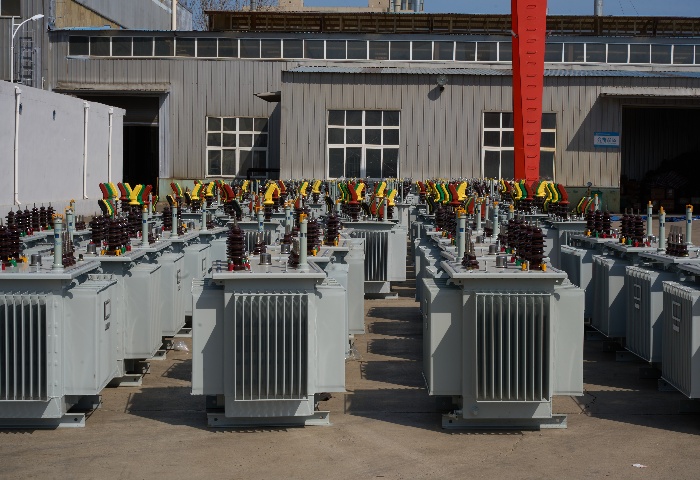
44kV Oil Immersed Transformer
NPC ELECTRIC's 44kV Oil Immersed Transformer is a heavy-duty three-phase power unit tailored for efficient high-voltage to medium-voltage step-down in 50/60Hz AC grids, handling primary inputs up to 44kV (or 40-46kV variants). Built with a durable conservator-equipped tank and high-efficiency radiator system for optimal oil circulation and heat dissipation. Suitable for pole or pad-mounted installations with YNd11/Dyn1 vector groups and high BIL (200-250kV), it delivers precise 44kV to secondary levels (e.g., 11kV/13.8kV/0.69kV), optimizing power quality, reducing harmonic distortions, and facilitating seamless integration in expansive utility infrastructures.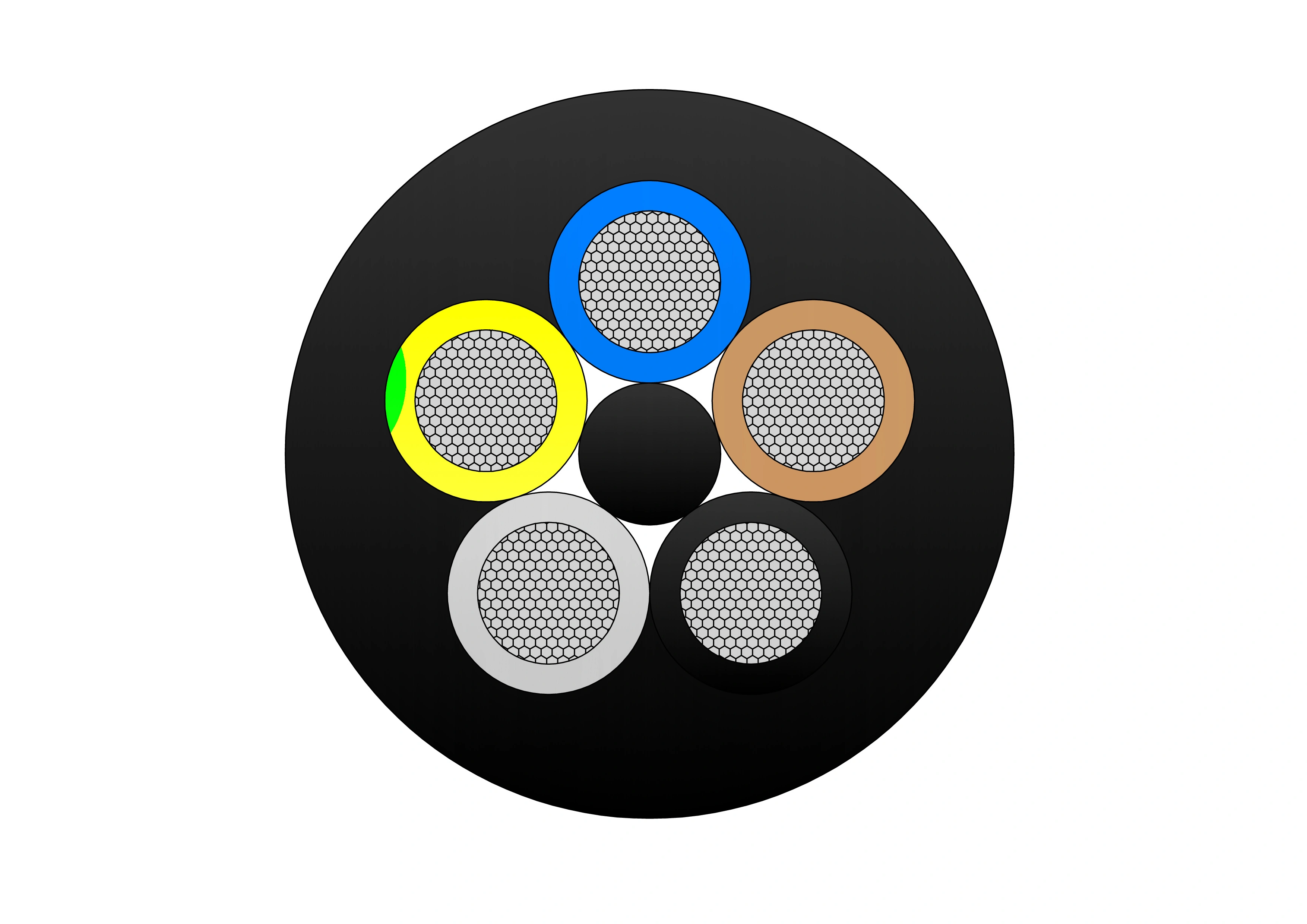
Type 209 Flexible Copper Screened Mining Cable
The Type 209 Flexible Copper Screened Mining Cable is a medium-voltage rubber-insulated cable designed for heavy-duty mining operations. It features tinned annealed copper conductors, EPR insulation, and a flexible copper wire/polyamide braid screen for superior electrical shielding. The extra heavy-duty PCP sheath provides oil resistance, flame retardancy, and high mechanical strength, making it ideal for trailing, feeder, and drilling applications in mining. Available in 1.1kV, 3.3kV, 6.6kV, and 11kV ratings, this cable complies with AS/NZS 2802 and ensures long service life under extreme conditions.
2 Shrimp Aluminum Conductor Triplex Overhead Service Drop Cable
2-2-2 Shrimp Aluminum Conductor Triplex Overhead Service Drop Cable delivers superior overhead power transmission for utility-to-consumer connections. Built with concentric or compressed 1350-H19 aluminum phase conductors (#2 AWG), black XLPE insulation offering enhanced thermal, abrasion, and environmental protection, plus a bare neutral messenger (#2 AWG ACSR/AAAC 6201), it ensures efficient conductivity, corrosion resistance, and structural strength. Rated 600V phase-to-phase up to 90°C (XLPE), with ≈150A ampacity, it complies with ASTM B-230/B-231/B-232/B-399 and ICEA S-76-474. Its balanced, lightweight construction simplifies installation while providing robust long-term performance against harsh outdoor factors like moisture, UV exposure, and mechanical stress.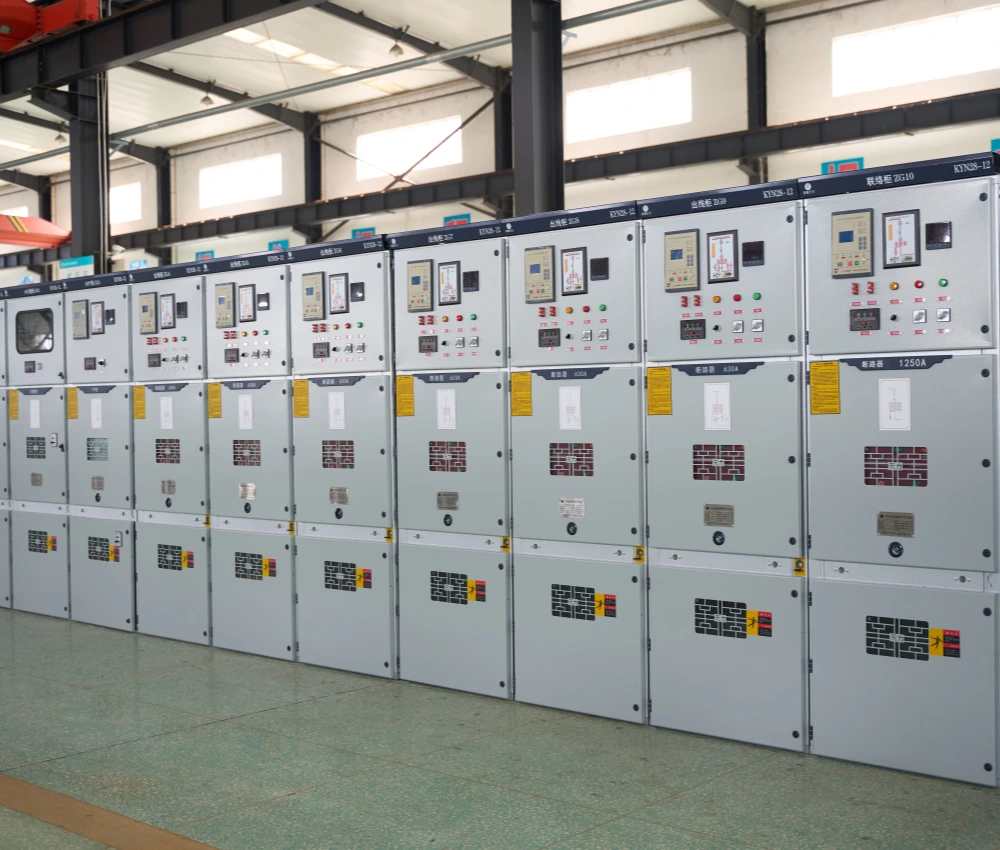
Low Voltage Distribution Cabinet
The Low Voltage Distribution Cabinet is an essential power management solution engineered for safe, reliable, and efficient electricity distribution in low-voltage systems. Designed for both indoor and outdoor applications, it organizes and protects electrical circuits while providing flexible feeder management for lighting, power outlets, motors, and auxiliary equipment. With robust construction and intelligent design, this cabinet minimizes energy losses, enhances system safety, and supports easy expansion in commercial, industrial, and infrastructure projects. Featuring high-performance circuit breakers, precision busbar systems, and comprehensive protection devices, the cabinet delivers superior short-circuit resistance, overload protection, and leakage prevention. Its modular layout allows for quick configuration changes and maintenance. Advanced options include digital metering, remote monitoring, and automatic transfer capabilities, making it ideal for modern smart grid integration. This distribution cabinet ensures stable power supply, reduces operational risks, and complies with the latest international electrical standards.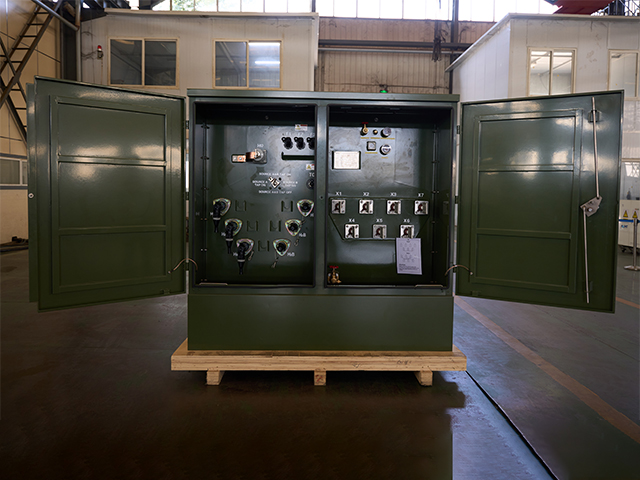
1500kVA Three Phase Pad Mounted Transformer
NPC ELECTRIC's 1500kVA Three Phase Pad Mounted transformer is designed with high-quality silicon steel sheets and insulating oil, in compliance with international standards such as IEC and ANSI, ensuring efficient and stable operation. It is suitable for a variety of scenarios such as urban power distribution, residential areas, commercial parks and industrial facilities. Whether it is ring network power supply or radial power supply, it can be flexibly applied to help achieve efficient and intelligent power transmission and distribution solutions.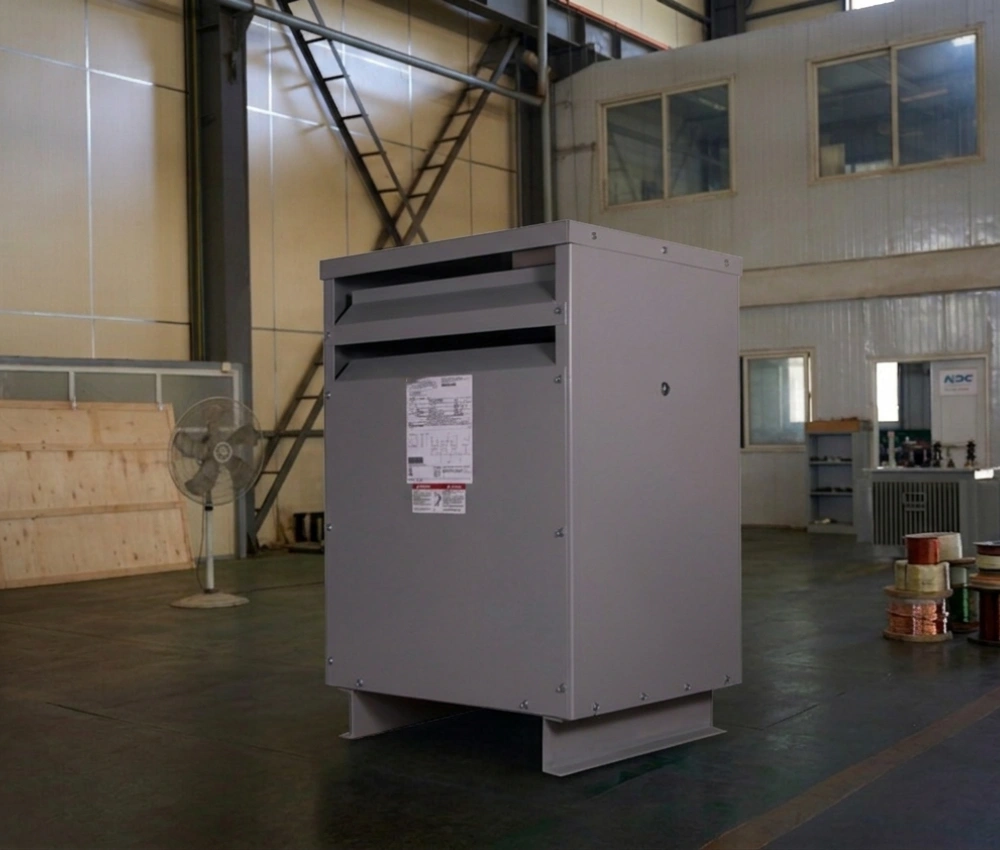
Three Phase Isolation Transformer
The Three Phase Isolation Transformer is a premium electrical power solution designed to provide complete galvanic isolation between the primary and secondary circuits of three-phase power systems. By eliminating direct electrical continuity between power sources and connected loads, the transformer effectively reduces electrical noise, suppresses common-mode disturbances, minimizes transient voltage surges, and improves overall power quality. This advanced isolation capability helps protect sensitive equipment, enhance operational safety, and improve system reliability in demanding industrial and commercial environments. Manufactured using high-permeability CRGO silicon steel cores and precision-engineered copper or aluminum windings, the Three Phase Isolation Transformer delivers excellent efficiency, low losses, and stable voltage regulation. Its robust insulation system ensures superior dielectric performance while reducing the risk of electrical faults and ground loop issues. The transformer is widely deployed in industrial automation facilities, manufacturing plants, renewable energy installations, data centers, transportation infrastructure, healthcare facilities, and critical power applications where reliable and clean power is essential.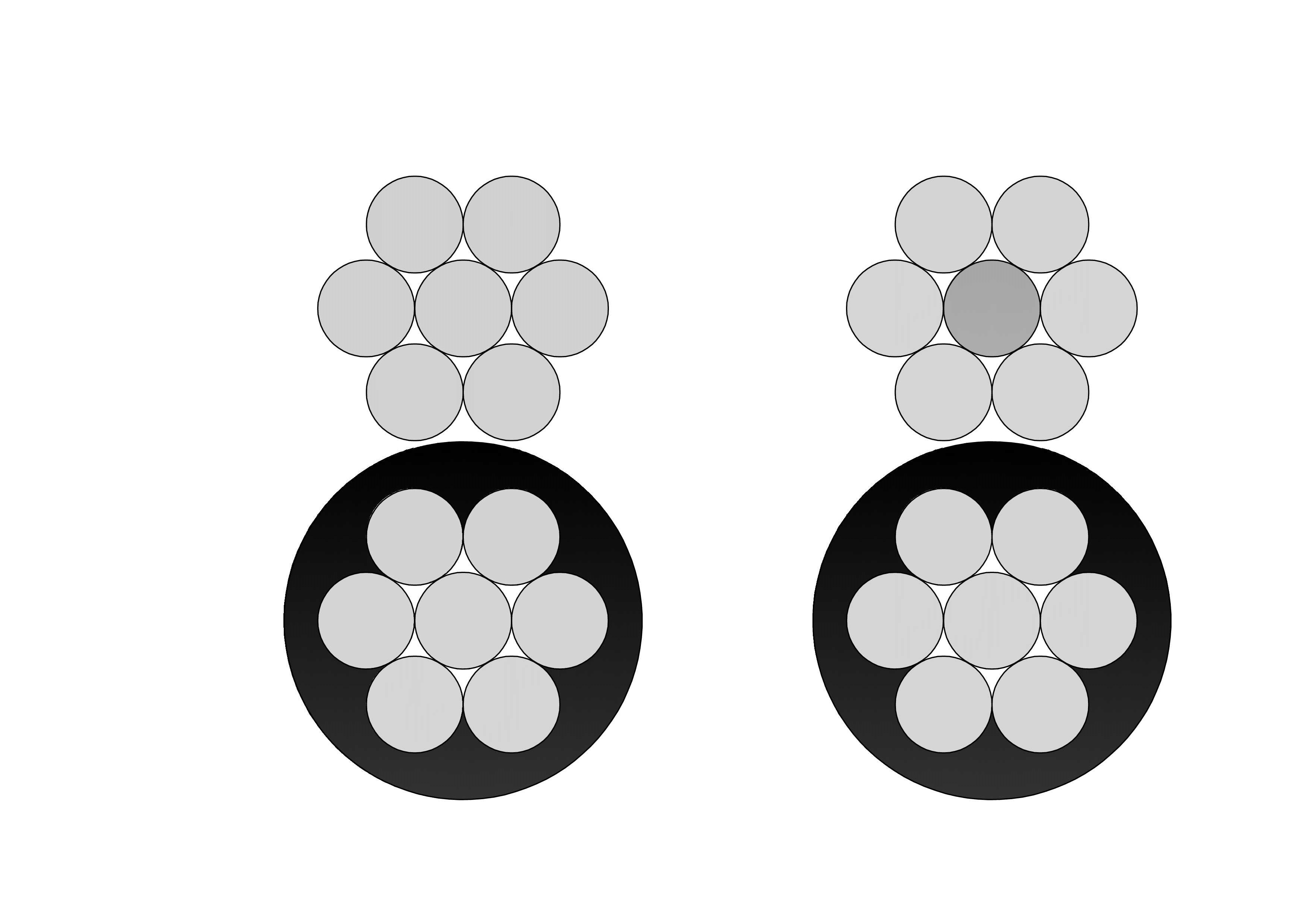
Duplex Service Drop Cable
The Duplex Service Drop Cable is a reliable overhead cable for secondary power distribution from the utility pole to the service entrance. Featuring two insulated phase conductors (aluminum or ACSR) twisted around a bare or covered neutral messenger wire, it offers excellent mechanical strength and weather resistance. Insulation options include XLPE, PE, or PVC for superior UV, moisture, and abrasion protection. Compliant with ASTM B-230, B-231, ICEA S-76-474, and ANSI/ICEA standards, this cable supports low-voltage applications up to 600V. Lightweight design facilitates easy installation with reduced sag and long spans. The Duplex Service Drop Cable ensures minimal power losses, high tensile strength from the messenger, and long service life in harsh outdoor conditions. Ideal for residential, commercial, and rural electrification projects requiring safe, cost-effective aerial service connections worldwide.Welcome your inquiry
Honesty, Integrity, Frugality, Activeness and Passion