MC4 Connectors & Solar Cables: Everything You Need to Know
2026-08-14
1. Why MC4 Connectors and Solar Cables Matter
In modern photovoltaic (PV) installations, the performance of a solar power system depends on far more than the efficiency of the solar panel itself. Reliable energy production requires every component within the electrical pathway to function safely and efficiently. Among these components, MC4 Connectors and solar cables play a critical role in ensuring stable electrical transmission between solar modules, inverters, batteries, and other system equipment.
A poorly designed or improperly installed connector can create excessive resistance, generate heat, increase energy losses, and even pose fire risks. Conversely, high-quality MC4 connectors for solar panels combined with properly selected solar power cables provide secure electrical connections capable of operating under harsh environmental conditions for decades.
2. What Is an MC4 Connector?
One of the most frequently asked questions in the solar industry is: What is an MC4 connector?
MC4 stands for Multi-Contact, 4 mm diameter pin contact, a connector standard specifically designed for photovoltaic systems.
These connectors provide a weatherproof and secure method for connecting solar panels and associated DC wiring.
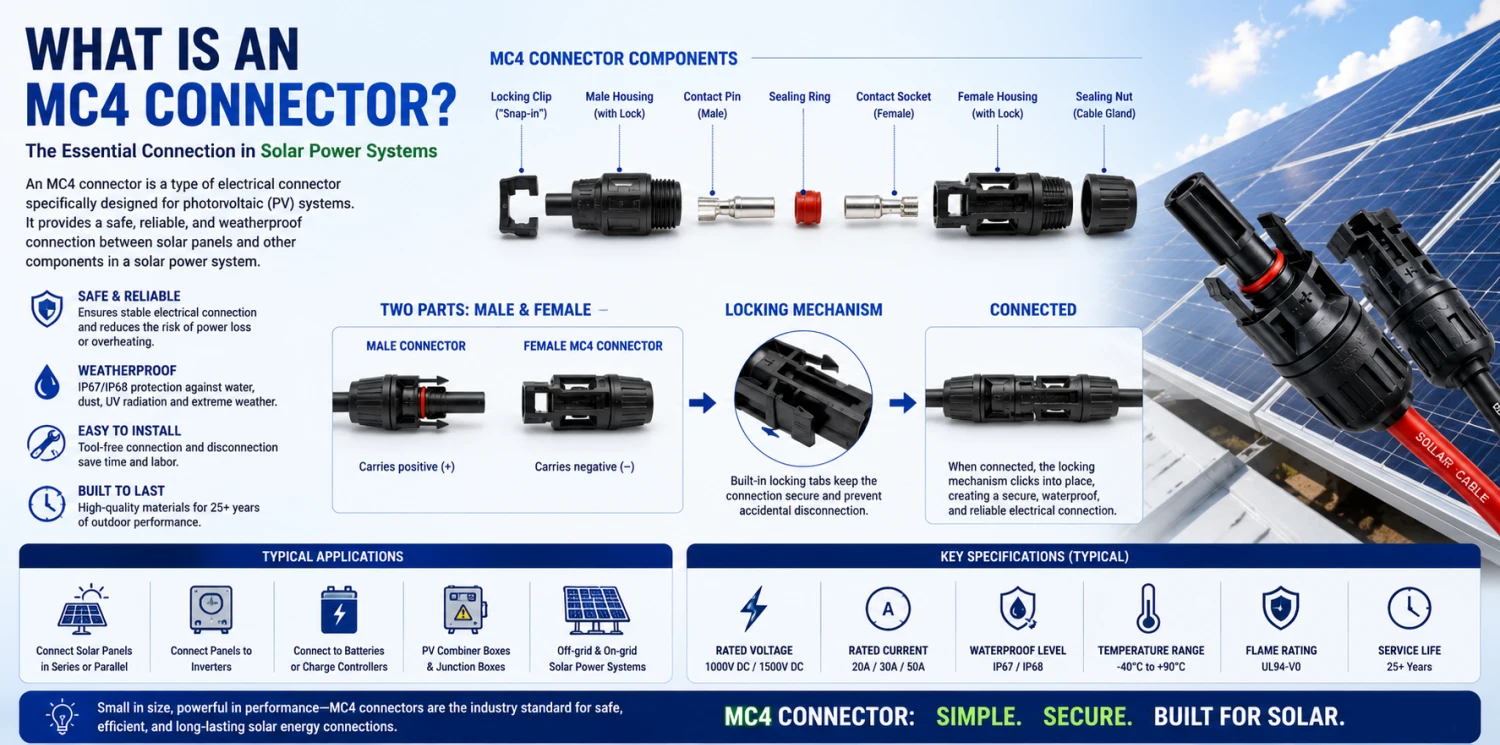
A complete MC4 connection consists of:
- Male connector
- Female MC4 connector
- Internal metal contact
- Insulating housing
- Sealing gaskets
- Locking mechanism
The connector design allows installers to quickly connect the panels without requiring complex wiring procedures.
Why MC4 Became the Industry Standard
MC4 technology became widely adopted because it offers:
- High reliability
- Waterproof protection
- UV resistance
- Simple installation
- Long service life
- Compatibility with modern solar equipment
Today, solar panel MC4 connectors are found in nearly every commercial photovoltaic installation worldwide.
3. Understanding Solar Cables and Their Relationship with MC4 Connectors
MC4 connectors and solar cable systems are designed to work together as an integrated electrical solution.
The connector itself is only one part of the overall power transmission path. The cable attached to the connector determines current-carrying capacity, voltage drop, durability, and system efficiency.
Characteristics of Solar Power Cables
Unlike conventional electrical wiring, solar cables are engineered specifically for outdoor photovoltaic applications.
Typical features include:
- Double insulation
- UV resistance
- Ozone resistance
- Moisture protection
- Flame-retardant properties
- High-temperature tolerance
Most solar cable products comply with international standards such as:
- IEC 62930
- EN 50618
- TÜV certification
- UL 4703
Importance of Compatibility
MC4 connectors must be matched with:
- Correct cable diameter
- Proper conductor size
- Approved crimp contacts
- Appropriate voltage ratings
Poor compatibility can compromise system safety and reliability.
4. MC4 Connector Specifications and Technical Characteristics
Selecting suitable PV connectors requires understanding their technical specifications.
Voltage Rating
Modern MC4 connectors are commonly rated for:
- 1000V DC
- 1500V DC
These ratings allow safe operation in utility-scale solar projects that utilize high voltages.
Current Rating
Common current capacities include:
- 20A
- 30A
- 50A
The current rating must always exceed the maximum operating current of the photovoltaic string.
Protection Rating
Most premium MC4 electrical connectors offer:
- IP67 protection
- IP68 protection
This prevents water and dust ingress during outdoor operation.
Table: Technical Specifications of Standard MC4 Connectors
|
Parameter |
Standard MC4 Connector |
Premium MC4 Connector |
|
Rated Voltage |
1000V DC |
1500V DC |
|
Rated Current |
20A–30A |
30A–50A |
|
Contact Resistance |
≤0.5 mΩ |
≤0.25 mΩ |
|
Insulation Resistance |
≥1000 MΩ |
≥1500 MΩ |
|
Protection Rating |
IP67 |
IP68 |
|
Operating Temperature |
-40°C to +90°C |
-40°C to +105°C |
|
Contact Material |
Tinned Copper |
Silver-Plated Copper |
|
Flame Resistance |
UL94-V0 |
UL94-V0 |
|
Locking System |
Standard Lock |
Enhanced Safety Lock |
|
Typical Service Life |
25 Years |
30+ Years |
Engineering Insight
For utility-scale solar power systems operating at high voltages, premium MC4 electrical connectors with lower contact resistance and higher insulation ratings can reduce energy losses and improve long-term reliability.
Temperature Range
Typical operating temperatures:
-40°C to +90°C
These characteristics enable long-term reliability in extreme environments.
5. How MC4 Connectors Enable Safe Electrical Connections
The primary function of MC4 connectors is to create a safe and reliable electrical connection between photovoltaic modules and system components.
Secure Contact Design
The internal metal contacts provide:
- Low resistance
- Stable conductivity
- Minimal power loss
Proper crimping ensures optimal electrical performance.
Locking Mechanism
A critical feature of MC4 technology is its integrated locking mechanism.
Benefits include:
- Vibration resistance
- Prevention of accidental disconnection
- Enhanced safety
- Long-term connection stability
Special tools are typically required to disconnect locked connectors.
Weather Protection
Solar installations operate continuously under:
- Rain
- Snow
- Dust
- UV radiation
- Temperature fluctuations
MC4 connector seals protect the electrical contacts from environmental exposure, reducing corrosion and performance degradation.
Table: Solar Cable and MC4 Connector Matching Guide
|
Solar Cable Size |
AWG Equivalent |
Typical Current Rating |
Recommended MC4 Contact |
|
4 mm² |
12 AWG |
25–30 A |
Standard MC4 |
|
6 mm² |
10 AWG |
35–55 A |
Standard MC4 |
|
10 mm² |
8 AWG |
55–70 A |
Heavy-Duty MC4 |
|
16 mm² |
6 AWG |
70–95 A |
High Current MC4 |
|
25 mm² |
4 AWG |
95–120 A |
Specialized PV Connector |
|
35 mm² |
2 AWG |
120–150 A |
Utility-Scale Connector |
Recommended Applications
|
Application |
Recommended Cable |
Typical Voltage |
|
Residential Rooftop Solar |
4–6 mm² |
600–1000V DC |
|
Commercial Solar Systems |
6–10 mm² |
1000V DC |
|
Utility-Scale Solar Farms |
10–35 mm² |
1500V DC |
|
Battery Storage Systems |
16–35 mm² |
48V–1500V DC |
Engineering Insight
Matching MC4 connectors to the correct solar cable diameter is essential for maintaining low contact resistance and preventing thermal hotspots. Improper matching can significantly reduce system efficiency and compromise safety.
6. Installation Best Practices for MC4 Connectors and Solar Cables
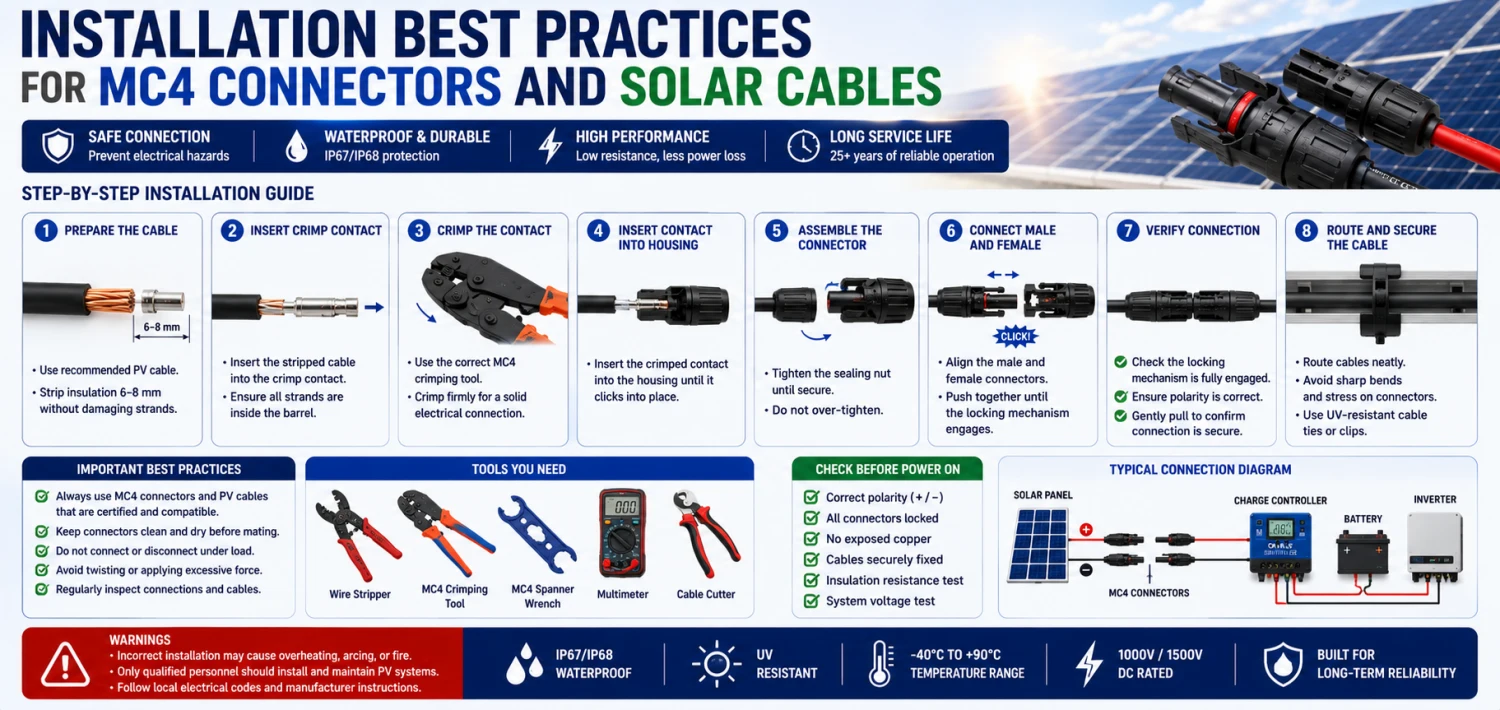
Correct installation procedures are essential for maintaining system performance and safety.
Table: MC4 Connector Installation Torque and Assembly Guidelines
|
Installation Step |
Recommended Practice |
|
Cable Stripping Length |
6–8 mm |
|
Crimp Tool Type |
Certified MC4 Crimping Tool |
|
Contact Pull Test |
Mandatory |
|
Connector Tightening Torque |
2.5–3.5 Nm |
|
Polarity Check |
Required |
|
Lock Engagement Verification |
Required |
|
Waterproof Seal Inspection |
Required |
|
Insulation Resistance Testing |
Recommended |
Cable Preparation
Before assembly:
- Inspect cable insulation
- Verify conductor size
- Remove insulation carefully
- Avoid damaging conductor strands
Crimping Procedure
Proper crimping is critical.
Installers should:
- Select the correct contact pin
- Use approved crimping tools
- Verify crimp integrity
- Inspect contact positioning
Poor crimps are among the most common causes of solar system failures.
Connecting the Panels
When installers connect the panels:
- Confirm polarity
- Check connector compatibility
- Ensure full locking engagement
- Verify cable routing
Every connection should be visually inspected before system energization.
System Verification
After installation:
- Measure voltage
- Verify continuity
- Test insulation resistance
- Confirm connector engagement
These steps significantly reduce commissioning issues.
7. Common Problems and Troubleshooting in Solar Installations
Although MC4 connectors are highly reliable, improper installation can lead to operational problems.
Overheating
Possible causes:
- Loose connections
- Improper crimping
- Undersized conductors
Overheating can damage connectors and reduce system efficiency.
Water Ingress
Common causes include:
- Damaged seals
- Incorrect assembly
- Inferior connector quality
Moisture can increase resistance and accelerate corrosion.
Connector Mismatch
Mixing connector brands is strongly discouraged.
Even visually similar connectors may have:
- Different tolerances
- Different contact geometries
- Different certification standards
This can result in poor electrical contact.
Voltage Drop Issues
Excessive cable lengths and undersized conductors can increase voltage drop and reduce energy output.
Proper cable sizing remains essential for maximizing performance.
Recommended MC4 Connector Maintenance Schedule
|
Inspection Item |
Monthly |
Quarterly |
Annually |
Purpose |
|
Visual Connector Inspection |
✓ |
✓ |
✓ |
Detect physical damage |
|
Locking Mechanism Check |
✓ |
✓ |
✓ |
Verify secure connection |
|
Contact Resistance Measurement |
— |
✓ |
✓ |
Identify performance degradation |
|
Thermal Imaging Inspection |
— |
✓ |
✓ |
Detect overheating |
|
Cable Strain Relief Inspection |
— |
✓ |
✓ |
Prevent cable stress damage |
|
Waterproof Seal Inspection |
— |
✓ |
✓ |
Prevent moisture ingress |
|
Connector Polarity Verification |
— |
✓ |
✓ |
Avoid wiring errors |
|
Insulation Resistance Test |
— |
— |
✓ |
Verify insulation integrity |
|
Corrosion Assessment |
— |
— |
✓ |
Detect environmental degradation |
|
System Voltage Drop Test |
— |
— |
✓ |
Maintain system efficiency |
Common Failure Indicators
|
Symptom |
Possible Cause |
|
Connector Overheating |
Poor crimping or loose contact |
|
Connector Discoloration |
Excessive current or UV damage |
|
Intermittent Power Loss |
Incomplete locking engagement |
|
Water Ingress |
Damaged sealing ring |
|
Elevated Voltage Drop |
Cable or connector mismatch |
|
Arc Damage |
Improper connection under load |
Engineering Insight
Field studies indicate that connector-related faults account for a significant percentage of photovoltaic system failures. Routine inspection and thermal imaging can identify potential issues before they develop into costly outages or safety hazards.
8. Future Trends in PV Connectors and Solar Cable Technology
As solar technology continues to evolve, connector and cable systems are becoming increasingly sophisticated.
Higher Voltage Systems
Utility-scale projects are increasingly adopting:
- 1500V DC systems
- Larger solar arrays
- Higher power densities
Connectors must evolve to support these operating conditions.
Smart Monitoring
Future PV connectors may integrate:
- Temperature monitoring
- Fault detection
- Real-time diagnostics
These capabilities support predictive maintenance strategies.
Improved Materials
Manufacturers are developing:
- Enhanced polymers
- Better UV resistance
- Higher temperature tolerance
- Increased flame resistance
Sustainability Goals
Future solar cable and connector production increasingly focuses on:
- Recyclable materials
- Reduced environmental impact
- Longer service life
These innovations will further improve the efficiency and sustainability of renewable energy systems.
FAQ Section
1: What is an MC4 connector and why is it important in a solar power system?
An MC4 connector is a specialized photovoltaic (PV) connector designed to create secure and weather-resistant electrical connections between solar panels, solar cables, inverters, and other components within a solar power system. The term MC4 stands for "Multi-Contact, 4 mm contact pin."
MC4 connectors are widely used because they provide excellent protection against moisture, dust, UV exposure, and temperature fluctuations. Their integrated locking mechanism helps prevent accidental disconnection, ensuring long-term system reliability and electrical safety in residential, commercial, and utility-scale solar installations.
2: Can different brands of MC4 connectors be connected together?
Although connectors from different manufacturers may appear similar, mixing different brands of MC4 electrical connectors is generally not recommended.
Different manufacturers may use:
- Different contact tolerances
- Different locking mechanisms
- Different metal plating materials
- Different certification standards
Using mismatched solar panel MC4 connectors can increase contact resistance, create overheating risks, compromise waterproof performance, and potentially void equipment warranties. For best results, installers should use connectors from the same manufacturer and product series.
3: How do I choose the correct solar cable size for MC4 connectors?
The correct solar cable size depends on system voltage, current, cable length, and allowable voltage drop.
Typical recommendations include:
|
Solar Cable Size |
AWG Equivalent |
Common Application |
|
4 mm² |
12 AWG |
Small residential systems |
|
6 mm² |
10 AWG |
Standard rooftop solar |
|
10 mm² |
8 AWG |
Commercial installations |
|
16 mm² and above |
6 AWG+ |
Utility-scale projects |
The cable diameter must also match the connector specifications of the MC4 connector to ensure proper crimping, sealing, and electrical performance.
4: How long do MC4 connectors and solar cables typically last?
High-quality MC4 connectors and solar power cables are designed to operate for more than 25 years under outdoor conditions.
Their lifespan depends on several factors:
- Product quality
- UV exposure
- Temperature conditions
- Installation practices
- Maintenance frequency
- Environmental contamination
Premium MC4 connectors with IP68 protection and certified PV cables can often match the service life of the solar panels themselves, making them suitable for long-term renewable energy projects.
5: What are the most common causes of MC4 connector failure?
Most MC4 connector failures are not caused by manufacturing defects but by installation errors.
Common causes include:
- Improper crimping
- Loose electrical connections
- Connector brand mismatch
- Damaged sealing rings
- Excessive cable tension
- Incorrect polarity connection
- Moisture ingress
- Overloading beyond rated current
Regular inspections, thermal imaging checks, and proper installation procedures can significantly reduce connector-related failures and improve the reliability of solar power systems.
Conclusion
MC4 Connectors and solar cables are fundamental components of every photovoltaic installation. Together, they create the electrical pathway that enables solar energy to move safely and efficiently from the solar panel to inverters, batteries, charge controllers, and the electrical grid.
From understanding what an MC4 connector is to selecting the correct solar power cable, connector specifications, and installation practices, every detail influences overall system performance. Properly installed MC4 connectors for solar panels provide secure electrical connections, minimize power losses, and support reliable operation under demanding environmental conditions.
As solar power systems continue to expand worldwide, selecting certified PV connectors and high-quality solar cables remains one of the most effective ways to maximize safety, efficiency, and long-term return on investment.

Related Articles
Related Products
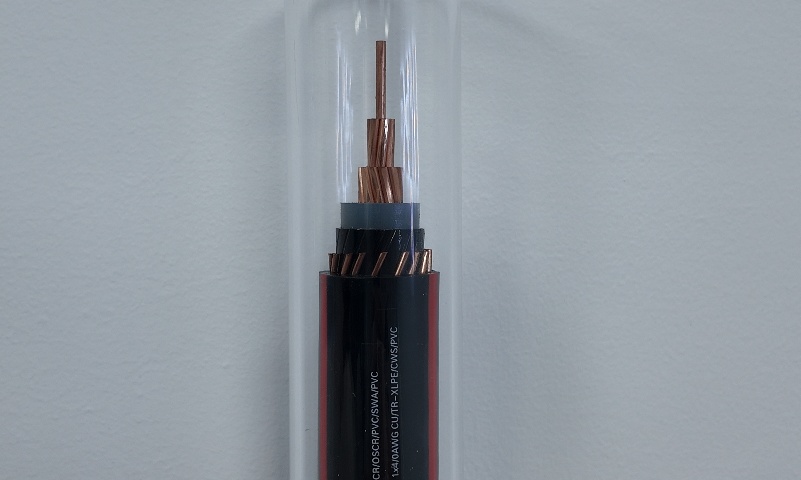
15kV Copper Conductor URD Cable - MV Underground Distribution Cable
The 15kV Copper Conductor URD Cable is a premium medium-voltage underground distribution cable designed for high-reliability primary and secondary power delivery. It features a stranded high-conductivity copper conductor, extruded semi-conducting shields, tree-retardant TR-XLPE or EPR insulation, and a full copper concentric neutral, all protected by a tough sunlight-resistant LLDPE jacket. This construction provides superior electrical performance, excellent moisture and treeing resistance, and strong mechanical protection suitable for direct burial or duct installations. The high-conductivity copper conductor ensures lower losses and higher ampacity. Manufactured to ICEA S-94-649 and AEIC CS8 standards, the 15kV Copper Conductor URD Cable undergoes rigorous quality testing from raw materials to finished product, ensuring long-term reliability and safety in demanding underground environments.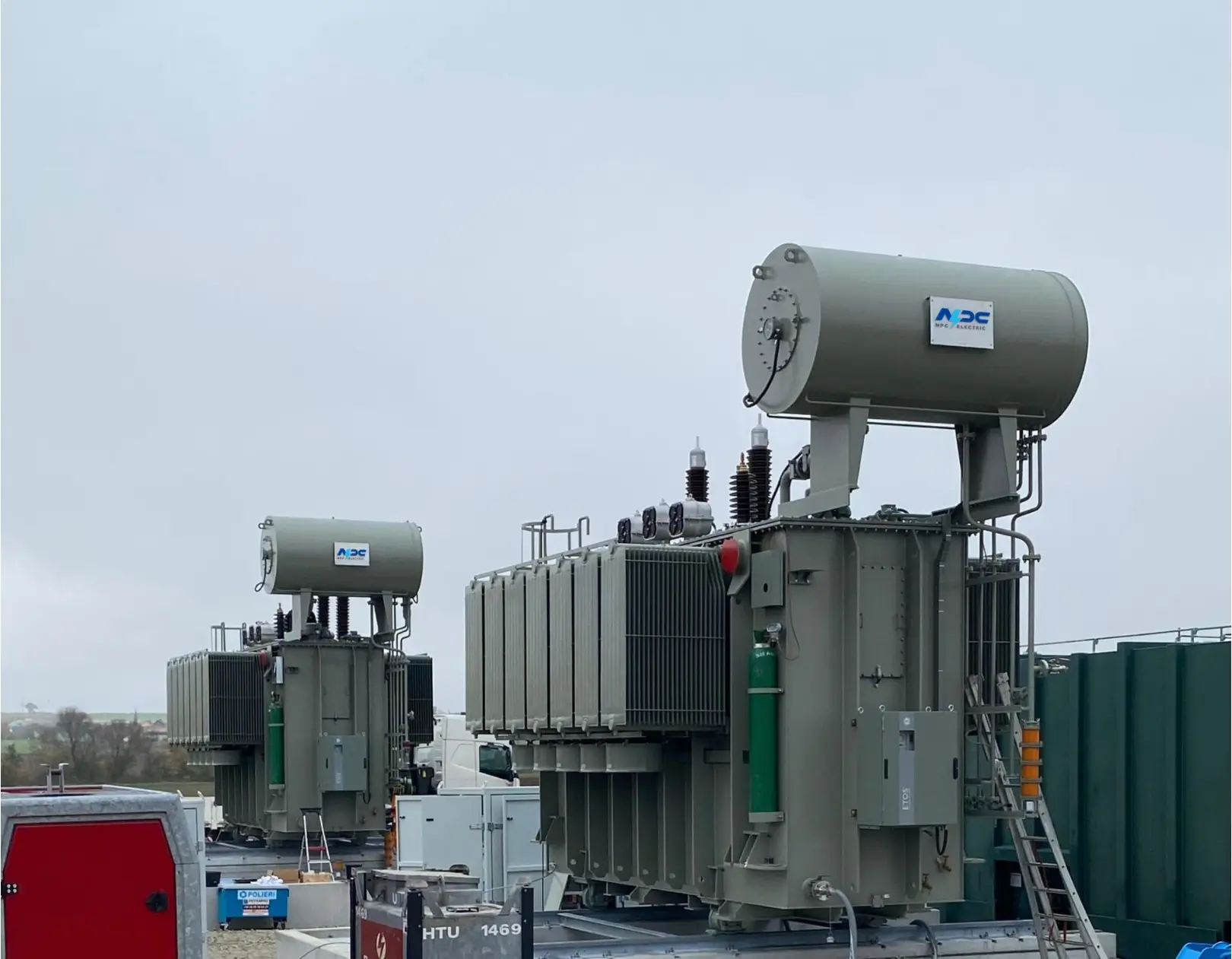
50kV 1000kVA Outdoor Three-Phase Oil-Immersed Power Transformer for Distribution
The 50kV 1000kVA Outdoor Three-Phase Oil-Immersed Power Transformer for Distribution is engineered to deliver high efficiency, stable voltage regulation, and long-term service reliability in medium-voltage distribution networks. Designed for outdoor installation, the transformer features a robust oil-immersed cooling system, high-grade silicon steel core, and pure copper windings to ensure excellent thermal performance and low-loss characteristics. Its rugged, weatherproof construction withstands harsh climates, ensuring continuous operation in industrial plants, utility grids, mining sites, and renewable energy distribution stations. With optimized insulation, superior dielectric strength, and advanced protection configurations, the transformer offers enhanced safety and reduced maintenance. This unit is ideal for step-down power distribution scenarios requiring consistent performance and dependable energy delivery.
1/0 Stranded Aluminum Conductor 35KV URD Cable
The 1/0 Stranded Aluminum Conductor 35kV URD Cable is a high-reliability medium-voltage underground distribution cable designed for primary power delivery. It features a 1/0 AWG stranded AA8000 aluminum alloy conductor, extruded semi-conducting shields, tree-retardant TR-XLPE insulation, copper concentric neutral wires, and a tough sunlight-resistant LLDPE jacket. This construction provides excellent electrical performance, superior moisture and treeing resistance, and strong mechanical protection suitable for direct burial or duct installations. The cable offers a good balance between ampacity and cost-effectiveness for medium voltage underground systems. Manufactured to ICEA S-94-649 and AEIC CS8 standards, the 1/0 Stranded Aluminum Conductor 35kV URD Cable undergoes rigorous quality testing from raw materials to finished product, ensuring long-term reliability and safety in demanding underground environments.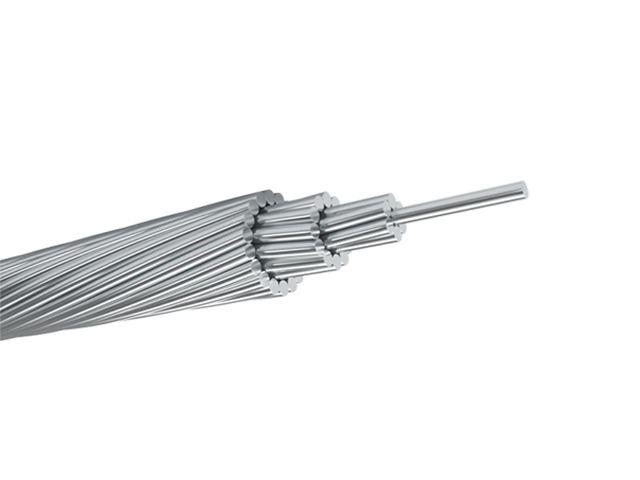
AAAC Rabbit Conductor Cable
AAAC RABBIT conductor is a compact, high-performance All Aluminum Alloy Conductor manufactured using 6201-T81 aluminum alloy, in compliance with ASTM B399, IEC 61089, and BS EN 50182 standards. Named "Rabbit" for its 50 mm² nominal area with 7-strand configuration, it offers superior conductivity (61% IACS) and tensile strength (295 MPa min) compared to ACSR. Made from heat-treated aluminum-magnesium-silicon alloy (6201-T81), this cable provides excellent corrosion resistance, low weight, and reduced sag for longer spans. Compliant with ASTM B398, B399, IEC 61089, and BS EN 50182 standards, it supports voltages up to 33kV with ampacity up to 250A at 75°C. The homogeneous alloy construction eliminates bimetallic corrosion and ensures uniform mechanical properties. The AAAC Rabbit Conductor Cable minimizes line losses, withstands harsh weather, and requires minimal maintenance. Ideal for rural electrification, urban upgrades, and renewable energy integrations, it delivers reliable, cost-effective power delivery in overhead lines worldwide, outperforming traditional conductors in corrosive or coastal environments.
BUTTE AAAC Conductor Cable
BUTTE AAAC (All Aluminum Alloy Conductor) cables comply with ASTM B399 standards and offer high strength, good conductivity, and corrosion resistance. Named "Butte" for its 400 mm² nominal area with 37-strand configuration, it offers superior conductivity (53% IACS) and tensile strength (295 MPa min) compared to ACSR. Made from heat-treated aluminum-magnesium-silicon alloy (6201-T81), this cable provides excellent corrosion resistance, low weight, and reduced sag for longer spans. Compliant with ASTM B398, B399, IEC 61089, and BS EN 50182 standards, it supports voltages up to 33kV with ampacity up to 800A at 75°C. The homogeneous alloy construction eliminates bimetallic corrosion and ensures uniform mechanical properties. The Butte AAAC Conductor Cable minimizes line losses, withstands harsh weather, and requires minimal maintenance. Ideal for rural electrification, urban upgrades, and renewable energy integrations, it delivers reliable, cost-effective power in overhead lines worldwide, outperforming traditional conductors in corrosive or coastal environments.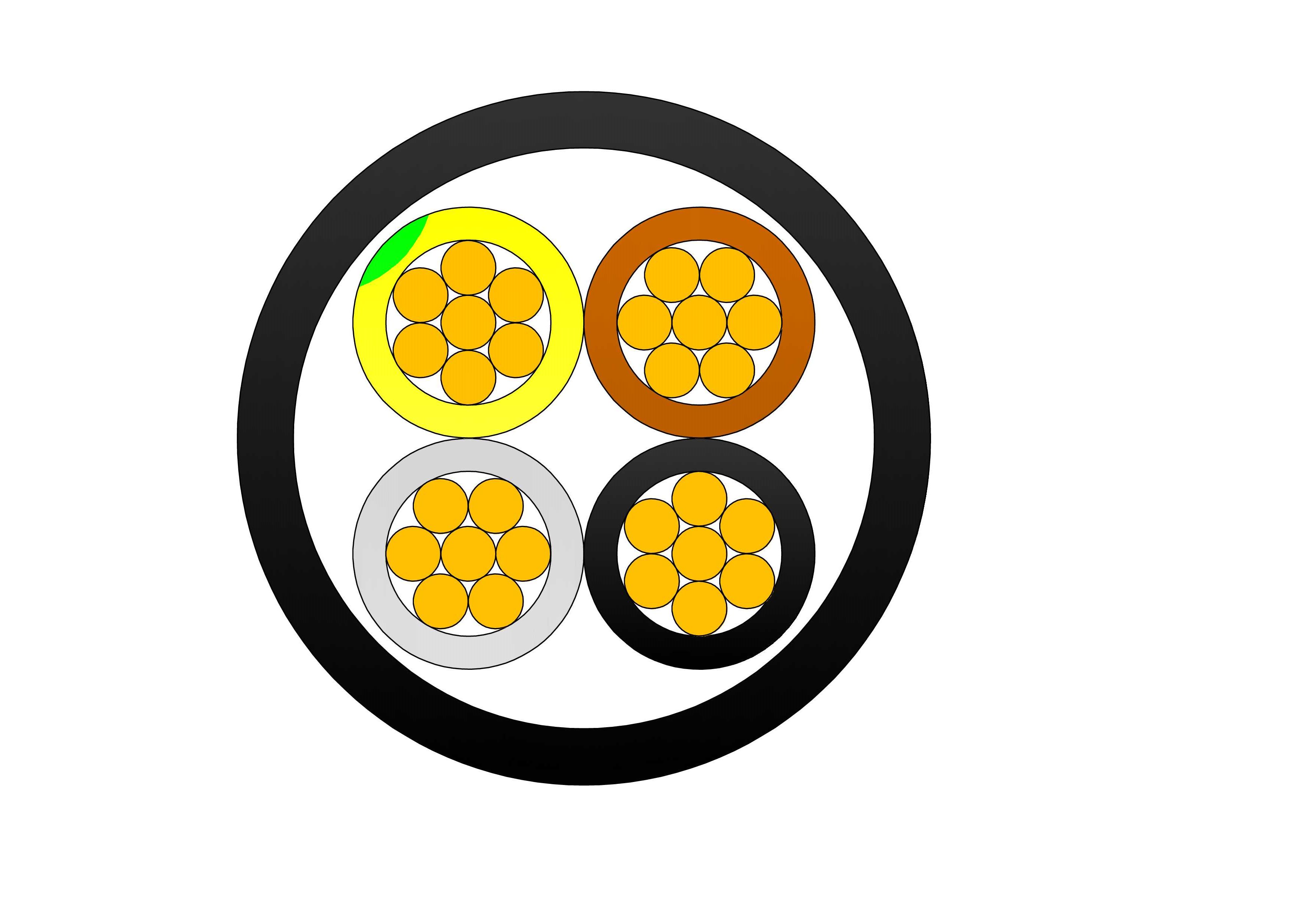
NYY-J / NYY-O 0.6/1kV Low Voltage Power Cable
NYY-J / NYY-O 0.6/1kV are low voltage power cables designed according to VDE 0276 standard, suitable for fixed installation in indoor, outdoor, and underground, cable ducts or concrete (not exposed to mechanical stress or vibration). It uses copper conductors to deliver stable electrical performance and features a durable outer sheath that protects against mechanical damage, moisture, and chemical exposure. NYY-J cables incorporate a protective earth conductor for enhanced safety, while NYY-O cables are supplied without an earth conductor for specific system designs. Designed for a rated voltage of 0.6/1kV and manufactured in compliance with IEC requirements, the cable is suitable for indoor and outdoor use, including installation in ducts, concrete, or underground. Its balanced construction supports long-term reliability, easy installation, and low maintenance costs in demanding operating environments.
100kV 200kVA 250kVA 315kVA Three-Phase Oil-Immersed Substation Power Transformer
This 100kV three-phase oil-immersed substation power transformer is engineered for stable voltage transformation across 200kVA, 250kVA, and 315kVA capacity ranges. Designed for medium to high-voltage distribution networks, it delivers exceptional reliability, thermal endurance, and operational efficiency in substations, industrial plants, and utility distribution grids. The transformer utilizes high-grade insulation, precision-wound copper conductors, and robust core materials to ensure low losses, long service life, and consistent performance under demanding electrical and environmental conditions. Its sealed oil-immersed structure enhances insulation strength and optimizes heat dissipation for safe and continuous operation.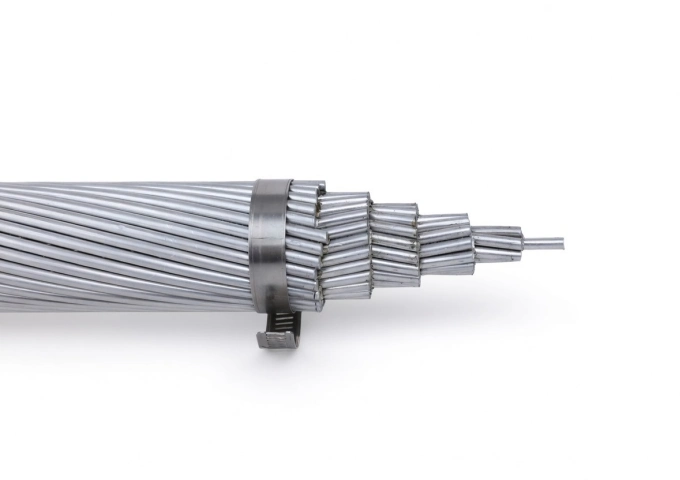
1590 MCM Coreopsis AAC Cable
The 1590 MCM Coreopsis AAC Cable is a high-performance All Aluminum Conductor designed for demanding overhead power transmission and distribution lines. Manufactured with 61 strands of premium 1350-H19 aluminum wire in a concentric lay configuration, this bare conductor provides excellent electrical conductivity with a low DC resistance of 0.0109 ohms per 1000 ft at 20°C. Featuring an overall diameter of 1.454 inches and a rated breaking strength of 27,000 lbs, the Coreopsis AAC delivers a robust ampacity of 1333 amps while weighing only 1493 lbs per 1000 ft. Its optimized strength-to-weight ratio minimizes sag and structural loading. Fully compliant with ASTM B-230 and B-231 standards, the 1590 MCM Coreopsis AAC Cable offers outstanding corrosion resistance for long-term durability in harsh outdoor environments, making it the preferred choice for utility networks requiring cost-effective, high-reliability bare aluminum conductors.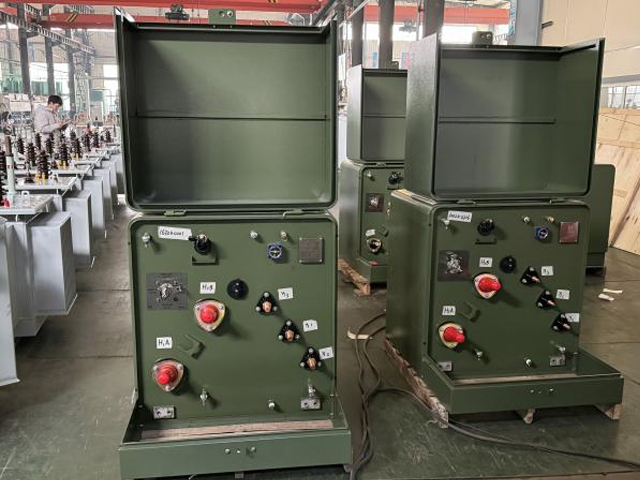
100kVA Conventional Type Single Phase Pole Mounted Transformer
NPC ELECTRIC has been specialized in manufacturing 100kVA Single Phase pole Mounted transformer for more than 20 years, which complies with international standards such as ANSI/IEEE C57, IEC60076 and other standards. Its main function is to convert high voltage electricity (such as 11kV, 13.8kV, etc.) into low voltage electricity (such as 120V/240V), providing stable and reliable power supply to end users. It is suitable for residential, commercial, agricultural and small industrial loads. Standard features include mineral oil insulation (ONAN cooling), aluminum or copper windings, primary voltages 2.4kV–34.5kV grounded wye or delta (common: 7200/12470GrdY, 7620/13200GrdY, 12470GrdY/7200, 24940GrdY/14400, 34500GrdY/19920), secondary 120/240V or 240/120V split-phase (options for 277V or custom), BIL ratings 95–150kV HV / 30kV LV, impedance typically 2.0–4.5%, ±2×2.5% or 5-position tap changer, conventional or CSP (completely self-protected) configurations with internal fuses, lightning arresters, weak-link protection, pressure relief valve, oil sight gauge, and ANSI 70 gray tank finish. Efficiency typically reaches 99.25–99.29% at 50% load per DOE levels (with 2029 amendments targeting further reductions in losses for units >100 kVA), with low sound levels and corrosion-resistant hardware for extended outdoor service.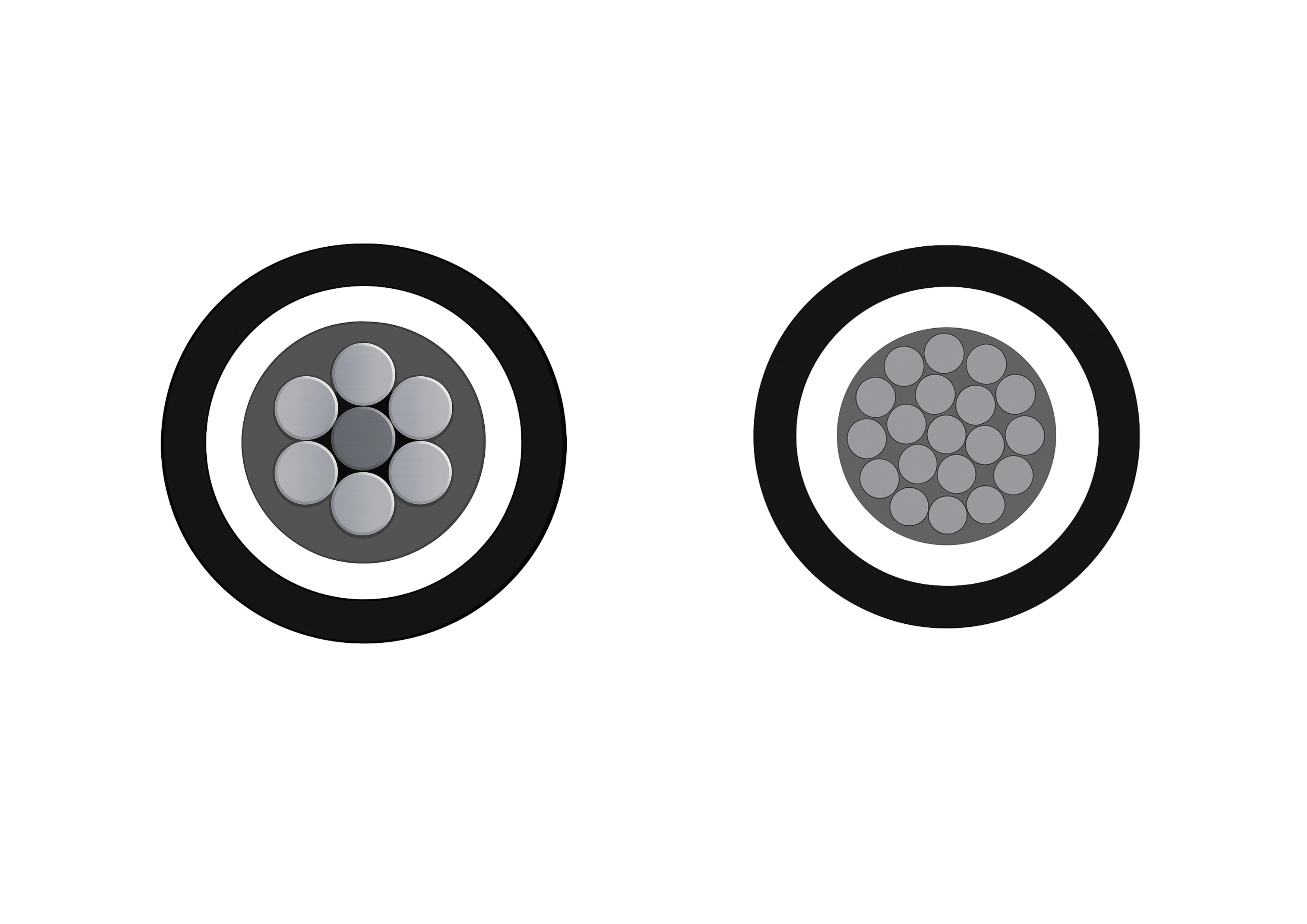
15kV 3-Layer AAAC/ACSR/AAC Tree Wire - Triple Layer Covered Conductor
The 3-Layer 15kV AAAC/ACSR/AAC Tree Wire is a specialized covered overhead conductor developed for distribution lines in areas with dense vegetation. It uses concentrically stranded AAAC, ACSR, or AAC conductors protected by a triple-layer system of track-resistant HDPE or XLPE. The multi-layer covering delivers exceptional tracking resistance, abrasion protection, and weatherability while greatly reducing the risk of electrical faults from tree limb contact and helping minimize wildfire ignition potential. This advanced design allows closer spacing to vegetation and lowers vegetation management costs. Suitable for conventional overhead or spacer cable systems, the 3-Layer 15kV AAAC/ACSR/AAC Tree Wire offers a cost-effective solution for improving line reliability. It complies with ICEA and ASTM standards and undergoes extensive quality testing to ensure long-term performance and safety.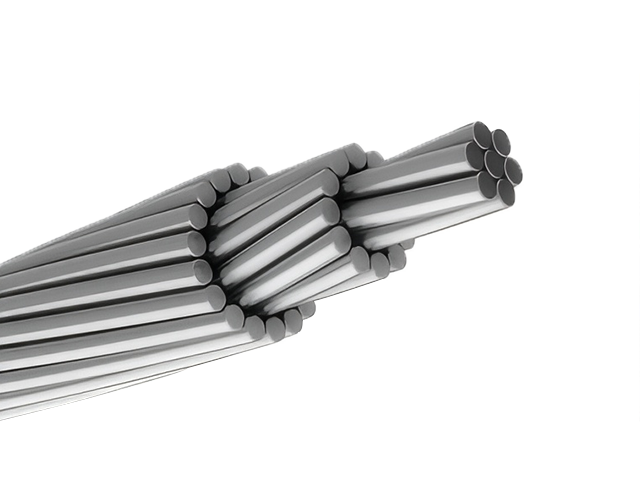
Pigeon ACSR Conductor Cable
The ACSR Pigeon is an Aluminium Conductor Steel Reinforced (ACSR) featuring a durable galvanised steel core encased in concentrically stranded hard-drawn 1350-H19 aluminium wire layers, compliant with ASTM B232 standards. Compliant with ASTM B230, B232, and ICEA standards, this cable offers a breaking load of approximately 6,650 lbs and a current rating up to 340 amps in overhead applications. The aluminum 1350-H19 provides excellent corrosion resistance and low electrical resistance, while the steel enhances sag control over long spans. Suitable for voltages up to 230kV in distribution lines, the Pigeon ACSR Conductor Cable minimizes line losses and withstands harsh weather, including wind and ice loading. Its cost-effective design makes it popular for utility upgrades and rural electrification, ensuring reliable power delivery with minimal maintenance in overhead transmission and distribution systems worldwide.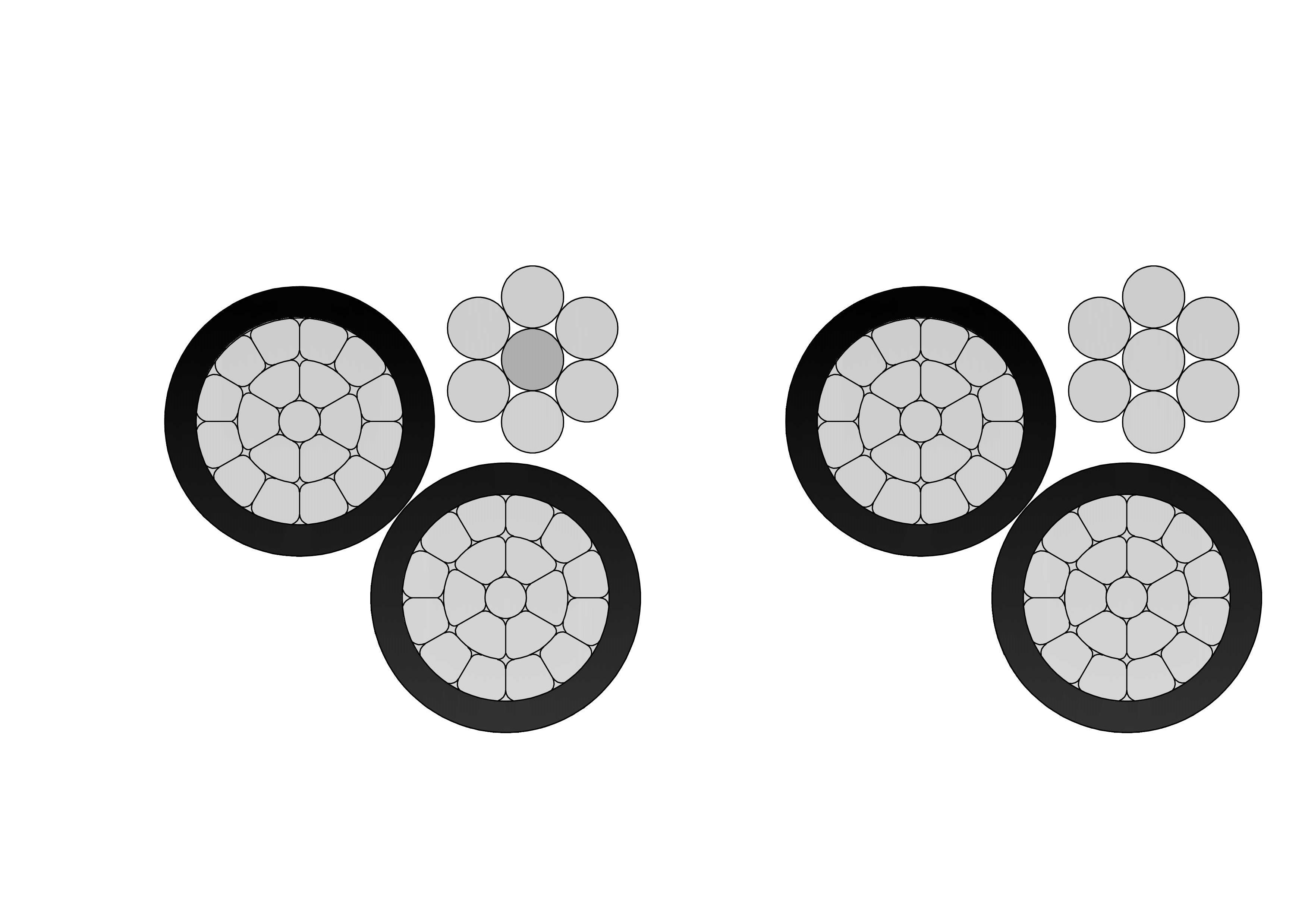
2/0 Nassa Aluminum Conductor Triplex Overhead Service Drop Cable
The 2/0 Nassa Aluminum Conductor Triplex Overhead Service Drop Cable is designed for reliable overhead electrical service connections between utility distribution lines and end users. The cable structure includes two insulated aluminum phase conductors twisted around a bare aluminum neutral messenger, providing excellent electrical performance and mechanical strength. Manufactured with high-purity aluminum and durable, weather-resistant insulation, the 2/0 Nassa Aluminum Conductor Triplex Overhead Service Drop Cable offers low electrical resistance, corrosion resistance, and long-term stability in outdoor environments. Its lightweight design allows for efficient installation while maintaining the tensile strength required for aerial applications. The cable is engineered to perform under UV exposure, wind load, and temperature variations. Comprehensive quality control and systematic testing are applied throughout production to ensure compliance with industry standards and dependable service performance.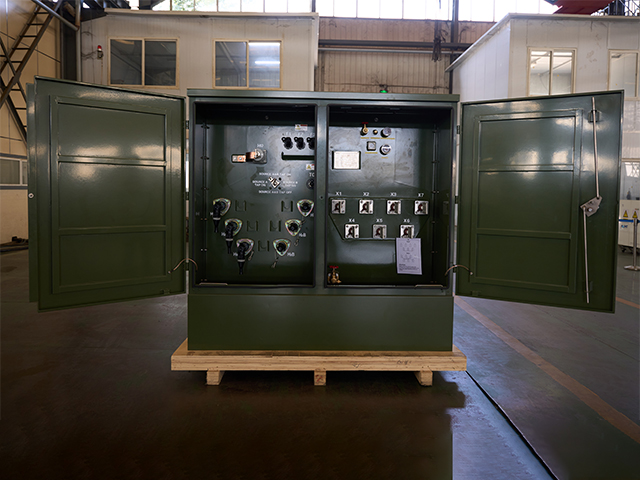
2500kVA Three Phase Pad Mounted Transformer
NPC ELECTRIC's 2500kVA Three Phase Pad Mounted Transformer is a high-performance, oil-immersed distribution transformer engineered for reliable outdoor installation on concrete pads. Compliant with ANSI/IEEE C57, DOE 2016 efficiency standards, and IEC guidelines, this 2.5 MVA unit delivers superior energy efficiency, low losses, and robust durability in demanding utility and industrial environments. Featuring a fully sealed, tamper-resistant enclosure with dead-front or live-front design options, it ensures maximum safety, minimal maintenance, and aesthetic integration in urban settings.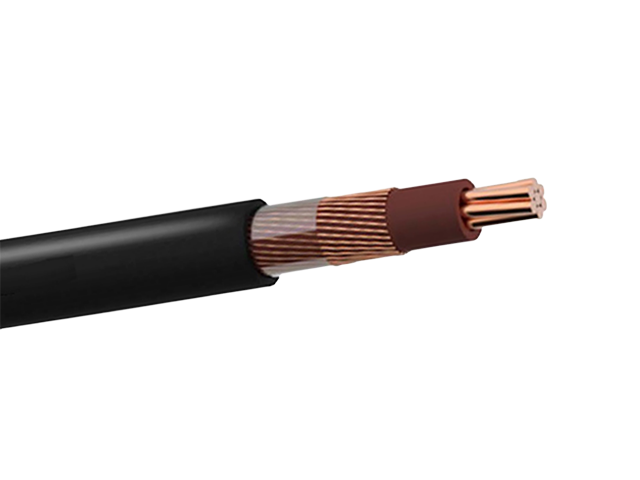
25kV Concentric Neutral Underground Power Cable
The 25 kV Concentric Neutral Power Cable is a high-performance medium-voltage underground cable designed for primary distribution systems. It features a stranded conductor, semi-conducting shields, tree-retardant TR-XLPE or EPR insulation, helically applied bare copper concentric neutral wires, and a sunlight-resistant LLDPE jacket. This construction provides excellent electrical performance, superior resistance to water treeing, and robust mechanical protection suitable for direct burial or duct installations. Available in various conductor sizes and insulation levels, the cable ensures safe and efficient power delivery. Manufactured to the latest ICEA S-94-649 and AEIC CS8 standards, the 25 kV Concentric Neutral Power Cable undergoes extensive quality testing to deliver consistent low dielectric loss and long service life in demanding underground environments.
1/0 Malemute Aluminum Conductor Duplex Overhead Service Drop Cable
1/0 Malamute Aluminum Conductor Duplex Overhead Service Drop Cable is designed to deliver efficient and reliable power in overhead secondary distribution networks. Constructed with stranded aluminum conductors, the duplex configuration provides a combination of electrical conductivity, mechanical strength, and installation flexibility. The 1/0 Malamute size is suitable for typical service drop spans, offering dependable load capacity with controlled sag under varying weather conditions. Aluminum construction reduces overall cable weight, simplifies handling, and enhances corrosion resistance for long-term outdoor use. Produced under strict quality management systems, the 1/0 Malamute Aluminum Conductor Duplex Overhead Service Drop Cable meets utility and ASTM standards, making it a trusted solution for modern overhead service installations requiring safety, durability, and consistent performance.Welcome your inquiry
Honesty, Integrity, Frugality, Activeness and Passion