
Indoor Substation vs Outdoor Substation: Key Differences, Advantages & Applications
2026-08-21
1. Understanding the Role of Substations in Modern Power Systems
Substations are among the most critical assets within modern electrical infrastructure. They serve as the connection points where voltage transformation, switching operations, protection coordination, and power flow control occur. Whether supporting urban distribution networks, industrial facilities, renewable energy plants, or national transmission grids, substations ensure the safe and efficient delivery of electricity.
As power demand continues to increase worldwide, engineers and utility planners must choose between two primary substation configurations: the indoor substation and the outdoor substation.
While both serve the same fundamental purpose, their design philosophies, equipment arrangements, environmental requirements, and lifecycle costs differ significantly. Selecting the wrong solution can result in higher operational costs, increased maintenance requirements, and reduced system reliability.
Understanding the difference between indoor and outdoor substation designs is therefore essential for EPC contractors, utility companies, industrial developers, and infrastructure planners involved in power system projects.
2. What Is an Indoor Substation?
An indoor substation is a power substation in which major electrical equipment is installed inside a dedicated building or enclosed structure.
Typical indoor substations house:
- Substation transformers
- Circuit breakers
- Potential transformers
- Current transformers
- Switchgear assemblies
- Protection and control systems
The equipment is protected from external environmental conditions such as rain, dust, salt contamination, UV radiation, and extreme temperatures.
Typical Indoor Substation Technologies
Indoor substations frequently utilize:
- Gas Insulated Switchgear (GIS)
- Metal-enclosed switchgear
- Cast resin transformer systems
- Compact modular substations
Because equipment is enclosed, indoor substations are often selected for densely populated urban areas where land availability is limited.
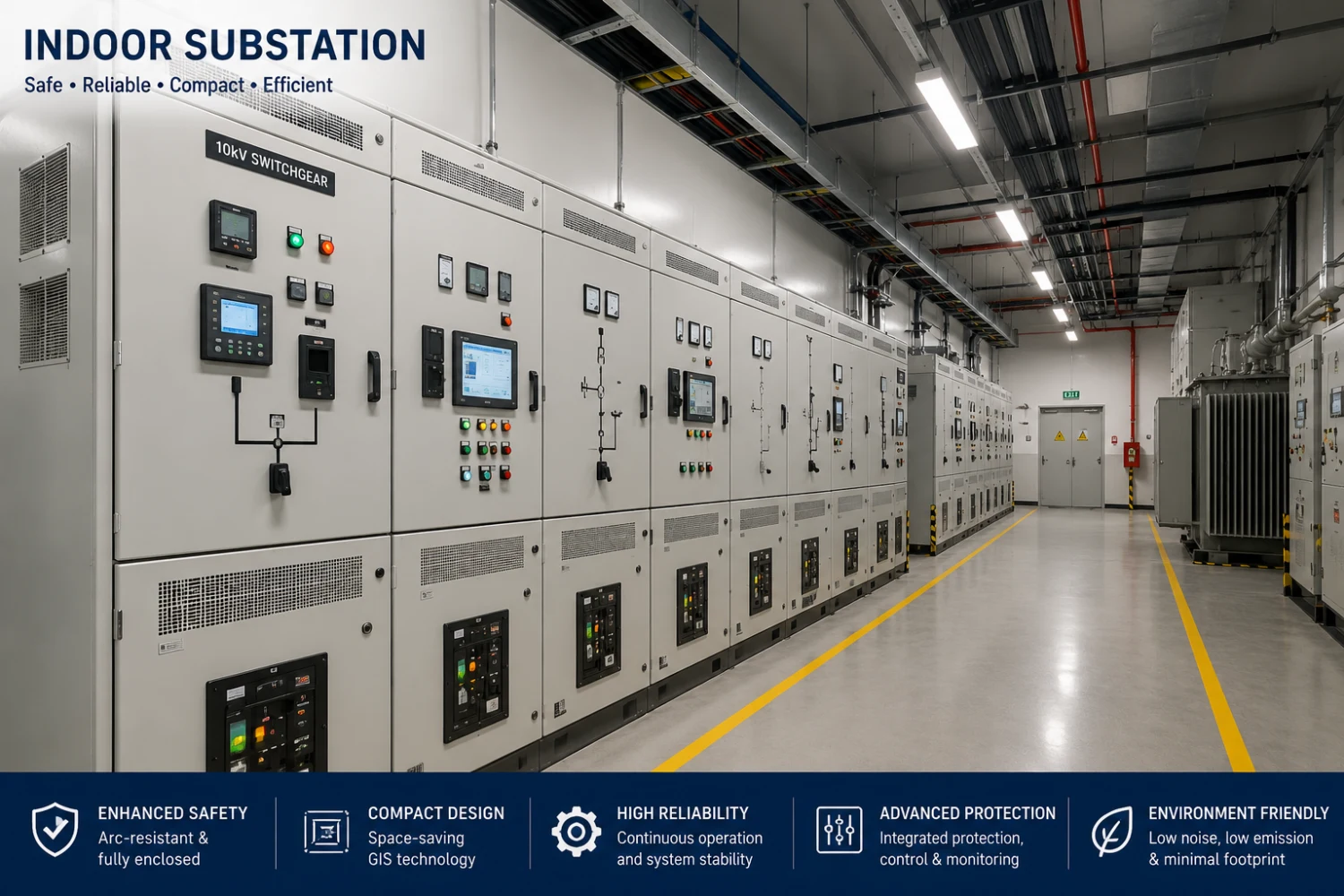
Key Characteristics
Indoor substations generally offer:
- Compact footprint
- Enhanced personnel safety
- Improved environmental protection
- Reduced visual impact
- Lower noise emissions
These advantages make them particularly attractive for commercial developments, airports, hospitals, data centers, and metropolitan infrastructure projects.
3. What Is an Outdoor Substation?
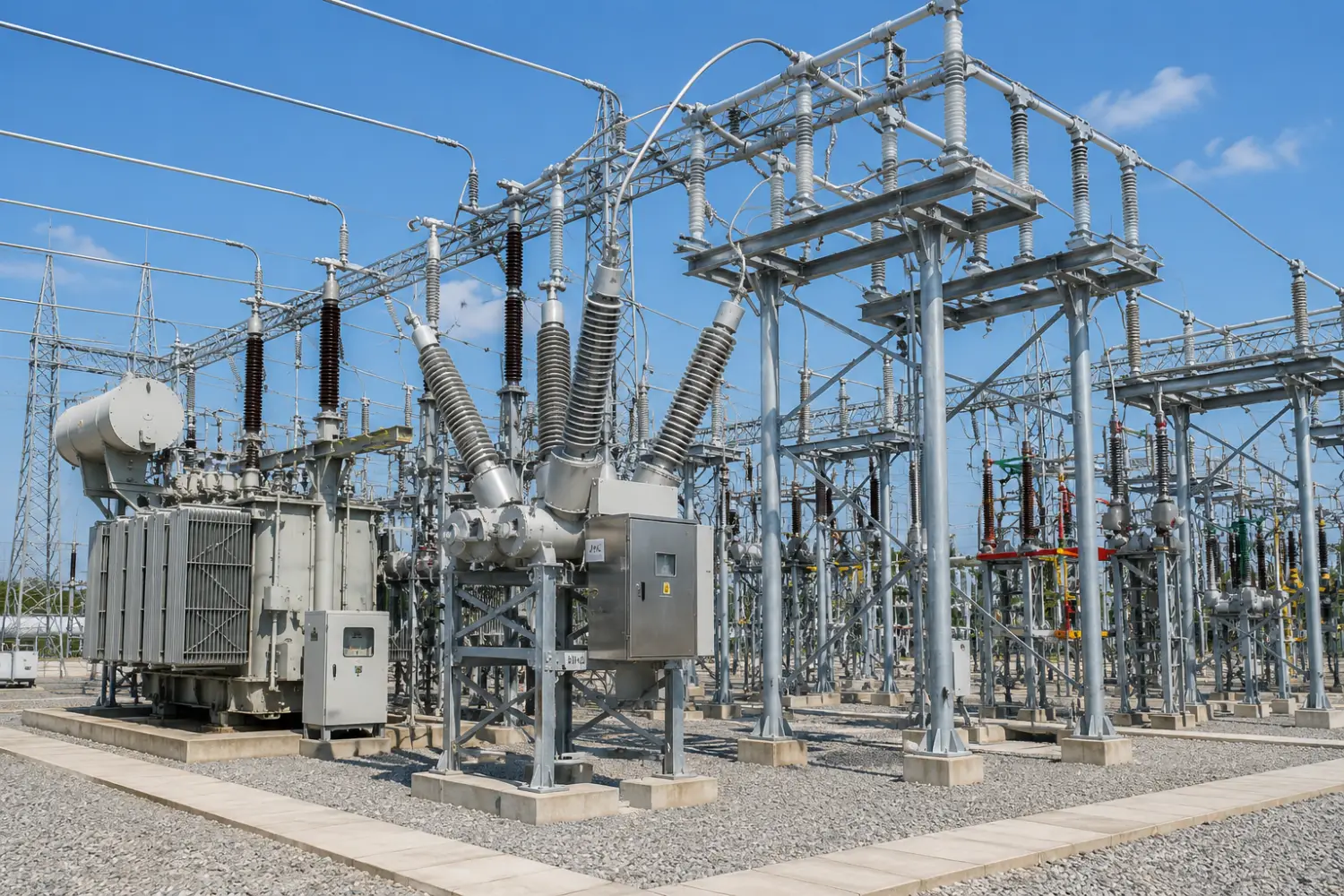
An outdoor substation installs electrical equipment in open-air environments where major components are directly exposed to atmospheric conditions.
Common equipment includes:
- Outdoor substation transformer units
- Air-insulated switchgear
- Circuit breakers
- Disconnect switches
- Busbars
- Potential transformers
Outdoor substations are commonly used in transmission and distribution networks where large equipment clearances are required.
Outdoor Substation Diagram Concept
A typical outdoor substation diagram includes:
- Incoming transmission line
- Surge arresters
- Disconnect switches
- Circuit breakers
- Current transformers
- Potential transformers
- Power transformer
- Busbar system
- Outgoing feeders
This arrangement allows efficient switching, protection, and voltage transformation within power systems.
Key Characteristics
Outdoor substations generally provide:
- Lower construction cost
- Easy equipment access
- Flexible expansion capability
- Suitability for high voltage installations
- Simplified cooling arrangements
They remain the dominant solution for utility-scale transmission and distribution infrastructure worldwide.
4. Key Differences Between Indoor and Outdoor Substations
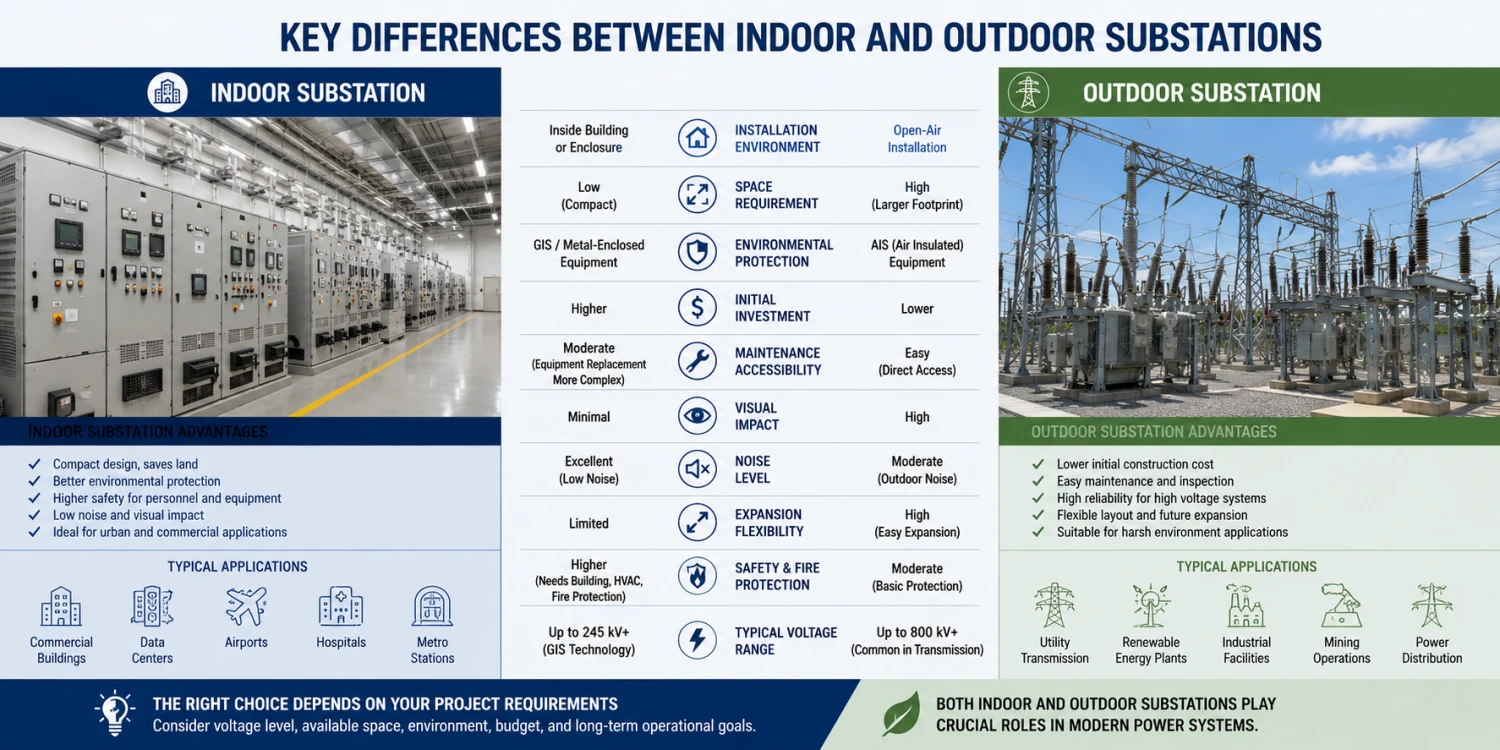
Although both configurations perform similar electrical functions, their engineering characteristics differ substantially.
Installation Environment
Indoor substations operate within enclosed structures, while outdoor substations are installed directly in open environments.
The enclosure significantly influences equipment selection, maintenance requirements, and protection strategies.
Space Requirements
Indoor substations often use GIS technology, allowing equipment spacing to be dramatically reduced.
Outdoor substations require larger clearances due to air insulation requirements.
In densely populated cities, land costs often justify the higher capital investment associated with indoor substations.
Environmental Exposure
Outdoor equipment must withstand:
- Rain
- Snow
- UV radiation
- Salt pollution
- Dust contamination
- High humidity
Indoor equipment experiences significantly lower environmental stress.
Initial Investment
Indoor substations generally require:
- Buildings
- Ventilation systems
- Fire protection systems
- Environmental controls
As a result, initial construction costs are typically higher than outdoor substations.
Maintenance Accessibility
Outdoor substations often provide easier access for maintenance personnel and heavy equipment.
Indoor facilities may require additional planning for equipment replacement and maintenance operations.
Table: Indoor Substation vs Outdoor Substation Technical Comparison
|
Parameter |
Indoor Substation |
Outdoor Substation |
|
Installation Environment |
Inside Building or Enclosure |
Open-Air Installation |
|
Typical Voltage Range |
Up to 245 kV (GIS) |
Up to 800 kV+ |
|
Insulation Method |
GIS / Metal-Enclosed |
AIS (Air Insulated) |
|
Land Requirement |
Low |
High |
|
Initial Construction Cost |
Higher |
Lower |
|
Maintenance Accessibility |
Moderate |
Excellent |
|
Environmental Protection |
Excellent |
Moderate |
|
Visual Impact |
Minimal |
Significant |
|
Noise Control |
Excellent |
Moderate |
|
Expansion Flexibility |
Limited |
High |
|
Fire Protection Requirement |
High |
Moderate |
|
Service Life |
30–50 Years |
30–50 Years |
Engineering Insight
Indoor substations provide superior environmental protection and compact design, while outdoor substations offer greater scalability and lower construction costs for large utility projects.
5. Transformer Selection for Indoor and Outdoor Substations
Transformer technology plays a critical role in determining substation performance.
Cast Resin Transformer for Indoor Substations
The cast resin transformer has become a preferred solution for many indoor installations.
Advantages include:
- Fire resistance
- Low maintenance requirements
- No insulating oil
- Environmental safety
- Excellent reliability
These characteristics make cast resin transformers ideal for:
- Commercial buildings
- Hospitals
- Data centers
- Transportation facilities
Oil-Filled Substation Transformer
Outdoor substations commonly utilize oil-filled transformers because of:
- Superior cooling capability
- Larger power ratings
- Lower cost per MVA
- Proven reliability
These transformers dominate utility transmission and distribution applications.
Table: Typical Equipment Configuration Comparison
|
Equipment |
Indoor Substation |
Outdoor Substation |
|
Substation Transformer |
Cast Resin / Dry Type |
Oil-Filled Transformer |
|
Potential Transformer |
Indoor PT |
Outdoor PT |
|
Current Transformer |
Indoor CT |
Outdoor CT |
|
Circuit Breakers |
GIS Circuit Breakers |
SF6 / Vacuum / Live Tank |
|
Disconnect Switch |
Integrated GIS |
Outdoor Isolator |
|
Surge Arrester |
Indoor Type |
Outdoor Type |
|
Busbar System |
Metal-Enclosed Busbar |
Air Insulated Busbar |
|
Protection Panels |
Indoor Control Room |
Control Building |
|
SCADA System |
Standard |
Standard |
|
Fire Protection System |
Required |
Usually Optional |
Table: Transformer Selection Guide
|
Project Type |
Recommended Transformer |
|
Commercial Building |
Cast Resin Transformer |
|
Data Center |
Cast Resin Transformer |
|
Hospital |
Cast Resin Transformer |
|
Metro Station |
Cast Resin Transformer |
|
Utility Substation |
Oil-Filled Power Transformer |
|
Solar Farm |
Oil-Filled Transformer |
|
Wind Farm |
Oil-Filled Transformer |
|
Heavy Industry |
Oil-Filled Transformer |
Engineering Insight
Cast resin transformers dominate indoor installations due to fire safety and environmental benefits, while oil-filled transformers remain the preferred solution for outdoor substations requiring large power ratings.
Voltage Level Considerations
Transformer selection depends heavily on system voltage levels.
Typical applications include:
|
Voltage Range |
Typical Application |
|
Up to 11 kV |
Commercial distribution |
|
11–33 kV |
Urban distribution |
|
66–132 kV |
Regional transmission |
|
220–765 kV |
Bulk power transmission |
Higher voltage levels generally favor outdoor installations due to insulation clearance requirements.
6. Safety, Reliability, and Environmental Considerations
Safety remains one of the primary drivers behind substation design decisions.
Personnel Safety
Indoor substations provide additional protection by physically separating personnel from energized equipment.
Modern indoor installations frequently incorporate:
- Arc-resistant switchgear
- Access control systems
- Fire suppression systems
- Environmental monitoring
Reliability Performance
Environmental exposure significantly impacts equipment reliability.
Outdoor substations may experience challenges related to:
- Pollution flashovers
- Corrosion
- Moisture ingress
- Wildlife interference
Indoor substations reduce many of these risks.
Environmental Impact
Environmental regulations increasingly influence substation design.
Indoor substations often offer:
- Reduced noise emissions
- Better aesthetic integration
- Lower environmental exposure
This makes them attractive for urban development projects.
7. Applications of Indoor and Outdoor Substations
Selecting the appropriate substation type depends largely on project requirements.
Indoor Substation Applications
Indoor substations are widely used in:
Urban Infrastructure
Cities frequently require compact substations due to limited land availability.
Data Centers
Mission-critical facilities demand high reliability and enhanced safety.
Commercial Buildings
Large office complexes often incorporate indoor substations for local distribution.
Transportation Systems
Airports, railways, and metro systems commonly utilize indoor substations.
Outdoor Substation Applications
Outdoor substations dominate large-scale utility infrastructure.
Transmission Networks
High-voltage power transmission systems require extensive clearances best suited to outdoor designs.
Renewable Energy Projects
Solar farms and wind power plants frequently connect through outdoor substations.
Industrial Facilities
Mining operations, refineries, and heavy industries often prefer outdoor installations.
Utility Distribution Systems
Most regional distribution substations remain outdoor facilities due to economic advantages.
8. Choosing the Right Substation for Your Project
The decision between an indoor substation and an outdoor substation should be based on technical, economic, environmental, and operational considerations.
Choose an Indoor Substation When:
- Land availability is limited
- Urban installation is required
- Noise restrictions exist
- Enhanced safety is required
- Environmental protection is important
Choose an Outdoor Substation When:
- Large space is available
- High voltage levels are involved
- Initial cost must be minimized
- Future expansion is expected
- Utility-scale infrastructure is required
Engineering Evaluation Criteria
A comprehensive evaluation should include:
- Voltage levels
- Available land area
- Environmental conditions
- Reliability targets
- Maintenance strategy
- Capital expenditure
- Lifecycle cost analysis
Voltage Level and Substation Selection Matrix
|
Voltage Level |
Typical Application |
Preferred Substation Type |
|
400V – 11 kV |
Commercial Facilities |
Indoor |
|
11 – 33 kV |
Urban Distribution Networks |
Indoor / Outdoor |
|
33 – 66 kV |
Industrial Facilities |
Outdoor |
|
66 – 132 kV |
Regional Distribution |
Outdoor |
|
132 – 220 kV |
Transmission Networks |
Outdoor |
|
220 – 500 kV |
Bulk Power Transmission |
Outdoor |
|
Above 500 kV |
National Grid Infrastructure |
Outdoor |
Application-Based Selection Guide
|
Application |
Recommended Solution |
|
Data Centers |
Indoor GIS Substation |
|
Hospitals |
Indoor GIS Substation |
|
Airports |
Indoor GIS Substation |
|
Urban CBD Areas |
Indoor GIS Substation |
|
Renewable Energy Plants |
Outdoor AIS Substation |
|
Mining Operations |
Outdoor AIS Substation |
|
Utility Transmission Networks |
Outdoor AIS Substation |
|
Heavy Manufacturing Plants |
Outdoor AIS Substation |
Lifecycle Cost Comparison
|
Cost Factor |
Indoor Substation |
Outdoor Substation |
|
Initial Capital Cost |
High |
Medium |
|
Land Acquisition Cost |
Low |
High |
|
Building Cost |
High |
Low |
|
Maintenance Cost |
Low |
Moderate |
|
Expansion Cost |
Moderate |
Low |
|
Total Lifecycle Cost |
Project Dependent |
Project Dependent |
Engineering Insight
For dense urban environments where land cost is high, indoor GIS substations often provide the lowest total lifecycle cost. For utility transmission networks and renewable energy projects, outdoor substations typically offer the most economical solution.
The most successful projects balance these factors rather than focusing solely on initial investment.
FAQ Section
FAQ 1: What is the main difference between an indoor substation and an outdoor substation?
The primary difference lies in the installation environment and equipment protection. An indoor substation houses electrical equipment within a building or enclosed structure, protecting it from weather, pollution, and environmental exposure. An outdoor substation installs equipment in open-air environments, making it suitable for large-scale transmission and distribution applications.
Indoor substations are commonly used in urban areas where space is limited, while outdoor substations are preferred for utility-scale projects requiring higher voltage levels and easier expansion.
FAQ 2: Which is better for high-voltage power systems: indoor or outdoor substations?
For most high-voltage and extra-high-voltage applications, outdoor substations remain the preferred solution due to lower construction costs, easier maintenance access, and greater scalability.
However, modern GIS (Gas Insulated Switchgear) technology allows indoor substations to operate at voltage levels up to 245 kV and beyond in locations where land availability, environmental restrictions, or safety requirements make outdoor installations impractical.
The optimal choice depends on voltage level, project location, land cost, and long-term operational requirements.
FAQ 3: Why are cast resin transformers commonly used in indoor substations?
Cast resin transformers are widely used in indoor substations because they provide excellent fire safety and environmental performance.
Advantages include:
- No transformer oil
- Reduced fire risk
- Low maintenance requirements
- High reliability
- Environmentally friendly operation
These characteristics make cast resin transformers ideal for hospitals, airports, metro systems, commercial buildings, and data centers where safety and indoor installation are critical considerations.
FAQ 4: What equipment is typically installed in a substation?
Both indoor and outdoor substations typically contain:
- Substation transformers
- Circuit breakers
- Potential transformers (PT)
- Current transformers (CT)
- Disconnect switches
- Surge arresters
- Busbar systems
- Protection relays
- SCADA and control systems
The main difference is that indoor substations often utilize GIS equipment, while outdoor substations commonly use AIS (Air Insulated Switchgear) technology.
FAQ 5: How do I choose between an indoor substation and an outdoor substation?
Selection should be based on technical, economic, and environmental factors, including:
- Voltage levels
- Available land area
- Environmental conditions
- Safety requirements
- Initial investment
- Lifecycle cost
- Future expansion plans
Indoor substations are typically preferred for urban infrastructure, commercial developments, and critical facilities, while outdoor substations are generally more economical for utility transmission networks, renewable energy projects, and industrial power systems.
Conclusion
Both indoor substations and outdoor substations play essential roles in modern power systems. While indoor substations offer compact design, enhanced safety, and environmental protection, outdoor substations provide cost-effective solutions for high-voltage transmission and large-scale utility applications.
The choice between indoor and outdoor substations ultimately depends on project-specific requirements, including voltage levels, available space, environmental conditions, maintenance philosophy, and long-term operational objectives.
As electrical infrastructure continues evolving to support renewable energy, smart grids, and growing urbanization, selecting the right substation configuration will remain a critical factor in ensuring reliable, efficient, and sustainable power delivery.

Related Articles
Related Products
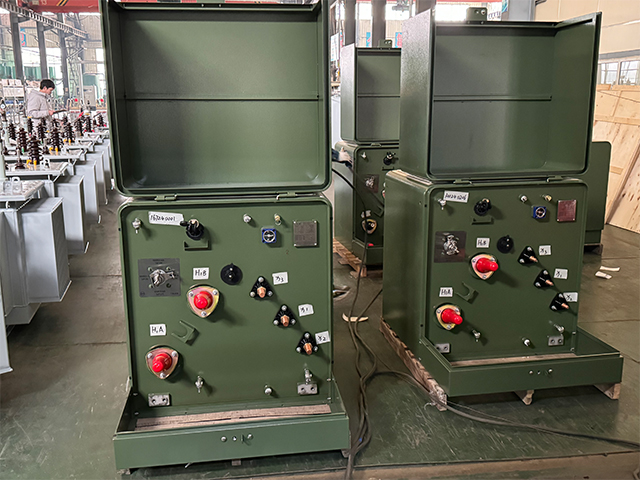
50kVA Single Phase Pad Mounted transformer
NPC ELECTRIC 50 kVA pad mounted transformer meets/exceeds DOE 2016 efficiency ratings with UL/cUL listed. Design and production with ANSI/IEEE, CSA standards.NPC ELECTRIC Transformer's 50 kVA single-phase pad-mounted transformer is extensively employed in the North American market. With their wealth of project experience,NPC ELECTRIC Transformer caters to a diverse clientele, including builders, public utility departments, and transformer distributors and retailers.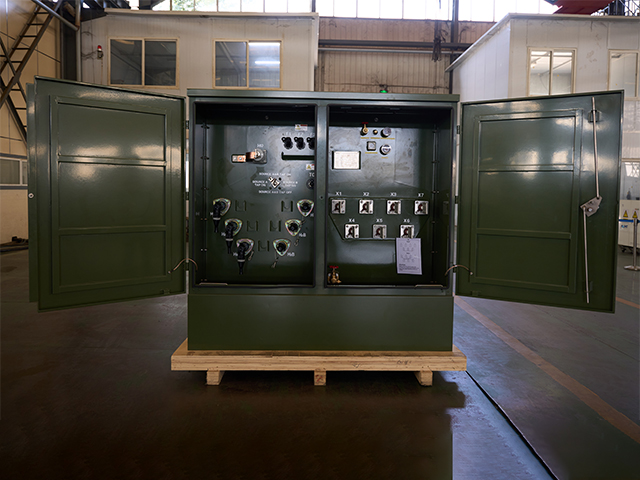
1500kVA Three Phase Pad Mounted Transformer
NPC ELECTRIC's 1500kVA Three Phase Pad Mounted transformer is designed with high-quality silicon steel sheets and insulating oil, in compliance with international standards such as IEC and ANSI, ensuring efficient and stable operation. It is suitable for a variety of scenarios such as urban power distribution, residential areas, commercial parks and industrial facilities. Whether it is ring network power supply or radial power supply, it can be flexibly applied to help achieve efficient and intelligent power transmission and distribution solutions.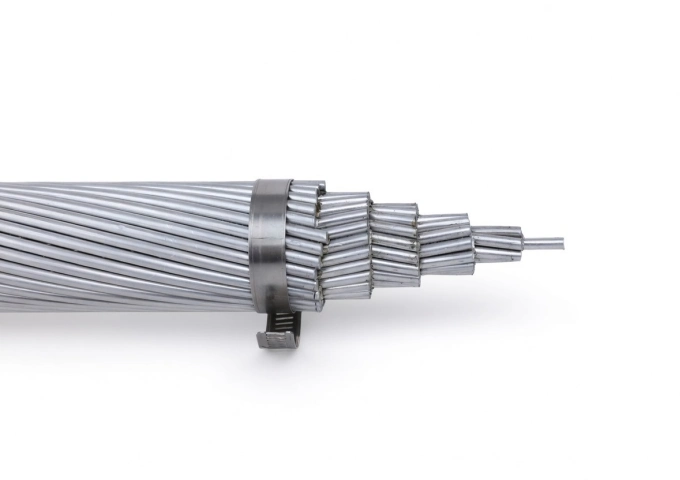
477 MCM Syringa AAC Cable
The 477 MCM Syringa AAC Cable is a high-performance All Aluminum Conductor designed for demanding overhead power transmission and distribution lines. Manufactured with 37 strands of premium 1350-H19 aluminum wire in a concentric lay configuration, this bare conductor provides excellent electrical conductivity with a low DC resistance of 0.0362 ohms per 1000 ft at 20°C. Featuring an overall diameter of 0.795 inches and a rated breaking strength of 8,690 lbs, the Syringa AAC delivers a robust ampacity of 639 amps while weighing only 447.8 lbs per 1000 ft. Its optimized strength-to-weight ratio minimizes sag and structural loading. Fully compliant with ASTM B-230 and B-231 standards, the 477 MCM Syringa AAC Cable offers outstanding corrosion resistance for long-term durability in harsh outdoor environments, making it the preferred choice for utility networks requiring cost-effective, high-reliability bare aluminum conductors.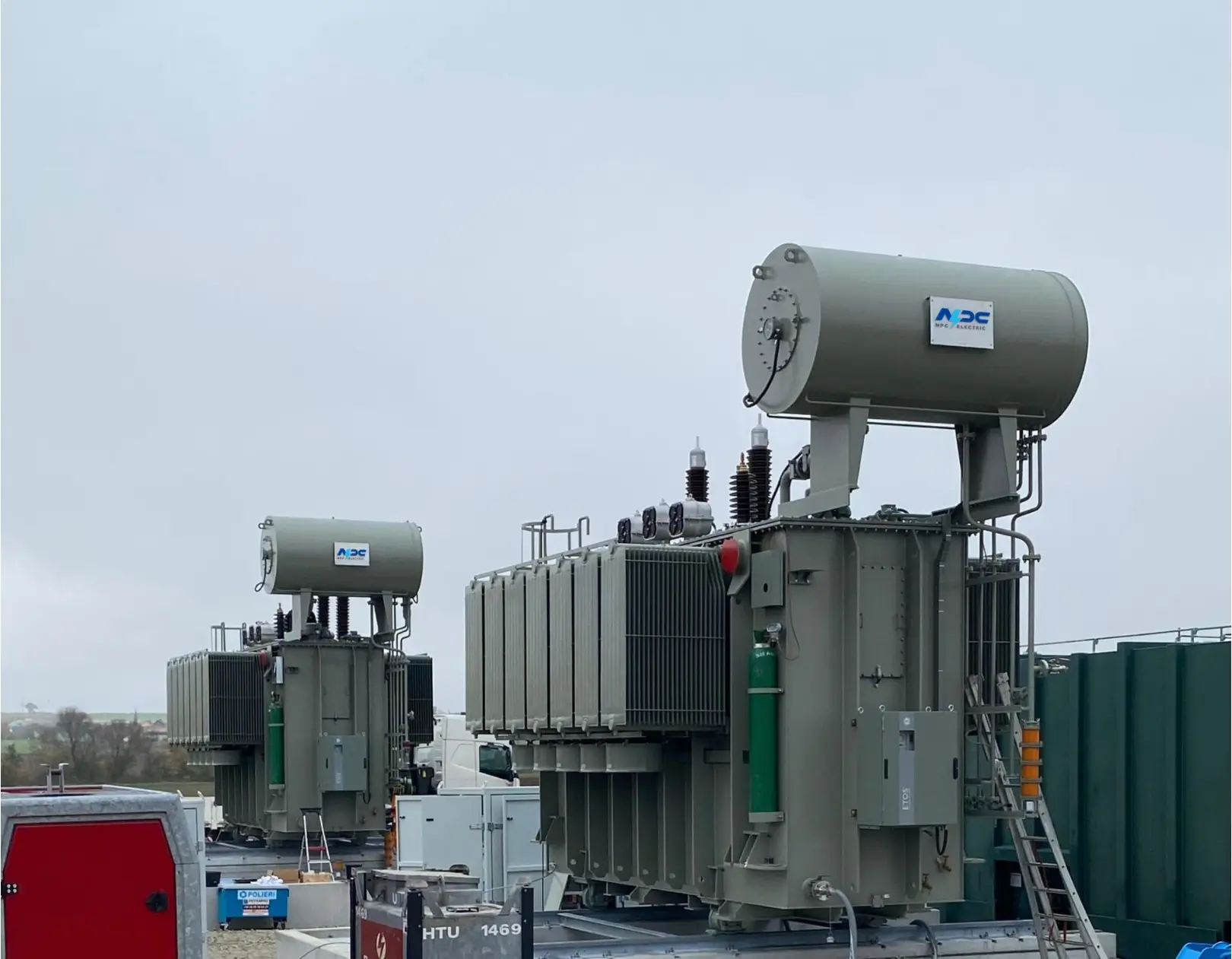
110kV Customized 12500kVA 20000kVA High-Voltage Electric Power Transformer
The Customized 12500kVA and 20000kVA High-Voltage Electric Power Transformer is engineered to meet the demanding requirements of grid transmission, industrial distribution, and large-scale power infrastructure. Designed with fully customized voltage configurations, high-grade copper windings, advanced insulation systems, and optimized oil-immersed cooling structures, it ensures exceptional efficiency, stable voltage regulation, and long-term operational reliability. This transformer supports heavy-load operation, complex grid environments, and diverse installation conditions, making it suitable for substations, industrial plants, renewable energy integration, and major commercial facilities. With flexible design options, strict quality control, and compliance with international standards such as IEC, IEEE, and ANSI, it delivers robust performance and extended lifecycle.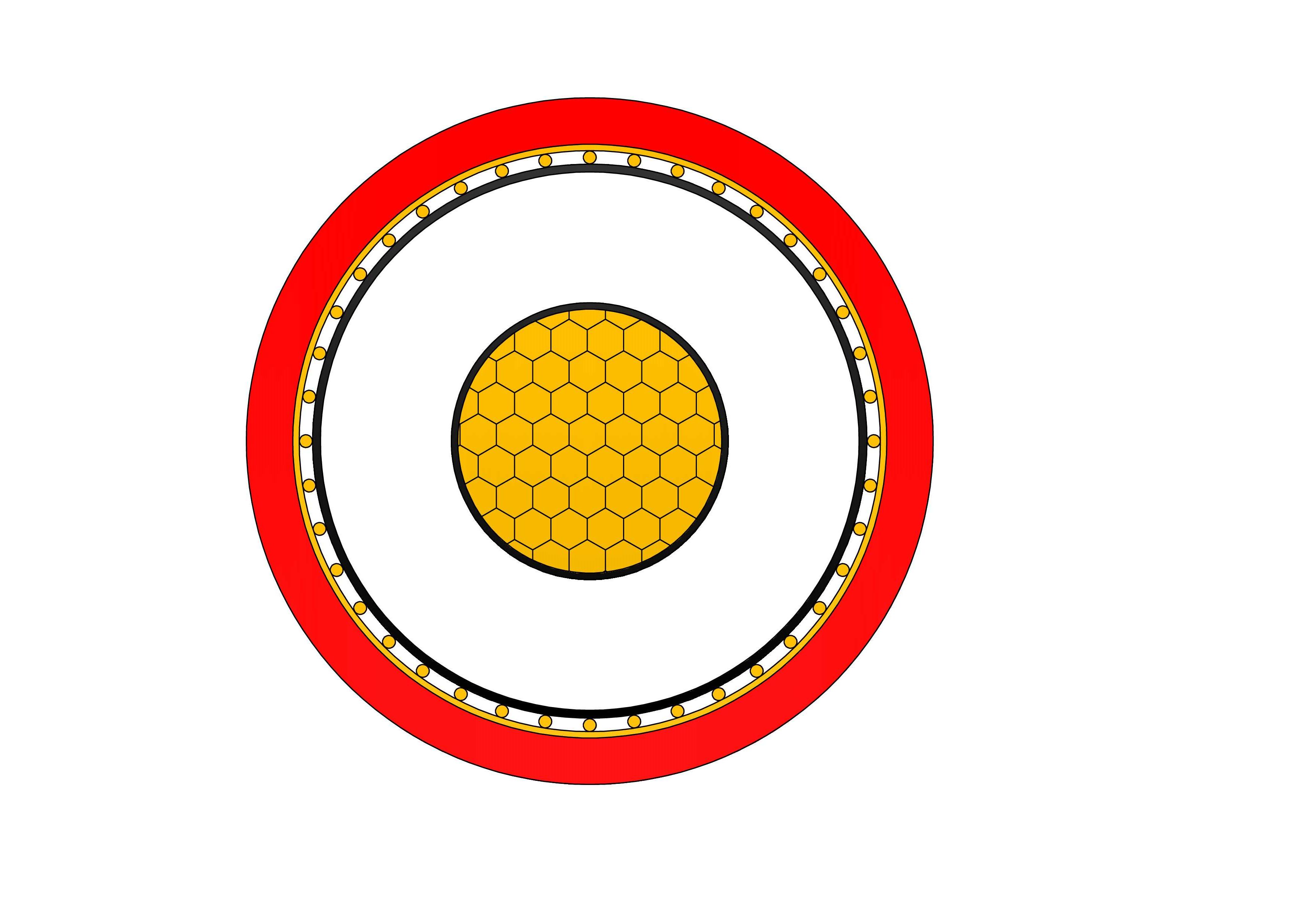
N2XSY Medium Voltage Power Cable(6/10kV, 12/20kV, 18/30kV)
N2XSY are medium voltage power cables with copper conductors and cross-linked polyethylene (XLPE) insulation, designed according to DIN VDE 0276-620 standards. Constructed with high-purity copper conductors, thermosetting XLPE insulation, metallic screen (copper tape or wires), and tough PVC outer sheath, it meets IEC 60502-2 requirements. The screen ensures electromagnetic compatibility and fault protection. Low tan delta, high breakdown strength, and excellent thermal endurance minimize losses and support overloads. PVC sheath provides solid mechanical and moisture protection for fixed installations. Optional longitudinal water-blocking improves performance in damp areas. Flame-retardant and easy to handle, the N2XSY Medium Voltage Power Cable is favored for power grids, manufacturing plants, commercial developments, and renewable energy sites demanding robust single-core medium voltage cabling with proven durability and cost efficiency in buried or tray installations worldwide.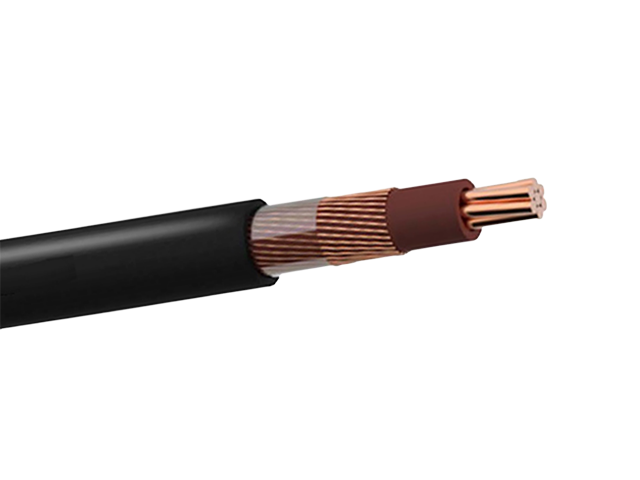
Aerial Concentric Service Cable 600/1000V - Copper & Aluminum LV Overhead Cable
The Aerial Concentric Service Cable is specially designed for overhead low-voltage service connections. It consists of stranded copper or AA8000 aluminum alloy phase conductors with XLPE insulation, concentrically arranged neutral conductors, and a durable UV-stabilized black polyethylene sheath. The concentric round construction offers balanced electrical performance, high mechanical strength, and easy handling during installation. With excellent conductivity and weather resistance, this cable is suitable for long-term aerial exposure in residential, rural, and light commercial networks. The Aerial Concentric Service Cable meets international performance standards and undergoes extensive quality testing to ensure consistent performance, safety, and long service life for overhead LV applications.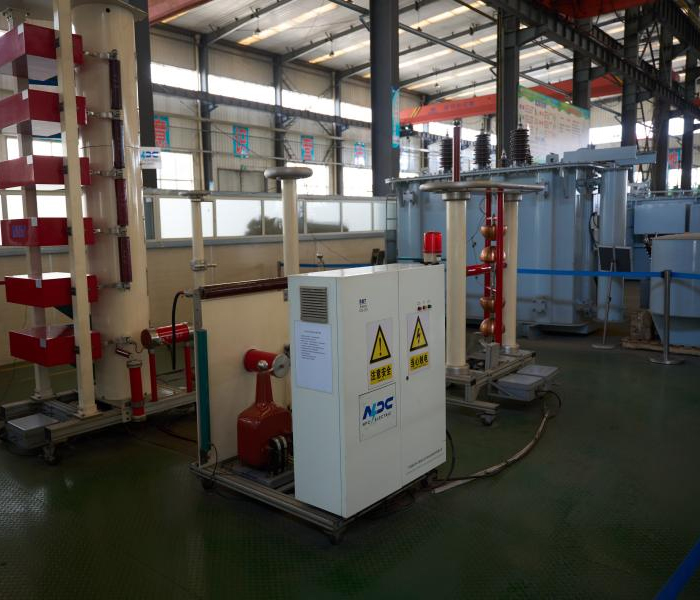
7500kVA Dry Type Transformer
7500kVA Dry Type Transformer is a high-capacity, reliable power solution designed for large-scale industrial and commercial applications. With a robust 7500kVA rating, it incorporates advanced dry-type insulation technology, ensuring enhanced safety, minimal maintenance, and exceptional durability. Engineered for demanding environments, this transformer delivers stable, efficient, and low-noise operation while reducing environmental impact. The NPC ELECTRIC 7500kVA Dry Type Transformer is the ideal choice for high-power applications, providing secure and continuous power distribution for critical infrastructure. Typical attributes encompass three-phase construction, primary voltages 208V–600V (e.g., 480V Delta, 600V Delta), secondary voltages such as 208Y/120V, 480Y/277V, or custom, aluminum or copper windings, 150°C rise (standard) or 115°C/80°C with 220°C insulation class, ±2×2.5% primary taps, NEMA 1 ventilated enclosure (NEMA 3R/encapsulated options), natural convection cooling (AN), electrostatic shielding, and low sound levels per NEMA.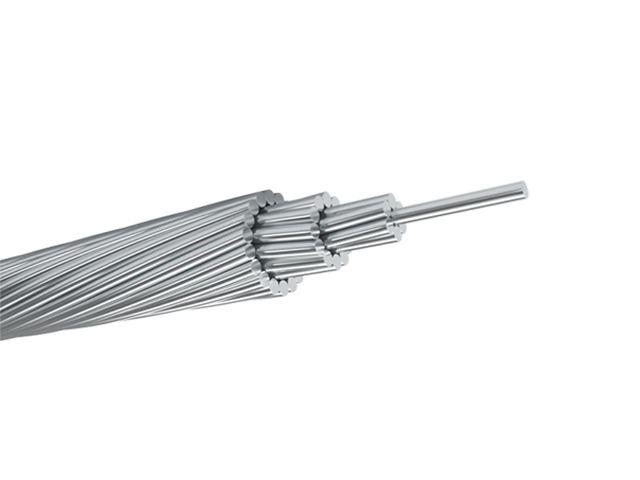
AZUSA AAAC Conductor Cable
AZUSA AAAC (All Aluminum Alloy Conductor) cables comply with ASTM B399 standards and are characterized by high strength, excellent conductivity, and superior corrosion resistance. Meeting ASTM B398, B399, IEC 61089, and BS EN 50182 standards, this cable handles ampacity up to 900A at 75°C and voltages up to 33kV. The all-alloy construction avoids bimetallic corrosion, providing better resistance in harsh conditions than ACSR. Reduced weight minimizes sag and installation expenses, supporting longer spans. The Azusa AAAC Conductor Cable delivers low electrical losses, high mechanical endurance, and excellent weather tolerance. Flame-retardant variants available. Perfect for urban grids, renewable projects, and coastal setups, it provides cost-effective, low-maintenance power delivery in overhead applications globally, excelling in reliability and lifespan over conventional conductors.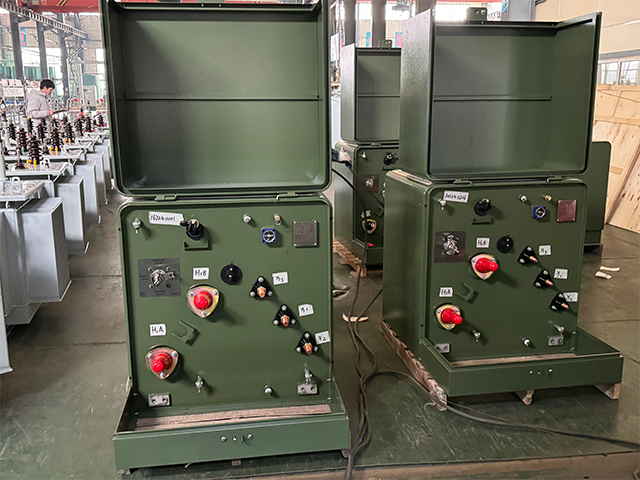
315kVA Single Phase Pad Mounted Transformer
315kVA Single Phase Pad Mounted Transformer, engineered for seamless integration into underground power distribution systems, particularly in residential and commercial loop-feed setups. This compact, oil-filled transformer utilizes advanced high-permeability steel cores and precision-engineered windings to offer exceptional energy efficiency, low operating temperatures, and reduced sound levels for discreet urban installations. Compliant with ANSI C57.12.38 and IEEE standards, this single-phase padmount transformer ensures reliable voltage conversion from primary voltages up to 34.5kV to standard secondary outputs like 120/240V, supporting radial or loop configurations with high short-term overload capability for growing communities.
High Voltage 160kV Step-Up Power Transformer: Efficient 20MVA / 30MVA / 60MVA Solutions for Substations
The 160kV High Voltage Step-Up Power Transformer is designed to increase voltage levels efficiently for power generation plants and substation applications. Available in 20MVA, 30MVA, and 60MVA ratings, it supports stable energy transmission from generation sources to high-voltage networks. The transformer adopts a carefully optimized electromagnetic design that enhances voltage conversion efficiency while maintaining controlled thermal and electrical performance. Its oil-immersed insulation system ensures reliable cooling and long-term insulation stability under continuous operating conditions. The structural design emphasizes mechanical strength and operational safety, enabling dependable performance in outdoor substations and demanding grid environments. This step-up transformer is well suited for modern power systems that require efficient voltage elevation, reduced transmission losses, and consistent operational reliability.
125kVA Cast Resin Dry Type Transformer 3 Phase 10kV/0.4kV Copper Winding IEC Certified
The 125kVA Cast Resin Dry Type Transformer is a compact, three-phase, high-efficiency indoor power transformer engineered for safe and reliable voltage transformation in commercial, institutional, and light-to-medium industrial environments. Featuring advanced cast-resin encapsulation and full copper windings, it eliminates oil-related fire hazards, environmental risks, and routine maintenance while delivering superior performance in confined spaces, high-rise buildings, hospitals, schools, data centers, office complexes, and renewable energy tie-in applications. Fully compliant with IEC 60076-11, IEC 60076-1, IEC 60076-3, IEC 60076-5, IEC 60076-20, IEEE C57.12.01, IEEE C57.12.91, UL 1561 (optional), and DOE 2016 efficiency standards.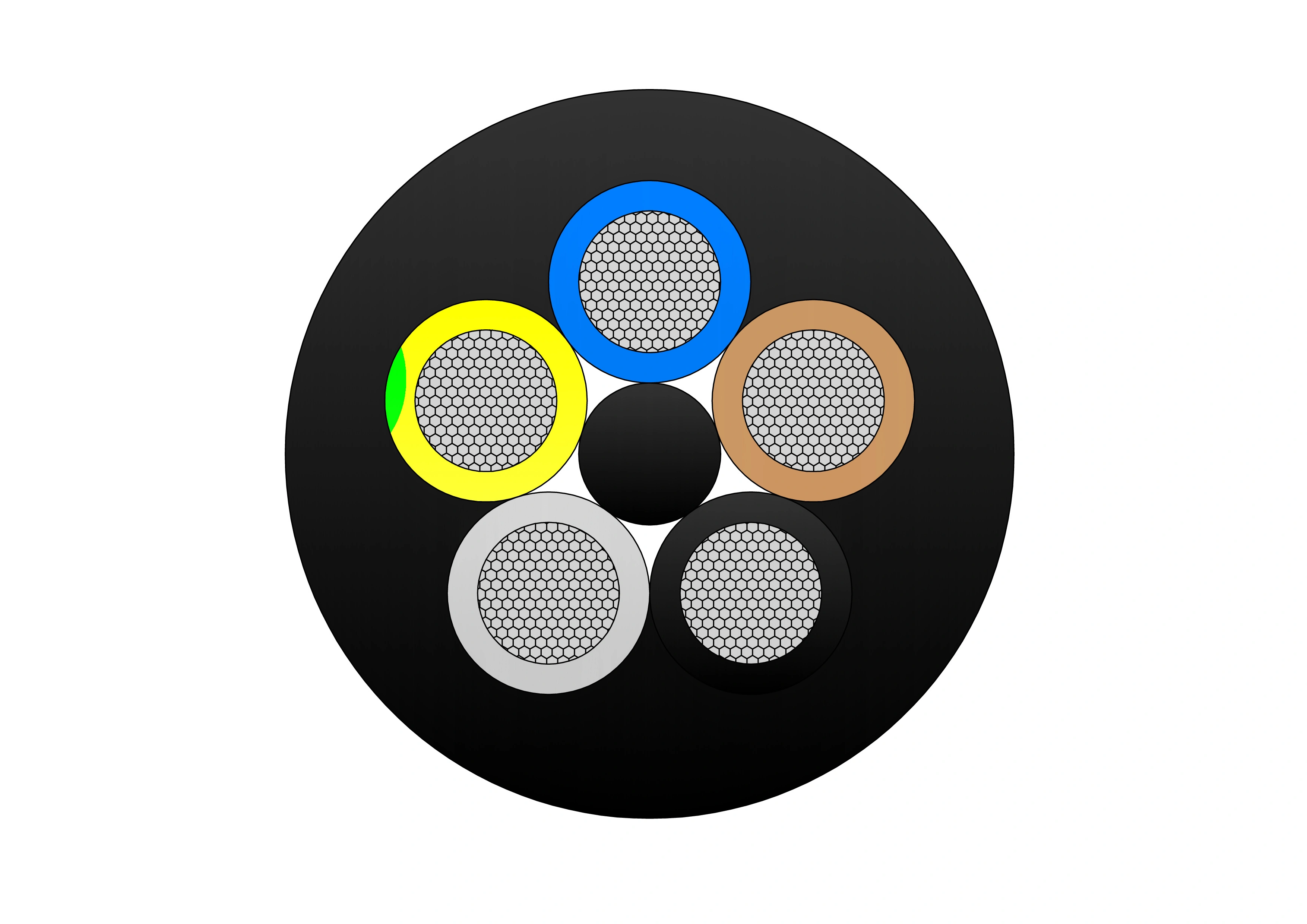
(N)TSCGECECWOU 8.7/15kV and 12/20kV ZH Cable
The (N)TSCGECECWOU 8.7/15kV and 12/20kV ZH cable is a flexible medium voltage power cable designed and manufactured to DIN VDE 0250 standards. Engineered for demanding mining, tunneling, and mobile equipment applications, it features EPR insulation, a halogen-free flame-retardant sheath, and a concentric copper conductor to ensure exceptional mechanical strength, EMC protection, and resistance to oil, moisture, and fire. With a robust PUR outer sheath and halogen-free materials, this cable provides high flexibility and durability for reeling and trailing systems in harsh industrial environments, making it ideal for tunnel boring machines, mining conveyors, and other heavy-duty energy supply applications.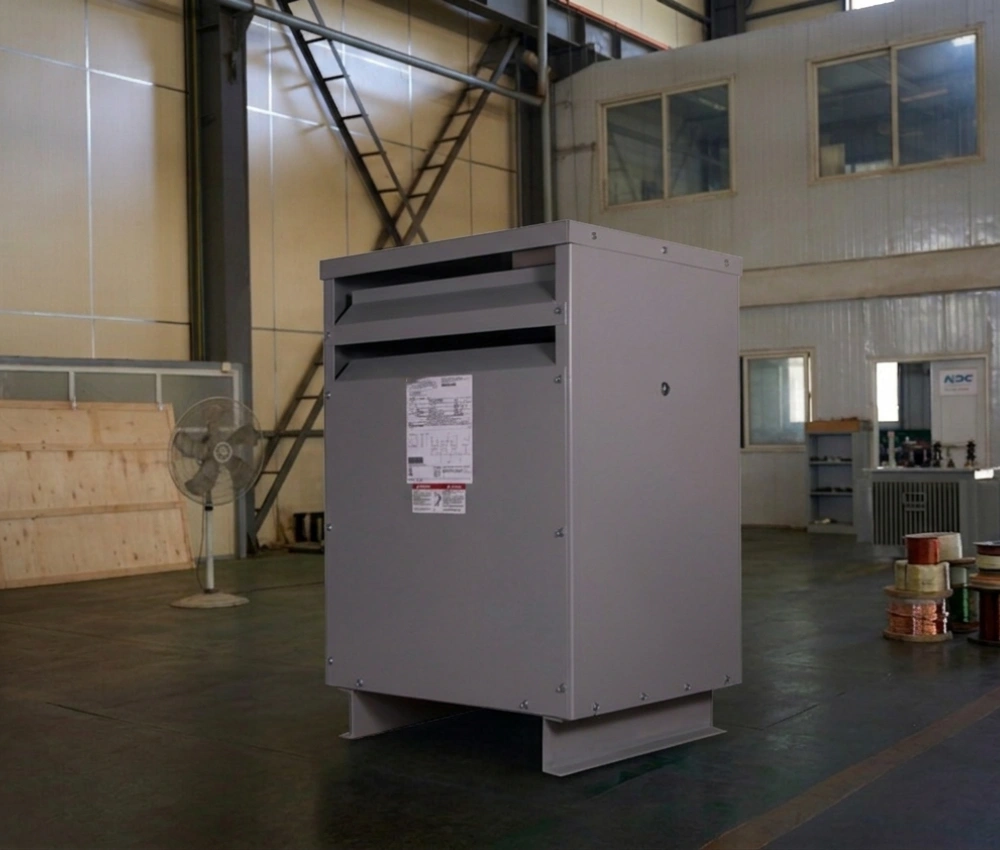
Isolation Transformer
The Isolation Transformer is a specialized power transformer designed to electrically separate the primary and secondary circuits while maintaining efficient power transfer. By eliminating direct electrical connections between input and output systems, the transformer effectively reduces electrical noise, suppresses common-mode interference, improves power quality, and enhances operational safety for critical equipment and sensitive electronic systems. It is widely utilized in industrial automation, healthcare facilities, data centers, telecommunications infrastructure, laboratory environments, and renewable energy systems where stable and clean power supply is essential. Available in single-phase and three-phase configurations, the transformer supports various voltage conversion requirements while delivering long-term reliability under continuous operating conditions. The Isolation Transformer can be integrated into modern power distribution networks, automation systems, and mission-critical electrical installations. With customizable winding configurations, enclosure options, and intelligent monitoring capabilities, the transformer offers flexible solutions for demanding industrial and commercial power applications while ensuring compliance with international electrical safety standards.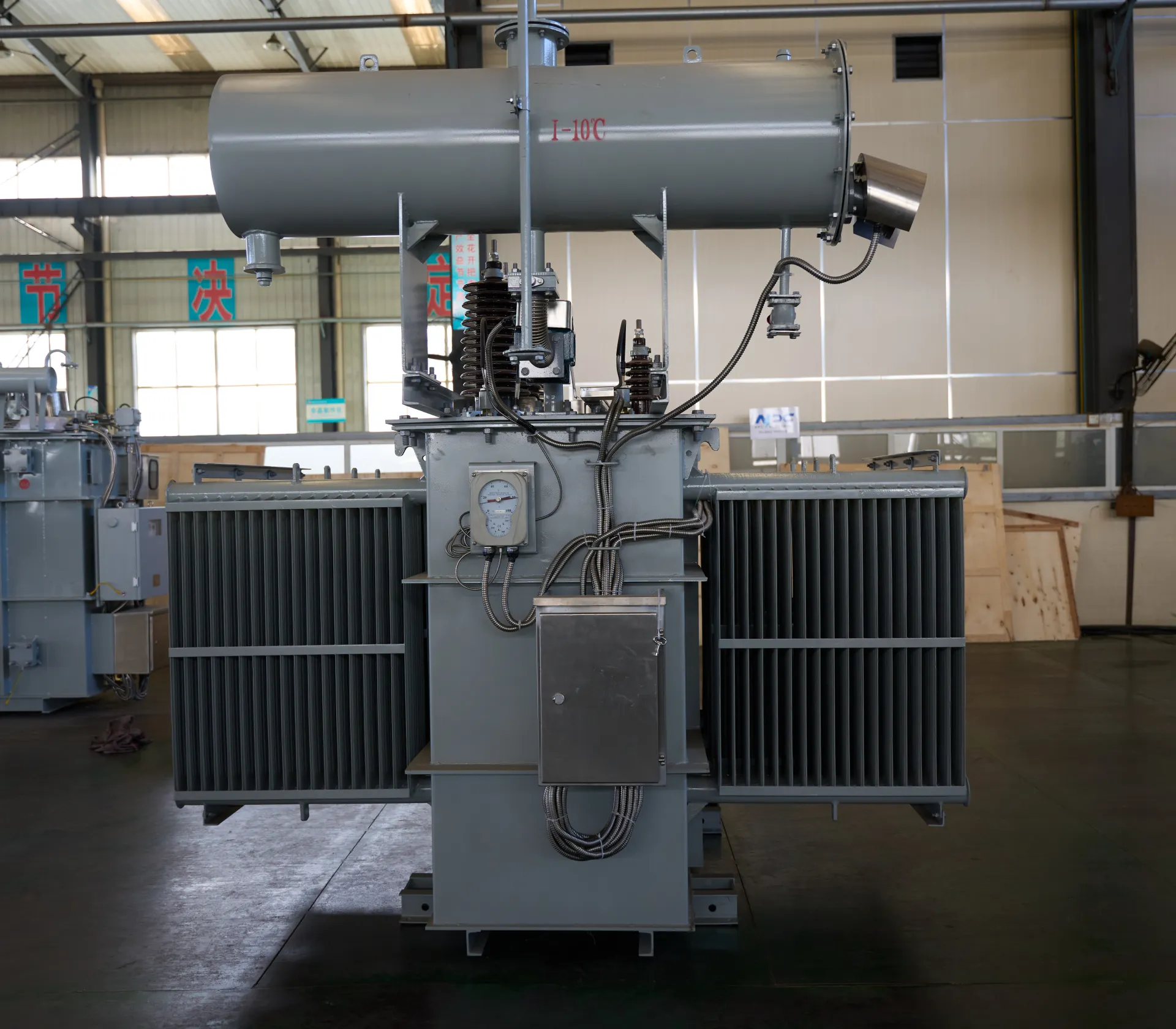
33kV Three-Phase Oil-Immersed Step-Up Power Transformer
The 33kV Three-Phase Oil-Immersed Step-Up Power Transformer is engineered for reliable voltage elevation in medium- and high-voltage distribution networks. Designed with high-grade silicon-steel cores, copper windings, and an efficient oil-immersed cooling system, this transformer delivers stable power transmission with low losses and strong short-circuit endurance. Its robust insulation, sealed tank structure, and advanced protection devices ensure long-term performance in demanding industrial and substation environments. Widely used in renewable energy plants, utility networks, industrial facilities, and rural power upgrades, the 33kV step-up transformer provides secure, efficient, and continuous operation. It supports both on-load and off-load tap changers, offering precise voltage regulation and adaptability to varying grid conditions, making it a dependable choice for modern power distribution systems.
11kV Three-Phase Oil-Immersed Power Transformer
The 11kV Three-Phase Oil-Immersed Power Transformer is engineered for stable and efficient distribution across medium-voltage networks. Designed with high-grade silicon steel, advanced insulation systems, and premium mineral oil, this transformer ensures superior dielectric strength, excellent heat dissipation, and long service life. Its oil-immersed configuration delivers reliable cooling performance, enabling continuous operation under varying load conditions. The three-phase design ensures balanced power delivery, reduced energy losses, and improved grid stability. With enhanced short-circuit strength, low noise levels, and robust mechanical structure, it is suitable for industrial facilities, commercial complexes, substations, and utility distribution networks. Custom voltage ratios, tap changers, protection devices, and enclosure options are available to meet regional standards and project-specific requirements.Welcome your inquiry
Honesty, Integrity, Frugality, Activeness and Passion