Electrical Lines Complete Guide: Types, Components, and Applications
2026-06-02
Electrical lines are the backbone of modern civilization. Every industry, city, transportation network, data center, hospital, and residential community depends on reliable electrical transmission and distribution systems to receive electric power from generation sources. Without electrical lines, the energy produced by power plants would never reach consumers.
As global electricity demand continues to grow due to urbanization, industrial expansion, electrification of transportation, and renewable energy integration, electrical infrastructure has become increasingly important. Modern electrical lines must efficiently transport power over hundreds or even thousands of kilometers while maintaining safety, reliability, and compliance with international standards.
From high-voltage transmission corridors supported by massive transmission towers to underground transmission lines serving urban centers, electrical lines exist in many forms and serve different functions within the power system.
1. What Are Electrical Lines?
Electrical lines are systems of conductors, cables, insulation components, and supporting structures used to transport electrical energy from generation sources to consumers.
Their primary function is electrical transmission and distribution across a power network.
Electrical lines connect:
- Power plants
- Substations
- Industrial facilities
- Commercial buildings
- Residential areas
- Renewable energy installations
They enable efficient transfer of electric power between different parts of the electrical grid.
Basic Operating Principle
Electrical energy flows through conductive materials such as copper and aluminum conductors.
When voltage is applied across a conductor, an electric field is established, causing electrical current to flow through the system.
The design of electrical lines seeks to:
- Minimize transmission losses
- Maintain voltage stability
- Ensure operational safety
- Maximize system reliability
Importance in Modern Society
Electrical lines support:
- Economic development
- Industrial production
- Digital infrastructure
- Transportation systems
- Healthcare facilities
- Renewable energy deployment
Virtually every modern activity depends on reliable power lines.
2. Types of Electrical Lines
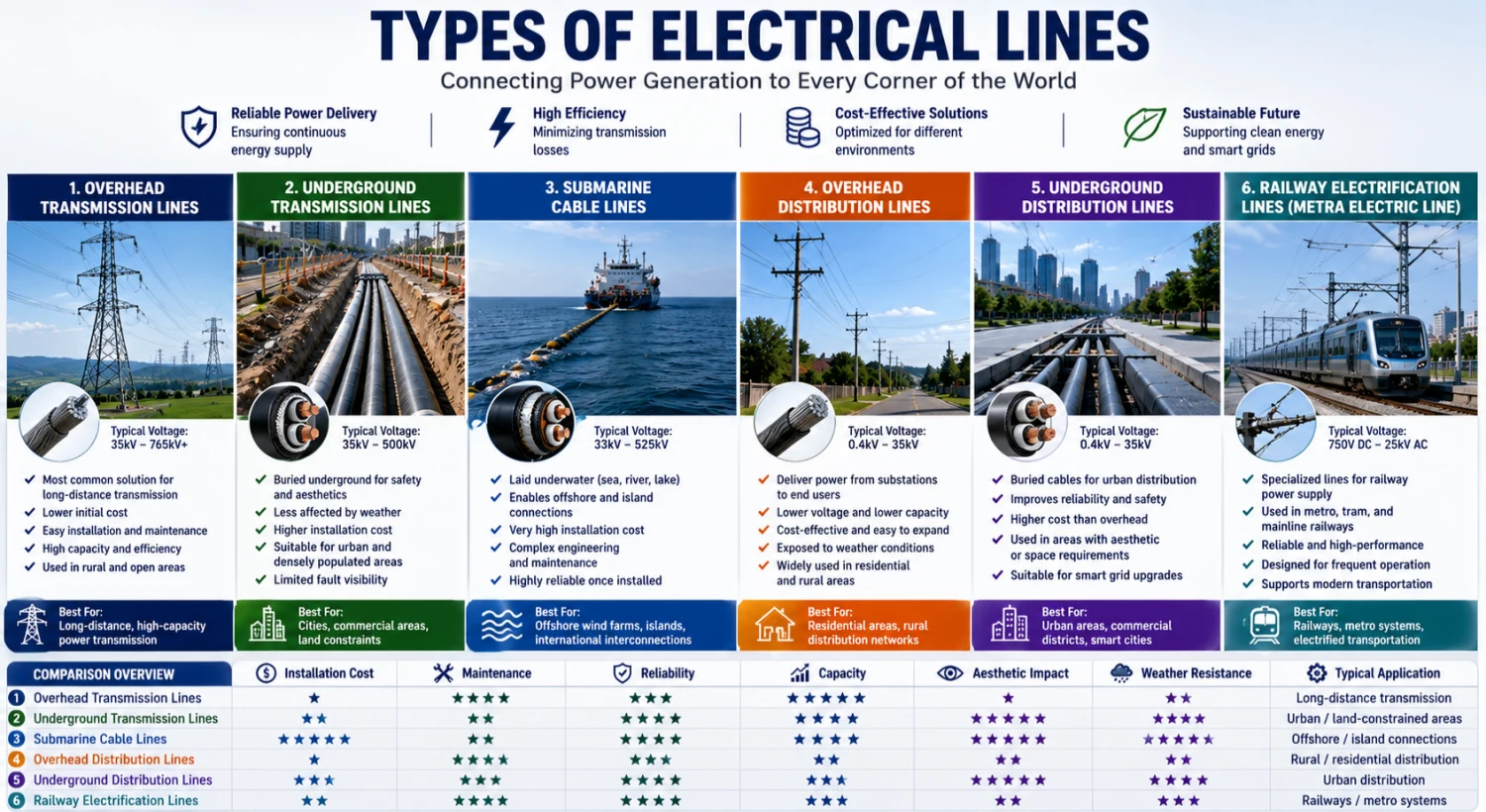
Electrical lines can be classified according to installation method, voltage level, and operational purpose.
Overhead Transmission Lines
Overhead transmission lines are the most common form of long-distance power transmission.
These systems consist of:
- Conductors
- Insulators
- Transmission towers
- Ground wires
Advantages include:
- Lower installation cost
- Easier maintenance
- Higher power capacity
Overhead transmission lines are widely used in national transmission networks.
Underground Transmission Lines
Underground transmission lines use insulated electrical cables buried beneath the ground.
Advantages include:
- Improved aesthetics
- Reduced exposure to weather
- Lower visual impact
However, installation costs are significantly higher than overhead systems.
Submarine Transmission Lines
Submarine electrical lines transport power beneath rivers, lakes, and oceans.
Applications include:
- Offshore wind farms
- Island interconnections
- International power exchange projects
These systems require specialized electrical cables designed for marine environments.
Distribution Lines
Distribution lines deliver power from substations to end users.
They operate at medium and low voltage levels and represent the final stage of power delivery.
Table: Comparison of Electrical Line Types
|
Line Type |
Typical Voltage Range |
Installation Method |
Initial Cost |
Maintenance Difficulty |
Typical Applications |
|
Overhead Transmission Line |
35kV–765kV+ |
Towers and poles |
Low |
Easy |
Long-distance transmission |
|
Underground Transmission Line |
35kV–500kV |
Buried cable systems |
High |
Difficult |
Urban infrastructure |
|
Submarine Cable Line |
33kV–525kV |
Underwater installation |
Very High |
Complex |
Offshore wind farms, island grids |
|
Overhead Distribution Line |
0.4kV–35kV |
Utility poles |
Low |
Moderate |
Local power distribution |
|
Underground Distribution Line |
0.4kV–35kV |
Underground duct banks |
High |
Moderate |
Commercial districts |
|
Railway Electrification Line |
750V–25kV |
Overhead catenary systems |
Medium |
Moderate |
Metro and railway systems |
3. Voltage Classifications of Electrical Lines
Voltage level is one of the most important characteristics of electrical lines.
Higher voltage enables more efficient long-distance transmission by reducing current and transmission losses.
Low Voltage Lines
Typically:
- Up to 1 kV
Applications:
- Residential buildings
- Small commercial facilities
Medium Voltage Lines
Typically:
- 1 kV to 35 kV
Applications:
- Industrial facilities
- Commercial complexes
- Local distribution networks
High Voltage Power Line Systems
Typically:
- 35 kV to 230 kV
Applications:
- Regional electrical transmission
High voltage transmission significantly improves power transfer efficiency.
Extra High Voltage Systems
Typically:
- 345 kV
- 500 kV
- 765 kV
Used for:
- National grids
- Long distance transmission
- Interregional power transfer
These systems transport massive amounts of electric power over long distances.
Table: Voltage Classification in Modern Power Systems
|
Voltage Class |
Voltage Range |
Typical Application |
Example Infrastructure |
|
Low Voltage (LV) |
Up to 1kV |
Residential and commercial loads |
Building electrical systems |
|
Medium Voltage (MV) |
1kV–35kV |
Industrial facilities and local distribution |
Distribution feeders |
|
High Voltage (HV) |
35kV–230kV |
Regional transmission |
High voltage power line |
|
Extra High Voltage (EHV) |
230kV–765kV |
Long distance transmission |
National transmission networks |
|
Ultra High Voltage (UHV) |
Above 800kV |
Cross-country power transfer |
Large utility interconnections |
4. Key Components of Electrical Lines
Every electrical transmission system consists of multiple interconnected components.
Conductors
Conductors carry electrical current.
Common materials include:
- Aluminum
- Copper
- Aluminum-conductor steel-reinforced (ACSR)
The selection depends on:
- Current carrying capacity
- Mechanical strength
- Cost
Insulators
Insulators prevent unintended current flow.
Materials include:
- Porcelain
- Glass
- Composite polymers
They isolate energized conductors from grounded structures.
Transmission Towers
A transmission tower supports conductors and maintains safe clearances.
Tower designs vary according to:
- Voltage level
- Terrain
- Wind loading
- Environmental conditions
Ground Wires
Ground wires protect transmission systems from lightning strikes.
They are typically installed at the top of transmission towers.
Electrical Cables
Electrical cables are used in underground transmission lines and distribution systems.
Modern electrical cables incorporate:
- Conductors
- Insulation
- Shielding
- Protective sheaths
Table: Main Components of Electrical Transmission Lines
|
Component |
Primary Function |
Common Materials |
Engineering Considerations |
|
Conductor |
Carry electrical current |
Aluminum, Copper, ACSR |
Current capacity, losses |
|
Insulator |
Electrically isolate conductors |
Porcelain, Glass, Composite Polymer |
Flashover performance |
|
Transmission Tower |
Support conductors |
Galvanized steel |
Wind and mechanical loads |
|
Ground Wire |
Lightning protection |
Steel, OPGW |
Shielding effectiveness |
|
Cross Arm |
Mechanical support |
Steel, Composite |
Structural strength |
|
Spacer Damper |
Reduce conductor vibration |
Aluminum alloy |
Aeolian vibration control |
|
Cable Joint |
Connect cable sections |
Copper, Aluminum |
Electrical reliability |
|
Electrical Cable |
Power transmission and distribution |
XLPE, EPR, PVC |
Thermal performance |
5. Transmission and Distribution Lines
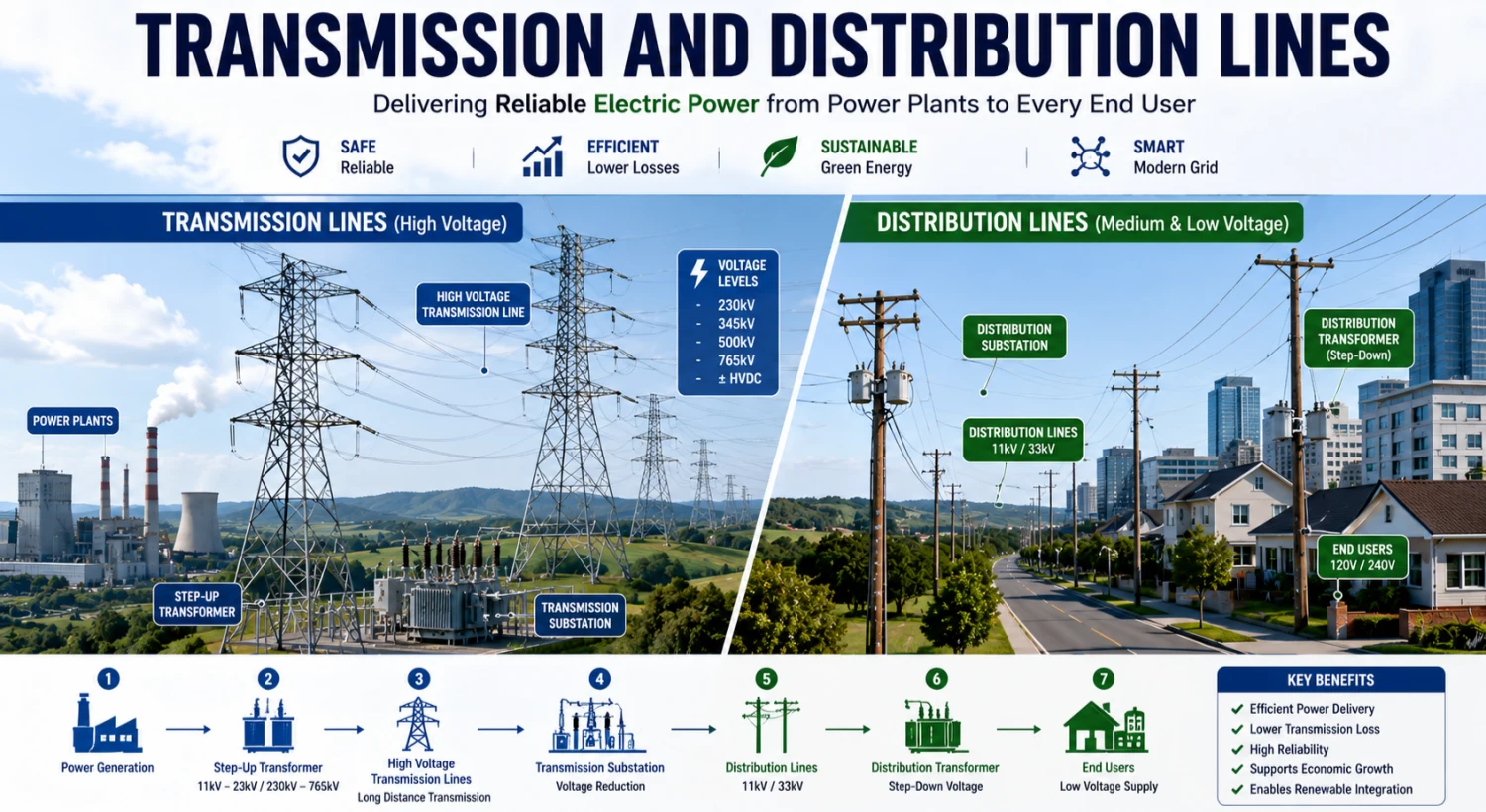
Electrical infrastructure is generally divided into transmission and distribution systems.
Transmission Lines
Transmission lines transport power from generating facilities to substations.
Characteristics include:
- High voltage operation
- Long-distance power transfer
- Large transmission capacities
Examples include:
- 110 kV systems
- 220 kV systems
- 500 kV systems
Distribution Lines
Distribution lines deliver electricity from substations to consumers.
Characteristics include:
- Medium voltage operation
- Local power delivery
- Customer connection infrastructure
Why Separation Is Necessary
Using transmission and distribution lines separately improves:
- Efficiency
- Reliability
- Operational flexibility
This structure forms the foundation of modern electrical transmission systems.
6. Applications of Electrical Lines
Electrical lines serve numerous sectors and industries worldwide.
Utility Power Networks
National utilities depend on extensive power lines to connect generating stations with consumers.
Renewable Energy Projects
Solar farms and wind farms require electrical lines to connect renewable generation facilities to substations and transmission networks.
Industrial Facilities
Factories and industrial complexes require dedicated electrical infrastructure to support high-power equipment.
Transportation Systems
Railways, metro systems, and electric vehicle charging networks rely on electrical lines for continuous operation.
The metra electric line is an example of rail electrification infrastructure that depends on specialized electrical supply systems.
Data Centers
Modern data centers require highly reliable electrical transmission systems to support critical digital operations.
Table: Common Conductor Types Used in Electrical Lines
|
Conductor Type |
Conductivity |
Mechanical Strength |
Typical Application |
|
AAC |
Excellent |
Low |
Urban distribution |
|
AAAC |
High |
Medium |
Coastal areas |
|
ACSR |
Good |
High |
High voltage transmission |
|
ACAR |
Very High |
High |
Long-span transmission |
|
HTLS |
Excellent |
Very High |
Capacity uprating projects |
7. International Standards for Electrical Lines
Electrical infrastructure must comply with internationally recognized standards.
IEC Standards
The International Electrotechnical Commission (IEC) provides standards covering:
- Conductors
- Insulation systems
- Testing procedures
- Safety requirements
IEEE Standards
IEEE standards guide:
- System design
- Protection systems
- Reliability analysis
National Grid Standards
Utilities often establish additional requirements regarding:
- Clearances
- Environmental compliance
- Reliability criteria
Compliance with international standards improves safety and interoperability.
8. Future Trends in Electrical Lines
Electrical transmission technology is evolving rapidly to meet modern energy demands.
Smart Grid Integration
Advanced sensors and communication systems allow real-time monitoring of electrical lines.
Benefits include:
- Predictive maintenance
- Fault detection
- Improved reliability
High Temperature Conductors
New conductor technologies increase transmission capacity without constructing additional corridors.
Underground Grid Expansion
Urban development is driving greater adoption of underground transmission lines.
Renewable Energy Integration
The expansion of solar and wind power requires new transmission infrastructure capable of handling distributed generation sources.
Digital Asset Management
Artificial intelligence and data analytics are transforming how utilities manage transmission and distribution networks.
FAQ
1: What are electrical lines and why are they important?
Electrical lines form the backbone of modern power systems. They enable electrical transmission over short and long distances while maintaining system reliability, voltage stability, and energy efficiency. Without electrical lines, electricity generated by power plants could not reach end users.
2: What are the main types of electrical lines?
Overhead transmission lines are the most common and cost-effective solution for long-distance transmission. Underground transmission lines are frequently used in urban areas where aesthetics and land constraints are important. Submarine cables connect offshore wind farms, islands, and international grids, while distribution lines deliver power directly to consumers.
3: What is the difference between transmission lines and distribution lines?
Transmission lines typically operate at high voltage levels ranging from 35kV to 765kV or higher. Distribution lines usually operate at medium and low voltages such as 11kV, 33kV, 400V, or 480V. Together, transmission and distribution lines form an integrated power delivery network.
4: Why are high voltage power lines used for long-distance transmission?
Using high voltages allows utilities to transfer large quantities of electrical energy across long distances with reduced conductor losses, smaller voltage drops, and improved overall system performance. This is why modern transmission networks rely on high voltage and extra-high voltage systems.
5: What components make up an electrical transmission line?
Each component serves a specific purpose. Conductors carry current, insulators prevent leakage currents, transmission towers provide mechanical support, and ground wires protect the system from lightning strikes. Together, these components ensure safe and reliable electrical transmission.
6: What international standards apply to electrical lines?
These standards govern conductor specifications, insulation systems, safety clearances, testing procedures, environmental requirements, and operational reliability. Compliance helps ensure interoperability, safety, and long-term performance.
7: Are underground transmission lines better than overhead transmission lines?
Underground transmission lines offer improved aesthetics, lower visual impact, and better protection from weather events. However, they are significantly more expensive to install and maintain. Overhead transmission lines remain the preferred solution for most utility-scale transmission projects because of their lower cost and easier maintenance.
8: How are electrical lines evolving with renewable energy development?
Utilities are investing in advanced conductors, digital monitoring systems, dynamic line rating technologies, and expanded transmission infrastructure to connect solar farms, wind power plants, battery energy storage systems, and distributed generation resources to the grid.
Conclusion
Electrical lines are essential components of modern power systems, enabling the efficient transmission and distribution of electrical energy from power plants to end users. Whether through overhead transmission lines, underground transmission lines, or specialized electrical cables, these systems support every aspect of modern life. Understanding the types of transmission lines, voltage classifications, components, applications, and international standards helps engineers, utilities, and infrastructure developers build reliable and efficient electrical networks. As smart grids, renewable energy systems, and digital technologies continue to expand, electrical lines will remain a critical foundation of global energy infrastructure for decades to come.

Related Articles
Related Products
GYXTW Fiber Optic Cable
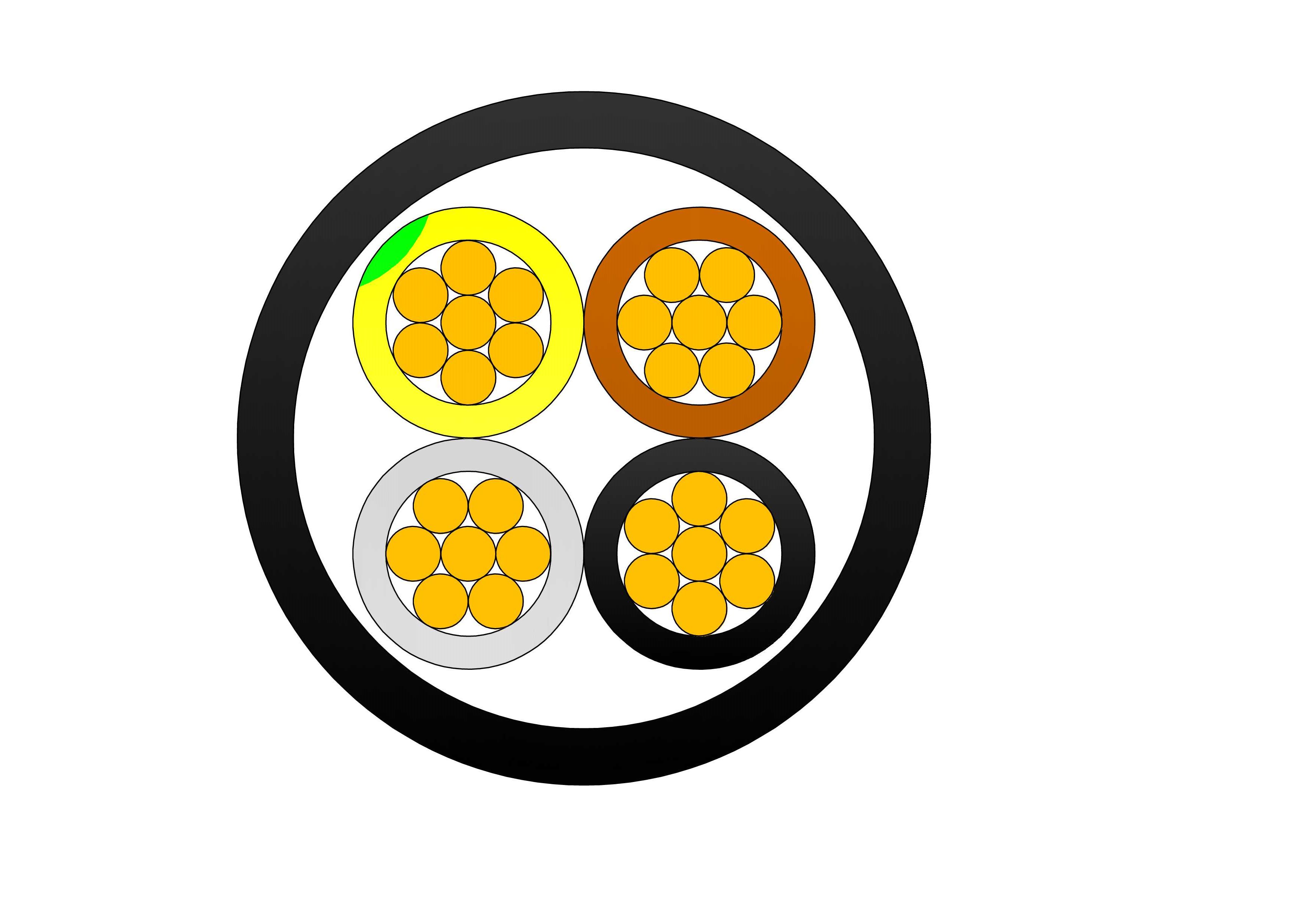
The GYXTW Fiber Optic Cable is a rugged central loose tube fiber optic cable designed for outdoor long-distance communication. It features a single central loose tube filled with water-blocking gel containing optical fibers, a corrugated steel tape armor for excellent mechanical protection, and a durable polyethylene (PE) outer sheath. Compliant with IEC 60794 and ITU-T standards, the GYXTW Fiber Optic Cable provides superior crush resistance, moisture blocking, and rodent protection. Available in single-mode and multi-mode with various fiber counts, it ensures low attenuation, high bandwidth, and reliable signal transmission. Its compact central tube design combined with steel tape armor makes it ideal for duct, aerial, and direct burial installations. The GYXTW Fiber Optic Cable is widely used in telecommunications backbone networks, FTTH, metropolitan area networks, and outdoor infrastructure projects requiring stable, secure, and durable fiber connectivity in challenging environments.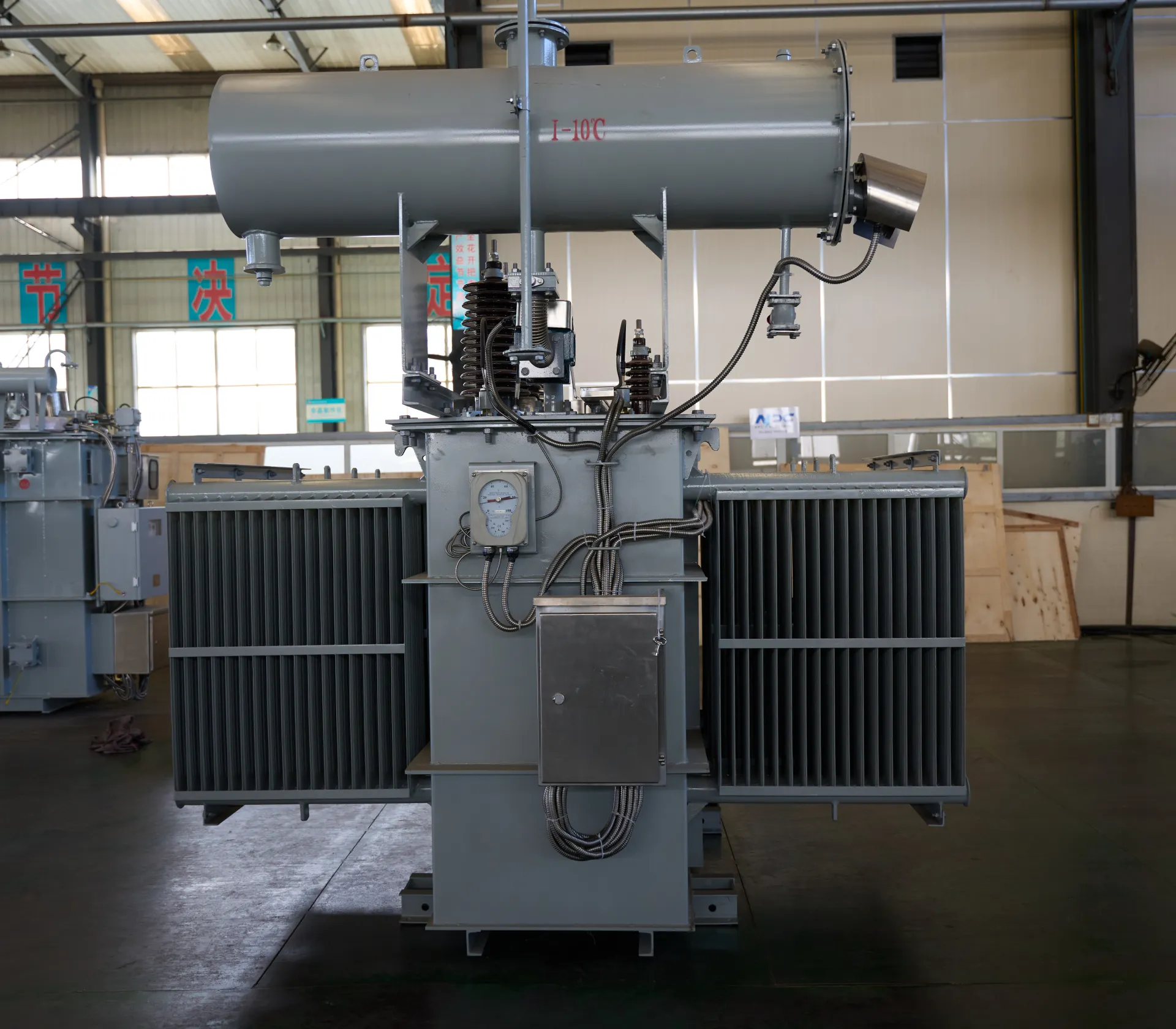
370MVA 750kV Oil-Immersed High-Voltage Transformer for Power Transmission
The 370 MVA 750 kV Oil-Immersed High-Voltage Transformer is designed for ultra-high-voltage (UHV) power transmission systems requiring exceptional reliability, stability, and long-distance energy delivery. With a robust oil-immersed insulation structure and high-grade copper windings, this transformer offers outstanding dielectric strength, low partial discharge, and excellent thermal performance. Engineered for 750kV grid networks, it effectively reduces transmission losses, enhances voltage regulation, and ensures safe operation under demanding load variations. Its precision-built core, advanced cooling system, and reinforced tank construction enable superior efficiency, extended service life, and high short-circuit resistance. Ideal for national power grid projects, long-distance transmission corridors, high-capacity substations, and UHV interconnection systems, this transformer delivers consistent and secure performance in critical large-scale power infrastructures.2Y-high-voltage-power-cable-2.webp)
High Voltage / 2XS(F)2Y, A2XS(F)2Y 110kV Power Cable
The 2XS(F)2Y / A2XS(F)2Y 110kV High Voltage Power Cable is engineered for underground high-voltage transmission networks with a maximum operating voltage of 110kV (123kV highest). Built with Class 2 copper or aluminum Milliken conductors, extruded semi-conductive XLPE screens, and XLPE insulation, it ensures excellent electrical performance and long service life. Its copper wire screen with counter-helical copper tape offers enhanced shielding, while the water-swellable tapes provide longitudinal water-blocking. The HDPE outer sheath delivers high abrasion resistance and durability, making it ideal for installation in environments with existing mechanical protection. Manufactured to IEC 60840, HRN HD 632, and IEC/EN 60228 standards, this cable is well-suited for high-load and long-distance transmission applications.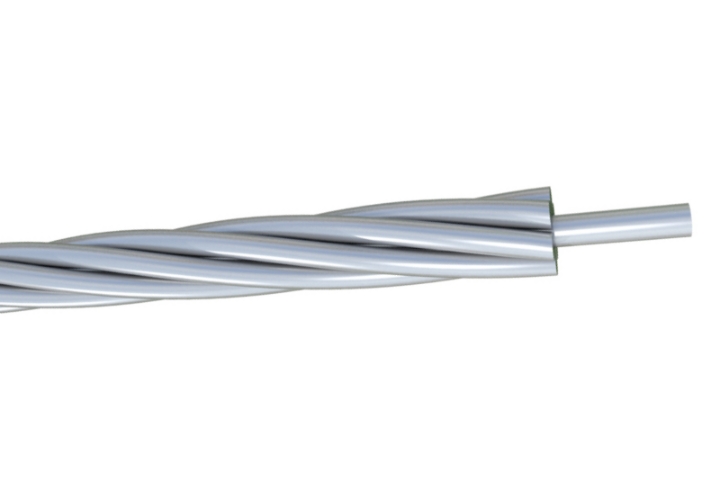
6 Gauge Galvanized Steel Conductor Wire
The 6 Gauge Galvanized Steel Conductor Wire is a premium high-strength bare steel wire designed for overhead power line applications. Manufactured with heavy hot-dip zinc coating, this 6 AWG galvanized conductor provides exceptional corrosion resistance and long service life in harsh outdoor environments. It offers high tensile strength and reliable mechanical performance, making it ideal for use as overhead ground wire (static wire), guy wire, or messenger wire. Compliant with ASTM A475 and related standards, the 6 Gauge Galvanized Steel Conductor Wire undergoes rigorous testing from raw materials to finished product to ensure consistent quality, uniform zinc adhesion, and superior breaking strength. Its durable construction minimizes maintenance while delivering dependable protection and support for transmission and distribution lines.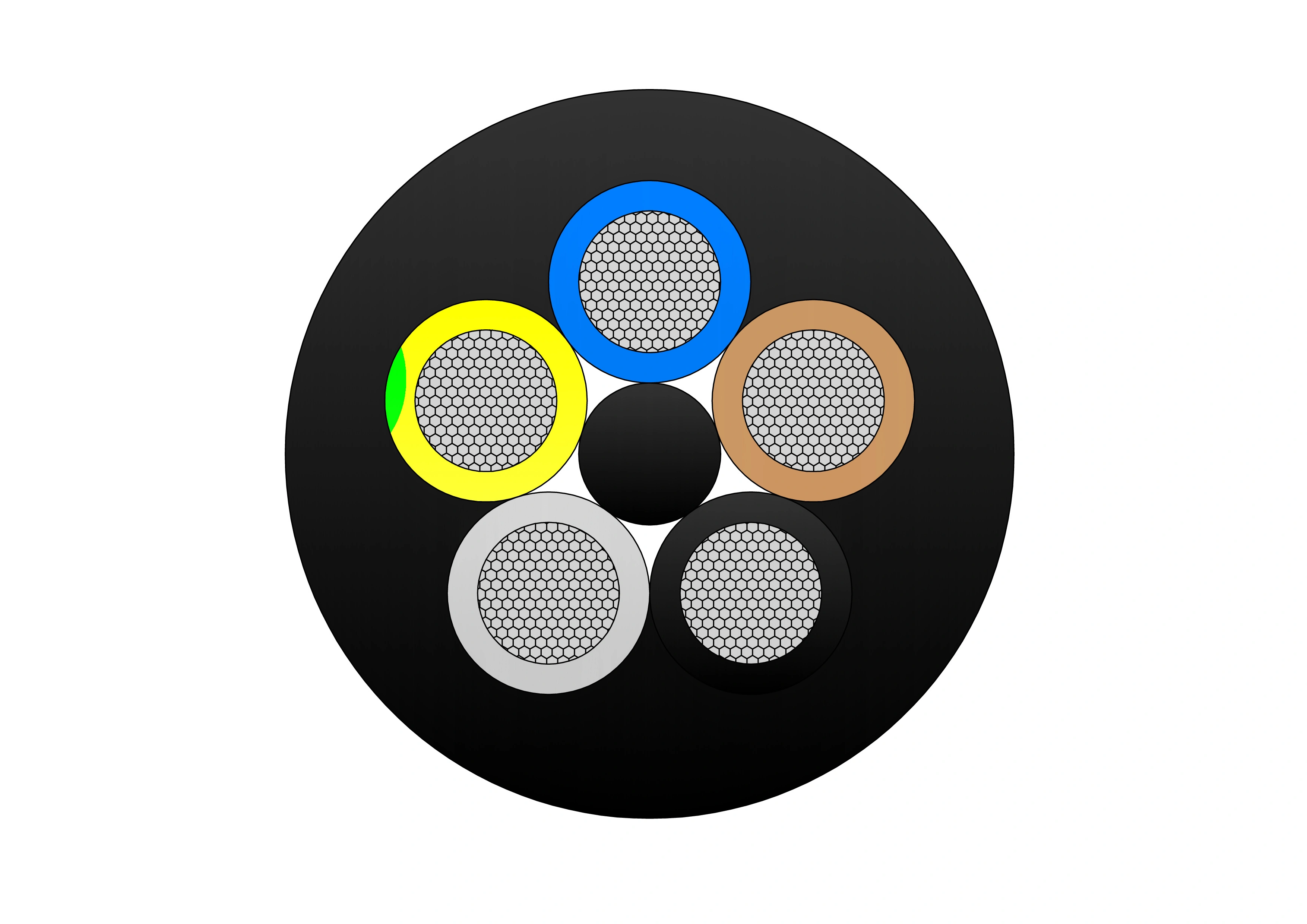
Type 441 Flexible Semi-Conductive Screened Mining Cable
The Type 441 Flexible Semi-Conductive Screened Mining Cable is a medium-voltage rubber-insulated cable engineered for harsh mining applications. It features tinned annealed copper conductors, EPR insulation, and semi-conductive screening for optimal electrical performance. Designed with three earth/protective cores and one pilot core, it is ideal for powering draglines, shovels, and drills, as well as for trailing and reeling uses in mining and industrial environments. Its HD-CSP extra heavy-duty outer sheath delivers oil resistance, flame retardancy, and high mechanical durability, ensuring long service life in demanding operational conditions. Compliant with AS/NZS 2802 and related standards, this cable provides reliable performance under extreme stress. The flexible construction of the Type 241 mining cable allows repeated bending and movement without compromising electrical performance. Manufactured under a strict quality management system, the cable undergoes comprehensive raw material testing, process inspection, and finished product testing to ensure compliance with mining standards and long-term operational reliability.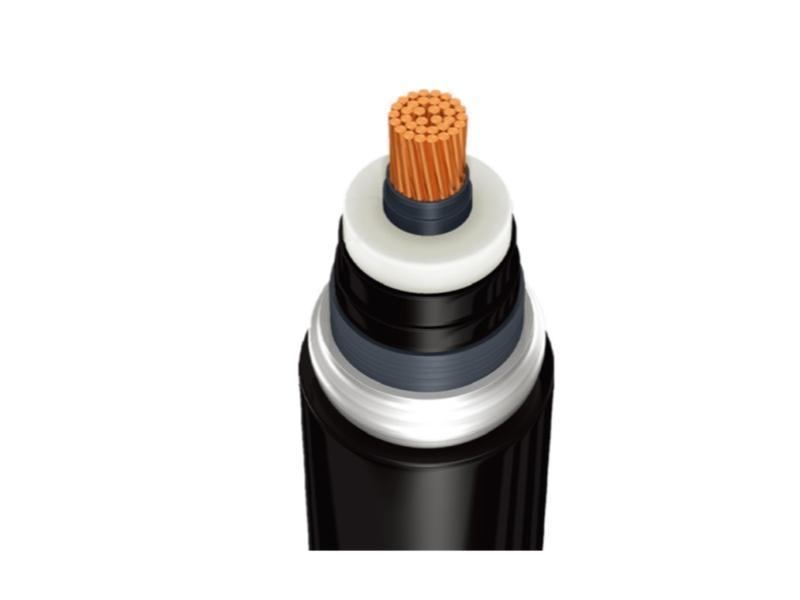
High Voltage Power Cable
NPC Electric High Voltage Power Cable is engineered for reliable transmission of electricity at voltages from 35kV to 500kV. Featuring copper or aluminum conductors, cross-linked polyethylene (XLPE) insulation, metallic screening, and a robust outer sheath, this cable minimizes losses and ensures long-term performance in demanding environments. Designed to meet international standards like IEC 60840 and IEC 62067, it offers excellent electrical properties, mechanical strength, and resistance to moisture, chemicals, and thermal stress. Whether for underground burial, submarine applications, or overhead lines, our High Voltage Power Cable delivers superior efficiency and safety. With low dielectric losses and high breakdown strength, it supports modern power grids, renewable energy integration, and industrial power distribution. Choose our cables for minimal maintenance, extended service life, and compliance with global safety norms.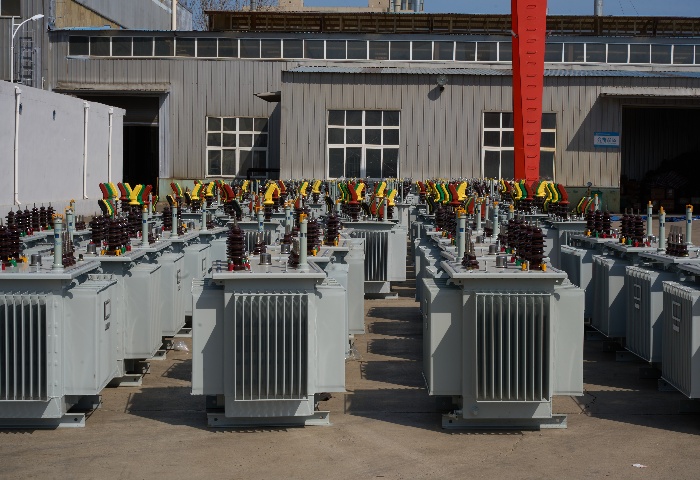
150kVA Oil Immersed Transformer
NPC ELECTRIC's 150kVA Oil Immersed Transformer is a compact and efficient power distribution solution designed for low to medium load applications. Utilizing a traditional oil-immersed insulation system, the transformer delivers stable dielectric performance and effective heat dissipation, ensuring reliable operation under continuous service conditions. The optimized core and winding structure reduces energy loss while maintaining consistent voltage output, making it suitable for decentralized power networks. With low operating noise and dependable overload capability, the transformer supports stable power supply for residential, commercial, and light industrial users. Its compact footprint and proven oil-filled technology make it an economical and practical choice for localized power distribution systems.
GYTS Fiber Optic Cable
The GYTS Fiber Optic Cable is engineered for outdoor communication applications requiring reliable optical transmission and enhanced mechanical protection. Featuring a stranded loose tube design, central strength member, water-blocking filling compound, aluminum moisture barrier, corrugated steel tape armor, and PE outer jacket, the cable provides outstanding performance in challenging environments. The gel-filled loose tubes protect optical fibers from moisture ingress and mechanical stress while maintaining stable transmission characteristics. The APL moisture barrier prevents water penetration, and the PSP steel tape armor enhances crush resistance, impact protection, and rodent resistance. The UV-resistant PE sheath ensures excellent resistance to weathering, chemicals, and environmental aging. Manufactured according to IEC 60794 and ITU-T standards, the GYTS Fiber Optic Cable is widely used in telecommunications networks, utility communication systems, broadband deployment projects, and industrial communication infrastructure. The cable offers a cost-effective and highly durable solution for outdoor fiber optic network installations.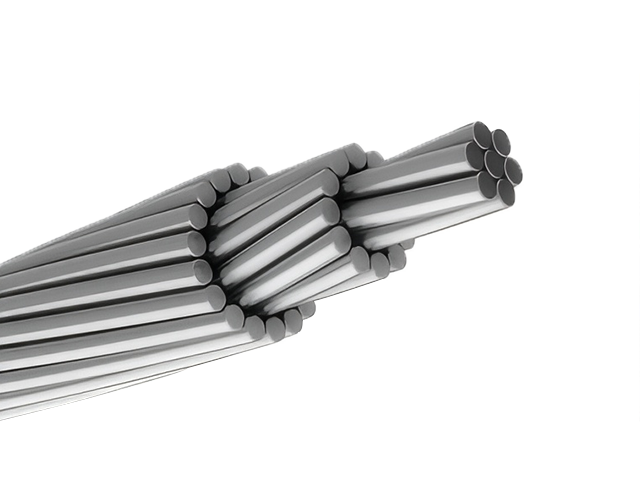
Penguin ACSR Conductor Cable
The ACSR Penguin is an Aluminium Conductor Steel Reinforced (ACSR) designed with a robust steel core surrounded by layers of high-conductivity aluminium wires, adhering to ASTM B232 standards. It features a stranded steel core surrounded by layers of aluminum conductors, combining excellent tensile strength with efficient current-carrying capability. The steel core provides superior load-bearing capacity, while the aluminum strands ensure low electrical resistance and reduced line losses. This balanced construction allows the Penguin ACSR Conductor Cable to withstand long spans, high wind loads, and varying environmental conditions. Manufactured in accordance with relevant ASTM and IEC standards, it offers stable performance, ease of installation, and long service life. The conductor is widely adopted in overhead transmission lines where durability, economy, and mechanical reliability are critical.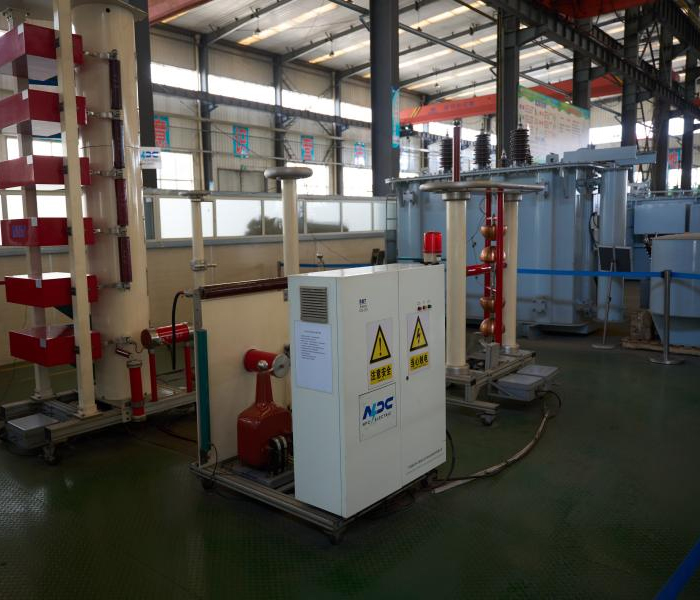
Step Up Dry Type Transformer Copper Winding High Overload Capacity
The Step Up Dry Type Transformer Copper Winding High Overload Capacity is a robust, oil-free power solution designed to increase (step up) voltage from lower primary levels to higher secondary outputs for efficient power transmission in indoor applications. This three-phase cast resin dry type transformer features premium high-conductivity copper windings fully encapsulated in epoxy resin under vacuum pressure, paired with low-loss grain-oriented silicon steel cores to achieve superior energy efficiency (typically 98%+), minimal no-load and load losses, and excellent partial discharge performance (<10pC). Compliant with IEC 60076-11, IEEE/ANSI, and relevant efficiency standards, this transformer commonly steps up voltages such as 0.4kV/480V primary to 6.6kV, 11kV, 13.8kV, 22kV, or 35kV secondary (Dyn11 or custom vector group), with capacities from 100kVA to several MVA, making it ideal for renewable energy systems, generator step-up, industrial processes, and utility indoor substations prioritizing safety, sustainability, and overload resilience.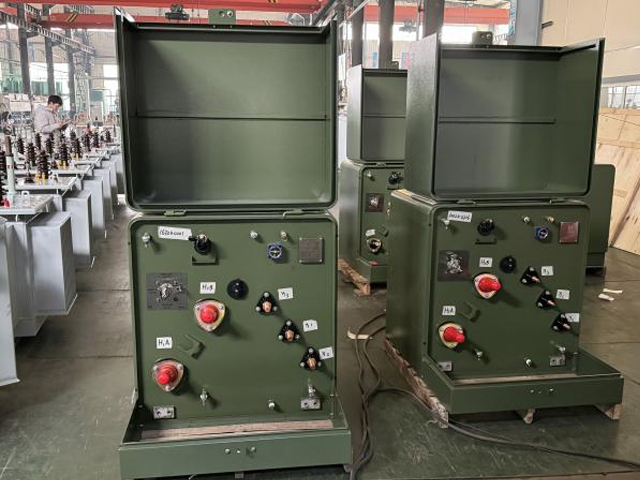
100kVA Conventional Type Single Phase Pole Mounted Transformer
NPC ELECTRIC has been specialized in manufacturing 100kVA Single Phase pole Mounted transformer for more than 20 years, which complies with international standards such as ANSI/IEEE C57, IEC60076 and other standards. Its main function is to convert high voltage electricity (such as 11kV, 13.8kV, etc.) into low voltage electricity (such as 120V/240V), providing stable and reliable power supply to end users. It is suitable for residential, commercial, agricultural and small industrial loads. Standard features include mineral oil insulation (ONAN cooling), aluminum or copper windings, primary voltages 2.4kV–34.5kV grounded wye or delta (common: 7200/12470GrdY, 7620/13200GrdY, 12470GrdY/7200, 24940GrdY/14400, 34500GrdY/19920), secondary 120/240V or 240/120V split-phase (options for 277V or custom), BIL ratings 95–150kV HV / 30kV LV, impedance typically 2.0–4.5%, ±2×2.5% or 5-position tap changer, conventional or CSP (completely self-protected) configurations with internal fuses, lightning arresters, weak-link protection, pressure relief valve, oil sight gauge, and ANSI 70 gray tank finish. Efficiency typically reaches 99.25–99.29% at 50% load per DOE levels (with 2029 amendments targeting further reductions in losses for units >100 kVA), with low sound levels and corrosion-resistant hardware for extended outdoor service.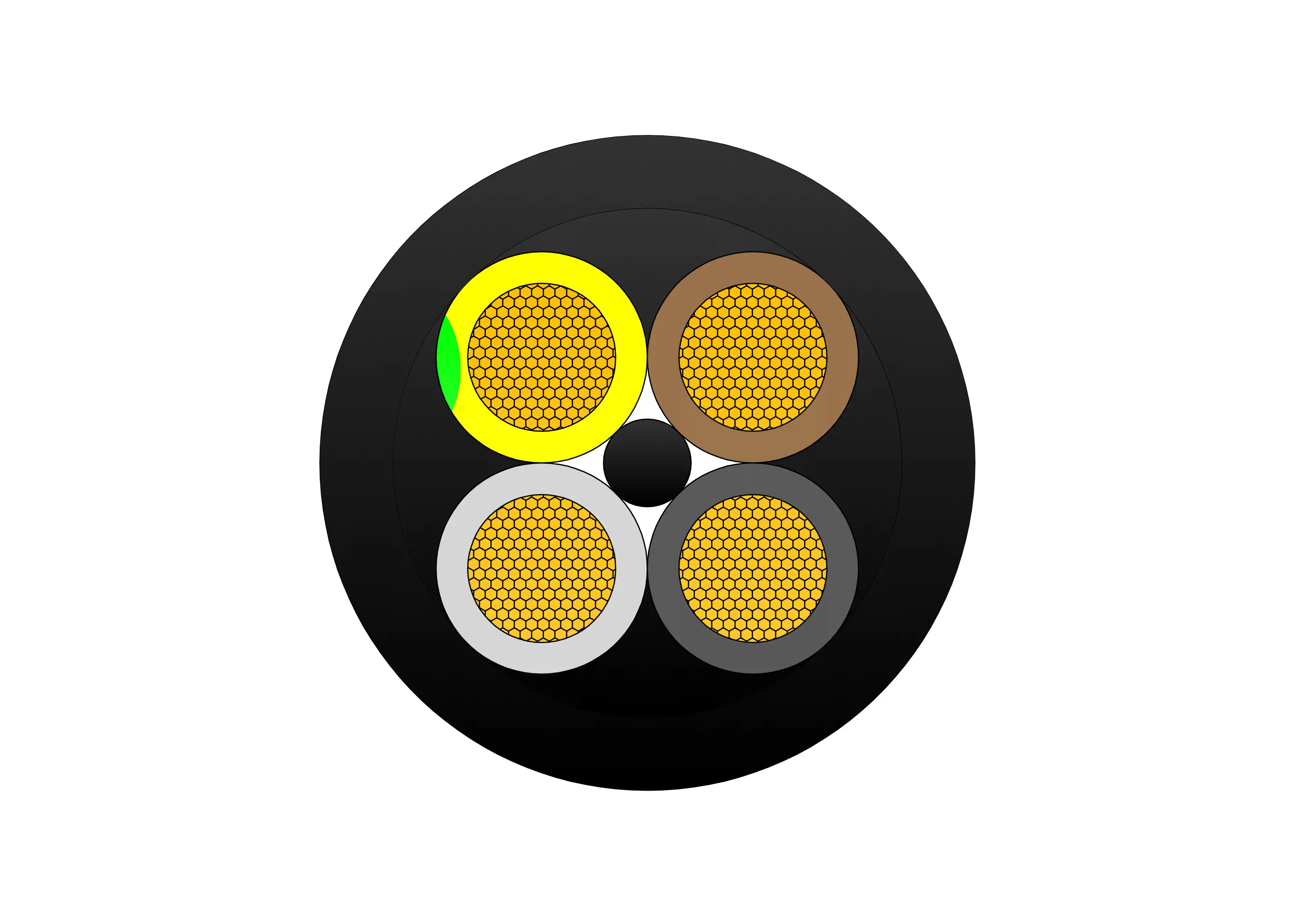
H07RN-F AD8 EN 50525-2-21 Flexible Rubber Cable
The H07RN-F AD8 EN 50525-2-21 Flexible Rubber Cable is a versatile, heavy-duty flexible cable designed for demanding applications in harsh environments. It features fine-stranded class 5 bare copper conductors for excellent flexibility and conductivity, EPR (ethylene propylene rubber) core insulation for high dielectric strength and thermal resistance (90°C continuous, 250°C short-circuit), an overall tinned copper braid screen (optional for some variants), and a robust polychloroprene (neoprene) outer sheath providing superior oil resistance, flame retardancy (IEC 60332-1), abrasion/chemical resistance, and weatherproofing. The AD8 rating ensures submersible performance up to 10 meters depth for continuous use in wet or underwater conditions. Compliant with EN 50525-2-21 and VDE 0285 standards, it offers mechanical robustness, ozone resistance, and long service life. The H07RN-F AD8 is ideal for mobile equipment, construction sites, mining, marine applications, and industrial power supply where flexibility, water immersion, and safety are critical.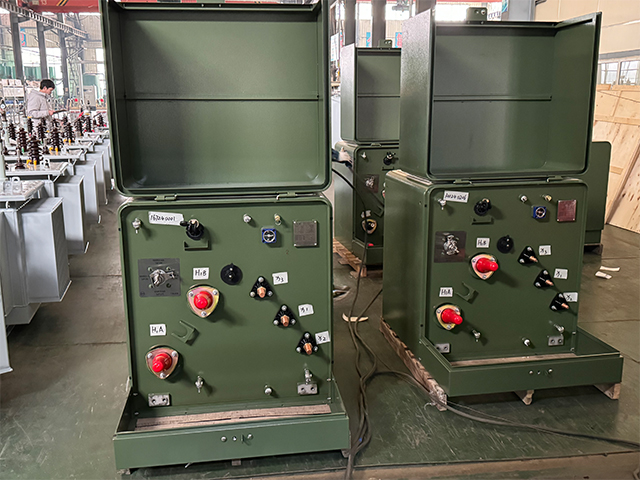
75kVA Single Phase Pad Mounted transformer
The 75kVA single phase pad mounted transformer is designed for medium-capacity underground residential and light commercial distribution, transforming primary voltages such as 12470GrdY/7200, 24940GrdY/14400, 34500GrdY/19920, or dual-voltage setups to secondary 120/240V split-phase or 240V. The compartmental dead-front enclosure with tamper-resistant doors, mineral oil insulation, and ONAN cooling supports a 65°C temperature rise for dependable performance under residential peak demands.
NS75/NS90 Quadruplex Unjacketed Overhead Neutral Supported Cable
NS75/NS90 Quadruplex Unjacketed Overhead Neutral Supported Cable is designed to deliver three-phase power from secondary overhead power lines or pole-mounted transformers directly to the service entrance conductors of a building or structure. Rated for 600V systems, this cable combines durability, conductivity, and thermal performance, making it ideal for residential, commercial, and light industrial power distribution. Featuring three XLPE-insulated aluminum phase conductors (75 mm² or 95 mm²) supported by a bare neutral messenger (ACSR or AAAC) without an overall jacket, it offers excellent mechanical strength and weather resistance. Compliant with AS/NZS 3560, IEC, and utility standards, this cable supports 600/1000V applications with superior UV, moisture, and tracking protection. The unjacketed design reduces weight and cost while maintaining integrity for spans up to 100m. The NS75/NS90 Quadruplex Unjacketed Overhead Neutral Supported Cable ensures low sag, easy installation, and long-term reliability in harsh conditions.
11/0.4kV 630kVA Oil-Immersed Power Transformer Distribution Type
Discover our premium 11/0.4kV 630kVA Oil-Immersed Power Transformer, engineered for superior high-efficiency distribution in modern electrical grids. This robust transformer features advanced silicon steel cores that minimize energy losses, ensuring up to 98% efficiency under full load. Ideal for urban and rural power networks, it incorporates eco-friendly insulating oil with high dielectric strength, providing reliable voltage step-down from 11kV to 0.4kV while handling demanding loads up to 630kVA. Built with corrosion-resistant tanks and precision-wound copper coils, this distribution transformer guarantees long-term durability, reduced maintenance, and compliance with international standards like IEC 60076. Whether for residential complexes, commercial facilities, or industrial applications, it optimizes power delivery, lowers operational costs, and supports sustainable energy practices. Experience unmatched performance with this high-efficiency oil-immersed transformer designed for seamless integration into your power system.Welcome your inquiry
Honesty, Integrity, Frugality, Activeness and Passion