


Isolation Transformer
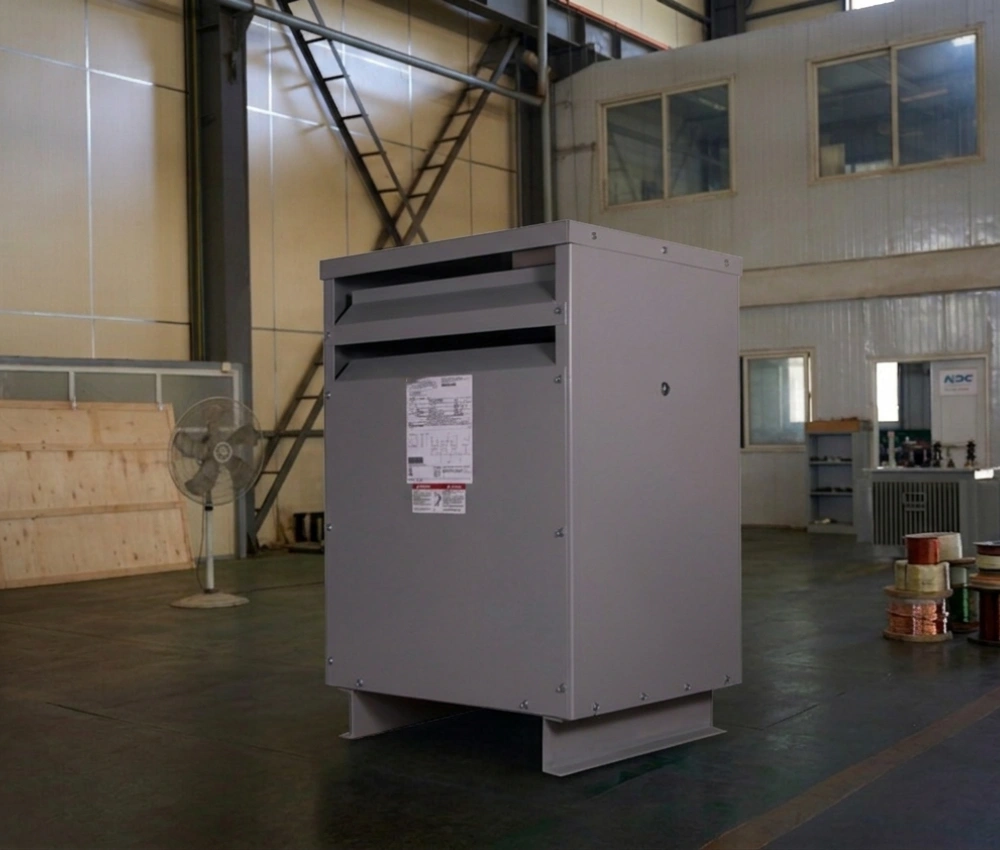
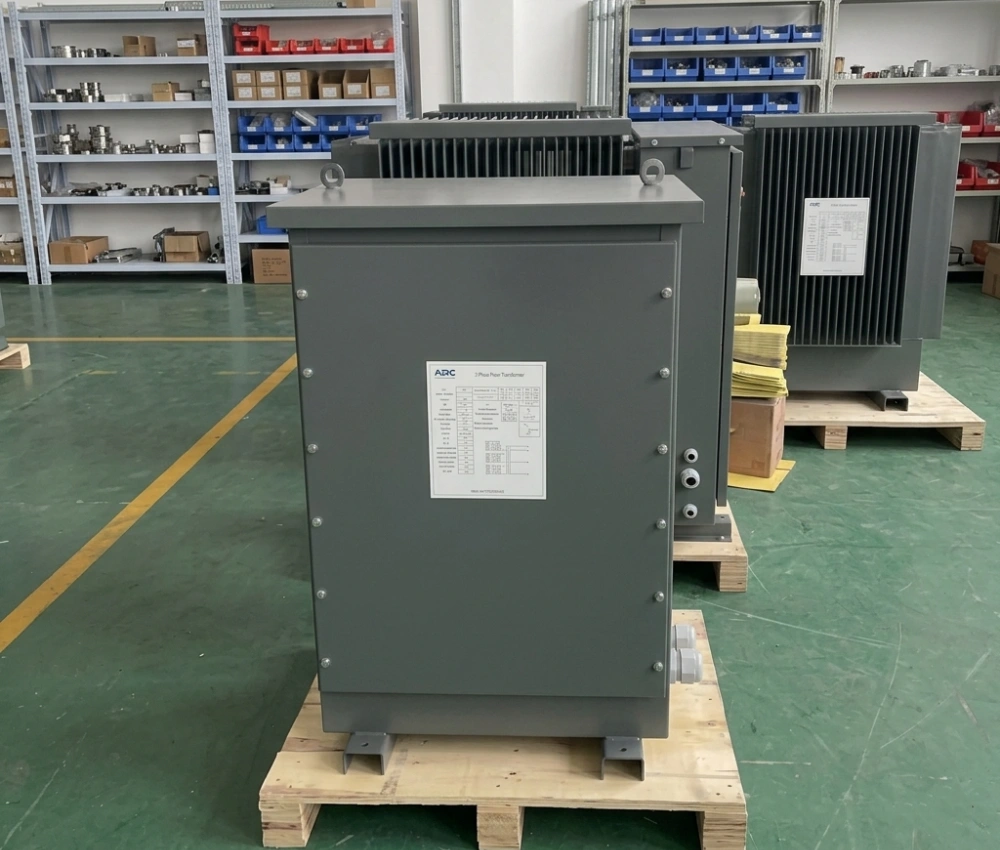
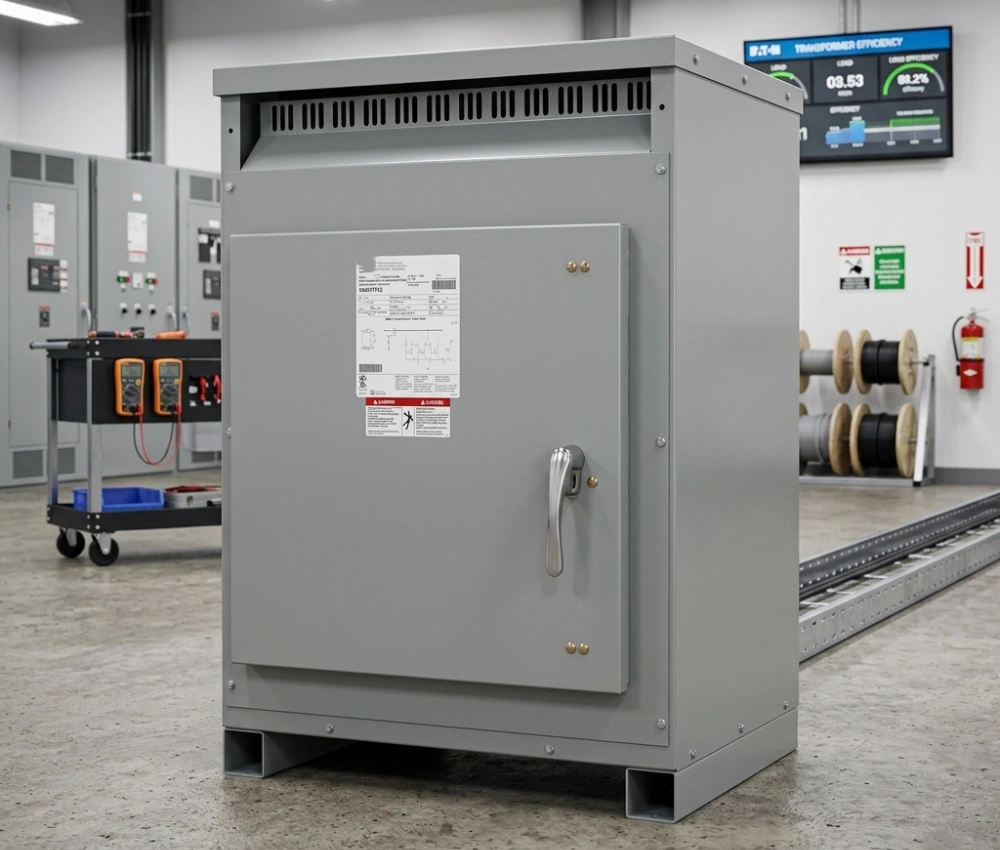
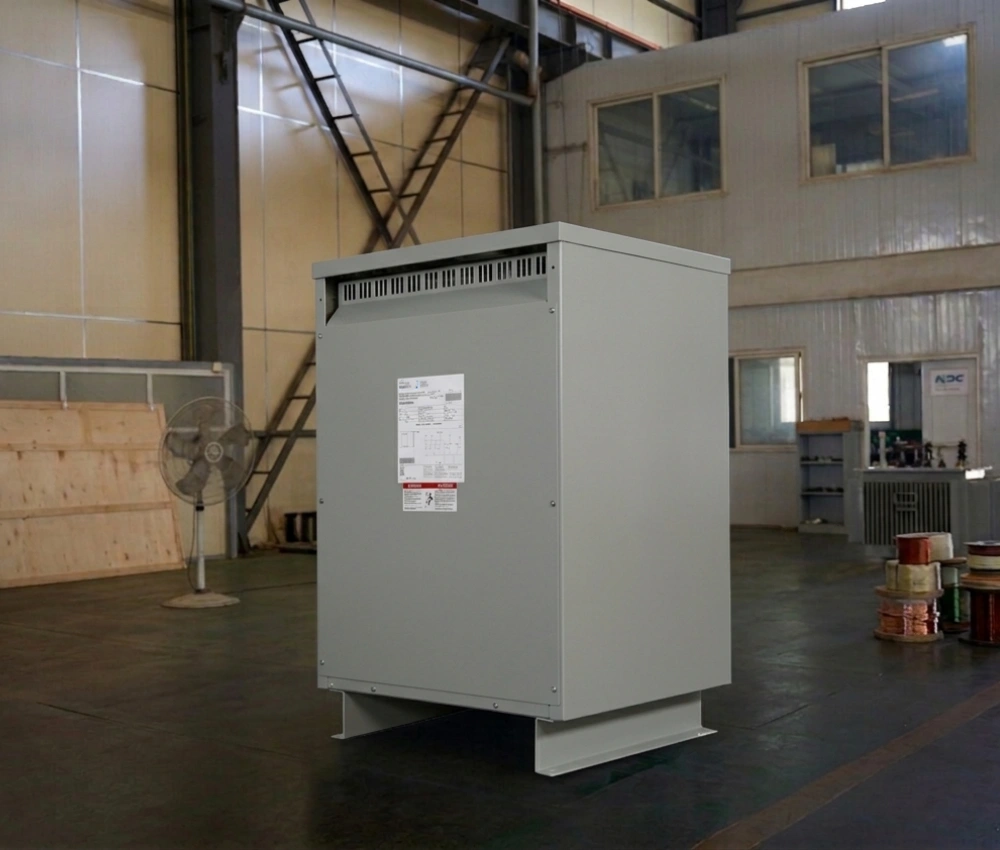
The Isolation Transformer is a specialized power transformer designed to electrically separate the primary and secondary circuits while maintaining efficient power transfer. By eliminating direct electrical connections between input and output systems, the transformer effectively reduces electrical noise, suppresses common-mode interference, improves power quality, and enhances operational safety for critical equipment and sensitive electronic systems. It is widely utilized in industrial automation, healthcare facilities, data centers, telecommunications infrastructure, laboratory environments, and renewable energy systems where stable and clean power supply is essential. Available in single-phase and three-phase configurations, the transformer supports various voltage conversion requirements while delivering long-term reliability under continuous operating conditions. The Isolation Transformer can be integrated into modern power distribution networks, automation systems, and mission-critical electrical installations. With customizable winding configurations, enclosure options, and intelligent monitoring capabilities, the transformer offers flexible solutions for demanding industrial and commercial power applications while ensuring compliance with international electrical safety standards.
- Primary Voltage Ratings 220V – 35kV
- Type Isolation Transformer
- Standards IEC 60076 / IEEE / ANSI
- Application renewable energy systems, airport electrical networks
- Power Rating 1kVA – 5000kVA
- Certificate UL, CESI, IEEE
- Cooling Method ONAN / ONAF
Technical Specifications
Customization Optional
Packing and Shipping
Manufacturer Test
Routine Testing
Application
Technical Specifications
Isolation Transformer
Isolation Transformer Data Sheet
| Parameter | Specification |
| Product Type | Isolation Transformer |
| Transformer Type | Dry Type / Cast Resin / Oil Immersed |
| Phase Configuration | Single Phase / Three Phase |
| Rated Capacity | 1kVA – 5000kVA |
| Primary Voltage | 220V – 35kV |
| Secondary Voltage | Customized |
| Rated Frequency | 50Hz / 60Hz |
| Voltage Regulation | ≤ 3% |
| Efficiency | Up to 99% |
| Insulation Class | B / F / H |
| Dielectric Strength | According to IEC Standards |
| Impedance Voltage | Customized |
| Cooling Method | AN / AF / ONAN |
| Winding Material | Copper / Aluminum |
| Core Material | CRGO Silicon Steel |
| Noise Level | ≤ 55 dB – 75 dB |
| Temperature Rise | 80K / 100K / 125K |
| Protection Degree | IP20 / IP23 / IP44 / IP54 |
| Harmonic Suppression | Optional |
| Electrostatic Shield | Optional Copper Shield |
| Monitoring System | Optional Digital Monitoring |
| Operating Temperature | -25°C to +55°C |
| Relative Humidity | ≤ 95% |
| Installation Altitude | Up to 5000m |
| Service Life | More than 30 Years |
| Applicable Standards | IEC 60076 / IEEE / ANSI |
Customization Optional
Isolation Transformer
The Isolation Transformer can be fully customized to satisfy specific project requirements, electrical system configurations, and environmental operating conditions. Customers may select various power capacities, voltage ratios, winding materials, insulation classes, cooling methods, and enclosure structures depending on the intended application. Single-phase and three-phase transformer configurations are available for industrial automation systems, medical facilities, telecommunications networks, data centers, laboratory equipment, renewable energy installations, and commercial power distribution projects. Optional electrostatic shielding between primary and secondary windings can further improve electromagnetic interference suppression and enhance sensitive equipment protection.
Additional customization options include temperature monitoring systems, intelligent communication modules, remote condition monitoring platforms, harmonic filtering solutions, low-noise designs, and enhanced insulation systems for harsh operating environments. The transformer enclosure can be manufactured using galvanized steel, stainless steel, or weatherproof outdoor structures depending on installation requirements. Customers may also specify custom terminal arrangements, cable entry positions, grounding systems, anti-corrosion coatings, and project-specific branding requirements. These flexible engineering options ensure the isolation transformer can seamlessly integrate into modern electrical infrastructures while providing superior power quality and electrical isolation performance.
Packing and Shipping
Isolation Transformer
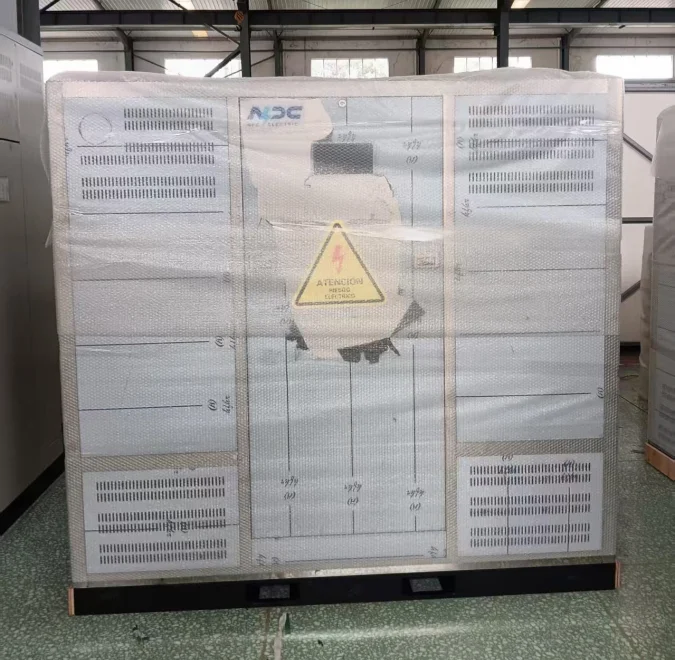
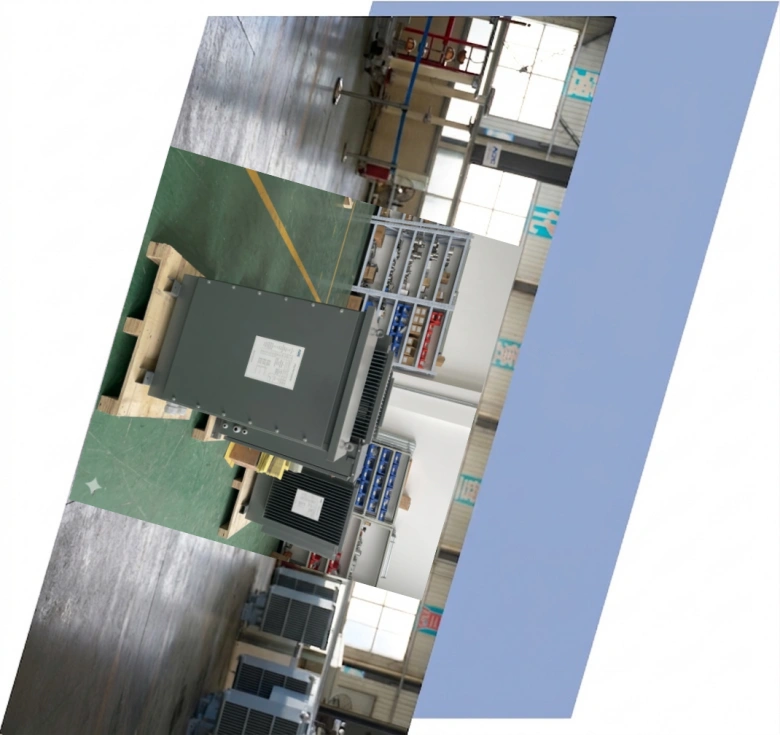
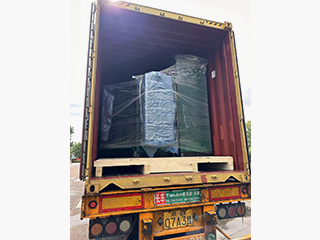
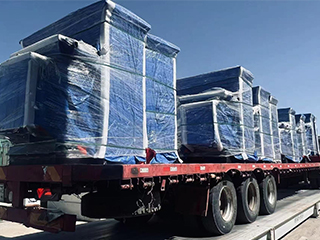
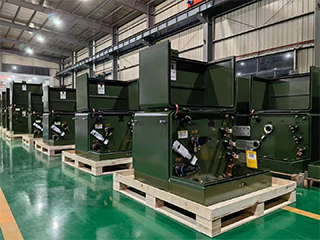
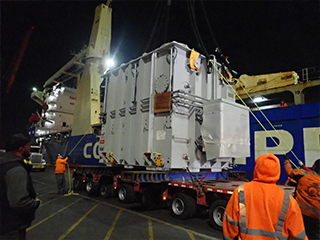
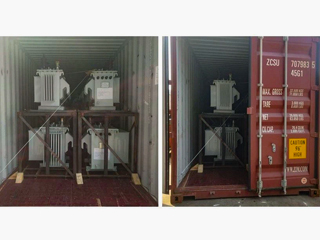
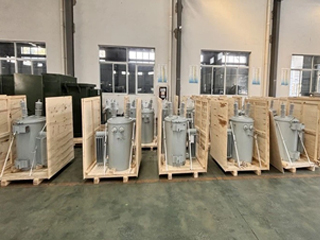
The Isolation Transformer is packaged using heavy-duty export protection procedures designed to ensure maximum safety during transportation, handling, storage, and international shipment. Prior to packaging, each transformer undergoes a comprehensive quality inspection that includes structural verification, winding protection assessment, insulation examination, coating inspection, and accessory security checks. All electrical terminals, monitoring devices, and auxiliary components are carefully protected against moisture, dust, vibration, and mechanical impact during transit.
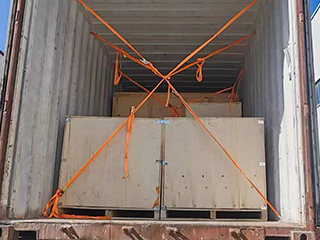
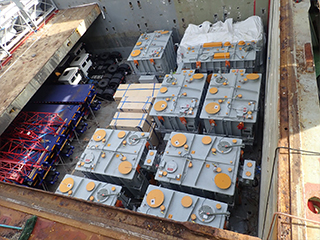
For medium and large-capacity transformers, the active parts and structural components are securely reinforced using industrial transportation supports and anti-vibration fixtures. Core assemblies, winding structures, cooling components, and terminal systems are fixed to prevent movement during road, rail, sea, or multimodal transportation. Moisture-resistant wrapping materials, industrial waterproof barriers, and protective packaging films are applied to safeguard the transformer against environmental exposure throughout the logistics process.
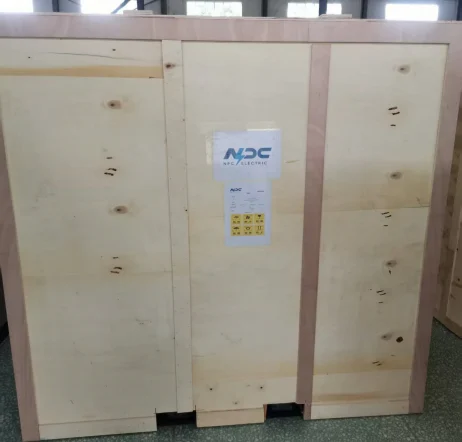
Packaging methods can be customized according to transportation routes and destination requirements. Available solutions include fumigation-free wooden crates, steel-frame packaging systems, skid-mounted transportation bases, and reinforced export containers. For offshore projects, mining operations, tropical regions, and long-distance international shipments, additional corrosion protection treatments, anti-condensation measures, and marine-grade packaging solutions are available. These measures help preserve transformer performance and appearance throughout extended transportation periods.
Shipping documentation generally includes factory inspection reports, transformer test certificates, operation and maintenance manuals, packing lists, nameplate records, wiring diagrams, quality assurance documentation, and export compliance certificates. Additional project-specific documentation can also be supplied upon request. The complete packing and shipping process is designed to ensure the transformer arrives in optimal condition and is ready for installation upon delivery.
For medium and large-capacity transformers, the active parts and structural components are securely reinforced using industrial transportation supports and anti-vibration fixtures. Core assemblies, winding structures, cooling components, and terminal systems are fixed to prevent movement during road, rail, sea, or multimodal transportation. Moisture-resistant wrapping materials, industrial waterproof barriers, and protective packaging films are applied to safeguard the transformer against environmental exposure throughout the logistics process.
Packaging methods can be customized according to transportation routes and destination requirements. Available solutions include fumigation-free wooden crates, steel-frame packaging systems, skid-mounted transportation bases, and reinforced export containers. For offshore projects, mining operations, tropical regions, and long-distance international shipments, additional corrosion protection treatments, anti-condensation measures, and marine-grade packaging solutions are available. These measures help preserve transformer performance and appearance throughout extended transportation periods.
Shipping documentation generally includes factory inspection reports, transformer test certificates, operation and maintenance manuals, packing lists, nameplate records, wiring diagrams, quality assurance documentation, and export compliance certificates. Additional project-specific documentation can also be supplied upon request. The complete packing and shipping process is designed to ensure the transformer arrives in optimal condition and is ready for installation upon delivery.
32
32 years of industry experience
Manufacturer Test
Isolation Transformer
Progress Test
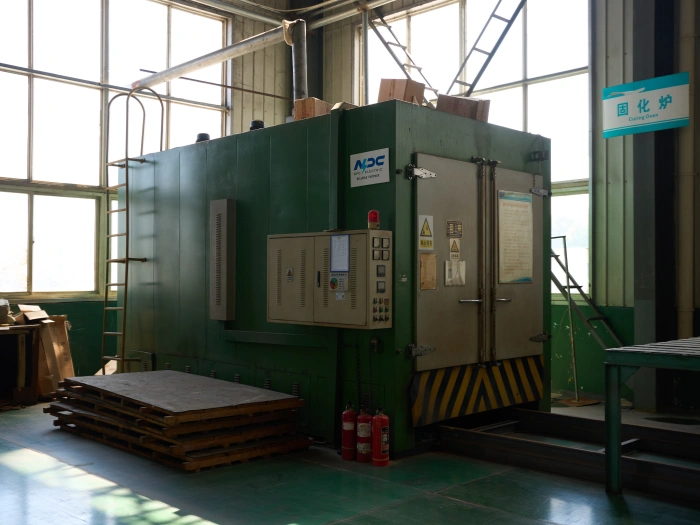
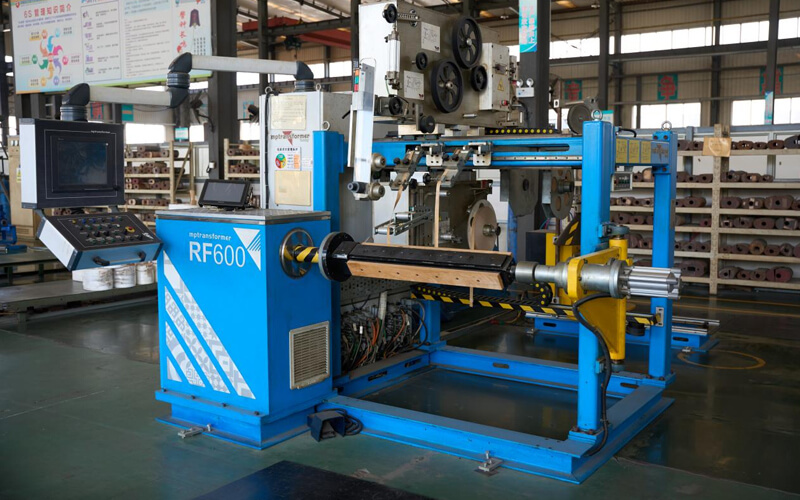
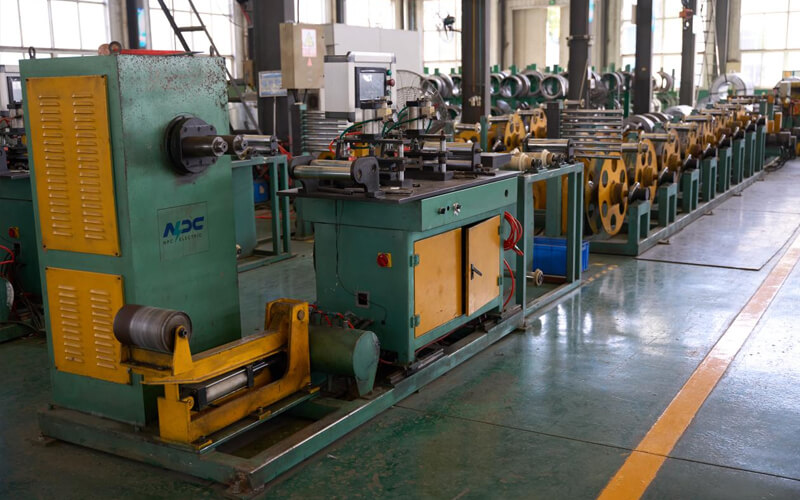
The Isolation Transformer production process incorporates a structured quality control program that monitors every major manufacturing stage. Initial inspections focus on raw material certification, silicon steel core evaluation, winding conductor verification, insulation system examination, and enclosure fabrication assessments. These inspections ensure all materials comply with design specifications and international transformer manufacturing standards. As production progresses, engineers conduct detailed inspections of winding assembly accuracy, insulation positioning, mechanical fastening systems, terminal installation quality, and magnetic core alignment. Specialized instruments are used to measure winding resistance, conductor integrity, and insulation clearances. Additional inspections verify grounding continuity, enclosure strength, ventilation pathways, and accessory installation accuracy to ensure safe and reliable transformer operation.
Design Tests
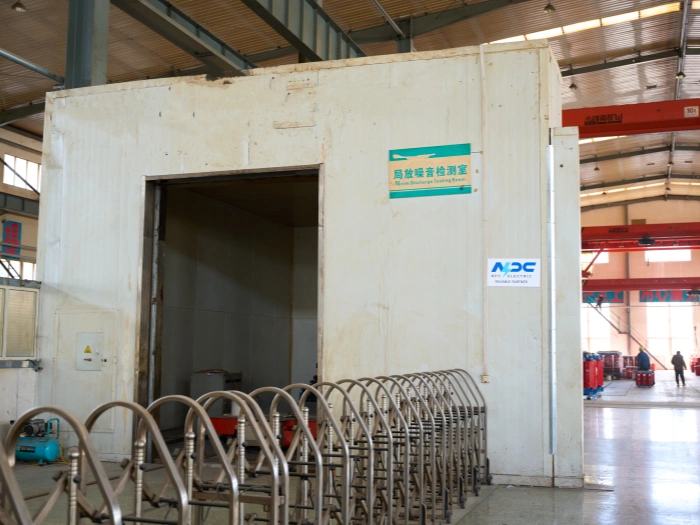
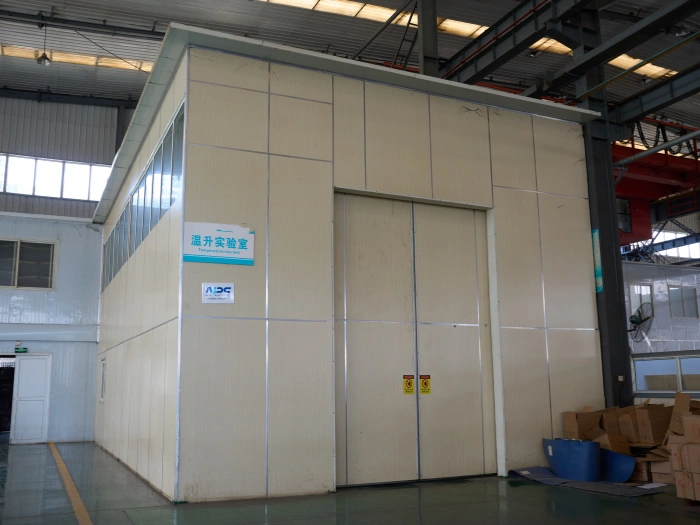
All transformers will be tested after production is finished. Test items are as follows:
♦ Insulation Power Factor
♦ Ratio, Polarity, and Phase Relation
♦ Winding Resistance
♦ Impulse Tests
♦ Transformer Turns Ratio/TTR (All Tap Voltages)
♦ Impedance Voltage & Load Loss (Rated Voltage)
♦ Polarity, 1-Ph / Phase Relation, 3-Ph (Rated Voltage)
♦ Excitation & No-Load Loss (Rated Voltage)
♦ Insulation Resistance (Rated Voltage)
♦ Temperature Rise
♦ Dielectric Withstand (Hipot)
Factory Acceptance Test
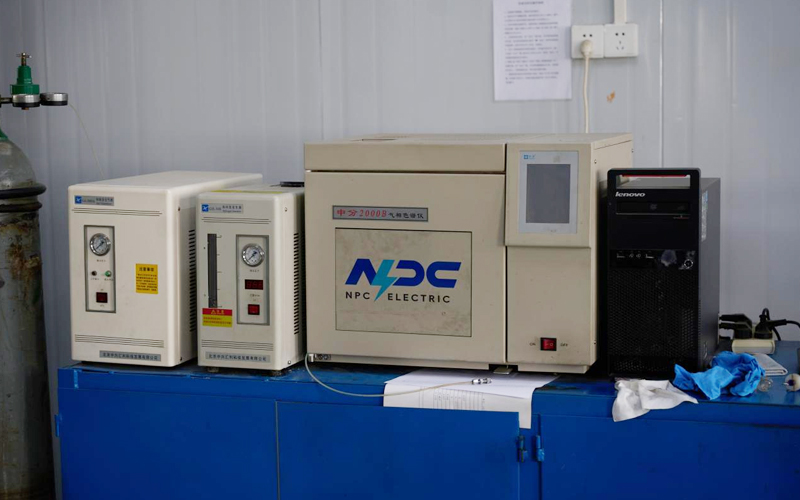
The Factory Acceptance Test for the Isolation Transformer is conducted to verify electrical performance, safety characteristics, and manufacturing quality before shipment. All testing activities are performed using calibrated equipment and internationally recognized testing procedures. The objective is to ensure the transformer operates safely, efficiently, and reliably under rated operating conditions. Routine FAT procedures include winding resistance measurement, transformer turns ratio verification, polarity testing, insulation resistance measurement, dielectric withstand testing, and induced voltage testing. These tests confirm winding integrity, insulation performance, voltage transformation accuracy, and overall electrical reliability. No-load current measurements and no-load loss evaluations are also performed to assess magnetic circuit performance and operational efficiency.
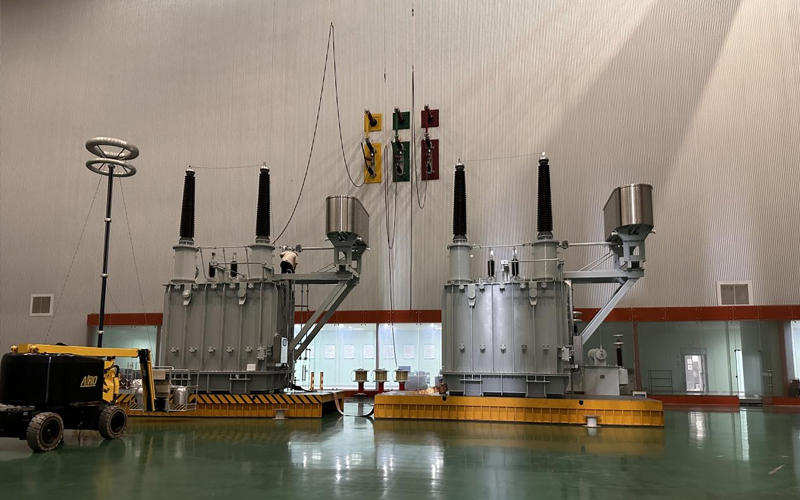
Routine Test - Impulse Tests
Purpose of Testing
The purpose of Impulse Tests is to verify the insulation strength of electrical equipment when it is subjected to lightning strikes or switching overvoltages. By applying high-energy impulse voltages, it is possible to detect potential defects in the insulation system.
Testing Equipment
Impulse voltage generator (e.g. Haefely, Hipotronics, Tettex, etc.)
Voltage divider (used to measure impulse voltage waveform, resistor divider or capacitor divider)
Oscilloscope (used to record impulse waveform, common brands such as Tektronix, Keysight)
Voltage divider (used to measure impulse voltage waveform, resistor divider or capacitor divider)
Oscilloscope (used to record impulse waveform, common brands such as Tektronix, Keysight)
Pre-Test Preparation
Please test under suitable environmental conditions: relative humidity less than 65%, no rain or condensation (recommended temperature: 15-30°C).
Calibrate and check the impulse voltage generator, measurement system, and control system to ensure that the instruments and equipment are in good condition and meet the test standards.
Calibrate and check the impulse voltage generator, measurement system, and control system to ensure that the instruments and equipment are in good condition and meet the test standards.
Test Progress
Connect the Test Instrument:
Connect the impulse voltage generator correctly to each winding terminal (high voltage terminal, ground terminal) of the device under test, and ensure that all test instruments are well grounded.
Apply Test Voltage:
Select the appropriate impulse voltage waveform and amplitude according to the rated voltage of the equipment
Connect the impulse voltage generator correctly to each winding terminal (high voltage terminal, ground terminal) of the device under test, and ensure that all test instruments are well grounded.
Apply Test Voltage:
Select the appropriate impulse voltage waveform and amplitude according to the rated voltage of the equipment
Measure and Record
Collect and record the impact waveform, including:
Front Time
Time to Half-Value
Peak Voltage
Distortion
Ambient temperature and humidity (especially when the test environment needs to be corrected)
Front Time
Time to Half-Value
Peak Voltage
Distortion
Ambient temperature and humidity (especially when the test environment needs to be corrected)
Waveform Correction
Check whether the impulse voltage waveform meets the specification requirements (wave head time 1.2μs ±30%, half-peak time 50μs ±20%).
If the waveform deviation is too large, adjust the impulse generator parameters and reapply the test.
If the waveform deviation is too large, adjust the impulse generator parameters and reapply the test.
Repeat Testing (if necessary)
Impact tests are performed for different phases and windings (HV/MV/LV).
In special cases, inter-winding impact, voltage-to-ground impact or coil corner impact are performed (according to the test plan).
In special cases, inter-winding impact, voltage-to-ground impact or coil corner impact are performed (according to the test plan).
Evaluation Criteria (Reference)
No internal insulation breakdown or flashover (detected by observing waveform continuity and audibly).
Waveforms are stable and meet standard specifications.
Waveform variations between repeated tests are minimal (usually good waveform overlap with no noticeable abnormal excursions).
Waveforms are stable and meet standard specifications.
Waveform variations between repeated tests are minimal (usually good waveform overlap with no noticeable abnormal excursions).
*These comprehensive tests ensure that each transformer meets performance standards and operates
reliably under various conditions.
Application
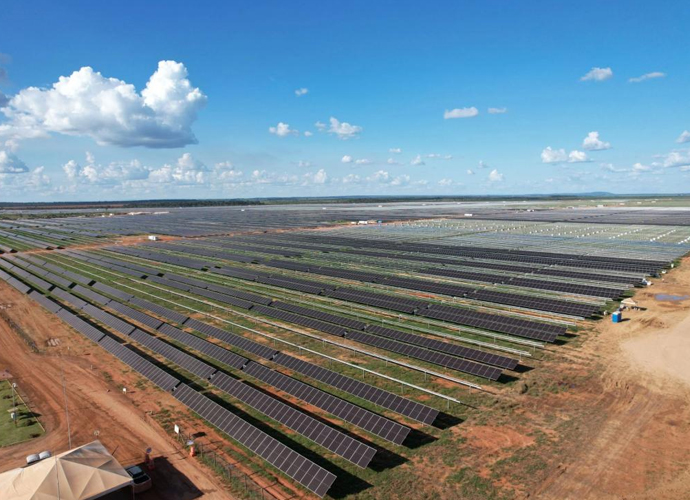
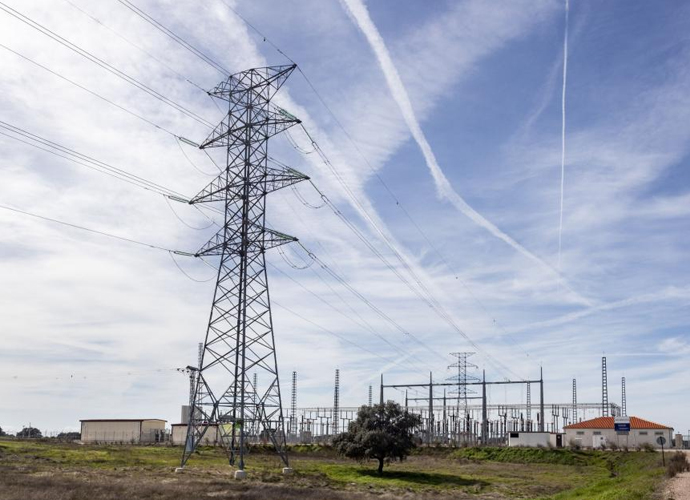
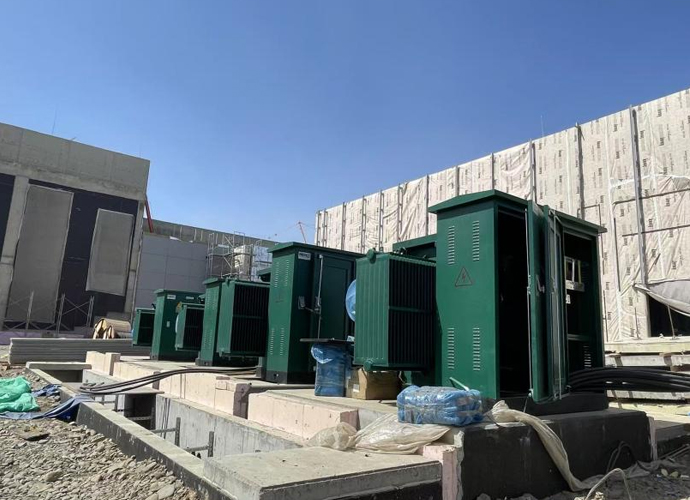
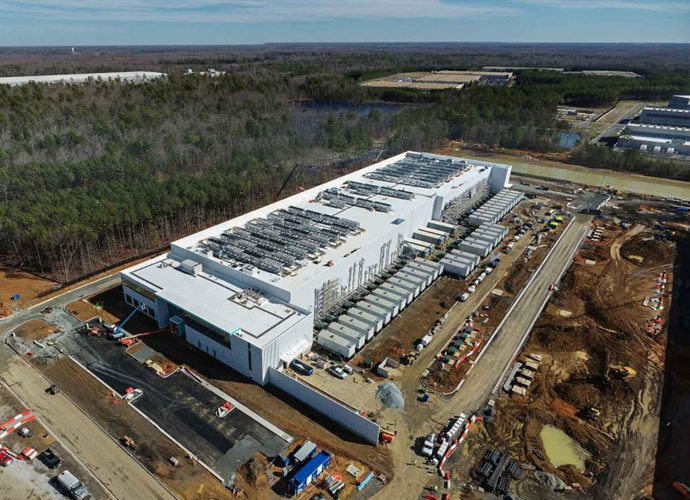
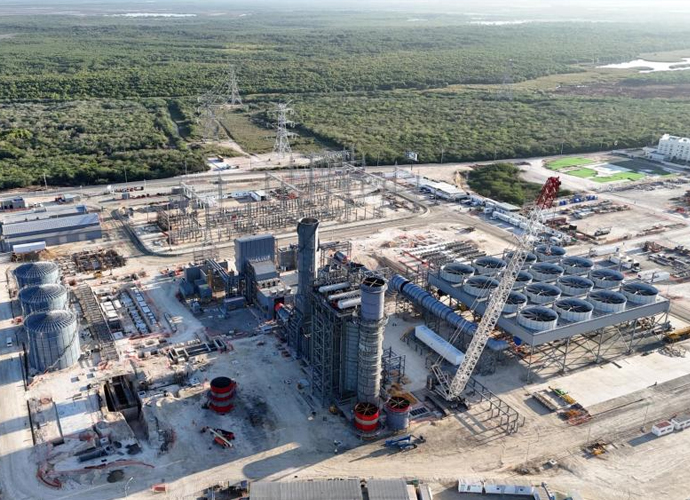
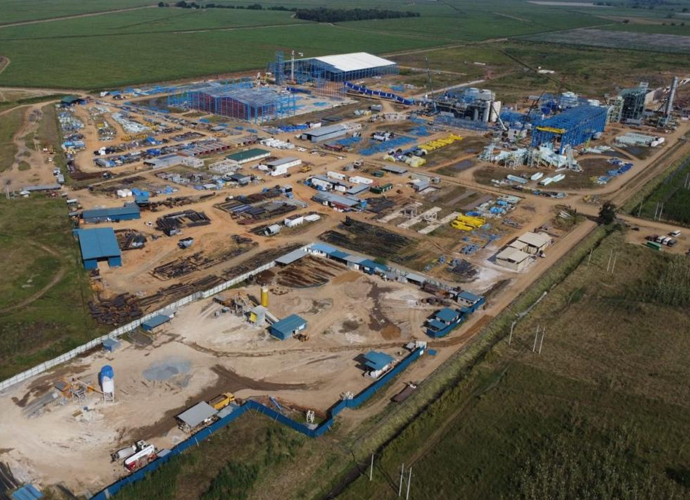
Widely used in renewable energy systems, airport electrical networks, railway signaling systems, military facilities, commercial buildings, control rooms, research centers, and precision electronic equipment installations.


Technical Advantages
● 30+ years of manufacturing experience
● ISO and UL certified production
● Customized cable and transformer solutions
Product Packaging
Transformers Packaging (1)
Transformers Packaging (2)
Transformers Packaging (3)
Transformers Packaging (4)
Transformers Packaging (5)
Transformers Packaging (6)
Transformers Packaging (7)
Transformers Packaging (8)
Related Products
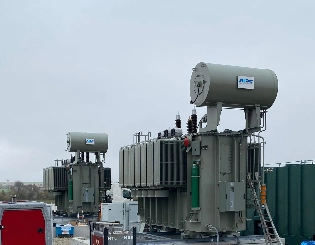
230kV 3-Phase Step-Down Power Transformer
The 230kV 3-Phase Step-Down Power Transformer is designed to reduce high transmission voltages to suitable distribution levels while maintaining excellent efficiency and operational stability. Engineered for utility substations and large-scale grid interfaces, this transformer ensures safe and controlled power delivery from high-voltage networks to regional or industrial distribution systems. Its oil-immersed insulation system provides strong dielectric protection and efficient thermal dissipation, enabling reliable continuous operation under varying load conditions. Precision core construction and optimized winding layout help minimize energy losses and voltage fluctuation. The transformer’s robust mechanical design enhances resistance to short-circuit forces and thermal stress, supporting long service life and low maintenance. This solution is ideal for modern power grids requiring dependable voltage transformation and efficient energy management.
158kV 250MVA Power Transformer – High-Voltage Substation Autotransformer
The 158kV 250MVA High-Voltage Substation Autotransformer is designed for large-capacity power transmission systems where efficiency, voltage stability, and reduced losses are critical. As an autotransformer, it enables optimized power transfer between closely related voltage levels while minimizing material usage and operational losses. The unit features a robust electromagnetic design, reinforced insulation structure, and an oil-immersed cooling system that ensures effective heat dissipation under heavy continuous load. Its mechanical framework is engineered to withstand high electrical stress, short-circuit forces, and long-term outdoor exposure. Intended for backbone substations and grid interconnection points, this autotransformer supports reliable energy exchange in high-voltage networks and contributes to improved system efficiency and reduced lifecycle operating costs.
133kV 135kV Three-Phase Power Transformer – High Voltage Substation Equipment
The 133kV / 135kV Three-Phase Power Transformer is developed for high-voltage substations requiring dependable power conversion, grid stability, and long-term operational security. Designed as core infrastructure equipment, it supports continuous duty under fluctuating electrical loads and complex grid conditions. The transformer integrates a high-strength magnetic core, precision-manufactured windings, and a stable oil-immersed insulation system to achieve controlled losses and consistent voltage performance. Its structural design prioritizes mechanical durability, enabling safe operation under electrical stress, thermal expansion, and external environmental factors. Engineered for outdoor substation installation, the transformer ensures reliable service life with reduced maintenance demand. Compliance with international power equipment standards makes it suitable for modern transmission and substation systems where operational reliability, safety, and efficiency are essential.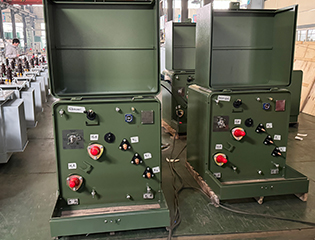
300kVA Single Phase Pad Mounted Transformer
300kVA Single Phase Pad Mounted Transformer is a compact and efficient solution tailored for underground residential distribution (URD) systems and loop-feed applications. This fully sealed, oil-immersed transformer features high-efficiency electrical steel cores and robust aluminum or copper windings to deliver minimal losses and superior voltage regulation from high-voltage inputs like 13.8kV or 34.5kV down to 120/240V or 277/480V secondary. The environmentally friendly PCB-free dielectric fluid ensures excellent cooling and insulation while meeting ANSI/IEEE standards for loop or radial feed configurations. Ideal for urban and suburban settings, this pad-mounted transformer provides quiet operation, high overload capacity.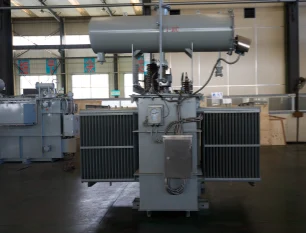
6kV Three-Phase Oil-Immersed Power Transformer
The 6kV Three-Phase Oil-Immersed Power Transformer is designed for stable and efficient voltage conversion in industrial and commercial power distribution systems. With a durable oil-immersed insulation structure and high-quality copper windings, it offers excellent thermal performance, strong dielectric strength, and reliable operation under varying load conditions. Its compact design, robust core materials, and advanced cooling system ensure low losses, reduced noise, and long service life. This 6kV transformer is suitable for factories, mining sites, distribution stations, and utility networks requiring consistent and safe electrical power supply. Engineered to meet international standards, it provides dependable performance and high efficiency across diverse low-to-medium voltage applications.
40kV 50MVA Oil Immersed Three-Phase MV&HV Power Transformer Copper
The 40kV 50MVA Oil Immersed Three-Phase MV&HV Power Transformer Copper is engineered for large-scale transmission and industrial substations. Equipped with high-purity copper windings, ONAN/ONAF cooling, and ±8×1.25% on-load tap changer, it achieves ultra-low losses (S13/S14 series). Fully compliant with IEC 60076 and GB/T 1094, it withstands 200 kV lightning impulse and PD <10 pC. Robust corrugated-fin tank with detachable radiators ensures excellent thermal performance under continuous heavy load. Typical voltages: 40±8×1.25%/11kV or 40/6.3kV. Vacuum oil filling and nitrogen sealing guarantee 35+ years of reliable, maintenance-free operation in harsh environments. Trusted by utilities and EPC contractors worldwide.FAQ From Customers
-
What is a Transformer?A transformer is an electrical device used to change the voltage of alternating current (AC). It works on the principle of electromagnetic induction, converting high-voltage current into low-voltage current or low-voltage current into high-voltage current. Transformers are widely used in power transmission, distribution systems, and various electronic devices.
-
What are the main uses of a transformer?The main use of a transformer is voltage conversion. Transformers are used in power transmission systems to help transfer electricity from power plants to consumers. In addition, transformers are also used in electronic devices such as chargers, televisions, power adapters, etc., to adjust the voltage to meet the requirements of different devices.
-
Do you have UL listed?Yes, our transformer has UL listed. We have exported to America many pad mounted transformer,substation transformer and HV.
Welcome your inquiry
Honesty, Integrity, Frugality, Activeness and Passion