
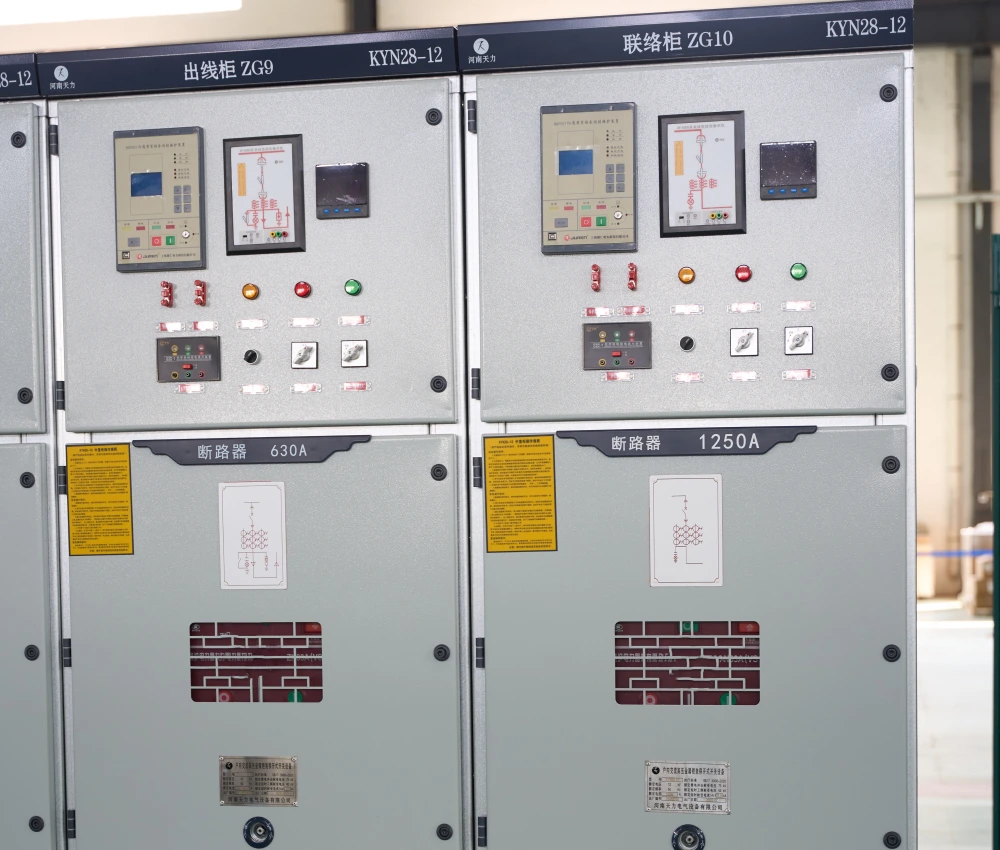


Armored Metal Enclosed Switchgear
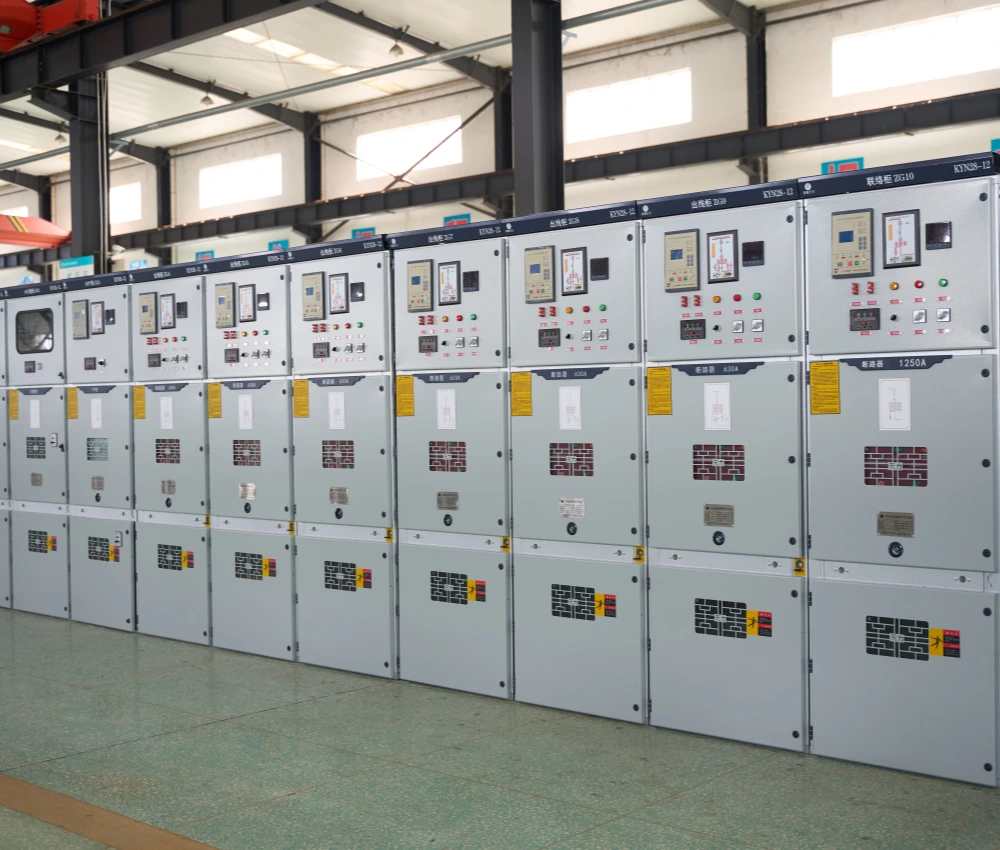
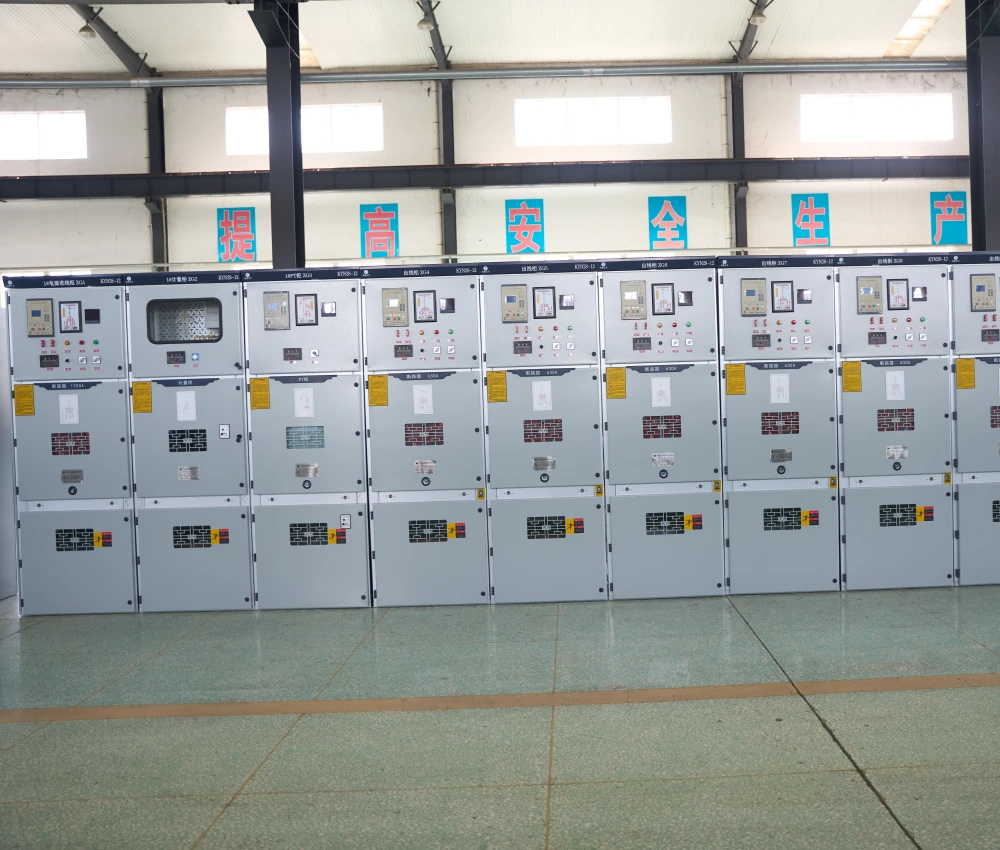
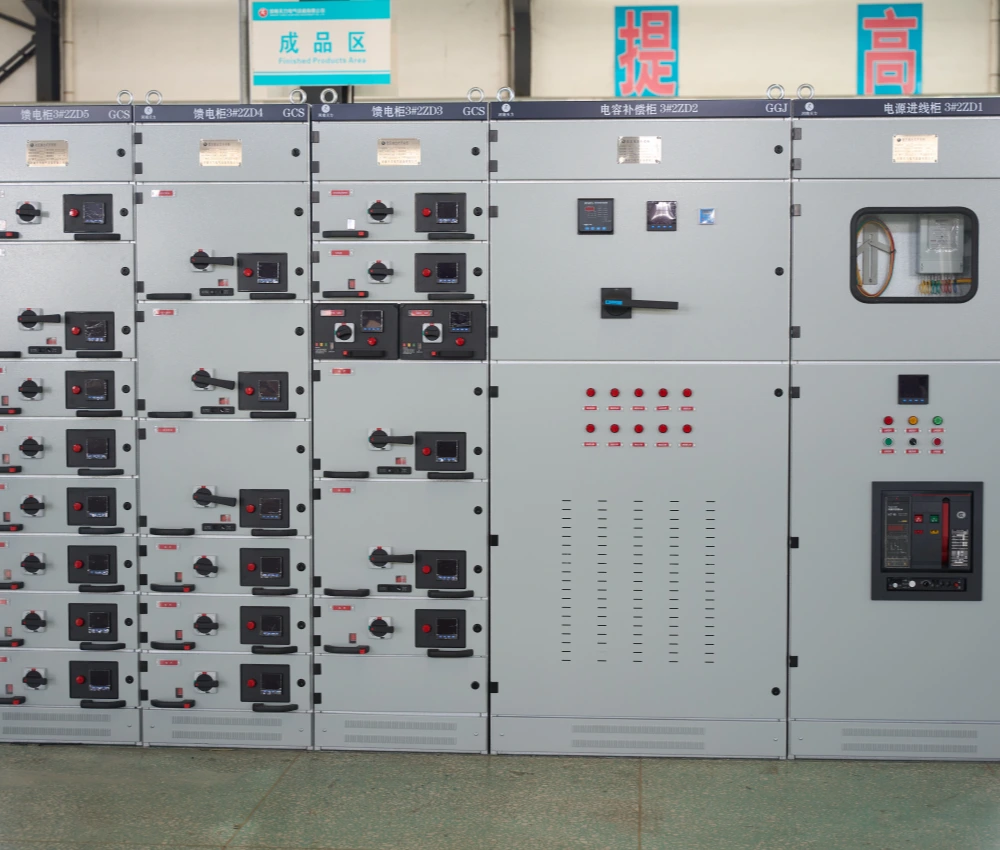
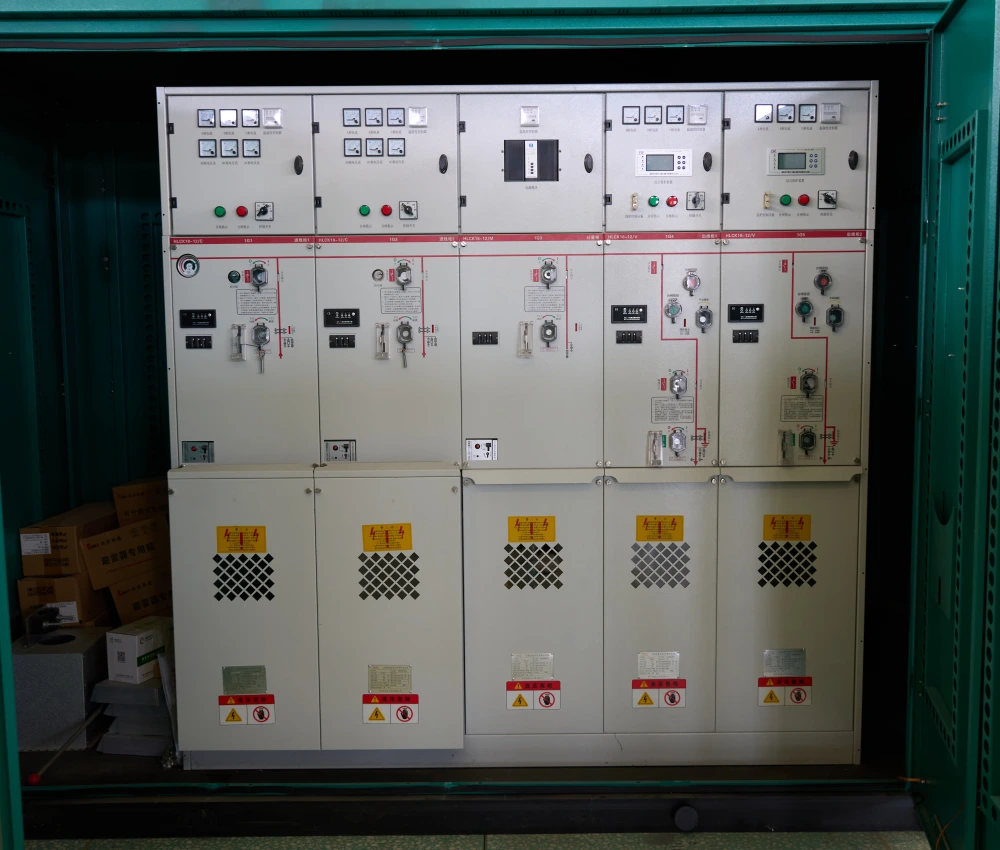
The Armored Metal Enclosed Switchgear is a high-performance medium-voltage electrical distribution and protection system designed for industrial power networks, utility substations, renewable energy facilities, transportation infrastructure, and smart-grid applications. The switchgear adopts a fully compartmentalized armored metal enclosure structure integrating vacuum circuit breakers, disconnect switches, protection relays, current transformers, voltage transformers, and intelligent control systems into a compact modular cabinet assembly. This design significantly improves operational safety, electrical reliability, and maintenance efficiency for modern medium-voltage power distribution systems. Manufactured using precision-engineered insulated structures and reinforced metal-clad compartments, the armored metal enclosed switchgear provides outstanding dielectric strength, internal arc resistance, and mechanical durability under demanding operating conditions. Independent compartments for busbars, breaker units, cable chambers, and low-voltage control sections effectively isolate electrical faults and minimize fault propagation risks while improving maintenance accessibility and operational security. The Armored Metal Enclosed Switchgear supports intelligent automation systems, remote monitoring interfaces, and advanced communication protocols for digital substations and smart-grid infrastructure. With scalable configuration capabilities and flexible protection architectures, the switchgear delivers stable medium-voltage switching, fault isolation, and electrical distribution performance for industrial automation systems, utility networks, renewable energy integration projects, and mission-critical electrical facilities.
- Primary Voltage Ratings 3.6kV / 7.2kV / 12kV / 24kV / 40.5kV
- Type Switchgear
- Standards IEC 62271 / ANSI / IEEE / GB
- Application petrochemical facilities, railway substations, ports
- Certificate UL, CESI, IEEE
- Cooling Method ONAN / ONAF
Technical Specifications
Customization Optional
Packing and Shipping
Manufacturer Test
Routine Testing
Application
Technical Specifications
Armored Metal Enclosed Switchgear
Armored Metal Enclosed Switchgear Data Sheet
| Parameter Category |
Technical Parameter |
Specification Range / Typical Value | Unit | Remarks / Standard |
| Rated Voltage | Ur | 12 / 24 / 36 | kV | IEC 62271-1 |
| Rated Current | Ir | 630 / 1250 / 2000 / 2500 / 3150 / 4000 | A | Main busbar |
| Rated Short-time Withstand Current | Ik | 25 / 31.5 / 40 / 50 | kA | 4 seconds |
| Peak Withstand Current | Ip | 63 / 80 / 100 / 125 | kA | Peak value |
| Rated Short-Circuit Breaking Current | Isc | 25 / 31.5 / 40 / 50 | kA | Vacuum interrupter |
| Power Frequency Withstand Voltage | Ud | 42 / 65 / 85 | kV | 1 minute |
| Lightning Impulse Withstand Voltage | Up | 75 / 125 / 185 / 200 | kV | 1.2/50μs |
| Insulation Medium | - | Vacuum / Solid Dielectric / Air | - | Circuit breaker |
| Protection Degree | IP Code | IP4X / IP41 / IP54 | - | Enclosure protection |
| Operating Mechanism | - | Spring Energy Storage / Motorized | - | Reliable operation |
| Mechanical Endurance | M | 12,000 (breaker) / 3,000 (earthing switch) | Operations | IEC Standards |
| Internal Arc Classification | IAC | AFLR 40kA / 1s | - | Enhanced safety |
| Busbar Material | - | Copper (silver/tin plated) | - | High conductivity |
| Ambient Temperature | - | -30°C to +45°C | °C | Wide range operation |
| Installation Type | - | Indoor / Outdoor Kiosk | - | Floor standing |
| Smart Features | - | Online Monitoring, Fault Diagnosis, IEC 61850 | - | Optional |
Customization Optional
Armored Metal Enclosed Switchgear
The Armored Metal Enclosed Switchgear can be extensively customized according to project voltage requirements, utility distribution architectures, environmental operating conditions, and industrial protection standards. Customers may select different vacuum circuit breaker ratings, busbar capacities, protection relay systems, and cable connection layouts depending on network operating requirements and electrical load demands. The switchgear can additionally integrate disconnect switches, grounding switches, current transformers, voltage transformers, harmonic suppression devices, capacitor compensation units, and intelligent automation modules for advanced electrical distribution management. Optional motorized operating mechanisms, remote control interfaces, and intelligent fault diagnosis systems further improve maintenance efficiency and operational reliability for mission-critical industrial and utility applications.
The enclosure and internal compartment structure can also be optimized for renewable energy projects, mining facilities, petrochemical plants, utility substations, transportation infrastructure, coastal installations, and high-pollution industrial environments. Optional features include internal arc protection systems, anti-condensation heaters, thermal monitoring devices, intelligent ventilation systems, fire-resistant partitions, and remote communication interfaces for smart-grid integration. Customers may further customize cabinet dimensions, busbar arrangements, enclosure coatings, branding labels, maintenance access layouts, cable routing methods, and auxiliary control systems to simplify installation and improve operational flexibility. These advanced customization capabilities ensure the armored metal enclosed switchgear can fully adapt to modern industrial automation systems, utility substations, and digital electrical infrastructure projects.
Packing and Shipping
Armored Metal Enclosed Switchgear
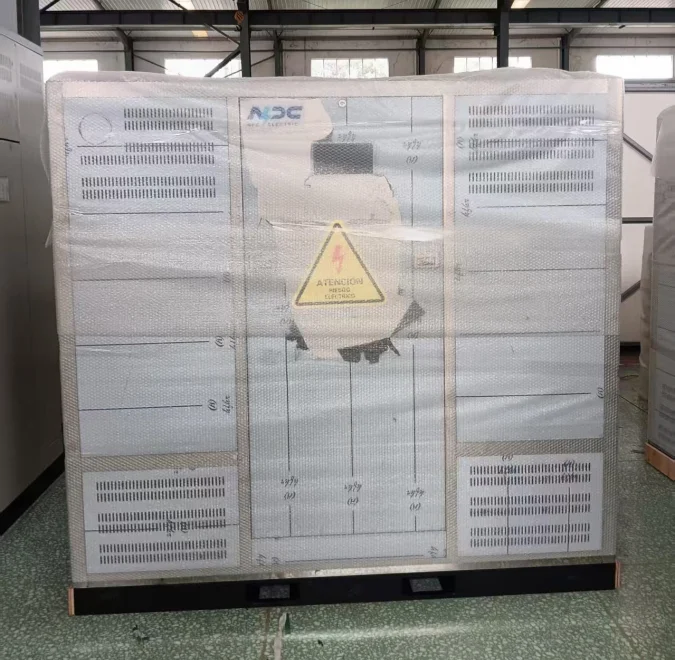
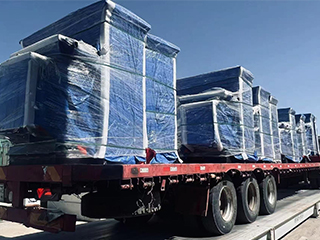
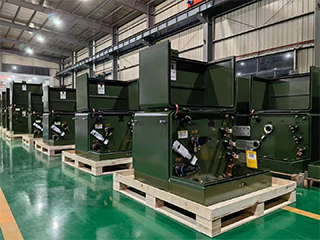
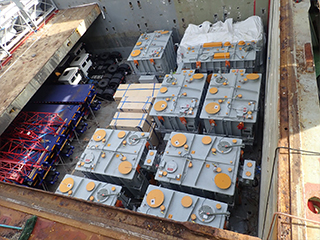
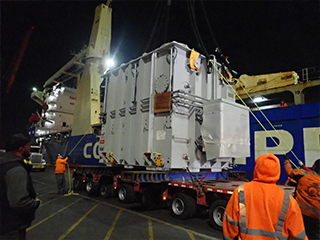
The Armored Metal Enclosed Switchgear is packaged using industrial heavy-duty export protection methods to ensure safe transportation, reliable storage, and secure international shipment under demanding logistics conditions. Prior to packaging, the complete switchgear assembly undergoes structural inspection, enclosure sealing verification, anti-corrosion coating assessment, and electrical component protection procedures to minimize transportation risks and environmental exposure. Sensitive devices including protection relays, intelligent communication modules, metering systems, and monitoring equipment are additionally protected using vibration-resistant and moisture-proof industrial packaging materials.
Each switchgear cabinet is internally reinforced using heavy-duty transportation locking systems and steel support structures to prevent component movement during road, railway, or sea transportation. Circuit breakers, busbar assemblies, cable compartments, auxiliary control devices, and internal electrical structures are securely fixed to reduce vibration impact and maintain assembly integrity throughout shipment operations. External cabinet surfaces are protected using industrial waterproof wrapping film, reinforced edge guards, anti-scratch protective covers, and impact-resistant fastening systems to preserve enclosure quality during long-distance transportation and storage.
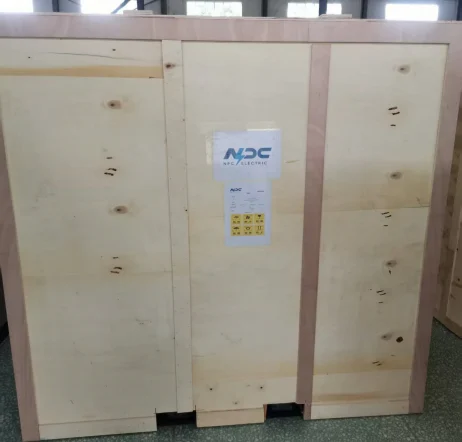
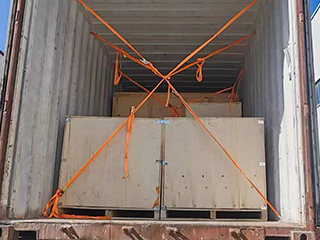
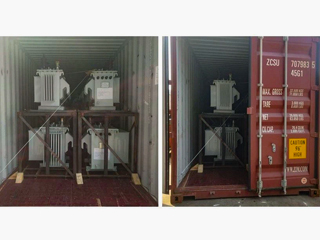
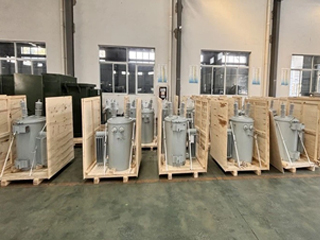
Depending on project dimensions, transportation conditions, and customer logistics requirements, the armored metal enclosed switchgear may be shipped using skid-mounted transportation systems, steel-frame export packaging, fumigation-free wooden crates, or direct container securing structures compliant with international logistics standards. Additional anti-condensation packaging solutions, anti-vibration reinforcement systems, and marine-grade corrosion protection measures are available for offshore projects, mining operations, coastal installations, and remote infrastructure locations requiring extended transportation durations.
Shipping documentation generally includes factory inspection reports, packing lists, electrical schematics, wiring diagrams, operation manuals, export compliance certifications, and quality inspection records. Customers may additionally request multilingual labels, customized shipping marks, installation guidance manuals, and project-specific logistics coordination support. The complete packing and shipping process is designed to maintain equipment reliability, reduce transportation risks, and ensure safe delivery to the final installation destination.
Each switchgear cabinet is internally reinforced using heavy-duty transportation locking systems and steel support structures to prevent component movement during road, railway, or sea transportation. Circuit breakers, busbar assemblies, cable compartments, auxiliary control devices, and internal electrical structures are securely fixed to reduce vibration impact and maintain assembly integrity throughout shipment operations. External cabinet surfaces are protected using industrial waterproof wrapping film, reinforced edge guards, anti-scratch protective covers, and impact-resistant fastening systems to preserve enclosure quality during long-distance transportation and storage.
Depending on project dimensions, transportation conditions, and customer logistics requirements, the armored metal enclosed switchgear may be shipped using skid-mounted transportation systems, steel-frame export packaging, fumigation-free wooden crates, or direct container securing structures compliant with international logistics standards. Additional anti-condensation packaging solutions, anti-vibration reinforcement systems, and marine-grade corrosion protection measures are available for offshore projects, mining operations, coastal installations, and remote infrastructure locations requiring extended transportation durations.
Shipping documentation generally includes factory inspection reports, packing lists, electrical schematics, wiring diagrams, operation manuals, export compliance certifications, and quality inspection records. Customers may additionally request multilingual labels, customized shipping marks, installation guidance manuals, and project-specific logistics coordination support. The complete packing and shipping process is designed to maintain equipment reliability, reduce transportation risks, and ensure safe delivery to the final installation destination.
32
32 years of industry experience
Manufacturer Test
Armored Metal Enclosed Switchgear
Progress Test
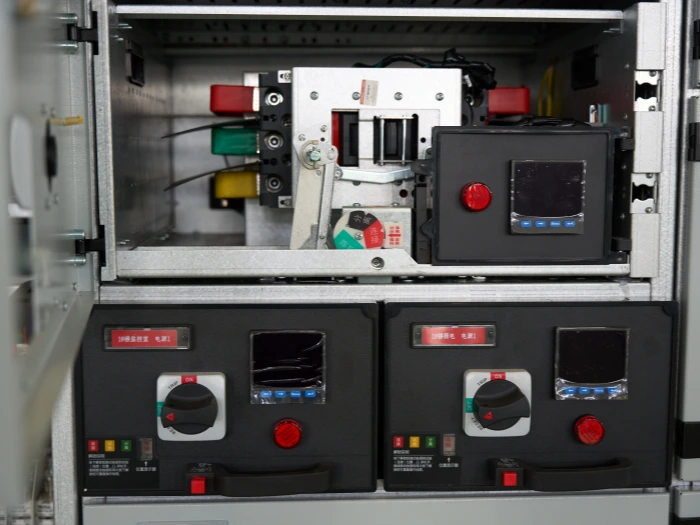
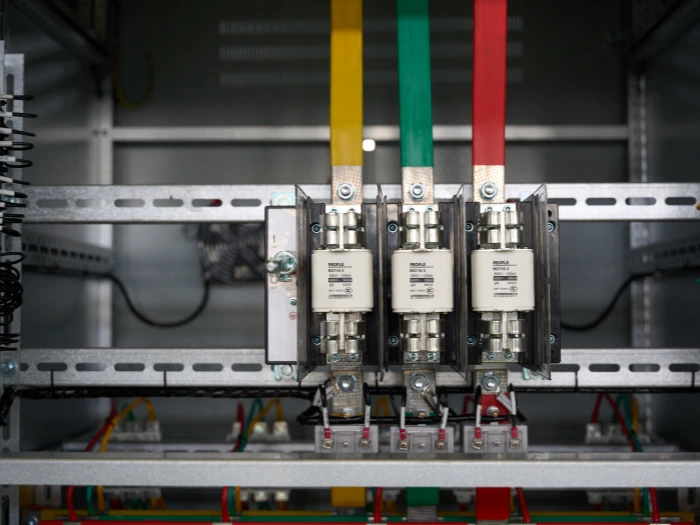
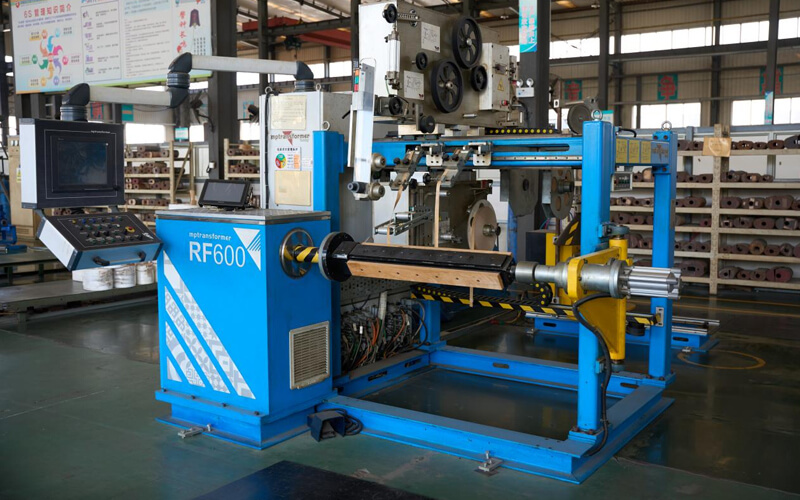
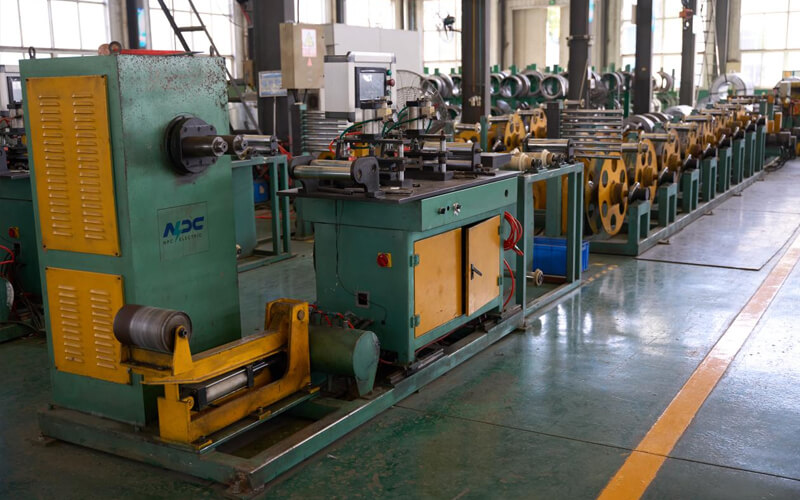
The manufacturing progress testing procedure for the Armored Metal Enclosed Switchgear is implemented throughout all major production stages to ensure structural integrity, operational safety, and electrical reliability. Initial inspections focus on raw material verification including enclosure steel thickness measurement, insulation material testing, busbar conductivity analysis, and surface coating inspection to confirm compliance with engineering specifications and international manufacturing standards. During cabinet fabrication and component installation, engineers inspect welding quality, compartment alignment, grounding continuity, busbar positioning, cable routing systems, and enclosure sealing integrity. The installation of vacuum circuit breakers, disconnect switches, protection relays, metering devices, and intelligent monitoring modules is carefully monitored to ensure proper electrical clearances and maintenance accessibility. Internal wiring systems are additionally verified according to approved technical drawings to reduce installation errors and improve commissioning efficiency.
Design Tests
All transformers will be tested after finishing the production, test items as follows:
♦ Insulation Power Factor
♦ Ratio, Polarity, and Phase Relation
♦ Winding Resistance
♦ Impulse Tests
♦ On load Loss Test
♦ No Load Loss Test
♦ Transformer Turns Ratio/TTR (All Tap Voltages)
♦ Impedance Voltage & Load Loss (Rated Voltage)
♦ Polarity, 1-Ph / Phase Relation, 3-Ph (Rated Voltage)
♦ Excitation & No-Load Loss (Rated Voltage)
♦ Applied Voltage
♦ Induced Voltage
♦ Lightning Impulse
♦ Insulation Resistance (Rated Voltage)
♦ Temperature Rise
♦ Dielectric Withstand (Hipot)
Factory Acceptance Test
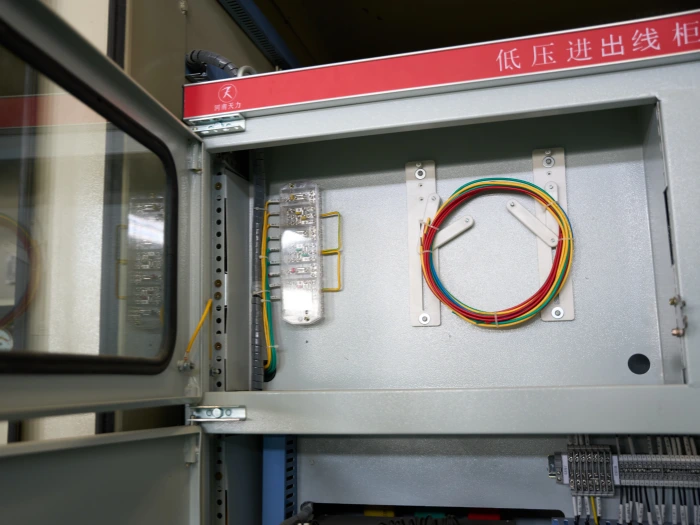
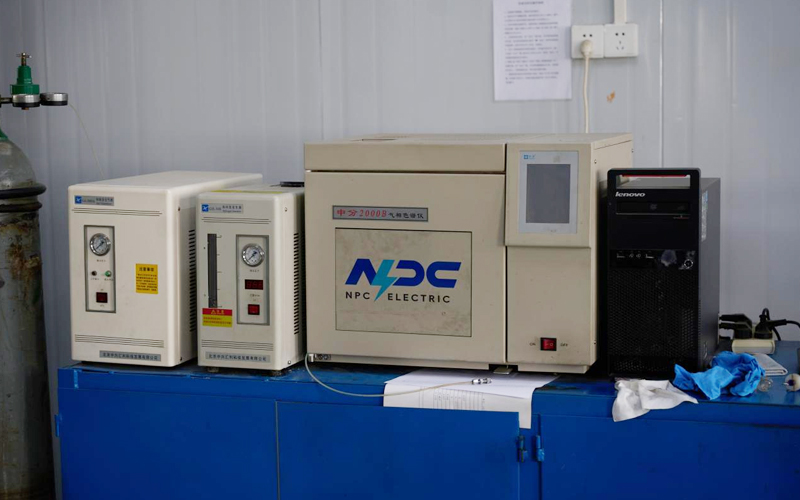
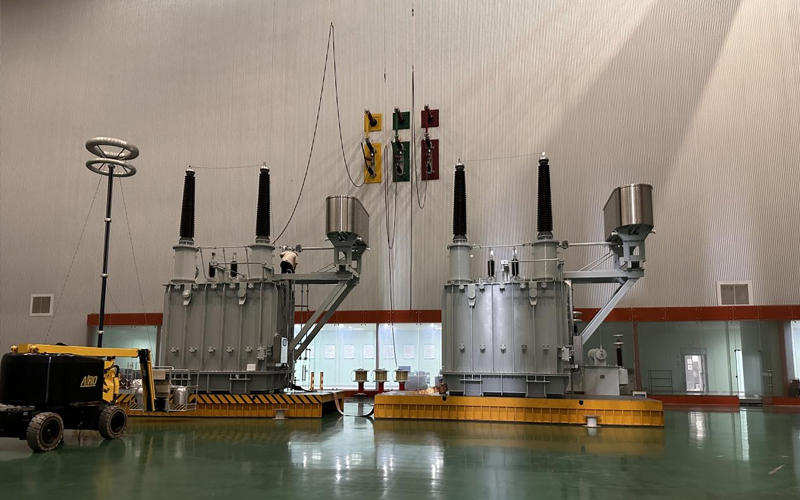
The Factory Acceptance Test for transformer-integrated Armored Metal Enclosed Switchgear systems is conducted to verify electrical performance, insulation reliability, and operational safety before shipment. All testing procedures are performed using calibrated instruments and certified inspection methods according to IEC, ANSI, IEEE, and project-specific technical standards. Routine electrical tests include insulation resistance testing, transformer ratio verification, winding resistance measurement, vector group confirmation, and applied voltage withstand testing. These procedures ensure voltage conversion accuracy, insulation integrity, and stable transformer operation under rated load conditions. No-load current analysis and load loss measurements are additionally performed to evaluate transformer efficiency and magnetic circuit performance.
Routine Test - Circuit Breaker Timing & Motion Analysis
Purpose of Testing
Evaluate the integrity of the main circuit insulation and contact connections. Identify potential defects such as moisture ingress, aging, or contamination in the insulation system, and verify that contact resistance is within acceptable limits to prevent overheating.
Testing Equipment
For Insulation Resistance: Megohmmeter (typically 2500V or 5000V DC).For Circuit Resistance: Micro-ohmmeter (DC resistance tester) or Precision DC current source.Auxiliary Tools: Thermometer/hygrometer (for temperature correction).
Pre-Test Preparation
Ensure the switchgear is de-energized, isolated, and properly grounded. Clean the test terminals and bushings to remove dust or moisture. For insulation tests, discharge all capacitive loads (cables, busbars) thoroughly through the grounding switch or shorting links.
Test Progress
1. Insulation Test: Connect the megger leads to the busbar phases and ground. Apply the test voltage (e.g., 2500V DC) and hold for 1 minute.2. Circuit Resistance Test: Connect the micro-ohmmeter current leads to the main busbar or circuit breaker terminals. Pass a low DC current (e.g., 100A) and record the voltage drop.
Temperature Correction
Correct the measured insulation resistance to a standard reference temperature (typically 20°C) using the appropriate exponential formula to ensure compliance with standards across different ambient conditions.
Circuit Resistance Test
Connect the tester leads to the main busbar or circuit breaker terminals. Pass a low DC current (e.g., 100A or 200A as per standard) and accurately record the voltage drop across the connection point. Ensure the equipment is energized only if it complies with specific hot-line testing safety protocols, otherwise perform cold-resistance measurement after de-energization
Mechanical Characteristic Test
Purpose: To verify the operational performance and timing of the circuit breaker mechanism, ensuring compliance with speed and travel requirements for arc extinction.Procedure: Use a dedicated Circuit Breaker Mechanical Tester. Connect the tester to the control circuit (closing/opening coils) and the secondary side of the travel transducer. Perform several opening and closing operations without load. Record key parameters: Opening/Closing time, Synchronization between three phases, Travel distance, Overshoot, and Contact pressure.
Power Frequency Withstand Test (AC Hipot)
Purpose: To validate the integrity of the main insulation system under high voltage stress.Equipment: AC high voltage test set.Procedure: Energize the equipment and apply the specified power frequency test voltage (e.g., 42kV for 1 minute for 10kV switchgear) between phases/inter-phase and ground. Monitor the leakage current. The test is considered passed if the insulation does not break down and the current remains stable within the standard limit. (Note: This is a destructive test; perform only on de-energized and properly discharged equipment).
Partial Discharge (PD) Measurement
Purpose: To identify internal insulation defects such as voids, cracks, or contamination that are not detectable by insulation resistance tests.Procedure: Inject the test voltage up to 1.3~1.5 times the rated voltage. Use a PD detector connected to the coupling capacitor or directly to the test object to measure the apparent charge (pC). Ensure the background noise level is below the detection threshold. Analyze the PD patterns to locate the faulty chamber.
*These comprehensive tests ensure that each transformer meets performance standards and operates
reliably under various conditions.
Application
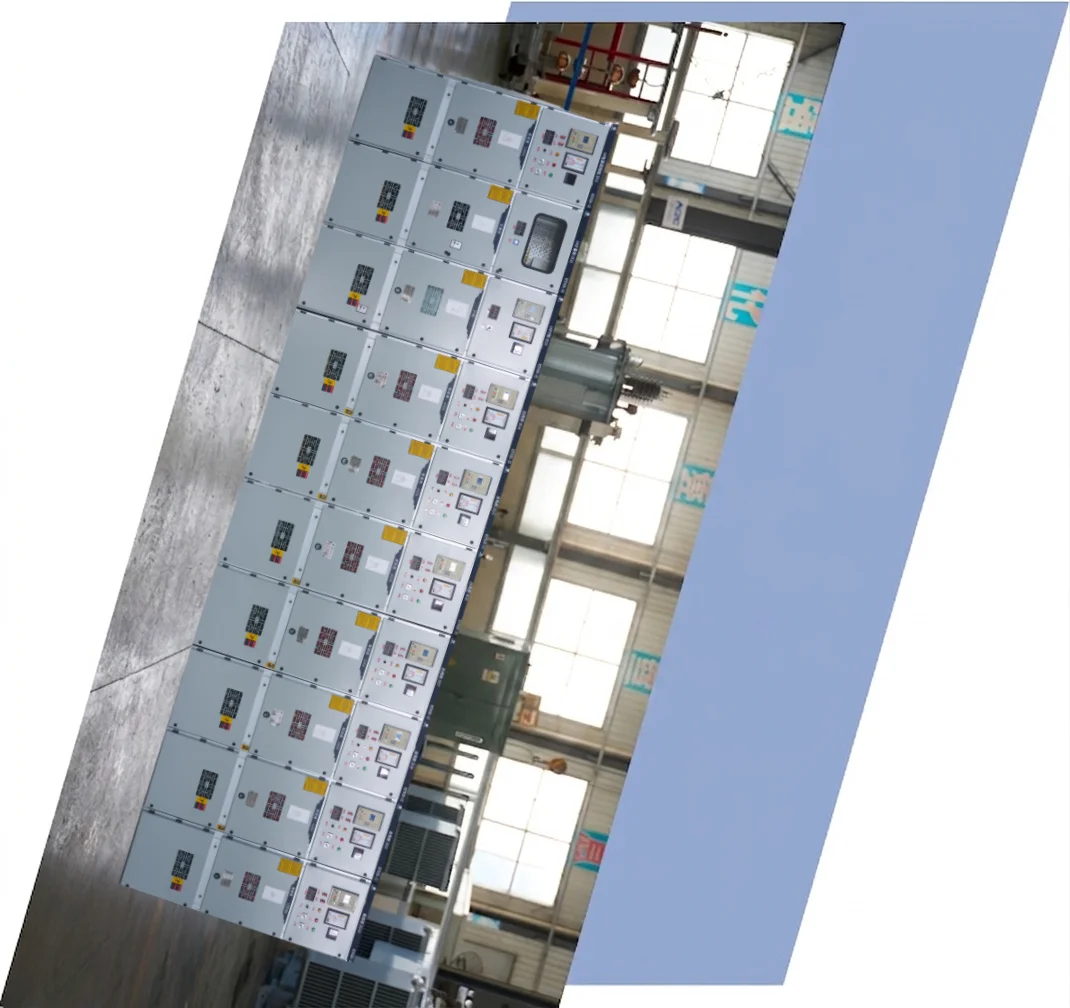
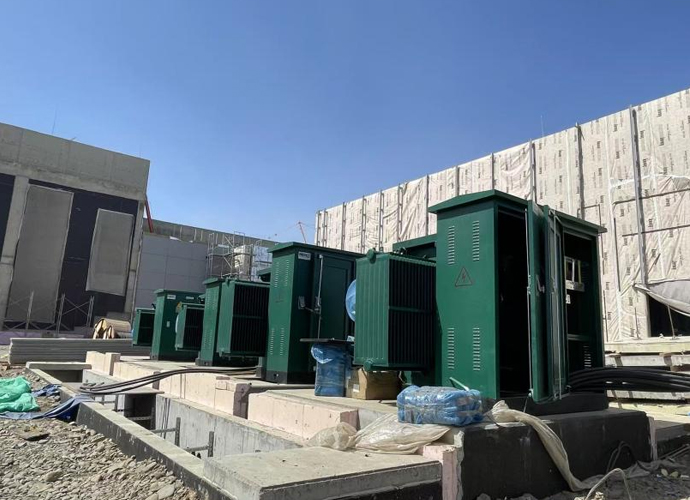
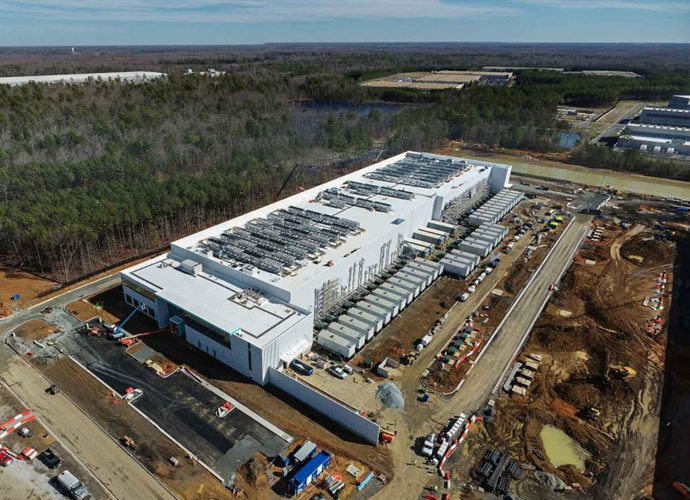
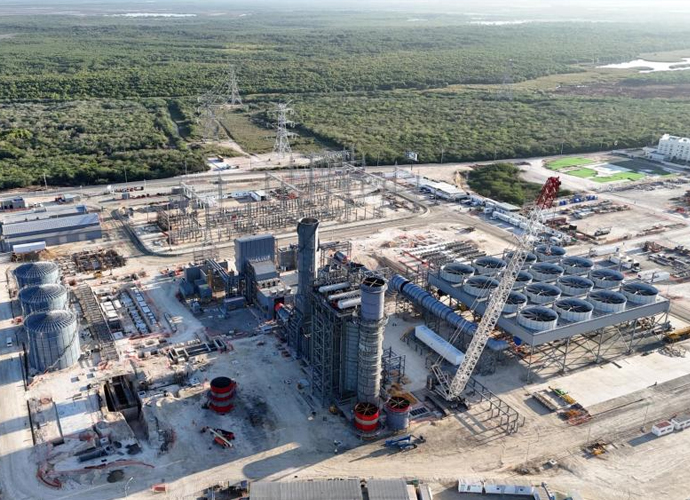
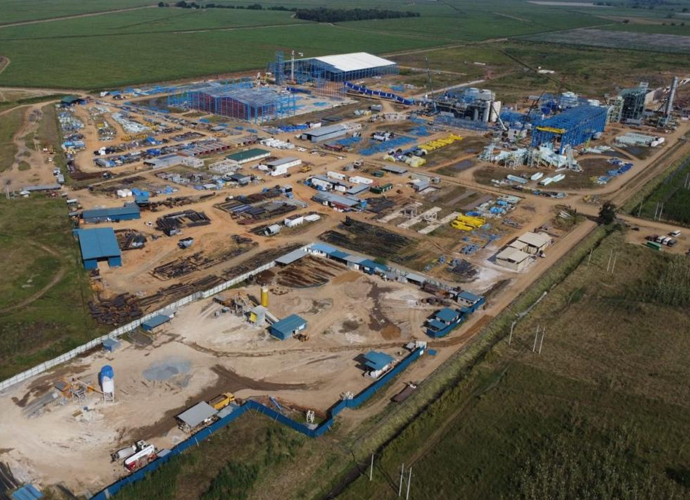
Armored metal enclosed switchgear is extensively used in municipal power distribution networks, heavy industrial manufacturing facilities, mining substations, and petrochemical processing plants. It is also ideal for commercial building complexes and large-scale infrastructure developments requiring secure medium voltage distribution.



Technical Advantages
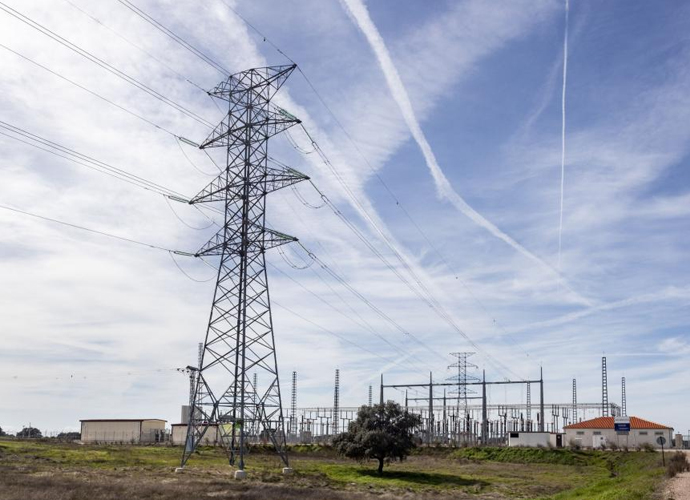
● 30+ years of manufacturing experience
● ISO and UL certified production
● Customized cable and transformer solutions
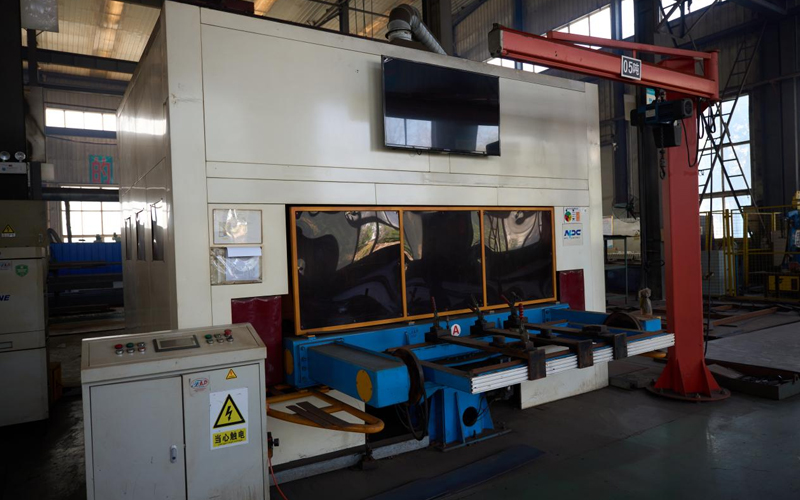
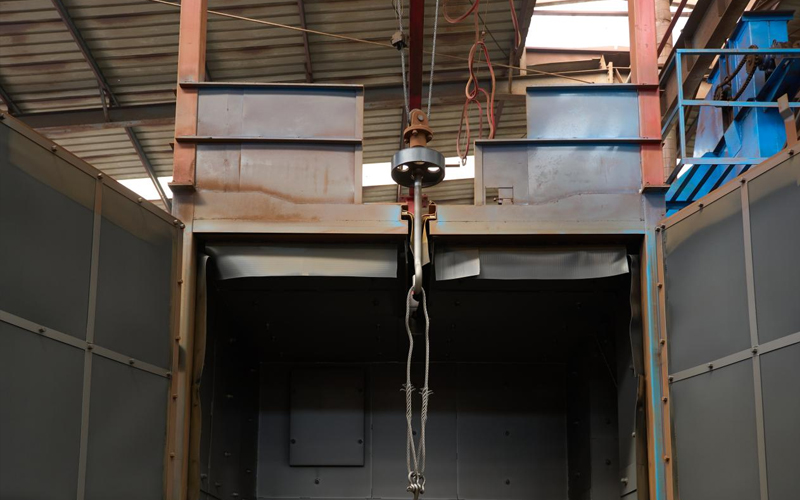
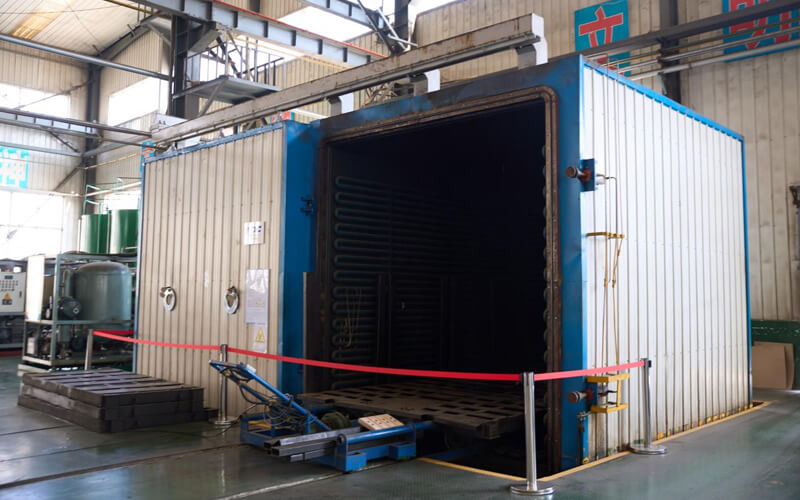
Product Packaging
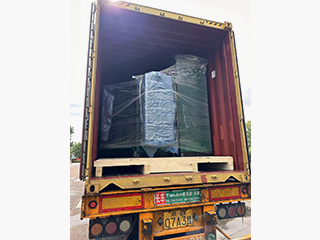
Transformers Packaging (1)
Transformers Packaging (2)
Transformers Packaging (3)
Transformers Packaging (4)
Transformers Packaging (5)
Transformers Packaging (6)
Transformers Packaging (7)
Transformers Packaging (8)
Related Products
1500kVA Three Phase Pad Mounted Transformer
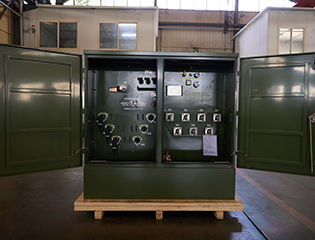
NPC ELECTRIC's 1500kVA Three Phase Pad Mounted transformer is designed with high-quality silicon steel sheets and insulating oil, in compliance with international standards such as IEC and ANSI, ensuring efficient and stable operation. It is suitable for a variety of scenarios such as urban power distribution, residential areas, commercial parks and industrial facilities. Whether it is ring network power supply or radial power supply, it can be flexibly applied to help achieve efficient and intelligent power transmission and distribution solutions.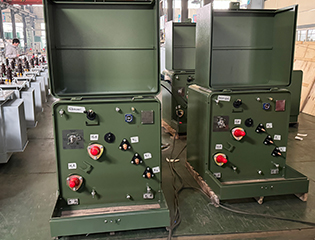
315kVA Single Phase Pad Mounted Transformer
315kVA Single Phase Pad Mounted Transformer, engineered for seamless integration into underground power distribution systems, particularly in residential and commercial loop-feed setups. This compact, oil-filled transformer utilizes advanced high-permeability steel cores and precision-engineered windings to offer exceptional energy efficiency, low operating temperatures, and reduced sound levels for discreet urban installations. Compliant with ANSI C57.12.38 and IEEE standards, this single-phase padmount transformer ensures reliable voltage conversion from primary voltages up to 34.5kV to standard secondary outputs like 120/240V, supporting radial or loop configurations with high short-term overload capability for growing communities.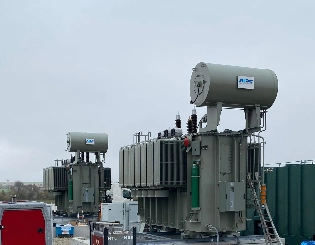
90kV Three-Phase Oil-Immersed Power Transformer
The 90kV Three-Phase Oil-Immersed Power Transformer for High-Voltage Distribution is engineered to deliver reliable and efficient performance across utility grids, industrial substations, and high-voltage transmission systems. Designed with high-grade silicon steel cores and 100% copper windings, the transformer ensures low losses, strong short-circuit resistance, and stable thermal performance. Its oil-immersed cooling structure provides superior heat dissipation, supporting continuous and heavy-duty operation. The robust tank, high-performance insulation system, and outdoor-ready protection structure enable safe operation in harsh climate conditions. Compliant with IEC, IEEE, and GB standards, the transformer offers excellent voltage stability, long service life, and high operational reliability. It is widely used in power utilities, infrastructure projects, renewable energy integration, and industrial distribution networks requiring dependable high-voltage transformation.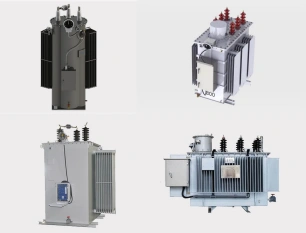
Single Phase Step Voltage Regulator for Substation
The Single Phase Step Voltage Regulator for Substation is a precision-engineered, automatic on-load tap-changing device designed to deliver stable voltage output in medium-voltage substation environments. Built with high-quality copper windings, premium grain-oriented silicon steel core, and a reliable motorized on-load tap changer, it provides fast and accurate voltage correction with minimal waveform distortion. The advanced digital AVR controller offers real-time monitoring, programmable settings, and multiple communication protocols for seamless SCADA integration. This regulator features robust protection systems against over-voltage, under-voltage, overload, short-circuit, and lightning surges. Its compact substation-optimized design, excellent overload capacity, and long-term reliability make it the ideal solution for maintaining consistent voltage levels despite load variations or grid fluctuations. Fully compliant with IEC 60076-21 and ANSI C57.15 standards, it ensures high efficiency, low losses, and trouble-free operation in demanding substation conditions.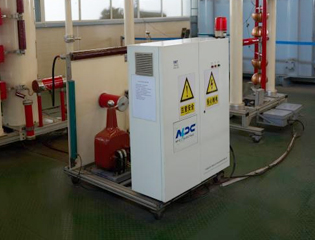
630kVA Dry Type Transformer
NPC ELECTRIC 630kVA Dry-Type Transformer is a compact, oil-free solution for reliable power distribution. With advanced insulation and cooling systems, it ensures safe, low-maintenance operation, making it ideal for industrial and commercial applications. Offering 630kVA capacity, it delivers efficient, environmentally friendly, and cost-effective performance. Compliant with DOE amended energy conservation standards (finalized 2024, mandatory from April 23, 2029, with 20% loss reduction for three-phase low-voltage dry-type units), ANSI/IEEE C57.12.01, NEMA ST-20, UL 1561, and CSA standards, this low-voltage (≤600V) transformer minimizes no-load losses, runs cooler, and prioritizes fire safety without oils or fluids.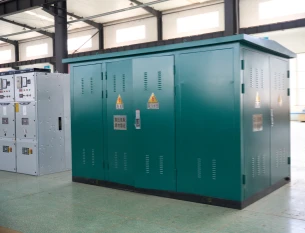
High Voltage Prefabricated Transformer Substation
The High Voltage Prefabricated Transformer Substation is a fully integrated power distribution system designed for high-voltage transmission and medium-voltage distribution applications in utility networks, renewable energy facilities, industrial plants, and infrastructure projects. The system integrates high-voltage switchgear, power transformers, low-voltage distribution equipment, intelligent protection devices, and automation systems within a compact modular enclosure to provide reliable and efficient electrical power transformation. Engineered for demanding outdoor operating conditions, the substation features a reinforced corrosion-resistant enclosure, advanced insulation technology, optimized thermal management systems, and intelligent safety protection structures. The prefabricated modular design significantly reduces civil construction requirements, shortens installation time, and improves transportation efficiency while maintaining high operational reliability and electrical safety performance. The High Voltage Prefabricated Transformer Substation supports flexible voltage classes, transformer capacities, and smart-grid communication interfaces, making it suitable for modern utility distribution systems, renewable energy integration projects, mining operations, oil and gas facilities, and industrial manufacturing plants. With customizable electrical configurations and intelligent monitoring functions, the substation delivers scalable and energy-efficient power distribution performance for complex electrical infrastructure applications.FAQ From Customers
-
What is a Transformer?A transformer is an electrical device used to change the voltage of alternating current (AC). It works on the principle of electromagnetic induction, converting high-voltage current into low-voltage current or low-voltage current into high-voltage current. Transformers are widely used in power transmission, distribution systems, and various electronic devices.
-
What are the main uses of a transformer?The main use of a transformer is voltage conversion. Transformers are used in power transmission systems to help transfer electricity from power plants to consumers. In addition, transformers are also used in electronic devices such as chargers, televisions, power adapters, etc., to adjust the voltage to meet the requirements of different devices.
-
Do you have UL listed?Yes, our transformer has UL listed. We have exported to America many pad mounted transformer,substation transformer and HV.
Welcome your inquiry
Honesty, Integrity, Frugality, Activeness and Passion