
What is Cat6 Cable? Speeds, Specs, and When You Need It
2026-05-12
As digital infrastructure continues evolving across residential, commercial, and industrial sectors, network performance has become a critical part of modern connectivity. From cloud computing and video conferencing to smart factories and data centers, high-speed data transmission now depends heavily on reliable Ethernet cable systems.
Among the most widely used networking solutions today is Cat6 cable. Designed as an upgrade over previous twisted-pair standards, Cat6 Ethernet cable offers higher bandwidth, improved signal integrity, and better interference control than older cabling systems such as Cat5e.
However, many businesses and consumers still misunderstand the real differences between Cat5e and Cat6 cable, especially regarding speed capability, installation distance, shielding design, and long-term network scalability.
1. What Is Cat6 Cable?
Cat6 cable, short for Category 6 cable, is a standardized twisted-pair Ethernet cable used for high-speed network communication.
It is commonly used in:
- Office networks
- Data centers
- Smart buildings
- Industrial automation
- Residential networking
- Surveillance systems
- Wi-Fi infrastructure
Cat6 Ethernet cable was developed to support higher data transfer rates and improved electromagnetic interference protection compared with earlier cable categories.
Basic Construction
A standard Cat6 cable contains:
- Four twisted copper conductor pairs
- PVC or LSZH outer jacket
- Internal pair separator (in many designs)
- RJ45 connector compatibility
The twisted-pair design minimizes crosstalk and signal interference.
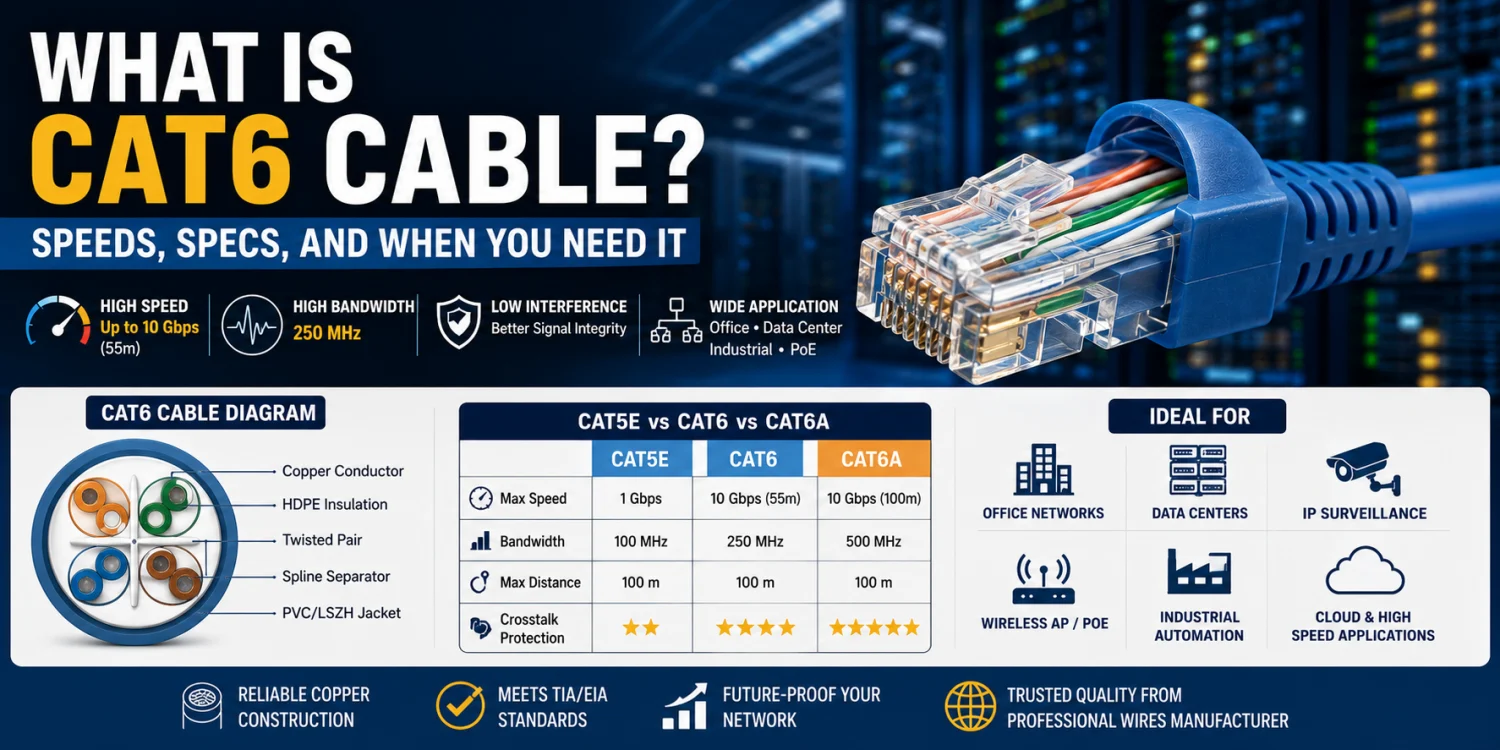
Cat6 Cable Diagram Structure
A typical Cat6 cable diagram includes:
- Copper conductors
- Insulation layers
- Twisted pairs
- Central spline separator
- Outer protective jacket
The spline separator is one of the main structural differences between Cat5e and Cat6 cables.
2. Cat6 Cable Speed and Bandwidth
One of the biggest reasons organizations upgrade to Cat6 Ethernet cable is higher network performance.
Maximum Data Speed
Cat6 cable speed supports:
- 1 Gbps up to 100 meters
- 10 Gbps up to 55 meters
This makes Cat6 suitable for high-speed enterprise networks.
Bandwidth Capability
Standard Cat6 cable supports bandwidth up to:
250 MHz
Compared with Cat5e:
100 MHz
Higher bandwidth improves:
- Data throughput
- Streaming quality
- Low-latency communication
- Network stability
Why Speed Depends on Distance
Ethernet cable performance decreases over longer transmission distances because of:
- Signal attenuation
- Crosstalk
- Electromagnetic interference
This is why Cat6 supports 10 Gigabit Ethernet only over shorter distances.
3. Cat5e Versus Cat6 and Cat6A Ethernet Cables
Understanding Cat5e versus Cat6 cable is essential when designing modern network infrastructure.
|
Parameter |
Cat5e Cable |
Cat6 Cable |
Cat6A Cable |
|
Maximum Bandwidth |
100 MHz |
250 MHz |
500 MHz |
|
Maximum Speed |
1 Gbps |
10 Gbps (55m) |
10 Gbps (100m) |
|
Maximum Transmission Distance |
100 m |
100 m |
100 m |
|
Crosstalk Protection |
Moderate |
Improved |
Excellent |
|
Internal Separator |
Usually none |
Common |
Standard |
|
Shielding Options |
Limited |
Optional |
Common |
|
Cable Diameter |
Smaller |
Medium |
Larger |
|
EMI Resistance |
Moderate |
Good |
Excellent |
|
Installation Cost |
Lower |
Moderate |
Higher |
|
Typical Applications |
Home networks |
Offices and enterprise LAN |
Data centers and high-density networks |
Cat6 cable provides improved performance for high-density modern networks.
4. What Is Cat6A Ethernet Cable?
Cat6A Ethernet cable is an enhanced version of the standard Cat6.
The “A” stands for:
Augmented
Cat6A was developed to improve 10 Gigabit Ethernet performance over longer distances.
Key Specifications of Cat6A
Cat6A Ethernet cable supports:
- 10 Gbps up to 100 meters
- 500 MHz bandwidth
- Improved alien crosstalk protection
This makes Cat6A highly suitable for:
- Enterprise networks
- Data centers
- Industrial automation
- High-density server rooms
Shielding Improvements
Many Cat6A cables include advanced shielding such as:
- Foil shielding
- Braided shielding
- Shielded twisted pair designs
These features improve EMI protection.
5. Shielded vs Unshielded Cat6 Cable
Choosing between shielded and unshielded Ethernet cable depends on the installation environment.
Shielded vs Unshielded Cat6 Ethernet Cable Comparison
|
Parameter |
UTP Cat6 Cable |
STP Cat6 Cable |
|
Full Name |
Unshielded Twisted Pair |
Shielded Twisted Pair |
|
EMI Protection |
Moderate |
Excellent |
|
Crosstalk Resistance |
Good |
Very good |
|
Cable Flexibility |
Higher |
Moderate |
|
Installation Complexity |
Easier |
More complex |
|
Grounding Requirement |
Not required |
Required |
|
Cable Cost |
Lower |
Higher |
|
Industrial Suitability |
Limited |
Excellent |
|
Office Network Suitability |
Excellent |
Good |
|
Typical Applications |
Residential and office LAN |
Industrial automation and factories |
UTP Cat6 Cable
UTP stands for:
Unshielded Twisted Pair
Advantages include:
- Lower cost
- Easier installation
- Better flexibility
UTP cables are widely used in office and residential environments.
STP Cat6 Cable
STP stands for:
Shielded Twisted Pair
Shielding helps reduce:
- Electromagnetic interference
- Signal noise
- Crosstalk
STP Cat6 cables are preferred in industrial facilities and high-interference environments.
Industrial Networking Requirements
Factories and automation systems often contain:
- Motors
- Drives
- High voltage equipment
These create EMI conditions that require shielded Cat6 cable designs.
6. Applications of Cat6 Ethernet Cable
Cat6 cable is now one of the most common network infrastructure solutions globally.
Typical Applications of Cat6 and Cat6A Ethernet Cables
|
Industry/Application |
Recommended Cable Type |
Main Performance Requirement |
|
Residential Networking |
Cat6 UTP |
Gigabit internet access |
|
Commercial Office Networks |
Cat6 UTP |
Stable enterprise networking |
|
Data Centers |
Cat6A STP |
High bandwidth and low latency |
|
Smart Buildings |
Cat6 Cable |
Building automation systems |
|
Industrial Automation |
Shielded Cat6 |
EMI resistance |
|
Surveillance Systems |
Cat6 PoE Cable |
Power and data transmission |
|
Wireless Access Points |
Cat6A Cable |
High-speed Wi-Fi backhaul |
|
Server Rooms |
Cat6A STP |
10 Gigabit Ethernet |
|
Industrial IoT Systems |
Shielded Cat6A |
Reliable data communication |
|
Educational Campuses |
Cat6 Cable |
Scalable structured cabling |
Office Networks
Commercial buildings use Cat6 Ethernet cable for:
- VoIP systems
- Video conferencing
- High-speed internet
- Cloud applications
Data Centers
Modern data centers require reliable high-speed structured cabling systems.
Cat6A Ethernet cable is commonly used for:
- Server racks
- Network switches
- Storage systems
Smart Buildings
Smart building systems rely on Ethernet cable infrastructure for:
- Building automation
- Security systems
- Access control
- IoT connectivity
Industrial Automation
Industrial Ethernet networks increasingly use shielded Cat6 cables for:
- PLC communication
- SCADA systems
- Factory automation
PoE Applications
Power over Ethernet (PoE) systems use Cat6 cables to deliver:
- Power
- Data
through one cable assembly.
Applications include:
- IP cameras
- Wireless access points
- Smart lighting
7. Installation Best Practices for Cat6 Cable
Proper installation directly affects network performance.
Avoid Excessive Bending
Sharp cable bends can damage twisted-pair geometry and reduce signal quality.
Maintain Separation from Power Cables
An Ethernet cable should be separated from high-voltage electrical wiring to minimize EMI.
Use Proper Termination Standards
Most Cat6 installations follow:
- T568A
- T568B
termination standards.
Incorrect termination creates signal loss and connection instability.
Cable Testing
Professional installations should always include:
- Continuity testing
- Fluke certification
- Signal performance testing
8. Future Trends in Ethernet Cable Technology
Network infrastructure continues evolving rapidly.
Higher Bandwidth Demand
Cloud computing, AI systems, and edge computing continue to increase bandwidth requirements.
Smart Manufacturing Growth
Industrial Ethernet adoption is accelerating in:
- Smart factories
- Robotics
- Industrial IoT systems
Increased PoE Power Delivery
Modern PoE standards now support higher power delivery for advanced devices.
This increases thermal requirements for Ethernet cable systems.
Sustainable Cable Manufacturing
Wires manufacturer companies are increasingly developing:
- Low-smoke zero-halogen materials
- Recyclable insulation systems
- Energy-efficient production methods
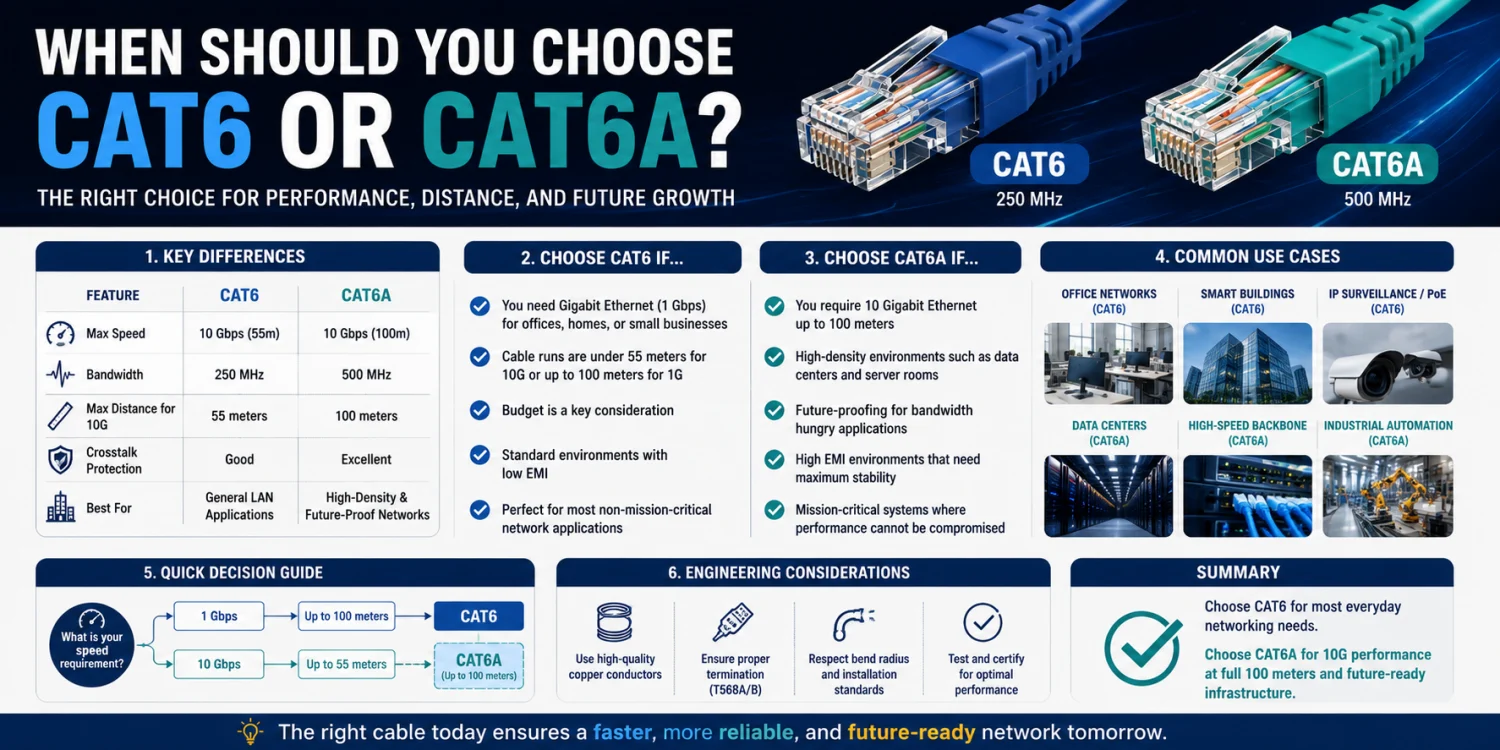
9. When Should You Choose Cat6 or Cat6A?
Choosing between Cat6 and Cat6A depends on network requirements.
Table: Ethernet Cable Selection Guide
|
Network Requirement |
Recommended Cable Type |
|
Basic home networking |
Cat5e |
|
Gigabit office LAN |
Cat6 |
|
10 Gigabit data center |
Cat6A |
|
Industrial EMI environment |
Shielded Cat6 |
|
Long-distance 10G networking |
Cat6A STP |
|
Budget-sensitive projects |
Cat5e |
|
Future-proof enterprise infrastructure |
Cat6A |
|
PoE surveillance systems |
Cat6 PoE Cable |
Choose Cat6 If:
- The budget is limited
- Network distance is moderate
- Standard Gigabit Ethernet is sufficient
- Residential or office installation is required
Choose Cat6A If:
- 10 Gigabit Ethernet is required
- Long cable runs are expected
- Future scalability is important
- High-density enterprise networking is planned
Engineering Decision Factors
Network engineers should evaluate:
- Required bandwidth
- Cable distance
- EMI conditions
- Installation environment
- Budget
- Future expansion needs
before selecting an Ethernet cable type.
10. FAQ: Cat6 Cable, Cat6A Ethernet Cable, and Network Cabling
1. What is Cat6 cable used for?
Cat6 cable is used for high-speed Ethernet networking in residential, commercial, and industrial environments. It supports Gigabit Ethernet and short-distance 10 Gigabit Ethernet applications such as office networks, data centers, smart buildings, and IP surveillance systems.
2. What is the difference between Cat5e and Cat6 cable?
The main difference is performance. Cat6 cable supports higher bandwidth (250 MHz) and improved crosstalk protection compared with Cat5e cable (100 MHz). Cat6 also supports 10 Gbps speeds over shorter distances.
3. What is Cat6A Ethernet cable?
Cat6A Ethernet cable is an enhanced version of Cat6 designed for 10 Gigabit Ethernet transmission up to 100 meters. It offers higher bandwidth, improved shielding, and better alien crosstalk protection for enterprise and data center applications.
4. Do I need shielded Cat6 cable?
Shielded Cat6 cable is recommended in environments with high electromagnetic interference, such as factories, industrial automation systems, and facilities with heavy electrical equipment. Standard office and residential networks typically use unshielded Cat6 cable.
5. Can Cat6 cable support Power over Ethernet (PoE)?
Yes. Cat6 Ethernet cable can support Power over Ethernet applications, including IP cameras, wireless access points, VoIP phones, and smart building systems. Higher-quality Cat6 cables also improve thermal performance for high-power PoE systems.
6. Is Cat6 cable better for future-proof networking?
Yes. Cat6 and Cat6A cables provide higher bandwidth and better scalability than older Ethernet cable standards. They are widely used for future-proof network infrastructure supporting cloud computing, smart buildings, and high-speed enterprise networking.
Conclusion
Cat6 cable remains one of the most important components of modern digital infrastructure. Its improved bandwidth, higher speed capability, reduced crosstalk, and strong compatibility with Gigabit and 10 Gigabit Ethernet make it a reliable solution for residential, commercial, and industrial networking applications.
While Cat5e still serves basic networking needs, Cat6 and Cat6A Ethernet cable systems provide greater scalability and long-term performance for modern high-speed data transmission environments. Selecting the right Ethernet cable requires careful consideration of bandwidth demands, installation conditions, EMI exposure, and future network expansion goals.
As digital transformation continues expanding worldwide, advanced Cat6 cable systems will remain essential for stable, efficient, and high-performance network connectivity.

Related Articles



Related Products
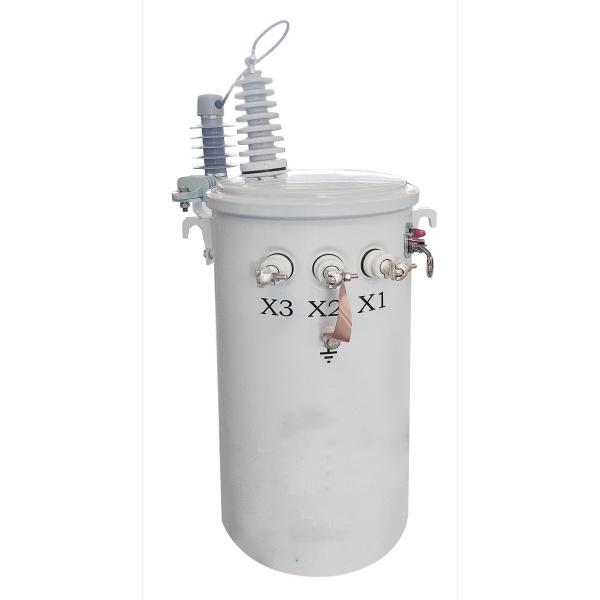
15kVA Completely self-protected(CSP) Single Phase Pole Mounted Transformer
NPC ELECTRIC the production of 15 kVA single-phase overhead transformers, meticulously engineered to meet international standards such as IEEE C57.12.00, IEEE C57.12.20, DOE-2016 Efficiency, CSA C2.1, and CSA C2.2. These certifications underscore to delivery products that are both safe and reliable. NPC electric transformers are designed to comply with the DOE 2016 efficiency standards, ensuring optimal energy efficiency and reduced operational costs. Understanding the diverse needs of our clients, NPC Electric offers a wide range of customizable voltage levels to suit various applications. Perfect manufacturing processes enable us to maintain short production cycles, ensuring timely delivery.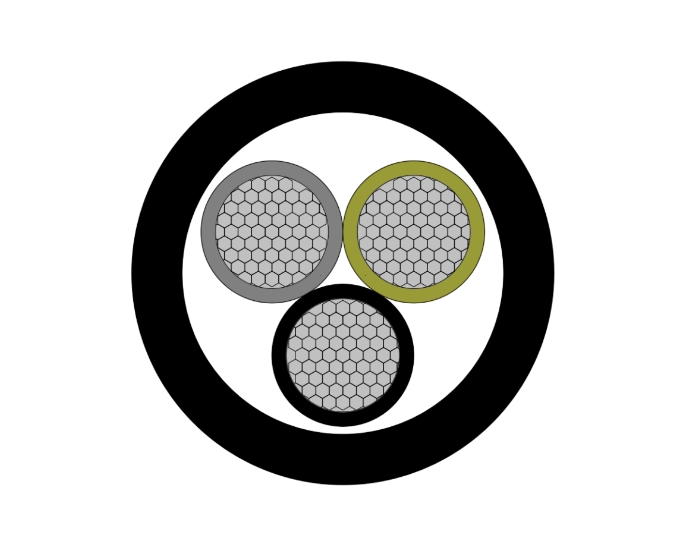
NAYY-J/NAYY-O Cables
The NAYY-J/NAYY-O Solar Cables provide cost-effective, reliable power distribution in photovoltaic systems. With sector-shaped or round aluminum conductors, PVC core insulation, and robust PVC outer jacket, they meet VDE 0276 requirements. NAYY-J includes a protective earth conductor, while NAYY-O is without. These cables excel in wet environments with superior water and chemical resistance, suitable for direct burial without additional protection. UV-stabilized and mechanically strong, they withstand soil stress and installation pulling forces. Low-weight aluminum reduces handling efforts, making them popular for extensive solar parks. NAYY-J/NAYY-O Solar Cables ensure efficient energy transfer with minimal losses, supporting sustainable solar infrastructure worldwide.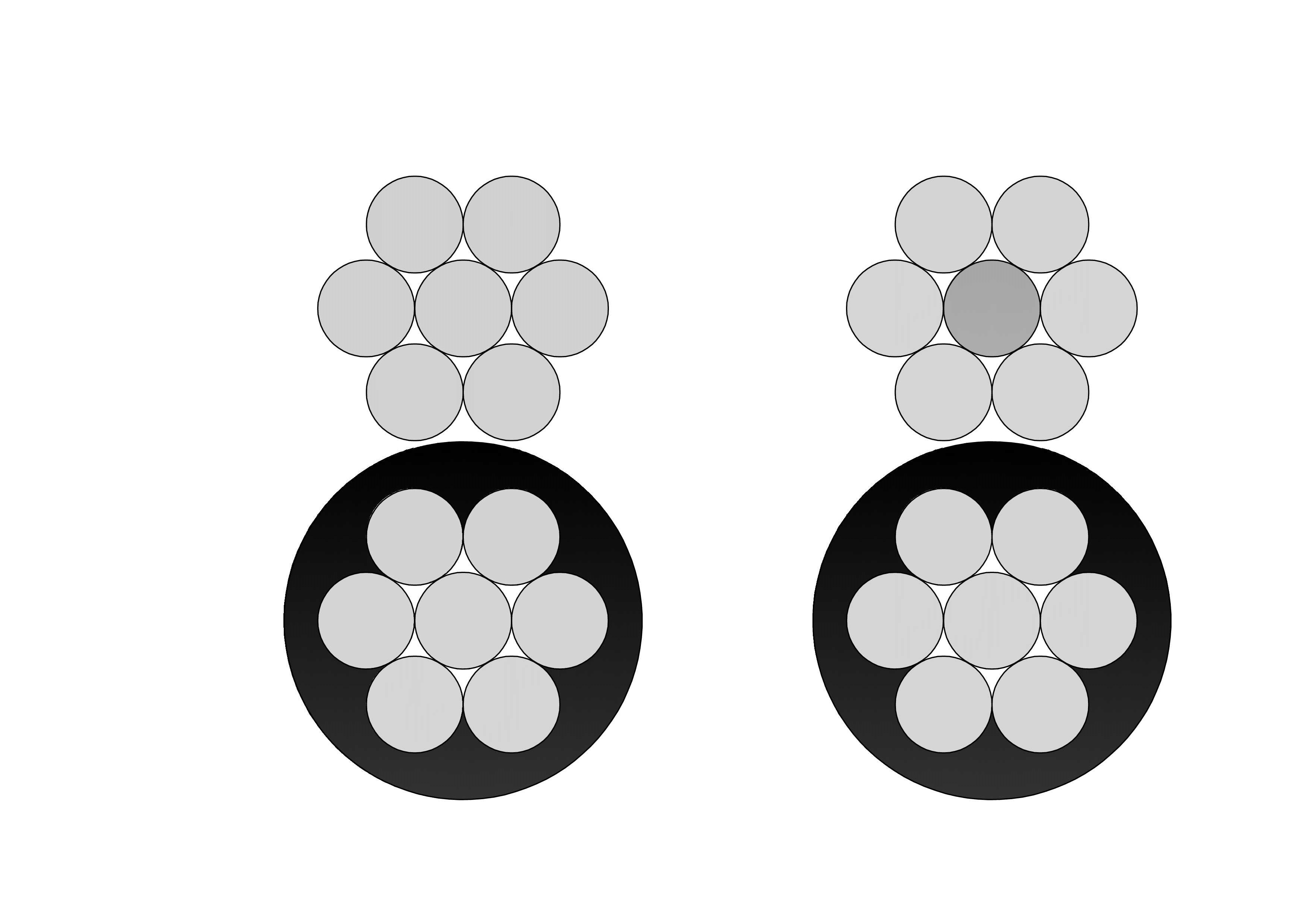
NS75/NS90 Duplex Unjacketed Overhead Neutral Supported Cable
Our NS75/NS90 Duplex Unjacketed Overhead Neutral Supported Cable provides economical self-supporting overhead distribution. Consisting of an XLPE-insulated aluminum phase conductor (75 mm² or 95 mm²) supported by a bare ACSR or AAAC neutral messenger without an overall jacket, it meets AS/NZS 3560 and utility requirements. The design reduces material costs while delivering high tracking resistance and mechanical strength for spans up to 100m. Excellent UV and moisture performance ensures longevity in exposed conditions. The NS75/NS90 Duplex Unjacketed Overhead Neutral Supported Cable offers low installation effort, minimal sag, and reliable power delivery for 600/1000V networks. Widely favored in Australia and New Zealand for residential, commercial, and rural service drops requiring lightweight, neutral-supported overhead cables with proven compliance and durability in diverse climates.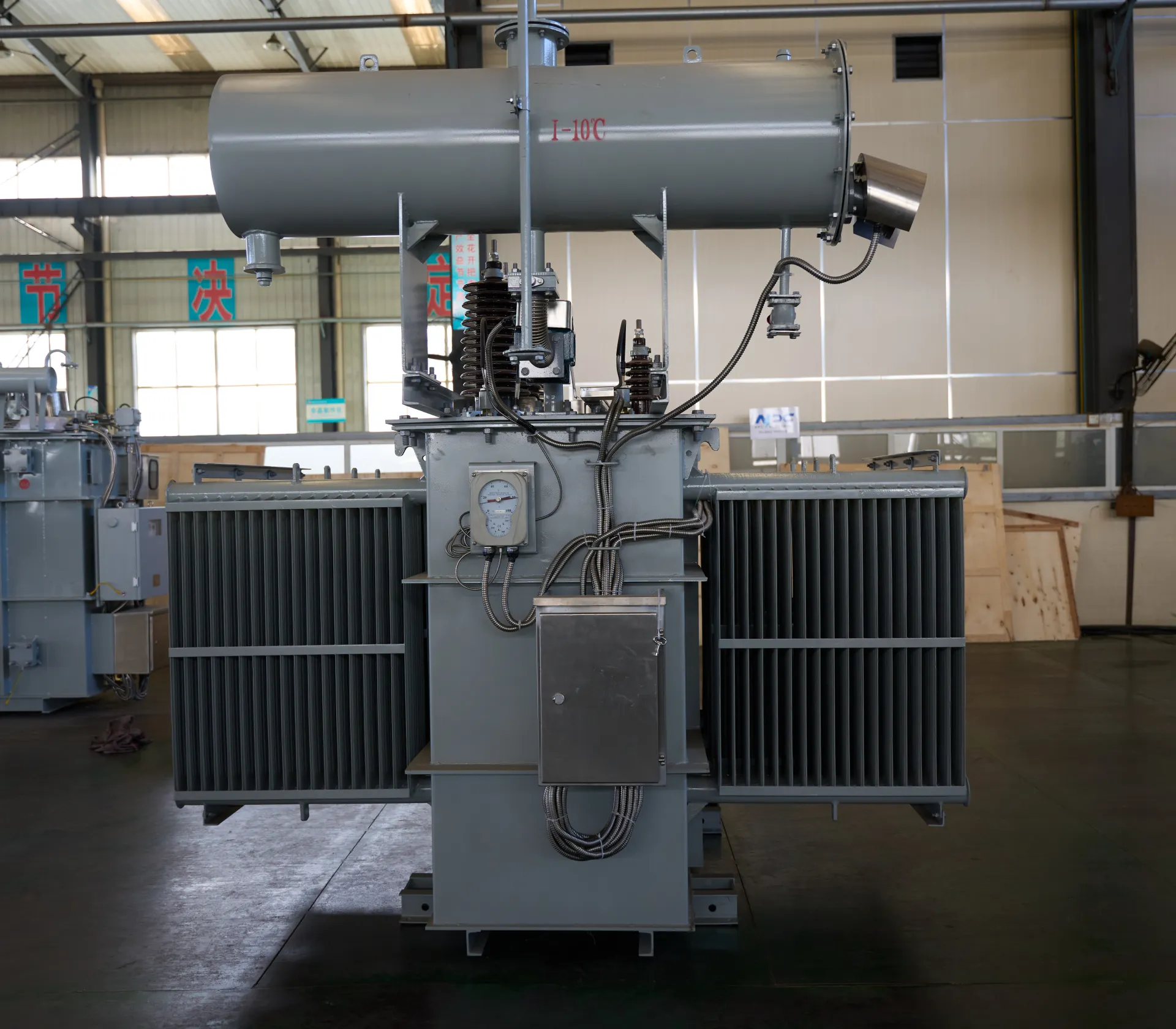
370MVA 750kV Oil-Immersed High-Voltage Transformer for Power Transmission
The 370 MVA 750 kV Oil-Immersed High-Voltage Transformer is designed for ultra-high-voltage (UHV) power transmission systems requiring exceptional reliability, stability, and long-distance energy delivery. With a robust oil-immersed insulation structure and high-grade copper windings, this transformer offers outstanding dielectric strength, low partial discharge, and excellent thermal performance. Engineered for 750kV grid networks, it effectively reduces transmission losses, enhances voltage regulation, and ensures safe operation under demanding load variations. Its precision-built core, advanced cooling system, and reinforced tank construction enable superior efficiency, extended service life, and high short-circuit resistance. Ideal for national power grid projects, long-distance transmission corridors, high-capacity substations, and UHV interconnection systems, this transformer delivers consistent and secure performance in critical large-scale power infrastructures.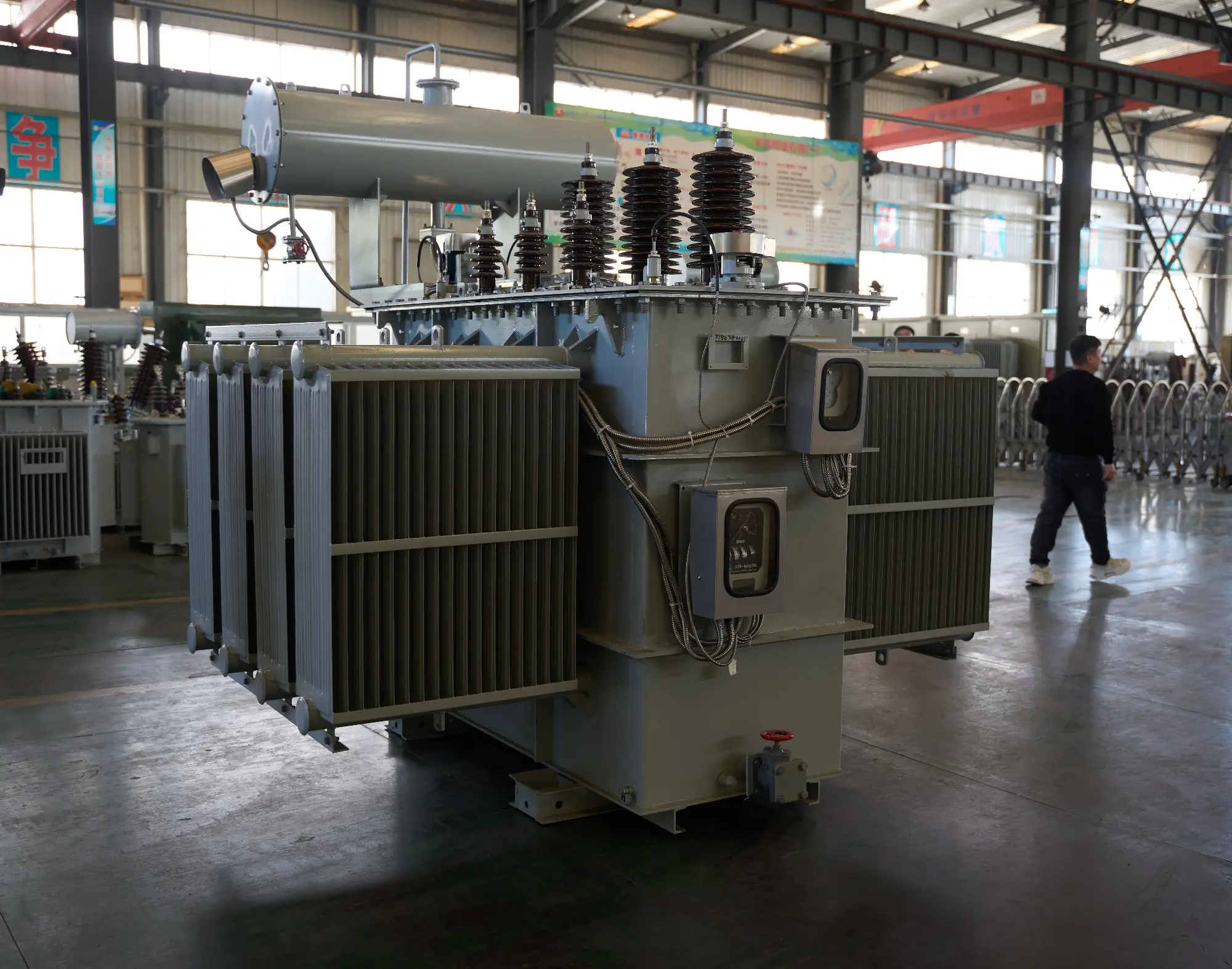
35kV 46kV Power Transformer
NPC ELECTRIC's 35kV and 46kV power(electrical) transformer complies with international standards such as IEC and ANSI, and features high efficiency, low loss, and strong insulation. This product is widely used in power grid main transformers, power plants, industrial and mining enterprises, and large infrastructure projects. Key features include mineral oil or FR3 natural ester insulation (ONAN/ONAF/ODAF cooling options), copper or aluminum windings, primary voltages 35kV or 46kV (grounded wye or delta, with dual-voltage configurations), secondary voltages 6.6kV, 11kV, 13.8kV, 33kV, or custom (e.g., 13.8kV/480V or 35kV/11kV), BIL ratings 200–650kV depending on voltage class, impedance typically 8–12%, ±2×2.5% or ±5% off-load tap changer (OLTC optional), conservator tank or sealed tank design, Buchholz relay, pressure relief device, oil temperature gauges, winding temperature indicators, and ANSI 61 gray or custom tank finish.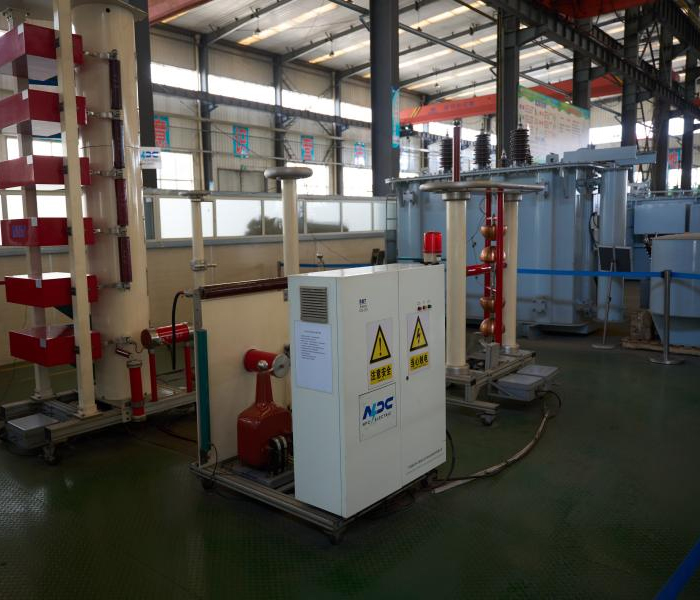
30kVA Dry Type Transformer
The 30kVA Dry type transformer complies with ANSI, CSA, NEMA, IEEE, IEC, GB, and DOE standards. NPC ELECTRIC manufactures dry-type transformers in strict accordance with the highest industry and international standards. The 30kVA dry-type transformer provides dependable, oil-free power transformation for indoor environments, stepping down primary voltages such as 480V Delta, 600V, 11kV, or 10kV to secondary outputs like 208Y/120V, 480Y/277V, or 400Y/230V in three-phase configurations.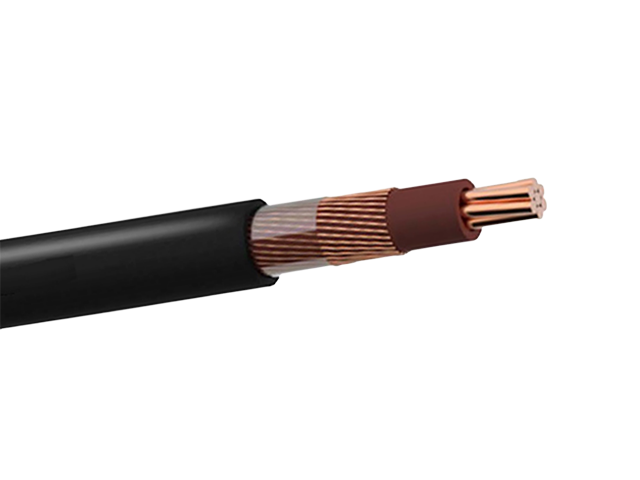
Copper Concentric Flat LV Cable 600/1000V
The Copper Concentric Flat LV Cable is engineered for safe and efficient low-voltage power delivery in residential and commercial applications. It consists of a stranded hard-drawn copper phase conductor with XLPE insulation, concentrically arranged copper neutral conductors, and a durable black polyethylene outer sheath. The flat design offers superior flexibility for easy installation in limited spaces while maintaining excellent electrical balance and mechanical protection. With high conductivity and UV-stabilized materials, this cable performs reliably in both overhead aerial and underground environments. The Copper Concentric Flat LV Cable meets international performance standards and undergoes extensive quality testing to ensure consistent performance, safety, and long service life for modern LV networks.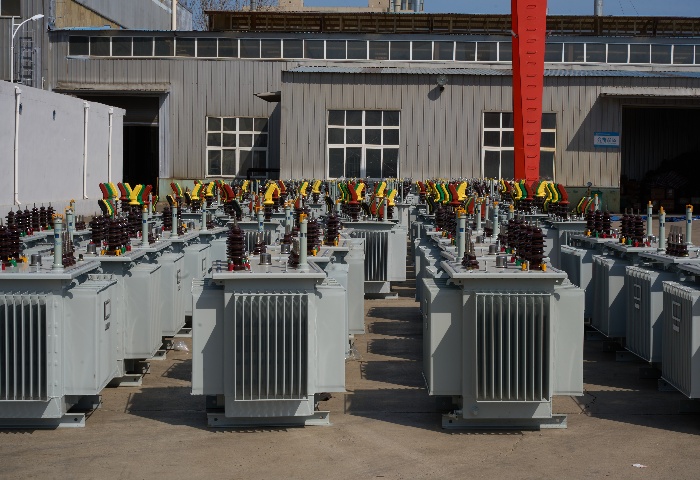
33kV Oil Immersed Transformer
33kV Oil Immersed Transformer is a high-voltage, three-phase power distribution and step-down unit engineered for reliable operation in 50/60Hz AC transmission and distribution networks with primary voltages up to 33kV (or 30-38.5kV range). It features a hermetically sealed or conservator-type tank with corrugated radiators or detachable coolers for superior thermal management and oil expansion compensation, providing excellent moisture barrier, oxidation resistance, and service life exceeding 35 years. Utilizing premium cold-rolled grain-oriented silicon steel cores with optimized step-lap joints and low-loss designs (S11/S13 series equivalents), it achieves substantial reductions in no-load losses (often 20-40% below older models), paired with high-conductivity copper windings.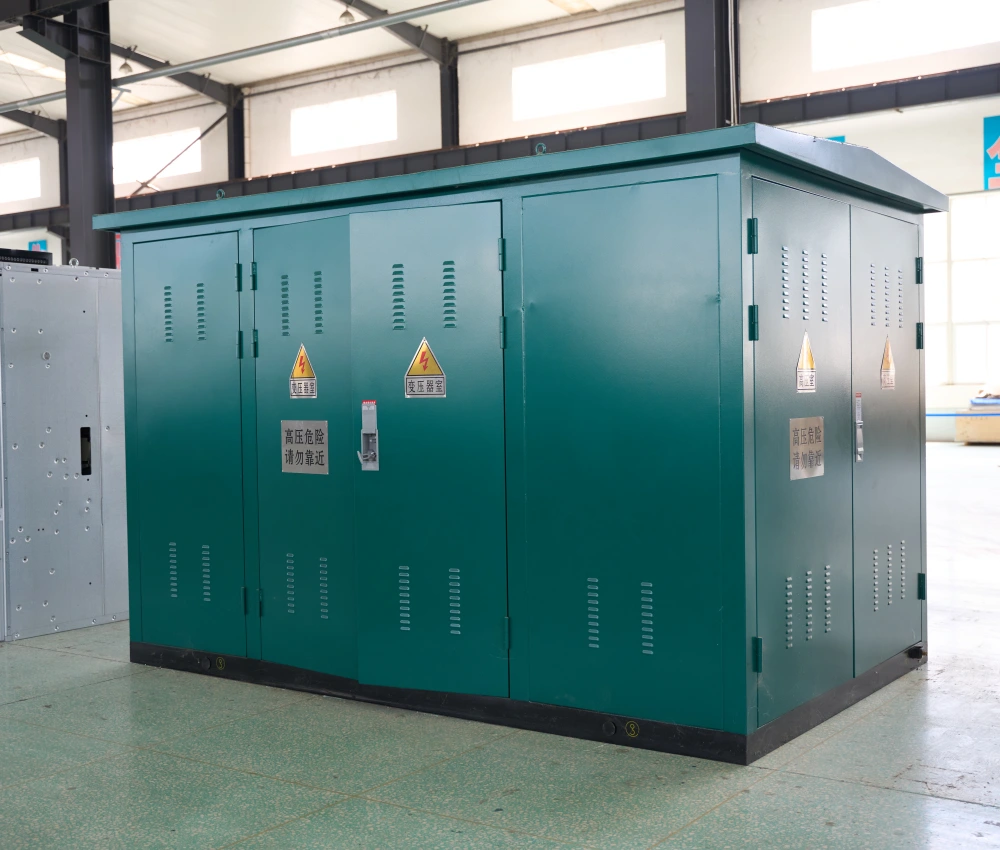
Outdoor Prefabricated Transformer Substation
The Outdoor Prefabricated Transformer Substation is an integrated medium-voltage power distribution solution designed for outdoor installation in industrial, commercial, utility, and renewable energy applications. The system combines medium-voltage switchgear, distribution transformer, low-voltage distribution equipment, and intelligent control systems into a compact prefabricated enclosure, providing efficient and reliable power transformation while minimizing construction time and installation costs. Engineered for harsh environmental conditions, the outdoor substation features a weather-resistant enclosure, corrosion-protected structure, advanced insulation technology, and optimized thermal ventilation system to ensure long-term operational stability. Its modular design allows rapid deployment, simplified transportation, and flexible installation while improving maintenance accessibility and operational safety. The Outdoor Prefabricated Transformer Substation supports multiple voltage levels, transformer capacities, and intelligent automation functions, making it suitable for utility distribution systems, renewable energy projects, urban infrastructure, mining facilities, transportation networks, and industrial manufacturing plants. With smart-grid compatibility and customizable configurations, the substation provides efficient and scalable electrical distribution performance for modern power networks.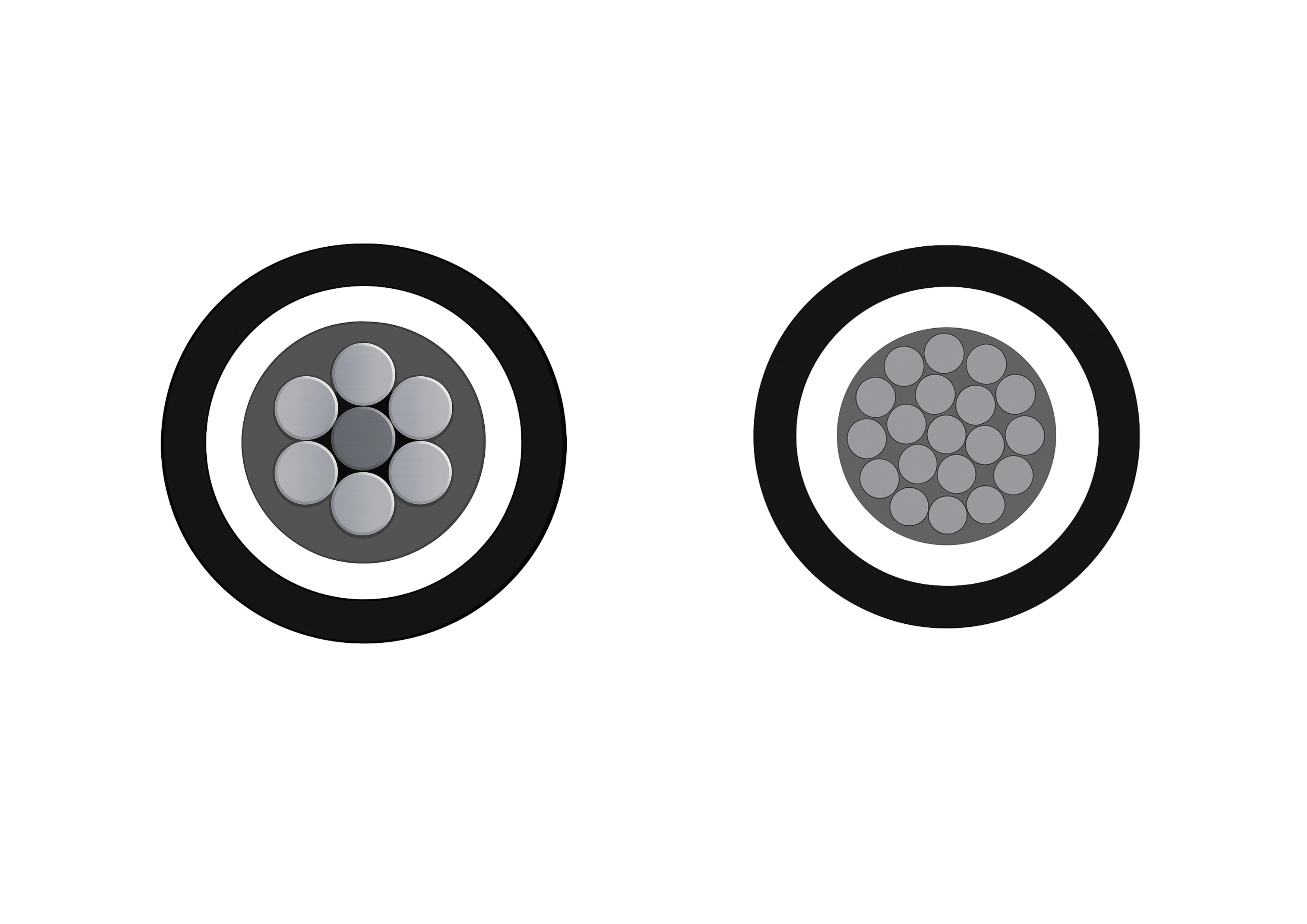
3-Layer 35kV AAC/AAAC/ACSR Tree Wire - Covered Overhead MV Cable
The 3-Layer 35kV AAC/AAAC/ACSR Tree Wire is an advanced covered medium-voltage overhead conductor engineered for reliable performance in areas with dense vegetation. It features a concentrically stranded AAC, AAAC, or ACSR conductor protected by a triple-layer system of track-resistant high-density polyethylene (HDPE) or cross-linked polyethylene (XLPE). The multi-layer covering provides exceptional tracking resistance, abrasion protection, and weatherability while significantly reducing the risk of electrical faults caused by tree limb contact and minimizing wildfire ignition potential. This design allows closer spacing to vegetation and lowers vegetation management costs. Suitable for both conventional overhead lines and spacer cable systems, the 3-Layer 35kV AAC/AAAC/ACSR Tree Wire meets ICEA S-121-733 and related ASTM standards. It undergoes rigorous quality testing from raw materials to finished product, ensuring excellent dielectric strength, mechanical robustness, and long-term durability in challenging environments.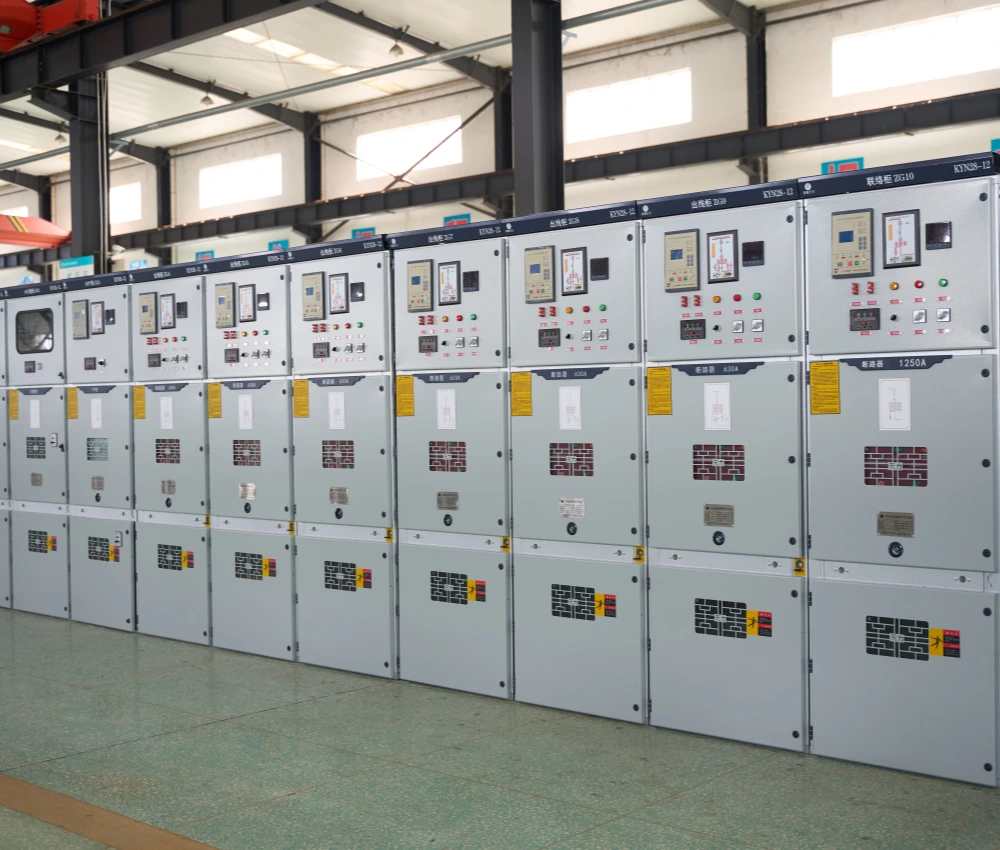
Low Voltage Distribution Cabinet
The Low Voltage Distribution Cabinet is an essential power management solution engineered for safe, reliable, and efficient electricity distribution in low-voltage systems. Designed for both indoor and outdoor applications, it organizes and protects electrical circuits while providing flexible feeder management for lighting, power outlets, motors, and auxiliary equipment. With robust construction and intelligent design, this cabinet minimizes energy losses, enhances system safety, and supports easy expansion in commercial, industrial, and infrastructure projects. Featuring high-performance circuit breakers, precision busbar systems, and comprehensive protection devices, the cabinet delivers superior short-circuit resistance, overload protection, and leakage prevention. Its modular layout allows for quick configuration changes and maintenance. Advanced options include digital metering, remote monitoring, and automatic transfer capabilities, making it ideal for modern smart grid integration. This distribution cabinet ensures stable power supply, reduces operational risks, and complies with the latest international electrical standards.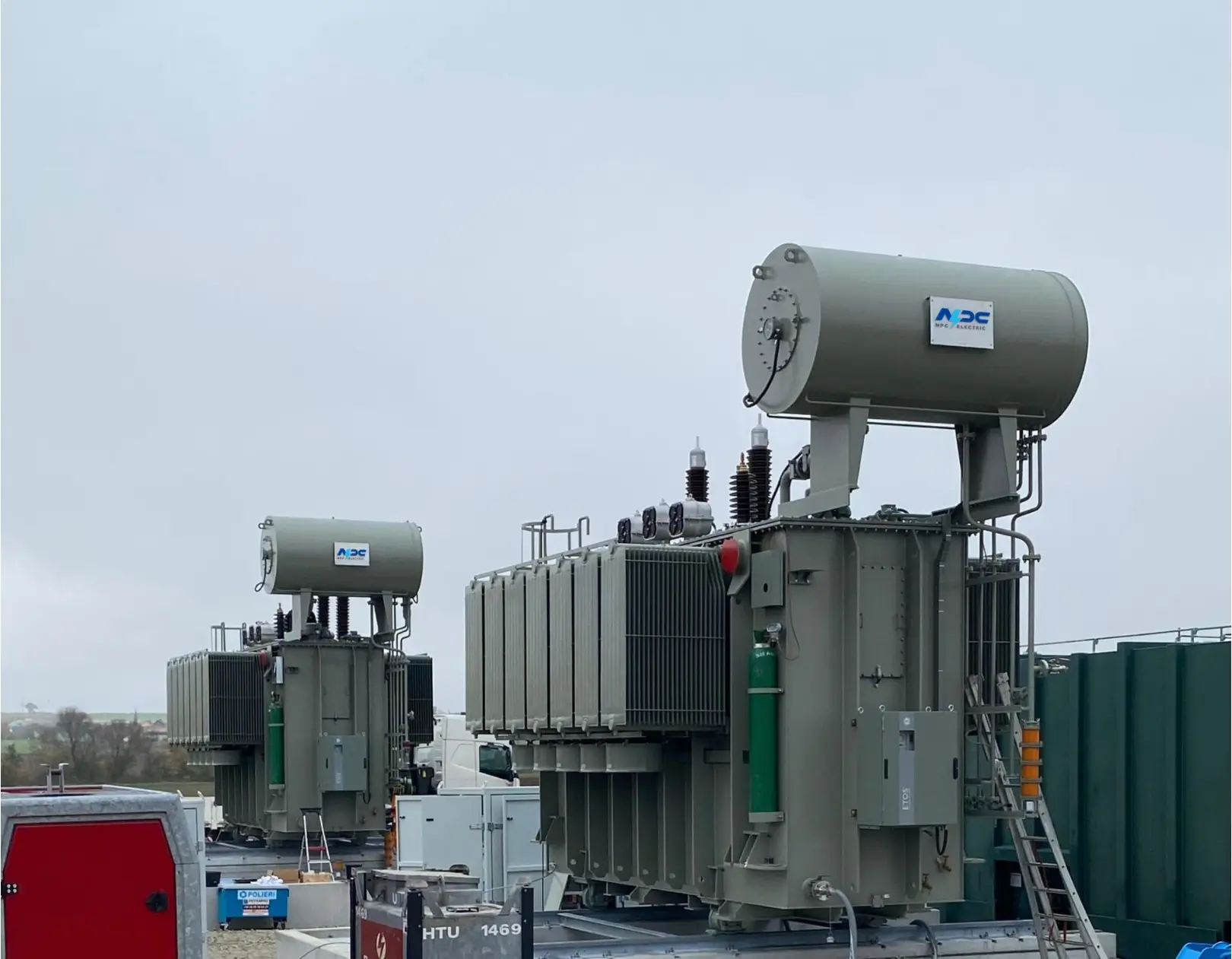
230kV 3-Phase Step-Down Power Transformer
The 230kV 3-Phase Step-Down Power Transformer is designed to reduce high transmission voltages to suitable distribution levels while maintaining excellent efficiency and operational stability. Engineered for utility substations and large-scale grid interfaces, this transformer ensures safe and controlled power delivery from high-voltage networks to regional or industrial distribution systems. Its oil-immersed insulation system provides strong dielectric protection and efficient thermal dissipation, enabling reliable continuous operation under varying load conditions. Precision core construction and optimized winding layout help minimize energy losses and voltage fluctuation. The transformer’s robust mechanical design enhances resistance to short-circuit forces and thermal stress, supporting long service life and low maintenance. This solution is ideal for modern power grids requiring dependable voltage transformation and efficient energy management.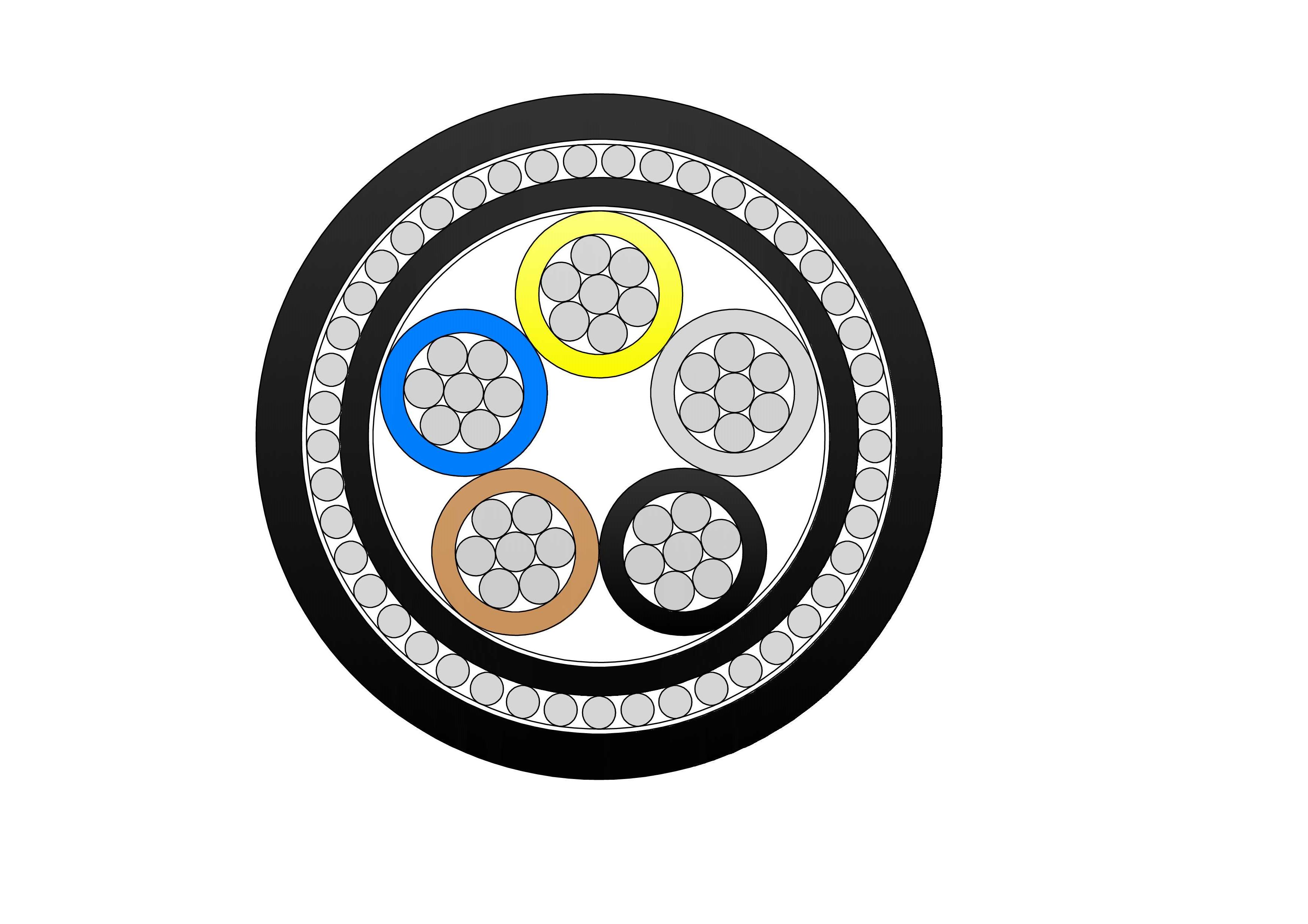
NA2XRY 0.6/1kV Low Voltage Power Cable
NA2XRY 0.6/1kV are low voltage power cables designed according to BS 5467 standard, suitable for fixed installation in indoor, outdoor, underground, or concrete (Can withstand certain mechanical forces) environments. Constructed with aluminium conductors, thermosetting XLPE insulation, PVC inner bedding, double galvanised steel tape armour, and tough PVC outer sheath, it meets IEC 60502-1 requirements. The STA armour offers outstanding resistance to compression and external forces, enabling direct burial. Lightweight aluminium lowers installation costs while ensuring good current rating and low losses. Flame-retardant and stable in harsh conditions, the NA2XRY 0.6/1kV Low Voltage Power Cable is favoured for manufacturing plants, renewable sites, commercial complexes, and infrastructure demanding reliable, low-maintenance low-voltage cabling with enhanced mechanical safeguarding.
33kV 630kVA Prefabricated Compact Substation
The 33kV 630kVA Prefabricated Compact Substation is a highly integrated medium-voltage power distribution solution designed for modern electrical infrastructure projects requiring reliable, space-saving, and efficient energy transformation. The substation combines 33kV medium-voltage switchgear, a 630kVA distribution transformer, low-voltage distribution panels, and intelligent protection systems within a compact outdoor enclosure, reducing installation complexity and minimizing civil construction requirements. Engineered for stable operation in demanding industrial and environmental conditions, the compact substation features a reinforced enclosure structure, advanced insulation technology, optimized ventilation systems, and corrosion-resistant surface treatment. The modular design improves transportation efficiency, shortens commissioning cycles, and simplifies future maintenance operations while ensuring long-term operational reliability. This 33kV 630kVA compact transformer substation is suitable for renewable energy integration, industrial facilities, mining operations, commercial developments, and urban utility distribution systems. Optional intelligent monitoring systems and remote communication interfaces support modern smart-grid applications and enable efficient power management for evolving electrical networks.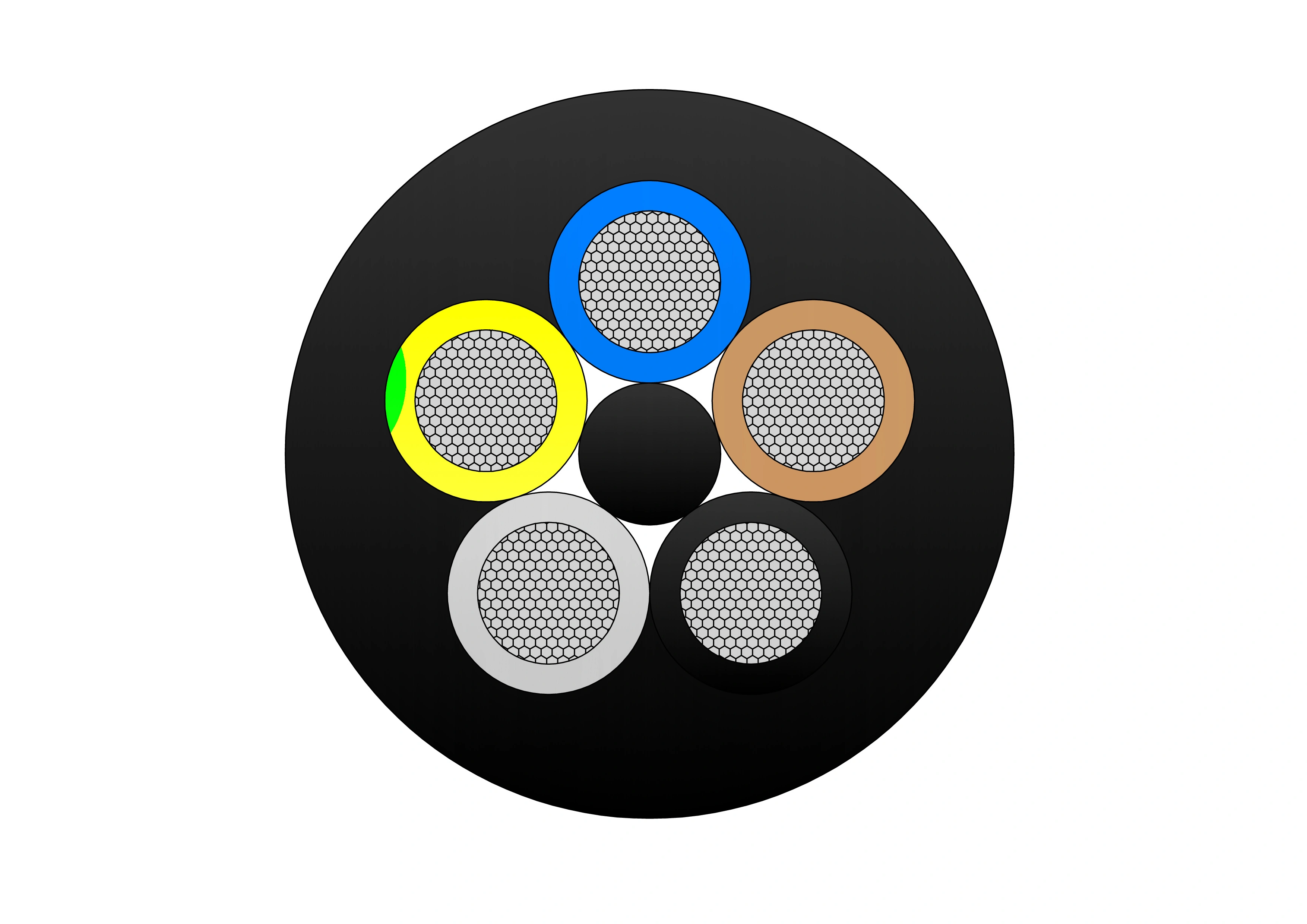
Type 409 Flexible Copper Screened Mining Cable With Central Pilot
The Type 409 Flexible Copper Screened Mining Cable with Central Pilot is a heavy-duty flexible cable engineered for reliable and safe underground mining operations. It features finely stranded tinned copper conductors (class 5) for excellent flexibility and corrosion resistance, EPR (ethylene propylene rubber) insulation for superior dielectric strength and 90°C continuous thermal rating, an overall tinned copper braid screen providing effective EMI protection and grounding, a central pilot core for earth continuity monitoring, safety interlocks, and fault detection, and an extra-heavy-duty flame-retardant rubber outer sheath resistant to oil, abrasion, tearing, crushing, impact, and chemicals. Compliant with AS/NZS 2802 and mining safety standards, it supports high tensile loads, frequent reeling/drag, tight bending radii, and reliable performance in wet, dusty, and hazardous mine conditions. The Type 409 is ideal for power supply to continuous miners, shuttle cars, longwall equipment, drills, and other mobile machinery in coal and metalliferous mines, ensuring enhanced safety through pilot core monitoring and maximum durability.Welcome your inquiry
Honesty, Integrity, Frugality, Activeness and Passion