
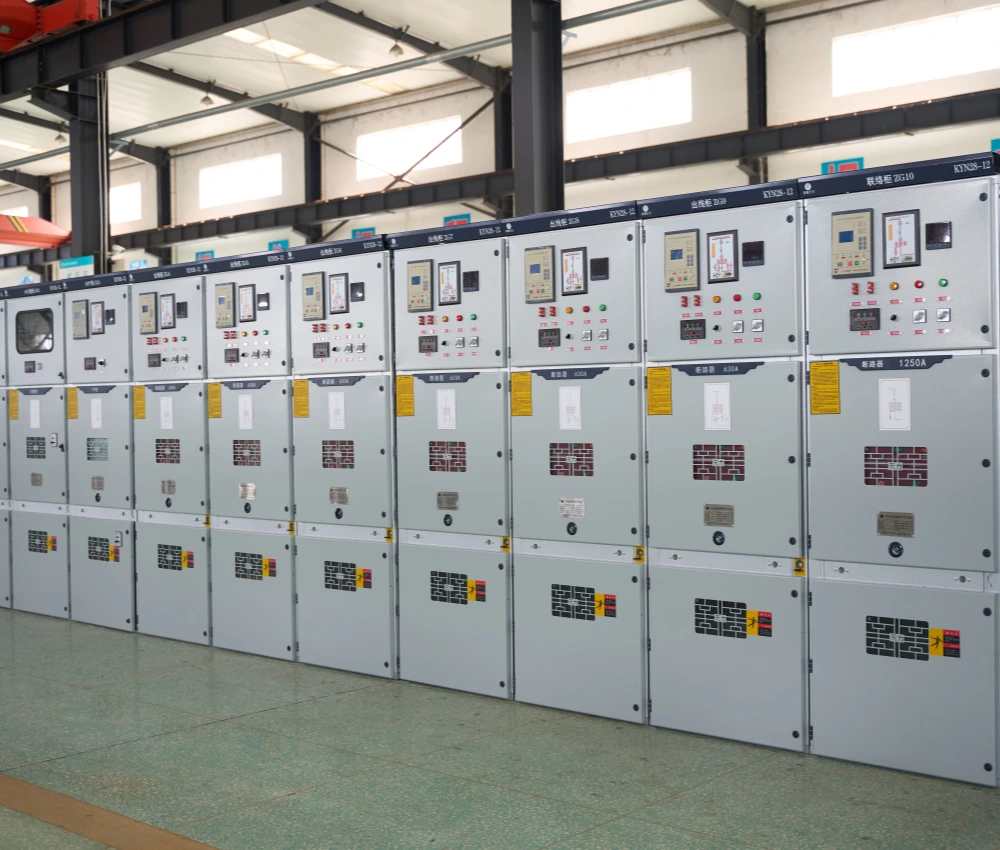
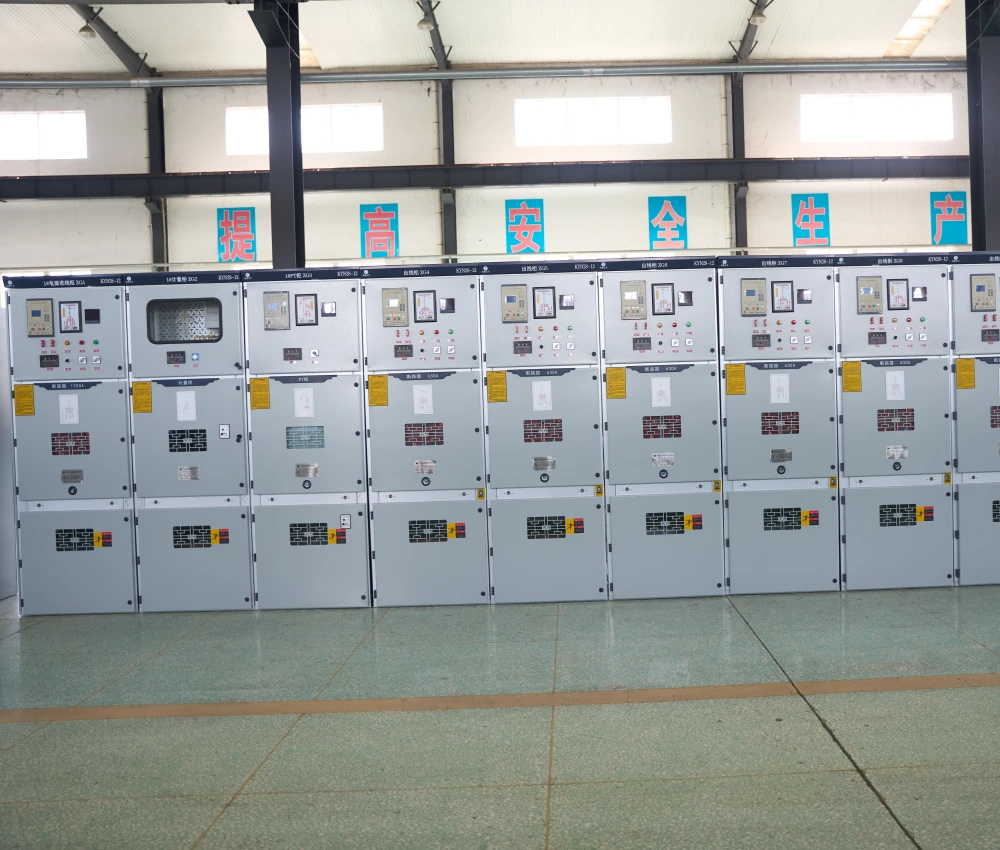
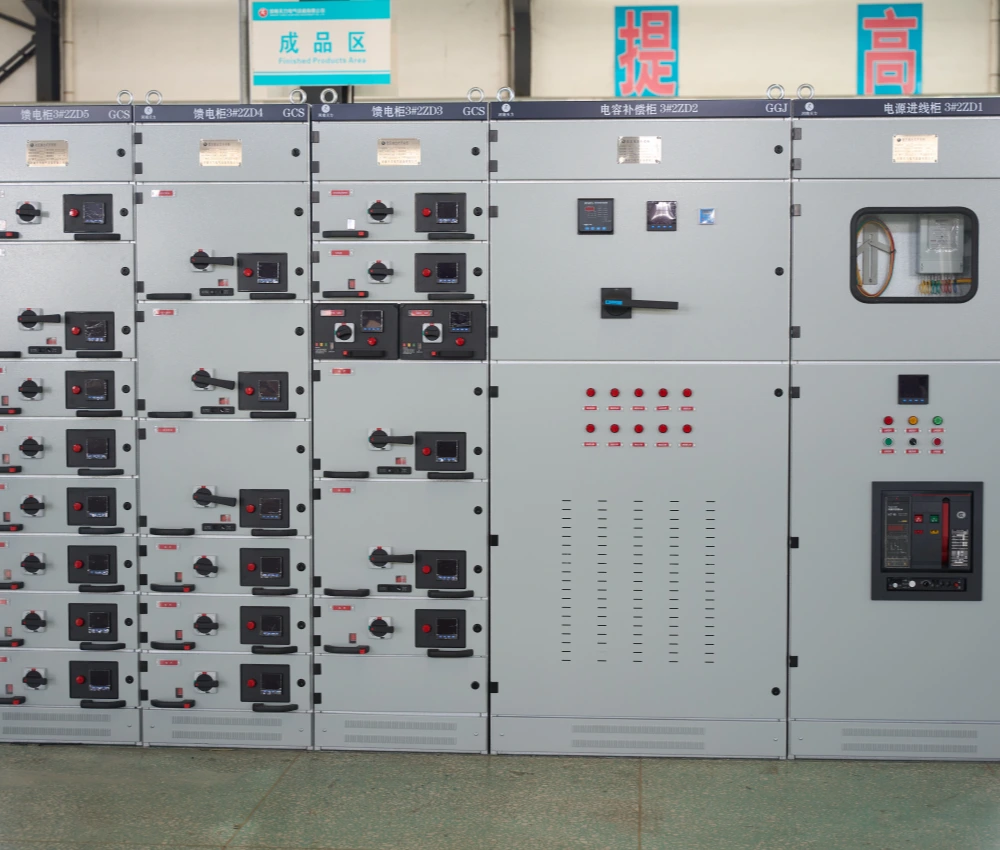
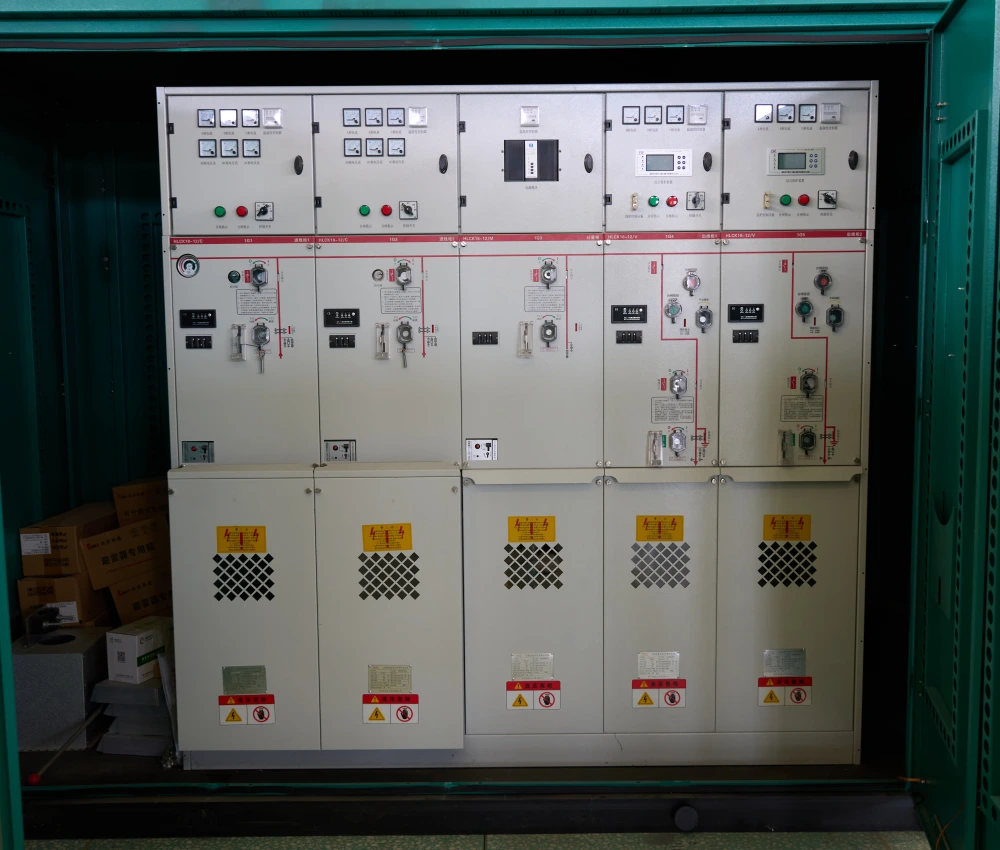
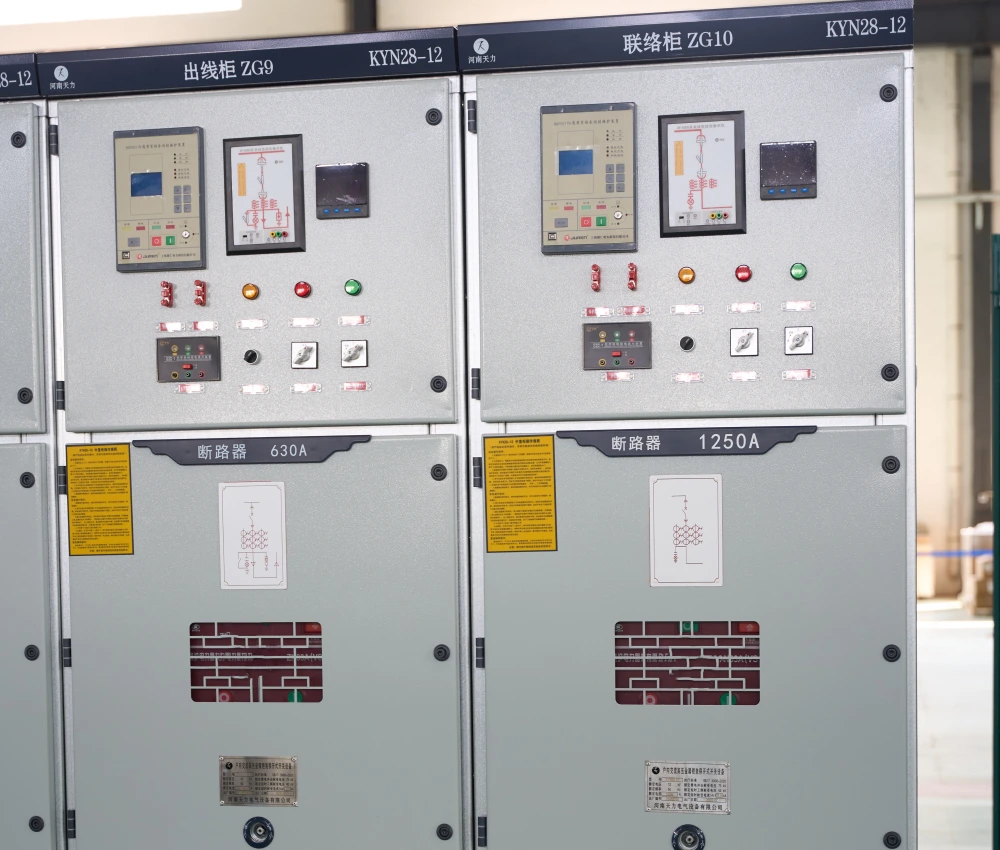


High Voltage Solid State Soft Start Cabinet
The High Voltage Solid State Soft Start Cabinet is an advanced motor control and protection system specifically engineered for medium and high-voltage industrial motors operating in demanding applications such as mining, petrochemical processing, power generation, water treatment, metallurgy, cement production, and large-scale manufacturing facilities. The cabinet utilizes high-performance thyristor solid-state control technology to provide smooth motor acceleration, reduce inrush current, minimize mechanical stress, and improve overall power system stability during motor startup operations. Designed with intelligent digital control architecture and precision-engineered power modules, the high voltage soft start cabinet significantly reduces voltage fluctuations, mechanical shock, and thermal stress commonly associated with direct-on-line motor starting methods. The system effectively extends motor service life, reduces maintenance requirements, and improves operational reliability for high-capacity pumps, compressors, conveyors, crushers, fans, and industrial processing equipment. Its modular cabinet structure simplifies installation, maintenance access, and future system expansion while ensuring safe and stable long-term operation. The High Voltage Solid State Soft Start Cabinet supports intelligent monitoring systems, programmable control logic, remote communication interfaces, and comprehensive protection functions for modern industrial automation environments.
- Primary Voltage Ratings 3kV / 6kV / 10kV / 11kV / 13.8kV
- Type Switchgear
- Standards IEC / IEEE / GB
- Application mining equipment, industrial pumps, compressors
- Certificate UL, CESI, IEEE
- Cooling Method ONAN / ONAF
Technical Specifications
Customization Optional
Packing and Shipping
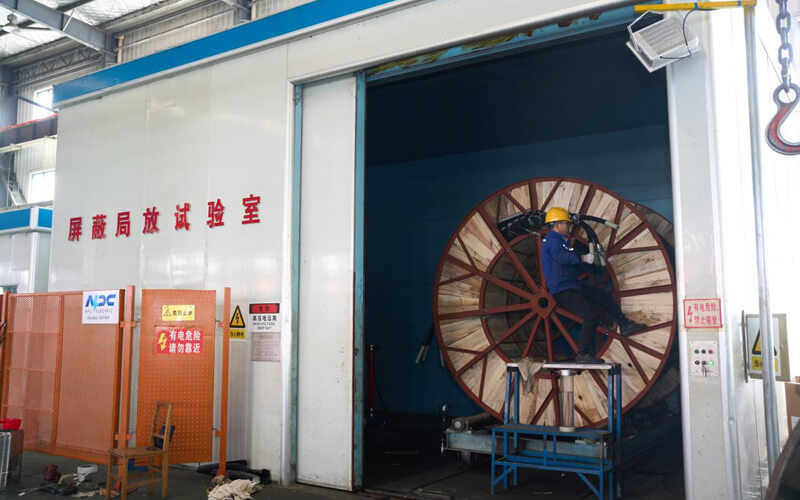
Manufacturer Test
Routine Testing
Application
Technical Specifications
High Voltage Solid State Soft Start Cabinet
High Voltage Solid State Soft Start Cabinet Data Sheet
| Parameter | Specification | Details |
| Rated Voltage | 3kV / 6kV / 10kV | Customizable up to 15kV |
| Rated Current | 100A - 2000A | Depends on power rating |
| Power Range | 150kW - 20MW | Asynchronous & synchronous motors |
| Starting Current Limit | 1.5 - 4.5 × Rated Current | Adjustable |
| Ramp Time | 1 - 180 seconds | Voltage/Current ramp options |
| Frequency | 50/60Hz ±2Hz | - |
| Control Power | 220VAC / 110VDC | Isolated supply |
| Cooling Method | Forced air / Natural | Redundant fans optional |
| Protection Class | IP30 / IP54 (indoor) | Higher on request |
| Operating Temperature | -10°C to +45°C | Humidity ≤95% non-condensing |
| Communication | Modbus RTU / Profibus / Ethernet | Optional |
| Standards Compliance | IEC 60947-4-2, UL347, GB/T | Certified |
Customization Optional
High Voltage Solid State Soft Start Cabinet
The High Voltage Solid State Soft Start Cabinet can be extensively customized according to motor capacity, industrial operating conditions, control requirements, and project-specific power distribution architectures. Customers may select different voltage classes, current capacities, thyristor module ratings, and motor starting control modes depending on equipment load characteristics and operational requirements. The cabinet can additionally integrate bypass vacuum contactors, intelligent PLC systems, harmonic suppression devices, power factor correction modules, and advanced digital protection relays for improved electrical performance and energy efficiency. Optional control functions include current limiting start, voltage ramp start, soft stop control, dual motor control systems, and intelligent fault diagnosis features to improve operational stability and simplify maintenance management.
The enclosure structure and internal electrical configuration can also be optimized for mining operations, petrochemical facilities, water treatment plants, thermal power stations, cement factories, steel manufacturing plants, and heavy industrial processing environments. Optional features include anti-condensation heaters, thermal monitoring systems, intelligent ventilation units, arc flash protection devices, remote communication interfaces, and redundant control power supplies for critical industrial applications. Customers may further customize cabinet dimensions, cable routing directions, busbar configurations, enclosure colors, branding labels, and intelligent monitoring interfaces to improve installation flexibility and automation integration efficiency. These advanced customization capabilities ensure the soft start cabinet can fully adapt to modern industrial motor control systems and high-demand electrical automation applications.
Packing and Shipping
High Voltage Solid State Soft Start Cabinet
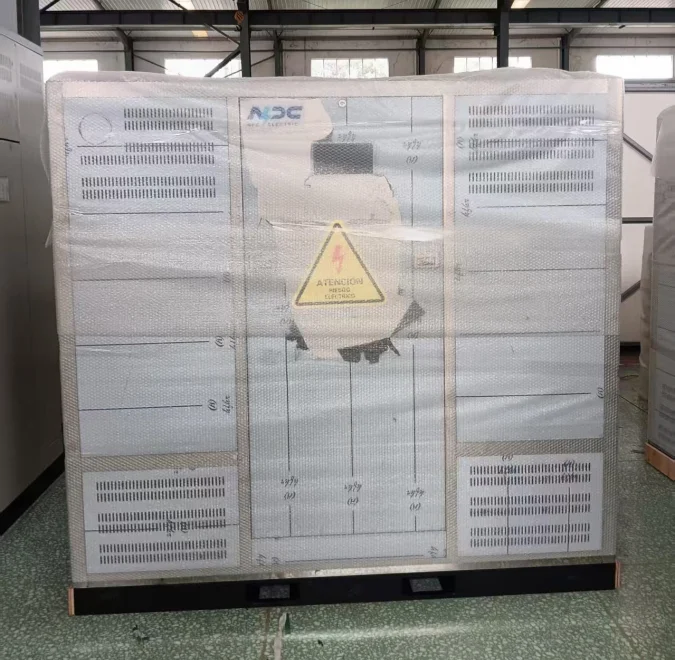
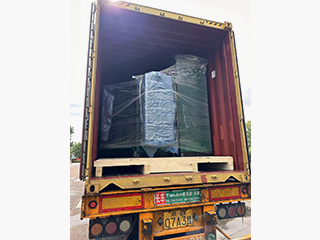
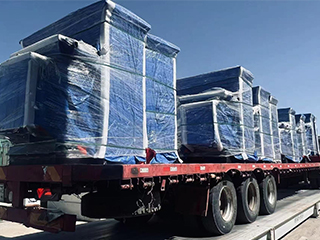
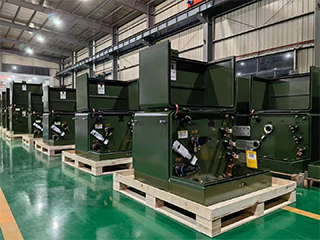
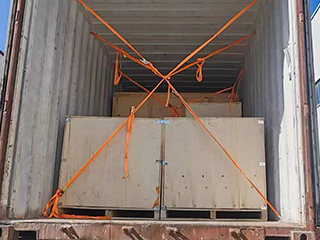
The High Voltage Solid State Soft Start Cabinet is packaged using industrial heavy-duty export protection methods to ensure safe transportation, reliable storage, and secure international shipment under demanding logistics conditions. Prior to packaging, the complete cabinet assembly undergoes structural inspection, enclosure sealing verification, electrical component protection assessment, and anti-corrosion coating inspection to minimize transportation risks and environmental exposure. Sensitive electronic devices including thyristor modules, PLC controllers, communication systems, protection relays, and digital monitoring interfaces are additionally protected using moisture-proof and vibration-resistant industrial packaging materials.
Each cabinet is internally reinforced using transportation locking systems and heavy-duty steel support structures to prevent component movement during road, railway, or sea transportation. Power modules, busbar systems, control wiring assemblies, cooling fans, and intelligent monitoring devices are securely fixed to reduce vibration impact and maintain assembly integrity throughout shipment operations. External cabinet surfaces are protected using industrial waterproof wrapping film, anti-scratch protective covers, reinforced corner guards, and impact-resistant fastening systems to preserve enclosure quality during long-distance transportation and warehouse storage.
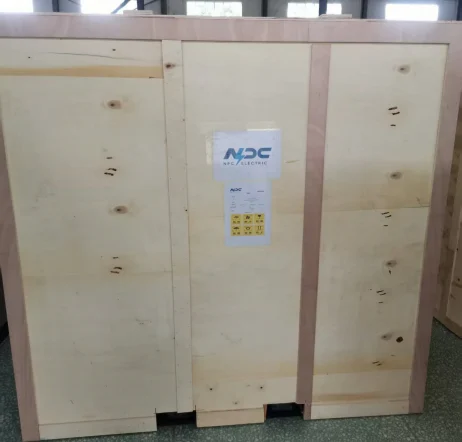
Depending on project dimensions, transportation conditions, and customer logistics requirements, the high voltage soft start cabinet may be shipped using steel-frame export packaging, skid-mounted transportation systems, fumigation-free wooden crates, or direct container securing structures compliant with international logistics standards. Additional anti-condensation protection systems, anti-vibration reinforcement measures, and marine-grade corrosion protection solutions are available for offshore projects, mining operations, coastal installations, and remote industrial facilities requiring extended transportation durations and complex logistics coordination.
Shipping documentation generally includes factory inspection reports, operation manuals, electrical schematics, wiring diagrams, quality certificates, packing lists, and export compliance documentation. Customers may additionally request multilingual labels, customized shipping marks, installation guidance manuals, and project-specific logistics support services. The complete packing and shipping procedure is designed to maintain equipment reliability, reduce transportation risks, and ensure safe delivery to the final installation destination while preserving electrical and mechanical integrity.
Each cabinet is internally reinforced using transportation locking systems and heavy-duty steel support structures to prevent component movement during road, railway, or sea transportation. Power modules, busbar systems, control wiring assemblies, cooling fans, and intelligent monitoring devices are securely fixed to reduce vibration impact and maintain assembly integrity throughout shipment operations. External cabinet surfaces are protected using industrial waterproof wrapping film, anti-scratch protective covers, reinforced corner guards, and impact-resistant fastening systems to preserve enclosure quality during long-distance transportation and warehouse storage.
Depending on project dimensions, transportation conditions, and customer logistics requirements, the high voltage soft start cabinet may be shipped using steel-frame export packaging, skid-mounted transportation systems, fumigation-free wooden crates, or direct container securing structures compliant with international logistics standards. Additional anti-condensation protection systems, anti-vibration reinforcement measures, and marine-grade corrosion protection solutions are available for offshore projects, mining operations, coastal installations, and remote industrial facilities requiring extended transportation durations and complex logistics coordination.
Shipping documentation generally includes factory inspection reports, operation manuals, electrical schematics, wiring diagrams, quality certificates, packing lists, and export compliance documentation. Customers may additionally request multilingual labels, customized shipping marks, installation guidance manuals, and project-specific logistics support services. The complete packing and shipping procedure is designed to maintain equipment reliability, reduce transportation risks, and ensure safe delivery to the final installation destination while preserving electrical and mechanical integrity.
32
32 years of industry experience
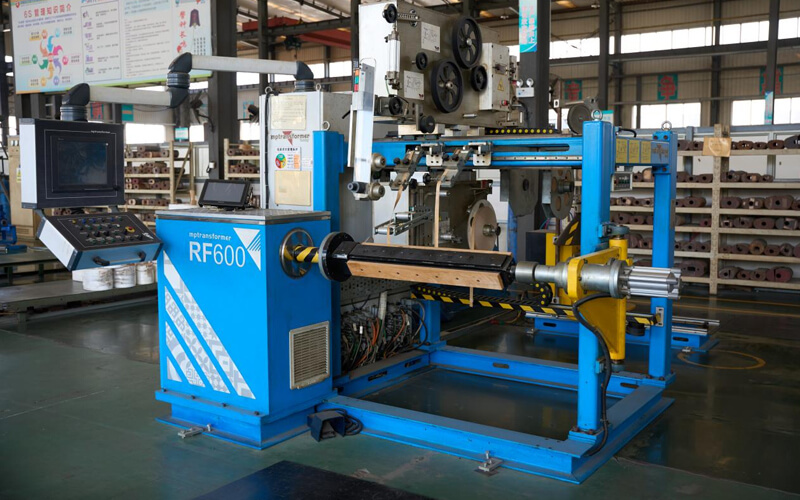
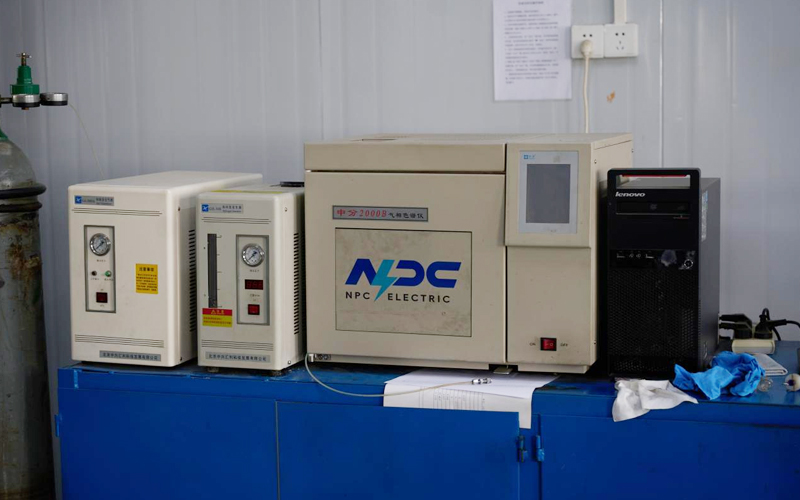
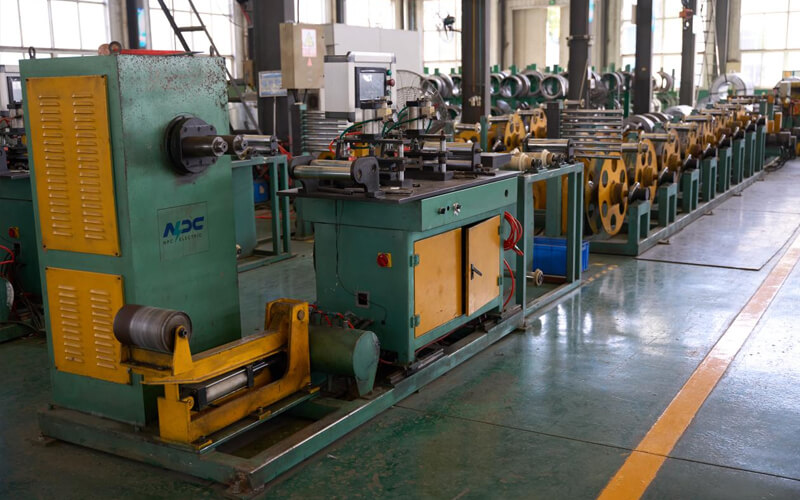
Manufacturer Test
High Voltage Solid State Soft Start Cabinet
Progress Test
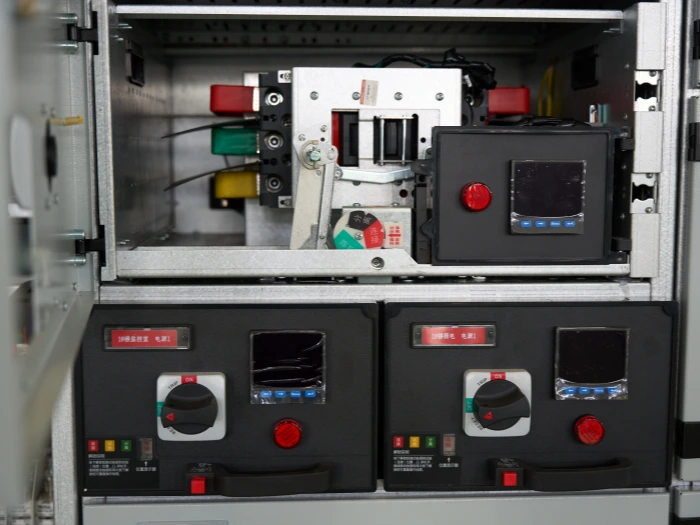
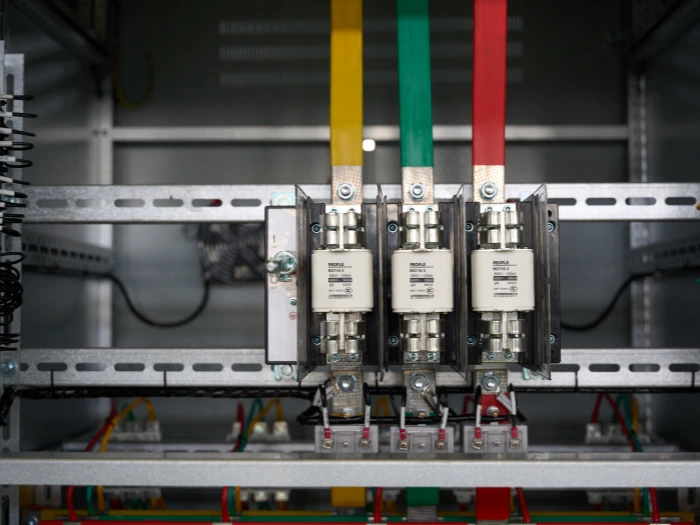
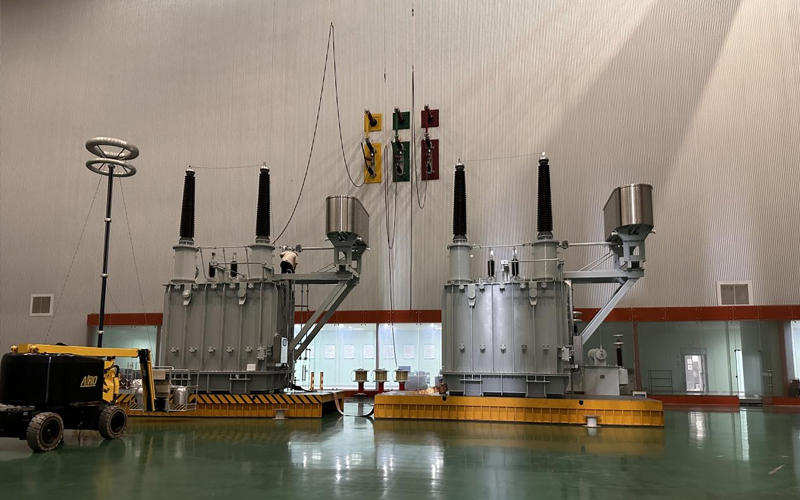
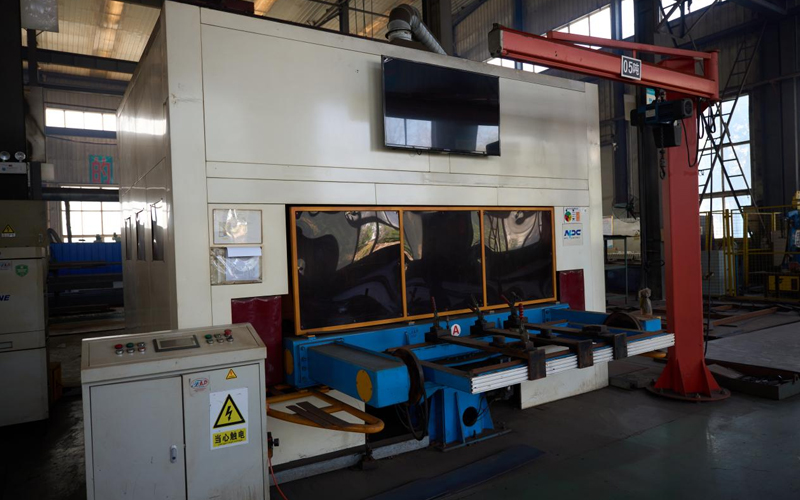
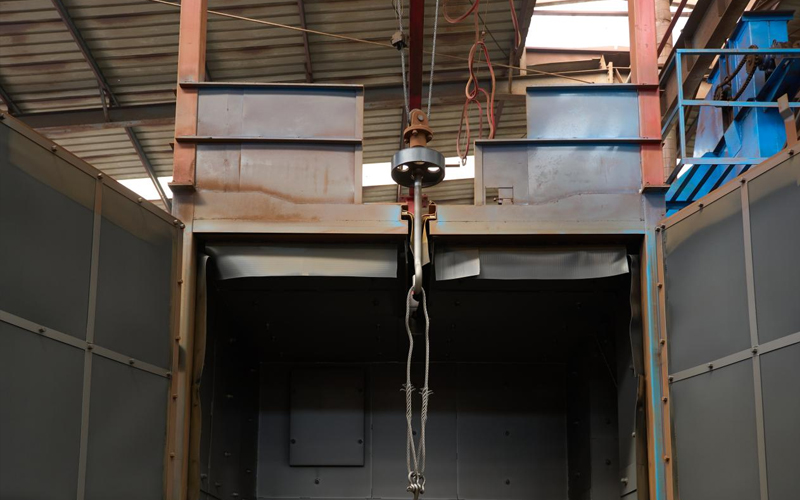
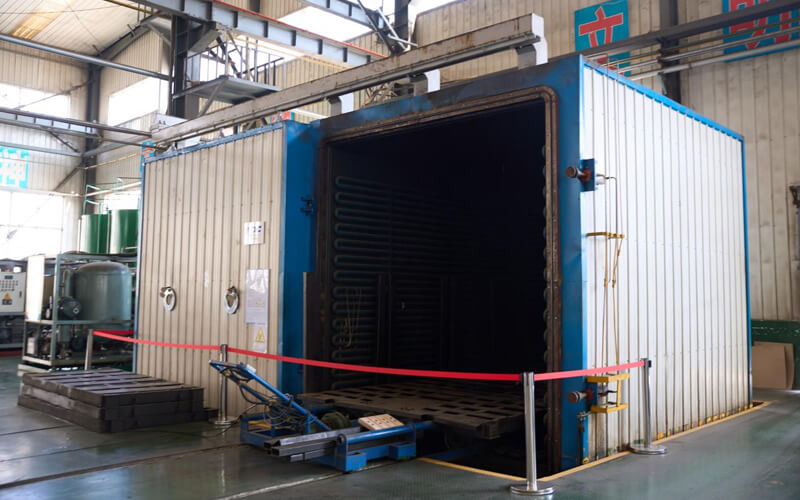
The manufacturing progress testing procedure for the High Voltage Solid State Soft Start Cabinet is implemented throughout all major production stages to ensure assembly precision, operational safety, and electrical reliability. Initial inspections focus on raw material verification including enclosure steel thickness measurement, insulation material testing, SCR thyristor module inspection, busbar conductivity analysis, and surface coating evaluation to confirm compliance with engineering specifications and international manufacturing standards. During cabinet fabrication and component installation, engineers inspect welding quality, compartment alignment, grounding continuity, cooling system installation, cable routing structures, and enclosure sealing integrity. The installation of thyristor modules, vacuum contactors, protection relays, PLC systems, intelligent monitoring devices, and communication interfaces is carefully monitored to ensure proper electrical clearances and maintenance accessibility. Internal wiring systems are additionally verified according to approved technical drawings to reduce installation errors and improve commissioning efficiency.
Design Tests
All transformers will be tested after finishing the production, test items as follows:
♦ Insulation Power Factor
♦ Ratio, Polarity, and Phase Relation
♦ Winding Resistance
♦ Impulse Tests
♦ On load Loss Test
♦ No Load Loss Test
♦ Transformer Turns Ratio/TTR (All Tap Voltages)
♦ Impedance Voltage & Load Loss (Rated Voltage)
♦ Polarity, 1-Ph / Phase Relation, 3-Ph (Rated Voltage)
♦ Excitation & No-Load Loss (Rated Voltage)
♦ Applied Voltage
♦ Induced Voltage
♦ Lightning Impulse
♦ Insulation Resistance (Rated Voltage)
♦ Temperature Rise
♦ Dielectric Withstand (Hipot)
Factory Acceptance Test
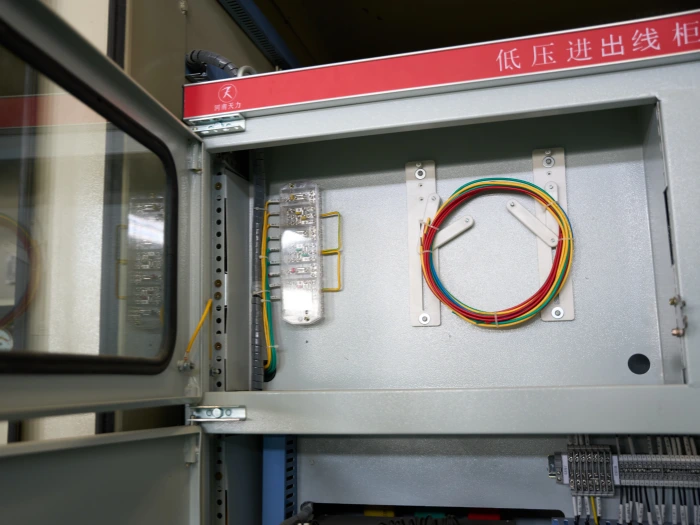
The Factory Acceptance Test for transformer-integrated High Voltage Solid State Soft Start Cabinet systems is conducted to verify electrical performance, insulation reliability, and operational safety before shipment. All testing procedures are performed using calibrated instruments and certified inspection methods according to IEC, IEEE, ANSI, and project-specific technical standards. Routine electrical tests include insulation resistance testing, transformer ratio verification, winding resistance measurement, vector group confirmation, and applied voltage withstand testing. These procedures ensure voltage conversion accuracy, insulation integrity, and stable transformer operation under rated load conditions. No-load current analysis and load loss measurements are additionally performed to evaluate transformer efficiency and magnetic circuit performance.
Routine Test - Circuit Breaker Timing & Motion Analysis
Purpose of Testing
Evaluate the integrity of the main circuit insulation and contact connections. Identify potential defects such as moisture ingress, aging, or contamination in the insulation system, and verify that contact resistance is within acceptable limits to prevent overheating.
Testing Equipment
For Insulation Resistance: Megohmmeter (typically 2500V or 5000V DC).For Circuit Resistance: Micro-ohmmeter (DC resistance tester) or Precision DC current source.Auxiliary Tools: Thermometer/hygrometer (for temperature correction).
Pre-Test Preparation
Ensure the switchgear is de-energized, isolated, and properly grounded. Clean the test terminals and bushings to remove dust or moisture. For insulation tests, discharge all capacitive loads (cables, busbars) thoroughly through the grounding switch or shorting links.
Test Progress
1. Insulation Test: Connect the megger leads to the busbar phases and ground. Apply the test voltage (e.g., 2500V DC) and hold for 1 minute.2. Circuit Resistance Test: Connect the micro-ohmmeter current leads to the main busbar or circuit breaker terminals. Pass a low DC current (e.g., 100A) and record the voltage drop.
Temperature Correction
Correct the measured insulation resistance to a standard reference temperature (typically 20°C) using the appropriate exponential formula to ensure compliance with standards across different ambient conditions.
Circuit Resistance Test
Connect the tester leads to the main busbar or circuit breaker terminals. Pass a low DC current (e.g., 100A or 200A as per standard) and accurately record the voltage drop across the connection point. Ensure the equipment is energized only if it complies with specific hot-line testing safety protocols, otherwise perform cold-resistance measurement after de-energization
Mechanical Characteristic Test
Purpose: To verify the operational performance and timing of the circuit breaker mechanism, ensuring compliance with speed and travel requirements for arc extinction.Procedure: Use a dedicated Circuit Breaker Mechanical Tester. Connect the tester to the control circuit (closing/opening coils) and the secondary side of the travel transducer. Perform several opening and closing operations without load. Record key parameters: Opening/Closing time, Synchronization between three phases, Travel distance, Overshoot, and Contact pressure.
Power Frequency Withstand Test (AC Hipot)
Purpose: To validate the integrity of the main insulation system under high voltage stress.Equipment: AC high voltage test set.Procedure: Energize the equipment and apply the specified power frequency test voltage (e.g., 42kV for 1 minute for 10kV switchgear) between phases/inter-phase and ground. Monitor the leakage current. The test is considered passed if the insulation does not break down and the current remains stable within the standard limit. (Note: This is a destructive test; perform only on de-energized and properly discharged equipment).
Partial Discharge (PD) Measurement
Purpose: To identify internal insulation defects such as voids, cracks, or contamination that are not detectable by insulation resistance tests.Procedure: Inject the test voltage up to 1.3~1.5 times the rated voltage. Use a PD detector connected to the coupling capacitor or directly to the test object to measure the apparent charge (pC). Ensure the background noise level is below the detection threshold. Analyze the PD patterns to locate the faulty chamber.
*These comprehensive tests ensure that each transformer meets performance standards and operates
reliably under various conditions.
Application
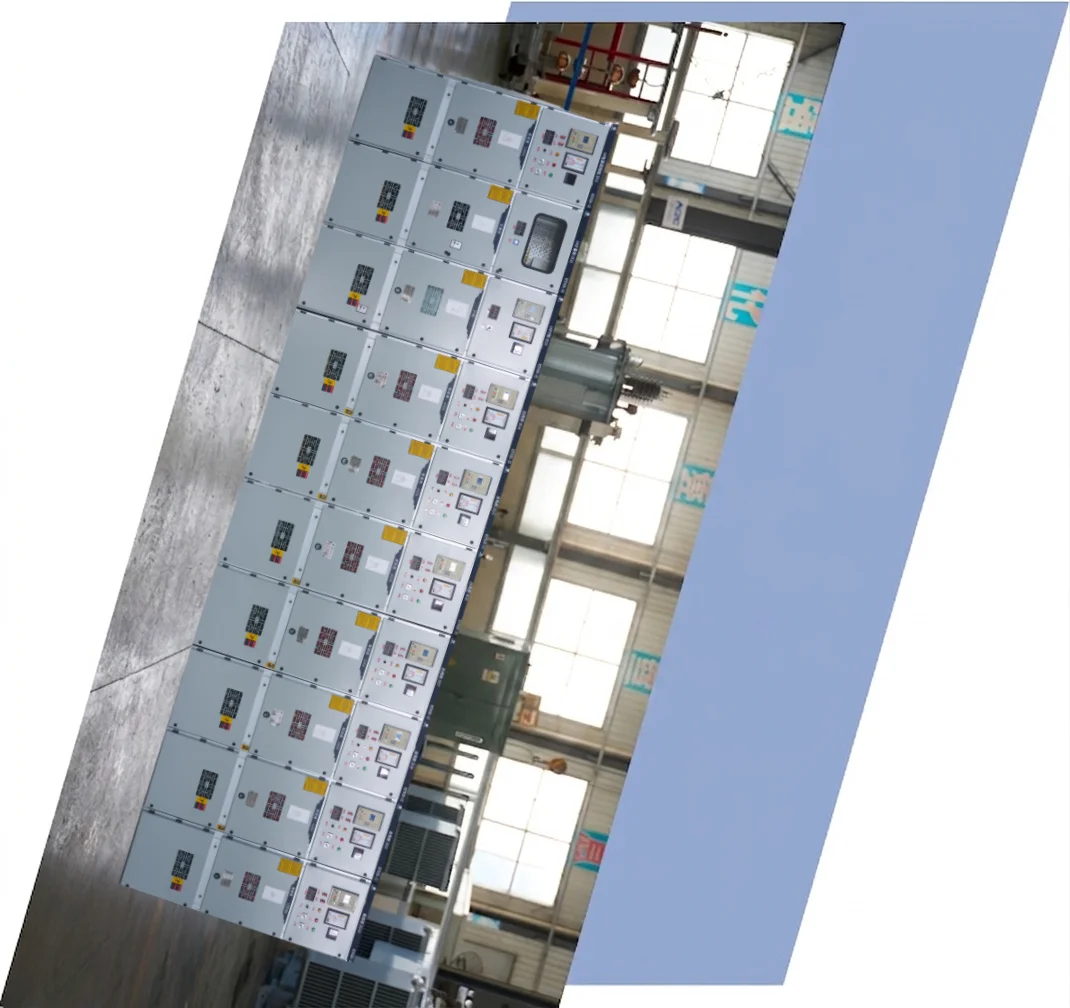
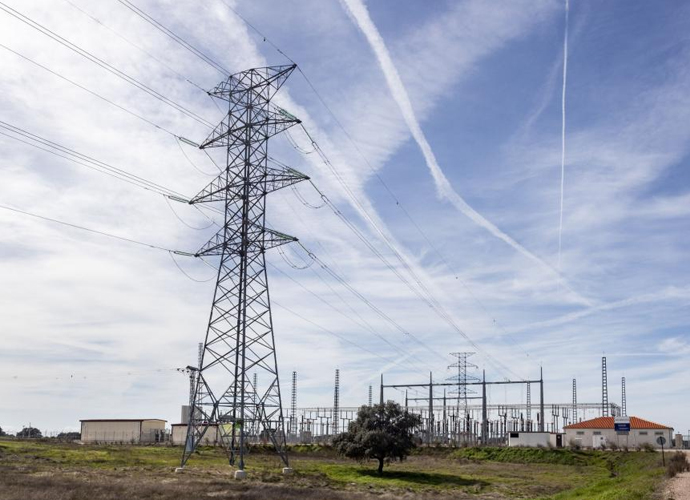
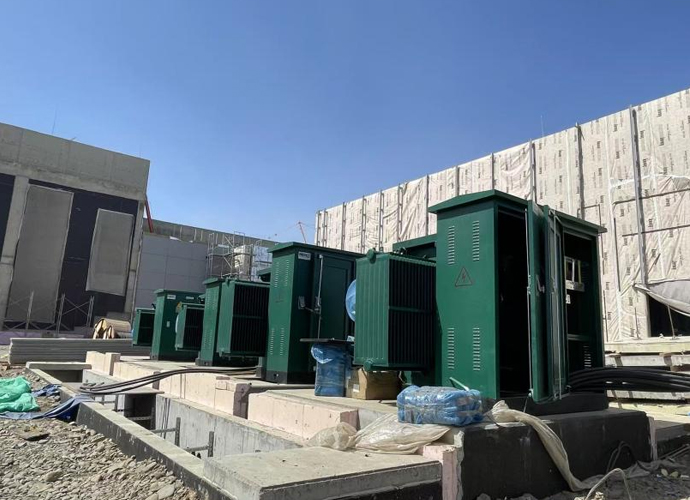
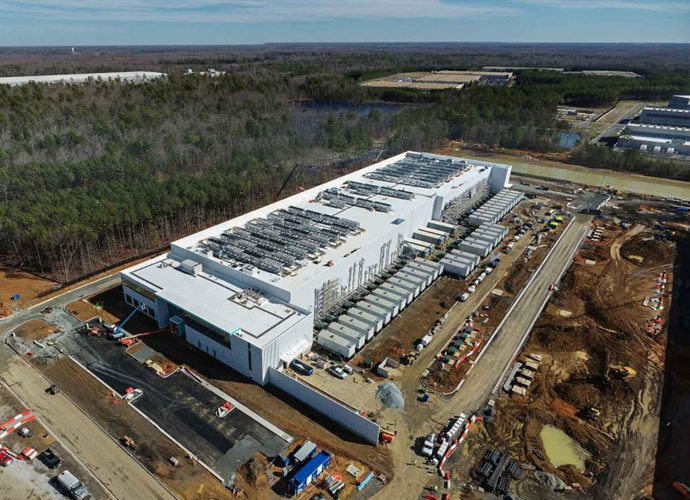
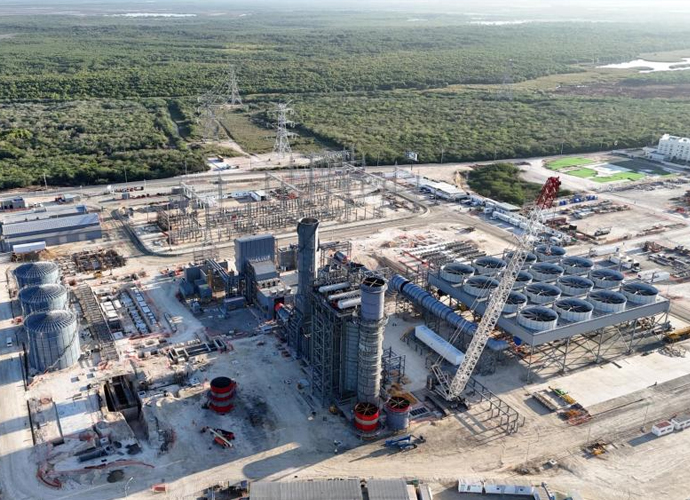
Ideal for power generation plants driving boiler feed pumps and induced draft fans, mining operations powering crushers and conveyors, and water treatment facilities managing large circulation pumps. Combines seamlessly in petrochemical compressor stations and cement kiln drives for smooth startups.


Technical Advantages
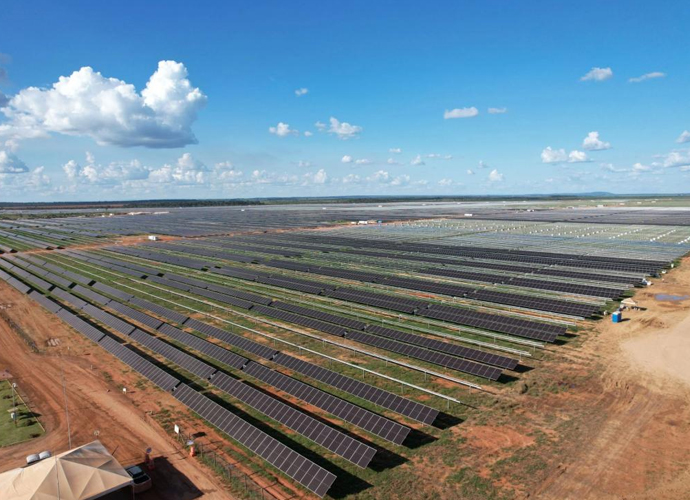
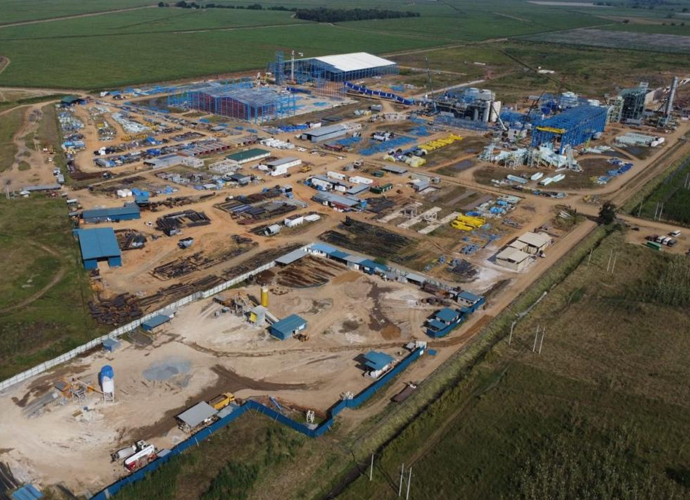
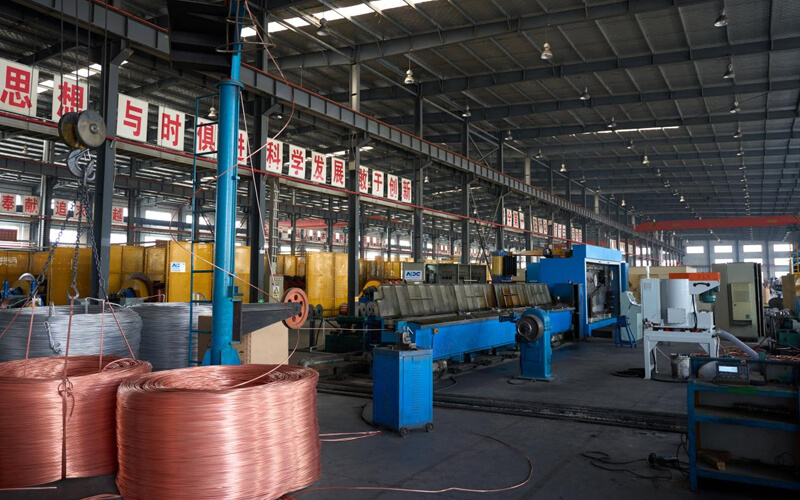
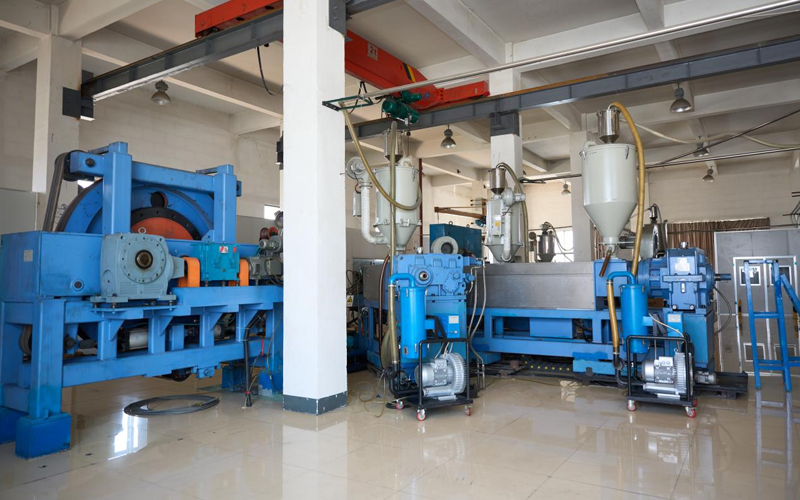
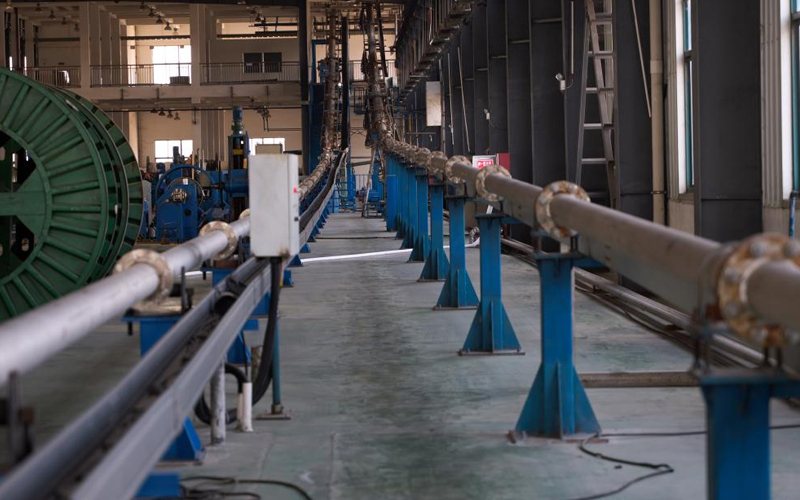
● 30+ years of manufacturing experience
● ISO and UL certified production
● Customized cable and transformer solutions
Product Packaging
Transformers Packaging (1)
Transformers Packaging (2)
Transformers Packaging (3)
Transformers Packaging (4)
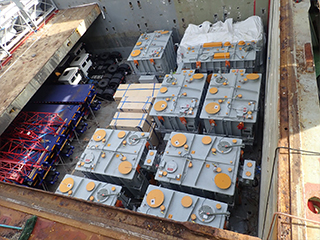
Transformers Packaging (5)
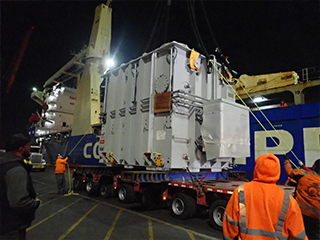
Transformers Packaging (6)
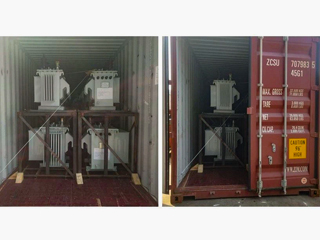
Transformers Packaging (7)
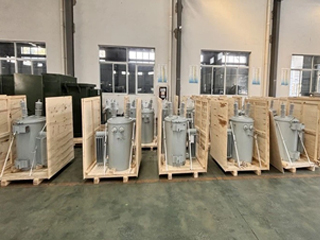
Transformers Packaging (8)
Related Products
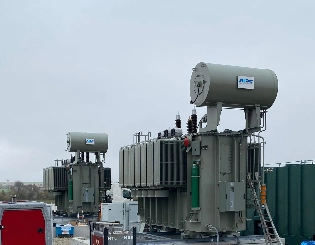
220kV 3-Phase Oil-Immersed Power Transformer – Reliable & Efficient
The 220kV 3-Phase Oil-Immersed Power Transformer is designed for high-capacity transmission and substation systems that demand long-term reliability and superior electrical efficiency. Built for modern power grids, it enables stable voltage transformation while minimizing operational losses over extended transmission distances. The oil-immersed insulation system provides excellent dielectric strength and efficient heat dissipation, supporting continuous operation under heavy electrical loads. Advanced core and winding design reduces noise and energy loss while improving voltage regulation accuracy. The robust mechanical structure enhances resistance to thermal stress and short-circuit forces, ensuring dependable performance in demanding grid environments. This transformer is ideal for utility substations, regional grid interconnections, and critical power infrastructure requiring efficient, safe, and stable high-voltage power delivery.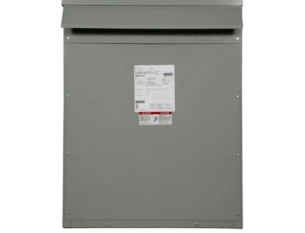
Three Phase Isolation Transformer
The Three Phase Isolation Transformer is a premium electrical power solution designed to provide complete galvanic isolation between the primary and secondary circuits of three-phase power systems. By eliminating direct electrical continuity between power sources and connected loads, the transformer effectively reduces electrical noise, suppresses common-mode disturbances, minimizes transient voltage surges, and improves overall power quality. This advanced isolation capability helps protect sensitive equipment, enhance operational safety, and improve system reliability in demanding industrial and commercial environments. Manufactured using high-permeability CRGO silicon steel cores and precision-engineered copper or aluminum windings, the Three Phase Isolation Transformer delivers excellent efficiency, low losses, and stable voltage regulation. Its robust insulation system ensures superior dielectric performance while reducing the risk of electrical faults and ground loop issues. The transformer is widely deployed in industrial automation facilities, manufacturing plants, renewable energy installations, data centers, transportation infrastructure, healthcare facilities, and critical power applications where reliable and clean power is essential.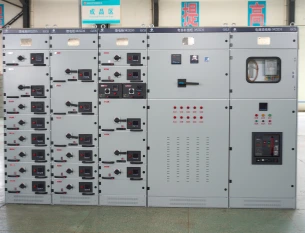
Armored Metal Enclosed Switchgear
The Armored Metal Enclosed Switchgear is a high-performance medium-voltage electrical distribution and protection system designed for industrial power networks, utility substations, renewable energy facilities, transportation infrastructure, and smart-grid applications. The switchgear adopts a fully compartmentalized armored metal enclosure structure integrating vacuum circuit breakers, disconnect switches, protection relays, current transformers, voltage transformers, and intelligent control systems into a compact modular cabinet assembly. This design significantly improves operational safety, electrical reliability, and maintenance efficiency for modern medium-voltage power distribution systems. Manufactured using precision-engineered insulated structures and reinforced metal-clad compartments, the armored metal enclosed switchgear provides outstanding dielectric strength, internal arc resistance, and mechanical durability under demanding operating conditions. Independent compartments for busbars, breaker units, cable chambers, and low-voltage control sections effectively isolate electrical faults and minimize fault propagation risks while improving maintenance accessibility and operational security. The Armored Metal Enclosed Switchgear supports intelligent automation systems, remote monitoring interfaces, and advanced communication protocols for digital substations and smart-grid infrastructure. With scalable configuration capabilities and flexible protection architectures, the switchgear delivers stable medium-voltage switching, fault isolation, and electrical distribution performance for industrial automation systems, utility networks, renewable energy integration projects, and mission-critical electrical facilities.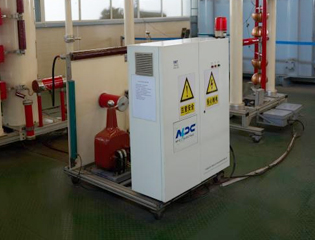
10kV Cast Resin Dry Type Transformer Copper Winding
The 10kV Cast Resin Dry Type Transformer Copper Winding, a high-reliability, oil-free power solution engineered for safe and efficient indoor medium-voltage distribution. This three-phase dry-type transformer features fully vacuum-cast epoxy resin encapsulation around high-purity copper windings, combined with premium low-loss grain-oriented silicon steel cores to deliver exceptional energy efficiency (typically 98%+), significantly reduced no-load and load losses, and outstanding partial discharge performance (<10pC). The cast resin design ensures superior moisture resistance, self-extinguishing fire safety (F1 class), robust short-circuit withstand, and maintenance-free operation. Natural air (AN) cooling with optional forced air (AF) upgrades supports high overload capacity while maintaining low acoustic emissions through advanced vibration isolation and optimized core/winding geometry. Compliant with IEC 60076-11 and equivalent standards, this transformer steps down 10kV primary (with ±2×2.5% or wider off-circuit taps) to 0.4kV secondary (Dyn11 vector group standard), making it the ideal choice for modern commercial, industrial, and utility indoor installations prioritizing safety, sustainability, and long-term performance.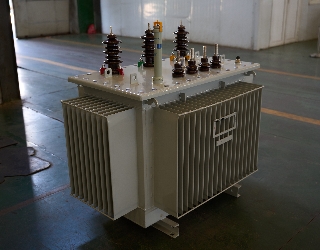
125kVA Oil Immersed Transformer
125kVA Oil Immersed Transformer has the characteristics of high efficiency and low loss, which can reduce power consumption and operation cost, and has significant social benefits. The NPC ELECTRIC 125kva Oil Immersed Transformer, manufactured and supplied by a leading Chinese manufacturer, is are highly advanced electrical device engineered to meet the rigorous demands of modern power distribution systems. These transformers are renowned for their exceptional durability, efficiency, and reliability. As a trusted supplier in China, the manufacturer offers a comprehensive range of 125kVA Oil Immersed Transformers tailored to suit various applications, ensuring optimal performance and long-term value to customers worldwide.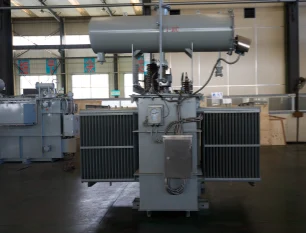
630kVA Three-Phase Oil-Immersed Outdoor Substation Transformer | 220V to 380V Step-Up Transformer
This 630kVA three-phase oil-immersed transformer is designed for outdoor substations, providing reliable voltage conversion from 220V to 380V. With a robust oil-immersed cooling system, it ensures excellent heat dissipation, stable performance, and long service life. Ideal for industrial facilities, commercial power distribution, and utility applications, this step-up transformer delivers consistent efficiency even under heavy load conditions.FAQ From Customers
-
What is a Transformer?A transformer is an electrical device used to change the voltage of alternating current (AC). It works on the principle of electromagnetic induction, converting high-voltage current into low-voltage current or low-voltage current into high-voltage current. Transformers are widely used in power transmission, distribution systems, and various electronic devices.
-
What are the main uses of a transformer?The main use of a transformer is voltage conversion. Transformers are used in power transmission systems to help transfer electricity from power plants to consumers. In addition, transformers are also used in electronic devices such as chargers, televisions, power adapters, etc., to adjust the voltage to meet the requirements of different devices.
-
Do you have UL listed?Yes, our transformer has UL listed. We have exported to America many pad mounted transformer,substation transformer and HV.
Welcome your inquiry
Honesty, Integrity, Frugality, Activeness and Passion