
What Are Mineral Oil Transformers? Principles, Properties and Applications in Power Systems
2026-06-16
1. The Critical Role of Mineral Oil in Modern Transformers
Modern electrical infrastructure depends heavily on transformers to transmit and distribute electric power efficiently. Whether in utility substations, industrial facilities, renewable energy plants, or urban distribution networks, transformers are essential components that ensure voltage levels are adjusted safely and efficiently throughout power systems.
Among the various transformer technologies available today, Mineral Oil Transformers remain the most widely deployed solution worldwide. Their popularity is based on decades of proven performance, cost-effectiveness, and excellent electrical insulation and cooling characteristics.
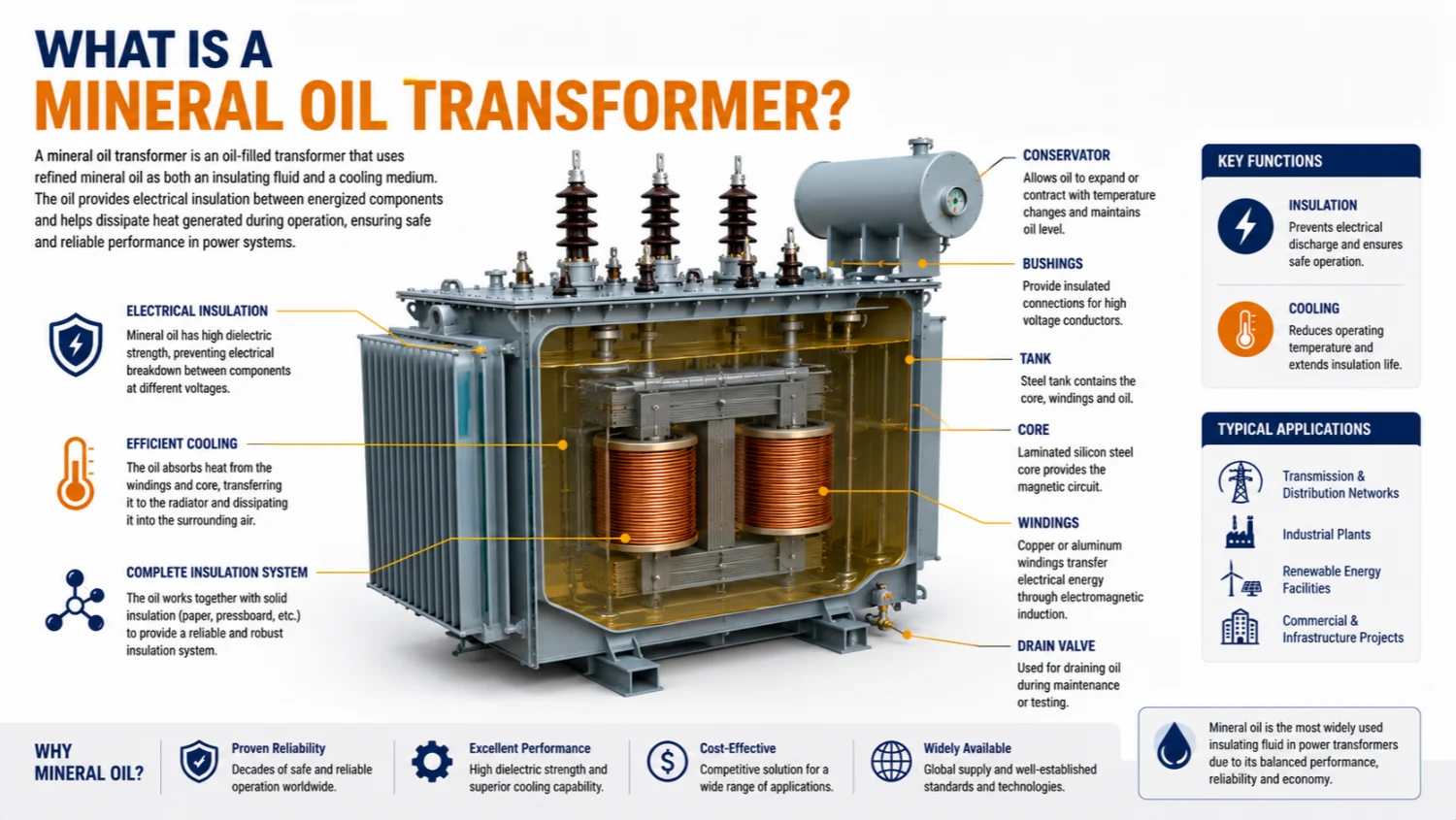
A mineral oil transformer utilizes specially refined transformer mineral oil as both an insulating fluid and a cooling medium. The oil works together with the transformer's solid insulation system to maintain dielectric integrity and remove heat generated during operation.
Despite growing interest in alternative fluids such as FR3 Fluid, Envirotemp FR3 Fluid, and other natural esters, mineral oil continues to dominate transmission and distribution applications due to its reliability, availability, and established engineering standards.
2. What Is a Mineral Oil Transformer?
A Mineral Oil Transformer is an oil-filled transformer that uses refined petroleum-based insulating oil to provide electrical insulation and thermal management.
In these transformers, the oil performs two primary functions:
Electrical Insulation
Transformer oil surrounds energized components and prevents electrical breakdown between conductors operating at different voltage levels.
The oil possesses high dielectric strength, allowing it to withstand significant electrical stress without failure.
Cooling Function
When a transformer operates, electrical losses generate heat within the core and windings.
The insulating oil circulates through the transformer tank, absorbing heat from internal components and transferring it to radiators or cooling systems where it is dissipated into the surrounding environment.
Without effective cooling, excessive temperatures would accelerate insulation aging and significantly reduce transformer life expectancy.
This dual-purpose functionality explains why transformer oil remains a fundamental element of oil-filled transformer technology.
3. Principles of Transformer Insulation Systems
The reliability of a transformer depends on the performance of its complete insulation system, not just the oil itself.
A typical insulation system consists of:
- Transformer oil
- Cellulose paper insulation
- Pressboard barriers
- Solid insulation structures
- Insulating spacers
These components work together to withstand electrical, thermal, and mechanical stresses throughout the transformer's operational life.
Interaction Between Oil and Solid Insulation
One of the most important engineering concepts is the relationship between insulating oil and solid insulation.
The transformer oil fills microscopic voids around paper insulation, reducing electrical stress concentrations and preventing partial discharges.
At the same time, oil helps regulate temperature, slowing the aging process of cellulose materials.
Because paper insulation is difficult to replace, preserving both oil quality and solid insulation integrity is a critical maintenance objective.
Dielectric Strength and Reliability
The dielectric strength of transformer oil directly affects transformer reliability.
Contaminants such as:
- Moisture
- Particles
- Oxidation products
- Dissolved gases
can reduce dielectric performance and increase failure risks.
For this reason, regular oil testing is a standard practice across power systems worldwide.
4. Properties of Transformer Mineral Oil
The performance of a mineral oil transformer largely depends on the physical and chemical properties of its insulating fluid.
High Dielectric Strength
One of the most important characteristics of transformer oil is its ability to withstand electrical stress.
High dielectric strength minimizes the risk of insulation breakdown and supports safe operation under high voltage conditions.
Thermal Conductivity
Transformer mineral oil efficiently transfers heat away from windings and magnetic cores.
This property contributes directly to:
- Improved transformer efficiency
- Longer insulation life
- Increased loading capability
Oxidation Stability
Over time, exposure to oxygen and elevated temperatures can degrade transformer oil.
High-quality mineral oils are formulated to resist oxidation and maintain stable performance throughout their service life.
Low Viscosity
Low viscosity allows oil to circulate effectively through cooling channels, improving heat transfer and reducing hot spots within the transformer.
Moisture Tolerance
Although transformer oil can absorb some moisture, excessive water contamination reduces dielectric strength and accelerates insulation aging.
Maintaining low moisture levels is therefore essential for transformer health.
Table: Typical Technical Characteristics of Mineral Oil Transformers
|
Parameter |
Typical Value |
|
Dielectric Strength |
≥30 kV (new oil) |
|
Relative Permittivity |
2.2–2.3 |
|
Flash Point |
≥145°C |
|
Fire Point |
≥170°C |
|
Density at 20°C |
0.84–0.89 g/cm³ |
|
Water Content (New Oil) |
<30 ppm |
|
Viscosity at 40°C |
8–12 cSt |
|
Pour Point |
Below -30°C |
|
Oxidation Stability |
High |
|
Service Life |
25–40 Years |
Table: Transformer Operating Characteristics
|
Characteristic |
Distribution Transformer |
Power Transformer |
|
Voltage Class |
Up to 36 kV |
66–765 kV |
|
Capacity Range |
25–5000 kVA |
5–1000+ MVA |
|
Cooling Method |
ONAN |
ONAN / ONAF / OFAF |
|
Typical Application |
Local Distribution |
Transmission Networks |
Engineering Insight
The combination of high dielectric strength and efficient thermal conductivity makes transformer mineral oil one of the most effective insulating and cooling media available for power systems.
5. Types of Transformer Insulating Fluids
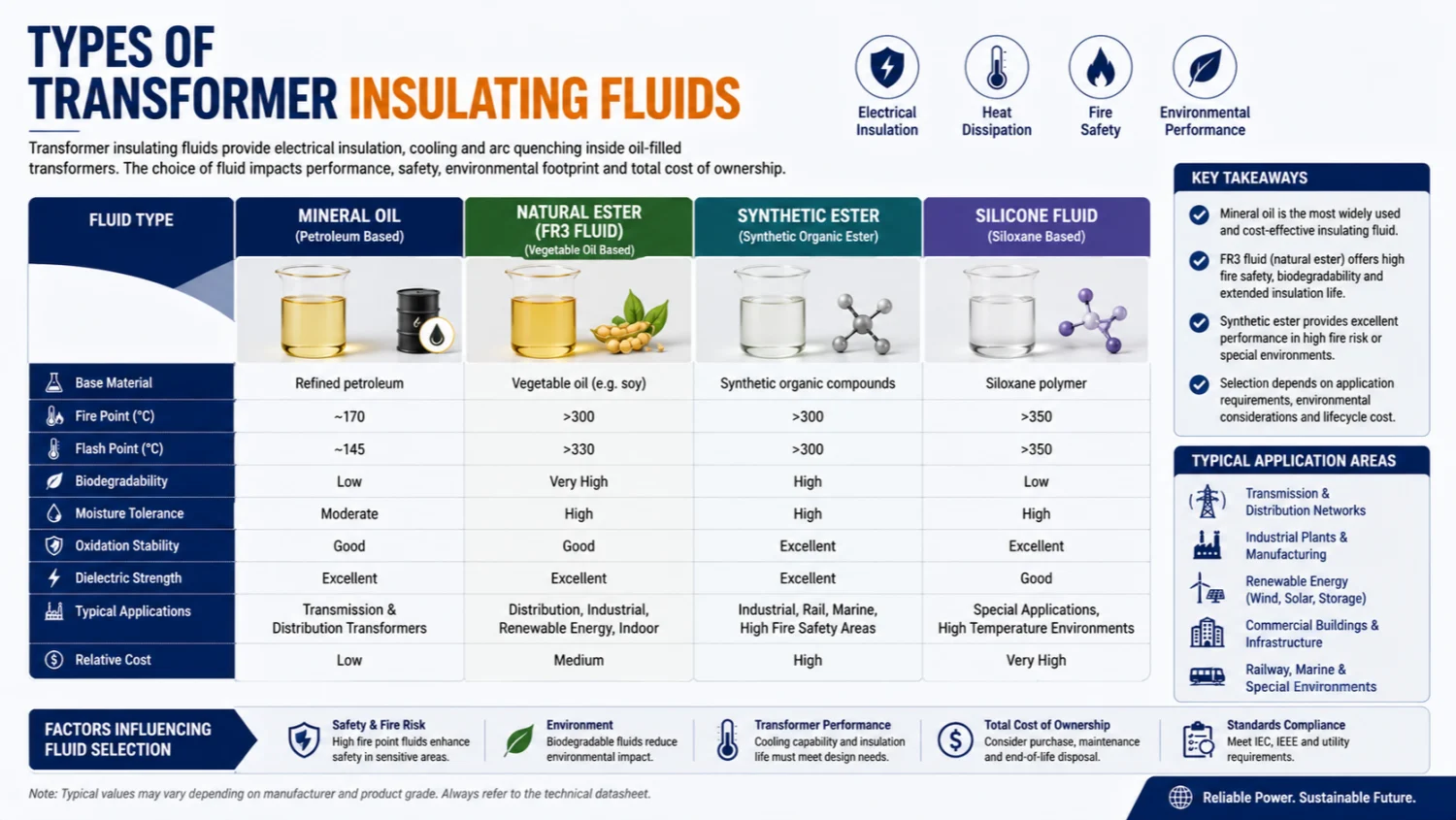
While mineral oil remains dominant, modern transformer technology employs several categories of insulating fluids.
Mineral Oil
Mineral oil is derived from refined petroleum products and remains the most common insulating fluid in transmission and distribution transformers.
Advantages include:
- Proven performance
- Competitive cost
- Global availability
- Established maintenance procedures
Natural Ester Fluids
Natural esters are typically derived from vegetable oil sources.
Examples include:
- Envirotemp FR3 Fluid
- FR3 Fluid
These fluids offer:
- Biodegradability
- Improved environmental performance
- Extended paper insulation life
Synthetic Esters
Synthetic ester fluids provide:
- High fire safety
- Excellent thermal performance
- Enhanced environmental protection
They are often used in sensitive indoor installations.
Table: Comparison of Common Transformer Insulating Fluids
|
Property |
Mineral Oil |
FR3 Fluid (Natural Ester) |
Synthetic Ester |
|
Base Material |
Refined Petroleum |
Vegetable Oil |
Synthetic Chemical Ester |
|
Biodegradability |
Low |
Very High |
High |
|
Fire Point |
~170°C |
>300°C |
>300°C |
|
Flash Point |
~145°C |
>330°C |
>300°C |
|
Dielectric Strength |
Excellent |
Excellent |
Excellent |
|
Moisture Tolerance |
Moderate |
High |
High |
|
Oxidation Stability |
Good |
Good |
Excellent |
|
Cooling Performance |
Excellent |
Good |
Good |
|
Environmental Impact |
Moderate |
Low |
Low |
|
Typical Cost |
Low |
Medium |
High |
Engineering Insight
Mineral oil remains the most economical insulating fluid for large-scale transmission and distribution projects, while FR3 Fluid and other natural esters are increasingly selected where environmental protection and fire safety are priorities.
Comparing Fire Safety
One significant difference between fluid types is fire performance. Natural esters and synthetic esters are classified as high fire point fluids, offering enhanced fire resistance compared to conventional mineral oil.
This characteristic makes them attractive for installations near populated areas and critical facilities.
6. Applications of Mineral Oil Transformers in Power Systems
Mineral oil transformers are deployed throughout virtually every stage of electric power infrastructure.
Distribution Transformer Applications
Distribution transformers deliver electricity from medium-voltage networks to residential, commercial, and industrial customers.
Their advantages include:
- High efficiency
- Cost effectiveness
- Proven reliability
Power Transformer Applications
Large power transformers are used in:
- Generation facilities
- Transmission substations
- Industrial plants
- Renewable energy projects
These units often operate continuously under heavy electrical loads.
Renewable Energy Integration
Although renewable energy systems continue expanding globally, mineral oil transformers remain critical components in:
- Solar farms
- Wind power plants
- Battery energy storage systems
They provide voltage transformation and grid interconnection functions necessary for reliable power delivery.
Industrial Applications
Industrial users rely on oil-filled transformers for:
- Manufacturing plants
- Mining facilities
- Petrochemical complexes
- Data centers
where operational reliability directly impacts productivity.
7. Transformer Oil Testing and Maintenance Practices
A transformer's long-term reliability depends heavily on proper oil monitoring and maintenance.
Oil Sample Analysis
Regular oil sample testing provides valuable information regarding transformer condition.
Common tests include:
- Dielectric strength testing
- Moisture content analysis
- Acidity measurement
- Dissolved Gas Analysis (DGA)
- Interfacial tension testing
These tests help identify developing faults before catastrophic failures occur.
Dissolved Gas Analysis
DGA is among the most important transformer diagnostic techniques.
Abnormal gas generation may indicate:
- Overheating
- Arcing
- Partial discharge
- Insulation degradation
Early detection enables corrective action before major damage occurs.
Oil Filtration and Reconditioning
Maintenance programs may include:
- Vacuum dehydration
- Oil filtration
- Degassing
- Reclamation
These procedures restore oil quality and extend transformer service life.
Predictive Maintenance
Modern monitoring technologies increasingly support predictive maintenance strategies, reducing downtime and improving asset management.
Table: Recommended Transformer Oil Testing Parameters
|
Test Item |
Purpose |
Recommended Frequency |
|
Dielectric Strength Test |
Evaluate insulation capability |
Annually |
|
Moisture Content Test |
Detect water contamination |
Annually |
|
Dissolved Gas Analysis (DGA) |
Identify internal faults |
Every 6–12 Months |
|
Acidity Test |
Monitor oil aging |
Annually |
|
Interfacial Tension Test |
Detect oxidation products |
Annually |
|
Furan Analysis |
Assess paper insulation condition |
Every 1–3 Years |
|
PCB Screening (where applicable) |
Environmental compliance |
As Required |
DGA Gas Interpretation Guide
|
Gas Detected |
Possible Fault Condition |
|
Hydrogen (H₂) |
Partial Discharge |
|
Methane (CH₄) |
Low-Temperature Overheating |
|
Ethane (C₂H₆) |
Thermal Fault |
|
Ethylene (C₂H₄) |
High-Temperature Overheating |
|
Acetylene (C₂H₂) |
Arcing Fault |
|
Carbon Monoxide (CO) |
Paper Insulation Degradation |
|
Carbon Dioxide (CO₂) |
Cellulose Aging |
Maintenance Action Matrix
|
Oil Condition |
Recommended Action |
|
Good |
Continue Routine Monitoring |
|
Moderate Moisture |
Vacuum Dehydration |
|
Reduced Dielectric Strength |
Oil Filtration |
|
High Acidity |
Oil Reclamation |
|
Severe Gas Generation |
Detailed Fault Investigation |
|
Extensive Degradation |
Oil Replacement or Transformer Overhaul |
Engineering Insight
Routine oil sample testing is one of the most cost-effective methods for extending transformer life and preventing unplanned outages in critical power systems.
8. Future Trends: Mineral Oil vs Sustainable Insulating Fluids
The transformer industry is experiencing significant change as utilities pursue environmental sustainability and improved asset performance.
Growth of Natural Esters
Natural ester fluids derived from vegetable oil sources continue gaining market share due to:
- Biodegradability
- Reduced environmental impact
- Higher fire safety
- Improved insulation preservation
Continued Role of Mineral Oil
Despite these developments, mineral oil remains highly competitive because of:
- Lower initial cost
- Extensive operating experience
- Established global supply chains
- Proven reliability
For many transmission and distribution projects, mineral oil transformers continue to provide the best balance between performance and economics.
Hybrid Power Systems
Future power systems will likely include a combination of:
- Mineral oil transformers
- Natural ester transformers
- Synthetic ester transformers
depending on project requirements, environmental regulations, and operational objectives.
FAQ Section
FAQ 1: What is the primary function of mineral oil in a transformer?
Mineral oil serves two critical functions inside an oil-filled transformer: electrical insulation and cooling. As an electrical insulating fluid, transformer mineral oil prevents electrical breakdown between energized components. Simultaneously, it transfers heat generated by the transformer windings and core to the cooling system, helping maintain safe operating temperatures and extending the life of the insulation system.
FAQ 2: How does a mineral oil transformer differ from an FR3 fluid transformer?
The main difference lies in the insulating fluid used. Mineral oil transformers utilize petroleum-based insulating oil, while FR3 Fluid transformers use natural ester fluid derived from vegetable oil sources.
Compared with transformer mineral oil, Envirotemp FR3 Fluid offers:
- Higher fire point (>300°C)
- Better biodegradability
- Improved environmental performance
- Enhanced moisture tolerance
However, mineral oil transformers generally have lower initial costs and remain the most widely used solution in transmission and distribution networks worldwide.
FAQ 3: Why is dielectric strength important in transformer oil?
Dielectric strength measures the ability of transformer oil to withstand electrical stress without failure. High dielectric strength is essential because it prevents internal electrical discharges and insulation breakdown.
If moisture, contamination, or aging products reduce dielectric strength, the transformer becomes more vulnerable to faults, overheating, and unexpected outages. This is why routine oil sample testing is a critical part of transformer maintenance programs.
FAQ 4: How often should transformer oil be tested?
The frequency of oil testing depends on transformer size, age, criticality, and operating conditions.
Typical industry recommendations include:
- Dielectric Strength Test: Annually
- Moisture Content Analysis: Annually
- Dissolved Gas Analysis (DGA): Every 6–12 months
- Acidity Test: Annually
- Furan Analysis: Every 1–3 years
Regular monitoring helps identify developing faults before they affect transformer reliability or power system performance.
FAQ 5: Are mineral oil transformers suitable for renewable energy projects?
Yes. Mineral oil transformers are widely used in renewable energy applications, including:
- Solar power plants
- Wind farms
- Battery energy storage systems
- Utility-scale renewable energy substations
Although natural ester fluids are increasingly selected for environmentally sensitive locations, mineral oil transformers remain a cost-effective and highly reliable solution for renewable energy integration into modern power systems.
Conclusion
Mineral Oil Transformers remain the foundation of modern electric power infrastructure. By combining excellent dielectric strength, efficient cooling performance, and cost-effective operation, they continue to support transmission and distribution networks around the world.
Although alternative insulating fluids such as FR3 Fluid, Envirotemp FR3 Fluid, and other natural esters are gaining popularity in specific applications, transformer mineral oil remains the most widely used insulating fluid for distribution transformers and power transformers.
As utilities modernize their networks and integrate renewable energy resources, understanding the principles, properties, maintenance requirements, and evolving alternatives associated with mineral oil transformers will remain essential for engineers, asset managers, and power system operators seeking reliable and sustainable electrical infrastructure.

Related Articles






Related Products
4 Periwinkle Aluminum Conductor Triplex Overhead Service Drop Cable
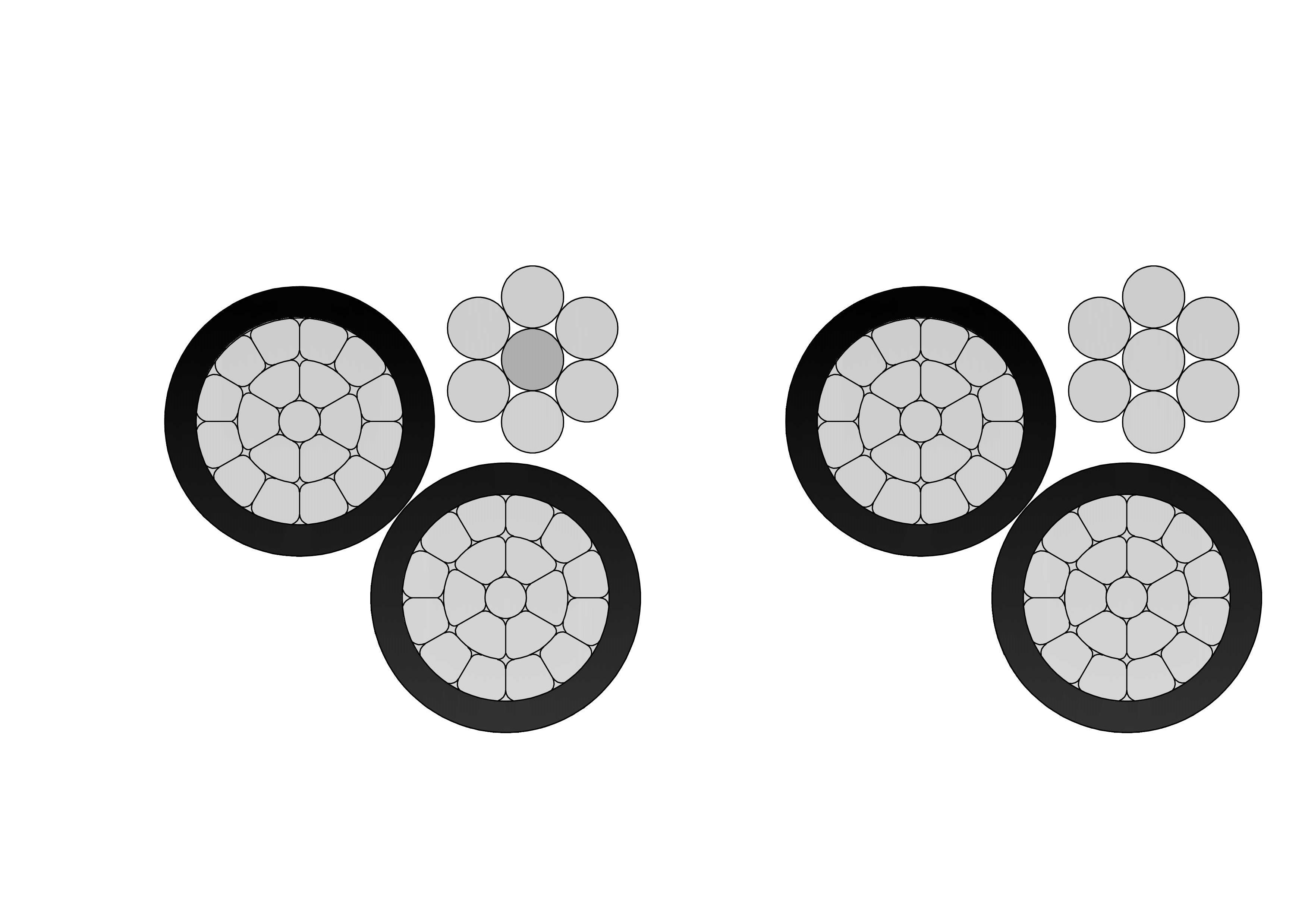
The 4-4-6 Periwinkle Aluminum Conductor Triplex Overhead Service Drop Cable is a cost-effective solution for overhead power delivery from utility poles to residential or light commercial weatherheads. It features concentric-lay-stranded 1350-H19 aluminum phase conductors (#4 AWG, 7-strand), black cross-linked polyethylene (XLPE) insulation for superior weather, UV, and thermal resistance, and a bare ACSR neutral messenger (#6 AWG, 6/1) providing mechanical strength and conductivity. Rated for 600 volts phase-to-phase at conductor temperatures up to 90°C (XLPE) or 75°C (Poly), it offers an allowable ampacity of approximately 100 amps (XLP). Compliant with ASTM B-230, B-231, B-232, B-399, and ICEA S-76-474 standards, this lightweight, flexible cable ensures easy installation and reliable performance in outdoor conditions, including wind, ice loading, moisture, and temperature fluctuations.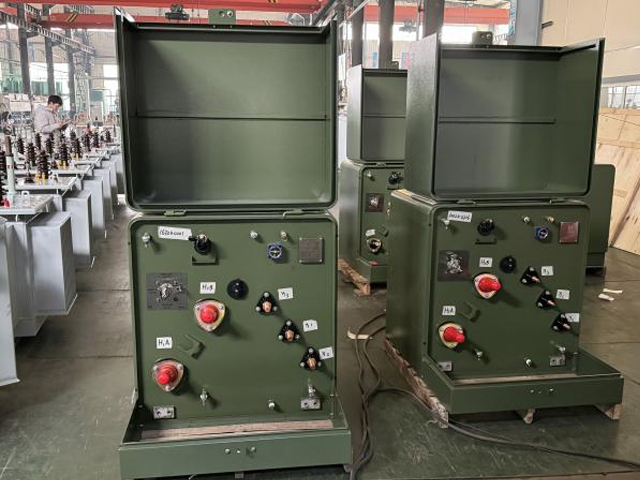
15kVA Conventional Type Single Phase Pole Mounted Transformer
NPC ELECTRIC has been focusing on the production of 15kVA Conventional Type Single Phase pole Mounted transformer for more than 20 years, which complies with IEC 60076, ANSI C57.12.20, EN 50464-1, ISO 9001 standards. NPC ELECTRIC'S transformer adopts oil-immersed self-cooling design, which can efficiently and stably convert high-voltage electricity into low-voltage electricity suitable for users. It is mainly used for power supply needs of rural areas, end of the power grid and small industrial users. Typical features include mineral oil insulation (ONAN cooling), aluminum or copper windings, primary voltages from 2.4kV to 34.5kV (e.g., 7200/12470GrdY, 7620/13200GrdY, 12470GrdY/7200, 24900GrdY/14400), secondary voltages 120/240V or 240/120V split-phase, BIL ratings 60-150kV on HV and 30kV on LV, impedance around 2-3.5%, ±2×2.5% taps, conventional or CSP (completely self-protected) configurations with internal fuses, arresters, and weak-link protection, pressure relief valve, oil sight gauge, and ANSI 70 gray tank finish.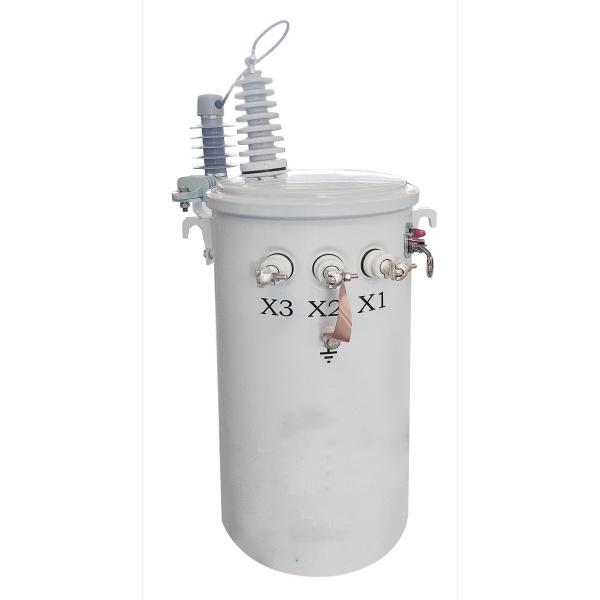
50kVA Completely self-protected(CSP) Single Phase Pole Mounted Transformer
50kVA Completely self-protected(CSP) Single Phase pole Mounted transformer is a robust, high-efficiency solution designed for reliable single-phase power distribution in residential, commercial, and small industrial applications. This transformer features built-in protection mechanisms, including overload, short-circuit, and over-voltage safeguards, ensuring automatic disconnection during fault conditions to protect both the transformer and the electrical system. With its pole-mounted design, it is space-efficient and ideal for installations in urban, rural, and remote areas. The transformer operates with low losses, ensuring high energy efficiency and long-term performance. Built with durable materials, it offers exceptional resilience against harsh weather conditions, ensuring reliability and longevity. This transformer is an ideal choice for any application requiring consistent, stable single-phase power.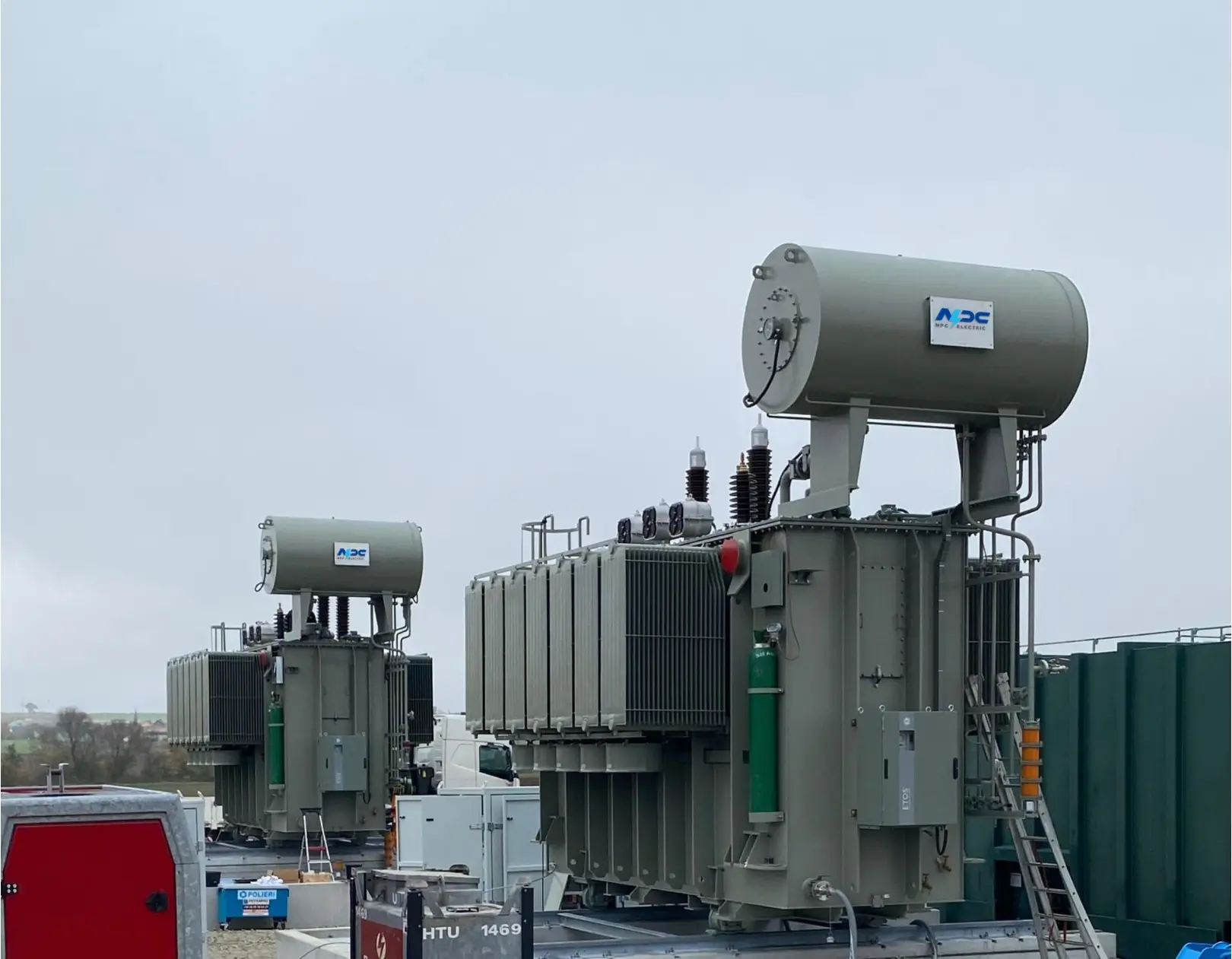
500kV Oil-Immersed Power Transformer For Ultra-High Voltage Grid Solutions
NPC Electric 500kV Oil-Immersed Power Transformer is a critical component for national ultra-high voltage (UHV) backbones, engineered to transmit massive blocks of power with industry-leading efficiency. Utilizing premium, laser-scribed CRGO silicon steel in a multi-step lap core construction, this transformer minimizes magnetizing current and core noise. The active part is submerged in high-grade inhibited mineral oil, processed through advanced vacuum degasification to ensure maximum dielectric strength. Its robust, shield-type winding structure provides exceptional resistance against lightning surges and short-circuit mechanical stresses. Designed to meet IEC 60076 and IEEE standards, this 500kV unit is the definitive solution for long-distance energy dispatch, connecting remote generation hubs to major load centers while maintaining grid frequency and voltage stability.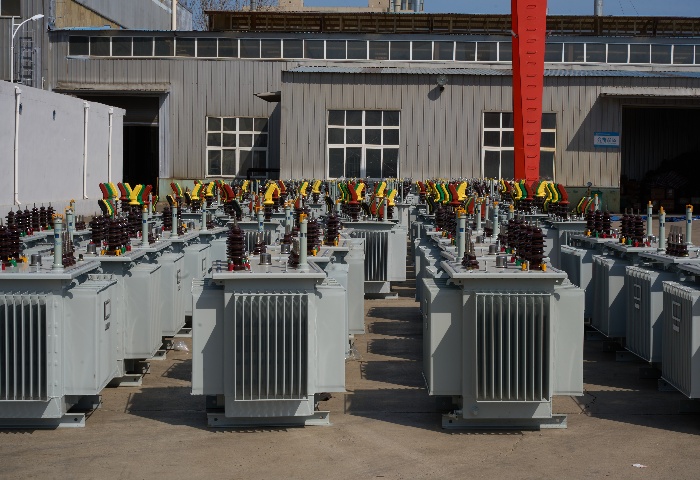
800kVA Oil Immersed Transformer
The NPC ELECTRIC 800kVA Oil-Immersed Transformer is designed for high efficiency, durability, and reliable power distribution. Built to meet IEC 60076 and ANSI/IEEE standards, it ensures superior performance and safety. Certified for international quality compliance, it is ideal for industrial, commercial, and utility applications. This 800 kVA unit delivers outstanding energy efficiency (>99.55% typical), low no-load and load losses, excellent thermal performance, and proven durability in demanding outdoor environments.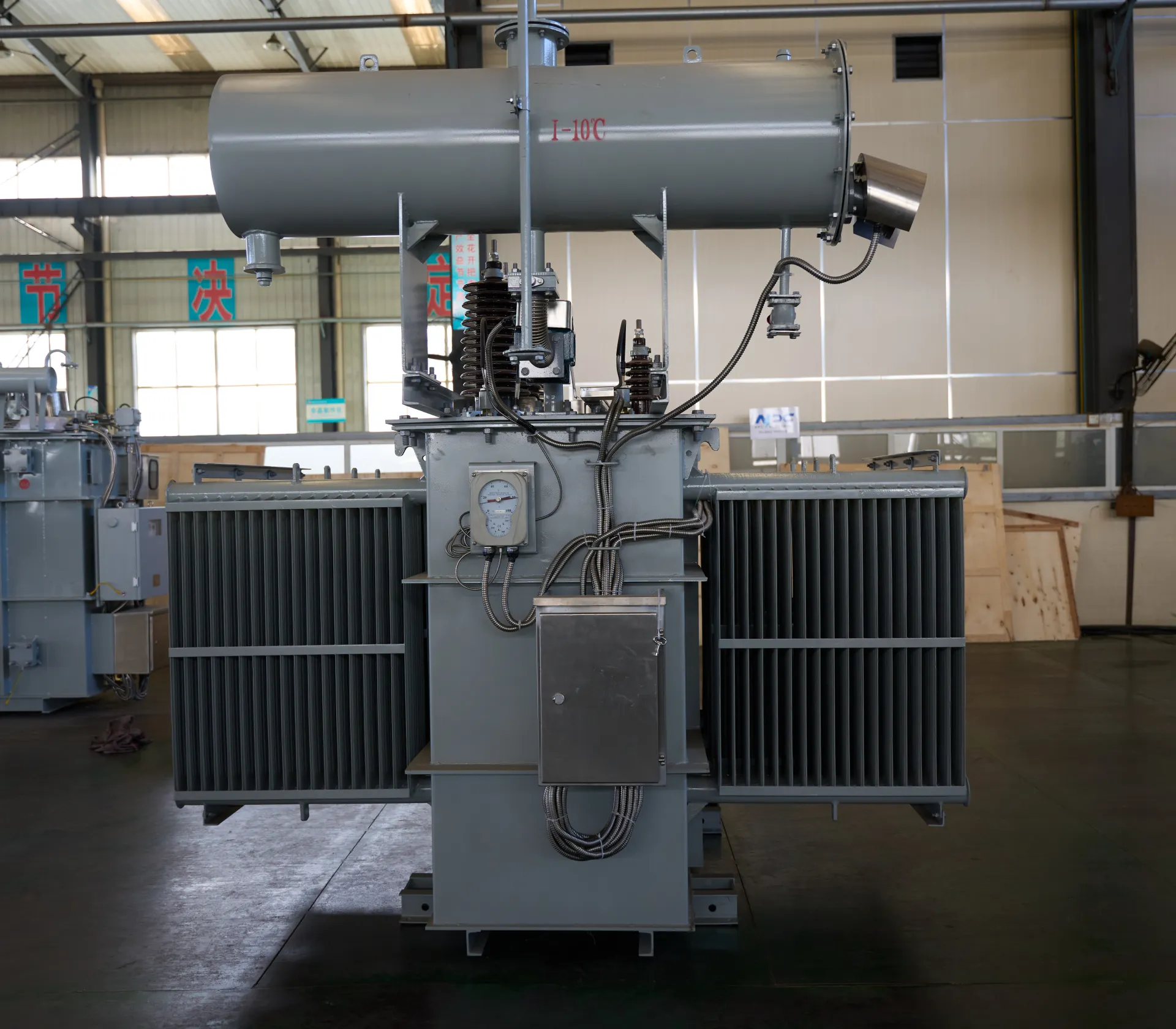
6kV Three-Phase Oil-Immersed Power Transformer
The 6kV Three-Phase Oil-Immersed Power Transformer is designed for stable and efficient voltage conversion in industrial and commercial power distribution systems. With a durable oil-immersed insulation structure and high-quality copper windings, it offers excellent thermal performance, strong dielectric strength, and reliable operation under varying load conditions. Its compact design, robust core materials, and advanced cooling system ensure low losses, reduced noise, and long service life. This 6kV transformer is suitable for factories, mining sites, distribution stations, and utility networks requiring consistent and safe electrical power supply. Engineered to meet international standards, it provides dependable performance and high efficiency across diverse low-to-medium voltage applications.
FR-N30XA8E-R 18/30(36)kV Cable Gen to NF C 33-226 - Cu/XLPE/MDPE
The NF C 33-226 Cu-XLPE-MDPE 18/30(36)kV Triplex Cable is a high-performance three-core medium voltage power cable engineered for safe and reliable three-phase power transmission. Built with a Class 2 stranded copper conductor, cross-linked polyethylene (XLPE) insulation, and a medium-density polyethylene (MDPE) outer sheath, it offers exceptional electrical conductivity, insulation performance, and mechanical strength. Fully compliant with NF C 33-226, IEC 60502-2, and EN 60228 standards, this cable is ideal for industrial facilities, municipal grids, substations, and large commercial power systems. It ensures durability with superior water resistance (AD7), UV resistance (ISO 4892), and halogen-free (IEC/EN 60754-1) properties for enhanced safety and environmental protection. With a rated voltage of 18/30 (36)kV and a maximum conductor operating temperature of 90°C, the Cu-XLPE-MDPE Triplex cable provides efficient and stable power transmission in demanding medium- and high-voltage applications.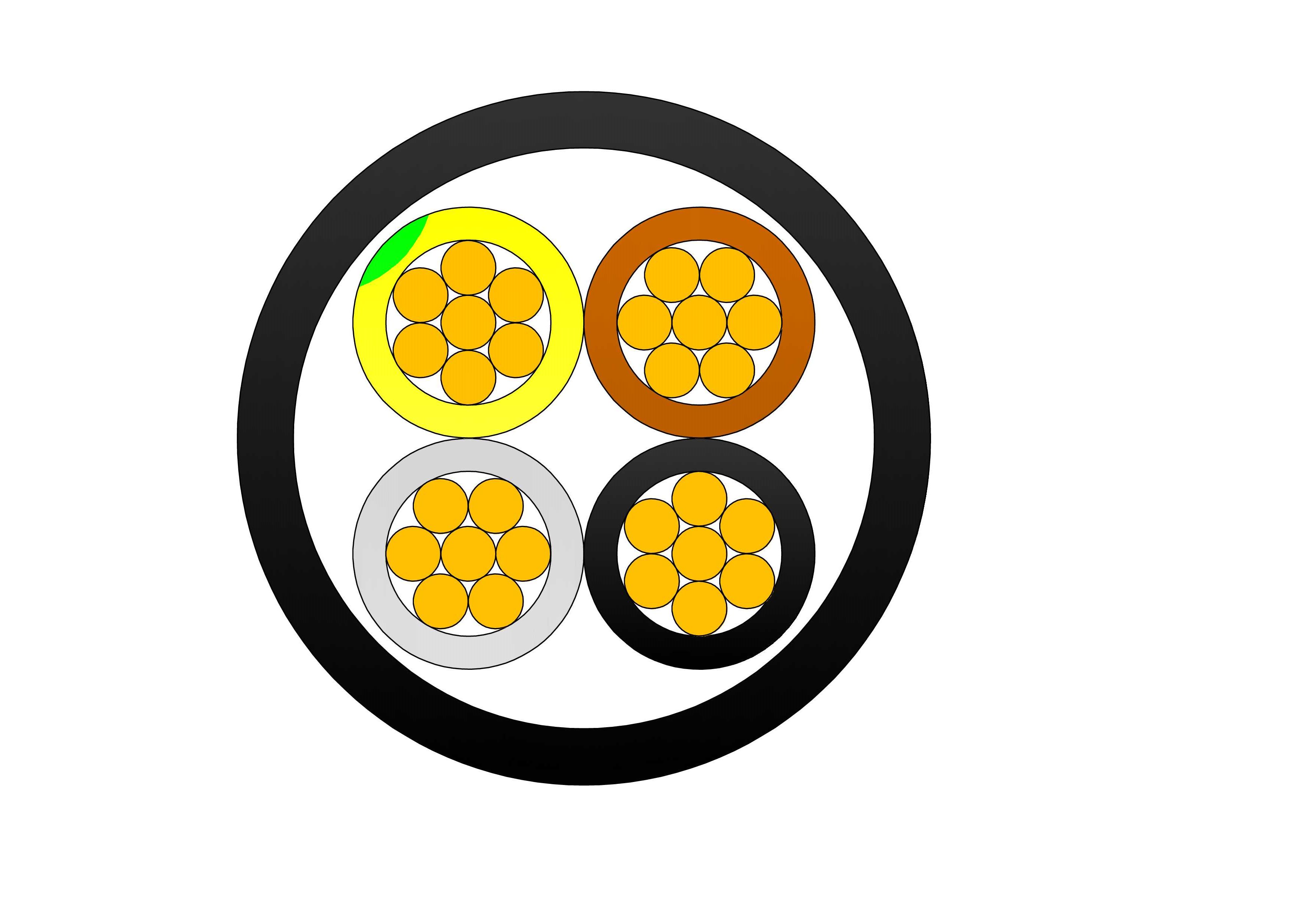
GYTA53 Fiber Optic Cable
The GYTA53 Fiber Optic Cable is a high-strength outdoor communication cable specifically designed for direct burial applications and harsh installation environments. The cable features a stranded loose tube structure, central strength member, water-blocking system, aluminum polyethylene laminated tape (APL), corrugated steel tape armor (PSP), and double polyethylene outer jackets for maximum mechanical protection. Optical fibers are housed within gel-filled loose tubes that provide excellent moisture resistance and protection against external stress. The combination of aluminum tape and steel tape armor significantly enhances crush resistance, impact resistance, rodent protection, and moisture barrier performance. The dual PE sheath structure further improves environmental durability and long-term reliability. Manufactured according to IEC 60794 and ITU-T standards, the GYTA53 Fiber Optic Cable offers low attenuation, stable transmission performance, and excellent protection in underground installations. It is widely used in long-distance telecommunications networks, backbone communication systems, utility networks, and infrastructure projects requiring direct burial deployment.
1/0 Leda Aluminum Conductor Triplex Overhead Service Drop Cable
The 1/0 Leda Triplex Service Drop Cable is a durable overhead cable for secondary power distribution to residential service entrances. Featuring two 1/0 AWG aluminum phase conductors and one neutral messenger (7-strand) insulated with XLPE or PE and assembled in triplex configuration, it provides excellent mechanical strength and weather resistance. Compliant with ASTM B-230, B-231, ICEA S-76-474, and ANSI/ICEA standards, this cable supports 600V applications with high UV, moisture, and abrasion protection. The self-supporting messenger reduces sag and simplifies installation over medium spans. The 1/0 Leda Triplex Service Drop Cable ensures low power losses, high current capacity, and long service life in harsh outdoor conditions. Lightweight and flexible, it is widely used for two-phase service drops with neutral in urban, suburban, and rural areas requiring safe, cost-effective aerial connections from utility poles to homes.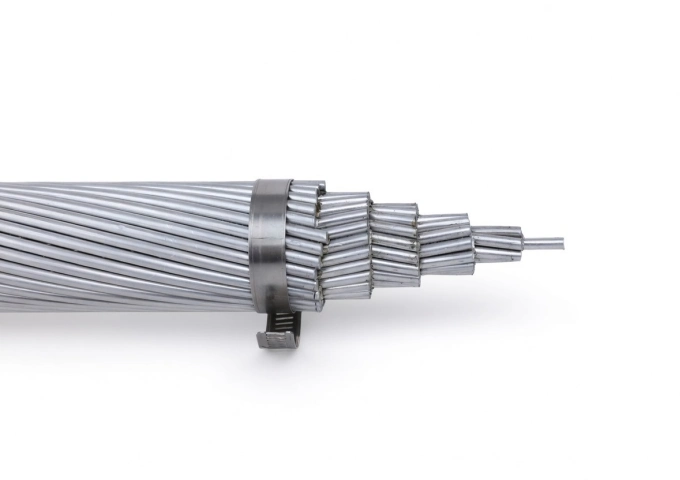
1113 MCM Marigold AAC Cable
The 1113 MCM Marigold AAC Cable is a high-performance All Aluminum Conductor designed for demanding overhead power transmission and distribution lines. Manufactured with 37 strands of premium 1350-H19 aluminum wire in a concentric lay configuration, this bare conductor provides excellent electrical conductivity with a low DC resistance of 0.0155 ohms per 1000 ft at 20°C. Featuring an overall diameter of 1.216 inches and a rated breaking strength of 19,300 lbs, the Marigold AAC delivers a robust ampacity of 1083 amps while weighing only 1045.4 lbs per 1000 ft. Its optimized strength-to-weight ratio minimizes sag and structural loading. Fully compliant with ASTM B-230 and B-231 standards, the 1113 MCM Marigold AAC Cable offers outstanding corrosion resistance for long-term durability in harsh outdoor environments, making it the preferred choice for utility networks requiring cost-effective, high-reliability bare aluminum conductors.
30kVA Oil Immersed Transformer
30kVA Oil Immersed Transformer, produced by a reputable manufacturer and supplier in China, represents the pinnacle of electrical engineering excellence. These transformers are engineered with precision and cutting-edge technology to provide robust, efficient, and long-lasting power solutions.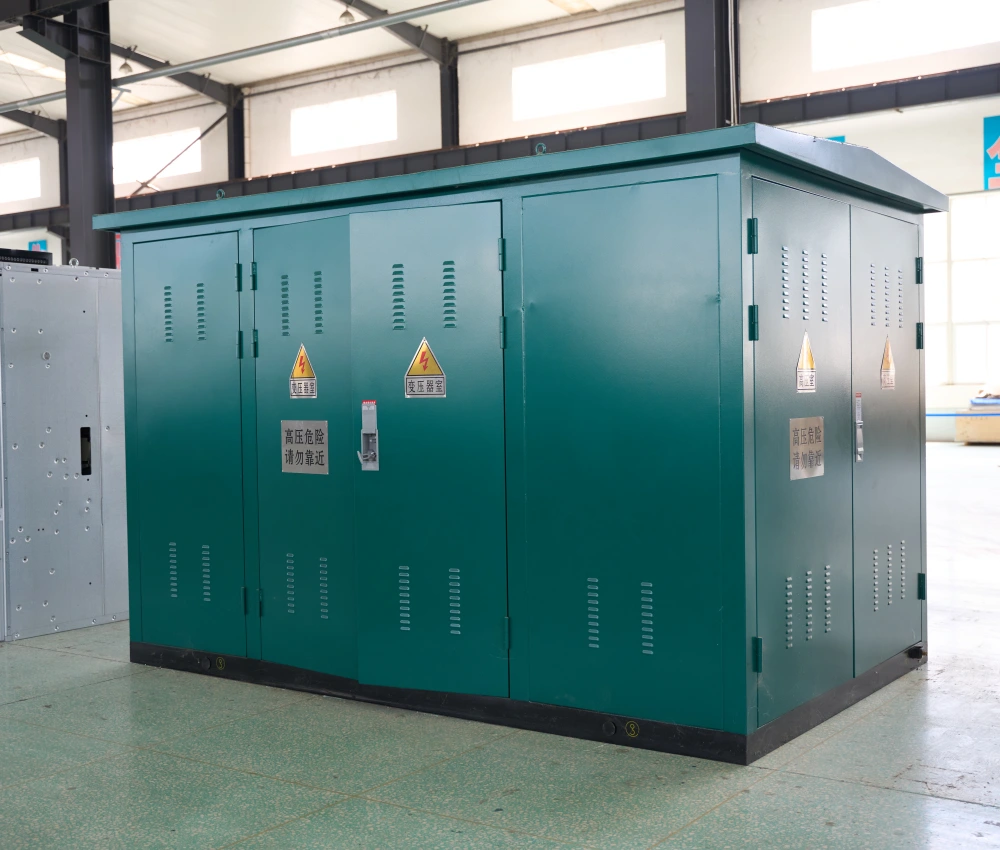
33kV 630kVA Prefabricated Compact Substation
The 33kV 630kVA Prefabricated Compact Substation is a highly integrated medium-voltage power distribution solution designed for modern electrical infrastructure projects requiring reliable, space-saving, and efficient energy transformation. The substation combines 33kV medium-voltage switchgear, a 630kVA distribution transformer, low-voltage distribution panels, and intelligent protection systems within a compact outdoor enclosure, reducing installation complexity and minimizing civil construction requirements. Engineered for stable operation in demanding industrial and environmental conditions, the compact substation features a reinforced enclosure structure, advanced insulation technology, optimized ventilation systems, and corrosion-resistant surface treatment. The modular design improves transportation efficiency, shortens commissioning cycles, and simplifies future maintenance operations while ensuring long-term operational reliability. This 33kV 630kVA compact transformer substation is suitable for renewable energy integration, industrial facilities, mining operations, commercial developments, and urban utility distribution systems. Optional intelligent monitoring systems and remote communication interfaces support modern smart-grid applications and enable efficient power management for evolving electrical networks.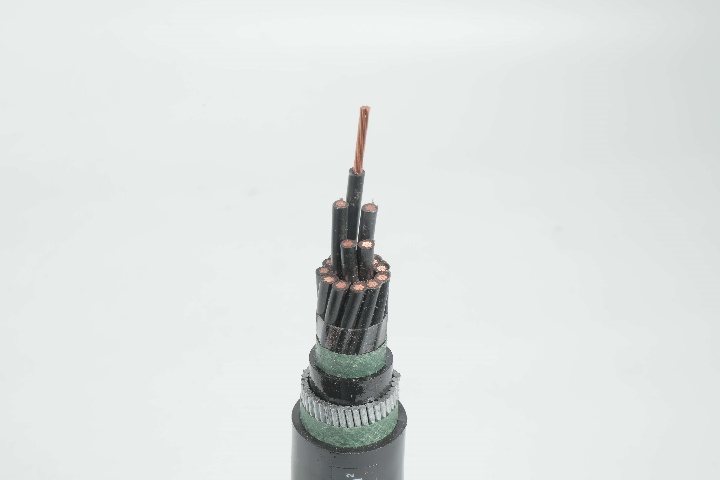
Armoured Copper Control Cable - SWA Steel Wire Braided
The YY Control Cable (YSLY / HSLH) is a highly flexible multi-core control cable designed for industrial automation, machinery, and building management systems. It features finely stranded copper conductors with PVC or halogen-free (LSZH) insulation, twisted cores, and a durable PVC or low-smoke zero-halogen outer sheath. Available in both standard PVC (YSLY) and flame-retardant low-smoke (HSLH) versions, this cable offers excellent flexibility, oil resistance, and reliable signal transmission. Rated 300/500V, it is suitable for indoor and protected outdoor installations. The YY Control Cable (YSLY / HSLH) undergoes strict quality testing from raw materials to finished product, ensuring consistent electrical performance, mechanical strength, and safety compliance with IEC 60227 and related standards.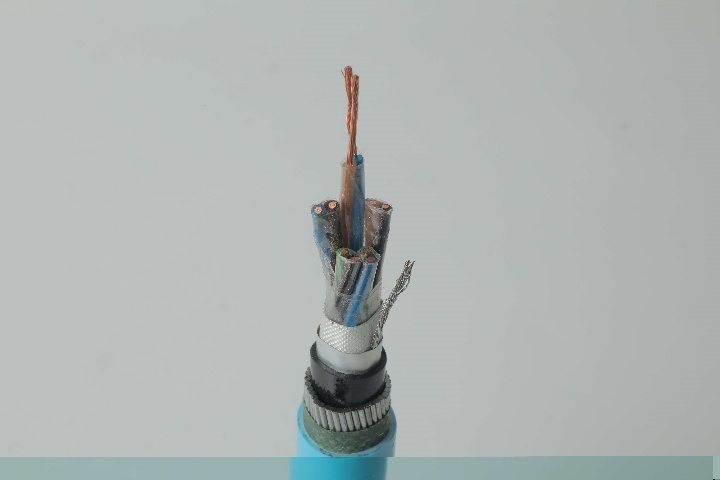
Instrumentation Cables—Mica Tapped, XLPE Insulated, Individual &Overall Screened, Wire Armoured LSZH Sheathed Cables(CU/GMT/XLPE/IOSCR/SWA/LSZH)
CU/GMT/XLPE/IOSCR/SWA/LSZH instrumentation cables are engineered for precise signal and control transmission in environments with high electrical noise and strict safety requirements. The mica tape layer protects the copper conductor during fire exposure, while XLPE insulation ensures stable electrical characteristics and heat resistance. Individual screening of each circuit, combined with an overall screen, provides superior protection against electromagnetic interference, enabling accurate and stable signal performance. Steel wire armour enhances mechanical durability and protects the cable from external damage. The LSZH sheath limits smoke emission and corrosive gases, making the cable suitable for enclosed and public installations. This robust design makes the cable ideal for complex industrial applications requiring both signal integrity and safety compliance.2Y-high-voltage-power-cable-2.webp)
2XS(FL)2Y HDPE High Voltage 76/132 (145)kV Power Cable
The 2XS(FL)2Y HDPE High Voltage 76/132 (145) kV Power Cable is a single-core copper conductor cable with XLPE insulation and HDPE sheath, engineered for reliable high-voltage power transmission in demanding environments. Manufactured according to IEC 60840 standards, it delivers outstanding electrical performance, water resistance, and mechanical protection. Suitable for installation underground, underwater, outdoors, indoors, and in cable ducts, making it ideal for power stations, industrial sites, and distribution networks. It features stranded copper conductors for optimal conductivity, semi-conductive conductor screen, premium-grade XLPE insulation for exceptional dielectric performance and 90°C continuous rating (250°C short-circuit), semi-conductive insulation screen, concentric copper wire screen combined with aluminium laminated foil for longitudinal water-blocking, electromagnetic shielding, and grounding, and a high-density polyethylene (HDPE) outer sheath delivering superior mechanical protection, moisture resistance, chemical stability, and UV resistance.Welcome your inquiry
Honesty, Integrity, Frugality, Activeness and Passion