


Step Down Dry Type Transformer
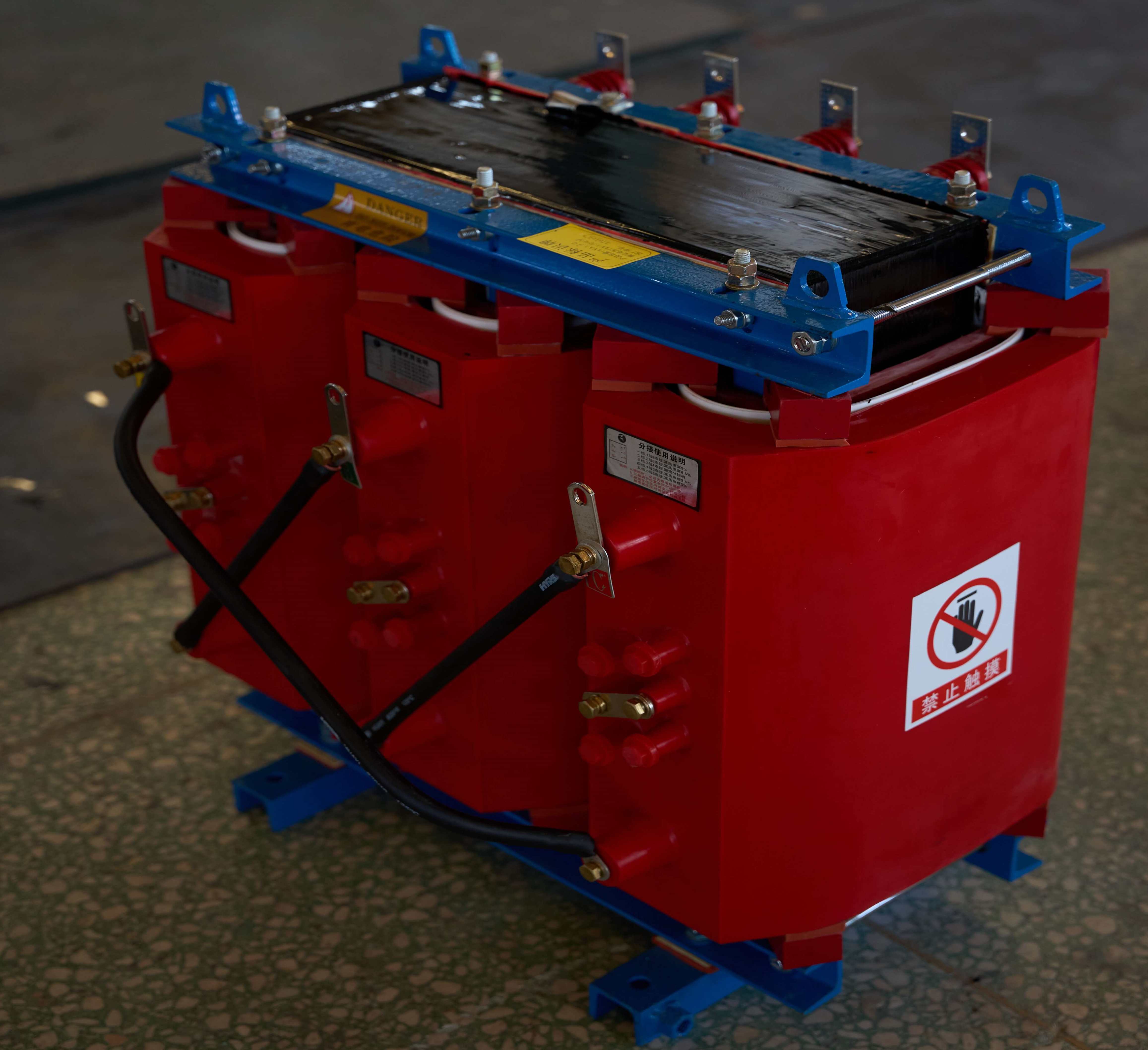
The Step Down Dry Type Transformer is a safe, efficient, oil-free electrical device designed to reduce (step down) higher incoming voltages to lower levels suitable for end-use equipment in indoor power distribution systems. This three-phase or single-phase transformer uses air (natural or forced) for cooling instead of insulating liquids, with windings typically encapsulated in epoxy resin (cast resin) or vacuum pressure impregnated for superior insulation. It features premium low-loss grain-oriented silicon steel cores and high-conductivity copper (or aluminum) windings, delivering excellent energy efficiency (often 98%+ per DOE/IEC standards), minimal no-load/load losses, low partial discharge (<10pC), and robust short-circuit withstand. Compliant with IEC 60076-11, IEEE/ANSI, and DOE efficiency requirements, step-down dry type transformers commonly handle primary voltages from 480V to 35kV+ stepping down to 208Y/120V, 400V, 0.4kV, or custom secondaries, making them ideal for modern, sustainable indoor applications.
- Primary Voltage Ratings 6.6kV–35kV (customizable)
- Secondary Voltage Ratings 0.4kV–0.69kV (or custom low-voltage)
- H.V. Tap Range ± 2×2.5% HV taps or others
- Type Dry type transformer
- BIL 30/95kV
- Standards IEEE, ANSI, NEMA,IEC,GB
- Application office buildings, transportation facilities
- Power Rating 50-7500kVA
- Certificate IEC 60076-11, IEC 60076-1, IEC 60076-3, UL 1561
- Cooling Method OA/OF
- Opeartion Step Down & Step Up
Technical Specifications
Customization Optional
Packing and Shipping
Manufacturer Test
Routine Testing
Application
Technical Specifications
Step Down Dry Type Transformer
Technical Specifications
Accessories
| Rated Power | 50-7500kVA | |
| Rating Primary Voltage | 2.4-35kV | |
| Secondary Voltage | 480/277V 400/230V 380/220V Customized |
|
| Frequency | 50/60Hz | |
| Vector Group | Dyn11,Yyn0,Dyn5 | |
| Winding Material | Aluminum/Copper | |
| Efficiency | As IEEE,Doe 2016,CAS Std or Customized | |
| Impedance Voltage | Nominal 2% or Customized 1.1-5.75% | |
| Altitude | ≤1,000m or Customized | |
| Enclosure material | 304 Stainless Steel | |
| HV Bushing |
| LV Bushing |
| Tap changer connector |
| Lifting hook for complete transformer |
| Name plate |
Customization Optional
Step Down Dry Type Transformer
The step down dry type transformer series supports full customization to match exact medium-voltage grid requirements, low-voltage load needs, installation constraints, acoustic limits, and regional efficiency standards. Primary voltage ranges from 6.6kV to 35kV (common: 6.6kV, 10kV, 11kV, 13.8kV, 20kV, 22kV, 33kV, 35kV) in delta or grounded wye configuration, while secondary voltage can be set to 400/230V, 415/240V, 480Y/277V, 690V, or any custom low-voltage output. Vector groups include Dyn11 (standard), Dyn1, Yyn0, or special configurations for phase shift and harmonic mitigation. Full copper windings are standard for maximum efficiency, lowest hot-spot temperatures, and superior short-circuit strength; aluminum windings are available for cost-sensitive projects. Insulation system options are Class F (155°C) or Class H (180°C) using advanced cast-resin (epoxy) or VPI encapsulation for excellent resistance to moisture, dust, chemicals, and thermal cycling.
Enclosure choices include IP23 ventilated (indoor standard), IP54/IP55 totally enclosed (dust-tight/semi-outdoor), or forced-air cooled (AF) for 133–150% overload capacity in high-ambient or confined spaces. Temperature rise can be specified as 100°C or 120°C. Additional features include forced-air cooling packages with fan controls, digital temperature monitoring with alarm/trip relays, surge arresters, electrostatic shielding for noise-sensitive locations, K-factor rating (K-4 to K-13) for harmonic-rich loads (data centers, EV charging, VFDs), seismic bracing, ultra-low-noise execution (<54 dB with special core clamping and fan design), and custom finishes for corrosive or cleanroom environments. All variants are fully validated to IEC 60076-11, CE marking, local efficiency standards, and client specifications.
Packing and Shipping
Step Down Dry Type Transformer
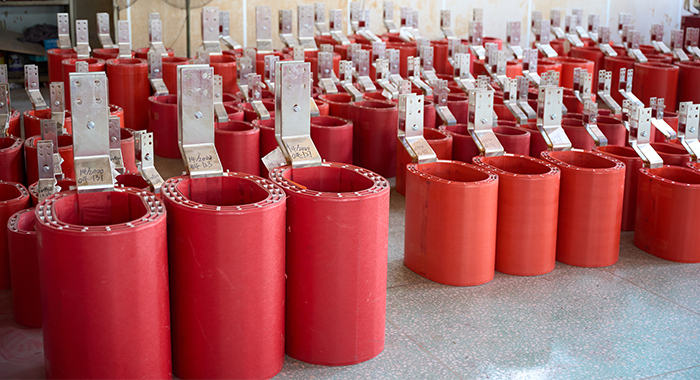
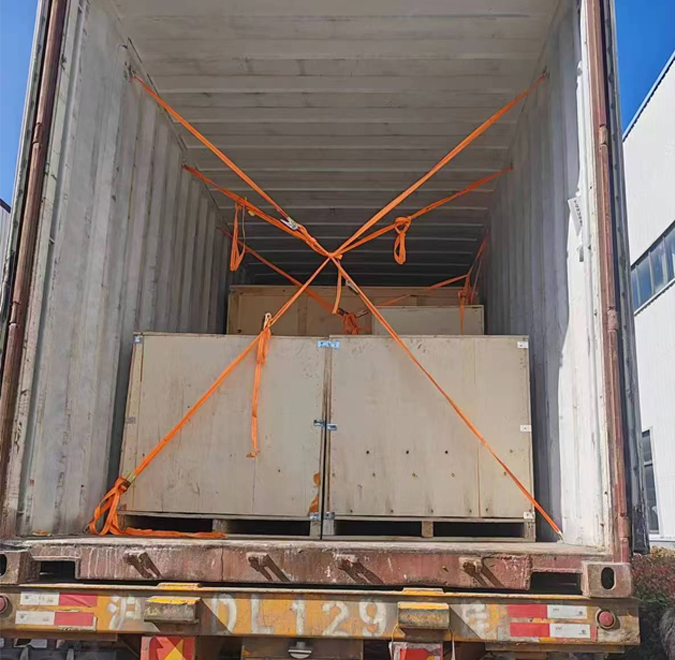
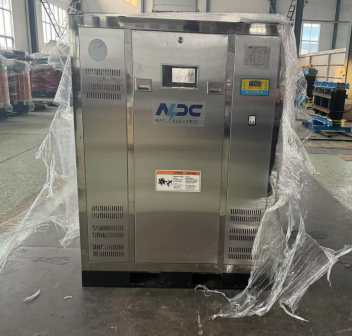
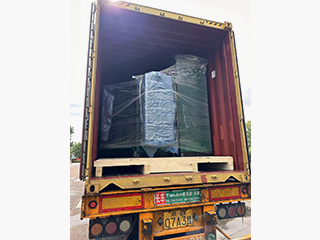
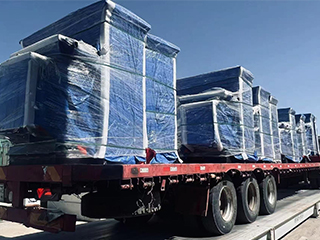
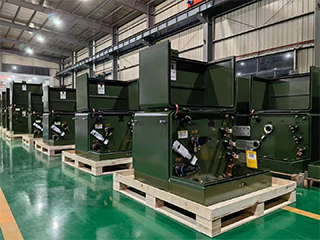
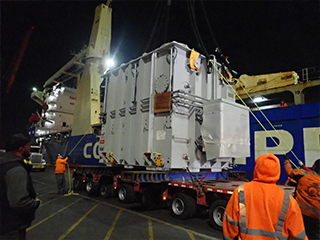
The 22kV cast resin dry type transformer is packaged with maximum protection to ensure safe domestic and international transport. The core-coil assembly is fully encapsulated in cast resin and rigidly secured inside the enclosure to prevent movement during transit. All terminals, taps, temperature sensors, fans (if equipped), and accessories are factory-installed and protected with caps or padding to avoid damage to bushings and connections.
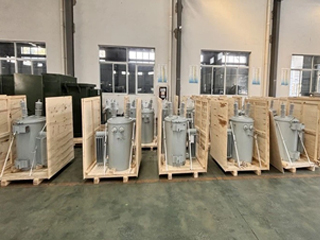
The transformer is mounted on a reinforced wooden pallet or steel skid designed for forklift and crane handling, wrapped in multi-layer stretch film and moisture-barrier material. Desiccant packs are included to control humidity, critical for cast-resin units that must remain dry before energization. The entire unit is then placed in a sturdy export-grade wooden crate (ISPM-15 heat-treated) with foam corner protectors, wooden bracing, and steel strapping for stability. Clear markings include gross/net weight, center of gravity, lift points, dimensions (approx. 2.4–3.0 m L × 1.6–2.0 m W × 2.4–2.8 m H), and handling instructions (“Fragile – Electrical Equipment – No Tipping”).
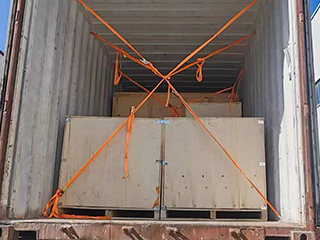
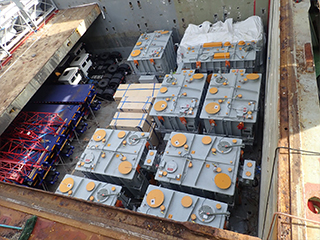
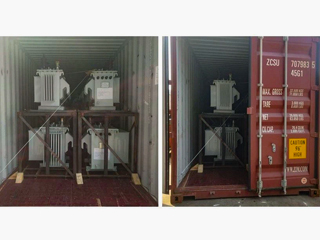
Domestic shipping uses enclosed trailers or flatbeds with secure blocking and tie-downs to minimize vibration. International shipments typically utilize 20ft/40ft containers (palletized and shrink-wrapped) or flat-rack loading, with professional lashing using chains and timber dunnage for sea and road stability. Real-time GPS tracking and full-value cargo insurance are standard for high-value units. Upon arrival, detailed handling and installation manuals are provided, covering lifting procedures (via integrated lifting eyes), foundation placement with ventilation clearances, electrical connections, grounding, and pre-energization checks (insulation resistance, turns ratio, temperature sensor calibration).
The transformer is mounted on a reinforced wooden pallet or steel skid designed for forklift and crane handling, wrapped in multi-layer stretch film and moisture-barrier material. Desiccant packs are included to control humidity, critical for cast-resin units that must remain dry before energization. The entire unit is then placed in a sturdy export-grade wooden crate (ISPM-15 heat-treated) with foam corner protectors, wooden bracing, and steel strapping for stability. Clear markings include gross/net weight, center of gravity, lift points, dimensions (approx. 2.4–3.0 m L × 1.6–2.0 m W × 2.4–2.8 m H), and handling instructions (“Fragile – Electrical Equipment – No Tipping”).
Domestic shipping uses enclosed trailers or flatbeds with secure blocking and tie-downs to minimize vibration. International shipments typically utilize 20ft/40ft containers (palletized and shrink-wrapped) or flat-rack loading, with professional lashing using chains and timber dunnage for sea and road stability. Real-time GPS tracking and full-value cargo insurance are standard for high-value units. Upon arrival, detailed handling and installation manuals are provided, covering lifting procedures (via integrated lifting eyes), foundation placement with ventilation clearances, electrical connections, grounding, and pre-energization checks (insulation resistance, turns ratio, temperature sensor calibration).
32
32 years of industry experience
Manufacturer Test
Step Down Dry Type Transformer
Progress Test
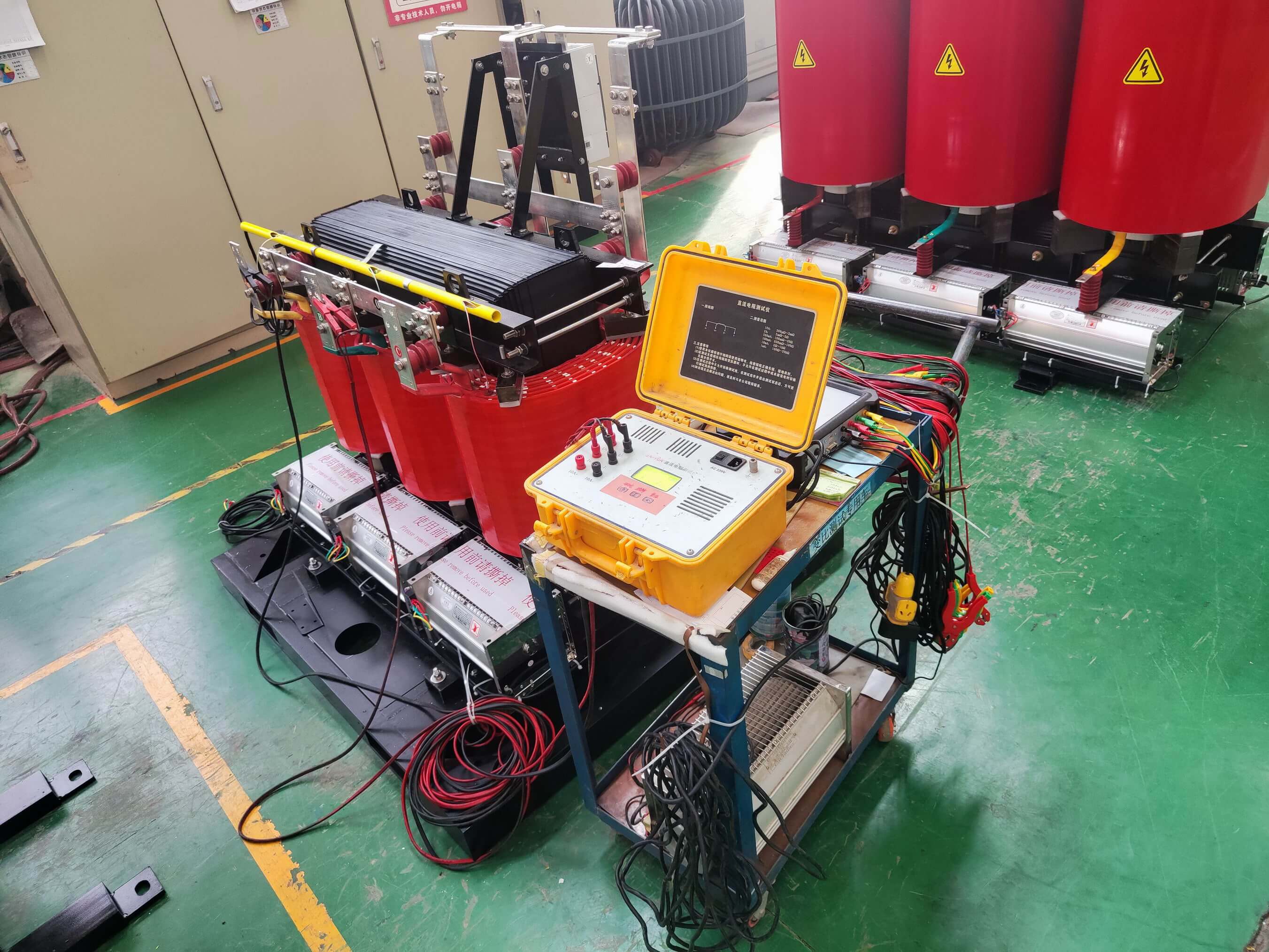
During core-coil encapsulation progress of the 22kV dry type transformer, resin penetration and void detection are validated through multiple vacuum cycles and partial discharge measurements to guarantee superior dielectric strength. Post-encapsulation high-voltage leads routing, bracing, and clearance distances are verified to withstand impulse and power-frequency withstand requirements. After enclosure assembly, preliminary insulation resistance and dielectric withstand tests prove overall system robustness. Temperature sensor, fan (if AF), and alarm circuit progress includes repeated functional cycling for operational reliability. Paint dry film thickness and adhesion are measured for long-term environmental protection. Final pre-acceptance inspections cover nameplate engraving accuracy, labeling compliance, enclosure grounding, and overall cosmetic/structural quality. Cumulative progress testing facilitates real-time corrective actions, building confidence for smooth factory acceptance and dependable long-term indoor operation.
Design Tests
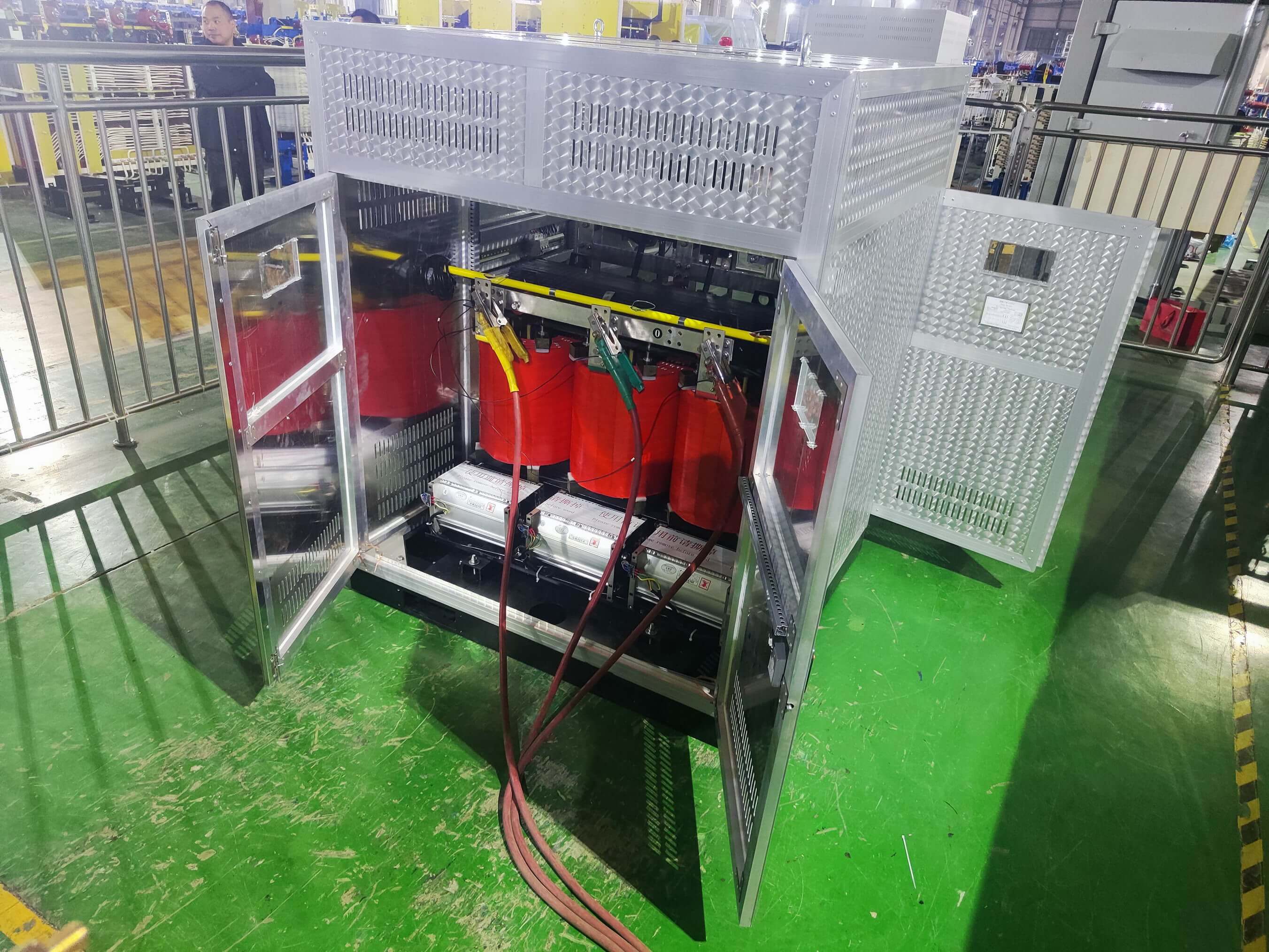
All transformer will be test after finished the production, test items as below:
♦ Insulation Power Factor
♦ Winding Resistance
♦ Impulse Tests
♦ On load Loss Test
♦ No Load Loss Test
♦ Leak Test
♦ DC Insulation Resistance Test
♦ Transformer Turns Ratio/TTR (All Tap Voltages)
♦ Impedance Voltage & Load Loss (Rated Voltage)
♦ Excitation & No-Load Loss (Rated Voltage)
♦ Applied Voltage
♦ Insulation Resistance (Rated Voltage)
♦ Temperature Rise
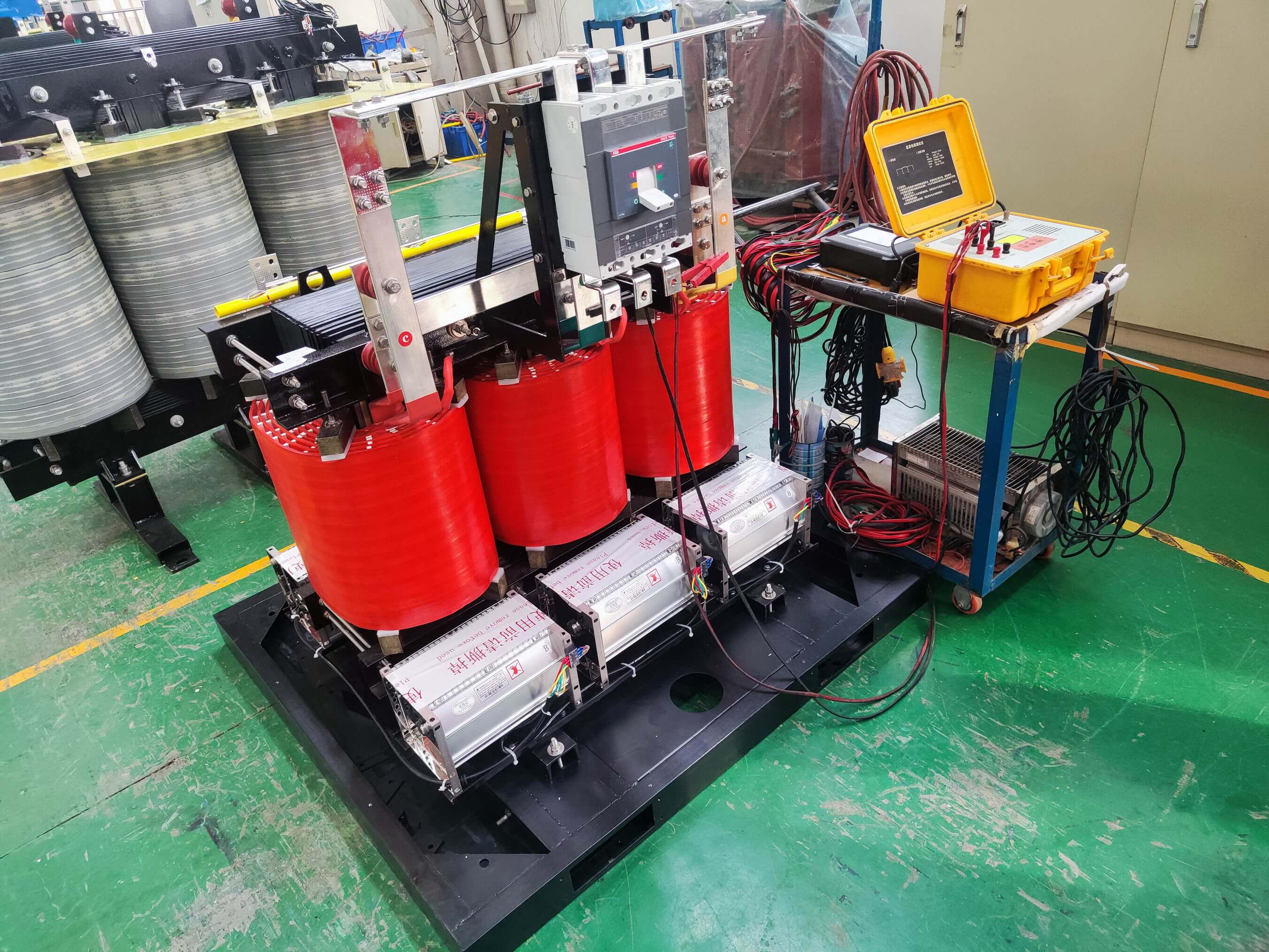
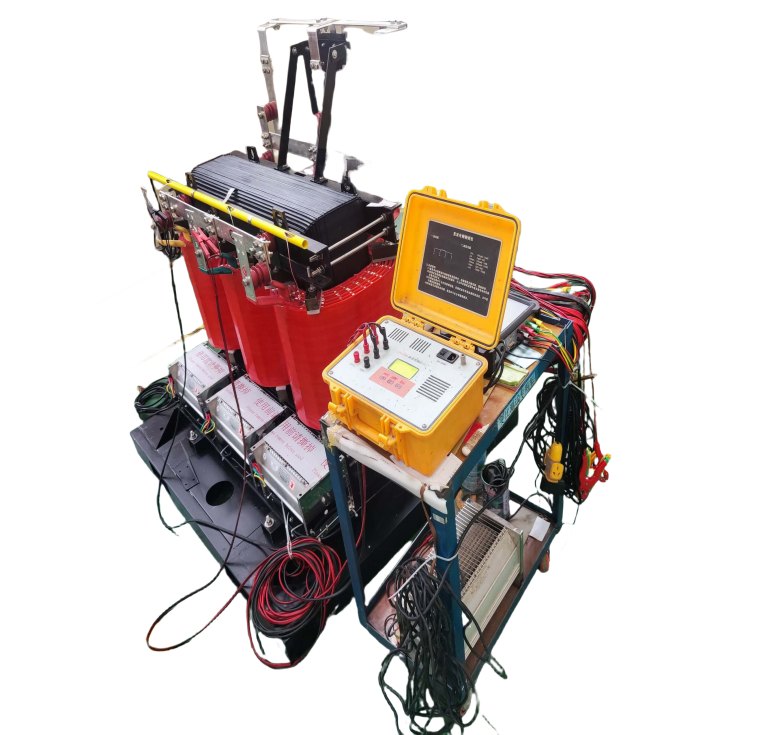
Transformer Factory Acceptance Test
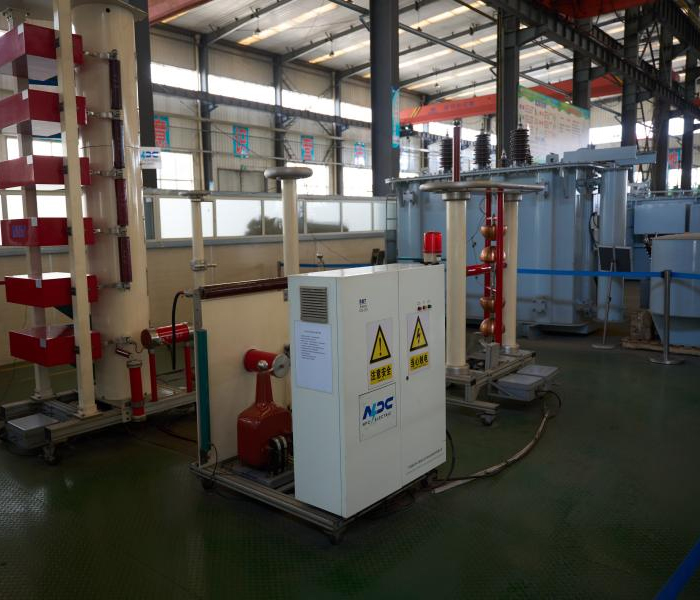
Induced voltage test at double frequency stresses inter-turn and layer insulation with sensitive partial discharge monitoring to confirm corona-free operation. No-load loss and excitation current are measured at rated voltage to validate core performance against efficiency targets. Impedance/load loss at rated current is determined to verify percentage impedance, copper losses, and regulation characteristics. Temperature rise test (optional witnessed heat run) confirms compliance with class rise limits under rated load. Sound level measurement verifies compliance with specified dB limits. Functional verification operates tap changer through all positions, checks temperature sensors, fan controls (if AF), and alarms. Certified test reports with traceable calibration data and customer witness provisions (if requested) document all results, confirming the transformer exceeds efficiency, dielectric strength, safety, and performance requirements for reliable dry-type service.
Routine Test - Impulse Tests
Purpose of Testing
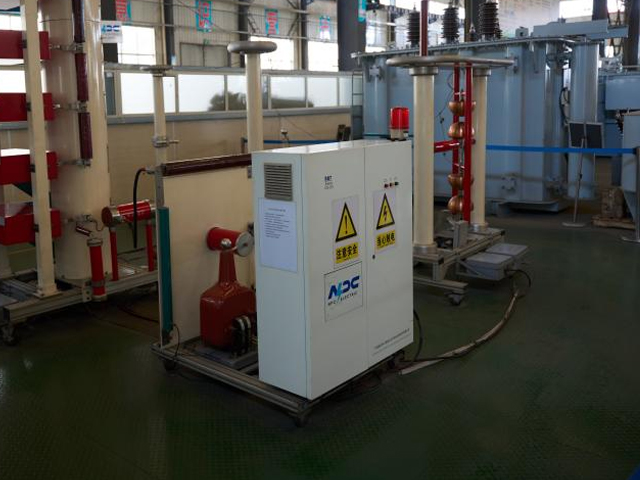
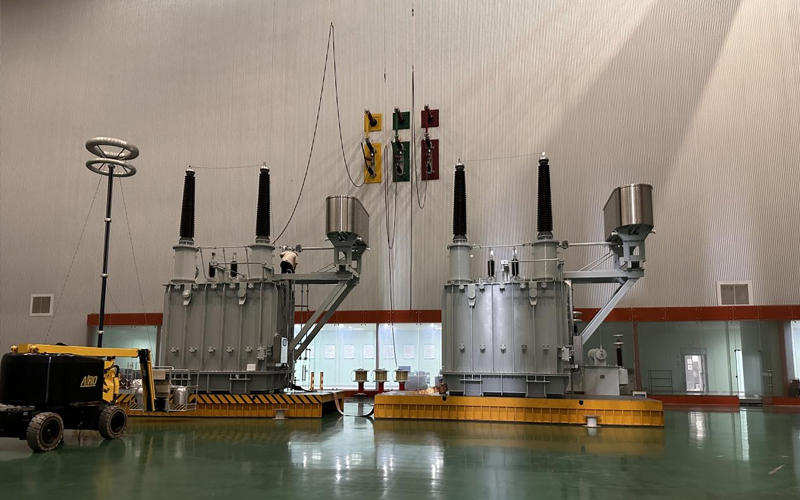
The purpose of Impulse Tests is to verify the insulation strength of electrical equipment when it is subjected to lightning strikes or switching overvoltages. By applying high-energy impulse voltages, it is possible to detect potential defects in the insulation system.
Testing Equipment
Impulse voltage generator (e.g. Haefely, Hipotronics, Tettex, etc.)
Voltage divider (used to measure impulse voltage waveform, resistor divider or capacitor divider)
Oscilloscope (used to record impulse waveform, common brands such as Tektronix, Keysight)
Voltage divider (used to measure impulse voltage waveform, resistor divider or capacitor divider)
Oscilloscope (used to record impulse waveform, common brands such as Tektronix, Keysight)
Pre-Test Preparation
Please test under suitable environmental conditions: relative humidity less than 65%, no rain or condensation (recommended temperature: 15-30°C).
Calibrate and check the impulse voltage generator, measurement system, and control system to ensure that the instruments and equipment are in good condition and meet the test standards.
Calibrate and check the impulse voltage generator, measurement system, and control system to ensure that the instruments and equipment are in good condition and meet the test standards.
Test Progress
Connect the Test Instrument:
Connect the impulse voltage generator correctly to each winding terminal (high voltage terminal, ground terminal) of the device under test, and ensure that all test instruments are well grounded.
Apply Test Voltage:
Select the appropriate impulse voltage waveform and amplitude according to the rated voltage of the equipment
Connect the impulse voltage generator correctly to each winding terminal (high voltage terminal, ground terminal) of the device under test, and ensure that all test instruments are well grounded.
Apply Test Voltage:
Select the appropriate impulse voltage waveform and amplitude according to the rated voltage of the equipment
Measure and Record
Collect and record the impact waveform, including:
Front Time
Time to Half-Value
Peak Voltage
Distortion
Ambient temperature and humidity (especially when the test environment needs to be corrected)
Front Time
Time to Half-Value
Peak Voltage
Distortion
Ambient temperature and humidity (especially when the test environment needs to be corrected)
Temperature Correction
Check whether the impulse voltage waveform meets the specification requirements (wave head time 1.2μs ±30%, half-peak time 50μs ±20%).
If the waveform deviation is too large, adjust the impulse generator parameters and reapply the test.
If the waveform deviation is too large, adjust the impulse generator parameters and reapply the test.
Repeat Testing (if necessary)
Impact tests are performed for different phases and windings (HV/MV/LV).
In special cases, inter-winding impact, voltage-to-ground impact or coil corner impact are performed (according to the test plan).
In special cases, inter-winding impact, voltage-to-ground impact or coil corner impact are performed (according to the test plan).
Evaluation Criteria (Reference)
No internal insulation breakdown or flashover (detected by observing waveform continuity and audibly).
Waveforms are stable and meet standard specifications.
Waveform variations between repeated tests are minimal (usually good waveform overlap with no noticeable abnormal excursions).
Waveforms are stable and meet standard specifications.
Waveform variations between repeated tests are minimal (usually good waveform overlap with no noticeable abnormal excursions).
Test standard
IEEE C57.12.01 & IEEE C57.12.91 (Dry-Type)
*These comprehensive tests ensure that each transformer meets performance standards and operates
reliably under various conditions.
Application
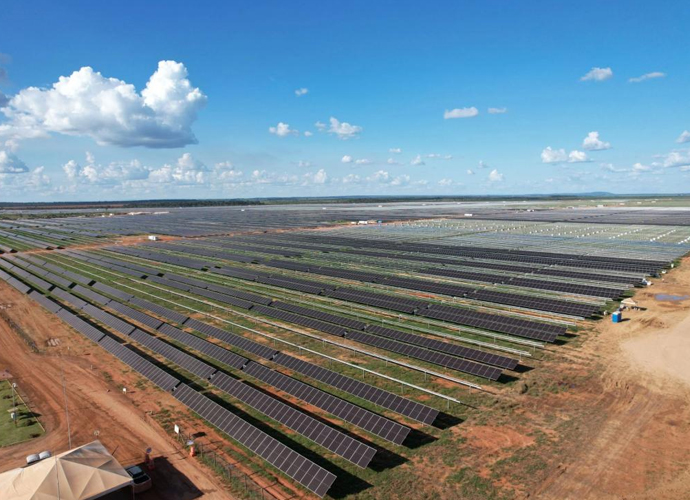
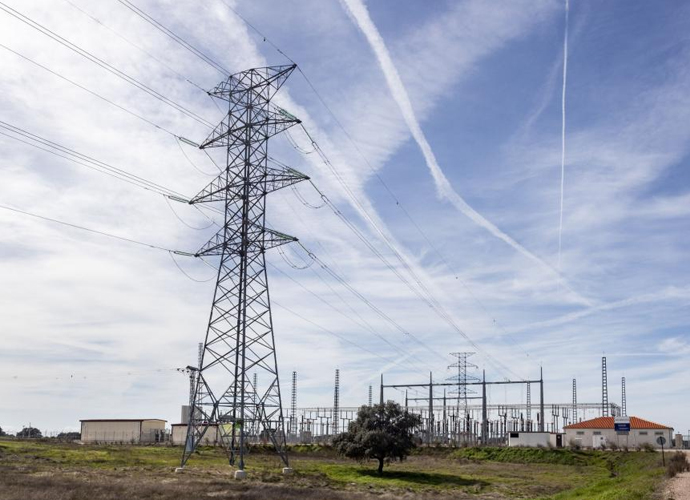
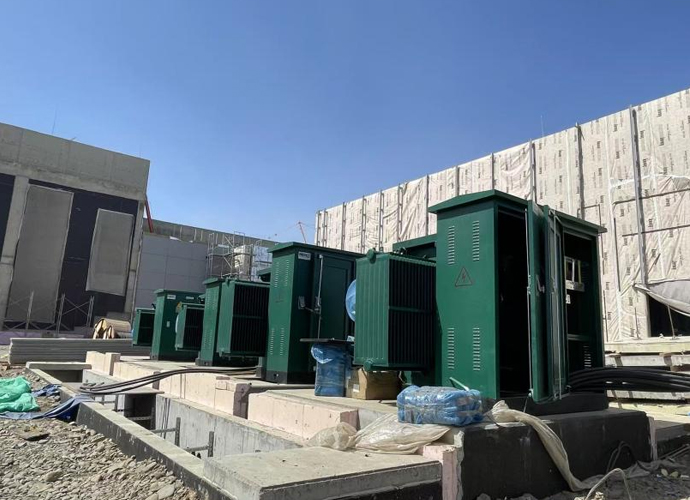
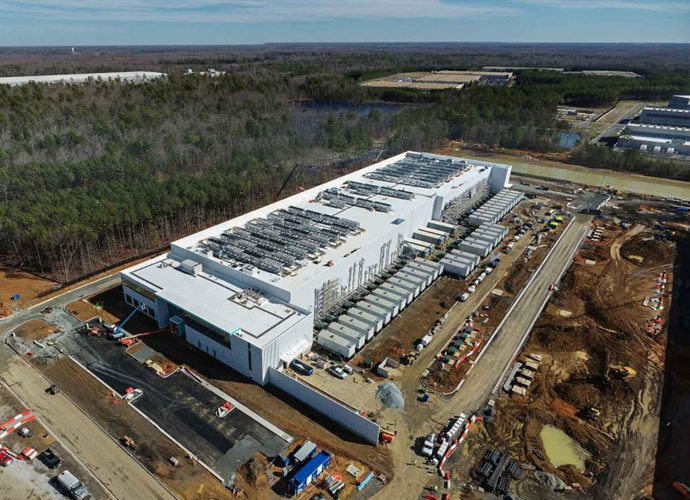
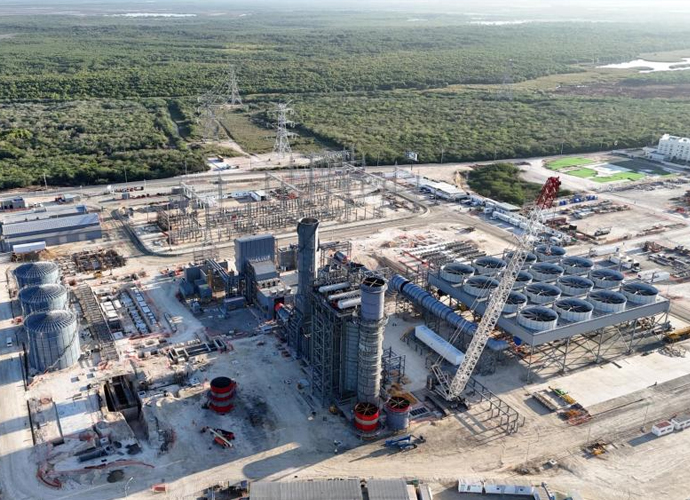
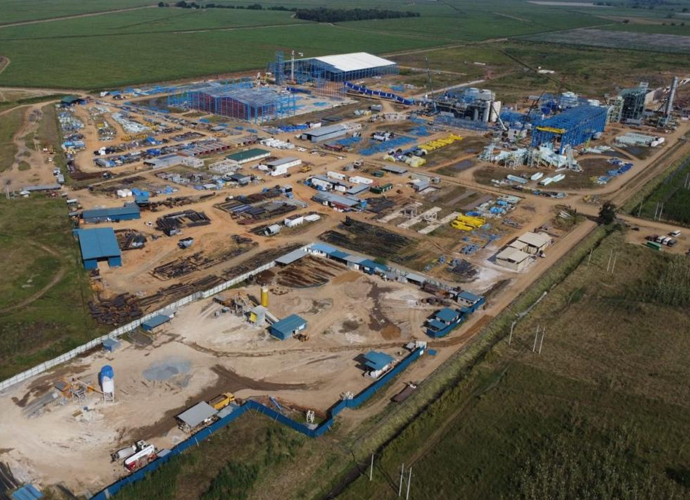
Frequently used in medium-scale industrial plants, data centers, EV charging stations, renewable energy inverter connections, telecommunication hubs, and cleanroom facilities requiring high reliability, harmonic tolerance, and zero oil-spill risk. Also supports pharmaceutical manufacturing, food & beverage processing plants, underground substations, and indoor power distribution rooms demanding low noise, minimal maintenance, and long-term operation in controlled or harsh indoor conditions.


Technical Advantages
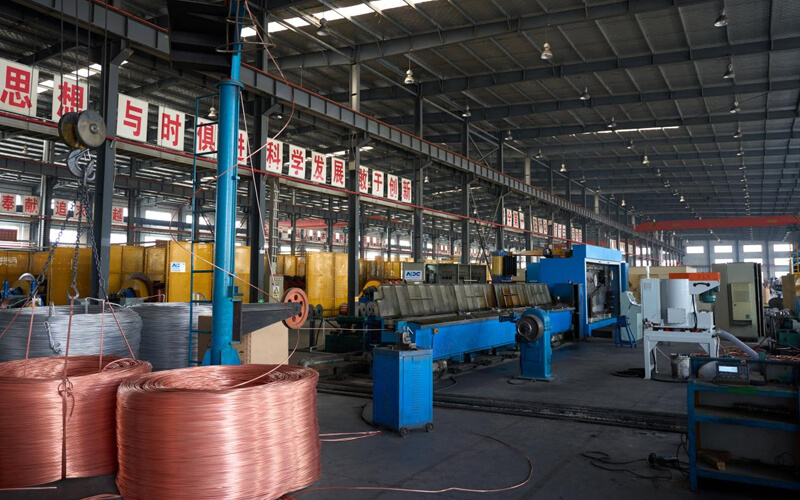
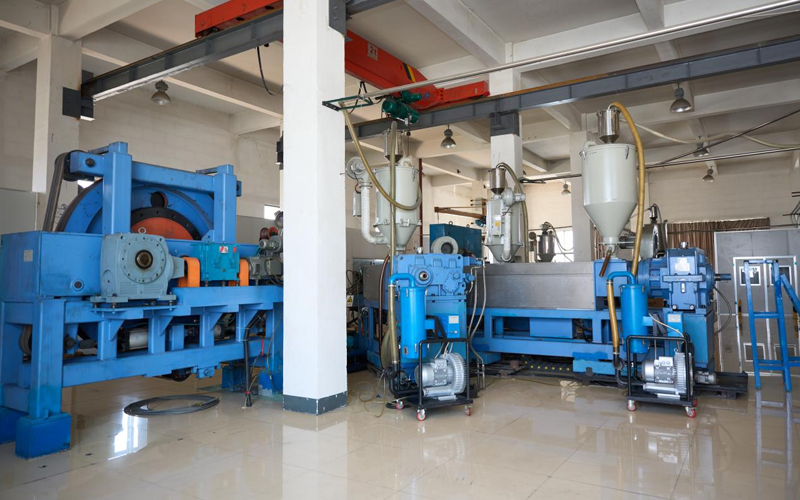
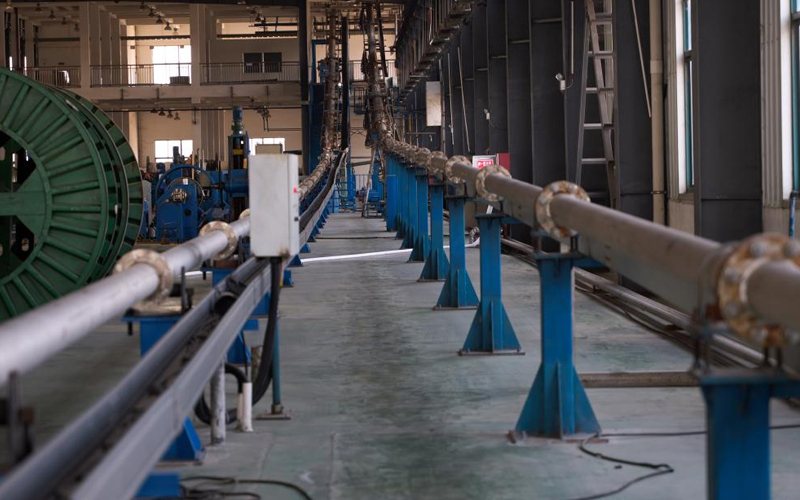
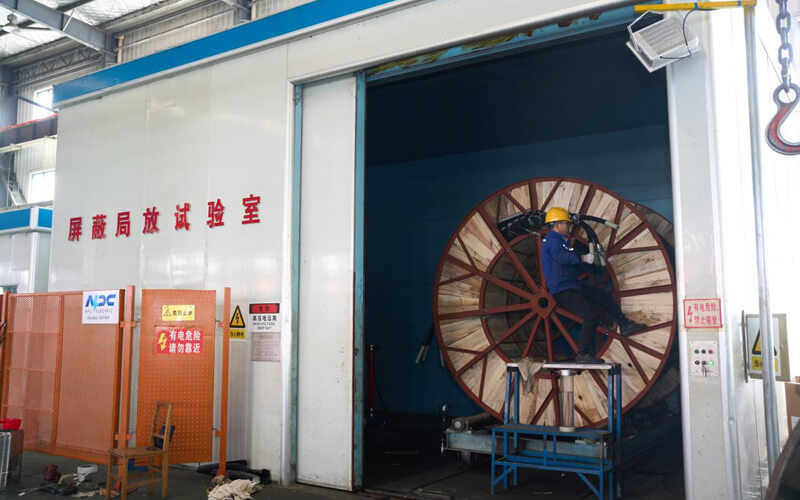
● 30+ years of manufacturing experience
● ISO and UL certified production
● Customized cable and transformer solutions
Product Packaging
Transformers Packaging (1)
Transformers Packaging (2)
Transformers Packaging (3)
Transformers Packaging (4)
Transformers Packaging (5)
Transformers Packaging (6)
Transformers Packaging (7)
Transformers Packaging (8)
Related Products
75kVA Oil Immersed Transformer
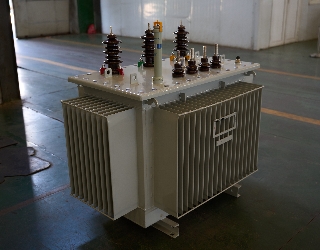
75kVA oil-immersed transformer is an efficient and reliable power conversion device, which is widely used in power distribution systems in industrial, commercial, and construction sites. The transformer adopts oil-immersed cooling technology, has good heat dissipation performance, and can work continuously and stably under high load conditions. The 75kVA oil-immersed transformer also has complete protection functions, including overload protection, short-circuit protection, and temperature monitoring, to ensure the safety and stability of the equipment during operation.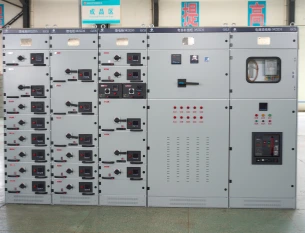
Armored Metal Enclosed Switchgear
The Armored Metal Enclosed Switchgear is a high-performance medium-voltage electrical distribution and protection system designed for industrial power networks, utility substations, renewable energy facilities, transportation infrastructure, and smart-grid applications. The switchgear adopts a fully compartmentalized armored metal enclosure structure integrating vacuum circuit breakers, disconnect switches, protection relays, current transformers, voltage transformers, and intelligent control systems into a compact modular cabinet assembly. This design significantly improves operational safety, electrical reliability, and maintenance efficiency for modern medium-voltage power distribution systems. Manufactured using precision-engineered insulated structures and reinforced metal-clad compartments, the armored metal enclosed switchgear provides outstanding dielectric strength, internal arc resistance, and mechanical durability under demanding operating conditions. Independent compartments for busbars, breaker units, cable chambers, and low-voltage control sections effectively isolate electrical faults and minimize fault propagation risks while improving maintenance accessibility and operational security. The Armored Metal Enclosed Switchgear supports intelligent automation systems, remote monitoring interfaces, and advanced communication protocols for digital substations and smart-grid infrastructure. With scalable configuration capabilities and flexible protection architectures, the switchgear delivers stable medium-voltage switching, fault isolation, and electrical distribution performance for industrial automation systems, utility networks, renewable energy integration projects, and mission-critical electrical facilities.
35kV Oil Immersed Transformer
NPC ELECTRIC's 35kV Oil Immersed Transformer is a premium three-phase power transformer optimized for high-voltage step-down in 50/60Hz AC systems with primary ratings of 35kV (or 33-38.5kV range). It incorporates a robust conservator or fully sealed tank design with efficient radiator cooling (ONAN standard, ONAF optional), ensuring exceptional thermal dissipation, moisture exclusion. Outdoor-rated with pollution-resistant bushings (BIL 170-200kV), Dyn11/Ynd1 vector groups, and low noise (<62dB), it provides stable 35kV to secondary voltages (e.g., 10kV/6.3kV/0.4kV) conversion, enhancing grid stability, minimizing transmission losses, and supporting demanding applications in harsh or high-altitude conditions.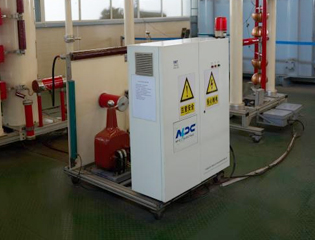
2500kVA Dry Type Transformer
The NPC ELECTRIC 2500kVA Dry Type Transformer is a high-capacity, reliable power solution designed for large industrial and commercial applications. With a power rating of 2500kVA, it features advanced dry-type insulation technology, offering superior safety, low maintenance, and long-term performance. Engineered to operate efficiently in demanding environments, this transformer delivers stable, noise-free power while minimizing environmental impact.
100kVA Completely self-protected(CSP) Single Phase Pole Mounted Transformer
100kVA CSP Single Phase Pole Mounted Transformer is a highly efficient and reliable solution designed for single-phase power distribution in residential, commercial, and light industrial applications. It features integrated self-protection systems, including overload, short-circuit, and over-voltage protection, ensuring automatic disconnection in the event of faults to safeguard both the transformer and connected equipment. With its pole-mounted design, it offers space-saving installation and is suitable for both urban and rural environments. This transformer delivers high operational efficiency with minimal energy loss and is built to withstand harsh weather conditions, ensuring long-lasting and reliable performance. It is the ideal choice for providing safe and stable single-phase power in diverse applications.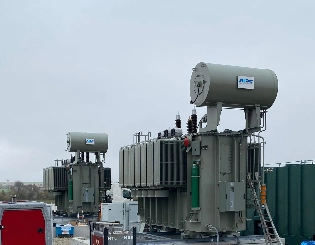
130kV High-Voltage Power Transformer
The 130kV Power Transformer is designed for advanced high-voltage transmission and distribution systems requiring superior electrical stability and long-term operational reliability. Built with an optimized magnetic circuit and precision-engineered windings, it delivers excellent voltage regulation, minimized energy losses, and strong resistance to thermal and mechanical stress. The transformer features a reinforced insulation structure and a sealed oil-immersed cooling system that ensures consistent performance under fluctuating load and environmental conditions. Its rugged construction supports outdoor installation and continuous operation in demanding climates. Designed to meet international grid requirements, this transformer is suitable for utility networks, industrial power hubs, and infrastructure projects where safety, efficiency, and service continuity are critical.FAQ From Customers
-
What is a Transformer?A transformer is an electrical device used to change the voltage of alternating current (AC). It works on the principle of electromagnetic induction, converting high-voltage current into low-voltage current or low-voltage current into high-voltage current. Transformers are widely used in power transmission, distribution systems, and various electronic devices.
-
What are the main uses of a transformer?The main use of a transformer is voltage conversion. Transformers are used in power transmission systems to help transfer electricity from power plants to consumers. In addition, transformers are also used in electronic devices such as chargers, televisions, power adapters, etc., to adjust the voltage to meet the requirements of different devices.
-
Do you have UL listed?Yes, our transformer has UL listed. We have exported to America many pad mounted transformer,substation transformer and HV.
Welcome your inquiry
Honesty, Integrity, Frugality, Activeness and Passion